- Yes - In the Tech Tree.
- Yes - Event/BP.
- Yes - Premium.
- No - I would not like to see the Kiwi Vickers Vildebeest in game.
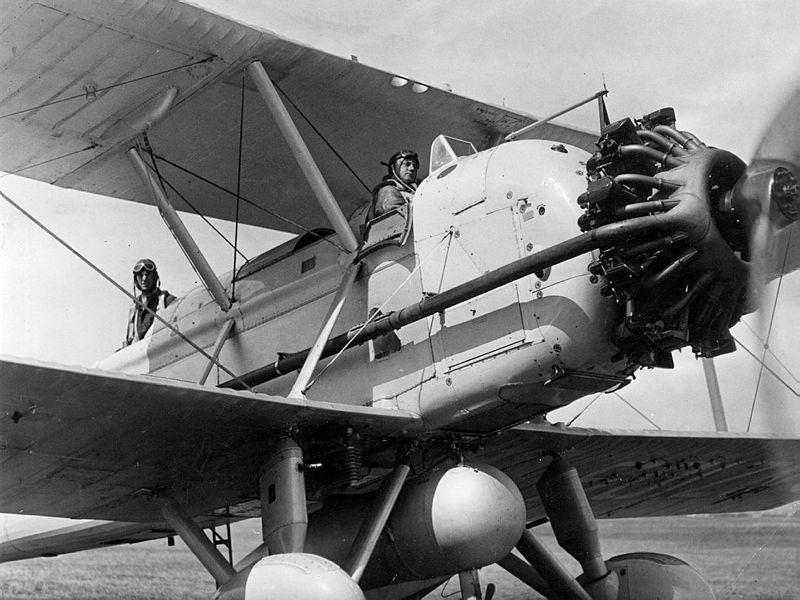
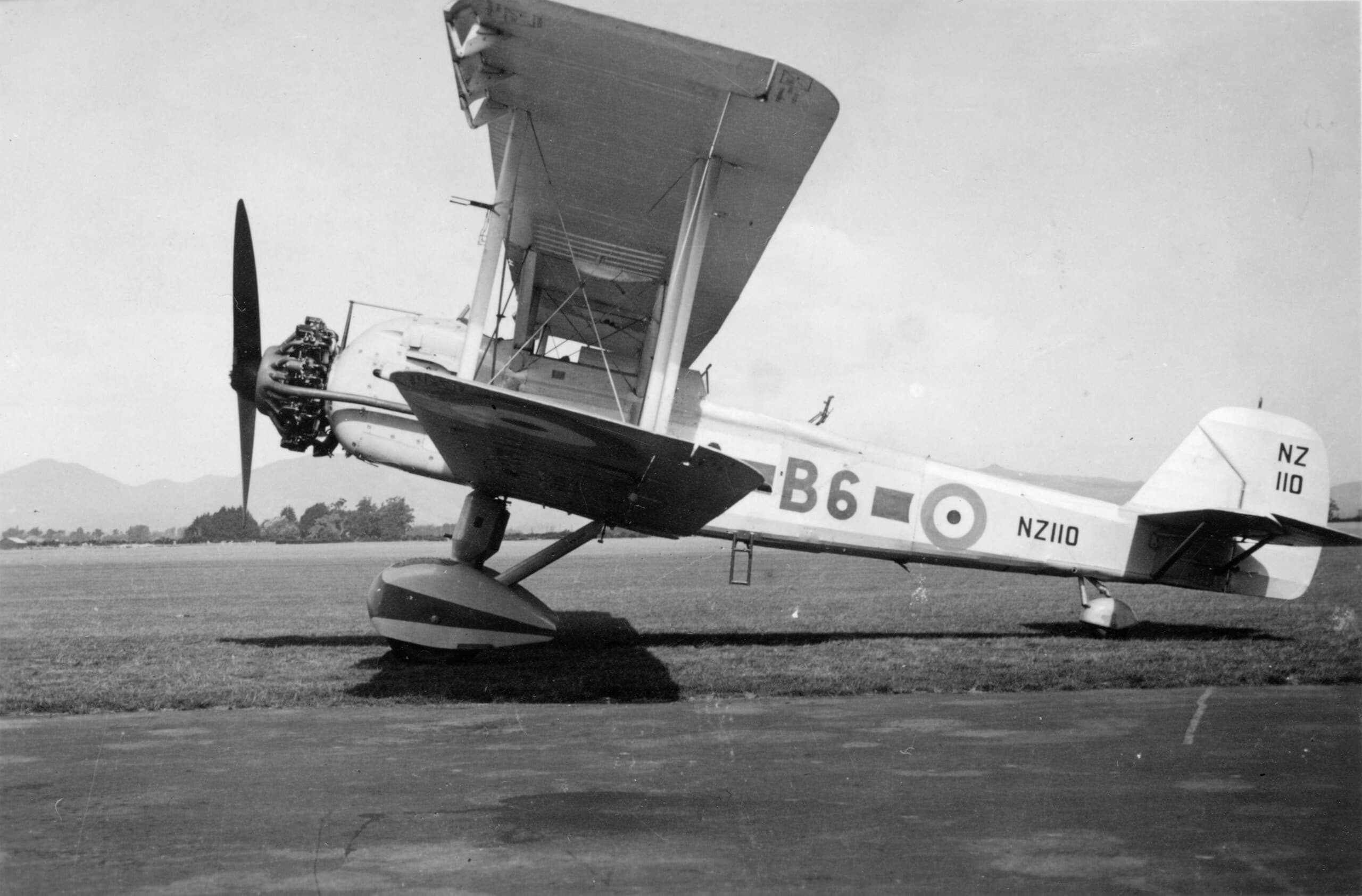
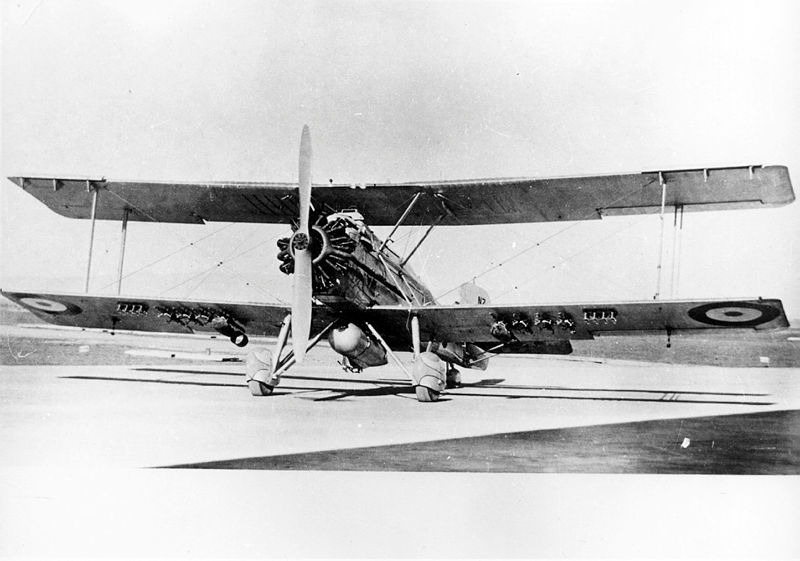
An aircraft at RNZAF station Wigram with drop tank, (1937)
Description:
With the need for coastal patrol aircraft becoming more obvious to the New Zealand Government in the mid 1930s, for this role, Vickers would present a modified version of their three seat torpedo bomber, the Type 267, Vildebeest Mk.III in late 1934.
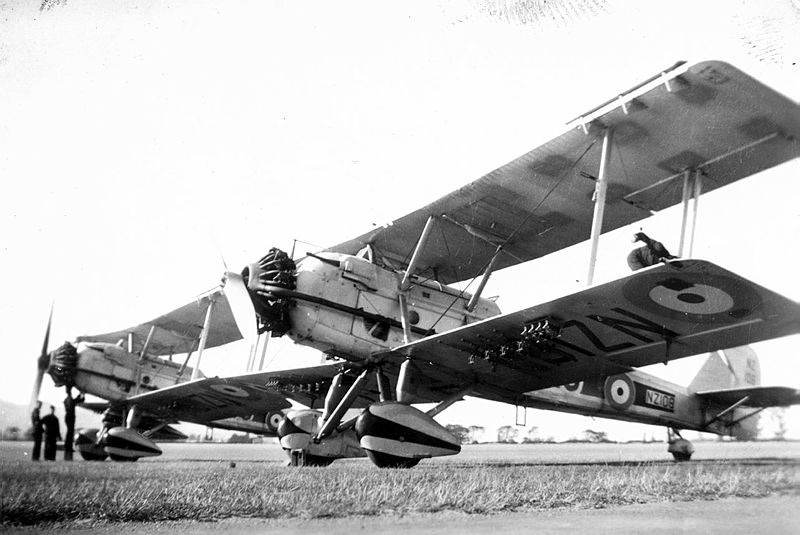
Modifications for the New Zealand Permanent Air Force (NZPAF, soon to be renamed to RNZAF) included the removal of the torpedo gear, folding wings, and a centrally mounted drop tank. The torpedo gear was removed as unnecessary weight, as they were not to be operated as torpedo bombers, while their new drop tanks extended their patrol range immensely, and the folding wings allowed more airframes to fit inside NZ’s limited hangar space.
In recognition of these changes, these airframes would receive a new model designation, the Vickers Type 277, however the name and mark of the Vildebeest Mk.III would remain.
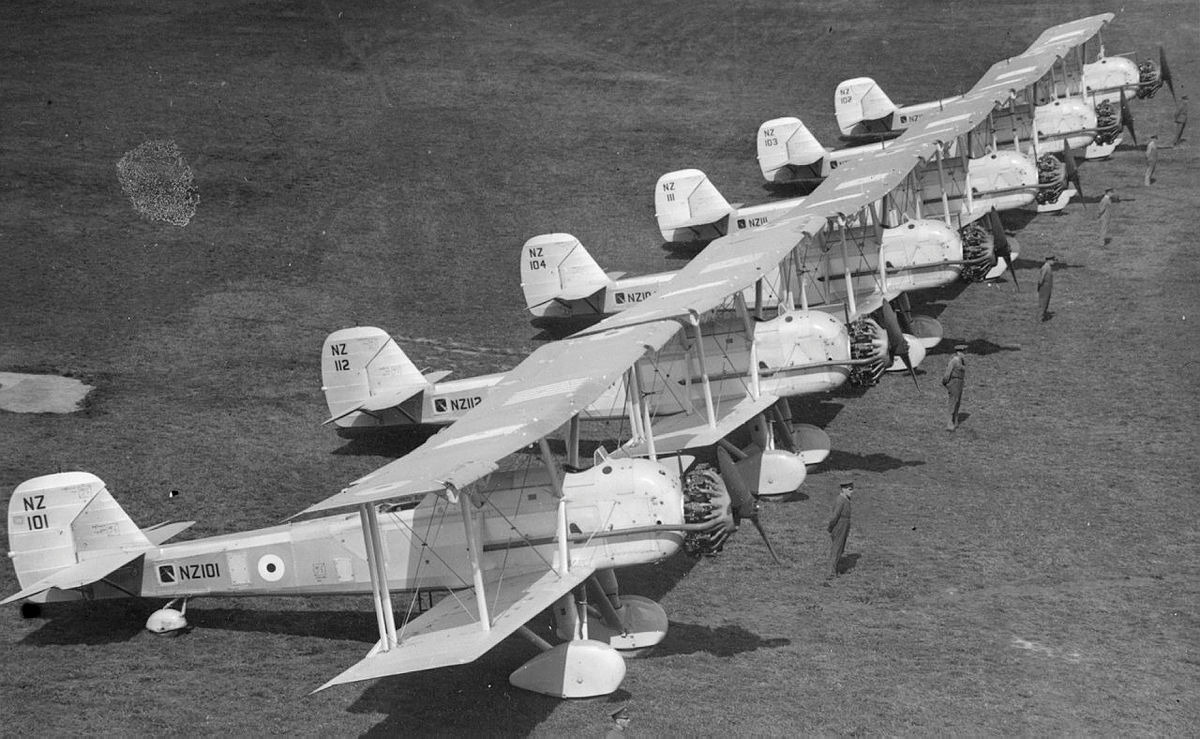
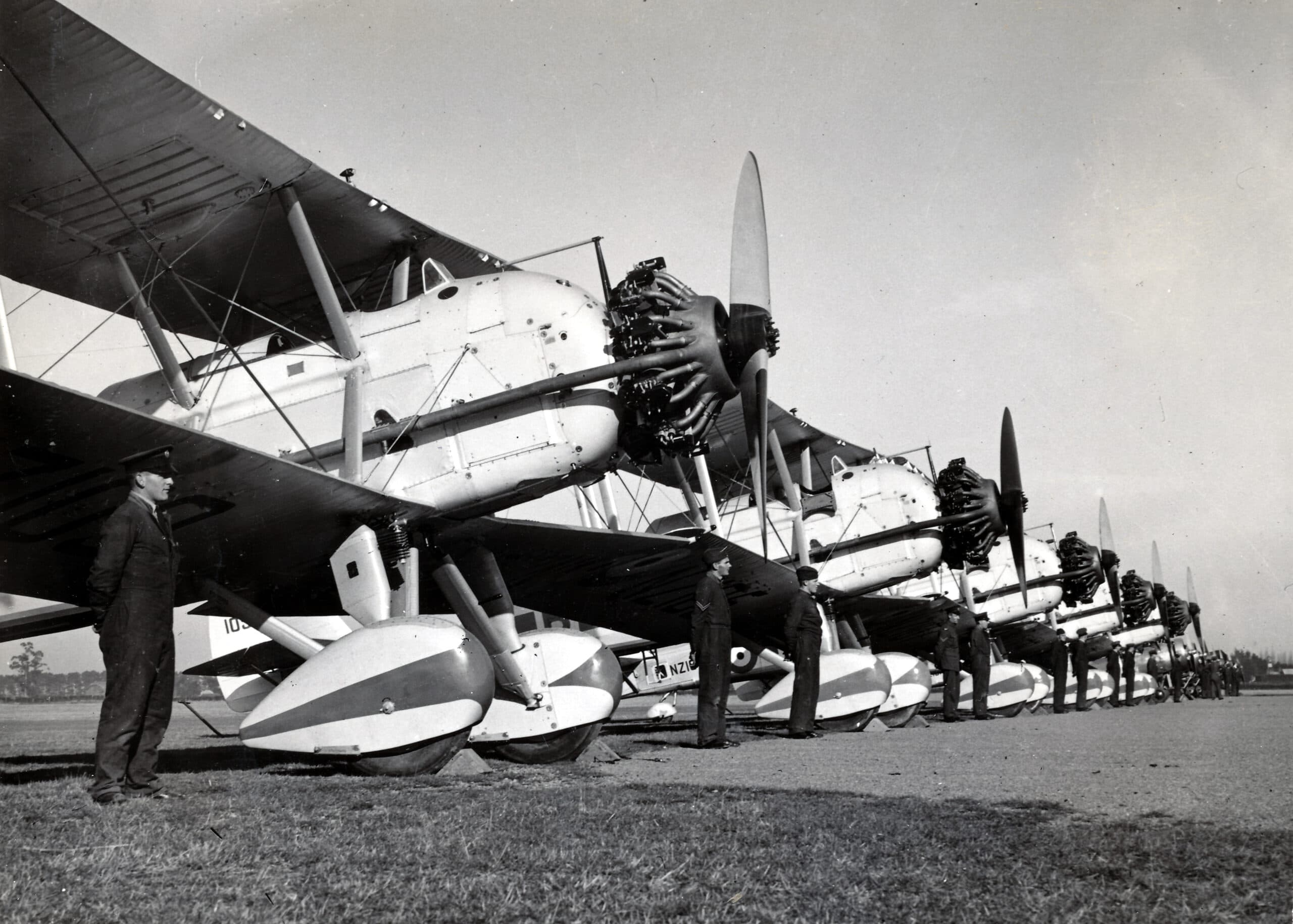
NZ101, 102, 103, 104, 111, and 112 lined up at RNZAF Station Hobsonville, (1935)
History:
Twelve airframes of the Type 277 would be purchased by the NZ government, with the first airframe, NZ101 being demonstrated to the NZ High Commissioner at the Vickers Factory, Weybridge, England on the 31st of January 1935. These first twelve airframes would have the serials NZ101-112.
The first airframes to arrive would be NZ101-104, who left the UK aboard the RMS Rangitata in March 1935, arriving in Auckland on the 20th of April, being barged to Hobsonville in their crates for assembly. NZ 105-107 would leave the UK aboard the MV New Zealand Star on the 23rd of March 1935, arriving in Auckland on the 23rd of April. These airframes would be trucked to Wigram. NZ108-112 would ship aboard the MV Waipawa, and were spread out between Hobsonville and Wigram, although NZ109-112 were kept in their crates, as they were to be used as spare airframes.
These initial 12 Vickers Vildebeests would form the nucleus of the NZPAF’s bomber-reconnaissance force, forming a flight of the type at both NZPAF Station Hobsonville and Wigram (No.1 Flight and No.2 Flight respectively), here they would operate as both a patrol/bomber aircraft, their main role, but also aircrew training due to a lack of purpose built airframes.
During their peacetime service a number would crash. NZ104 would have a forced landing after an engine failure near Cape Campbell on the 13th of July 1938, then after being rebuilt at Wigram, would crash again, this time into Lake Ellesmere, due to water hitting the wing during bombing practice on the 9th of June 1939, writing off the airframe. NZ110 would crash during night time exercises on the 11th of May 1939, striking a tree, all three aircrew would die due to their injuries.
Some airframes would be transferred to the No.1 FTS Wigram in early June 1937, and the un-used airframes of NZ 109-112 being assembled at No.2 FTS Woodbourne, in October the same year.
The Vildebeests would serve through the NZPAF’s change into the Royal New Zealand Air Force (RNZAF), with the aircraft remaining at their respective stations. They would be supplemented in 1937, with the purchase of 12 ex-RAF Blackburn Baffins, which was designed as a similar biplane torpedo bomber. These would be sent to the Territorial Air Force (TAF), and would not serve alongside the Vildebeest at that time. The Vickers Type 266 Vincent, the general purpose version of the Type 267 Vildebeest, and thus a very close relative of the RNZAF’s Type 267 Vildebeest, would be purchased in July 1939, with 16 airframes. These would serve alongside the Vildebeests.
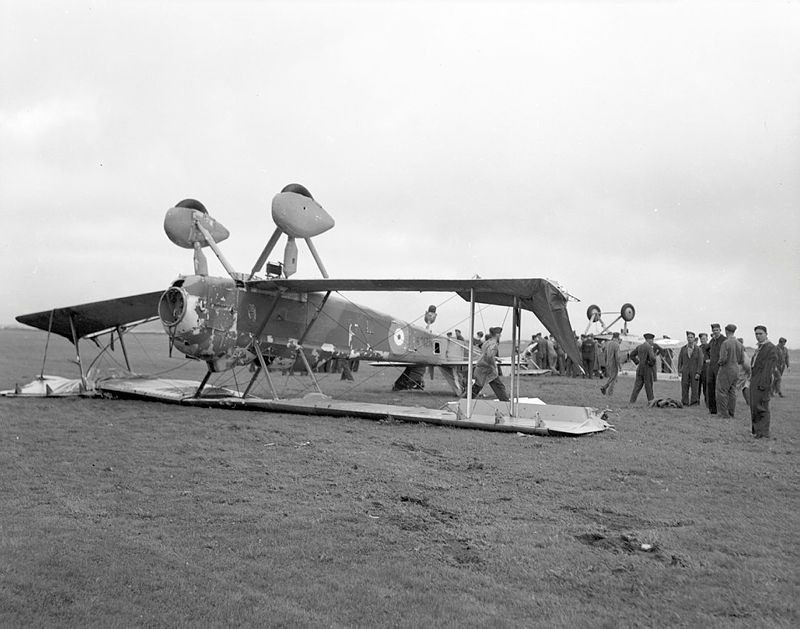
NZ109 and another airframe after being destroyed by a gale, (1944)
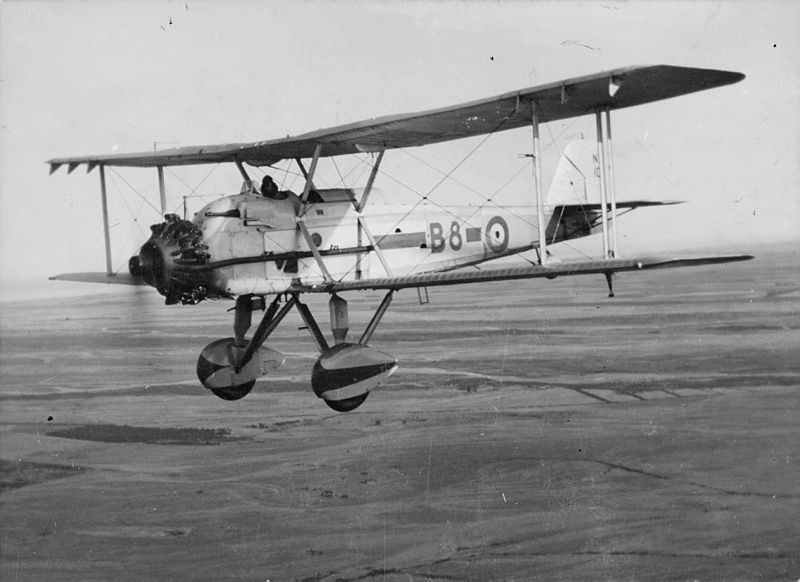
Upon the outbreak of war in September 1939, they would still remain on their patrol/bomber/training role, however they would be transferred to the No.1 General Reconnaissance, No.2 General Reconnaissance, No.3, No.4, and No.5 squadrons alongside the Vickers Vincent (No.3,4,5 squadrons), Hawker Hind (No.22 Squadron), and the Blackburn Baffin (No.1,2 GR squadrons). No.5 Squadron would operate the type out of Fiji, alongside the equally elderly Short Singapore Mk.III, the other squadrons would remain on NZ soil, patrolling for German raiders, reporting the name, speed and course of all shipping that they spotted at sea.
At this time further Vildebeests would be acquired from the UK to supplement the limited number of airframes in NZ, which was down to 10 of the original airframes, including those which were down due to maintenance.
27 ex-RAF airframes would be passed on to the RNZAF, mostly of the Type 286 Vildebeest Mk.IV, which had a stronger engine, (825hp vs the Mk.III’s 635hp), but could carry drop tanks as standard. The other 14 airframes were of the older Type 266 Vildebeest Mk.III, which had to be modified to carry drop tanks, which were of great importance to the RNZAF’s use of the type. These airframes would carry the serials of NZ113-139, and would serve mixed in with the RNZAF’s Type 277 Vildebeests.
The Vildebeests at this time would be disposable for all shipping through the harbours of Lyttelton and Wellington, Auckland, and Suva (Fiji), they also patrolled the Cook Straight. However, with the expansion of the war in 1941, No.6, No.7 General reconnaissance, No.8 (later re-designated to No.30), No.22, and No.42 squadrons would also be equipped with the type.
By this time they were very outdated, being slow, and poorly armed, they began being replaced in service by 1941 with Lockheed Hudsons in No.1 (re-equipped 1941), No.2 (re-equipped 1941), No.3 (re-equipped 1942), and No.4 (re-equipped 1941) squadrons. They were replaced by the PBY Catalina in No.5 & 6 Squadron, both re-equipping in 1943, No.7 squadron was disbanded, No.8 squadron was re-designated No.30 squadron in 1943, and replaced their airframes in June 1943 with the TBF Avenger along with No. 42 squadron. No.22 Squadron replaced them with the F4U-1A in 1944 when they moved to the frontline in the Pacific.
Although they were replaced in service from 1941-1944, they were actually due to be replaced by the Vickers Wellington, which had 30 airframes ordered by the NZ government in 1938, however, the Wellingtons were loaned to the RAF for use in the European theater in 1939, and were thus unavailable to any NZ based squadrons.
A number of airframes would be destroyed by gales during their service, at least three in 1942, and a further two in 1944. Further aircraft crashed and were written off. As the aircraft were replaced in squadron use they were shipped to various RNZAF airfields for storage, many of these airframes were reduced to “produce”, and the rest were reduced to parts.
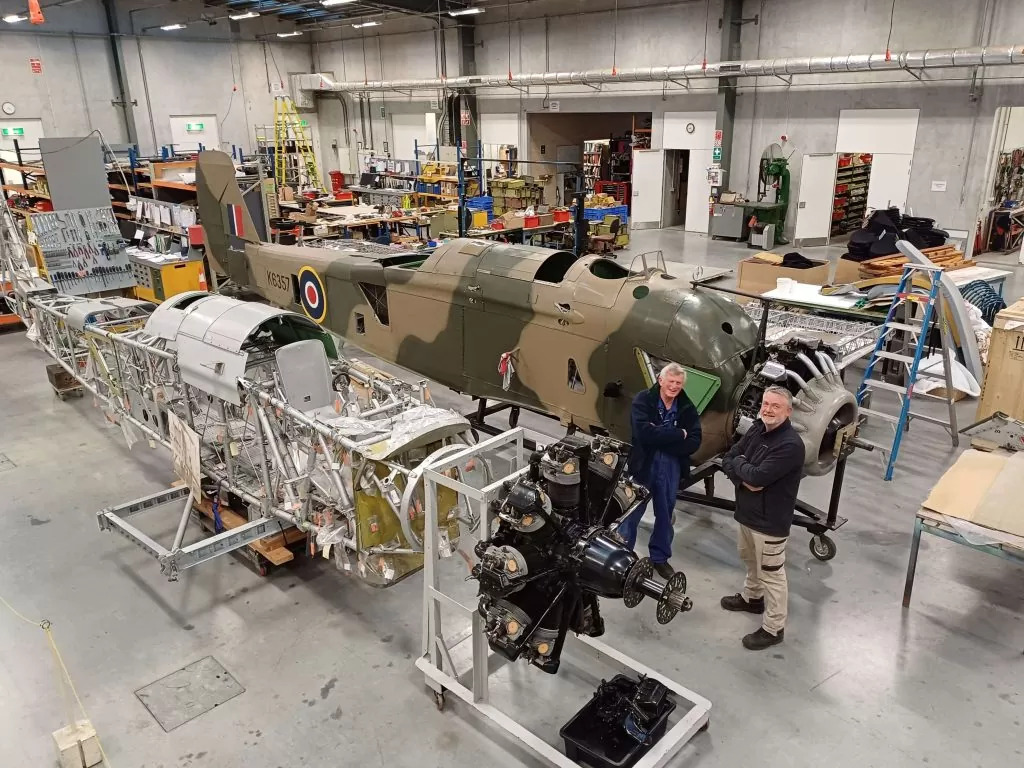
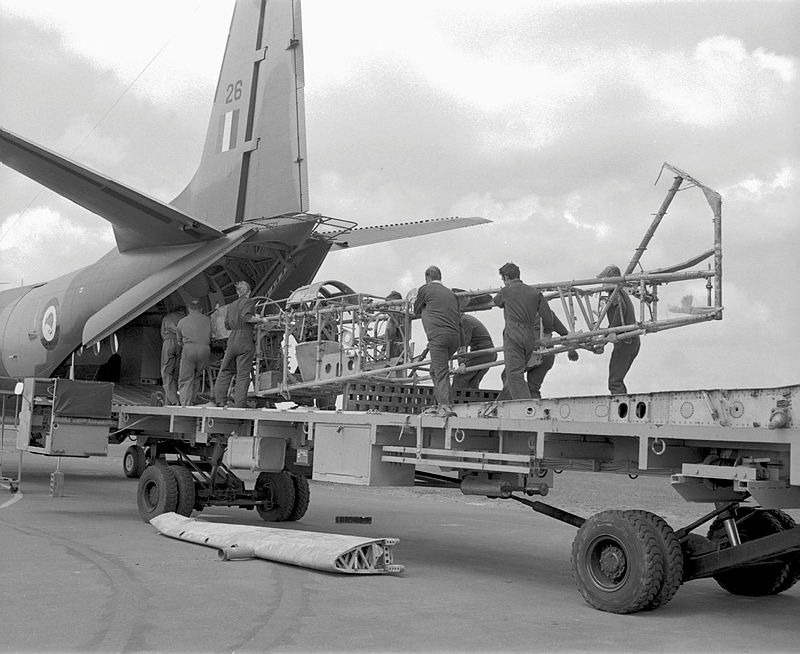
The second airframe, NZ102, one of the aircraft reduced to produce, would be recovered by volunteers from the MOTAT Museum in 1986, however the aircraft would be transferred for restoration at the Air Force Museum of New Zealand, where it currently sits under restoration, using parts from it’s sister, Vildebeest NZ105 as well as from Vincents NZ355 and 357.
NZ102 is the only surviving Vildebeest of any type in the world.
| Dimensions: | |||||
|---|---|---|---|---|---|
| ----------------------------------------------------------------------------------------------------------------------------------------- | |||||
| Length: 36ft 8in (11.18m) | |||||
| Height: 14ft 8in (4.47m) | |||||
| Wing Span: 49ft (19.94m) | |||||
| Wing Area: 728sqft (67.6sqm) | |||||
| Weight (Dry): 4,773 lb (2,165 kg) | |||||
| Weight (Gross): 8,500 lb (3,856 kg) | |||||
| Crew: 3 | |||||
| ----------------------------------------------------------------------------------------------------------------------------------------- | |||||
| Engine Performance: | |||||
| Engine: 1x Bristol Pegasus II-M3, @ 635hp (474kW) | |||||
| Prop: Twin blade, wooden, fixed pitch | |||||
| ----------------------------------------------------------------------------------------------------------------------------------------- | |||||
| Aerial Performance: | |||||
| Initial Climb Rate (clean): 10.5ft/s (3.2m/s) | |||||
| Maximum Speed: 143mph (230kph) | |||||
| Time to 5,000ft (1,524m): 7min 30s | |||||
| Range (clean): 1,250mi (2,011km) @ 122mph (196kph) | |||||
| Ceiling: 19,000ft (5,800m) | |||||
| ----------------------------------------------------------------------------------------------------------------------------------------- | |||||
| Armament: | |||||
| Guns: 1x .303 Vickers gun fixed forward, 1x1 .303 Lewis in observer position | |||||
| Underwing stores: 1,100lb of bombs | |||||
| Fuselage stores: 1x1 Drop Tank |
NZ102 (left) under restoration next to the more complete Vickers Vincent NZ311 (right), (2023)
Extra Photos:
Sources:
C.F Andrews & E.B Morgan, (1988) Vickers Aircraft since 1908. (pp.272-290)
http://www.nzdf-serials.co.nz/nzdf-serials/rnzaf-vildebeest
https://airforcemuseum.co.nz/aircraft/vickers-vildebeest-type277-mkiii/
Piecing together the history of Vildebeest NZ102: Part one - Air Force Museum of New Zealand
Piecing together the history of Vildebeest NZ102: Part two - Air Force Museum of New Zealand
Desperate Heroism; The Vickers Vildebeest - Forgotten Aircraft - Military Matters
Vickers Vildebeest - Wikipedia
https://www.youtube.com/watch?v=29jtGKGbbEU