- Yes - In the Tech Tree.
- Yes - Event/BP.
- Yes - Premium.
- Yes - Squadron
- No - I would not like to see the Valentine Mk.III CS in game.
The Valentine Mk.IIICS belonging to one Major Rutherford during the battle of the Green Islands, 1944
Background:
With the failings of the HE and smoke rounds for the main gun of New Zealand’s Valentine tanks, the QF-2pdr, leading to issues being encountered with regards to tank operations in close support of infantry within the New Zealand Army in North Africa as well as in training exercises in New Zealand itself, it was realised that something would have to be done, as these problems would be exasperated in the jungle environment that the New Zealand Army would encounter in the Pacific.
The first proposals to fix this problem included using the Australian method of fitting a 2pdr casing with a 40mm Bofors HE Shell, which was successful, but did not solve the smoke problem. Instead the New Zealand Army decided that the QF 3-inch howitzer would be ideal as the armament for such close support operations, with HE, Smoke, and Canister rounds, and would purchase a number of Matilda Mk.IVs which were fitted with such guns.
This was successful, however it was found that the Matilda platform was too heavy for landing operations in the Pacific, but the Valentine was perfectly suitable. Thus a project was created to join the gun of the Matilda IV, the reason the NZA purchased them in the first place, and the standard meduim of the New Zealand Army within New Zealand itself. Modifications were to be done to the Mk.III Valentine tank, as NZ’s Mk.II tanks were seen as outdated, and the Mk.Vs had not yet arrived.
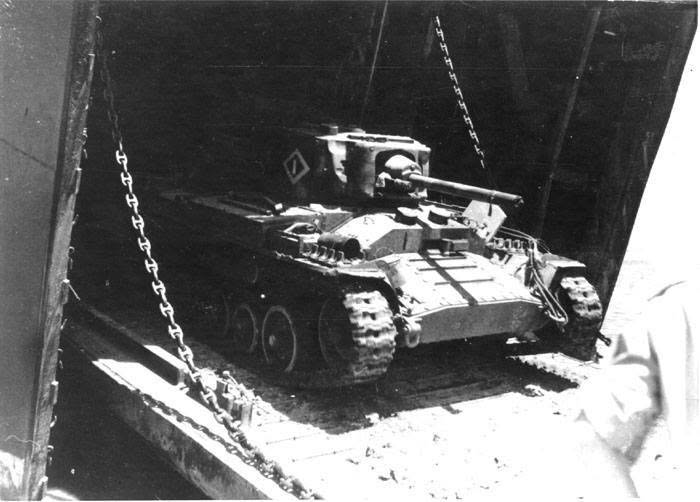
A Valentine Mk IIICS unloading from an LST on the Green Islands (Nissan Island) It is towing a US 90mm AA gun. 1944

History:
Initial work on joining the 3-inch howitzer and Valentine III started in January 1943, when a Matilda IV’s howitzer mounting was stripped at the Trentham workshops as to figure the mounting method of the sighting mechanism. Further stripping of both the Matilda and a Valentine showed that the Valentine’s 2pdr recoil mechanism was interchangeable with that of the 3-inch howitzer’s, with little modifications needing to be made. This is mostly owing to the high velocity of the 2pdr compensating for the low velocity but larger bore of the 3-inch gun.
Most of the issues encountered with the conversion were with the fitting of the Matilda’s No.34 Mk.I or II sight, as the original 2pdr sight was unsuitable due to the new gun and did not move with the elevation/depression of the gun, which the No.34 Mk.I or II necessitated. Part of the experiments to fix these problems included fitting a “Haskell” sight, which were considered as excellent sights, but suffered issues when the Valentine and it’s target were not on the same level. Instead to solve this problem the connecting rods between the mantlet & turret front, which held the sight, were shortened, and the mantlet itself was machined down along it’s bottom. This gave it “6 inch depression to axis bore”, and correct sighting.
Further modifications were made to the valentines, including the removal of the 2pdr ammunition racks, being replaced by 35 rounds mounted inside the turret basked in an outer ring. An inner ring was also fitted, which could either hold a further 35 rounds or 12 boxes of BESA ammunition. The first conversion took place on the 10th of May 1943, again at Trentham. An inclinometer was also fitted among other equipment for indirect firing, most of which was standard 25pdr fittings.
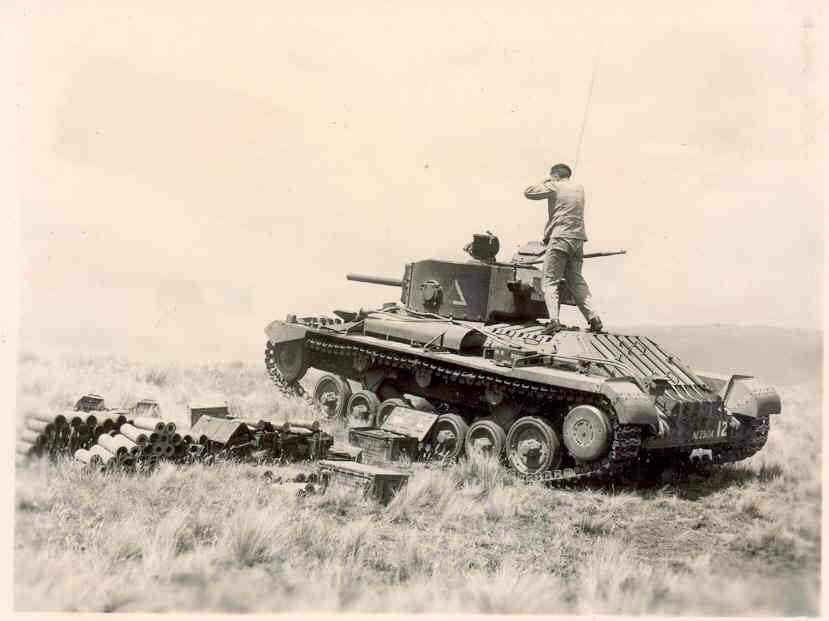
Tests occurred at Waiouru on the 4th of June 1943, with an external Barr Strude No.14 Mk.VII Rangefinder finding the target’s range, this found that firing smoke on flat terrain allowed for 1,200 yards maximum, HE on the same conditions allowed for 1,600 yards. In indirect fire, the vehicle could have a range of 2,400 yards. During tests, it was found with external ramps that a range of 3,500-4,000 yards could be achieved. This report found that due to the low velocity of the gun, it was not recommended to fire at moving targets.
Valentine Mk IIICS range report:
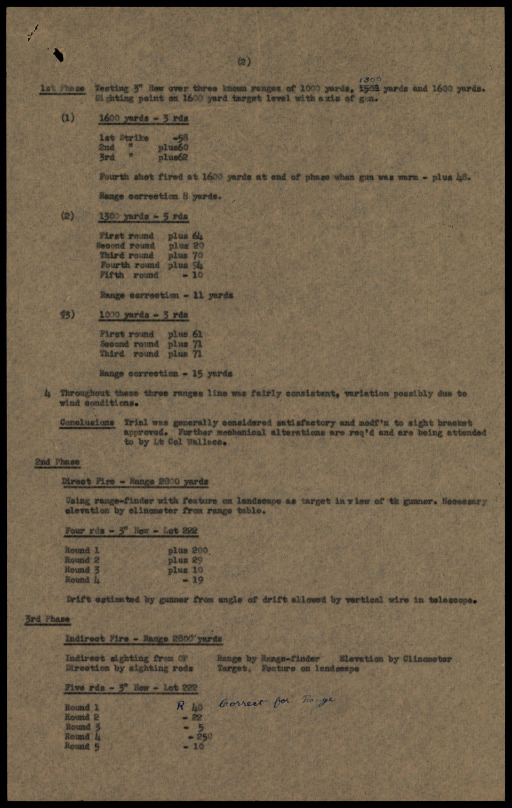
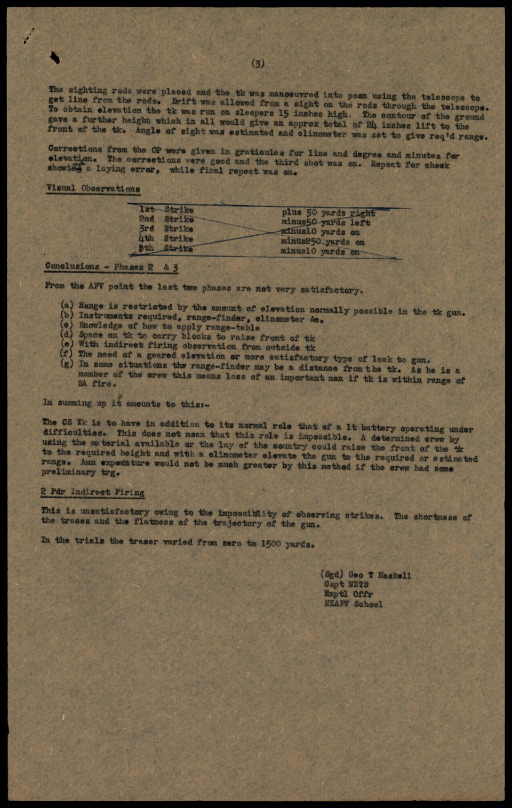
The success of these trials allowed for further conversions to begin, with a further eight vehicles between the 10th & 19th of August 1943. These first nine vehicles were allocated to the "Army Tank Squadron Group, of the 3rd New Zealand Division, but this would expand to 19 of the 25 total conversions, with six remaining with the Ordnance Field Park.
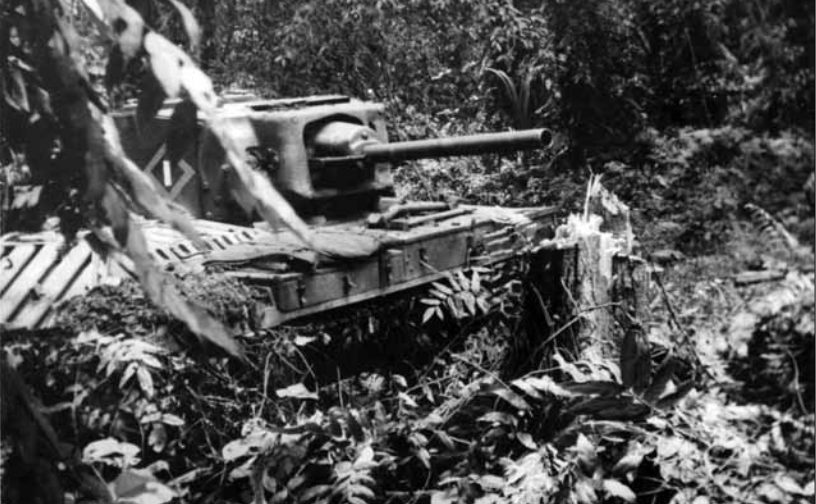
Mk.IIICS in New Zealand before operational deployment, this is due to the lack of the additional stowage fitted to the rear of the tanks when they fought in the Solomon Islands campaign
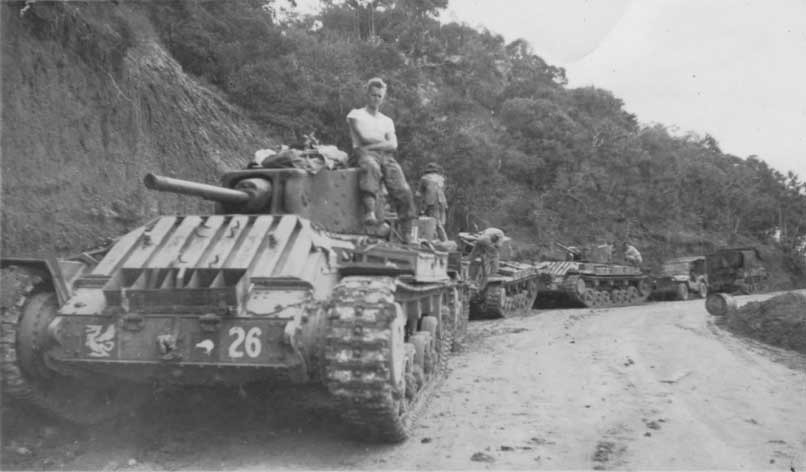
Upon arrival to the Squadron, all vehicles were fitted with a tank telephone on their rear, additional stowage for fuel and ammunition along the sides and rear of the vehicle, and angle iron grousers, with each vehicle receiving 30 grousers fitted on every 6th track shoe. Two of the Mk IIICS were issued to the HQ troop, along with two standard 2pdr Mk III’s, and nine were in a reserve squadron of tanks which were part of a later conversion in September 1943.
Eventually all of New Zealand’s Matilda IV’s would be dis-armed, although it was hoped that new howitzers could be fitted from Australia, that was given up and they were instead sold to the Australian Army. This would be a point of contention between the New Zealand Army, and the Australian Army, as they would argue about the value of these tanks for some time post war.
The first and only operational deployment of the Valentine Mk IIICS would be during the Battle of Green Islands, more specifically during the landings at Nissan Island. This was part of the Solomon Islands campaign. This took place on the 15th-20th of February 1944, with three infantry battalions from the 3rd New Zealand Division, supported by the 3rd’s Tank Squadron and US Seabee units in addition to US logistical support.
25 total Valentines would be landed during this operation, of these only nine were the MkIII CS. They would fight in only one action, on the 20th, where four IIICS were present. It is unclear what occurred during this fight, however it is clear that the Valentines were successful, with damage being sustained. The Valentines were used to tow US 90mm AA guns ashore when landing to save trucks for other jobs. In overall command of the battle was Major General Barrowclough, of the 3rd NZ Division. The battle was an Allied victory, as they won control of the Island with only 13 killed and 26 wounded in comparison to nearly 100 Japanese deaths.
Nissan Island was critical to further operations in the Solomon Islands, as an airfield built here allowed for greater operations with the USMC and RNZAF in the area. However upon conclusion of the ground battle, all the Valentines were returned to New Zealand.
Back in New Zealand, the Mk IIICS would continue in their active career into the post war era, serving until 1956, when ammunition for the 3-inch howitzer ran out. They were retained by the Army however until 1960, when they, and all other Valentine marks were disposed of, as they had been replaced by Centurion.
Most of these were sold to farmers for conversion to farm equipment, however two Mk.IIICS were used as range targets at Waiouru, and a further two were used as Children’s playgrounds, a common fate for ex-NZA equipment.
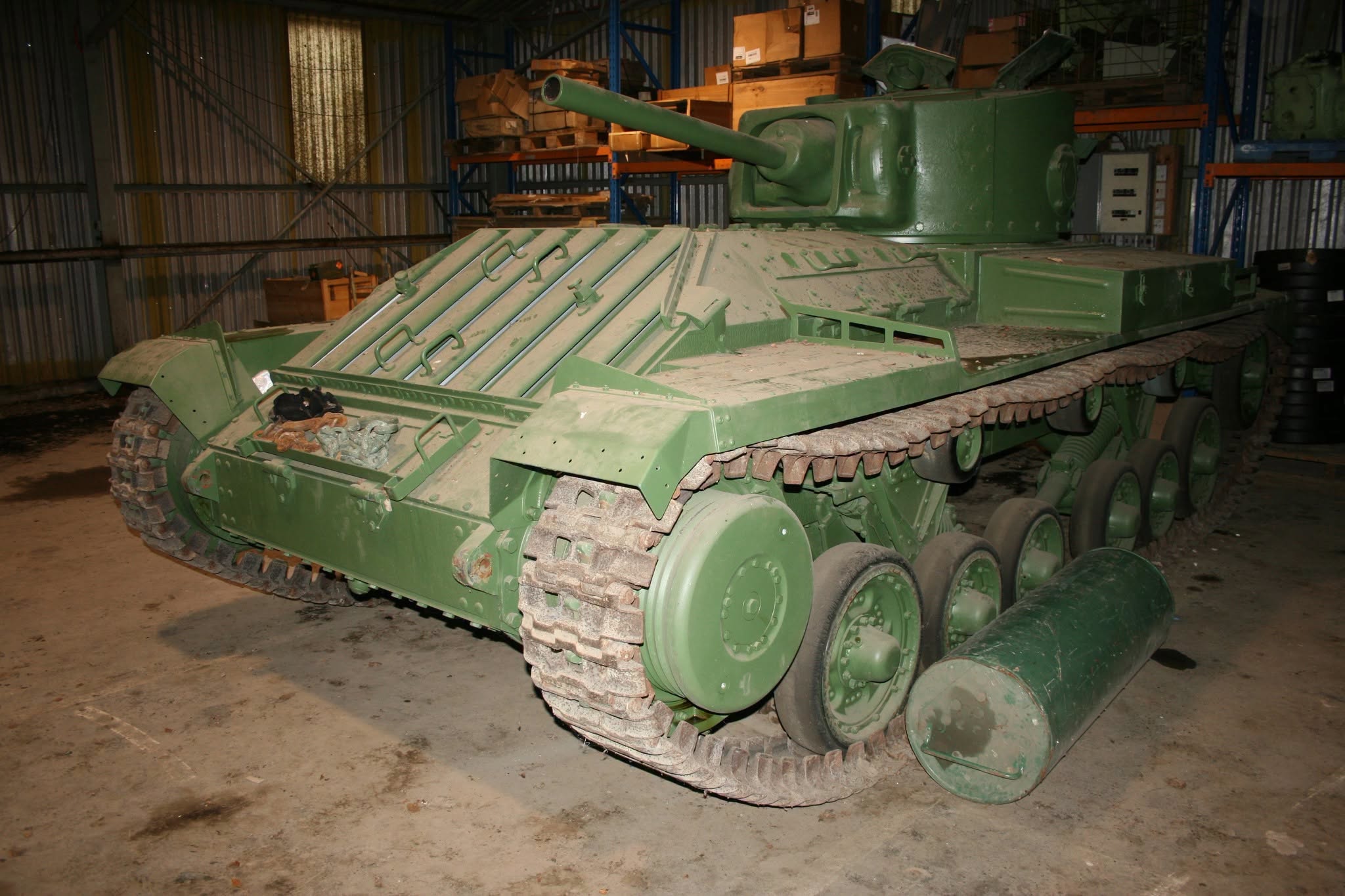
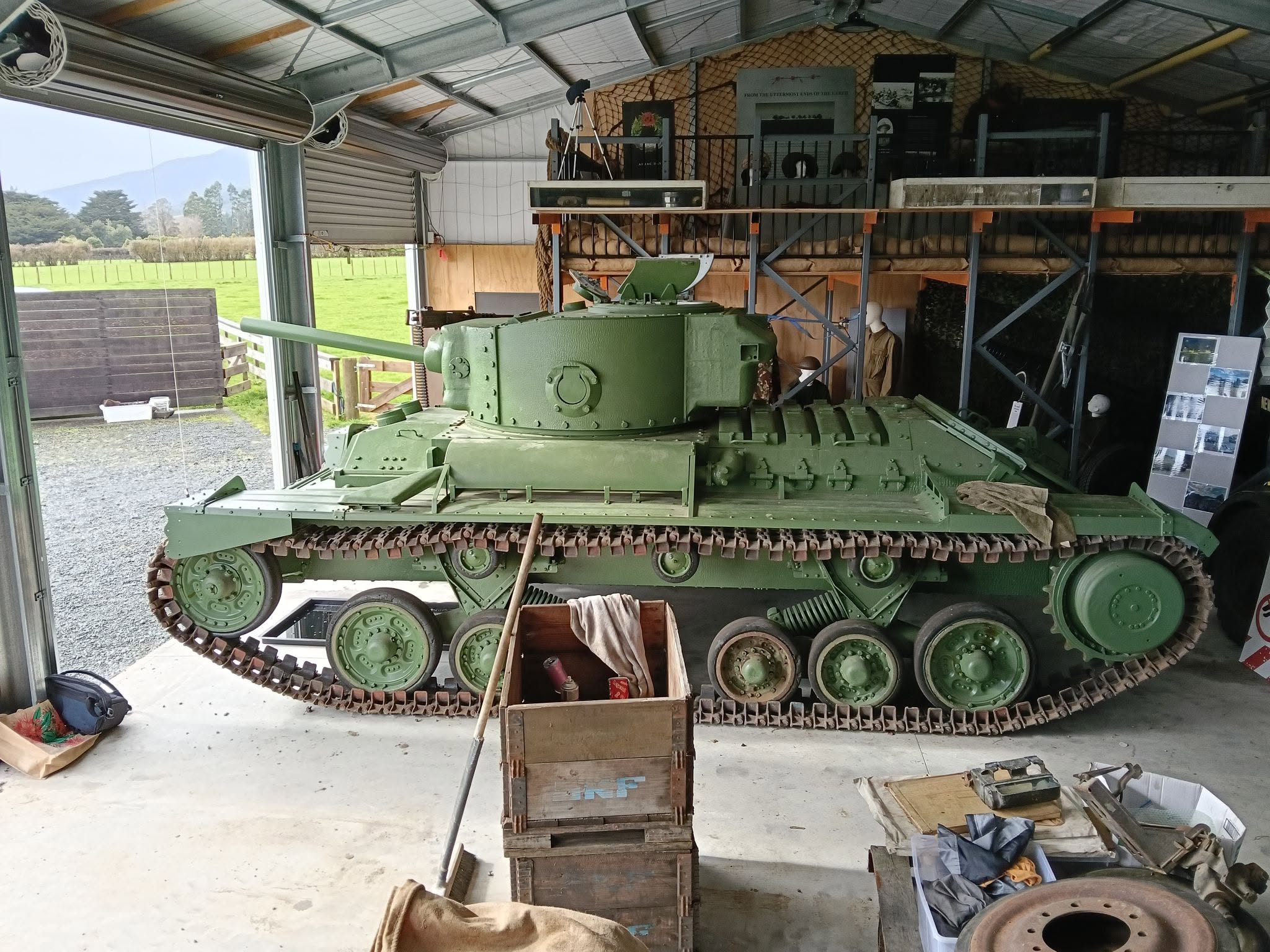
Of these only one survives in decent condition, and it is one of the vehicles that saw combat at Nissan Island. This vehicle was owned by the David Cross collection, however, they wanted to restore the vehicle to represent a 2pdr vehicle, which was unsuitable with the CS turret due to the modifications made to fit the sights & 3-inch gun. Instead the turret from a 2pdr armed ex-NZA Valentine Mk.II was fitted to the OG Mk.III hull, and the Mk.IIICS turret was fitted to the Mk.II hull.
The Mk.III Hull remains in private hands, however the Mk.IIICS turret on the Mk.II Hull is held by the National Army Museum, Waiouru, and is undergoing restoration to appear as a Mk.IIICS, and is to appear alongside their running Valentine Mk.V, which is currently wearing the colours of a standard Mk.III that fought at Nissan Island
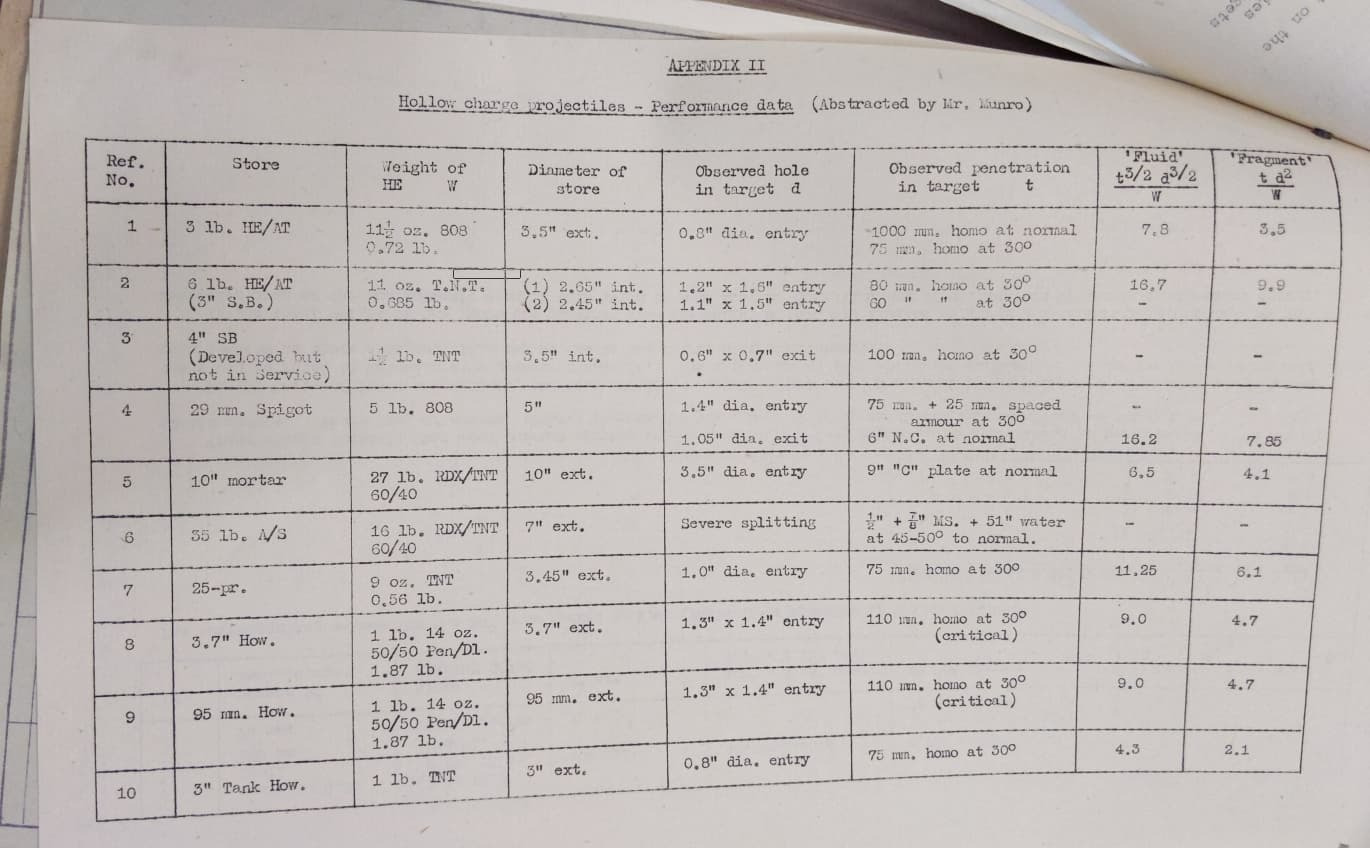
Although in NZ service the types only used HE, Smoke, and Canister rounds, there is an experimental British HEAT round for the gun that would allow for AT usage within War Thunder. (No.10 on this image)
| General Characteristics: | |||||
|---|---|---|---|---|---|
| Name: Valentine Mk.IIICS | |||||
| Country: New Zealand | |||||
| Type: Close Support | |||||
| Year: 1943 | |||||
| ----------------------------------------------------------------------------------------------------------------------------------------- | |||||
| Dimensions: | |||||
| Length: 17ft 9.5in (5.42m) | |||||
| Width: 8ft 7.5in (2.63m) | |||||
| Height: 7ft 3.5in (2.22m) | |||||
| Weight:17t | |||||
| ----------------------------------------------------------------------------------------------------------------------------------------- | |||||
| Propulsion: | |||||
| Powerplant: 1x AEC A190 6cyl 9.64L diesel engine @ 131hp (97.6kW), 4,980 lb-in (6,751.9Nm) @ 1,250 rpm | |||||
| Transmission: Meadows Number 22 w/ 5 forward & 1 reverse | |||||
| Speed: 15mph (24.1kph) | |||||
| Endurance: 36gal (163.6L), 199 miles (320.3km) on road, 121 miles (194.7km) off road | |||||
| ----------------------------------------------------------------------------------------------------------------------------------------- | |||||
| Armament & sensors: | |||||
| Compliment: 3 - 1x Driver, 1x Commander (loader), 1x gunner | |||||
| Primary armament: 1x1 QF 3-inch Howitzer, 35 rounds normally, 47 with no BESA ammunition | |||||
| Secondary armament: 1x1 7.92mm BESA (in mantlet), 1x1 .303 Bren (on roof in pintle AA mount) | |||||
| Sights: No.34 Mk.I or II. | |||||
| Turret traverse: 360 degrees | |||||
| Elevation: enough for only 1,600 yards range w/ direct fire 3-inch HE on flat ground. (1,200 w/ smoke) | |||||
| Other armament: Smoke Mortar in roof, “tail smoke ejection equipment” | |||||
| ----------------------------------------------------------------------------------------------------------------------------------------- | |||||
| Armour: | |||||
| Hull Nose: 60mm | |||||
| Hull Glacis 30mm | |||||
| Hull Sides: 50mm, 30mm at engine compartment | |||||
| Hull Rear: 17mm at engine compartment slope, 60mm lower | |||||
| Floor: 20mm | |||||
| Roof: 20mm on hull, turret has 20mm on the front, 10 in the centre, 15 rearwards | |||||
| Turret front: 65mm (not including external mantlet) | |||||
| Turret sides: 60mm | |||||
| Turret rear: 65mm | |||||
| Type: All RHA apart from mantlet, which is cast. |
The sole surviving Valentine Mk IIICS, although this vehicle actually has the hull of a Mk II, as the complete IIICS was undergoing restoration, but it’s owner wanted it to be a standard 2pdr, and not a CS , so they swapped turrets with a surviving NZ Mk II at the National Army Museum, Waiouru

Extra Photos:
Sources:
Archives New Zealand : R26222851, 18886: Tanks (Val M3) (Bridge laying) (Schofield) (Matilda) carriers (Bren and Universal)
B.Newsome (2016) Valentine Infantry Tank, 1938-45 (pp.17-18, 28-32)
J.Plowman (2013) Camouflage and Markings of the Valentines in New Zealand Service
P.Cookie (2000) Defending New Zealand - Ramparts on the sea 1840-1950s (pp.361-363)
Kiwis in Armour home page
Antipodean Armour: INFANTRY TANK, Mk III, VALENTINE, Mk II, Mk III, Mk V and Mk III C.S.
https://web.archive.org/web/20260511180030/http://the.shadock.free.fr/Surviving_Valentines.pdf
https://rnzaf.proboards.com/thread/29525/green-island-airfield
Battle of the Green Islands - Wikipedia