- Yes - In the Tech Tree.
- Yes - Event/BP.
- Yes - Premium.
- No - I would not like to see the NZ Castle-class in game.
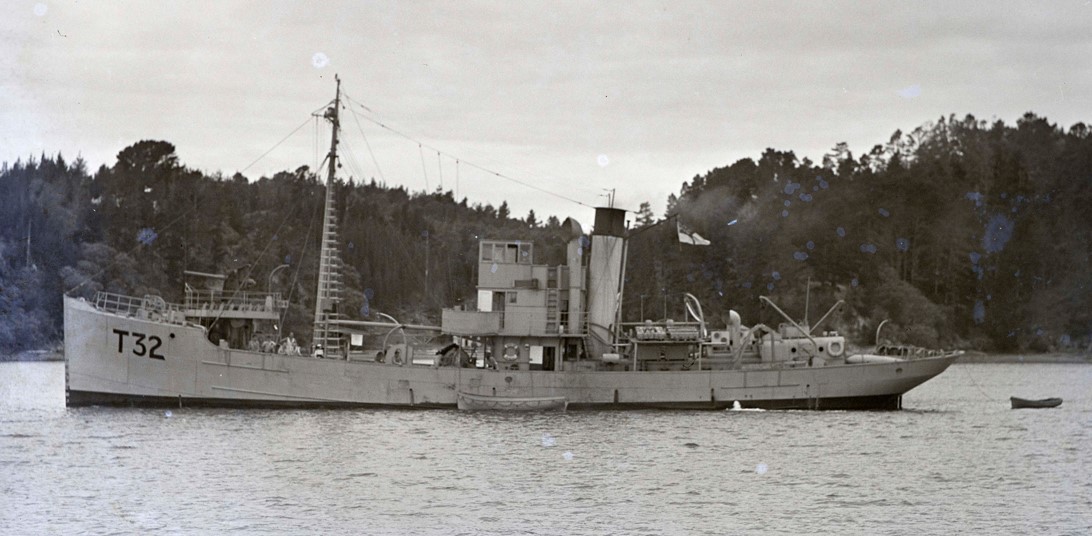
Description:
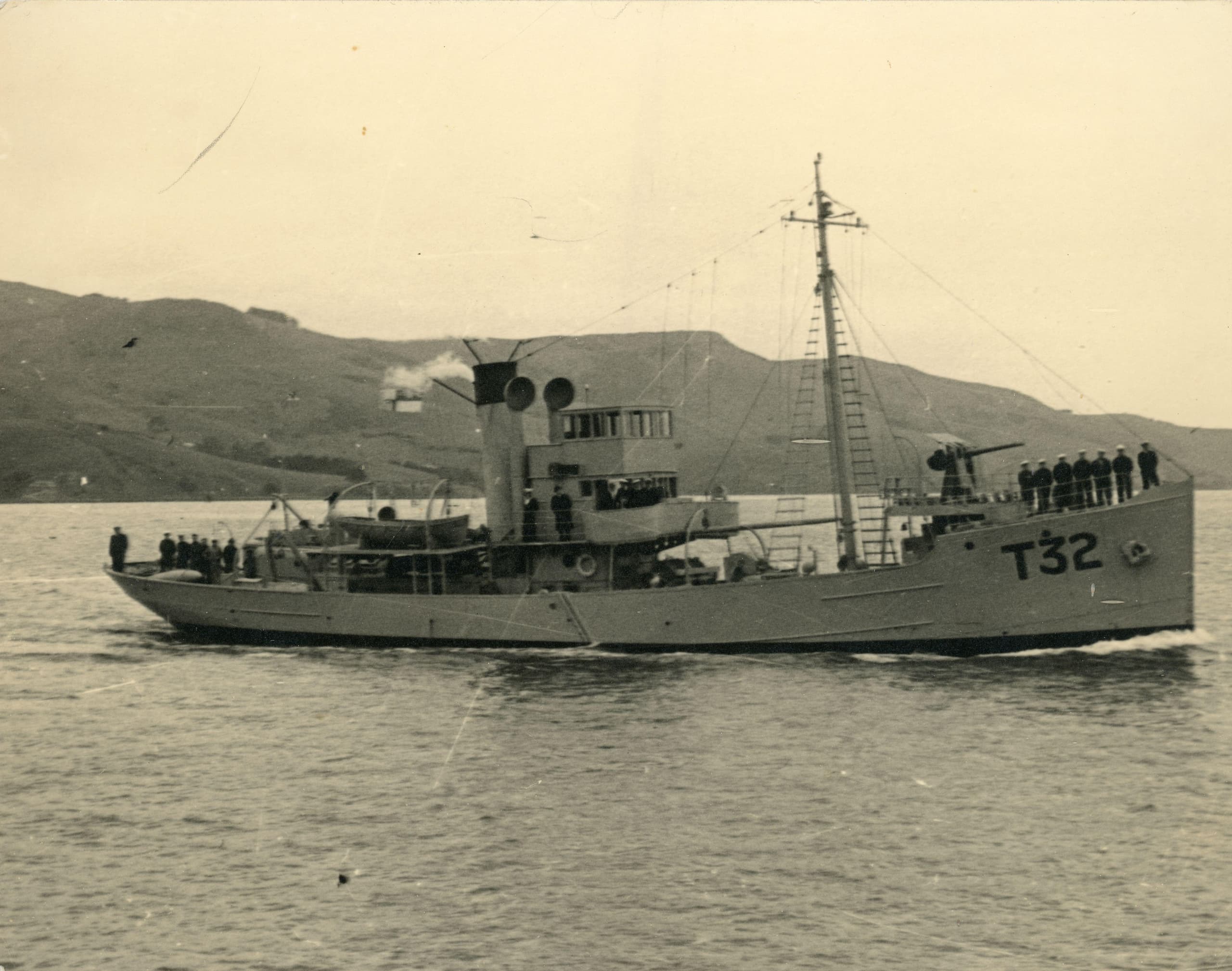
New Zealand’s use of the Castle-class of Trawlers during the Second World War, stems from NZ’s need for a local minesweeping capability due to new German minefields being discovered around NZ.
Previously this capability would be filled by requisitioned civilian vehicles or purpose built vessels built abroad, however local trading coasters were deemed necessary for the economy and it could not be afforded for them to be transferred for military purposes, and the vessels that could be built abroad would not be delivered in time as they were already full with orders.
So it was decided that these vessels would have to built in NZ. Due to the lack of heavy industry and shipbuilding experience in NZ at the time, the design chosen would have to be simple, small, yet good enough to serve effectively as minesweepers.
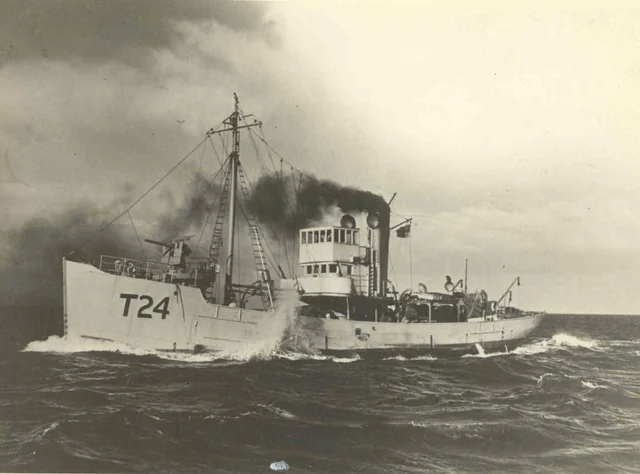
For this the Castle-class design from WW1 were chosen, although smaller and less effective than other Armed-Trawler designs in use in other navies, such as the Military and Tree classes, it was believed the Castle-class design would fill the RNZN’s needs, while still being able to be built in NZ itself.
They would be the first ships purpose built for the RNZN in NZ itself, all previous vessels being built abroad.
Compared to the older Royal Navy designs, the RNZN ships were slightly modernised, having more Depth Charges, slightly stronger engines, and ASDIC built into their design instead of being refitted on.
11 new builds were ordered in NZ yards, with a further RN and RCN ship of WW1 vintage also being acquired and added to the fleet for a total of 13. A further four vessels were planned, but were cancelled with only one extra being laid down. Two further would be launched and would never commission, only being used as unarmed service vessels as they were not needed, they were later sold for civilian purposes.
Due to the use of influence mines in other theaters of operations, three vessels were built as influence sweepers. These swapped the depth charges for influence sweeping, ditching the ASDIC, and replacing the fully steel hull with a steel frame covered with Kauri (wood).
The NZ built ships were armed with the 12pdr, but the two ex RN/RCN vessels were armed with 4 inch guns, as that was their original design armament, to change it would require extra work, so it was kept.
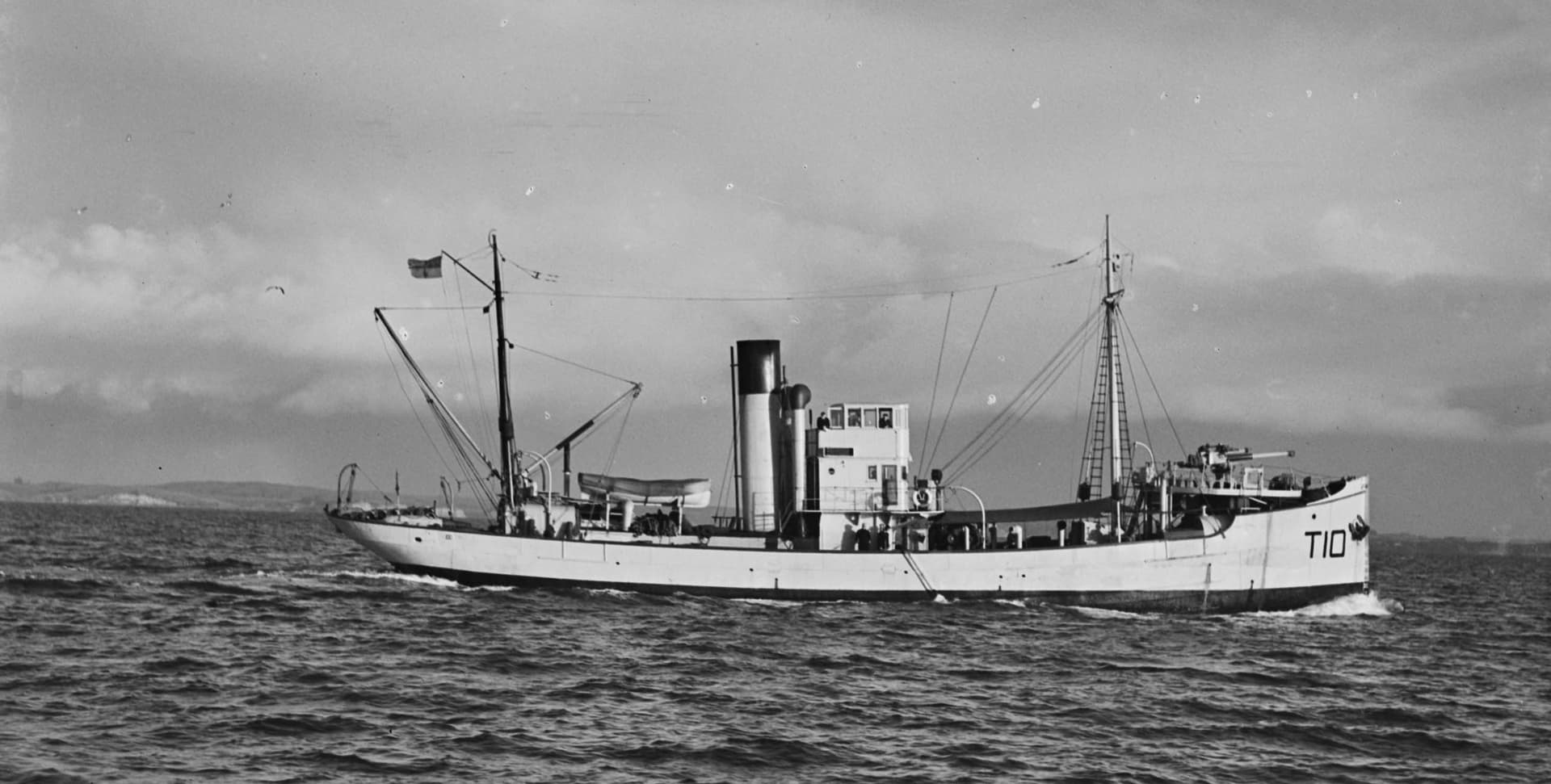
History:
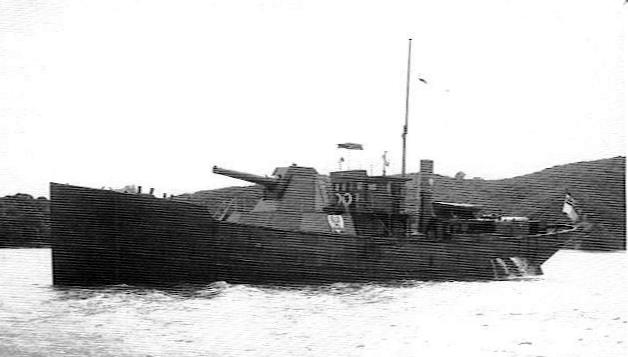
The first NZ Castle to commission was the HMNZS Wakakura, purchased from Canada as the HMCS TR1. She was laid down in Port Arthur, Canada, 1917, and sold to the NZ government in 1926 for training. The other Castle in NZ waters at the time was the SS James Cosgrove. She was laid down in Ayr, Scotland, 1918, and sold to Sandford fishing ltd as a trawler in 1920.
Upon the outbreak of war in 1939, the James Cosgrove would be requisitioned, and along with the Wakakura, they would be rearmed as to their original designed fit for the Royal Navy. Both would commission into the Royal Navy’s New Zealand Division (The RNZN proper not yet being created) in October 1939.
However before the building of the ships could start, it was discovered that NZ could not produce thick enough boiler plate to construct the boilers. Industry was upgraded as to be able to produce this plate, but this would take time, so two complete and some partially complete boilers were shipped from Britain to compensate.
The NZ orders for the class would begin in early 1940, when the castle-class was finally chosen to be built. The first NZ vessel to be launched was the HMNZS Hinau in August 1941, and the final being the HMNZS Waiho in February 1944.
The vessels would be split across different flotillas across the country, the ‘standard’ ships would be split between the ports of Auckland, Wellington, and Lyttelton. The influence sweepers were also based in Auckland, but in the 25th Minesweeping flotilla, more specifically the 194th Auxiliary Minesweeping group. The 25th also had the James Cosgrove in the 96th Auxiliary Minesweeping group.
The ships were assigned as such,
| Vessel | Port served at | |
|---|---|---|
| HMNZS Aroha | Auckland | |
| HMNZS Hinau | ″ | |
| HMNZS Waiho | ″ | |
| HMNZS Waipu | ″ | |
| HMNZS Awatere | Wellington | |
| HMNZS Maimai | ″ | |
| HMNZS Pahu | ″ | |
| HMNZS Hautapu | Lyttelton | |
| HMNZS Waima | ″ | |
| HMNZS Wakakura | ″ |
The class as a whole would serve throughout WW2 in NZ and surrounding waters, the furthest from NZ one visited was Suva, Fiji, as to tow the damaged HMNZS Arbutus when she ran aground there in 1944. The ships did not see much action, as although influence mines had been placed in NZ waters, they were set too deep and were thus not effective. However in 1944, the Wakakura reported to have engaged and depth charged a Japanese submarine off Canterbury. It is unlikely it was an actual submarine in this stage of the war, most likely being a whale.
In December 1943, the HMNZS James Cosgrove would be withdrawn from service for disposal due to severe boiler faults, mostly due to the age of the vessel and time without refit. The HMNZS Wakakura was converted to a Dan-layer in 1944, but retained her armament, this program was expanded with the conversion of the HMNZS Waiho, Waipu, and Waima to Dan-layers in 1945.
Upon the end of the war in 1945, Individual ships would be laid up in October due to coal shortages. Furthermore the vessels were seen as outdated due to their older design in almost every metric bar minesweeping and training, and as such were not prioritised. The class decommissioned as they became worn out, with 7 decommissioning in 1945, 3 in 1946, and 2 in 1947.
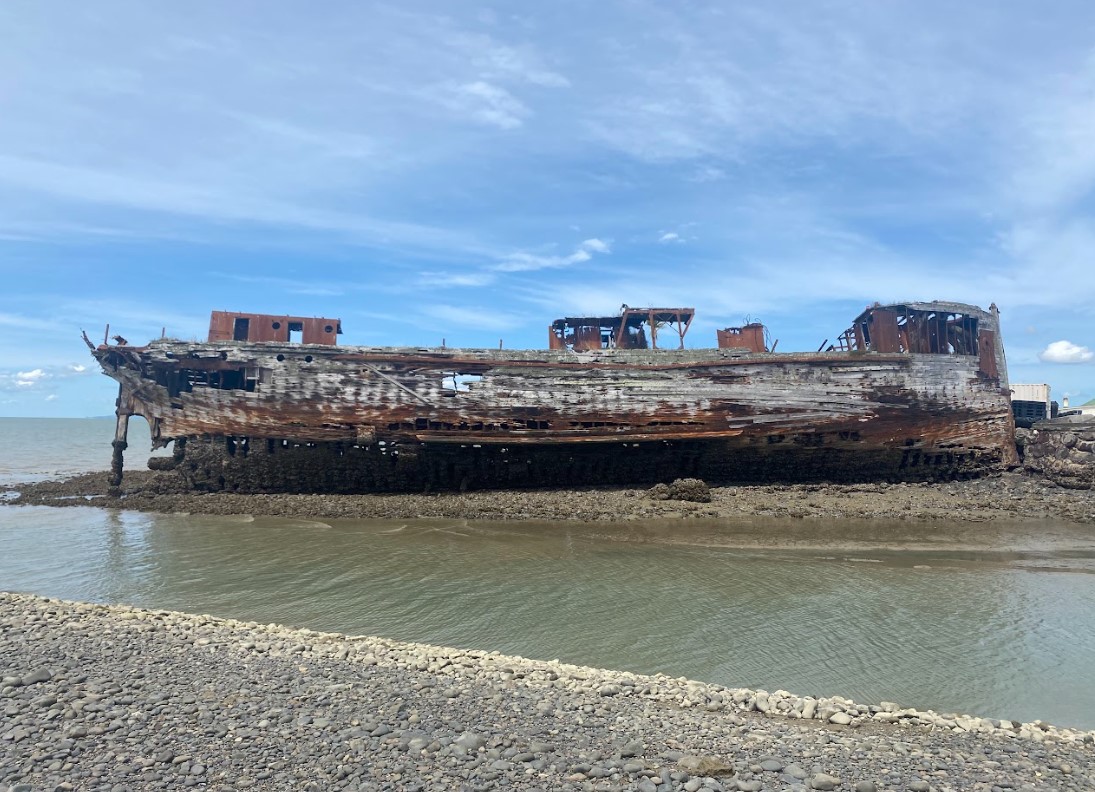
Most would be sold to trawling companies, as although worn out for military use, they were fine for civilian purposes due to their recent build dates. They were spread around Australia, New Zealand, and China. Some were held in reserve, such as the HMNZS Rimu, who would be offered to the RNZAF as a target in 1958, where she would be destroyed
Most were scrapped as civilian vessels in the 60’s.
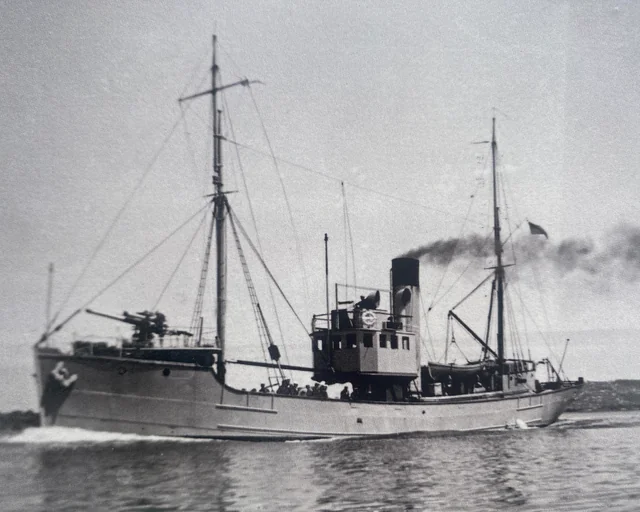
Characteristics for the Steel hulled ships, (HMNZS Waiho, Aroha, Awatere, Hautapu, Maimai, Pahu, Waima, Waipu)
| General Characteristics: | |||||
|---|---|---|---|---|---|
| Name: HMNZS Waiho, Aroha, Awatere, Hautapu, Maimai, Pahu, Waima, Waipu | |||||
| Country: New Zealand | |||||
| Type: Armed Trawler | |||||
| Class name: Castle (steel) | |||||
| Year of commission: 1944 | |||||
| Refit: 1944 | |||||
| ----------------------------------------------------------------------------------------------------------------------------------------- | |||||
| Dimensions: | |||||
| Length: 135ft (41m) | |||||
| Beam: 23ft (7m) | |||||
| Draught: 13.6ft (4.1m) | |||||
| Displacement: 547t | |||||
| ----------------------------------------------------------------------------------------------------------------------------------------- | |||||
| Propulsion: | |||||
| Powerplant: 1x coal fired boiler driving a reciprocal engine @ 480ihp (357.9kW) across one shaft | |||||
| Speed: 10.5kt | |||||
| Endurance: Unknown | |||||
| ----------------------------------------------------------------------------------------------------------------------------------------- | |||||
| Armament & sensors: | |||||
| Compliment: 27 | |||||
| Primary armament: 1x1 12pdr 12cwt (LA) | |||||
| Secondary armament: 2x1 .303 Lewis | |||||
| Tertiary armament: 20 DC on two rails, two DCT, Minesweeping gear | |||||
| Sensors: ASDIC |
Characteristics for the Composite hulled ships, (HMNZS Hinau, Manuka, Rimu)
| General Characteristics: | |||||
|---|---|---|---|---|---|
| Name: HMNZS Hinau, Manuka, Rimu | |||||
| Country: New Zealand | |||||
| Type: Armed Trawler | |||||
| Class name: Castle (composite) | |||||
| Year of commission: 1942 | |||||
| Refit: 1942 | |||||
| ----------------------------------------------------------------------------------------------------------------------------------------- | |||||
| Dimensions: | |||||
| Length: 135ft (41m) | |||||
| Beam: 23ft (7m) | |||||
| Draught: 13.6ft (4.1m) | |||||
| Displacement: 625t | |||||
| ----------------------------------------------------------------------------------------------------------------------------------------- | |||||
| Propulsion: | |||||
| Powerplant: 1x coal fired boiler driving a reciprocal engine @ 480ihp (357.9kW) across one shaft | |||||
| Speed: 10kt | |||||
| Endurance: Unknown | |||||
| ----------------------------------------------------------------------------------------------------------------------------------------- | |||||
| Armament & sensors: | |||||
| Compliment: 27 | |||||
| Primary armament: 1x1 12pdr 12cwt (LA) | |||||
| Secondary armament: 2x1 .303 Lewis | |||||
| Tertiary armament: Influence mine sweeping gear | |||||
| Sensors: - nil |
Characteristics for the ex RN/RCN ships, (HMNZS Wakakura, James Cosgrove)
| General Characteristics: | |||||
|---|---|---|---|---|---|
| Name: HMNZS Wakakura, James Cosgrove | |||||
| Country: New Zealand | |||||
| Type: Armed Trawler | |||||
| Class name: Castle (steel) | |||||
| Year of commission: 1939 | |||||
| Refit: 1939 | |||||
| ----------------------------------------------------------------------------------------------------------------------------------------- | |||||
| Dimensions: | |||||
| Length: 135ft (41m) | |||||
| Beam: 23ft (7m) | |||||
| Draught: 13.6ft (4.1m) | |||||
| Displacement: 547t | |||||
| ----------------------------------------------------------------------------------------------------------------------------------------- | |||||
| Propulsion: | |||||
| Powerplant: 1x coal fired boiler driving a reciprocal engine @ 420ihp (357.9kW) across one shaft | |||||
| Speed: 10kt | |||||
| Endurance: Unknown | |||||
| ----------------------------------------------------------------------------------------------------------------------------------------- | |||||
| Armament & sensors: | |||||
| Compliment: 25 | |||||
| Primary armament: 1x1 QF 4-inch Mk.IV (HA) | |||||
| Secondary armament: 2x1 .303 Lewis | |||||
| Tertiary armament: 20 DC on two rails two DCT, Minesweeping gear | |||||
| Sensors: - nil |
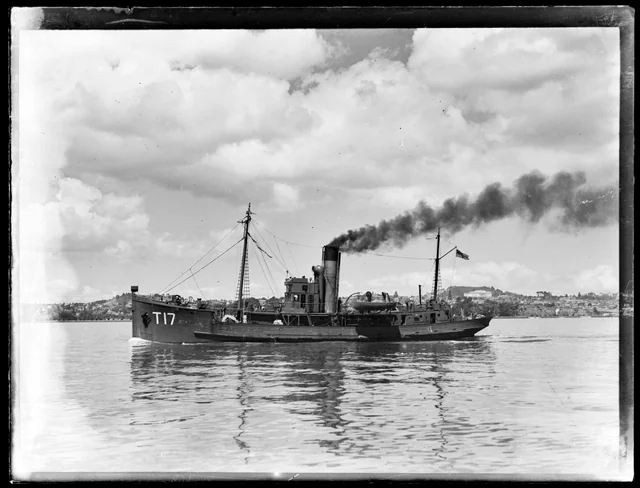
Sources
Gillett, R. (1983). Australian and New Zealand Warships 1914-1945 (pp.292-293)
McDougall, R. J. (1989). New Zealand Naval Vessels (pp 62-67, 83)
THE NEW ZEALAND GAZETTE, Nov 20 1941, #3727, (p.7)
https://navymuseum.co.nz/explore/by-collections/ships/waiho-castle-class-minesweeper/
HMNZS Hinau Minesweeper — National Museum of the Royal New Zealand Navy
HMNZS Wakakura (T00) - Wikipedia
https://natlib.govt.nz/records/22548517
Minesweepers of the Royal New Zealand Navy - Wikipedia