- Yes
- No
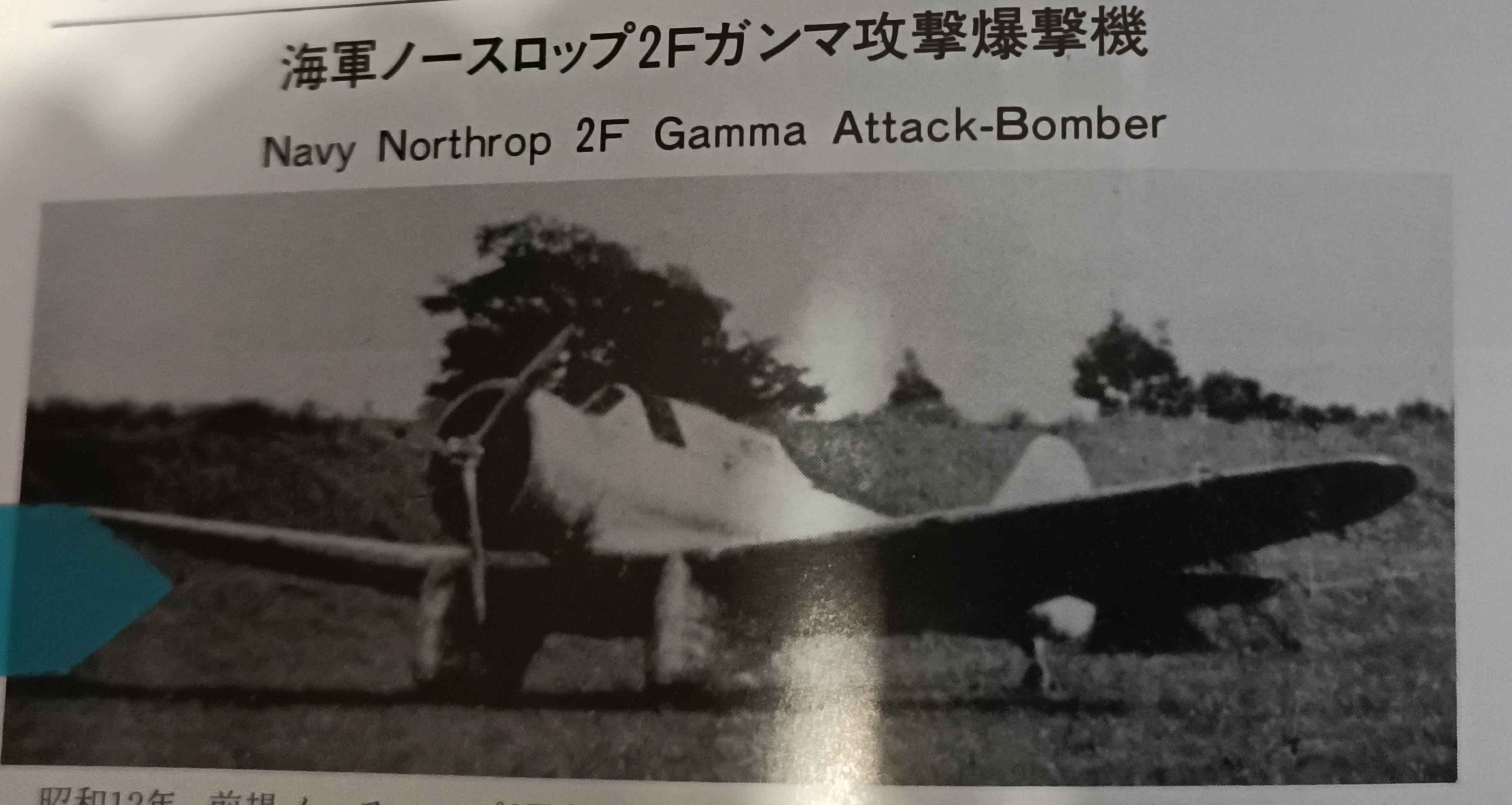
Northrop BXN2 (海軍ノースロップ2Fガンマ)
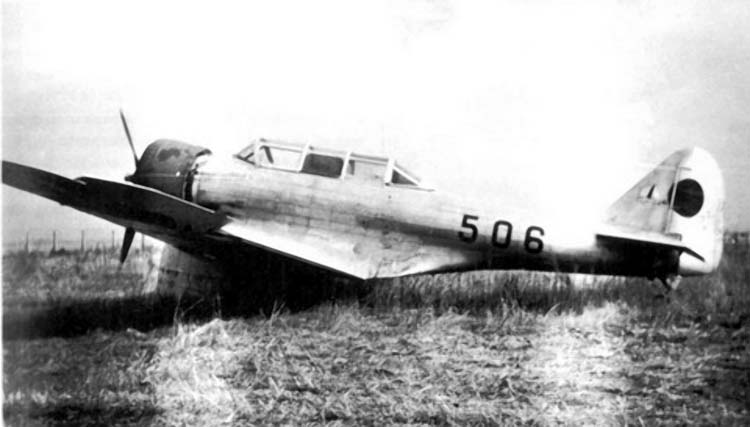
The Northrop BXN2 is the same as the Northrop Gamma 2F or Northrop XA-16 (both names are correct), which was purchased by Japan in 1937. This plane was used for comparative tests with the Nakajima B5N1 and Mitsubishi B5M1, to study technology, and later for reconnaissance under the guise of a civilian aircraft.
History
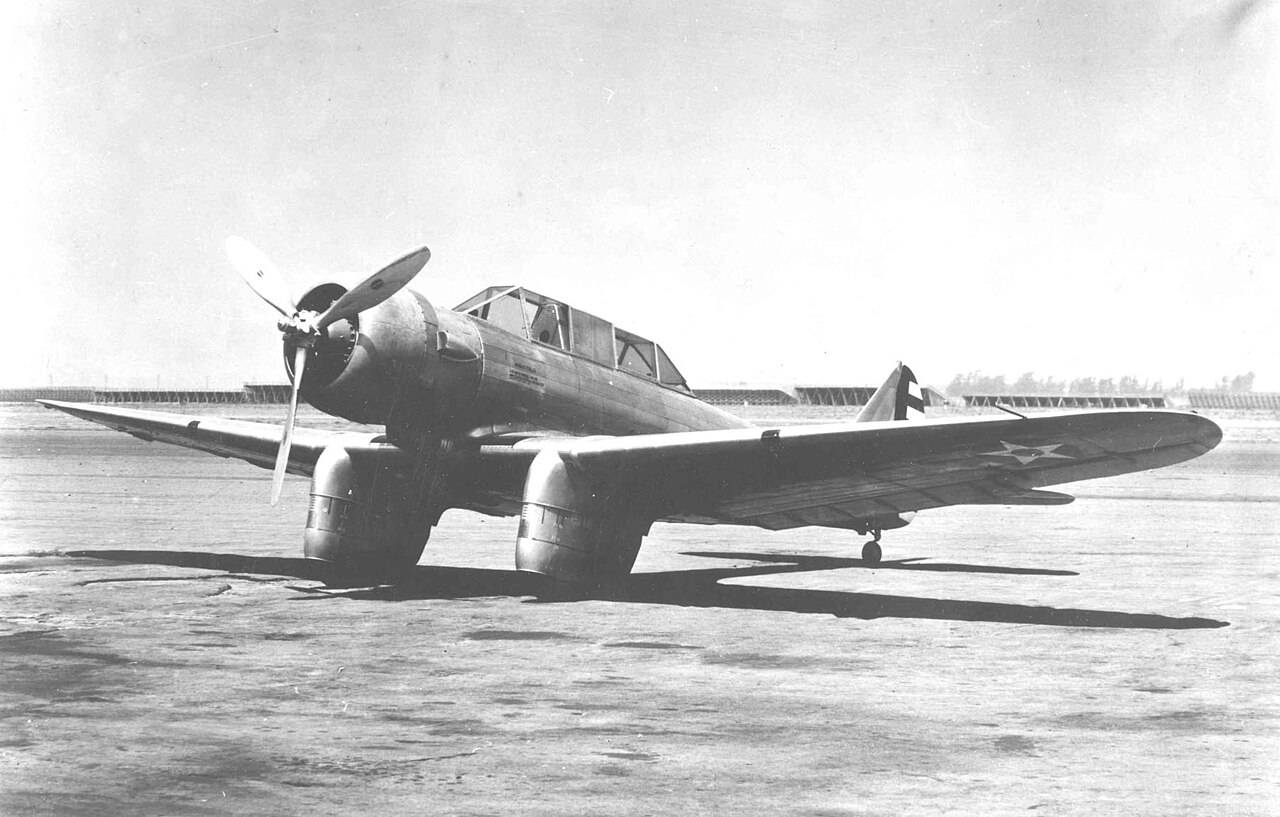
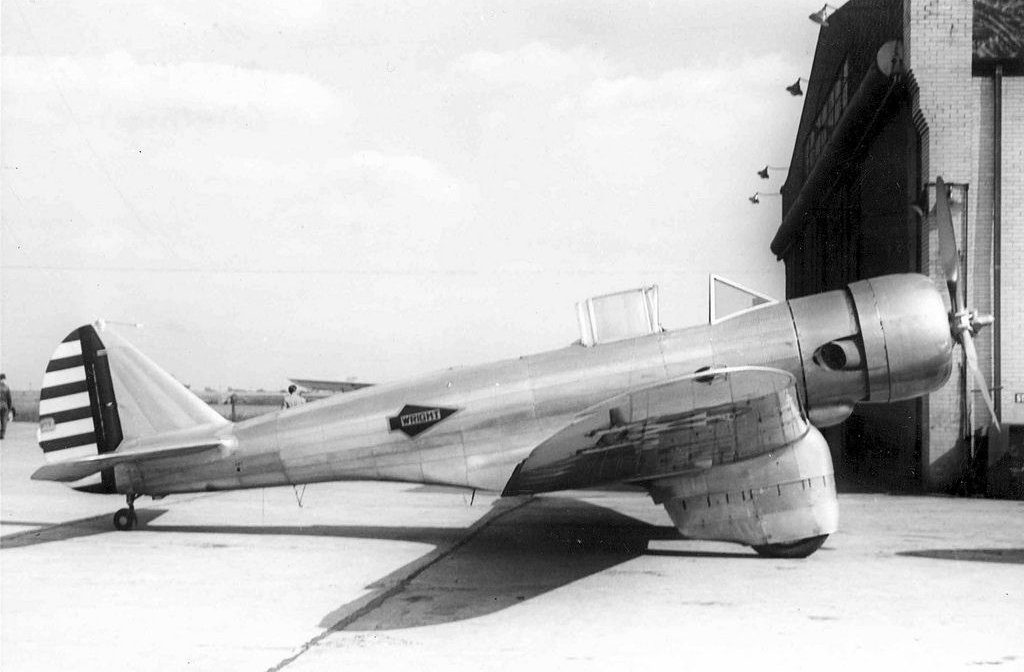
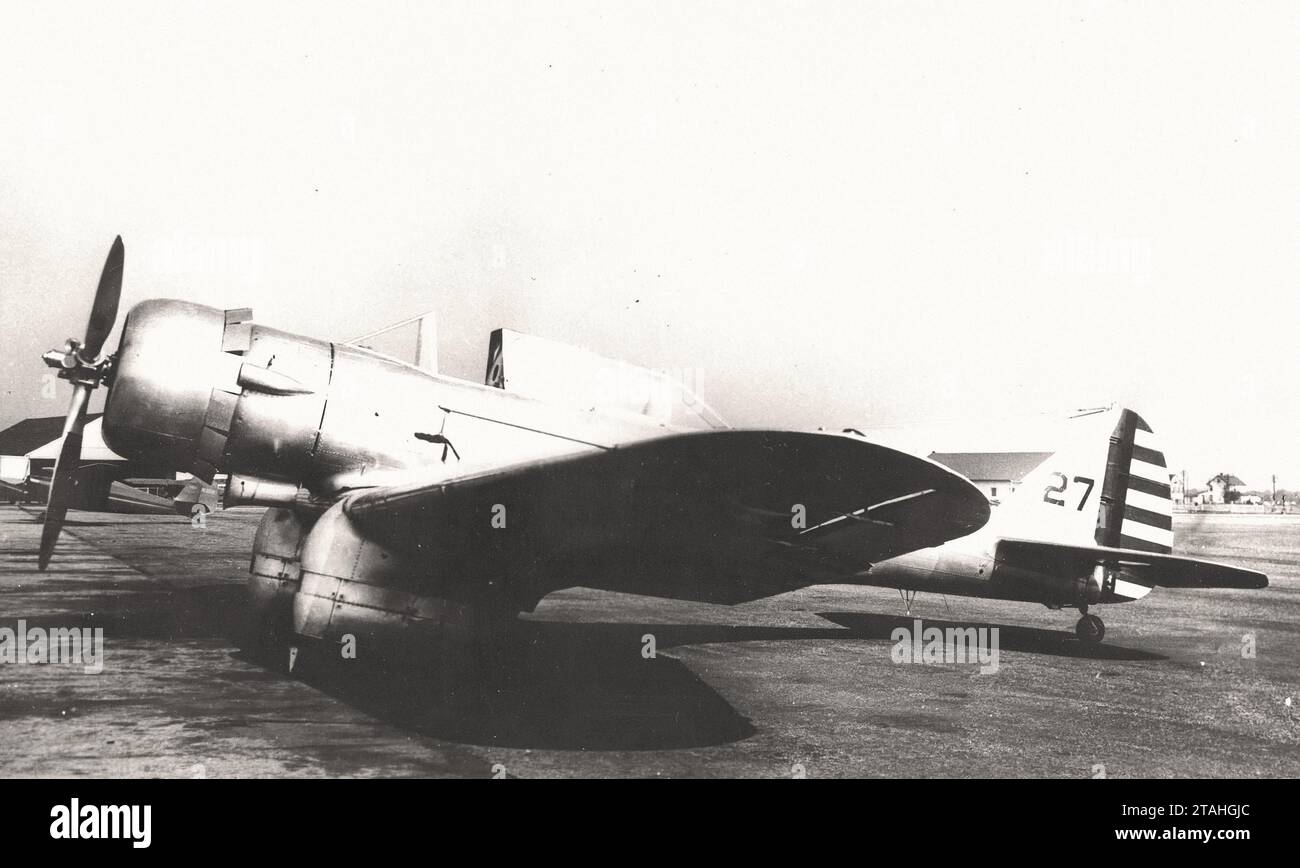
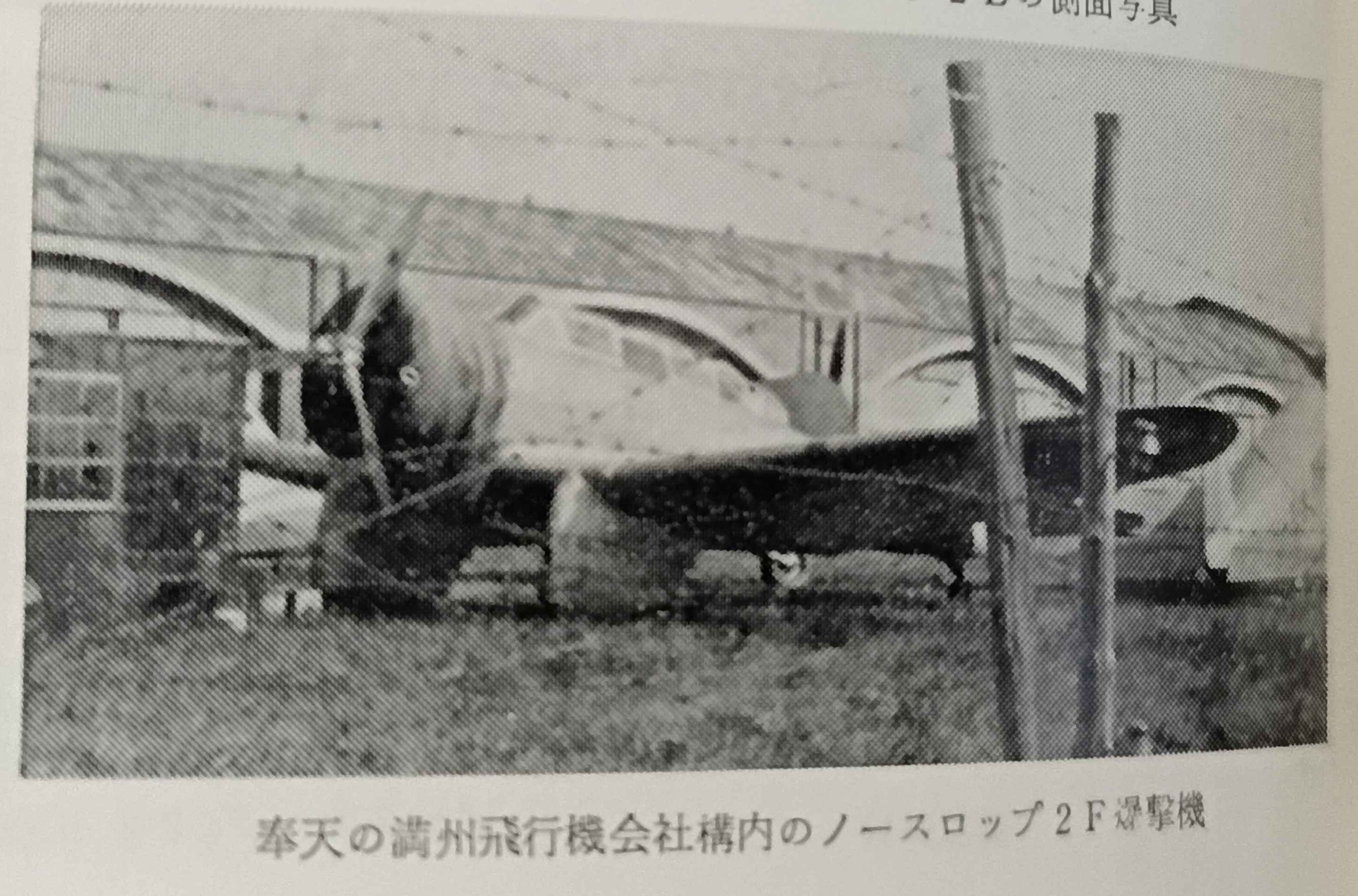
In 1936, work was ongoing on new Japanese Navy bombers for the 10-Shi competition. The Japanese Navy decided that these planes needed to be comparable to the aircraft that had caused a sensation in Japan, namely the Northrop Gamma 2E. Since that plane had crashed, they decided to try to get an improved version of it. This aircraft, called the Northrop Gamma 2F, was actually the prototype XA-16. In 1935, the US Army built two XA-16 prototypes, one of which was equipped with a Pratt & Whitney R-1830-7 engine producing 950 hp (this plane was later modified and became the prototype of the Northrop A-17) and the second XA-16 equipped with a Wright Cyclone R-1820-G3 engine producing 840 hp. By mid-1936, the Japanese had obtained the Northrop Gamma 2F (the XA-16 with the weaker engine) (most likely sold to Japan illegally, but there isn’t much information about it), which arrived in Japan at the beginning of 1937. At that time, the prototype Nakajima B5N and Mitsubishi B5M were already ready. The Northrop Gamma 2F/XA-16 in Japan was given the designation Northrop BXN2 and was used to improve prototype Nakajima B5N and Mitsubishi B5M planes, and also helped Manchuria Airplane Manufacturing Company develop the Manshū MT-1 Hayabusa passenger plane. Most likely, until the end of 1937, the BXN2 was used to study American solutions that the Japanese aviation industry could adopt. After that, the plane went to Manchuria, where under the guise of a civilian aircraft at Manchuria Aviation Company, it was actually used for reconnaissance missions over the USSR and China. The Northrop BXN2 was retired from service in 1939.
Construction description
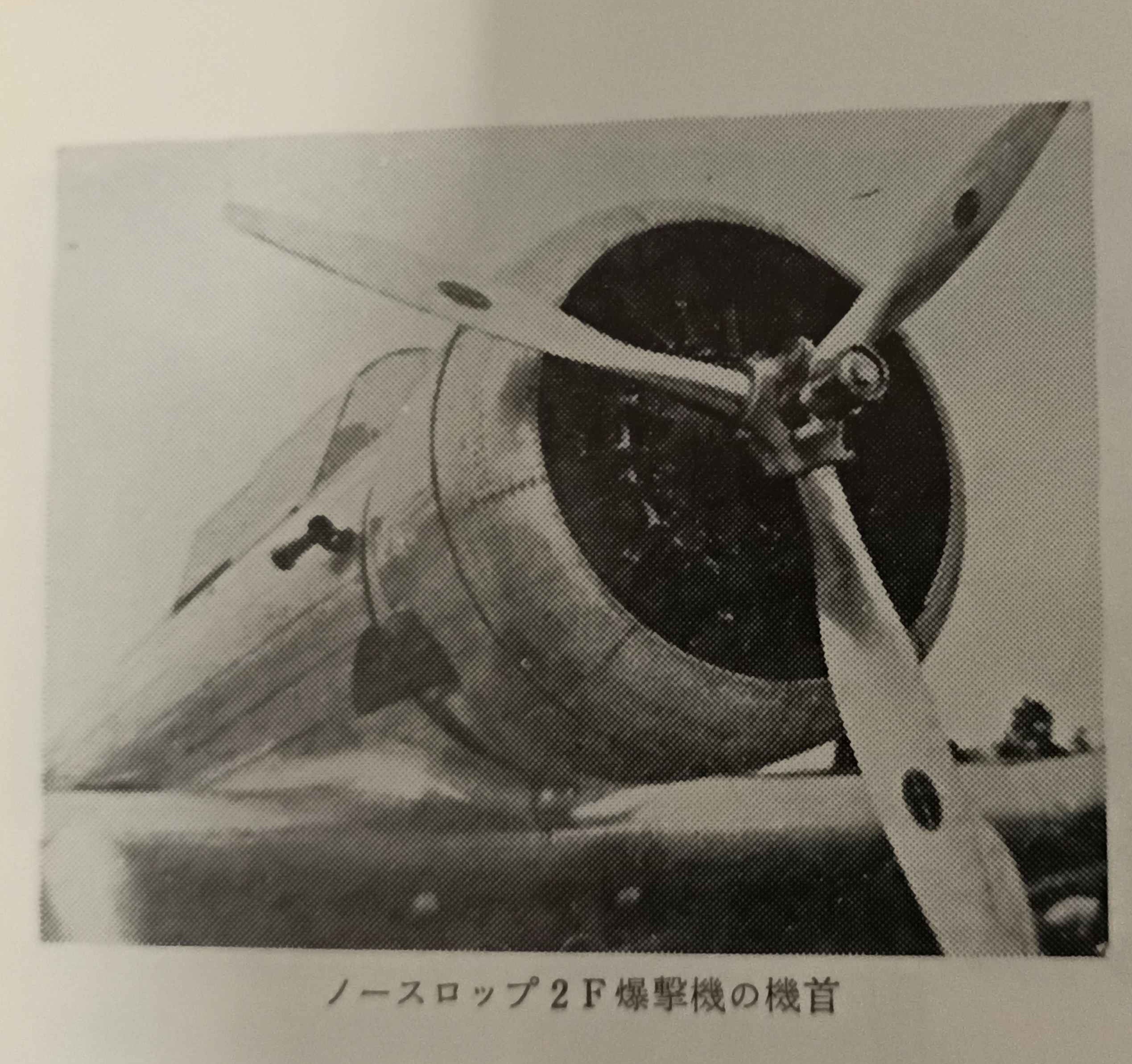
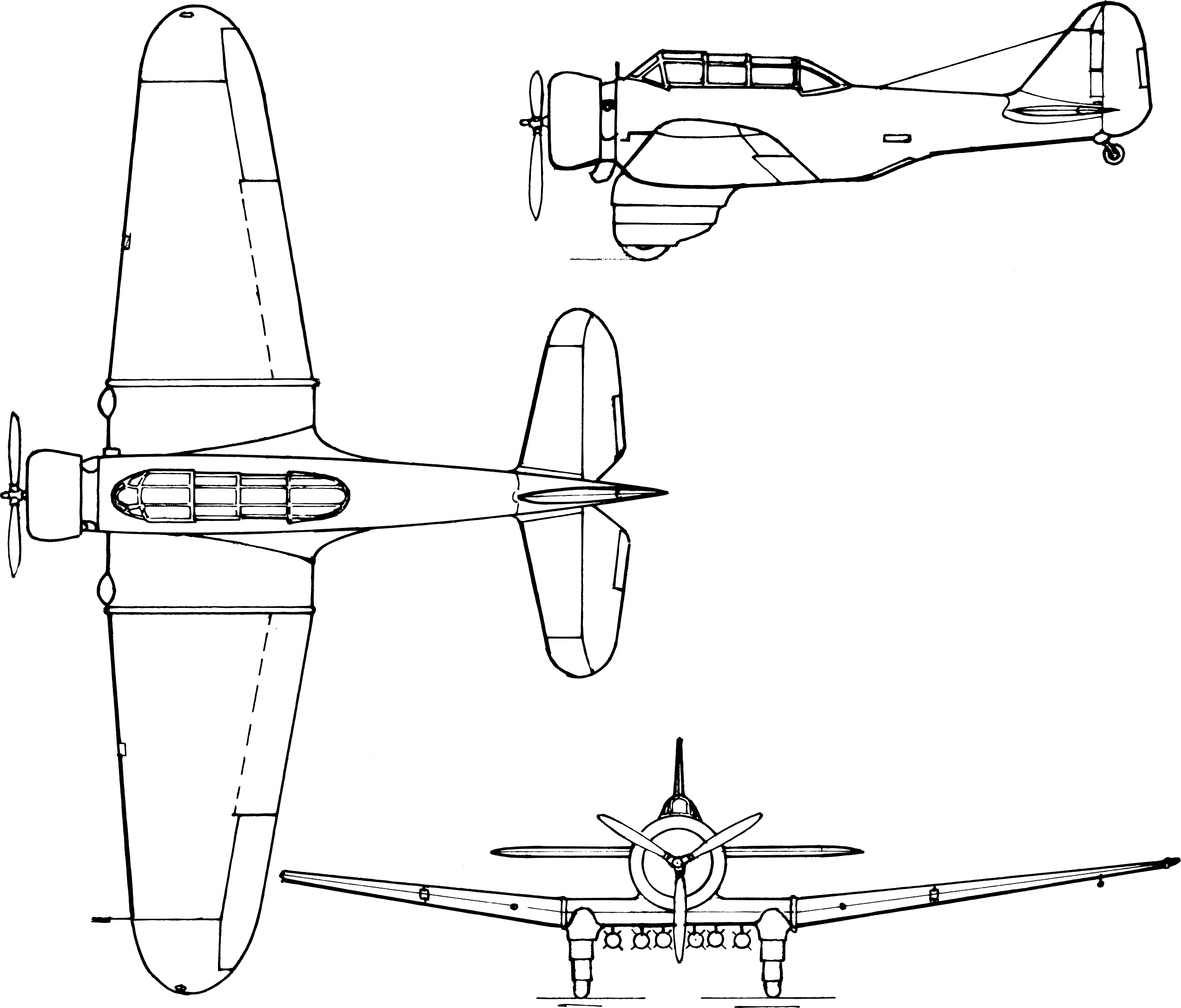
The Northrop BXN2 (Northrop Gamma 2F/XA-16) is a metal-constructed, low-wing aircraft with fixed landing gear. The enclosed cockpit housed the pilot and a rear gunner/bombardier. The plane was equipped with a retractable bomb sight at the rear gunner’s station, used for horizontal bombing. The Northrop BXN2 was powered by a nine-cylinder Wright Cyclone SR-1820-G3 radial engine producing 840 hp, which drove a three-blade propeller. The aircraft is armed with four 7.62mm Browning M1919 machine guns in the wings and one movable 7.62mm Browning M1919 machine gun at the rear gunner’s position. Under the fuselage, the BXN2 could carry 450-500 kg of bombs, although some sources mention up to 727 kg of bombs.
General characteristics
- Crew: 2
- Length: 9,5 m
- Wingspan: 14,63 m
- Height: 2,79 m
- Wing area: 33,7 m2
- Empty weight: 2340 kg
- Gross weight: 3400 kg
- Powerplant: 1 × Nine-cylinder Wright Cyclone SR-1820-G3 radial engine producing 840 hp
- Propellers: Three-blade propeller
Performance
- Maximum speed: 386 km/h
- Cruise Speed: 318 km/h
- Range: ?
- Maximum Range: 2300 km
- Service ceiling: 8300 m
- Climb Rate: 7,4 m/s
- Time to Climb to: ?
Armament
- Guns:
- 4 x 7.62mm Browning M1919 fixed machine guns in the wings
- 1 x 7.62mm Browning M1919 movable machine guns at the rear of the cockpit
- Bombs:
- Payload 450-500 kg or 727 kg (?)
Summary
The Northrop BXN2 (Northrop Gamma 2F/XA-16) is an interesting plane for Japan in War Thunder. This bomber would be a very useful support aircraft for Japan, offering strong bomb armament and a modern design. This plane works great along with its brother, the BXN1, for adding to the game as a premium plane that would support Japanese land or naval forces. This plane could also become an event vehicle. I encourage you to discuss in the comments and to share your own knowledge on this subject.
Finally, I apologize for the linguistic and logical errors because unfortunately English is not my main language and I had to use google translator.
Internet sources
Book sources
- 日本航空機総集 輸入機篇 (Japan Aircraft Catalogue Imported Aircraft Edition) Shuppan Kyosha, 1972, page. 125-127
- 日本航空機辞典 1910年(明治43年)~1945年(昭和20年) 上巻 (Encyclopedia of Japanese Aircraft 1910 (Meiji 43) – 1945 (Showa 20), Volume 1) page 183

Thank you for reading the suggestion, see you in the next one. Good luck pilots