- Yes
- No

The North American F-107A, informally referred to as the “Super Super Sabre” or the “Ultra Sabre”, was a fighter-bomber developed by North American Aviation for the USAF in the 1950s. Developed from the F-100 Super Sabre, it’s most striking feature was the unusual dorsal-mounted variable geometry intake. Despite some advanced features, it ultimately lost out to the F-105, and only three prototypes were built.
History
In 1953, around the time the F-100 had made its first flight, NAA began investigating the growth potential of the Super Sabre. These plans initially led to the F-100B and F-100B(I) designs. The former was to be a fighter-bomber while the latter was to be a all-weather interceptor. Eventually, as USAF requirements shifted, the two designs were merged into a single fighter-bomber focused aircraft. In 1954, the design had evolved to become so dissimilar to the original F-100A that a new designation was given: F-107A.
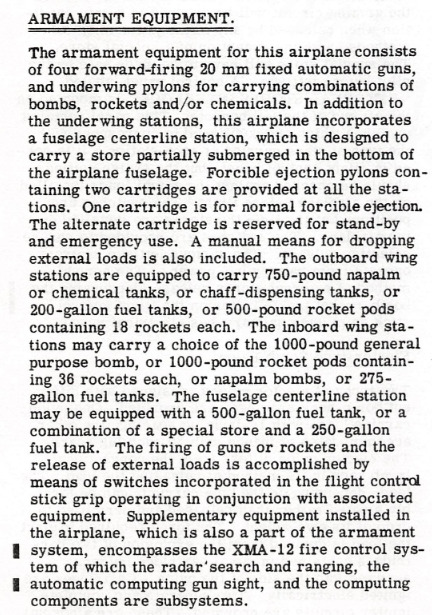
The most obvious change from the Super Sabre was the intake. The variable-area inlet duct (VAID) was an innovation unique to the F-107A at the time but similar to the variable geometry intake ramp that become popular much later. The intake was originally planned to be in the chin position, but the USAF required the capability to carry a underbelly semi-conformal nuclear weapon, and wind tunnel tests found that the chin intake would cause severe airflow interference during weapons release, so it was relocated to the dorsal position. The engine was also changed to the much more powerful J75 turbojet, at that time still under development. While the F-107A retained the Super Sabre’s wing planform and all-movable stabilator, it introduced a all-movable vertical tail and replaced conventional ailerons with spoilers to enhance high-speed controllability. Armament included four M39 20mm cannons and up to 10,000 lbs of suspended ordinance on five hardpoints.
The F-107A had some spectacular flight performance for its time, including the ability to climb near vertically at Mach 1. However, it could not carry as much ordinance as the F-105 and hence was outcompeted in the fighter-bomber role. The three prototypes were then relegated to flight testing duty. Prototype #3 was damaged in an aborted takeoff and scrapped, while prototypes #1 and #2 eventually ended up at the Pima Air & Space Museum and National Museum of the United States Air Force, respectively.
Design and specifications
General characteristics:
- Crew: 1
- Length: 61 ft 10 in (18.85 m)
- Wingspan: 36 ft 7 in (11.15 m)
- Height: 19 ft 8 in (5.89 m)
- Wing area: 376 sq ft (35 m2)
- Empty weight: 22,696 lb (10,295 kg)
- Gross weight: 39,755 lb (18,033 kg)
- Max takeoff weight: 41,537 lb (18,841 kg)
- Engine: 1x YJ-75-P-11 with 23,500 lbf (104 kN) thrust
Performance:
- Maximum speed: 1,295 mph (2,084 km/h, 1,125 kn)
- Maximum mach: Mach 2
- Rate of climb: 39,900 ft/min (203 m/s)
- Wing loading: 106 lb/sq ft (516 kg/m2)
- Thrust/weight: 0.62
Armament:
- 4x 20 mm M39 cannon, 200 rounds per gun
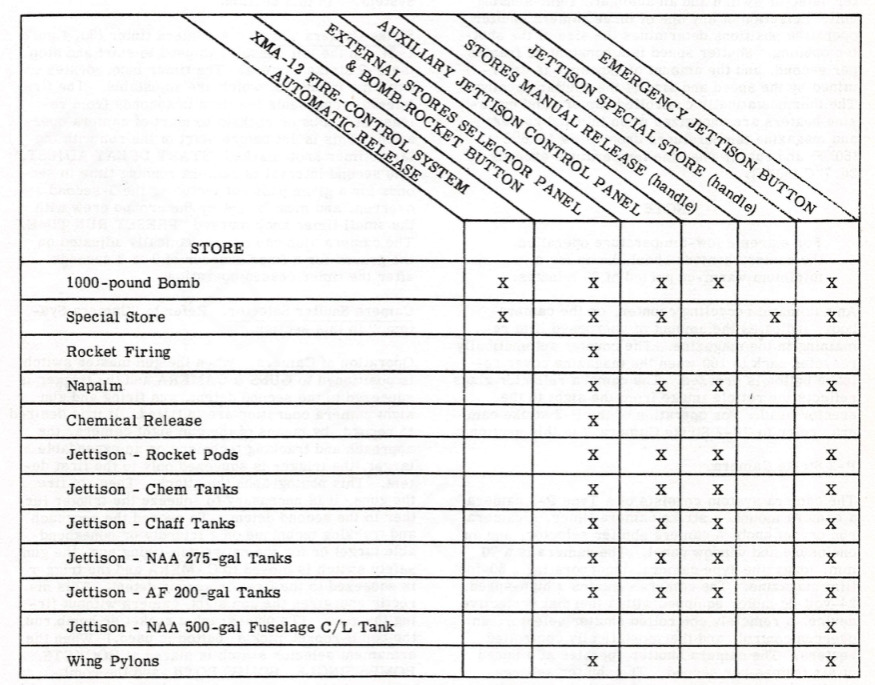
- Up to 9,980 lb (4,536 kg) of external stores, consisting of 1000 lb GP bombs, rocket pods, napalm bombs, and drop tanks
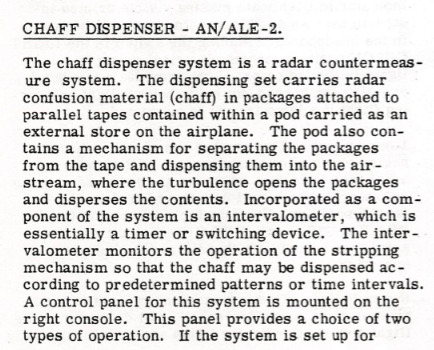
- AN/ALE-2 chaff dispenser pods
Avionics:
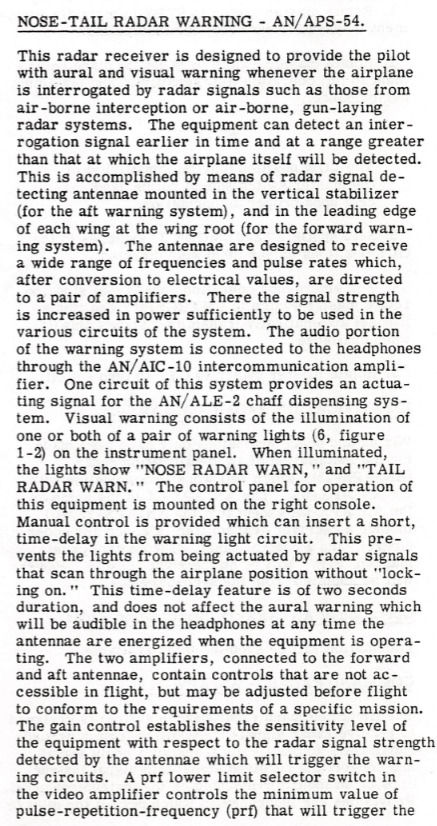
- AN/APS-54 RWR
- XMA-12 FCS (planned)
Sources
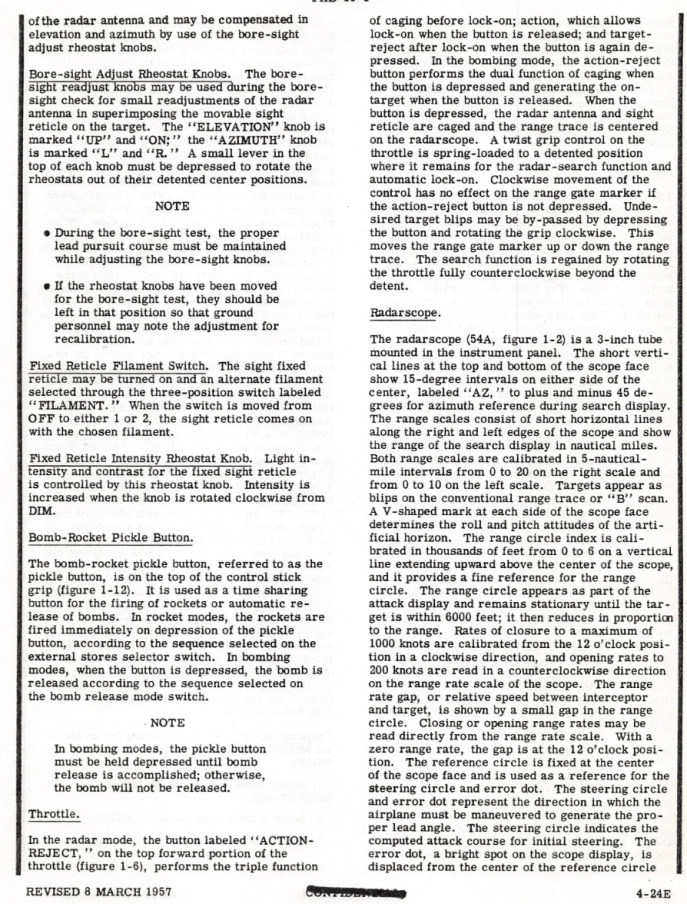
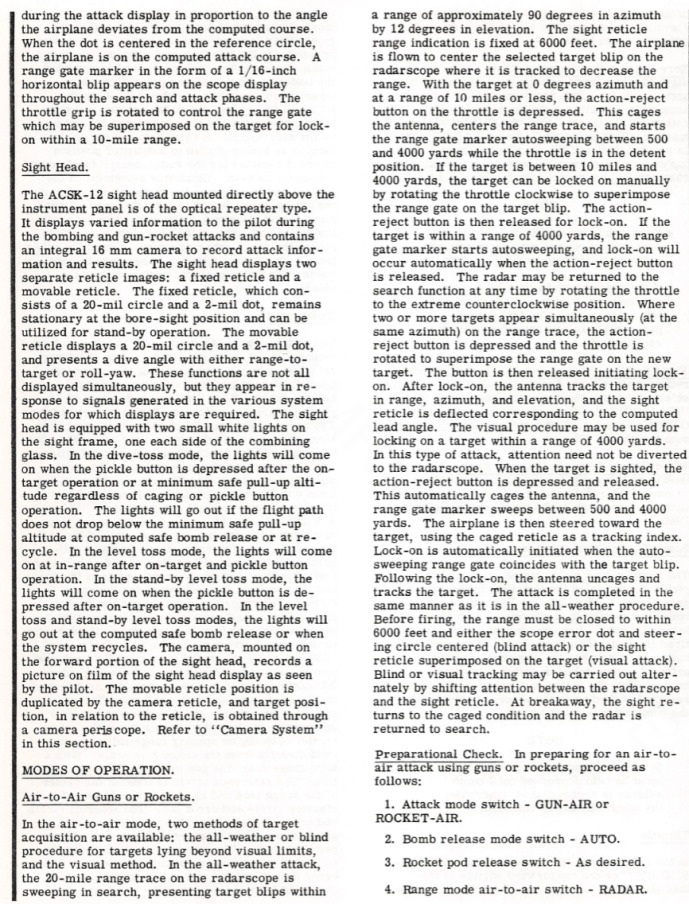
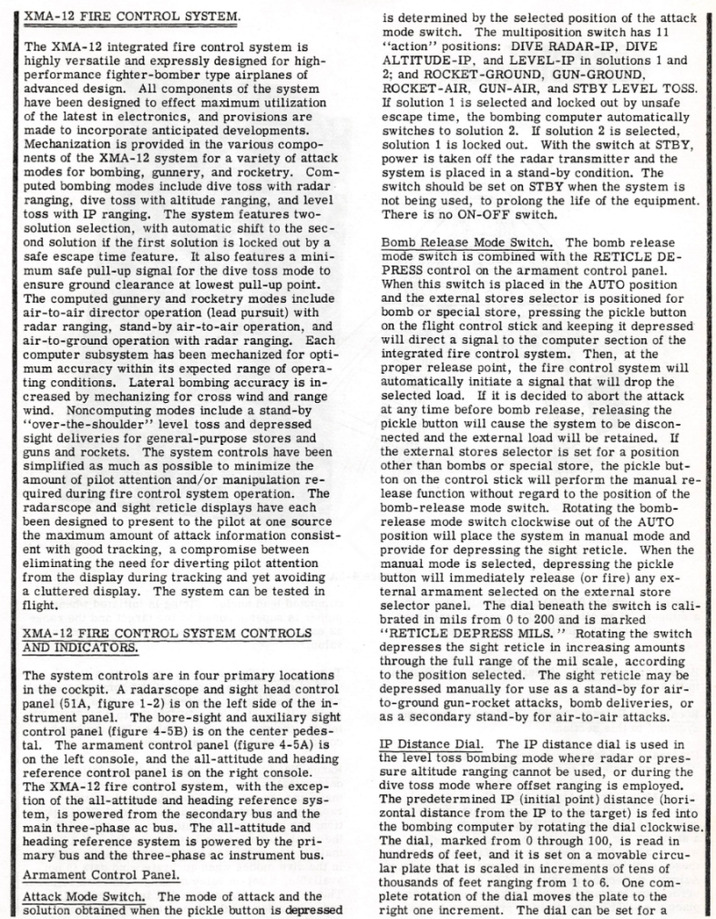
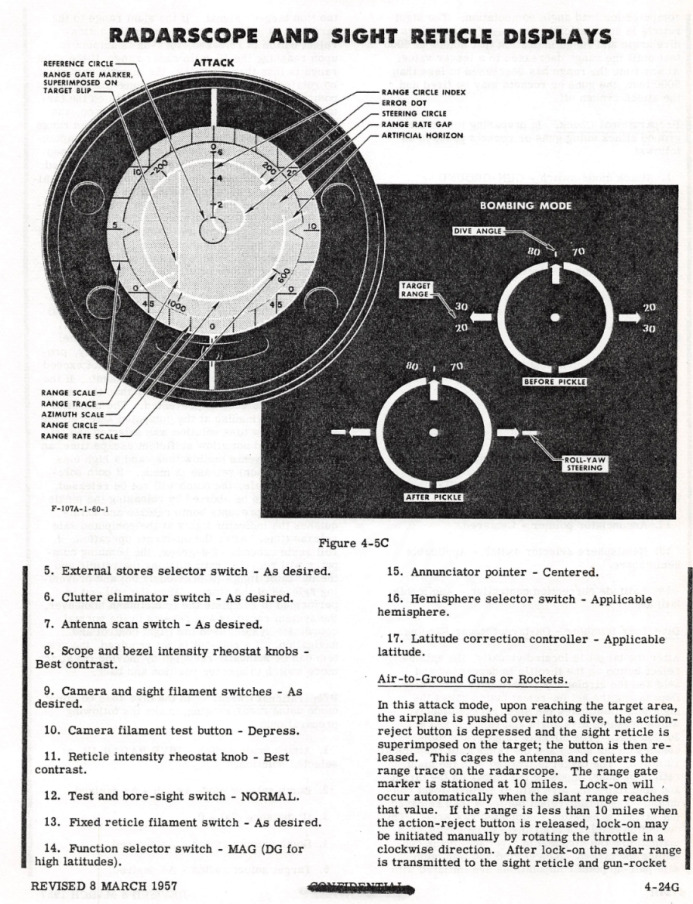
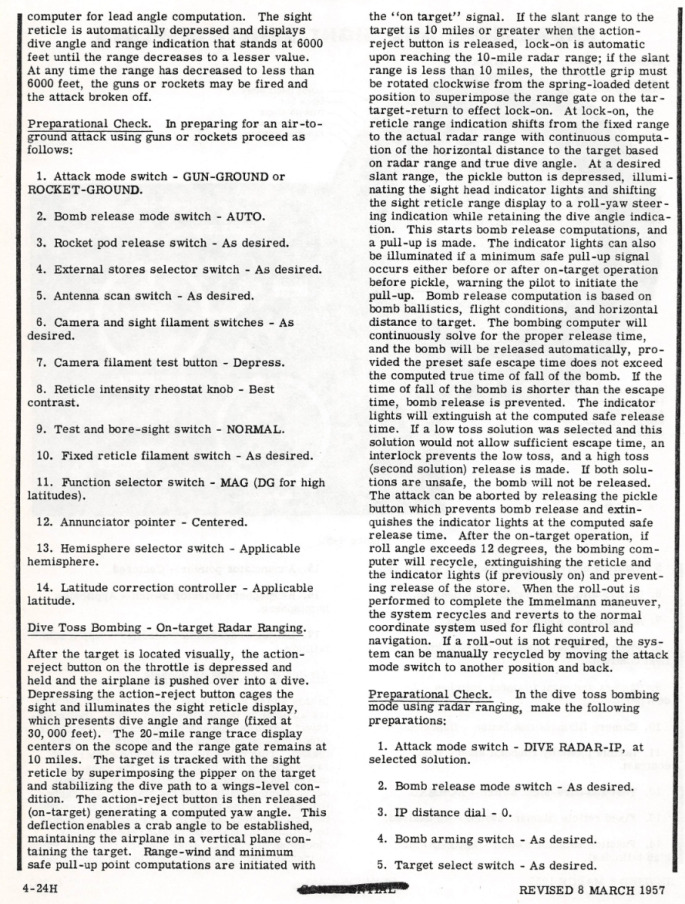
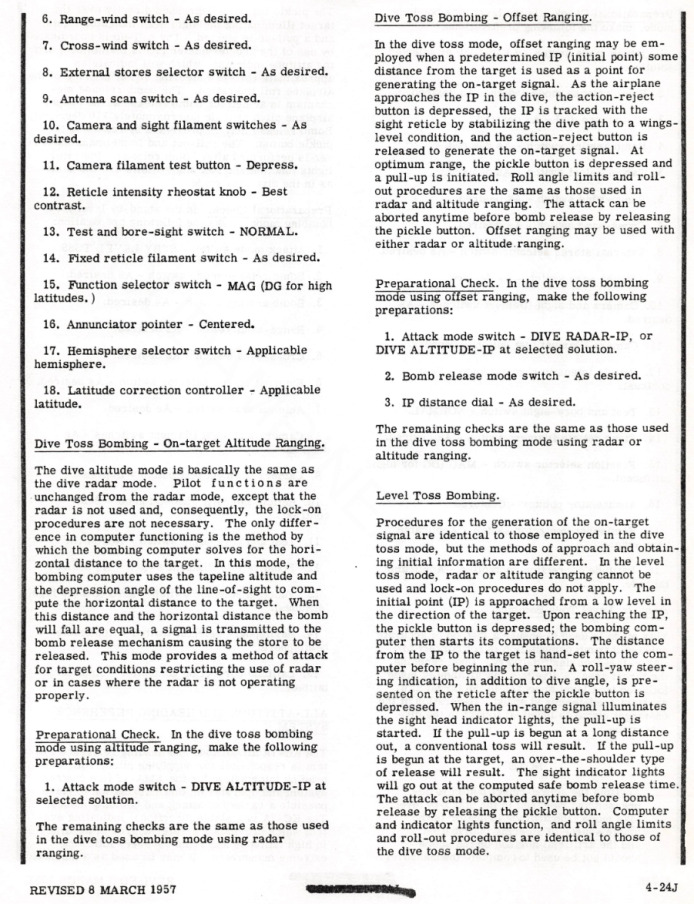
- FHB-10-1 F-107A Flight Handbook (8 March 1957) thanks to @Disco_Shrimp and @Nostalgistic (see 14th comment below)
- The big book of X-bombers and X-fighters : USAF jet-powered experimental aircraft and their propulsive systems by Steve Pace
- Aviation Factfile - Concept Aircraft. Prototypes, X-Planes and Experimental Aircraft by Jim Winchester
- North American F-100B/F-107
- Factsheets : North American F-107A
- https://www.nationalmuseum.af.mil/Visit/Museum-Exhibits/Fact-Sheets/Display/Article/195750/north-american-f-107a/
- North American F-107A - Pima Air & Space
- Historical Snapshot: YF-107 Fighter
- North American F-107 - Wikipedia