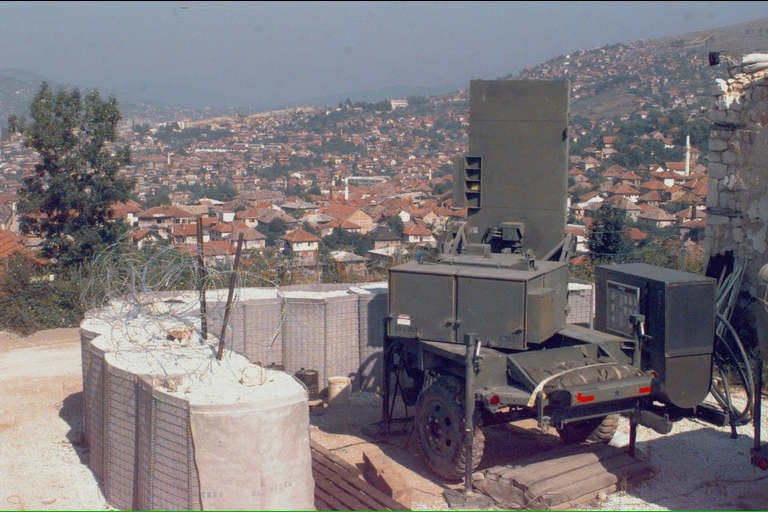
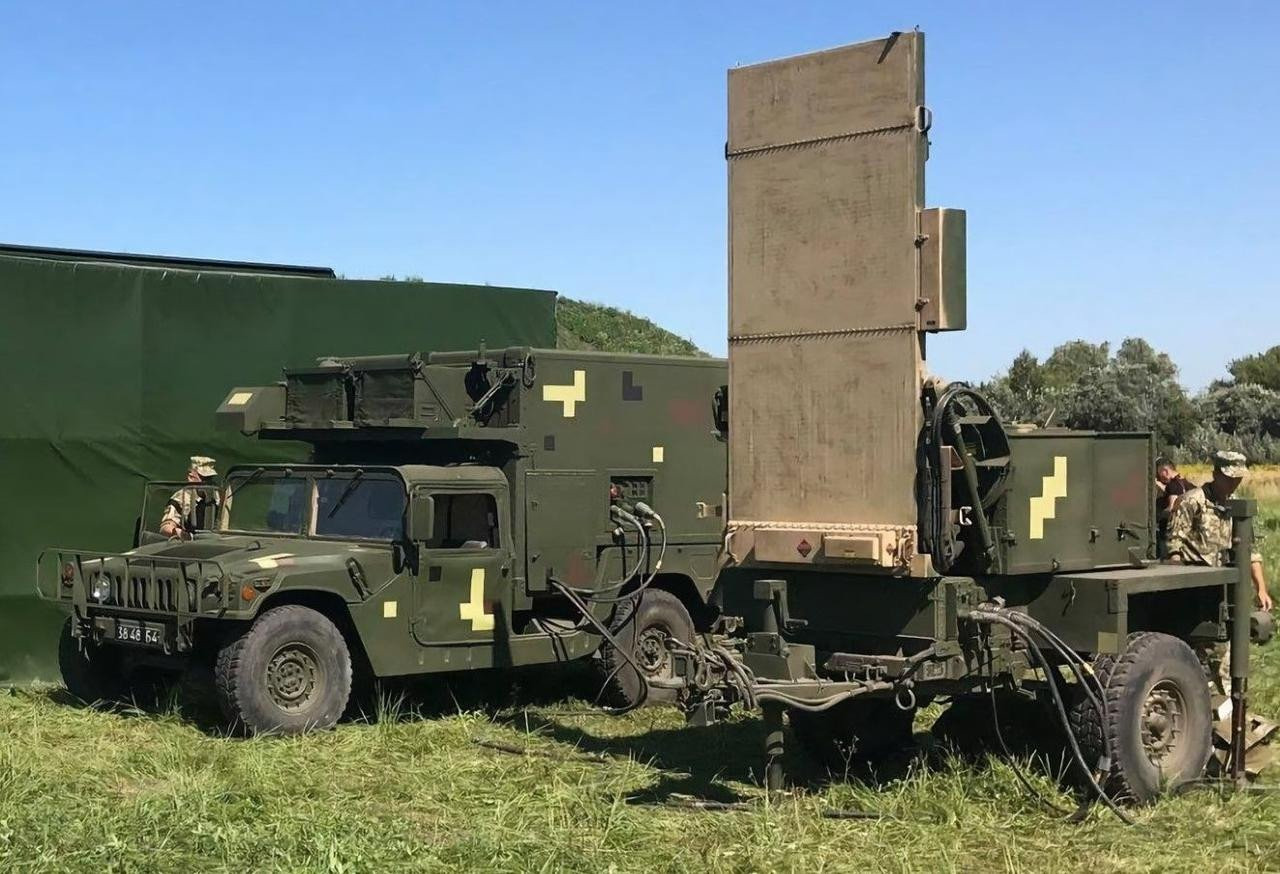
There is one more, The brochure
Tho this one looks like a simple oopsie while making the 3d simulation/graphic
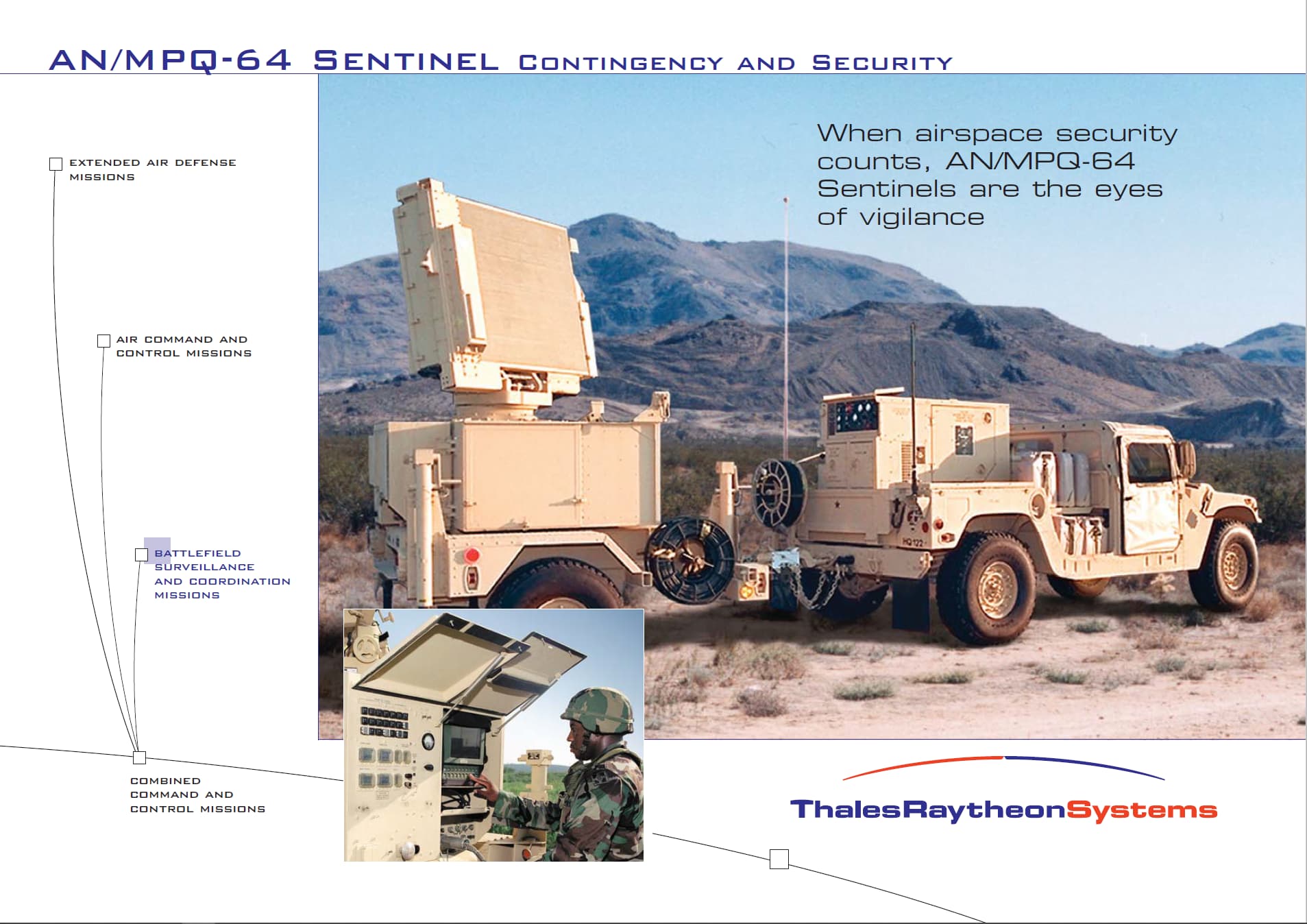
There is one more, The brochure
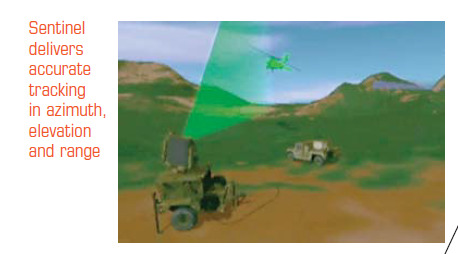
Tho this one looks like a simple oopsie while making the 3d simulation/graphic
Hm I’ve not seen this one before, interesting. But if it’s a correct image, then that beam that is shown is rather odd, as the ESA uses a pencil beam, which this isn’t. Assuming this comes from an actual simulation, which is correct, it may be the IFF beam of the rearwards facing IFF antenna (that I at least think it may be). The IFF beamwidth in elevation is 40°, which I guess makes sense here, it looks close to that at least. And simply the person who wanted a picture, took the wrong still frame from the simulation. But idk, maybe not.
One day Gaijin realised surely that there current “Backscan” is just BS
?
This is a Sentence
Sorry to say this, but even tho Gunjob is a great guy, he has no impact on what devs do.
Ye, he helped Us on alot of stuff be it the Eurofighter or other stuff, Gunjob is on our (player) side
All I’m trying to say is that an internal bug report may have been made. And the devs just acted on that report. Not that he forced this change of course. Since only moderators I think can make internal/hidden reports, and afaik no visible report was made on this.
I don’t think the developers themselves were frantically searching for sources on Sentinel to get this fixed, as they usually just forget about things after the initial implementation, but I could be wrong.
Welcome to WT, thats sadly normal (atleast it feels like it)
i thought that rear facing smaller radar dish looking thing was a single beam just to update TWS positions
so not a wide search is how i assuemd it worked
Honestly that’s possible still, but I have no sources to back up that behavior. But I think it being the IFF antenna is more likely. The Sentinel is basically a cut down and rotated TPQ-36, which does not have IFF.
And the rectangular box underneath this antenna (to which the rear antenna is connected to, if you look at closeups) you see may just hold the IFF interrogator, at least looking at pictures of the interrogator, it may fit the overall shape of one.
This is TPQ-36, note the clear backside and the front of both Sentinel and TPQ-36 is pretty much the same. So the differences between them must include the IFF antenna, which this rearwards facing antenna may just be.
cus what else would backscan mean
calling just iff backscan would be weird, and to perform iff you still need to find the target again
ok, so what this is showing is that if this is what they mean by backscan the current implementation is updating datalink 1/3rd as often as it should
Keep in mind, the Video shows Forward and Backward Scanning, so in case for the NASAMs radar its just 1 scan/update missing
that would still be doubling the update rate which would massively improve the system
especially given that when that occurs would be a half second after the scan, and for TWS to give an accurate position it needs to scan something twice, so it would go from needing 2 seconds after acquiring to be able to engage down to 0.5 seconds
and given the software updates and hardware updates the later versions would 100% be scanning both forward and backwards
Or in other words, it would be a AESA Radar )))
You got sources?
no, but it would be possible through software changes, and fit the vague claims like “improved target tracking”
Ok, but without sources you will never see that (insert Evil Laugh from a TRML-4D pov)
If you look at the attached sources, back-scan is basically scanning in opposite rate of the mechanical scan rate. In other words, if the the radar rotates forwards, so does the beam, but using electronic back-scan, we can steer the beam back to the old position.
For instance, the beam is at 0°, but due to mechanical rotation of the entire array the beam is shifted to 1°, but using electronic back-scan, we can steer the beam back to the 0° position, in order to revisit the target or increase CPI for higher doppler resolution for instance.
The IFF is not being called back scan. I think the brochures even just say it’s a secondary radar, so it just works independently I suppose, and then data from both the frontal array and the IFF are put together later down the line. I don’t really see the problem anyway.
true, but if anything I feel like gaijin is more likely to skip to the AESA one (it should already have constant target updates like every other ESA radar in game) in which case it probably would get an even better refresh rate