- Yes (Long-wingspan version. Higher maneuverability)
- Yes (Standard Wingspan Version. Higher speed)
- No

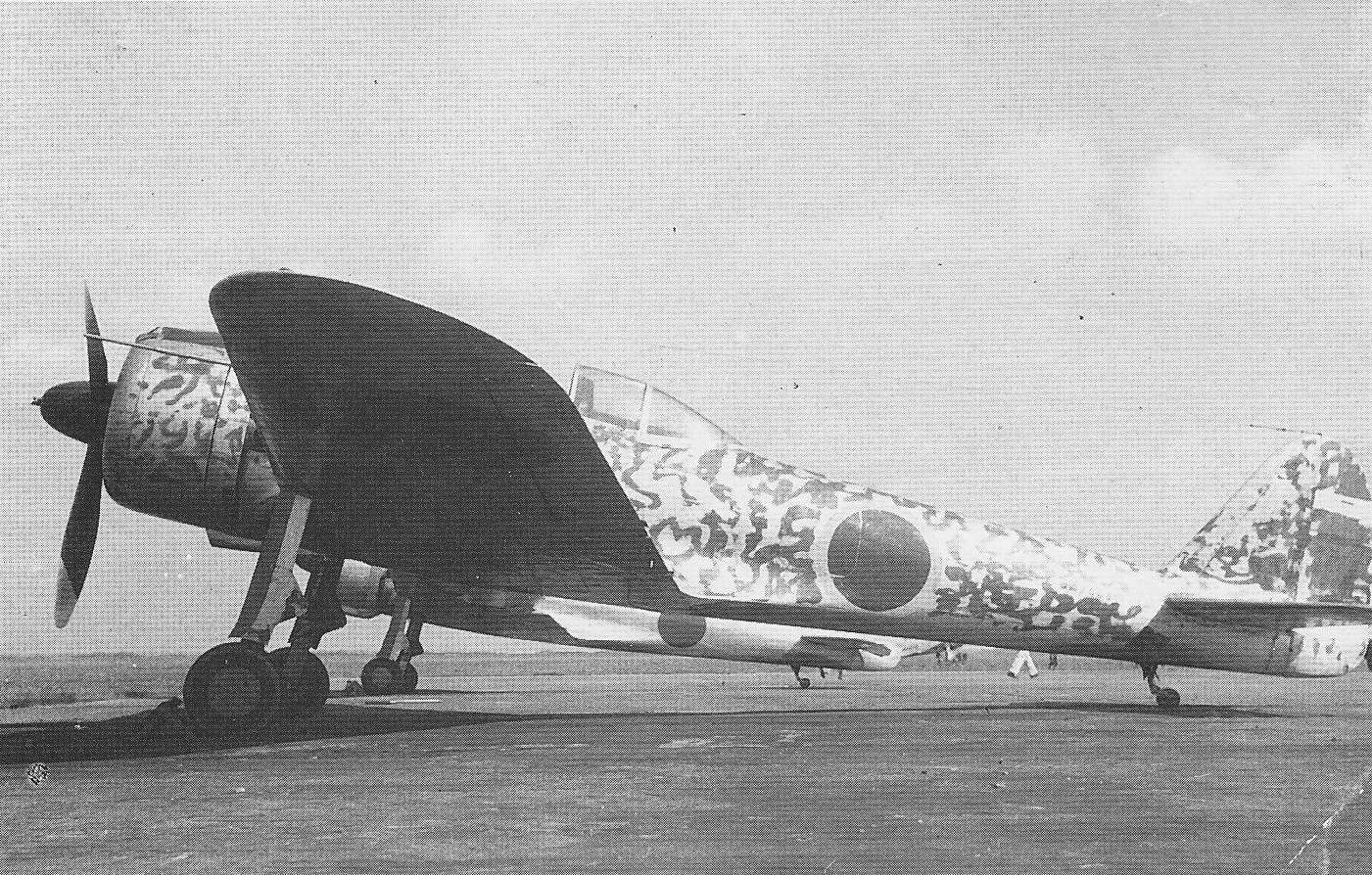
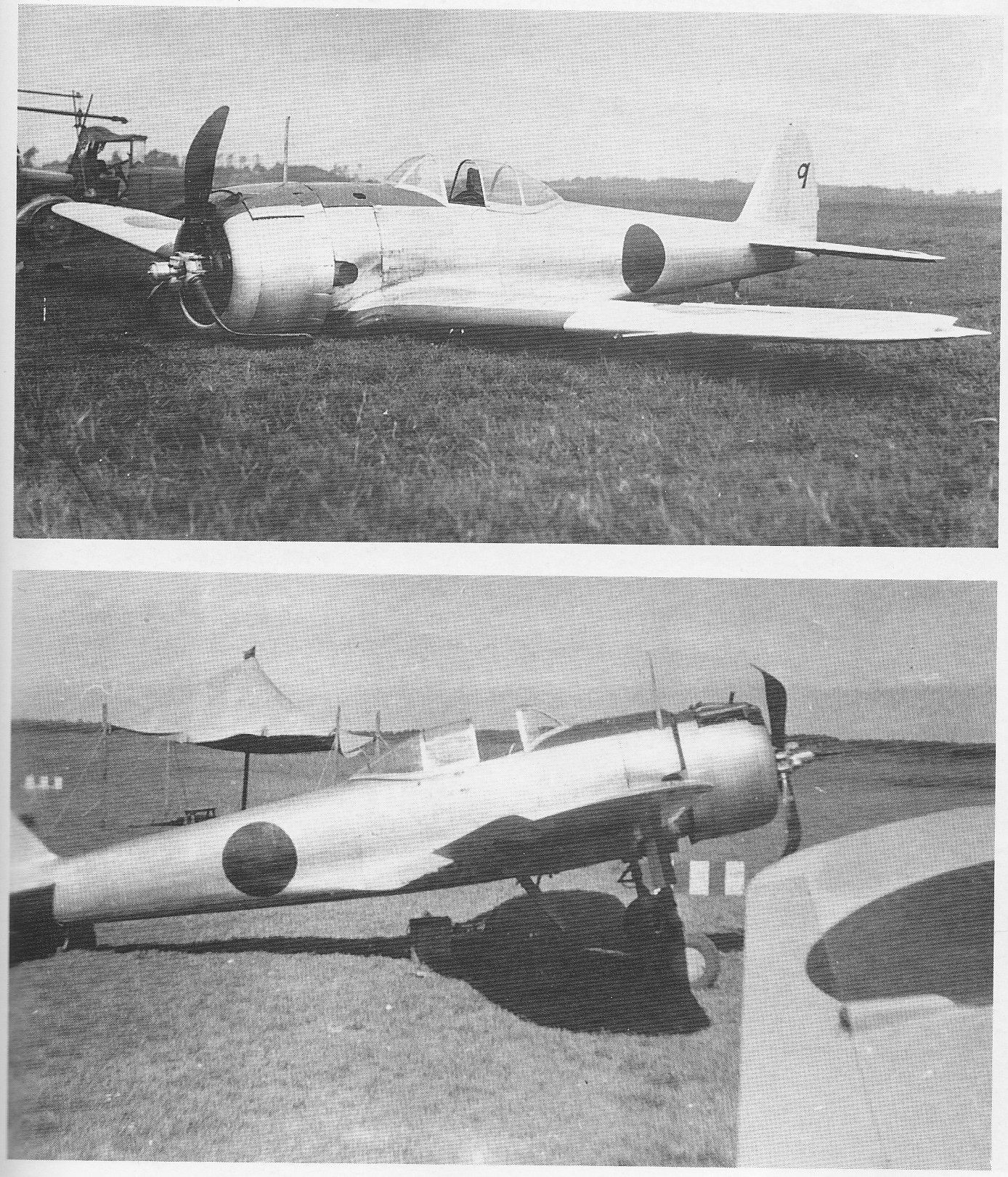
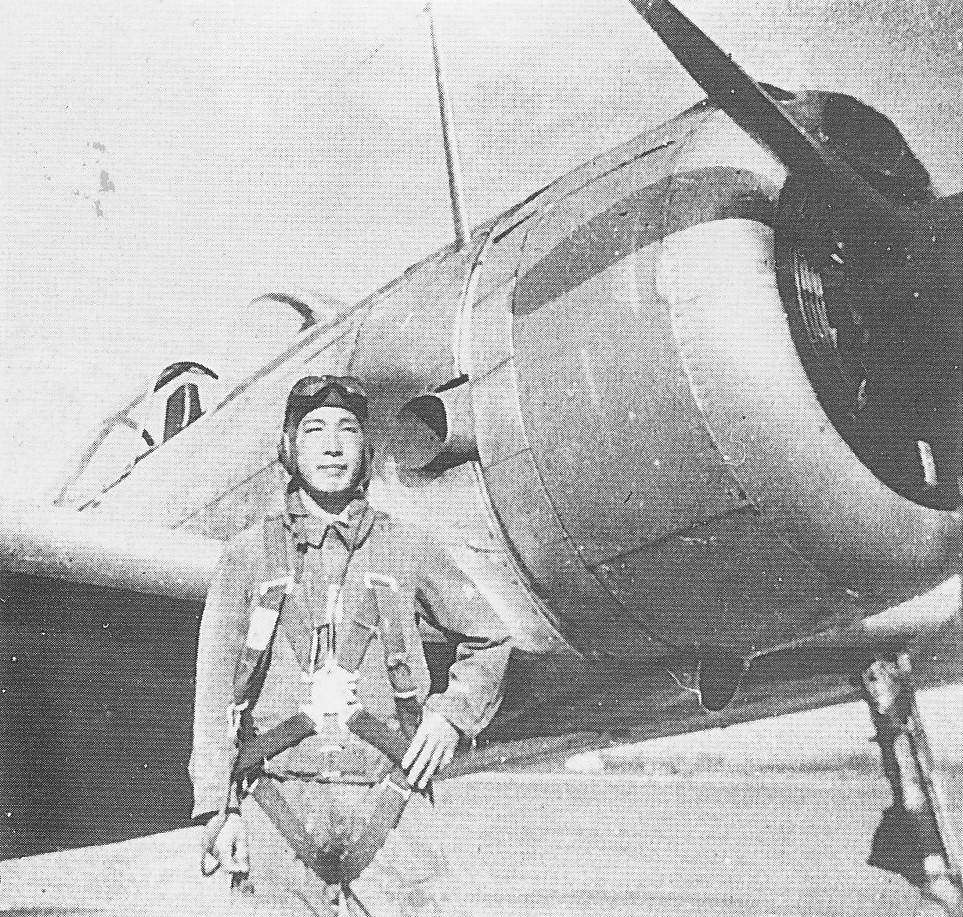
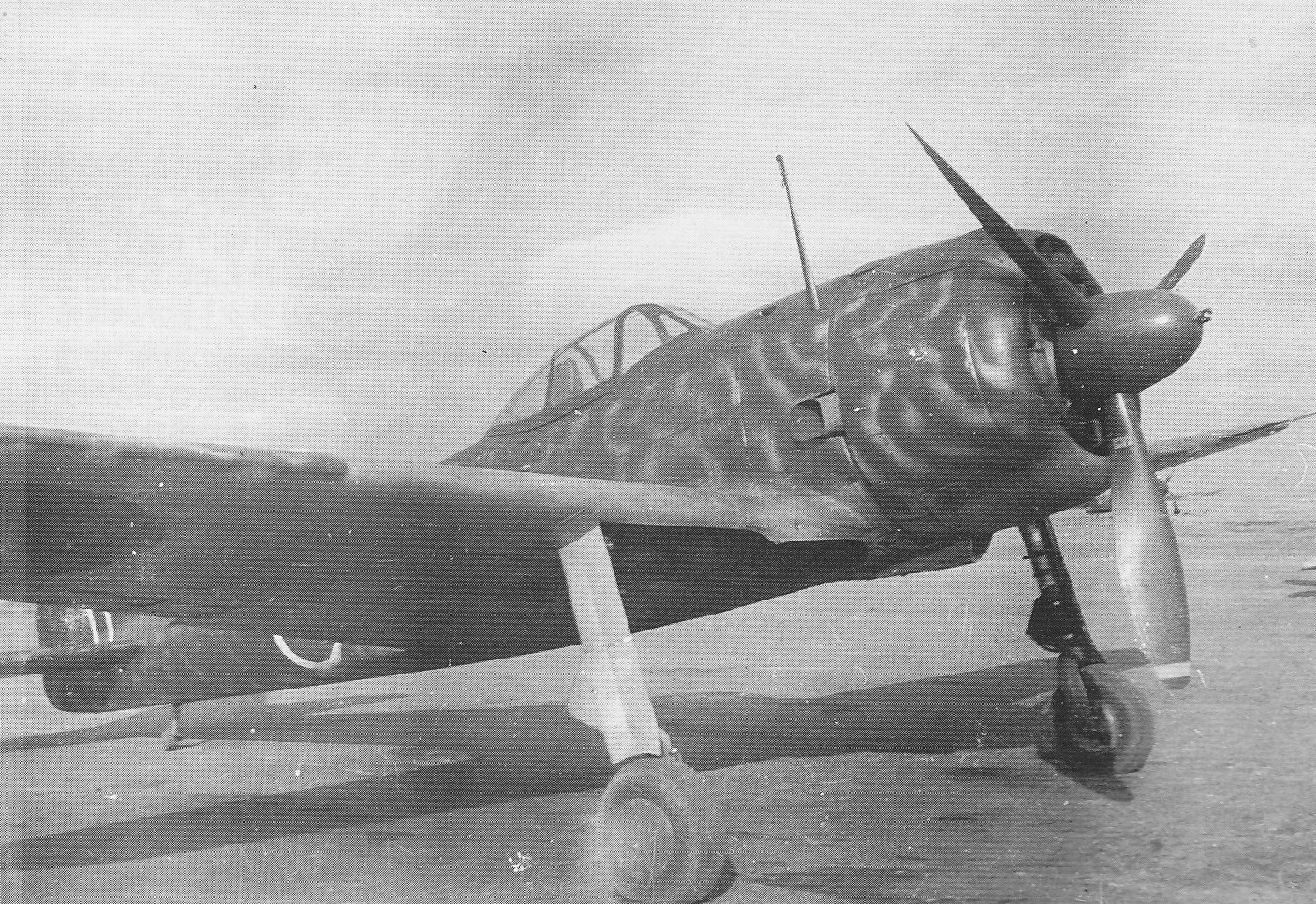
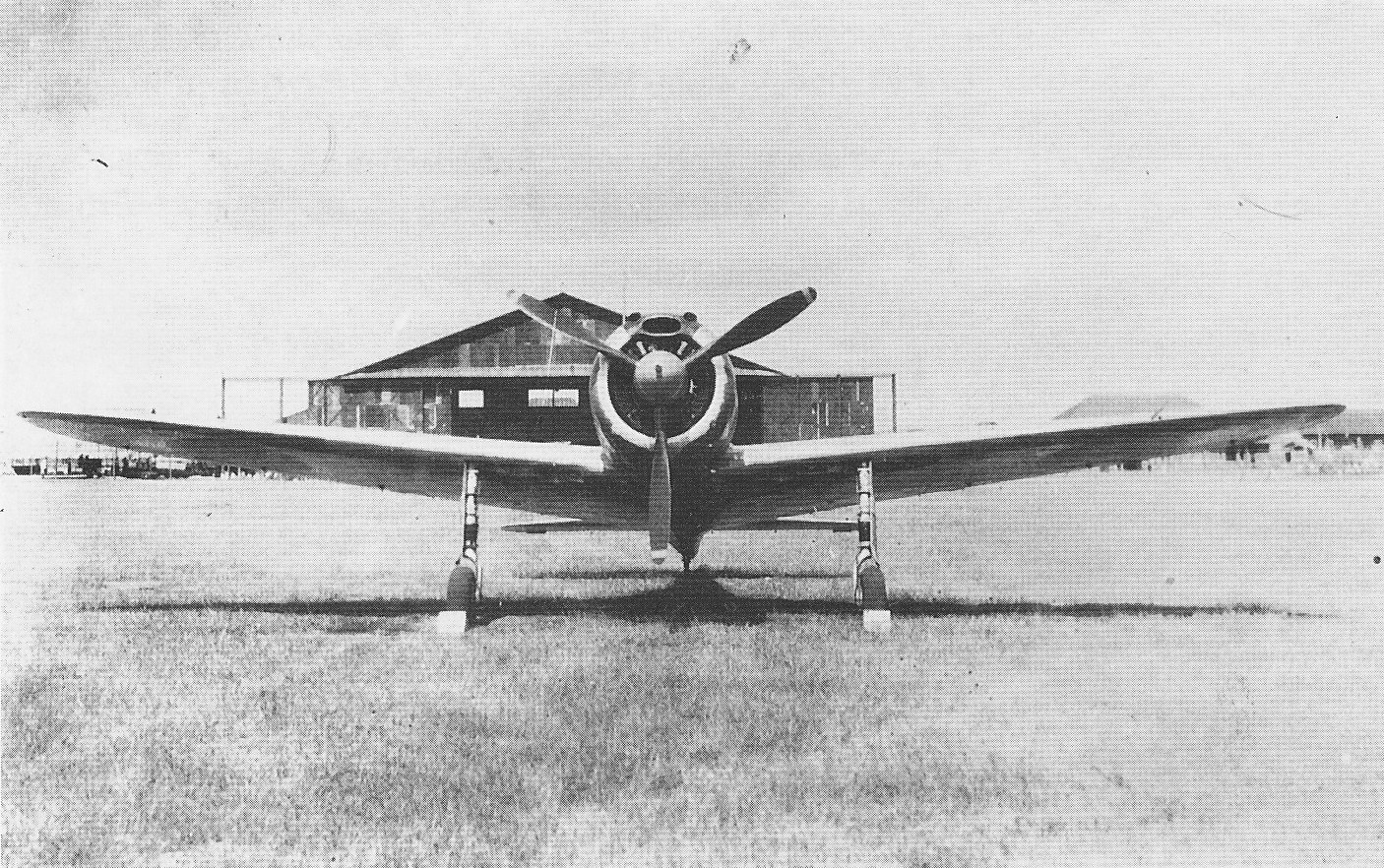
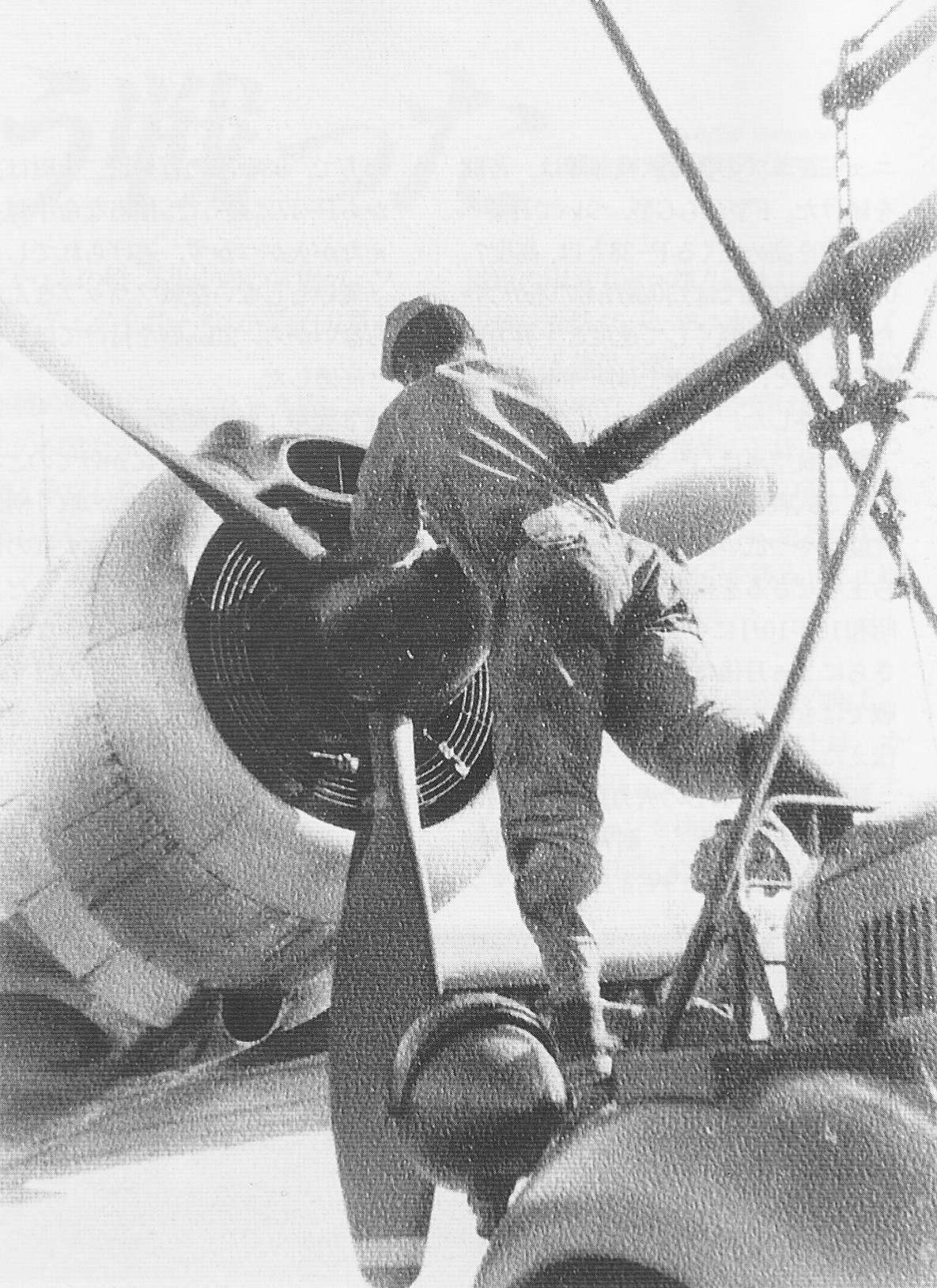
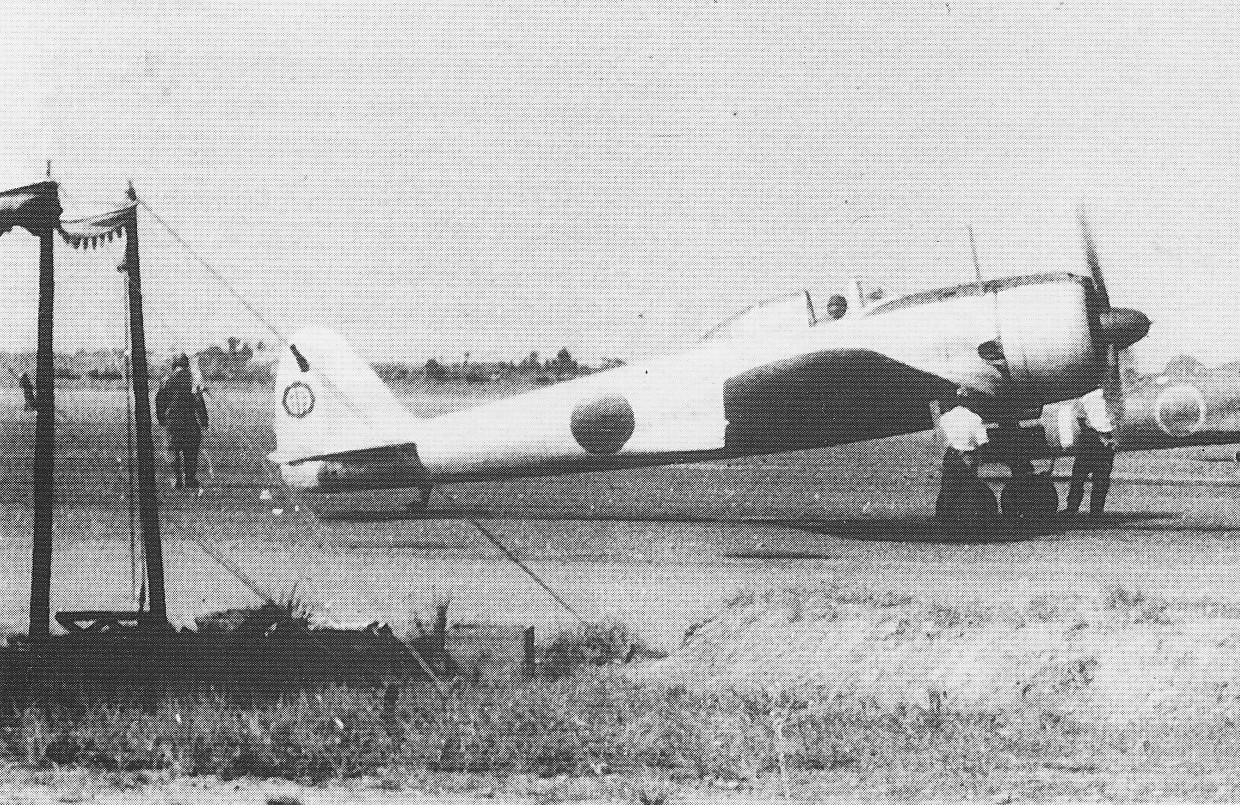
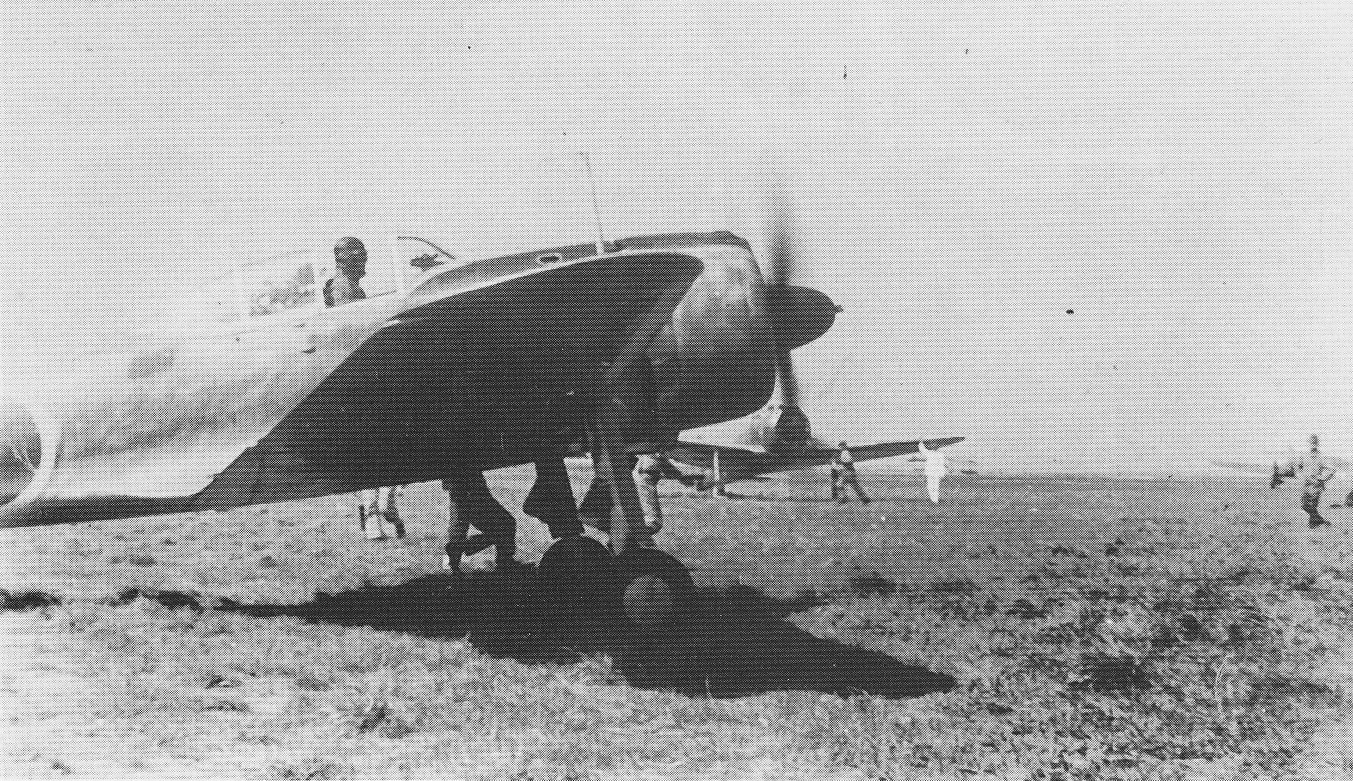
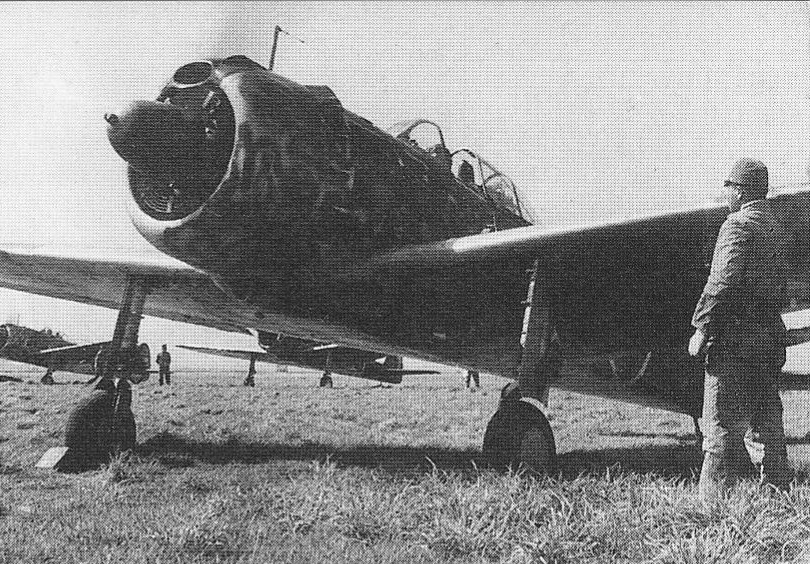
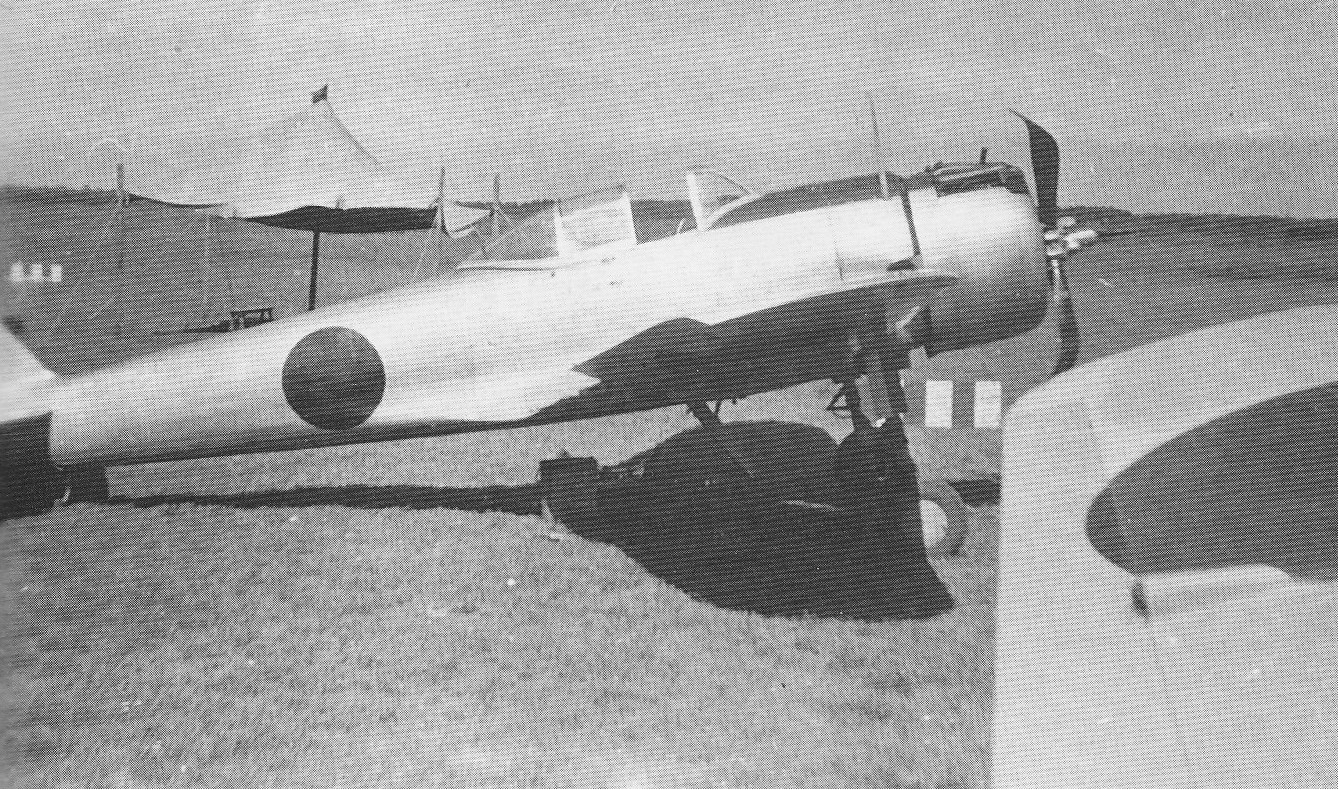
Nakajima Ki-43-II (Early) (中島 一式戦闘機「隼」キ43-II (初期型))
Mass production of the Ki-43-II (early) began in November 1942; approximately 280 units equipped with a ring-type oil cooler were produced, and when including aircraft produced before they were fitted with bulletproof steel plating, total production exceeded 600 units.
Note
Although the Ki-43-II underwent several minor modifications, there were no changes to its armament, so the IJA did not distinguish between different model names. Therefore, the term “Early” used here is merely a colloquial term and not an official model designation. Please be aware of this.
History
The Ki-43-I was officially adopted in April 1941, and mass production and deployment to units proceeded. Around the same time, in June 1941, development of the Ki-43-II—an improved variant—also began. The Ki-43-II was required to address fundamental issues, such as structural weaknesses discovered after the Ki-43 prototype and the Ki-43-I had been deployed to units, and to improve flight performance by replacing the Ha-25 engine with the Ha-115.
Design and prototyping proceeded smoothly, and the first prototype (No. 5001) was completed in February 1942. By May, five prototypes (up to No. 5005) had been completed, and three “Increased Prototypes” (up to No. 5008) were also completed during the summer. Flight testing also proceeded smoothly, and in June, the aircraft was officially adopted as the Ki-43-II. However, due to difficulties in switching production from the Ki-43-I, mass production did not begin until November. Production took place at Nakajima (No. 5009 onwards) and Tachikawa (No. 15000 onwards).
On the Ki-43-II, the wings were thoroughly reinforced to address the increase in weight and resolve the structural weakness issues discovered in the Ki-43-I. Initially, wings with the same wingspan as the Ki-43-I were used, but to achieve a higher maximum speed, production model No. 145 (presumably No. 5153) and subsequent units switched to a new wing profile with the wingtips trimmed by 30 cm.
Initially, the oil cooler consisted of a ring-shaped unit mounted in front of the engine and a small auxiliary cooler mounted below it. However, starting with Nakajima-built aircraft No. 5234 and Tachikawa-built aircraft No. 15051, the ring-shaped oil cooler was eliminated, and a large oil cooler was installed below the engine instead. A total of 275 aircraft (283 including prototypes) were equipped with the early oil cooler configuration.
The aircraft were not originally equipped with armor plates, but in January 1943, the Air Headquarters changed its policy to promote the installation of armor plates, and in response, armor plates were added to the Ki-43-II as well. They were installed starting with No. 5580 (manufactured by Nakajima) in June of that year (the date for Tachikawa-manufactured aircraft is unknown), and at least 622 aircraft were produced without armor plates. There were three armor plates with a combined weight of 48 kg; some units chose to remove them to avoid a decline in flight performance. In some cases, only the head armor plate—which impaired rearward visibility—was removed. However, since the armor plates were confirmed to be reasonably effective, their installation became standard practice within the IJA relatively early on.
Construction description
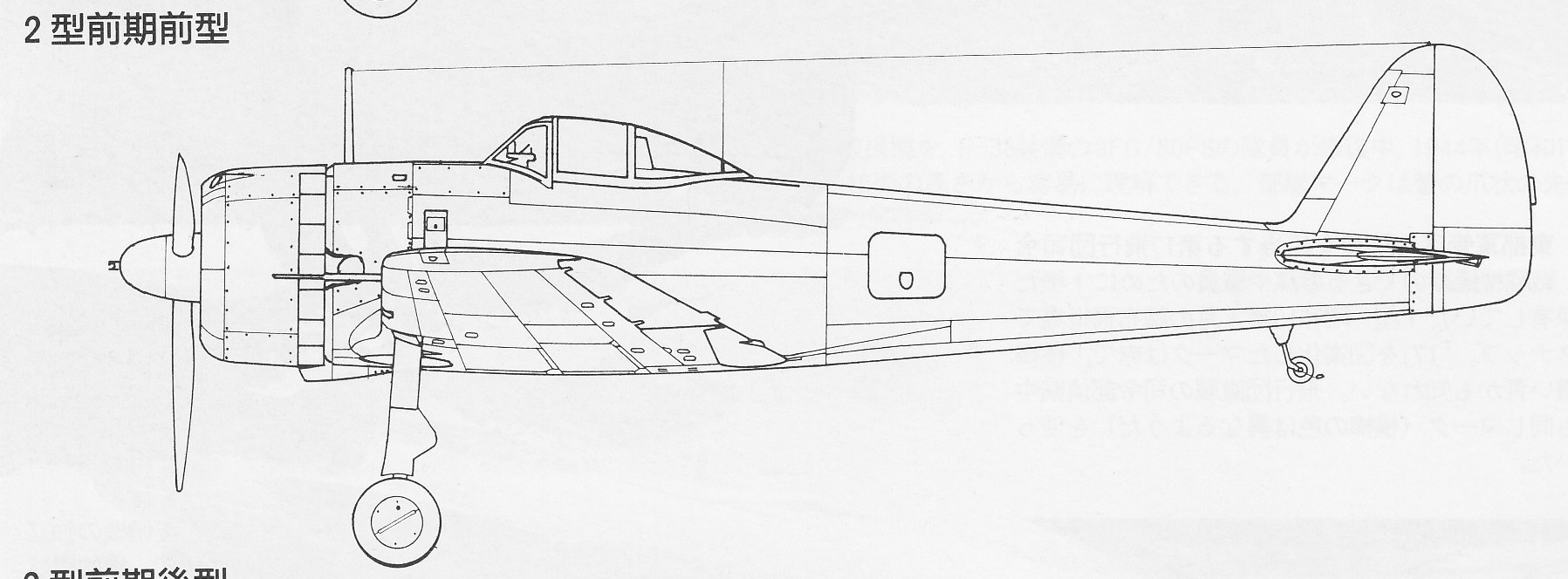
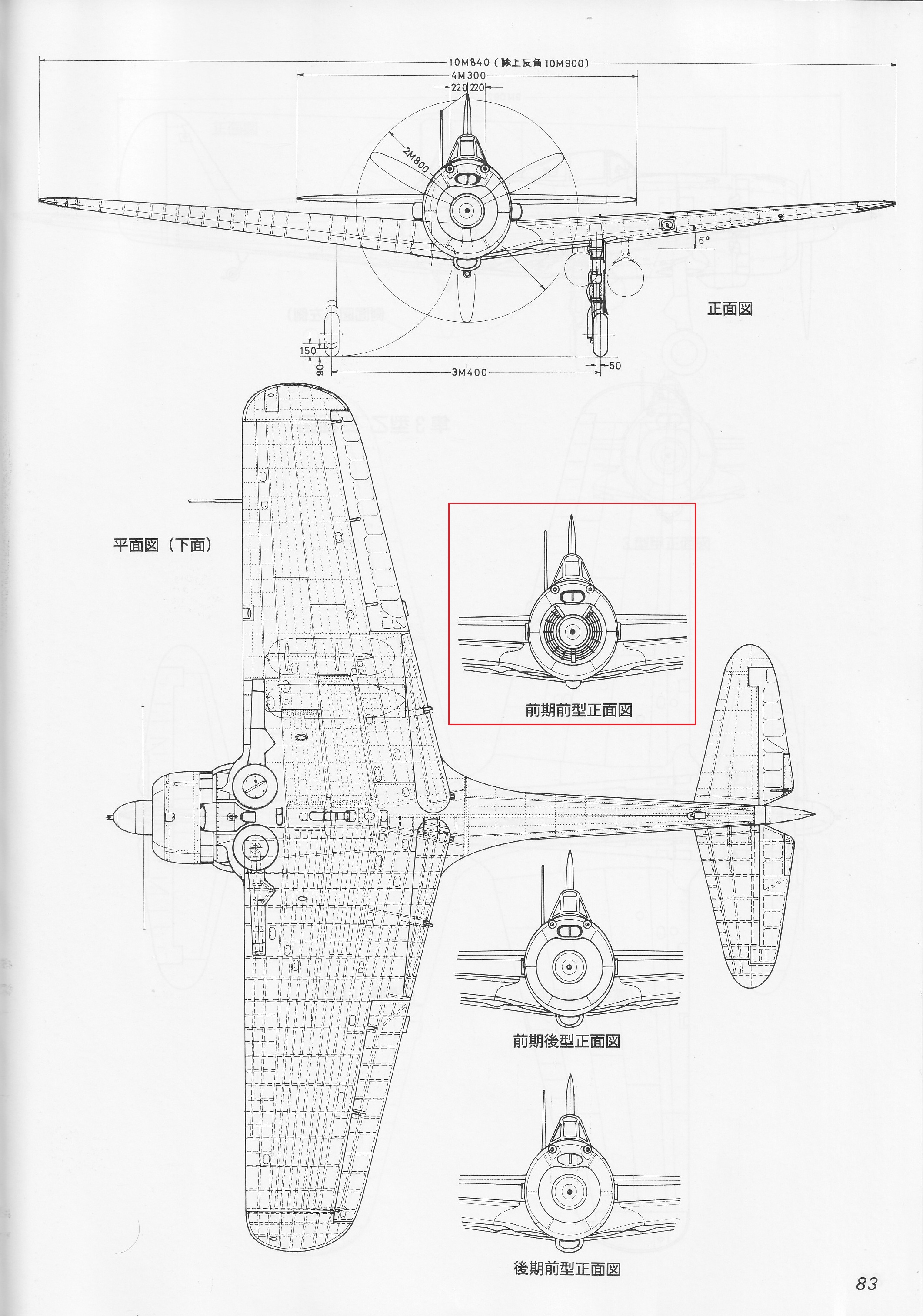
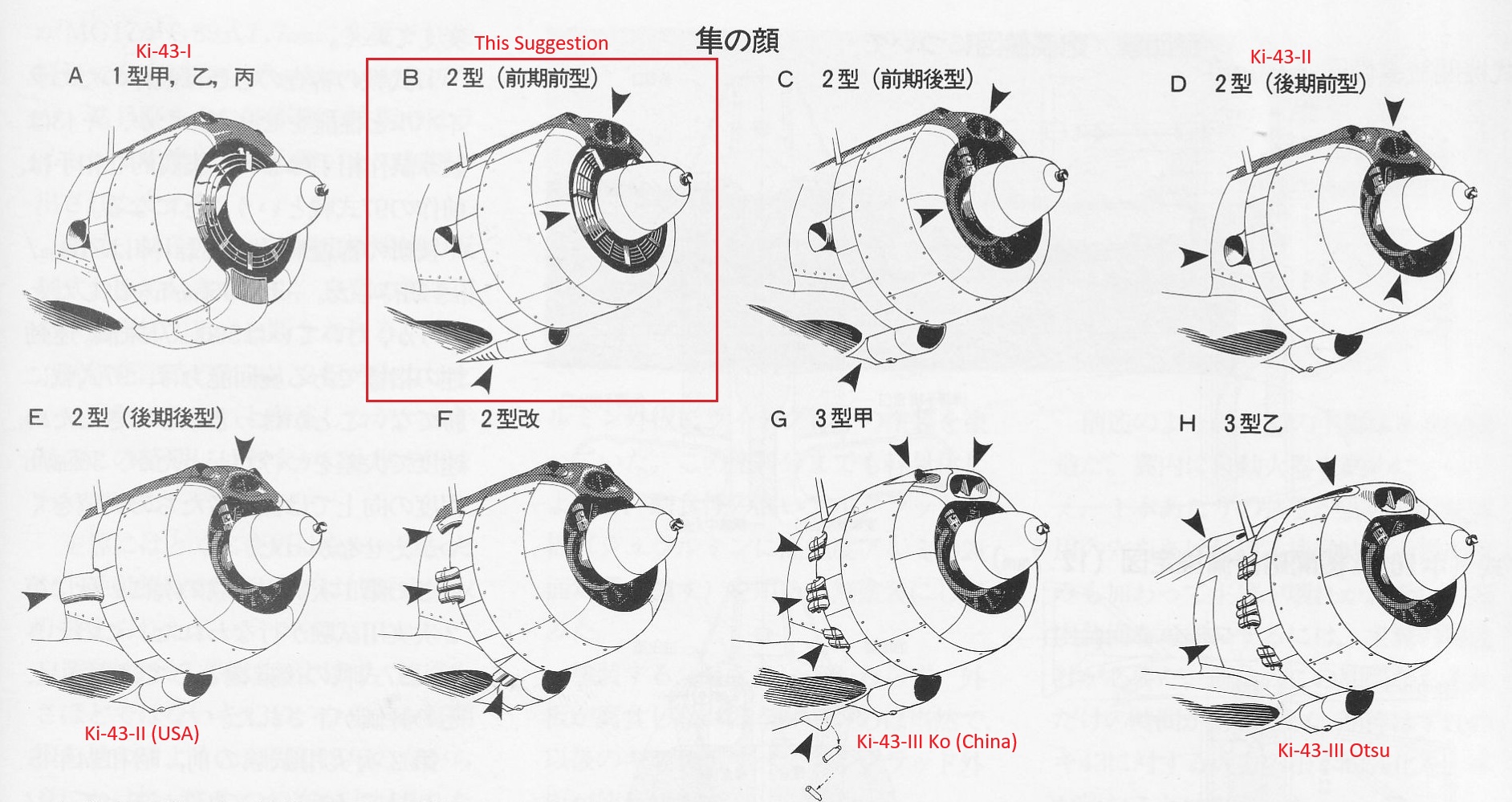
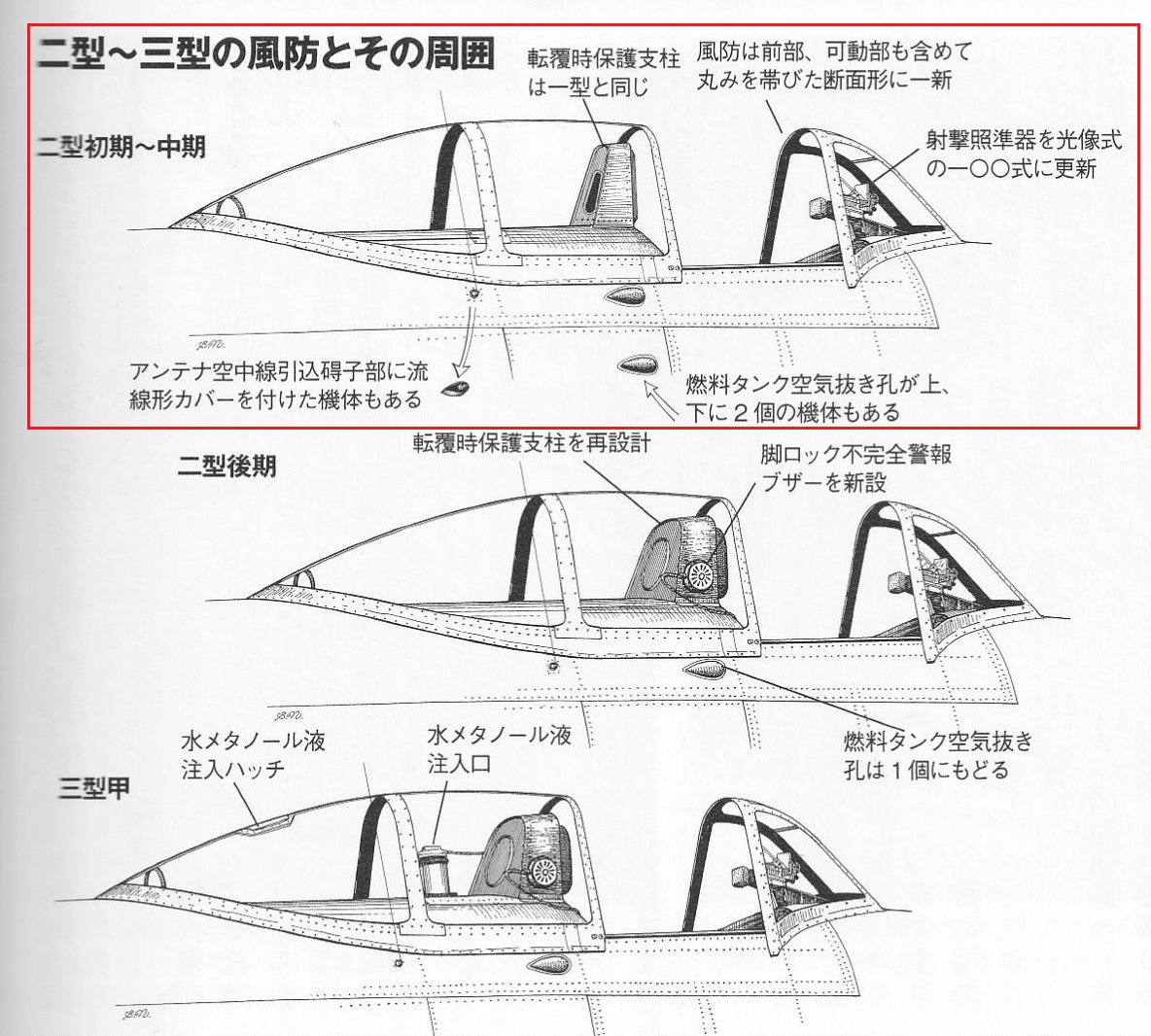
Modifications compared to the Standard Ki-43-II:
- It is not equipped with bulletproof steel plates.
- The headrests are small (same as the Ki-43-I).
- The oil cooler consists of a ring-shaped cooler and a small auxiliary cooler.
- The shape of the engine cowling is different
- The very earliest models have a long wingspan (same as the Ki-43-I).
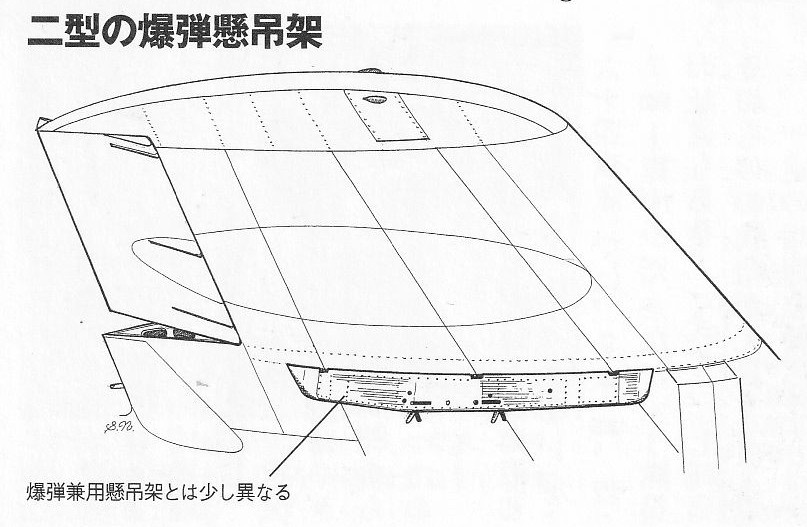
- The bomb racks are small and cannot carry large bombs.
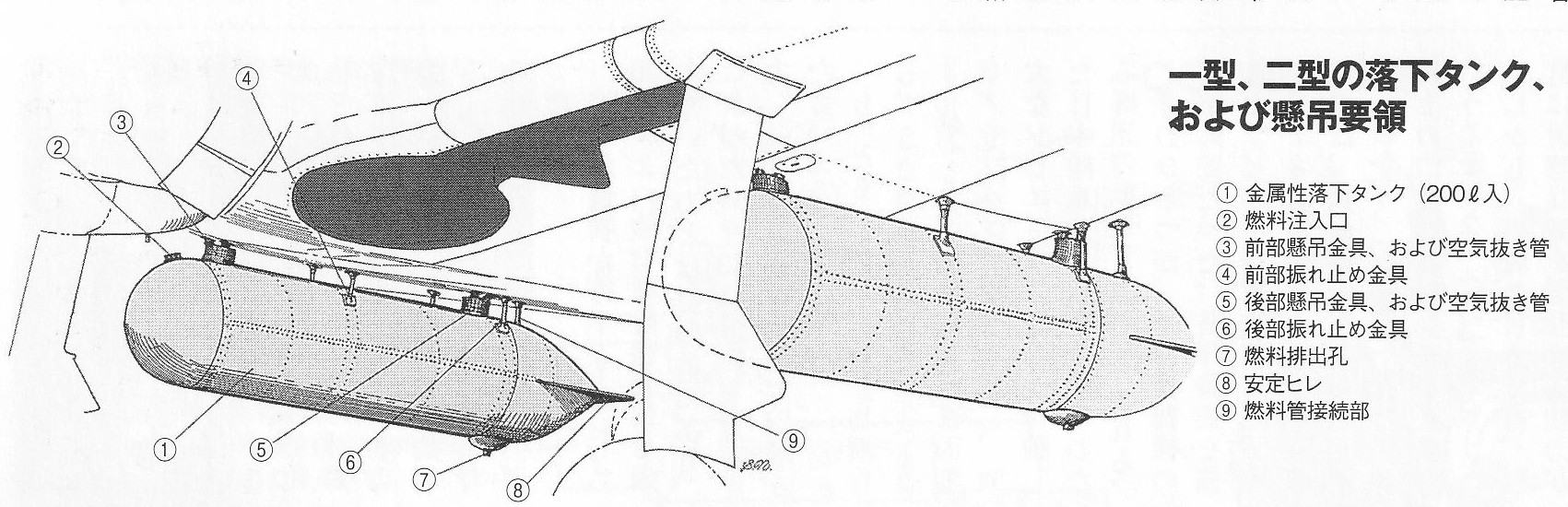
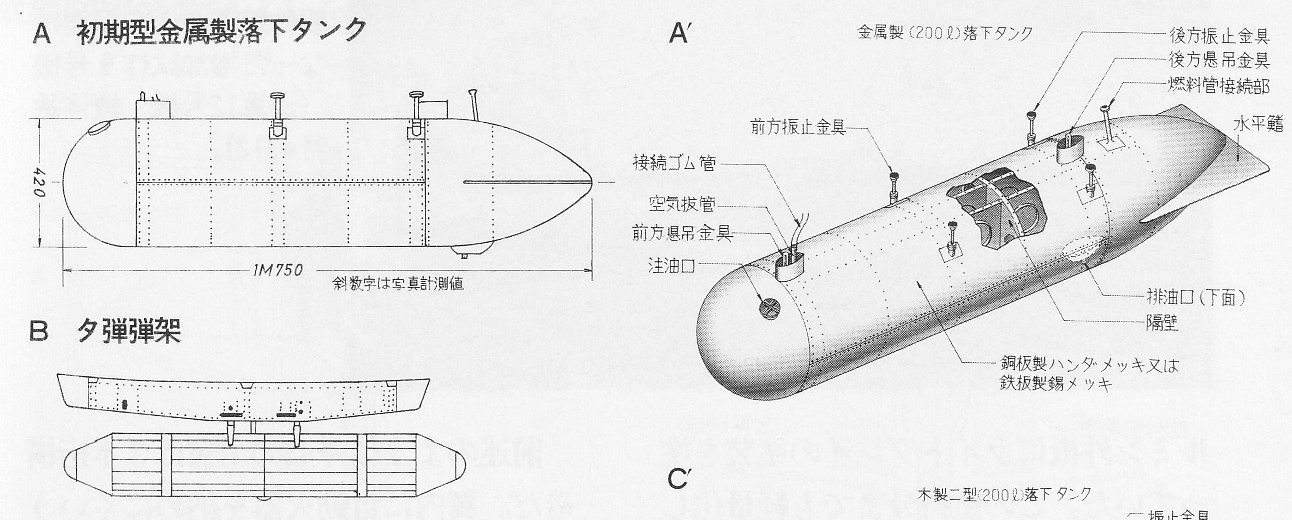
- The drop tanks are made of metal and are mounted behind the landing gear.
- It is not equipped with landing lights.


General characteristics
- Crew: 1
- Length: 8.92 m
- Wingspan: 11.347 or 10.84 m
- Height: 3.27 m
- Wing area: 22.0 or 21.0 m²
- Empty weight: 1,729 kg
- Gross weight: 2,590 kg
- Max takeoff weight: 2,925 kg
- Powerplant: 1 × Nakajima Ha-115 (take-off power 1,120 hp)
- Propellers: 3-blade constant speed propeller (Hamilton Type) : diameter 2,800 mm
Performance
- Maximum speed: 515 km/h@6,000m
- Cruising speed: 355 km/h@4,000m
- Range: 1,100 km + 20 min (Fuel on board only), 2,200 km + 20 min (with Drop Tank)
- Service Ceiling: 10,500m
- Time to Climb: 5 minutes 49 seconds to 5,000m
Armament
- Guns:
- 2 x 12.7mm Ho-103 Machine Gun (250 rounds per gun) (in the nose)
- Bombs:
- 2 x 30 kg
- 2 x 50 kg
- 2 x 100 kg (guess)
- Other
- 2 x Drop Tank (200 L)
Armour
- Self-sealing fuel tanks
Summary
The Nakajima Ki-43-II (Early) will be a very interesting aircraft for the Japanese tree in War Thunder. Removing the 48-kg bulletproof plate will improve maneuverability, resulting in performance that falls between that of the already-implemented Ki-43-I and Ki-43-II. Additionally, since the Ki-43-II is equipped with an OPL-type sight, aiming from the cockpit view will be easier. I hope you will share your knowledge in the comments section and participate in the discussion.
Finally, since my native language is not English, I used the DeepL translation. Please note that there is a possibility of translation errors and misrepresentations.
Internet source
Book sources
世界の傑作機 No.65, 文林堂, 1997-7-5, ISBN4-89319-062-8
零戦と一式戦「隼」完全ガイド, イカロス出版, 2019-3-5日, ISBN978-4-8022-0664-8
航空ファン イラストレイテッド 97-2 No.92 日本陸軍機 キ番号カタログ, 文林堂, 1997-2-1