- Yes
- No
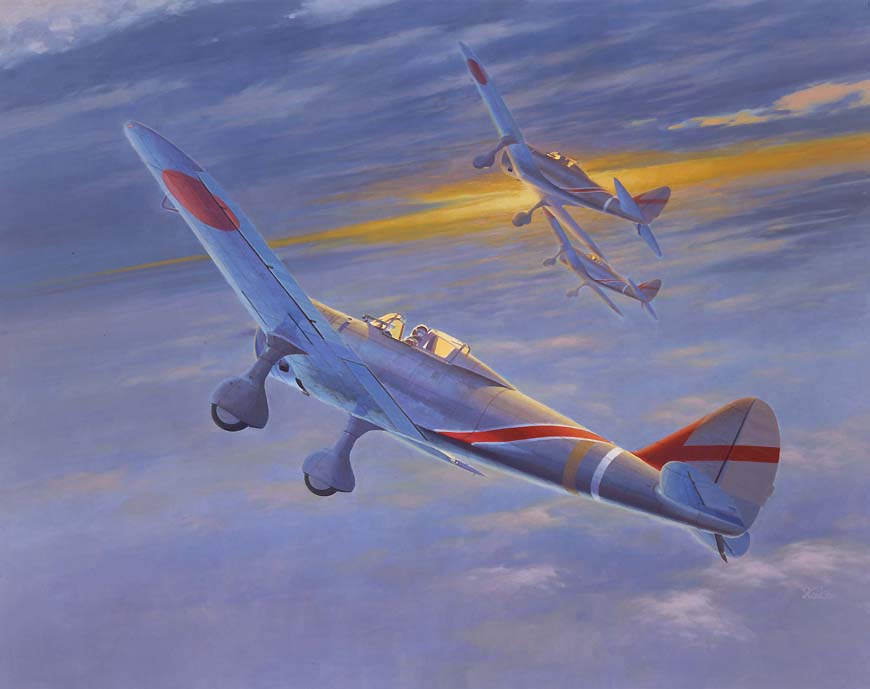
Nakajima Ki-27 Ko (中島 キ27甲)
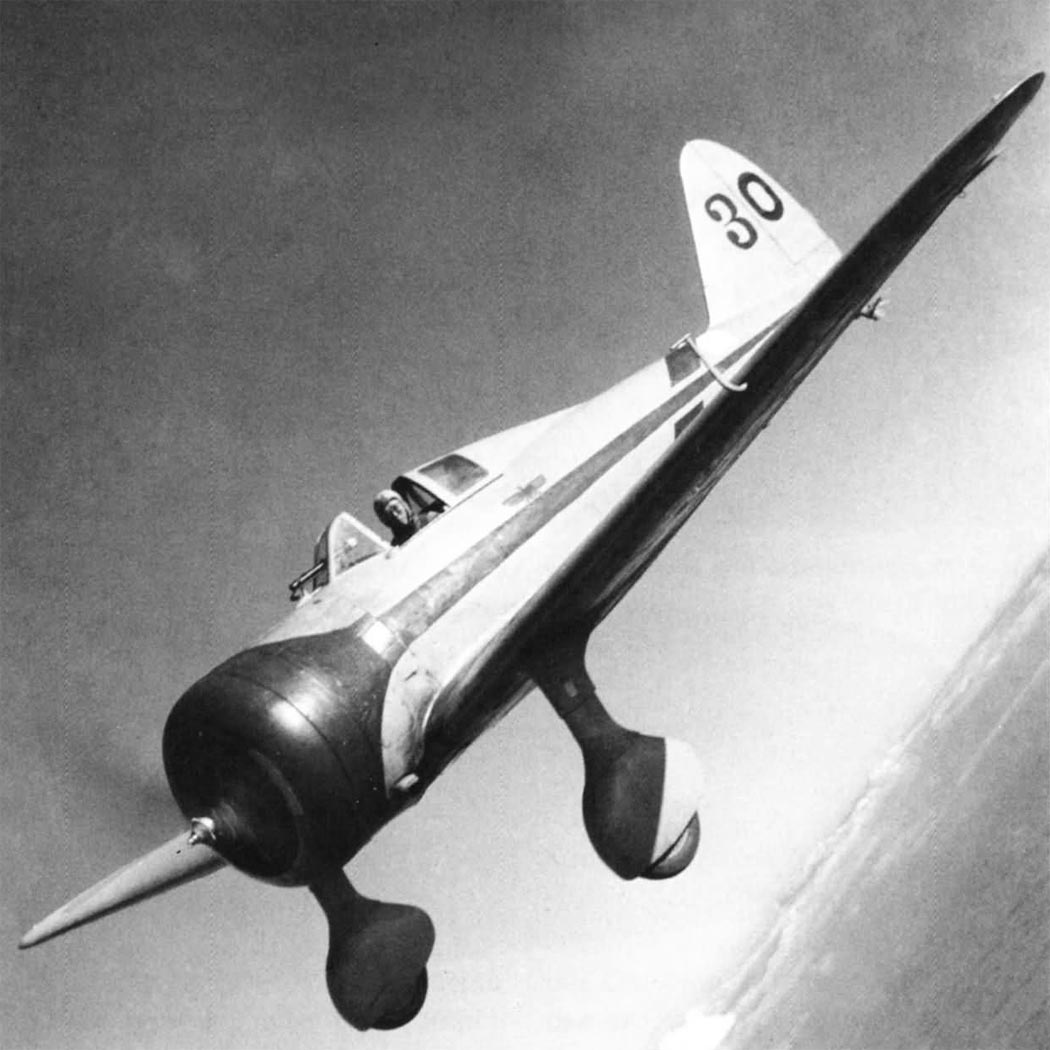
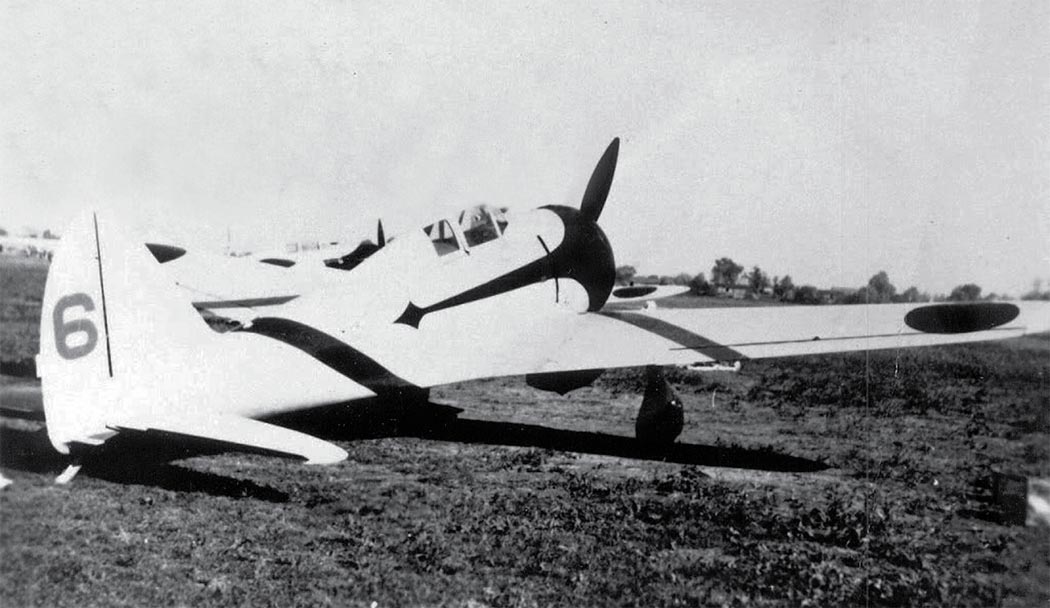
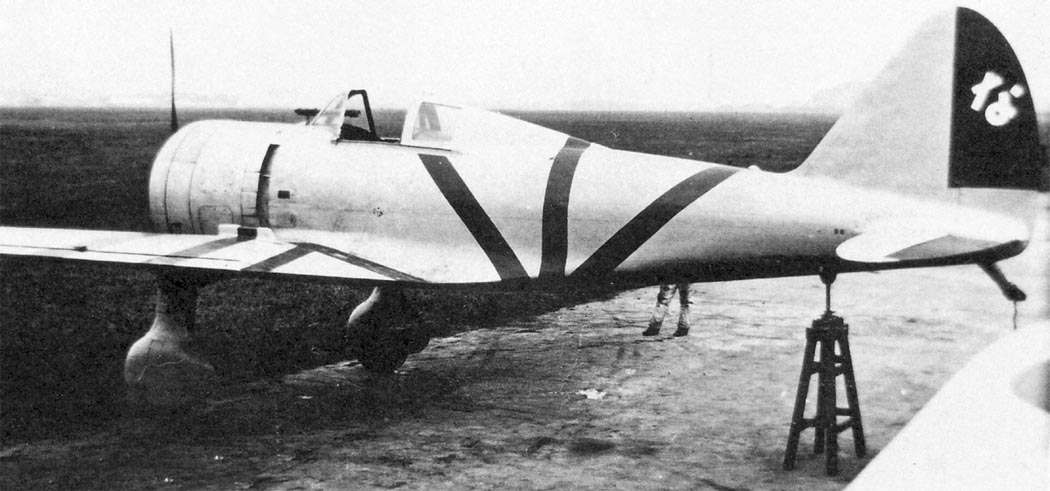
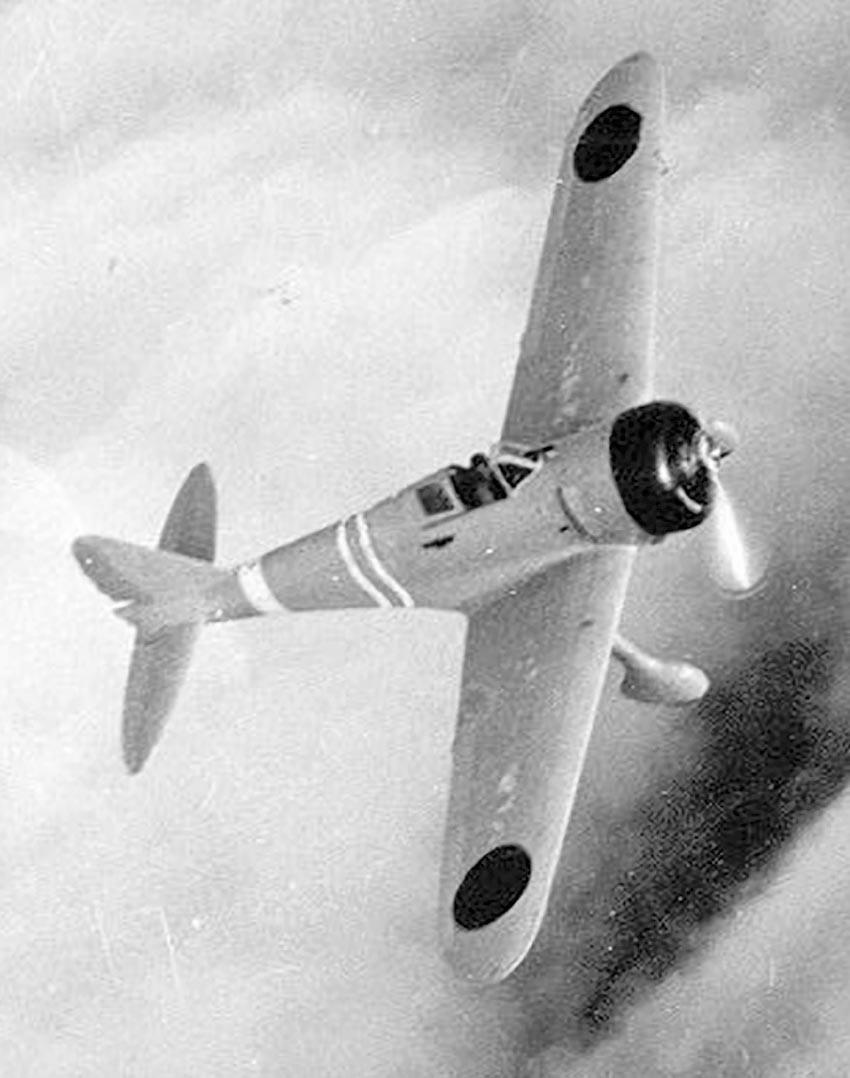
The Nakajima Ki-27 Ko is a Japanese fighter that was created in 1936. This plane was the successor to the Kawasaki Ki-10 fighter. About 565 Nakajima Ki-27 Ko fighters were made, and production lasted from 1936 to 1938.
History
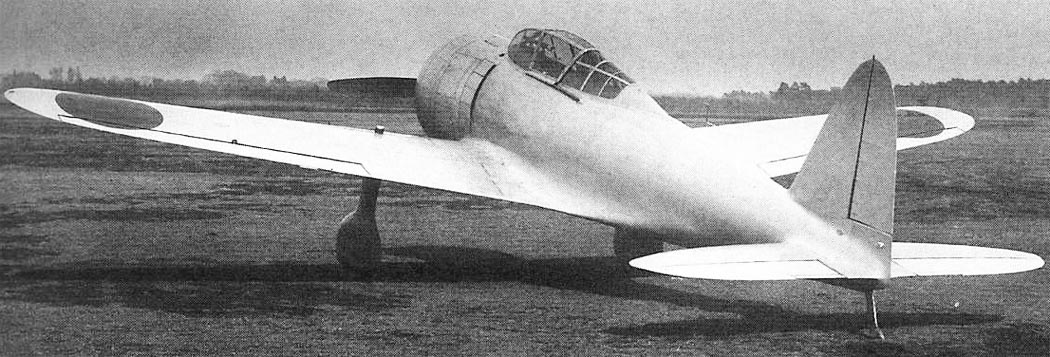
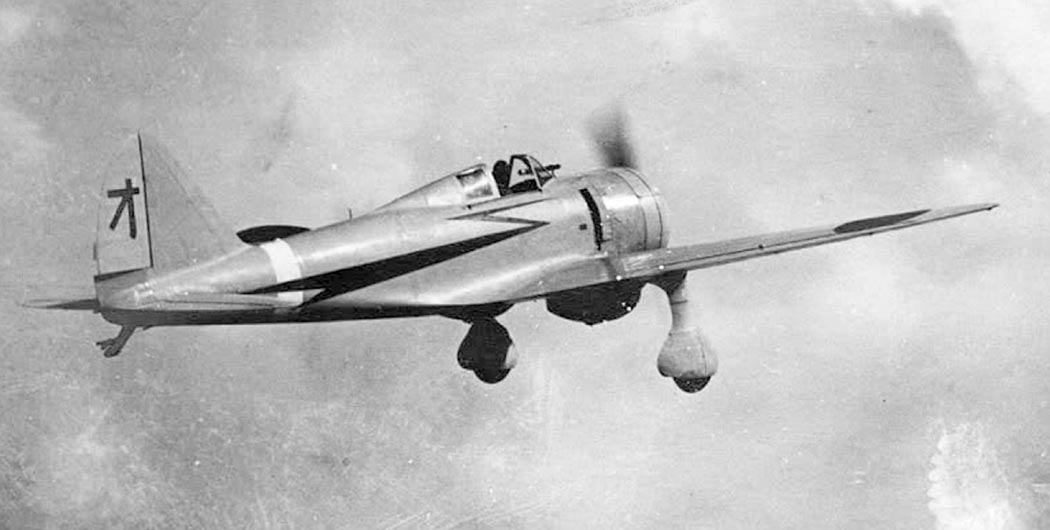
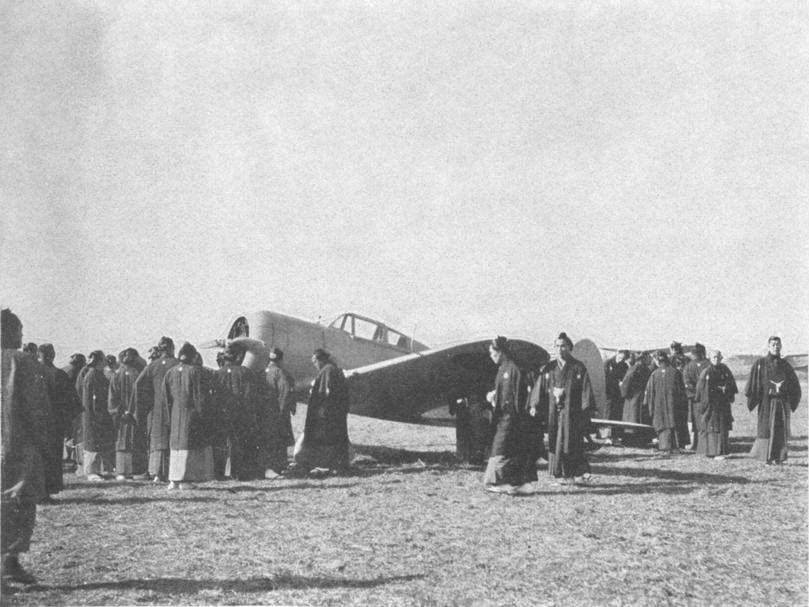
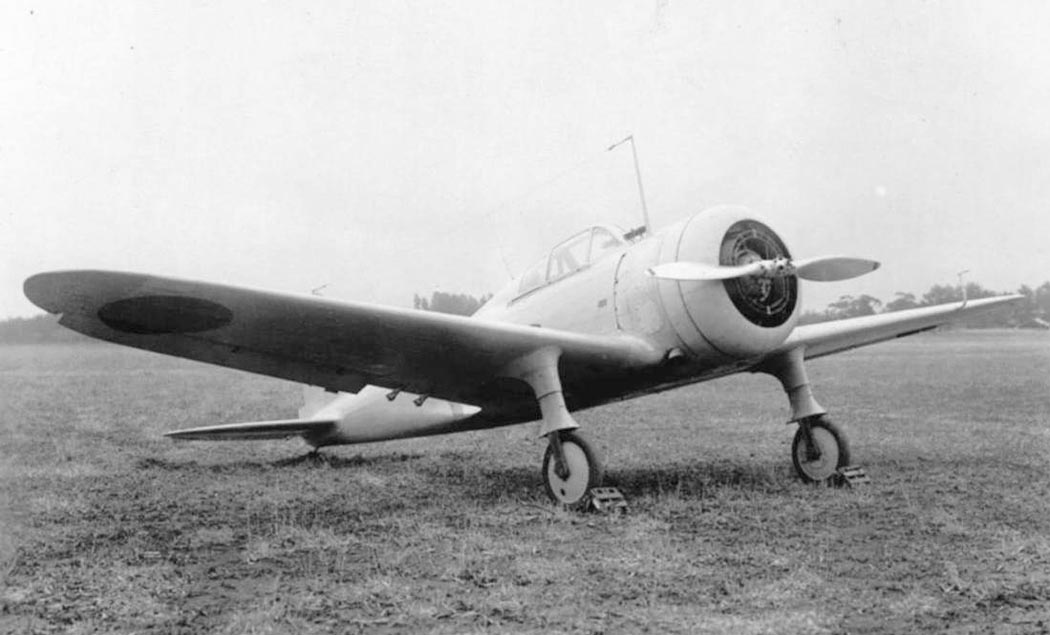
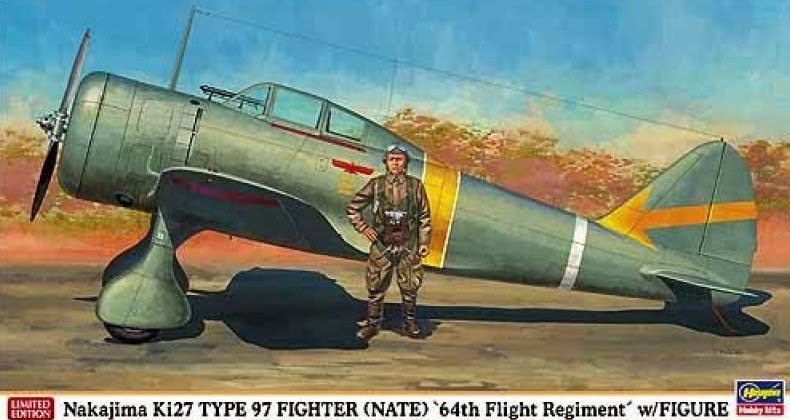
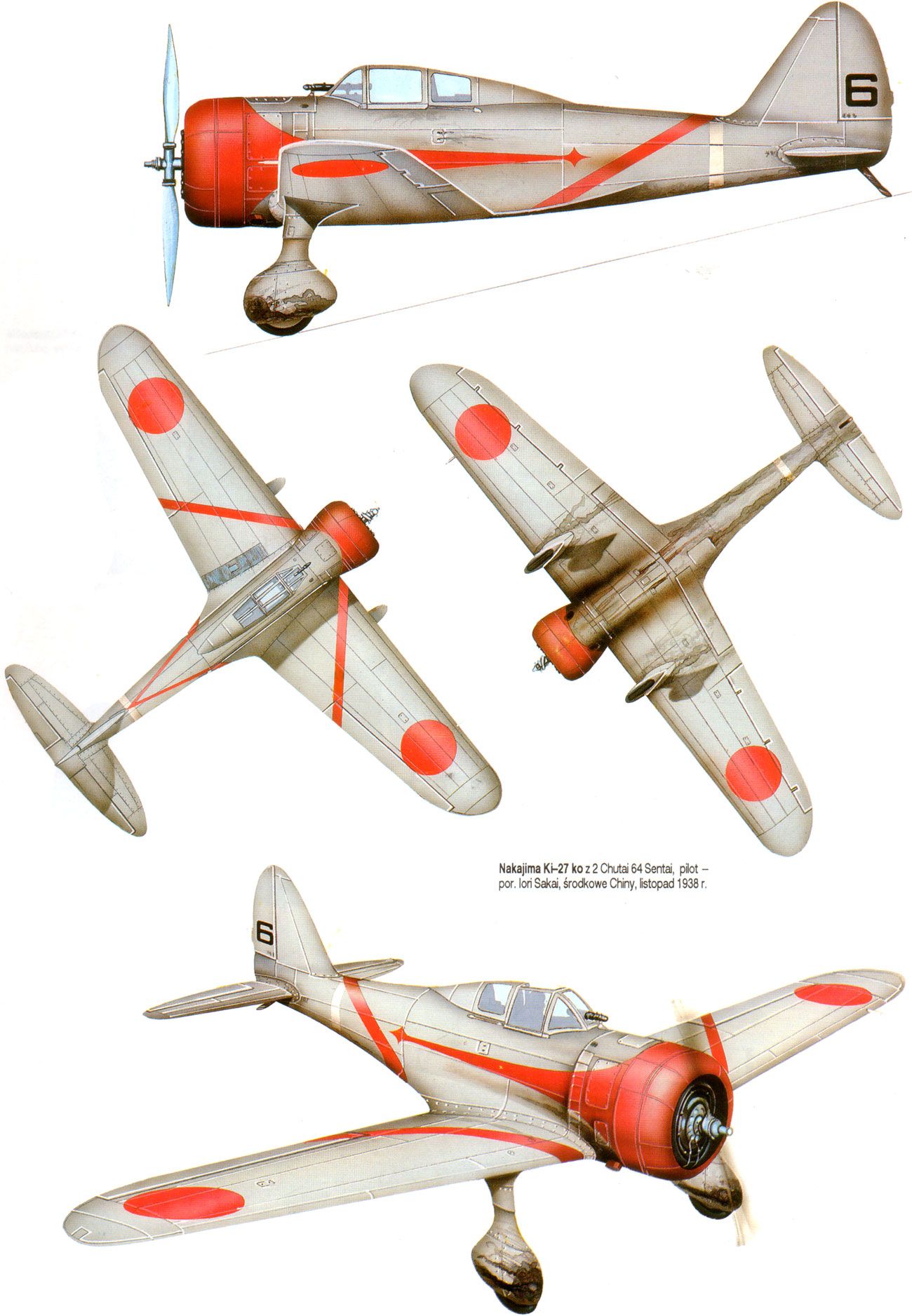
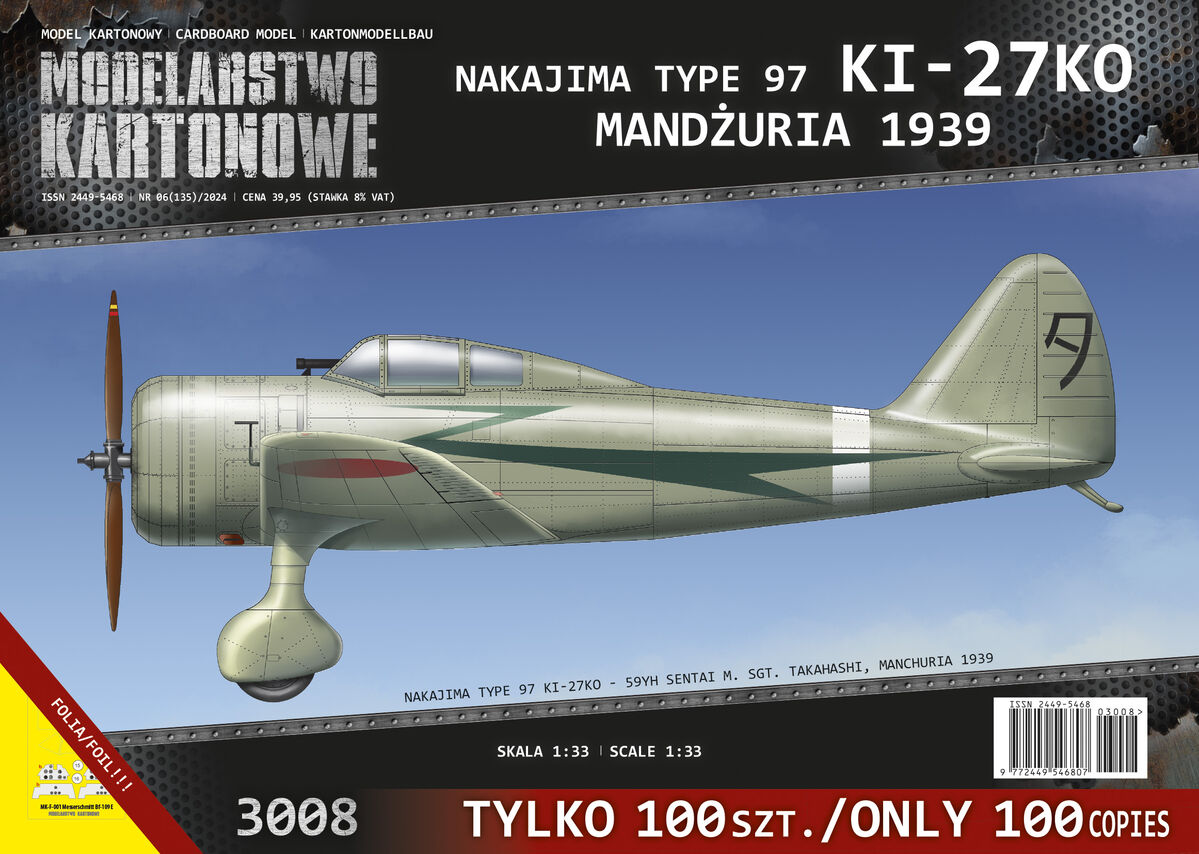
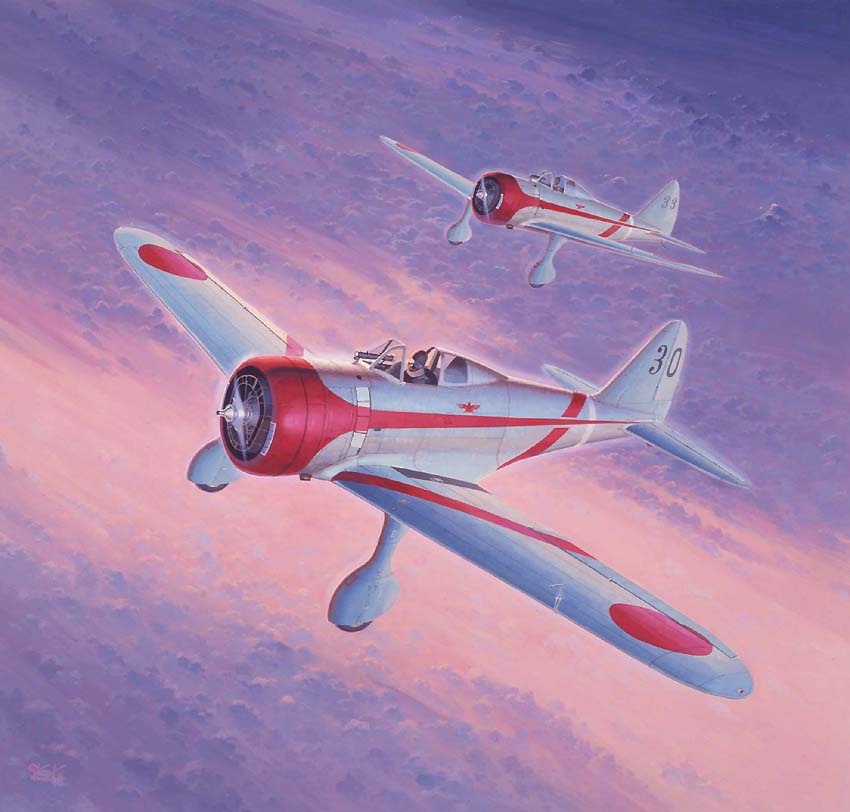
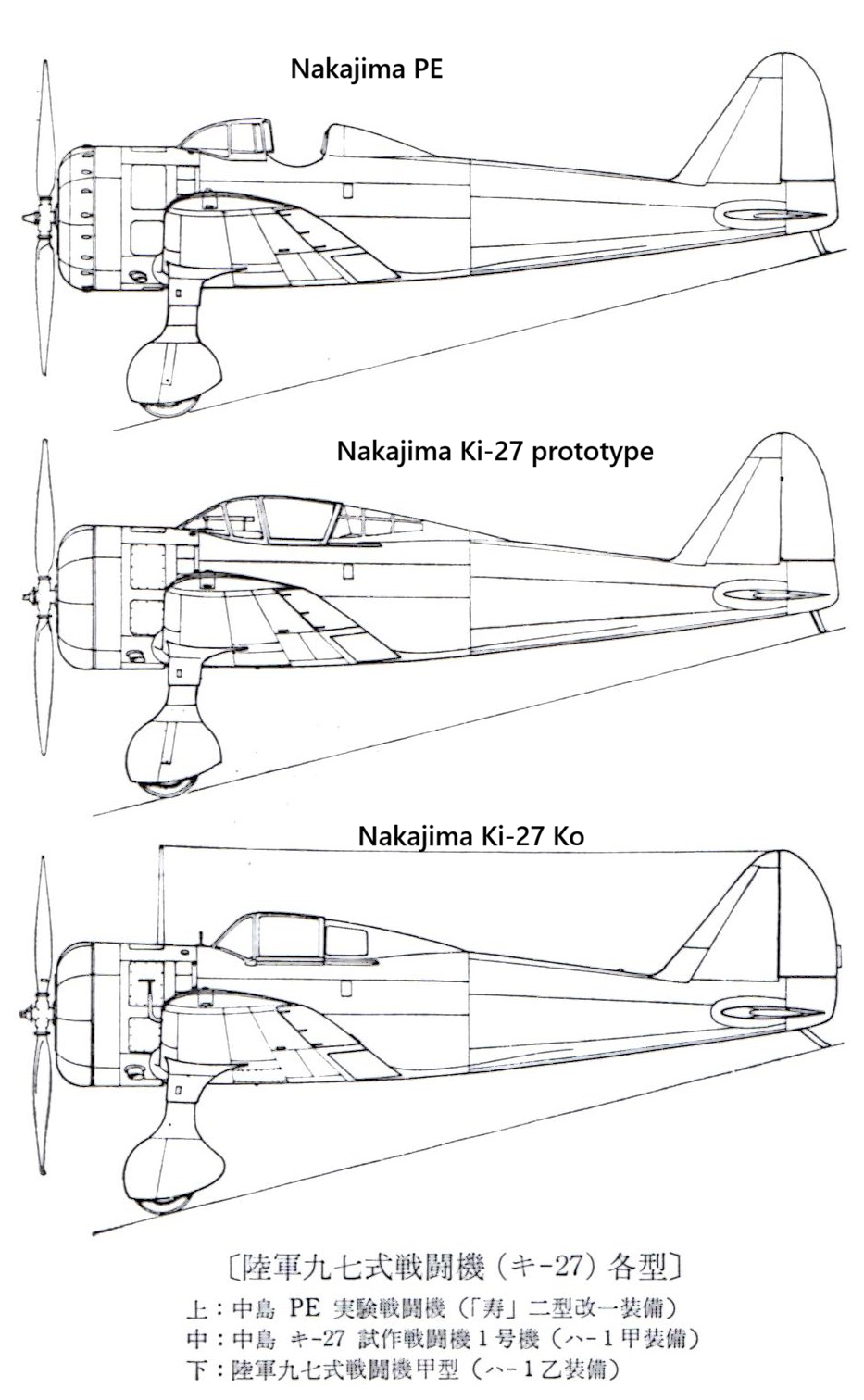
In 1935, the Japanese Army General Staff noticed that more and more modern single-seat fast fighters were being introduced around the world. At that time, the Japanese Army was using outdated Nakajima Type 91 and Kawasaki Type 92 fighters, as well as newer but still conceptually outdated Kawasaki Ki-10s. So, in April 1936, design requirements for a new modern fighter for the Army were sent to Mitsubishi, Kawasaki, and Nakajima. The Army expected to receive two prototypes from each manufacturer. All the companies developed aircraft according to the Army’s requirements, which were the Mitsubishi Ki-33, Kawasaki Ki-28, and Nakajima Ki-12. However, the Nakajima Ki-12 was not the only aircraft developed by Nakajima. Engineers Yasushi Kagama and Minoru Ota used their experience from working on the Nakajima Type 91, Ki-8, Ki-11, and the specially built Nakajima PE for testing, to develop a next-generation fighter. The plane was supposed to have minimal wing loading (initially aiming for 70 kg/m2) and low weight (planned at 1300 kg) to create a very agile fighter. To achieve this, they decided to use wings with areas of 16.4 m2, 17.6 m2, and 18.6 m2. According to calculations, the 18.6 m2 wing was supposed to be the best, but they decided to test all options on the prototypes of the future Ki-27. The Ki-27 prototype (structurally very similar to the Nakajima PE) was ready in October 1936 and flew for the first time on October 15. In November 1936, comparative tests began between Nakajima, Kawasaki, and Mitsubishi aircraft. The Nakajima Ki-12 was rejected pretty quickly because it turned out to be not very maneuverable and unstable in the air. On the battlefield, the Nakajima Ki-27, Kawasaki Ki-28, and Mitsubishi Ki-33 fighters remained. Tests showed that the Ki-27 met the most demanding requirements of the army. During testing, the first Ki-27 prototype got new wings with an area of 17.6 m², and in February, a second prototype Nakajima Ki-27 with wings of 18.6 m² was sent for tests. The second prototype turned out to be even more maneuverable than the first, which earned it victory in the competition that ended in spring 1937. However, the Ki-27 had not yet been accepted into service, and an order was given to build 10 more prototype units to thoroughly test the fighter before adoption. Various engine and structural modifications were tested. Ultimately, the decision was made to introduce a modified Ki-27 into service, equipped with a new cockpit canopy compared to the prototypes and a Nakajima Ha-1 Otsu engine (the prototypes had Nakajima Ha-1 Ko engines). Officially, on December 28, 1937, the Nakajima Ki-27 was adopted into service as the Type 97 Fighter. Due to the outbreak of the Sino-Japanese War in September 1937, there was a huge demand for modern fighters, so the Nakajima Ki-27 was quickly deployed to units after being introduced into service. The first Ki-27s reached the front in March 1938, and it turned out they dominated all Chinese fighters. In 1939, based on combat experience, Nakajima started work on an improved Ki-27 (Ki-27 Otsu from the game), which went into production in March 1939. At that time, the Ki-27 fighters were divided into Ko version (early, with fastback-type canopy) and later Otsu (with teardrop-shaped canopy). A large number of Ki-27 Ko still served on the front lines during the Battles of Khalkhin Gol, where they outclassed the Soviet I-15 and I-16. Overall, about 565 Ki-27 Ko, including prototypes, were produced between 1936 and 1938.


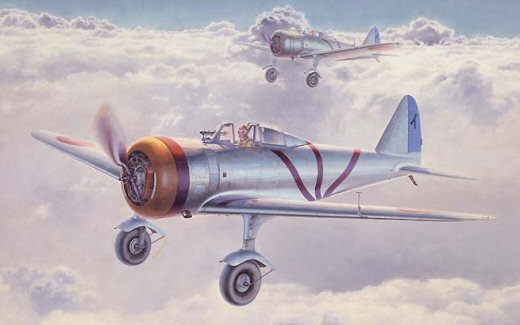
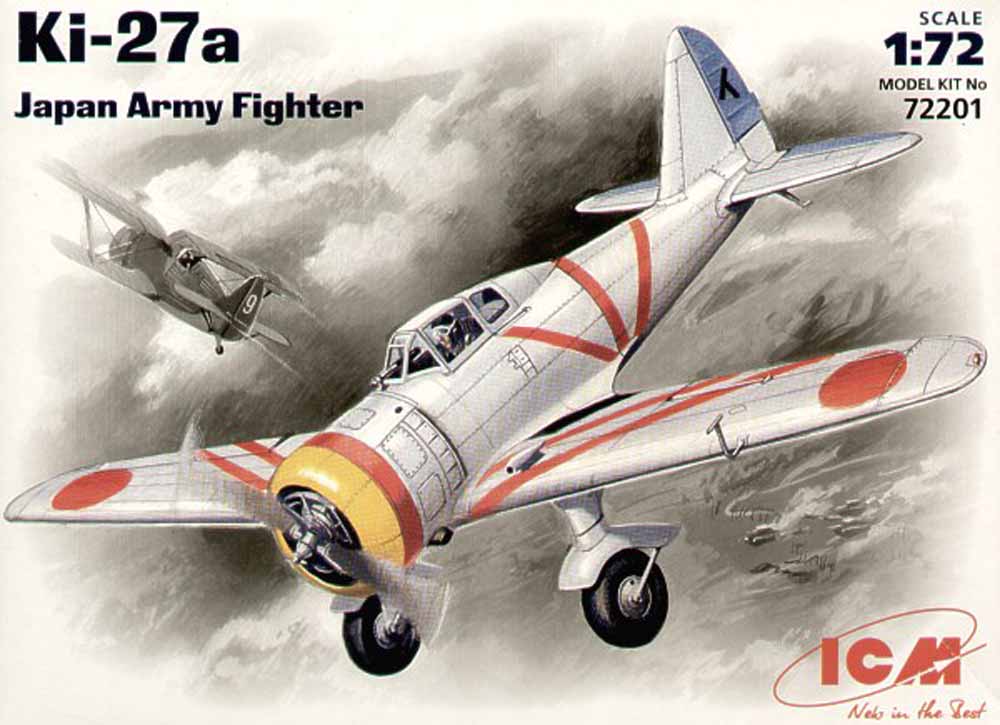
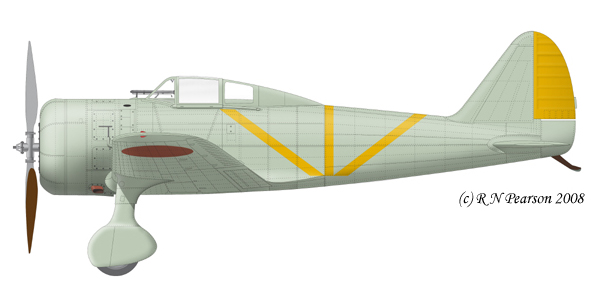
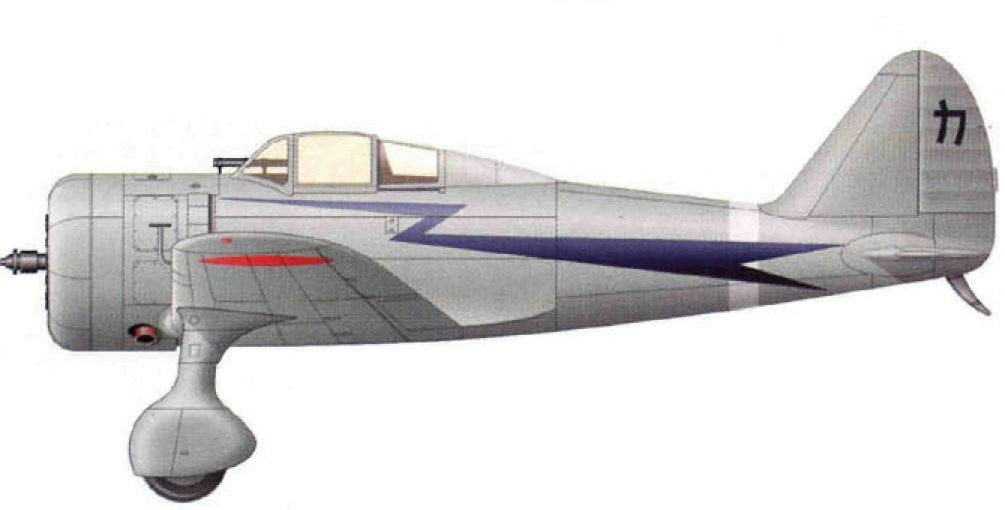
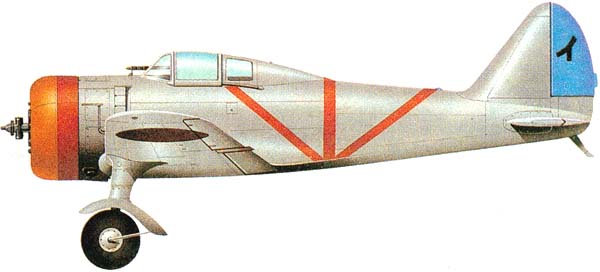
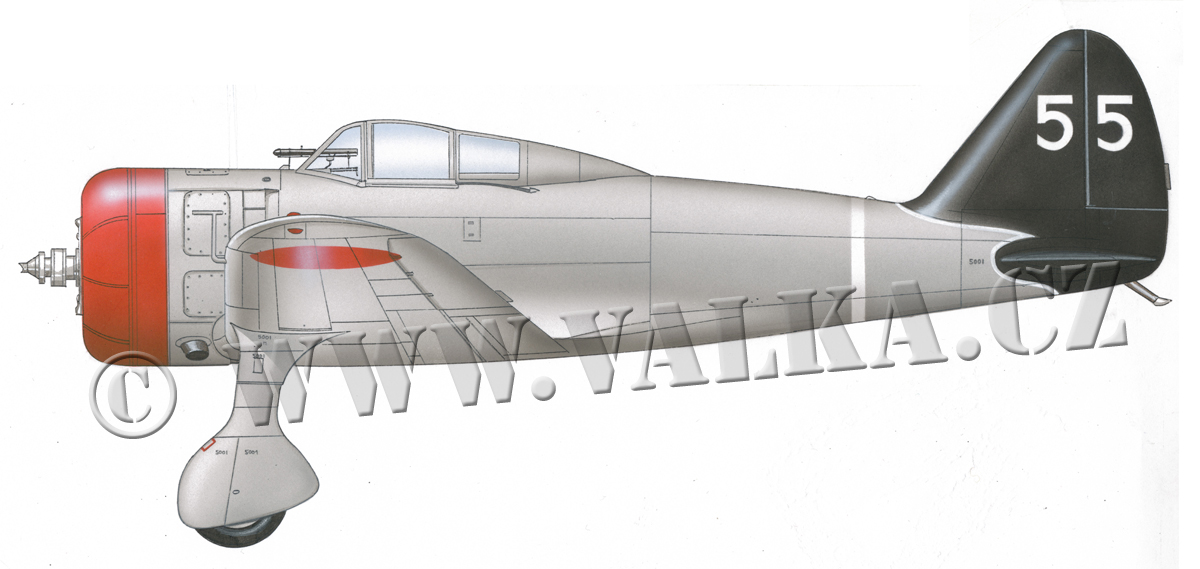
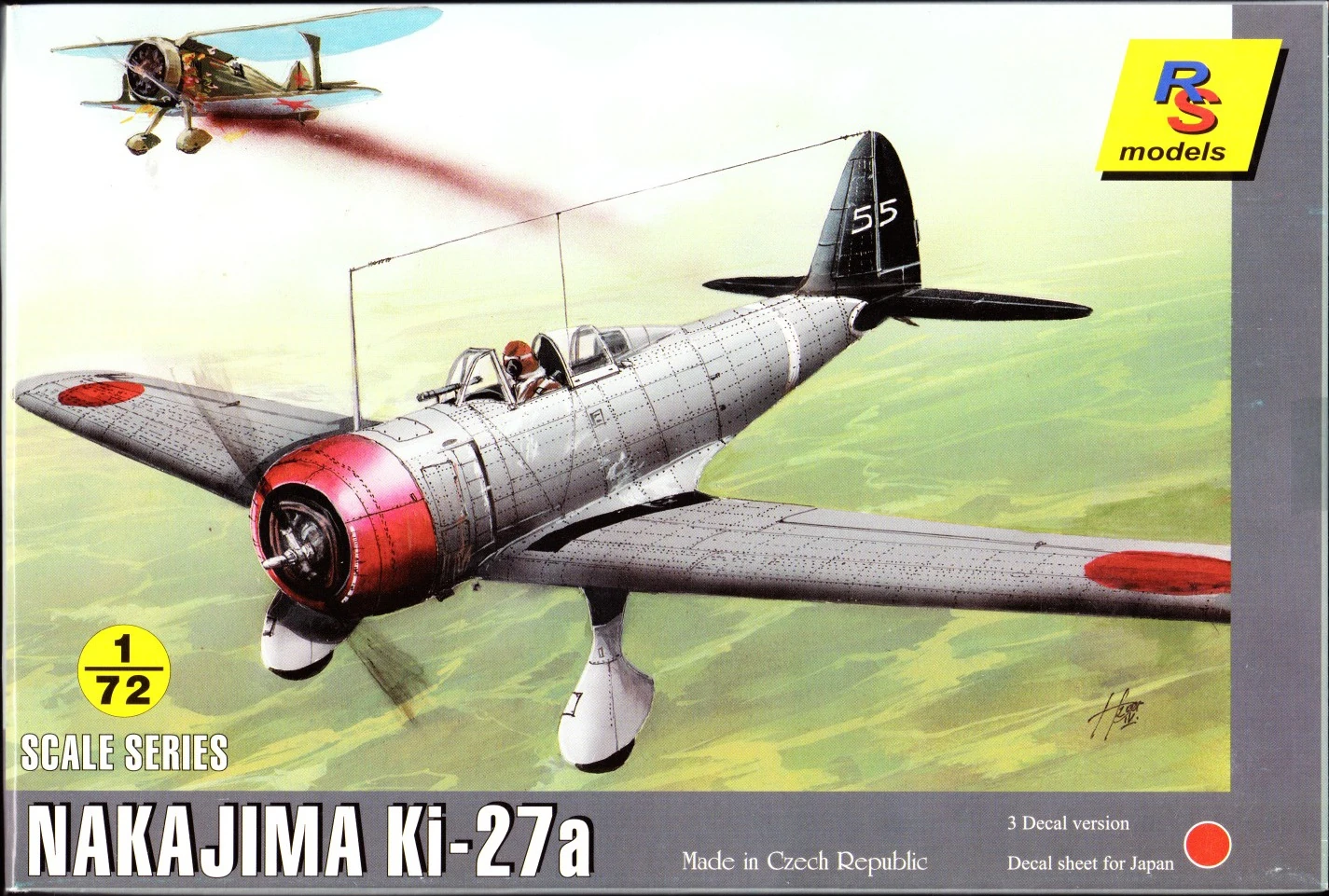
Construction description
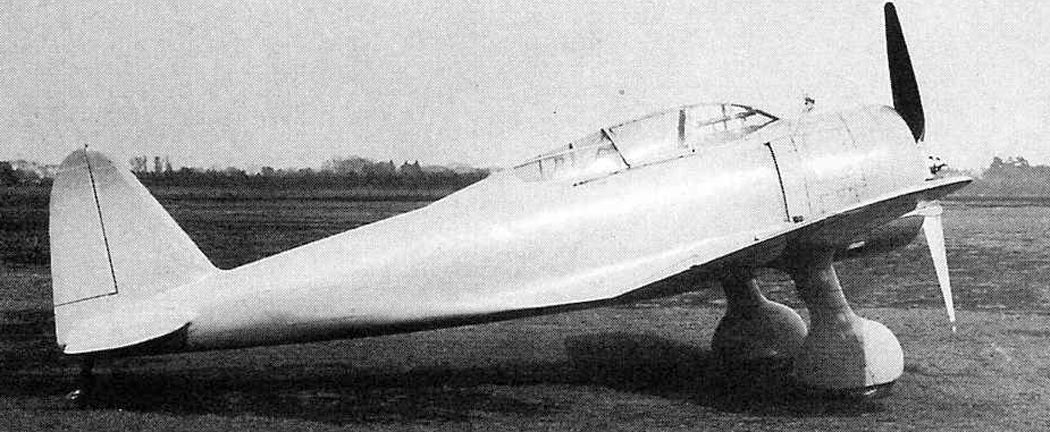
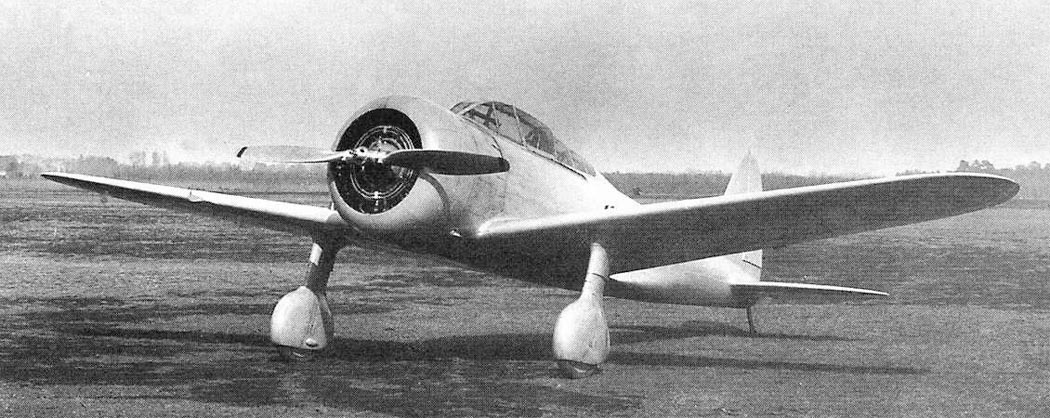
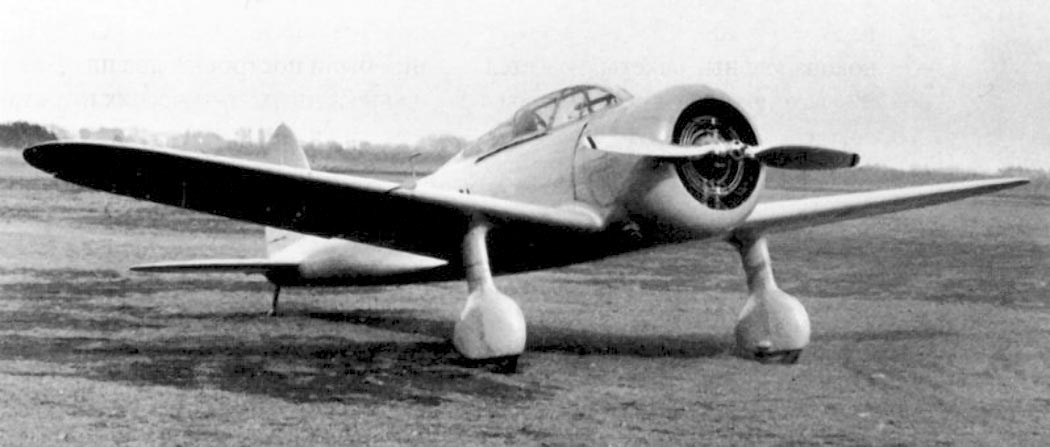
The Nakajima Ki-27 Ko is very similar to the Nakajima Ki-27 Otsu from the game (which makes sense since it was an earlier production variant). The main differences are the cockpit canopy being a fastback style rather than teardrop-shaped. It also has a slightly different engine cowling, no radio (and no radio antenna). Additionally, the Nakajima Ki-27 Ko didn’t have underwing mounts for bombs or drop tanks (this equipment is missing in the game in Nakajima Ki-27 Otsu).
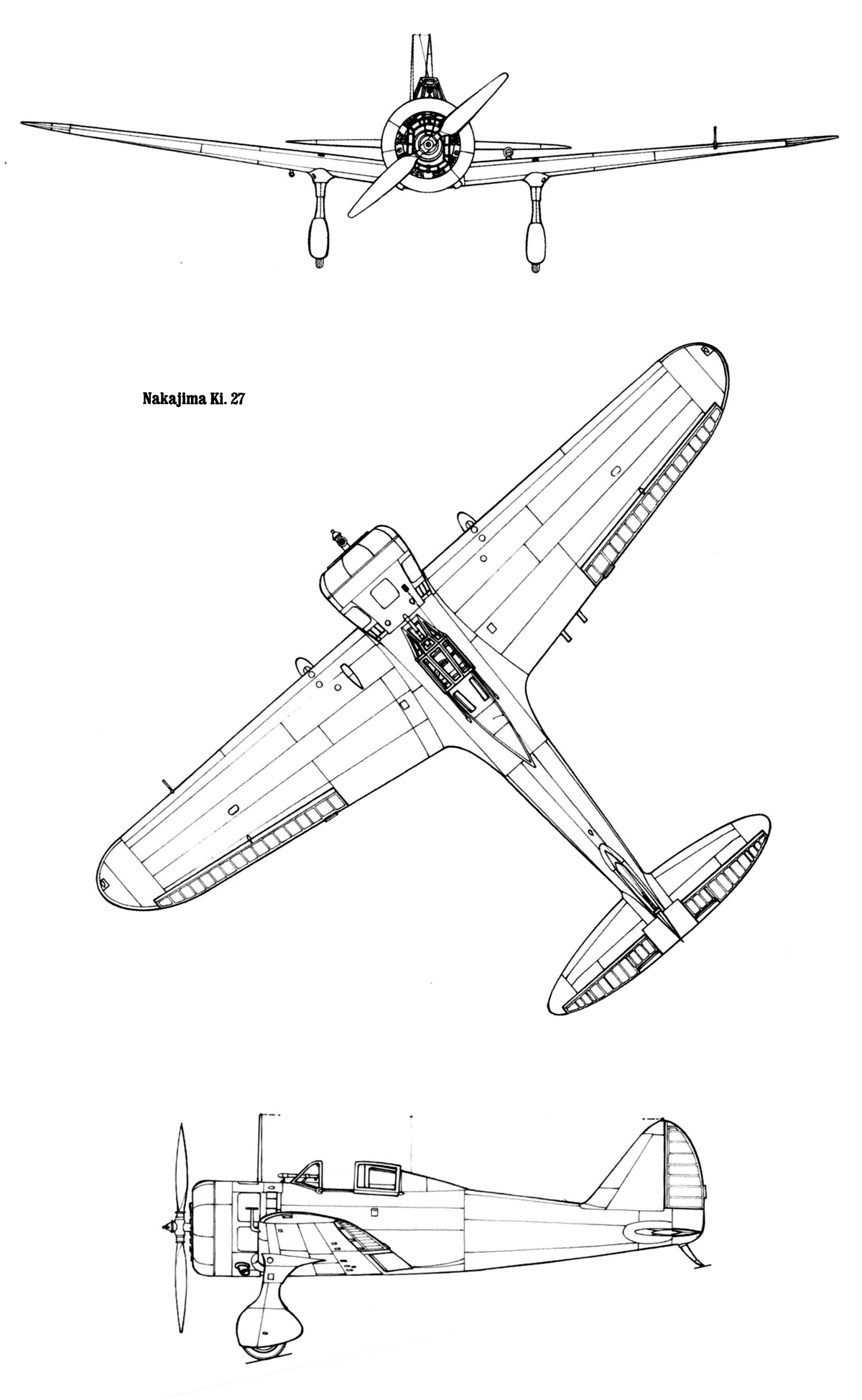
General characteristics
- Crew: 1
- Length: 7,53 m
- Wingspan: 11,31 m
- Height: 3,28 m
- Wing area: 18,56m2
- Empty weight: 1 100 kg
- Gross weight: 1585 kg
- Powerplant: 1 x Nakajima Ha-1 Otsu, air-cooled radial engine, nine-cylinder with takeoff power of 522 kW (710 HP)
- Propellers: Two-bladed metal propeller with adjustable angle of attack with a diameter of 2,900 mm.
Performance
- Maximum speed: 470 km/h
- Cruising speed: 350 km/h
- Range: 627 km
- Maximum Range: ?
- Service ceiling: 11000 m
- Climb Rate: 15,33 m/s
- Rate of climb: 5,37 min to 5000 m
Armament
- 2 x Type 89 7.7mm machine gun in the nose (500 rounds per machine gun)
Summary
The Nakajima Ki-27 Ko is an interesting plane for Japan in War Thunder. This fighter is very similar to the Nakajima Ki-27 Otsu in the game, but it’s slightly lighter, which makes it an even more maneuverable fighter. However, visibility from the cockpit is worse than that of the Nakajima Ki-27 Otsu in the game. The Nakajima Ki-27 Ko is great to pair in a line-up with the Nakajima Ki-27 Otsu or to be added as an event or premium plane. I encourage you to discuss in the comments and to share your own knowledge on this subject.
Finally, I apologize for the linguistic and logical errors because unfortunately English is not my main language and I had to use google translator.
Internet sources
九七式戦闘機 - Wikipedia
Nakajima Ki-27 - Wikipedia
Warplanes of Japan: Nakajima Ki-27 - SilverHawkAuthor Website Military History Materials
Nakajima Ki-27 experimental versions | Secret Projects Forum
Уголок неба ¦ Nakajima Ki.27
Nakadžima Ki 27a [Nate] : Nakadžima
【キ27】九七式戦闘機/中島Nakajima Ki-27 | 大日本帝国軍 主要兵器
陸軍九七式戦闘機
Airplanes in the skies + FAF history: Nakajima Ki-27
Book sources
- 日本航空機辞典 1910年(明治43年)~1945年(昭和20年) 上巻 (Encyclopedia of Japanese Aircraft 1910 (Meiji 43) – 1945 (Showa 20), Volume 1) page 80-81
- 野沢正『日本航空機総集 中島篇』(Masaru Nozawa ‘Comprehensive Collection of Japanese Aircraft: Nakajima Volume’) page 86-94
- Monografie Nr.11 - Nakajima Ki-27 Nate (Monographs No.11 - Nakajima Ki-27 Nate)
Monografie Nr.11 - Nakajima Ki-27 Nate | PDF

Thank you for reading the suggestion, see you in the next one. Good luck pilots
