- Yes
- No
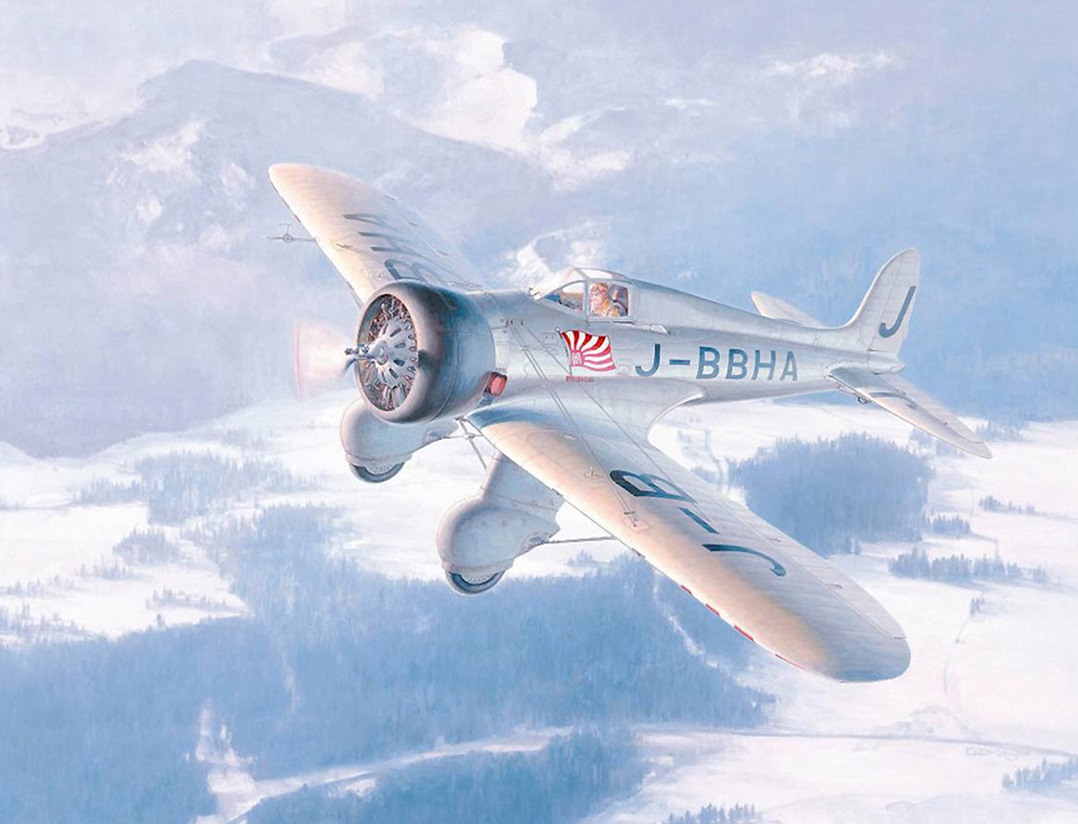
Nakajima Ki-11 (中島キ11)
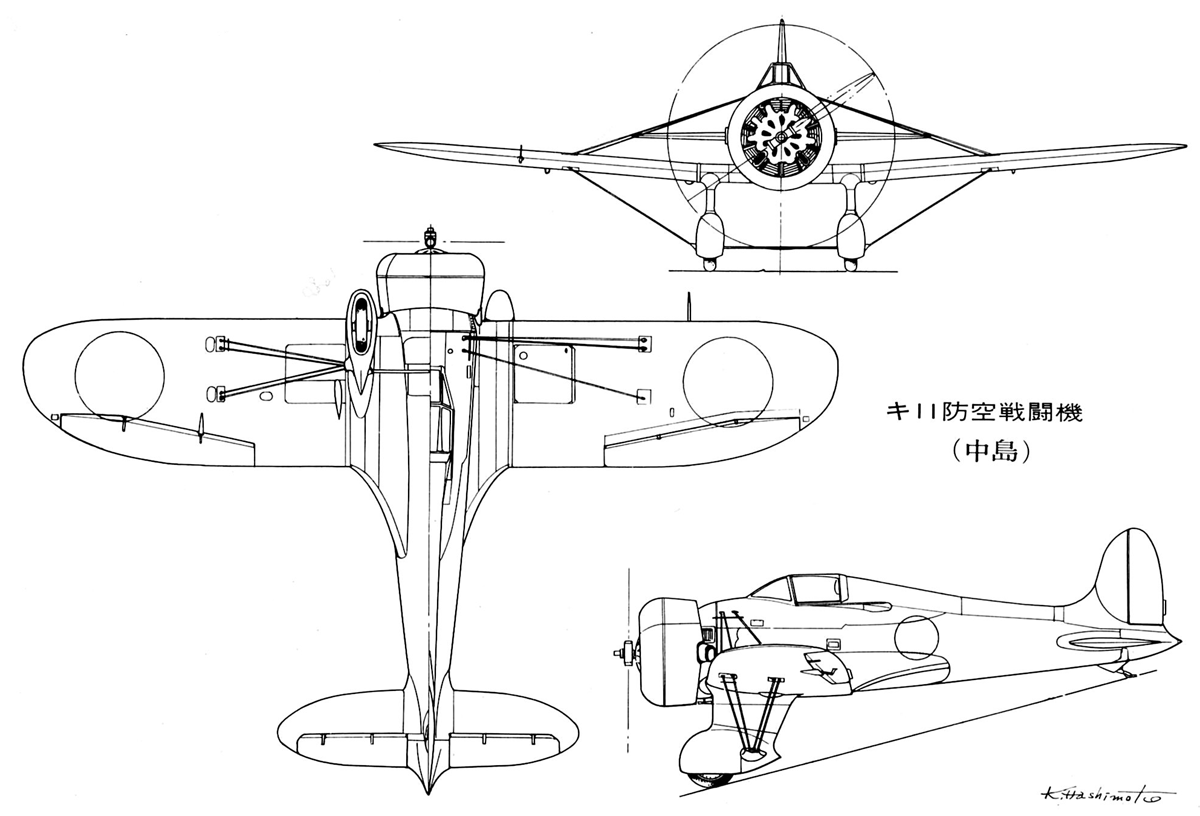
The Nakajima Ki-11 is a Japanese prototype fighter that was created in 1935 as a competitor for the Kawasaki Ki-10 in the army’s new fighter contest. Four prototypes with different configurations were built. Based on the Nakajima Ki-11 design, the Nakajima A5N aircraft was developed. Later, the Nakajima Ki-11 planes were converted into civilian Nakajima AN-1 airplanes.
History
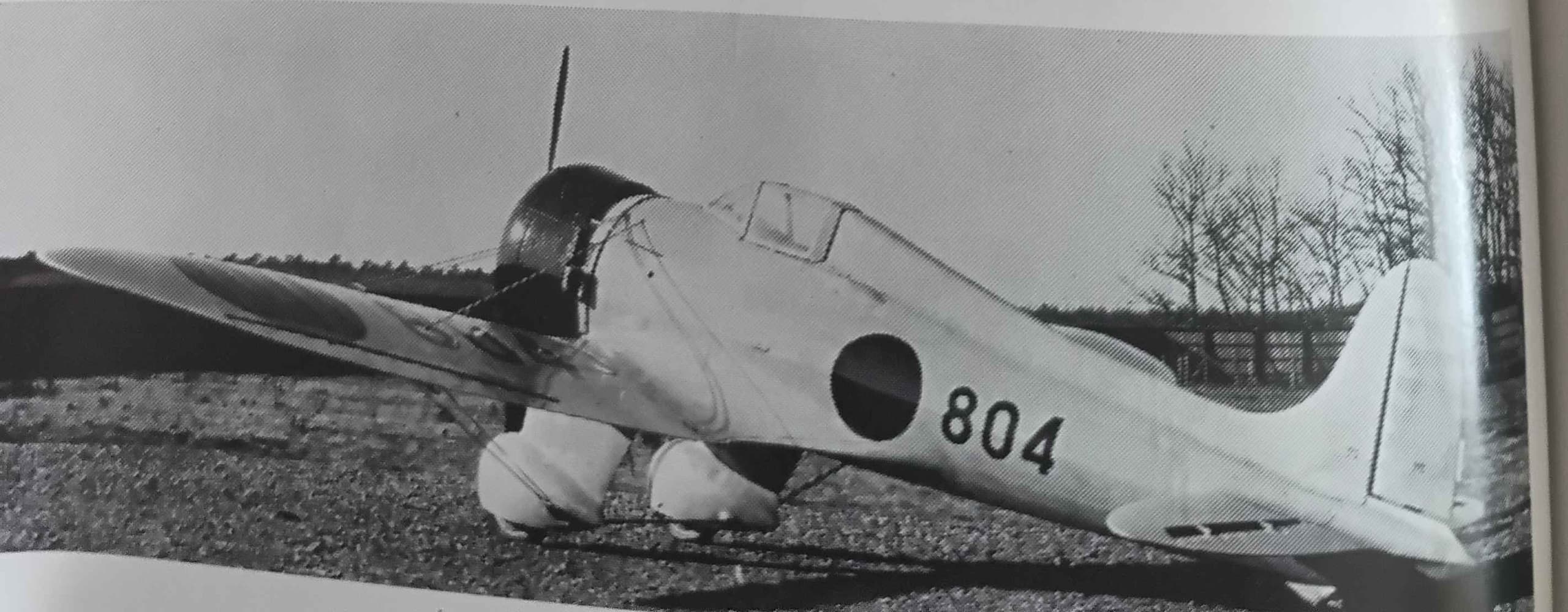
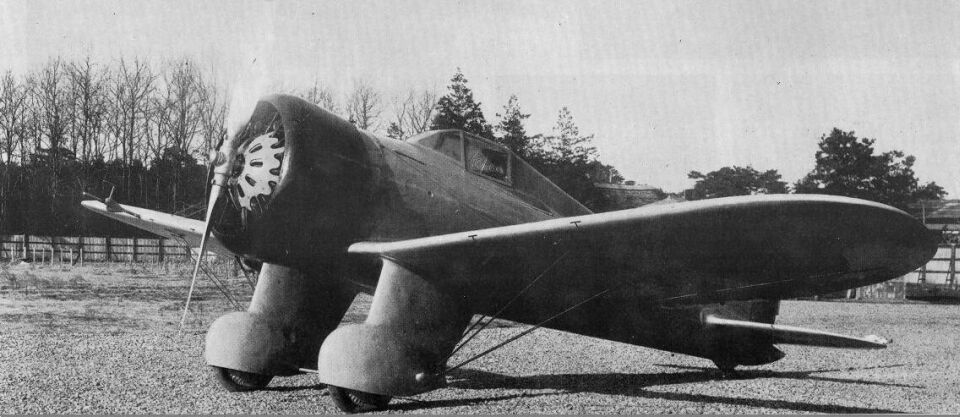
After the failure of the Kawasaki Ki-5 fighter, which was supposed to be the successor to the Nakajima Type 91 and Kawasaki Ki-92 fighters, in September 1934 the Japanese Army Command approached Nakajima and Kawasaki factories to develop a new fighter. Kawasaki, after the failure of the previous Ki-5, decided that something simple needed to be built, which became the future Kawasaki Ki-10. Meanwhile, at Nakajima, they focused on aerodynamics and speed. The project was handled by engineers Tei Koyama and Shinroku Inoue. The engineers designed the Ki-11 very similarly in concept to the American Boeing P-26, but with more modern solutions aimed at reducing weight and air resistance. This resulted in an aircraft weighing less than 1.5 tons with groundbreaking performance for the Imperial Japanese Army Air Service at that time. By April 1935, the first Nakajima Ki-11 prototype was ready, and by December of the same year, three more prototypes had been built. In September 1935, comparative tests were started between the Kawasaki Ki-10 and Nakajima Ki-11 prototypes, in which both designs performed well. The Ki-10 was more maneuverable and had a better climb rate, but its Kawasaki Ha-9-II Ko engine was highly unreliable. On the other hand, the Nakajima Ki-11 was faster and much less prone to breakdowns. However, the Japanese Army Command focused on close-combat fighter tactics and chose the Kawasaki Ki-10 as the winner of the competition, adopting it into service as the Type 95 Fighter (九五式戦闘機), even though in the long term the Nakajima Ki-11 was a better design. But that wasn’t the end of the Nakajima Ki-11 story. After being rejected by the Japanese Army, Nakajima tried to sell the Ki-11 as an inexpensive fighter mainly marketed in Southeast Asia, but Nakajima, not known for exporting aircraft, didn’t find any buyers there (a few purchase negotiations were conducted, but nothing came of it). After the failure of the attempt to export the Nakajima Ki-11, it was decided that the first two Ki-11 prototypes would stay at the Nakajima factories as test planes to help develop a new generation fighter (the future Nakajima PE and later Nakajima Ki-27), while prototypes 3 and 4 were supposed to be sold on the domestic civil aircraft market as the Nakajima AN-1. In 1936, the third Ki-11 prototype was sold to the Nichinichi Shimbun newspaper, and the fourth prototype was sold to the Asahi Shimbun newspaper and was given the number J-BBHA. They were the fastest civil planes in Japan until the Mitsubishi Ki-15 entered the civil market in 1937. In June 1937, during an airshow at Haneda Airport, the famous French pilot Marcel Déray flew the Nakajima AN-1 and, without warning, performed spectacular stunts at ultra-low altitude, proving that the Nakajima design was a very good plane. The later fate of the Nakajima Ki-11 and AN-1 is unknown.
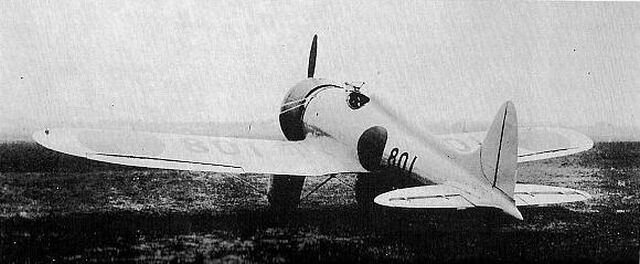
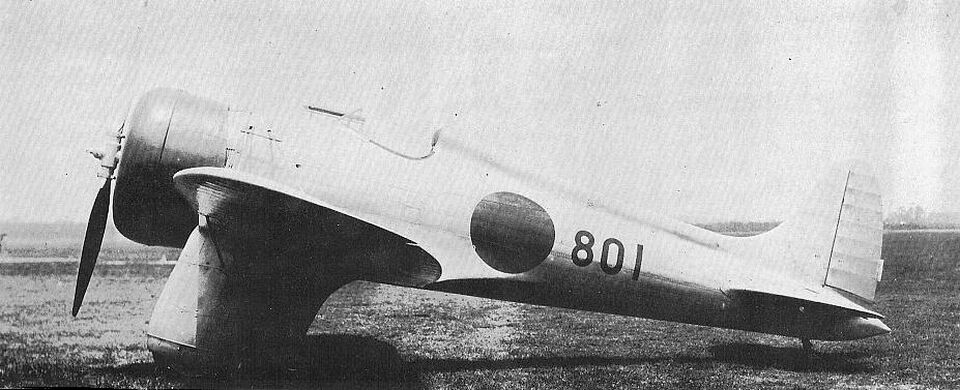
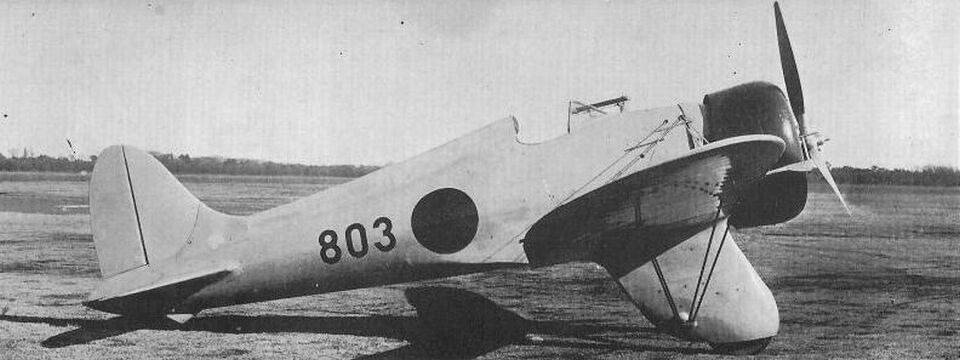

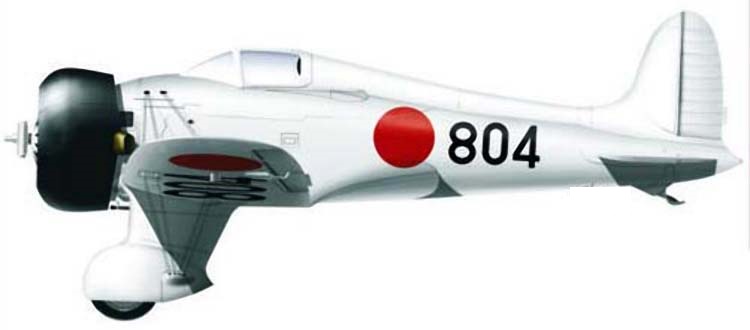
Art about the Nakajima Ki-11


Construction description
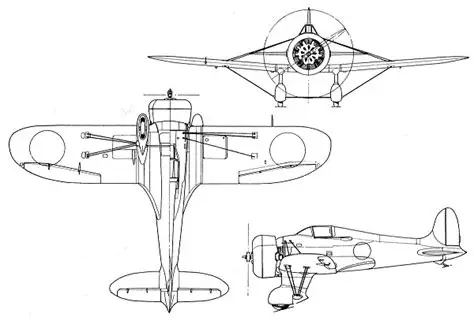
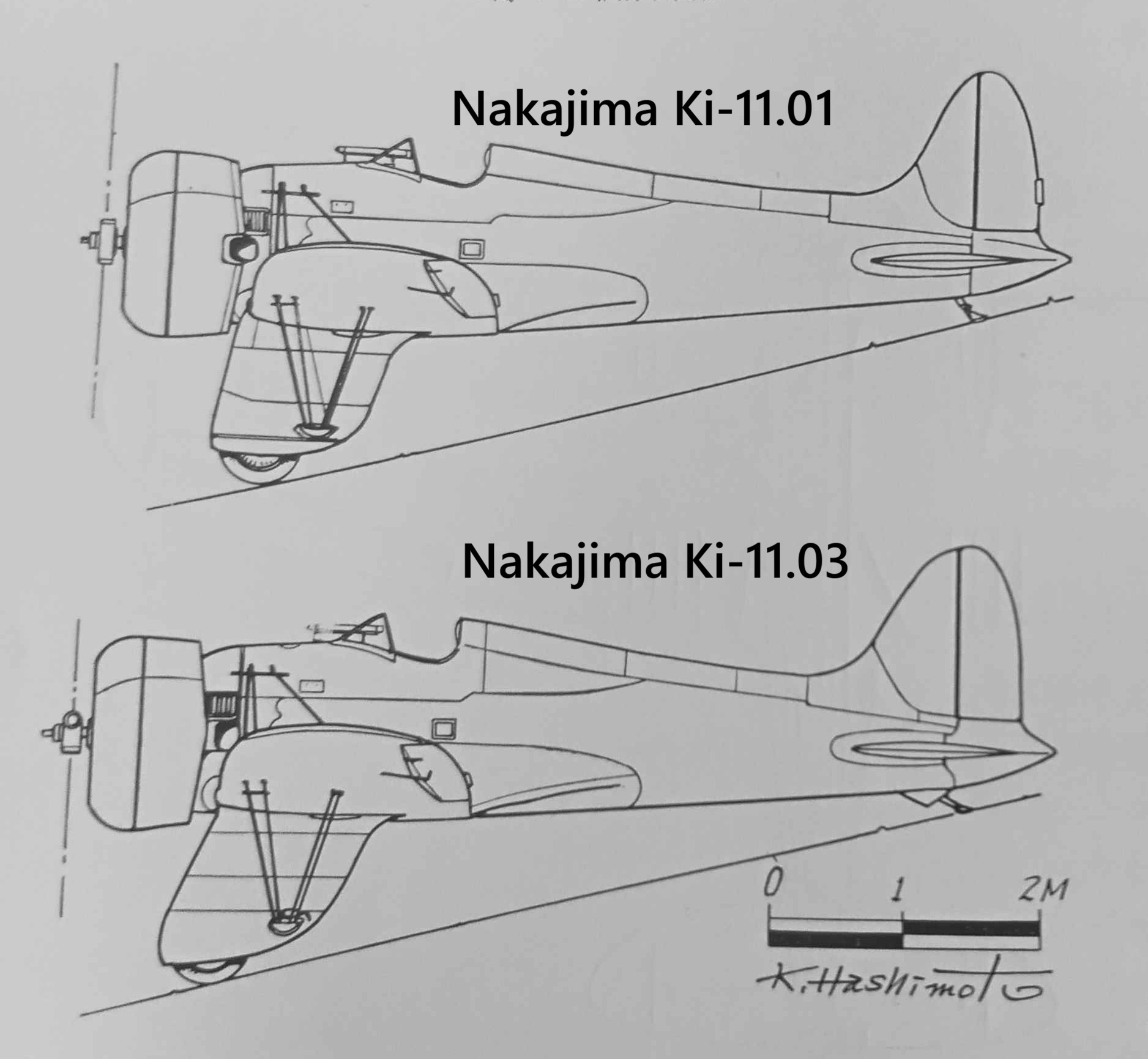
The Nakajima Ki-11 is a low-wing fighter with a wooden-metal construction made of duralumin, with ailerons and flaps covered in fabric. The fighter’s wings are reinforced with steel wires (three on top and four on the bottom). The landing gear was fixed and equipped with aerodynamic fairings. The Nakajima Ki-11 cockpit was open in prototypes 1, 2, and 3, and in prototype 4 it had a closed design. The plane was powered by a Nakajima Kotobuki 3 engine with a takeoff power of 448.7 kW (610 hp) and was equipped with a two-blade metal propeller with a diameter of 2.9 meters (prototype 3 had a three-blade propeller). The fighter’s armament consisted of two 7.7mm Type 89 machine guns in the nose of the aircraft.
General characteristics
- Crew: 1
- Length: 7,452 m
- Wingspan: 10,802 m
- Height: 3,37 m
- Wing area: 18,0 m2
- Empty weight: 1,205 kg
- Gross weight: 1,487 kg
- Maximum Take-off Weight: ?
- Powerplant: 1 x Nakajima Kotobuki 3 engine with a takeoff power of 448.7 kW (610 hp)
- Propellers: Two-bladed metal propeller with a diameter of 2,900 mm
Performance
- Maximum speed: 402-420 km/h
- Cruising speed: 367 km/h
- Range: 1100 km
- Maximum Range: ?
- Service ceiling: 10200 m
- Climb Rate: 12,97 m/s (?)
- Rate of climb: 6,24 min to 5000 m
Armament
- 2 x Type 89 7.7mm Machine Guns in the nose
Summary
The Nakajima Ki-11 is an interesting fighter for Japan in War Thunder. In terms of armament, this plane is similar to other Japanese reserve fighters (its competitor, the Ki-11), but it’s faster than that fighter. This plane is great for boosting and increasing the number of early Japanese Army fighters. It could become a tech tree fighter, premium, or event plane. I encourage you to discuss in the comments and to share your own knowledge on this subject.
Finally, I apologize for the linguistic and logical errors because unfortunately English is not my main language and I had to use google translator.
Internet sources
キ11 (航空機) - Wikipedia
Nakajima Ki-11 - Wikipedia
Nakadžima Ki 11 : Nakadžima
Уголок неба ¦ Nakajima Ki-11
Airplanes in the skies + FAF history: Nakajima Ki-11
Book sources
- 日本航空機辞典 1910年(明治43年)~1945年(昭和20年) 上巻 (Encyclopedia of Japanese Aircraft 1910 (Meiji 43) – 1945 (Showa 20), Volume 1) page 74
- 野沢正『日本航空機総集 中島篇』(Masaru Nozawa ‘Comprehensive Collection of Japanese Aircraft: Nakajima Volume’) page 74-79
- The Xplanes of Imperial Japanese Army and Navy 1924-45 page 24
The Xplanes of Imperial Japanese Army and Navy 1924-45 | PDF - Monografie Nr.11 - Nakajima Ki-27 Nate (Monographs No.11 - Nakajima Ki-27 Nate) page 9-12
Monografie Nr.11 - Nakajima Ki-27 Nate | PDF

Thank you for reading the suggestion, see you in the next one. Good luck pilots