- Yes
- No
試製七糎半対戦車砲 II型 「ナト」 改修型
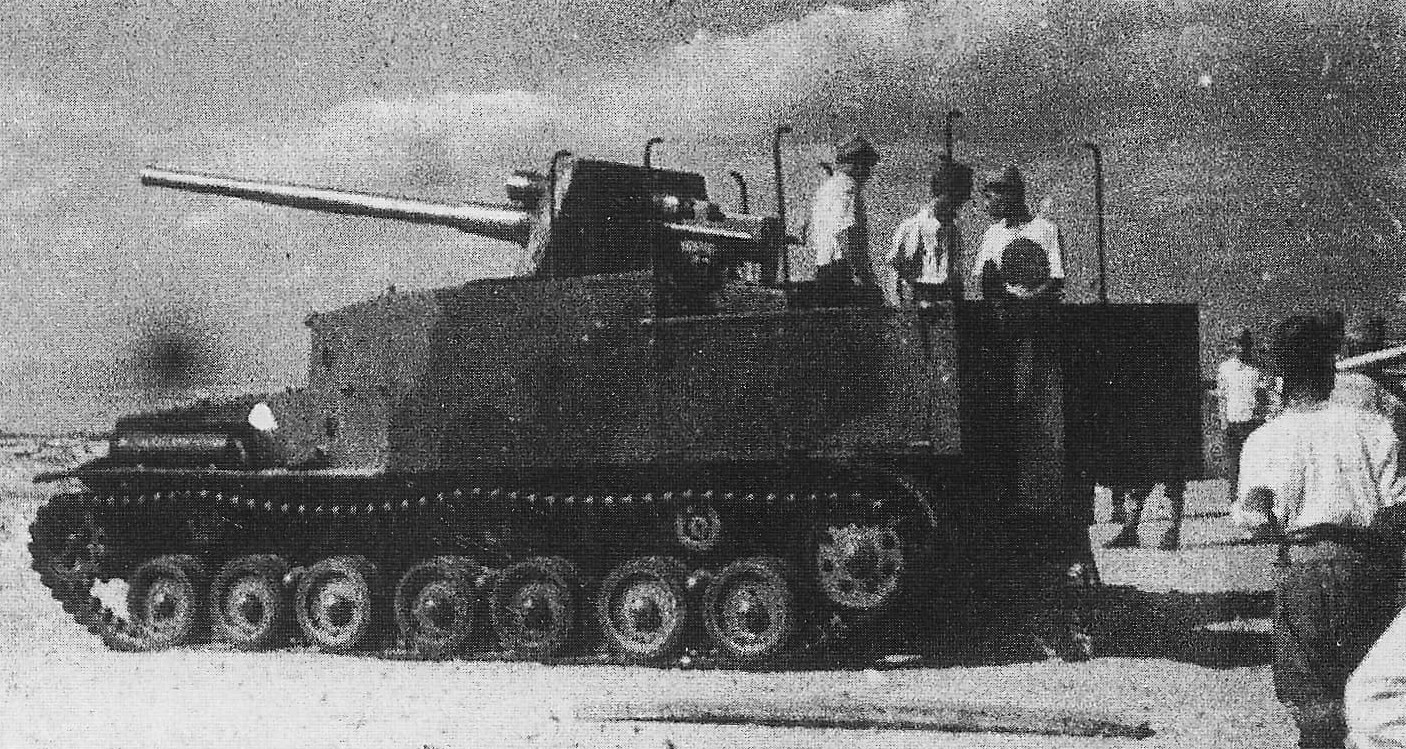
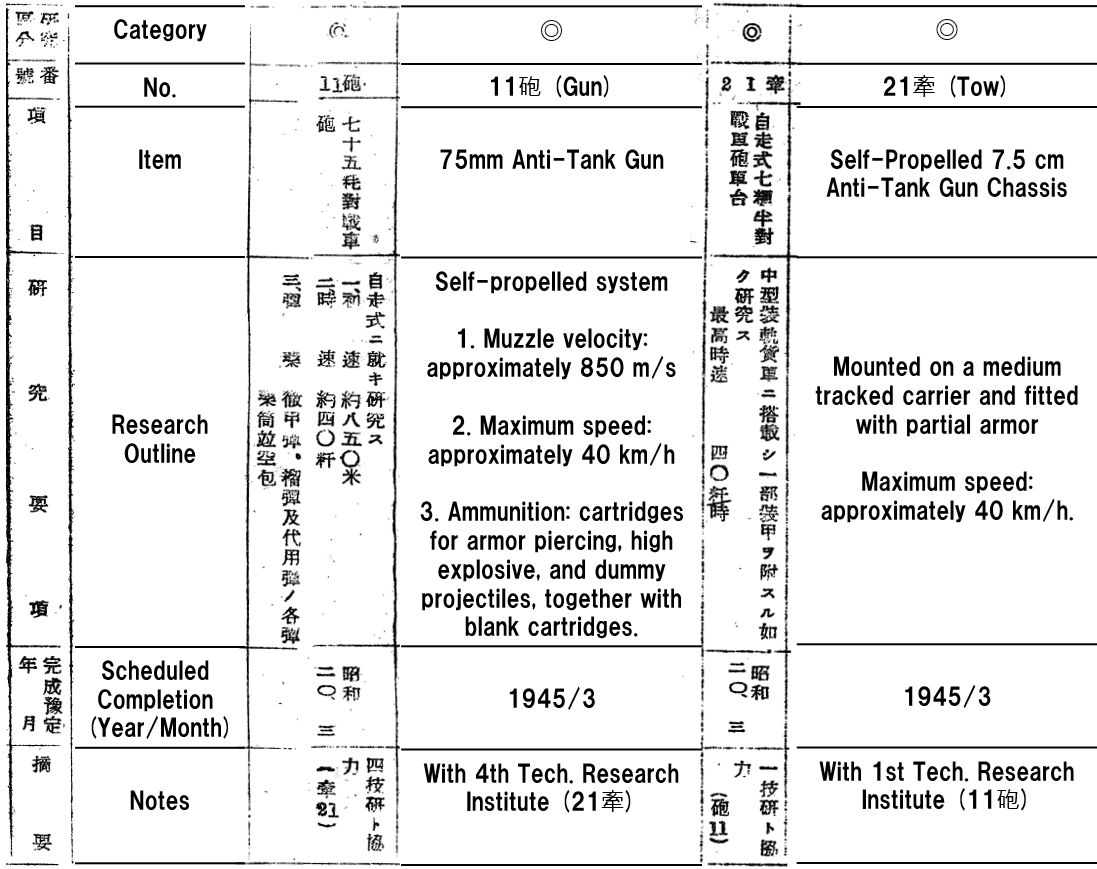
On 23 February 1942, the Army Technical Bureau initiated a project under its Ordnance Research Plan for a long-barreled 75 mm anti-tank gun with a target muzzle velocity of 850 m/s. This followed the Army’s assessment that a more powerful anti-tank gun would be essential to counter the armored forces of the major powers, following the outbreak of the Pacific War in 1941.
However, research did not actually begin until February 1943, a year later. As the gun was to be self-propelled, responsibilities were divided between the First Research Institute, which handled the gun, and the Fourth Research Institute, which worked on the vehicle. The gun was assigned the research code 「11砲 (Gun)」, while the vehicle was designated 「21牽 (Tow)」. Development of the vehicle began one month later, in March 1943, with both research programmes scheduled for completion by March 1945.
The gun’s design was completed in April 1944, and two prototypes were built at the Osaka Army Arsenal in July of that year. As the chassis was still being constructed, the guns were test-fired while fixed directly to the ground. However, both guns malfunctioned during these tests due to deformation of the cradle. The affected section was reinforced, and further tests were carried out from November 5 to 10. While the previous issues were resolved, a new defect appeared in the breech mechanism. Additional tests were therefore conducted from December 11 to 14, but the problem remained unresolved. Two possible solutions were considered to address this: modifying the existing breech block or designing a new breech mechanism modeled on the Type 88 Anti-Aircraft Gun. Both approaches were selected for testing.
Meanwhile, on December 10, 1944, the Sagami Arsenal completed two prototype vehicles, and from the 16th to the 20th, the guns were mounted on the chassis. Comprehensive testing, including firing and mobility trials, took place in January 1945. The mobility test took place on January 7 with the first prototype vehicle, covering a total distance of 305 km over four days, from Osaka to Irago. The firing tests were carried out from January 12 to 15. Muzzle velocities were measured at 821 m/s for the Type 1 APHE, 819 m/s for the Type 4 AP and 858 m/s for the Type 4 HE.
On January 15, the research team reached the following conclusions based on the results of the test series:
- The driver positioned in front of the gun shield was left completely unprotected, and the alignment between the gun shield and the chassis was improper. Their relative positioning requires redesign.
- The durability during driving was good overall. In the mobility trials, which covered a total distance of 305 km including irregular terrain, the average speed was 18.4 km/h, with a maximum of 40 km/h.
- The performance of the modified breech mechanism was generally satisfactory. However, the second proposal, which incorporated a buffer system, was deemed more suitable in terms of durability.
- From a production standpoint, it was considered appropriate to modify the gun to use the same parts as the Experimental 7.5 cm Tank Gun (Long), including the cradle.
Among these, the last point was a decision that had a significant impact on the development of this gun. The Experimental 7.5 cm Tank Gun (Long) began development in July 1943, about five months after the 7.5 cm anti-tank gun. It was originally designed for the Chi-Ri, but following the decision to mount it on the Chi-To as well, it was expected to become the standard tank gun of the Imperial Japanese Army.
Traditionally, Japanese gun design philosophy differentiated between tank and anti-tank guns of the same caliber: tank guns had shorter recoil lengths to enable use in confined spaces, whereas anti-tank guns had longer recoil systems to mitigate the impact of firing. However, as the war situation worsened, it became increasingly necessary to prioritize production efficiency, even at the cost of performance.
At that time, the Fourth Institute reported that the Na-To chassis could withstand the recoil even with the tank gun type mounted. Consequently, the Army Ordnance Bureau ordered the standardization of components for the two guns. Since these two guns shared almost no common parts apart from their barrels, this decision effectively required the development of an entirely new weapon. As a result, the new design had to be distinguished from the previous one. The earlier model was officially designated Model I (I型), and the new design was named Model II (II型).
This change caused a significant delay in the gun’s development. Work on the Model II began immediately on January 15, and in February, the Osaka Arsenal began building two prototype guns. Although progress was relatively fast, testing could not begin until May, when the project was already two months behind schedule.
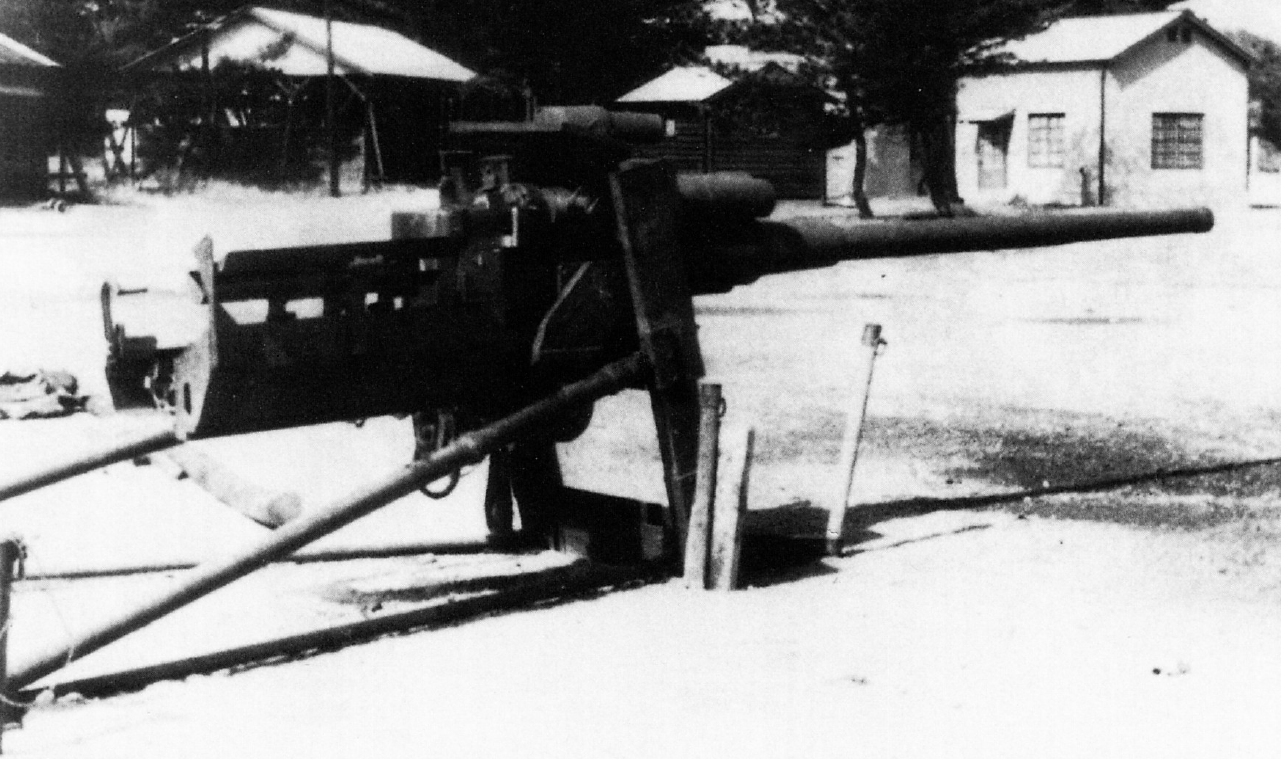
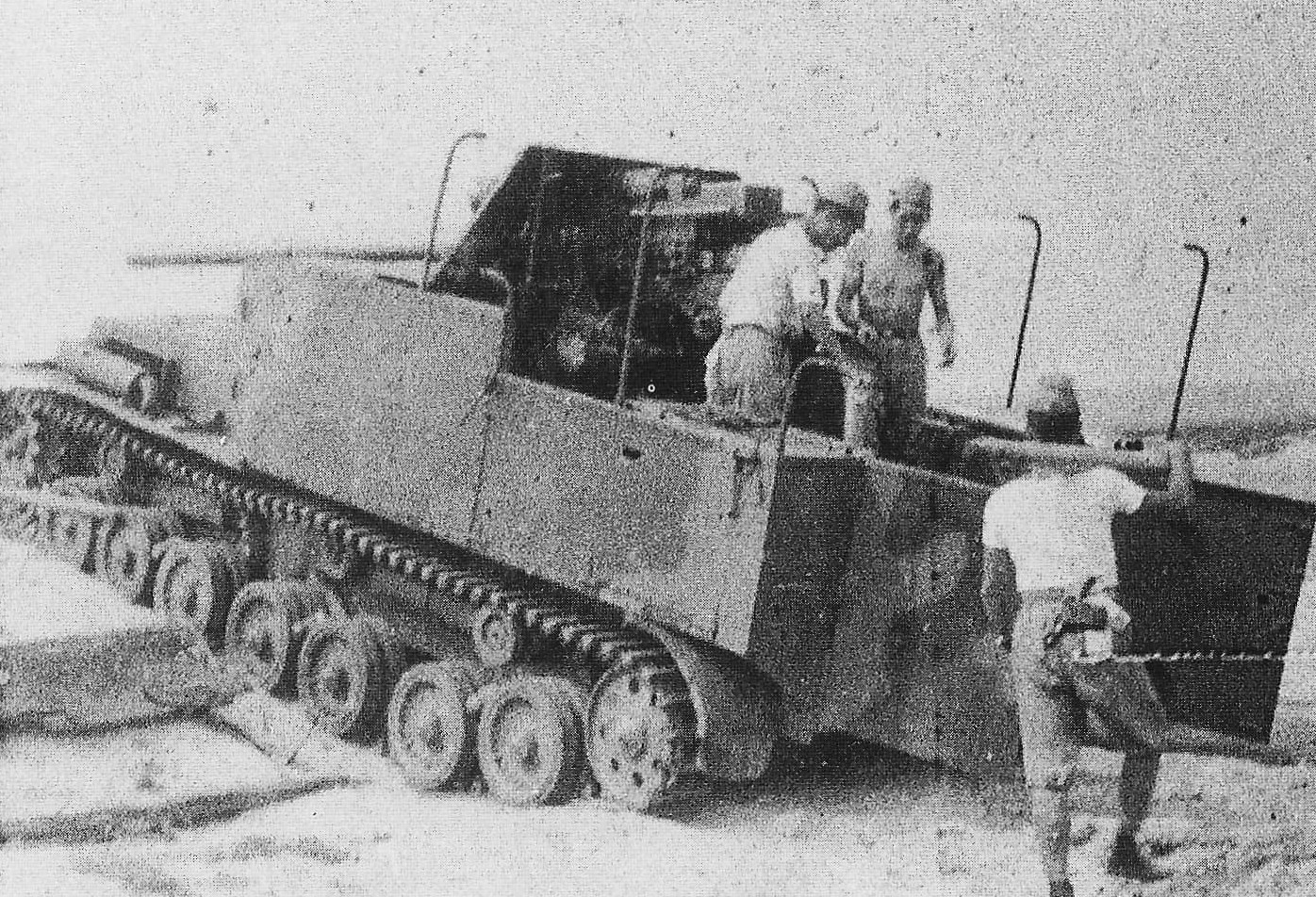
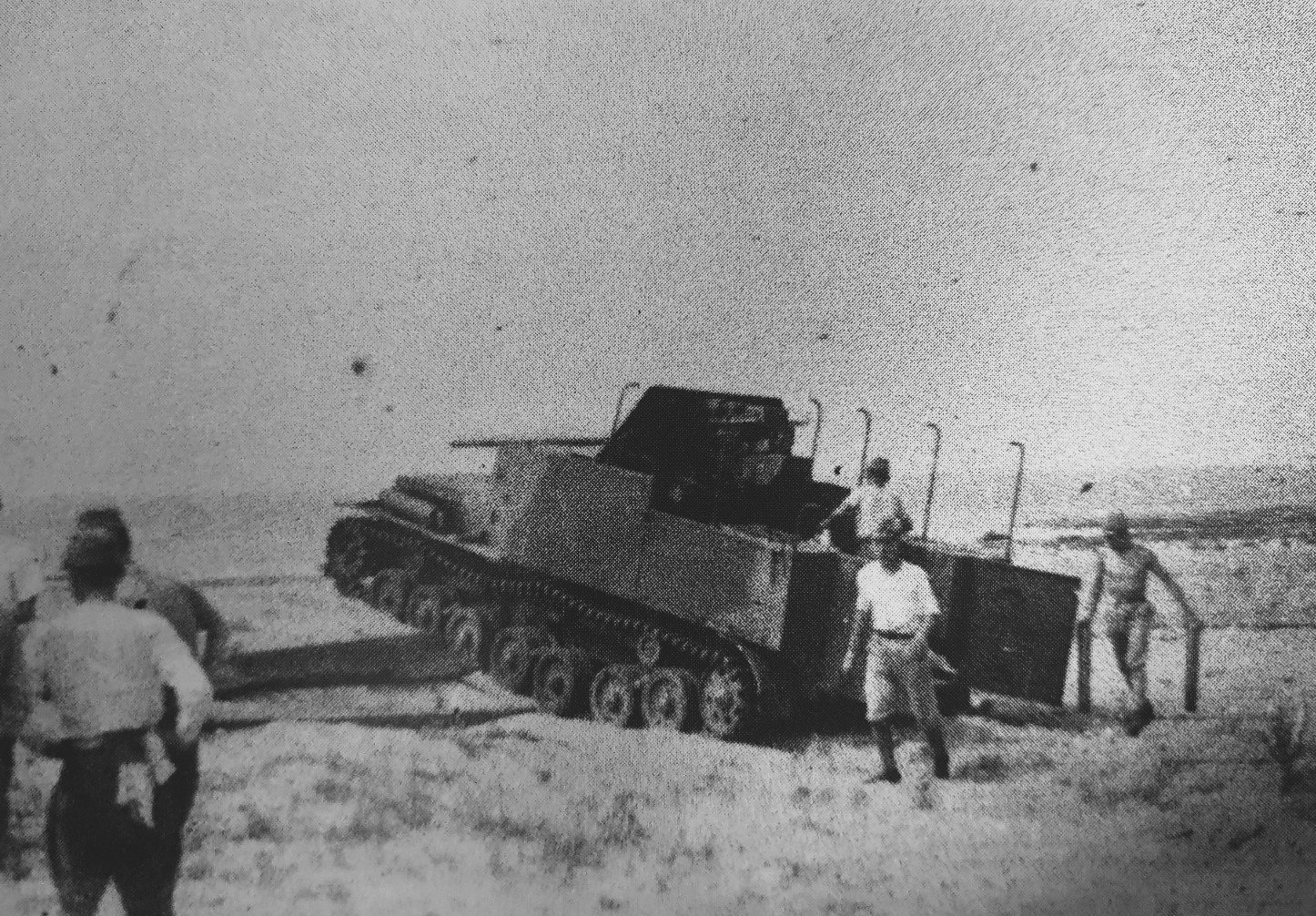
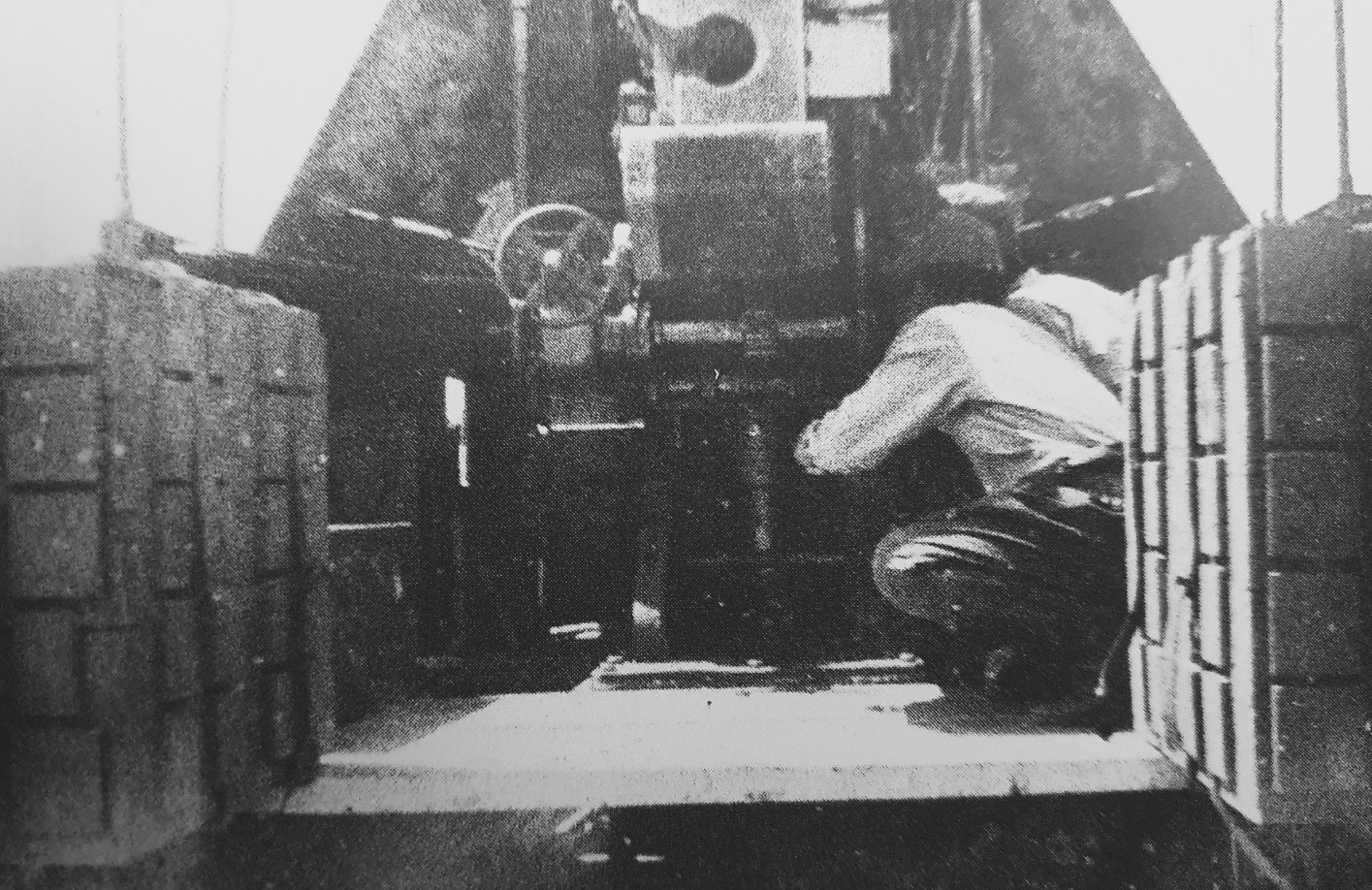
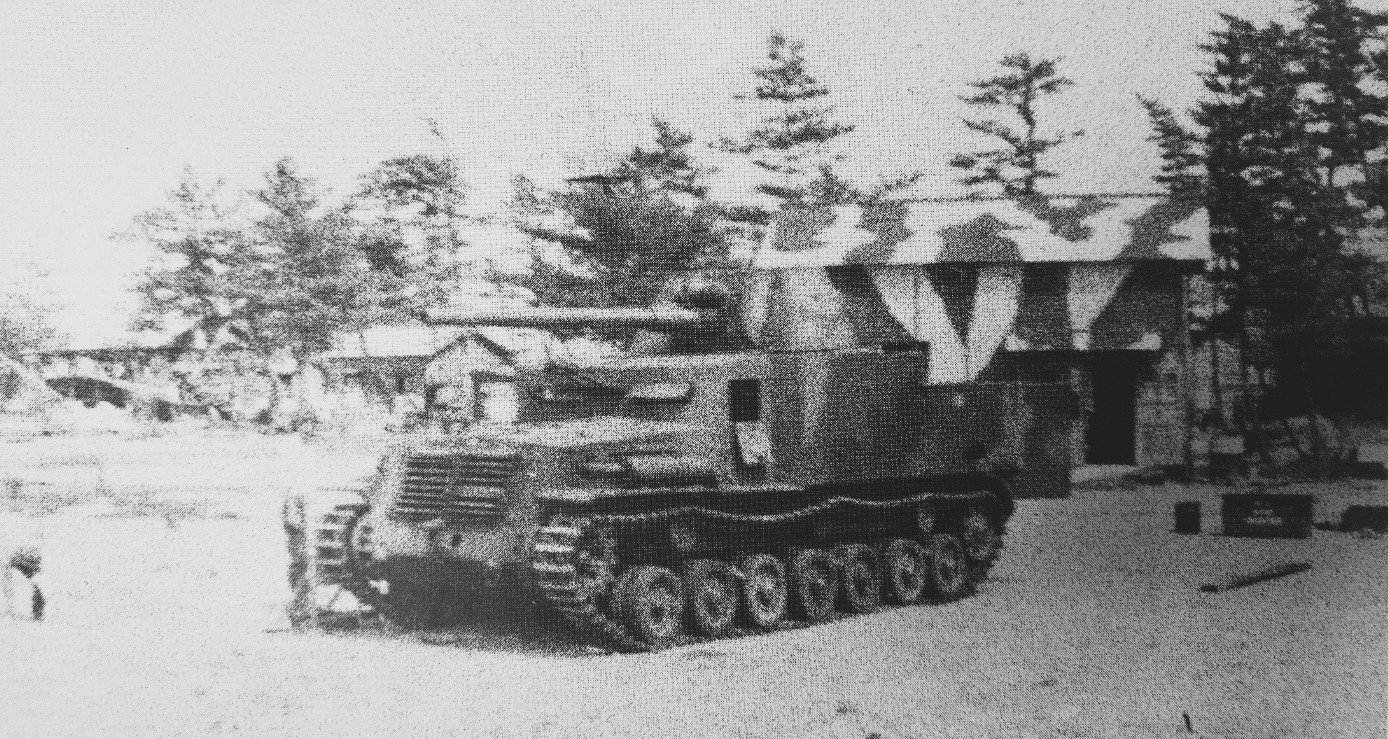
In May, once the prototype vehicle modified for the Model II had been completed, the research team mounted the first completed Model II gun on it and immediately conducted trials. Before the tests began, they took several photographs. Six of these survive today and were later used as the basis for the Na-To model featured in War Thunder.
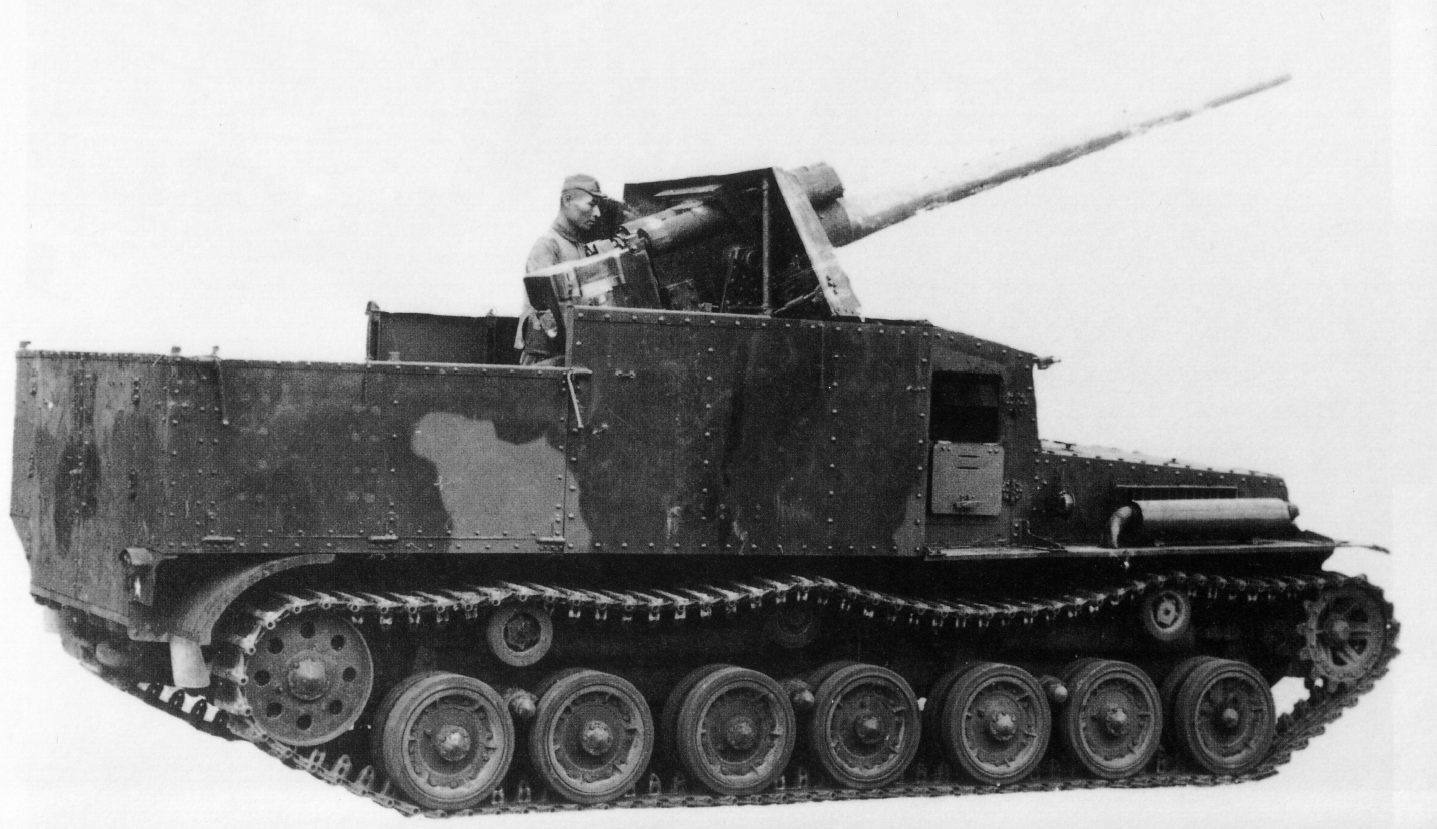
The functional tests were conducted in Osaka from the 15th to the 17th, and the ballistic tests were carried out at Irago from the 23rd to the 26th. However, the anticipated problem occurred during the tests. While firing Type 1 APHE rounds at the Irago range, the gun mounting section of the chassis suffered a structural failure. Given that the Model II’s recoil force was three times greater than that of the Model I, such a failure was unsurprising. The structure was found to lack sufficient strength, and improvements were required. As a result, the gun mount was moved 430 mm to the rear, and the lower hull was reinforced. The Fourth Research Institute also improved the ammunition stowage, increasing its capacity from 68 to 110 rounds.
After these modifications, the corrective functional test began on July 6, 1945, at the Osaka Arsenal, using the second completed gun. The trials continued until the 12th, with firing tests conducted at the Ōtsugawa range from the 9th to the 10th. Fortunately, no defects occurred in the gun mounting section, and the tests were successfully completed after firing a total of 113 rounds.
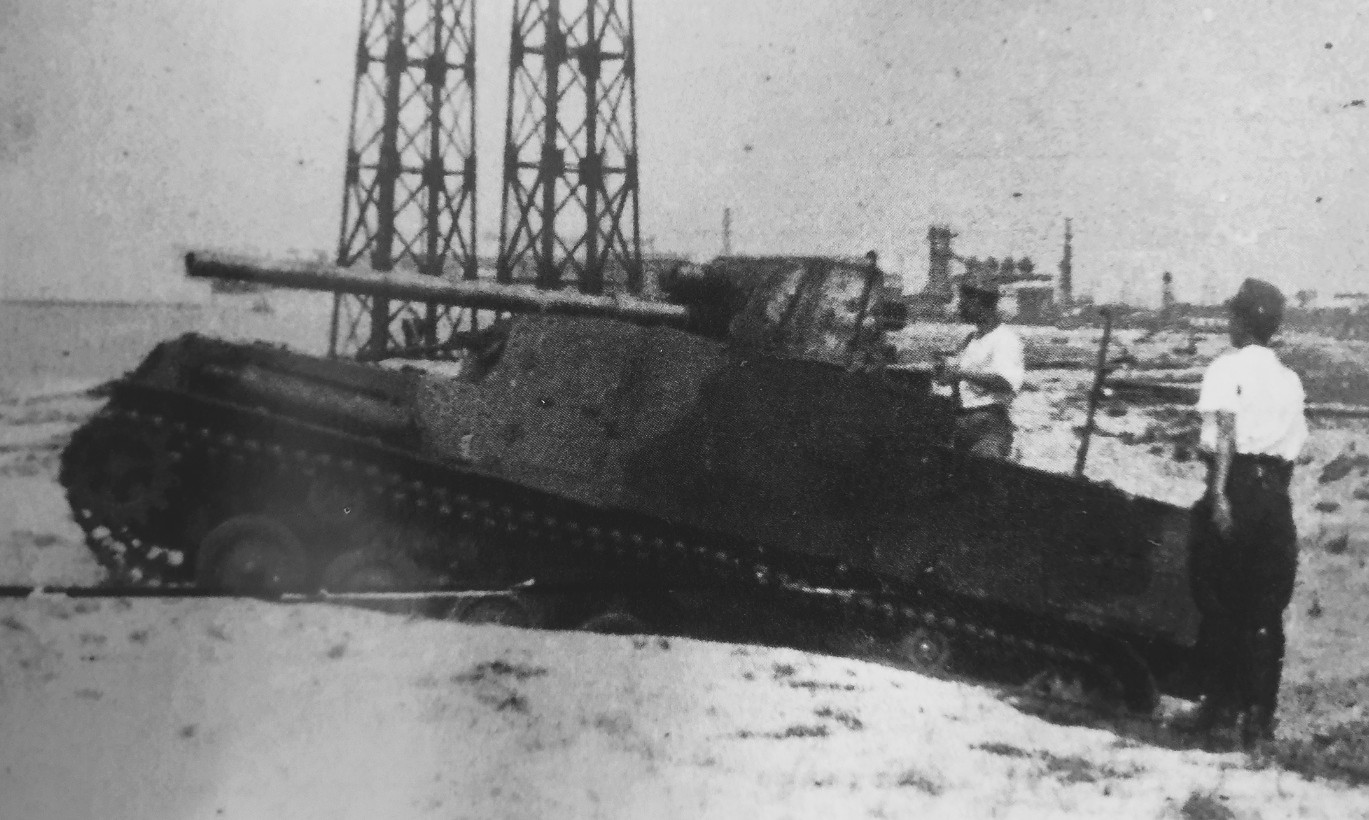
Once all the tests had been completed, the First and Fourth Technical Research Institutes informed the Army Ordnance Bureau that the vehicle was ready for production. At the same time, one of the guns was sent to the Armoured Bureau to prepare handling manuals. On July 11, 1945, the weapon was officially designated the Experimental Type 5 7.5 cm Anti-Tank Gun (試製五式七糎半対戦車砲), and on the 20th, its formal adoption was approved. At this point, it became the Type 5 7.5 cm Anti-Tank Gun (五式七糎半対戦車砲) and production began. The chassis were to be built at the Sagami Arsenal’s No. 1 Plant and the guns at the Osaka Arsenal’s No. 1 Plant. The Army Ordnance Bureau set the production cost at 75,000 yen for each chassis and 40,000 yen for each gun.
As of May 1945, the Army planned to produce 200 Na-To by March 1946, a significant increase from the earlier draft plan of September 1944, which had called for 100 units. This increase reflected the urgent demand for armaments as fighting on the Japanese home islands loomed. However, according to a report from the Ordnance Bureau’s Production Department, severe aluminum shortages limited the number of chassis that could be built to just 68. Nevertheless, the Sagami Arsenal planned to reduce the procurement target to 140 units and complete the first five by September 1945. However, with the end of the war, not a single one was finished. After the war, a total of 70 unfinished Na-To chassis were discovered at the Sagami Arsenal.
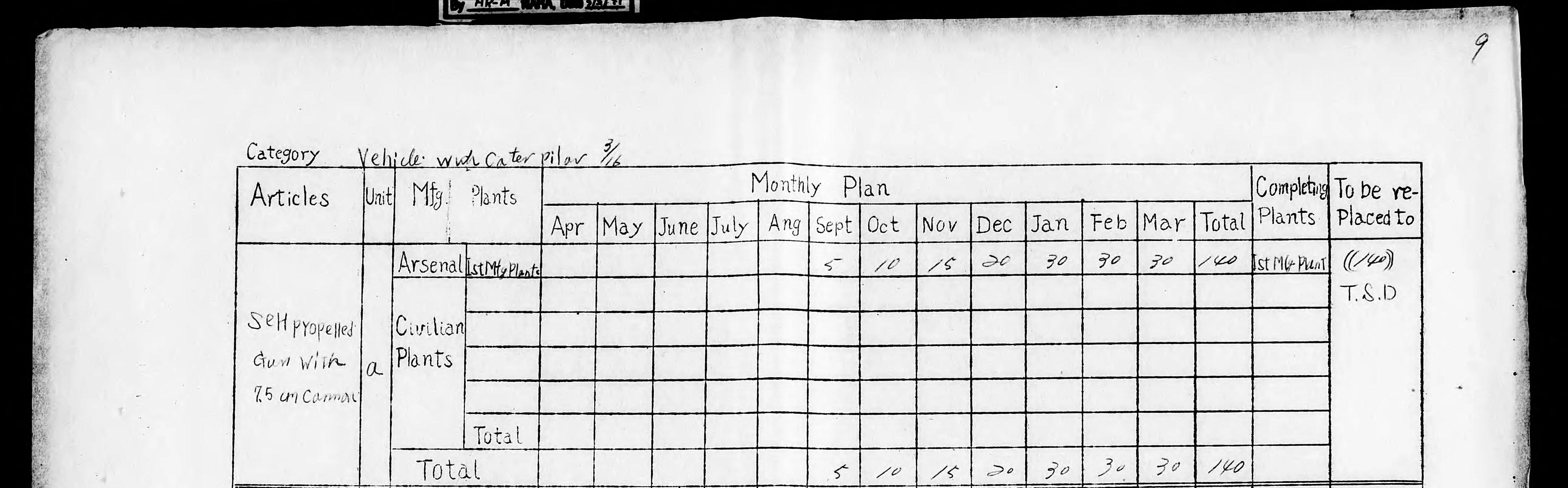
Similarly, the gun was scheduled for production after August, but postwar inspections found none on the production lines at the Osaka Arsenal. Given that even the tank gun, which had been given production priority, was found as only one unfinished unit, the outlook for production of this anti-tank gun was quite literally hopeless.
The fate of the two prototype vehicles after the July tests remains unclear. It seems likely that the guns were removed from the chassis, as the vehicles were not found when US forces inspected Japan’s remaining weapons after the war. This assumption is supported by a US Army report dated January 15, 1946, which identified a dismounted gun as the Type 5 7.5 cm Tank Gun (for Chi-To). However, the photographs attached to the report actually show a Na-To Gun Model II.
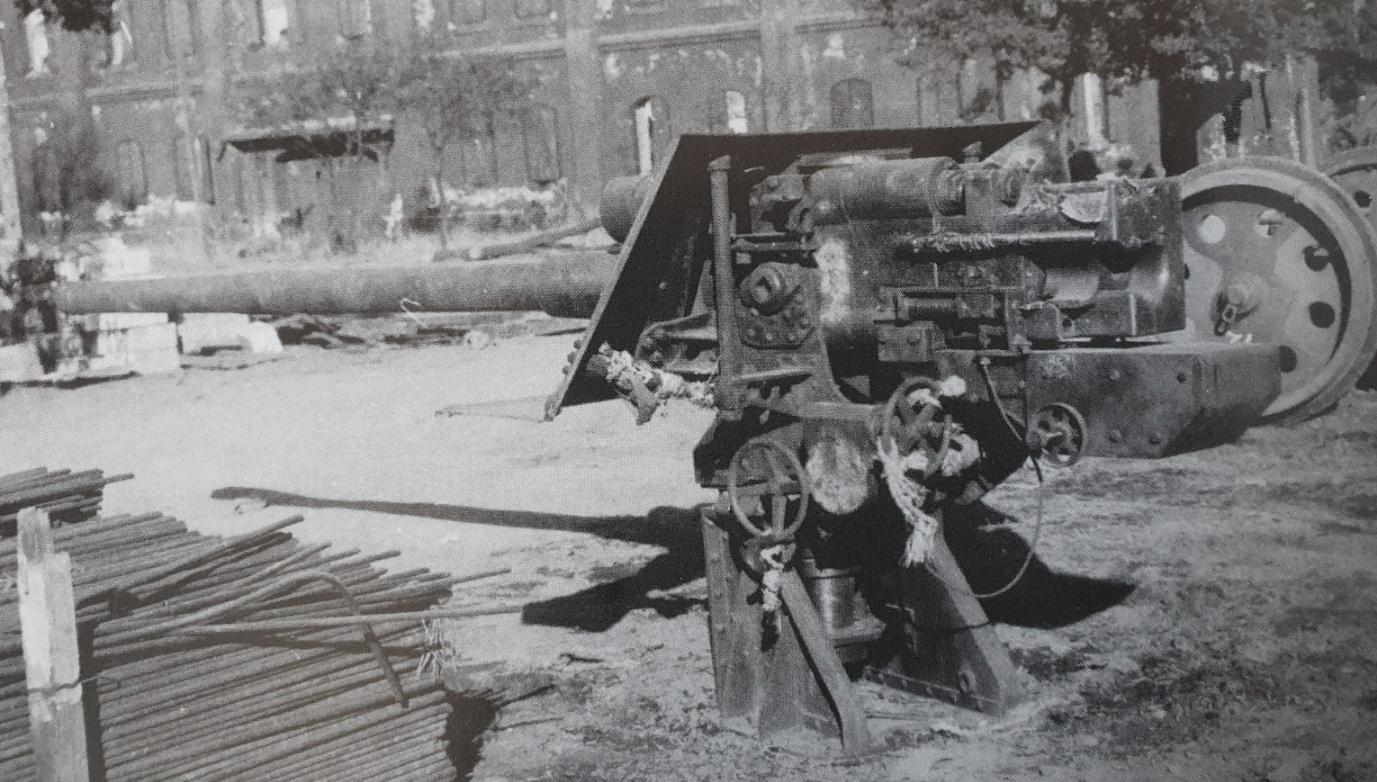
Overall, the Na-To prototypes were likely dismantled without ever attracting the attention of the US Army because their guns had been removed. As for the guns, it is presumed that one was kept at the Army Armored Bureau in Tokyo and the other was returned to and remained at the Osaka Arsenal, although this cannot be confirmed.
Note: The section in this post describing events prior to the January tests is a summary. A more detailed explanation can be found in my “Na-To Prototype I” suggestion. If you’re interested, please take a look.
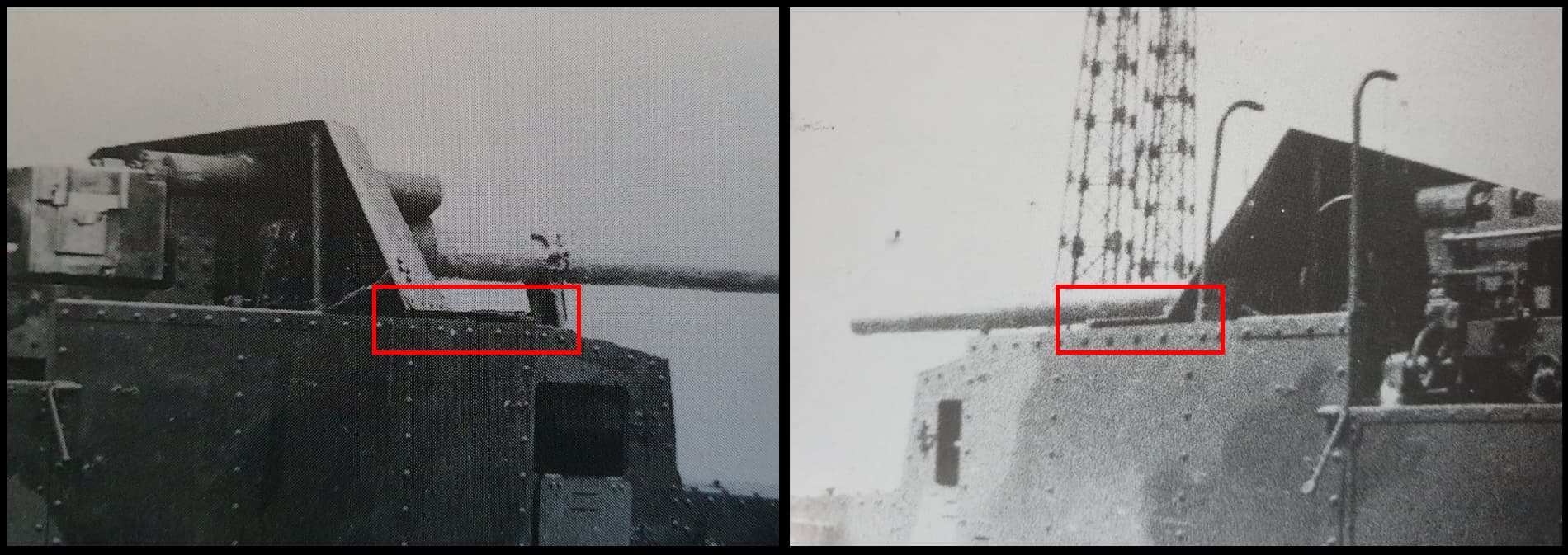
The most noticeable difference between the May and July versions of the Na-To II is the position of the gun. Originally, the gun was mounted at the front of the hull, but was moved 430 mm rearward to improve stability. The 430 mm offset was selected because it was the optimal value that enhanced stability without negatively impacting the gun’s depression.
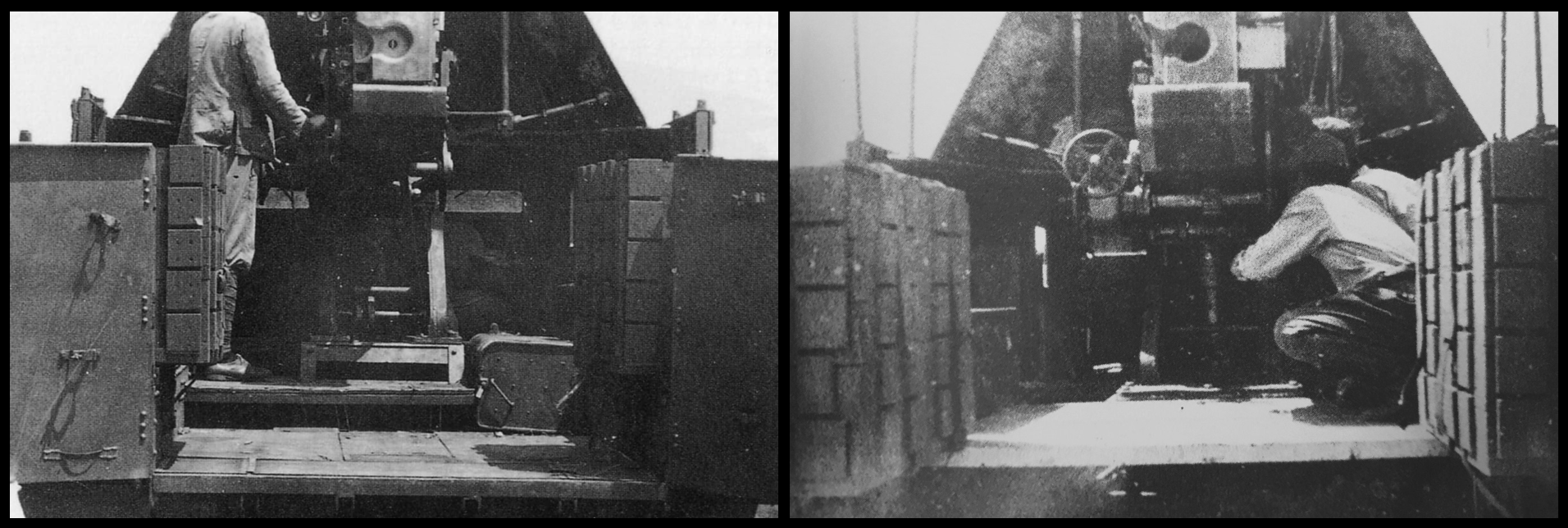
In addition, the hull floor was reinforced throughout. The floor, previously divided into three stepped levels up to the gun mounting section, was partially raised, resulting in a flatter two-level interior layout. The ammunition stowage was also increased from 68 to 110 rounds, and these additional shells were likely stored beneath the newly raised floor space. Due to these modifications, the weight of the Na-To increased from 13.4 to 13.7 tons, a gain of about 300 kg. A minor external change was the addition of support frames for the canvas cover. Despite the mounting points being in place, these frames were absent in May, but were fitted by the July tests.
Aside from these differences, the Na-To II and Na-To II Kai are basically the same. Although the ammunition count was increased, this doesn’t provide any practical advantage in the game and the added weight actually makes it closer to a nerf.
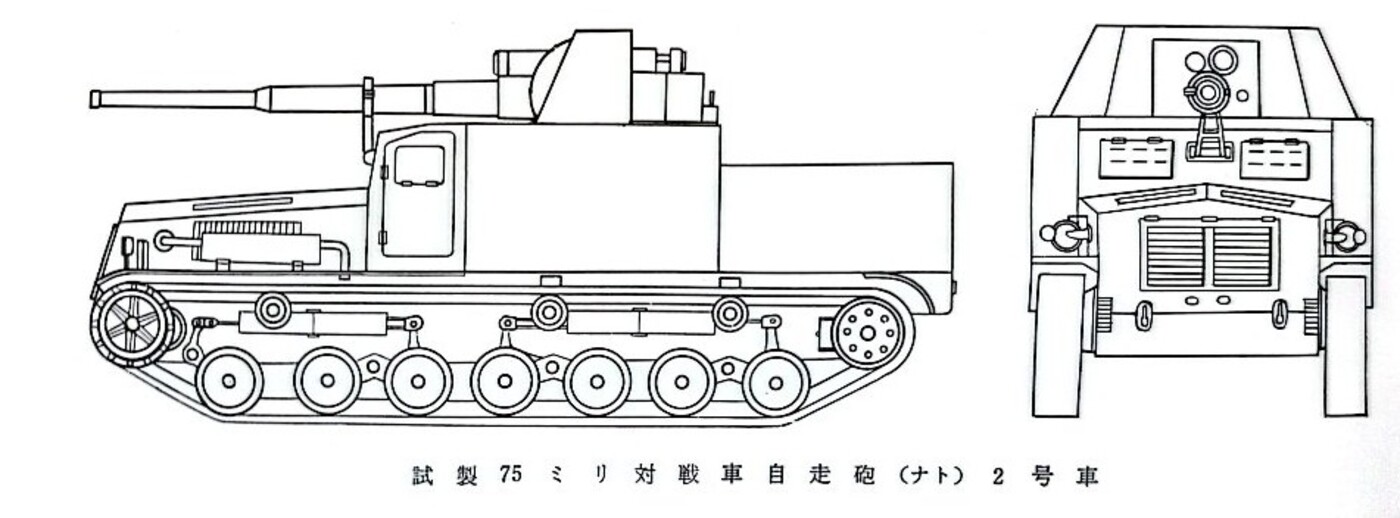
- Length: 5.7 m
- Width: 2.4 m
- Height: 2.64 m
- Combat weight: 13.7 t
- Track width: 300 mm
- Maximum speed: 40 km/h
- Cruising speed: 18.4 km/h
- Gradeability: 2/3
- Turning radius: 10 m
- Engine: Type 100 air-cooled V8 diesel
- Bore × Stroke: 120 × 160 mm
- Maximum power: 165 hp @ 2000 rpm
- Armor (mm): front 12, side 12, rear 4, bottom 6
- Armament: Experimental Type 5 7.5 cm Anti-Tank Gun (試製五式七糎半対戦車砲)
- Caliber: 75 mm
- Barrel length: 4230 mm
- Muzzle velocity: 830 m/s
- Traverse: ±20°
- Elevation: −10° to +20°
- Recoil length: 400 mm
- Crew: 7
- Ammunition (total 110 rounds): Type 1 APHE, Type 4 HE, Type 4 AP

Sources:
- 第一陸軍技術研究所, 研究原簿 試製七糎半対戦車砲II型, 1943–1945年7月.
- 陸軍兵器行政本部, 昭和18年度陸軍兵器行政本部研究計画, 1943年3月. (Ref. C14011078200)
- 陸軍兵器行政本部, 昭和20年度兵器資材整備予算所要額調書, 昭和19年11月15日. (Ref. C12121805100)
- 陸軍兵器行政本部, アルミ配当量五〇〇屯の場合の兵器別整備減調, 昭和20年5月14日. (Ref. C12121803600)
- 陸軍兵器行政本部, 昭和20年度整備計画附表, 1945年2月. (Ref. C13120840600)
- 陸軍兵器行政本部, 各造兵廠作業計画表綴, 1945年3月. (Ref. C13120849200)
- 陸軍兵器行政本部, 陸軍技術研究所之部, 1945年8月. (Ref. C15010408100)
- 東京第一陸軍造兵廠, 未完成兵器等一覧表. (Ref.C14010956500)
- U.S. Strategic Bombing Survey, Production plans for fiscal year 1945-Sagami Army Arsenal. Report No. 45k(4), 1945.
- Morrison, Malcolm C., Ordnance Technical Intelligence Report No. 21, GHQ, US Army Forces Pacific, March 1946.
- Fiore, John M., Ordnance Technical Intelligence Report No. 144, GHQ, U.S. Army Forces Pacific, January 15, 1946.
- 『丸』, 潮書房光人新社, 1961年9月号.
- 日本兵器工業会, 陸戦兵器総覧, 図書出版社, 1977年3月.
- 竹内昭・原乙未生・栄森伝治, 日本の戦車, 出版協同社, 1978年9月.
- 竹内昭・佐山二郎, 日本の大砲, 協同社, 1986年4月.
- ガリレオ出版, 帝国陸海軍の戦闘用車両, 1996年1月.
- 『グランドパワー』, ガリレオ出版, 1996年11月号.
- アルゴノート社, 日本の戦車と装甲車輌, 2000年6月.
- 佐山二郎, 機甲入門, 光人社NF文庫, 2002年10月.
- 学研プラス, 帝国陸軍戦車と砲戦車, 2001年12月.
- 『グランドパワー』, ガリレオ出版, 2008年10月号.
- 『パンツァー』, アルゴノート社, 2008年11月号.
- 国本康文, 試製五式七糎半対戦車砲 ― ナト砲の謎を解く ―, 国本戦車塾, 2008年12月.
- 佐山二郎, 日本陸軍の火砲 ― 歩兵砲・対戦車砲 他 ―, 光人社NF文庫, 2011年8月.