- Yes
- No
- (independent) BeNeLux tree
- France: BeNeLux subtree
- other
- no/negative
- 1x twin 12.7 mm Browning
- 1x twin 20 mm Oerlikon
- both versions
- other (please comment)
- no/negative
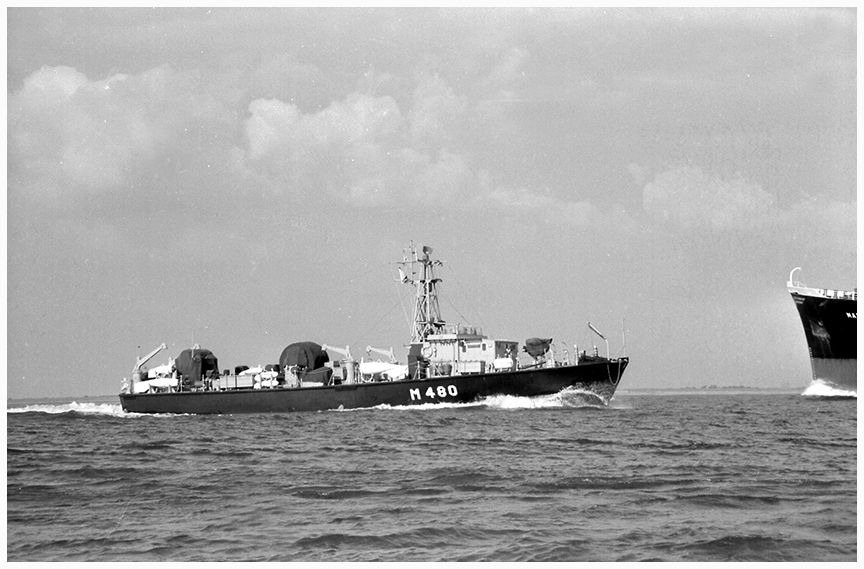
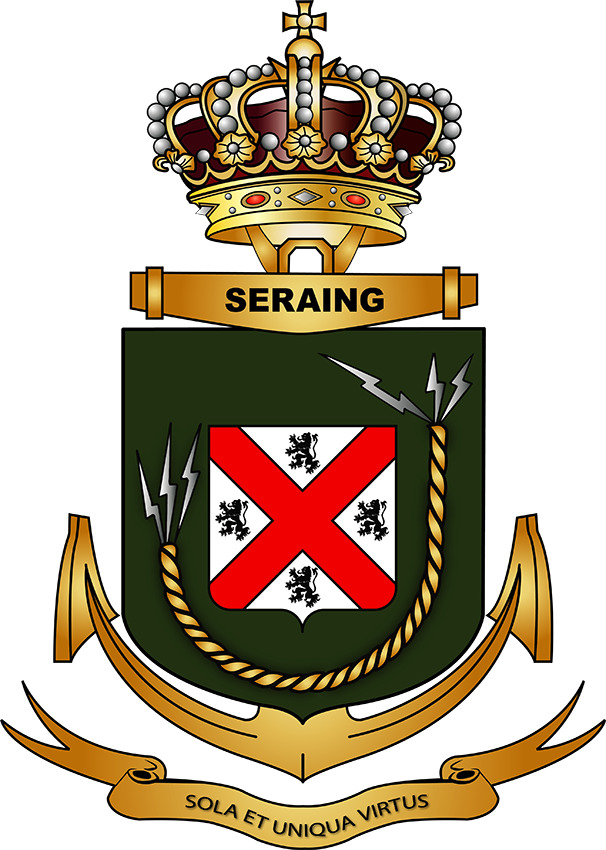
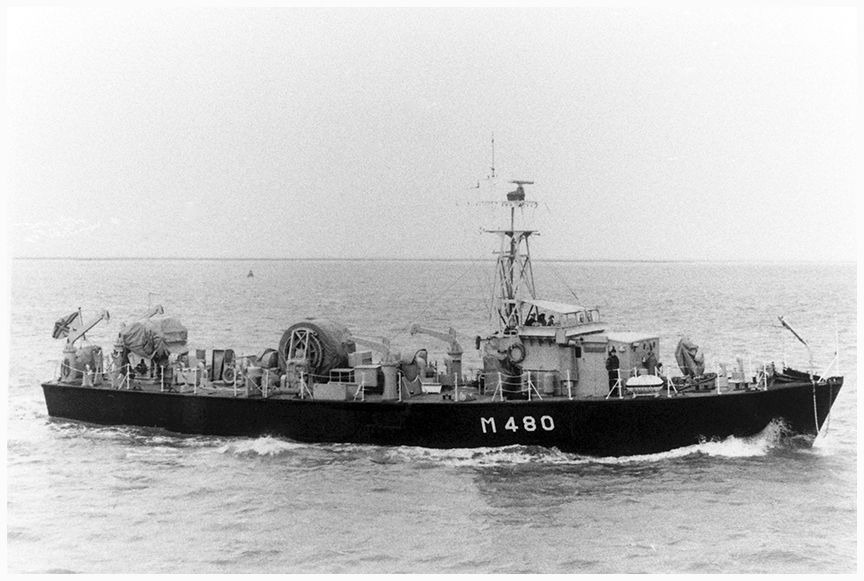
The MSI Ham Type Herstal-class inshore minesweepers were the backbone of Belgium’s Cold War mine countermeasure fleet. One of these vessels was the M480 Seraing, built at Kruibeke in 1957 and commissioned in 1958. Like her sisters, Seraing was designed for shallow-water mine warfare in the Scheldt estuary and Belgian coastal waters, with a non-magnetic wooden hull and fittings to minimize mine detonation risk. Armed with either a twin 12.7 mm Browning or a twin 20 mm Oerlikon, these vessels were lightly armed but specialized for estuarine defense, ensuring the security of Belgian harbors and waterways throughout the Cold War.
TL;DR: M480 Seraing – A Belgian-built Cold War MSI inshore minesweeper, armed with twin 12.7 mm or 20 mm, dedicated to shallow-water mine warfare.
History
History
After WWII, Belgium relied on U.S.-built AMS minesweepers, but by the late 1950s they were outdated. To modernize, sixteen new wooden-hulled MSI Ham Type Herstal-class inshore minesweepers were built in Kruibeke. They were designed to clear magnetic, acoustic, and contact mines in waters too shallow for larger ships (Masset & Grimbergs, 2015).
Taken rout on the way to Seoul in the 1980sThe M480 Seraing was laid down on 16 March 1957 and commissioned on 13 June 1958. She served with the Belgian Force Navale for over three decades, operating mainly in coastal defense, mine clearance, and patrol duties until her decommissioning in 1990.
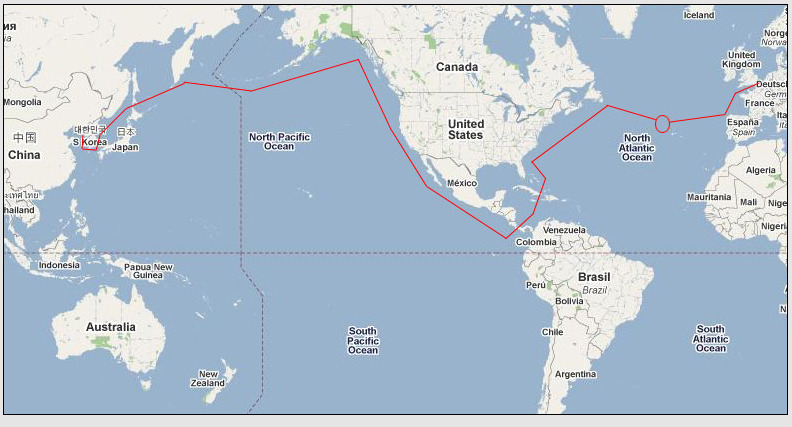
With a crew of just 18, these ships played a quiet but vital role in Cold War naval security. Their range of 2,300 nm at 10 knots allowed them to patrol Belgium’s entire coast and inland waterways effectively.
Specifications
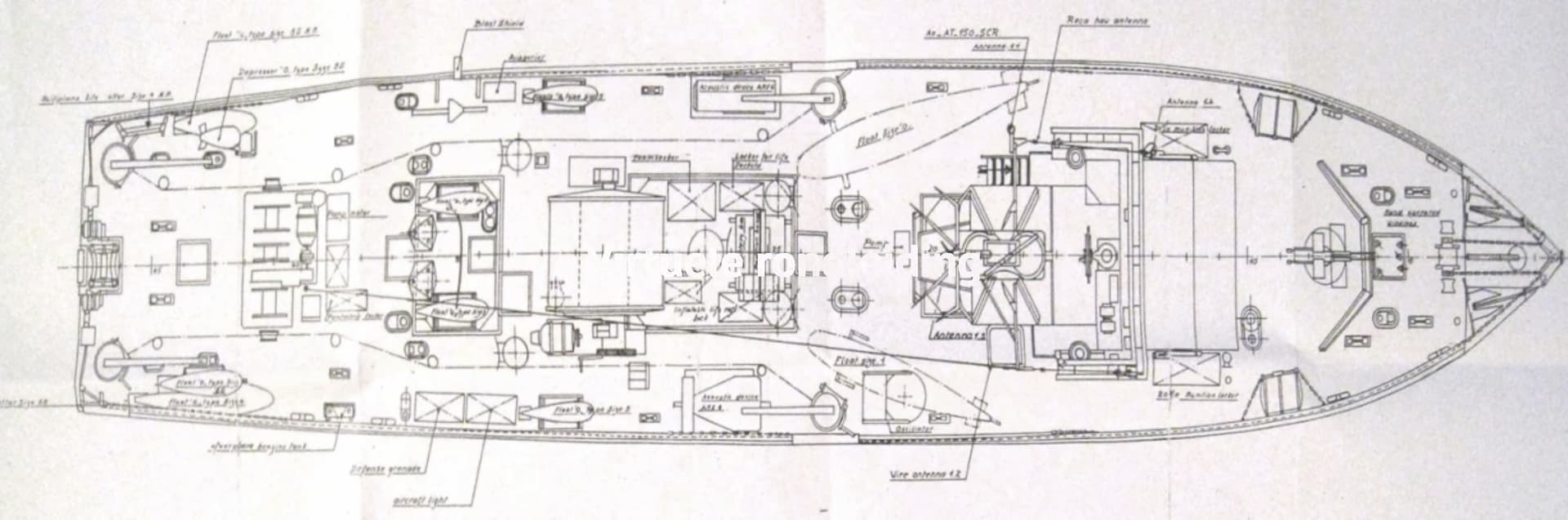
Displacement: 173 t (freshwater), 178 t (saltwater)
Length/Beam/Draught: 34.4 m / 6.65 m / 2.1 m
Propulsion: 2 × Nuove Reggiane diesels, 2 shafts, 1,260 hp
Speed: 15 knots
Range: 2,300 nm @ 10 knots
Crew: 18 (2 officers, 7 petty officers, 9 sailors)Armament Variants:
Version Weapons Early 1 × twin 12.7 mm Browning HMG Alternate 1 × twin 20 mm Oerlikon AA gun Mine Warfare Gear: Acoustic, magnetic, and mechanical sweeps (4–10 m depth)
Construction: Wooden hull, non-magnetic fittings
Place in War Thunder
Regarding nations
BeNeLux
M480 Seraing could join the BeNeLux coastal fleet tree, representing a light Cold War-era minesweeper option. While modestly armed, it provides variety and showcases Belgium’s naval heritage.
France subtree
Alternatively, Seraing could appear in the French coastal fleet as a subtree ship, just like other BeNeLux vehicles.
Pictures
Pictures
M480 Seraing during service
Sources
Sources
Belgian Navy Forum. (n.d.). M480 Seraing. Retrieved from: http://www.belgian-navy.be/t1007p15-m479-huy
Marine Belge. (n.d.). MSI479 Huy & sister ships. Retrieved from: https://www.marinebelge.be/msi479.html
Dragueurs de mines belges de type MSI. (2023). Wikipedia. Retrieved September 2023.
Anrys, H., De Decker de Brandeken, J.-M., & Eygenraam, P. (1992). De zeemacht: van de admiraliteit van Vlaanderen tot de Belgische zeemacht. Tielt.
Masset, F., & Grimbergs, E. (2015). MSI M477 Oudenaarde. Ruimschoots, 15(3), 21–23.