- Yes
- No
- (independent) BeNeLux tree
- France: BeNeLux subtree
- other
- no/negative
- 1x twin 12.7 mm Browning
- 1x twin 20 mm Oerlikon
- both versions
- other (please comment)
- no/negative
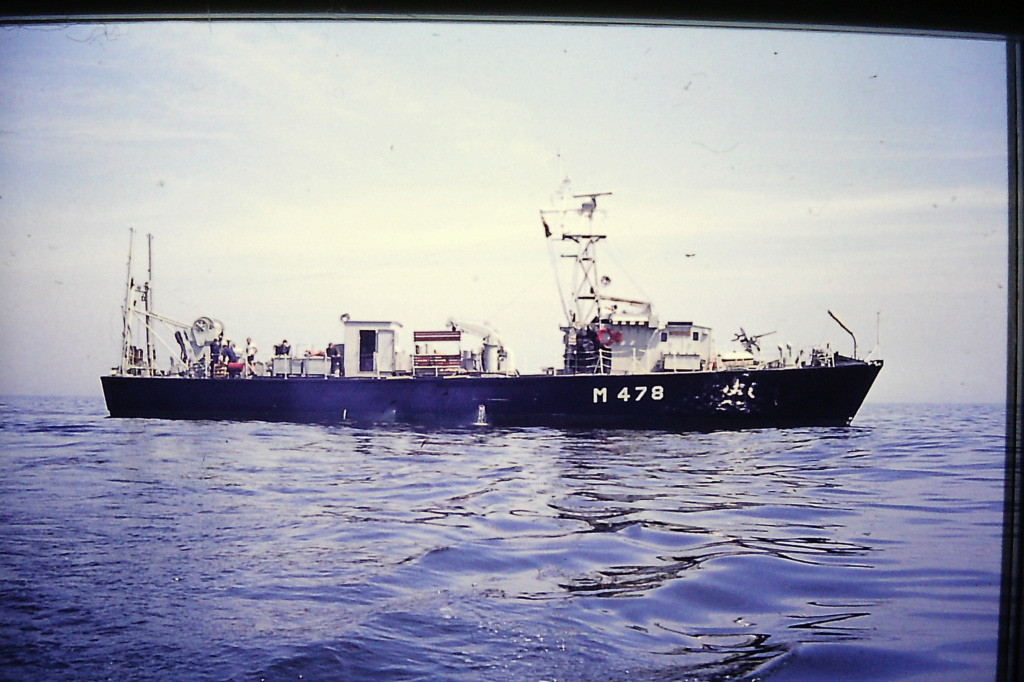
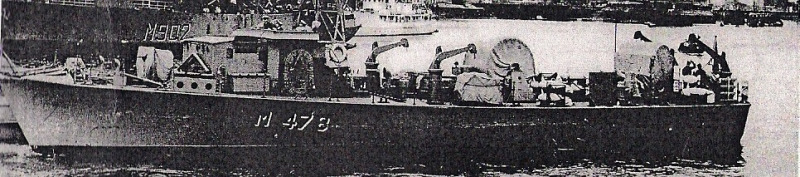
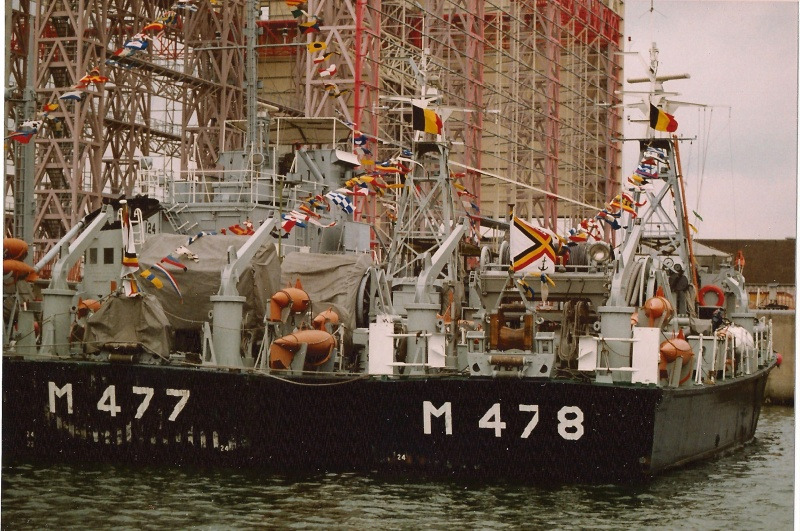
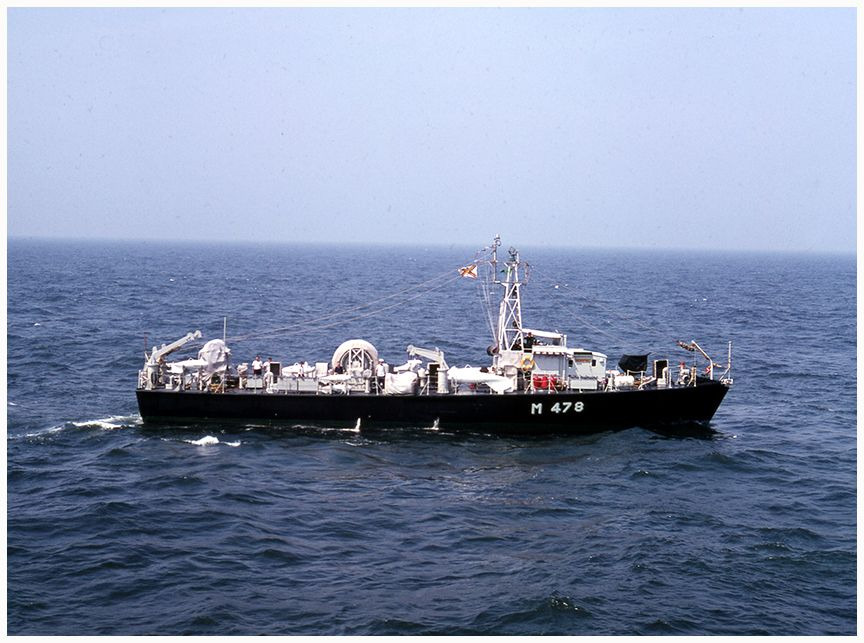
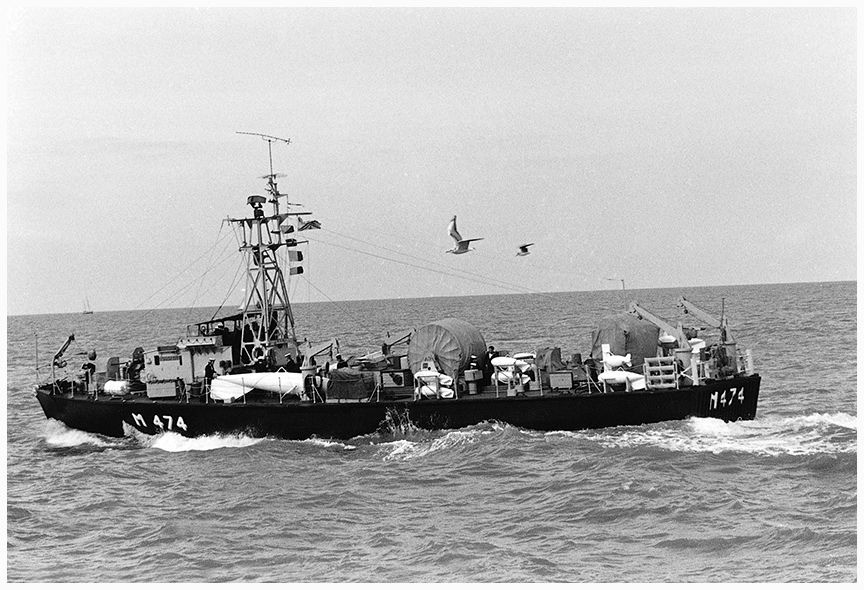
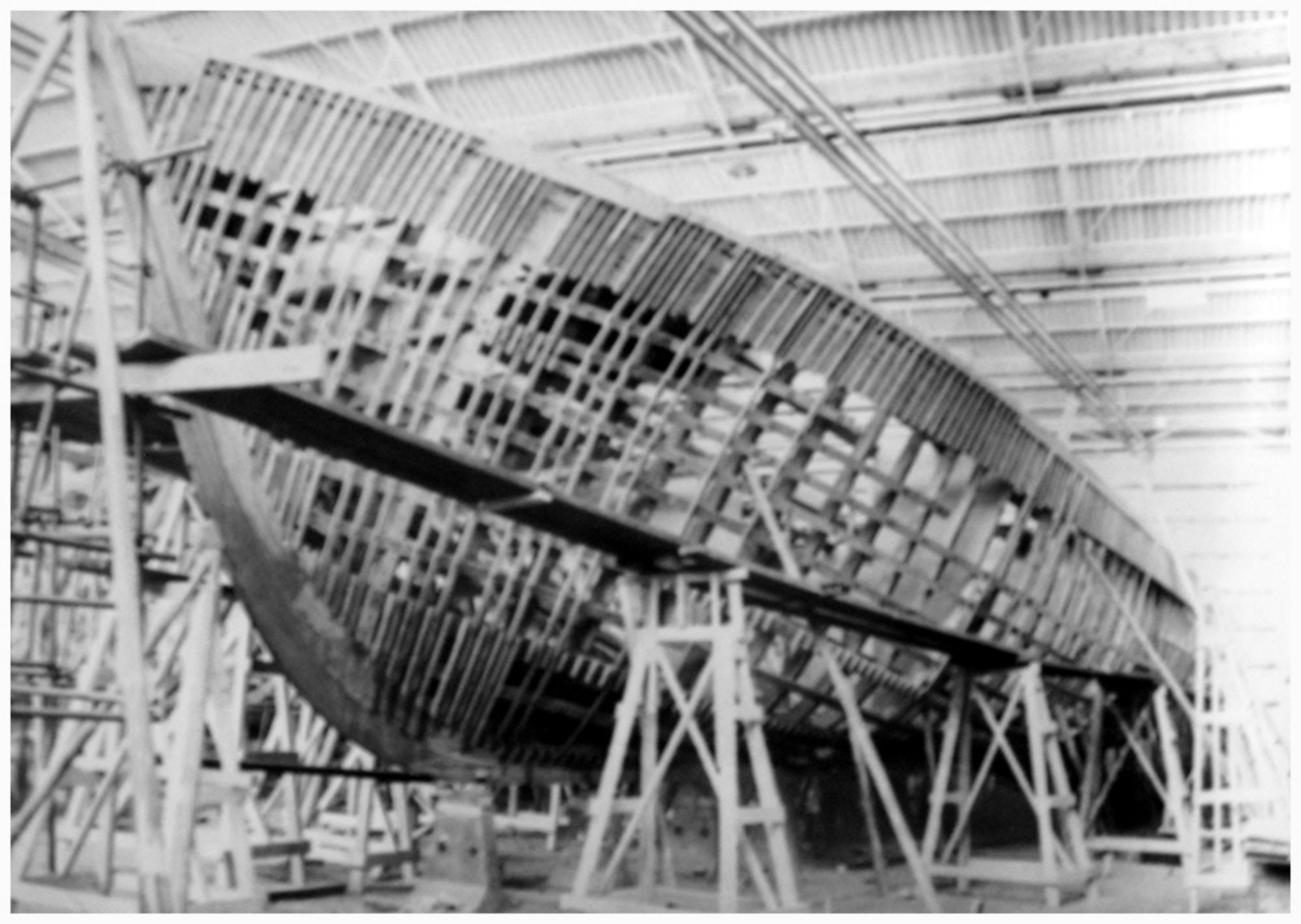
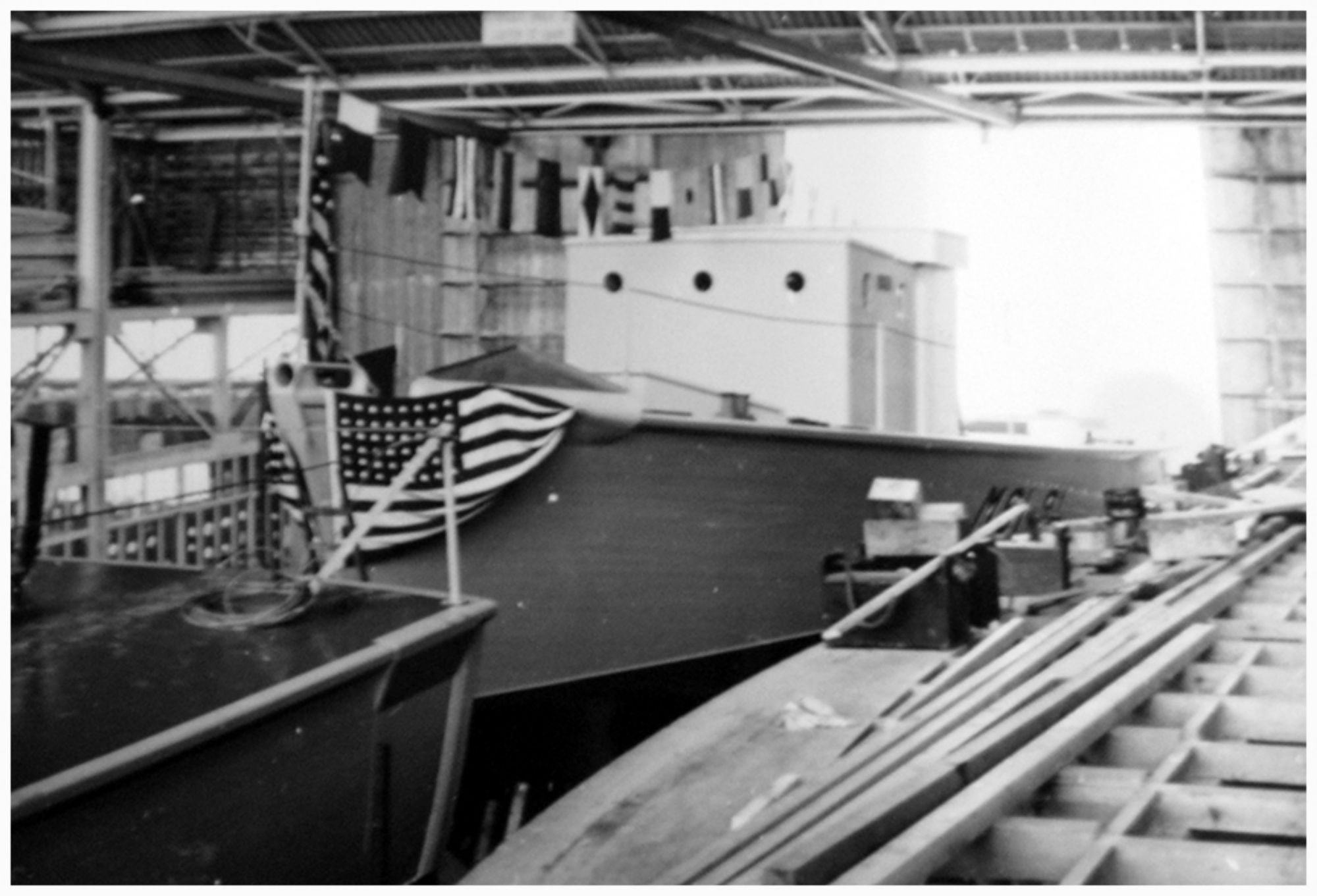
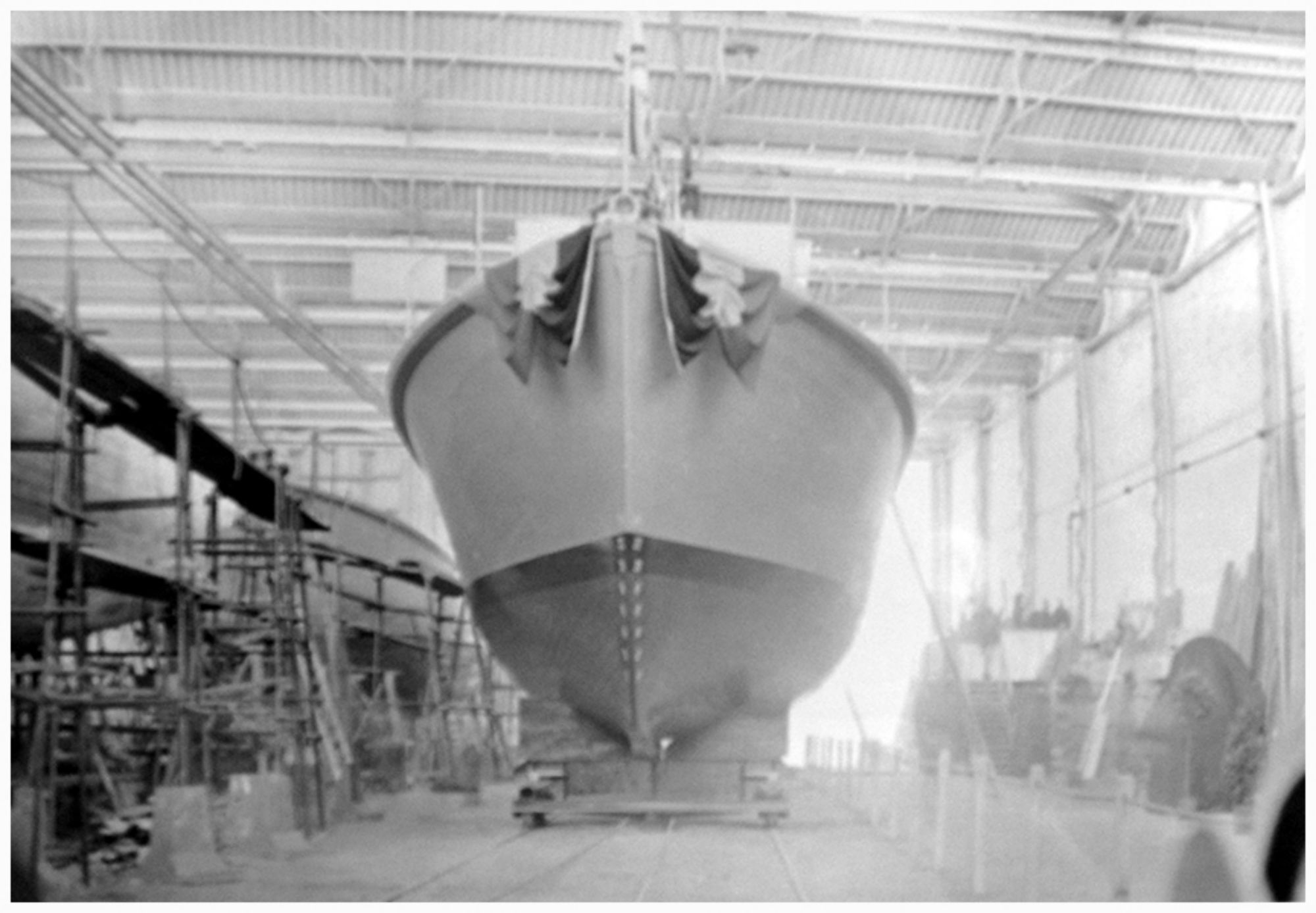
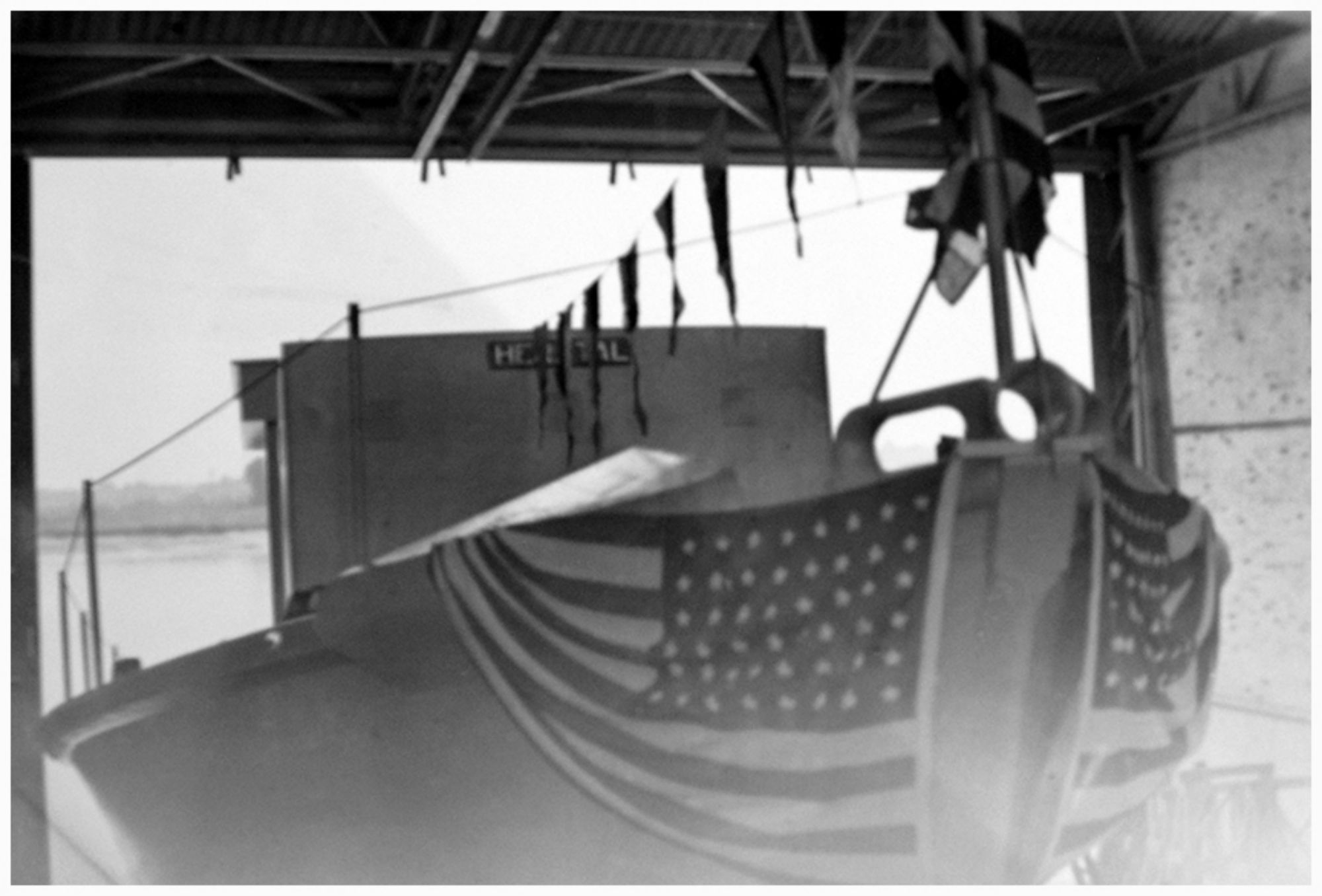
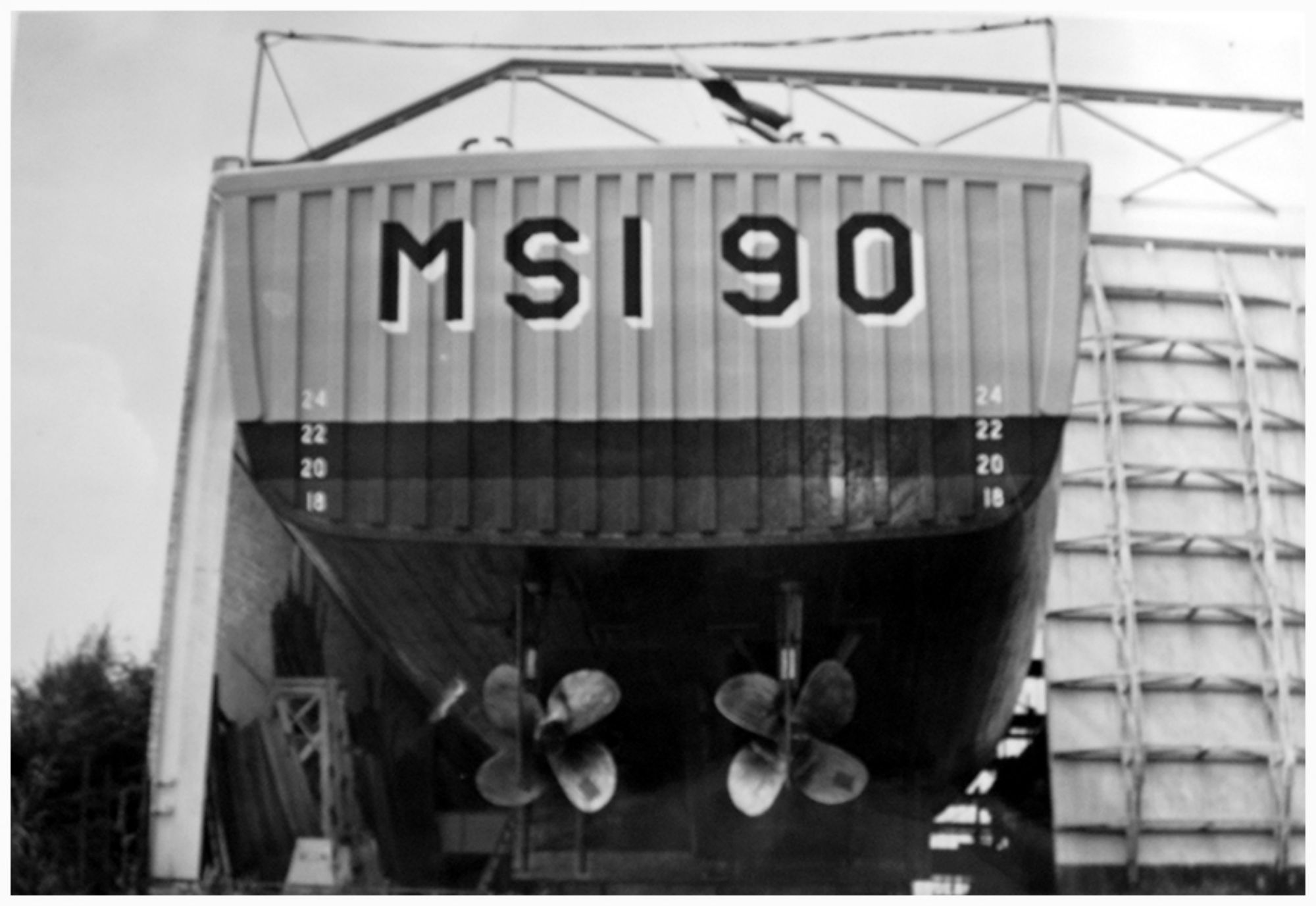
The M478 Herstal was an MSI-class inshore minesweeper serving the Belgian Navy throughout the Cold War. Commissioned in October 1957, she was built at the Mercantile Marine Yard in Kruibeke, Belgium. Her wooden hull and non-magnetic fittings allowed safe operation against contact, magnetic, and acoustic mines in shallow coastal waters, rivers, and estuaries.
She could carry either a twin 12.7 mm Browning HMG or a twin 20 mm Oerlikon AA mount and had a crew of 14. Her role was primarily defensive and mine countermeasure operations rather than direct combat.
TL;DR: Belgian MSI-class inshore minesweeper, Cold War service, light armament, specialized mine clearance in shallow waters.
History
History
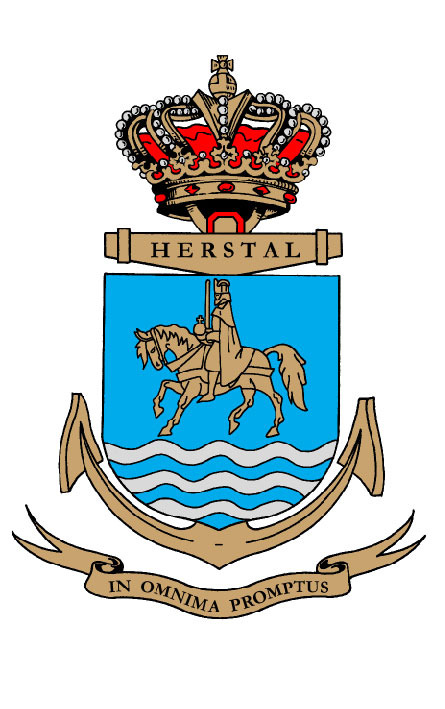
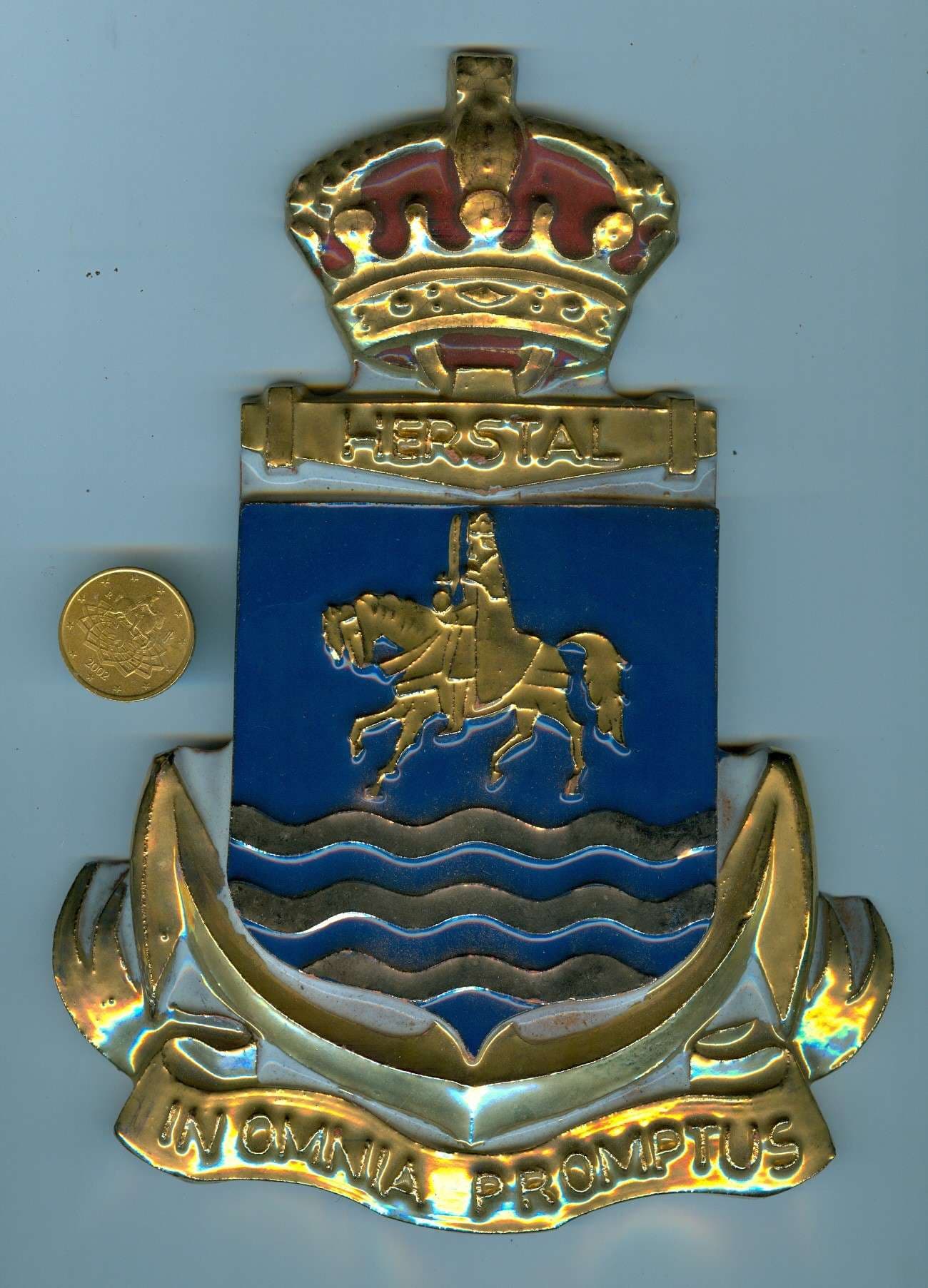
M478 Herstal was laid down on 6 August 1956 at Mercantile Marine Yard, Kruibeke, and commissioned on 14 October 1957. Initially, she served as M90 for the US Navy in 1956 before entering Belgian service. Her callsign was ORHO, and her sponsor city was Herstal.
Throughout her career, she participated in mine clearance operations, naval exercises, and escorts of sailing regattas. Notable events include:
- 1966: April 15–22 – Transit to Brest for demagnetization at Île Longue; May 27–29 – Escort for a regatta between Ramsgate and Ostende.
- 1967: August 3 – Escorted MSI Merksem from Dep Res NWP to Dep Res Kal.
Commanders included: Lieutenant de vaisseau Daneels L., Jacques Crickx, René Lambinet, Jacques Petit, Frederic Van den Haute, and Charles Vreeken.
Decommissioned in 1987, Herstal is remembered as a core part of Belgium’s Cold War inshore mine warfare fleet.
Specifications
Displacement: 173 t (freshwater), 177 t (saltwater)
Length/Beam/Draught: 34.5 m / 6.7 m / 2.1 m
Propulsion: 2 × Nuove Reggiane TVG29 diesels (2 × 635 hp each), 2 shafts, 1260 hp total
Speed: 15 knots
Range: 2,300 nm @ 10 knots
Crew: 14 (2 officers, 7 petty officers, 5–7 sailors)Armament Variants:
Version Weapons Early 1 × twin 12.7 mm Browning HMG Alternate 1 × twin 20 mm Oerlikon AA gun Mine Warfare Gear: Acoustic, magnetic, and mechanical sweeps for 4–10 m depth
Electronics: Decca 707 radar (1958–1970), Decca 1216 (1970–1992)
Construction: Wooden hull with non-magnetic fittings
Place in War Thunder
Regarding nations
M478 Herstal would fit in the BeNeLux coastal fleet, providing an early Cold War mine countermeasure vessel. As with other MSI-class ships, it could serve as a support/minesweeper role, with two possible armament variants as selectable configurations.
It could also appear as a premium/event ship in the France: BeNeLux subtree.
Pictures
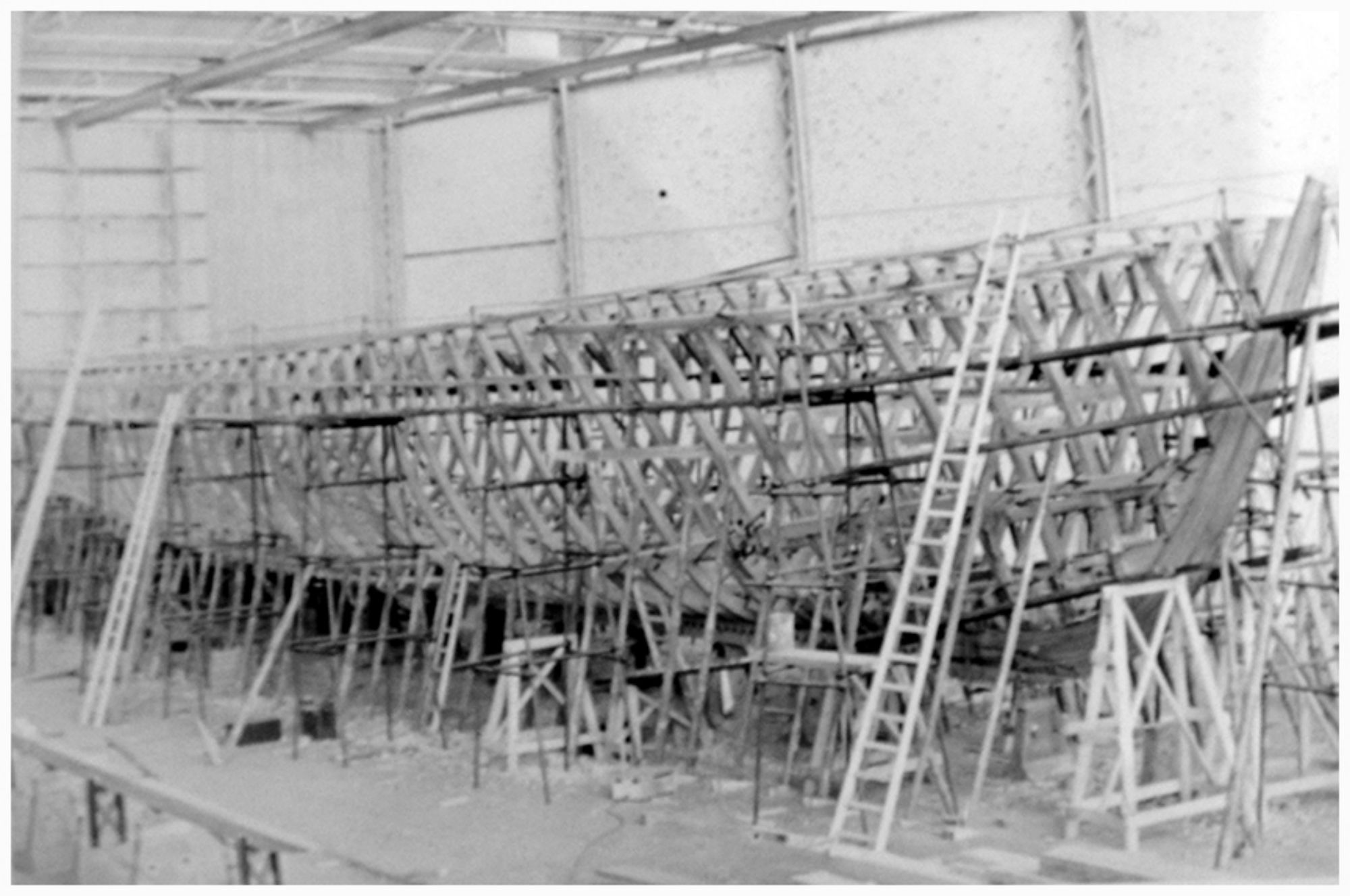
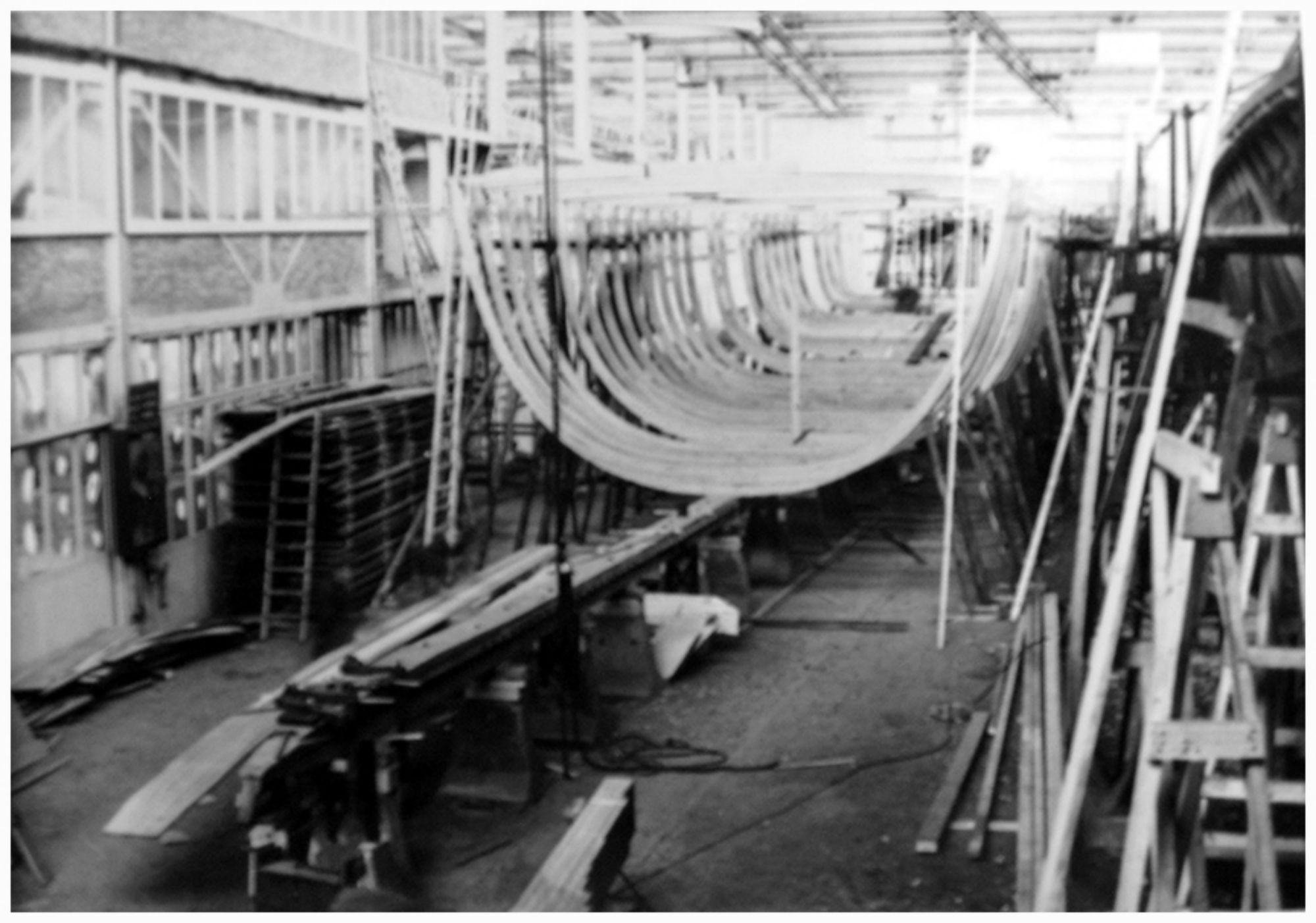
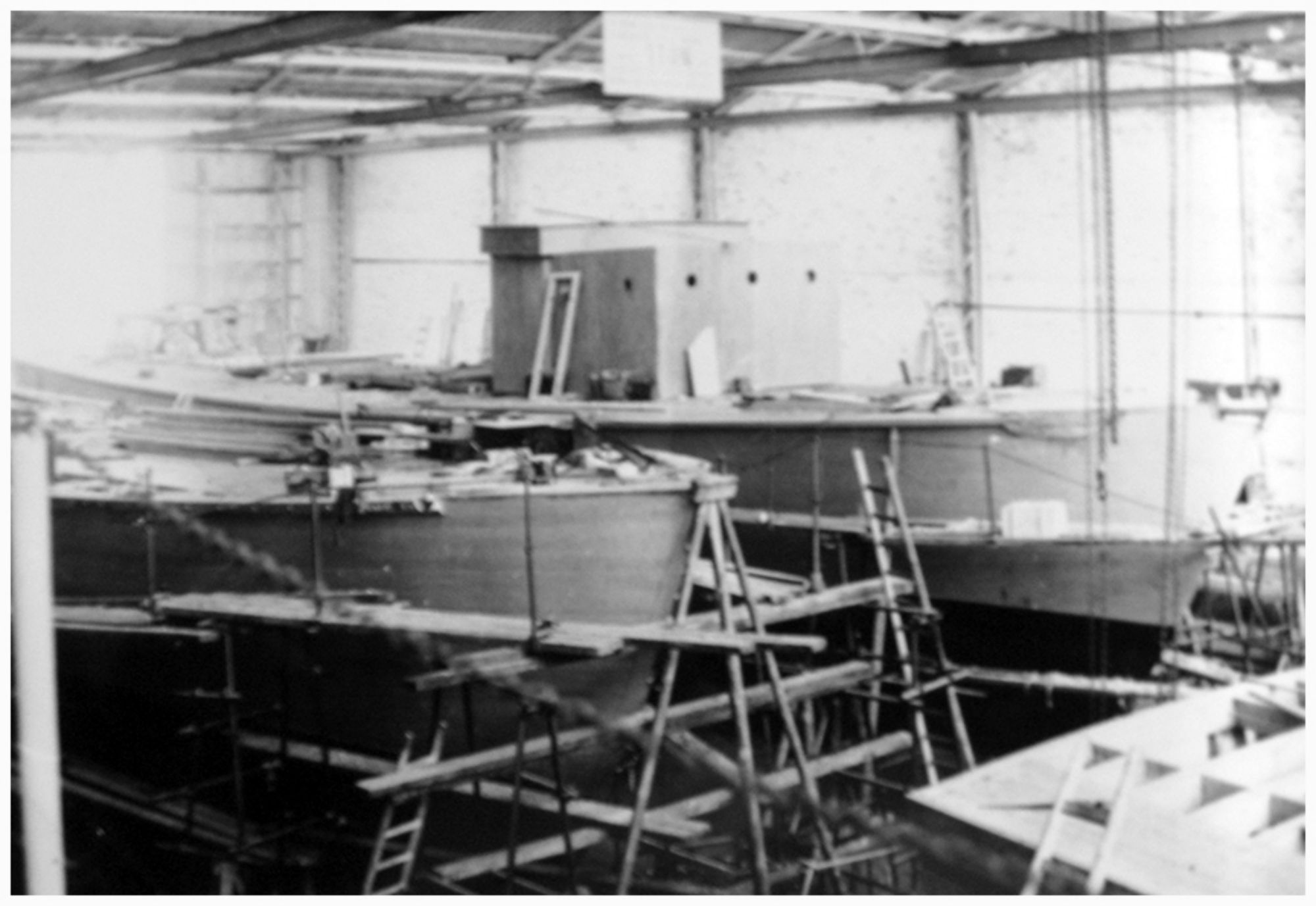
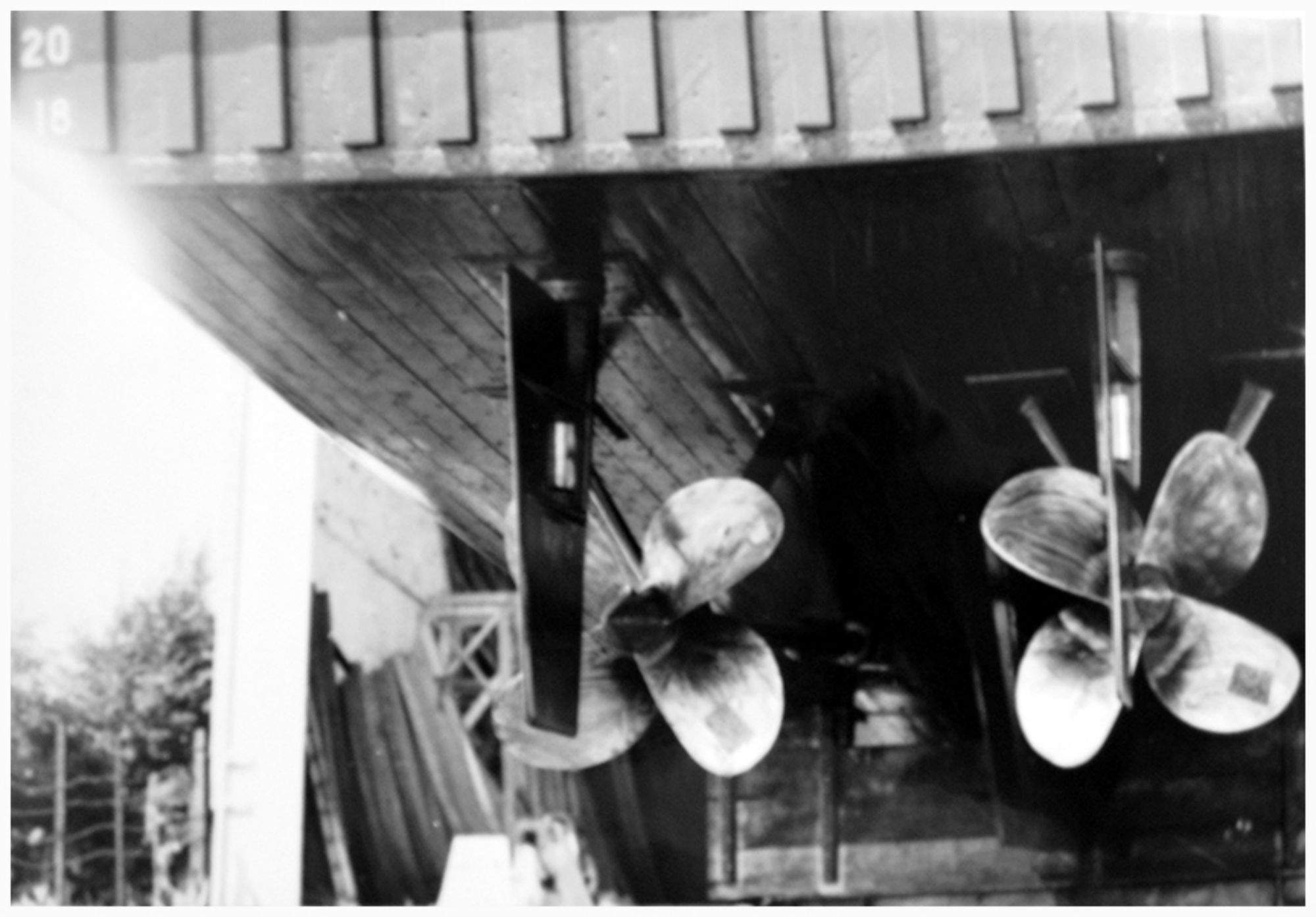
Sources
Sources
Marine Belge, MSI-class M478, https://www.marinebelge.be/msi478.html
Dragueurs de mines belges de type MSI. (2023). Wikipedia. from https://fr.wikipedia.org/wiki/Dragueurs_de_mines_belges_de_type_MSI
Anrys, H., De Decker de Brandeken, J.-M., & Eygenraam, P. (1992). De zeemacht: van de admiraliteit van Vlaanderen tot de Belgische zeemacht. Tielt.
S.N. (2023). Mine Warfare Vessel Photo Archive [online], http://www.navsource.org/archives/11/0583.htm