- Yes
- No
- (independent) BeNeLux tree
- France: BeNeLux subtree
- other
- no/negative
- 1x twin 12.7 mm Browning
- 1x twin 20 mm Oerlikon
- both versions
- other (please comment)
- no/negative
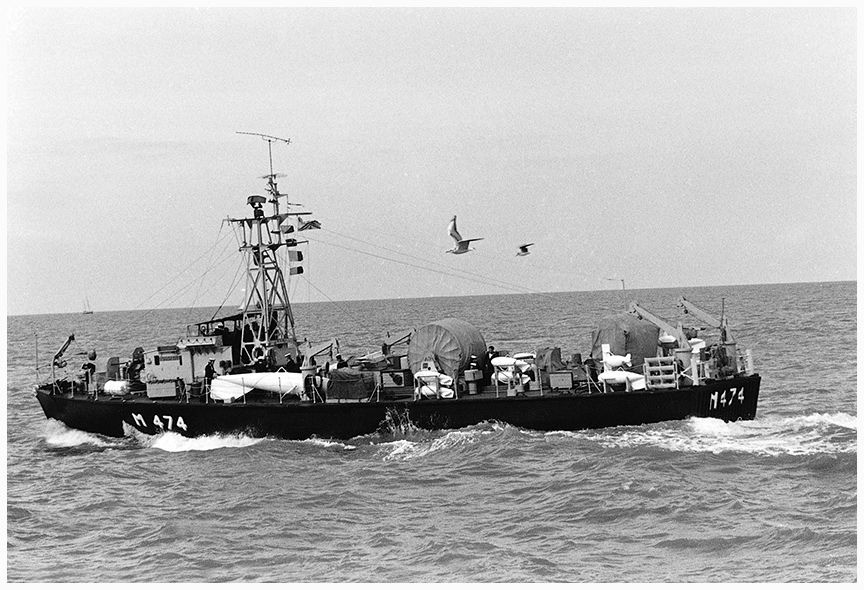
TL;DR: M474 Turnhout – Belgian Cold War inshore minesweeper (MSI-class), armed with twin 12.7 mm or 20 mm AA guns, operated 1958–1987.
History
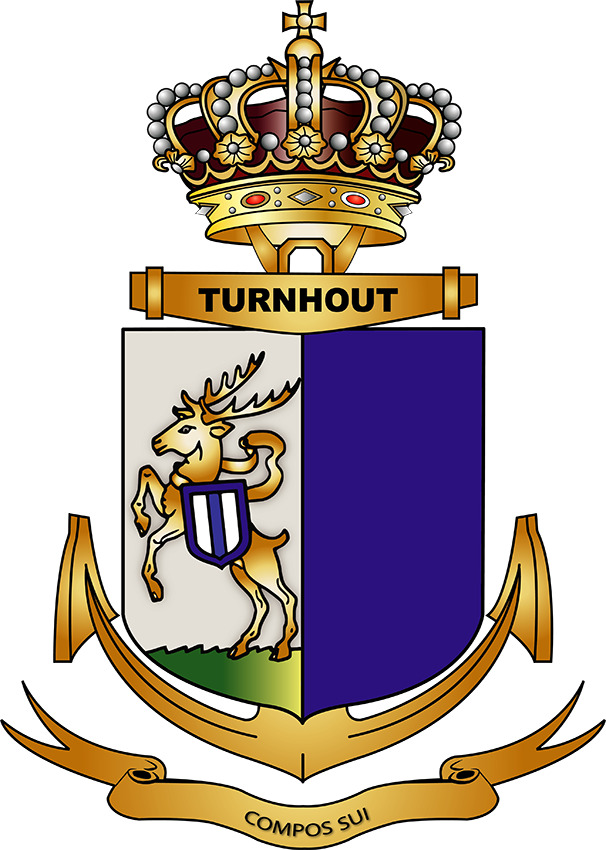
History
- Laid down: 07 September 1957
- Commissioned: 29 September 1958
- Decommissioned: 01 February 1987
- Fate: Sold in 1992 to “Nelson Sweepers” (Louvain)
Commanders included:
René Boehme, Jean De Pape, Georges Jonckheere, Frank Loones, Marc Renson, Claude-Adolphe Sedeijn, Robert Servais, André Van der Elst, Gustaaf Van Dyck, Frederic Van den Haute, and Josef Vindevogel (1964).Notable Service Events
1969–70: Regular Cold War patrols in Belgian waters.
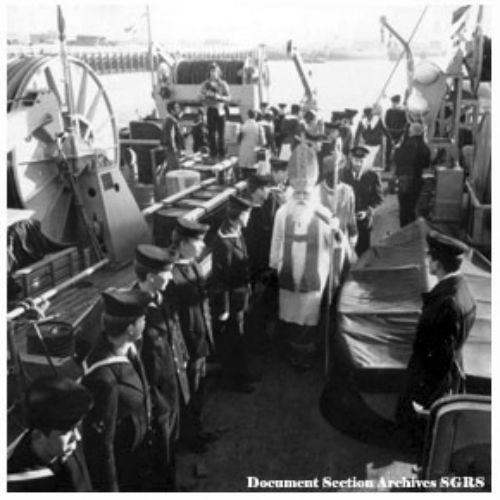
25 Nov 1970: Hosted Saint-Nicolas in Ostend, a symbolic public event.
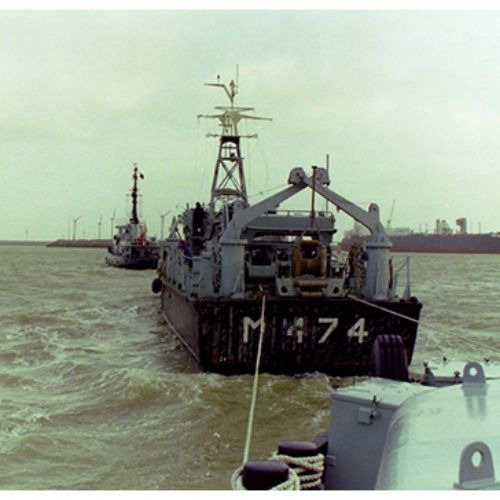
07 Apr 1993: Photographed post-service prior to scrapping.
Turnhout’s long service exemplified the utility of the MSI-class as Belgium’s shallow-water mine countermeasure fleet.
Specifications
Displacement: 173 t (freshwater), 177.5 t (seawater)
Length/Beam/Draught: 34.4 m / 6.65 m / 2.1 m
Propulsion: 2 × Nuove Reggiane diesels, 2 shafts, 1260 hp
Speed: 15 knots
Range: 2,300 nm @ 10 knots
Crew: 18 (2 officers, 7 petty officers, 9 sailors)Armament Variants:
Version Weapons Early 1 × twin 12.7 mm Browning HMG Alternate 1 × twin 20 mm Oerlikon AA gun Electronics: Decca 707 radar (1958–70), Decca 1216 radar (1970–92)
Mine Warfare Gear: Acoustic, magnetic, and mechanical sweeps
Construction: Wooden hull with non-magnetic fittings
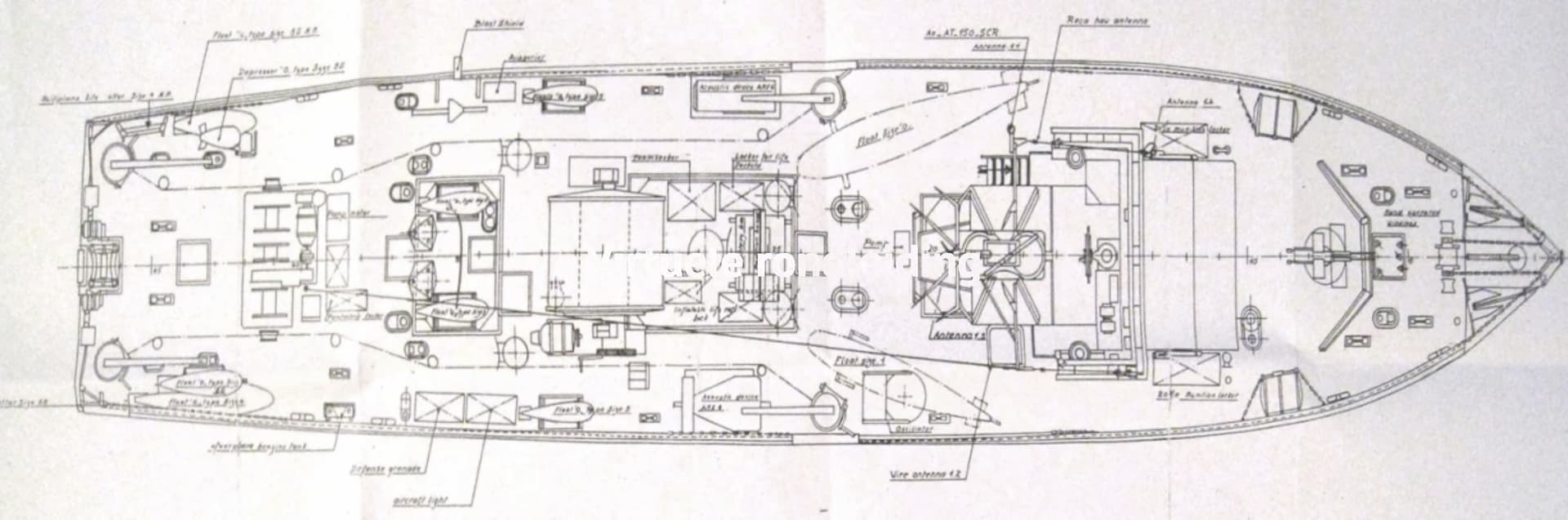
Place in War Thunder
Regarding nations
- BeNeLux naval tree: Turnhout would be a strong candidate as part of the Belgian contribution to a BeNeLux naval lineup.
- French tree (subtree): Could be included as a premium/event vessel under France, following the BeNeLux subtree precedent.
- Gameplay role: Low-rank coastal vessel with light AA armament and mine-clearing heritage, more historical/collectors’ appeal than frontline firepower.
Sources
Sources
- Dragueurs de mines belges de type MSI. (2023). Wikipedia.
- Inventaris Onroerend Erfgoed. (2025). M474 Turnhout – Belgian Navy Archive.
- Anrys, H., De Decker de Brandeken, J.-M., & Eygenraam, P. (1992). De zeemacht: van de admiraliteit van Vlaanderen tot de Belgische zeemacht. Tielt.
- Belgian Navy Forum (archived). MSI Turnhout – service record.
- Belgian MSC/MSI Archive (archived, 2007).