- Yes
- No
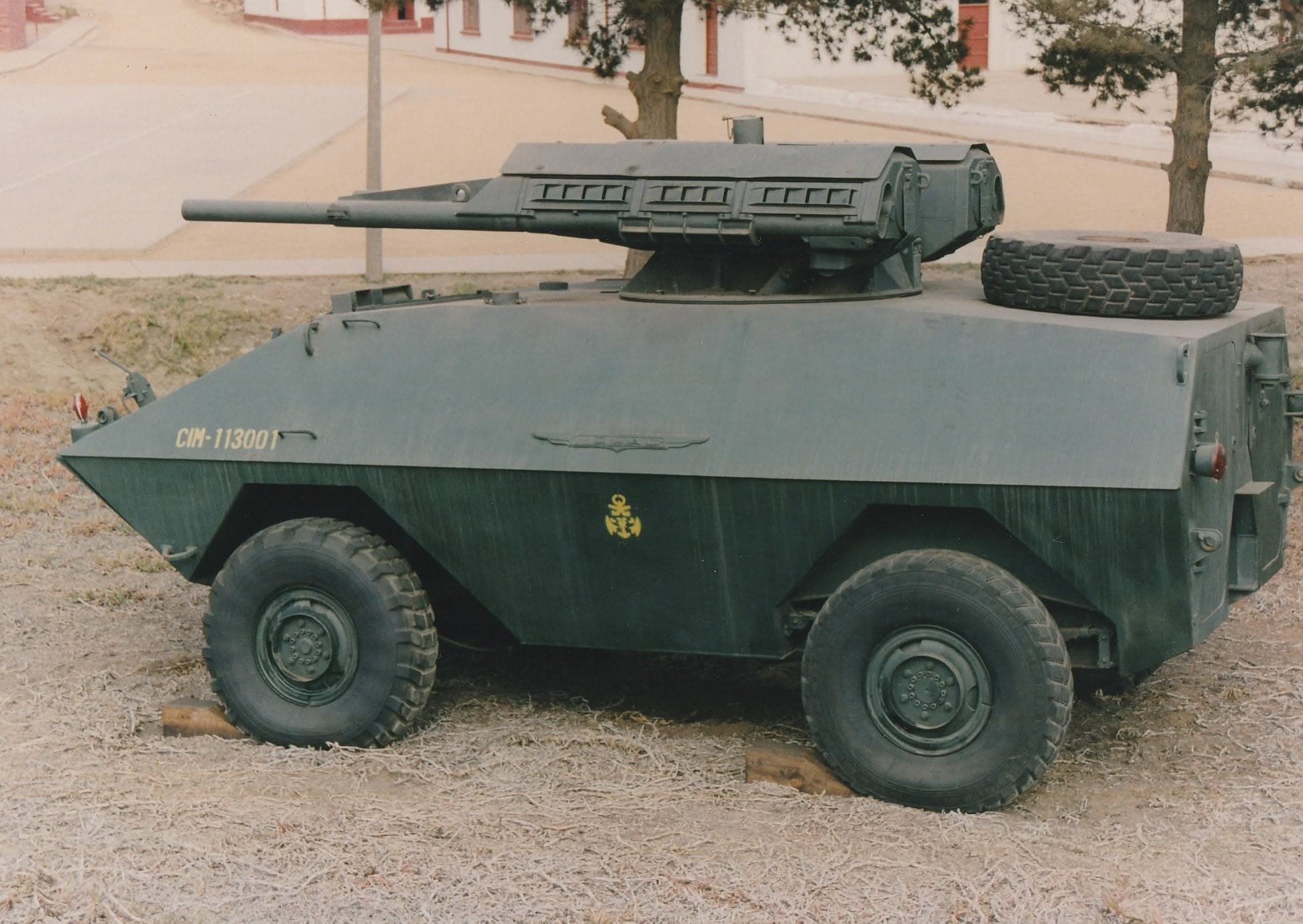
Mowag Grenadier MRS-80
History:
The history of this vehicle in Chile begins in 1978, during the height of the Beagle Channel dispute, a conflict between Chile and its neighbor, Argentina, over Argentine claims to three Chilean islands: Picton, Nueva, and Lennox, located at the southern tip of the continent. Argentina sought control of these islands, as doing so would have granted it access to the Pacific Ocean, a prospect Chile rejected, asserting its own sovereignty over the islands. To avert an armed conflict, both nations agreed to an arbitration process led by Great Britain. In 1977, following years of investigation, the arbitration ruled that the three islands belonged to Chile. The Argentine military government declared this ruling “incurably null and void” and began preparations to invade Chile under the codename “Operation Sovereignty.”
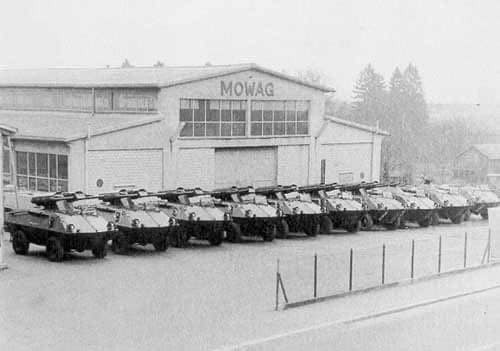
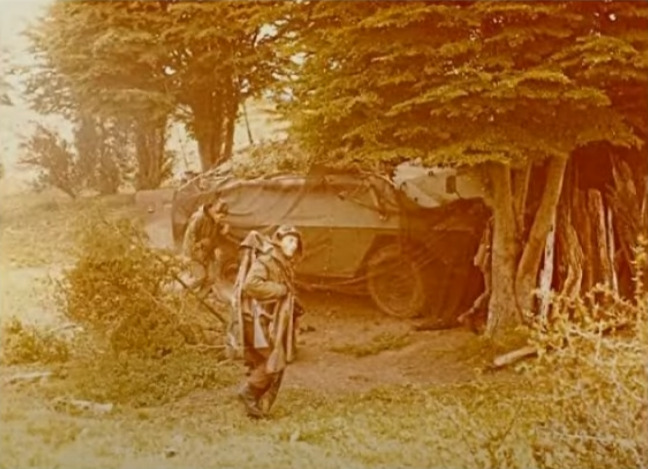
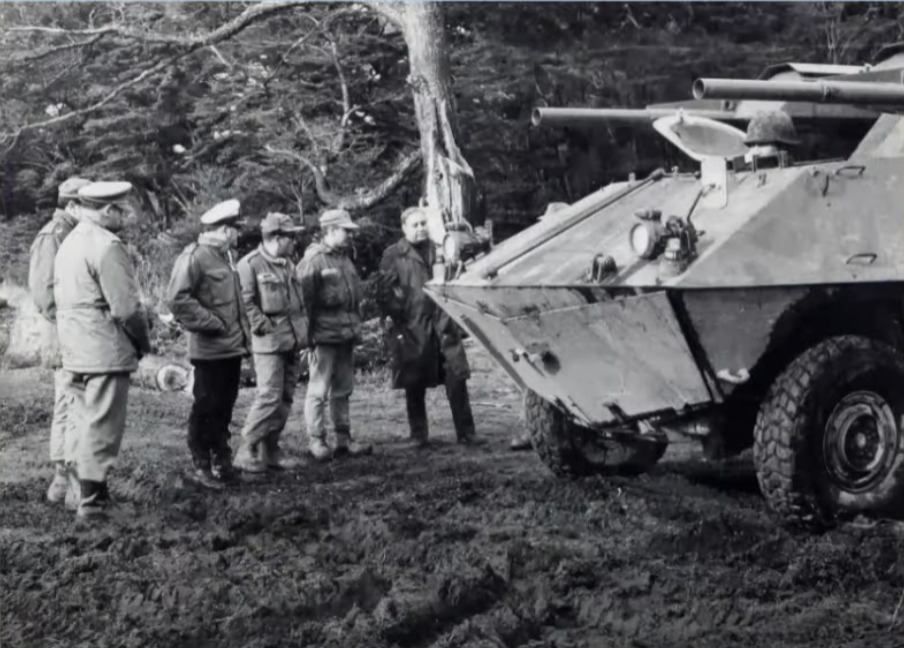
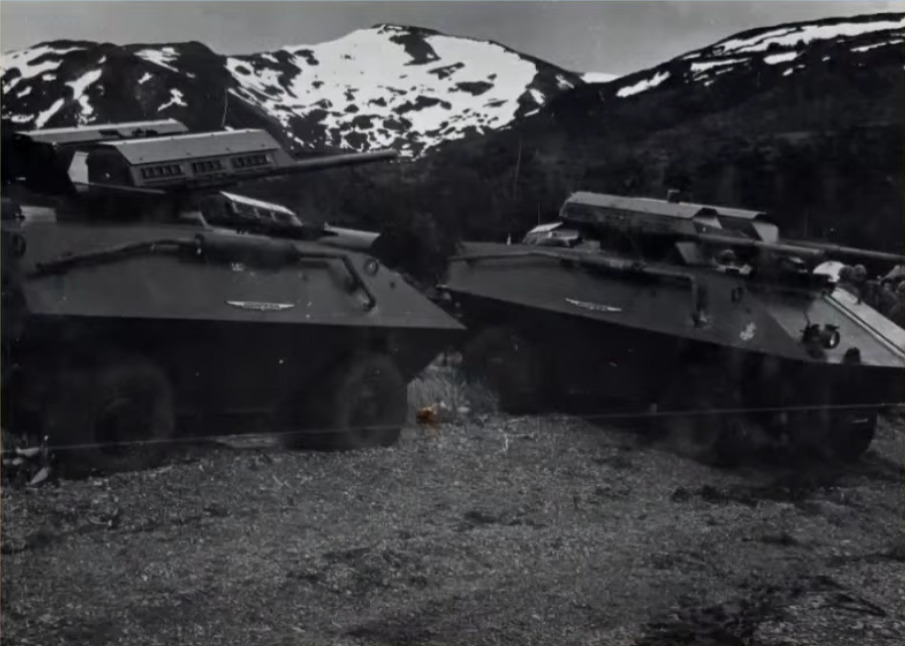
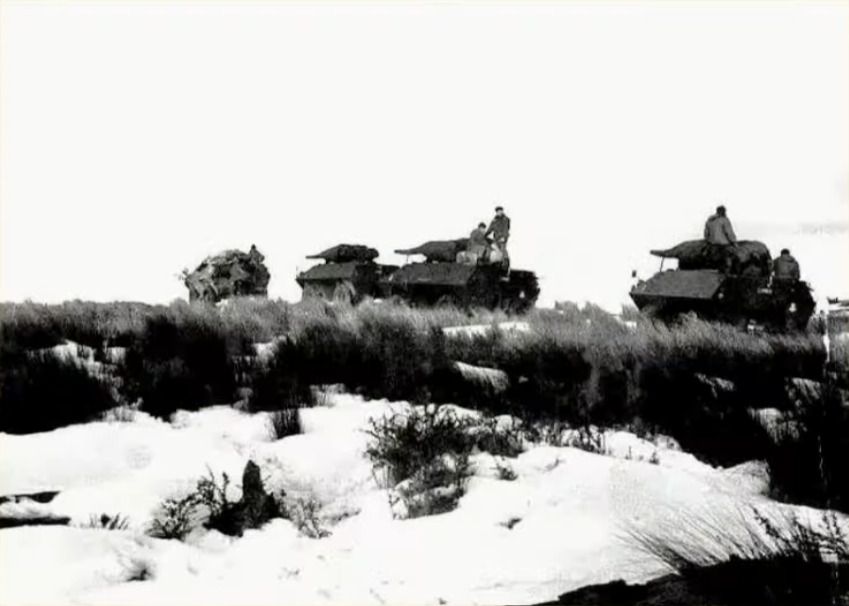
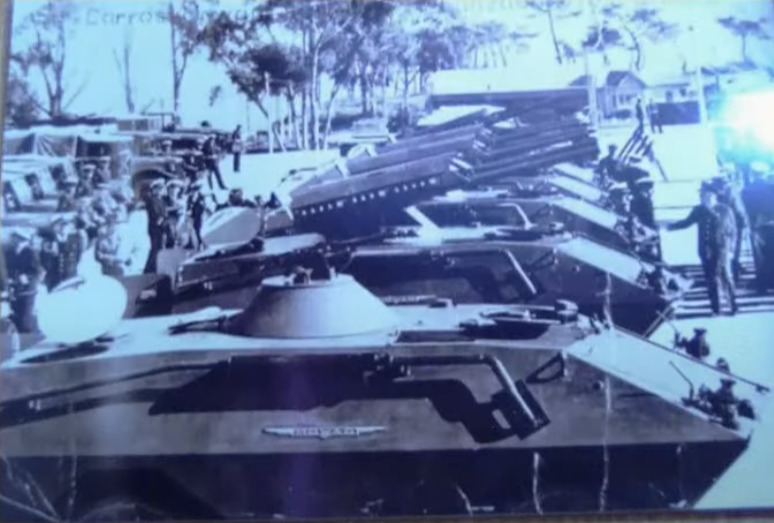
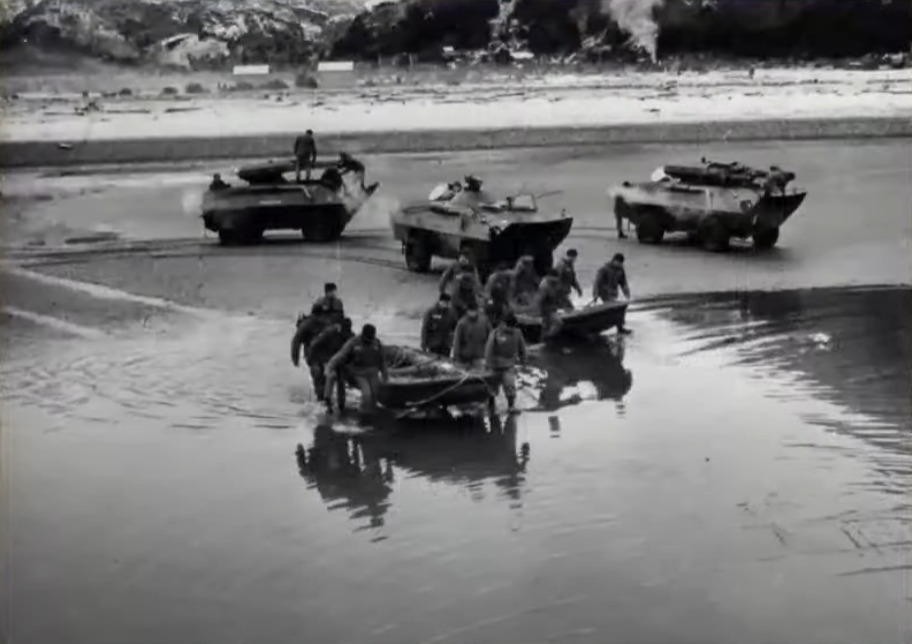
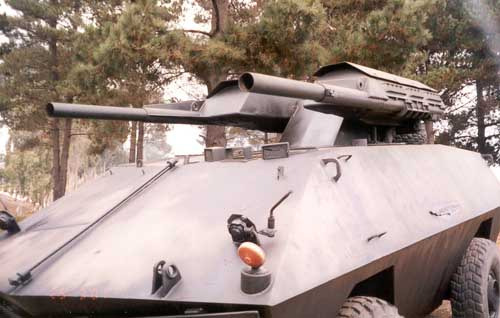
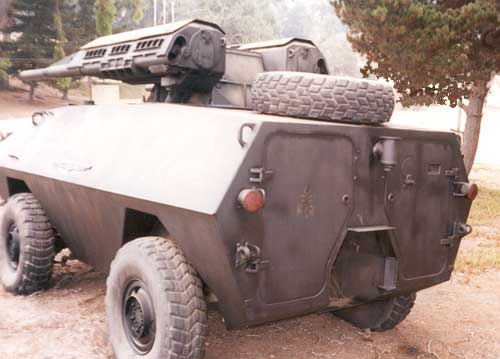
Aware that Argentina would soon launch an invasion of Chile, the Chilean military government, led by Augusto Pinochet, began mobilizing troops across the country, concentrating a large force in the far south. Throughout 1978, both nations moved troops to their shared border, deploying various vehicles and military equipment. It is in this context that the vehicle featured in this proposal, the Mowag Grenadier MRS-80, comes into play. This Swiss-designed vehicle was acquired during the height of the Beagle Channel crisis; a total of 10 units were purchased, consisting of eight vehicles equipped with the MRS-80 turret featuring two 81mm anti-tank rocket launchers and two command vehicles. These vehicles were delivered to the Chilean Marine Corps, also known as the CIM, and were assigned to two batteries, each consisting of four launcher vehicles and one command vehicle. Period photographs suggest they were intended for use in ambushes once Argentine troops crossed the border, as some of these images show the vehicles concealed by brush in a defensive position.
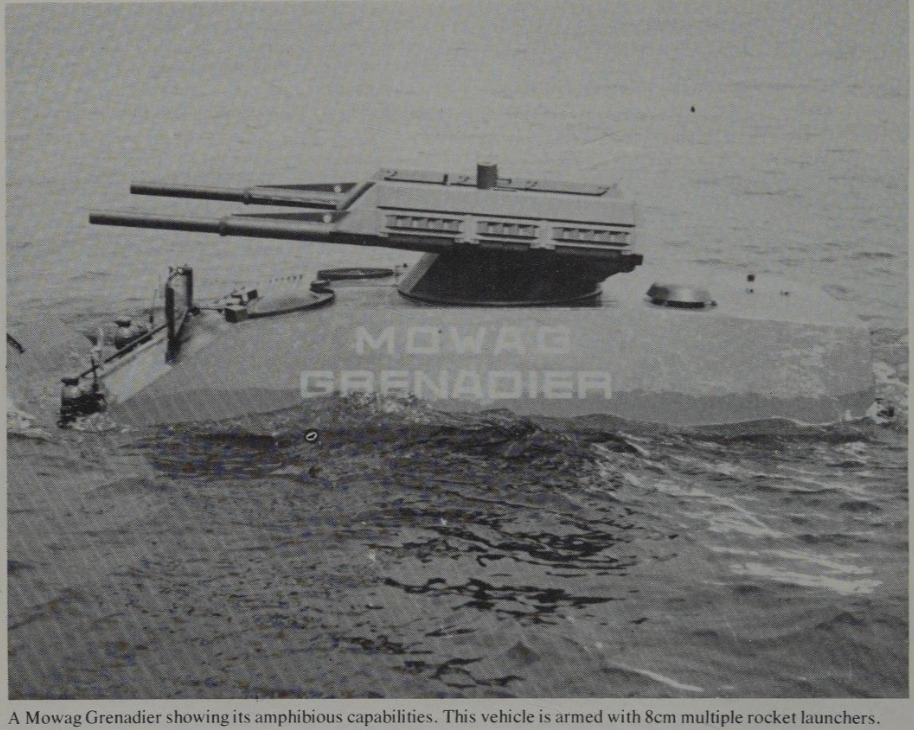
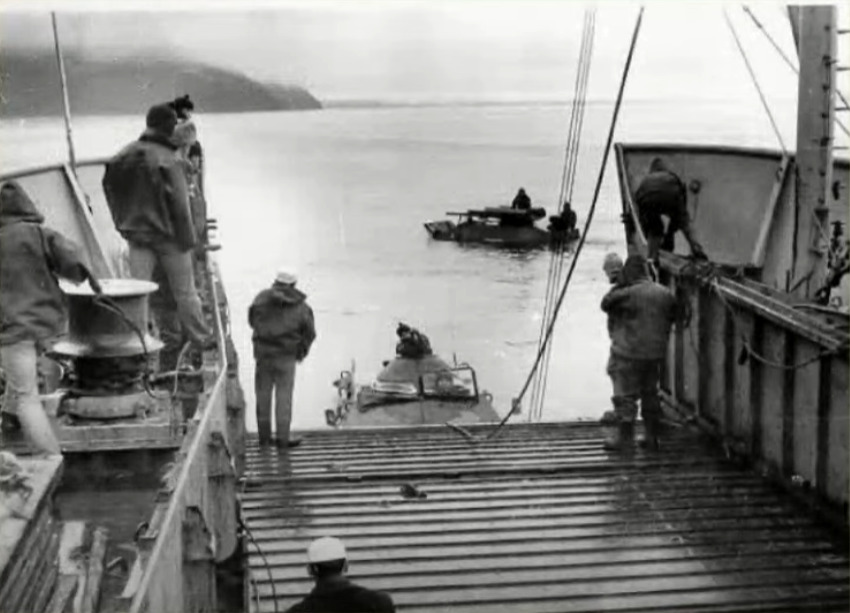
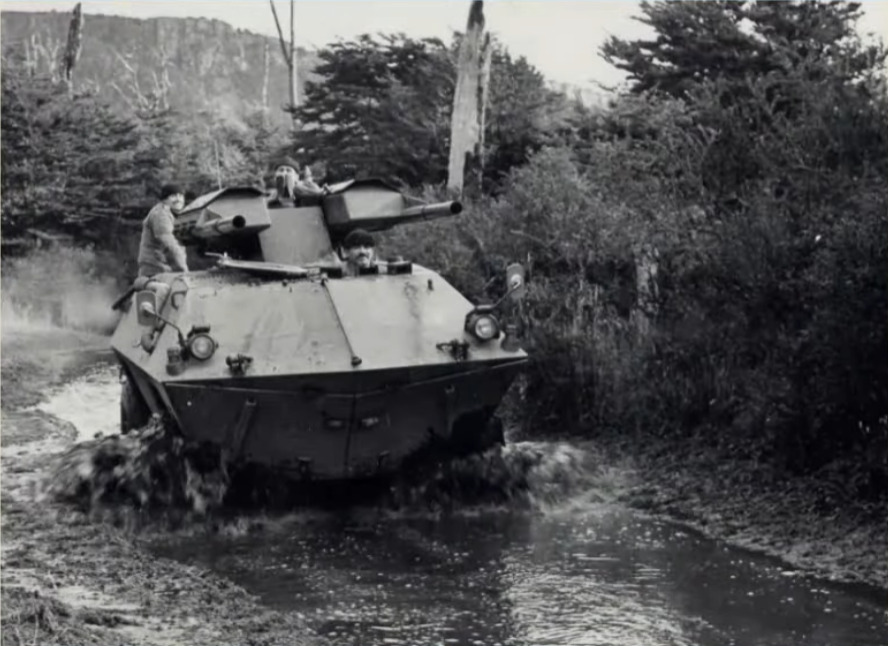
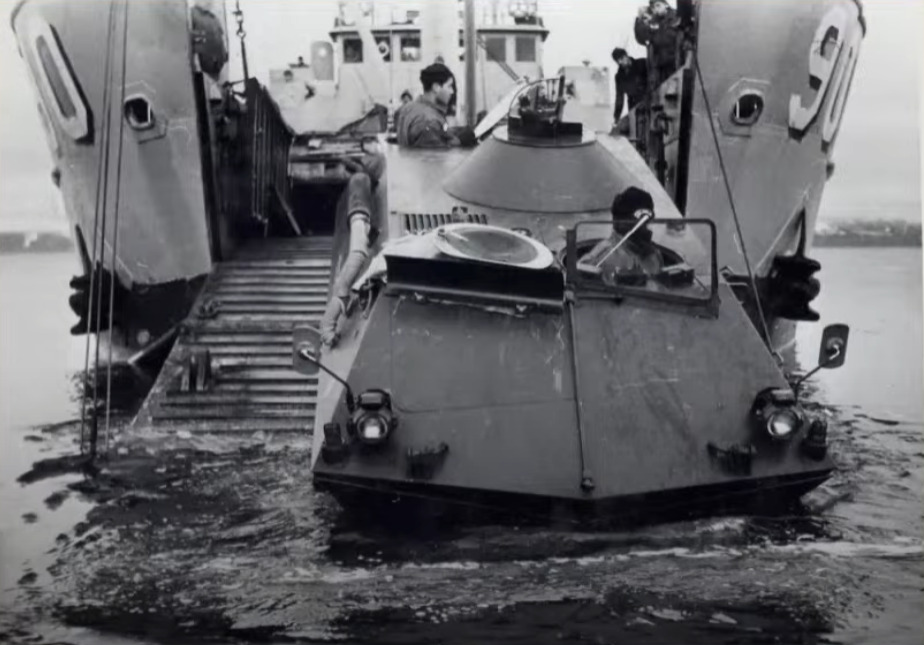
Another feature that made it ideal for the conflict was its amphibious capability, an extremely useful attribute, given that the terrain was characterized by numerous canals and rivers. Consequently, the Mowag Grenadier could be deployed into the water from a transport vessel; thanks to its low weight and compact size, it remained afloat even with its full complement of weaponry and crew on board, and it could reach a maximum speed of 9 km/h in the water.
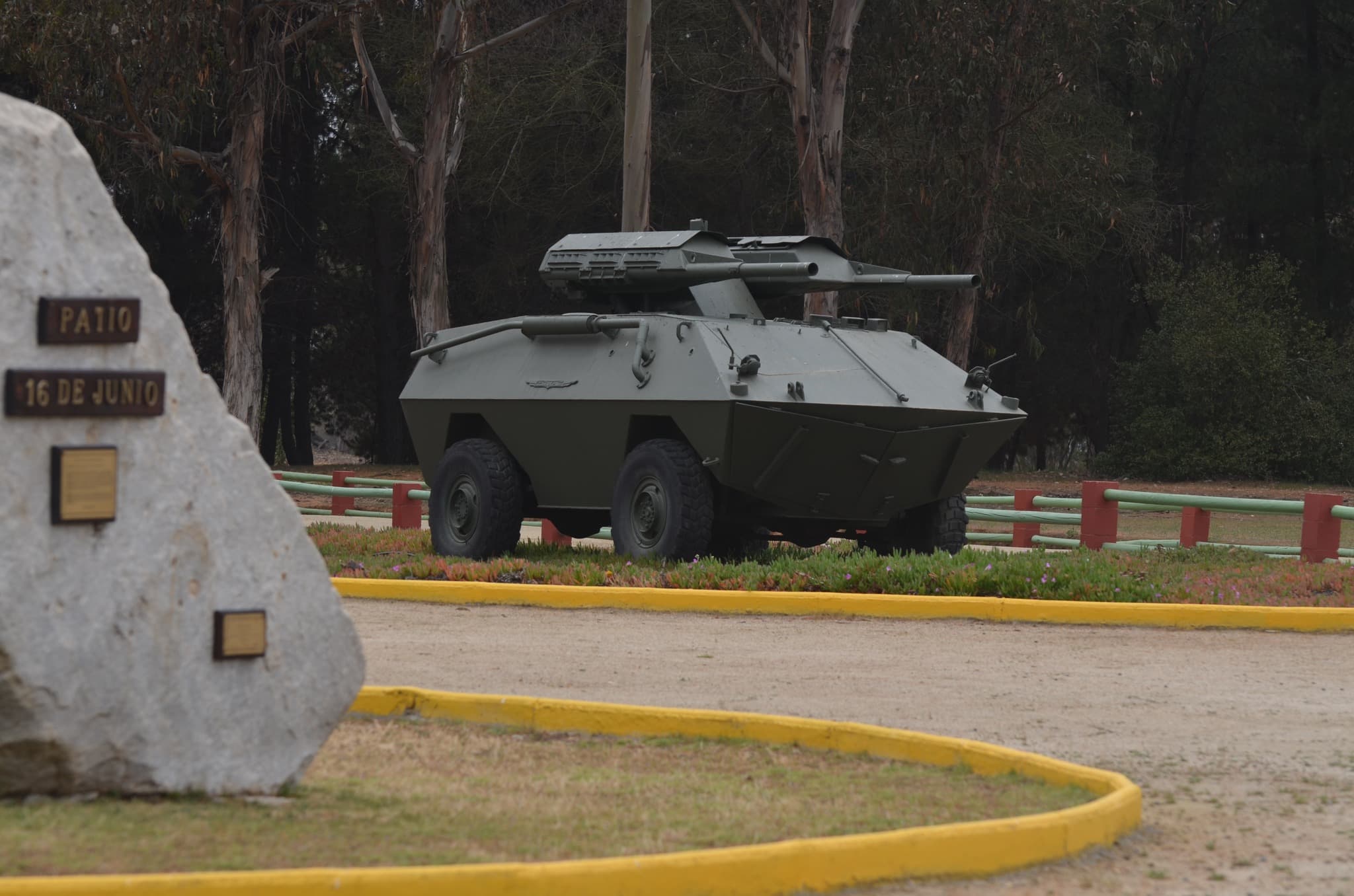
Ultimately, this vehicle never saw actual combat, as the conflict was resolved at the last minute in the early 1980s through the mediation of Pope John Paul II, which brought about peace between the two countries. The Swiss company Mowag promoted several wheeled and tracked vehicle models, some, such as the Mowag Puma and the Mowag Tornado, also equipped with the MRS-80 turret, but it is known that Chile was the only customer to acquire the Mowag Grenadier fitted with the MRS-80 turret. As of today, some Mowag Grenadier MRS-80 vehicles belonging to the Chilean Marine Corps serve as guardians at their bases; one such unit is stationed at the “Patio 16 de Junio” within Fuerte Aguayo in Valparaíso.
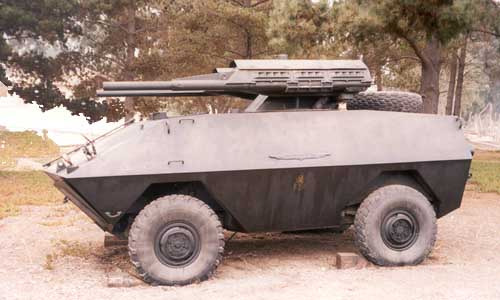
The Mowag Grenadier features an all-welded construction; its 8 mm armor protects the crew against small-caliber machine-gun fire and explosive shrapnel, though it remains vulnerable to larger calibers, a common characteristic for vehicles of this type. The driver is positioned on the left side of the vehicle, next to the engine, and has a hatch equipped with three observation periscopes. The rest of the crew is situated directly behind the driver, toward the center of the vehicle. The main armament, in this case, an MRS-80 turret, is mounted on the roof. The vehicle is equipped with an NP 435 transmission, featuring four forward gears and one reverse gear. It is fully amphibious, utilizing a three-bladed propeller at the rear and a deployable trim vane at the front, allowing it to reach a maximum speed of 9 km/h in water. It is powered by a V8 engine producing 202 hp at 3,900 rpm, which enables a maximum road speed of 100 km/h.
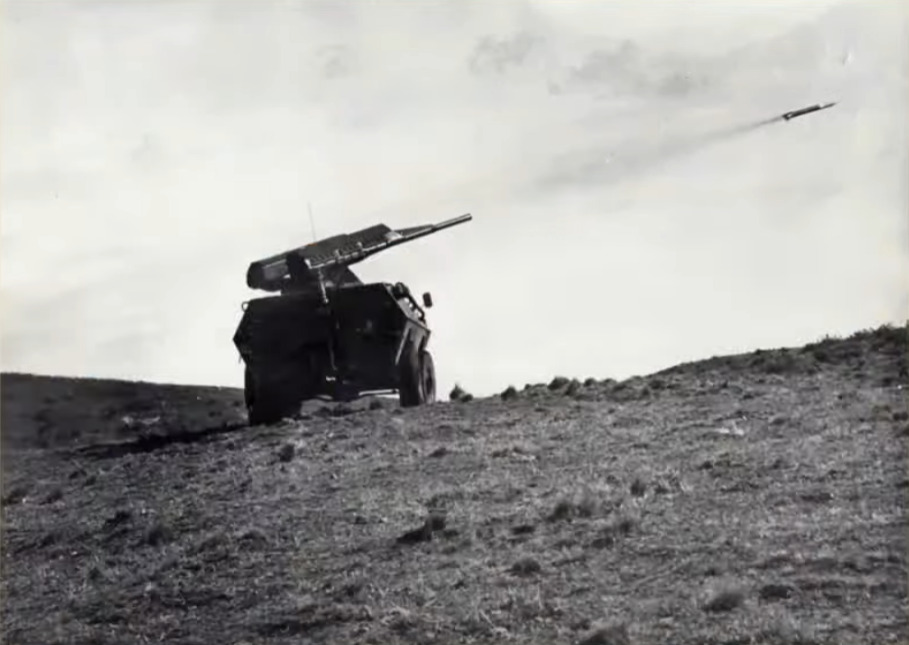
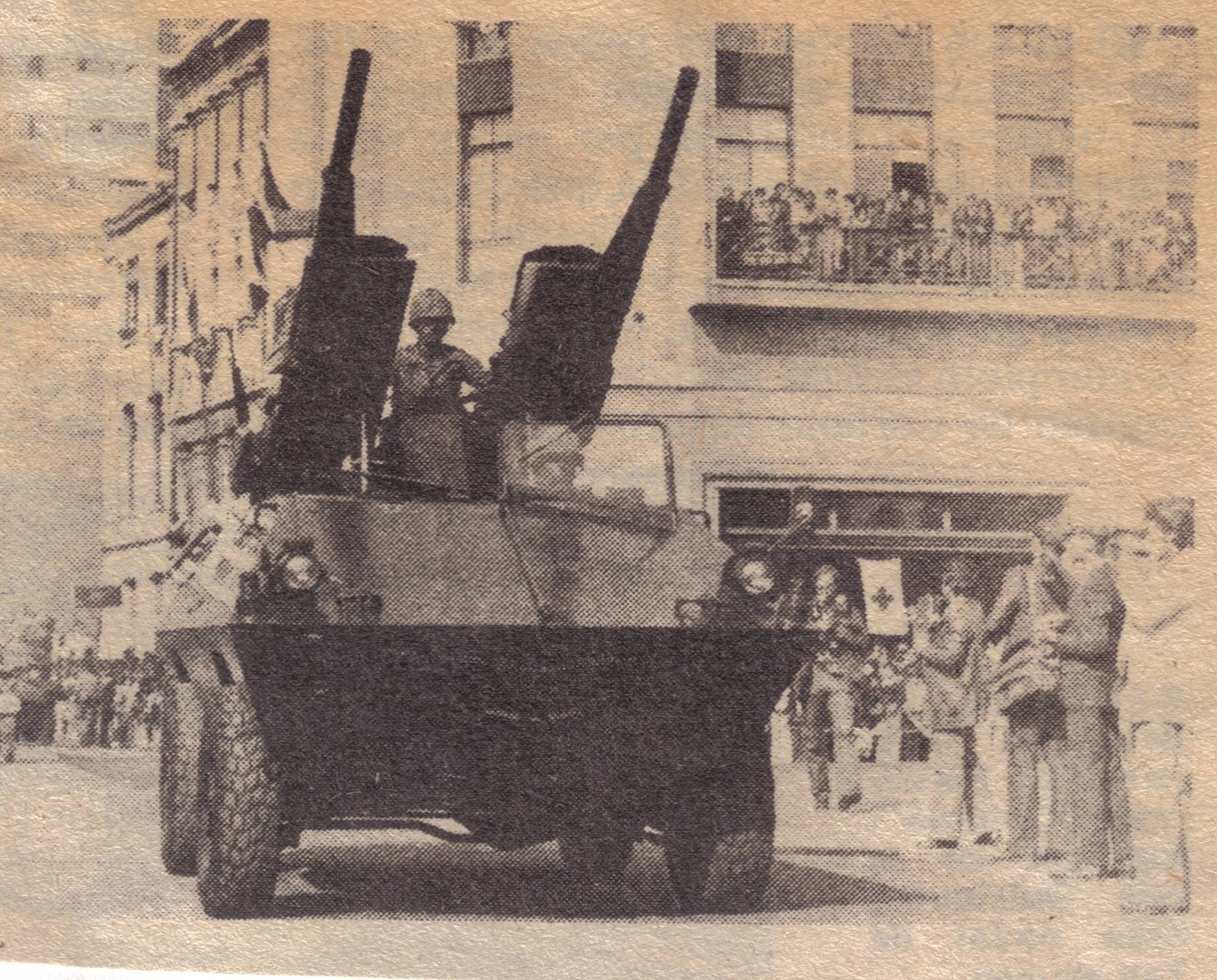
Regarding armament, the Chilean Mowag Grenadier was equipped with the MRS-80 turret, the same one found in the game on the Swedish U-SH 405 vehicle. This turret features two Oerlikon Typ 3Z 8Dla 81mm rocket launchers, each carrying up to 9 anti-tank rockets, for a total of 18 projectiles. Given the vehicle’s small size, it is likely that no additional projectiles were stored inside, though this is merely a theory. The weapon’s maximum reload speed is just 0.4 seconds, allowing it to discharge all the launcher’s ammunition in a short period. The guns have a depression of -10° and an elevation of 20°, which is quite good for positioning on high ground and attempting to ambush enemy vehicles. The guns can rotate 360°, so it’s not necessary to rotate the vehicle to get a good shot.
The Oerlikon Typ 3Z 8Dla 81mm twin launcher can fire two types of ammunition. The first is the PL-3, which is a HEAT anti-tank grenade capable of penetrating up to 330 mm of armor at 0° incidence at any distance. The second ammunition is the SSK 032, which is a high-explosive fragmentation grenade with a larger explosive charge used for lightly armored targets, infantry, or fortifications.

In-game, it would be very similar to the Swedish U-SH 405 (BR 8.3, Rank V); however, this vehicle has the advantage of a better, more powerful engine and a superior power-to-weight ratio, which means it accelerates faster and has a higher top speed than its Swedish counterpart. Another added benefit is its amphibious capability, which could prove useful in certain situations for reaching advantageous attack positions or escaping from combat.
Specifications:

Photos:
Sources:
- https://aquellasarmasdeguerra.wordpress.com/2013/01/23/algunas-armas-utilizadas-durante-el-conflicto-del-beagle-la-guerra-que-no-fue-1978/
- U-SH 405 | War Thunder Wiki
- Jane’s Armour and Artillery 1987-88 (page 377)
- Jane’s world armoured fighting vehicles 1976
- La Armada de Chile, una historia de dos siglos En conmemoración del bicentenario de la Armada de Chile (1817-2017). Tomo II: Desde el final de la Guerra del Pacífico hasta la conmemoración del bicentenario de la Armada (1817-2018) by Carlos Tromben Corbalán (page 432)