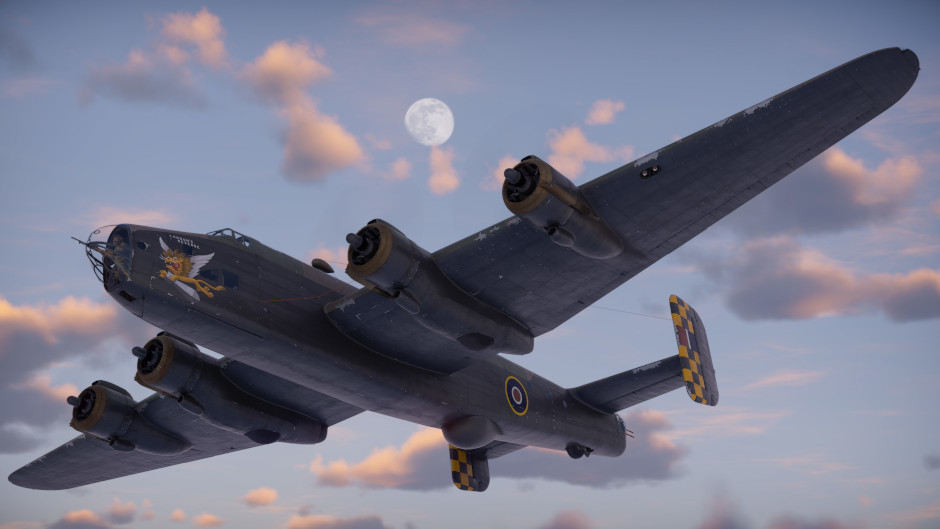
Hey all, we’re back with a new set of historical decals! It’ll be hard to match the ominous energy of the October set, but we hope you like the selection prepared for November all the same. We’re quite big fans of the StuG emblem here, and the badge of Émile Bertin as well. We opted to use the version of the badge that did not have the ships name present, so it would also be suitable to use as a general marking on other French vehicles.
The following decals are available from November 12th (11:00 GMT) until December 11th (09:00 GMT).
All tasks can be completed using vehicles that are rank III or higher.
New decals
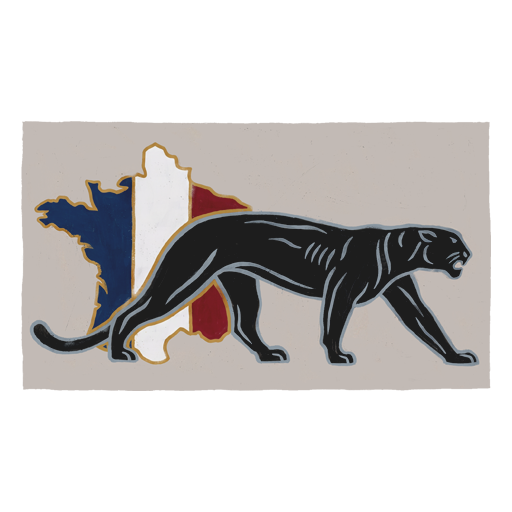 Émile Bertin Emblem (Late), France
Score 20000 Damage using French Bluewater Vessels
|
 StuG.Brig 232 Emblem, Germany
Defeat 40 players using German Tank Destroyers
|
|---|
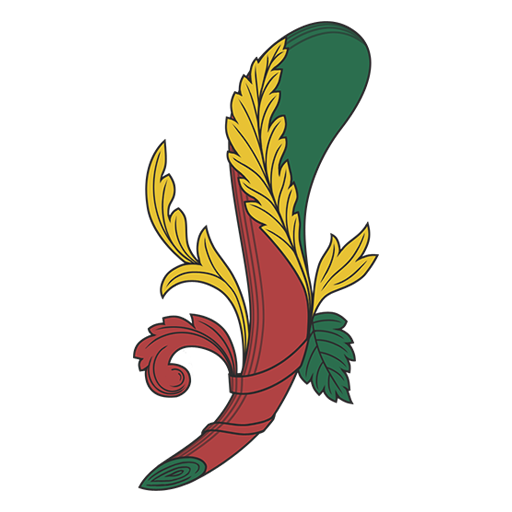 “Asso di Bastoni” Emblem, Italy
Play 20 battles using Italian Ground Vehicles with a minimum of 60% Battle Activity
|
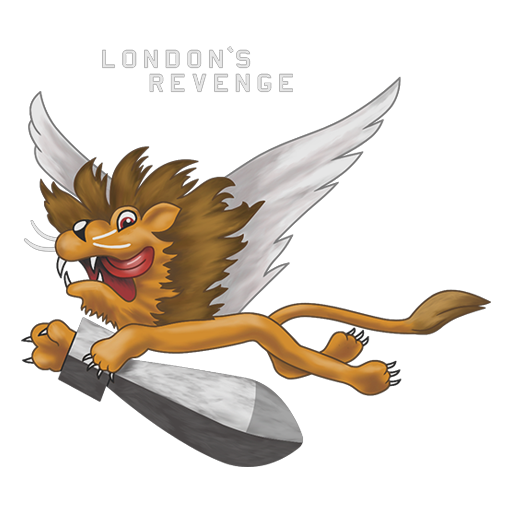 “London’s Revenge” Nose Art, Canada
Deal 10 tons of base damage with British Bombers
|
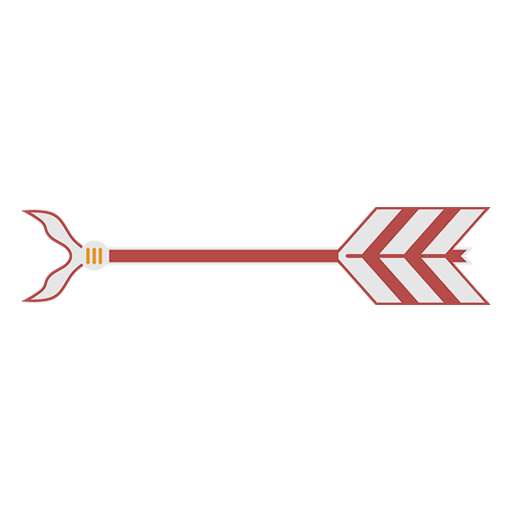 Shinten Seikūtai Emblem, Japan
Defeat 50 players using Japanese Aircraft
|
|---|
Historical background of the decals above
Émile Bertin Emblem (Late)
A later emblem of the light cruiser Émile Bertin, French Navy. Like several French naval emblems, Émile Bertin had two distinct designs. The original badge was commissioned during the 1930s and featured a Japanese torii gate, likely a nod to the time the ship’s namesake Louis-Émile Bertin spent in Japan in the late 1880s. Given the conflict with Japan during the Second World War however, the design was understandably changed. This later design was created in the United States in 1943 when the cruiser was being refitted in Philadelphia. The panther on the emblem symbolised the cruiser’s impressive speed, while the tricolor silhouette of France was likely included as the cruiser was operating away from home while attached to the Free French forces.
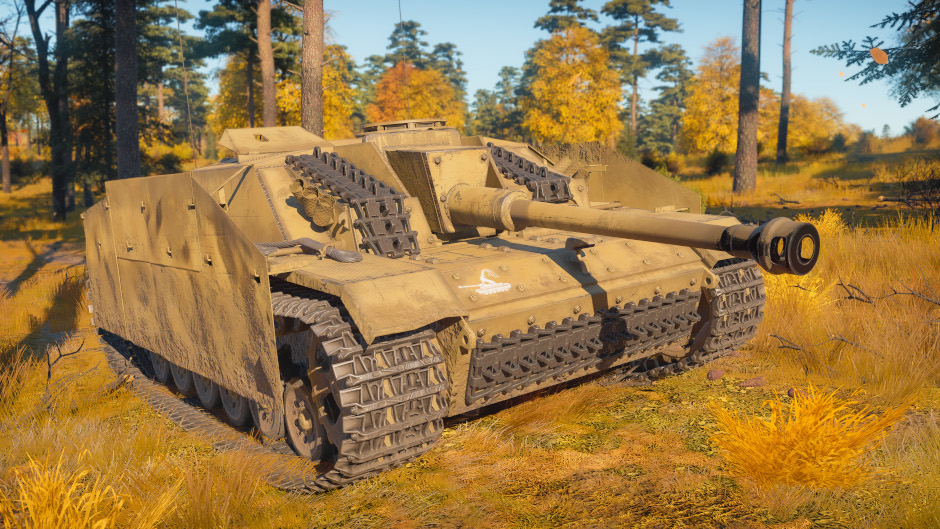
StuG.Brig 232 Emblem
The emblem of Sturmgeschütz-Brigade 232 (232nd Assault Gun Brigade), Wehrmacht. The brigade began formation on November 10th 1942 at Jüterbog, and was ready by December. The initial plan was to send the unit to North Africa, but the worsening situation on the Eastern Front shifted the focus. It had a wide service life overall, initially attempting to support the 6th Army at Stalingrad before taking part in the various defensive battles that followed. It primarily fielded the StuH 42, StuG III F and StuG III G, holding around 30 operational vehicles by 1945. The emblem of the brigade was likely created sometime during 1944 as a stencil, depicting a StuG and an arm wielding a spiked flail; a black variant was also occasionally used. Like most StuG unit markings, it was painted on the front left of the upper transmission plate, and likely on the right side of the rear plate as well.
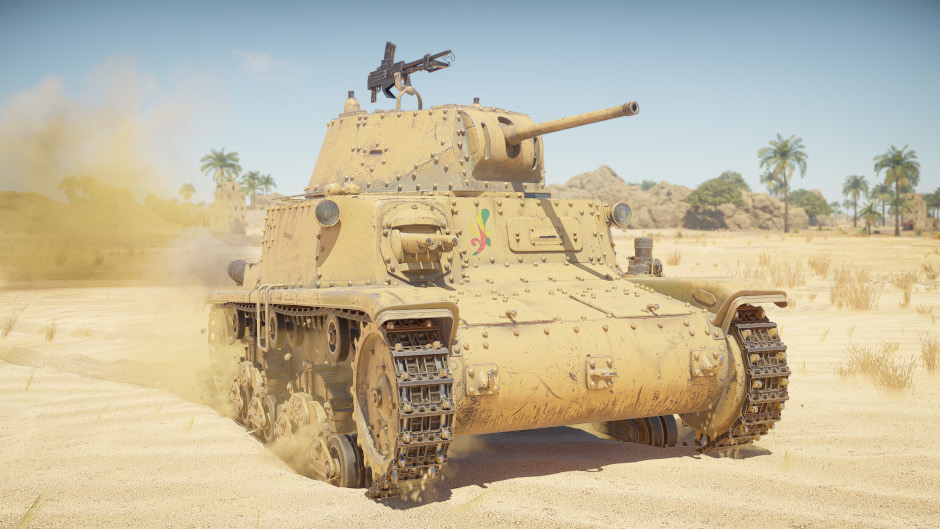
“Asso di Bastoni” Emblem
“Asso di Bastoni” (Ace of Clubs) emblem, 133ª Divisione Corazzata (133rd Armored Division), Royal Italian Army. The emblem is the symbol of the ace of clubs from the Neapolitan regional card deck. It depicts a leafy wooden cudgel in the Spanish design style, and was frequently regarded as a symbol of power and masculinity. The emblem was likely chosen as a link to the Briscola card game, in which the ace is the highest scoring card. The club’s association with brute force made it a fitting emblem for an armored unit. The design was painted centrally on the front plate on at least one M14/41 tank of the division in 1942.
“London’s Revenge” Nose Art
“London’s Revenge” nose art, No. 427 (Lion) Squadron RCAF. On May 24th 1943, No. 427 Squadron was formally adopted by MGM Studios. This event was largely for general promotion, but members of the squadron were given special medallions that gave them lifetime free access to MGM cinemas. This artwork was painted specifically for the ceremony, inspired by the studio’s lion mascot. The name “London’s Revenge” was chosen because the aircraft’s code letter was L, which stood for London in the RAF phonetic alphabet, so the aircraft was regularly called ‘L-London’ over the radio. It was painted on the side of the fuselage below the cockpit on Halifax DK186, code ZL-L.
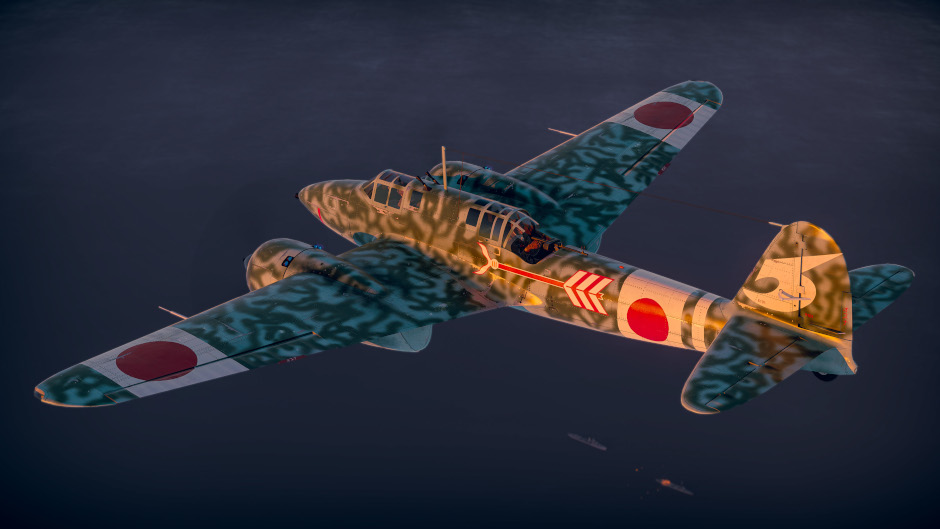
Shinten Seikūtai Emblem
The emblem of the Shinten Seikūtai (Heaven-Shaking Air Superiority Unit), Hikō Dai 53 Sentai (53rd Flying Regiment), IJAAF. On November 7th 1944, the 10th Flying Division ordered each regiment to form a four-aircraft subgroup, with the express purpose of engaging B-29 bombers. The emblem depicts a kaburaya (whistling arrow) with a forked karimata head. The whistling arrow traditionally signaled the start of battle and was believed to ward off evil, the arrow also appeared in many folk tales where they were used to fight giant beasts and demons. The emblem was painted along the sides of the fuselage on the unit’s Ki-45 fighters, with the head of the arrow under the rear cockpit window and the tail just ahead of the fuselage recognition band.
Returning decals
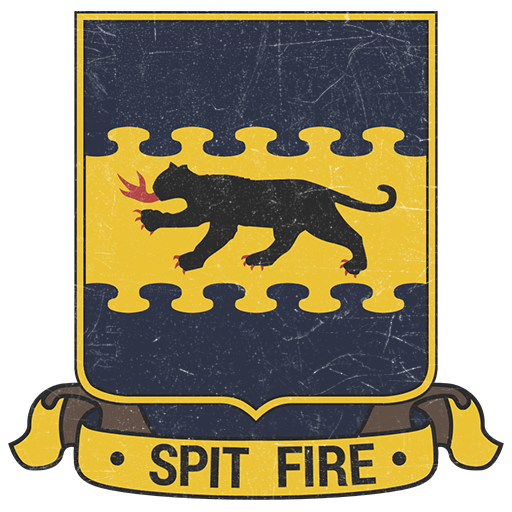 332nd FG “Tuskegee Airmen” Emblem, USA
Finish in position 1-3 three times using American Aircraft
|
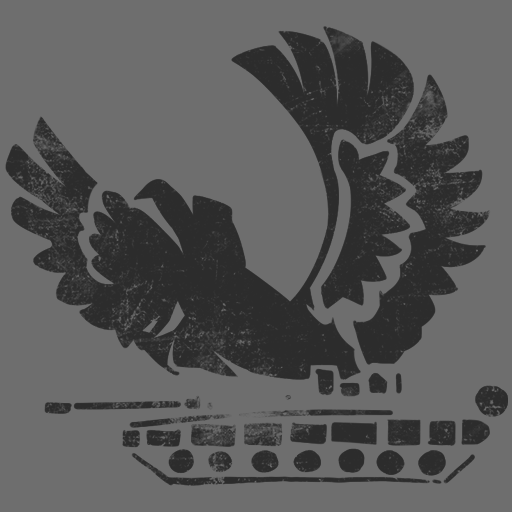 133rd Separate Guards Tank Battalion “Black Wing” Emblem (1995), Russia
Finish in position 1-5 five times using Soviet Ground Vehicles
|
|---|
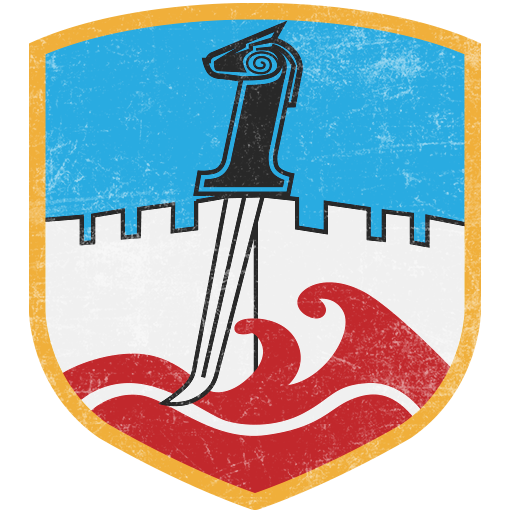 Army Penghu Defense Command Emblem, China
Score 15000 points using Chinese Ground Vehicles
|
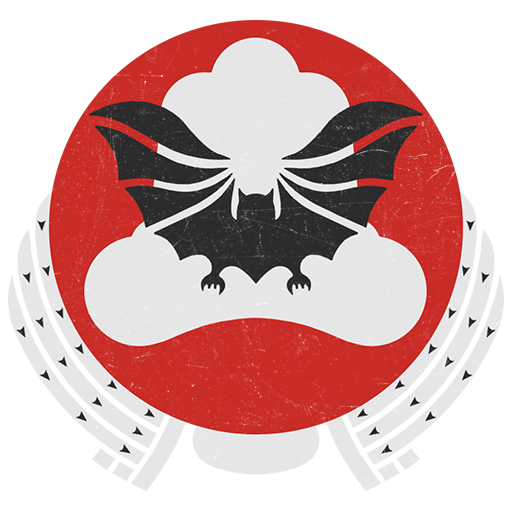 119 Squadron Emblem (Late), Israel
Play 20 battles while using Israeli Aircraft with a minimum of 60% Battle Activity |
 103. Jaktflygdivisionen (F 10) Emblem, Sweden
Destroy 30 Ground or Water targets using Swedish Aircraft
|
|---|
Historical background of the decals above
332nd FG “Tuskegee Airmen” Emblem
The emblem of the 332nd Fighter Group, USAAF. The 332nd FG was one of the two main groups that encompassed the Tuskegee Airmen, along with the 477th BG and various support personnel. The emblem was approved on January 15th 1943, while the group was still forming at Tuskegee Army Air Field, formed as the first African-American fighter group in the Army Air Forces. The group had an extensive service record and flew a wide range of aircraft. They began combat operations at Pantelleria flying the P-40, before transitioning to weathered P-39s over Naples. They later switched to the P-47, where they received their legendary “Red Tails” moniker in mid-1944. They would end the war flying the P-51, primarily engaging in ground attack sorties and escort missions, tallying 112 aerial victories.
133rd Separate Guards Tank Battalion “Black Wing” Emblem (1995)
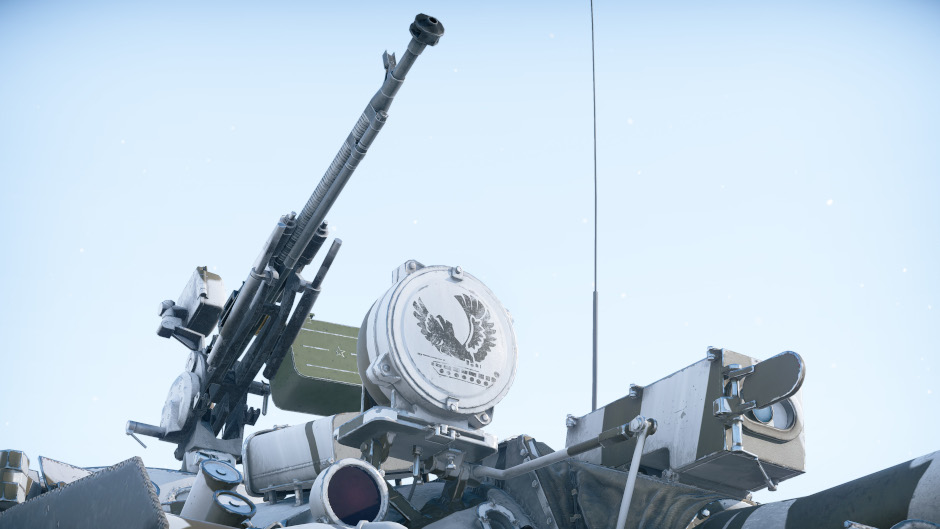
The “Чёрное крыло” (Black Wing) emblem of the 133rd Separate Guards Tank Battalion, Russian Federation. The emblem and nickname originate from fighting in Chechnya in 1995. One source claims the nickname was received directly from a defeated enemy, who referred to them as the “black wing” after their defeat, though this is likely somewhat embellished. Another source mentions that the name originated from the quietness of the T-80’s engine, gliding over the battlefield like a black wing. The emblem aptly depicts a stylized black eagle on top of a T-80, though erroneously includes an extra roadwheel. As the T-80BV was covered in ERA, there was little free space for a marking, so the emblem was painted on top of the L-4A “Luna” IR searchlight cover.
Army Penghu Defense Command Emblem
The emblem of the Army Penghu Defense Command, ROCA. The command was established in March 2006, but was originally formed in 1949 in Magong as the Penghu Garrison Command. In peacetime the Command primarily focuses on disaster relief and counter-infiltration, and and is equipped mainly with the M60A3 and CM21. The key motif of the design is the bayonet, with a handle shaped like the numeral 1 and topped with a horse’s head. The horse represents mobility on the battlefield as a classic cavalry symbol, with the numeral representing the First Theater of Operations. The waves signify an enemy force held at bay. The overall color scheme reflects the heraldry of the ROC.
119 Squadron Emblem (Late)
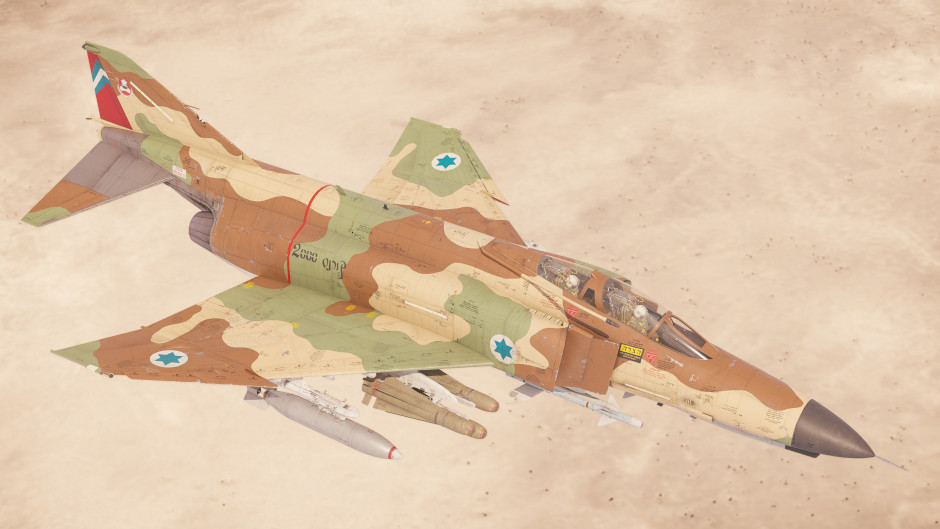
The emblem of 119 Squadron, IAF. The squadron was formed on August 9th 1956 at Ramat David Air Base. It was initially conceived as a night fighter squadron, and was equipped with the Meteor NF.13 around a month after formation. The night-fighter role was discontinued in the early 1960s, with the squadron participating in a variety of duties such as ground attack and reconnaissance. It went on to operate several significant aircraft, including the Vautour, Mirage III, F-4E and F-16I. The emblem went through several small revisions, and in addition to serving as an aircraft marking, was also made into a badge worn by squadron members. The earlier emblems used by the Meteor were typically painted on the sides of the nose, while the updated version was painted high on the tail of the squadron’s more modern aircraft.
103. Jaktflygdivisionen (F 10) Emblem
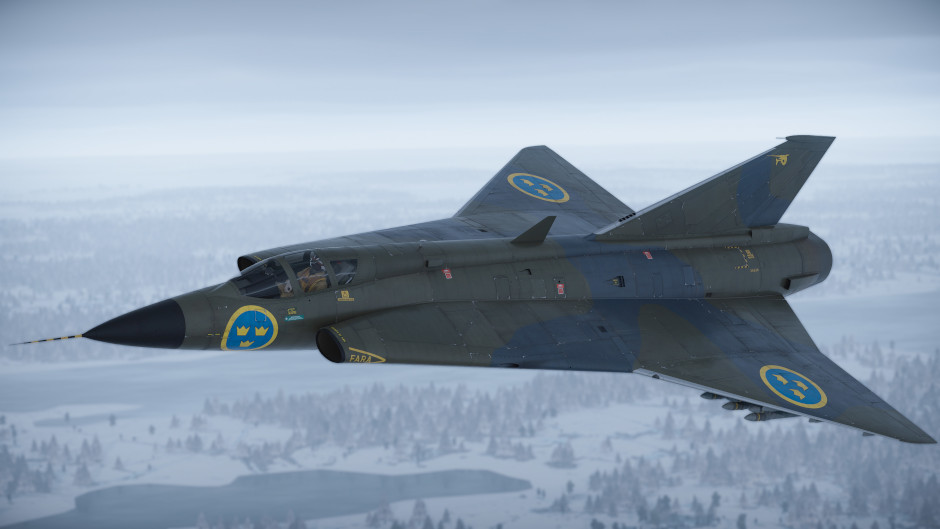
An emblem of 103. jaktflygdivisionen “Johan Gul” (103rd Fighter Division, Johan Yellow), Swedish Air Force. The division was formed on March 17th 1941 primarily as a training unit, but was quickly upgraded to fighter division status. It operated throughout the Second World War and flew several aircraft, from the J8 Gladiator to the J22, and later the J29 and J35. The swordfish emblem was designed long after the division was formed, when, in 1959, the division visited the Tuborg brewery in Copenhagen. While there, student pilot Jan Britse saw a swordfish-shaped decoration at the brewery, photographed it, and later used it as a reference when drawing the division’s symbol. This solid yellow version was rarer overall, and was painted high on the tail on the division’s J35 Draken aircraft in the 1980s. A more famous placement was on the wings of Capt. Ingemar Axelsson’s J35 in the early 1990s, which often flew at airshows.
Monthly markings can be found in a special tab at the bottom of the customization menu, (Monthly Decals) after a month, they’ll be moved to their corresponding category.
You can check the exact terms and track the progress of completing tasks for these decals by going to your Player Profile > Decals > Monthly Decals. From here, click the “Track progress” button on each decal to track from the hangar.
All of the emblems will come with a detailed description. This will generally consist of the history of the marking, its design, which vehicles used it, and where it was often placed on vehicles historically if applicable (some emblems are taken from badges, which weren’t always applied). This way you can more easily recreate the original positioning if you’d like.
That’s all from us today! We hope you’re enjoying the new Eagle’s Shadow major update, we hope you’ll enjoy earning these decals while trying out the new features and vehicles of the update. We’ll see you in December!