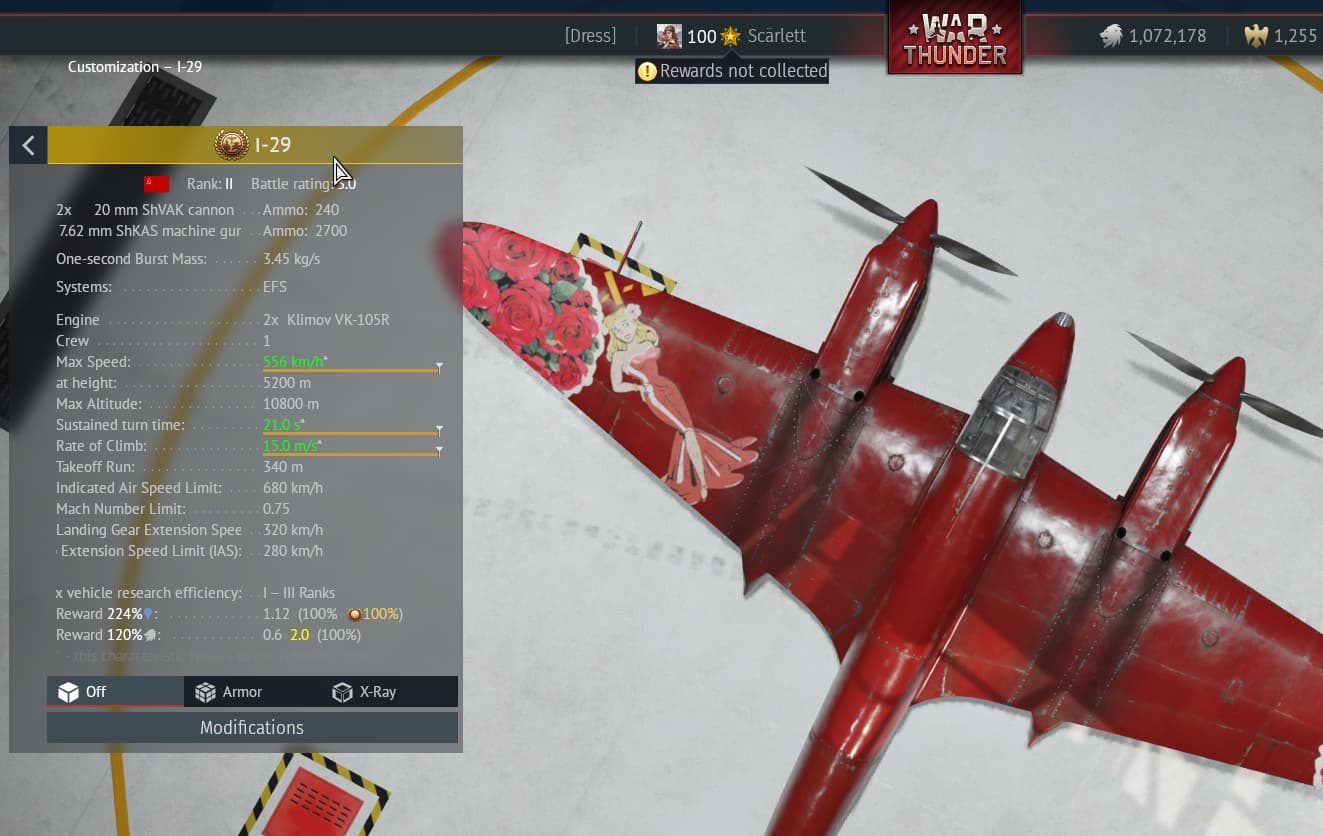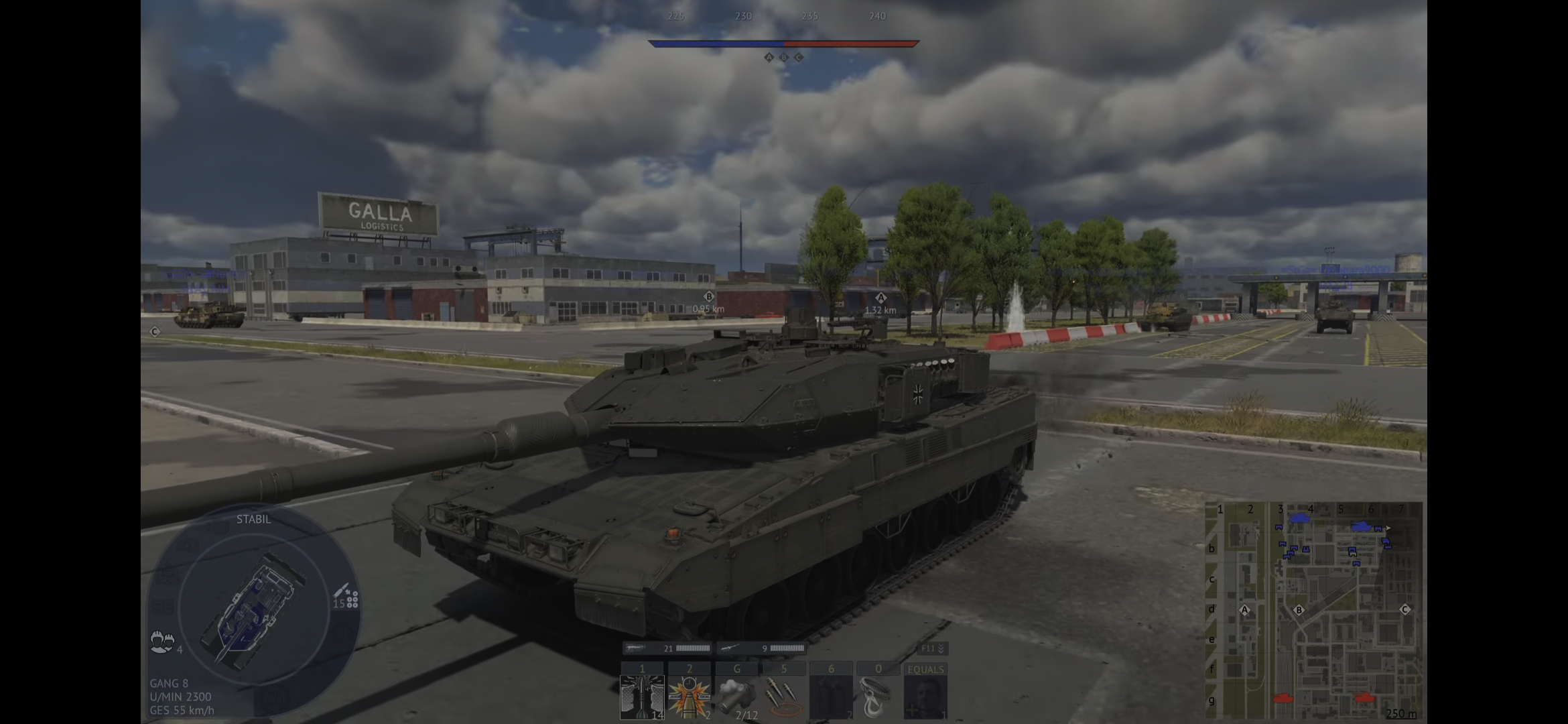
Hey everyone! As we’re shuffling along through May we’re pleased to bring you another batch of historical decals! Some shields, paintings, inscriptions and badges, the full monty! We particularly like the rare French pinup BB Girl, and the highly detailed nose art of ace Vasily Isaev, recreated expertly by Fenris, one of our decal artists.
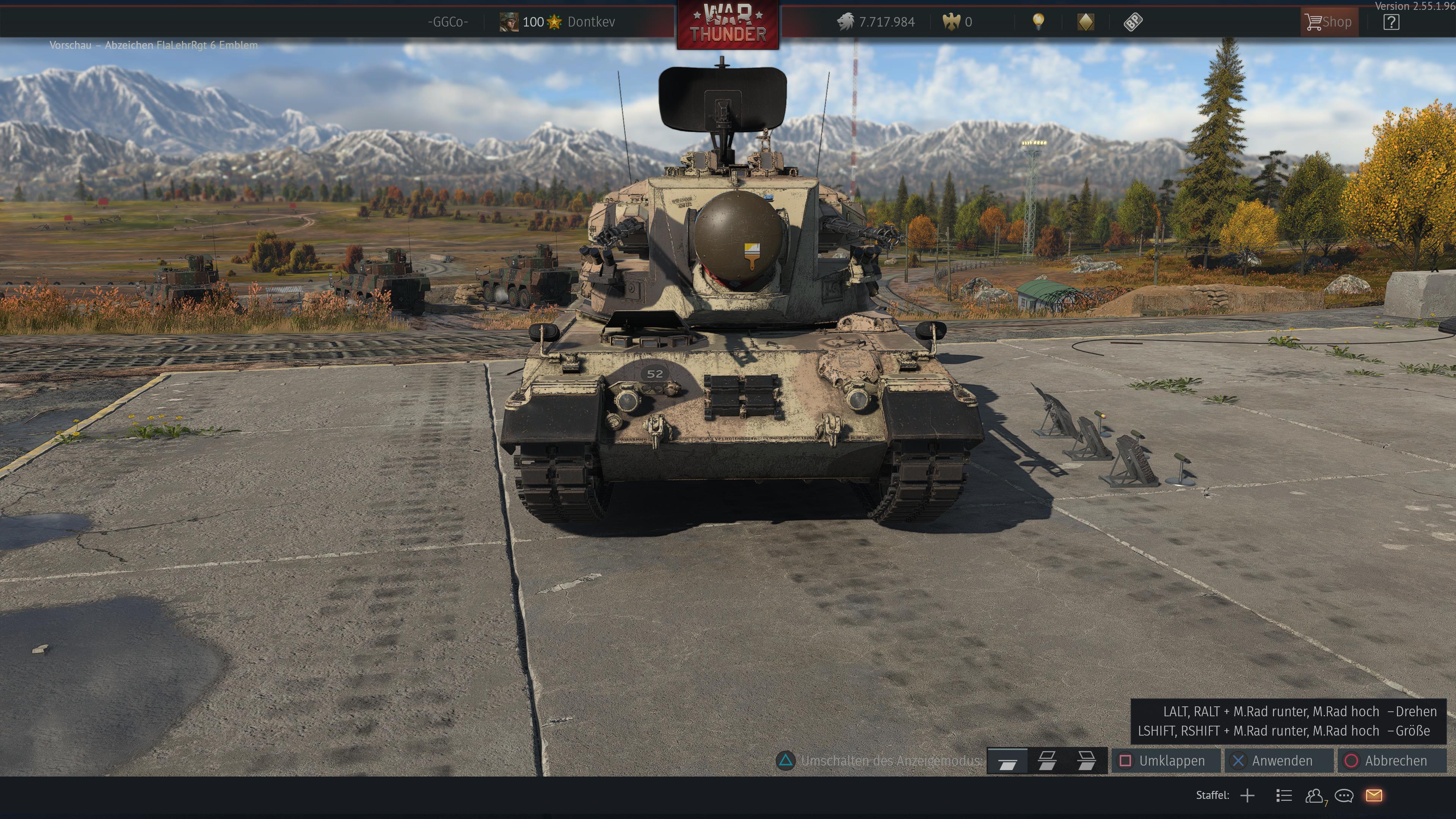
A note for the Gepard, currently it’s not possible to place a decal on the radar as the material is not decal-able (we’ve applied it to the skin for the screenshot), we’ll edit this part of the model sometime in the future so decals can be placed on the radar.
The following decals are available from May 13th (11:00 GMT) until June 11th (09:00 GMT).
All tasks can be completed using vehicles that are rank III or higher.
Democracy Deliverer Inscription, USAFinish in position 1-3 three times using American Ground Vehicles

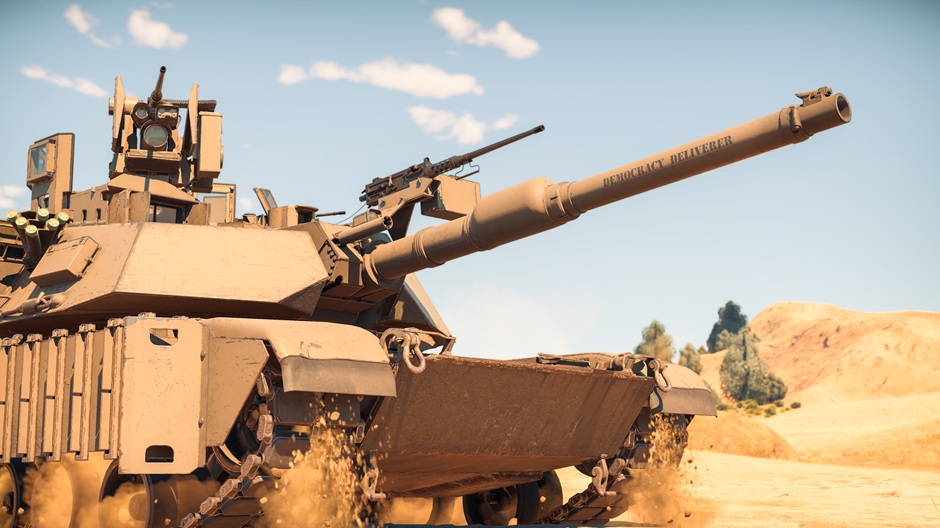
Democracy Deliverer inscription, U.S. Army. The practice of tank naming is over 100 years old, often following pop culture as new generations of tankers take up the mantle. In the First and Second World Wars, tank naming was not standardized, in the modern day however there are more limitations regarding the name crews can choose. Currently under some regiments, naming your tank is an earned right, given only to crews who maintain a standard of excellence. Names often follow company structure as well, with tanks of A Company having a name that begins with A, though this is not a strict rule and regular deviations can be spotted. As newer generations of tanker crews step up, more names relating to gaming and popular media have become common sights, with Democracy Deliverer being a great example. It was painted on the barrel of an M1A2 SEP V2, ahead of the bore evacuator.
“BB Girl” Pinup, FranceFinish in position 1-5 five times using French Aircraft

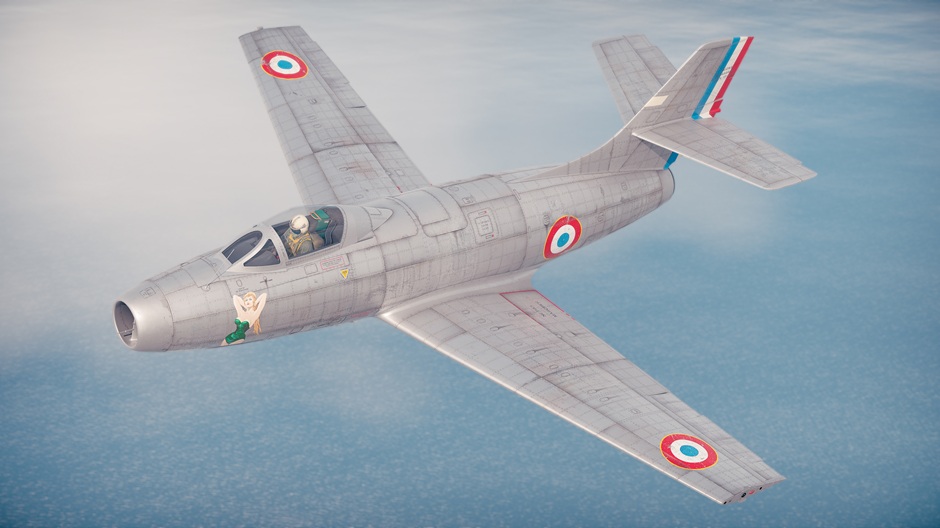
“BB Girl” Pinup, 2ème Escadron d’Instruction en Vol “Henry Jeandet” (2nd Flight Training Squadron “Henry Jeandet”), French Air Force. Pinup-style nose art was relatively rare in the French Air Force, as it was primarily an American custom; however, sporadic instances of it can be found, albeit fleetingly. This pinup was painted on MD.450 Ouragan number 328, code BB, flown by Sergeant Paul Barland at the time. It was painted in June 1957, while the aircraft was stationed at Base École 708 in Meknès, Morocco. The pinup itself is possibly a depiction of Brigitte Bardot, a very popular French actress and singer at the time. This fits nicely as a link to the Bravo-Bravo aircraft code as well, though the link is unconfirmed and largely speculative. While the pinup was likely popular with the pilots, it appears senior staff had a different perspective, as the artwork barely lasted a week before being removed. It was painted on the port side of the aircraft, right above the topmost gunport.
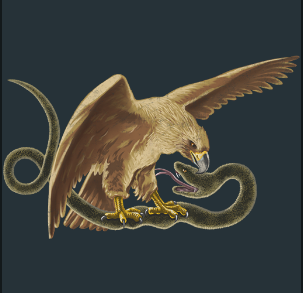
Personal Marking of Vasily Isaev, USSRDefeat 50 players using Soviet Aircraft
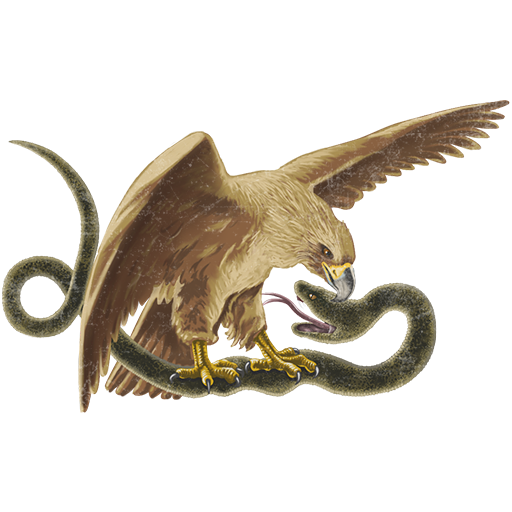
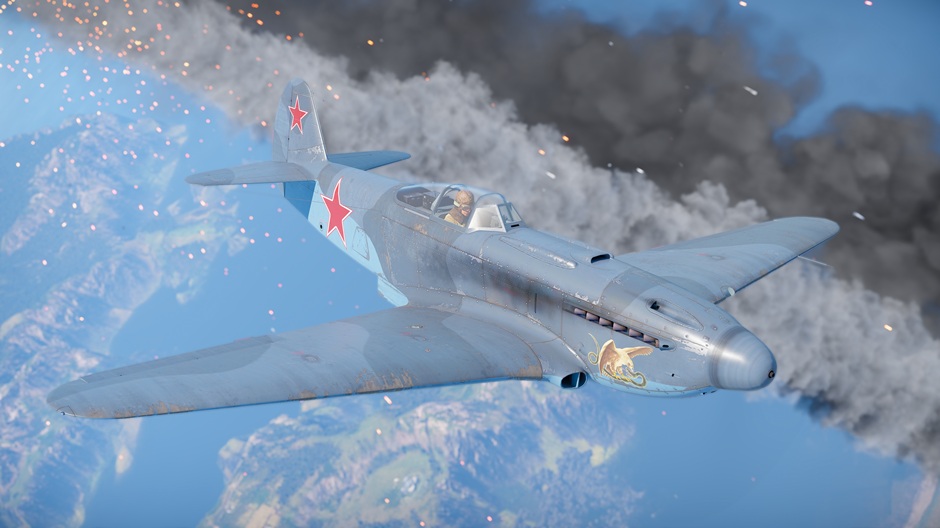
The personal marking of Vasily Vasilyevich Isaev, 42 GIAP (42nd Guards Fighter Aviation Regiment), Soviet Air Force. Vasily graduated as a pilot in 1941 at the Zernograd Military Aviation School, having dreamed of being a pilot from a young age. Throughout the war he flew several Yak fighters, including the Yak-1, Yak-9, and Yak-9U. He demonstrated considerable skill during his service, credited with 17 aerial victories and 4-5 shared victories. After the war he would be discharged due to health issues, but dedicated much of his time to community service, and even published a book of wartime memoirs in 1975 called “За чистое небо” (For Clear Skies). His personal marking was an eagle attacking a snake, a common motif Soviet pilots used during the Second World War, effectively depicting good triumphing over evil or order defeating chaos. It was painted on the starboard side of his Yak-9U under the engine exhaust.
“Ikazuchi” Inscription, JapanScore 20000 Damage while using Japanese Bluewater Vessels
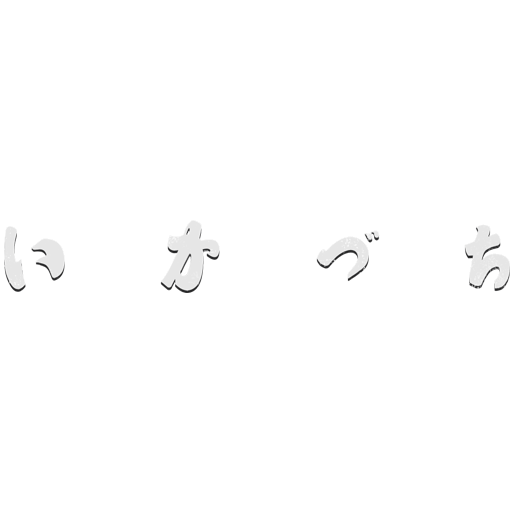
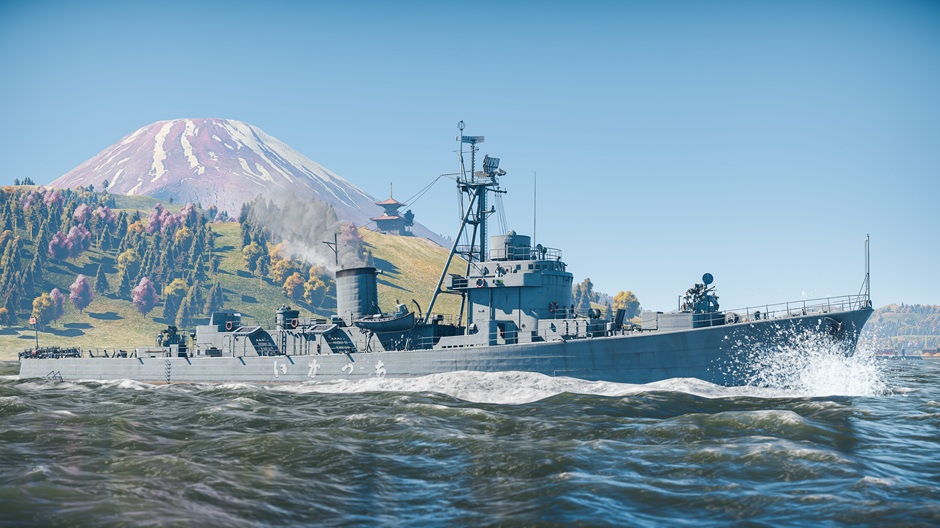
Ikazuchi (いかづち) hull inscription, JMSDF. After the Second World War, Japan returned to the practice of painting a ship’s name onto the hull, but in hiragana rather than kanji script. Ikazuchi means “Thunder,” effectively, and carries a long etymological lineage throughout ancient Japan, often linking it to mythology and weaponry. The inscription was painted on the middle of the hull on destroyer escort DE-202, Ikazuchi. She was one of the first domestic destroyer escorts built by Japan in the post-war era. She was commissioned in 1956 and was a sister to DE-203 Inazuma, meaning “Lightning”, making them a fitting pair. She served with the 7th Escort Corps until 1976 when she was converted to a storage ship used for training, before finally being stricken from the register on March 30th, 1983.
FlaLehrRgt 6 Emblem, GermanyDefeat 30 Aircraft using German Ground Vehicles
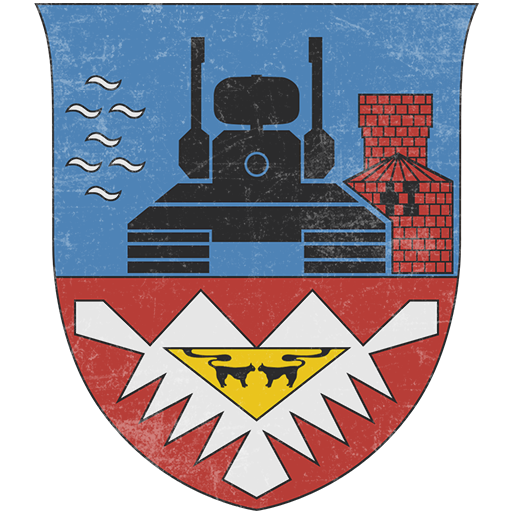
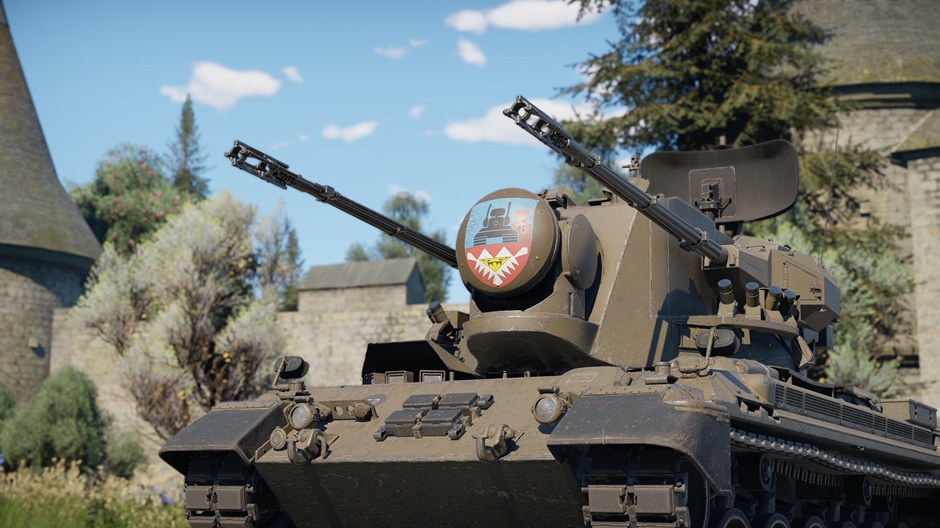
The emblem of Flugabwehrlehrregiment 6 (6th Anti-Aircraft Training Regiment), Bundeswehr. The Regiment was formed on August 31st 1956 as Panzerflugabwehrartilleriebataillon 3 in Schleswig, but would cement its identity after moving to Lütjenburg on April 1st 1962. It received its first Gepard anti-air vehicles on August 4th 1977, which would later feature on the Regiment’s emblem. Aside from the prominent Gepard silhouette in the middle, to the left are either stylized seagulls or waves, which link to the Regiment’s proximity to the Baltic Sea to the north. The structure to the right is the lost Lütjen Castle, which influenced much of the region’s original heraldry. The lower elements link to the Schleswig-Holstein region where the Regiment was based. It includes their heraldic colors (blue, white, and red), the Schleswig lions and the Holstein nettle leaf. The Regiment operated until May 2012 when it was disbanded. One of the Regiment’s Gepards on display wore the emblem on the tracking radar.
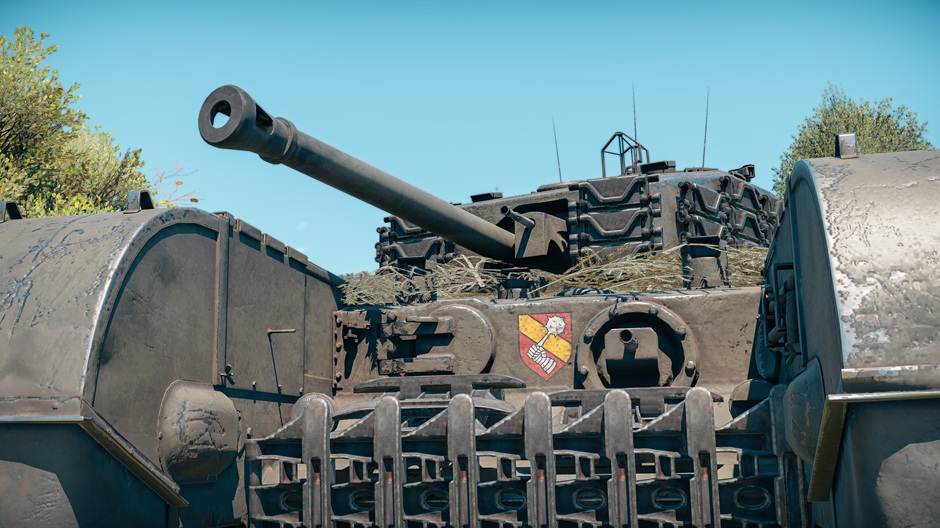
34th Armoured Brigade Emblem (1944), BritainEarn 15000 score while using British Ground Vehicles
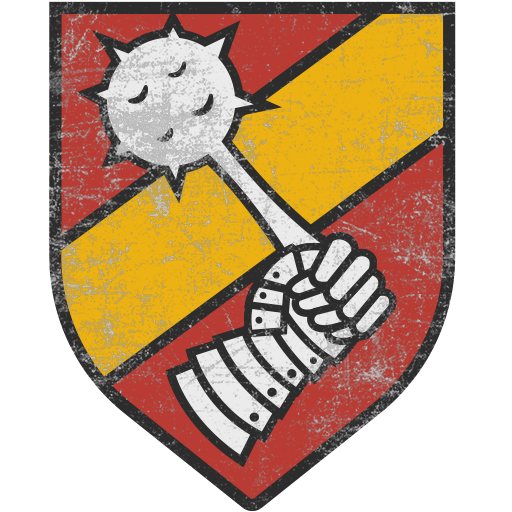
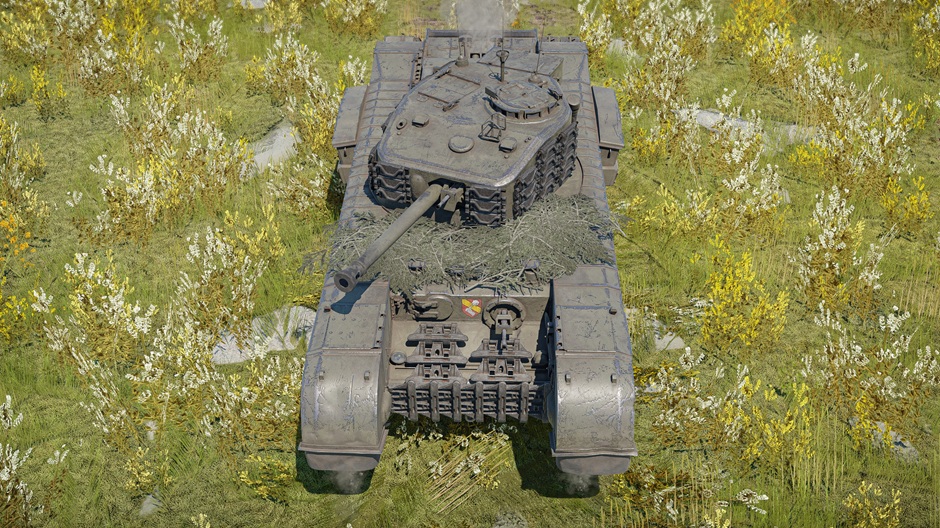
An emblem of the 34th Armoured Brigade, British Army. The 34th was formed from several smaller regiments on December 1st 1941, equipped with Churchill tanks. Initially, its emblem was a typical black and blue diablo, before adopting the shield of the Second Army prior to the Normandy Landings. Shortly after, in the late summer, the mace shield was created as the unique emblem of the brigade. The red and yellow represent the cavalry colors, which were adopted as the formal colors of the Royal Armoured Corps. The armored glove was taken from the cap badge of the RAC designed by Abram Games; paired with the mace, it fittingly depicts striking power and defense. The Churchill tanks of the brigade wore the emblem in several spots, usually in the middle of the front plate or near the edges on the lower plate.
28th TFS Emblem (Late), ChinaWin 10 battles using Chinese Aircraft
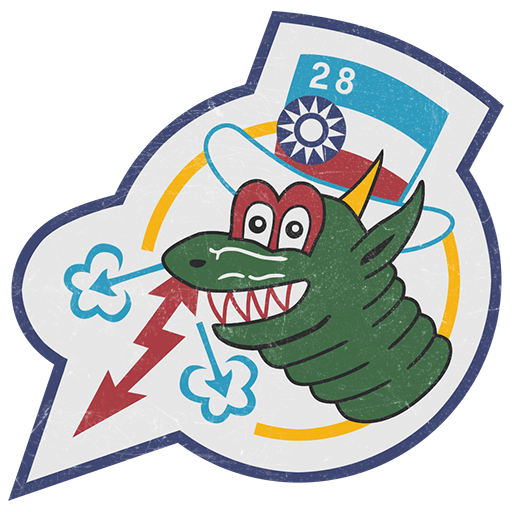
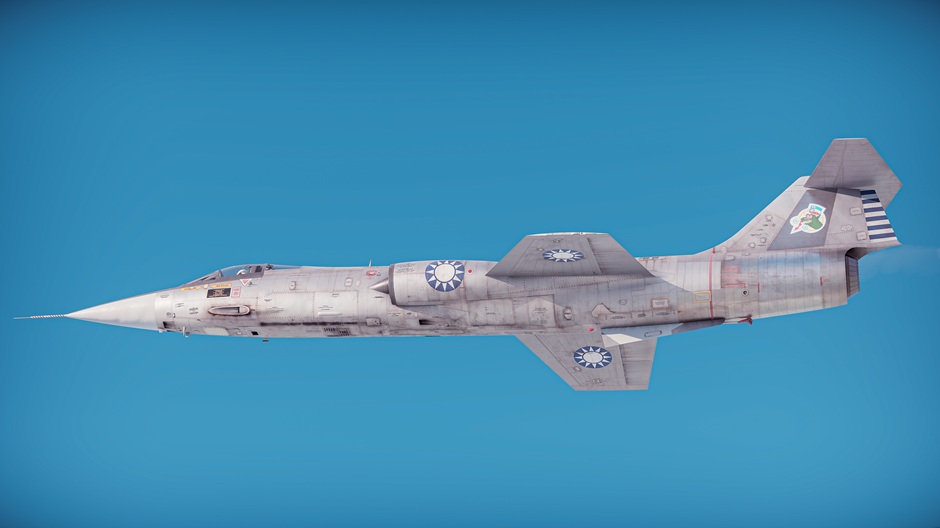
The emblem of the 28th Tactical Fighter Squadron, ROCAF. The 28th Tactical Fighter Squadron was established on August 10th, 1936, and would go on to join the 3rd Fighter Group of the Chinese-American Composite Wing in 1943. The dragon and the top hat combined both a Chinese symbol with an American one, with the red eyelids seamlessly incorporating the number 3 for the 3rd Fighter Group. During the war they would primarily fly the P-40 and P-51, before transitioning to the F-86 and F-104; the latter was in service for nearly 40 years. The emblem was most commonly used as a patch, but was also painted on the tail of some F-104 Starfighters in operation with the squadron.
CC Battaglione Carri SOMUA Emblem, ItalyDefeat 40 players using Italian Medium Tanks

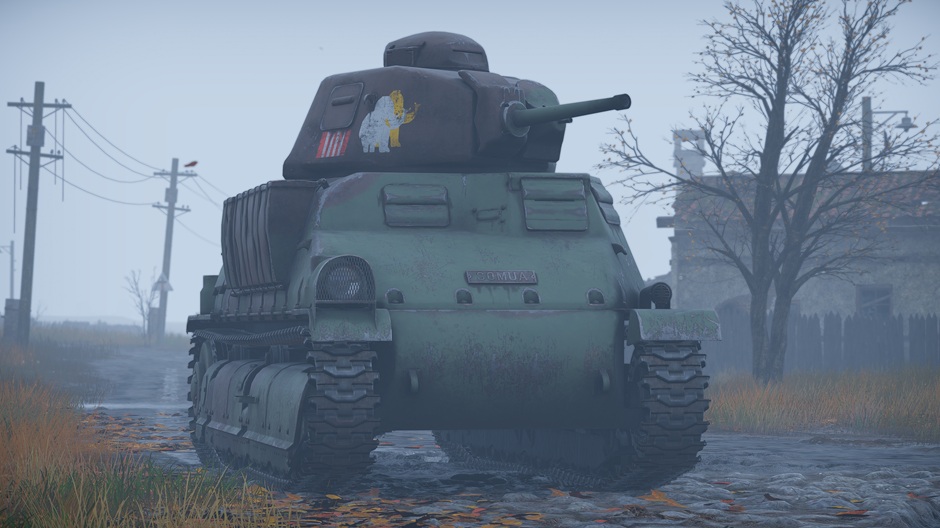
The emblem of 2ª Compagnia, CC Battaglione Carri SOMUA, 131° Reggimento Fanteria Carrista (2nd Company, 200th Tank Battalion SOMUA, 131st Tank Infantry Regiment), Royal Italian Army. The Company was formed on June 15th, 1941 with captured French S.35 tanks, and for the majority of its service was tasked with defensive garrison duty in Sardinia. The emblem of the silver and gold elephant is particularly interesting, potentially linking to ancient heraldry. Antique heraldic treatises make note of silver and gold elephants as symbols of valor taken by knights. If a knight spared the life of an enemy, he could take a silver elephant, if the enemy owed the knight his freedom after being defeated, a golden elephant could be chosen. This link may be incidental, however, as the emblem of the 1st Company was a basic white rhino. A single white elephant could have been the intended insignia, with the gold version simply being an earlier attempt that proved to be too subtle. It was painted on the turret sides of the Somua S.35 tanks towards the front.
Narvik Battalion Emblem, NorwayPlay 20 battles while using Swedish Ground Vehicles with a minimum of 60% Battle Activity
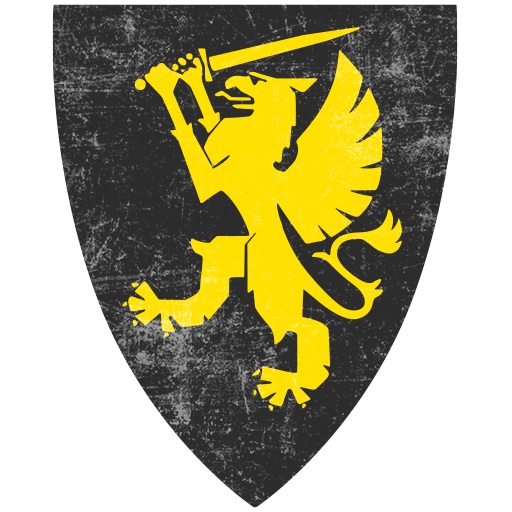
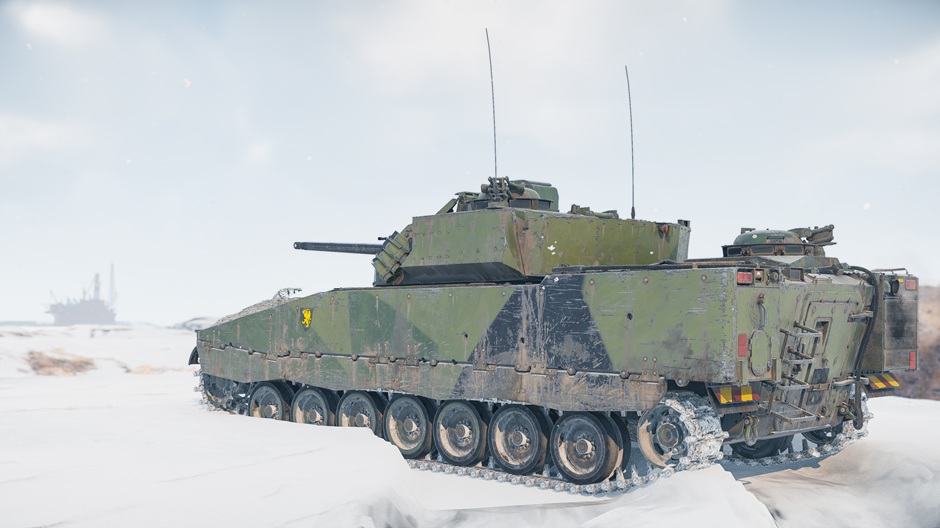
The emblem of the Narvik Battalion, Norwegian Army. Previously known as 2. bataljon (2nd Battalion), it was renamed on December 12th, 2025, as a way to honor the Norwegian military efforts during the Battle of Narvik in 1940. The battalion was formed on September 1st, 1953 at Trandum, before moving to Skjold, where it is stationed today. The emblem of the Battalion, a golden sword-wielding griffin, was approved in 2003, and can trace its origins back to the Viking Age in northern Norway. Narvik Battalion is a mechanized infantry force within Brigade Nord, primarily specializing in arctic operations. While the golden griffin emblem is used primarily as a patch, a low-vis grey variant can be found on their CV9030 IFVs on the sides of the hull towards the front.
Grupo 8 de Caza Emblem (Late), ArgentinaDefeat 30 players using missiles while flying Aircraft
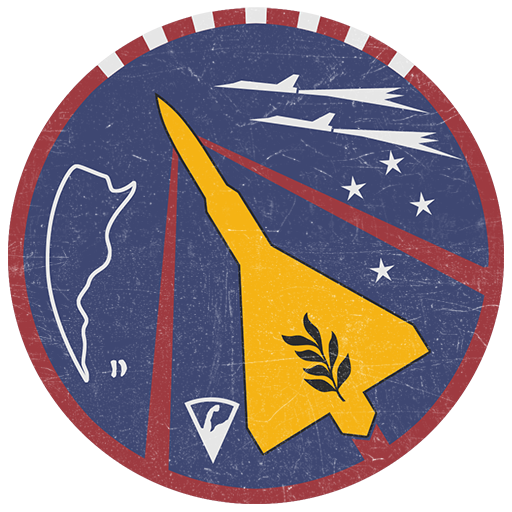
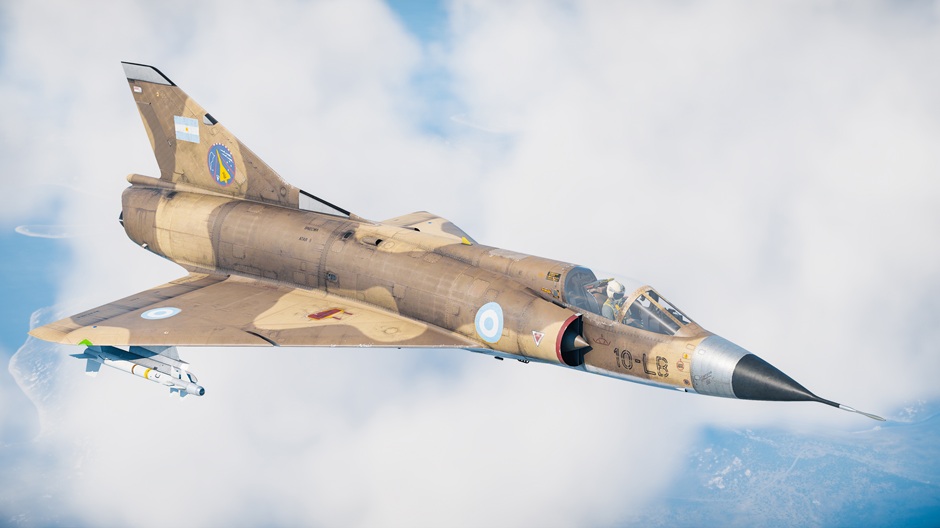
The emblem of Grupo 8 de Caza (8th Fighter Group), Argentine Air Force. The group was initially formed as Escuadrón I de Caza Interceptora (1st Interceptor Fighter Squadron) on December 7th, 1971, and would adopt the 8th Fighter Group name later in 1977. They operated a small number of Mirage IIIEA fighters and two Mirage IIIDA trainers, and took part in the Falklands War, primarily running decoy sorties. The emblem incorporates many elements pertaining to the Mirage. The red lines streaking off the nose represent breaking the sound barrier as it intercepts a pair of hostile aircraft, with a small red line off the tail for the afterburner. Argentina is depicted to the left but is noticeably warped, representing the slightly curved view pilots saw while operating at altitude. This later version of the group emblem includes a laurel on the Mirage to honor the service of its pilots during the Falklands War. The emblem was painted on the tail of the Mirage fighters towards the front.
Monthly markings can be found in a special tab at the bottom of the customization menu, (Monthly Decals) after a month, they’ll be moved to their corresponding category.
You can check the exact terms and track the progress of completing tasks for these decals by going to your Player Profile > Decals > Monthly Decals. From here, click the “Track progress” button on each decal to track from the hangar.
All of the emblems will come with a detailed description. This will generally consist of the history of the marking, its design, which vehicles used it, and where it was often placed on vehicles historically if applicable (some emblems are taken from badges, which weren’t always applied). This way you can more easily recreate the original positioning if you’d like.
That’s all for today, we hope you like the May selection! We’re all hard at work on the next major update at the moment, so expect lots more news on upcoming vehicles soon. In the meantime, enjoy collecting the set this month and we’ll be back in June for more!