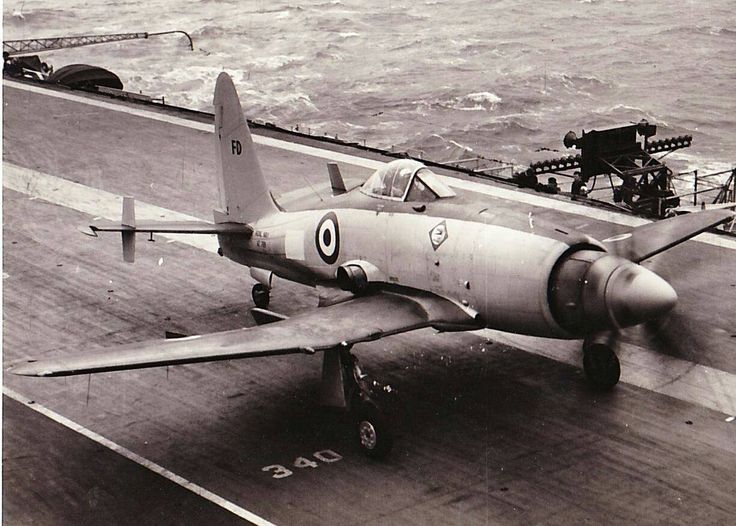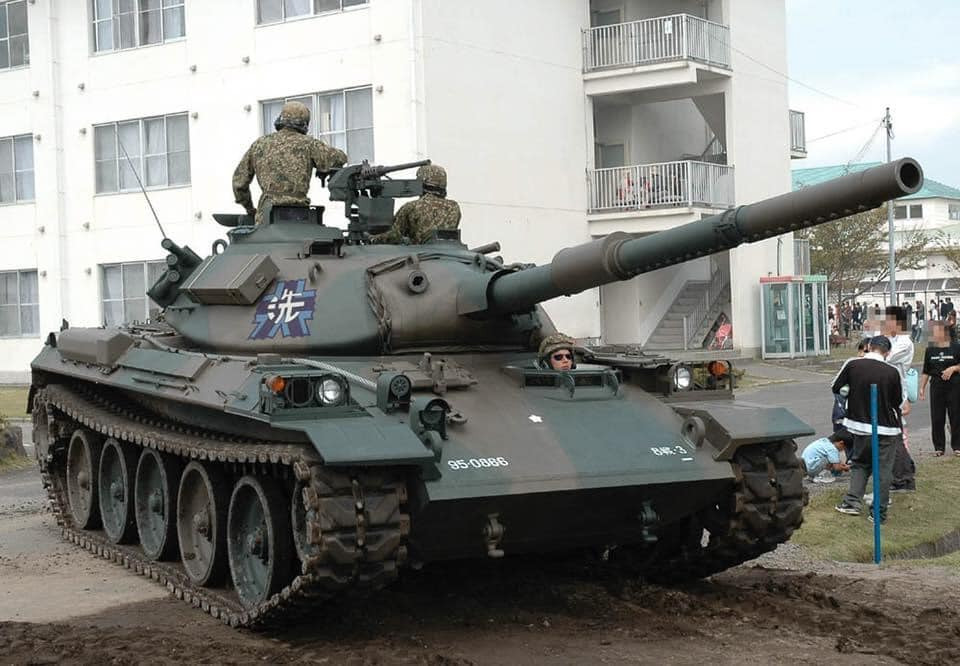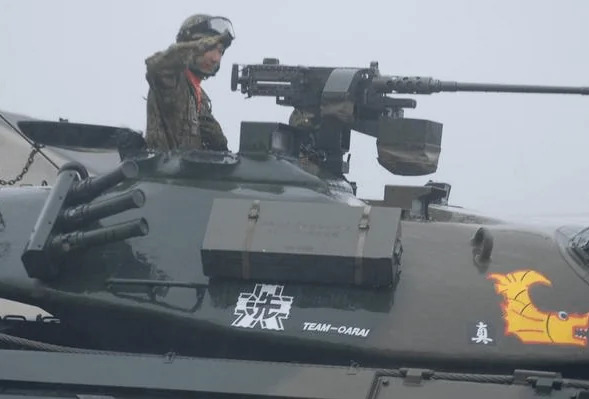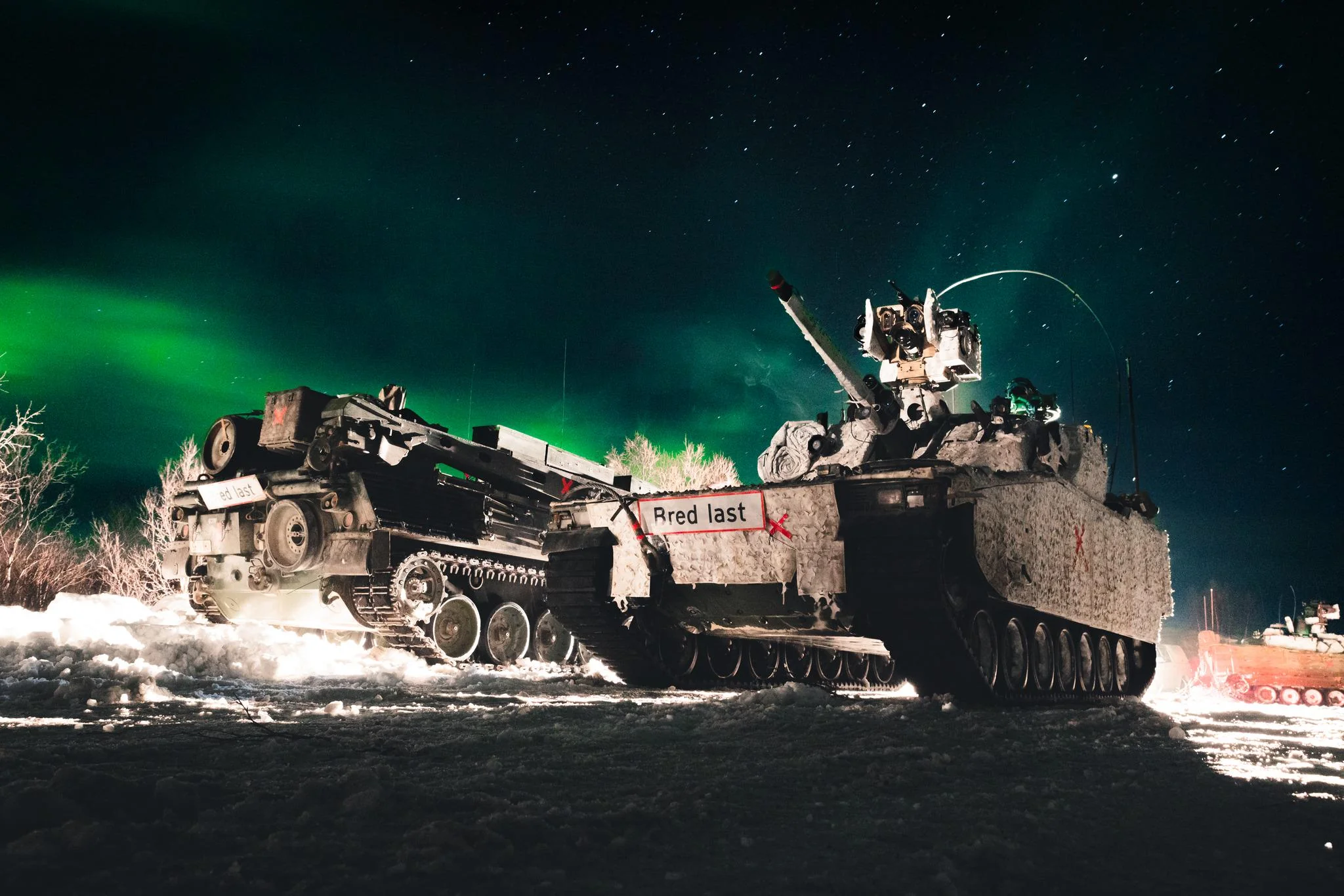
Hey everyone! We’re back with some more authentic decals for you to unlock in April, we hope you liked the March collection. We have quite an eclectic mix of decals this month, with some rare and some popular emblems. China’s overlimit sign had a lot of requests so we’ve added that one in, and we’re happy to return possibly the most American-looking emblem of all time with the Eagle Troop stencil, one can seldom look at it without feeling the need to utter a stoic yeehaw. As always please keep dropping your suggestions for more emblems on the forum, we routinely look through those to see what we can work into the monthly events. Enjoy collecting!
The following decals are available from April 13th (11:00 GMT) until May 13th (09:00 GMT).
All tasks can be completed using vehicles that are rank III or higher.
New decals
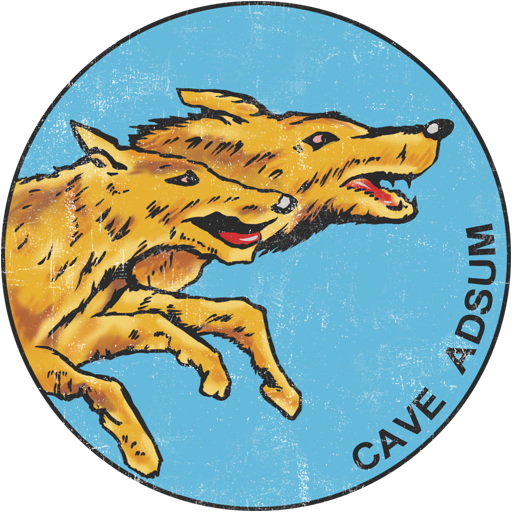
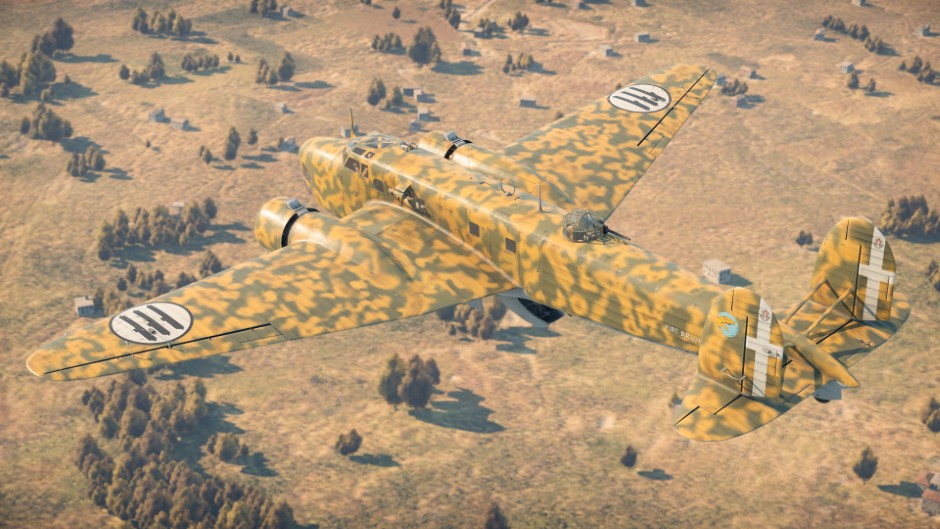
Emblem of 51ª Squadriglia, 39° Gruppo Bombardamento Terrestre, 38° Stormo Bombardamento Terrestre (51st Squadron, 39th Land Bombing Group, 38th Land Bombing Wing), Regia Aeronautica. This seldom-seen marking of the 51st Squadron appears only briefly while the squadron was stationed in Albania in the summer of 1941. There is limited context behind the origin of the marking, though both squadrons under the 39th group (the 51st and 69th) featured a similar emblem, though documentation is limited. The inscription, “Cave Adsum”, translates as “Beware, I am here” and is first documented as the motto of the Scottish Clan Jardine. There is likely no direct link between the squadron and this clan, as it was generally typical for Italian squadrons to borrow dramatic Latin or classic phrases for their mottos and emblems. This emblem was not universally applied to the bombers of the squadron, appearing on one BR.20M, number 3. It was painted on the outsides of the tail near the top, towards the front edge.
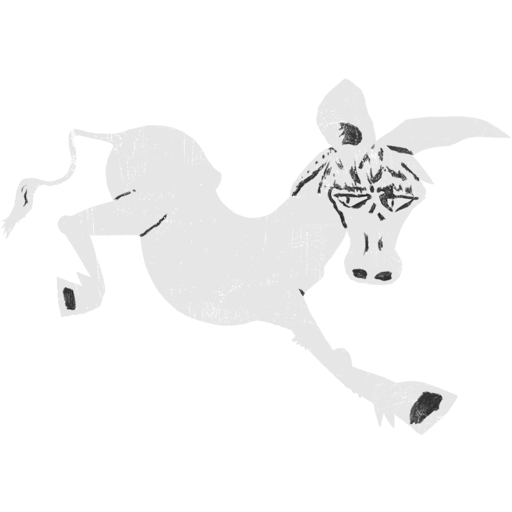
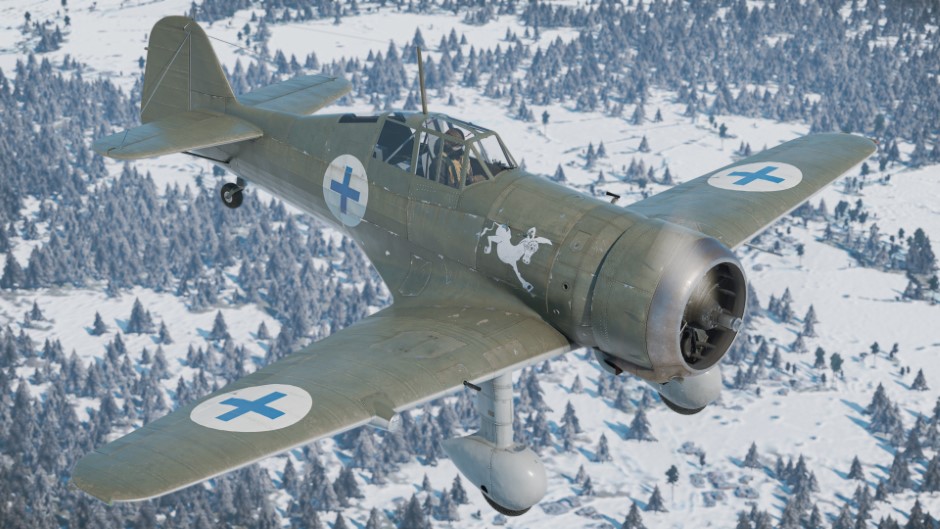
The emblem of 2. Lentue Lentolaivue 12 (No. 12 Squadron, 2nd Flight), Finnish Air Force. No. 12 Squadron was a relatively small reconnaissance unit active from the start of the Winter War. It operated a handful of outdated types, including the Gloster Gladiator, Hawk 75A, and, chiefly, the Fokker D.XXI. Between 1942 and 1943 during the Continuation War, the Fokkers of the squadron featured this emblem, a donkey giving a scrutinous side-eye, preparing a kick. Finnish Air Force markings during wartime often had a humorous or comical throughline to them, with the donkey being a classic example. It was painted on the Fokker fighters of the 2nd Flight on both sides of the fuselage, just in front of the cockpit.

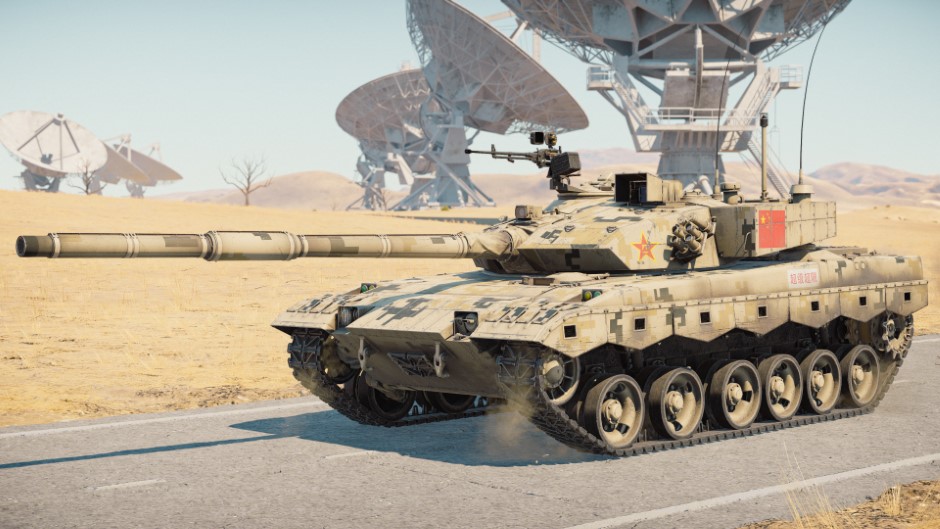
“Super Over-Limit” Sign (超级超限), PLA. A fairly common sight for PLA AFVs in transit, this sign is often seen in various forms pasted on a wide variety of armored vehicles. Effectively, this is a cargo designator for railway shipping, noting that the object (vehicle, in this case) is over the standard transport weight and therefore requires additional considerations while being moved. The signs often remain on the vehicles after transportation for some time, making them some of the most recognizable Chinese tank markings, despite its more civil nature. Several variations of the sign exist, with placement being non-standardized. It is often simply pasted on vehicles where it is the most visible, such as the sides of the turret and the sides of the hull.
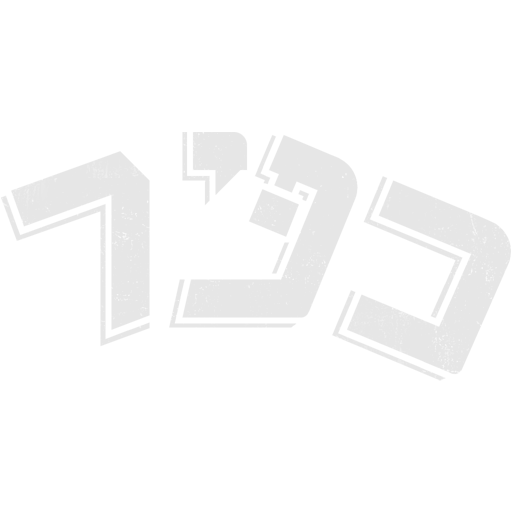
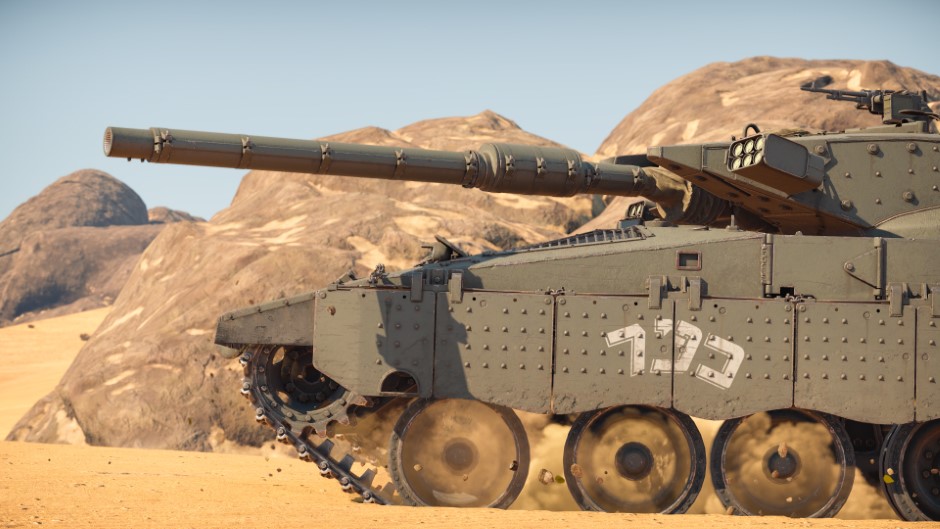
“Kfir” inscription, Israeli Defense Forces. Personal markings on Israeli vehicles are generally rare, with most examples being temporary or subtle. In the 1990s, tank crews were permitted to give their vehicles a nickname. While crews had sufficient freedom for which name they chose, many vehicles ended up with the same nicknames; several Merkava tanks at the time could be seen with names like Kfir, Hammer, Oak, etc. These nicknames were largely only permitted while on exercises and had to be removed in the event of combat, with only the necessary tactical markings remaining. Kfir is a popular and significant power name, meaning “Young Lion”, relating to something both youthful and powerful. This stenciled example was painted on a Merkava Mk.2 in 1992, positioned on the 3rd and 4th side skirts from the front.
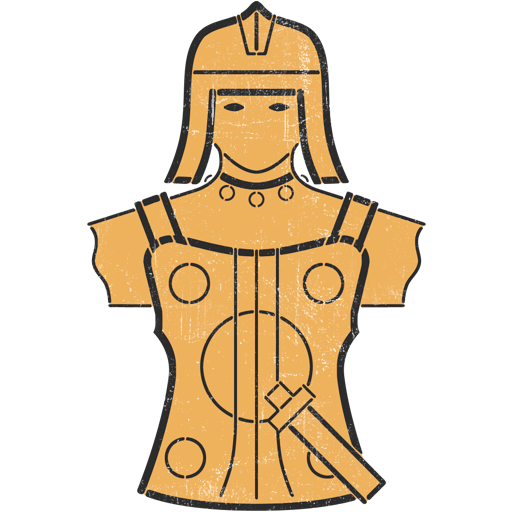
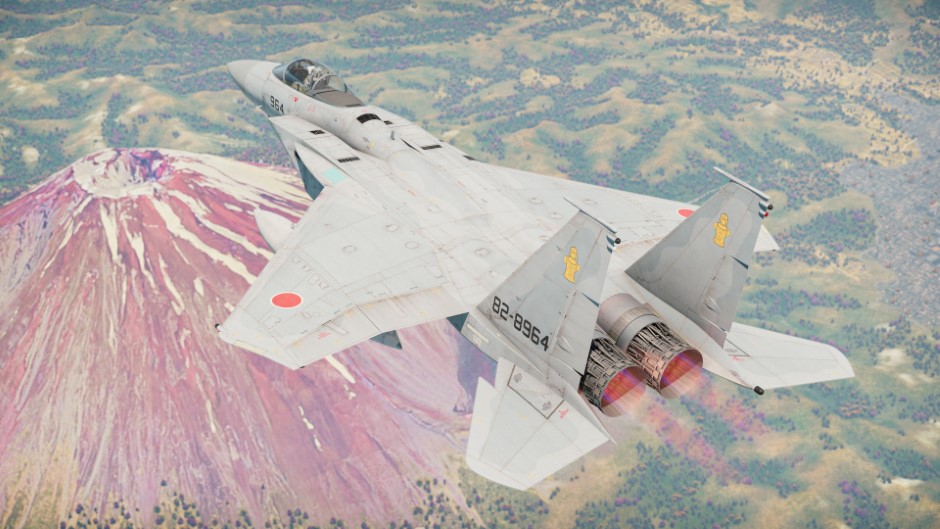
A tail marking of the 202nd Tactical Fighter Squadron, JASDF. The squadron was formed on March 31st, 1964, equipped with F-104 Starfighters. The squadron operated in this form until December 20th 1980 when it was disbanded, however it would reorganize a day later on December 21st as Japan’s first F-15 squadron. The emblem of this new squadron was uniquely a haniwa warrior, a clay funerary figure often found around burial sites. The emblem was inspired by the Saitobaru Kofungun burial complex, which was in close proximity to the Nyutabaru Air Base the squadron operated from. The exact warrior used as the basis of the emblem is unknown, as the Saitobaru site had no warrior haniwa. It was likely inspired by one of the figures at the haniwa garden in Heiwadai Park, though it does retain a remarkable resemblance to the Tankō haniwa warrior at the Tokyo National Museum. The emblem was chosen as the haniwa are seen as eternal defenders of the nation, making it a fitting marking for an aircraft squadron. It was painted on the middle of the tail on the squadron’s F-15 fighters until disbandment on October 3rd, 2000.
Returning decals

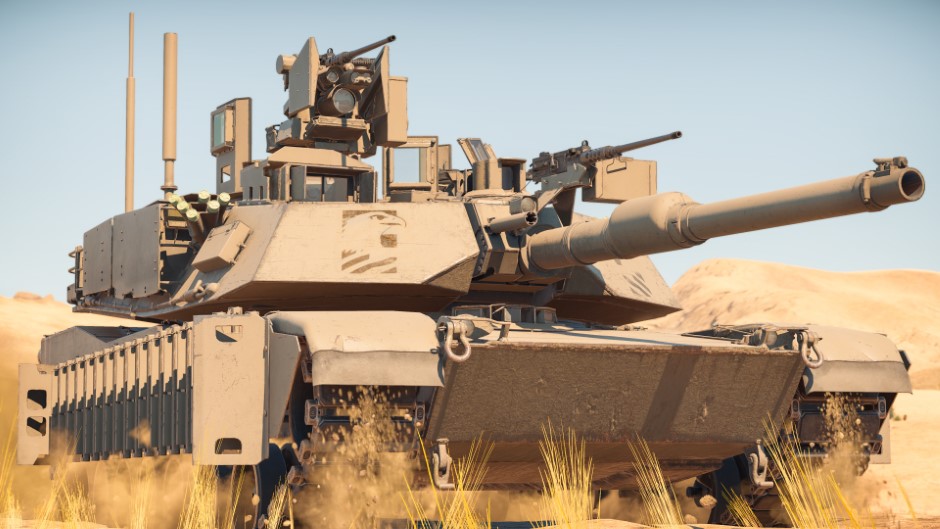
An emblem of E Troop, 2nd Squadron, 3rd Armored Cavalry Regiment, U.S. Army. Prior to its deployment in 2010 during Operation New Dawn, Eagle Troop marked its AFVs with this classic stencil design. The emblem fittingly combines an eagle head against the letter E, and could be found on its Abrams and Bradleys before their deployment. The tanks took on more of a reserve role during the support-oriented operation, rather than the combat duties of previous deployments. The markings were painted on the turret cheeks under the combat identification panels; this placement is typical as it allows the markings to be quickly hidden if necessary.
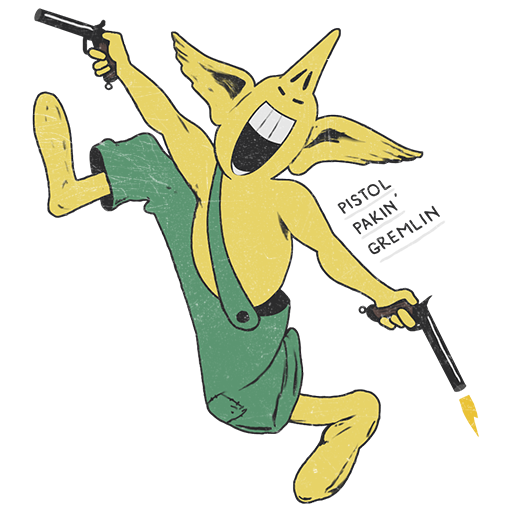
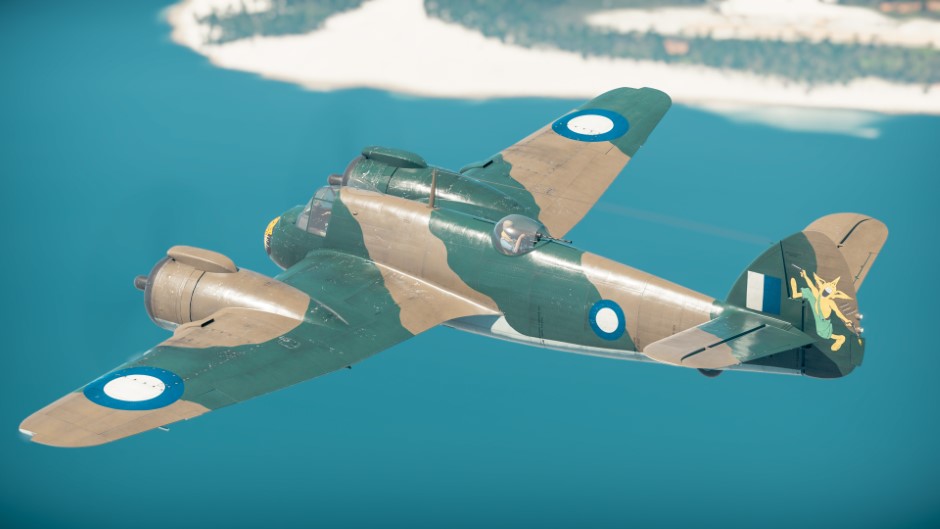
“Pistol Pakin’ Gremlin” Emblem, No. 93 Squadron, Royal Australian Air Force. While the exact genesis of this humorous marking is unknown, it combines several contemporary elements that help to contextualize it. The inscription is likely a reference to the song “Pistol Packin’ Mama” by Al Dexter, an extremely popular record during the Second World War, and a favorite among Allied pilots and servicemen. A “Gremlin” in the context of aircraft is a goblin-like folklore creature created to explain malfunctions in aircraft. If an inexplicable fault or accident occurred, often the gremlins would be blamed. No. 93 was also known as the “Green Ghost Squadron,” making the gremlin connection even more fitting. It was painted on the tail of Beaufighter Mk 21 SK-N A8-116, with the gremlin’s raised foot resting on the shelf where the vertical stabilizer meets the rudder. Ironically enough, the Beaufighter that carried this marking was struck off as a result of a forced landing, caused by an ambiguous oil leak in the starboard engine.
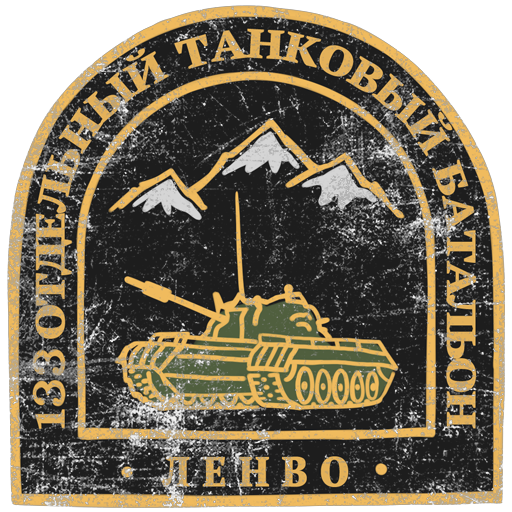
An emblem of the 133rd Separate Guards Tank Battalion, Russian Federation. The group can trace its origins back to 1943, beginning as the 482nd Separate Tank Battalion. It would be renamed and restructured numerous times through the Second World War and beyond, when it would be attached to several different regiments and divisions. This emblem specifically was created following the battalion’s participation in the Chechen War, where it fielded T-80BV tanks along with several BMP models and 2S1 self-propelled howitzers. The mountains in the badge represent the Caucasus Mountains where the battalion fought. The reason for the tank in the badge being a T-55 and not something more contemporary like the T-80 is unclear. It may have been a way to honor the previous generation of tankers or could have simply been an artistic choice. The text at the bottom reads “ЛЕНВО” (LenVO), short for Leningrad Military District, where the battalion was stationed. Officially, the emblem was only used as a badge or patch, with limited evidence to suggest it was regularly painted on the battalion’s vehicles.

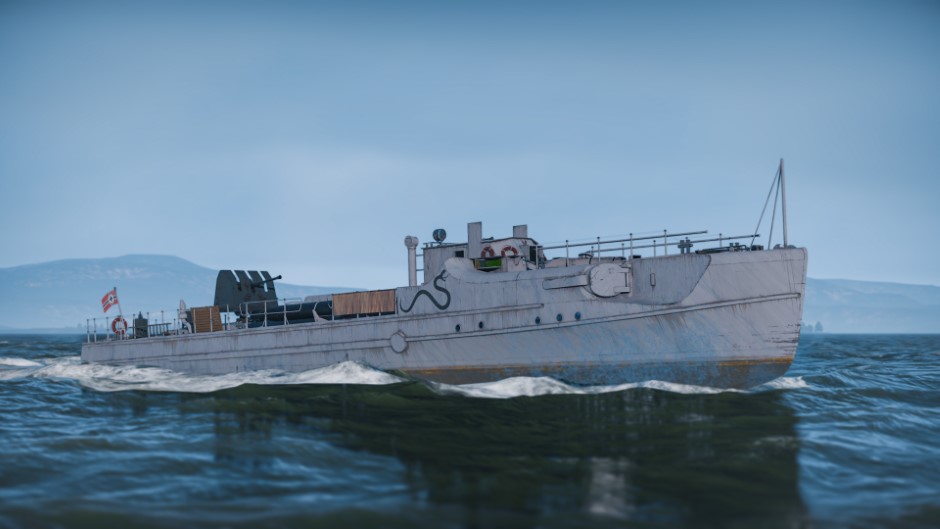
An emblem of the 3. Schnellbootflottille (3rd Fast Boat Flotilla), Kriegsmarine. All boats of the 3rd flotilla adorned the sides of their vessels with sea creatures as a more esoteric way to quickly identify each vessel within the group. The Sea Snake belonged to S 33, part of the initial group of 5 boats, and nearly survived the entirety of the Second World War. On the night of January 10th, 1945, due to a navigational error S 33, S 58 and S 60 ran aground off the coast of Unije Island in the Adriatic. Despite several rescue attempts over the following days, the boats were completely stuck. Several days later, on the morning of January 16th, the vessels were attacked by British gun and torpedo boats. During the attack a British torpedo exploded meters away from S 33, shredding the hull and causing significant damage. Finally, hits from the British 57 mm guns set S 33 on fire, which eventually spread to the torpedoes, causing a fatal detonation. As on all boats in the 3rd flotilla, the Sea Snake was painted on both sides of the hull on S 33, adjacent to the bridge.
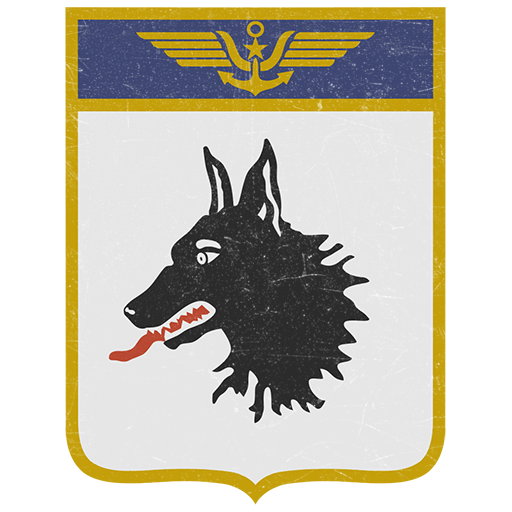
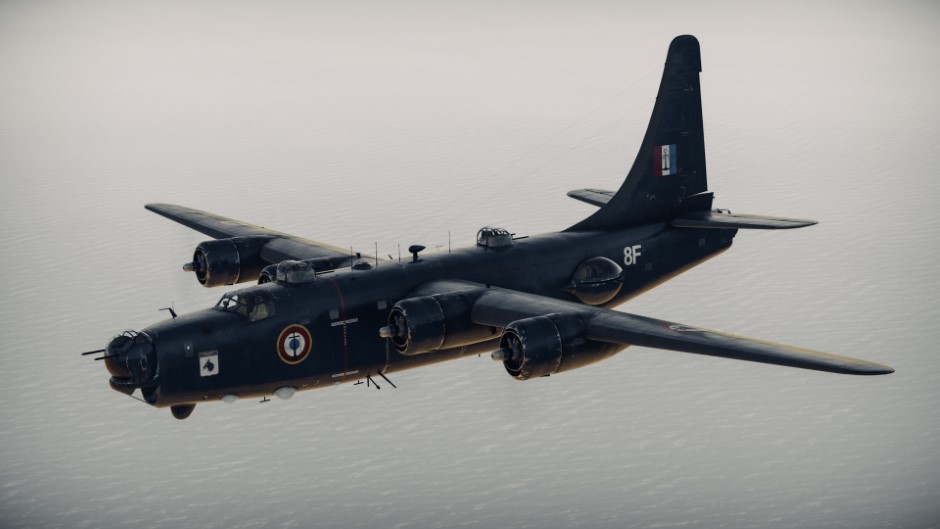
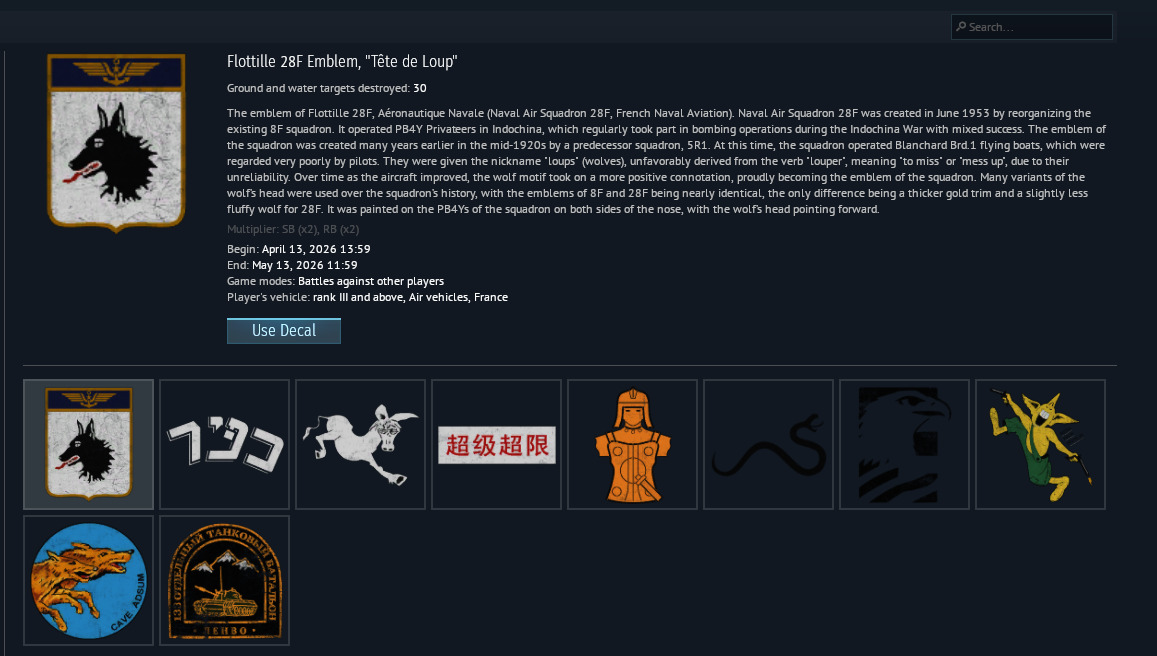
The emblem of Flottille 28F, Aéronautique Navale (Naval Air Squadron 28F, French Naval Aviation). Naval Air Squadron 28F was created in June 1953 by reorganizing the existing 8F squadron. It operated PB4Y Privateers in Indochina, which regularly took part in bombing operations during the Indochina War with mixed success. The emblem of the squadron was created many years earlier in the mid-1920s by a predecessor squadron, 5R1. At this time, the squadron operated Blanchard Brd.1 flying boats, which were regarded very poorly by pilots. They were given the nickname “loups” (wolves), unfavorably derived from the verb “louper”, meaning “to miss” or “mess up”, due to their unreliability. Over time as the aircraft improved, the wolf motif took on a more positive connotation, proudly becoming the emblem of the squadron. Many variants of the wolf’s head were used over the squadron’s history, with the emblems of 8F and 28F being nearly identical, the only difference being a thicker gold trim and a slightly less fluffy wolf for 28F. It was painted on the PB4Ys of the squadron on both sides of the nose, with the wolf’s head pointing forward.
Monthly markings can be found in a special tab at the bottom of the customization menu, (Monthly Decals) after a month, they’ll be moved to their corresponding category.
You can check the exact terms and track the progress of completing tasks for these decals by going to your Player Profile > Decals > Monthly Decals. From here, click the “Track progress” button on each decal to track from the hangar.
All of the emblems will come with a detailed description. This will generally consist of the history of the marking, its design, which vehicles used it, and where it was often placed on vehicles historically if applicable (some emblems are taken from badges, which weren’t always applied). This way you can more easily recreate the original positioning if you’d like.
That’s all for today! Another set of side quests ready and waiting for you. We hope you enjoy collecting the decals for April, keep leaving your suggestions and we’ll see you in a month for some more!