- Yes - In the Tech Tree.
- Yes - Event/BP.
- Yes - Premium.
- No - I would not like to see HMAS Hobart in game.
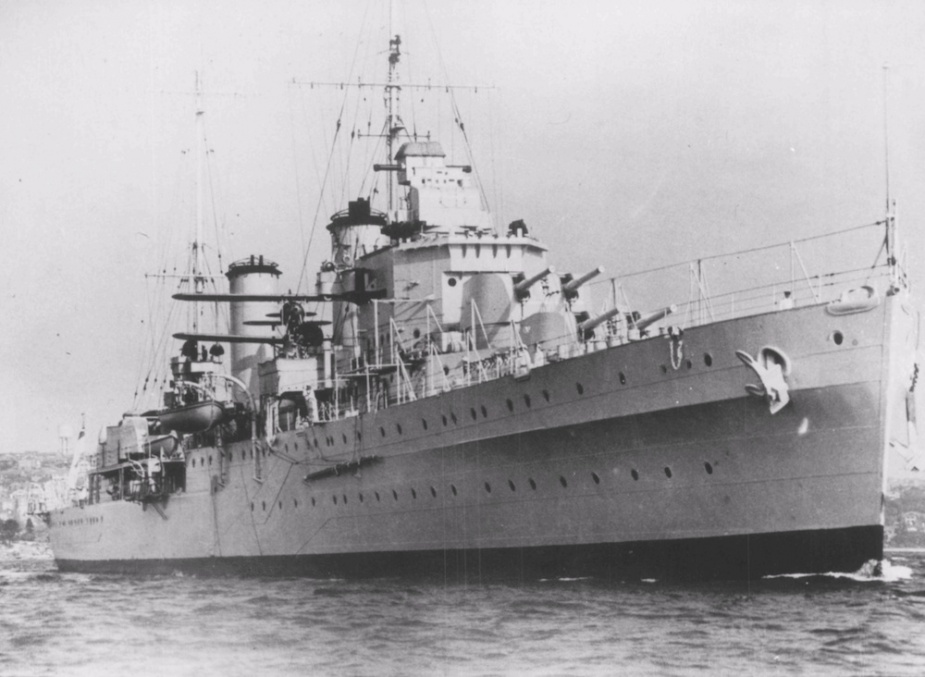
Description:
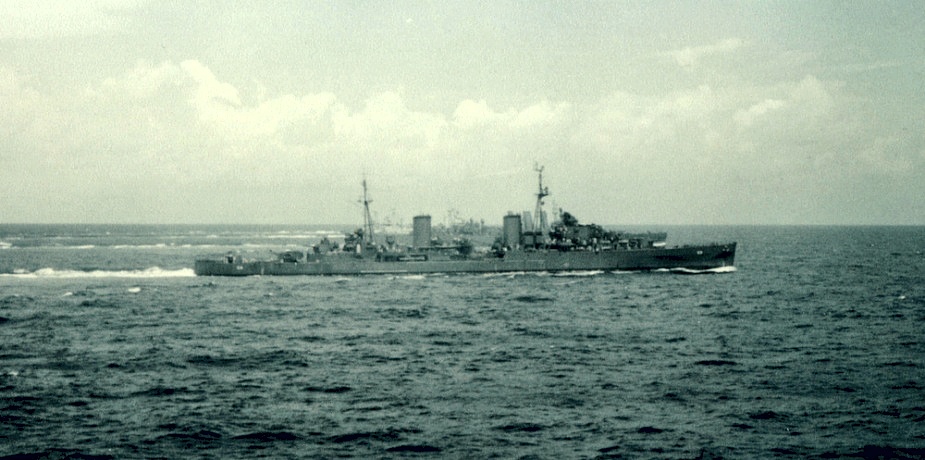
HMAS Hobart was one of three modified Leander-class cruisers operated by the Royal Australian Navy during the Second World War, and the only one of her subgroup to survive the conflict, with two of her sisters being sunk. She was originally built for service with the Royal Navy, and would serve in that navy for a few years before transferring to the RAN, her original name was HMS Apollo and upon transfer she was renamed.
She and her sisters were acquired by Australia to replace the older Town-class cruisers (1910) then in Australian Service, as although HMAS Adelaide was being modernised and would continue to serve, the rest of the class were quite outdated. She was partially paid for by the transfer of the seaplane carrier, HMAS Albatross to the Royal Navy, and would initially be crewed by the crew of the Albatross on her voyage to Australia.
Compared to the standard Leander, the modified Leander’s split their boilers into two units, as to improve survivability. This notably did not allow the boilers to be trunked together into a single funnel as on the standard Leander, and as such two funnels were needed. There were also plans to upgrade A and Y turrets as to carry three guns instead of two, but these were cancelled due to stability concerns. The armour belt was also extended to 141ft from 84ft.
This suggestion is for as she commissioned into the RAN in 1938.
History:
Royal Navy service:
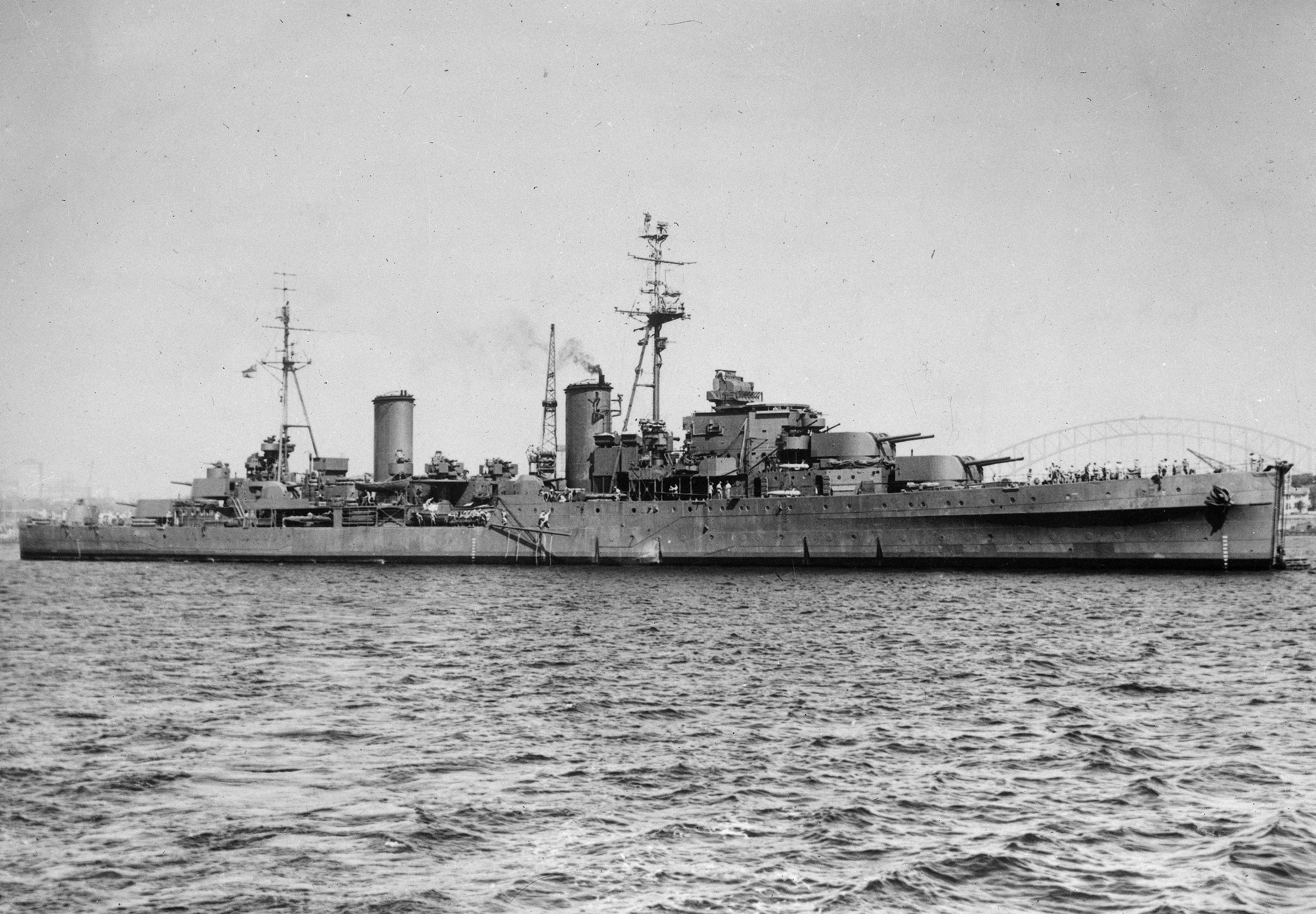
Laid down as HMS Apollo on the 15th of August 1933 by HM Dockyard, Devonport, England, and would launch on the 9th of October 1934. Upon her finishing trials and working up, she would commission on the 13th of January 1936 into the Royal Navy.
Upon commissioning, Apollo would join the North American and West Indies station, while here she would conduct cruises around the entirety of the North America and West indies area, visiting many British colonies, and independent states in the area.
She would be in refit at Bermuda by at least the 9th of November 1937, and would be rushed through the refit program, as to be able to carry the body of the former PM, Ramsay Macdonald, to Plymouth for burial, as the only other cruiser on the station, HMS Orion, was flagship of the station and could not leave.
She would be sold to the Royal Australian Navy on the 28th of September 1938, and would thus leave the North American and West Indies station bound for Australia, arriving in Sydney in October.
Royal Australian Navy service:
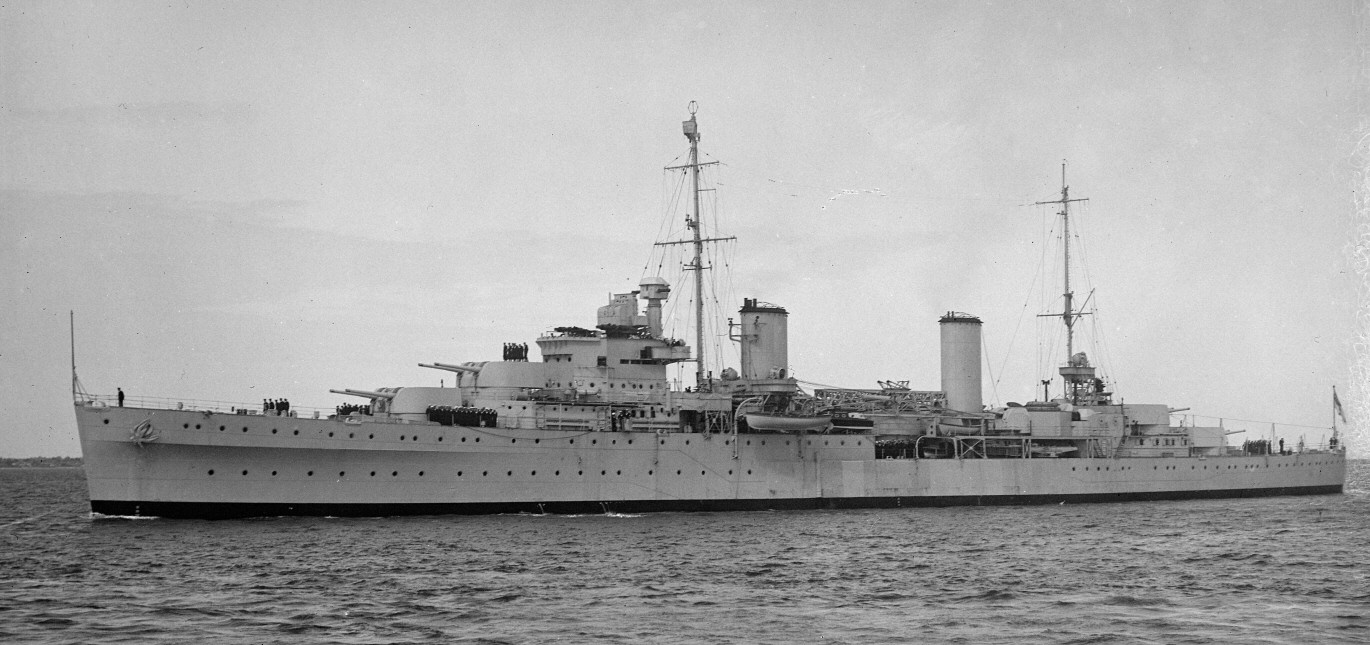
The now HMAS Hobart would travel to her namesake city of Hobart during February 1939. She would work up, and exercise along the eastern seaboard and in the southern pacific, visiting many Island Nations. However, her peacetime operations would not last long, as war would be declared upon Germany in September 1939.
Upon the declaration of war she was ordered to Melbourne, where she took part in some exercises, before setting off for Sydney where she would exercise some more. This occurred until October 1939, where she would sail for service with the East Indies Station of the Royal Navy, where she would patrol the west coast of Sumatra and the Sunda Strait. She returned to Singapore on the 5th of November.
From Singapore she would join the escort for a convoy to Colombo, then she would stay in the region, visiting Bombay, Trincomalee, Chakdina, and Aden, as well as other ports in the Indian Ocean and Arabian seas. During this time the Prince of Yemen visited the ship.
HMAS Hobart would first fire in anger upon three Italian aircraft during an air-raid on the port of Aden, in an act of retaliation, her aircraft was loaded with bombs and sent to destroy the Italian wireless station on Centre Peak Island, there was no opposition and the target was seen to be severely damaged.
She would convey 1,300 troops of the 2nd Punjabi Regiment from Aden to Berbera, however as the situation in Somaliland deteriorated a general retreat was ordered, and Hobart assisted troops evacuate Berbera, with her crew ferrying troops, crewing two local tugs, and her aircraft bombing italian trucks. Berbera would eventually be abandoned and demolition parties were set upon the city, then Hobart bombarded the city as to finish the work of the shore parties.
She would continue working in the Red sea until October 1940, where it was agreed that she would return to Australian Waters. She would arrive home on the 3rd of January 1940, where she would visit both Australian and New Zealand ports many times. She saw a minor refit in June removing her aircraft facilities in preparation to replace the HMAS Perth in the Mediterranean, she sailed there on the 20th of June 1941.
She would operate from Alexandria, as part of the Royal Navies 7th Cruiser Squadron, participating in the bombardment of Tobruk and Bardia. She was also involved off Cyprus, Malta, and Syria. She was attacked multiple times by German and Italian aircraft, but remained undamaged.
On the 8th of December 1941, she would leave this station bound for Fremantle as Australia had declared war upon Japan and more ships were needed in the Pacific. She would join ABDA command out of Malaysia, where the would be bombed without damage by Japanese aircraft. As Singapore fell she took aboard anything valuable to deny it to the enemy, including a 1936 Austin tourer car. She would sail for Australia with HMS Tenedos.
She would partake in the western ‘extension’ of the Battle of the Coral Sea in May of 1942, where her group would shoot down three Japanese torpedo bombers attacking them. She also covered American landings off Guadalcanal and Tulagi in the Solomon Islands. She was in refit in October 1942, then joined Australian Task Force (TF74) patrolling the Coral Sea.
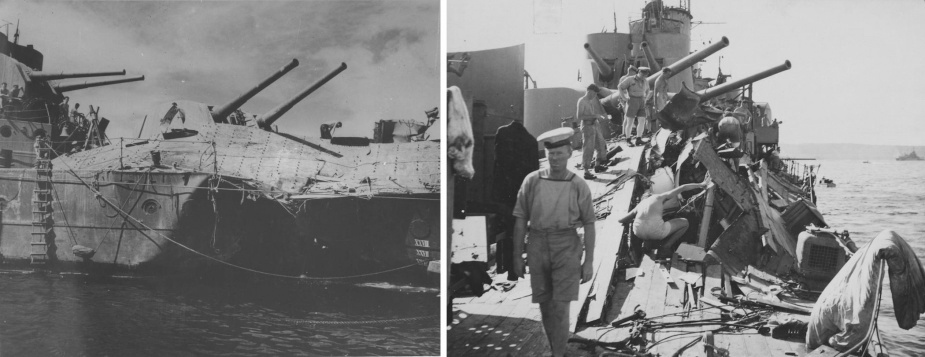
On the 20th of July 1943 HMAS Hobart would be torpedoed by a Japanese submarine while en route to Espiritu, Vanuatu. The torpedo struck on the port aft around Y turret. She made it to Espiritu on her own power for temporary repairs, then was escorted onto Sydney, arriving on the 26th of August. This attack killed 13, and injured seven more, it also took her out of action until December 1944.
Upon her repair she would join the British Pacific Fleet at Manus in February, joining operations on the landings at Cebu on the 26th March. She would see out the war in this fleet, being present in Tokyo Bay for the Japanese surrender. She would join the occupation forces, from November 1945, to July 1947 with a few breaks.
She would pay off on the 20th of December 1947, but would be offered a second life, being given a large refit to convert her into a training vessel in 1953-56. However this would not see her seagoing, and she would be listed for sale for scrap by February 1960. She was broken up by Mutsui & Co on the 2nd of August 1962.
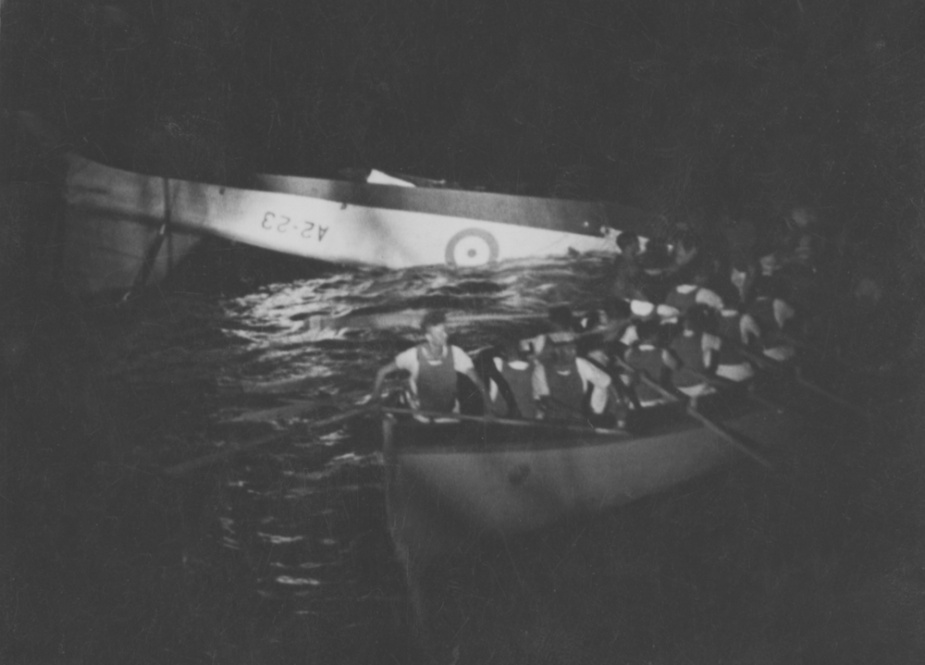
| General Characteristics: | |||||
|---|---|---|---|---|---|
| Name: HMAS Hobart | |||||
| Country: Australia | |||||
| Type: Light Cruiser | |||||
| Class name: Leander (modified) | |||||
| Year of commission: 1938 | |||||
| Refit: 1938 | |||||
| ----------------------------------------------------------------------------------------------------------------------------------------- | |||||
| Dimensions: | |||||
| Length: 562 ft 4 in (171.4 m) | |||||
| Beam: 56 ft 8 in (17.3 m) | |||||
| Draught: 19 ft 5 in (5.9 m) | |||||
| Displacement: 9,740t | |||||
| ----------------------------------------------------------------------------------------------------------------------------------------- | |||||
| Propulsion: | |||||
| Powerplant: 4x Oil fired boilers, 4x Geared turbines driving 4 shafts at 72,000 shp (54,000kW) | |||||
| Speed: 32.5kt | |||||
| Endurance: 7,000nmi @ 16kt | |||||
| ----------------------------------------------------------------------------------------------------------------------------------------- | |||||
| Armament & sensors: | |||||
| Compliment: 646 | |||||
| Primary armament: 4x2 BL 6-inch Mk.XXIII on dual mount XXI | |||||
| Secondary armament: 4x1 QF 4-inch Mk.V | |||||
| Tertiary armament: 3x4 .50 Vickers, 2x4 21" torpedo tubes | |||||
| Aircraft carried:1x Seagull V | |||||
| Sensors: -nil | |||||
| ----------------------------------------------------------------------------------------------------------------------------------------- | |||||
| Armour: | |||||
| Waterline Belt: 3 in (76 mm) RHA | |||||
| Magazine: 2–3.5 in (51–89 mm) RHA | |||||
| Deck: 1 in (25 mm) RHA | |||||
| Gun turrets: 1 in (25 mm) RHA | |||||
| Bulkheads: 1in (25mm) RHA |
Sources
Gillett, R. (1983). Australian and New Zealand Warships 1914-1945 (pp.85-88)
Friedman Norman. (2010). British Cruisers - Two World Wars and After (141-155)
G. H. Gill. (1957). Royal Australian Navy 1939-1942 (pp 26-29, 58-60, 73, 75.)
HMAS Hobart (D63) - Wikipedia
Internal damage suffered by the cruiser HMAS Hobart (I) when hit by a torpedo from a Japanese ...
Occasional Paper 30: HMAS HOBART - Naval Historical Society of Australia
https://seapower.navy.gov.au/history/units/hmas-hobart-i