- Yes
- No
- (independent) BeNeLux tree
- France: BeNeLux subtree
- Britain
- other
- no/negative
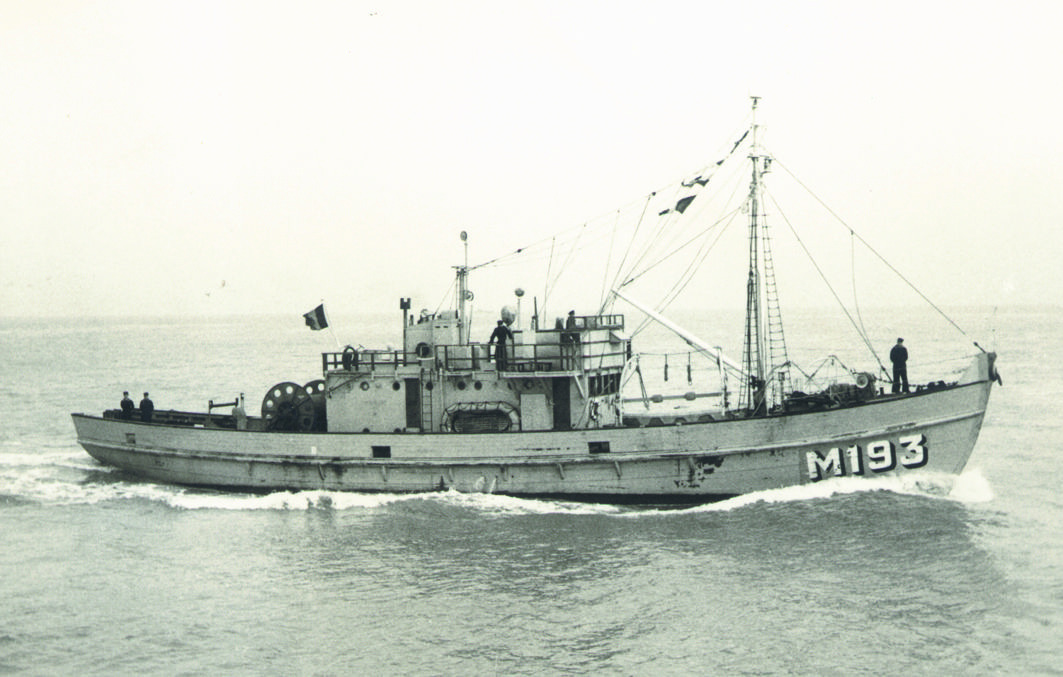
TL;DR: Belgian MMS-class minesweeper M945, wooden postwar minesweeper with 1 × 20 mm and 2 × 12.7 mm. Ideal Rank I BeNeLux coastal craft.
History
History
Construction and Royal Navy Service
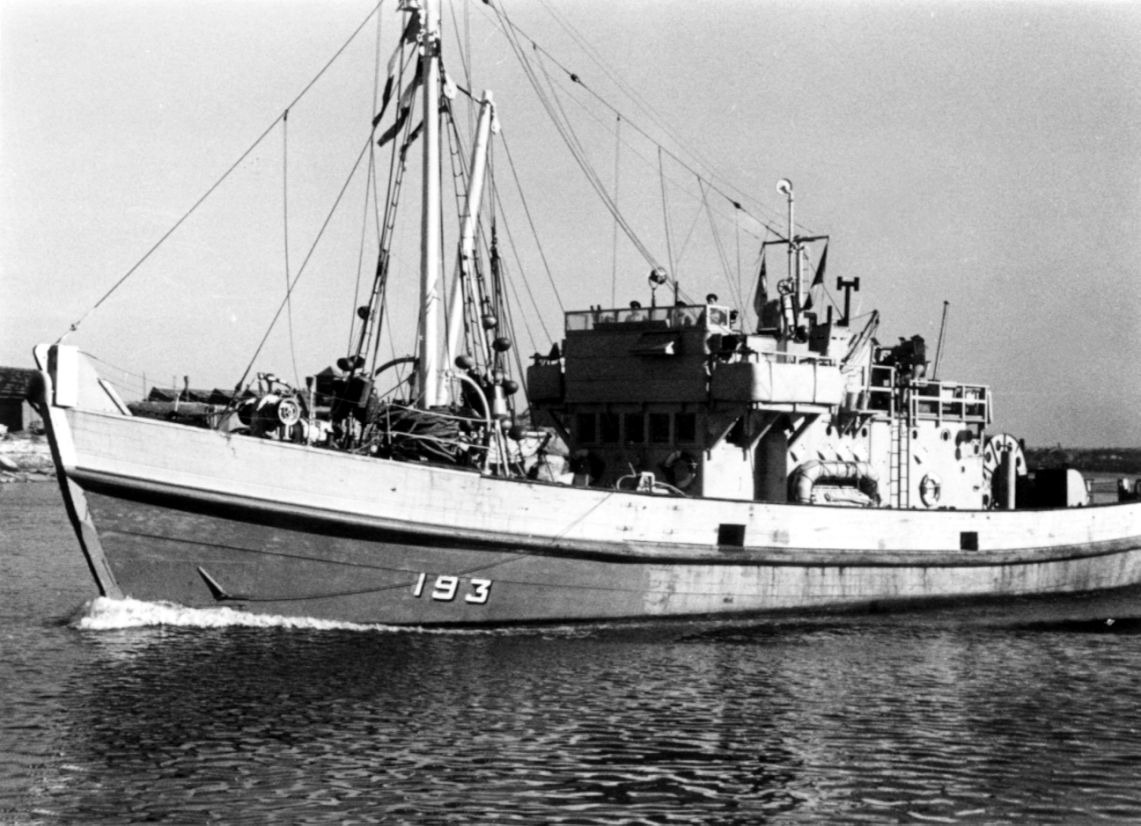
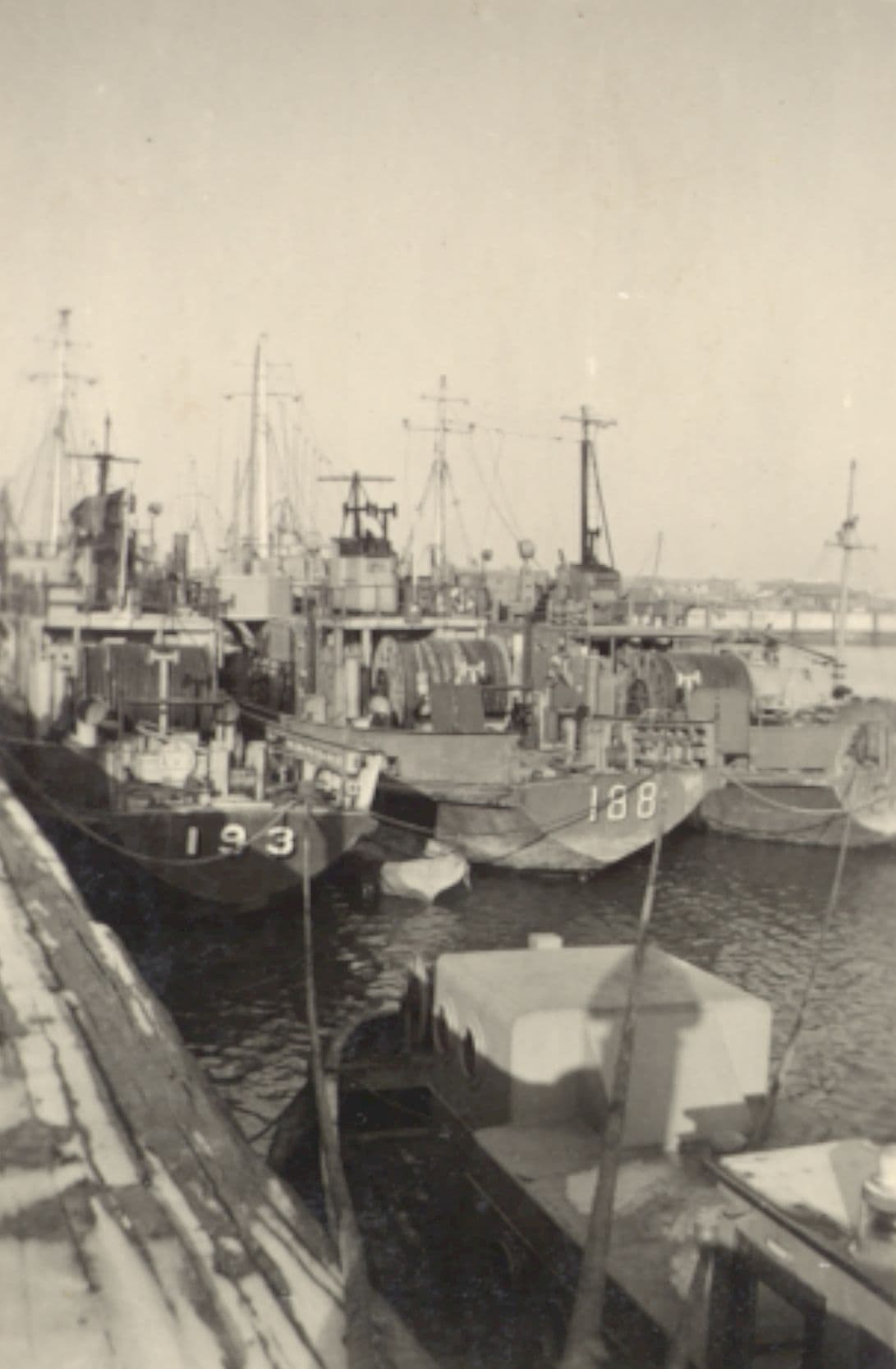
The M945, originally designated MMS 193, was constructed at the Herd & MacKenzie shipyard in Buckie, Scotland. The vessel was laid down on 2 September 1941, launched on 5 May 1942, and commissioned into the Royal Navy on 14 August 1942. As part of the 105 ft MMS-class, she was designed for coastal mine clearance operations, featuring a wooden hull to mitigate the risk of magnetic mines.
Belgian Service
On 1 October 1943, MMS 193 was transferred to the Belgian Section of the Royal Navy, a unit comprising Belgian personnel operating under British command during World War II. This transfer marked a significant step in the formation of the Belgian Navy, which would later become an integral part of NATO’s maritime forces.
Following the war, MMS 193 was returned to the Royal Navy on 30 January 1957 and subsequently sold to R. De Smedt in Antwerp, Belgium, for scrapping.
Commanding Officers (Belgian service)
Name Period of Command Lt. de Vaisseau P.H.V.M. Van Waesberghe 1 Feb 1946 – 20 Aug 1946 Lt. de Vaisseau A.J.F. Blasin 20 Aug 1946 – 5 Jan 1947 Lt. de Vaisseau H.O. Vervynck 5 Jan 1947 – 24 Nov 1948 Lt. de Vaisseau J.L.J.C. Defrenne 24 Nov 1948 – 5 Jan 1949 Lt. de Vaisseau H.E.M.G. de Schietere de Lophem 5 Jan 1949 – 7 Feb 1950 Lt. de Vaisseau Steens 7 Feb 1950 – 15 Aug 1950 Lt. de Vaisseau De Piere 15 Aug 1950 – 26 Aug 1950 Lt. de Vaisseau Lemaire 26 Aug 1950 – 4 Nov 1950 Aspirant Naudts 4 Nov 1950 – 29 Jul 1952 Aspirant Everaert 31 Jul 1952 – 1 Apr 1953 Aspirant Hutse 1 Apr 1953 – 23 Aug 1953 Aspirant Devillers 28 Aug 1953 – 23 Aug 1954
Specifications
Dimensions:
- Length: 36 m (32 m pp)
- Beam: 7.18 m
- Draught: 2.51 m
Displacement: 163 t standard, 175 t full load
Propulsion:
- 1 × National diesel engine (375 hp)
- 1 shaft, 1 propeller
- Fuel: 22 tons of diesel
Speed:
- 9.5–10 knots
- 7 knots while sweeping
Range: 4,000 nautical miles at 7 knots
Crew: 18 (2 officers + 16 men)
Minesweeping gear:
- Magnetic sweep LL (Mark II or IV)
Armament:
Weapon Type Mounting Quantity Oerlikon 20 mm cannon Single mount 1 Browning M2 12.7 mm MG Single mount 2
Place in War Thunder
The M945 would serve as another rank I coastal vessel for a BeNeLux naval tree. Its light armament and low speed make it unsuitable for higher ranks but perfect for introductory coastal missions.
Possible additions include:
- A rank I tech tree vessel in a BeNeLux tree
- A French coastal fleet BeNeLux subtree option
- Alternatively, a premium/event ship in the British tree
Pictures
Sources
Sources
- Marine Belge. (n.d.). MMS193. Retrieved from https://marinebelge.be/mms193.html
- Netherlands Navy. (n.d.). 105ft MMS class. Retrieved from https://www.netherlandsnavy.nl/105ft.htm
- Wikipedia. (2023, May 1). MMS-class minesweeper. Retrieved from https://en.wikipedia.org/wiki/MMS-class_minesweeper
- Nautical Archaeology Society. (n.d.). Minesweeper MMS 113. Retrieved from https://www.nauticalarchaeologysociety.org/minesweeper-mms113
- World Naval Ships Forums. (2008). MMS class minesweepers. Retrieved from https://www.worldnavalships.com/forums/thread.php?threadid=381