- Yes
- No
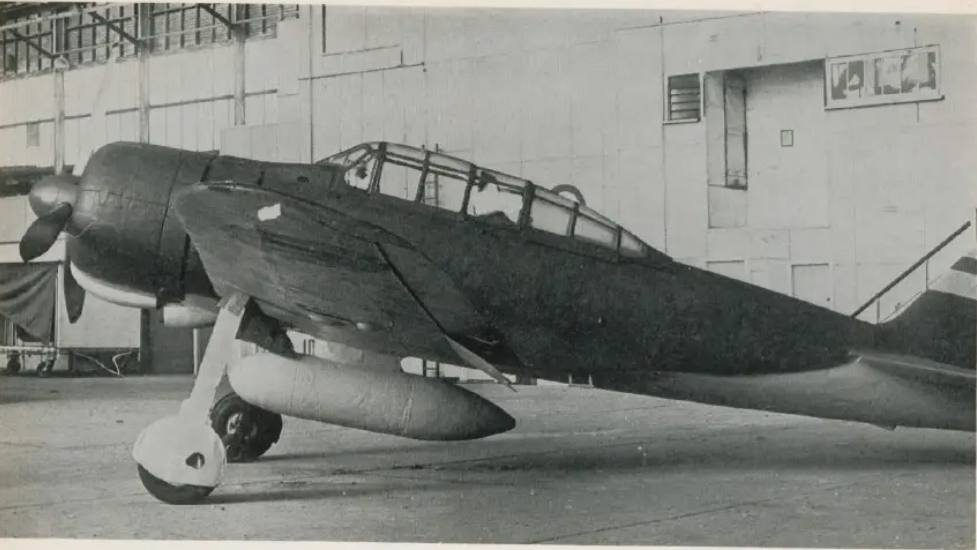
Mitsubishi A6M2 number 53-122 (零式艦上戦闘機 複座改造機)
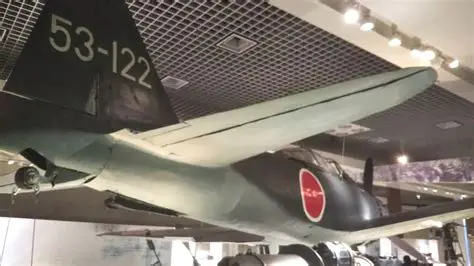
The Mitsubishi A6M2 number 53-122 is a Japanese reconnaissance and courier fighter that was created around the end of 1944 at the Rabalau naval base. Only one aircraft of this type was made, which can still be seen in Japan at the Kohaku Hirosawa Aviation Museum in the city of Hirosawa.
History
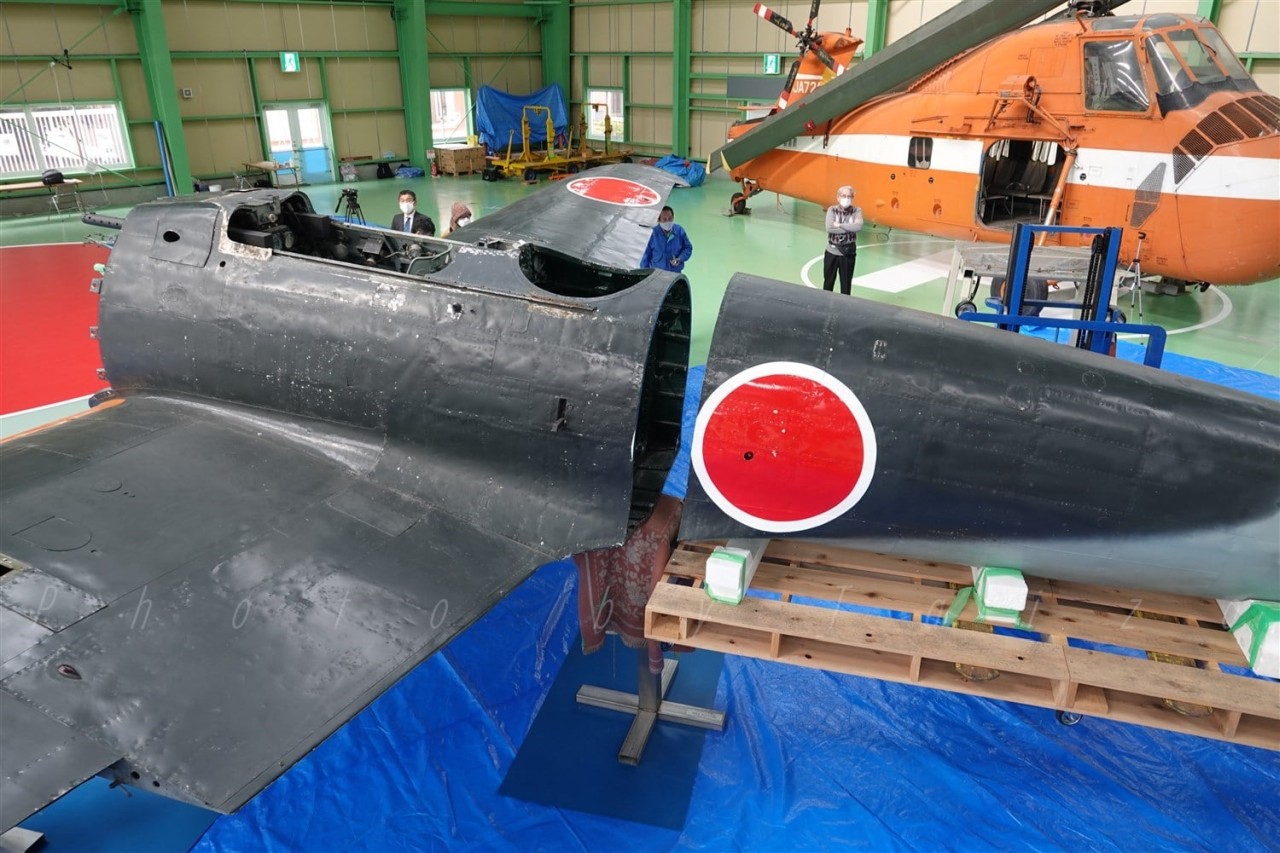
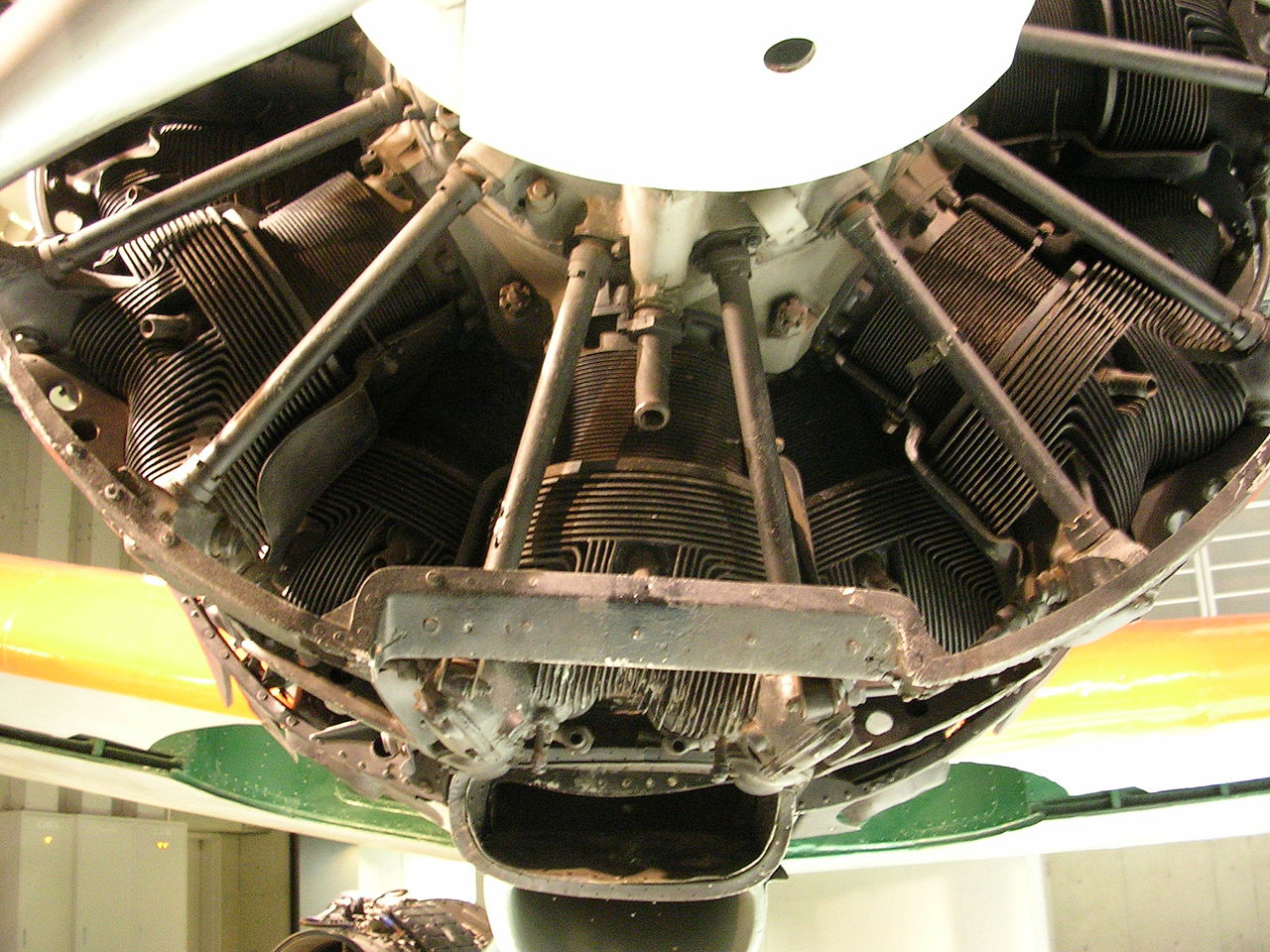
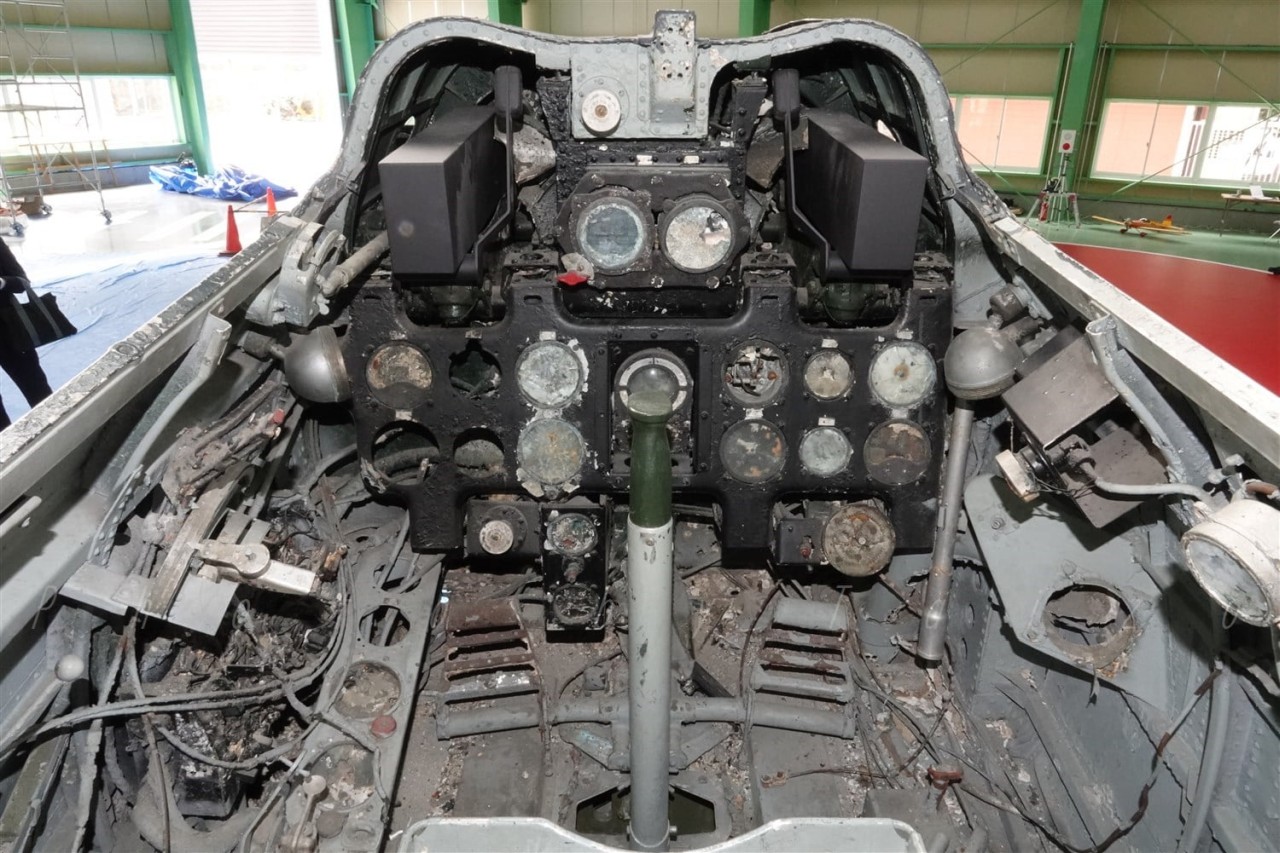
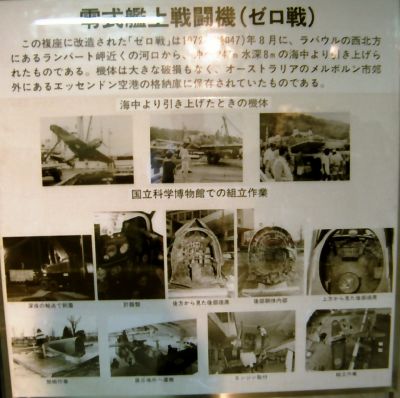
The Japanese navy, supported by the Japanese army in Rabaul (Papua New Guinea), established a powerful military base in 1942, intended to support operations in the Pacific region. However, the war situation quickly worsened for the Japanese in Rabaul, and by 1943 it was already partially isolated. Sea transport to the base was very limited, leaving mainly air transport. However, this became increasingly difficult, as Japanese planes were often under fire even at the base itself. When the Americans launched their campaign in the Admiralty Islands at the beginning of 1944, the Rabaul base came under heavy shelling, and the Japanese lost a significant number of Mitsubishi A6M2 aircraft on the ground. Shortly after, the Rabaul base was nearly 100% cut off by the Allies, and no spare parts, new aircraft, or supplies reached it. However, the isolation of the base had a small advantage, as it allowed the Japanese to conduct very deep reconnaissance behind American lines. The Japanese at the Rabalau base had Mitsubishi Ki-46 reconnaissance aircraft, but although they were fast planes, they were large, easy to detect, had weak defensive capabilities, and lacked spare parts. Therefore, a decision was made to create a reconnaissance aircraft based on a plane for which parts could be provided and which was small. Ultimately, it was decided to create a reconnaissance aircraft based on the Mitsubishi A6M2 Model 21 fighter. Technicians from the 105th repair unit, under the direction of Commander Tomoyoshi Hori (who designed the necessary modifications), built a two-seat reconnaissance aircraft A6M2 Model 21 from damaged and destroyed A6M2 planes (from two or three aircraft). This aircraft was completed in October 1944. The plane received a few special modifications (discussed later) and was assigned the tail number 53-122. This aircraft was mainly used for long-range reconnaissance, but probably also for transporting important personnel. The A6M2 aircraft number 53-122 was operational until January 9, 1945. On that day, the pilot of the aircraft was Tokushige Yoshizawa, who was on a reconnaissance mission with an unknown observer. When the plane was returning to base after the reconnaissance mission, it turned out that the aircraft did not have enough fuel (either due to shelling or faulty instrument readings). Not wanting to crash in the jungle, Tokushige decided to land on the water. The A6M2 aircraft number 53-122 managed to land on the water 250 meters from the shore of Cape Lambert (northern coast of New Britain). The plane sank there to a depth of 8 meters. Tokushige, along with the observer, returned safely to the Rabaul base after two days of trekking through the jungle. For the next 27 years, the A6M2 aircraft number 53-122 lay forgotten underwater, until in August 1972 it was discovered by Australian history enthusiasts led by Bob Scott (the year before, Bob had salvaged a Mitsubishi A6M5 aircraft). In August, the Mitsubishi A6M2 aircraft Number 53-122 was recovered from the water and was in surprisingly good condition (the 20 mm gun ammunition had not rusted, all onboard instruments were undamaged, and parachutes and binoculars were still on board). The aircraft was first taken to the former Rabalau base, where it was placed on empty fuel barrels, and using parts from Mitsubishi A6M wrecks, its restoration was started. Then the A6M2 Number 53-122 went to Mulbarn in Australia, where the Australian War Memorial tried to purchase it; however, information about this aircraft reached Japan and a legal battle began to have the aircraft returned to Japan. In the meantime, the aircraft was secured and taken over by the police. Eventually, an agreement was reached, and for the price of 15 million yen, it was purchased by Professor Shintaro Ishimatsu from the University of Japan. The Mitsubishi A6M2 Model 21 number 53-122 arrived in Japan in 1974. The plane arrived in parts and was assembled at Chofu Airport. Then the plane went on display at the National Museum of Nature and Science in Tokyo, where it was placed under a tent in the courtyard. In 1979, the A6M2 plane, Number 53-122, was sent back for restoration to a hangar at Chofu Airport. The plane returned to the National Museum of Nature and Science exhibition in 1980 and was kept indoors after restoration until 1997. At that time, the museum was undergoing renovation, and the plane was moved to storage. The A6M2, Number 53-122, returned to the exhibition only in November 2004. The plane was displayed without an engine cover because the museum staff wanted to show the airplane’s engine, and the cover was in poor condition, so it was removed and stored. The plane was on display until 2020, when renovation of that part of the museum began. A decision was then made to transfer this unique Mitsubishi A6M2 to the Kohaku Hirosawa Aviation Museum in the city of Hirosawa, where it would be better presented. The Mitsubishi A6M2 Model 21 Number 53-122 was restored and went to the Kohaku Hirosawa Aviation Museum in 2021. It still stands there today with a new (or repaired) engine cowling, next to which the original Nakajima Sakae 12 engine, the aircraft’s cockpit instruments, and propeller production molds are displayed.
Photos of Mitsubishi A6M2 Model 21 Number 53-122
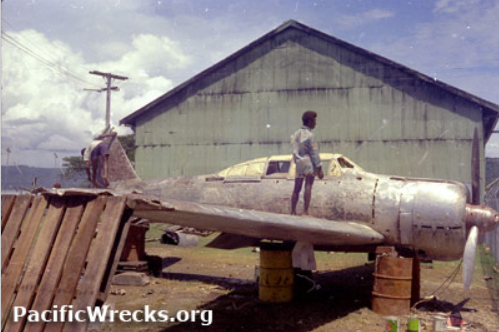

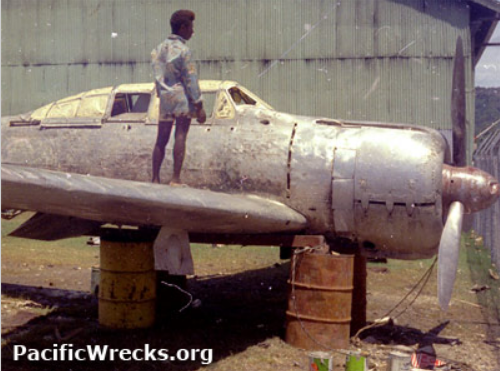
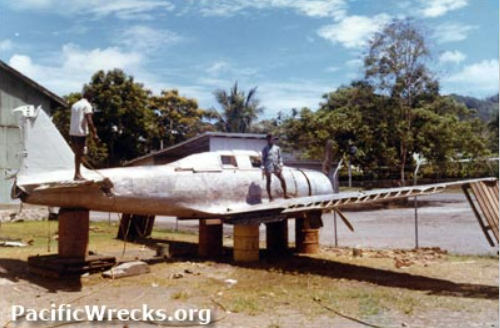
Mitsubishi A6M2 Model 21 Number 53-122 at the Rabalau base, August 1972 ^
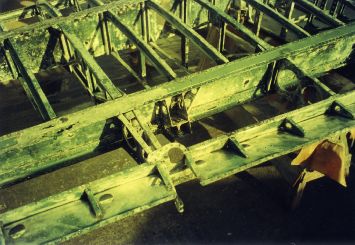
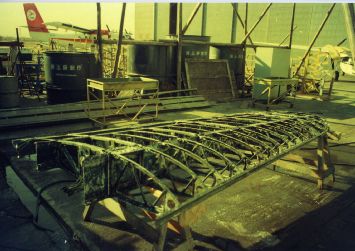
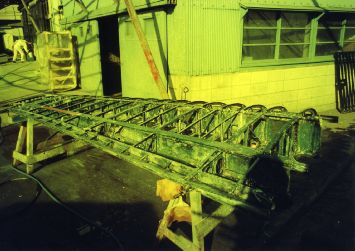
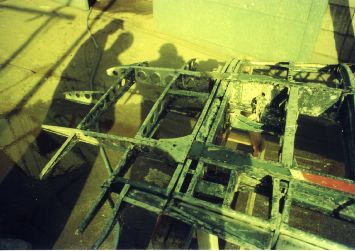
Mitsubishi A6M2 Model 21 Number 53-122 at Chofu Airport, 1974 ^
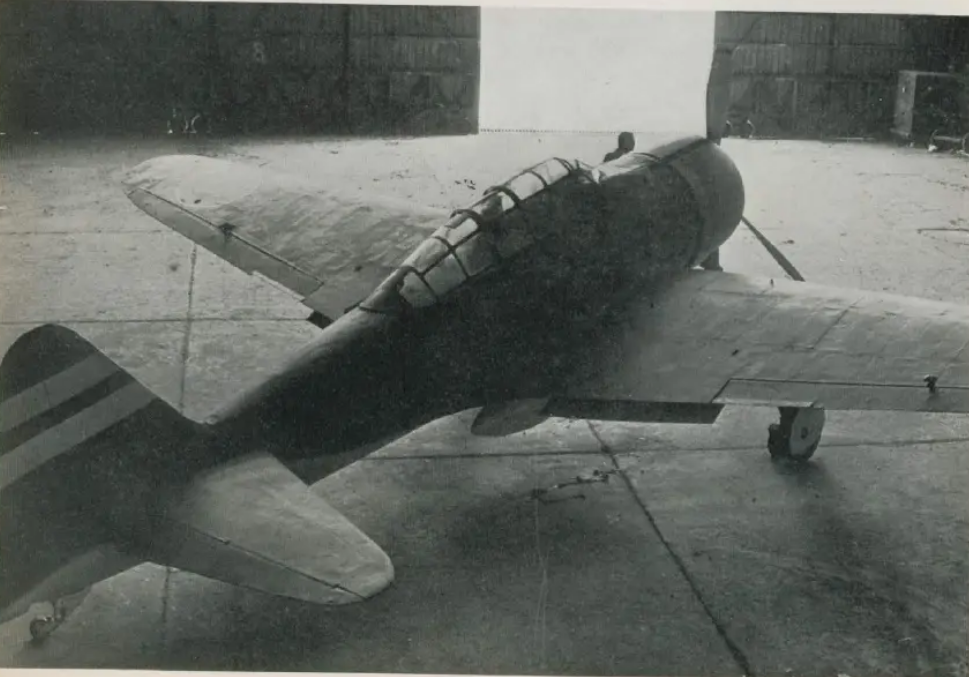
Mitsubishi A6M2 Model 21 Number 53-122 probably after assembly at Chofu airfield, 1974 ^
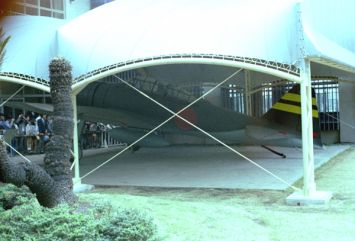
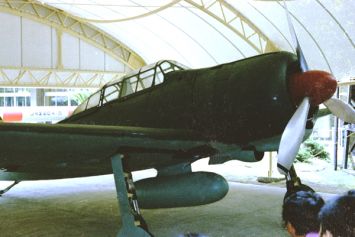
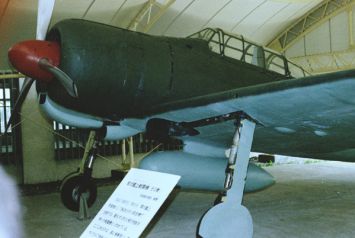
Mitsubishi A6M2 Model 21 Number 53-122 on display under a tent, 1975-1979 ^
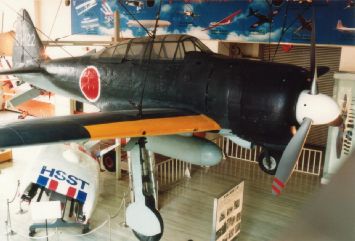
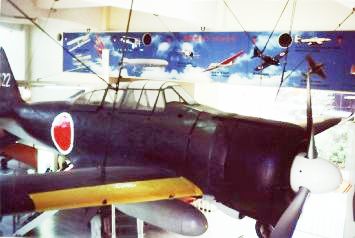
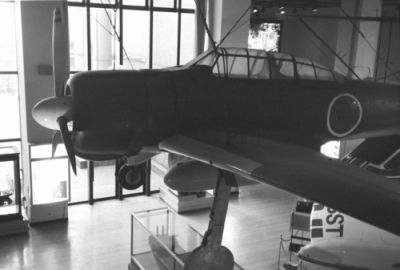
Mitsubishi A6M2 Model 21 Number 53-122 on display at the National Museum of Nature and Science in Tokyo, 1980-1997 ^
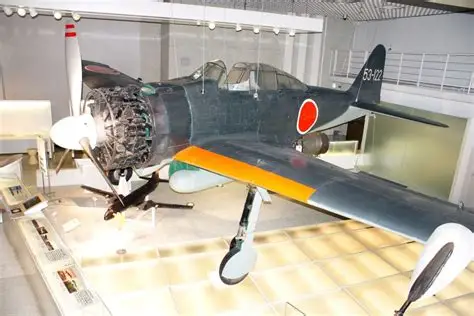
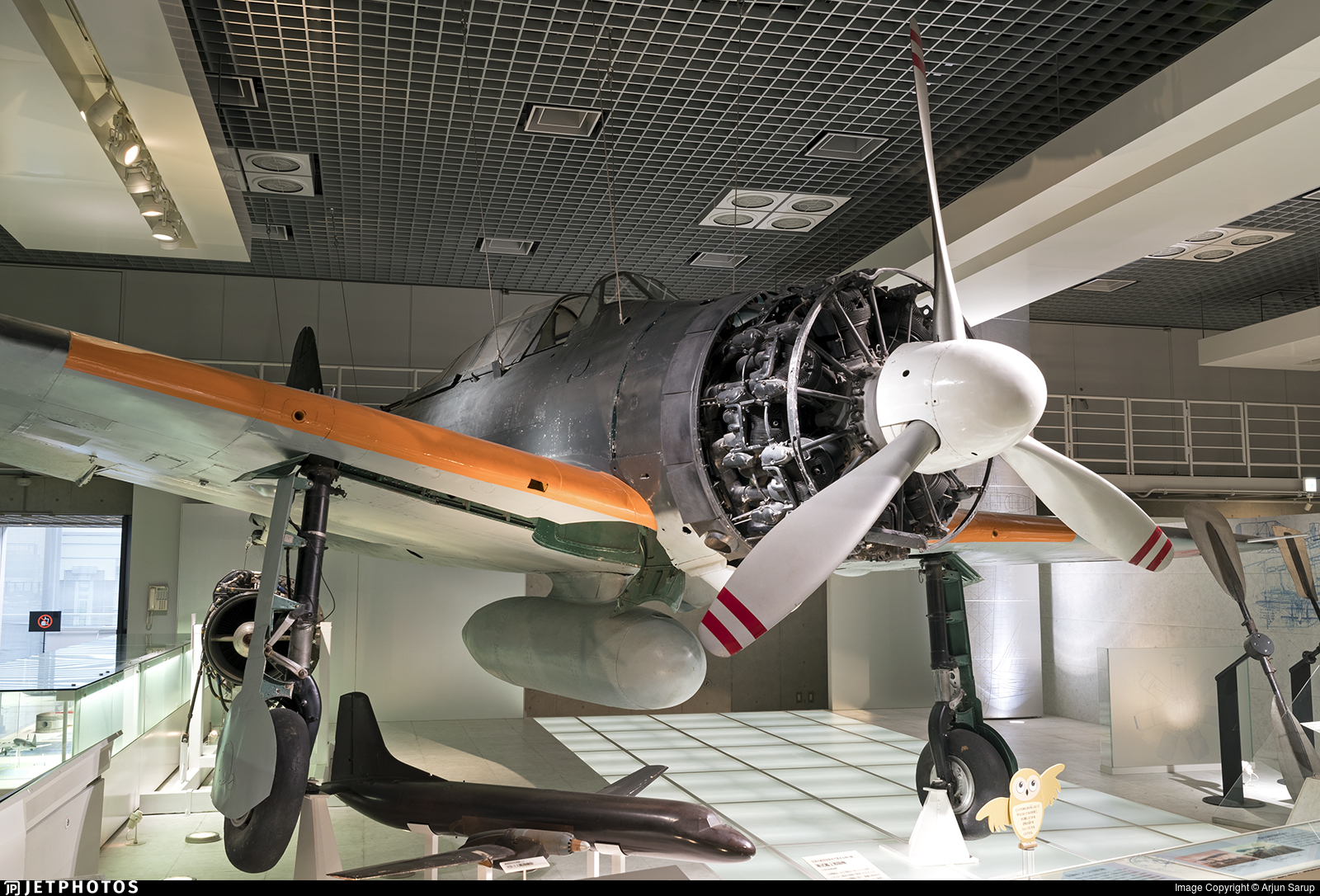
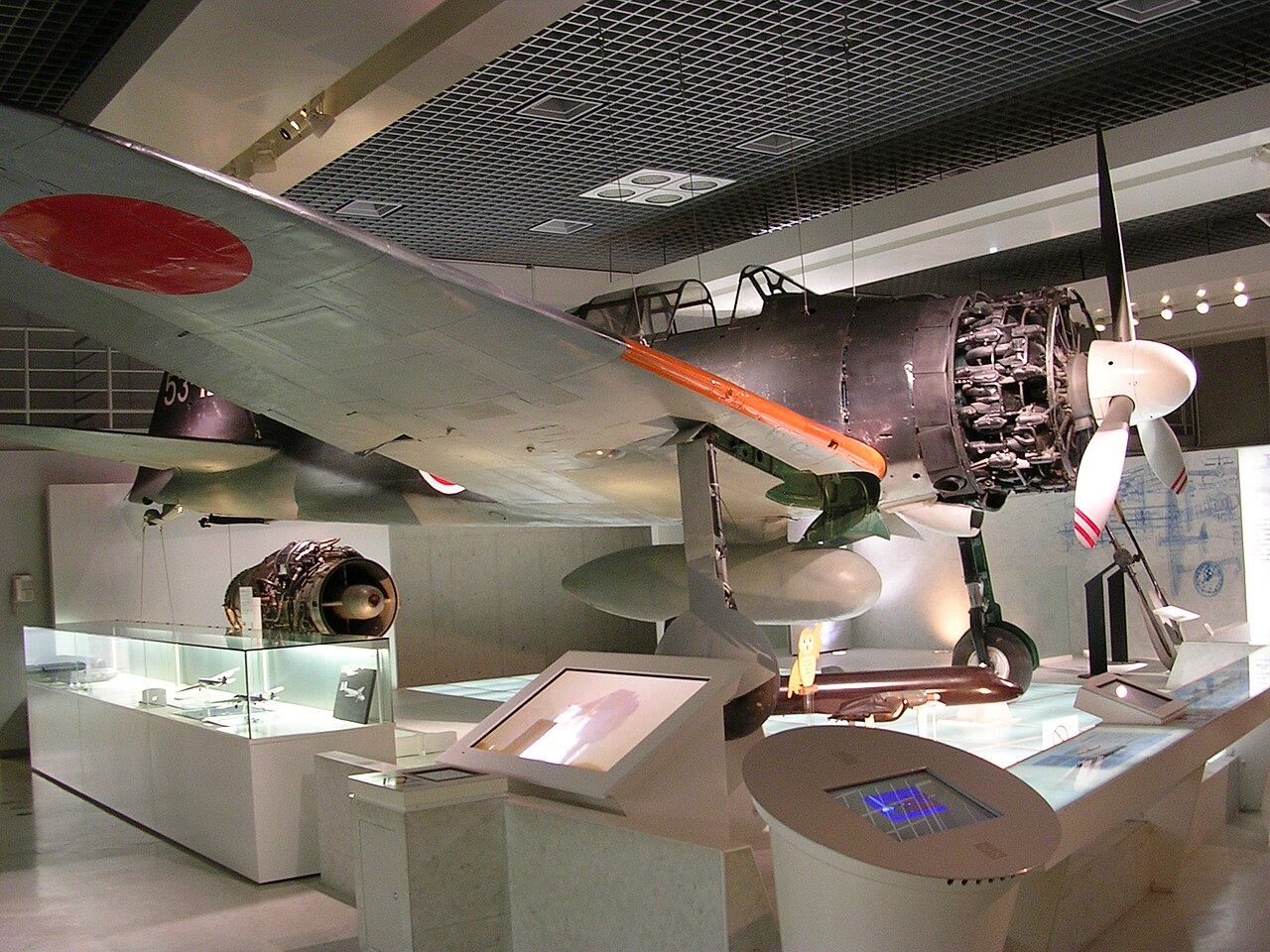
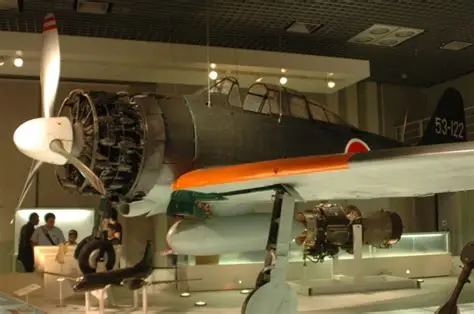
Mitsubishi A6M2 Model 21 Number 53-122 at the new exhibition in the National Museum of Nature and Science in Tokyo, 2004-2020 ^
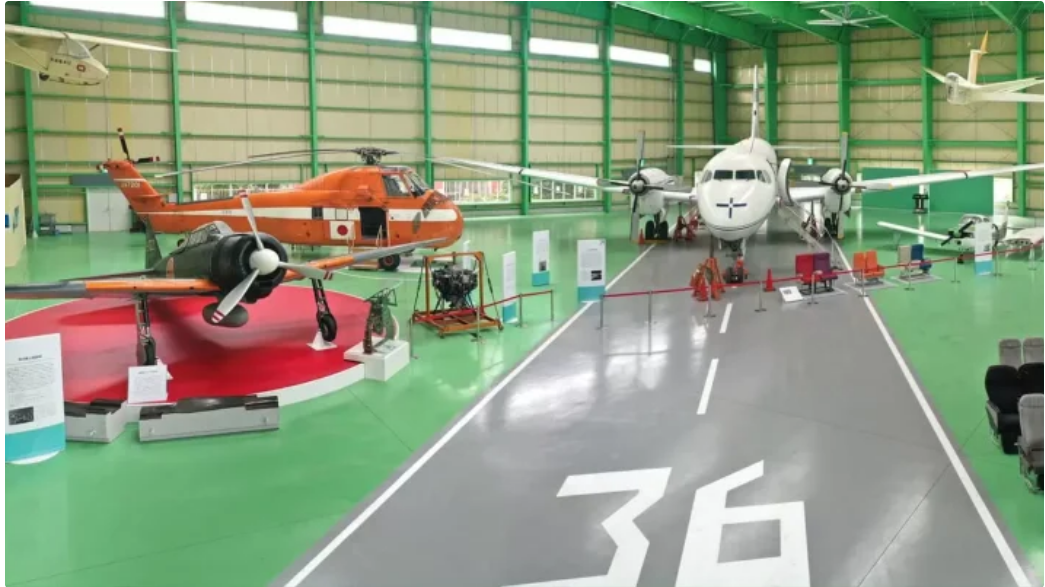
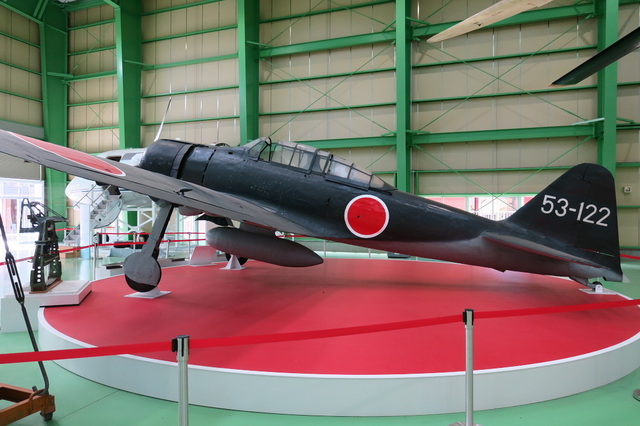

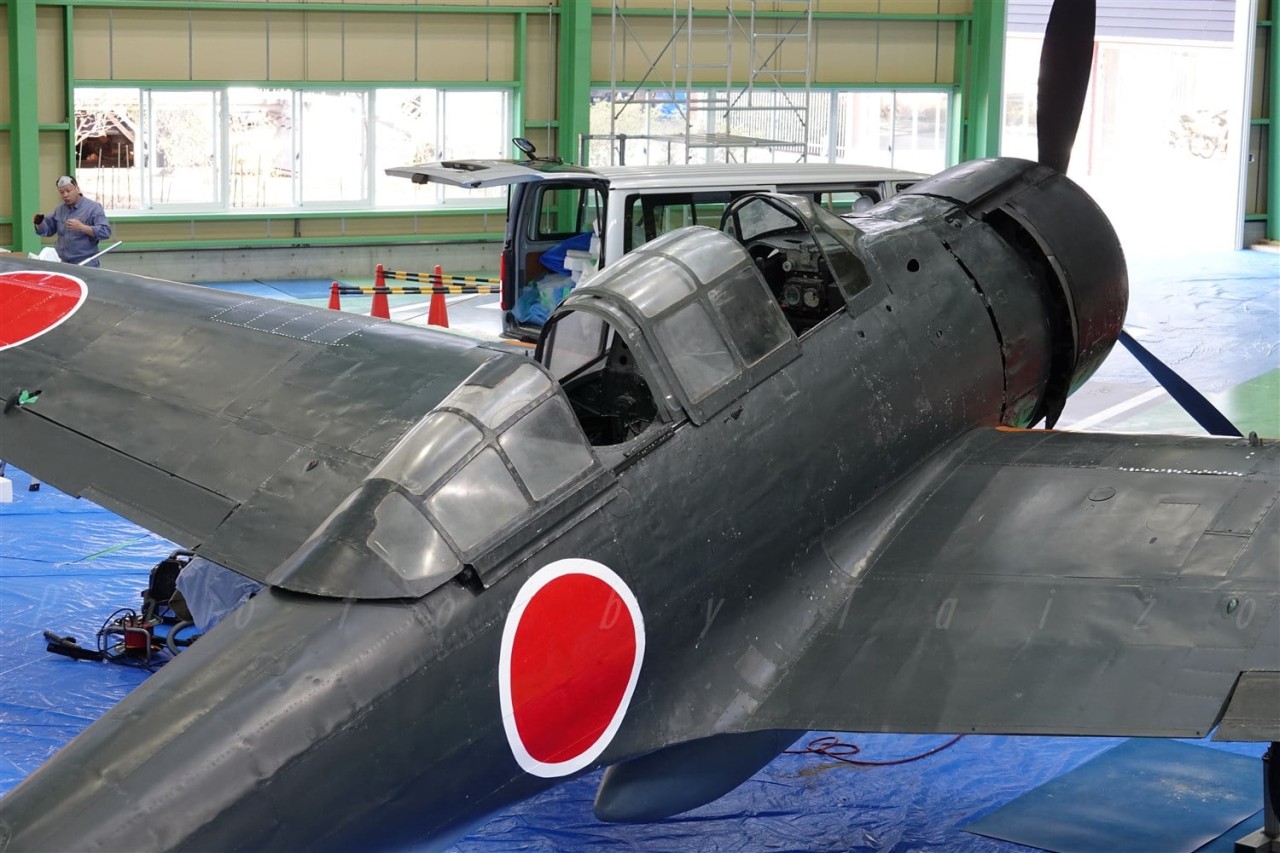
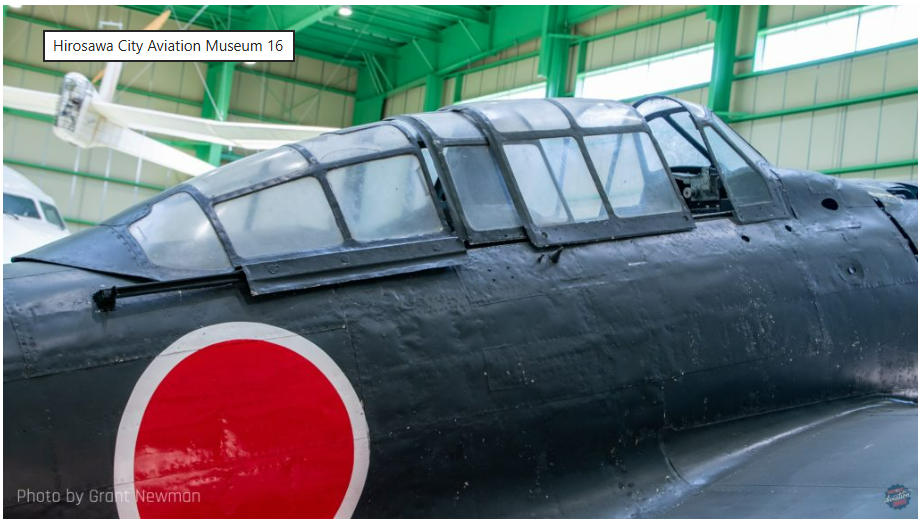
Mitsubishi A6M2 Model 21 Number 53-122 on display at the Kohaku Hirosawa Aviation Museum in Hirosawa, 2021-today ^
Construction description
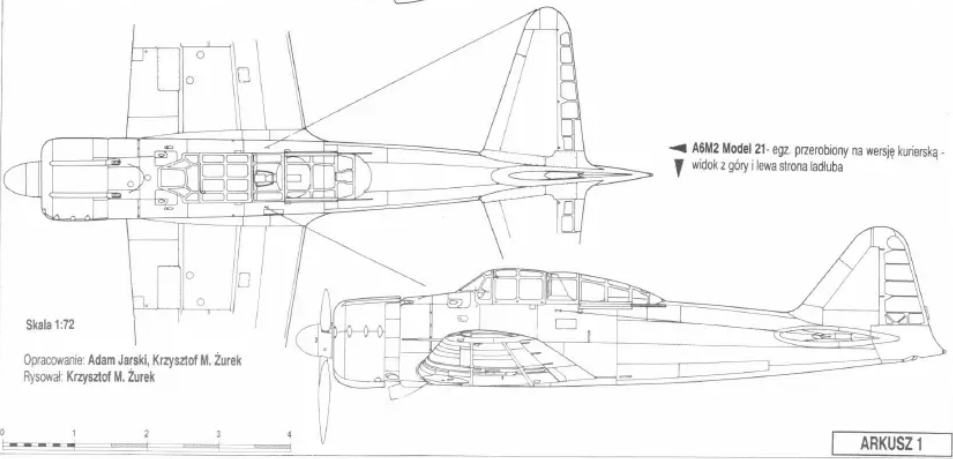
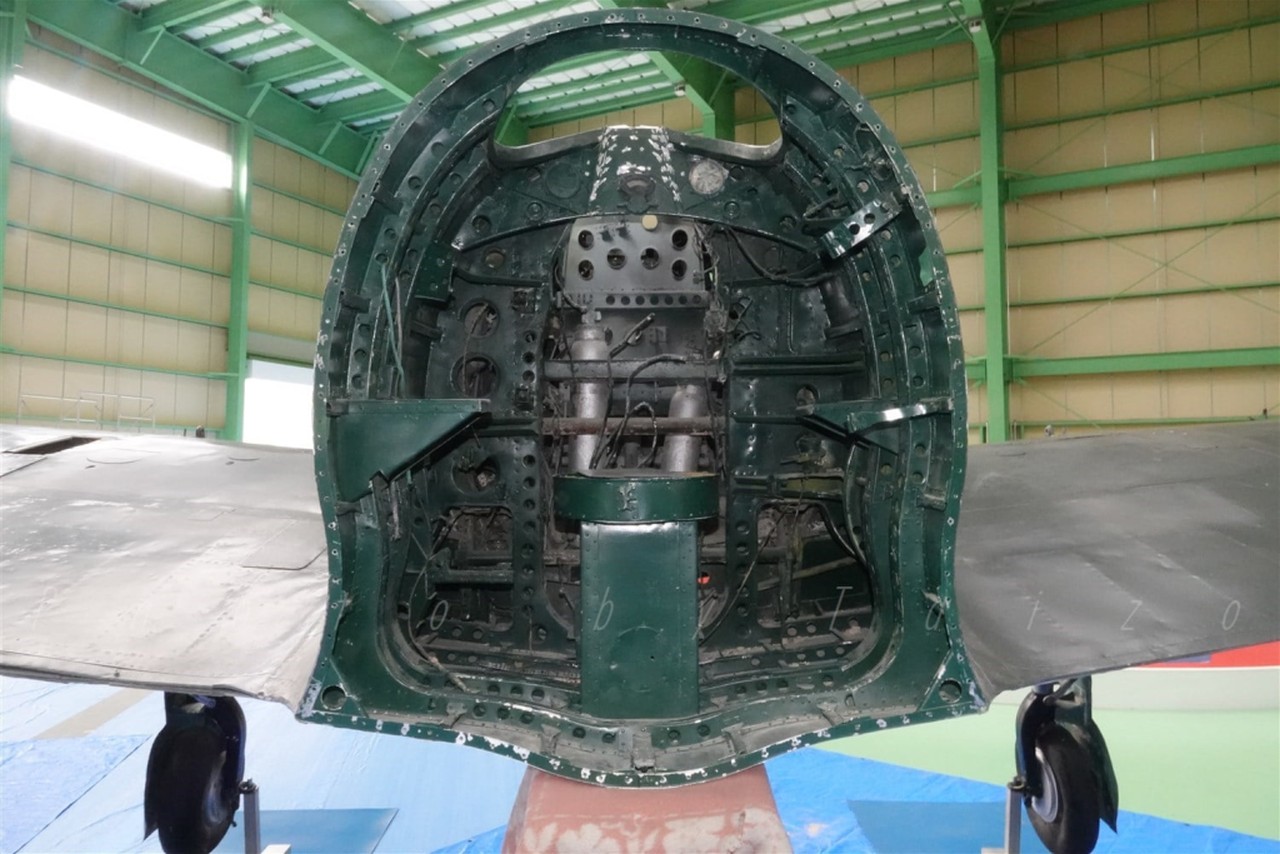
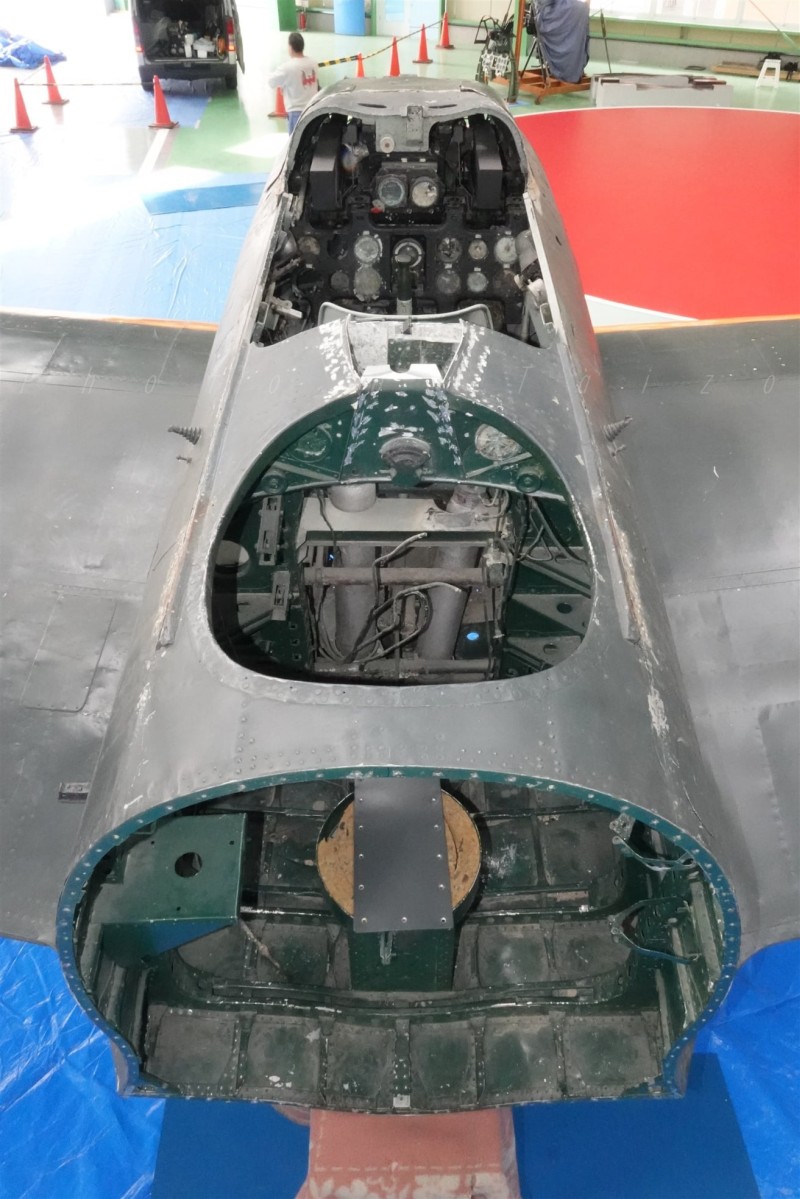
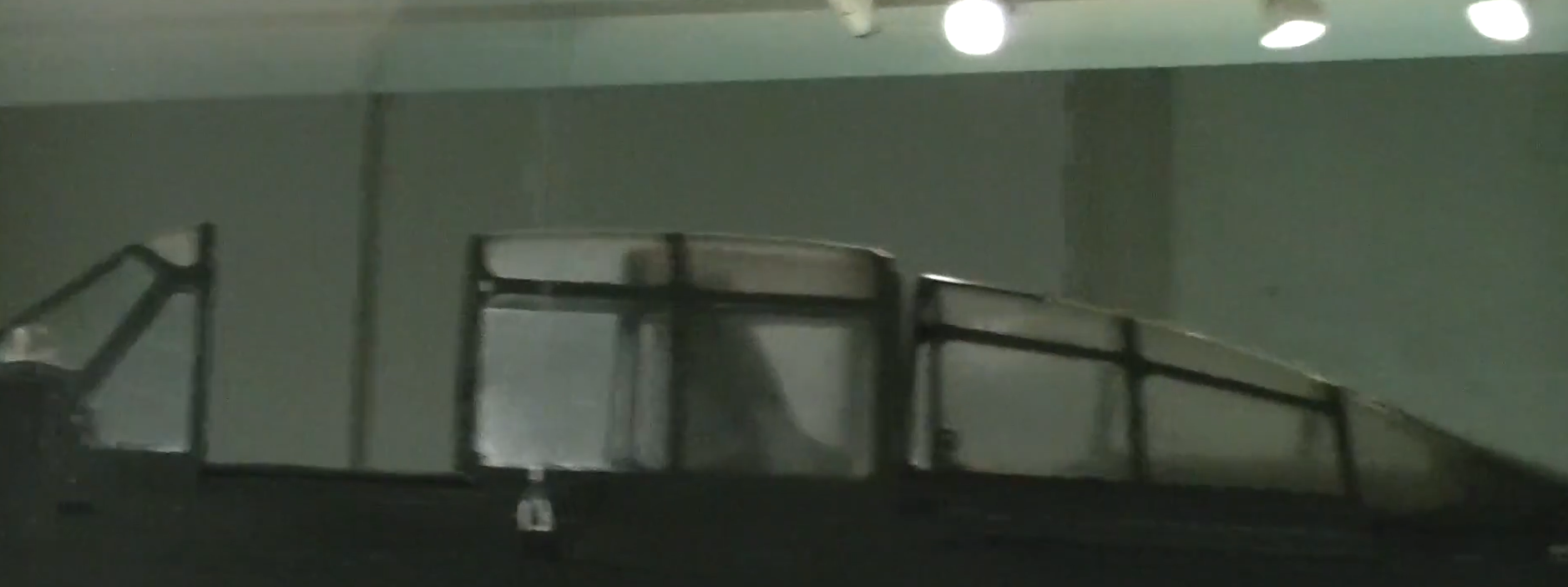
Mitsubishi A6M2 number 53-122, although it is based on the A6M2 Model 21 aircraft, there are very important differences in it, which I will try to present here.
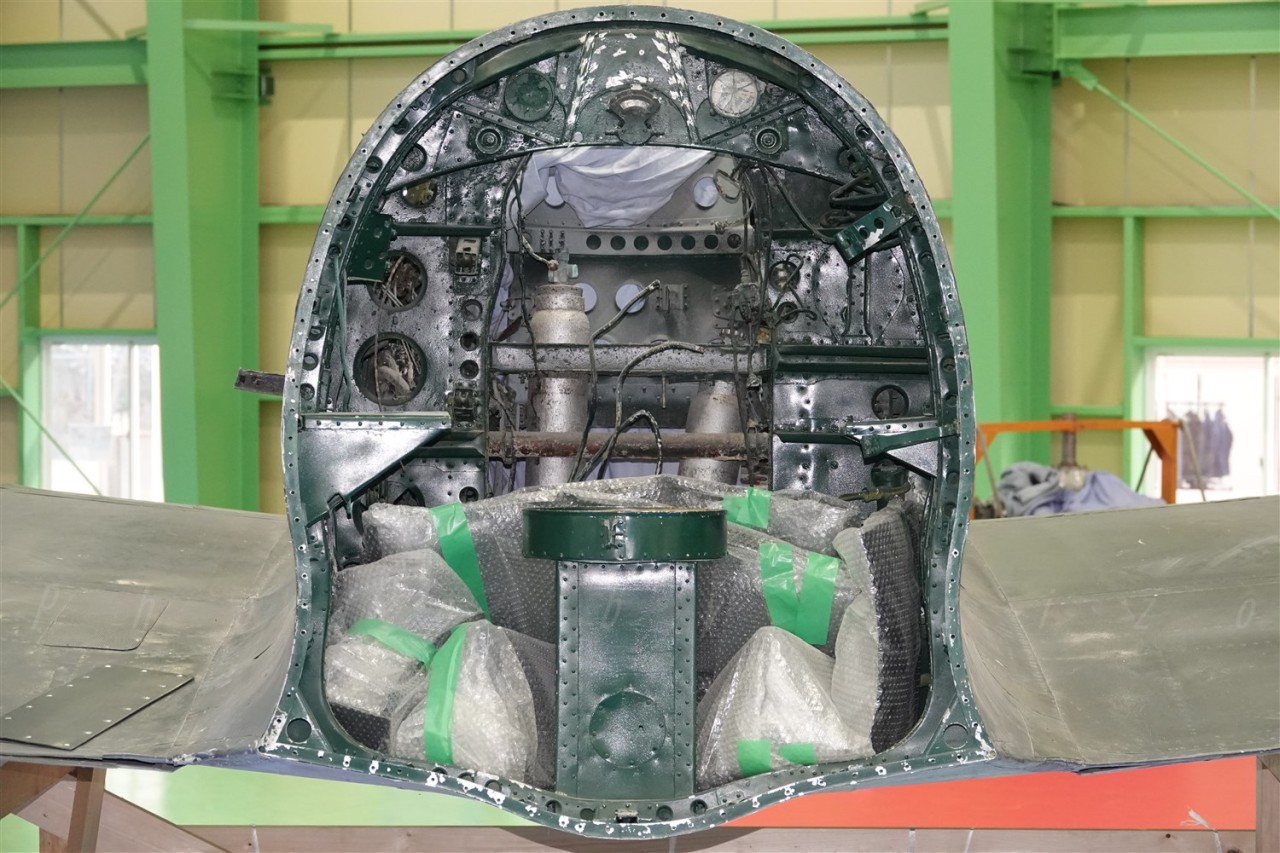
- Behind the pilot, a very primitive observer’s station was added (a simple seat without a backrest) who sat with their back to the pilot.
- A long-range radio station was installed at the observer’s post
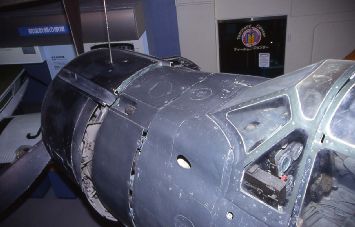
- The cockpit glazing has been extended, but much less so than on the Mitsubishi A6M2-K or A6M5-K aircraft.
- The observer’s position was equipped with an observation window in the floor of the aircraft
- The aircraft was equipped with reconnaissance cameras
Technical sketches
Other construction details
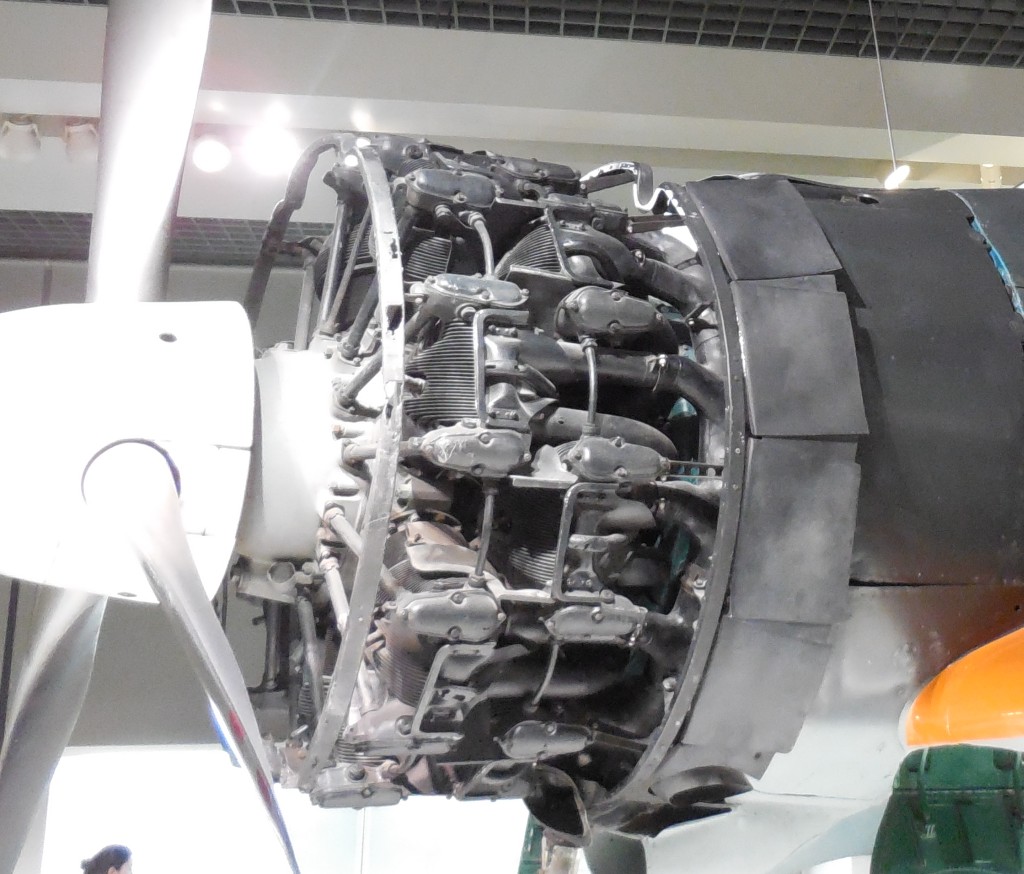
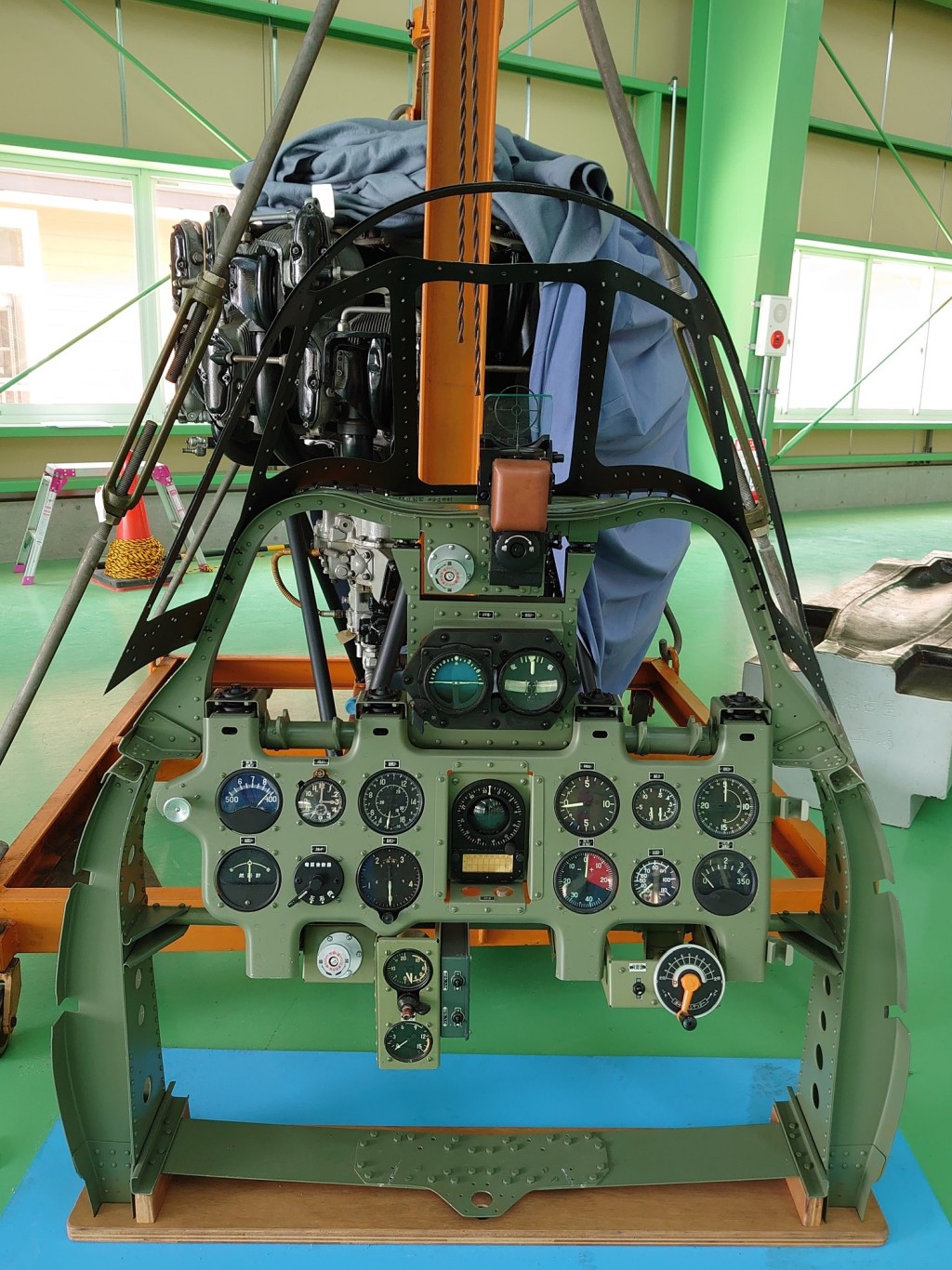
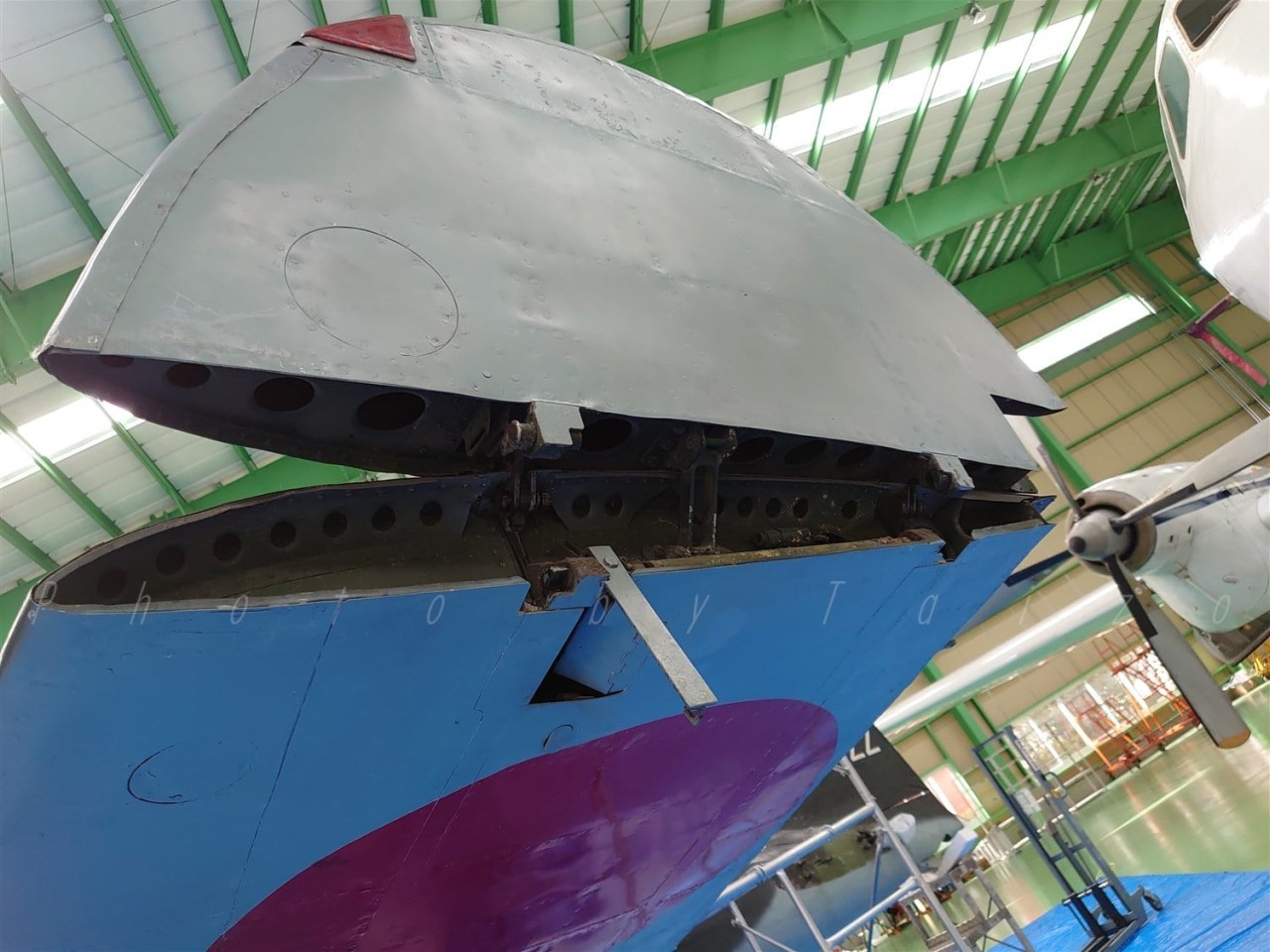
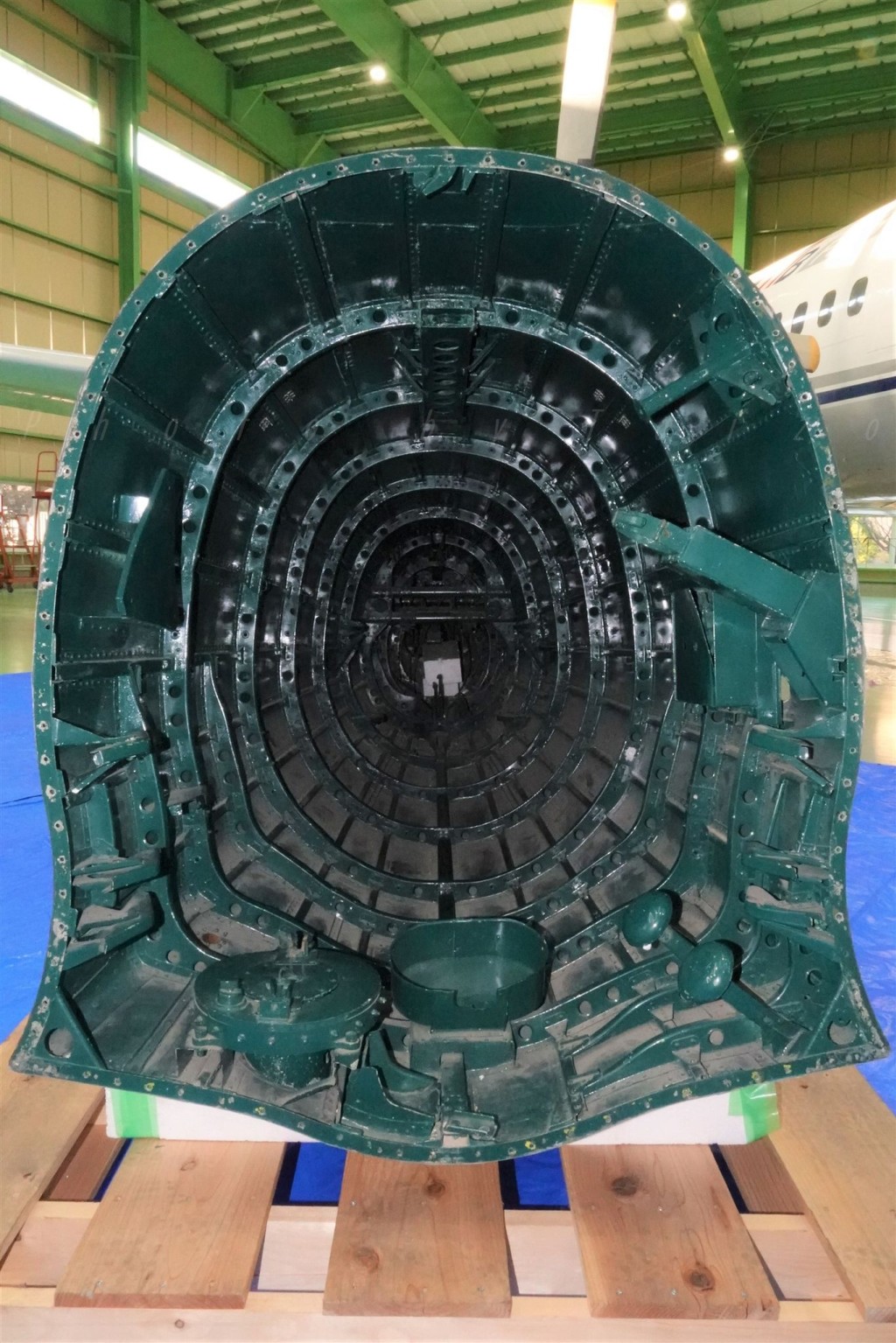
53-122 国立科学博物館 2015年8月5日 零戦21型 ラバウル改複座零戦 零式艦上戦闘機 永遠の0 零式艦上戦闘機21型 Mitsubishi A6M2b ZEKE
General characteristics
- Crew: 2
- Length: 9,06 m
- Wingspan: 12 m
- Height: 3,53 m
- Wing area: 22,44 m2
- Empty weight: 1754 kg (?)
- Gross weight: 2410 kg (?)
- Maximum Take-off Weight: 2757 kg (?)
- Powerplant: 1 × Nakajima NK1C Sakae 12, air-cooled, two-row, fourteen-cylinder engine with a takeoff power of 691 kW (940 hp)
- Propellers:Three-blade metal Hamilton-Sumitomo propeller with a fixed rotational speed and a diameter of 3,050 mm
Performance
- Maximum speed: 533 km/h (?)
- Cruise Speed: 333 km/h (?)
- Range: 1870 km (?)
- Maximum Range: 3100 km (?)
- Service ceiling: 10000 m
- Climb Rate: 15,7 m/s (?)
- Time to Climb to: 7,45 min do 6000 m (?)
Armament
- Guns:
- 2 x Type 97 7.7mm machine guns in the nose (1400 rounds)
- 2 x Type 99 Model 1 Type 2 20mm cannon in wing (120 rounds)
- Bombs:
- 2 x 30 kg bombs
- 2 x 60 kg bombs
- Fuel dump tanks
- 1 x 330 l in additional tanks
Summary
The Mitsubishi A6M2 Model 21 number 53-122 is a very interesting aircraft for Japan in War Thunder. This aircraft is a very interesting and unique fighter for Japan, which can be considered a regular Zero, but its history is exceptional. The A6M2 number 53-122 can be added to the game as a standard fighter aircraft, but also as an exceptionally maneuverable and hard-to-intercept reconnaissance plane. This aircraft is perfect as an event or premium plane. I encourage you to discuss in the comments and to share your own knowledge on this subject.
Finally, I apologize for the linguistic and logical errors because unfortunately English is not my main language and I had to use google translator.
Internet sources
零式艦上戦闘機の派生型 - Wikipedia
零式艦上戦闘機21型 日本での修復、展示変遷、各部詳細
理工電子資料館:零式艦上戦闘機二一型改造複座機
ザ・ヒロサワ・シティ内にある科博廣澤航空博物館に、零式艦上戦闘機21型 複座改造型を観に行って来ました(茨城県筑西市)!素晴らしいヾ(@^▽^@)ノ♪: カメラと写真と猫と
Pacific Wrecks - A6M2 Model 21 Zero Manufacture Number 31870 Tail 53-122
Micubiši A6M - Reisen (Zero, Zeke) a jeho verze
Hirosawa City Aviation Museum - Vintage Aviation News
Book sources
- Japońskie Samoloty Marynarki 1912-45 część I (Japanese naval aircraft 1912-45 part I) page 76-86
Japonskie Samoloty Marynarki 1912-45 | PDF - 010 Mitsubishi A6M Zero Reisen Model 11-22
010 Mitsubishi A6M Zero Reisen Model 11-22 | PDF | Naval Aviation | Military Aviation - (Monografie Lotnicze No.7) Mitsubishi A6M Zero
(Monografie Lotnicze No.7) Mitsubishi A6M Zero | PDF

Thank you for reading the suggestion, see you in the next one. Good luck pilots
