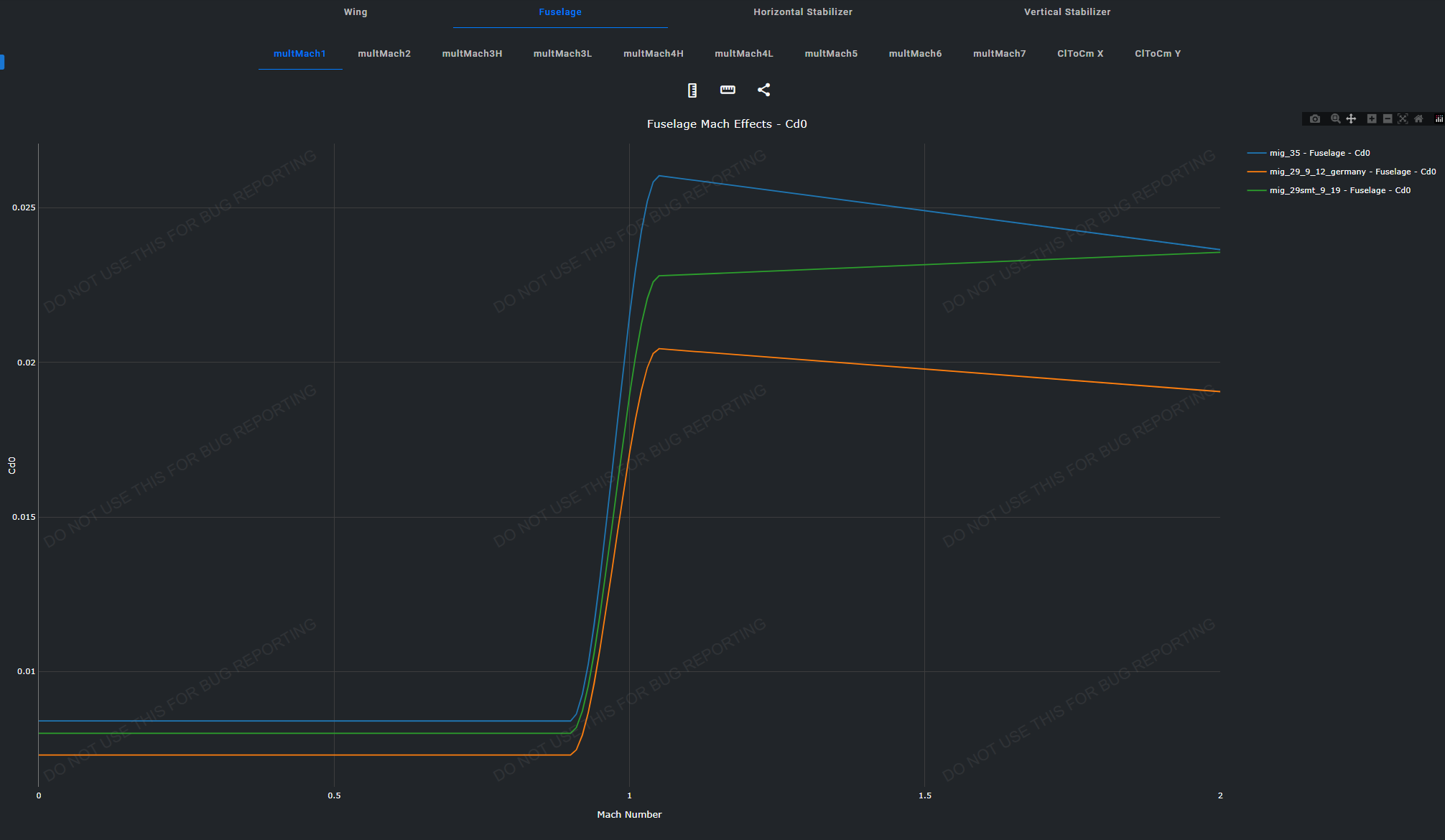
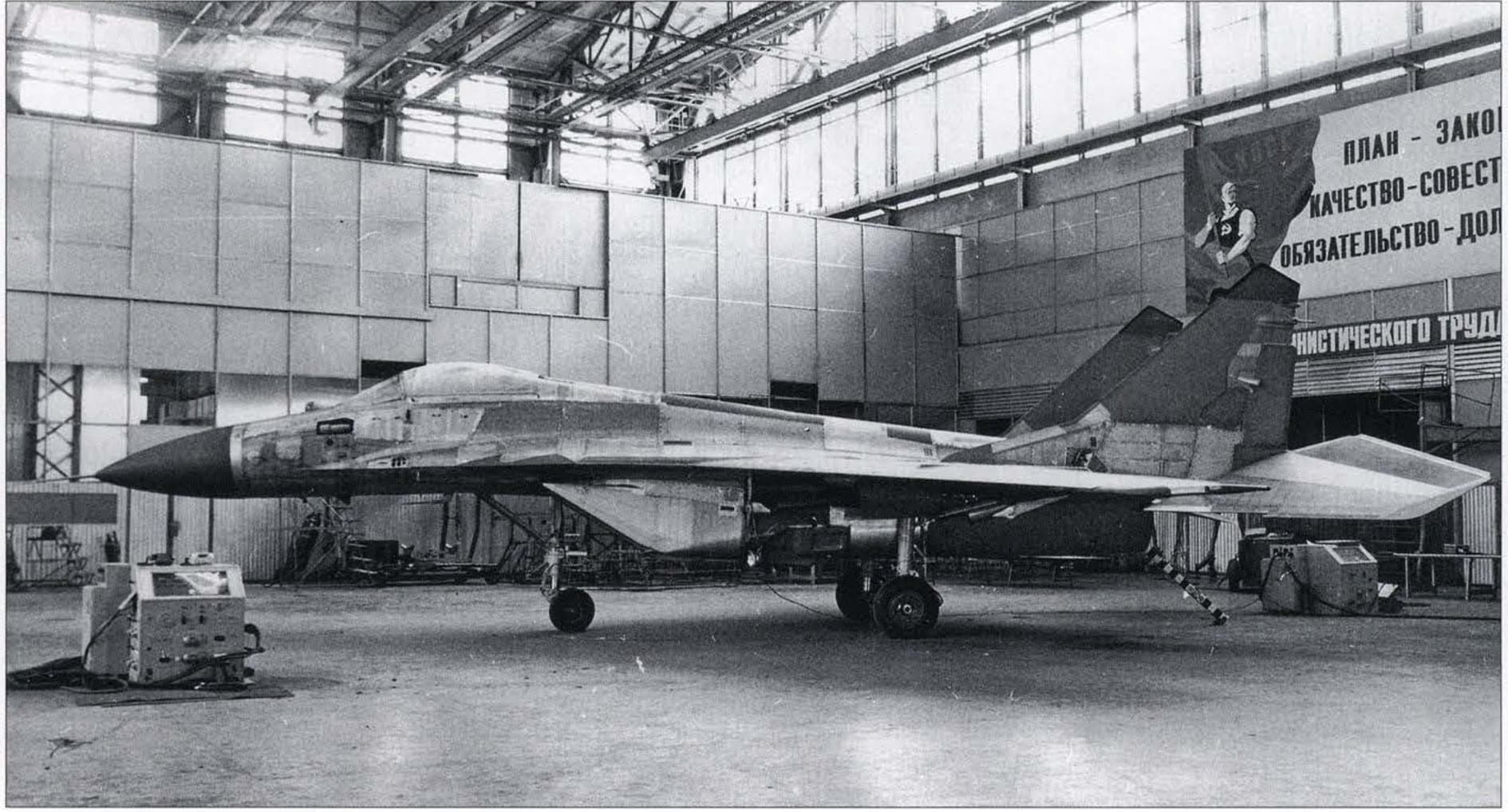
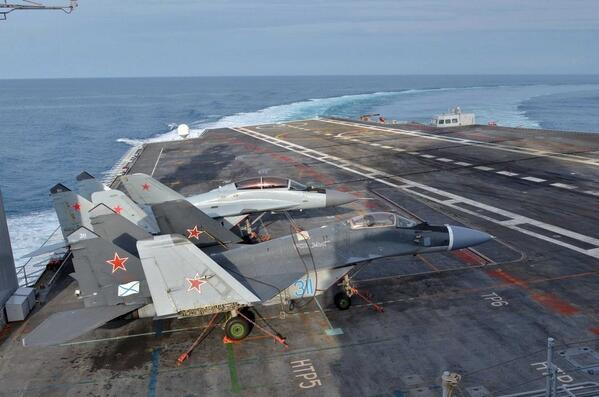
For a starter wing alone doesn’t resume the whole drag. Secondly even when wing is taken into isolation, it isn’t as straight forward as you think. Higher wing surface doesn’t automatically mean more drag as drag depends on parameters such as speed , AoA and obviously wing profile .
Had all parameters remained the same ( except for wing area ) you could had made that claim but we know it is not the case as M derivates ( that includes 29KR and 35 ) have received modified wing profiles, sharper leading edges and the higher wing span ( which contributes to lower induced drag albeit this plays a bigger role to subsonic / transonic regimes ) .
Bottom line is unless you have some practical aerodynamics manual for 29K / 35 which can be compare to existing 9.12 manuals that’s a baseless statement.
“have received modified wing profiles” In what way exactly?
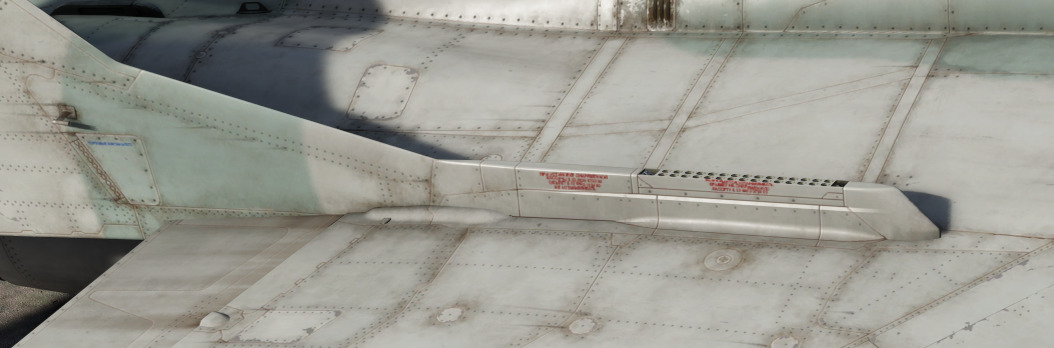
“sharper leading edges” It has a sharper LERX which helps with vortex formation, this mainly benefits maneuvering performance by aiding in vortex generation. I do not see how this improves supersonic drag. Maybe reduces pressure penalty but there are too many variables to say anything. The MiG-35 in-game is already significantly superior to the MiG-29S in terms of turning performance and energy retention that cannot be achieved by just making the wing area larger, this is modelled.
“higher wing span” Which is the main reason for increased wave drag and drag from friction.
Unless you have a practical aerodynamics manual for the MiG-29K/35, claiming the drag in-game wrong is completely baseless. If you have sources, you can submit a report and it will be looked at.
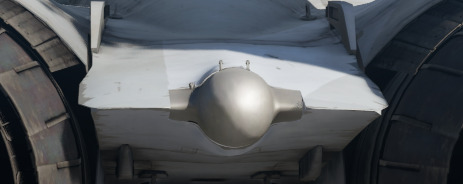
That doesn’t look right yeah. Maybe the dev justification is a lot of form drag from the canopy and APU exhaust? Either way I don’t see it being so high.
Should also note that the MiG-29Kr/35 have fuselage changes that decrease drag compared to the legacy 29S (not that they have lower drag than the 9.13 etc., but there are things that offset the increase to some extent)
It plays a major role specifically into supersonic regime since a sharper edge minimizes wave drag by allowing the shock wave to remain attached directly to the tip .
As stated above wave drag is primarily influenced by the leading edge not total surface. Parasitic drag/friction drag is indeed influenced by total surface .
Well im not the one who made that claim but regarldess.
I simply responded to your claim that higher wing surface had to necessarily mean higher drag by pointing to the fact that it isn’t as straight forward as you make it to be since there are differences between the designs other than the obvious increased surface.
The whole point is you can’t objectively make such technical claim without proper documentation.
That is not exactly on the same level with people here subjectively claiming that there is likely something wrong with drag when a MiG-35 fails to accelerate on almost level flight at 3k alt …
The f16 sold more than double the airframes than the mig-29, attributing that to “politics” is cope. The F-16 was just the better aircraft for the majority of its lifespan.
Has anyone else noticed their r-77-1’s just tweaking out when they pass 20~ kilometers even with datalink on target? I really hope I’m not having a skill issue right now.