May be, but ability to tolerate G force is also different from person to person. Hence the reason why I said there are ways too many niche factors that essentially make it impossible to make comparison from things that happened once
When you are just enjoying talking about feats of USSR aircrafts there will always be some random dude that will jump the convo with “achually US plane did it bettah”
Please just read the thread, there was never anything about meteor and its air breathing engine
Don’t be a strawman like ron
you are the one that talks about calculations yet has shown no calculations
you are the one that says the range numbers for the Meteor are wrong and shows no source
you are talking about solid rocket boosters in a disscussion about a a missile that is using a ramjet
and you are throwing logical falacies so you dont have to addmit that what you were saying was absolute senseless
if anything you are using red herings and ad hominem
5 Likes
I think their only perception of missiles ends with the Congrieve rocket from looking at this thread
Watch them slapping missile it never used because balance or something
cough PL-5EII instead of PL-8 cough

just a small note, the average speed would realistically be around mach 3.7, (1111m/s at 15-20km altitude) as the 100km in 90s claim is probably only possible in these higher altitudes, making the mach number a bit higher than sea level (mach 3.3)
It’s not 90 seconds it was “approximately 1.5 minutes” iirc. I bet the approximately is doing some heavy lifting
The Meteor does have a solid rocket booster for about 3-4 seconds to get it up to speed and then the ramjet takes over.
from available footage of meteor firings, this boost stage lasts somewhere in between 3-2 seconds, and an A3M source states the boost burn time is 2.3 seconds
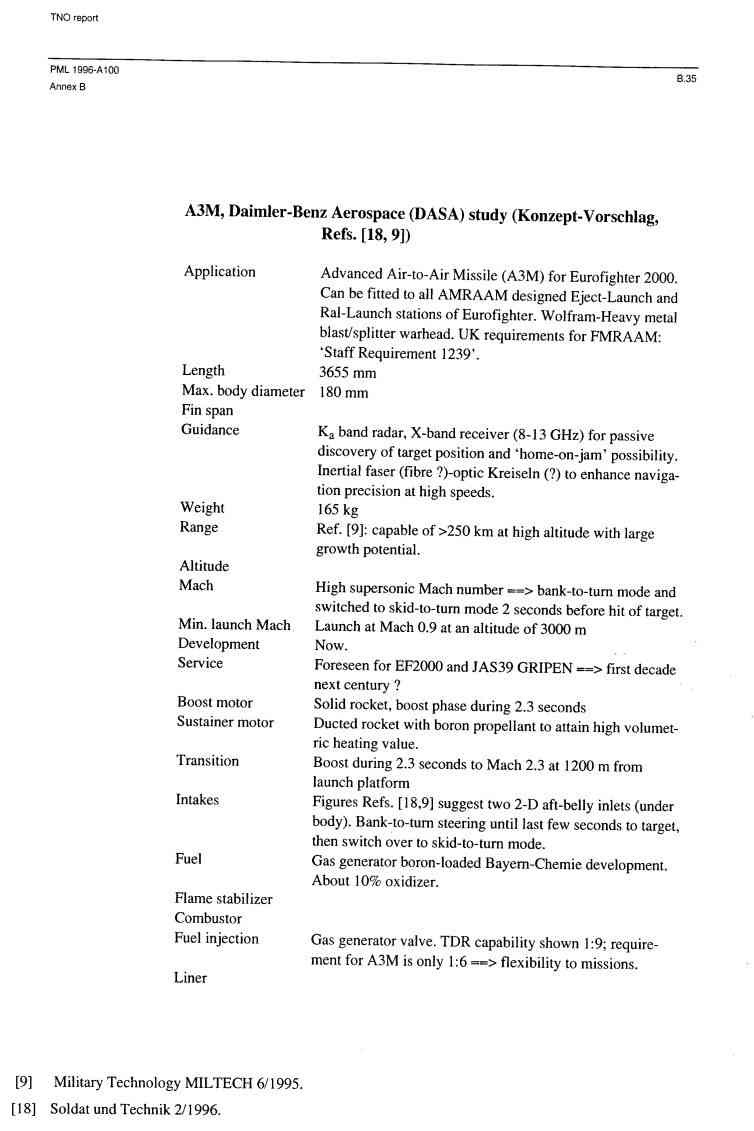
meteor firings
https://youtu.be/_cLsIXU7EjM?si=5aqQuKKotUwvyQ9w&t=33
look for the small change in smoke color that happens some 3-2 seconds after the missiles are fired
just some cool info i wanted to share
With Delta Dagger being in the teaser and going to the tech tree hope of getting MiG-31 in the game not just as an event became significantly higher
2 Likes
I was really, really hoping for the foxhound this update.
Unfortunately we even got MiG-35 before it, KR and 35 back to back before a single MiG-31, I never thought that’d happen.
MiG-31 would require a lot of work, it has pretty much completely unique 3D model, engines, radar and entire weapon kit (outside of R-40s). MiG-35 however, requires only slight tweaks to 3D model and thats about it
Does anyone have any information on the R-33 and R-37 rocket motors?
Public information on their designations and thrust graphs is hard to find but we know that the R-33’s motor burns for 15-24 seconds (this is the source https://lib.ulstu.ru/venec/disk/2015/Tereshchenkov_1.pdf)
In Markovsky’s book, he mentions an R-33E variant with more energy, I think that’s what we know as the R-33S.
Both the R-33 and R-37 operate two stage solid propellant motors for initial acceleration and sustained flight.
The R-33 can engage targets from distances up to 120 km (160 km for the R-33S) and up to an altitude of 28 km. The R-37 on the other hand can engage targets up to 300 km and up to an altitude of 40 km.
This is all we know on the kinematics of those missiles. The factory designations of their motors and their thrusts haven’t been disclosed it seems, but if you need anything else I can help you out.
3 Likes
Funny lookin mig.
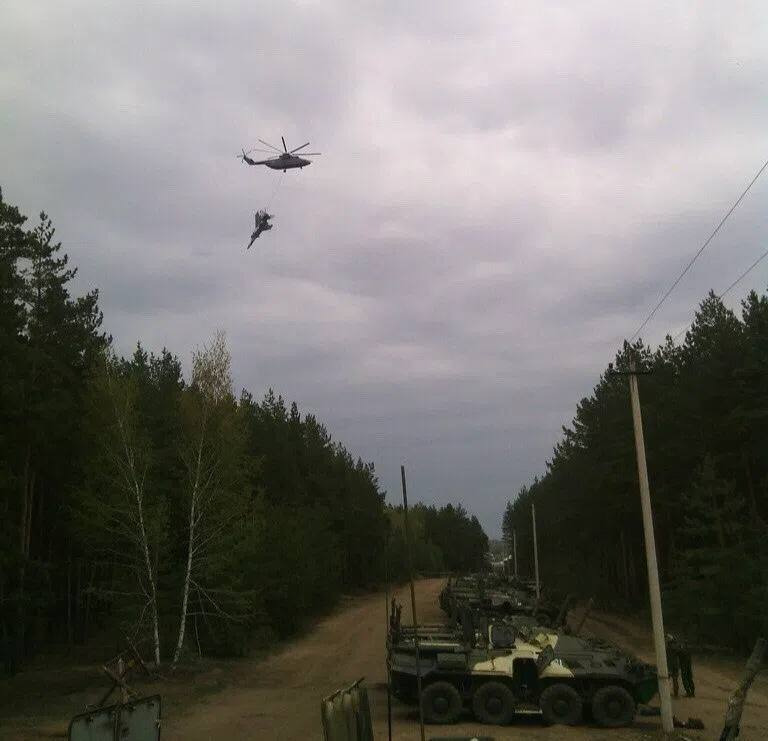
2 Likes
He’s just a little drunk and is taking an uber
3 Likes
didnt knew that they can fly sideways with their nose down
2 Likes
Some silly things have been loaded onto the Mi 26, but this might be amongst the silliest.