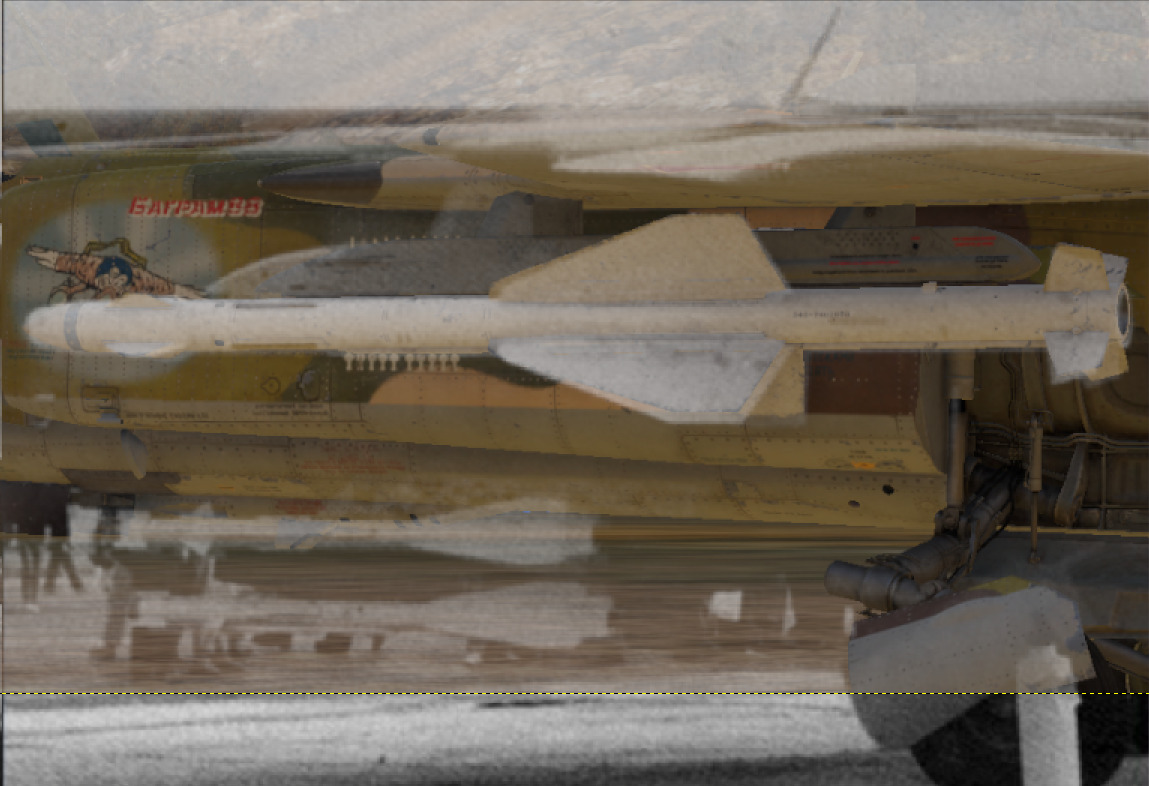
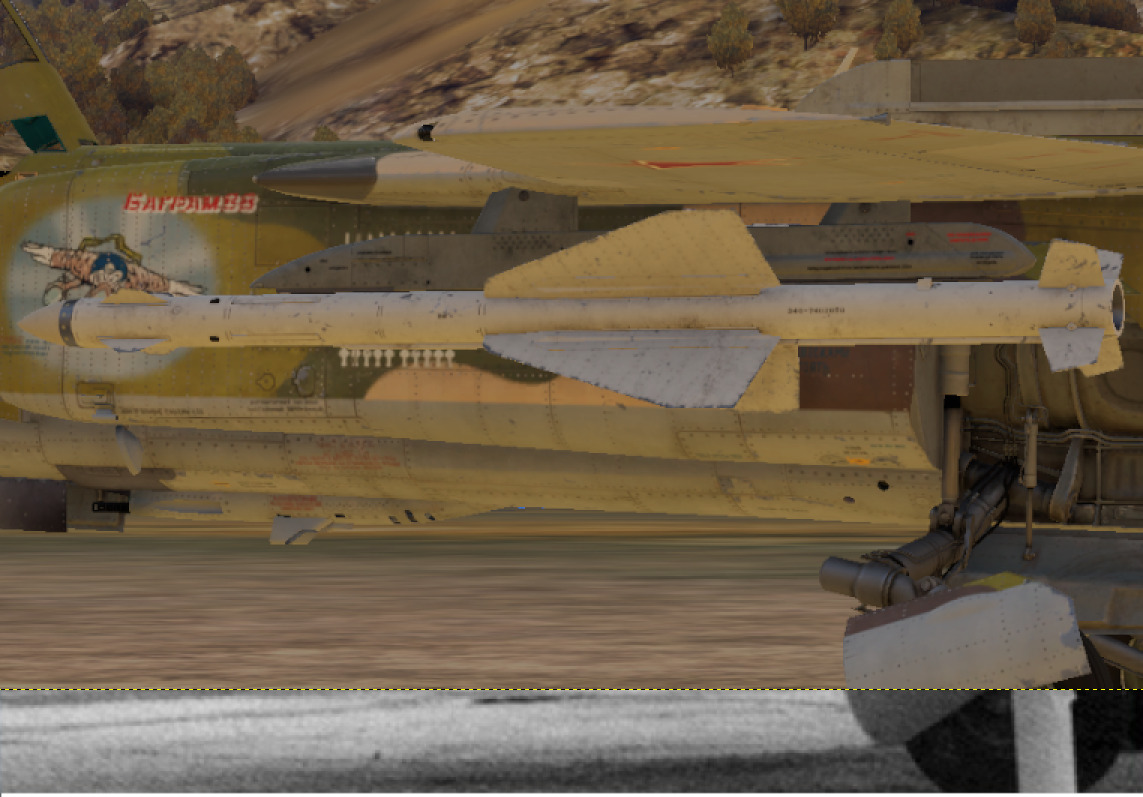
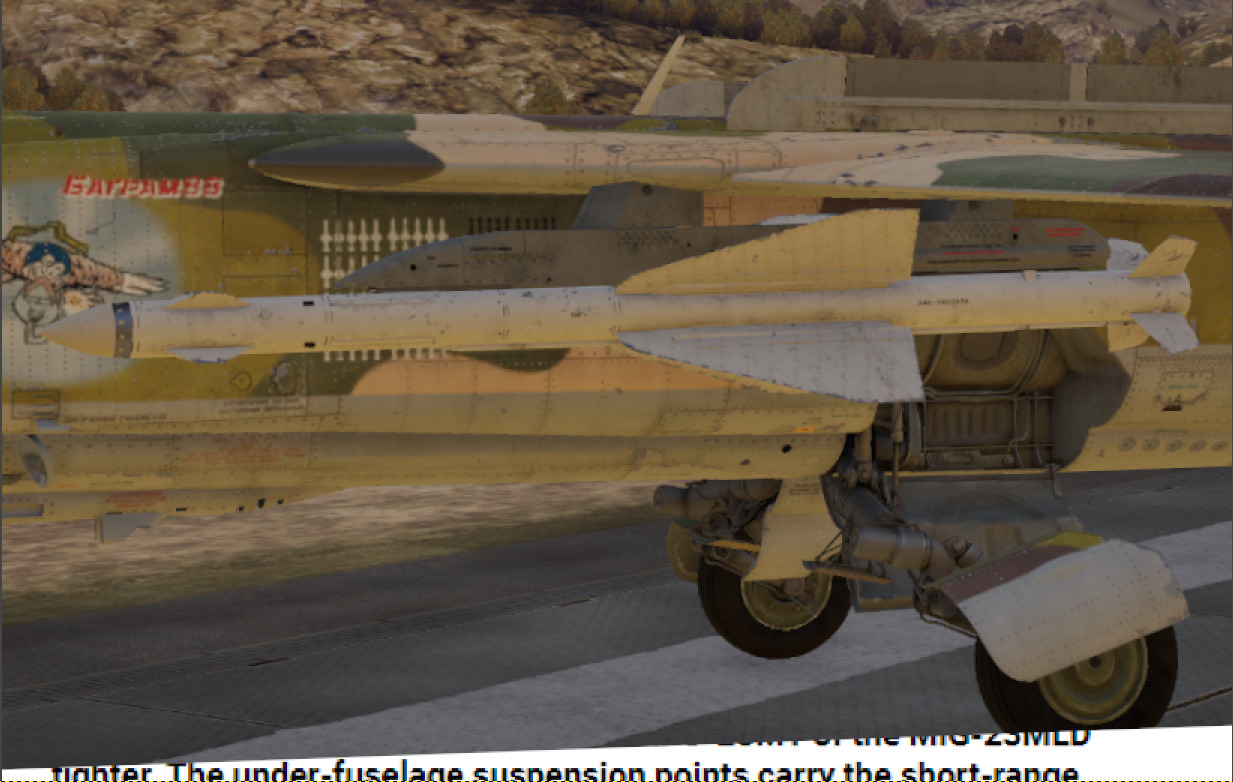
The ML, MLA and MLD should all get HMS, R-73s and R-24Ms
I am curious why you said this though, R-73 was only ever used on the MLD and the pylon for it too, I have not seen any further information on why it would be backwards compatible to the others.
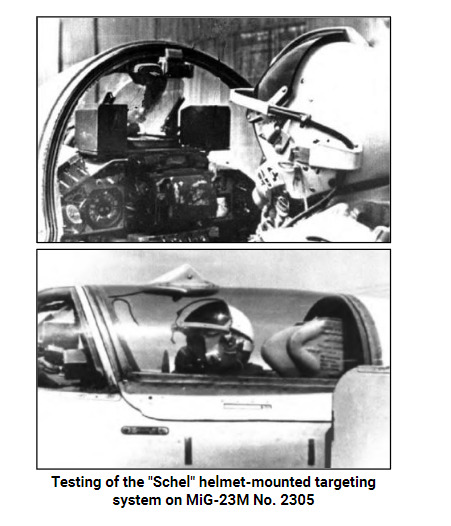
Also HMS? Not even MLD had it, it was tested on an M but I think that was about it for ML/MLA/MLD?
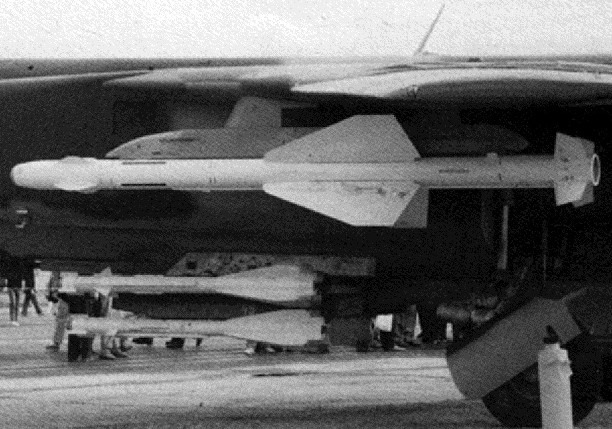
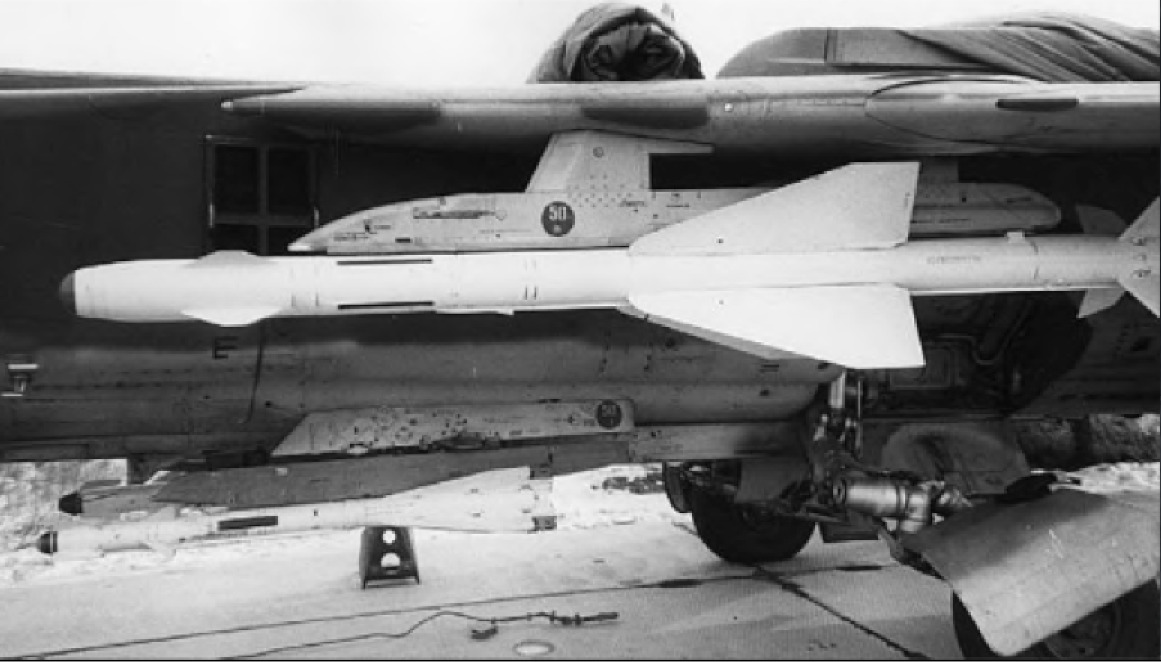
Oh don’t apologise, everything you said was perfectly accurate at the time. There was zero mention of the fins being different in no source whatsoever, only these schematics - and considering the “variations” in which the R-24R is depicted, it’s perfectly reasonable to assert that it could be likely the authors were wrong or got confused. And, absent any photographic evidence, there’s no reason not to think the R-24M would be totally identical to the R. Your conclusion was perfectly reasonable, the only difference is that now new evidence has been discovered!
Though, tbh, in hindsight… I never saw any source explicitly say that the R-24 had different fins from the R-23… so that could be why they didn’t describe that for the R-24M… ah well, not that it matters. Mystery solved!
I have a problem with reading things, repeating them later online, and then not writing down the source where I got them from, but! today is not one of those days. That picture is from Markovsky and Priohochenko’s book “Jet Fighter MiG-23: Protecting the Skies of the Motherland”. You can read a translated version here. Aside from being an interesting read, the chapter on the MLD (Page 182 in the PDF) and “Projects and Experiments” (Page 215 in the PDF) does talk about the use of the R-73 and HMS on the ML and MLD. It seems the MLA didn’t have it (so I was wrong there) - on the ML, it was only for testing (which still counts, for WT’s purposes! Well, kind of), and the MLD began to be equipped with the R-73 starting in 1983. Curiously, while the MLD did receive the R-73 in standard service, it only received the HMS for testing, like the ML. MLD-based subvariants, like the MiG-23MLDG (Izd. 23-57), were intended to receive it as standard. So I guess that kind of counts.
Also:
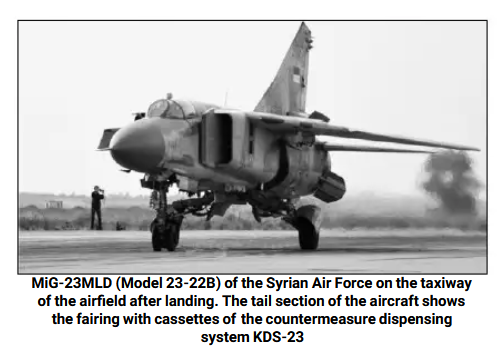
From Page 205 - interesting, seems KDS-23 dispensers being mounted in places other than the fuselage and wings was indeed a thing-
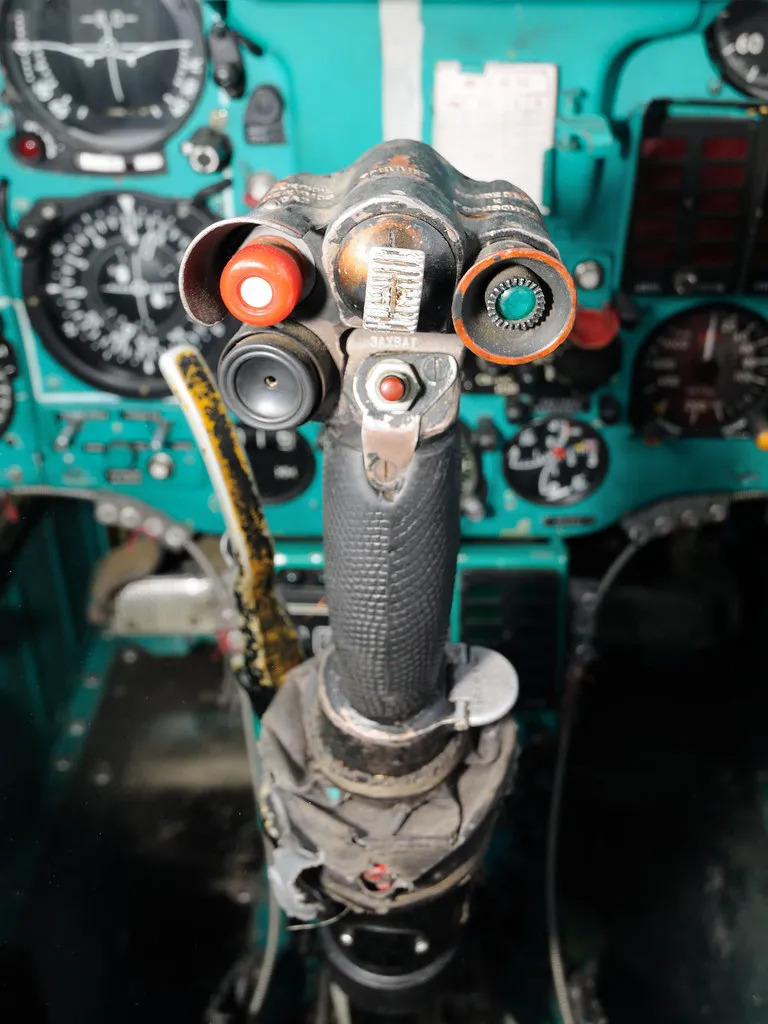
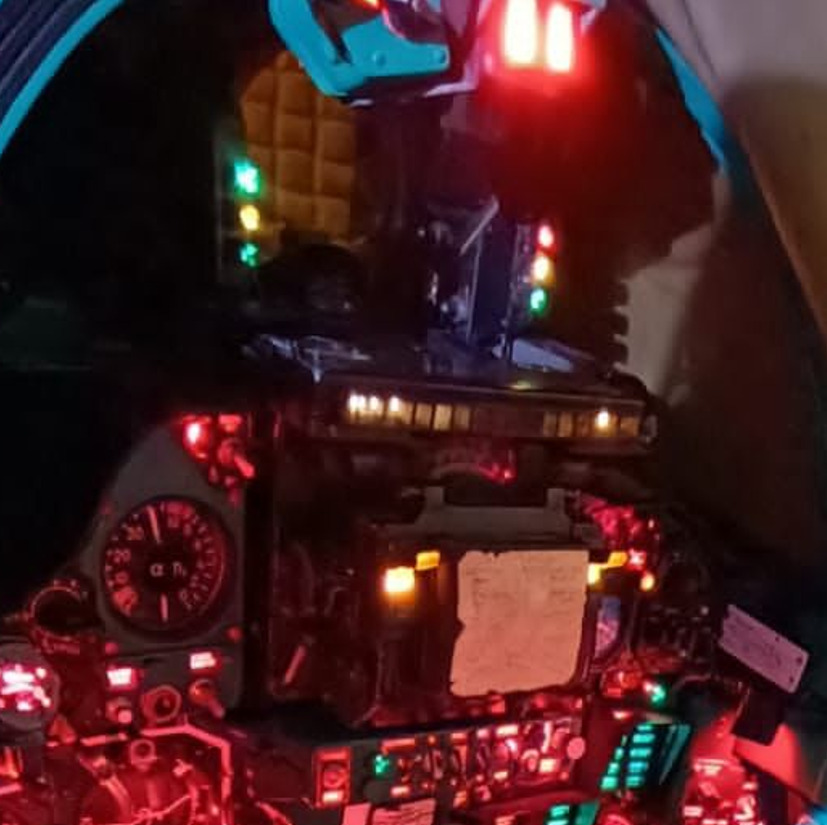
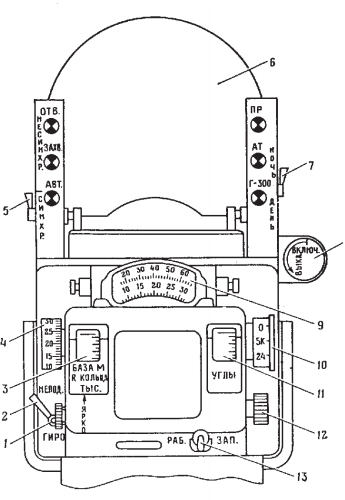
The black button on the left of the stick, featured on the ML onwards, could be used to steer the seeker of the R-60. Apparently. This was how they steered the Kh-23 as well. So that’s neat.
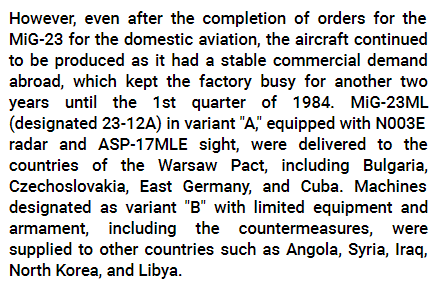
@csla1972 - I don’t know anything about that, but I’d believe it given that the MLA was a relatively minor update of the ML. New gunsight and radar, that’s it. Although speaking of - I’m not sure about Germany ever having the MLA - to the best of my knowledge, the MLA was never exported - Germany would’ve had the MF and ML, but the only version of the MLA they would’ve had would have been the export version MiG-23MLAE-2, which is effectively identical the MLD but without the aerodynamic improvements
If that’s the case, then what of the export versions of the MLA, MLAE (23-19) and MLAE-2 (23-22)? The MLA was in service with the USSR Air Force as well, it would be odd for an export version to be used domestically
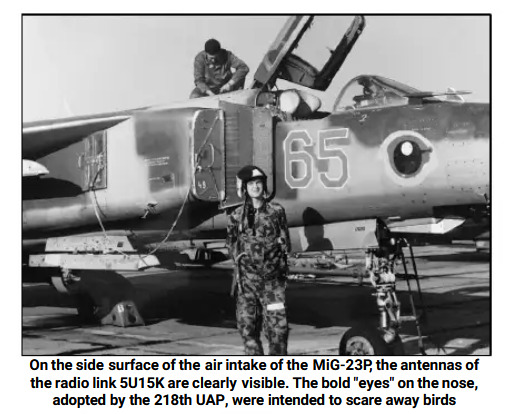
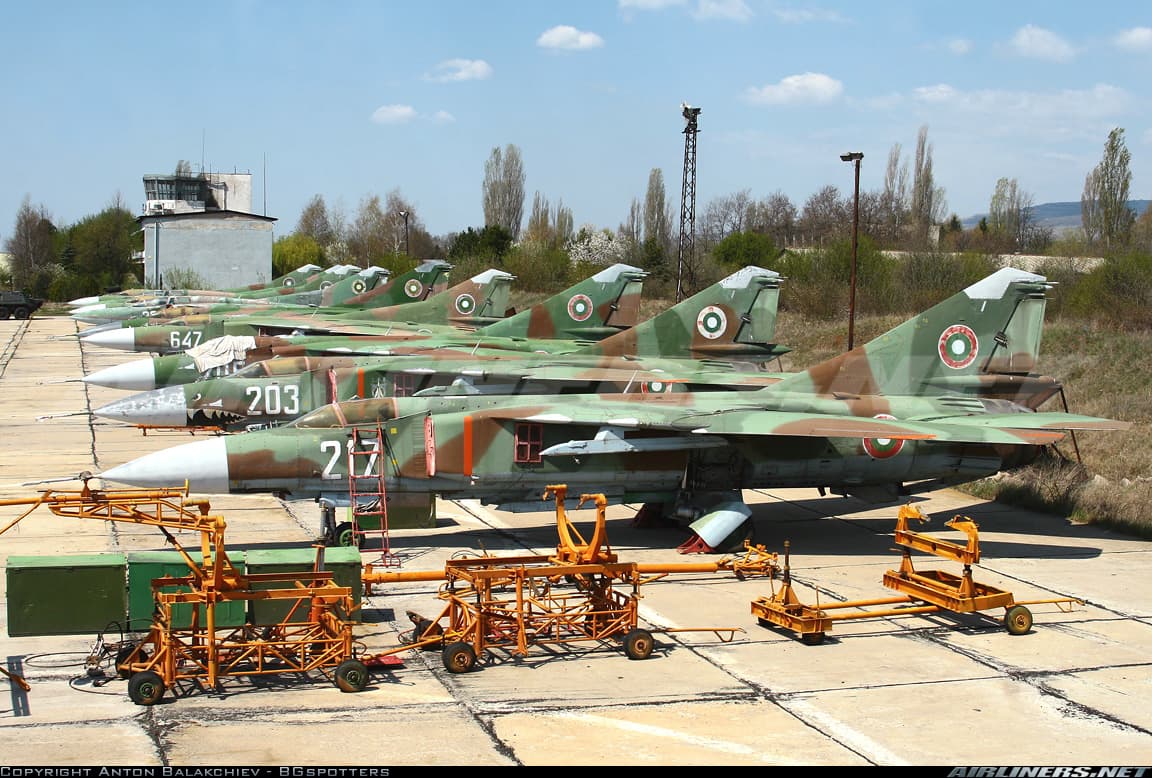
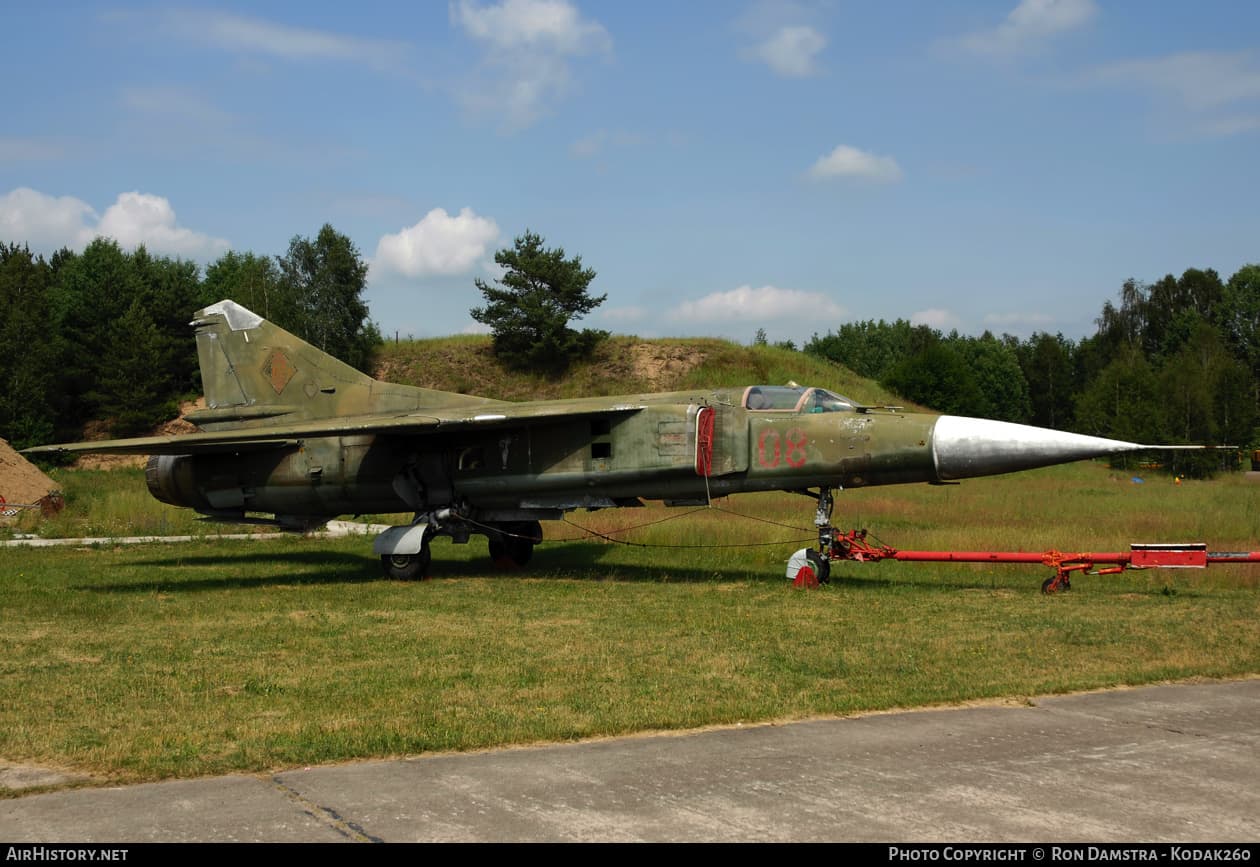
23-19 and 23-22 are export versions of the MLD. As can be seen by the SPO-15 fairings. They’re ML externally but internally MLDs
Per Markovsky:
However, it’s worth
noting that the name MiG-23MLD encompassed two
different versions of the fighter, even differing in
appearance - the aforementioned export aircraft of the
factory’s production, labeled “Product 23-22,” and the
domestic ones upgraded in service following the “Product
23-18” pattern.
In 1982, another aircraft under the designation
MiG-23MLD (Product 23-19) was developed, which was
essentially a MiG-23ML with some equipment
differences. It featured the SP0-15LM warning receiver
and the A-321 short-range navigation system. The
avionics and armament remained the same, including the
N003 radar. This aircraft was recommended as a
reference for the modernization of operational MiG-23ML
aircraft in the Soviet Air Force, but eventually, a more
extensive upgrade pattern, referred to as “Product 23-18,”
was implemented
Yeah, that matches what I read in the research for the MLDG. I forget that the export versions of the MLD had very little in common with the MLD itself and only really had the name attached to it for… marketing purposes, I guess. MLAE is 23-22, MLAE-2 is 23-19.
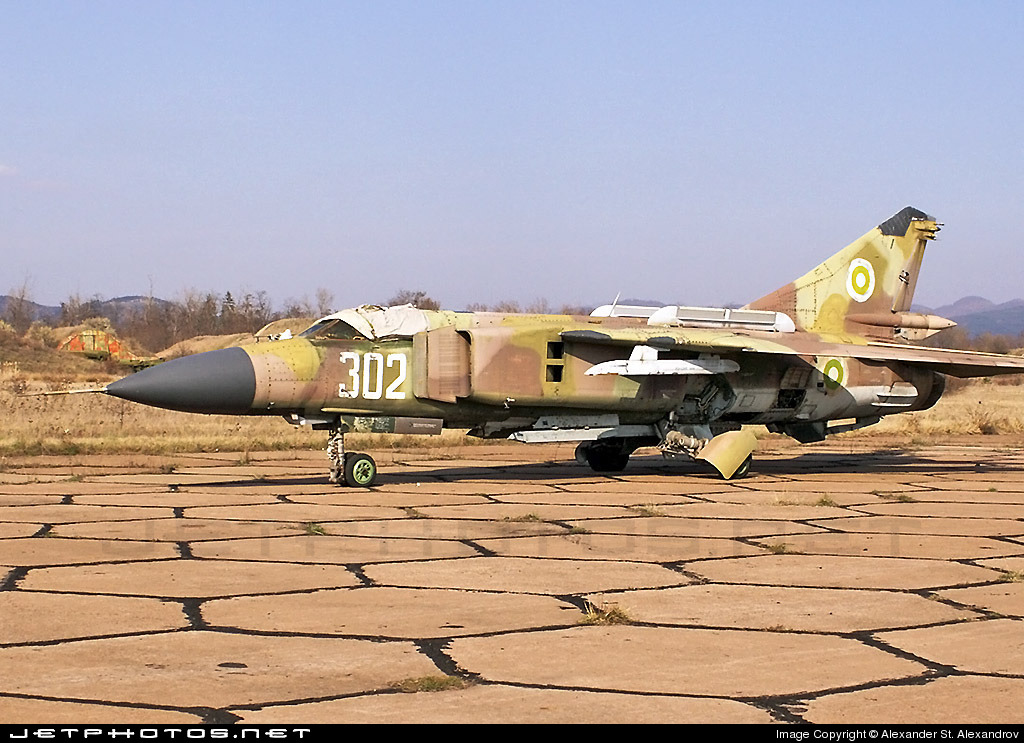
In a somewhat convoluted development process, two aircraft were presented in 1982 to be the future of the MiG-23 - both based on the MLA airframe, one called Product 23-19 and the other called Product 23-35. 23-19 was selected as the reference aircraft which eventually evolved into the MLD (with production code 23-18), while 23-35 still showed some promise and eventually went on the be the first of the electronic warfare MiG-23s culminating in the MLDG. However, Product 23-19 itself was still produced as MiG-23MLAE - the export option for third world countries, while MiG-23MLAE-2 (Product 23-22) was offered to the Warsaw Pact: effectively an MLD (to the point where they even still retained the wiring for dropping Nuclear Bombs) but without the aerodynamic improvements, hence why some museums label them as MLDs, even though they lack the distinctive vortex generators that identify the MLD. To my knowledge, only Bulgaria and Germany had these “MLDs”.
I saw the label “MLAE” (“E” for " Экспорт"/“Export”) while going through the Russian wikipedia page for the Flogger and a few scant places elsewhere. I’m open to the idea that “MiG-23MLAE” or “MiG-23MLAE-2” could just be internal names only used by Soviet Inventory, since 23-22 and 23-19 were usually referred to as MLDs (even though they just straight up aren’t, 23-22/MLAE is literally just an ML with a new RWR,) but, they were presented as the export options of the MLD and in a weird twist the export option was built before the domestic version. Though having two different export versions that are different from each other but etymologically identical barring the production codes is something they did with the MF, too. Warsaw Pact one was 23-11A, Third World one was 23-11B. And that’s not even taking into account the headache of countries just calling their ML/MLA/"MLD"s something else anyway.
I will say this, though, I genuinely didn’t know the MLA was exported. But I forgot the “MLAE” was marketed as “an MLD, trust”
The previous were MLD (with one being an ML demonstrator) . but again its easy to tell apart from MLA since it has the two side light bars but no mode selector
Big news again: seems like there was “R-24TM” as well. I’ve seen this written very sparingly, but in my research I generally wrote it off because there’s never been any record of a modernisation project of the IR R-24. R-24P (inert training version), R-24T (IR-homing version), R-24R (SARH version), R-24M (improved SARH version), and a proposal for an ARH version - “R-24TM” always struck me as wishful thinking by online writers on the grounds of “well, they made an R-24RM, so why not an R-24TM?”
But, lo and behold, as we have discovered that the R-24M did use redesigned fins, it seems some R-24Ts were also fitted with these redesigned fins:
Huh. Okay. R-24 with the TGS-23T4 seeker head and the 113° fins. I’ve reverse-image searched this photo, but I can’t find a lot about it so far (unlike the other photos, where I found the complete photoset). Either way, a very cool find.
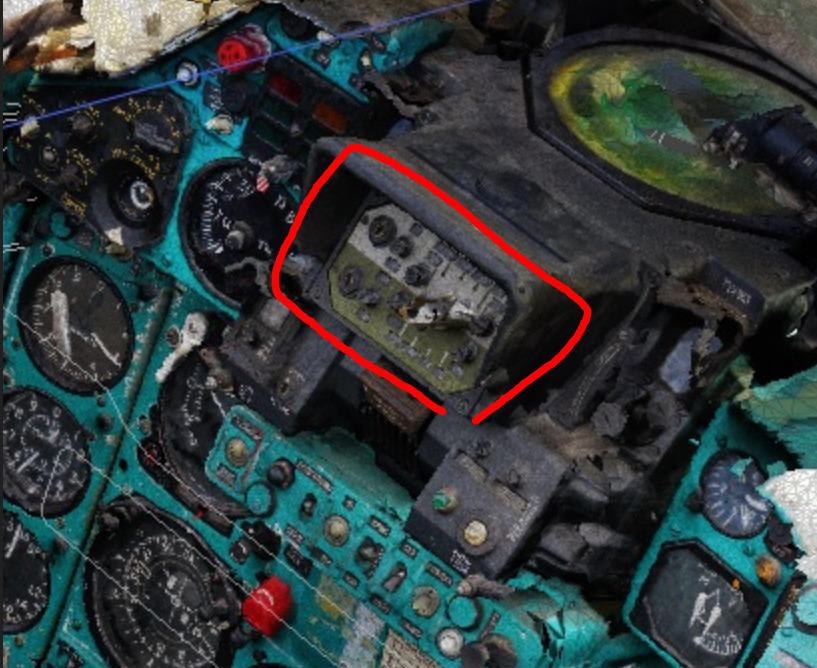
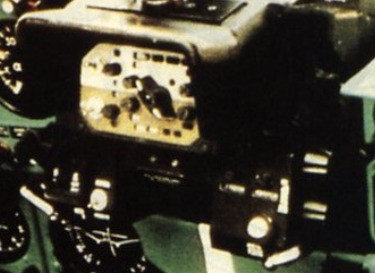
Interesting. I saw your post and checked in-game to realise that the MLA’s cockpit has the same HUD as the ML (which is wrong). So it’s the ML that has the wrong gunsight, in-game, not the MLA? I suppose it’s an easy mistake for Gaijin to have made, now that we have the revelation that many MLAs in VVS service were still labelled as MLs
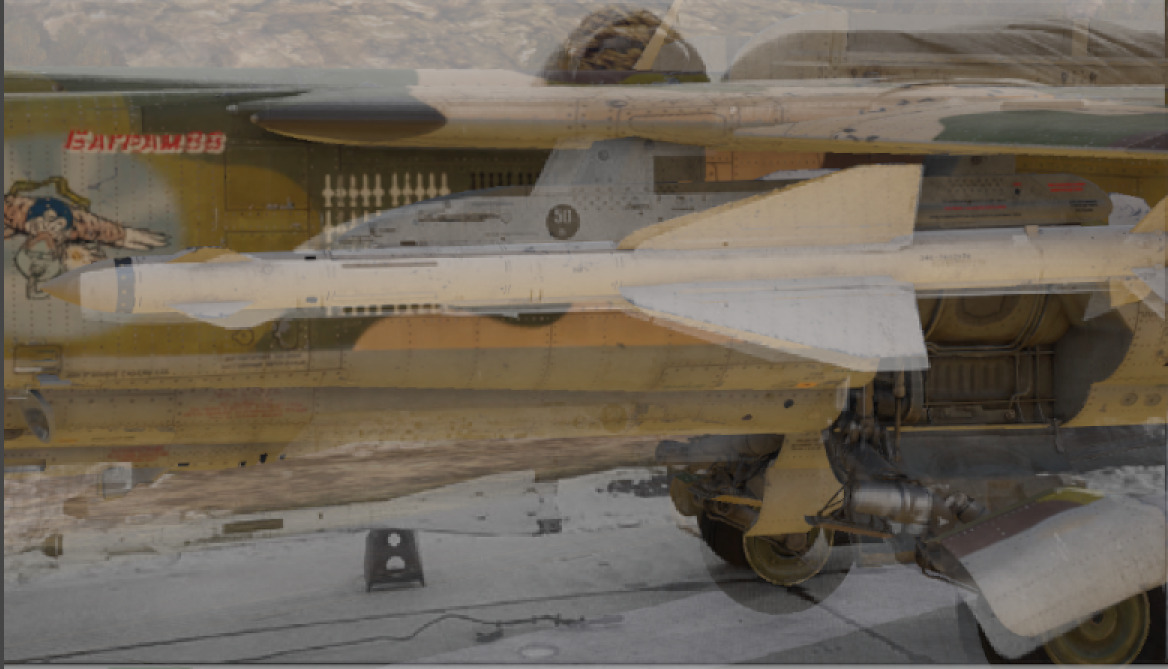
To add onto this now it makes perfect sense why they have 2 different graphics for the R-24.
Imagine you are a graphics designer tasked with making the graphic for it. If you have a picture from front aspect of the R-24 and one of the R-24RM in rear aspect, you would think the RM has a different fin angle since it just looks like that from the back.
I will not set my final judgement on this but I for sure will be retaking some pictures and comparing them to the images provided in the RM thread and now looking at it, I would bet money its the same missile/fin angle