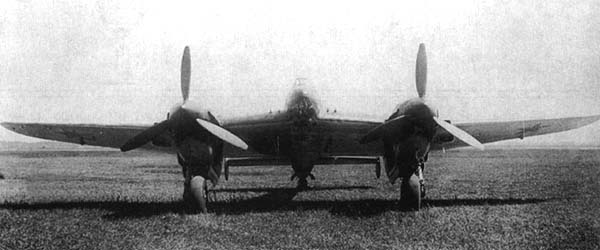
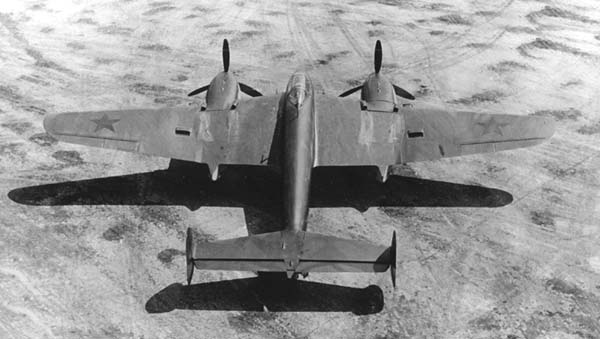
Mikoyan-Gurevich DIS-200 IT: “To late for lunch, my friend…”
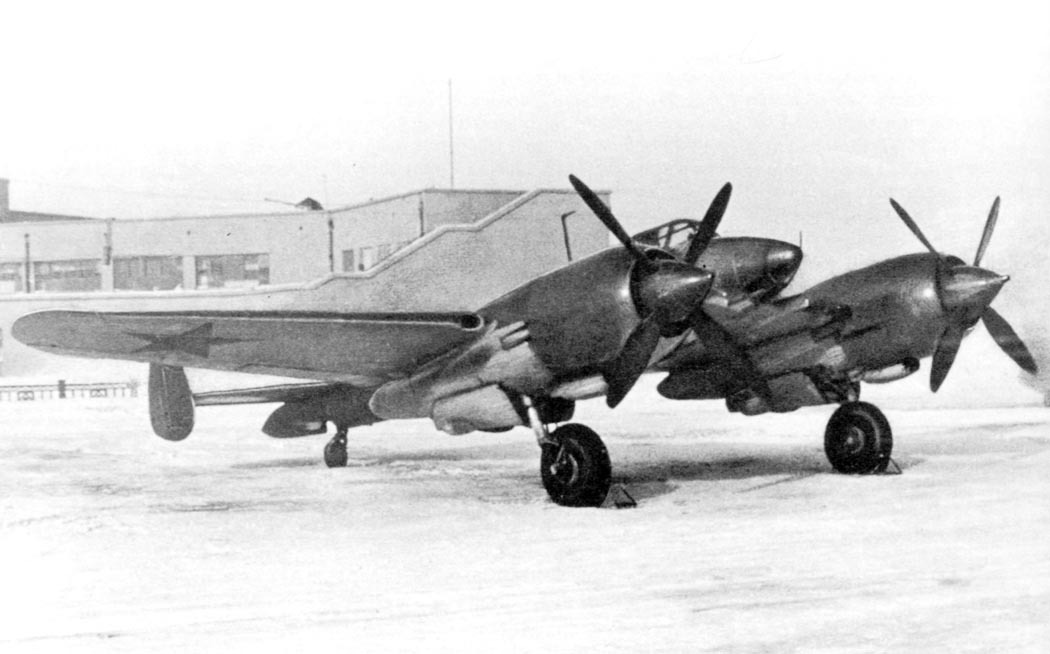
(Polls are at the Bottom)
Overview
Hello Comrades!
My Suggestion today is a heavy fighter prototype out of the Urals of the Soviet Union! What was to become the MiG-5, this heavily armed and capable aircraft would unfortunately see its its airframe sent beyond the mountains to flee the German invasion, where it would eventually be cancelled.
Basic Information
Designation: DIS-200 IT
Role: Heavy Fighter
Crew: 1
Designer: Mikoyan-Gurevich OKB
Manufacturer: Mikoyan-Gurevich OKB
Number Built: 2 (1 Complete, 1 Unfinished)
Specifications
Dimensions:
-
Length: 11.85 m (38 ft 10 in)
-
Wingspan: 15.10 m (49 ft 6 in)
-
Wing Area: 38.90 m² (418.71 sq. ft)
-
Height: 4.11 m (12 ft 9 in)
Flight Performance:
-
Engine: 2x Shvetsov M-82F Radial Engines
- 1,700 hp (1,250kW) each
-
Maximum Speed: 604 km/h (375mph)
-
Service Ceiling: 9,800 m (32,152 ft)
-
Rate of Climb: 13.23 m/s (2,604 ft/min)
-
Max Takeoff Weight: 8,000 kg (17,636 lbs)
Armament:
-
Armament (Offensive):
-
4x 7.62mm ShKAS Machine Guns
-
2x 23mm VYa-23 Autocannons
-
-
Armament (Suspended):
-
1x 1000kg Bomb
-
1x Torpedo
-
Usage In Battles
The DIS-200 IT would be a fantastic and powerful addition to the game, with a heavy armament and strong engines, ite would be the nightmare of bombers and would even make fighters think twice.
Pros:
-
Powerful Engines
-
Large Armament
Cons:
-
Light Suspended Armament
-
Weak in turn fights against single engine fighters
History
On October 7, 1940, the NKAP (People’s Ministry of the Aircraft Industry) requested that the OKO (Experimental Design Department) of the Aviakhim Plant No.1 (Which would later become the Mikoyan-Gurevich Design Bureau), to begin work on designing a twin-engine, long-range, single-seat escort fighter, intended to use the then under-development Mikulin AM-37 inline engine. A design and model appropriate to specifications was to be made and ready for discussion by November 12.
Mikoyan-Gurevich, alongside the Polikarpov & Grushin Design Offices would meet that deadline, and on November 15, The NKAP accepted the designs, and ordered the production of three prototypes from each, expanding its requirements from a heavy fighter to a multirole aircraft capable of Close Air Support, Torpedo Bombing, Reconnaissance, and Interception. Mikoyan-Gurevich was ordered that each prototype was expected to be delivered on the first of August, September, and November, 1941, and later production models to be designated the “MiG-5”.
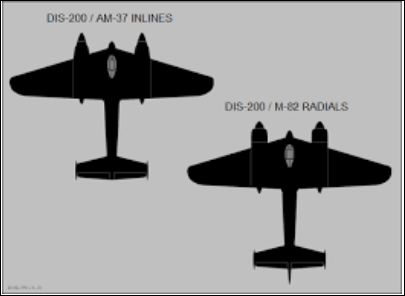
The initial prototype aircraft, designated the DIS-200 T, was an twin-engined, twin-tailed monoplane of mixed construction, seeing sections make of duralumin and wood. Armed with a single 23mm VYa autocannon in a centerline gun pod; two 12.7mm Berezin UBS Machine guns in the wing roots; and four 7.62mm ShKAS machine guns in the wings, with the ability to replace the gunpod with a 1000kg bomb or torpedo, the DIS-200 T was shaping up to be a phenomenal aircraft.
On June 11, 1941, the DIS-200 T would take its first flight, alongside several flight tests, where it was found that the aircraft could not meet its speed requirements. After a redesign and replacement of propellers, it now reached its required speeds, however The LII (Flight Research Institute) did not recommend it for production, but rather for continued testing.
With Operation Barbarossa and the German Invasion of the USSR, Mikoyan-Gurevich and its DIS-200 T prototype would be forced to evacuate beyond the Ural mountains, leading to the halting of development on the DIS-200 T, as resources were allocated away from the project and its still-experimental AM-37 engines.
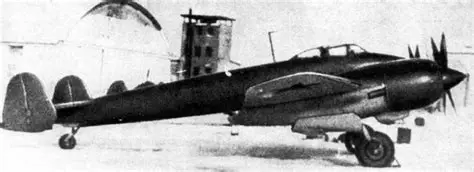
Meanwhile, In May 1941, a second prototype would be built, using the more available M-82 radial engines, and seeing several changes, including a lengthened fuselage, the removal of the 12.7mm machineguns for an additional 23mm autocannon, an the addition of an airbrake, seeing only a slight reduction in performance. The new variant, designated the DIS-200 IT, would struggle to be built during the intense wartime conditions and evacuation of the bureau, only seeing continued construction in autumn of 1942, and it seeing its first flight on January 28, 1943.
Seeing successful flight tests, a third prototype would begin construction, also using the M-82 engines. On February 10, flight tests would be halted as the carburetors of the flying DIS-200 IT would be sent to the TsIAM (Central Institute of Aviation Motors) for adjustment and tuning. Problems would arise during their maintenance, delaying the project, eventually leading to the project’s cancellation in October of 1943, as the Soviet Air Force no longer saw a need for a new heavy fighter with aircraft such as the Pe-3 in service; and a growing preference for more tactical aircraft that did not need a large operating range.
Photo Gallery
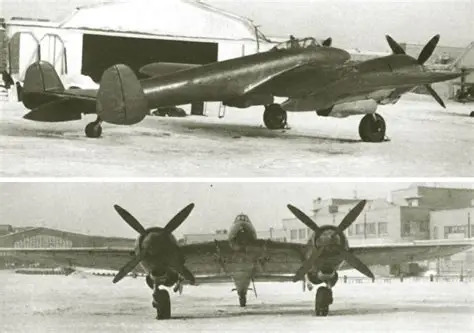
Technical Drawings, Models, & Data

Sources
Mikoyan-Gurevich DIS - Wikipedia
MiG-5 - Wikipedia, the free encyclopedia
Mikoyan-Gurevich DIS - Wikipedia, the free encyclopedia
Mikoyan/Gurevich DIS (MiG-5) - fighter
Mikoyan-Gurevich DIS (MiG-5) Proposed Long-Range Escort Fighter / Heavy Fighter
- Yes
- No
- Tech Tree
- Premium
- Event
- Battle Pass
- Squadron
- I Said No
- 2.0
- 2.3
- 2.7
- 3.0
- 3.3
- 3.7
- 4.0
- Other (Explain in Comments)
- Again… No.