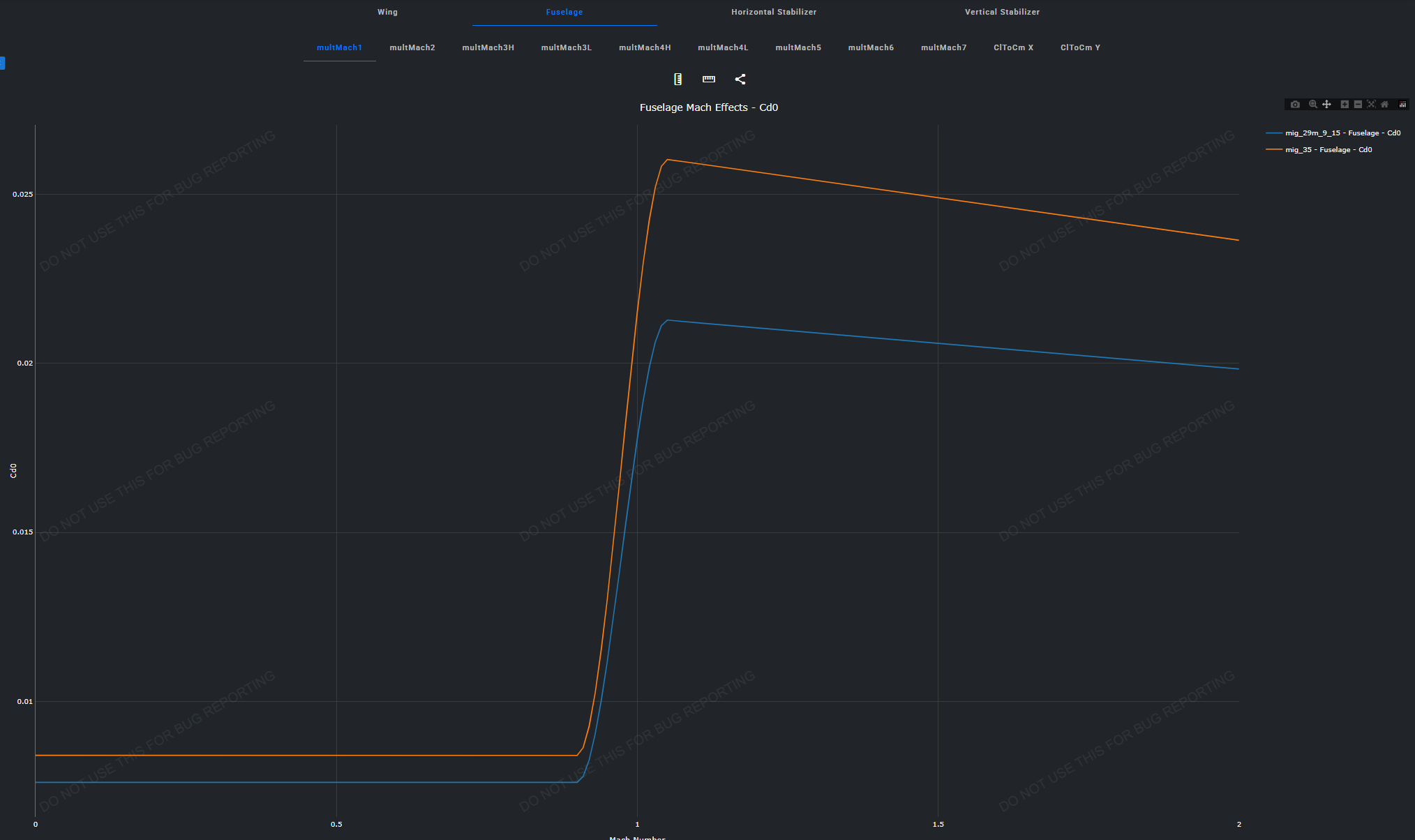
What I posted was for the Fuselage.
Draggier wings makes sense, but the Fuselage is odd.
What I posted was for the Fuselage.
Draggier wings makes sense, but the Fuselage is odd.
Thx. I seem always to mess up drag co and drag.
And even then with the engine power it has, even with a draggier airframe I don’t see how it would be so slow. At worst the plane should continue accelerating significantly even if the airframe can’t handle it at those speed
you are looking at the drag coefficients for the fulesalage
You can go back to Ron’s screenshot above. You can see that the drag (force) Fd is a result of multiplying the drag coefficient to the effective area of the object
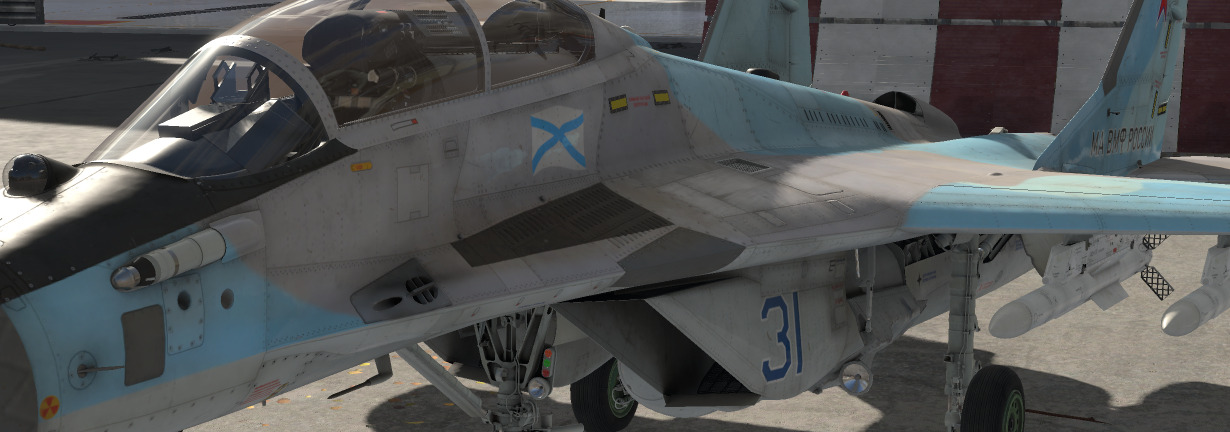
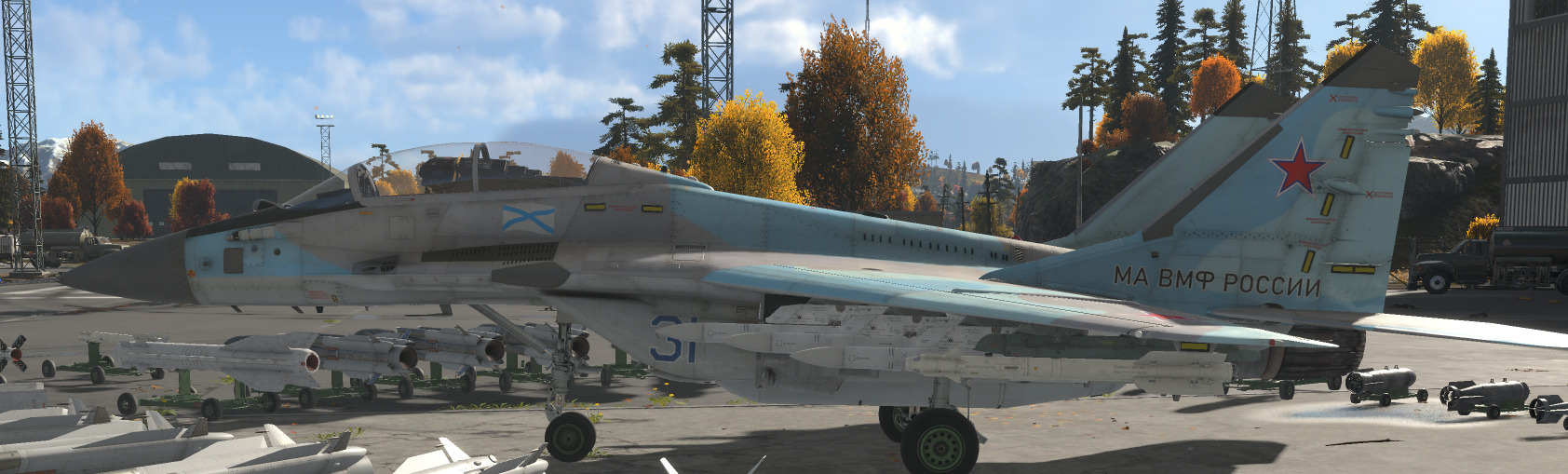
The fuselage also has draggier shape due to the cockpit and spine.
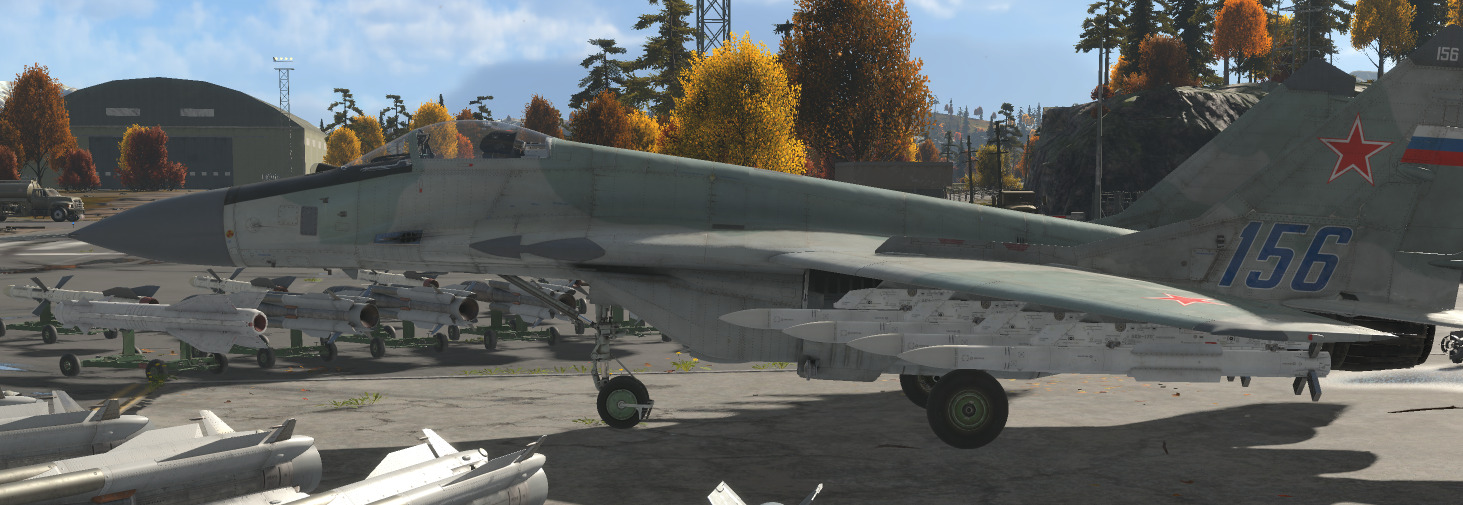
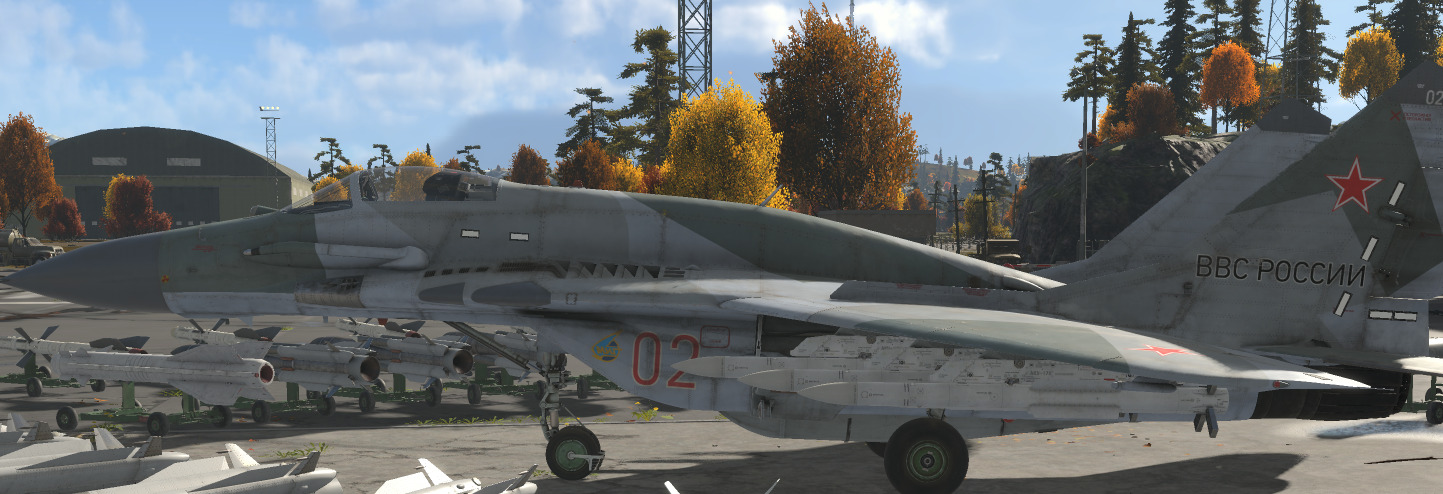
Same with the 9.13, the SMT and the 9-15. All of these have different drag values because they all have different shaped fuselages. The 9-15 is also quite draggy but has stronger engines optimized for speed which ends up in being faster than even the 9.12
the weirdest thing is that the Mig-29KR and Mig-35 have a higher drag coefficient than the Mig-29SMT
since there were quite some redesigning done to make the fuselage less dragy than the legacy migs
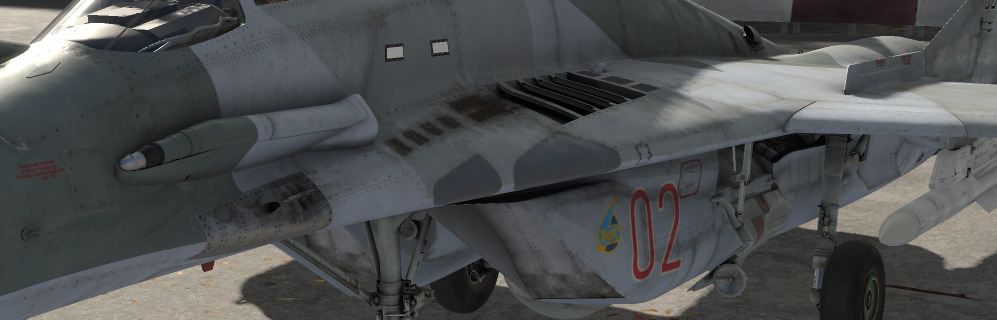
from a recessed refueling probe to a sharp leading edge on the lerx and an overall smother surface
and even weirder is that the Mig-29KR and Mig-35 have a way higher drag coefficient than the Mig-29M where most of the changes to the airframe can be traced back to
ontop of that it makese even less sense that the Mig-35 has a higher drag coefficient than the Mig-29KR
if anything it should be the same or less since the 35 dosent have the hook for carrier landings
As @ron_23 said, the 9.41s can be traced back to the 9.15, and have changes to the airframe to try to imrpove drag.
less draggy than the 29SMT
and it has all the same changes done to its airframe as the Mig-29KR and Mig-35 besides the cockpit
they also have the same shape of the spine
which dosent really matters anyways since they arent significantly contributing to drag in level flight
Why? I think its pretty reasonable that the larger spine which is different from the intended original shape from the 9.12, increases parasitic drag and possibly create more issues with turbulent air.
Is there any factual data on the drag of each fuselage? I assume we’re all doing guesswork here.
why should the smaller spine on the Mig-29KR and 35 produce more drag than the one on the 29SMT?
and why should it be significantly more draggy than the 29M which has the same spine
lets also not forget the refuling probe on the 29SMT that is not receesed
or the rougher surface finish, or all the random small antennas and intakes on the legacy migs
or the lerx
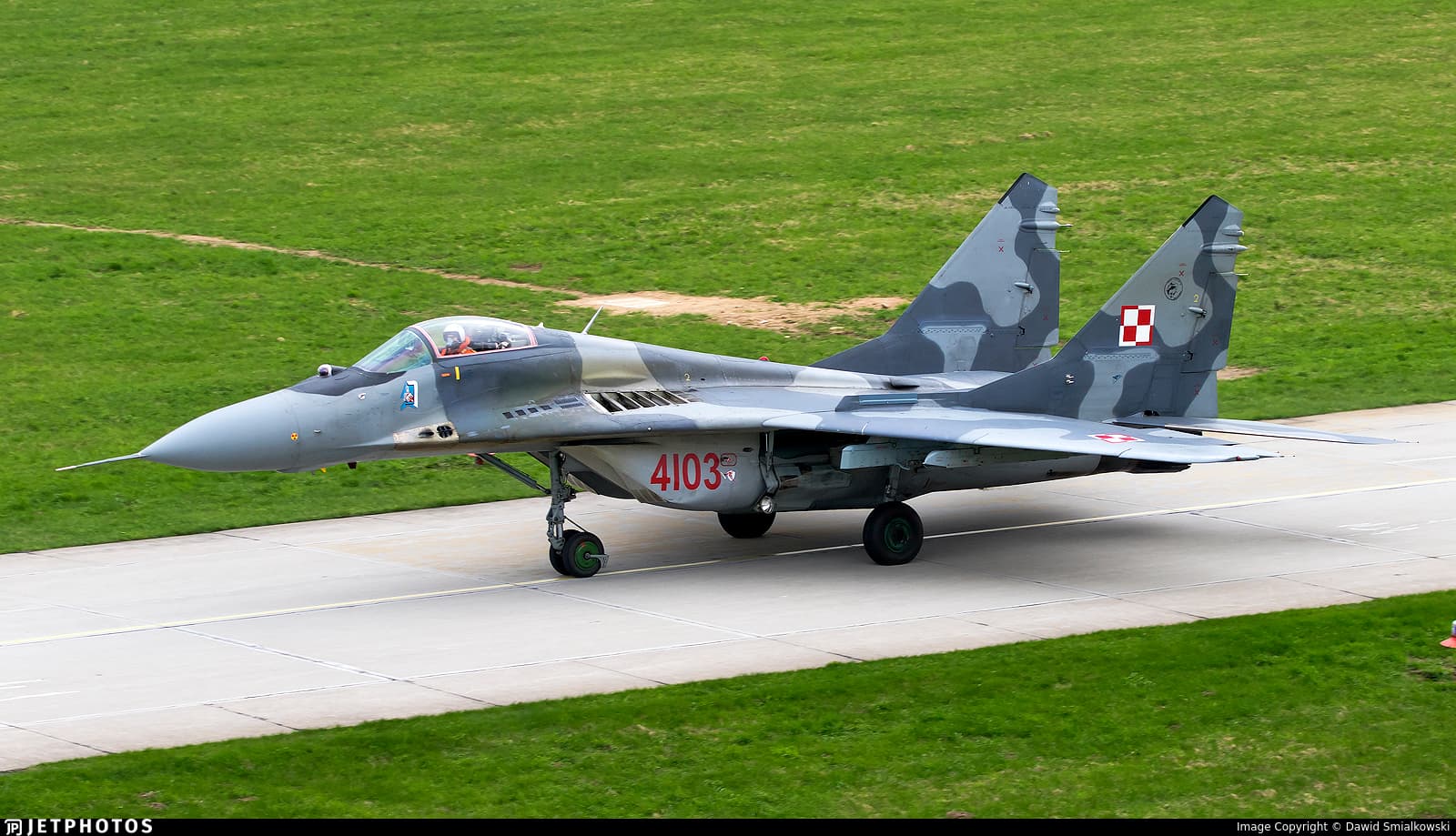
Do the files have specific values for the spine? Because the 9.41 cockpit would make the biggest impact I assume, just look at the size and lenght of it compared to the 9-15.
I don’t have the means to do an aerodynamic simulation here, but I assume it would create far more turbulence than the smaller clockpit which allows the compressed air to depress sooner and more smoothly into the fuselage surface. But I’m talking outside of my expertise here and just doing assumptions.
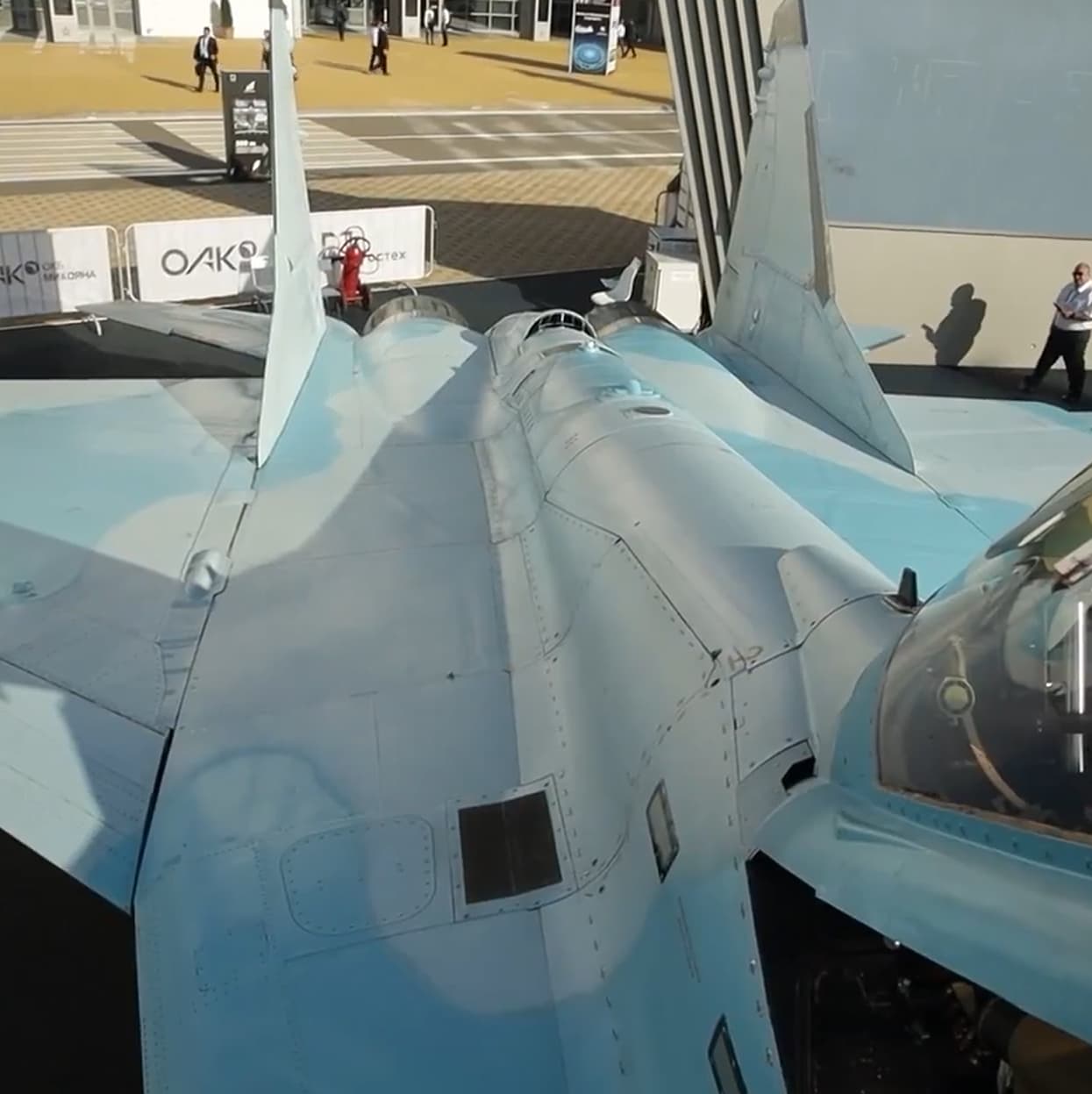
Speaking of the “bigger wing”, video presentation of MiG-35 showcased the relative difference between wing area by overlaying old MiG-29 airframe on top of the new one. Quality is not great, because it was recordedfrom the crowd, but difference in wing area is not particularly significant
so you are not awnsering my question then
the cockpit is not the only difference as i already pointed out earlier
the new migs have a smoother overall surface finish
they dont have all the random bits and pices on them
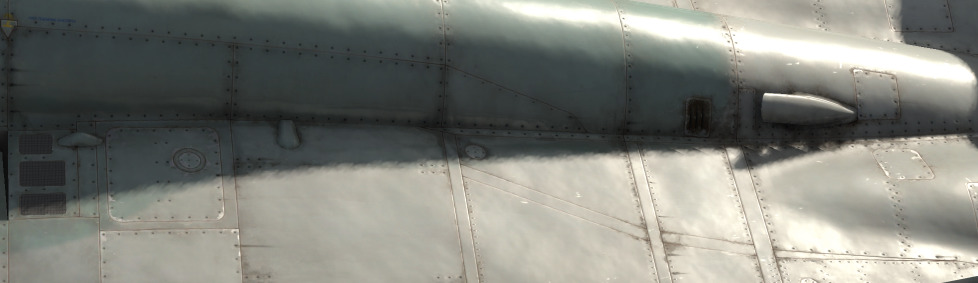
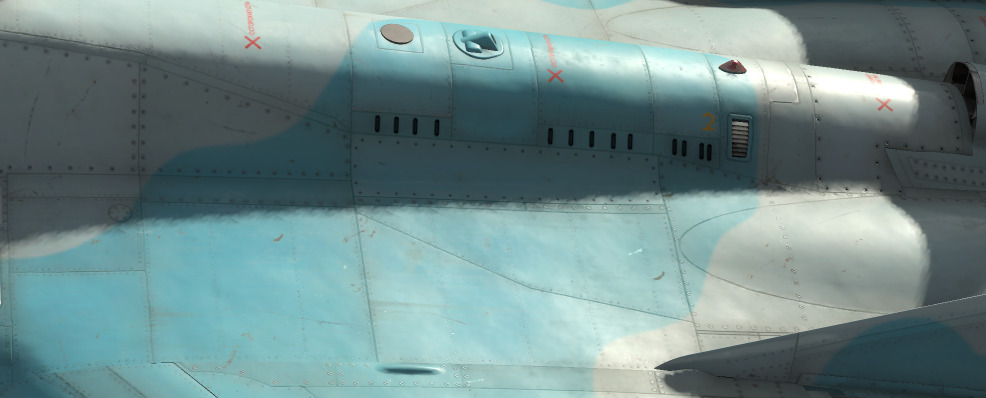
they have a sharp lerx
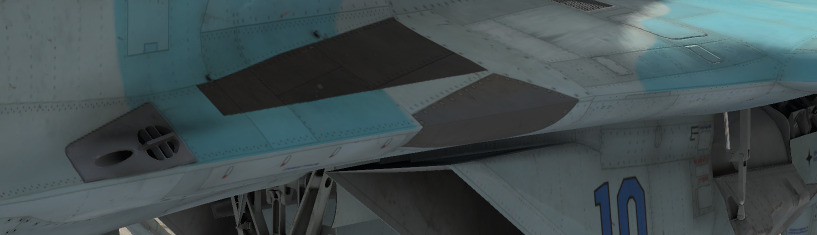
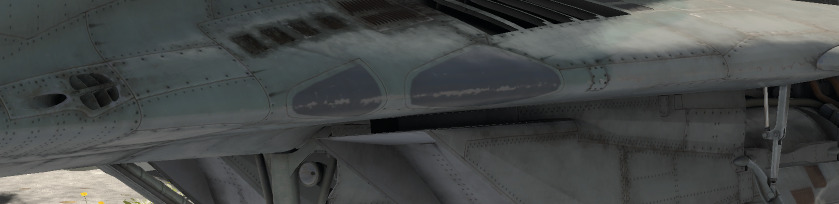
recessed refueling probes
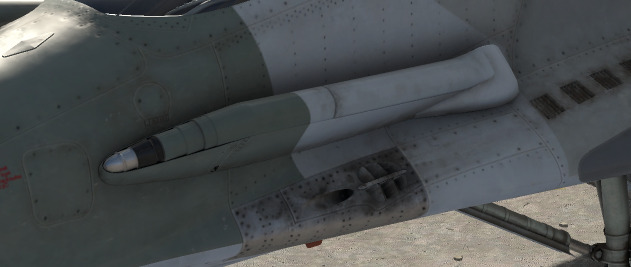
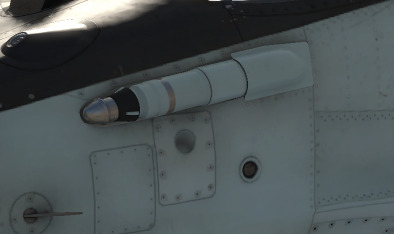
a streamlined tail
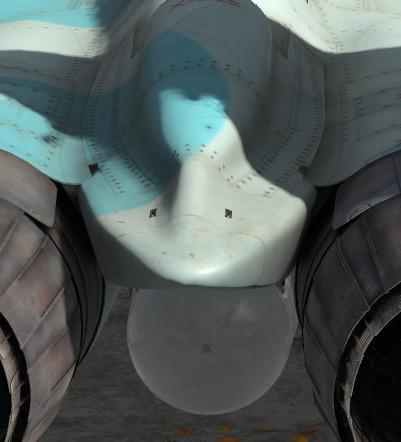
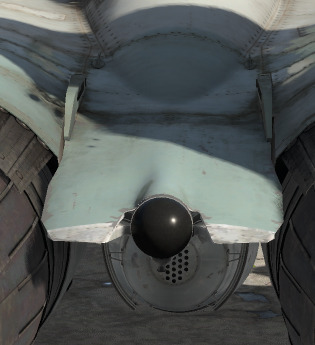
no rough field diverters
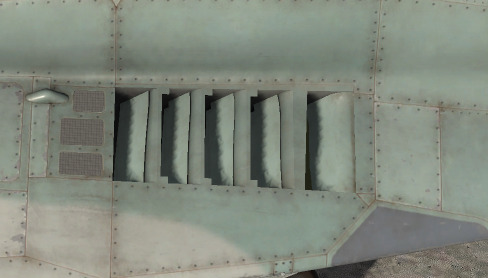
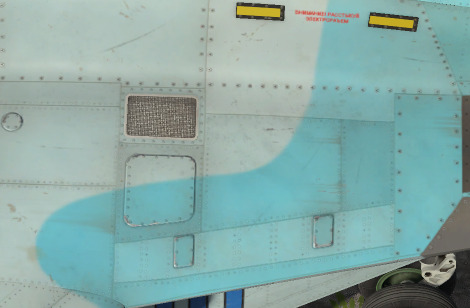
and the only difference between the Mig-29M and Mig-35/29KR is the cockpit shape
there is no logical explanation for why the Mig-29M being way less draggy than the Mig-29SMT while the Mig-35/29KR being more draggy than the 29SMT
I answered. Probably because of the huge cockpit
The SMT looks less draggy, though, from the overall shape alone. Smaller cockpit, smaller wing area. I don’t know if gaijin’s wing/fuselage values are reasonable, but overall I think the 9.41 should have more drag.
Smaller ≠ less drag.
Aerodynamic exist
the cockpit that is streamlined will definitely massively increase the drag enough so to not only offset all the other improvements to reduce the drag, but also make the drag overall worse
last time i checked the wing is not part of the fulesalage which i have been talking about the whole time
btw the Cd difference for the Su-27 and Su-30 is around 0.0017 past mach
meanwhile the Cd difference for the Mig-29M and Mig-35 is around 0.005 past mach
you have to be joking
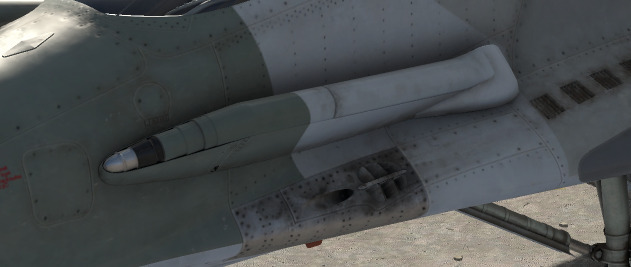
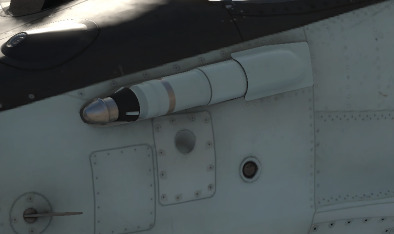
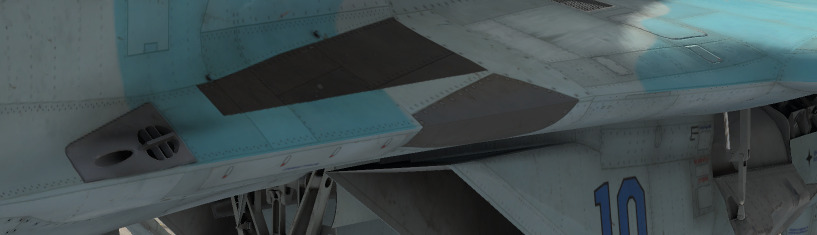
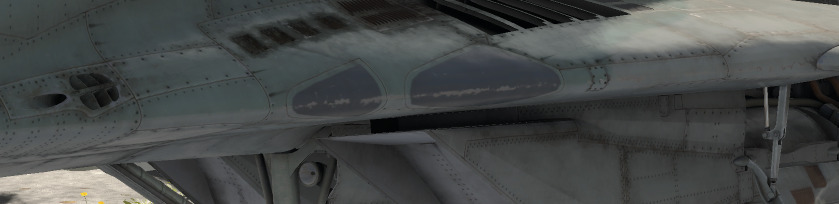
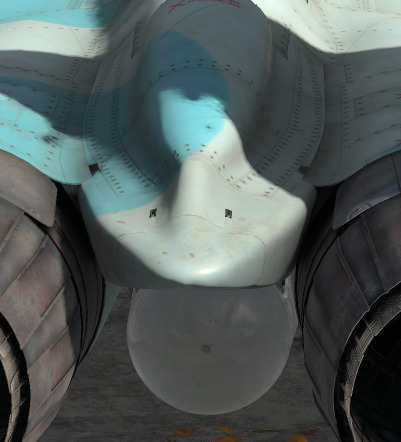
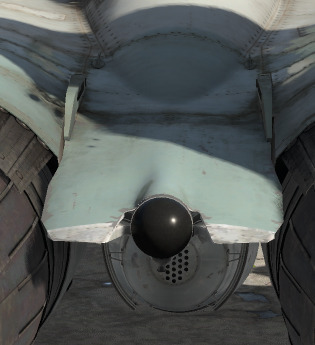
you dont need to be a NASA scientist to see that that is just wrong
and we are talking about the Cd and not the Drag
Yes, but it’s highly correlated in this context, especially when the shape seems less aerodynamic, and it’s also larger.