- Yes
- No

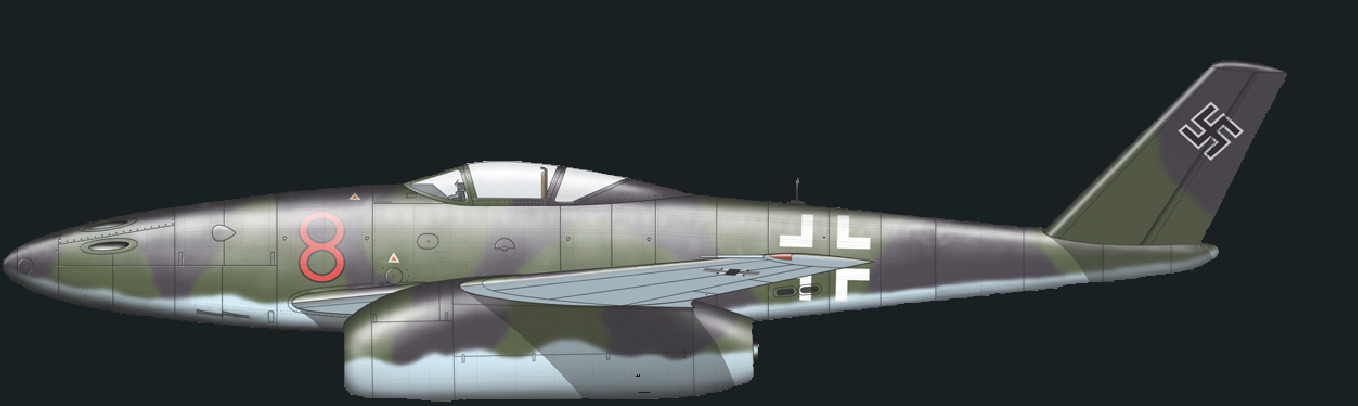
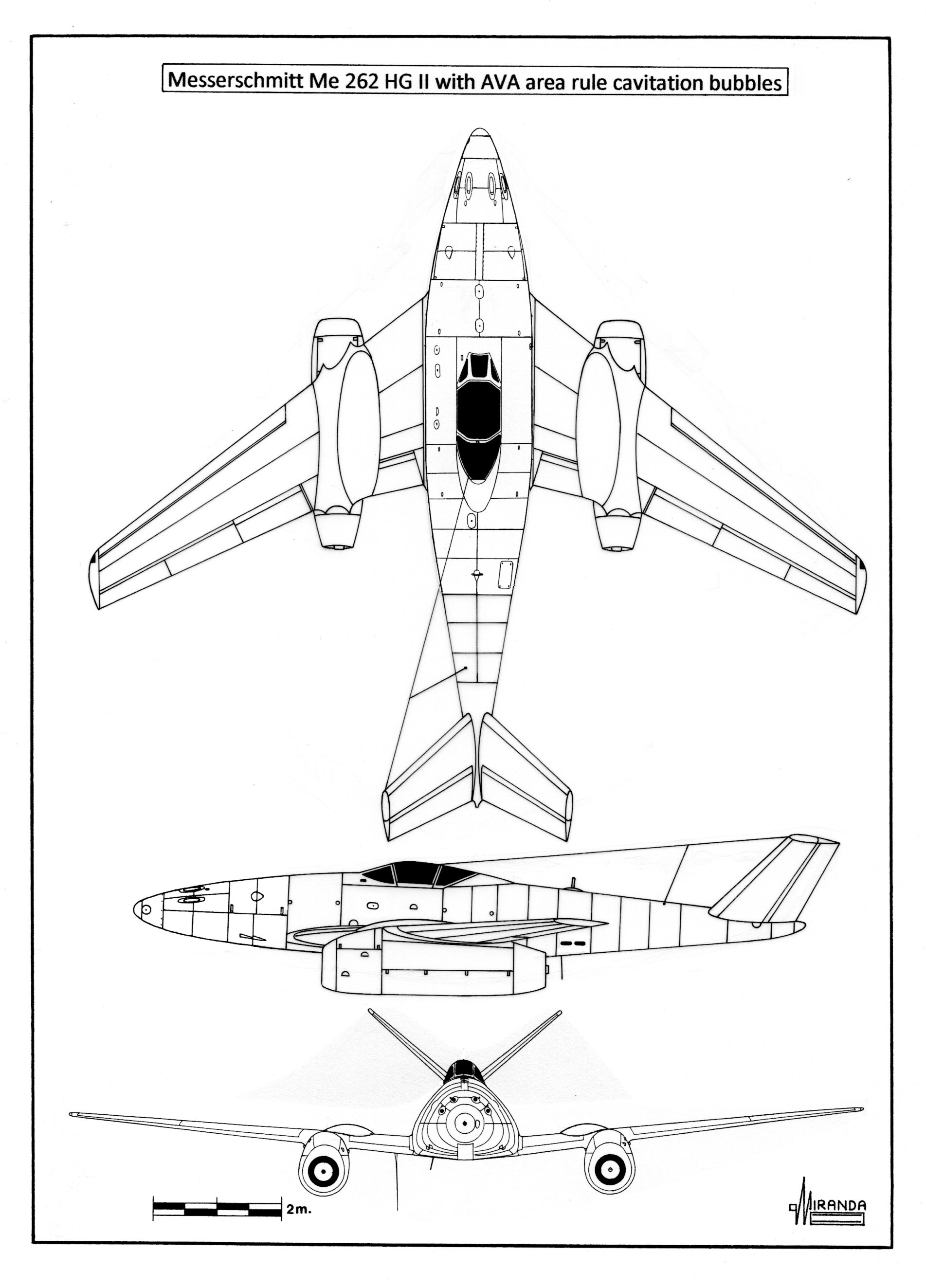
The Messerschmit Me 262 HGII was a prototype Luftwaffe fighter which is perhaps one of the most known prototypes of WW2, its construction began in 1944 and it was nearing flight testing on Lechfeld Airbase in March 1945.
History
Spoiler
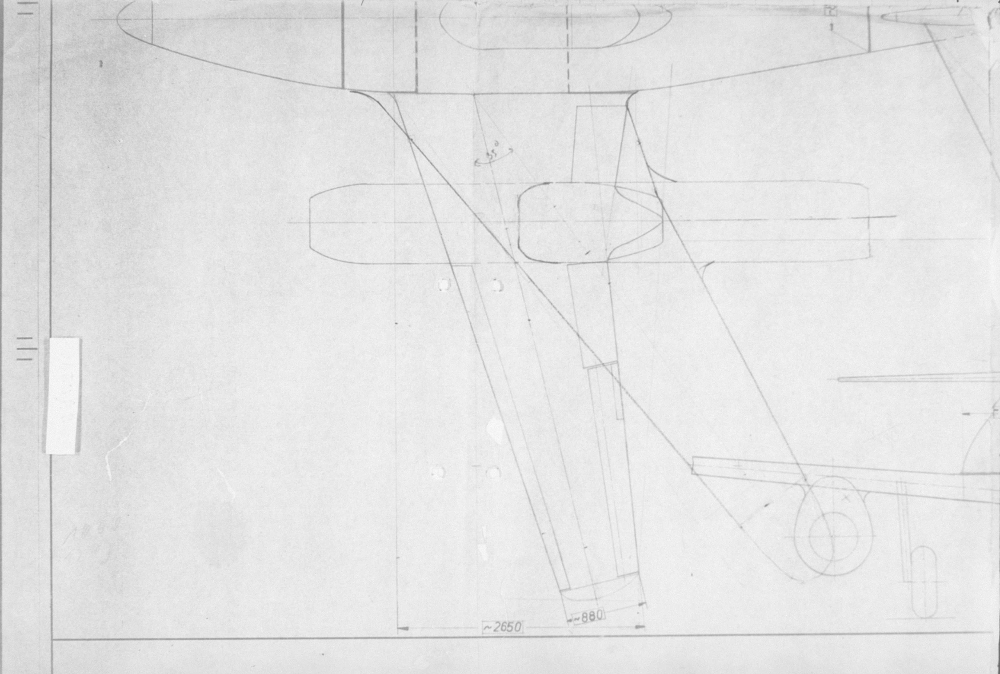
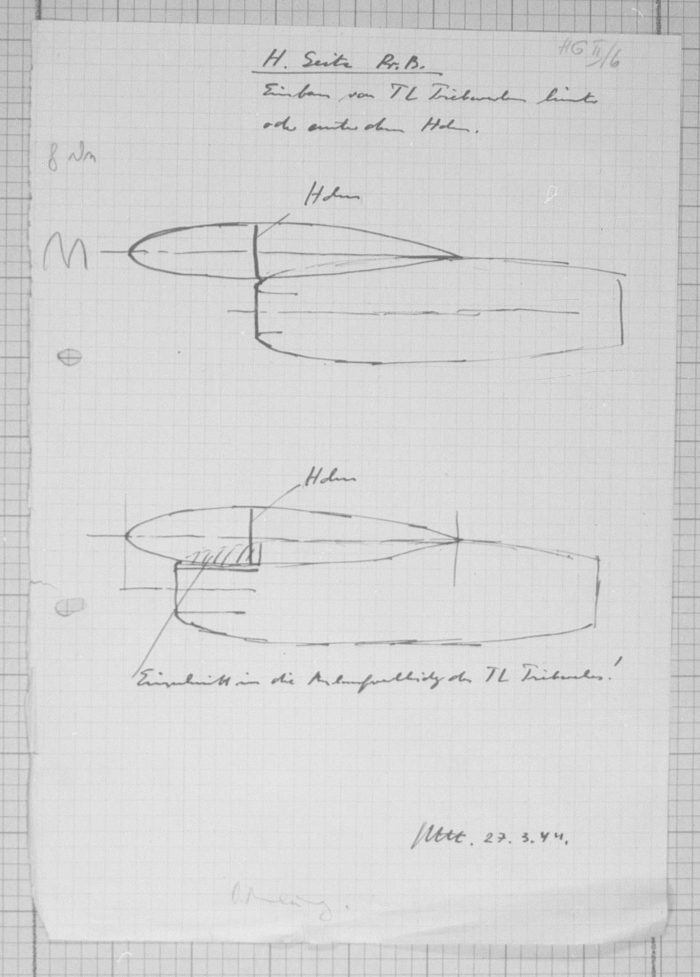
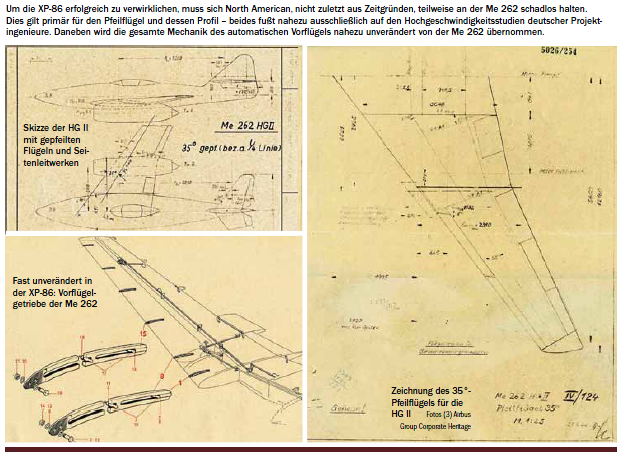
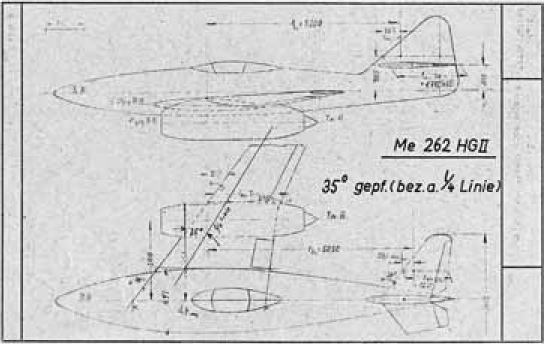
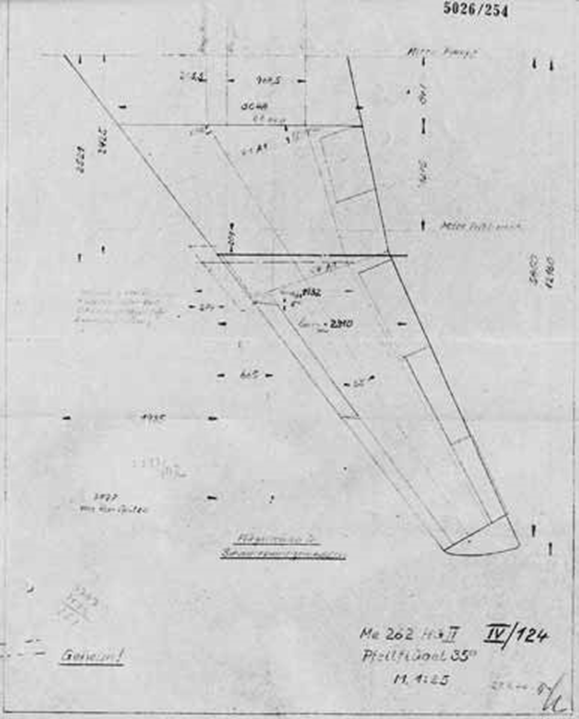
The Messerschmitt Me 262 HGII was born from the concretization of Willy Messerschmitt’s dream to improve the Schwalbe’s high speed flight abilities. This attempt dates all the way back to April 1941, where Messerschmitt was already designing a high speed variant of the Me 262 with a 35° wing sweep. However this project was never looked at seriously until January 5th 1944, after a meeting which would become well known for birthing the most influential high speed aircraft designs of the post WW2 scene. During the latter, a proposal was made for a new twin-jet engine fighter aircraft which would be able to near Mach 1 by dealing with compressibility issues, such a fighter would be built using a Swept back wing. This was part of the Me 262 Projektübergabe V program. This new fighter would take as a basis the standard Me 262A1a and modify it to the point where it could be considered a new aircraft. On February 17th, a drawing was made showing the Me 262 with a notched Delta wing, an idea which would be later scrapped. By February 25th it was made clear that to speed up the project, it was better to improve the already existing Me 262 rather than try to replace it, such an idea was proposed by Rudolf Seitz, and was subsequently approved.
This, alongside many potential designs would be relayed in March 1944 to the different construction offices to be studied (Kobü-Leitwerk, Kobü-Tragwerk…) and calculations by the Stabü-Tragwerk would begin on the inner-wings, followed by the Kobü-Rumpf which started working on the Rennkabine (racing canopy) on March 20th. However actual construction orders took a substantial amount of time to be delivered, slowing down the project.
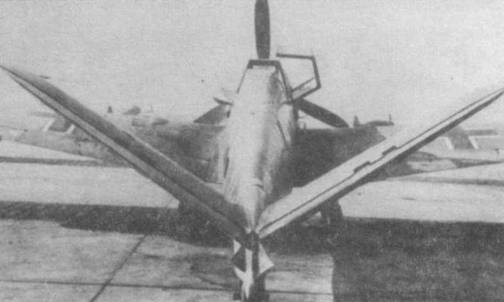
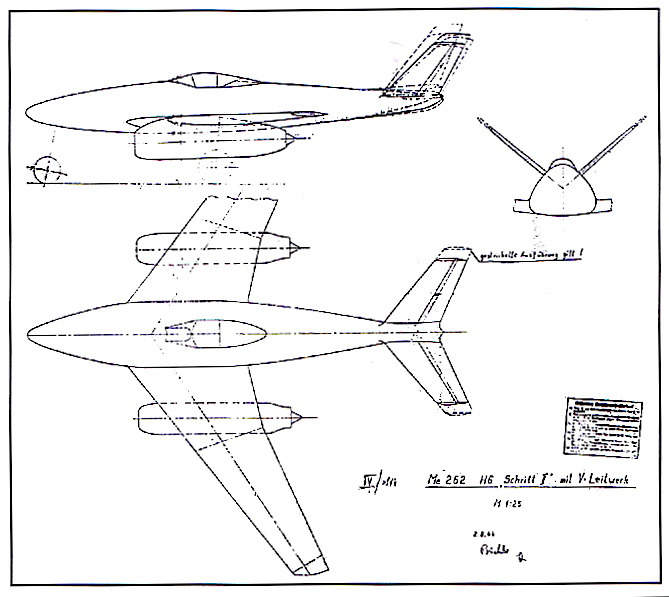
On April 16th 1944, following an official visit to Messerschmitt’s facilities, Knemeyer would back the project so as for Messerschmitt to maintain its advance, and would issue construction orders to the Konstruktionsbüro. If at this point it was still unclear what tail the new Schwalbes should use, Willy Messerschmitt himself suggested the V-tail design for the Me 262 HGII on July 24th, an idea which would be explored further and ultimately chosen, as the drawing IV/114 made on August 2nd shows the aircraft with a V-tail configuration. In September 1944, the designs for the HGI, HGII, and HGIII were more or less decided, after countless wind tunnel testing with scaled down models. The work left to be done was mostly for the actual construction of the prototypes, this also marks the month where the V-Tail was officialy chosen for the HGII.
On October 1st, the Me 262 WNr. 130 004 enters the workshop to undergo conversion to the HGI type, and later that year at an unknown date, Me 262 A1a WNr. 111538 is chosen to undergo conversion to the HGII type.
All those manhours of work culminate on January 18th 1945, when the Me 262 HGI takes to the skies for the first time. After thorough flight testing, it is revealed that the V-Tail configuration makes the aircraft unstable at low speeds, and introduces slight pitching during yaw maneuvers and vice versa.
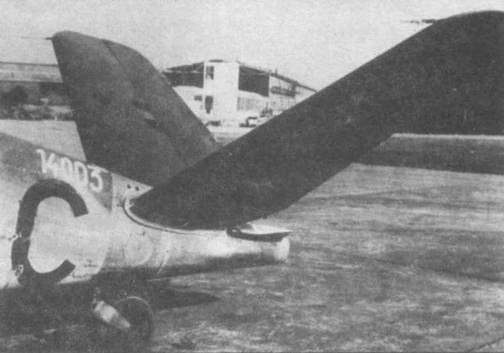
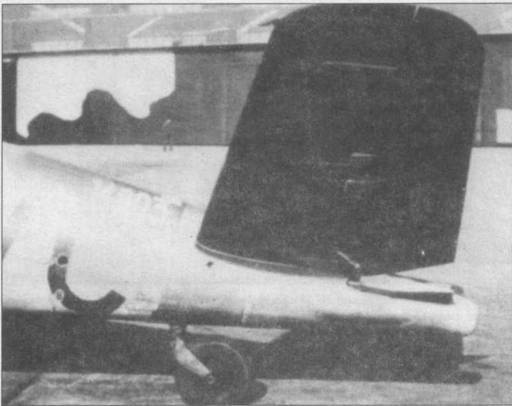
The V-Tail is subsequently removed and replaced with a standard Me 262 Tail section, and the aircraft undergoes 20 more test flights through March 1945.
The Me 262 HGII was supposed to take to the skies in March, but this was never done.
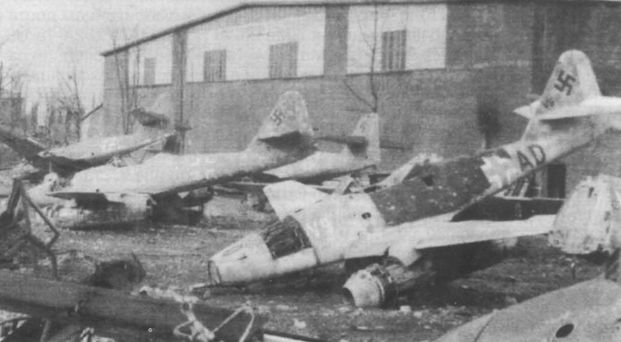
In an interrogation by allied forces after the war (ADI(K) Report No1/1946 on January 7th 1946), Woldermar Voigt, Chief of the projects office at Messerschmitt, states the following “The prototype was completed, but it was destroyed in a ground accident by some other aircraft crashing into it”
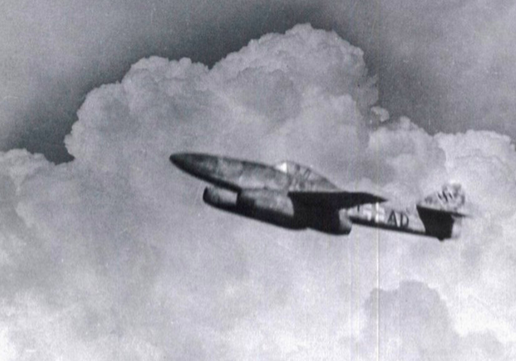
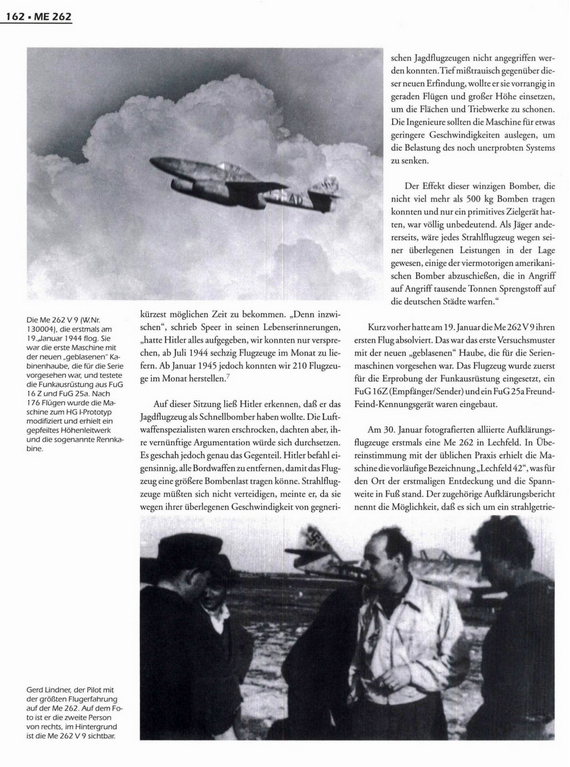
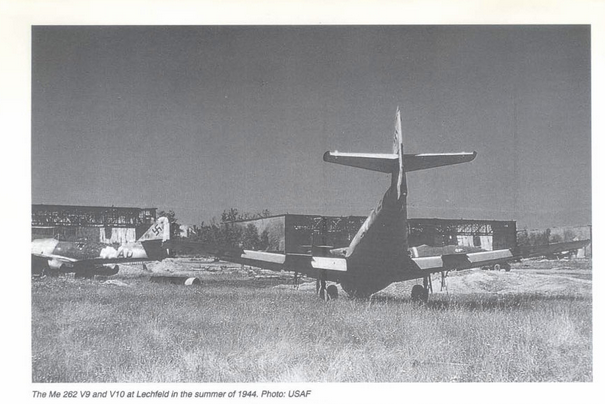
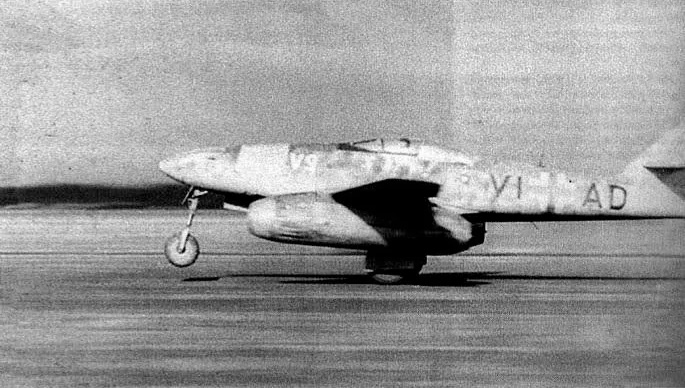
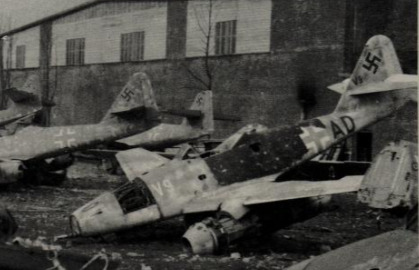
There was not enough time to repair the Me 262 HGII before the end of the war, and it was supposedly destroyed in an air raid. As for the Me 262 HGI, contrary to popular beliefs it did not have the same fate. The Me 262 V9 WNr. 130 004 was reverted back to its original configuration and later captured by advancing allied troops.
Specifications
Spoiler
- Maximum Speed (km/h): 1058
- Maximum Speed (Mach): 0.93
- Weight: 6,700kg
- Fuel Weight: 2,000kg
- Wing Area (gross) (m²): 21.0
- Wing Area (net) (m²): 19.5
- Span: 12.6
- Length: 10.9
- Height gear down: 3.5m
- Tail Area (V-tail) (m²): 7
- Ceiling: 12,500m
- Ground Run: 1,200m
- Range: 1,000km
- Fuel Load: 2,400L
- Stall speed (Full fuel, gear and flaps down): 202km/h
- Engines: Jumo 004b (Planned Jumo 004D)
- Flat Rate: 28-30 Seconds
- Climb Rate: 25m/s
- Wing Sweep: 35°
Features a racing canopy streamlined with the airframe, a smoothed fuselage and a better roll rate than the Me 262 A1a.
Armament
Spoiler
- x4 30 mm MK 108
- x24 R4M
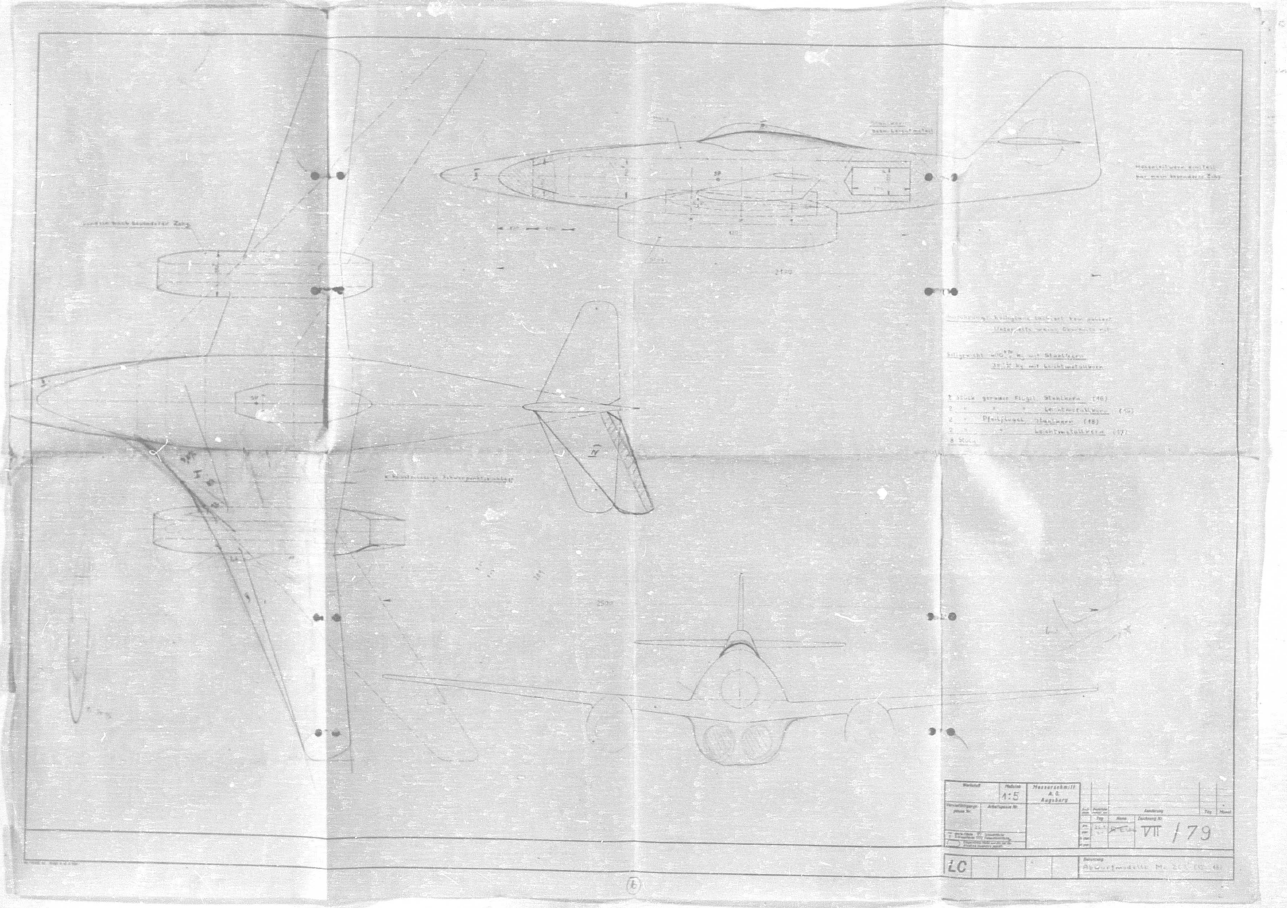
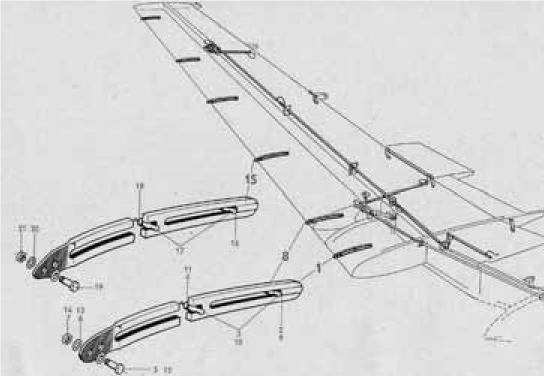
Diagrams

Images
Spoiler
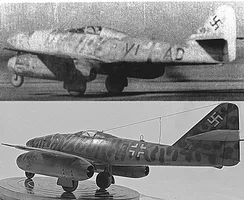
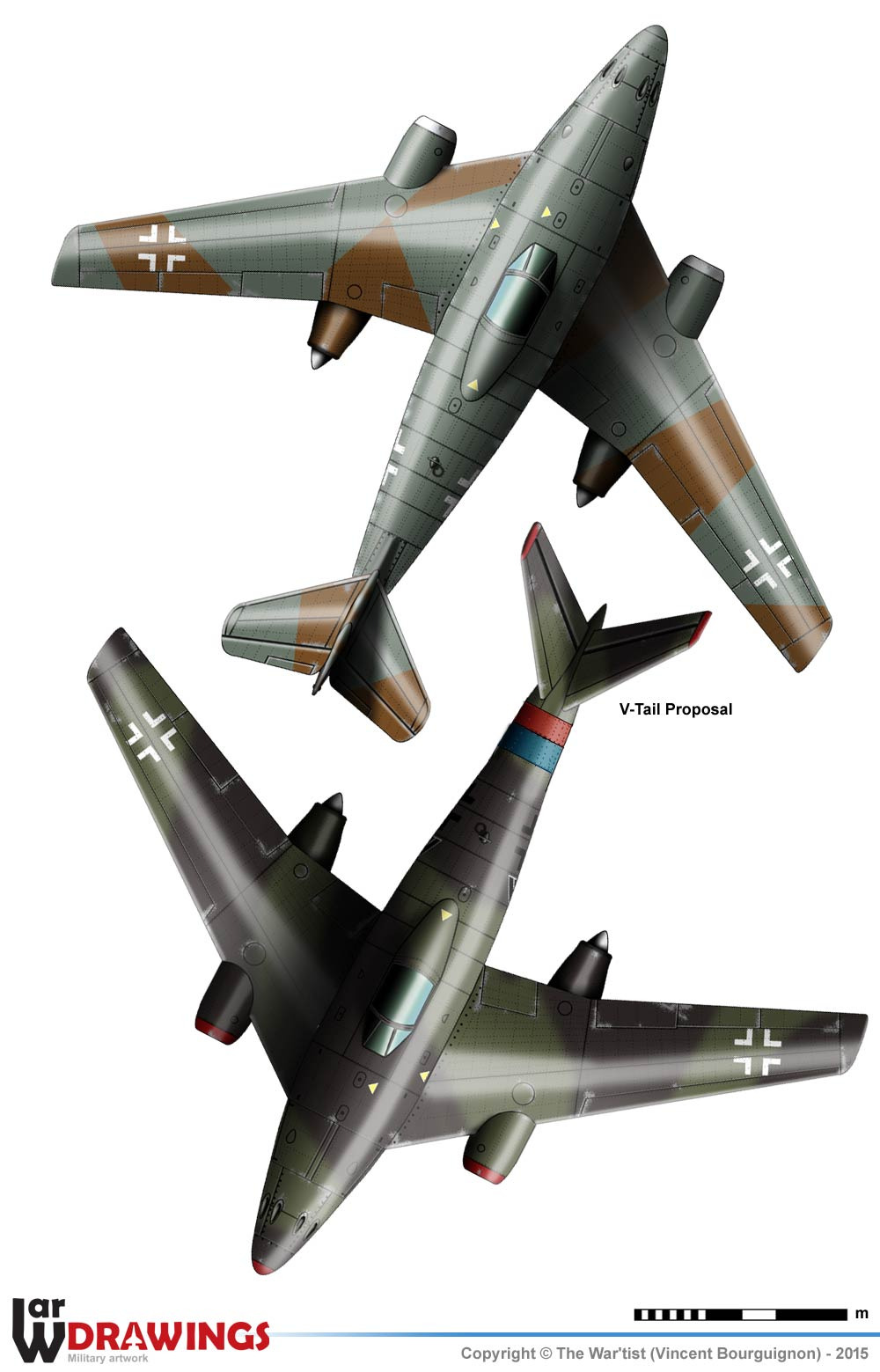
Below, Me 262 HGII with both V-tail and T-tail
Below, Model of the Me 262 HGII with V-tail

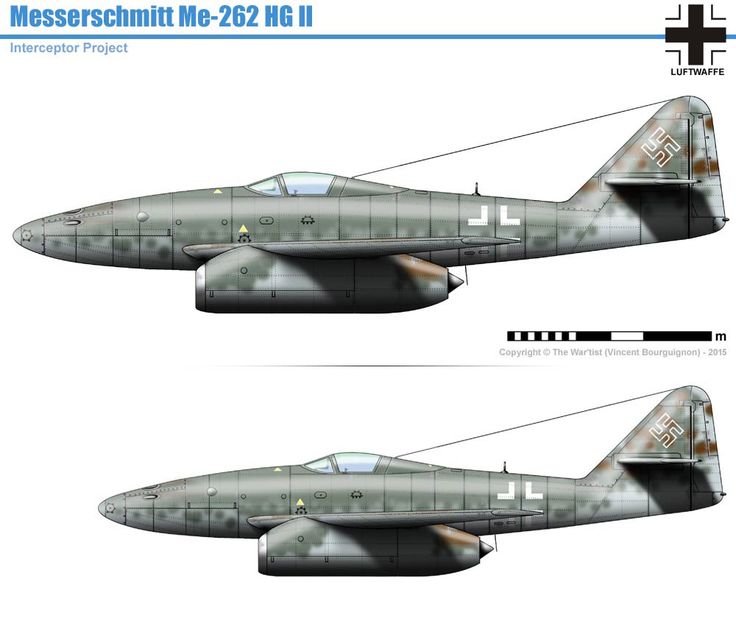
Below, side view of the Me 262 HGII with V-tail
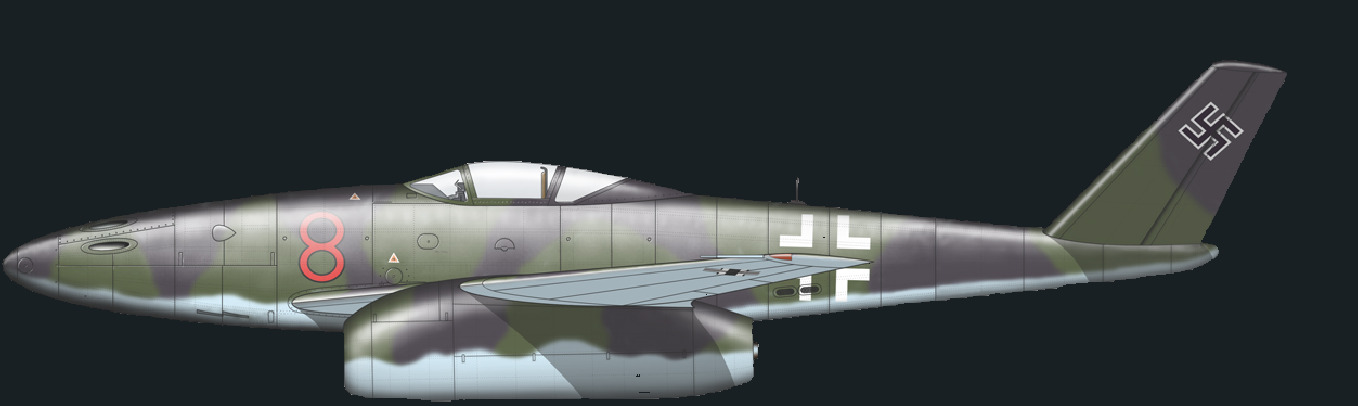
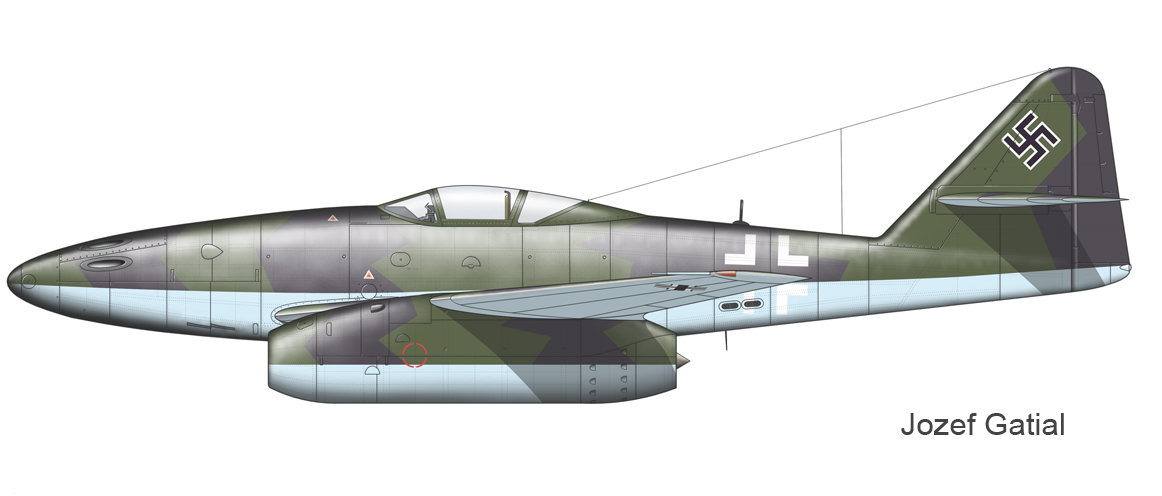
Below, Art of the Me 262 HGII with V-tail

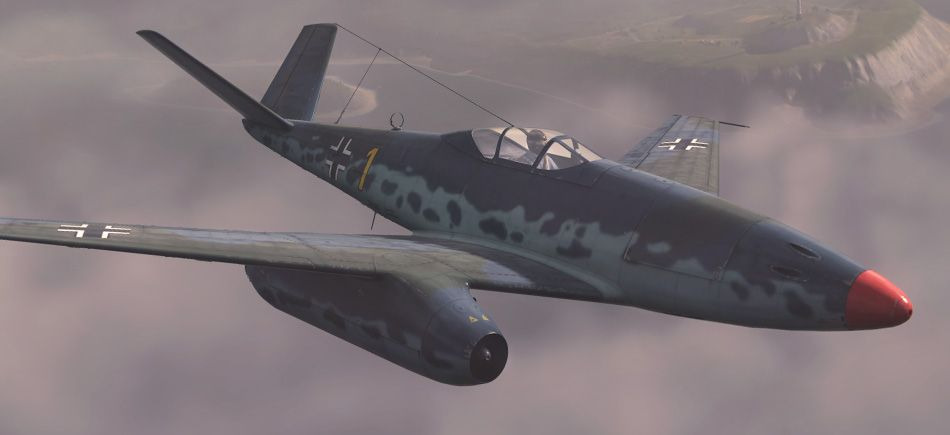
Below, the Me 262 HGII as shown in another video game
Finally, below is the Me 262 V9 after being reverted back to its original configuration
Sources
Spoiler
- Secret Projects of the Luftwaffe Volume 1 by Dan Sharp
- Luftwaffe Secret Projects Fighters 1939-1945 by Walter Schick and Ingolf Meyer
- Luftwaffe Emergency Fighters by Robert Forsyth
- Luftwaffe Secret Projects of the Third Reich by Dan Sharp
- Messerschmitt Me 262 : development, testing, production by Walter Shick and Willy Radinger
- Messerschmitt Me 262: The Production Log 1941–1945 by Dan O Connel
To wrap it up, let me end the same way I’ve ended my Me P.1101 suggestion, with this quote found on the original Me 262 HGII suggestion which I find extremely good and fitting,
“having obscure completed prototypes instead of prominent almost complete planes (like HG II) does not represent the German tech-tree in a historically accurate manner.”