Would you like to see this in-game?
- Yes
- No
0
voters
• Brief background history:
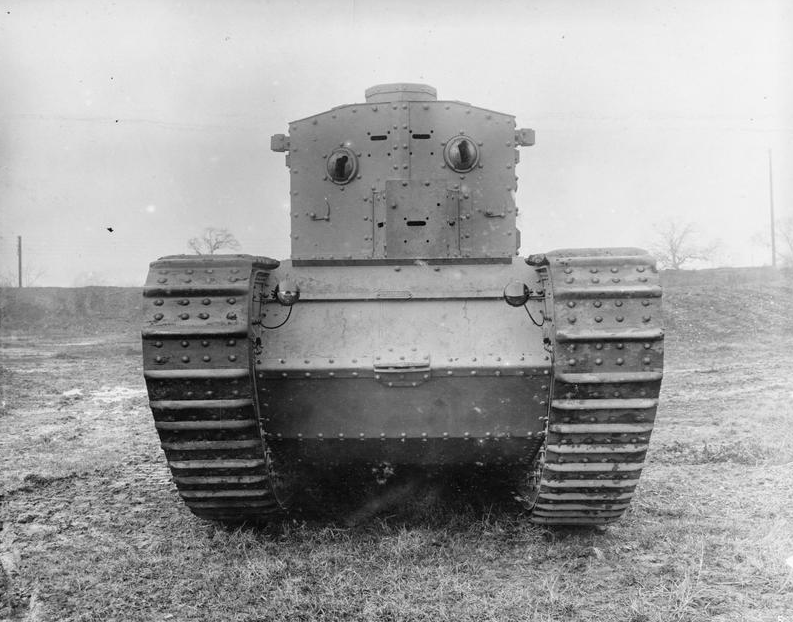
The Medium Mark C represented a further development of the earlier Whippet tank. Sir William Tritton, the designer responsible for the original “Chaser” tank — the Medium Mark A Whippet — personally visited the Western Front in 1917 in order to consult with tank crews and gather their opinions and practical suggestions. During this visit, he also had the opportunity to observe firsthand the difficult terrain across which his vehicles were required to operate, an experience that strongly influenced his later design work.
Even before production of the Medium Mark A Whippet had been completed, it was already considered likely that a successor would be required. The War Office sought an improved design that would incorporate operational experience and the feedback provided by tank crews. Two competing proposals eventually emerged as potential replacements. One was the Medium Mark B, designed by Major Walter Wilson, while the other was the Medium Mark C, developed by Sir William Tritton, the original designer of the Medium Mark A.
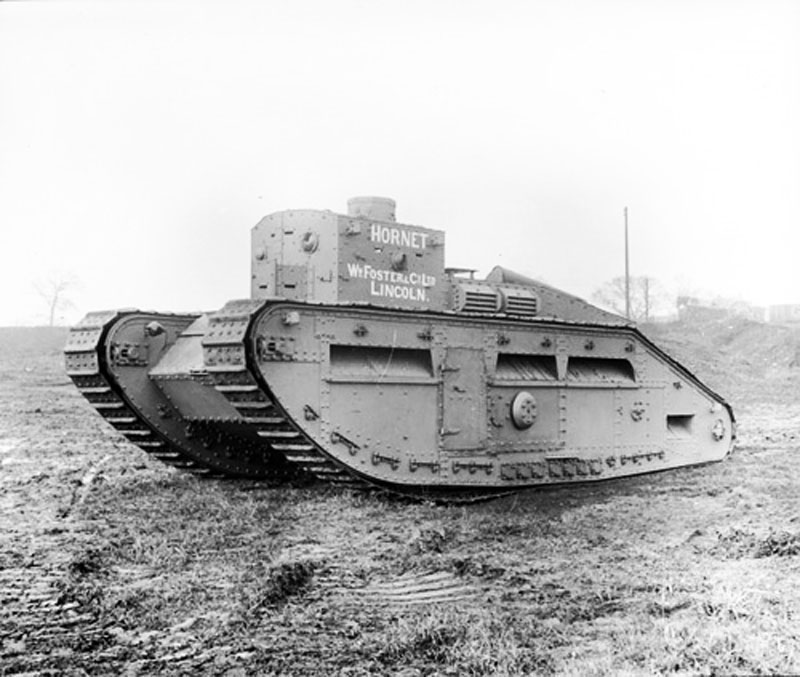
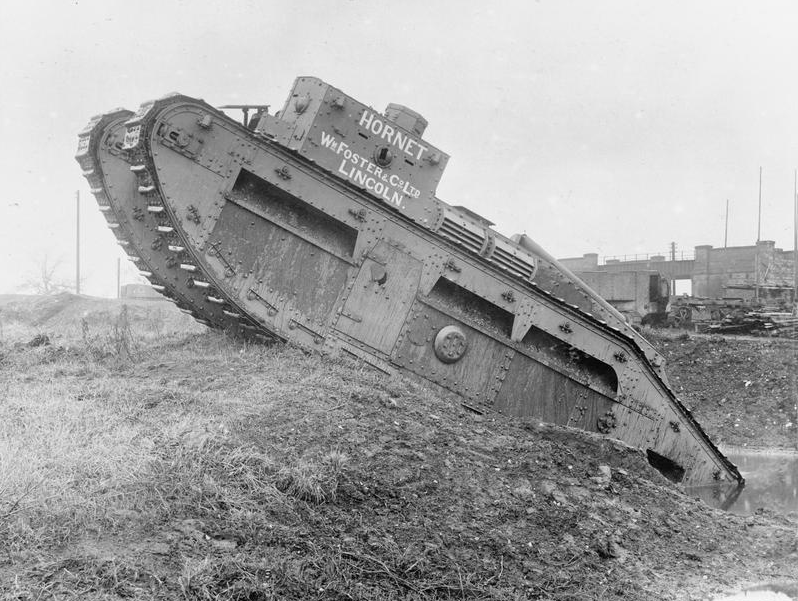
Working at William Foster and Co., Tritton and his chief engineer William Rigby began developing the Medium Mark C in response to a request issued by Admiral Moore on 3rd January 1918. Preliminary drawings were completed by 14th February, and the War Office formally approved the design on 19th April 1918. Construction of the prototype soon followed, and the vehicle was completed in August of that year. Although Tritton’s design work had begun later than Wilson’s competing project, the prototype of his machine was finished approximately one month earlier. This vehicle received the nickname “HORNET”. The reasons why the military authorities authorized two separate replacement designs remain uncertain, as does the shift in naming tradition from fast hunting dogs to stinging insects. Nevertheless, the image of a large and aggressive insect with a painful sting suited the intended combat role of the vehicle, using their speed to advance through enemy lines and cause mayhem, before they had time to react. It is possible that both designs were intended to be produced initially so that their performance could be evaluated before selecting the superior model for larger-scale production.
The Medium Mark C was a substantial vehicle and differed greatly from the Whippet it was intended to replace. In fact, it was only slightly shorter than the Mk.V heavy tank, but it was taller, while being almost just as protected and having almost twice the speed, it also exceeded the weight of Major Wilson’s Medium Mark B by approximately two tons.
In 1919 the Mark C ‘Hornet’ was considered one of the most advanced tanks of it’s time, and several features used on the vehicle, and lessons learned with it, ended up being used in later tank designs by the British as well as other nations. The Hornet was considered ahead of it’s time and impressed many at it’s arrival, with the tank having a crew compartment completely separated from the crew fighting compartment, as well as a more advanced ventilation and exhaustion system, which significantly improved the crew working conditions, the tank was mechanically more reliable than the other designs used during the war and was considerably more agile as a ‘chaser tank’, despite it’s enormous size.
The Hornet did have active service in the British Army, despite it never participating in any significant conflict, it did saw use in some of the British colonies, and smaller conflicts.
• General vehicle’s specifications:
The tank has a crew of 4 to 5 members, 2 machine gunners, a commander, a driver and a machine gun loader, although, a lot of sources don’t mention the presence of this loader, so it most likely only has 4 crew members;
The tank is 7.92m long, 2.9m high and 2.54m wide, it weights ~20 tons, it’s powered by a 6 cylinder Ricardo engine producing 150hp at 1200rpm, giving it a top speed of 8mph or 12kph;
Armor isn’t particularly thick, but like other world war 1 tanks, there are lots of places where the armor overlaps, the thickest plates are 14mm thick and the thinner plates are 6mm;
• Superstructure: 14mm thick all sides
• Superstructure roof: 8mm // 14mm hexagonal cupola
• Hull front: 14mm thick UFP and LFP
• Hull sides: 14mm + 14mm (sectioned by other 12mm plates)
• Hull rear: 12mm
• Hull roof: 8mm
• Hull floor: 6mm
Observations:
• Observations: Internal components, like the engine, ammunition storage, radiators, transmission and floor of the Superstructure (for the crew to stand on) are all sectioned by 12mm plates, similarity to how it is on the Mark V already in War Thunder;
• Observations²: The superstructure has a internal frame that reinforces the structure corners and the platform that the crew stands on, i couldn’t find a value for this piece, but it’s probably 8mm to 10mm thick. Mg ports and other hatches are 14mm thick;
• Observations³: The engine compartment is separated from the crew fighting compartment by a large bulkhead.
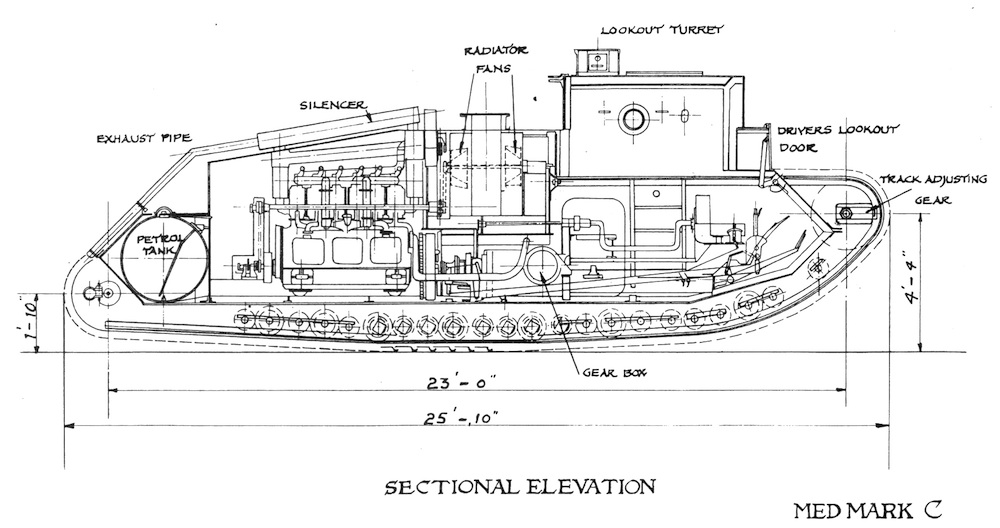
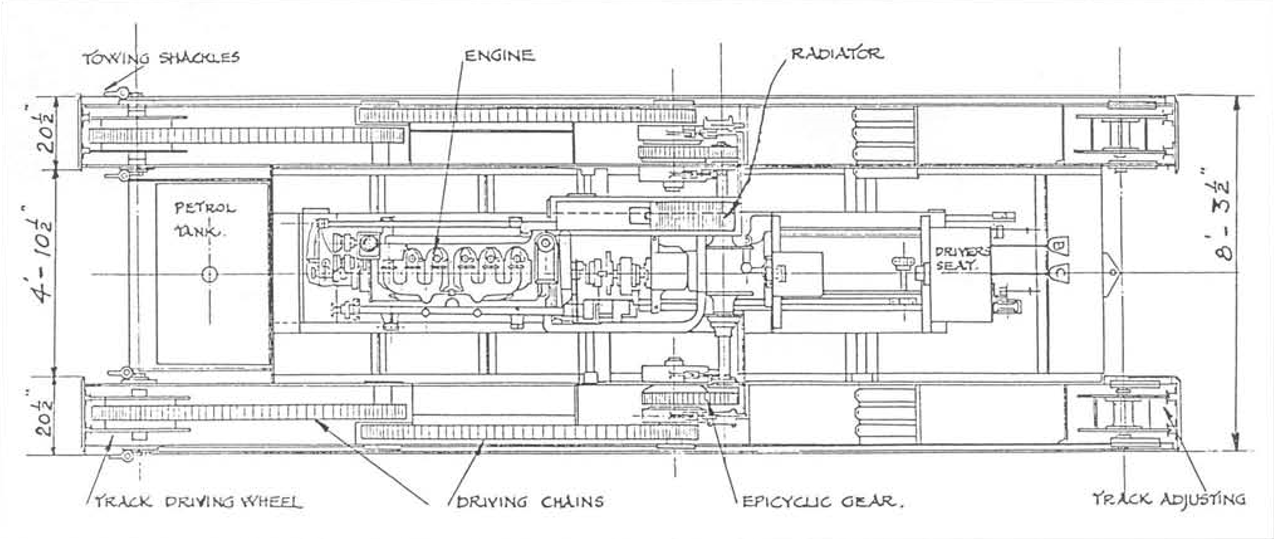
• Armaments: The tank is Armed with 4 .303 in (7.7 mm) Hotchkiss machine guns (carries 7200 rounds), 2 pointing forwards, and 2 on each side, using AP belts these machine guns can penetrate up to 13mm of armor. The tank could also be equipped with Lewis machine guns. I’ve seen some topics saying that an experimental AP round was developed for the Hotchkiss capable of penetrating 27mm of armor, but i couldn’t find any solid information on that.
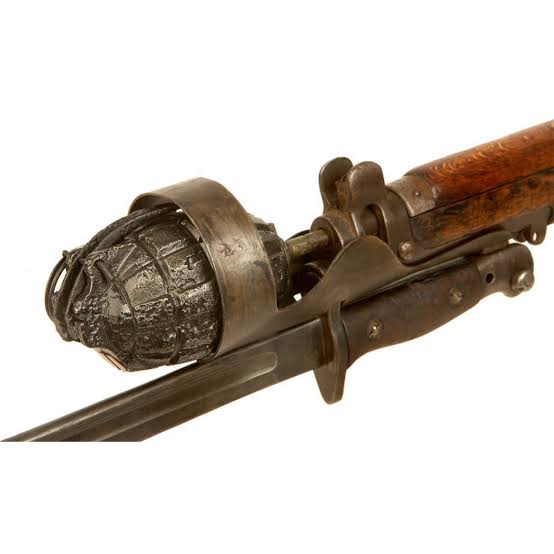
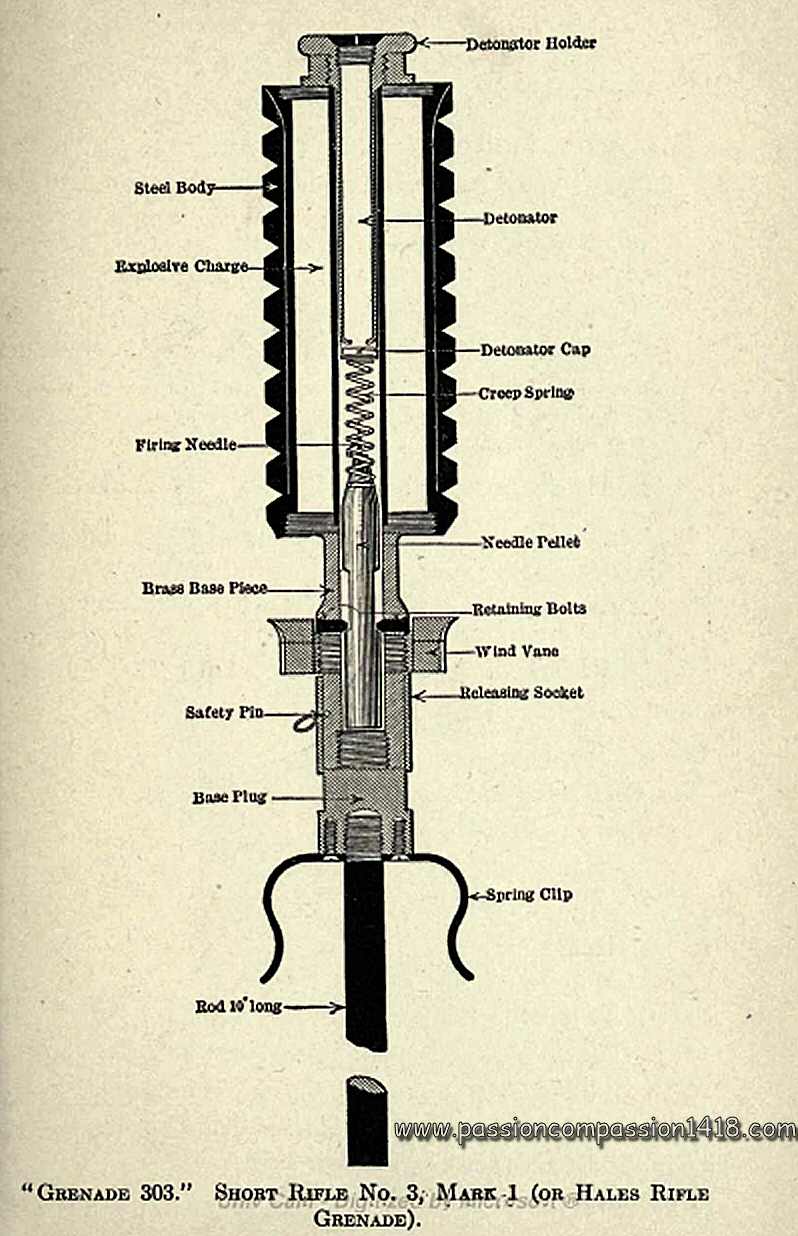
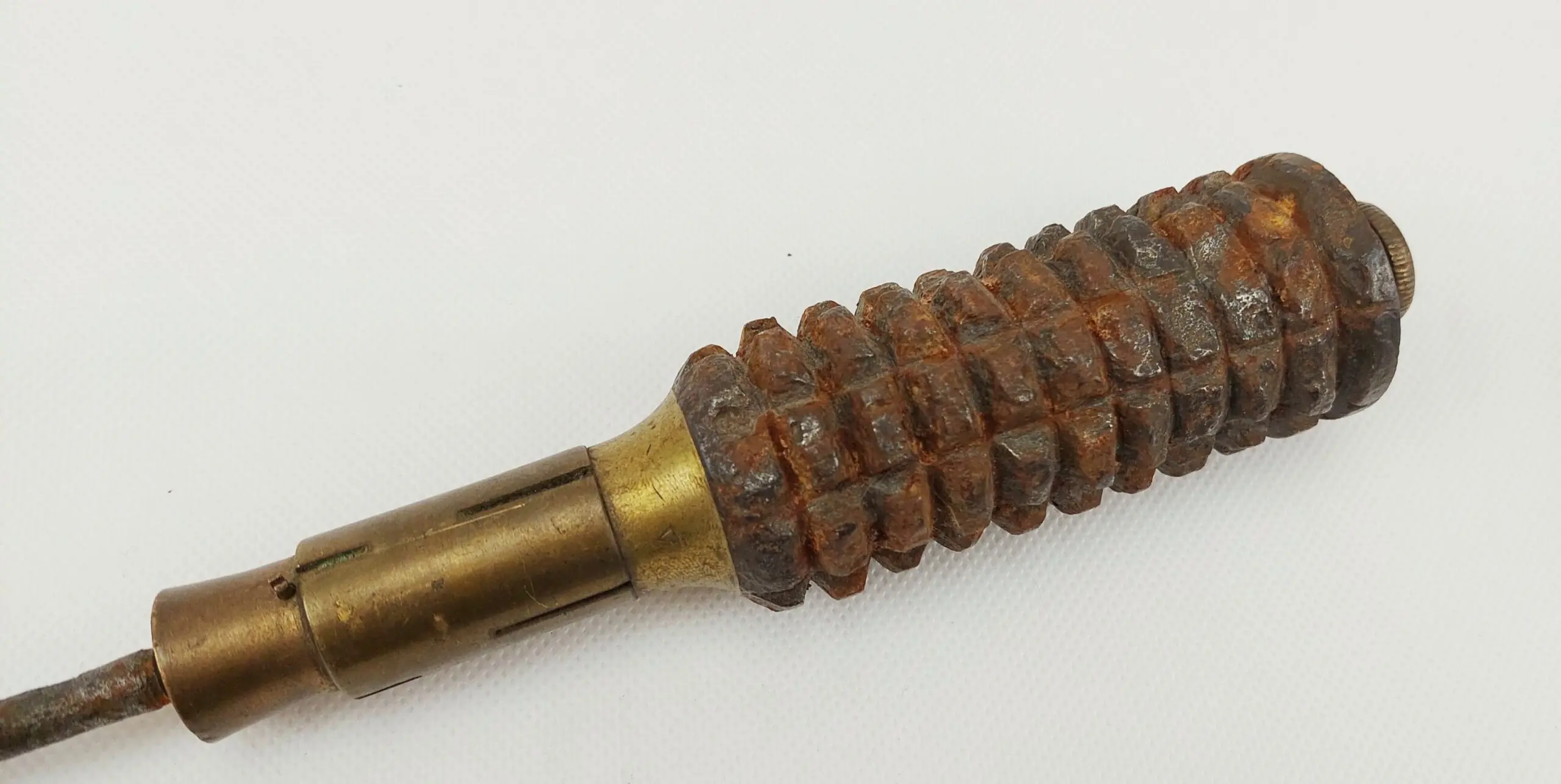
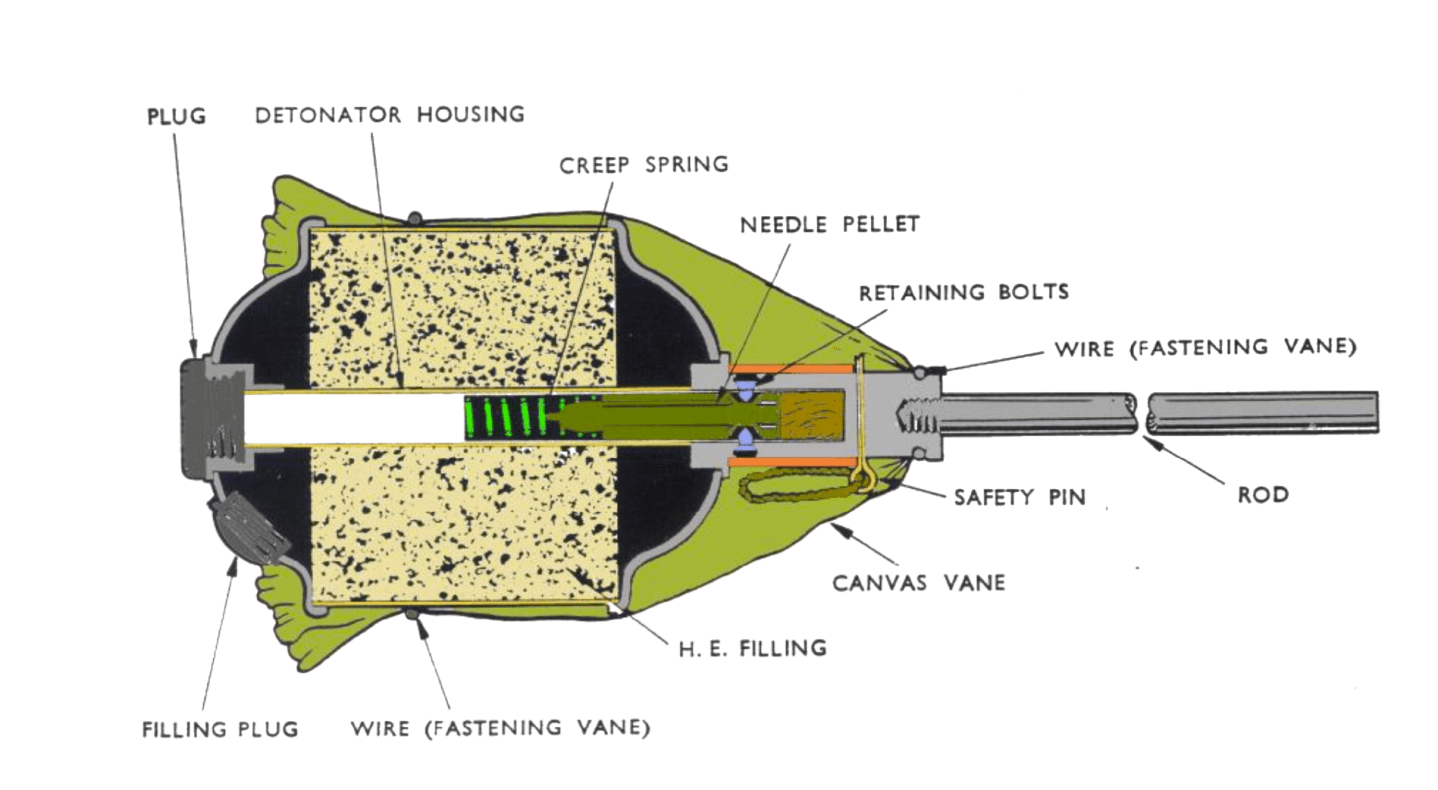
Another armament that the tank carried was a number of No. 44 AT rifle grenades the ‘cup grenade launchers’ these are essentially little HEAT rounds that could be fired from same ports as the machine guns or one of the rifle ports on the sides of the superstructure capable of going through up to 30mm of steel.
How would these work? (Possible implementation)
Suggestion on how the Hornet rifle grenades could work:
• Since the Hornet main armaments are machine guns, the gunner would control both of the front facing machine guns at the same time, he would fire both frontal MG’s simultaneously, however, even if the Hotchkiss .303 was given it’s experimental AP rounds, capable of going through up to 27mm of armor, the tank could occasionally run into a target that the MG’s wouldn’t be able to effectively damage or disable in time. That’s when the Cup Grenades come in.
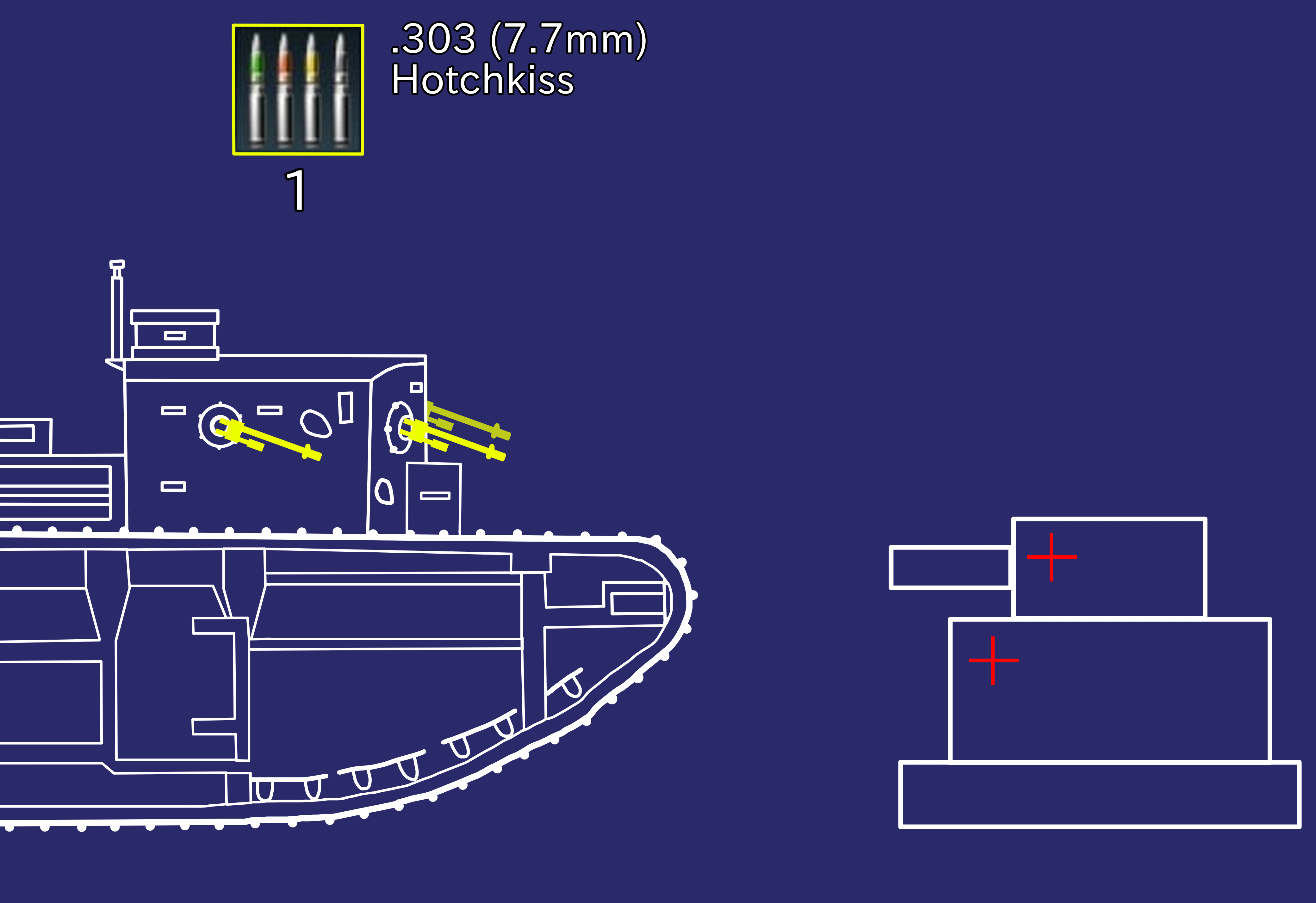
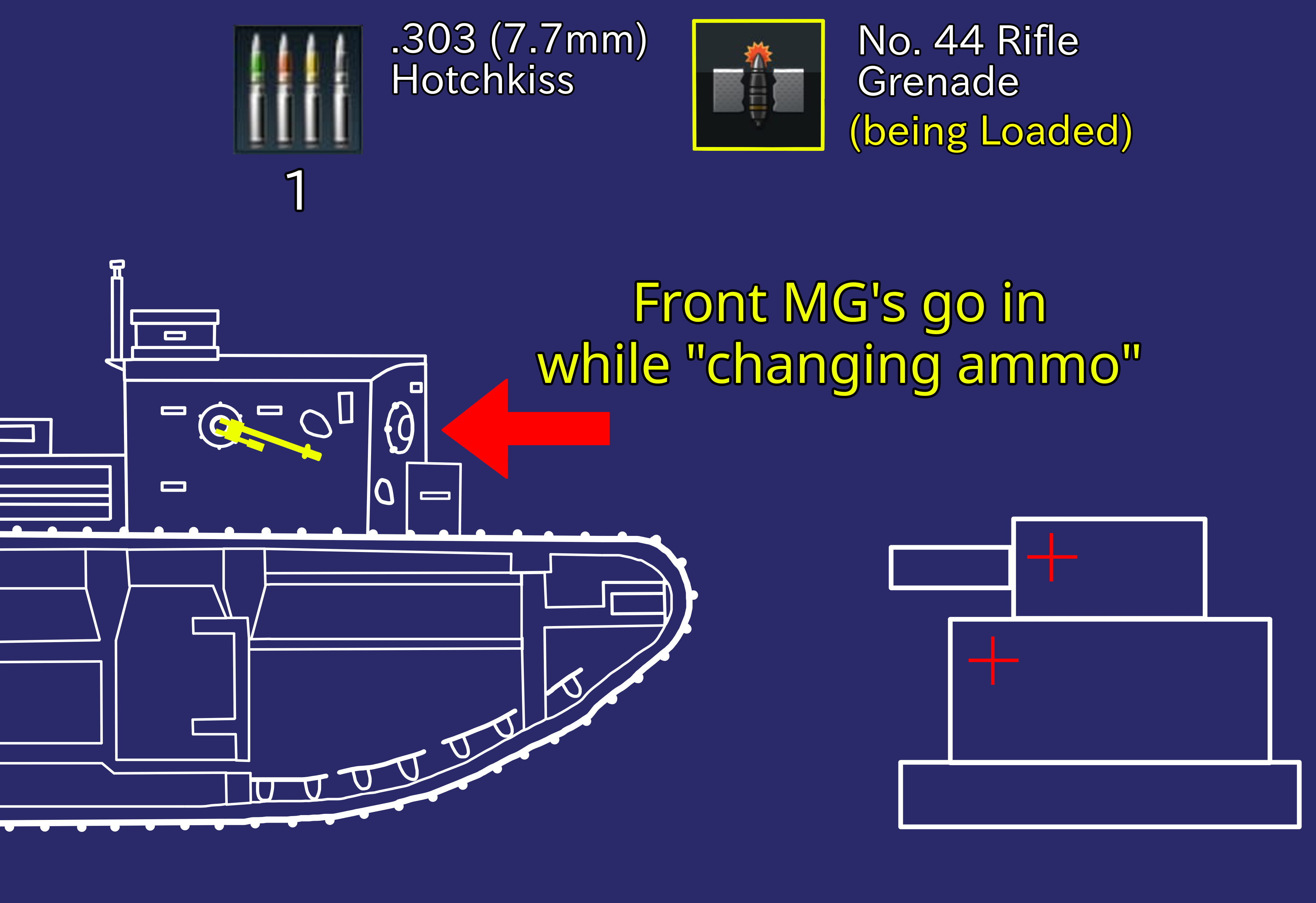
• Selecting the No. 44 AT Rifle Grenades would work just like selecting a different ammo type, meaning that while the cup grenades were selected, the gunner wouldn’t be able to fire the Machine guns, because he would be now operating the Rifle grenades after being selected they would need to be loaded before firing.

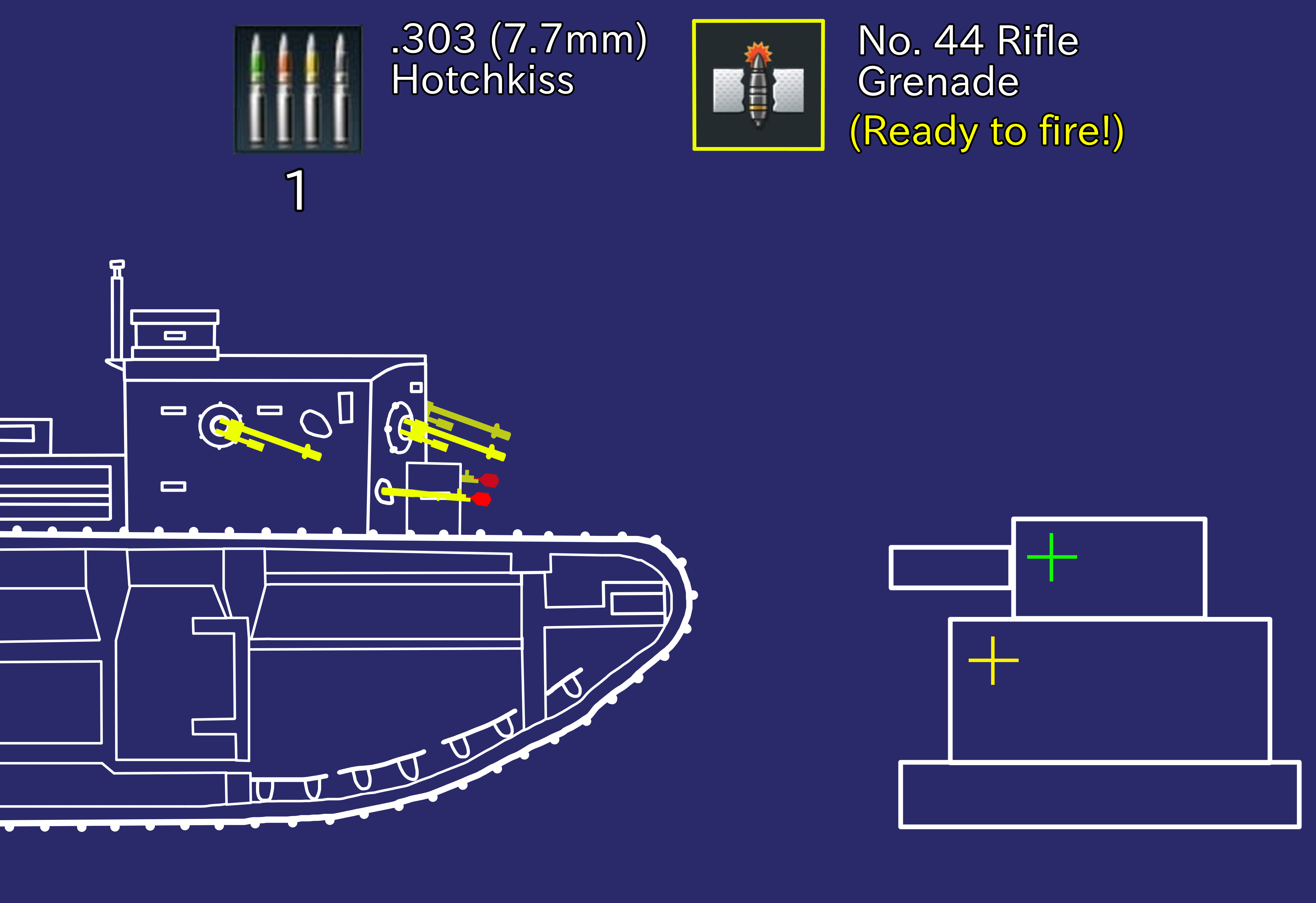
• Now that they have been selected and loaded, clicking the fire button would now fire the Hornet’s rifle grenades instead of its machine guns, keeping them selected mean that they would be reloaded and would be soon ready to fire again just like any other secondary ammo type.
Observation:
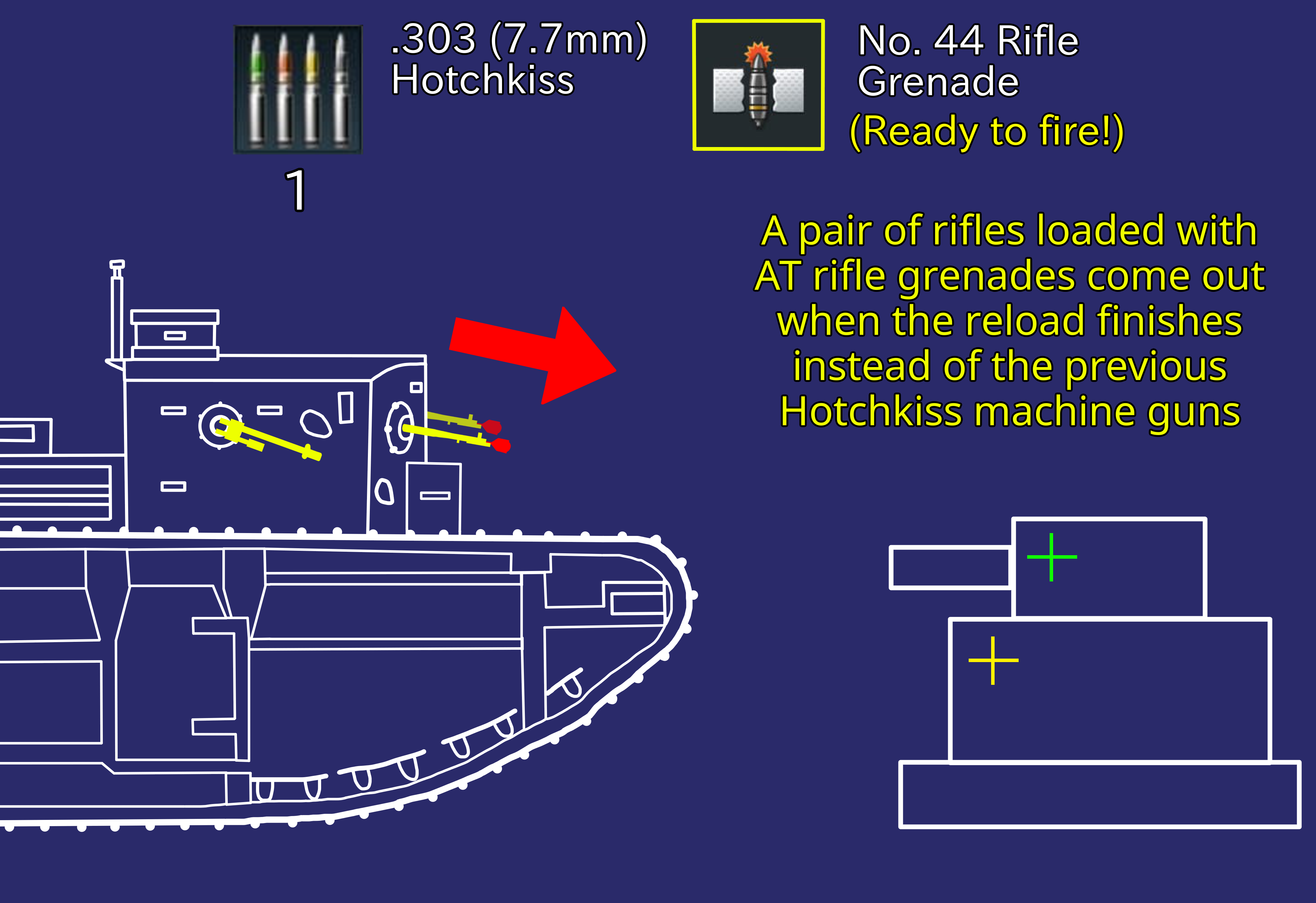
• Since the Hornet has 2 firing ports at the front, it would be technically possible to fire 2 Rifle grenades at the same time if the target is in the firing arc of the frontal part of the tank’s superstructure. And alternatively, when the rifle grenades where selected, they could be positioned in the same firing ports as the MG’s for simplicity. Like shown in the “Another alternative” Illustration.
• Conclusion:
The Hornet had a total of 50 units completed (although sources may vary) at the end of the first world war, but only 36 units saw service. It’s classified as a medium tank, despite being taller than the Mark V, the Hornet is lighter and faster while being almost just as armored. In my opinion it would be a good addition to War Thunder, due to it’s historical relevance and how the Hornet was the spark that revolutionazed tank production at it’s time.
• Sources:
Online Sources:
- Средний танк Великобритании Mark C “Hornet” | World Of Man Dreams
- https://tank-afv.com/ww1/gb/Mediumè_Mk-C.php
- Medium Mark C Hornet - Tank Encyclopedia
- http://www.landships.info/landships/tank_articles/Medium_Mark_C.html
- No.44 Rifle Grenade – The Armourers Bench
- Medium C Hornet
- https://youtu.be/ovOKCP6PWfw?si=h6yizB_O_jlTIEJ7

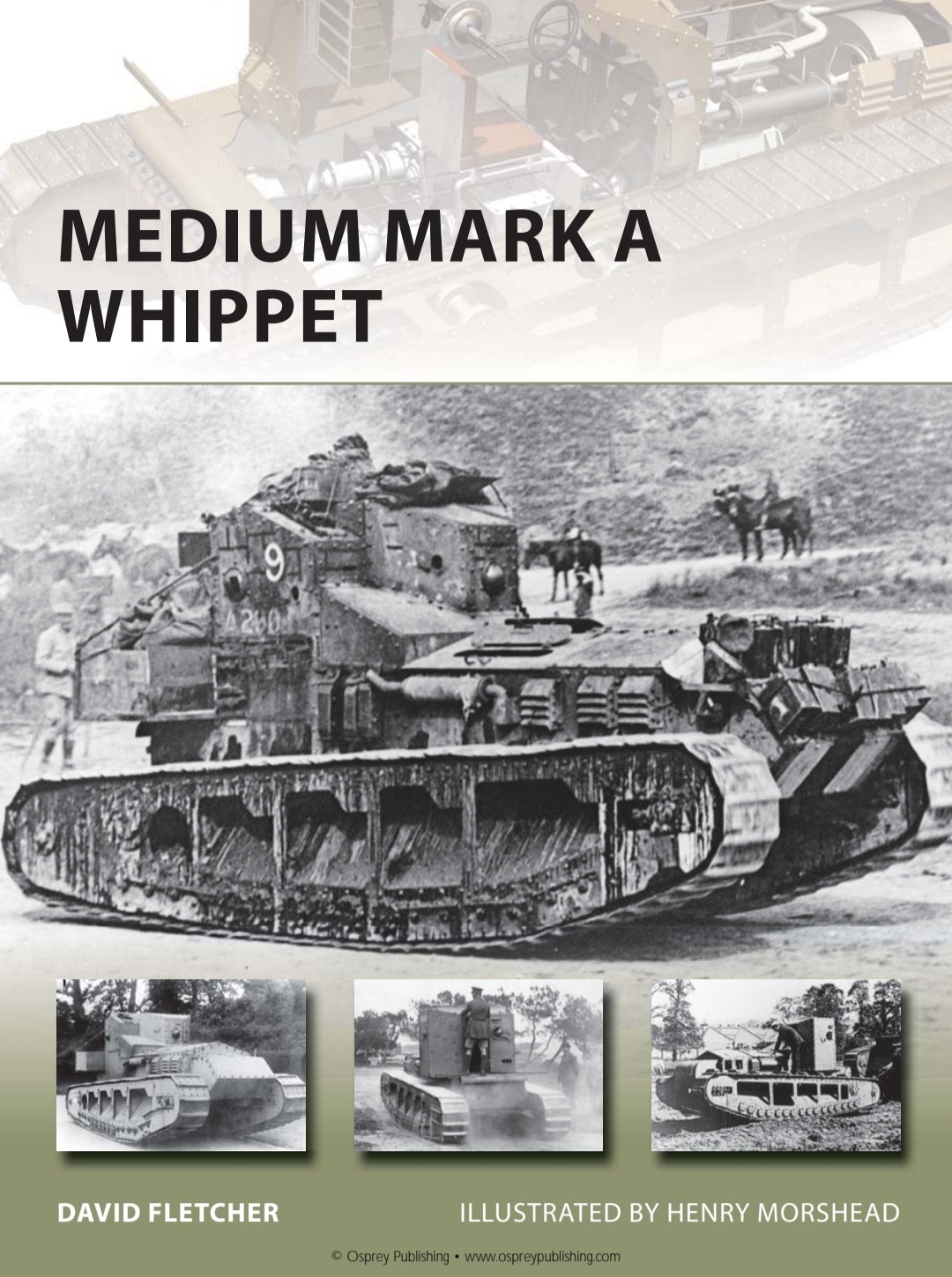
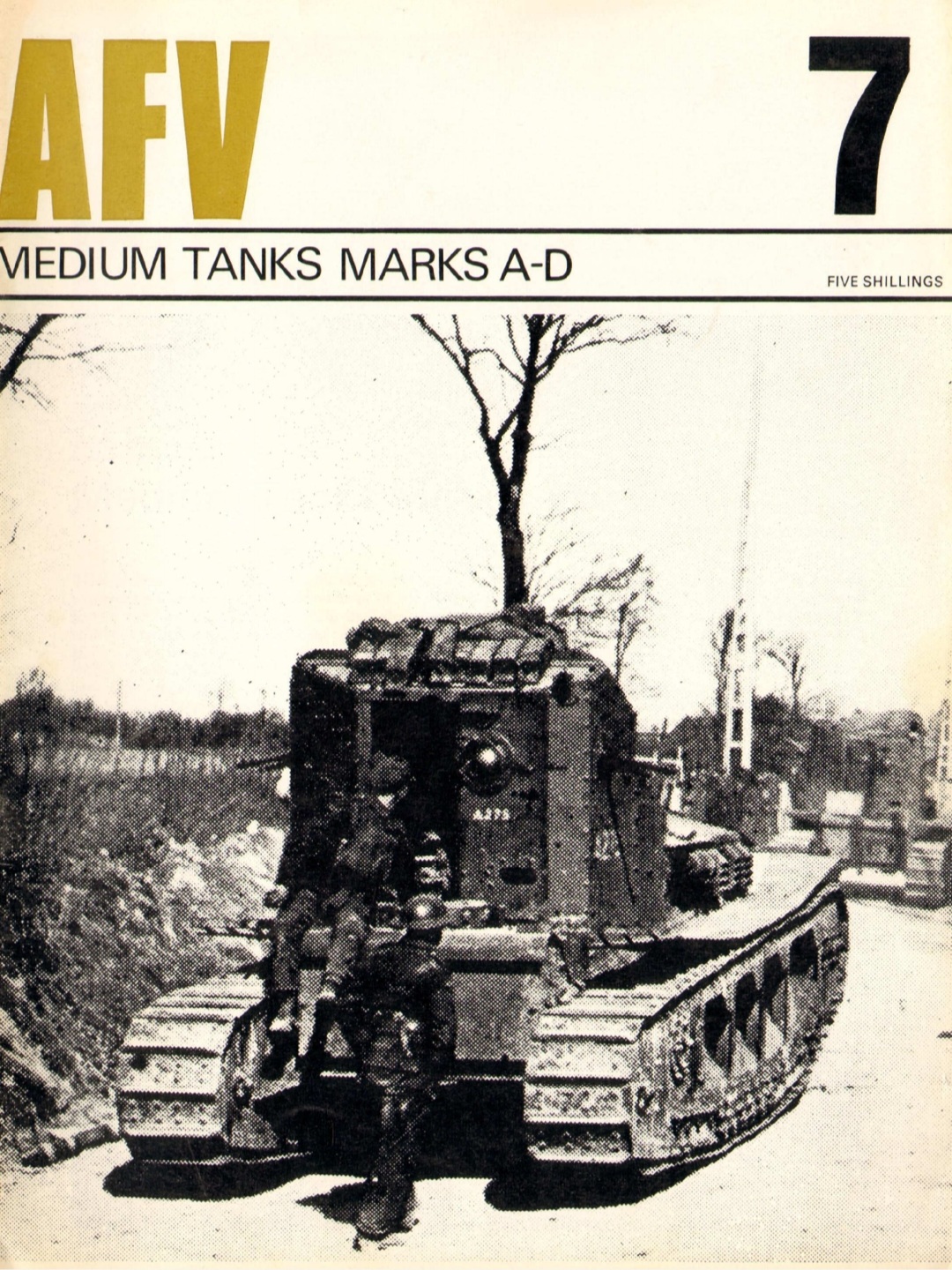
Correct version of previous suggestion, i forgot to add the sources.