- Yes
- No
Hello, I’m here to suggest a not that well known peace of history, the jet fighter used by the Royal Canadian Navy.
History:
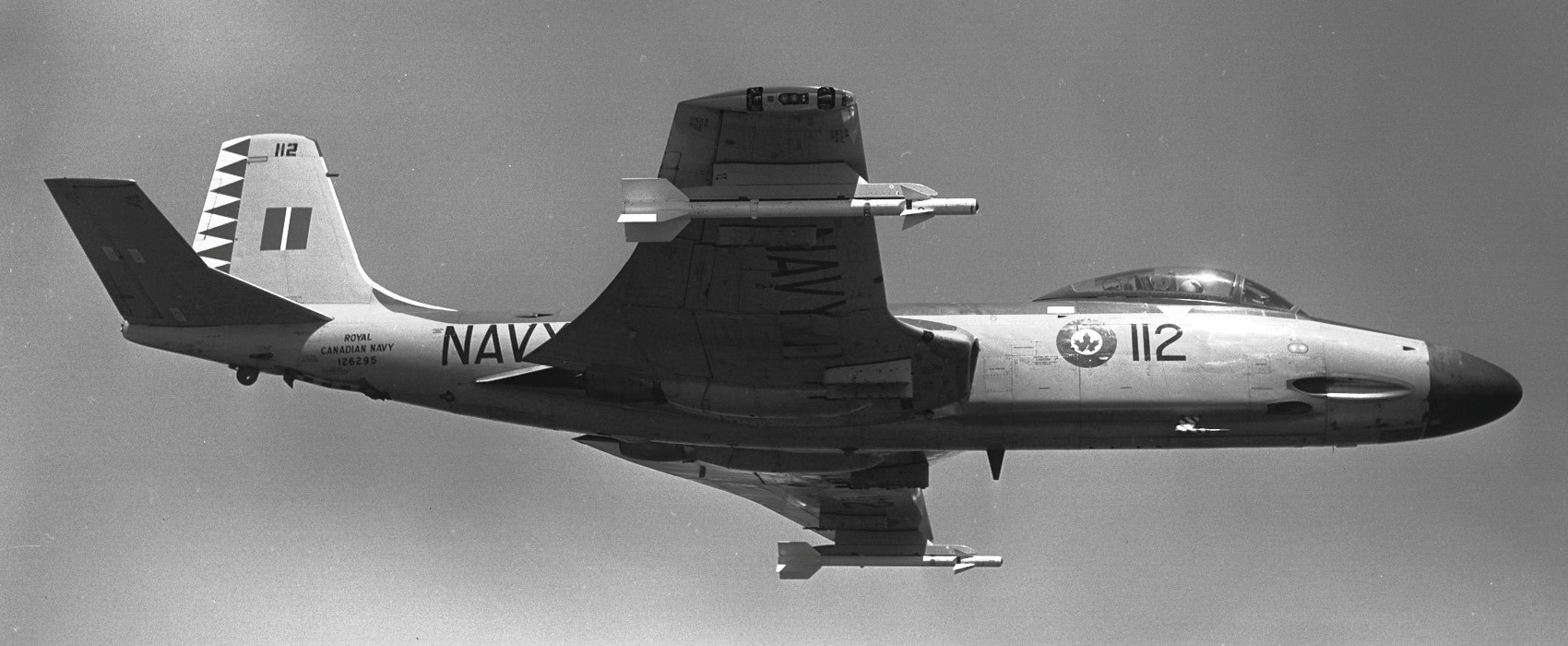
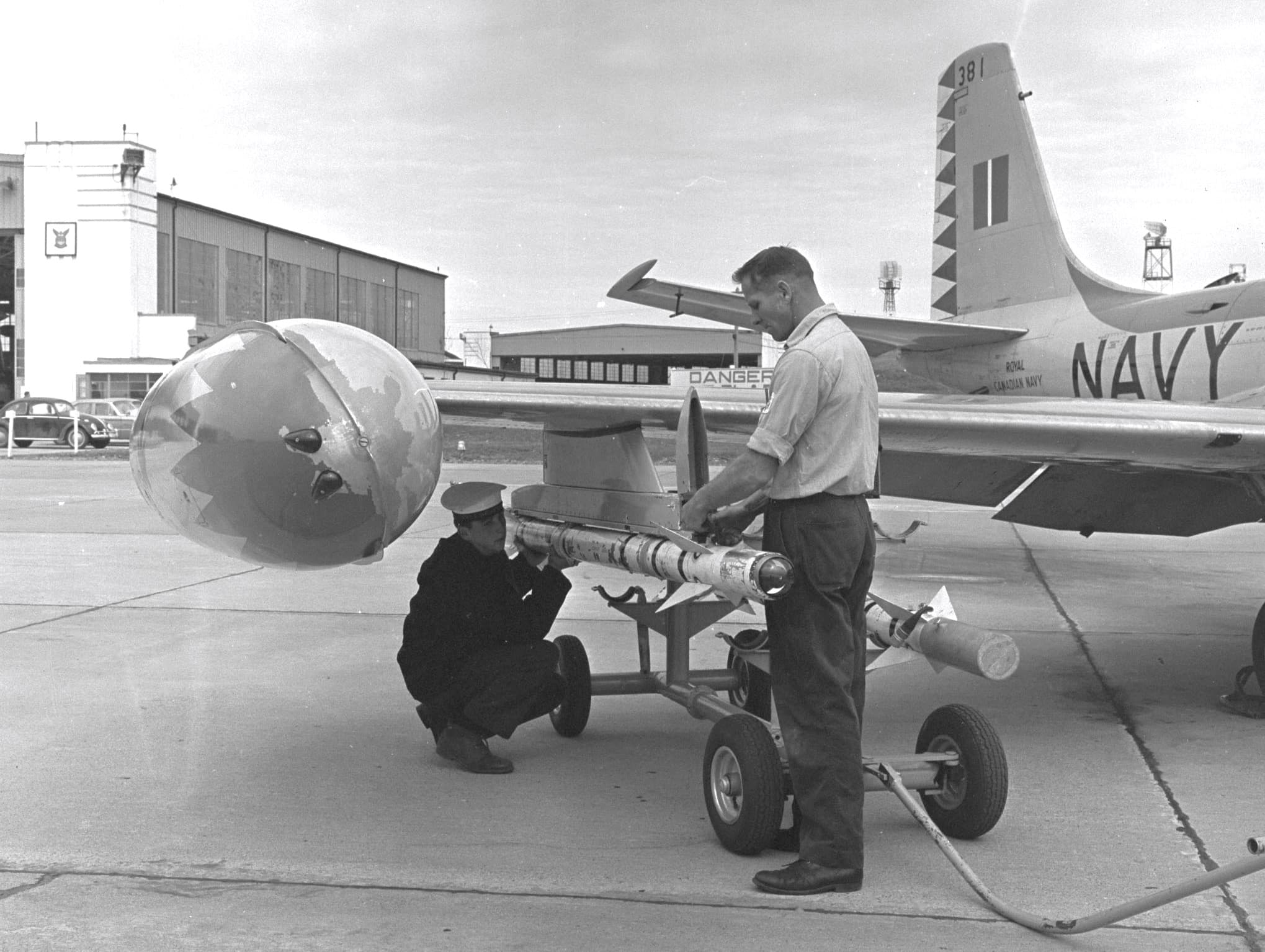
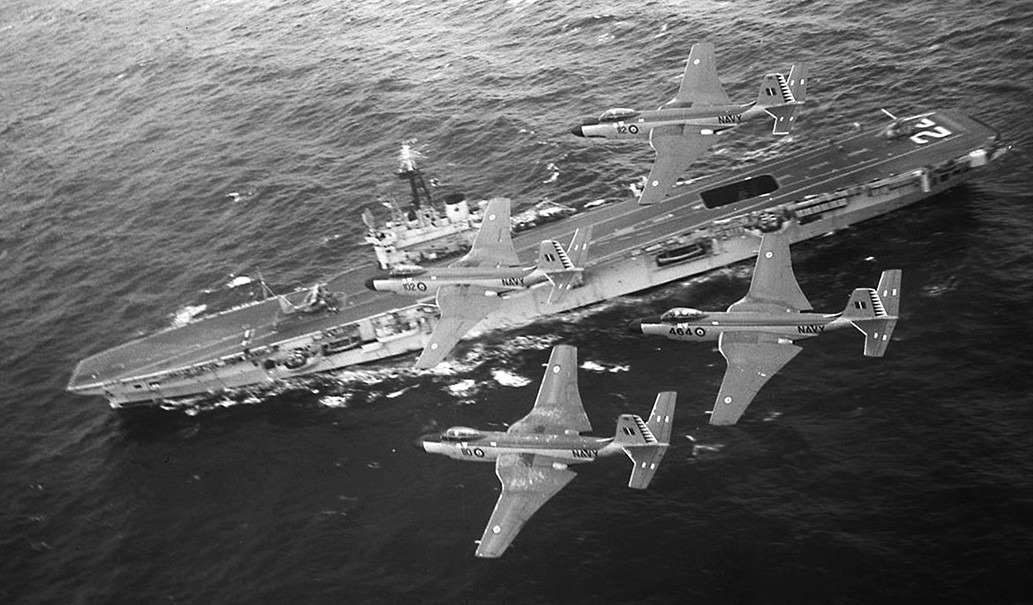
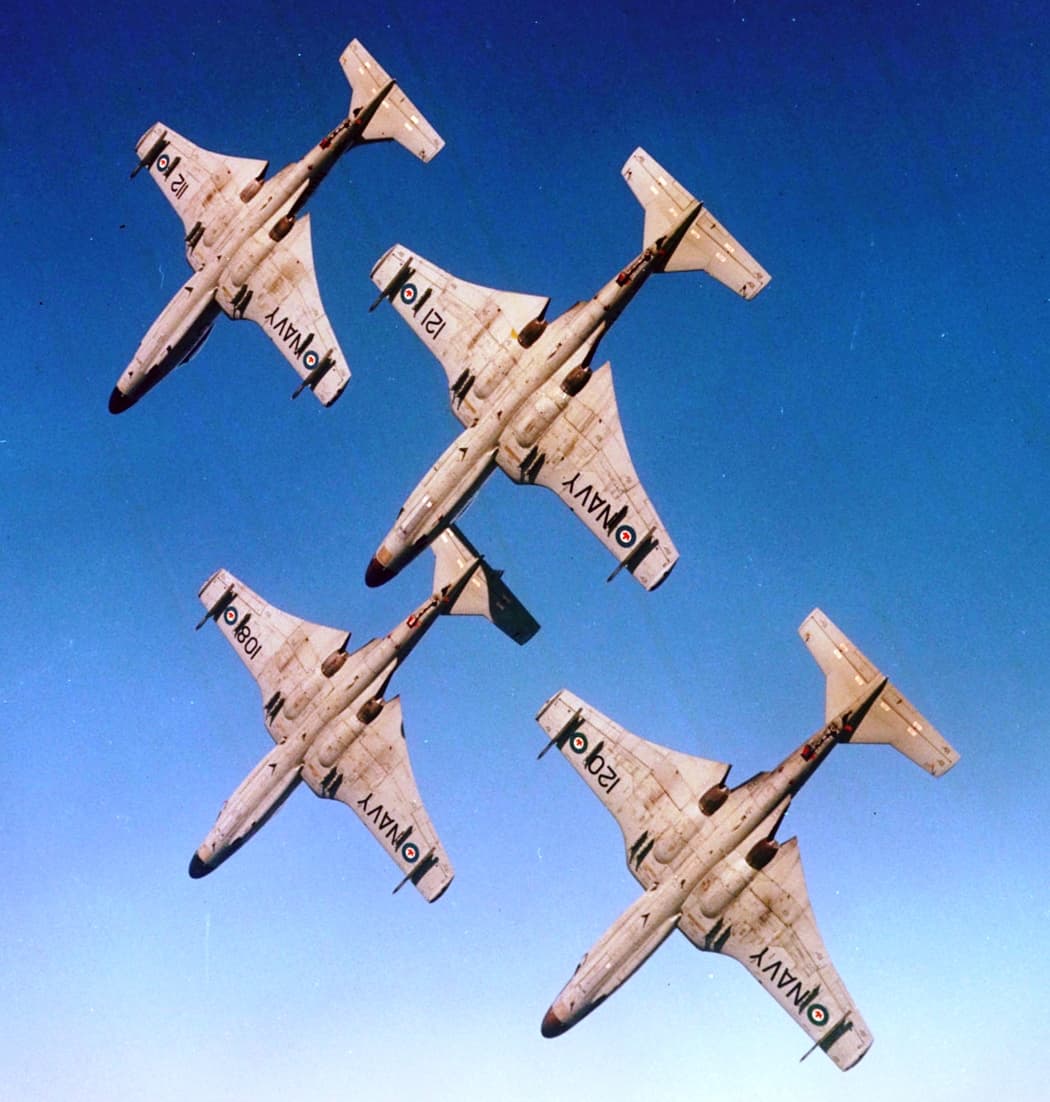
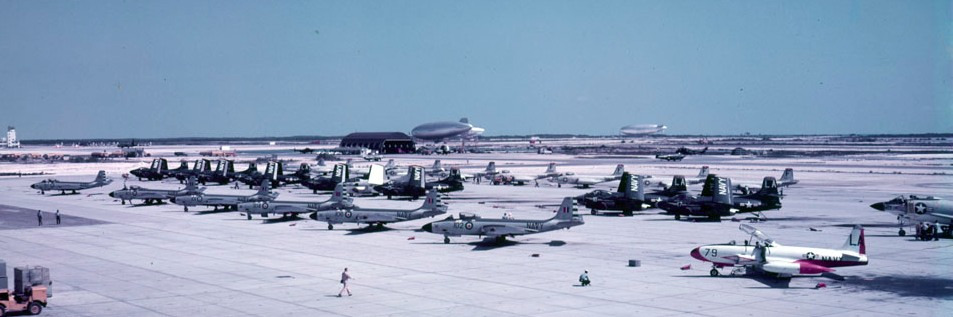
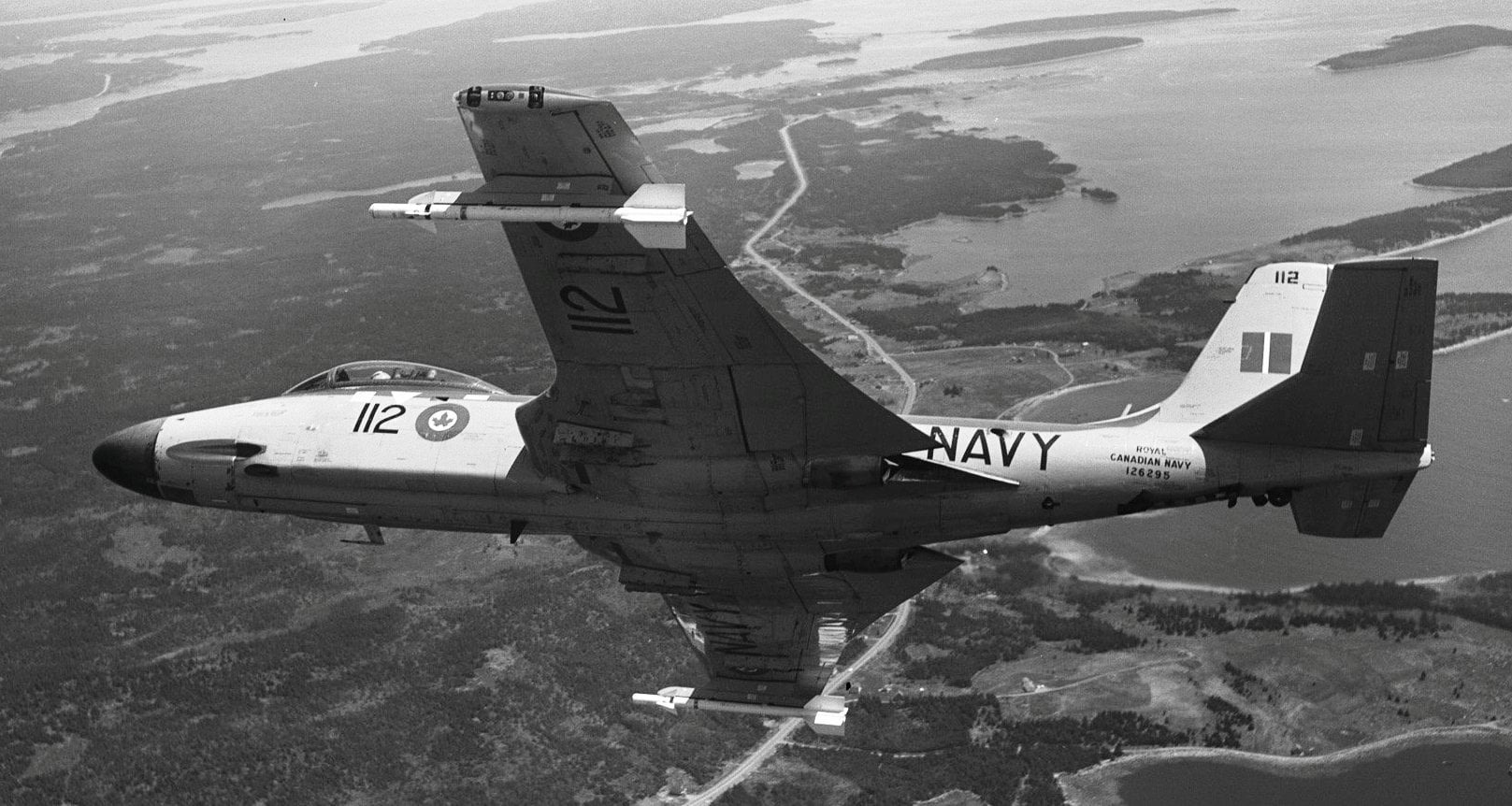
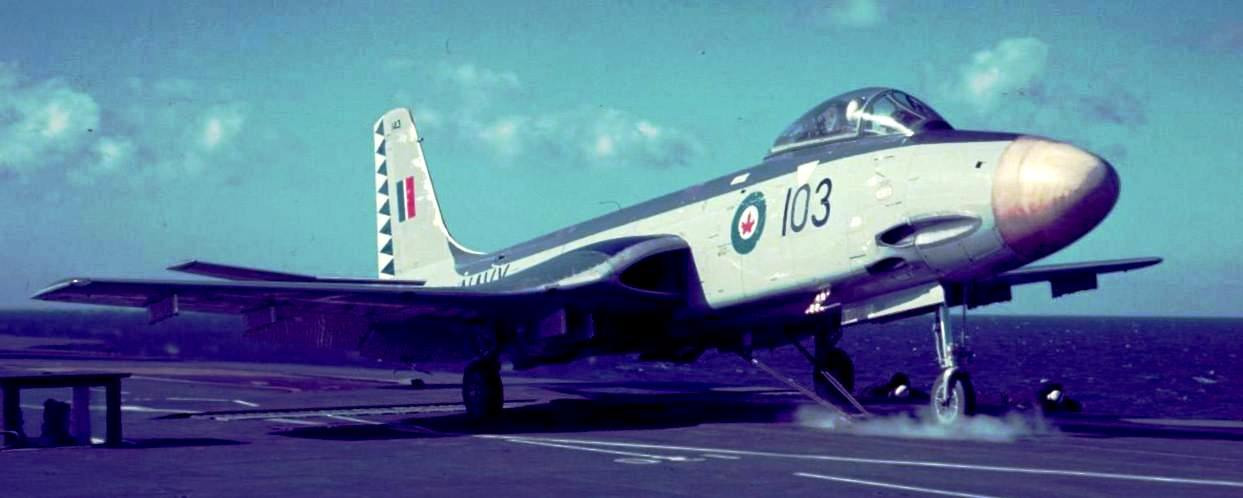
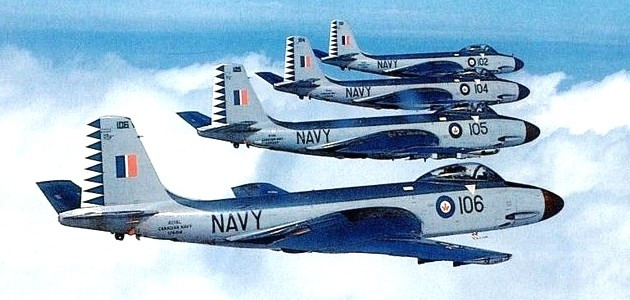
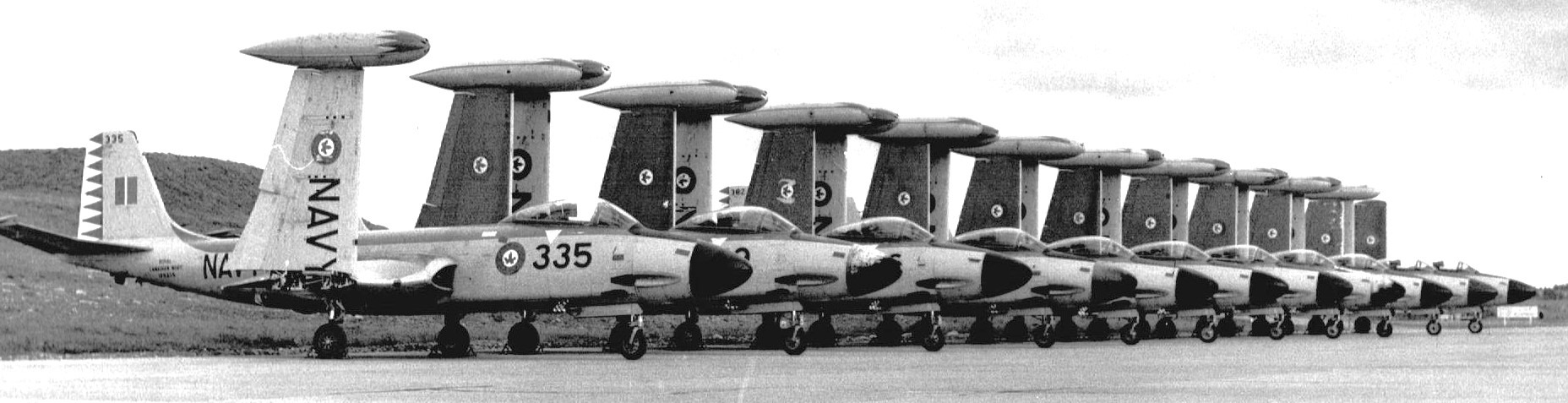
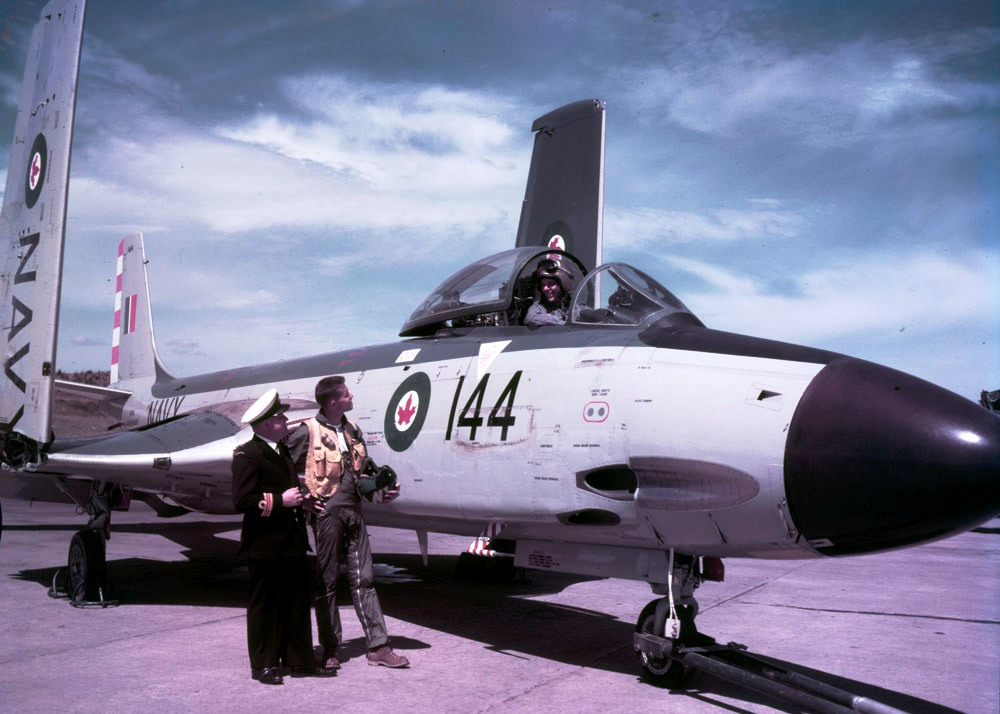
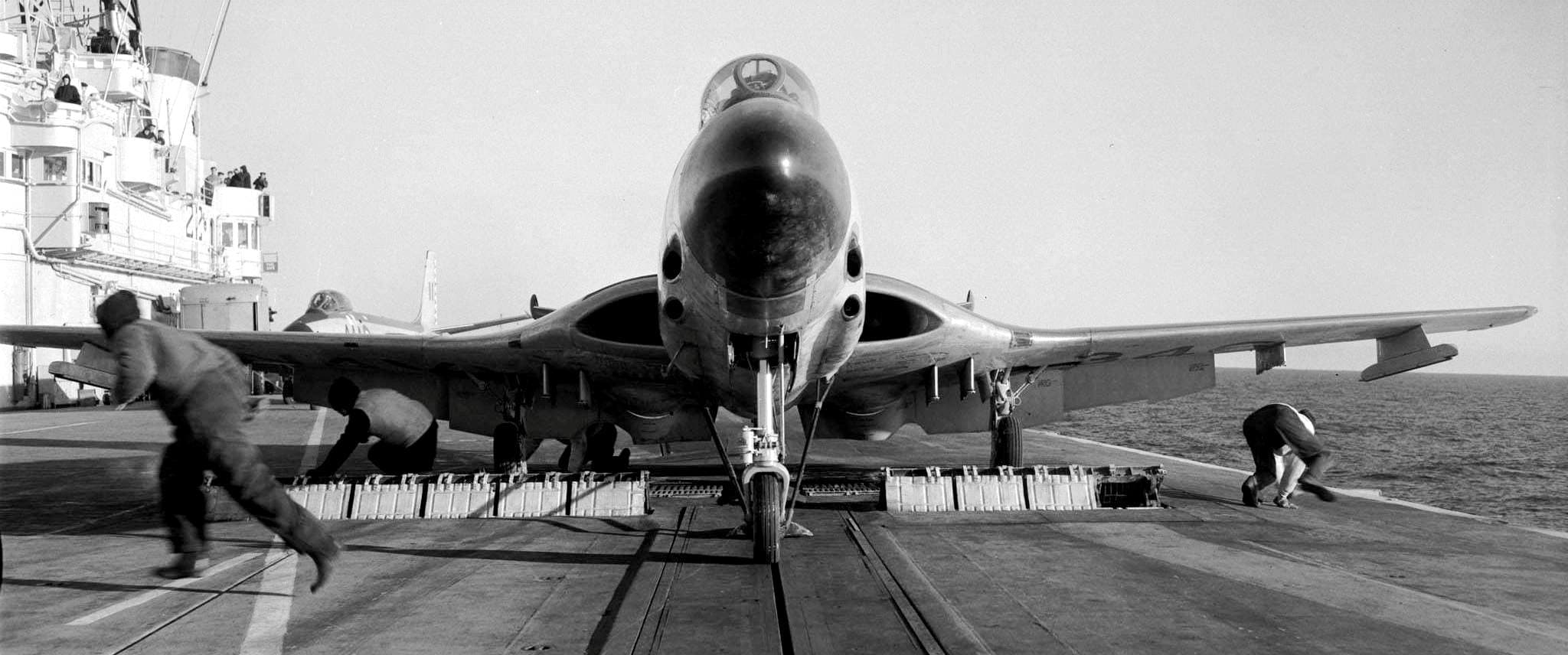
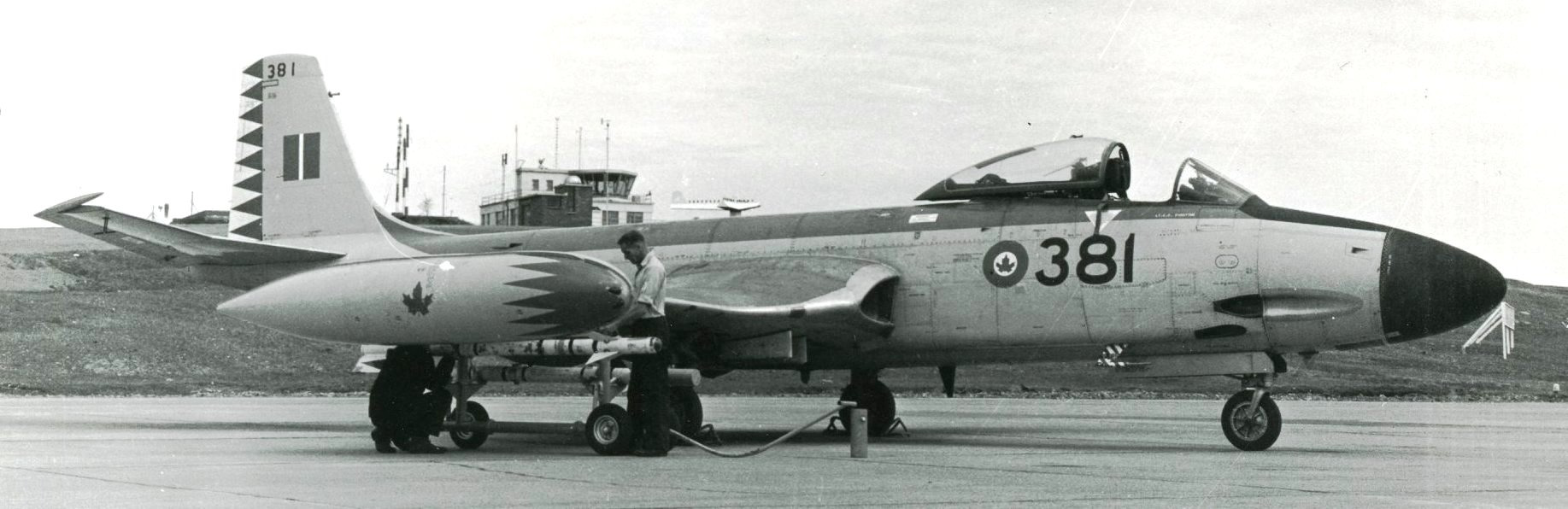
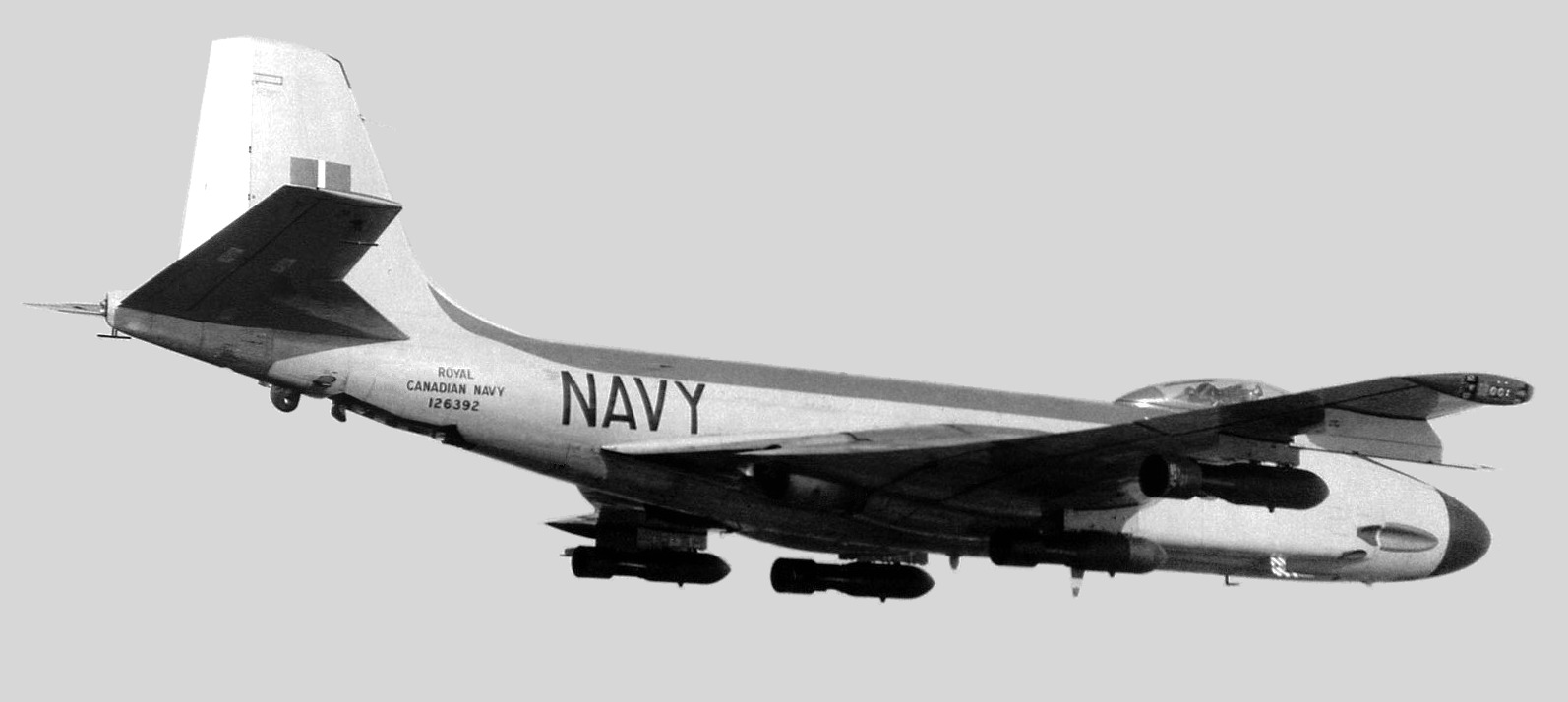
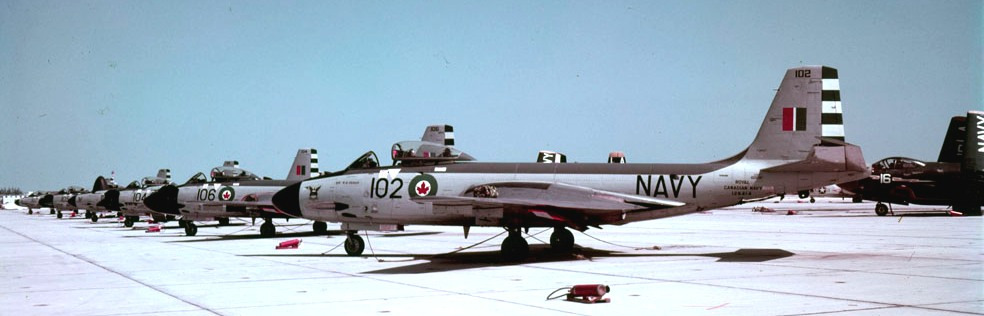
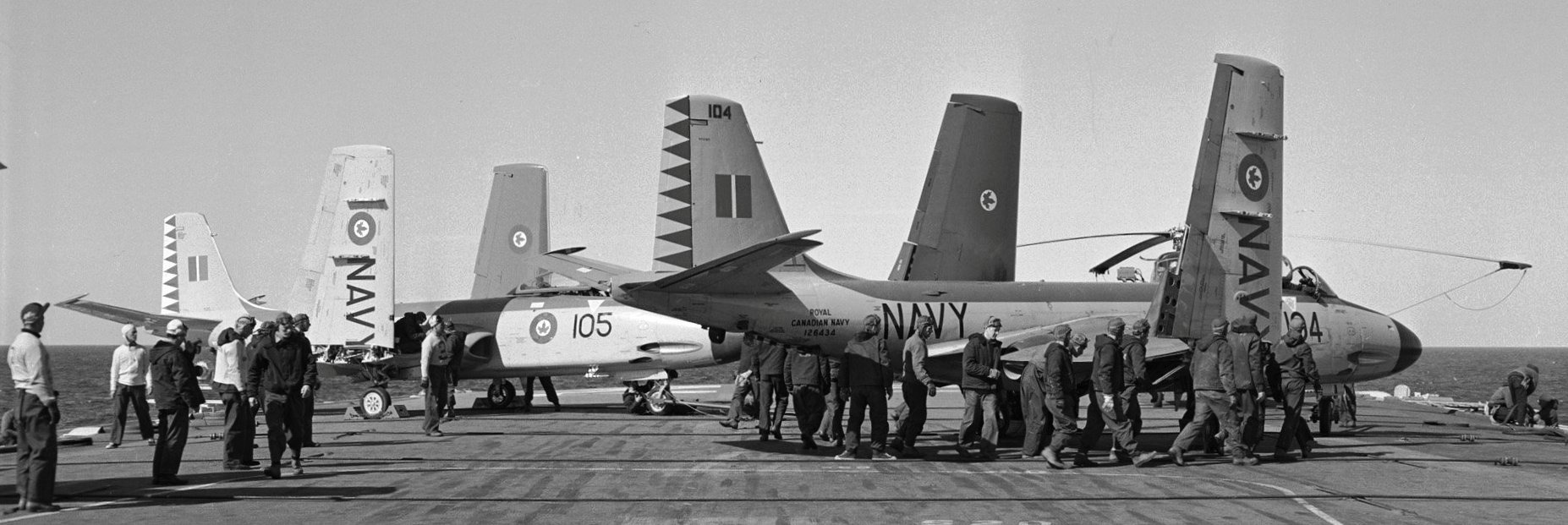
Coming out of WW2, Canada would have one of the largest naval fleets in the world. This included some aircraft carriers, which led them to try to get some of their own. This led to HMCS Warror, Magnificent and finally Bonaventure(nicknamed Bonnie). With the purchase of Bonaventure, the RCN needed some new aircraft, as the Fairy Fireflies and Sea Furys it was useing where growing obsolete, even more so due to jet aircraft becoming more common. So in 1951, the RCN would begin to look for a new aircraft, but due to the size of the carrier, along with the requirements for an aircraft by the RCN, there was only one available option to pick the F2H-3. With the aircraft picked, the RCN would draft a $40 million deal for 60 Banshees, but with the delay for the aircraft approval by the Parliament of Canada, ended up making it so the purchase wasn’t approved before production of the Banshees stopped. Canada would have to acquire the aircraft second-hand due to this, and would have to cut the order down to 39 aircraft out of the original 60 planes, which they would receive between November of 1955 and June of 1958. Only with its role on the Bonaventure, the Banshee would serve as a NORAD intercepter. To make the aircraft fit the intercepter role, they were fitted with AIM-9 missiles in late 1959. This also made them the first aircraft to use air-to-air missiles in Canada.
The Banshee would also be affectionately known as the Banjo. When the aircraft entered service, it first joined the VX-10 evaluation squadron before being moved to VF-870 and VF-871 squadrons, who operatored 16 Banshees each. When not on Bonnie, the aircraft would be based out of HMCS Shearwater, Nova Scotia. With the purchase of the CS2F Tracker, Canada would begin refocusing to anti-submarie warfare, and Bonnie would often deploy with less than the full set of Banshees set to be on board to carry more Trackers. Well, Bonnie still carried fighters she would take part in defending the northern end of a picket line during the Cuban Missile Crisis. The Trackers would eventually push the Banshees out of Bonnie’s hangars, and by 1962, they would be left to shore duty, which was 3 years before their planned retirement. When the aircraft ended service in September of 1962, it would have had 12 crashes, which lost 7 pilots during its service life.

Specs:
Crew: 1
Length: 48 ft 2 in (14.68 m)
Wingspan: 41 ft 9 in (12.73 m)
Height: 14 ft 6 in (4.42 m)
Wing area: 294 sq ft (27.3 m2)
Airfoil: wing root: NACA 65-212, wing tip: NACA 65-209
Empty weight: 13,183 lb (5,980 kg)
Gross weight: 21,013 lb (9,531 kg)
Max takeoff weight: 25,214 lb (11,437 kg)
Powerplant: 2 × Westinghouse J34-WE-34 turbojet engines, 3,250 lbf (14.5 kN) thrust each
Performance
Maximum speed: 580 mph (930 km/h, 500 kn) at sea level
Cruise speed: 461 mph (742 km/h, 401 kn)
Combat range: 1,168 mi (1,880 km, 1,015 nmi) on internal fuel
Ferry range: 1,710 mi (2,760 km, 1,490 nmi) with two 170-gal drop tanks
Service ceiling: 47,000 ft (14,000 m)
Rate of climb: 6,000 ft/min (30 m/s)
Armament
4 × 20 mm (0.787 in) Colt Mk 12 cannon, 220 rounds/gun (upper pair), 250 rounds/gun (lower pair)
8 × 60 lb (27 kg) High Explosive rockets
or
6 × 500 lb (230 kg) bombs and 2 × 60 lb (27 kg) H.E. rockets
or
2 × AIM-9B Sidewinder missiles
Avionics
AN/APG-30 – Fire-control radar
AN/APG-36 or AN/APG-37 – Search radar
AN/APG-51 – Intercept radar
AN/APN-1 – UHF radar altimeter
Source
https://www.youtube.com/watch?v=_XQzNBOhMcI
McDonnell F2H Banshee - Wikipedia
https://www.canada.ca/en/air-force/services/aircraft/mcdonnell-banshee.html
McDonnell F2H-3 Banshee - Canada Aviation and Space Museum
CASPIR Serial Search
Canadian Warplanes 6: McDonnell F2H-3 Banshee, RCN - SilverHawkAuthor Website Military History Materials