- Yes
- No
Marder 1A3 Proyecto Proaco

History:
The Marder 1A3 is a German infantry fighting vehicle that existed in several variants; however, this suggestion focuses specifically on the 1A3, the version currently in use by Chile. This variant entered service with the German Army in 1989, with its primary improvement over earlier versions being enhanced armor protection. Both the turret and the hull were fitted with additional armor to counter the emerging threats of that era, most notably the 30mm cannon of the Russian BMP-2. This new armor package consists of RHA (Rolled Homogeneous Armor) steel, applied as spaced armor across the upper and lower front hull, the hull sides, the rear ramp, the hull roof, and the turret. With these armor additions, the total weight increased by 5.5 tons.
Due to the increase in weight, the running gear and suspension had to be improved. Other components were also upgraded, such as the braking system and the transmission, along with changes like the relocation of the coaxial machine gun and the repositioning of the periscopes; however, I will not go into those details, as they are not relevant to this suggestion.
The history of the Marder 1A3 in Chile begins in 2008, when the country purchased an estimated 270 units. However, sources such as Rheinmetall itself place the figure at 200 operational vehicles, supplemented by 7 training units and 30 additional vehicles intended for cannibalization, bringing the total to nearly 240 units. This makes Chile the second-largest operator of the Marder 1A3, surpassed only by Germany. Chile opted to acquire this vehicle because it had also purchased the Leopard 2A4, and therefore required a platform capable of providing battlefield support, a role that other similar vehicles already in service with the Chilean Army could not fulfill, as they lacked sufficient mobility. They are currently in service with the 1st (Coraceros), 2nd (Cazadores), and 3rd (La Concepción) Armored Brigades of the Chilean Army.
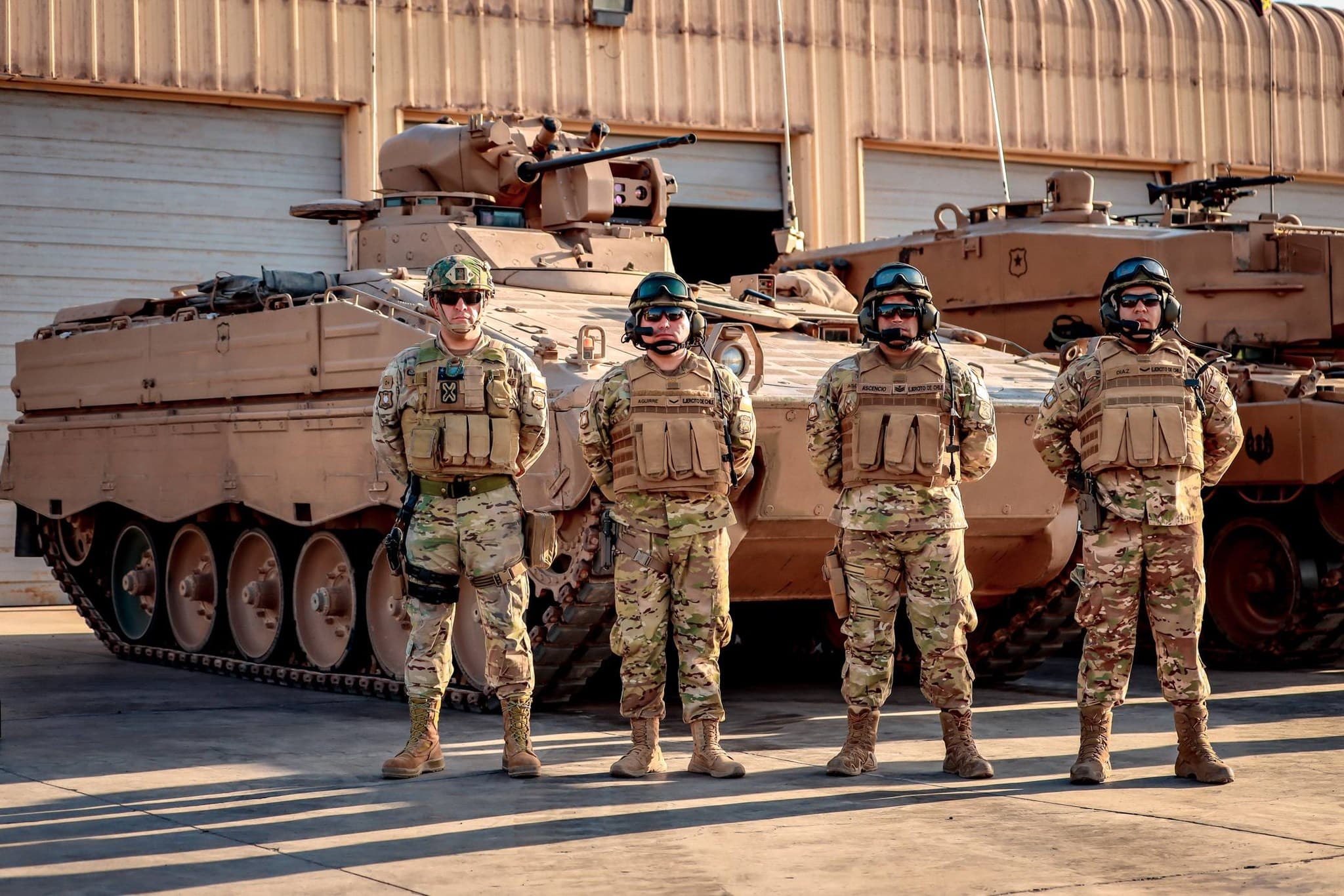
Beginning in 2018, the Chilean Army launched “Proyecto Proaco,” an initiative aimed at modernizing its armored fleet, specifically the Leopard 2A4, Marder 1A3, and M109, with a focus on upgrading their vision and targeting systems (though the Leopard also received additional enhancements). Following a competitive bidding process, the Belgian firm OIP Sensor Systems, a subsidiary of the Israeli company Elbit Systems, was selected in 2021 to supply new optical systems for the Marder 1A3. Meanwhile, the Turkish company Aselsan was tasked with providing new internal communication systems. The project also involved the Chilean state-owned company FAMAE, which was responsible for implementing these upgrades within Chile. In 2023, the first prototypes were presented by the Chilean state-owned company FAMAE, and by 2025, the modernized Marder 1A3s and M109s were finally delivered to the Chilean Army.
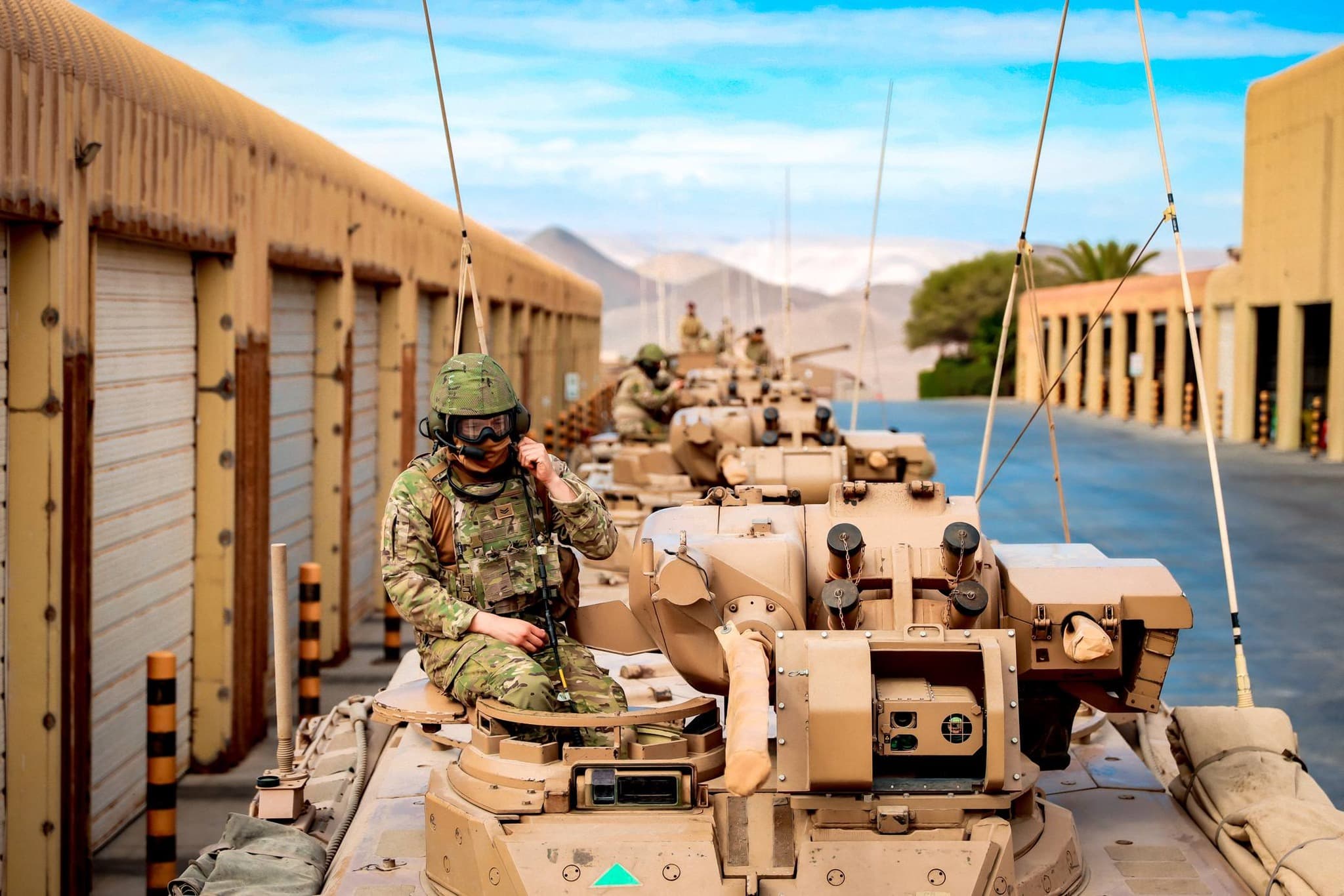
The primary upgrade was the implementation of the “Electro-Optical Ranging & Imaging System”, referred to simply as Eoptris 2.0, which replaced the vehicle’s original gunner sight. This new system features state-of-the-art thermal imaging and a laser rangefinder; notable specifications include a 42° field of view (FOV), which allows for a broader observation of the battlefield, as well as a high-performance 26x optical zoom and 12x digital zoom.
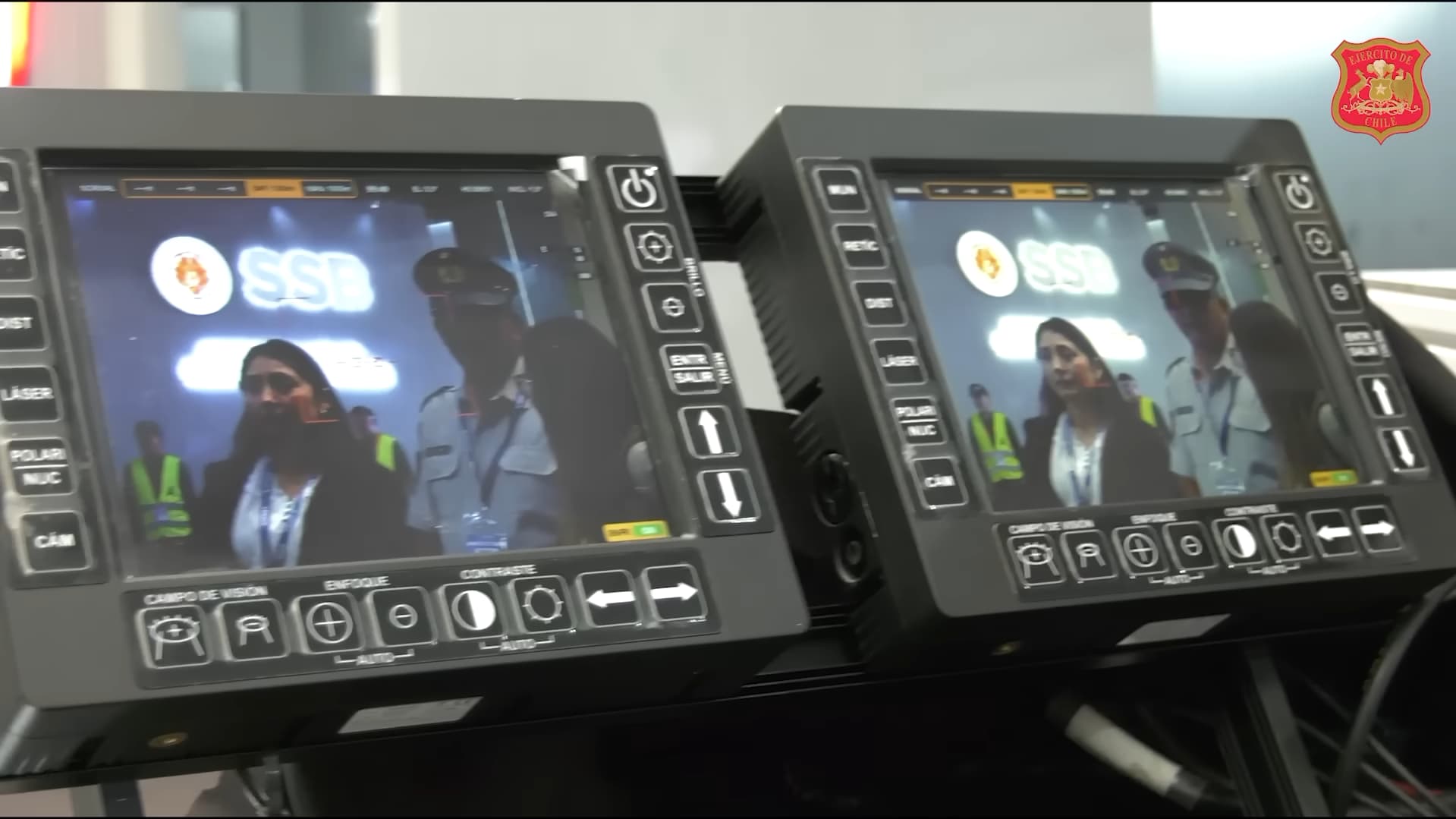

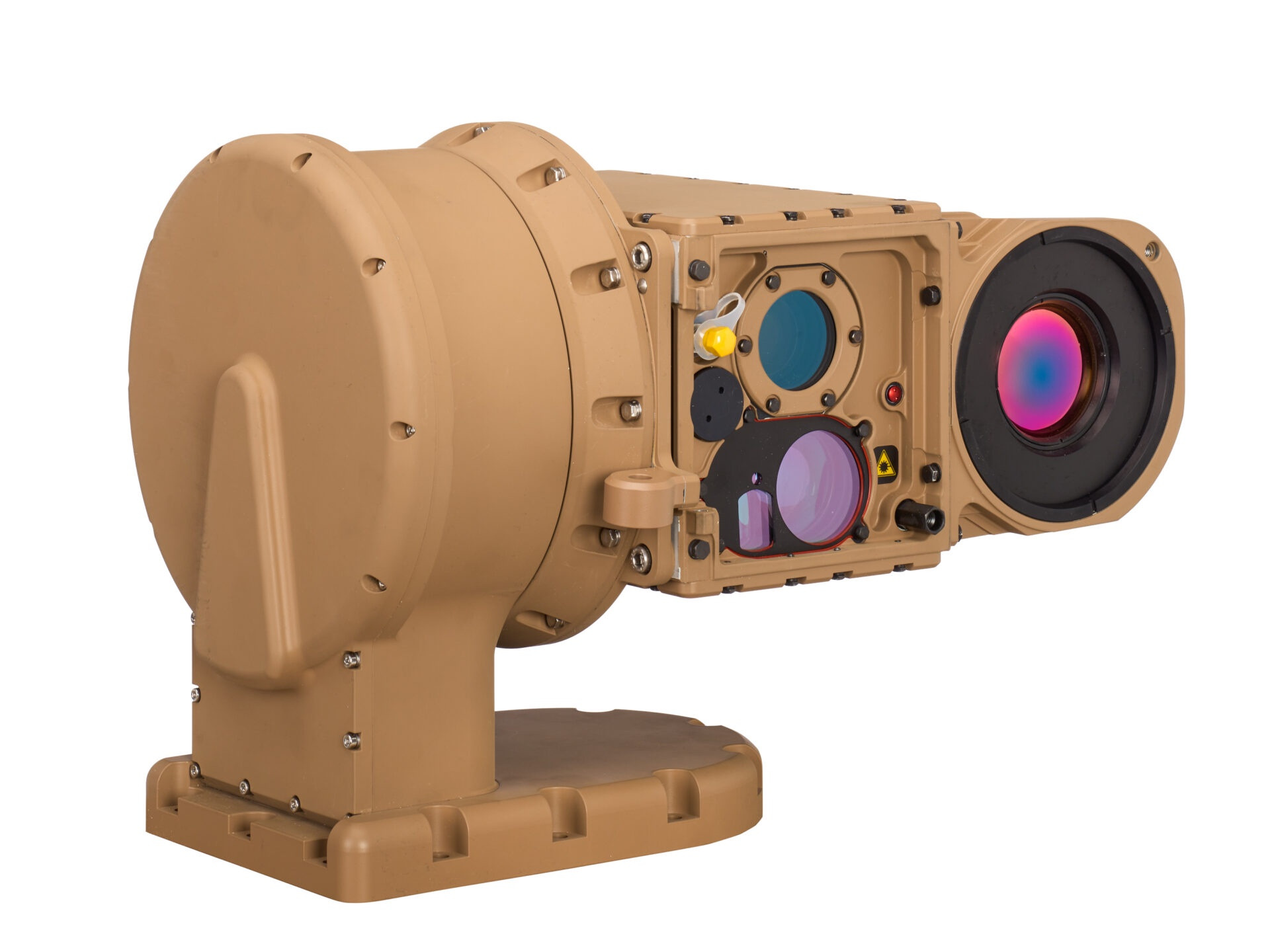
The second upgrade was the installation of the Vector system, also from OIP Sensor Systems, which consists of a stabilized sight upon which the Eoptris 2.0 is mounted. It features pan-and-tilt capabilities. It also features an automatic target-tracking option, though it is unknown whether the Chilean army opted for it. Furthermore, its tilt mechanism assists with ballistic compensation, allowing for greater precision when firing. The Eoptris 2.0 system, mounted on the Vector stabilized sight, features a pair of display screens for the commander and the gunner of the Chilean Marder 1A3; these allow them to adjust contrast, brightness, field of view, and focus, as well as the laser rangefinder, among many other options.

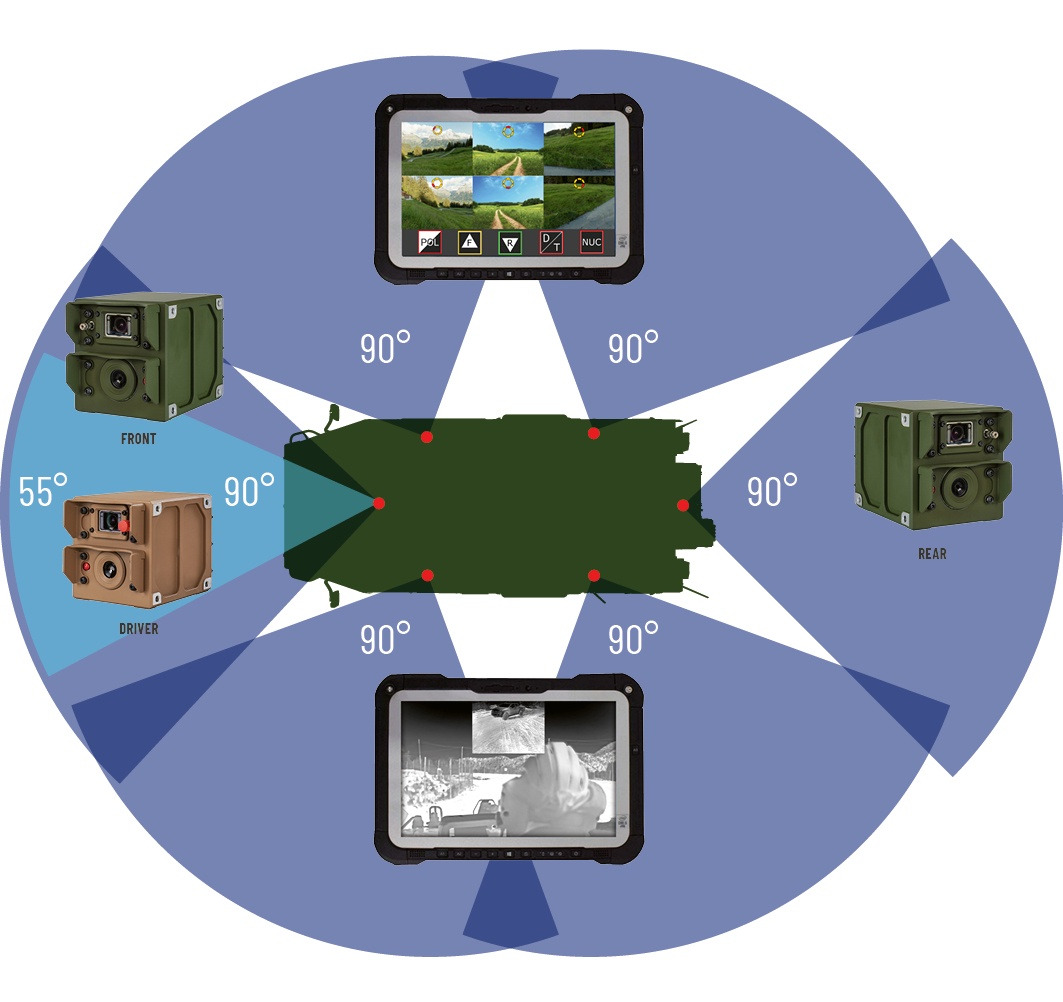
The latest upgrade was aimed at enhancing the driver’s situational awareness through the addition of front and rear cameras; these cameras feature state-of-the-art day and thermal imaging capabilities. Known as “Sentinel,” these cameras are also manufactured by OIP Sensor Systems. Like the Eoptris 2.0 system, they include display screens for both the commander and the driver. Furthermore, it is known that the Chilean Army has incorporated a driving assistance system, an optional feature of the Sentinel suite, which helps detect additional obstacles and allows for the simultaneous viewing of both the front and rear camera feeds on a single screen. This is confirmed by an image of a Chilean Marder 1A3, which can be viewed on the official OIP Sensor Systems website.
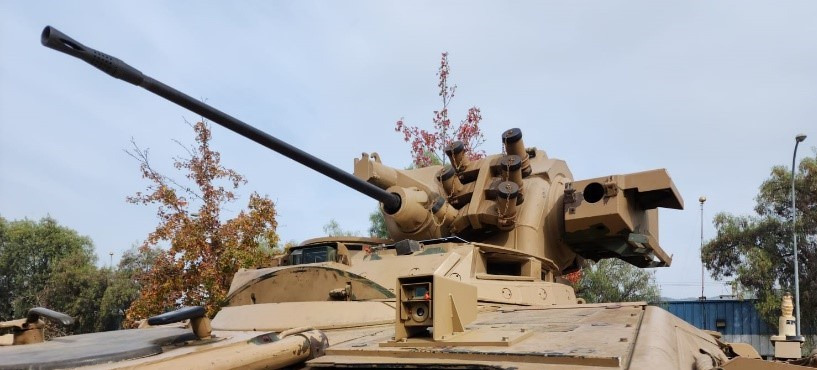
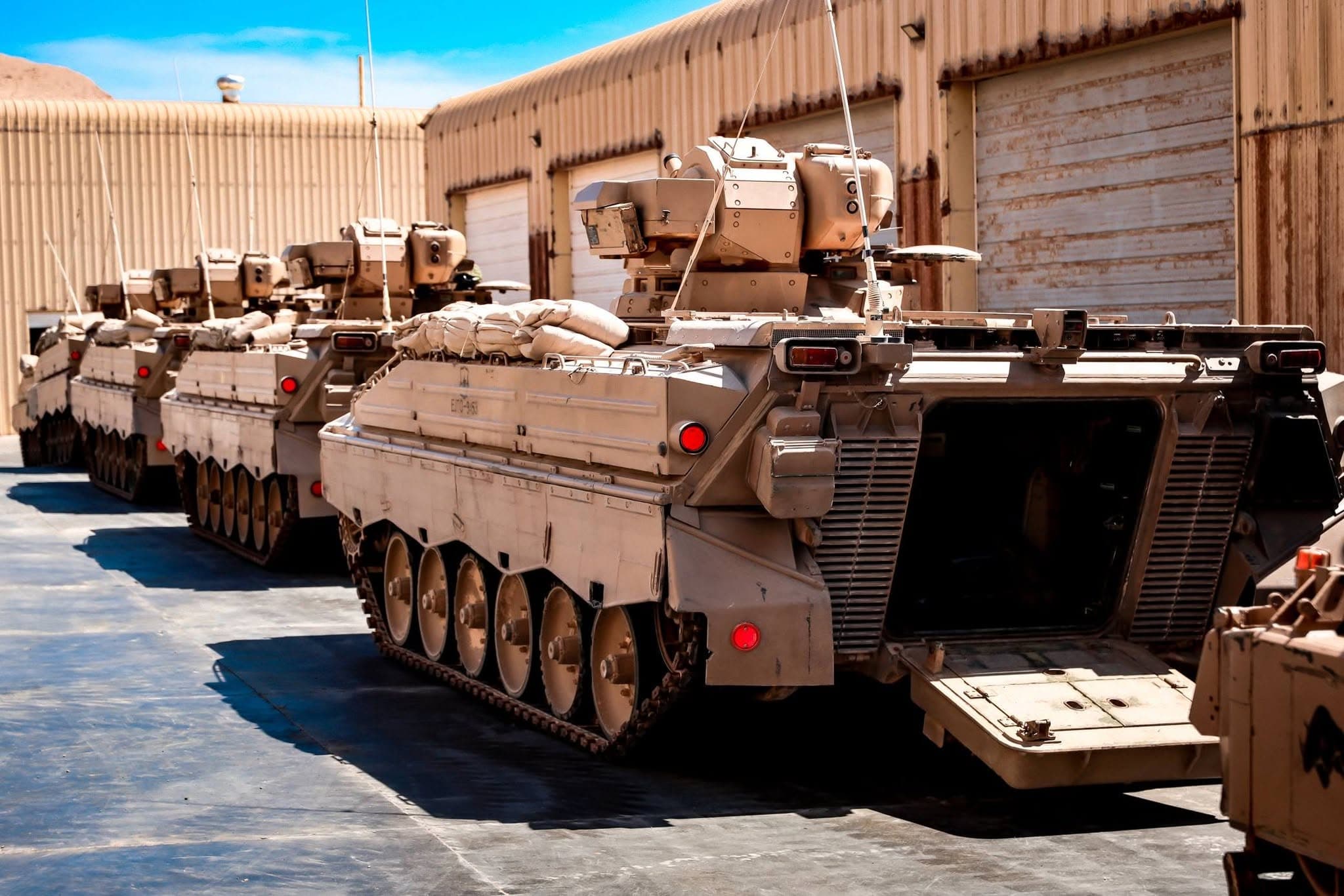
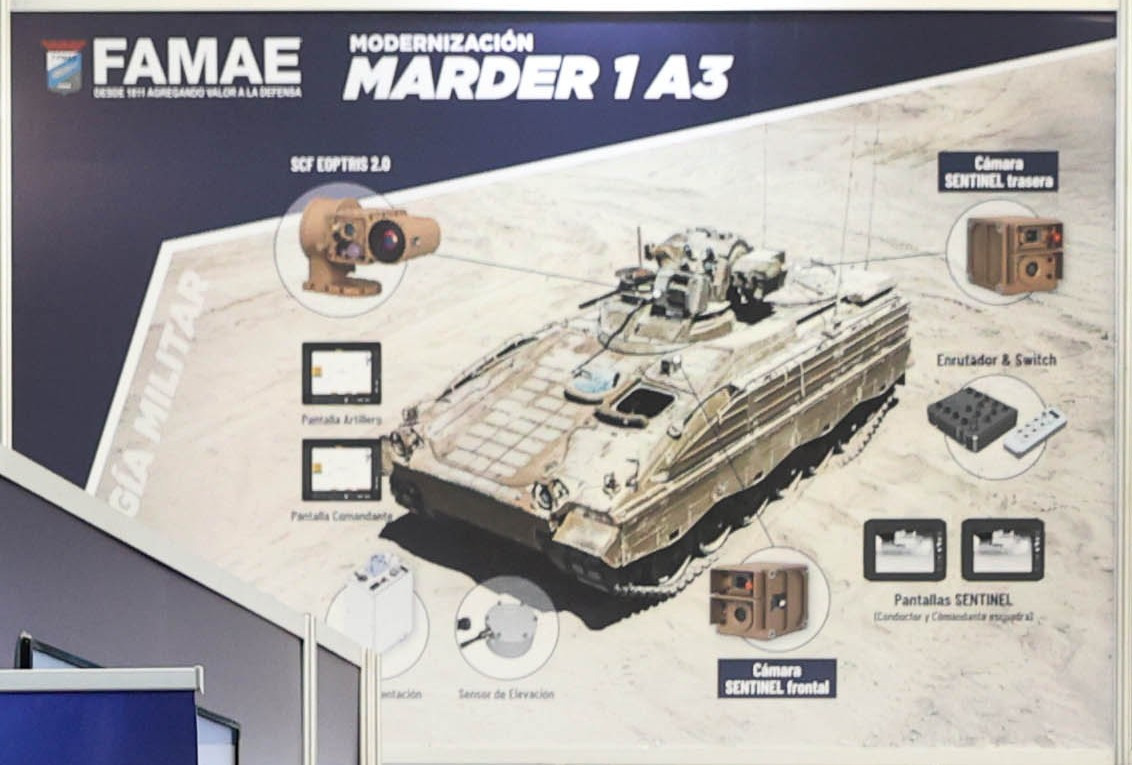
During FIDAE 2026, an international military trade show held in Chile, the Eoptris 2.0 system was on display at the Chilean Army and FAMAE stand. It was mounted on a Vector stabilized sight and connected to the commander’s and gunner’s displays. Additionally, all the systems integrated into the Proaco project were showcased on a large banner.
Regarding firepower, the Marder 1A3 is equipped with the well-known 20mm Rheinmetall Rh202 automatic cannon, which uses three types of combat ammunition: the DM 43 API-T (with a penetration of up to 57 mm), the DM 63 APDS-T (with a penetration of up to 66 mm), and the high-explosive DM 81 HEI-T, which also features a self-destruct fuze (It could also be the DM 51 A2 ammunition, which has similar characteristics and design). Although the Chilean Army possesses the Spike anti-tank missile, it has never been seen mounted on the turret; instead, it is deployed from the rear of the vehicle and operated by a crew member. Consequently, the Chilean Marder 1A3 relies solely on its 20mm automatic cannon in combat.
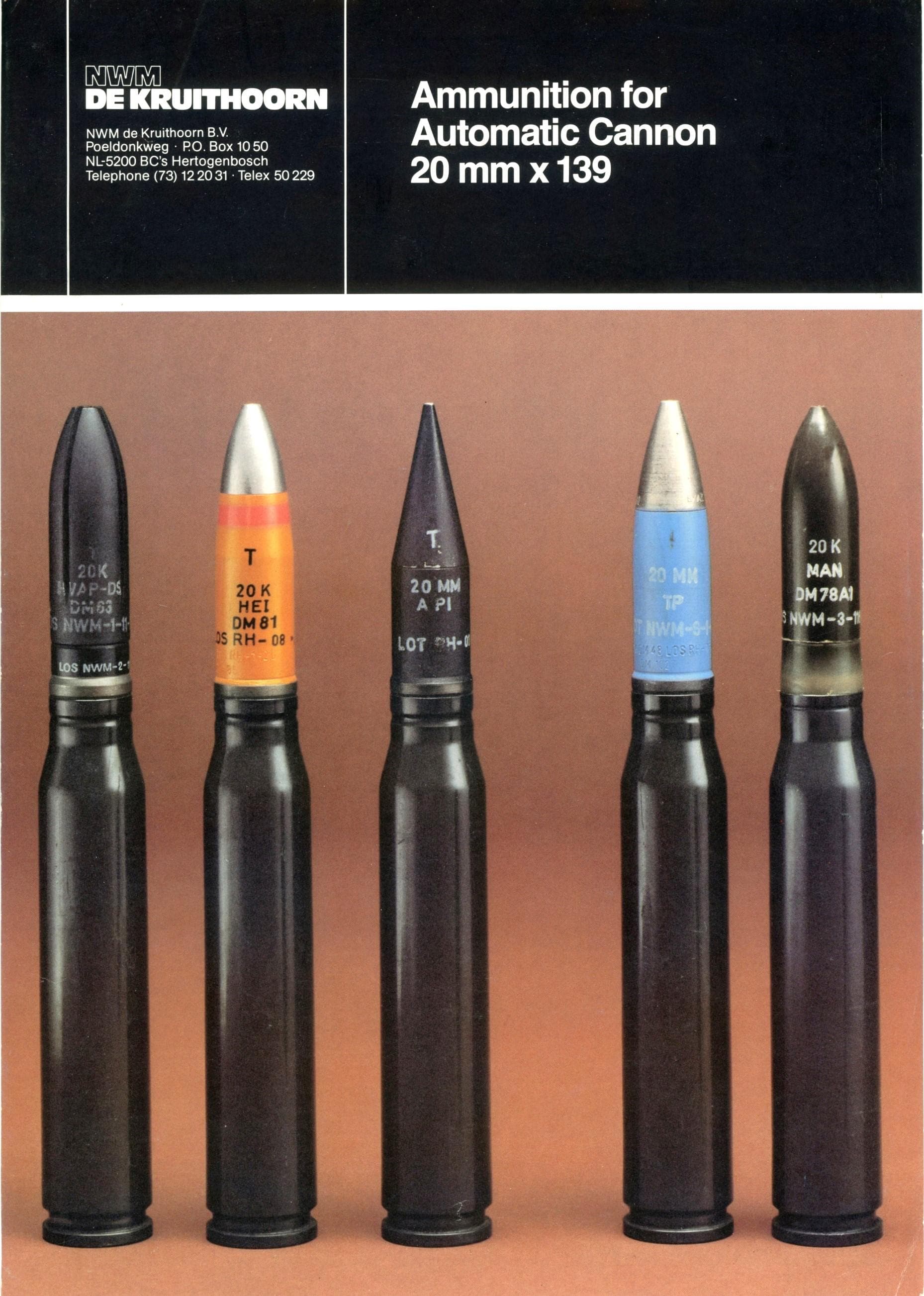

Institutional video of the Chilean army, showing the modernized Marder 1A3s and the 3 types of ammunition
In War Thunder, it could be placed at a BR of 7.3–7.7, as it lacks an anti-tank missile, unlike the German Marder 1A3, which is at BR 8.0. In terms of combat capabilities, the Chilean Marder would be most similar to the Luchs A2 or the Wiesel 1A4 (both at BR 7.3); however, it offers superior armor, as well as additional features such as a laser rangefinder and a state-of-the-art thermal sight. Furthermore, it boasts a wider field of view (FOV) and greater zoom, both of which would be highly advantageous in long-range engagements against other light vehicles.
Specifications:
- Crew:
- 3 (Commander, Gunner, Driver)
- Armament:
- Primary: Rheinmetall MK 20 Rh 202 20mm gun
- Secondary: 7.62 x 51 mm Rheinmetall MG-3 coaxial machine gun and a smoke launcher with six 76 mm grenades.
- Dimensions:
- Length: 6.79 m
- Width: 3.24 m
- Height: 2.95 m (over armament)
- Weight: Combat weight 33.5 t
- Maneuverability:
- Engine: MTU MB 833 Ea-500 6-cylinder diesel developing a maximum power of 600 hp at 2,200 rpm
- Max. speed: 75 km/h
- Slope: 60%
- Side slope: 30%
- Suspension: reinforced torsion bars
- Accessories:
- Laser Rangefinder
- Latest generation thermal vision
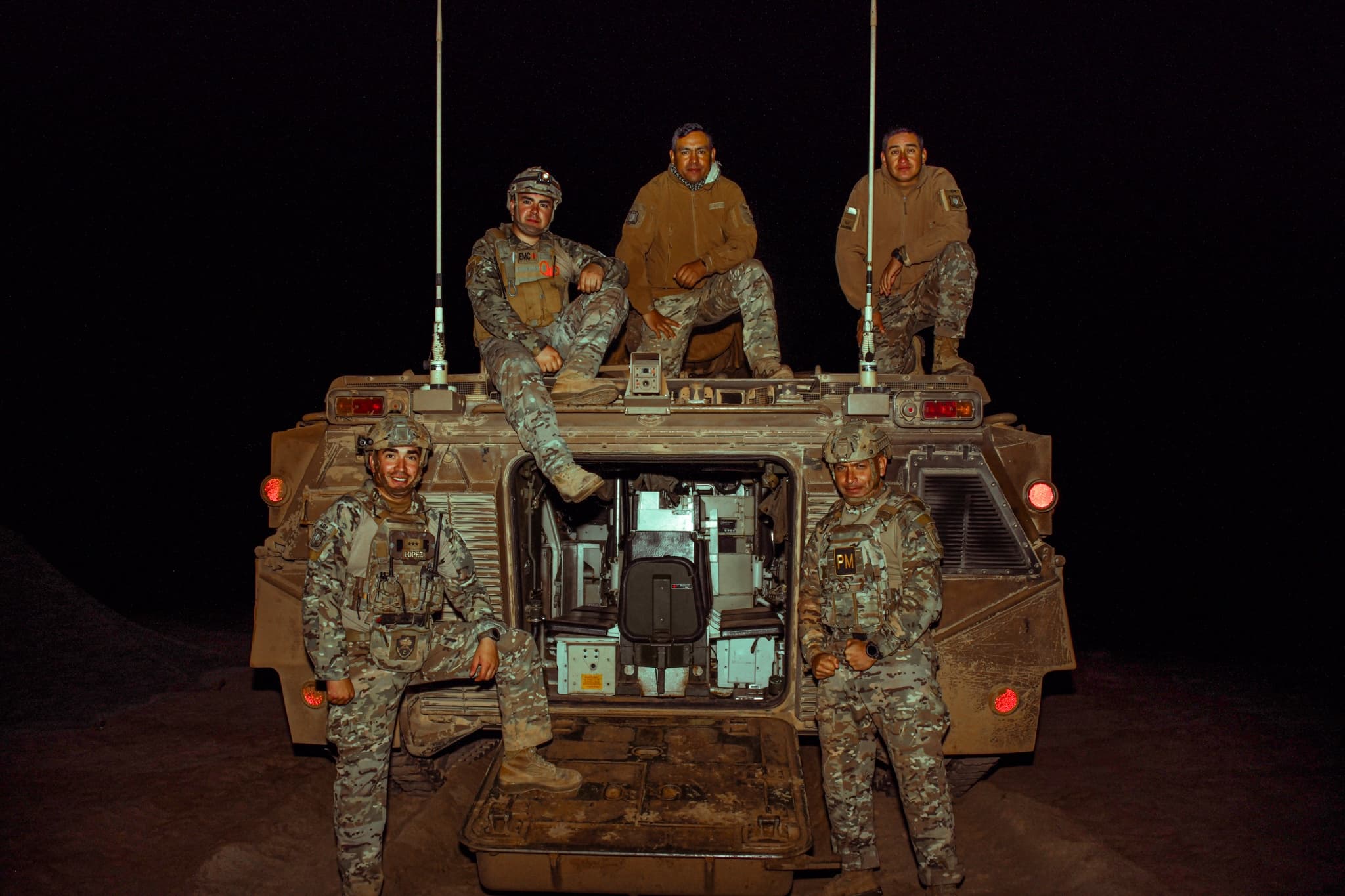
Photos:




Sources:
- EOPTRIS - OIP Sensor Systems
- VECTOR - OIP Sensor Systems
- SENTINEL - OIP Sensor Systems
- Der Marder feiert in 2021 sein 50-jähriges | Rheinmetall
- Marder 1A3, el compañero del Leopard 2 chileno
- https://www.pucara.org/post/el-ejército-de-chile-avanza-en-la-modernización-de-sus-marder-1a3
- Marder 1A3 | War Thunder Wiki
- Tankograd Militar Fahrzeug - Special No. 5017 - SPz Marder - the Armoured Infantry Fighting Vehicle of the Modern German Army