We’re misunderstanding each other.
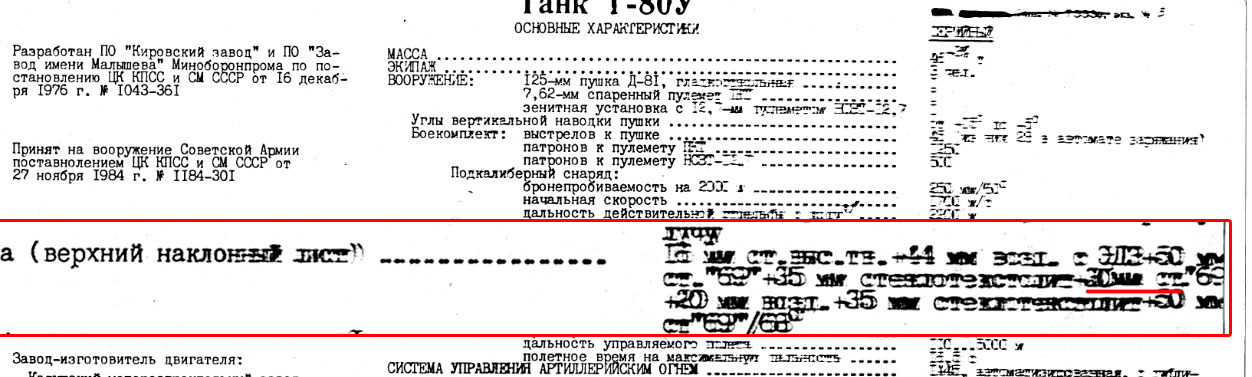
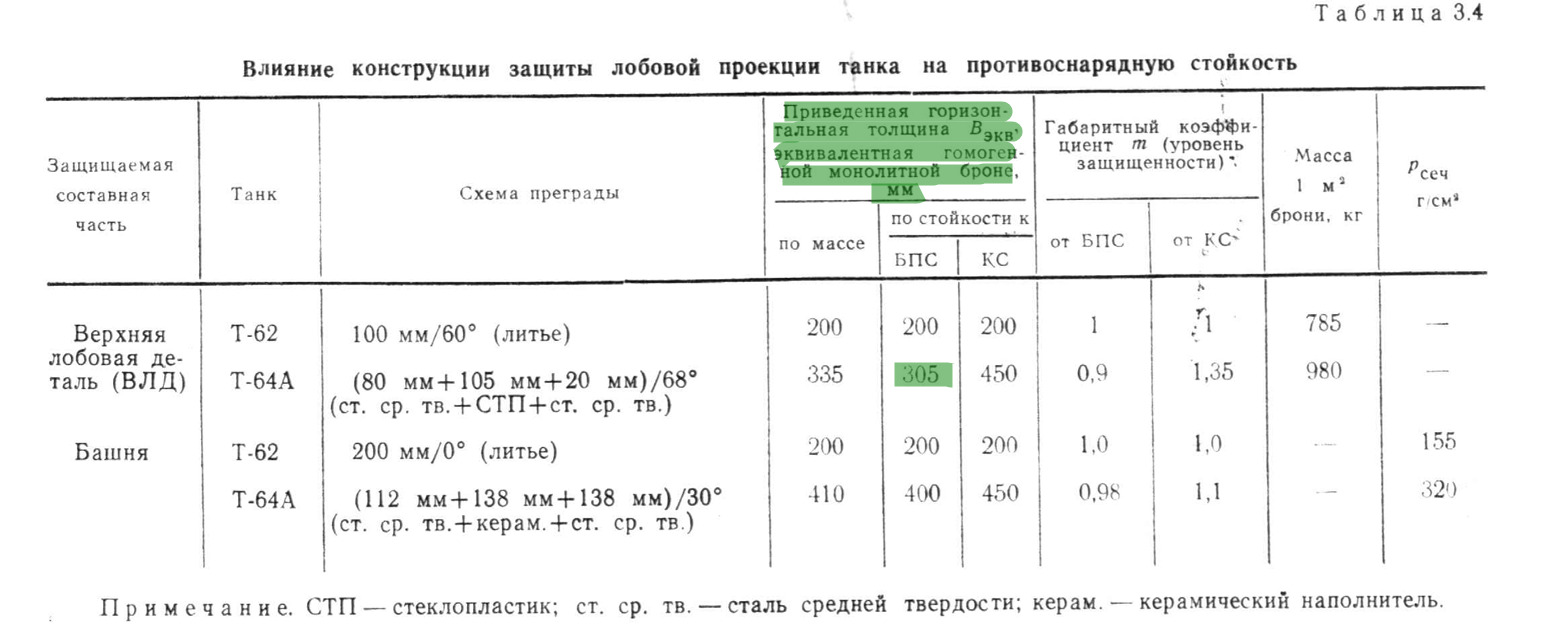
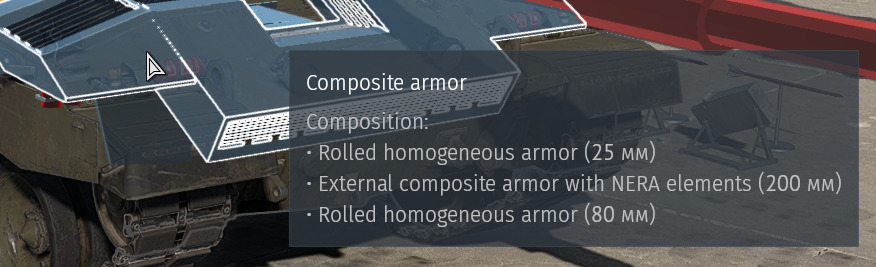
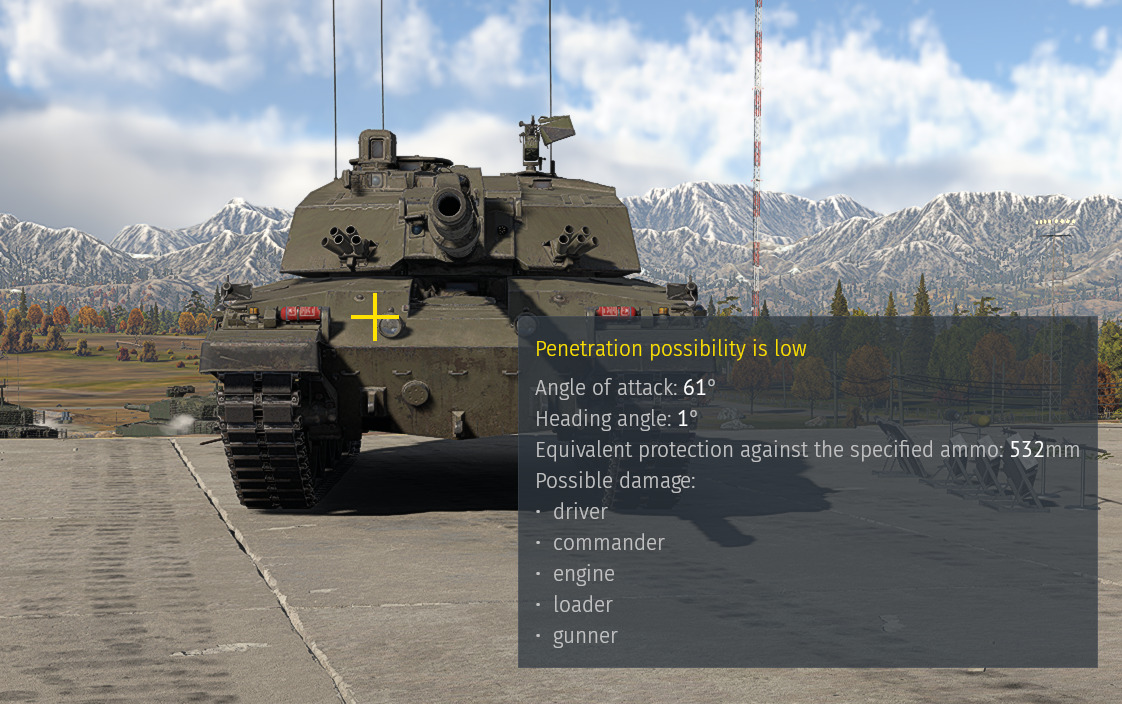
What me and @Nowel are talking about is the conversion of T-series protection into an equivalent “0 degree” amount (which is very easy) in order to actually make them penetrable to which they should be, for example, by all accounts DM33 should be more than capable of defeating T-72Bs upper plate from over 1km based on simulations (some of them simulate distances GREATER than 2km’s and the round cracks the backplate and casues it to splinter into the crew compartment).
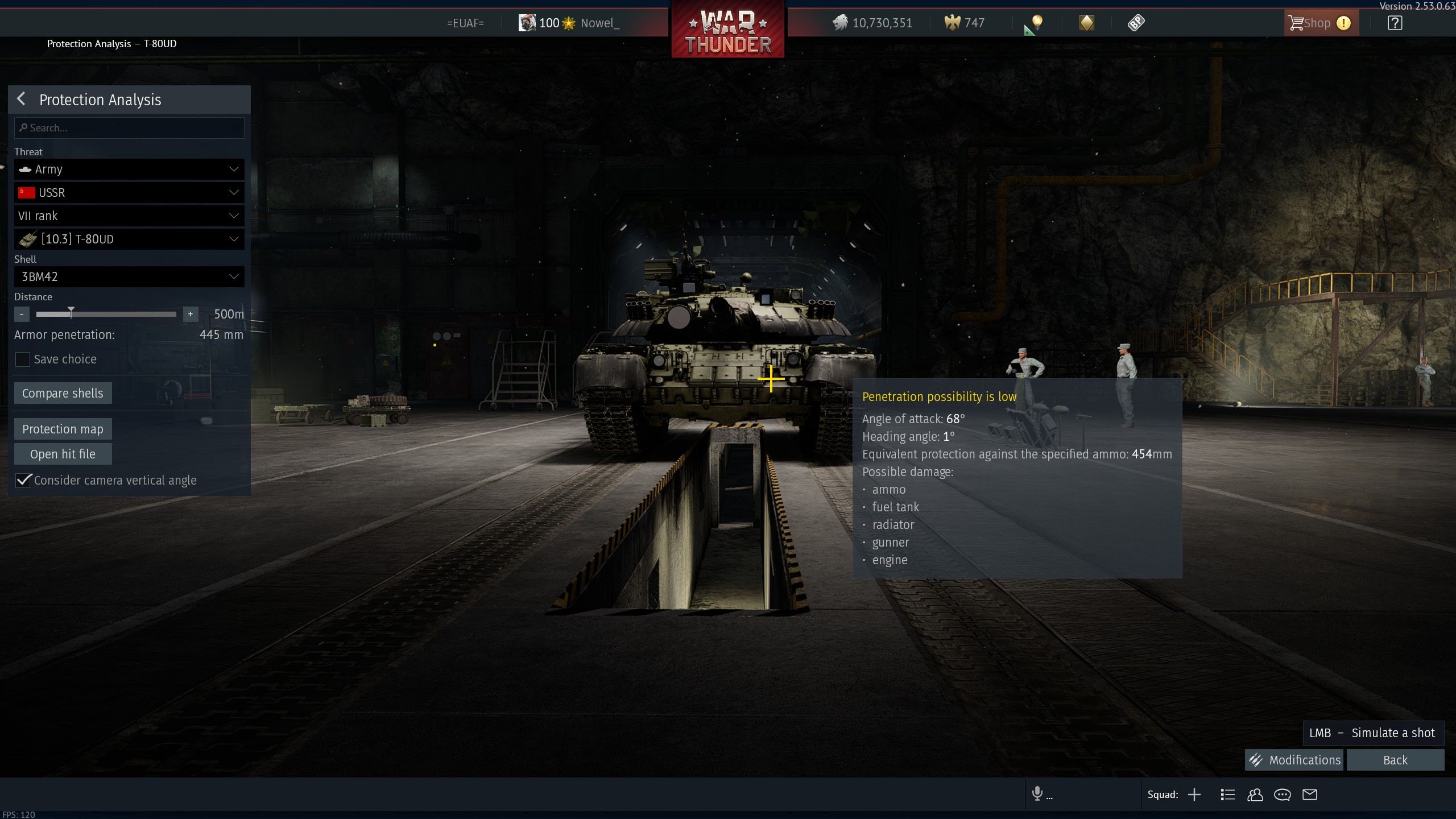
In the game, however? DM33 fails to perforate even at POINT BLANK distance.
This is due to Gaijin ONLY using the LoS 0 perforation of APFSDS - so fx, DM33 instead of perforating 604mm at 68 degrees, allowing it to defeat non-K5 spots on all T-series, it has to aim for LFP or driver hatch because that stat is not used.
Then there’s DM53, which by brute force alone should basically ignore any non-Relikt tanks, as it has 768mm of perforation at 68 degrees LoS, thus in practice it should completely nuke all K-5 T-series from over 2km’s anywhere it hits, can’t reliably penetrate them even under 500 meter distance.
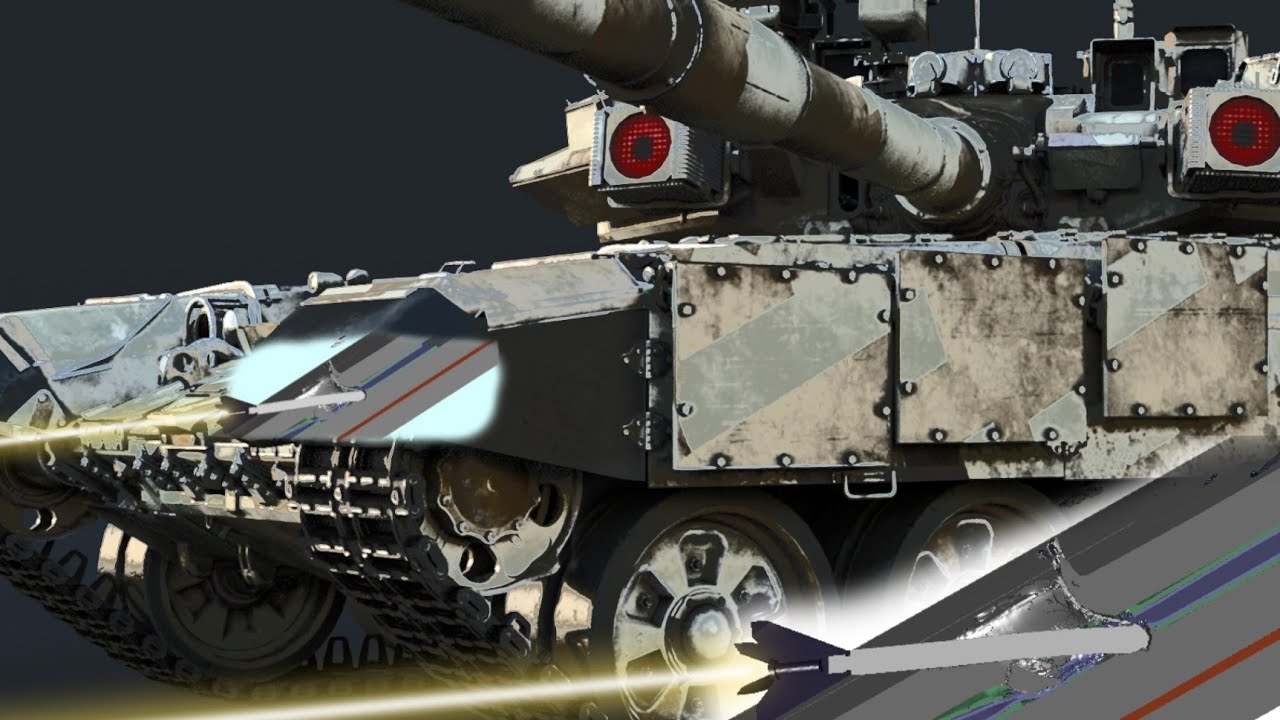
This is a simulation of DM53 (this one actually performs worse than the actual one, due to it not being a monoblock in this simulation, the actual one would fare better), it can defeat T-90A’s upper plate from 3km’s, in WT you will be hard-pressed to achieve this result from 100 meters…
That’s why the conversion of T-series protection to LoS 0 is so important, as it stands, their protection is on average ~25% higher than it realistically could ever be against what they face…
Gaijin already uses “LoS 0” protection for NATO tanks, the only ones that don’t actually use this metric are T-series, and, maybe, Chinese tanks.
Another examples:
DM33 vs T-90A without K-5 (cannot be replicated in the game)
Here where the simulated distance was 2.1km’s based on velocity loss of DM33 (any less and it would have perforated, as indeed, the performance of DM33 sub-2km’s is enough to perforate, i.e 558mm at LoS 68 at 2km’s…)
(Granted, the person making the simulation used wrong dimensions for DM33, which means they simulated the engagement with lower perforation than the DM33 actually has at 2.1km, this engagement, based on perforation achieved… would’ve been closer to 3km’s…).
I hope this explains the core issue we’re dealing with here.