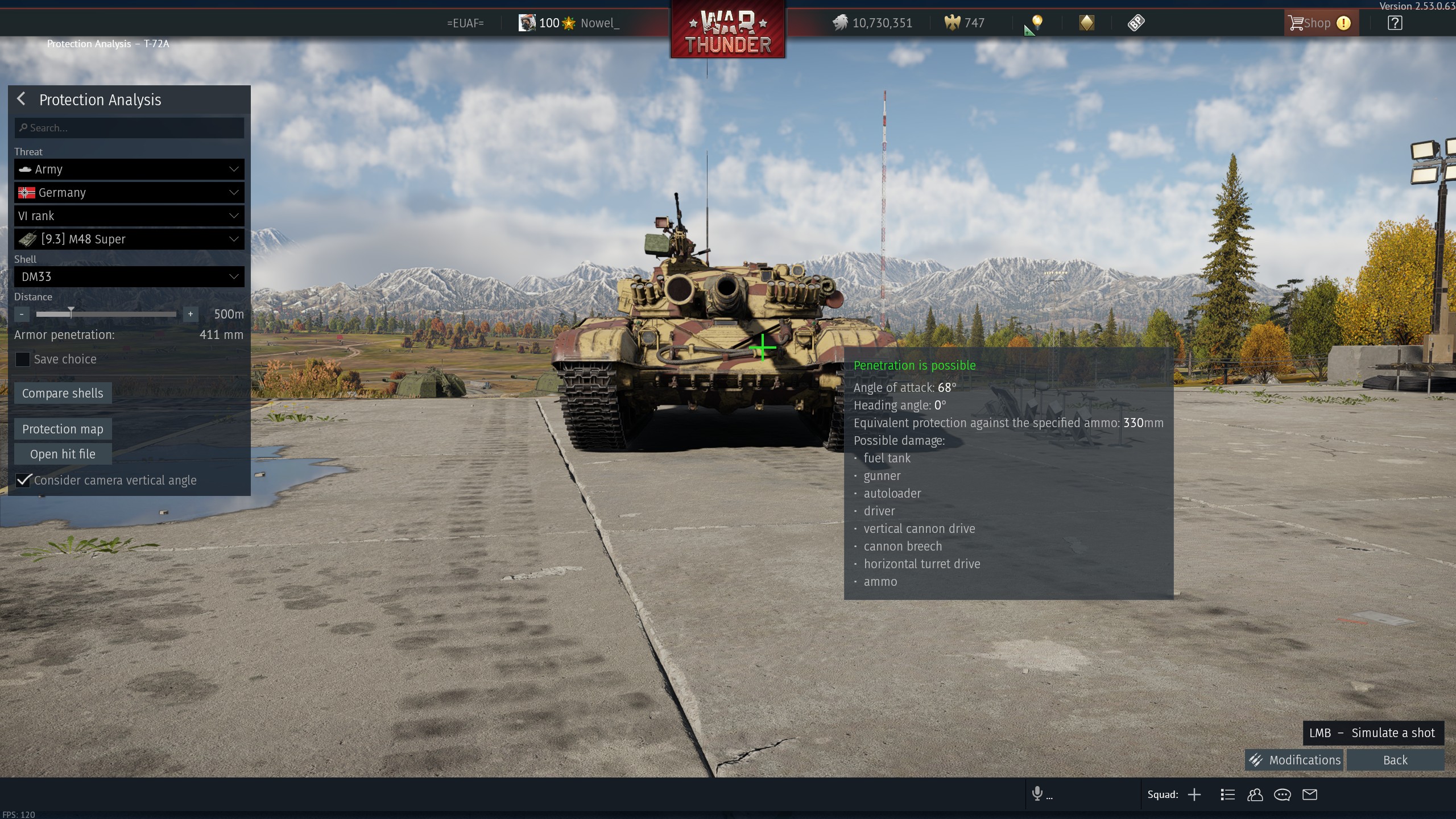
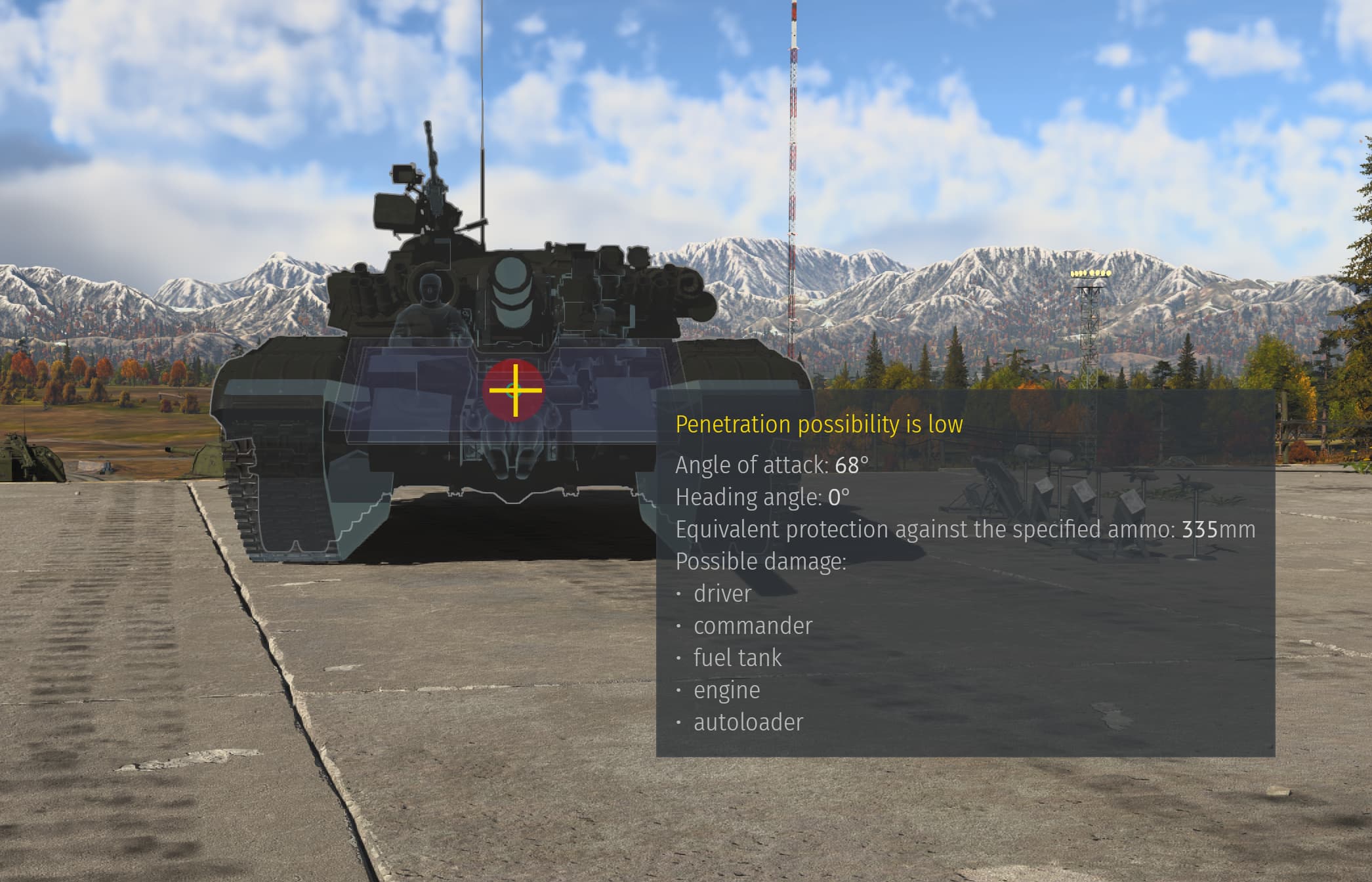
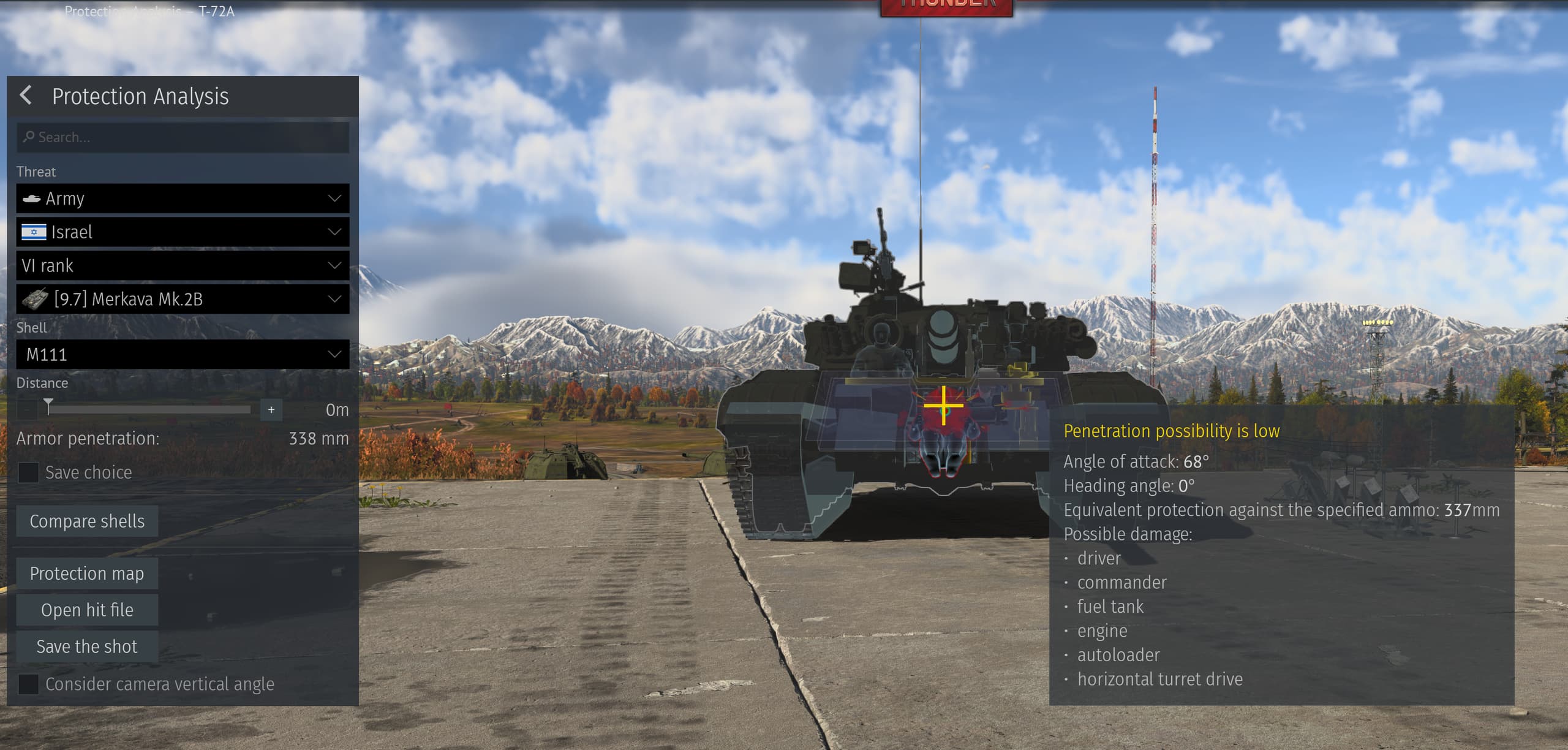
In the game, the T-80UD has a different armor composition (35mm medium steel plate instead of 50mm).
It’s also questionable to call the T-80UD a newer tank. It was developed in parallel with the T-80U and wasn’t a direct improvement, but rather an alternative.
Every source I find says high hardness for the additional plate, and the web blog I sent here said that BTK-1sh provided the correct level of protection during simulations.
Yes, in principle the T-80UD was an alternative to the turbine engine, but I find it curious that they made it with an internal armor plate smaller than the U model. The only thing I can think of is that the T-80UD having a larger empty space helped the APDS-FS rounds have more room to deflect after piercing the first layer, causing the APDS-FS rounds to impact the last layer at an even greater angle, preventing them from piercing.It seems so strange to me, but that’s it, the simple reduction of armor without any apparent reason, except to make it worse armored.
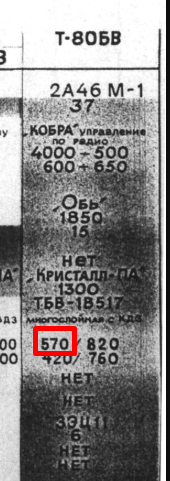
In fact, some believe that the T-80U with K-5 has a 50-30-50 steel package (T-80U, UD, UK). This provides 620-630mm of resistance against APFSDS.
In fact, if this is true, their armor package in the game should be changed and their armor protection adjusted to 620-630mm.
However, in this case, the Object 292, T-80U-E1, and T-80BVM will receive an improvement, since they definitely use a 50-50-50 package, which, according to these sources, should have 570mm of resistance.
The 620/630 is what the armour is based on in game. Thats how it performs in game. Again the way russia has always specified their armour is by LOS, which gives about 520mm against long rod which is pretty much whats in game.
In the game, it’s 640 for the 50-50-50 + K-5 package. Here, it’s 620-630 for the 50-30-50 + K-5 package, which was possibly installed on the T-80U/UD/UK instead of the 50-50-50.