- Yes
- No

History
The M-48A5 Patton
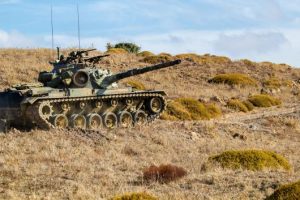
The M48A5 was the last big upgrade version of the M48 Patton tank series that the US put out. It came about in the 1970s as a way to modernize older M48A1 and M48A3 tanks so they could keep serving longer especially in National Guard units and get them closer in capability to the newer M60 tanks.
The whole M48 Patton line started back in the early 1950s during the Korean War era when the US needed something better to face off against Soviet T-54 and T-55 tanks. It was a full redesign compared to the earlier M47 with a new hull turret and better suspension. They built almost 12,000 of them between 1952 and 1961 at places like Chrysler Ford and a few other companies. The early models had a 90mm gun but that started looking pretty weak against improving Soviet armor so there were ideas floating around since the late 50s and early 60s to fit the 105mm gun from the M60. Some test vehicles like the M48A1E1 were tried out around 1960 but the real push for what became the M48A5 didn’t happen until the early 70s. It started as the XM736 and then the M48A3E1 before they officially standardized it in May 1975.
The main changes included swapping the old 90mm for the much better 105mm M68 gun which gave it a solid firepower increase and made ammo easier to share with other NATO forces. They put in a diesel engine the AVDS-1790-2D or similar which made it more reliable gave better range around 300 miles with extra fuel and cut down the fire risk that came with the old gas engines. The machine guns got updates too like a coaxial 7.62mm and improved .50 cal for the commander. Other stuff added better fire control NBC protection new tracks improved commander cupolas on some of them and a bunch of parts borrowed from the M60A1 to make maintenance easier. They converted somewhere between 2000 and 2570 tanks mostly between 1975 and 1979 at Army depots like Anniston. Not every tank got exactly the same upgrades so you see differences in things like the cupola shape or how many return rollers they have. It wasn’t new builds just upgrades to what they already had. Basically the M48A5 was a stopgap that let them squeeze more life out of the older hulls while they moved on to the M60 and eventually the Abrams.
As for actual use the M48 family including the A3 models saw a lot of fighting in Vietnam where US Army and Marine units used them for supporting infantry clearing roads and protecting convoys. By the early 70s though the regular Army had mostly switched to M60s so the A5 version went mainly to National Guard units for training and as reserves. They showed up in big exercises like Team Spirit in Korea. The last American outfit to give them up was the 1st Battalion 632nd Armor out of Wisconsin National Guard in May 1987 though a few hung around as targets or test vehicles into the mid 90s.
Plenty of other countries got M48s including upgraded A5 types and kept them in service much longer. South Korea ran a good number of their M48A5K versions right up until around 2025 and some are still in reserve. Turkey has modernized M48A5T tanks that are still active with better guns and fire control. Places like Taiwan Greece Spain and Tunisia used them too for years. In combat you had Iranian M48s in the Iran-Iraq War Israeli ones that fought hard in the 1973 Yom Kippur War and Lebanon in 82 plus use by Morocco in Western Sahara and in the Lebanese civil war. It was never the top line tank for the US by the time the A5 came out but it worked well for training reserves and for allies. The upgrades kept a solid design relevant through the late Cold War and you can still find them today in museums on display as gate guards or in private hands.
Greek Modernization Program
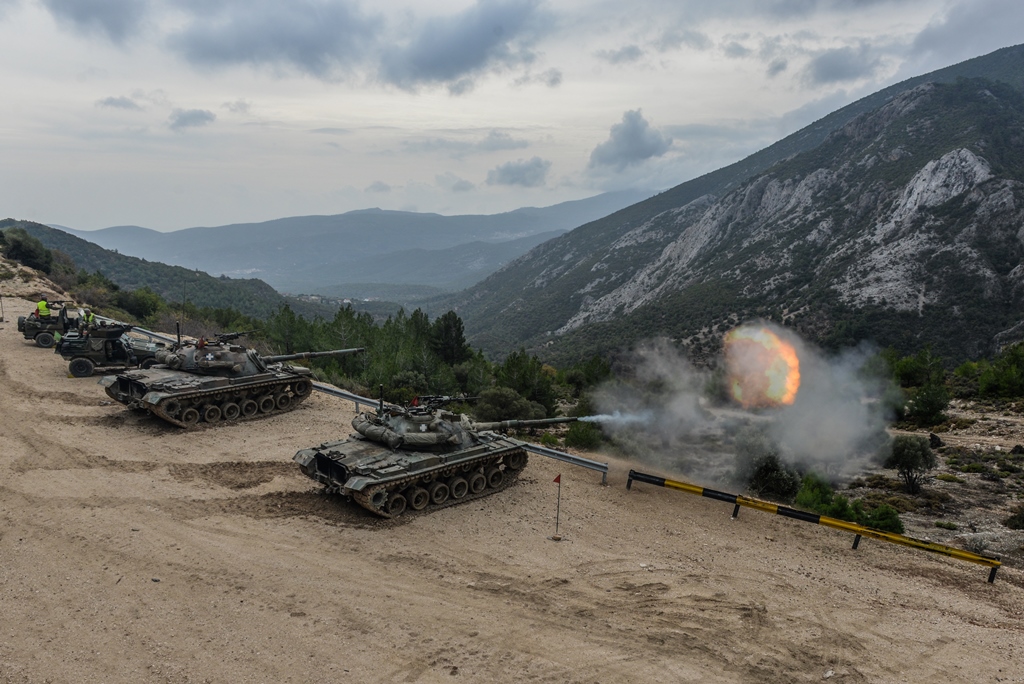
In the early 1980s, various manufacturers of fire control systems began offering their systems to further modernize the M-48s. At the same time, the Greek Army was completing the M-48 modernization program and was simultaneously seeking ways to upgrade and modernize the AMX-30 tanks. The relevant program called for the conversion of 525 M-48 tanks to the M-48A5 standard; however, the final number of modernized tanks did not exceed 325, with the remainder remaining at the A3 standard. This tank force was supplemented in 1989 with 300 additional M-48A5 tanks acquired from the U.S. National Guard.
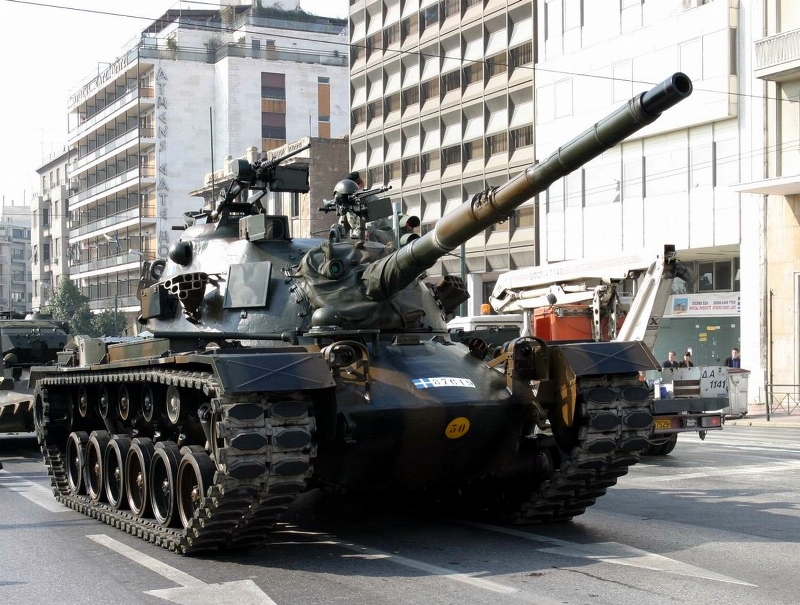
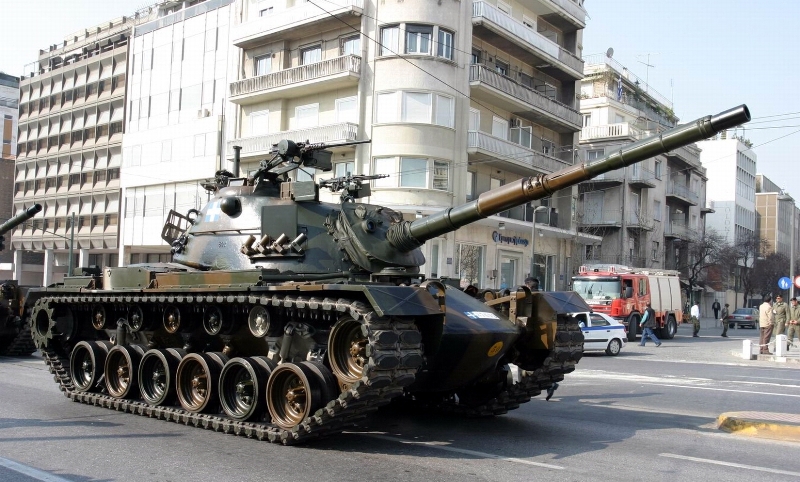
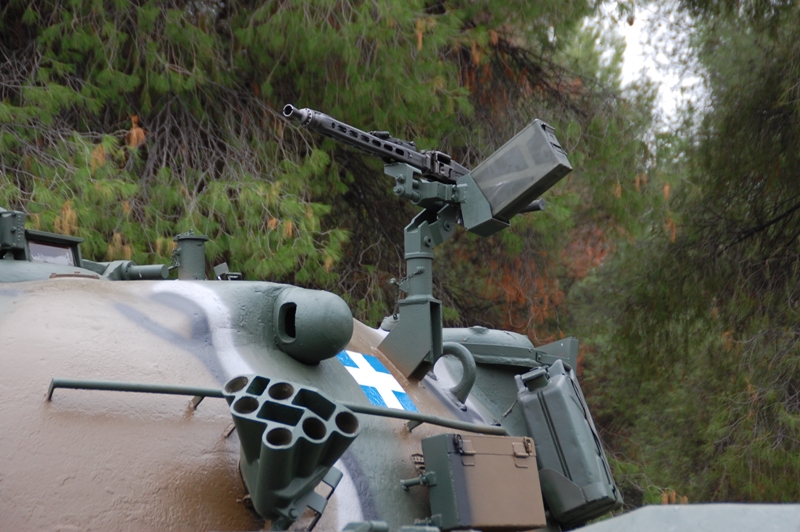
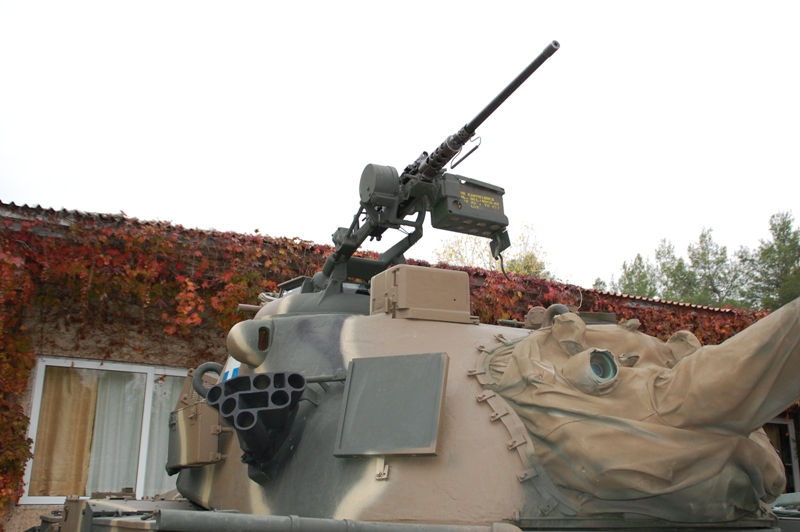
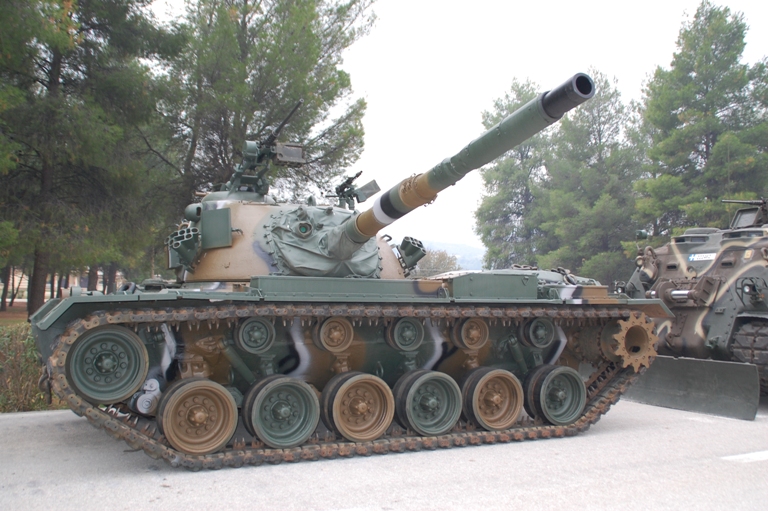
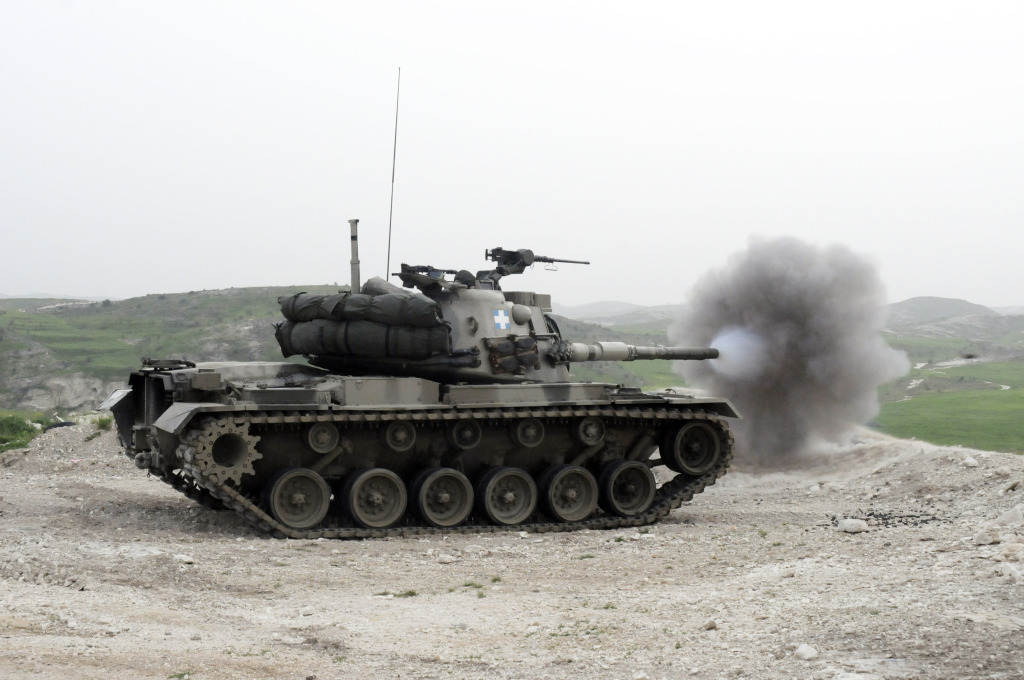
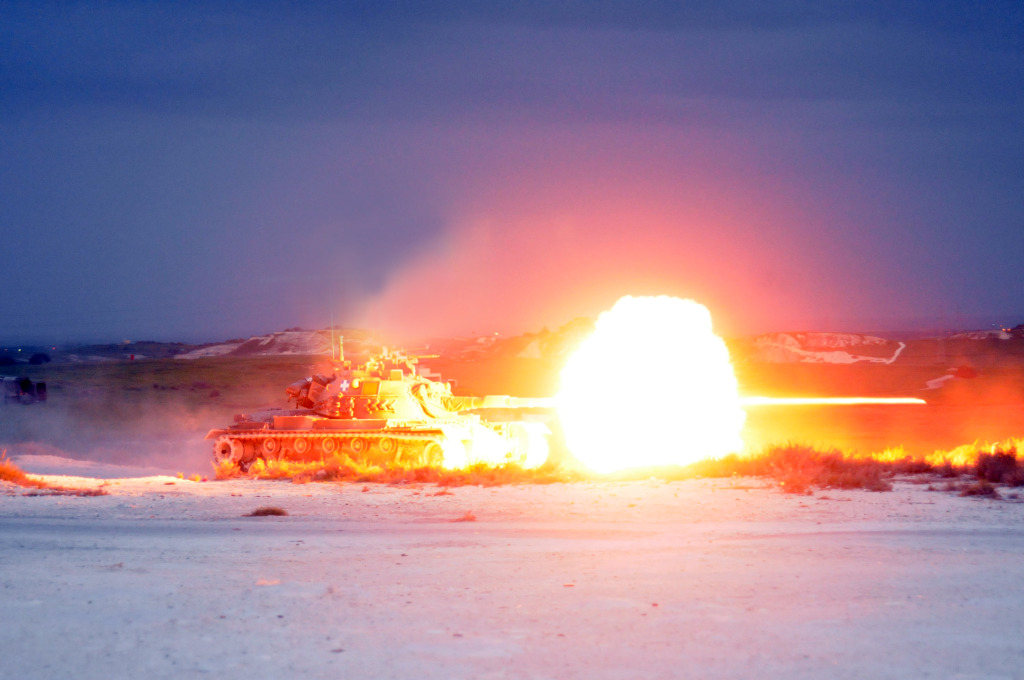
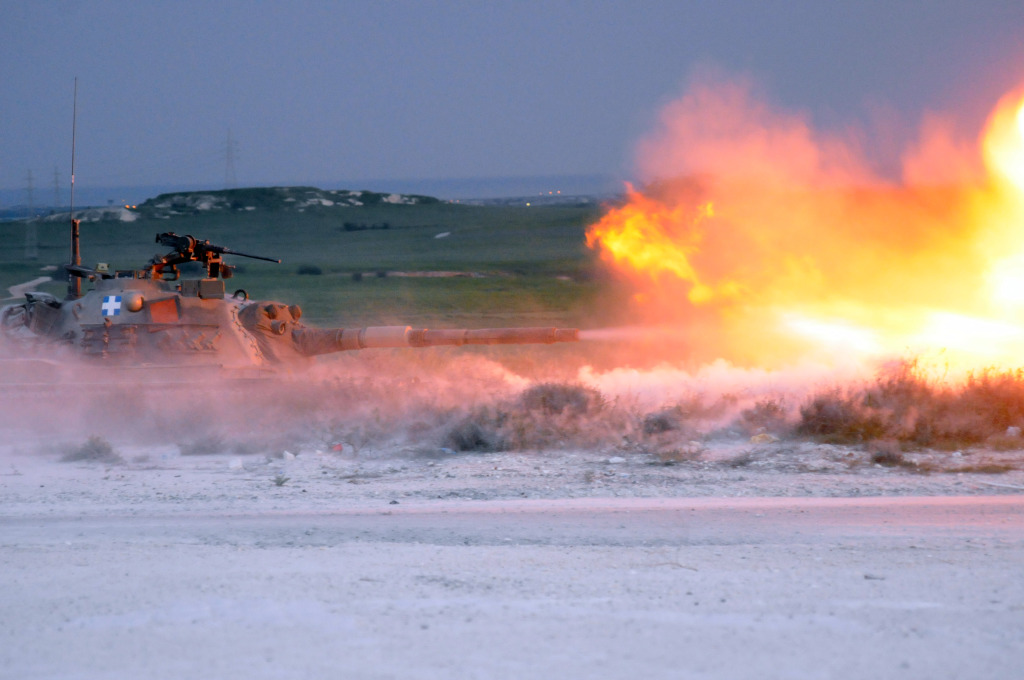
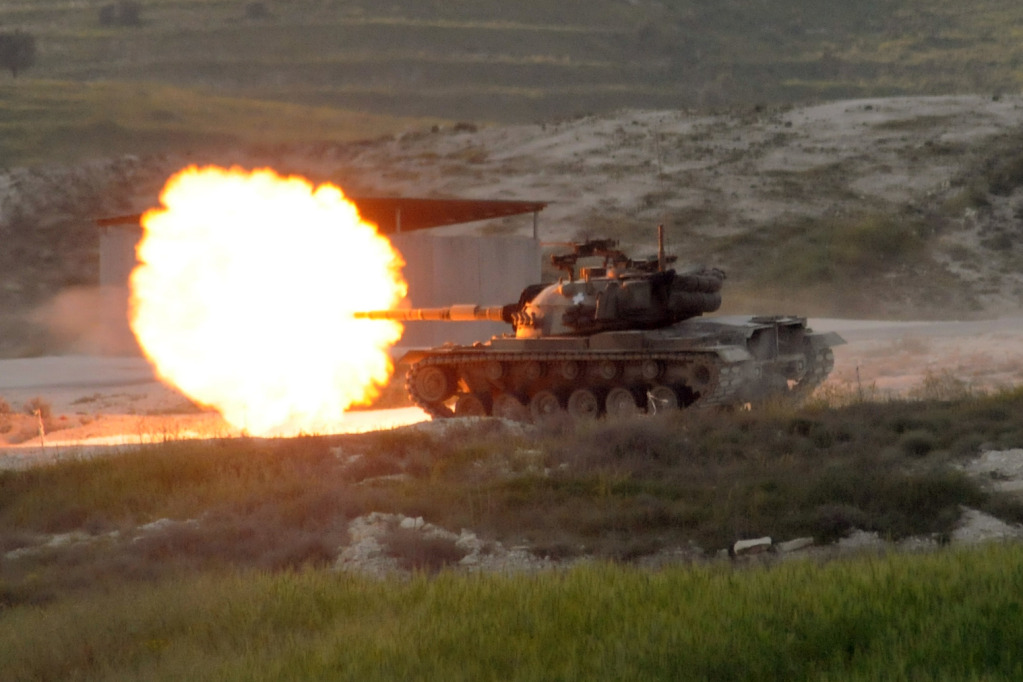
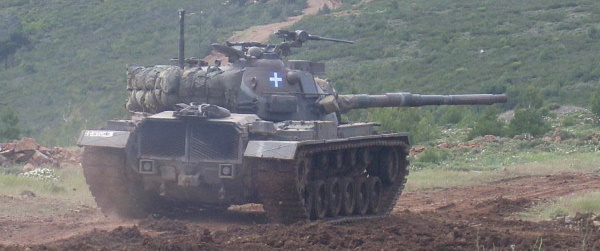
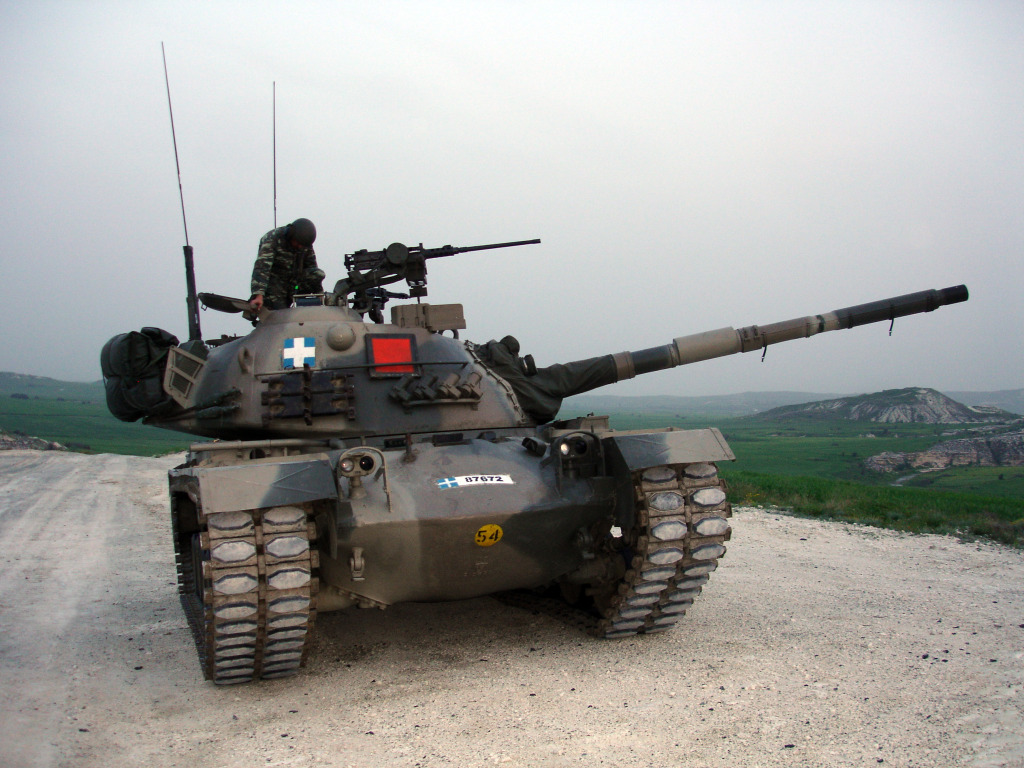
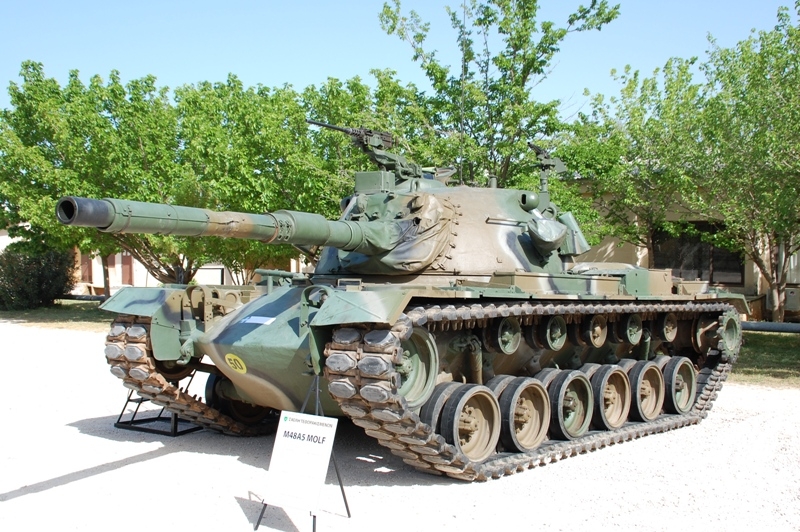
The proposed upgrades for the M-48A3 tanks were deemed prohibitively expensive, and the program was ultimately abandoned. After some time had passed, the modernization of the existing M-48A5 tanks was considered as an alternative, and a tender was launched for the modernization of 200 tanks initially, which could be expanded to 400. Thus, the M-48A5 MOLF main battle tank is an upgrade of the older M-48A5 models involving the installation of a new fire control system, which was undertaken (along with the necessary modifications to the turret and hull) by the 304th ΠΕΒ. A total of 400 M48A5 tanks were modernized to the above standard at the 304th ΠΕΒ in Velestino in two batches of 200 tanks each. Four M48A3 tanks were also modernized to the same standard. This was done to ensure that the large stockpile of 90mm shells would not go to waste. In addition to their modernization, the tanks also underwent a full factory overhaul. Currently the Hellenic Armed Forces have 390 M48A5 MOLFs in their arsenal. The first 200 modernized tanks were equipped with German smoke launchers, four on each side of the turret. The tanks in the first batch were equipped with an Urdan-type commander’s hatch and carried two M60D machine guns, one in the commander’s hatch and one in the loader’s hatch. The tanks of the second batch initially did not carry smoke grenade launchers. However, following the withdrawal of the M60 tanks, these tanks were retrofitted with the American-style smoke grenade launchers previously used on the M60s. The storage box for the smoke grenades was also mounted next to the launchers. When the M48A3s began to be phased out, the Urdan turret on the M48A5 MOLF tanks was replaced with an American-style turret equipped with a .50-caliber machine gun. Also, on tanks equipped with an M60D in the loader’s hatch, this was replaced with an MG3 machine gun. In the past, there were proposals to install the MOLF system on M60A1 tanks, but nothing of the sort was ever implemented. Furthermore, efforts to mount M48A5 MOLF turrets on chassis from decommissioned M60A1 tanks did not move forward.
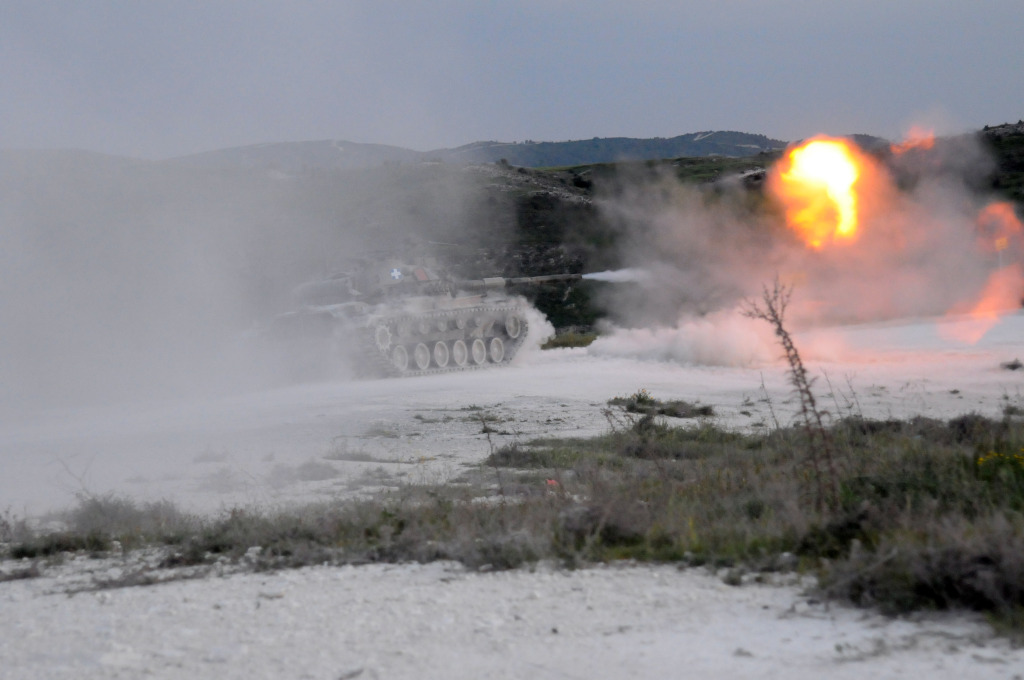
Today, the M48A5 MOLFs continue to serve in both Greece and Cyprus.
MOLF: Modular Laser Fire Control System
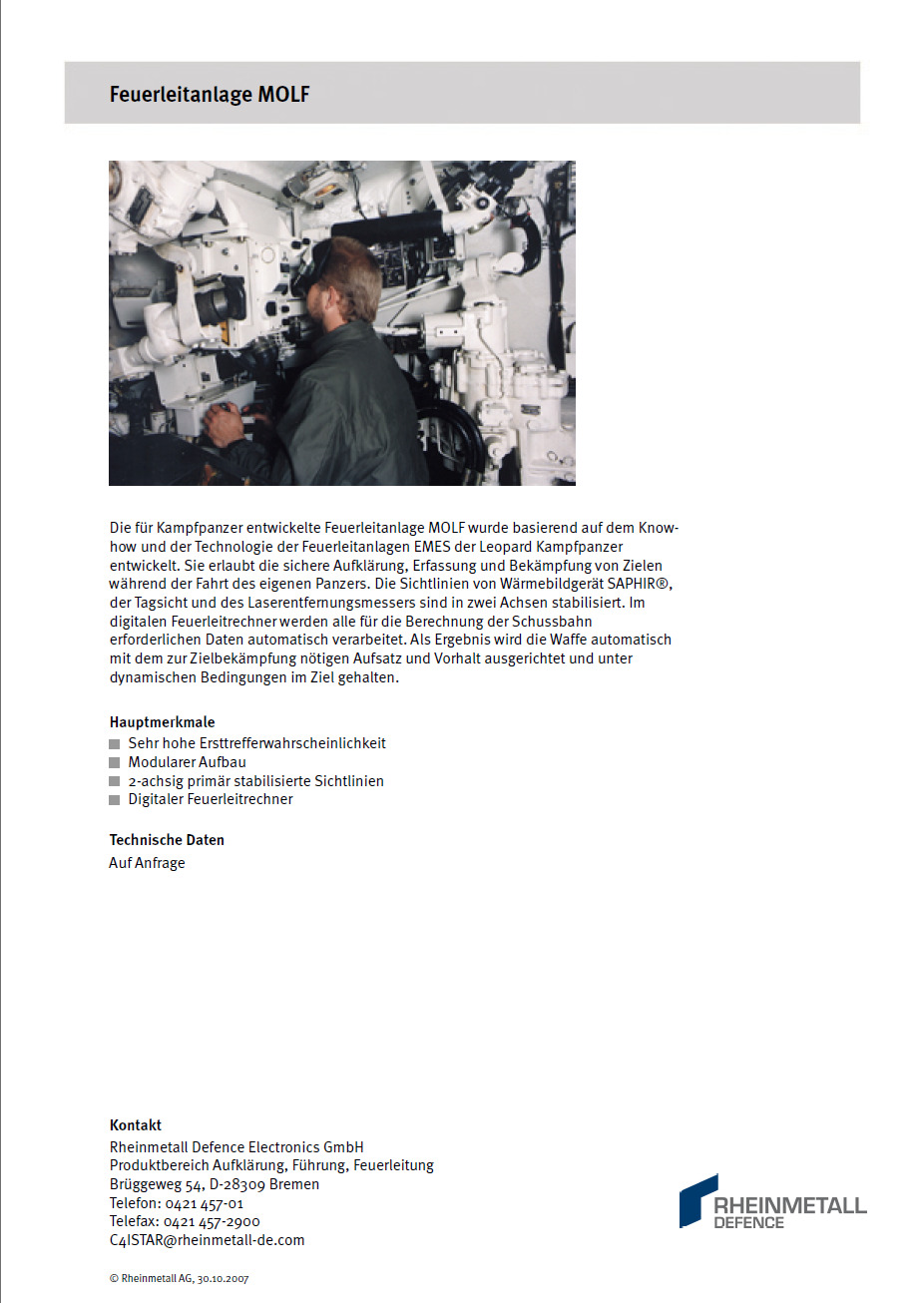
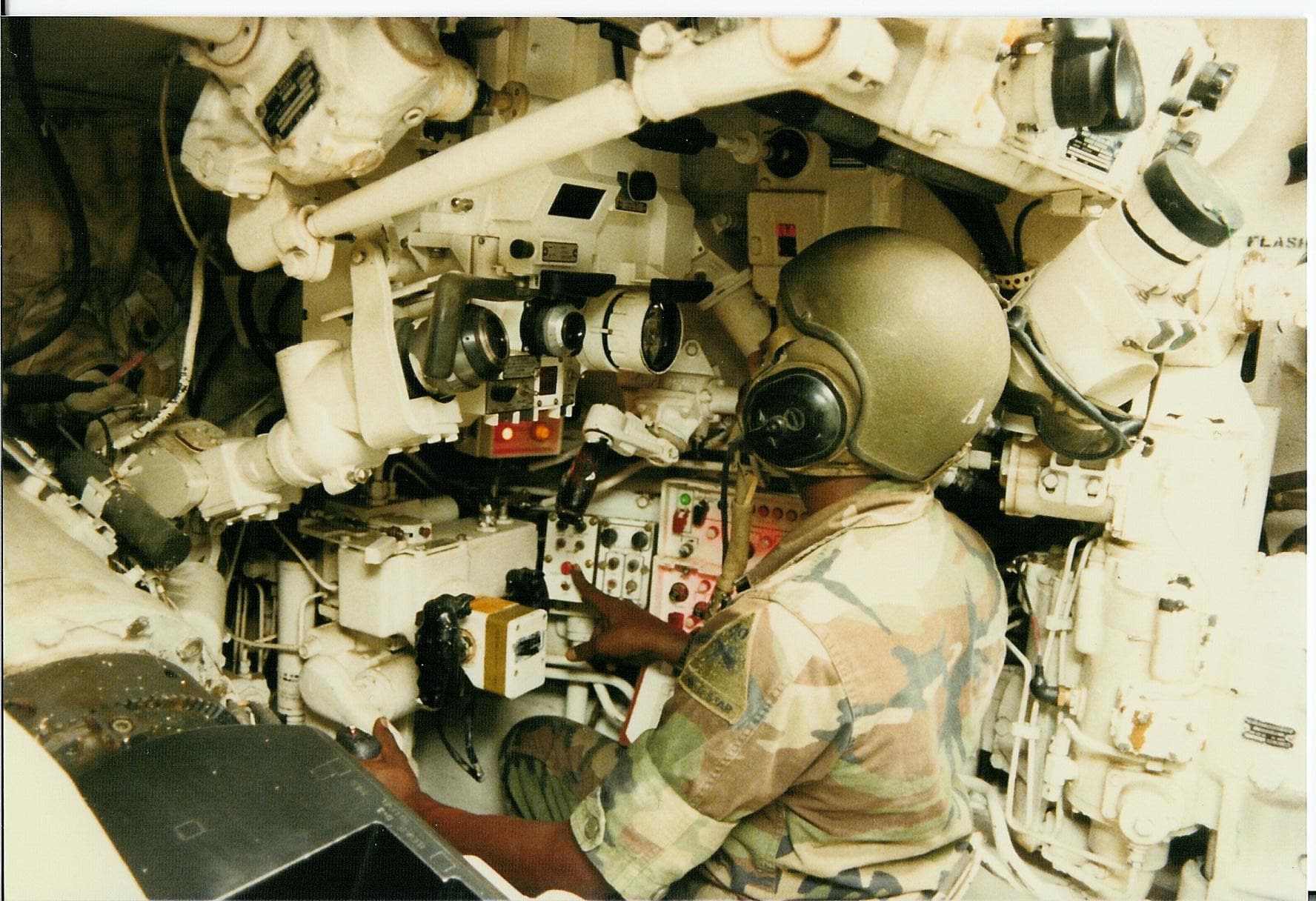
MOLF is a fire control system for main battle tanks developed and manufactured by the German company ATLAS ELEKTRONIK. It is a variant of the proven EMES 18 and EMES 15 systems that equip the Leopard 1 and Leopard 2 tanks, respectively. It consists of modular subsystems, and its design philosophy is based on the ability to radically upgrade a tank’s fire control capabilities. It enables firing at stationary or moving targets, while the tank carrying it can be stationary or on the move, with the additional option of day or night operation. The system ensures a high probability of success with the first shot, even if the tank is on an incline and environmental conditions are adverse.
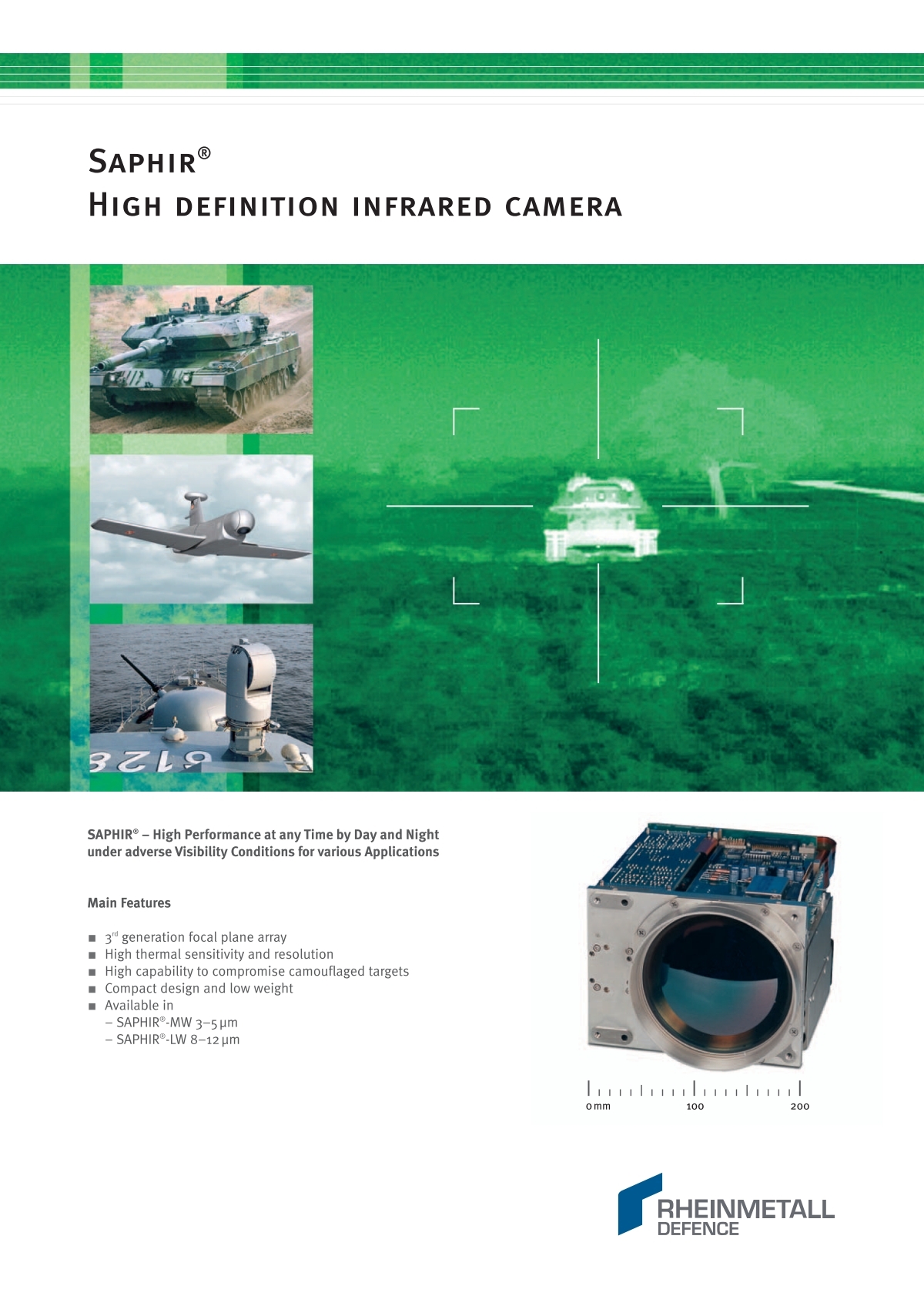
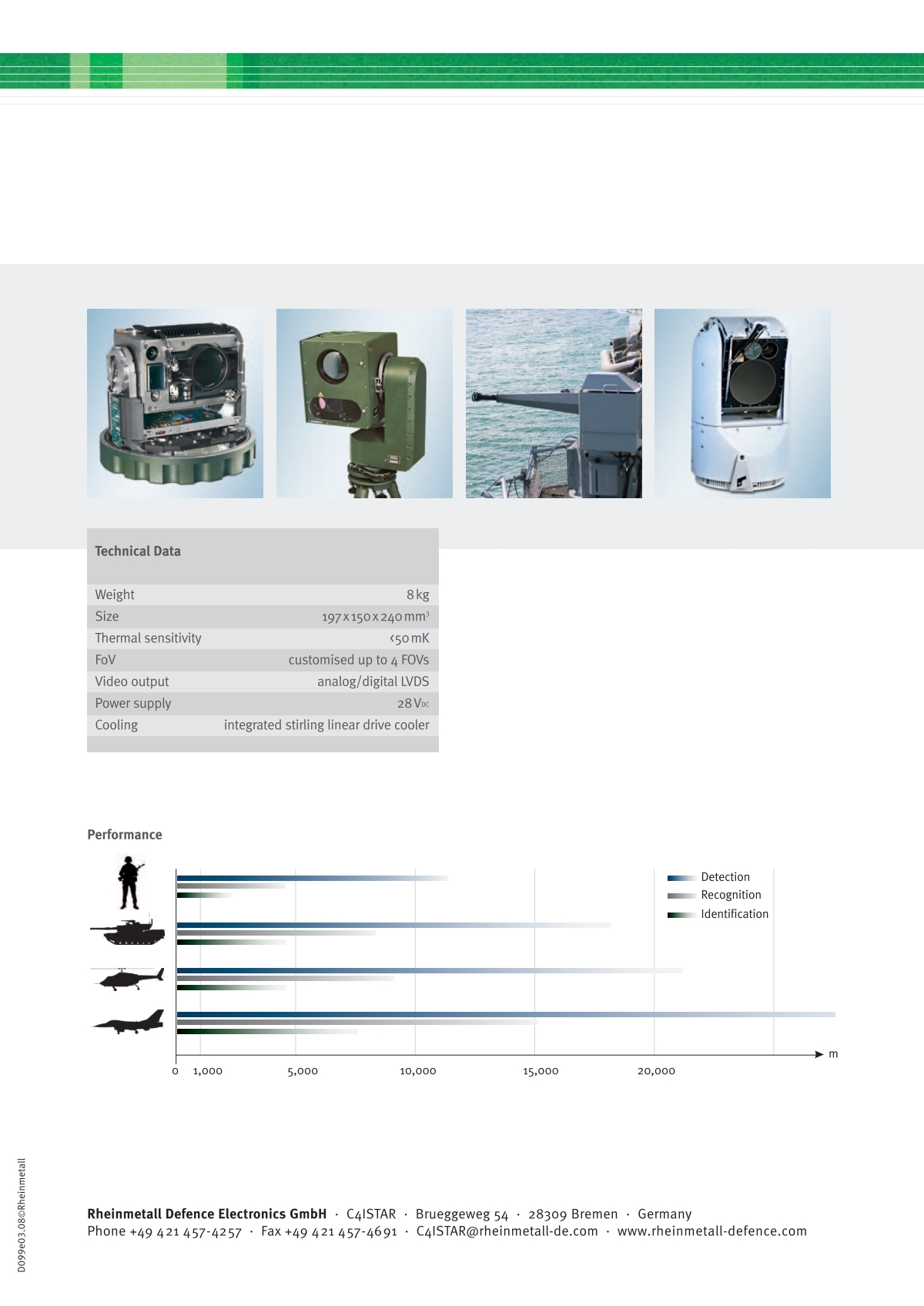
During tests conducted by the Greek Army, the probability of a hit on the first shot reaches 98%, while equally significant is the fact that the tank’s complete transformation takes place on Greek soil at the 304th Armored Brigade. At the same time, a significant portion of the electronics was manufactured in Greece by ECON Electronics, ensuring even greater domestic support capabilities. Finally, the MOLF system shares 80% of its components with the EMES 18 system that equips the Leopard 1A5GR tanks and serves as a significant force multiplier for the tank force. The system includes: A periscope with an integrated mirror, laser rangefinder, and thermal camera; the crew commander’s sight; and a turret control unit. Thermal camera control unit (for commander and gunner). Loader control unit. Various sensors (gun elevation, wind, etc.). Various electronic subsystems.
The steps involved in converting the tank are as follows:
- Complete overhaul of the tank
- Preparation of the turret, from which all old mounts are removed
- The turret undergoes specific high-precision machining operations to accommodate the new systems
- Installation of the new mounts that will hold the MOLF system components as well as the remaining components, as the tank retains the older fire control system that can be used in case of emergency
- The turret is being painted
- Installation of the electro-hydraulic system
- The electronic units of the fire control systems are being installed
- The process of functional tests, which lasts several days, begins
- The turret is mounted on the hull
- Additional tests continue on the test track, where the stabilization system is checked
- Tests are conducted to verify that the vehicle meets specifications
- Firing tests are performed, and the vehicle is delivered to the unit
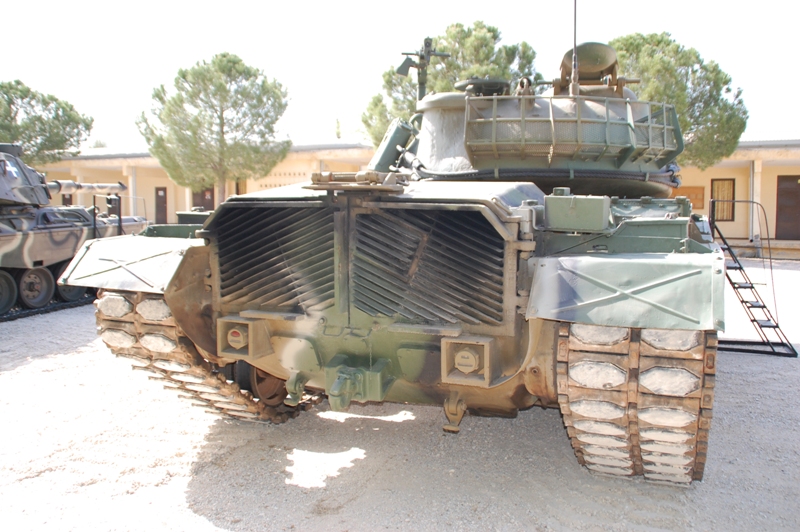
The most noticeable visual changes to the tank following its modernization are as follows:
- A new, larger housing containing the new sights has been installed in front of the tank commander’s hatch.
- A wind sensor has been installed at the rear of the turret.
- A heat-shedding cover was installed on the 105mm gun.
A new gun mounting and locking system was installed at the rear of the tank, on top of the engine cover.
Firepower
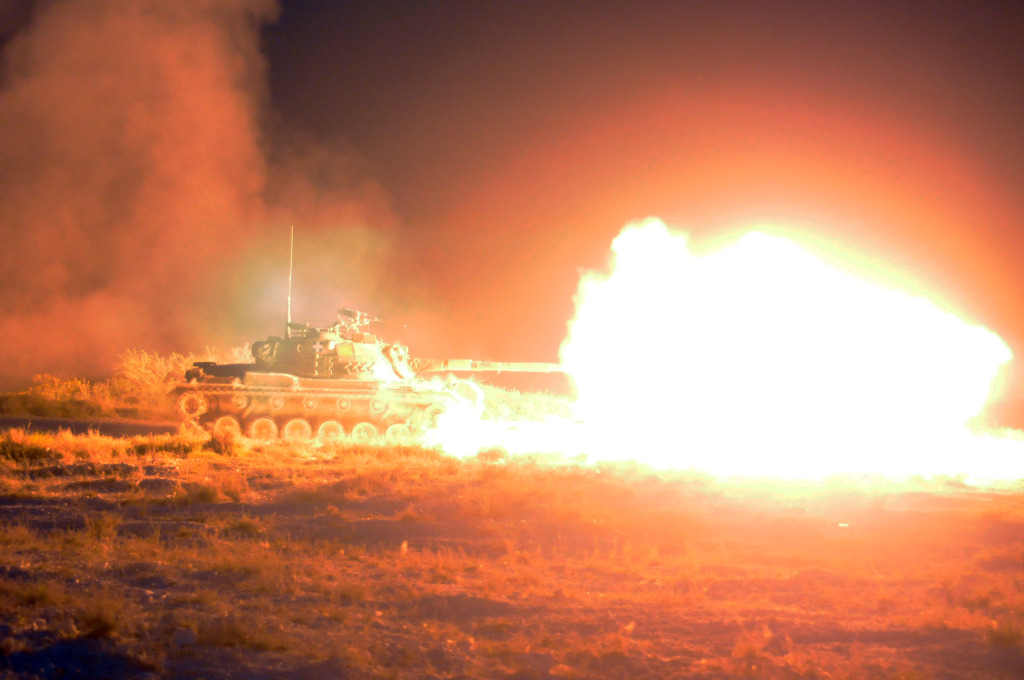
Main armament: Μ68 (L7) , 105mm
Secondary: Commanders 12.7 mm anti-aircraft machine gun, Loaders 7.62 mm MG3 machine gun.
and 7.62 mm coaxial machine gun
Ammunition for the 105mm:
- DM33
- M111
- M1057
- M456A1
- M456A1E2
- M1010
- M393A1
- M352
Protection
The M48A5 MOLF relies exclusively on traditional, homogeneous cast steel armor for its physical defense.
The entire hull is built as a single, unified piece of cast steel.
- Hull Front (Glacis): 110 mm thick, heavily sloped at 60 degrees. This sloping effectively doubles its physical thickness to 220 mm of Line-of-Sight (LoS) protection against direct frontal hits.
- Turret Front: Roughly 178 mm of solid cast steel. The rounded, dome shape assists in forcing older kinetic shells to ricochet.
- Sides and Rear: Hull sides are 76 mm thick, while the rear drops to roughly 44 mm.
Specifications
- Crew: 4
- Length: 9.44 m
- Width: 3.63 m
- Height: 3.29 m
- Weight: 49 tons
Mobility
Engine: Continental AVDS-1790
Transmission: Allison CD-850-6 cross-drive
Horsepower: 720
- Maximum speed: 48 km/h
- Maximum reverse speed: 8km/h
- Autonomy: 499 km
- Grading ability: 60 %
- Water obstacle: 1.2 m
- Vertical obstacle: 0.9 m
- Ditch: 2.59 m