- Yes!
- No!
M18A2
History and Description
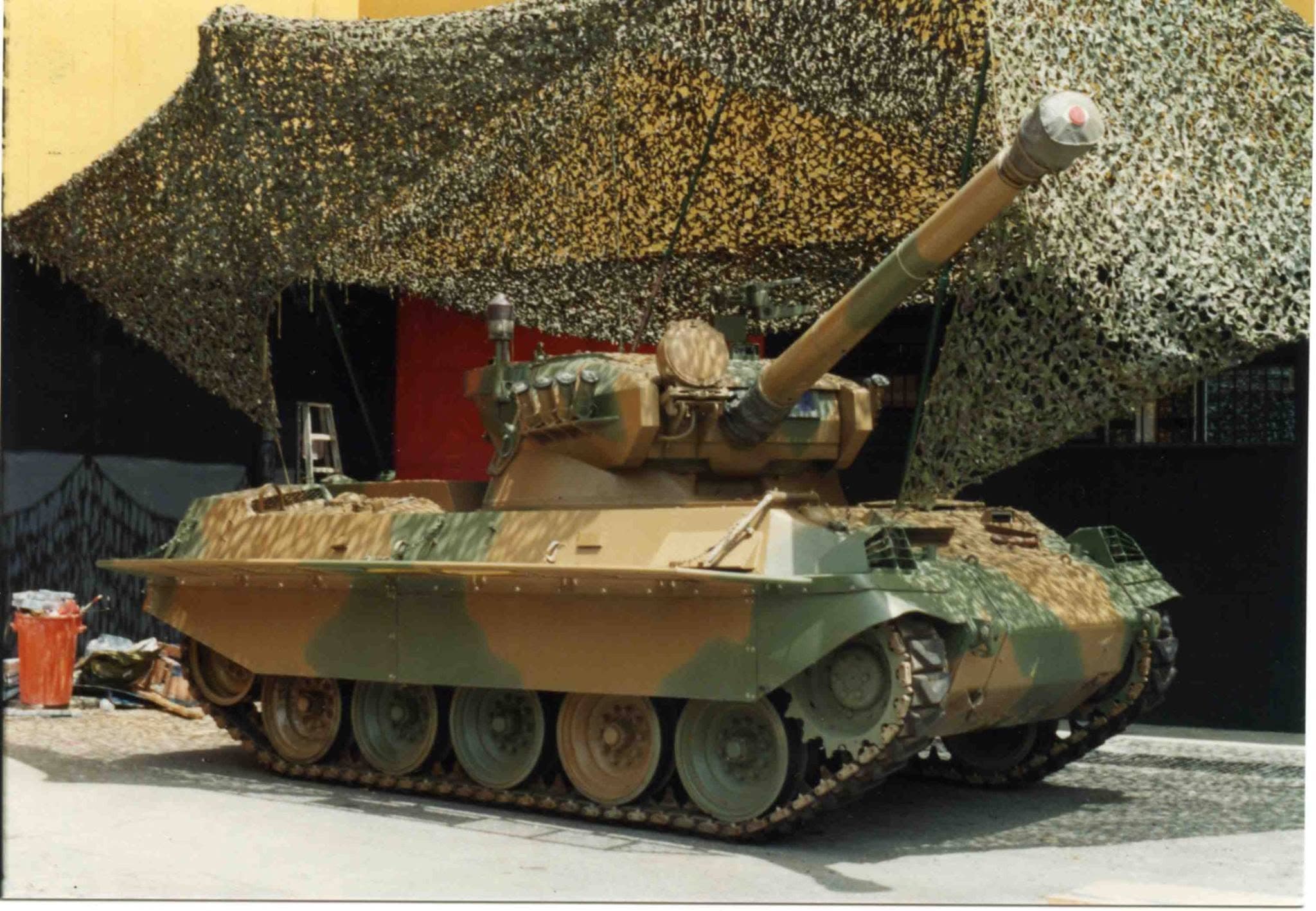
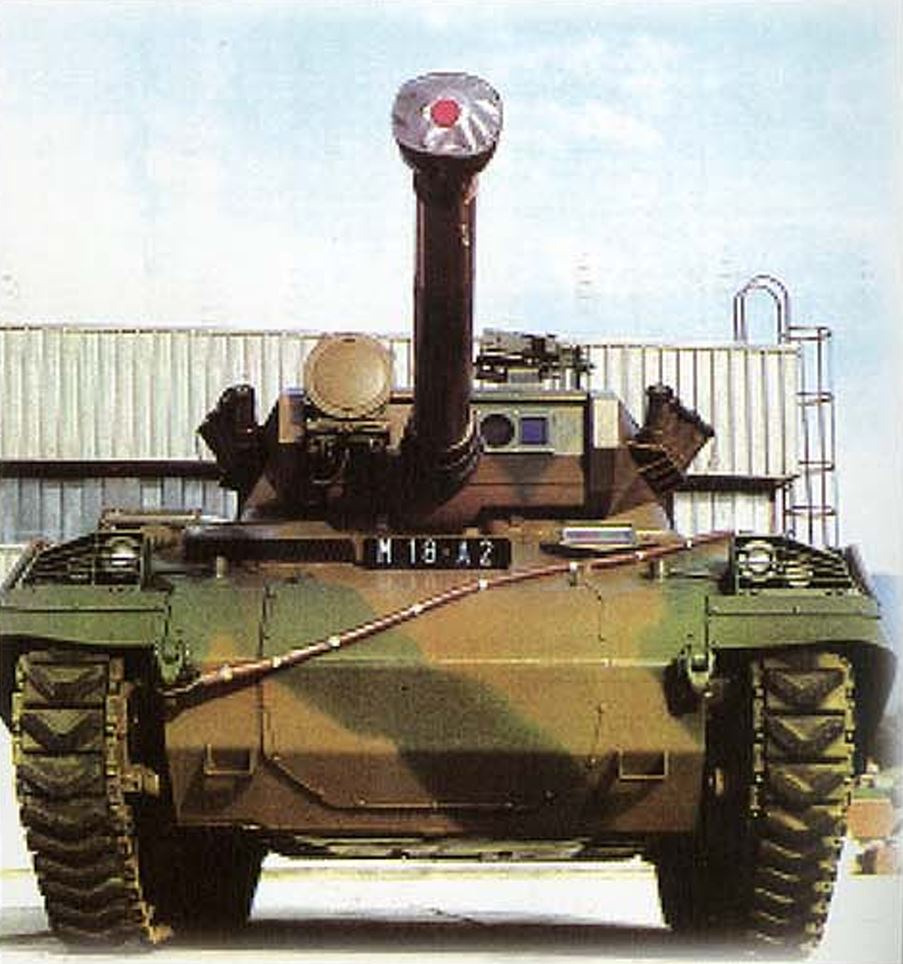
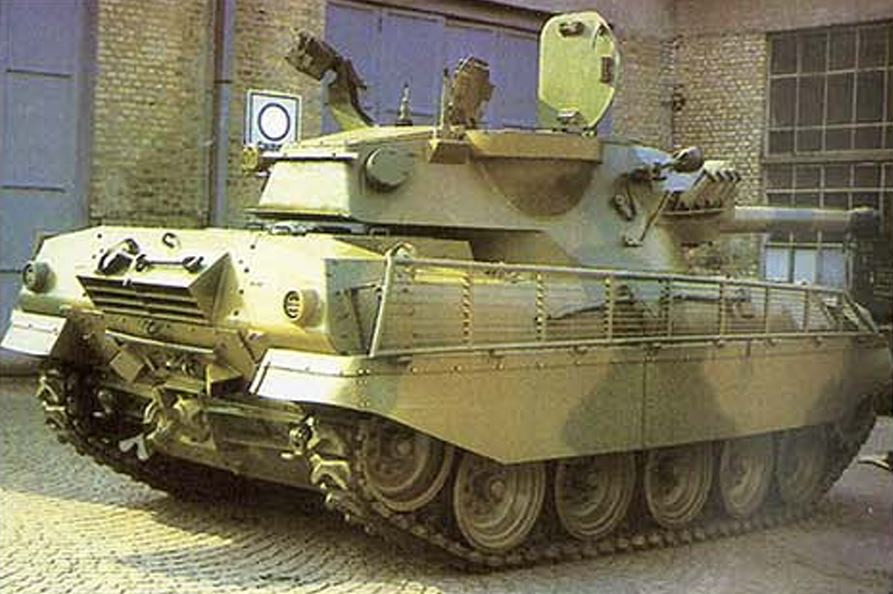
M18A2 is a comprehensive Yugoslav modernization of a Venezuelan M18 Hellcat tank destroyer. The vehicle combined the lightweight chassis and 76 mm armament of the Second World War-era M18 with a diesel engine, redesigned automatic transmission, enclosed turret, additional armour, smoke grenade launchers, night-vision equipment and a new fire-control system.
History and Description
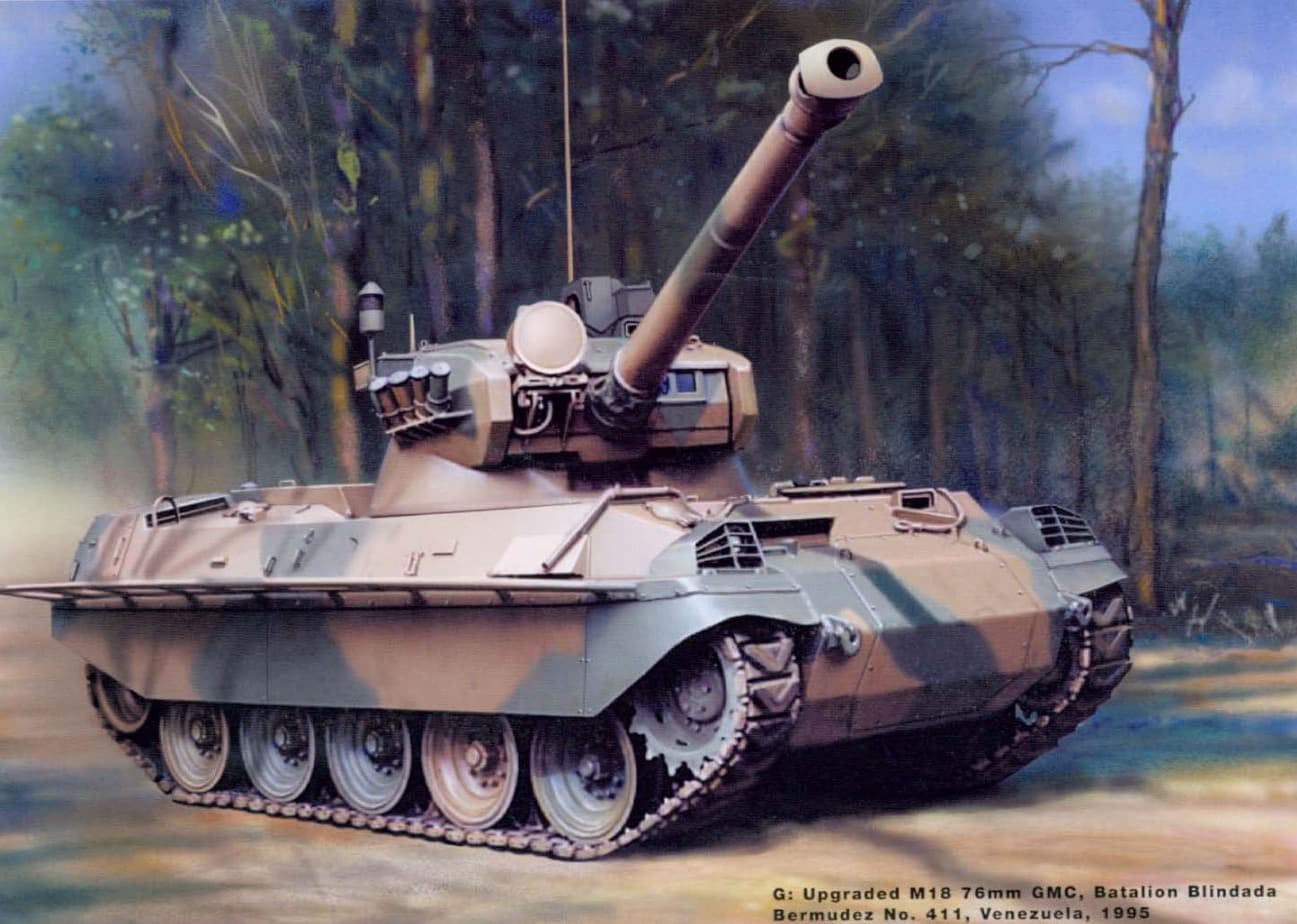
In 1954 Venezuela acquired 40 M18 Hellcat tank destroyers. Some sources refer to them as M18A1s and state that they served with the Batallón Blindado General en Jefe José Francisco Bermúdez. The vehicle became popular with its crews, who reportedly nicknamed it “El Glorioso.” The Venezuelan Hellcats were refurbished in army workshops during 1983–1984 and served primarily with Batallón Blindado Bermúdez No. 411 in Maracay, part of the 4th Armoured Brigade headquartered in Valencia.
Although the M18 had originally been valued for its excellent mobility, its gun, open turret and engine had become serious disadvantages by the late 1980s. Venezuela therefore considered whether its surviving Hellcats could be modernized instead of immediately discarded. The conversion was undertaken by a Yugoslav defence-industry organization associated with Tehnički remontni zavod Hadžići, commonly abbreviated as TRZ Hadžići. The sole prototype was publicly presented to the Venezuelan Army in June 1991.
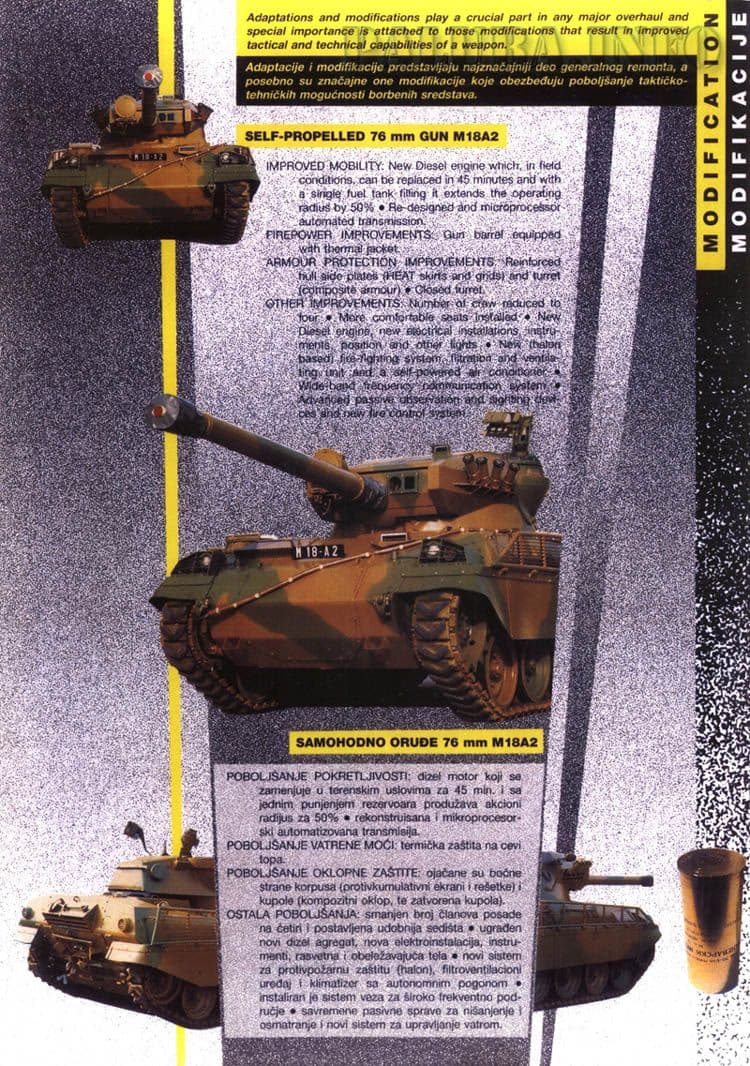
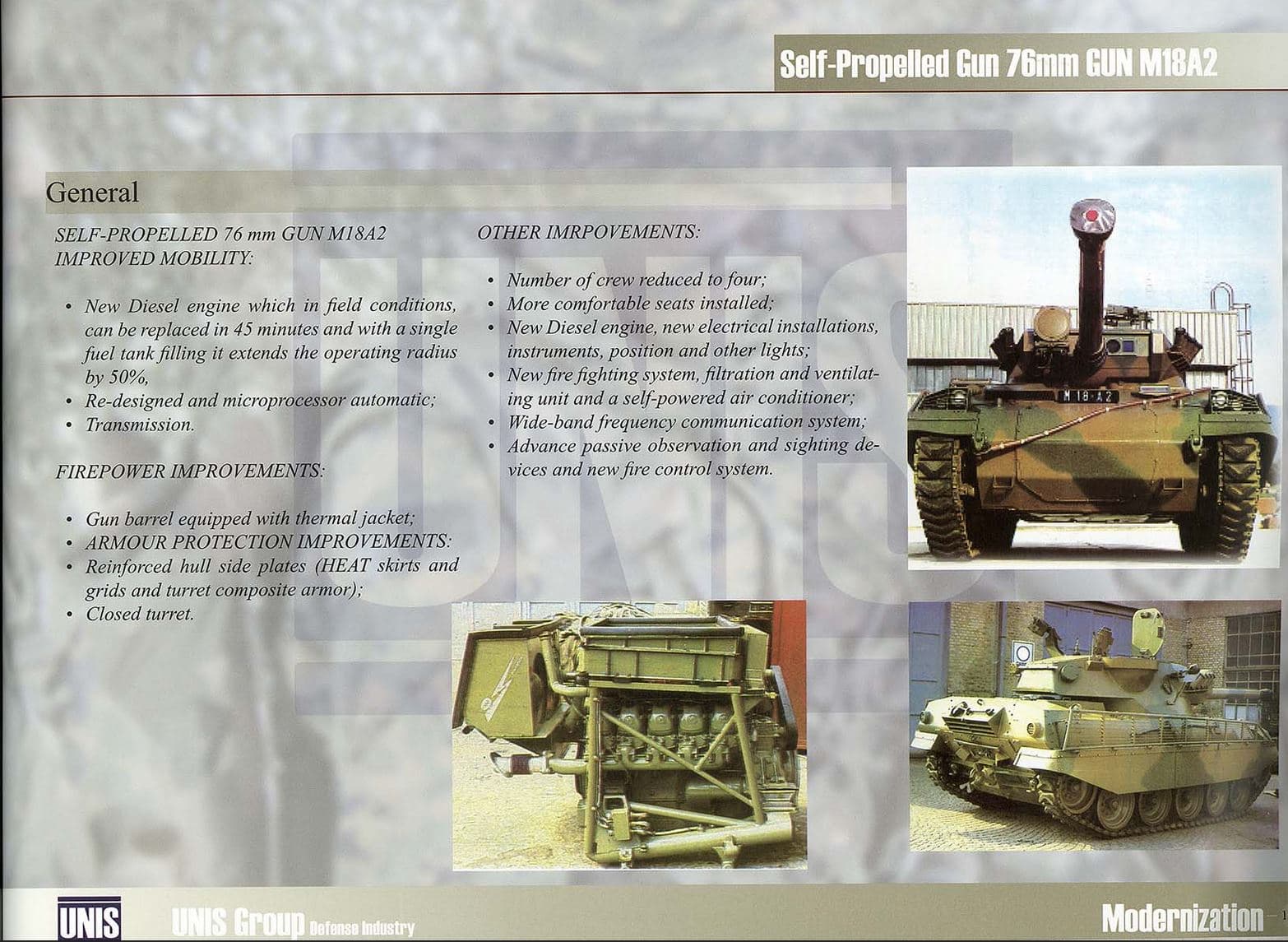
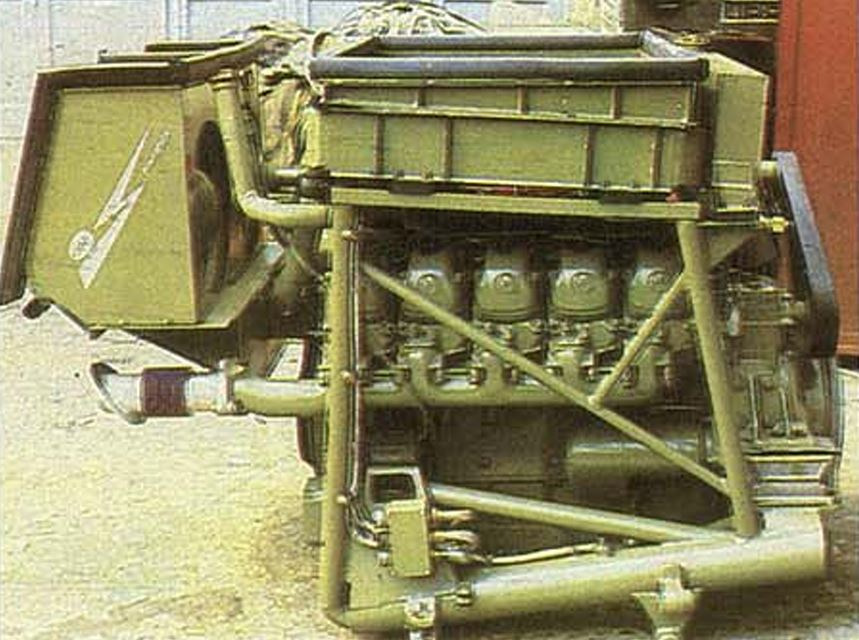
The original Continental radial petrol engine was replaced by a new ten-cylinder Mercedes-Benz diesel engine. The complete powerpack could be replaced in approximately 45 minutes under field conditions. Additionally, the new engine and fuel arrangement increased the vehicle’s operating radius by 50 percent on a single fuel filling. The most likely candidate is a Mercedes-Benz OM 403: a 15.95-litre V10 diesel producing approximately 235 kW (320 hp) and 1,030 Nm. The OM 403 was already employed in the Yugoslav FAP 2832 military truck, making it the most readily available and logistically plausible engine for a TRZ Hadžići modernization. The later OM 423 remains a secondary possibility. The original transmission was replaced by a redesigned, microprocessor-controlled automatic transmission. Probably a rebuilt orignal Detroit Torqmatic 900-T hydromechanical transmission, retaining three forward ranges and one reverse, modified with microprocessor-controlled automatic range selection; exact configuration unconfirmed.
The vehicle retained the original 76.2 mm cannon. The gun barrel was fitted with a thermal jacket to reduce the influence of uneven barrel heating and improve consistency during sustained firing. There is no evidence that a new type of ammunition was introduced. The original M18 carried 45 rounds, but the modernized vehicle’s ammunition capacity is unknown. The prototype retained the roof-mounted 12.7 mm Browning M2HB machine gun, installed on a redesigned mounting. The M18A2 received an entirely new fire-control system, together with advanced passive observation and sighting devices. This reference and the presence of the Luna-2 infrared searchlight support the implementation of first-generation night-vision equipment. The presence of what appears to be a Fotona LIRD-1 laser-warning receiver suggests that Fotona may also have supplied elements of the vehicle’s new fire-control and optical equipment. The existance of laser rangefidner is uncertain.
The most visible change was the replacement of the original open-topped fighting compartment with a fully enclosed turret. This significantly improved protection against artillery fragments, small-arms fire, aircraft strafing, grenades and adverse weather conditions. Additionally, the vehicle received reinforced hull side plates, anti-HEAT side skirts, protective grids and composite armour on the turret.
The prototype was fitted with eight smoke grenade launchers, arranged in two groups of four on the sides of the turret. These appear to be Yugoslav 82 mm BDK M79 seen also on the M-84 tank. The original five-man crew was reduced to four. The most probable arrangement was driver, commander, gunner and loader. The modernization also included:
- more comfortable crew seats;
- new electrical installations;
- new instruments;
- new position and external lights;
- a new fire-suppression system;
- a filtration and ventilation unit;
- an independently powered air-conditioning system;
- a wide-band communications system;
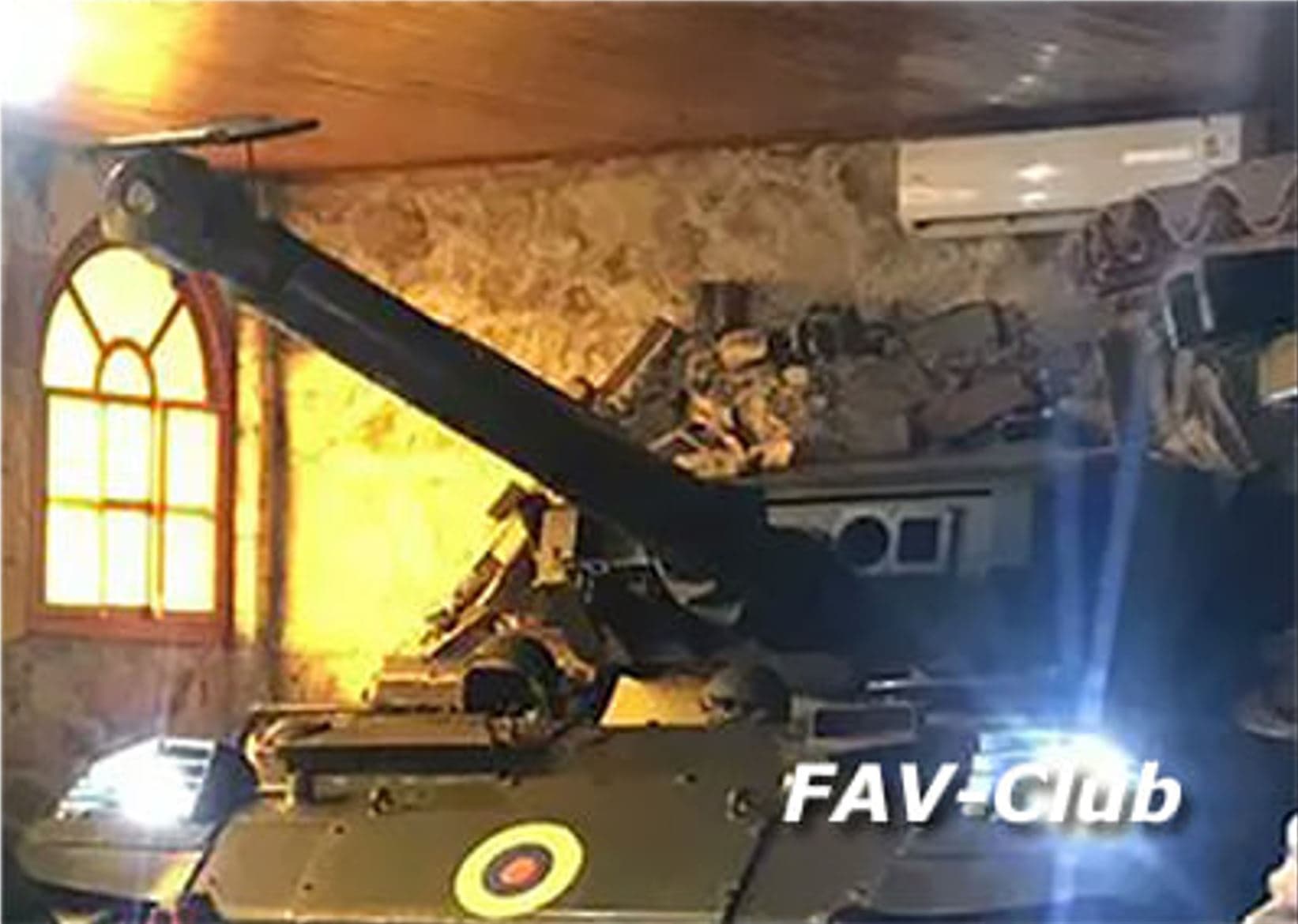
The Venezuelan Army ultimately rejected the modernization proposal, and the M18 was officially removed from service after approximately 40 years of Venezuelan use. One source attribute the failure to proceed partly to the outbreak of the wars in Yugoslavia, which would have disrupted industrial support and any possible series-conversion programme. Nevertheless, the prototype was displayed outdoors for several years at Fuerte Paramacay military base in Valencia. Photographs from this period show the vehicle repainted from its original brown and grey, to green and grey camouflage and with covers placed over the gun muzzle and turret-mounted equipment. Later the prototype was restored and transferred to the headquarters of the 312 Grupo de Caballería Motorizada “General de Brigada Juan Pablo Ayala” at Fuerte Tiuna in Caracas. There it was incorporated into a wall of the unit’s officers’ dining facility.
Specifications
- Essentials
- Length of the hull; 5.28 m (maybe)
- Width; more than 2.87 m
- Height; more than 2.57 m
- Mass; ca. 19 t
- Crew; 4
- Protection
- Armor;
- hull: 12 mm front, 12 mm side + additional armour, 12 mm rear
- turret: 25-44 mm front + additonal armour, 12.7 mm sides, 12.7 mm rear
- APS; LIRD-1 LWS
- ERA; N/A
- Smoke; 8x smoke launchers
- Armor;
- Mobility
- Engine; ten-cylinder Mercedes-Benz diesel engine (possibly Mercedes-Benz OM 403)
- Power/weight; unknown
- Transmission; unknown (possibly modified original)
- Top speed; unknown
- Amphibious; No
- Firepower
- Main; 76 mm M1 cannon
- Penetration at 10 m; 149 mm (APCBC)
- Ammunition; unknown
- Stabilizer; No
- Vertical guidance; -10 ° / +20 °
- Turret rotation speed; unknown
- Thermal sleeve
- Secondary; 12.7 mm M2HB machine gun
- Penetration at 10 m; 31 mm
- Fire rate; 577 shots/min
- Belt capacity; 200 rounds
- Main; 76 mm M1 cannon
Gallery
New diesel engine
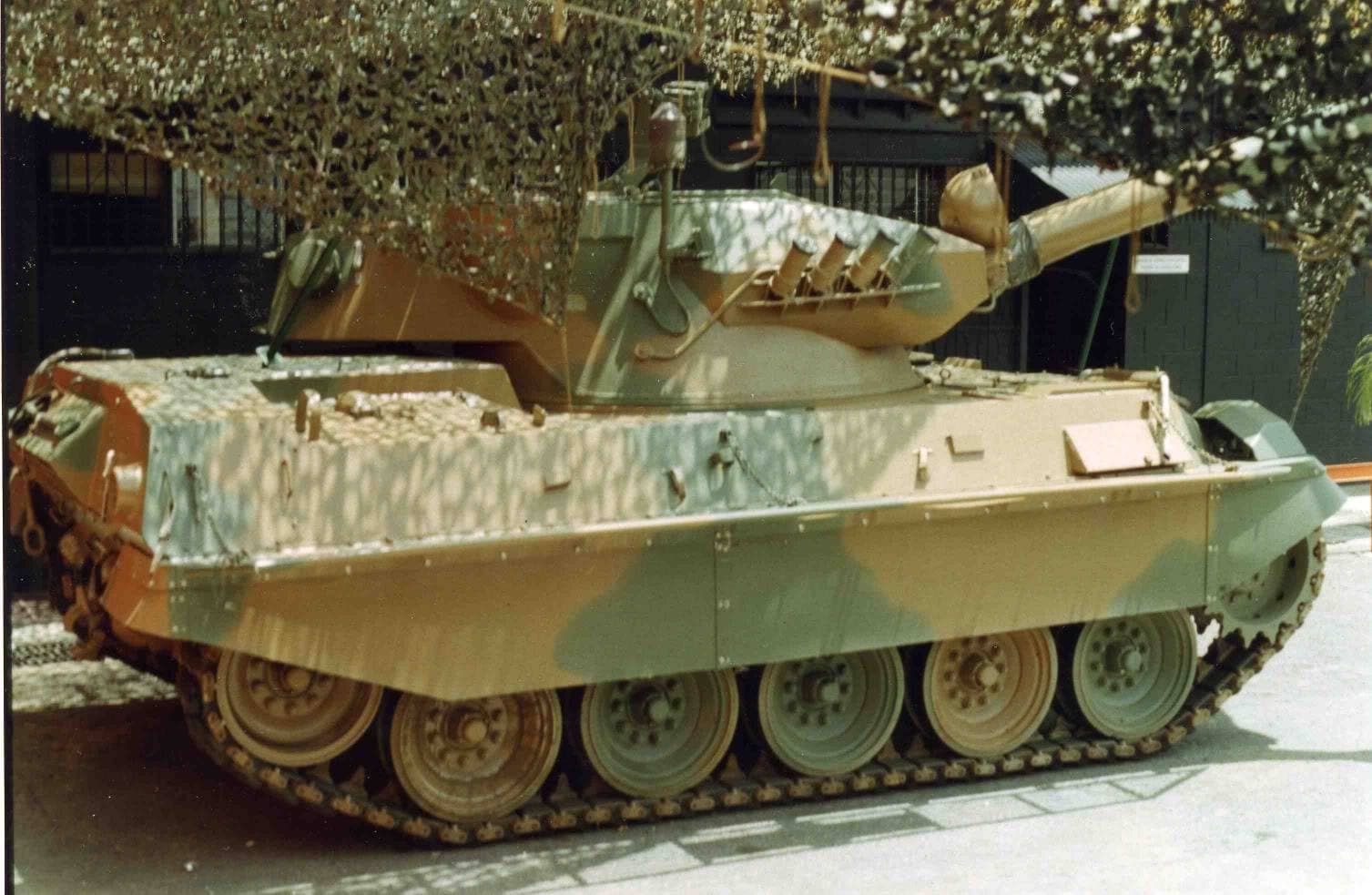
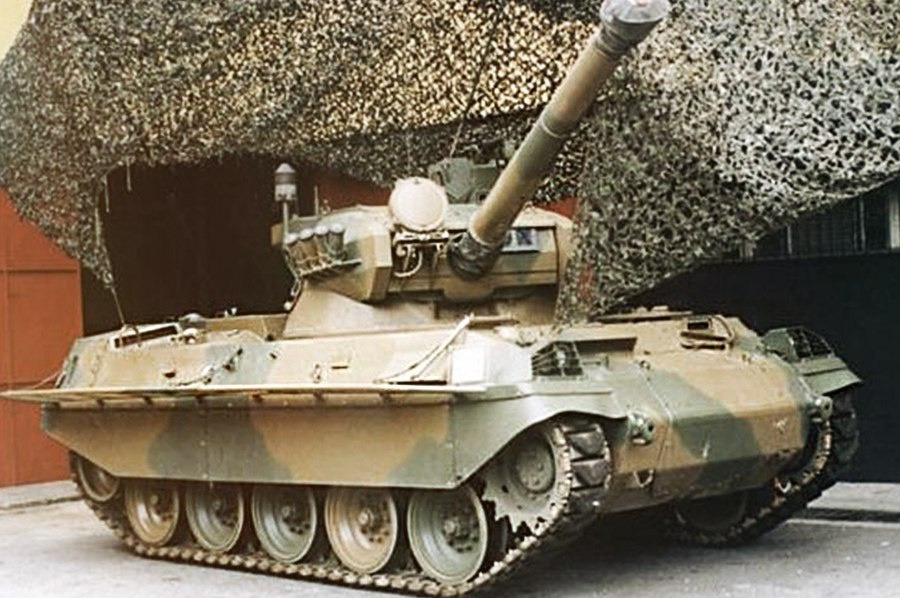
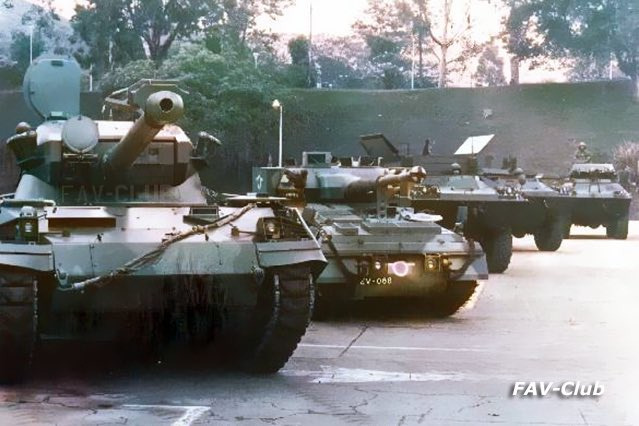
M18A2 at Fuerte Paramacay military base in Valencia
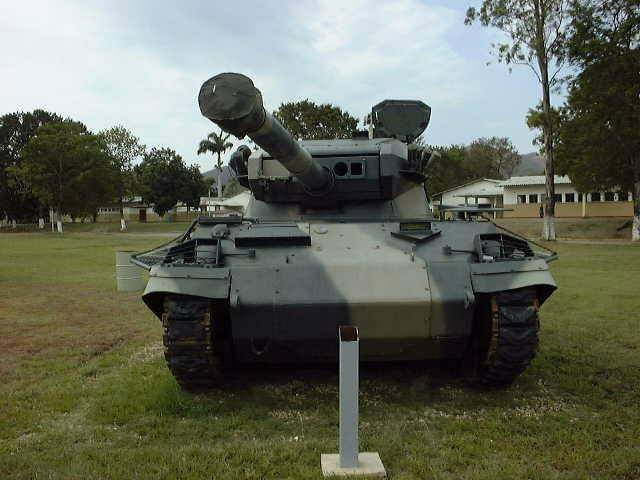
M18A2 at the headquarters of the 312 Grupo de Caballería Motorizada “General de Brigada Juan Pablo Ayala” at Fuerte Tiuna in Caracas. The vehicle was recessed into a wall of the unit’s officers’ dining facility.
Sources
Steven J. Zaloga, M18 Hellcat Tank Destroyer 1943–1997, Osprey New Vanguard 97. The post-war section records Venezuela’s acquisition of 40 vehicles, their 1983–84 refurbishment and the Yugoslav modernization programme
- FAV-Club Facebook post, 25 January 2022, concerning the prototype’s preservation: Redirecting...
- Upgrade of M18A2 76mm - UnisGroup
- https://www.pucara.org/post/evolución-histórica-de-los-vehículos-blindados-en-venezuela-de-1934-a-2005
- Evolución Histórica de los Vehículos Blindados en Venezuela | FAV Club
- Army Guide
- http://www.vti.mod.gov.rs/index.php?view=actuality&type=reference&category=4&id=132
- M18 Hellcat - Wikipedia
- https://www.mycity-military.com/