- Yes
- No
- (independent) BeNeLux tree
- France: BeNeLux subtree
- other
- no/negative
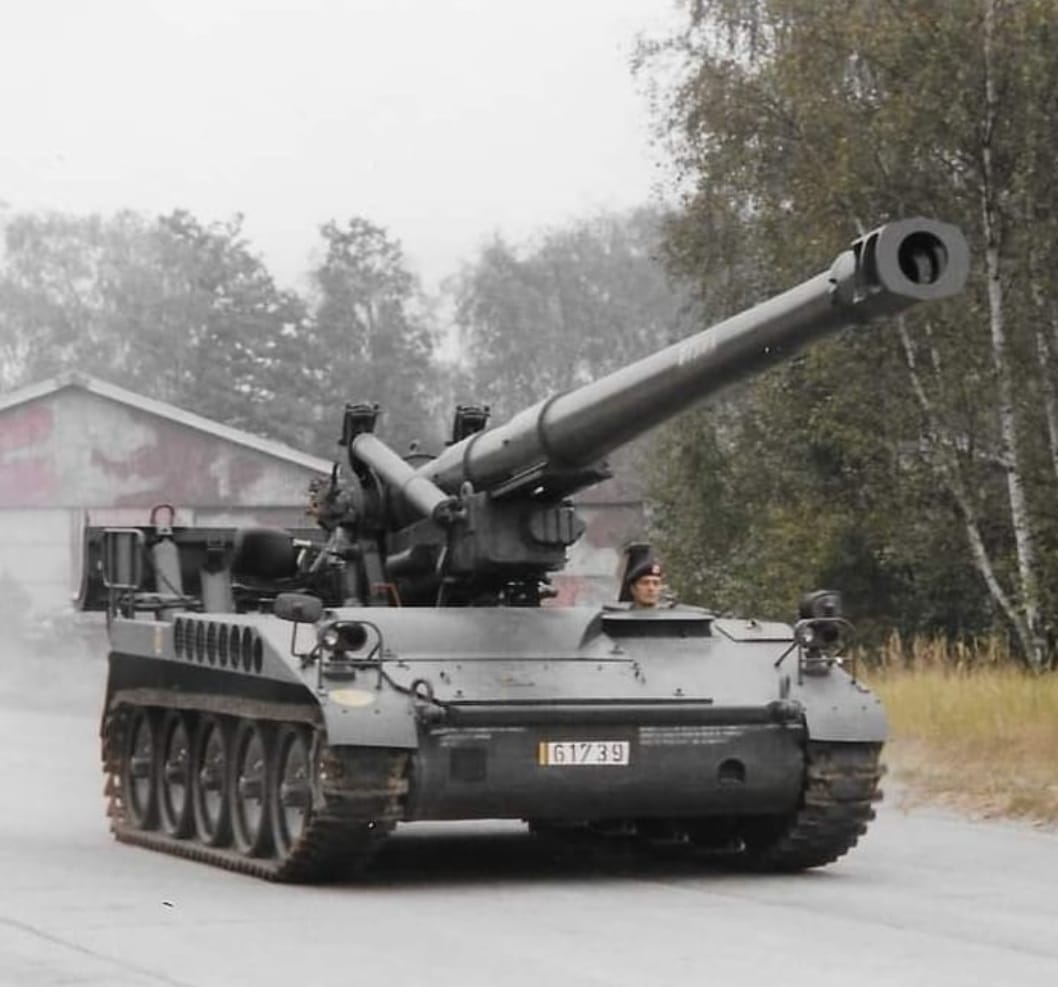
TL;DR: Belgian-operated M110 upgraded to M110A2 standard with 203 mm gun, used by 20th Artillery Regiment in Germany.
History
History
The M110 self-propelled howitzer was designed by the United States in the late 1950s and early 1960s to provide NATO with a mobile heavy artillery system capable of firing powerful 8-inch (203 mm) shells at long ranges. The chassis was based on a modified M107/M578 family tracked platform, and the weapon was the 203 mm M115/M201 howitzer. The vehicle saw wide adoption in NATO and U.S. service from the Vietnam War through the Gulf War.
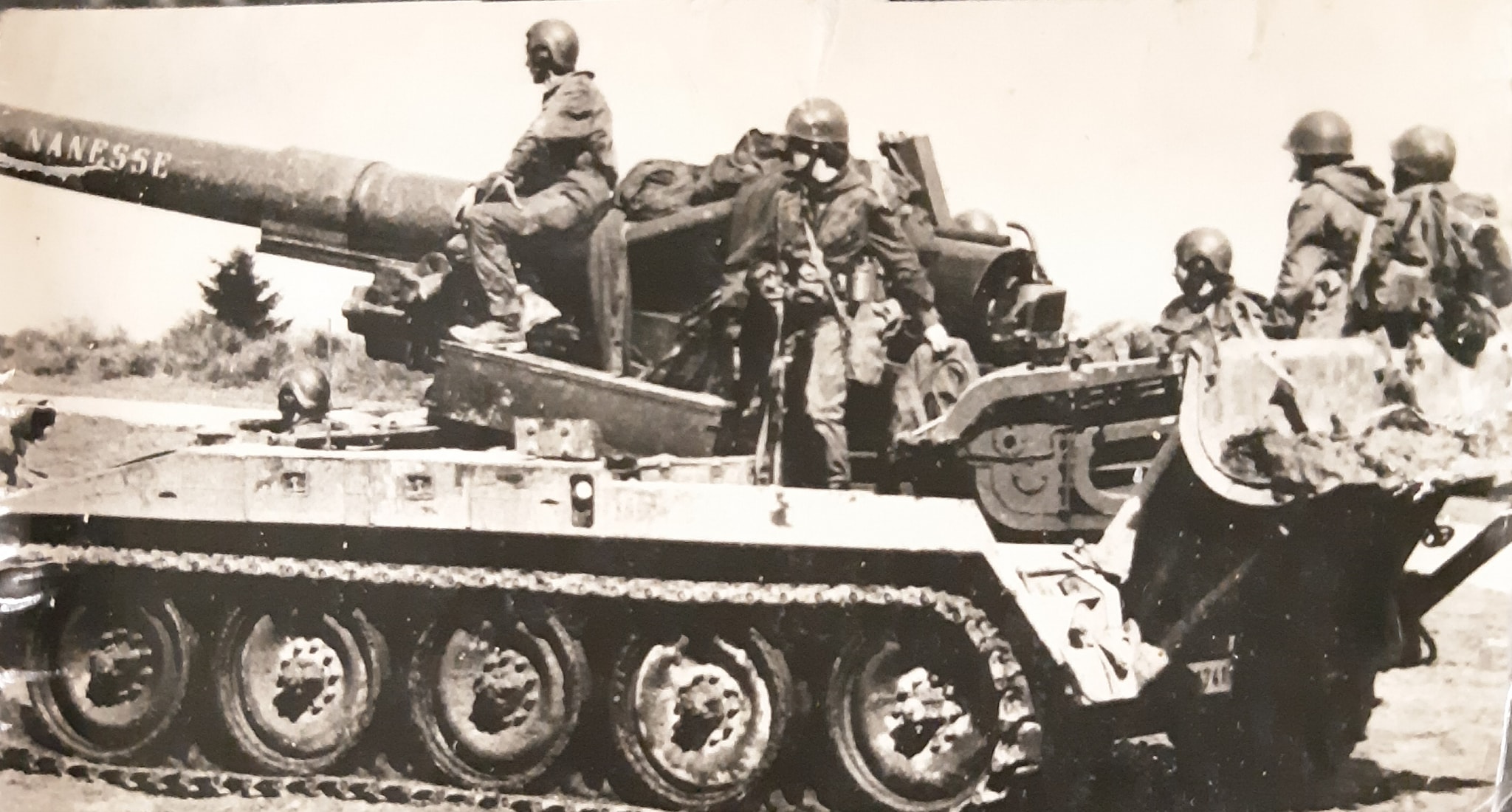
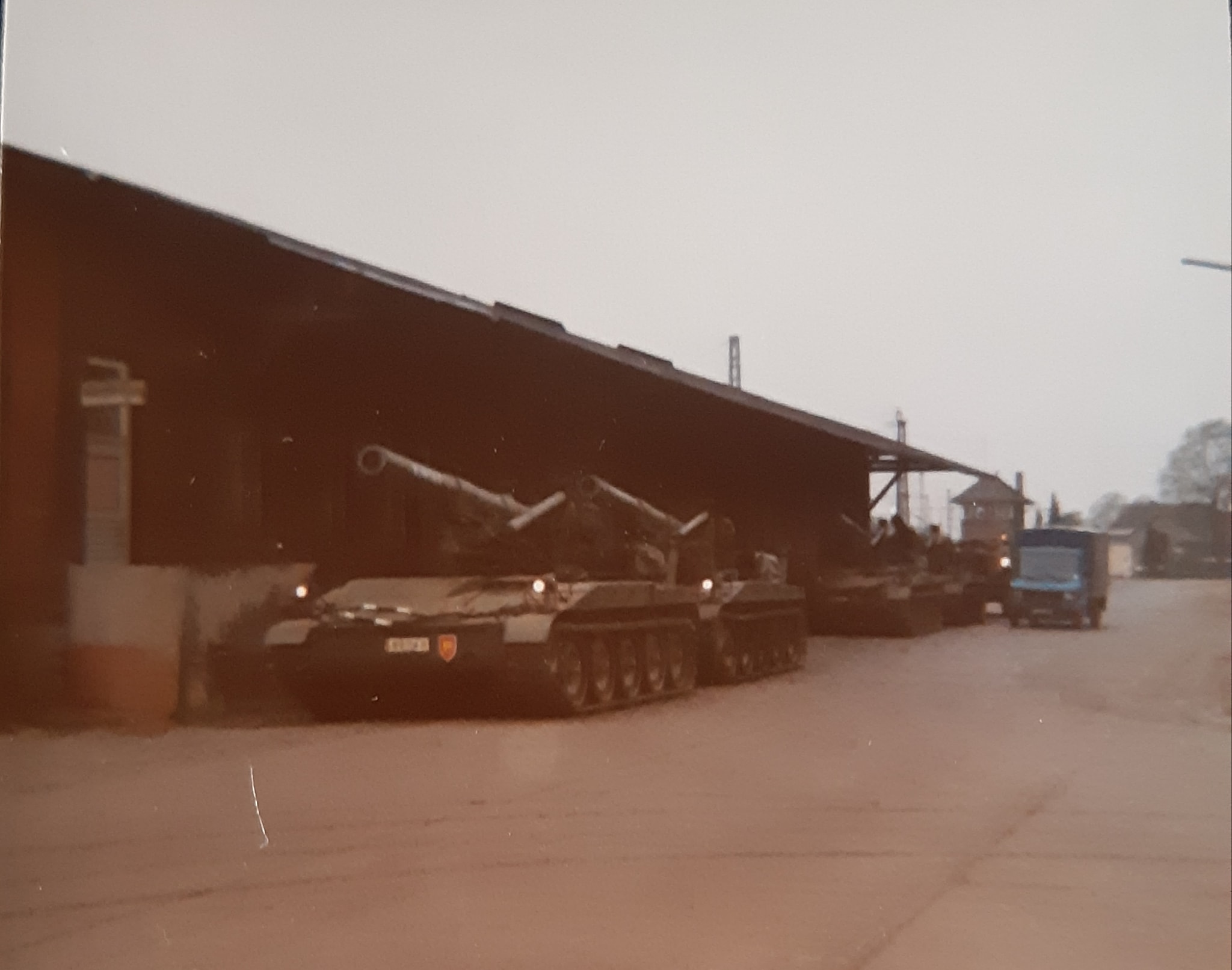
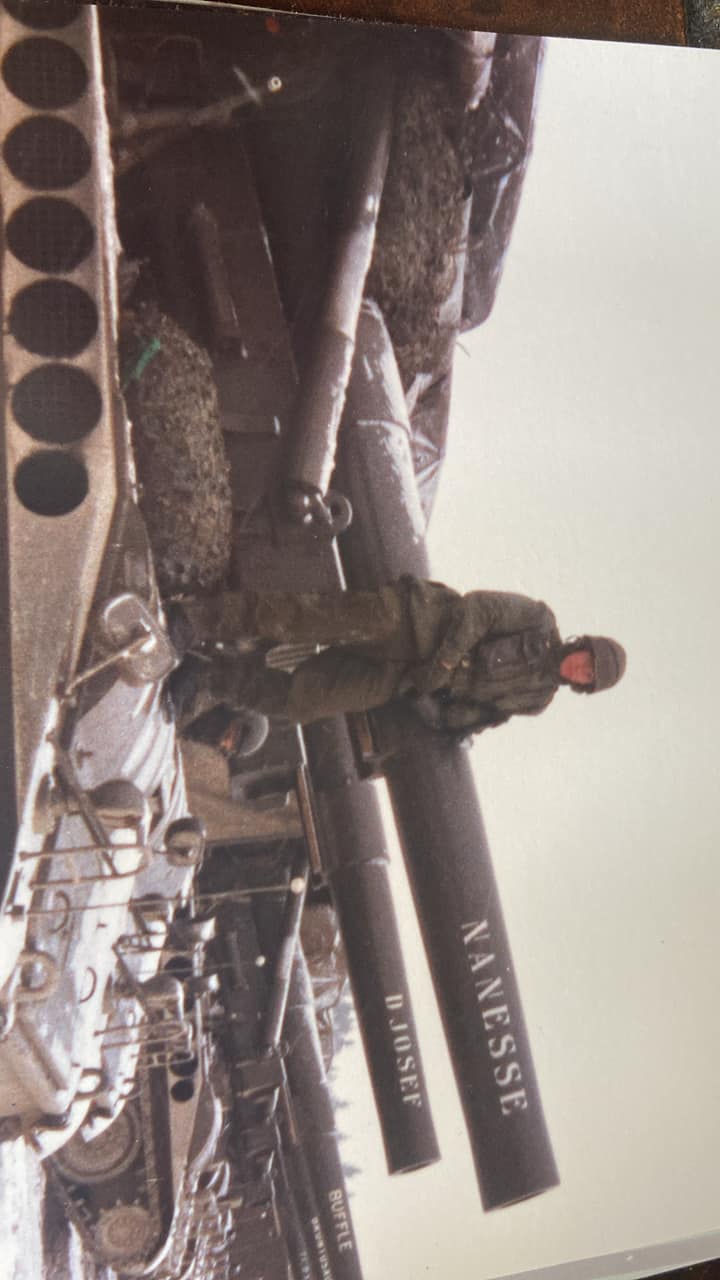
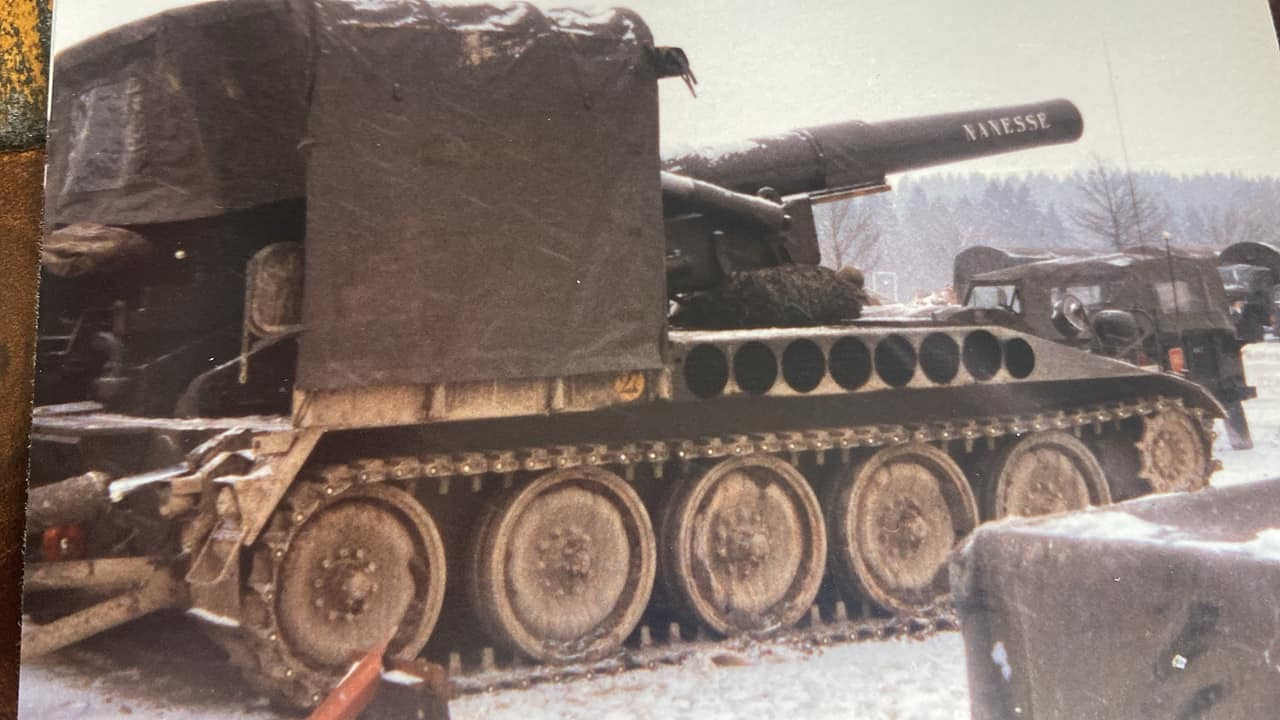
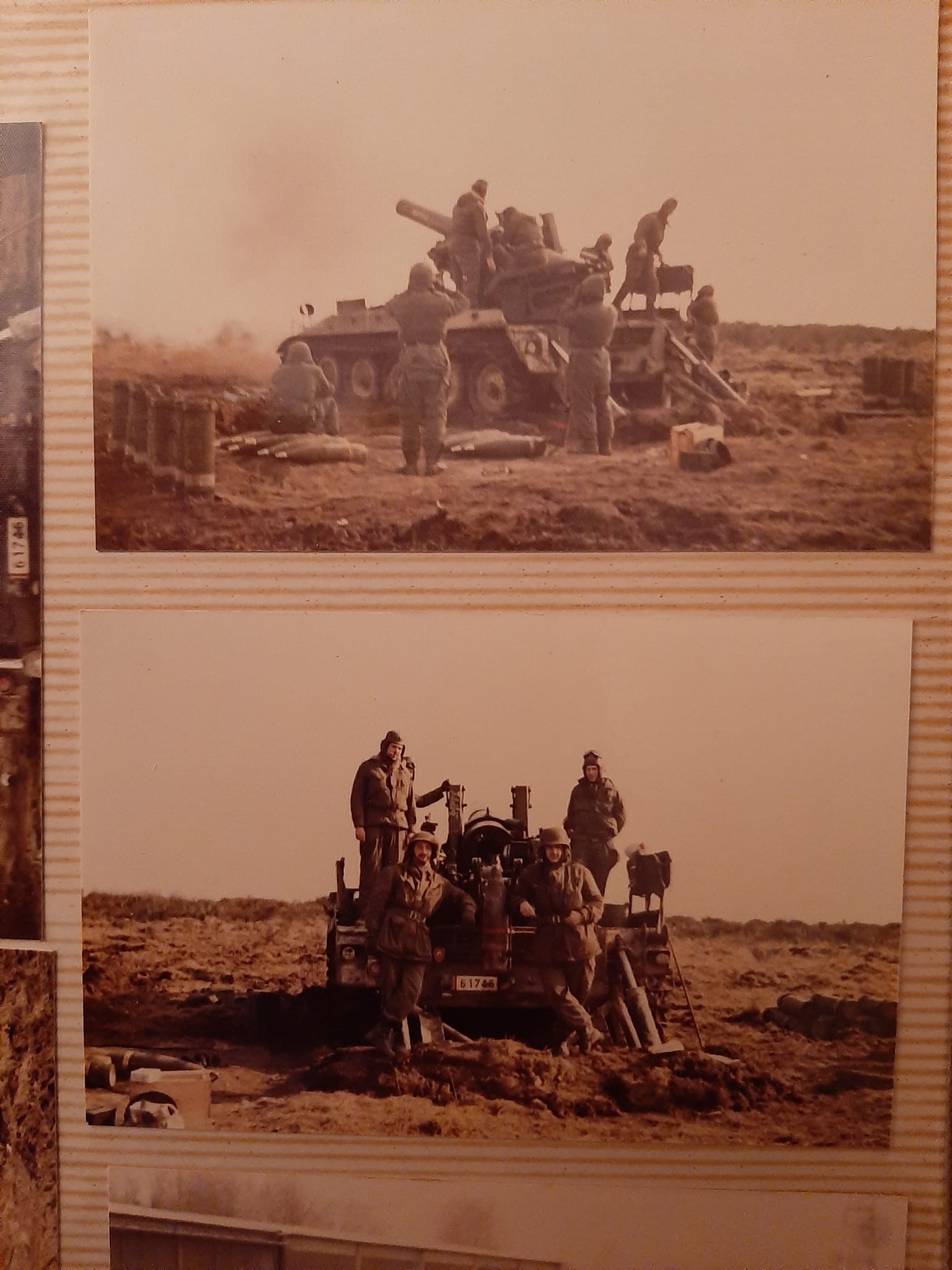
Belgium adopted the M110 in the late 1960s to replace its older heavy towed artillery pieces. These howitzers were primarily assigned to the 20th Artillery Battalion (later Regiment), which was stationed with the Belgian I Corps in West Germany as part of NATO’s forward defence. The unit was tasked with providing long-range, corps-level artillery support, including counter-battery fire and deep interdiction.
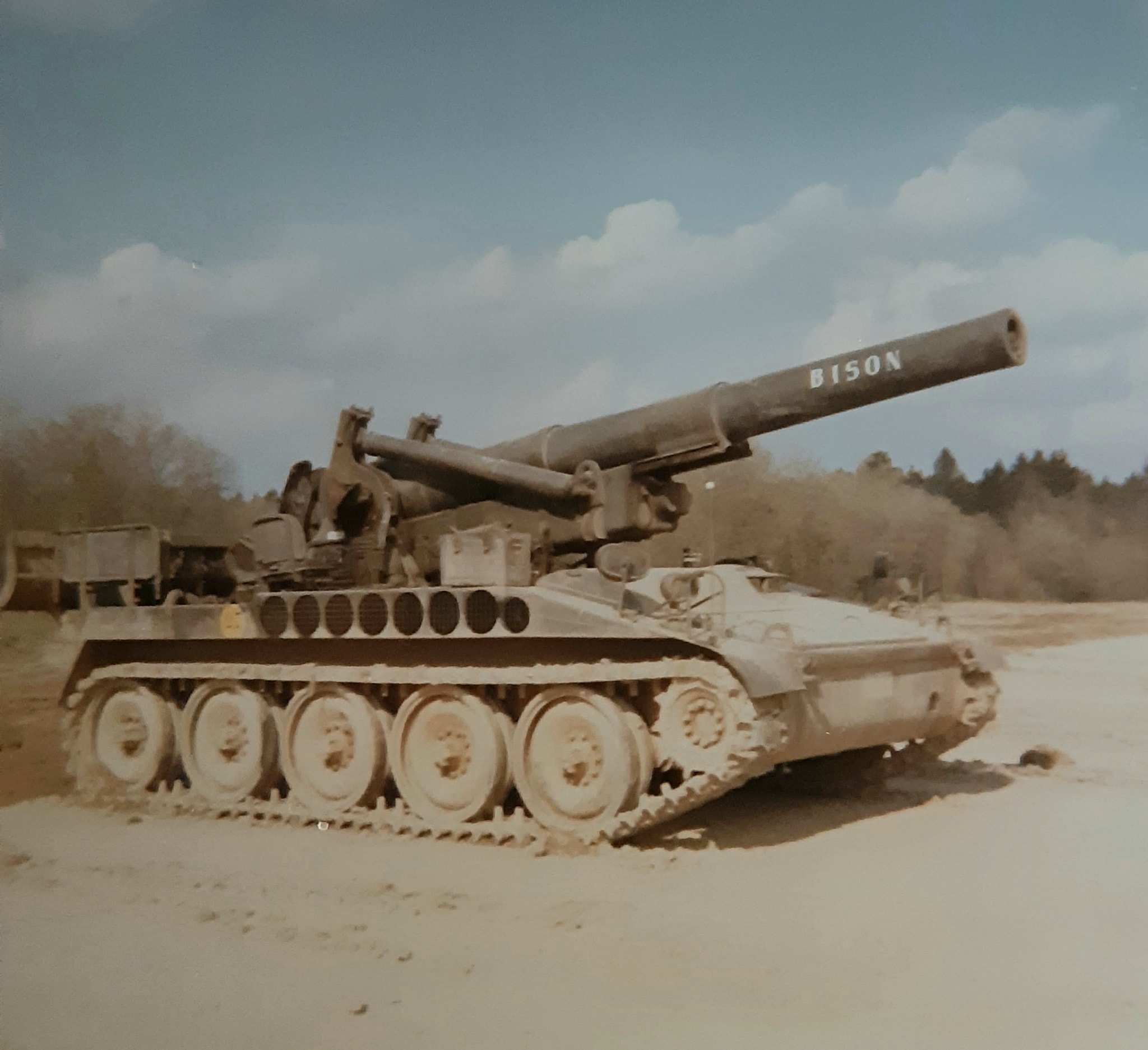
Originally delivered as M110, the Belgian vehicles were subsequently upgraded during the 1970s–1980s to the M110A2 standard, which was the most advanced version of the system. This upgrade included a longer M201 203 mm gun barrel, a distinctive double-baffle muzzle brake, and strengthened recoil mechanisms. The A2 variant offered improved range (up to ~30 km with rocket-assisted projectiles) and better survivability for sustained firing.
Belgian artillery doctrine mirrored NATO concepts of the time, focusing on delivering heavy fire support in case of a Warsaw Pact breakthrough on the North German Plain. The 20th Regiment often trained in joint exercises with other NATO artillery units, practicing counter-battery and interdiction fire. While never used in combat by Belgium, the M110A2 formed a key part of the Belgian Army’s Cold War deterrent.
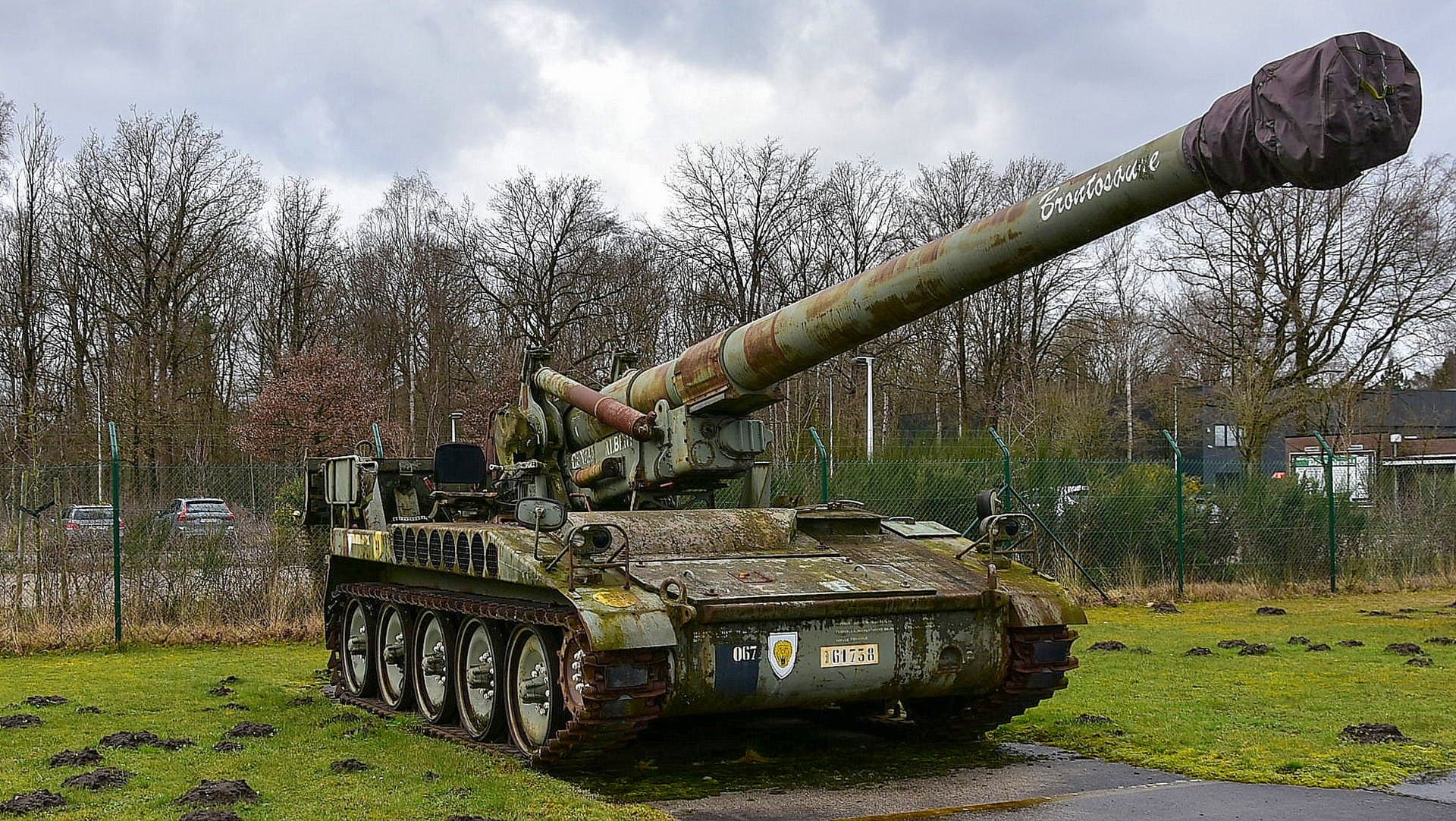
With the end of the Cold War and restructuring of Belgian land forces in the 1990s, the heavy M110A2s were gradually phased out. Lighter, more mobile systems were deemed more suitable for Belgium’s post-Cold War missions. Today, surviving Belgian M110A2s can be seen in museums such as the Gunfire Museum at Brasschaat, serving as a reminder of Belgium’s NATO artillery contribution.
Specifications
Characteristic M110A2 (Belgian service) Crew 5 on vehicle (+ additional ammo crew in support vehicles) Weight ~28.3–30.5 tonnes Dimensions (L/W/H) 10.8 m / 3.1 m / 3.1 m Engine Detroit Diesel 8V71T, 405 hp Speed (road) 55 km/h Operational range ~520 km Primary Armament 1 × 203 mm M201 howitzer Muzzle velocity ~594 m/s (HE), ~850 m/s (RAP) Max firing range 16–25 km (HE), ~30 km (RAP) Rate of fire 2–4 rds/min (short bursts), ~1 rd/2 min sustained Secondary armament None (crew carried personal weapons) Ammunition types HE, HESH, ICM (cluster), RAP
Place in War Thunder
The Belgian M110A2 would add a heavy-caliber artillery piece to the BeNeLux tree, filling a role as a high-damage, long-reload fire support vehicle.
- Gameplay role: Extremely destructive HE shells with massive splash radius, ideal for area denial and anti-heavy tank roles. Reload time would balance its raw firepower. RAP ammunition could allow very long-range indirect fire (if Gaijin expands artillery mechanics).
- Strengths: Enormous firepower, good mobility for size.
- Weaknesses: Long reload, no secondary MG, thin armor (vulnerable to MGs, autocannons, aircraft).
Placement options:
- Independent BeNeLux tree (ideal Belgian representation).
- France with BeNeLux subtree (current approach).
This would provide Belgium with a signature Cold War artillery vehicle and add variety to War Thunder’s SPG lineup.
Pictures
Museum examples
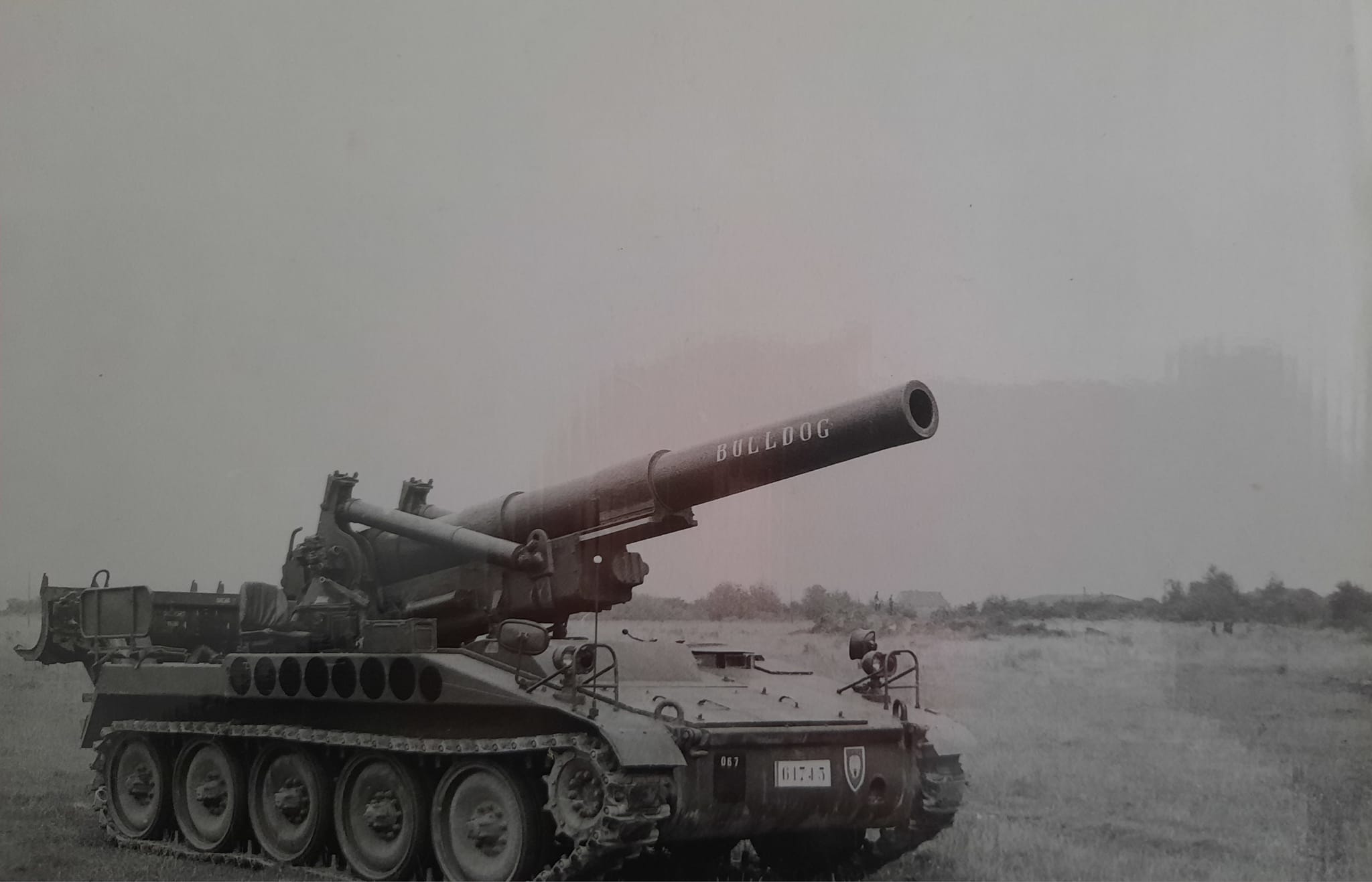
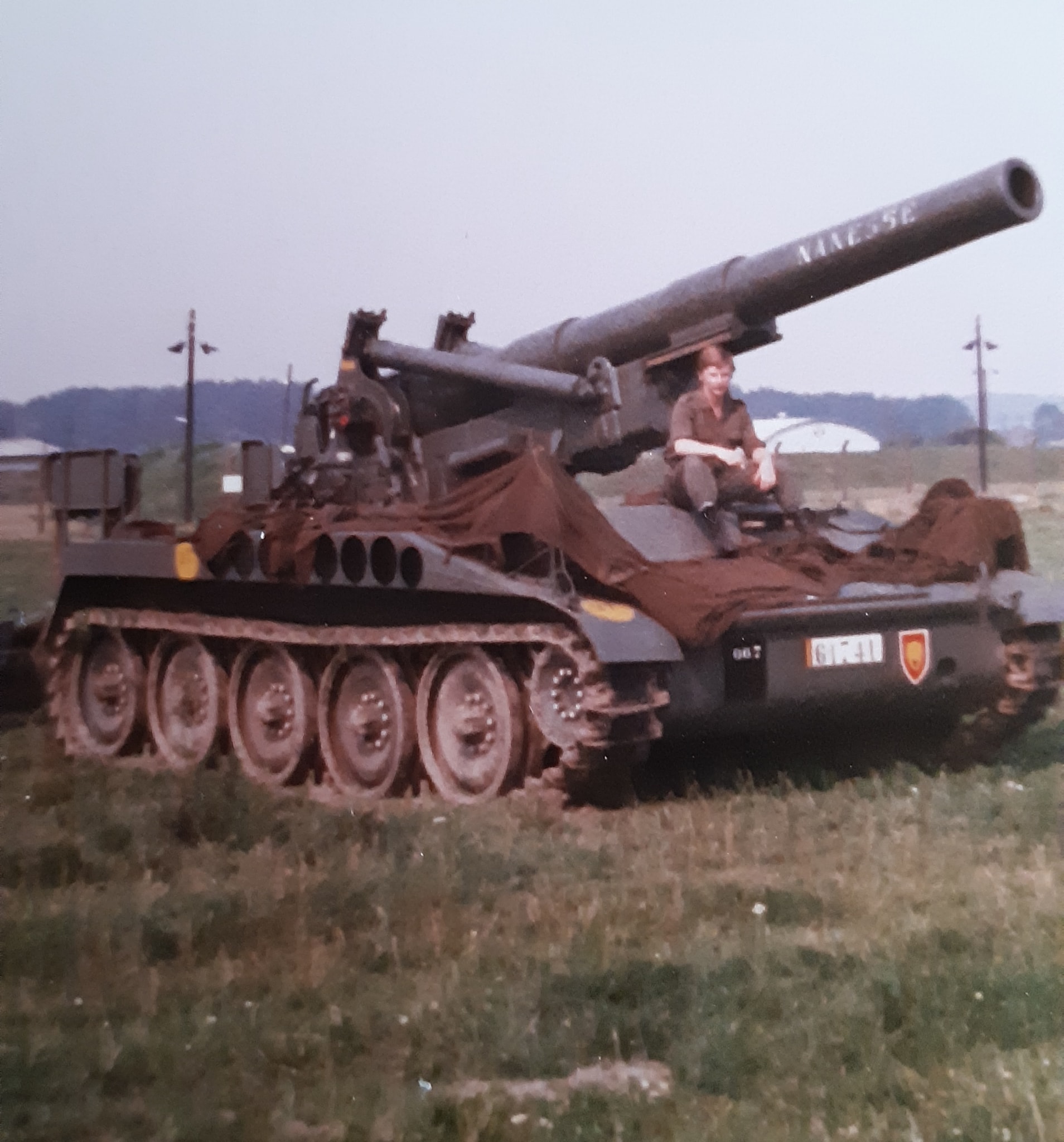
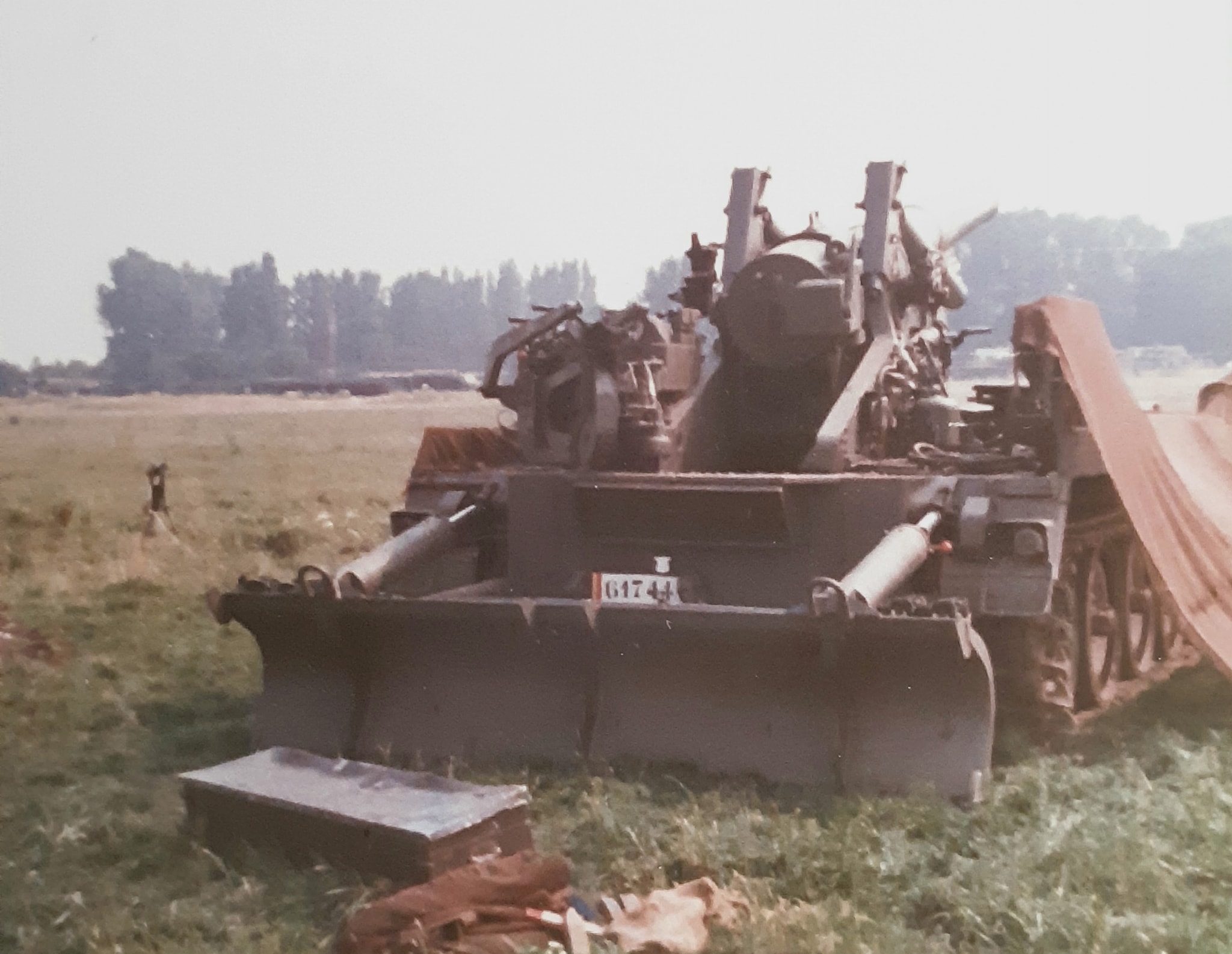
Belgian M110A2 preserved at the Gunfire Museum in Brasschaat.Side view of Belgian M110 at Brasschaat.




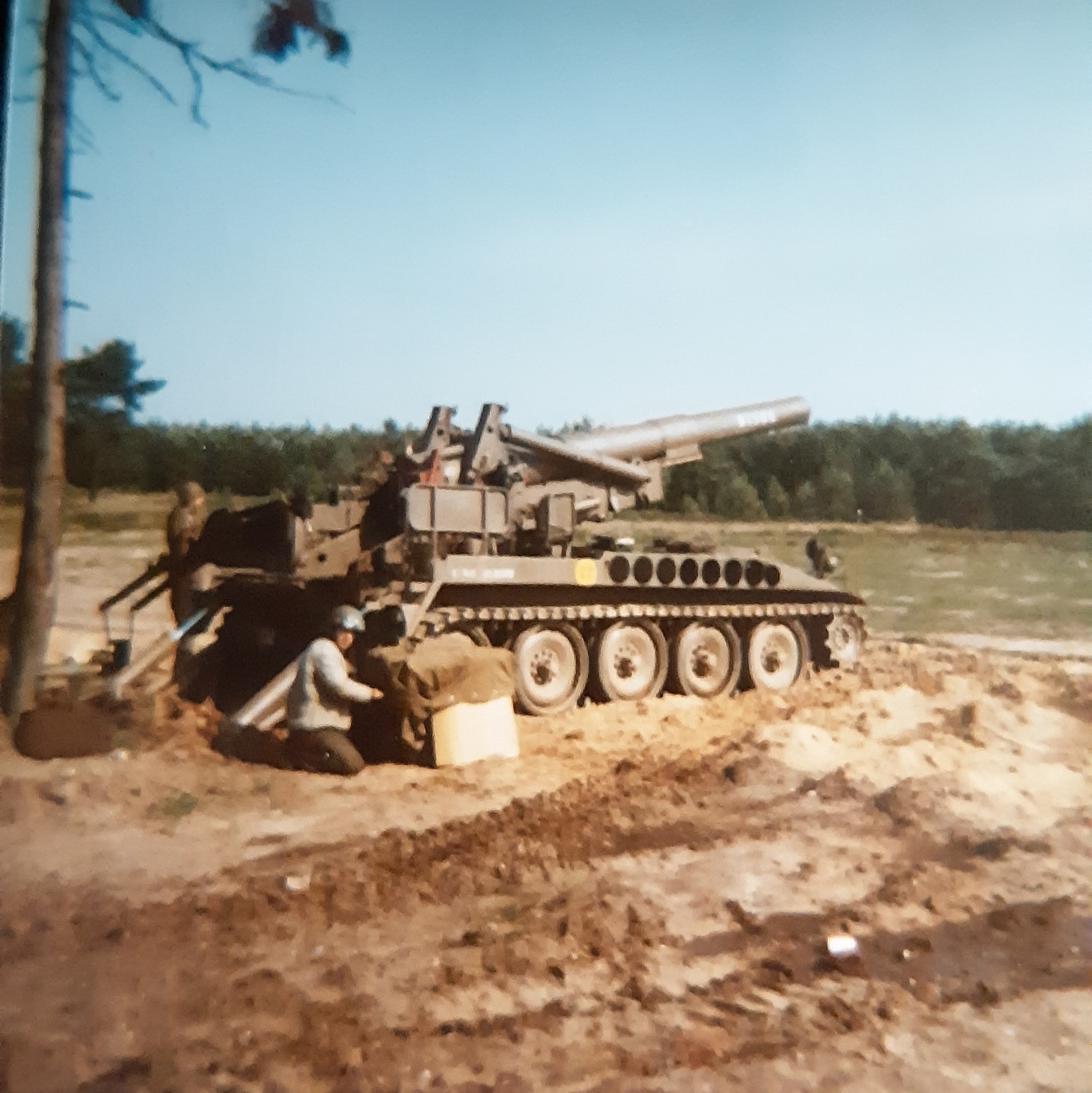


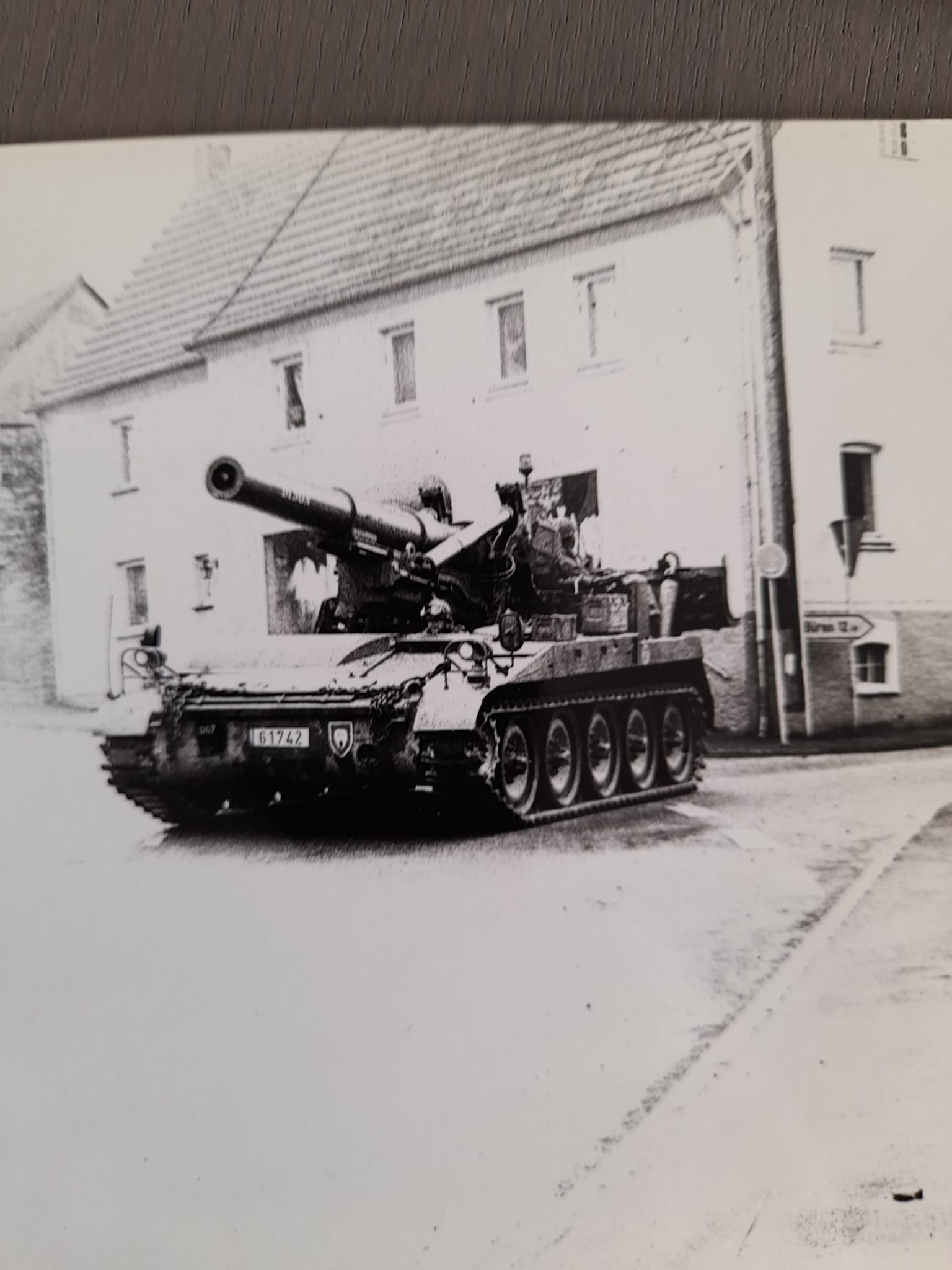
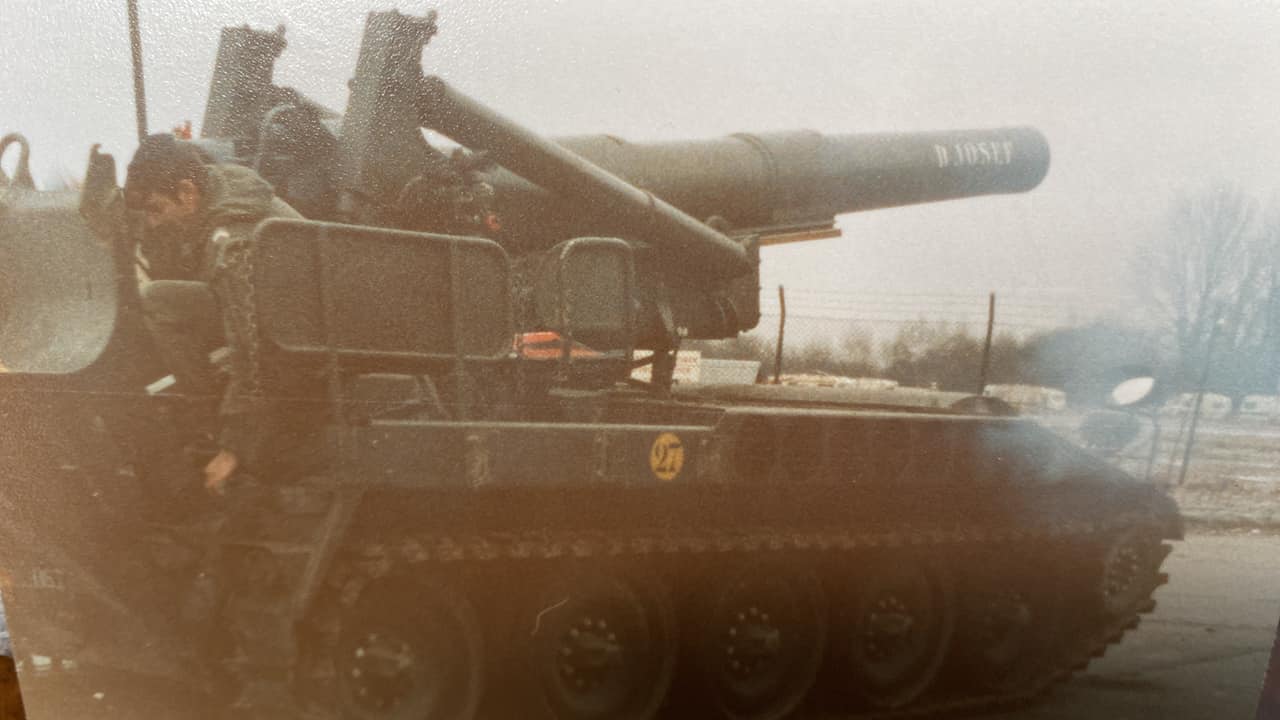


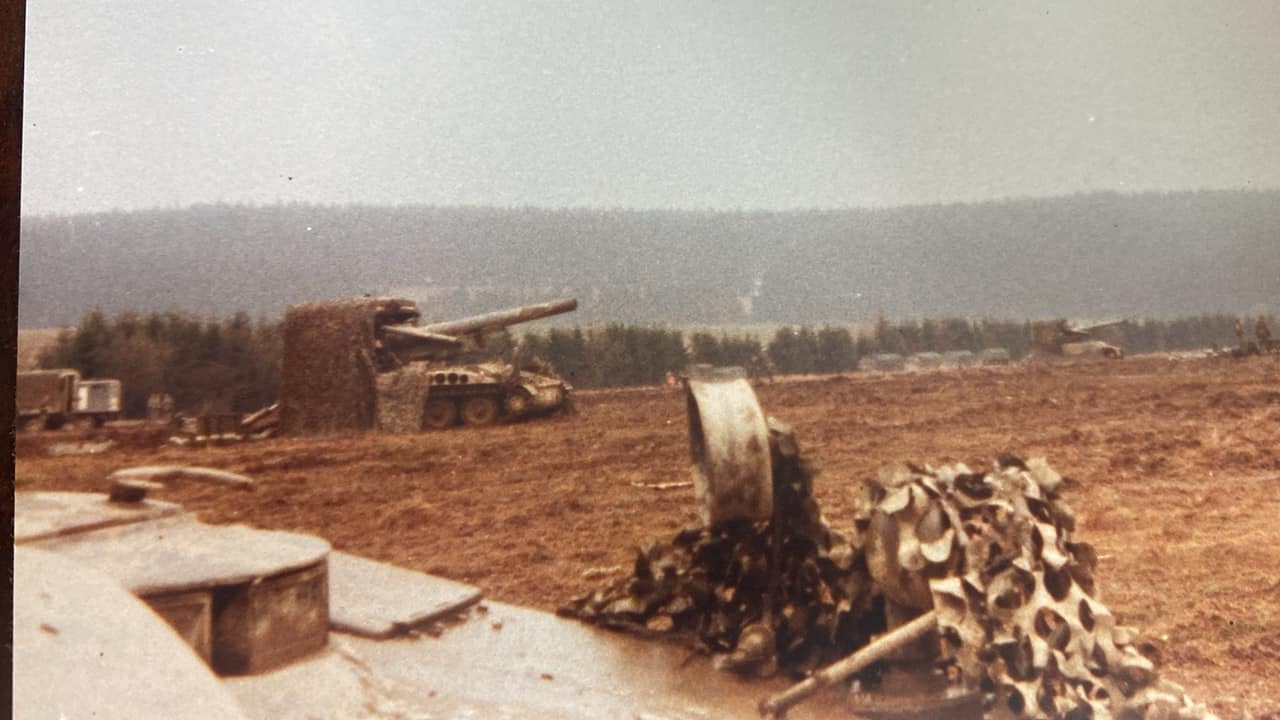

Sources
Sources
M110A2 SP Howitzer Operators Manual TM9-2350-304-10 1990
Forecast International. (1997). Archived report: M110 203 mm self-propelled howitzer. Forecast International. https://www.forecastinternational.com/archive/disp_old_pdf.cfm?ARC_ID=1149
Wikipedia contributors. (n.d.). M110 howitzer. In Wikipedia. Retrieved September 12, 2025, from https://en.wikipedia.org/wiki/M110_howitzer
Military Factory. (n.d.). M110 SPA 203mm Self-Propelled Artillery. Military Factory. Retrieved September 12, 2025, from https://www.militaryfactory.com/armor/detail.php?armor_id=59
NATO Order-of-Battle (1989). Belgian Army – 20th Artillery Battalion: 11 M110A2. Retrieved September 12, 2025, from https://www.scribd.com/doc/135966291/NATO-Order-of-battle-1989
Wikimedia Commons. (2017). M110 SP houwitzer 203mm Belgische leger, Gunfire museum Brasschaat [Photographs]. Retrieved September 12, 2025, from https://commons.wikimedia.org/wiki/File:M110_SP_Houwitzer_203mm_Belgische_leger,_Gunfire_museum_Brasschaat_foto_3.jpg

