- Yes
- No
M-84AB in Kuwaiti Service - Liberator of Kuwait
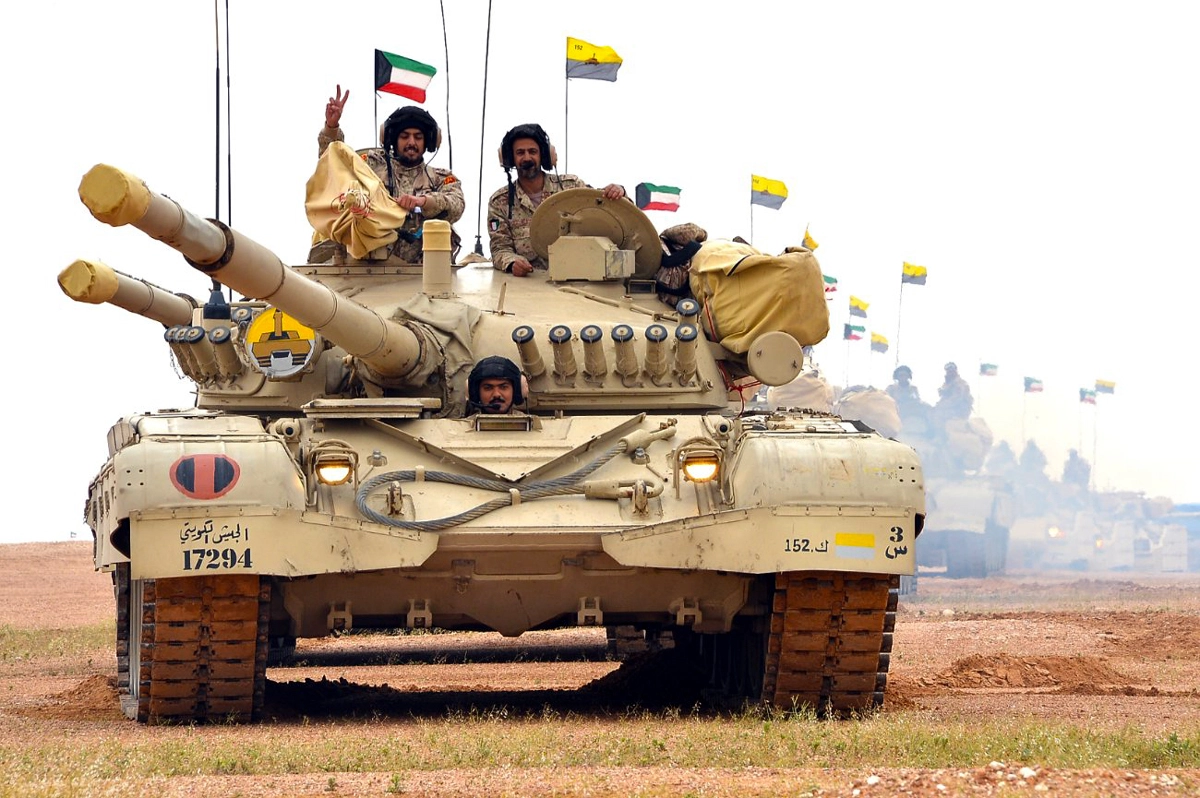
Description:
Spoiler
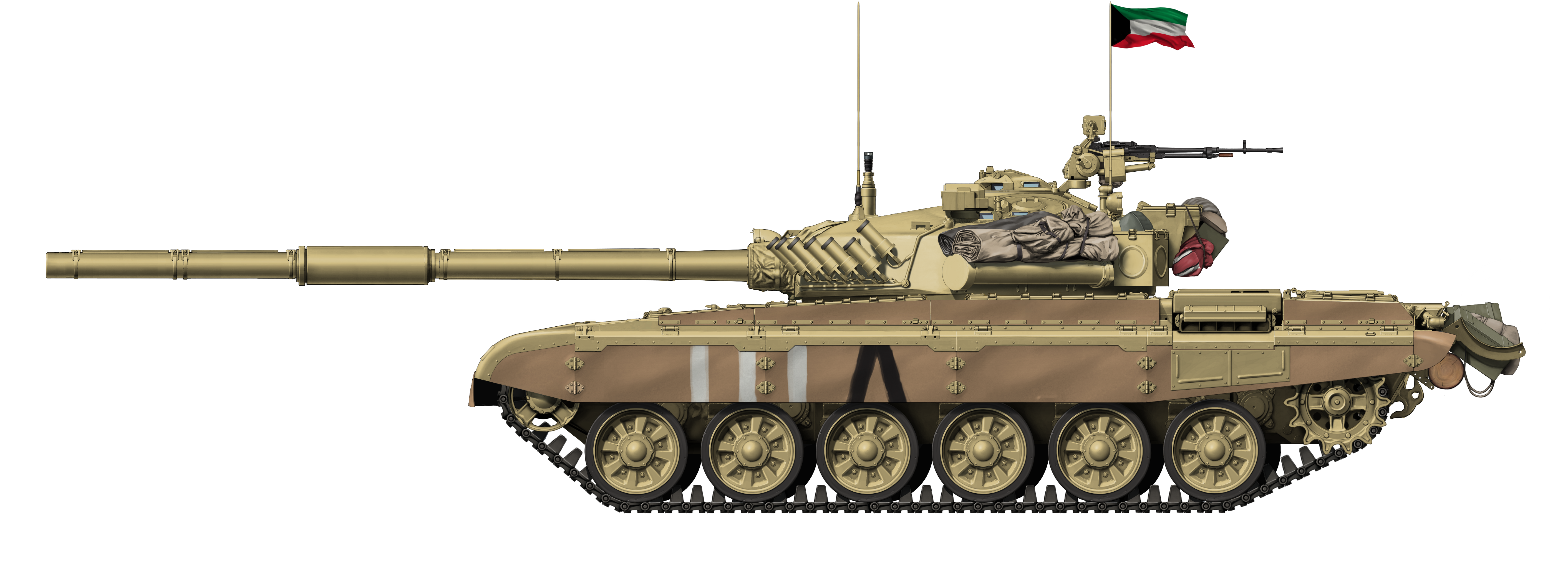
M-84AB during Operation Desert Storm. Dark protective covers for the rubber skirts were painted over with the Coalition’s markings. Illustration made by by Ardhya ‘Vesp’ Anargha.
The M-84AB was the Kuwaiti export version of the Yugoslav M-84A main battle tank, which itself was developed from the Soviet T-72M design. While retaining the general T-72 layout, including a low profile, three-man crew, carousel autoloader, and 125 mm 2A46 smoothbore cannon, the M-84AB included Yugoslav improvements in fire control, mobility, armor, and electronics. The tank was equipped with the SUV-M-84 fire-control system, a 1,000 hp V-46-TK diesel engine, smoke grenade launchers, NBC protection, and automatic fire suppression systems.
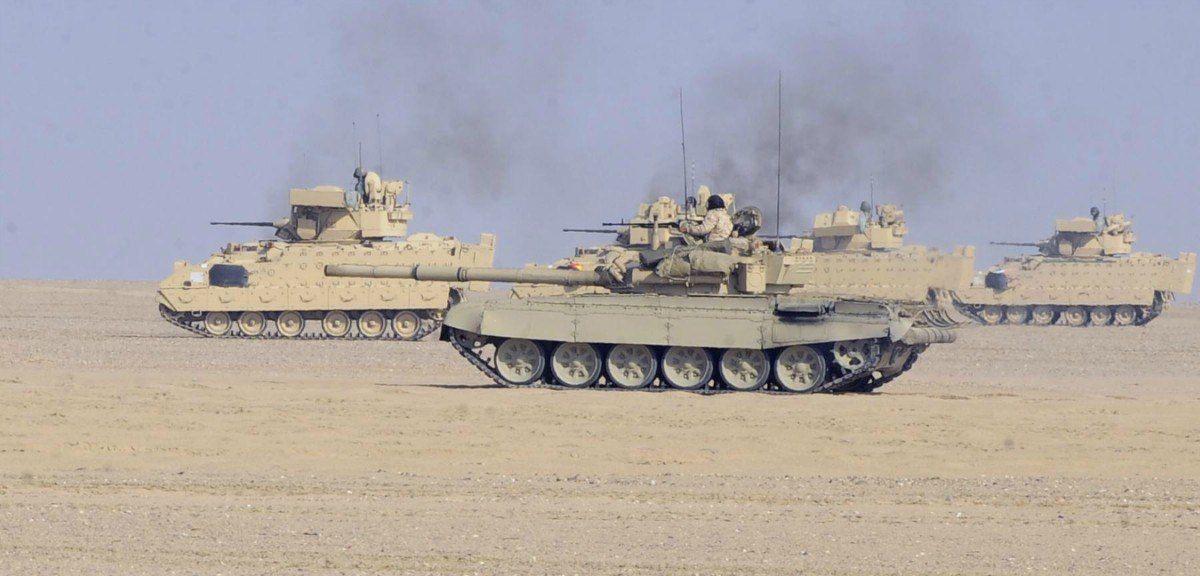
Kuwait became the only confirmed foreign operator of the M-84 family, receiving around 149 M-84AB tanks along with a small number of earlier M-84 vehicles. The Kuwaiti M-84ABs were modified for export service with different communications equipment and Arabic/English markings. During the Gulf War, the delivered tanks were sent to Saudi Arabia and later participated with Coalition forces in Operation Desert Storm, where they were associated with Kuwait’s 35th Al-Shaheed Armoured Brigade.
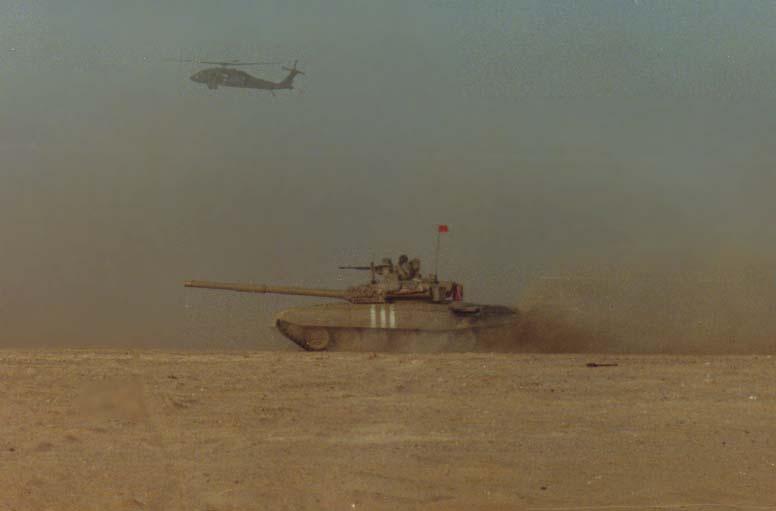
During Operation Desert Storm, Kuwaiti M-84ABs were used by Kuwaiti forces operating from Saudi Arabia alongside the Coalition. Their service was notable because they were one of the few non-Western main battle tanks fielded on the Coalition side. Due to their strong visual similarity to Iraqi T-72-series tanks, they carried Coalition identification markings and were reportedly used carefully to reduce the risk of friendly fire. It also participated in the wider liberation of Kuwait during Operation Desert Storm.
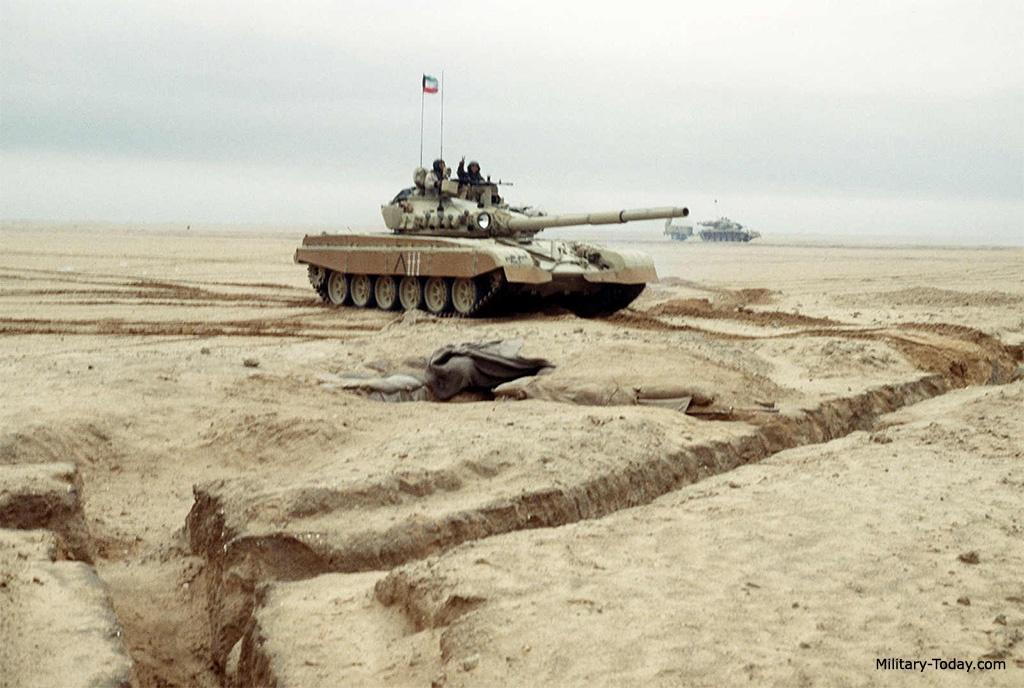
M-84AB during Operation Desert Storm.
History:
Spoiler
Development, Export, and Delivery of the Kuwaiti M-84AB
A quick note from the Pravilo Tenk M-84 i T-72 Prvi Deo (1988)
Spoiler
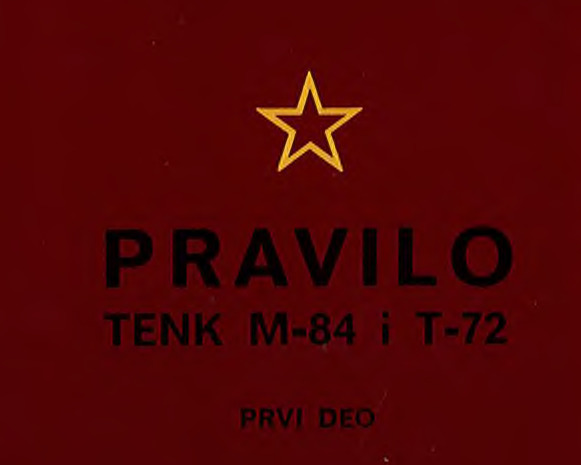
VOJNO IZDAVAČKI I NOVINSKI CENTAR
Beograd, 1988.
The base M-84 was described in the 1988 Yugoslav military manual as a heavily armored tracked combat vehicle with strong armament and high maneuverability, intended to destroy enemy armored vehicles, manpower, and other battlefield targets. It was armed with a 125 mm smoothbore cannon, a 7.62 mm coaxial machine gun, and a 12.7 mm anti-aircraft machine gun, while also being equipped with day/night observation and aiming devices, an automatic loading system, and the M-84 fire-control system. In its original form, the M-84 had a combat weight of around 41.5 tonnes, a 573.7 kW engine, and a maximum road speed of around 60 km/h.
The story of the Kuwaiti M-84AB began in Yugoslavia, where the M-84 was developed from the Soviet T-72M after Yugoslavia obtained a production license in the late 1970s. Instead of producing a simple copy, Yugoslav engineers improved the design with domestic equipment, most notably the SUV-M-84 fire-control system, new radios, and other electronics. The tank entered service with the Yugoslav People’s Army in 1984 as the M-84, and was later developed into the improved M-84A.
Kuwait became the most important foreign customer for the M-84. In the late 1980s, Kuwait was looking to replace older Chieftain and Vickers tanks, while Yugoslavia was interested in exporting military equipment partly because of its large oil debt to Kuwait. Before signing a final contract, Kuwait insisted on testing the tank in its own desert conditions. In March 1988, the first two standard M-84 tanks were sent to Kuwait, followed shortly afterwards by several more. These were not yet M-84AB production tanks, but trial and training vehicles taken from Yugoslav Army stocks.
The desert trials were successful. Kuwaiti crews, some of whom had already trained in Yugoslavia, tested the tanks in local conditions and were satisfied with their performance. Kuwait also evaluated other foreign offers, including cheaper ones, but still chose the Yugoslav tank. This led to the Niš-10 export program and the creation of the Kuwaiti M-84AB, an export version based on the improved M-84A. Compared with the original M-84, it included the stronger 1,000 hp engine, improved armor, Kuwaiti-specific radios and intercom equipment, modified sights, Arabic-language markings, desert camouflage, rubber-padded tracks, and other export changes.
The contract is most commonly described as covering around 200 tanks and 15 armored recovery vehicles, along with ammunition, spare parts, training equipment, technical support, and maintenance facilities. The earlier M-84 trial tanks already in Kuwait were not counted as part of this order and were intended to remain there for training while the new M-84ABs were produced.
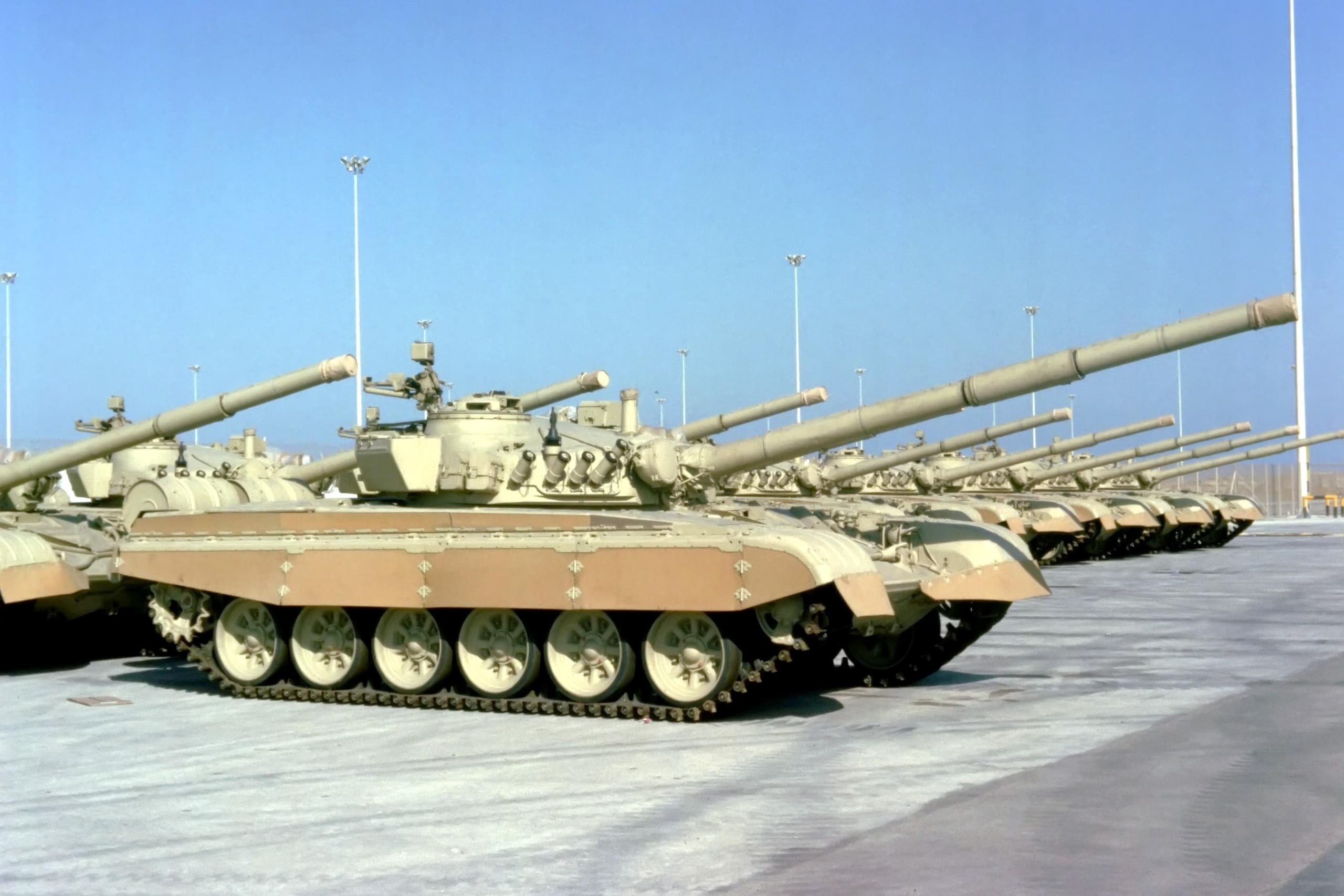
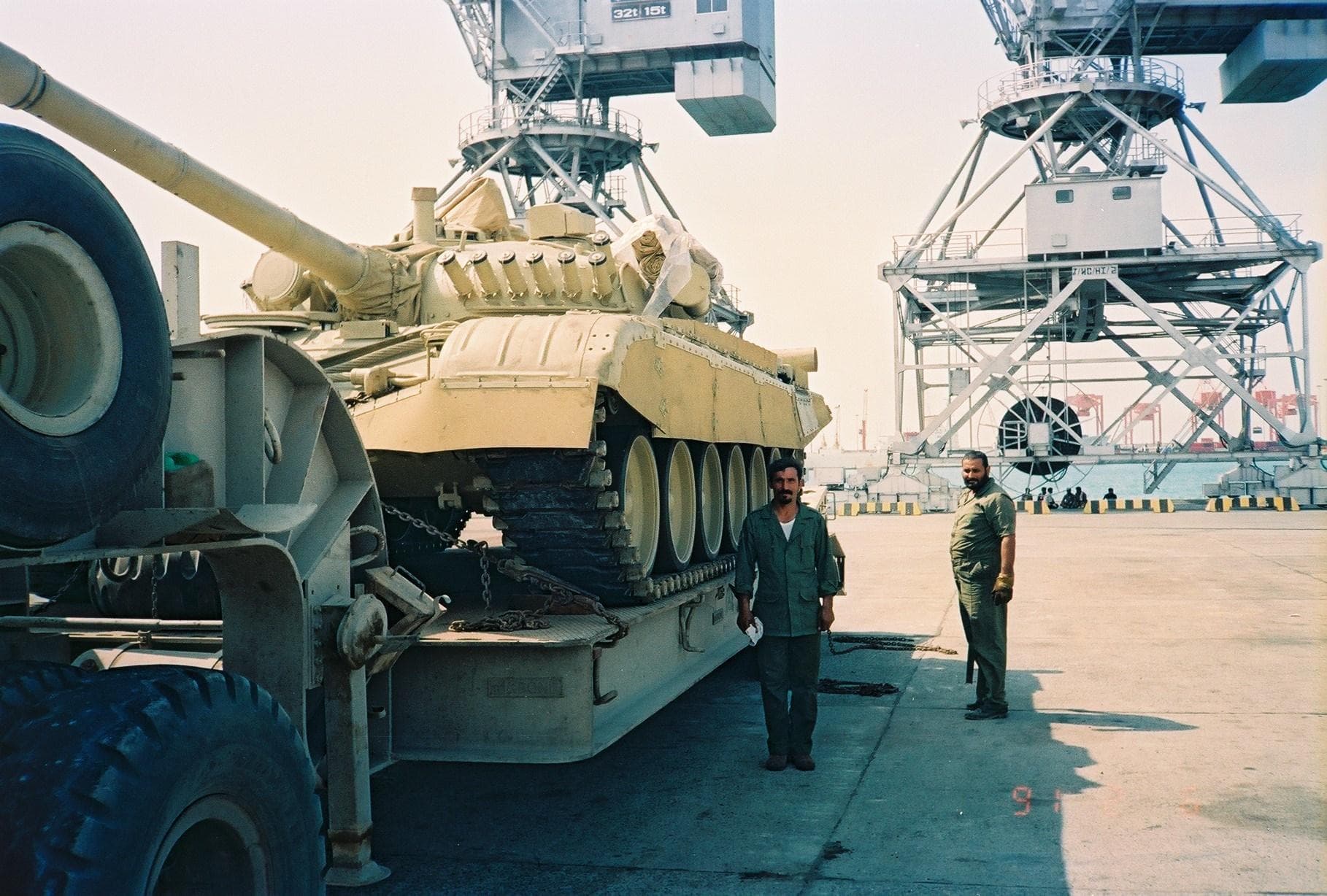
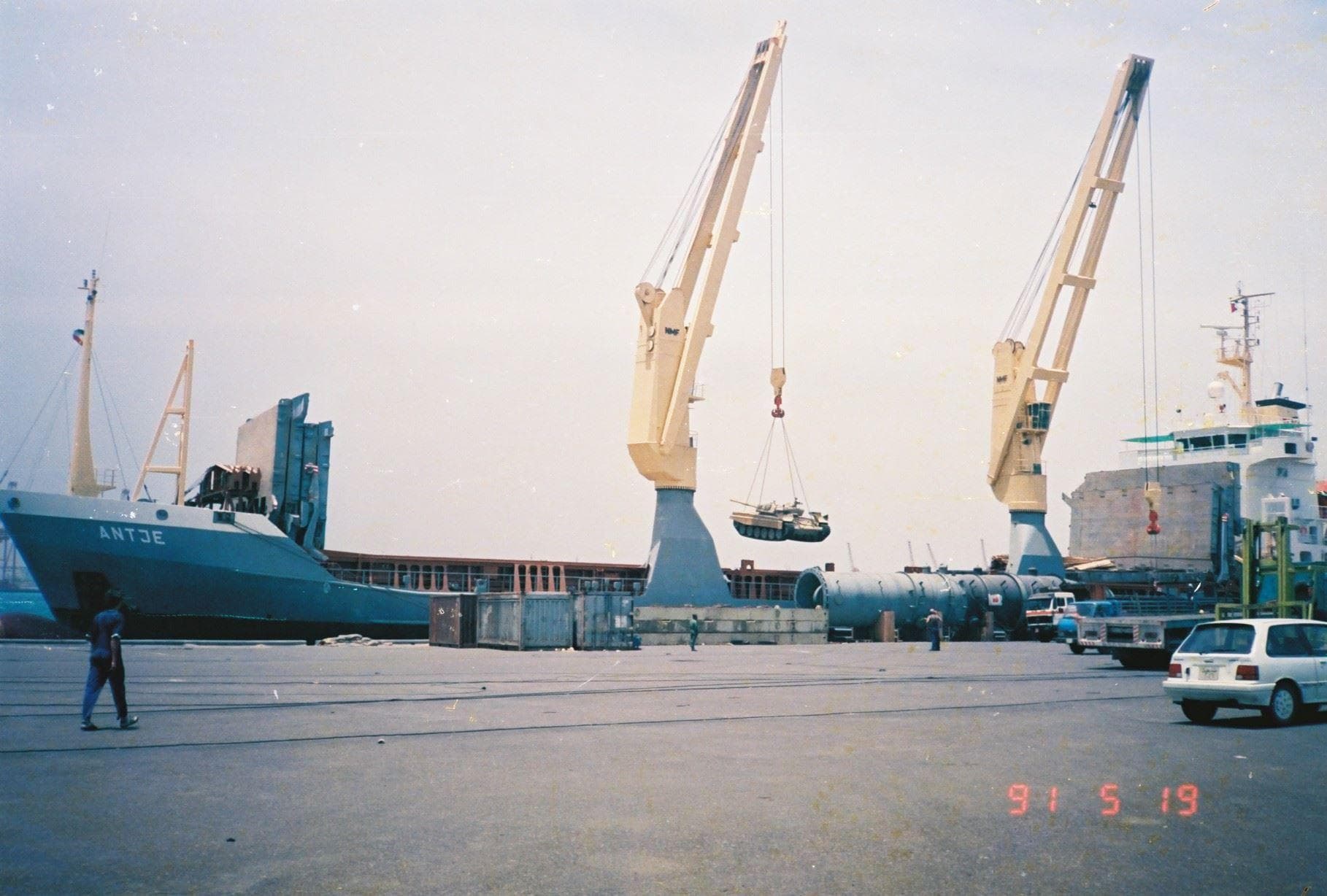
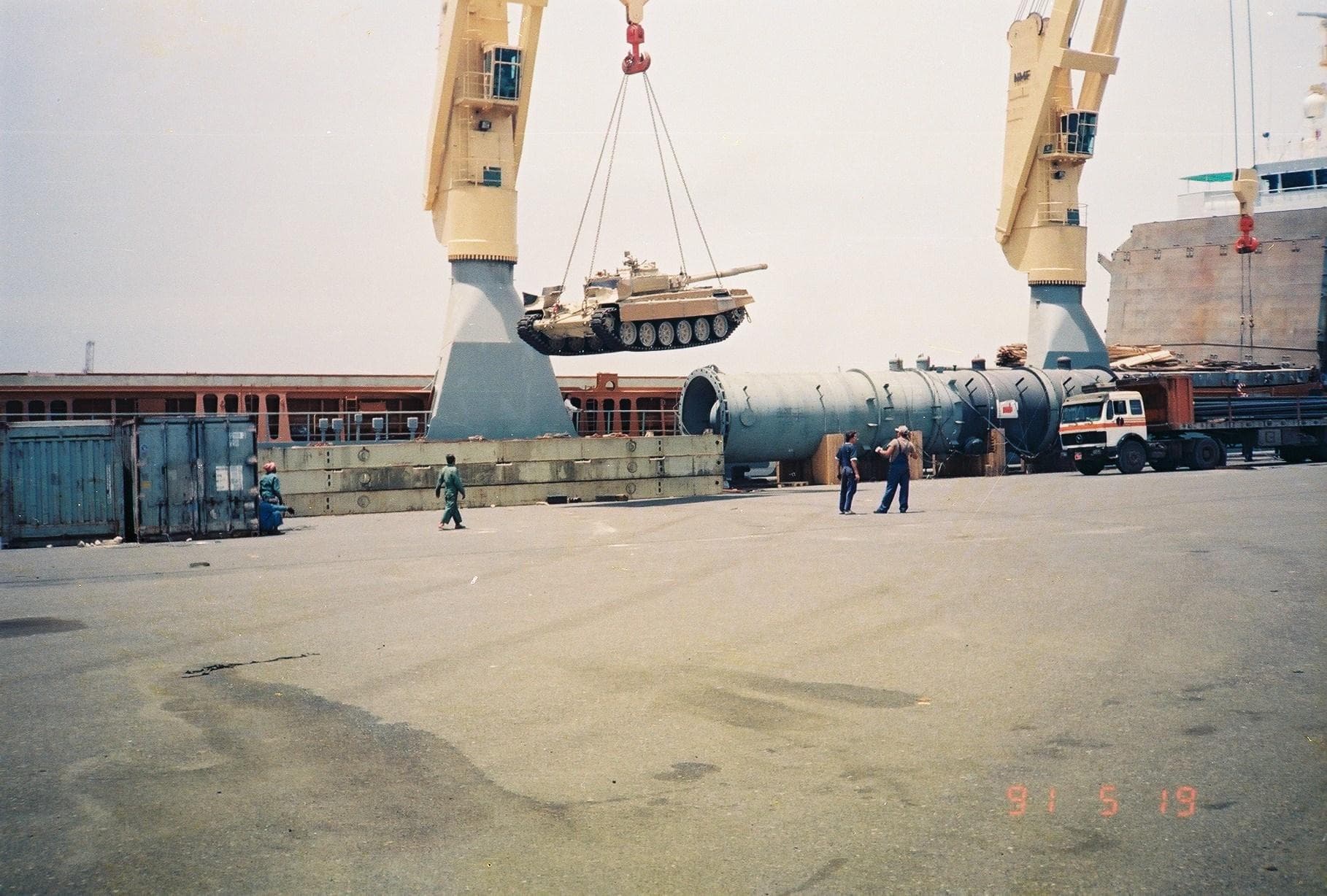
M-84AB tanks delivered to Kuwait
The timing of the program soon became dramatic. When Iraq invaded Kuwait in August 1990, no M-84AB production tanks had yet been delivered to Kuwait. Only the earlier trial and training M-84s were already in the country. During the invasion, some of these tanks were used by Kuwaiti forces, including around Dasman Palace, but all were eventually lost. Some were destroyed, while others were captured relatively intact by Iraqi forces. One captured M-84 was later displayed in Baghdad, and at least one was reportedly used by the Iraqi Republican Guard during the 2003 invasion of Iraq.
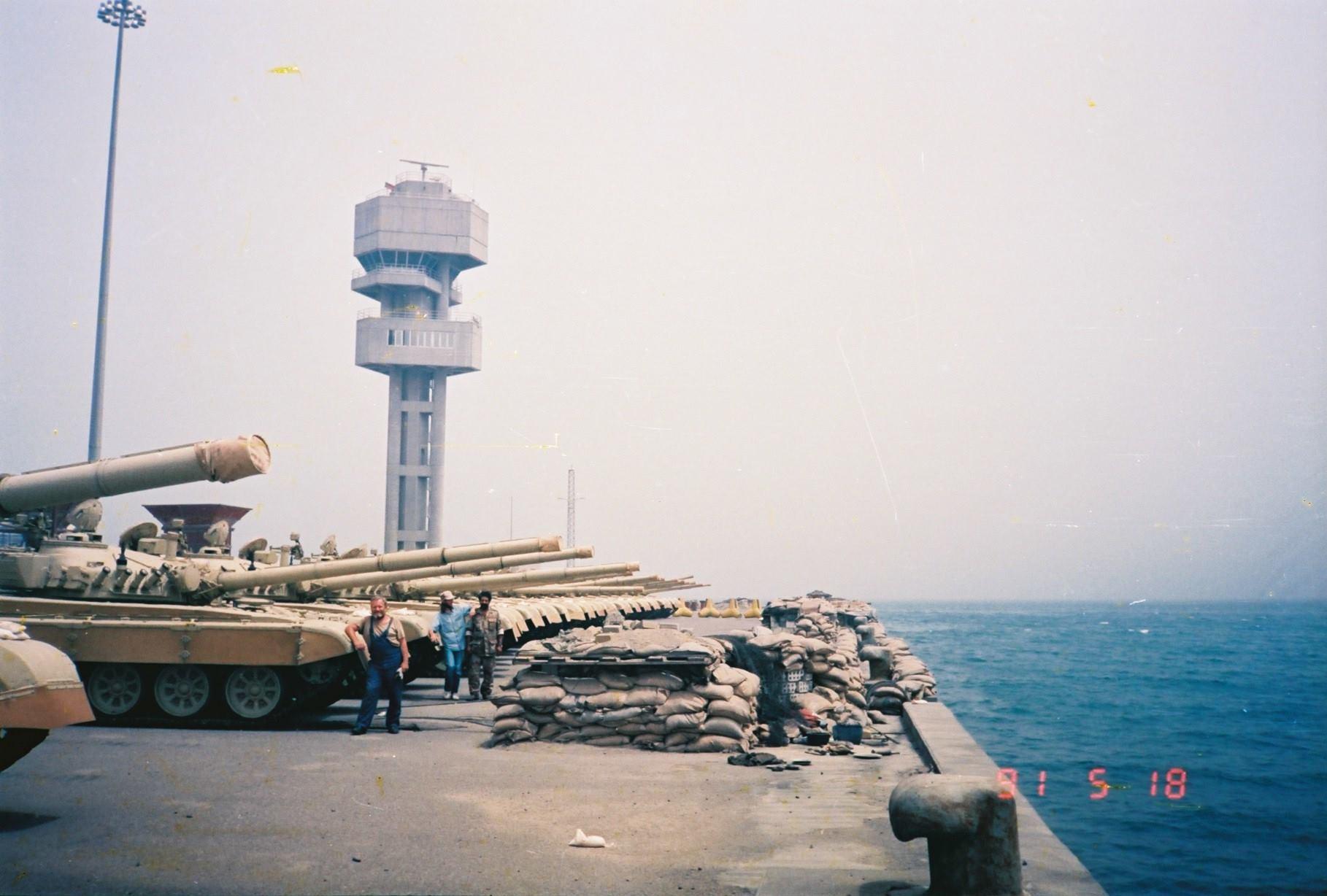
Pictures of the unloading process of the 33 tanks delivered throughout May 1991
The first operational M-84ABs instead reached Kuwaiti forces in Saudi Arabia during the buildup to Operation Desert Storm. Around 71 tanks were available before the ground campaign and were issued to the 35th Ash-Shahid, or Martyr’s, Armored Brigade. These tanks would go on to serve with Kuwaiti forces alongside the Coalition during the liberation of Kuwait.
The full order was never completed because Yugoslavia itself was falling apart. The M-84 production network depended on factories across the Yugoslav republics, with final assembly taking place at Đuro Đaković in Croatia. As the Yugoslav wars began, the production chain broke down. Some completed M-84ABs originally connected to the Kuwaiti order were diverted for Croatian use, later recalled, refurbished, and eventually delivered after inspection. In the end, Kuwait received 149 M-84AB tanks rather than the full planned order, making the tank both Yugoslavia’s greatest armored export success and one of the last major products of its unified military industry.
Specifications:
Spoiler
Specifications - M-84AB Kuwait
- Vehicle type: Main battle tank
- Operator: Kuwait
- Origin: Yugoslavia
- Variant: M-84AB, Kuwaiti export version of the M-84A
- Crew: 3
- Commander
- Gunner
- Driver
- Main armament: 125 mm 2A46 / D-81TM smoothbore cannon
- Gun loading system: Carousel autoloader
- Ready ammunition: 22 rounds in autoloader
- Total ammunition: 43 rounds
- Rate of fire: Around 8 rounds per minute
- Ammunition types:
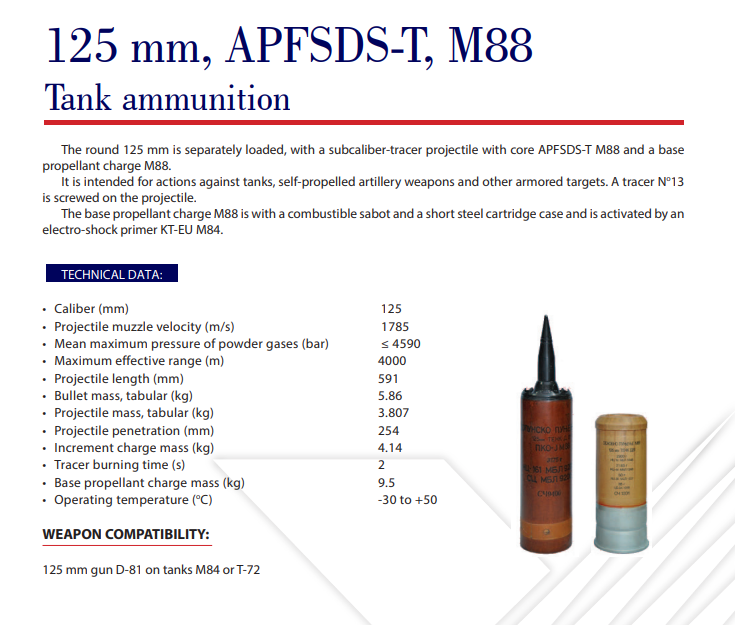
APFSDS-T - PKO M88 / PKO-J M88
Initial speed: 1,800 m/s (~4,000 mph)
Max range per ballistic computer’s firing table: 4,000 m (2.5 miles)
Penetration at 0° at 2 km: 290-350 mm
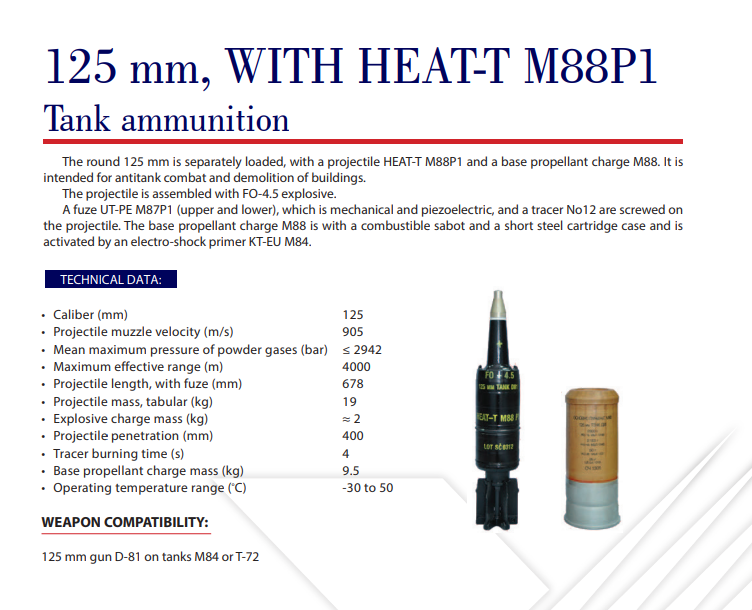
HEAT-T - KOP M88
Initial speed: 900 m/s(~2,010 mph)
Max range per ballistic computer’s firing table: 4,000 m (2.5 miles)
Penetration at 0° at 2 km: 500 mm
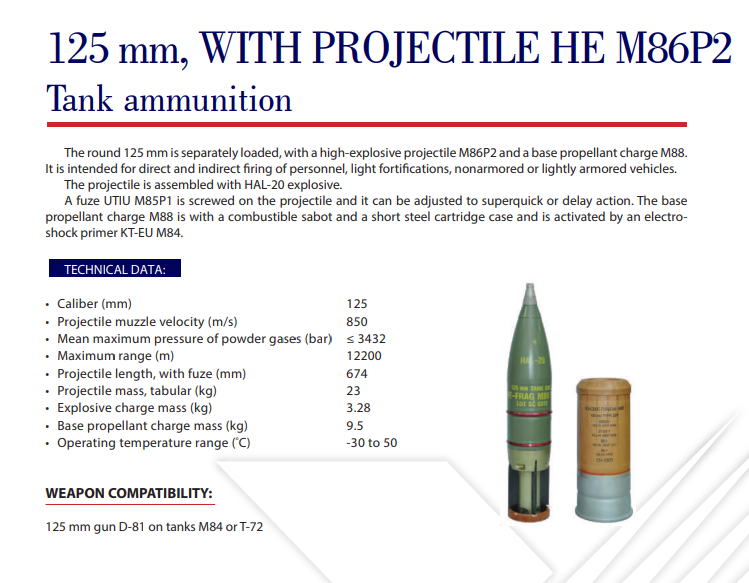
HE-FRAG - TFP M86
Initial speed: 850 m/s (~1,900 mph)
Max range per ballistic computer’s firing table: 6000 m (3.7 miles)
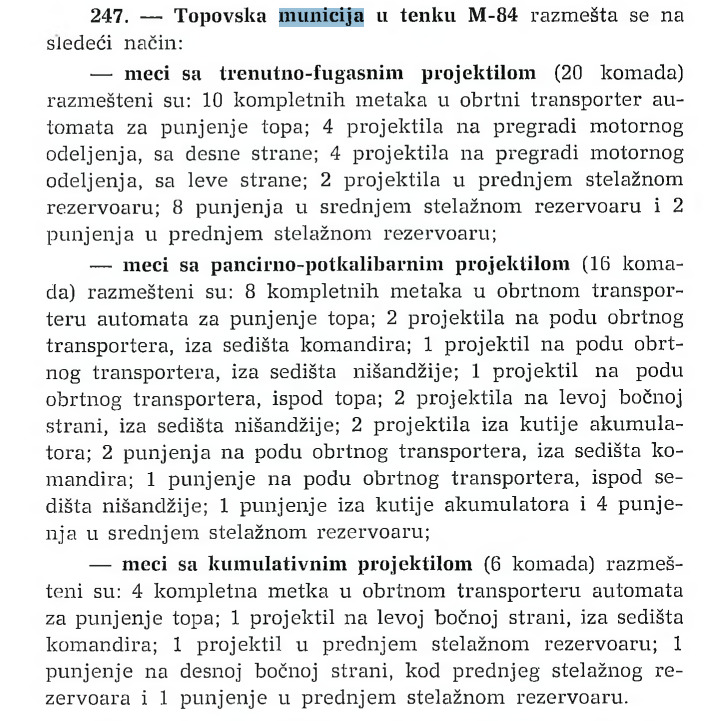
Location of shells:
- Secondary armament:
- 7.62 mm Zastava M86 coaxial machine gun
- 12.7 mm Zastava M87 anti-aircraft machine gun
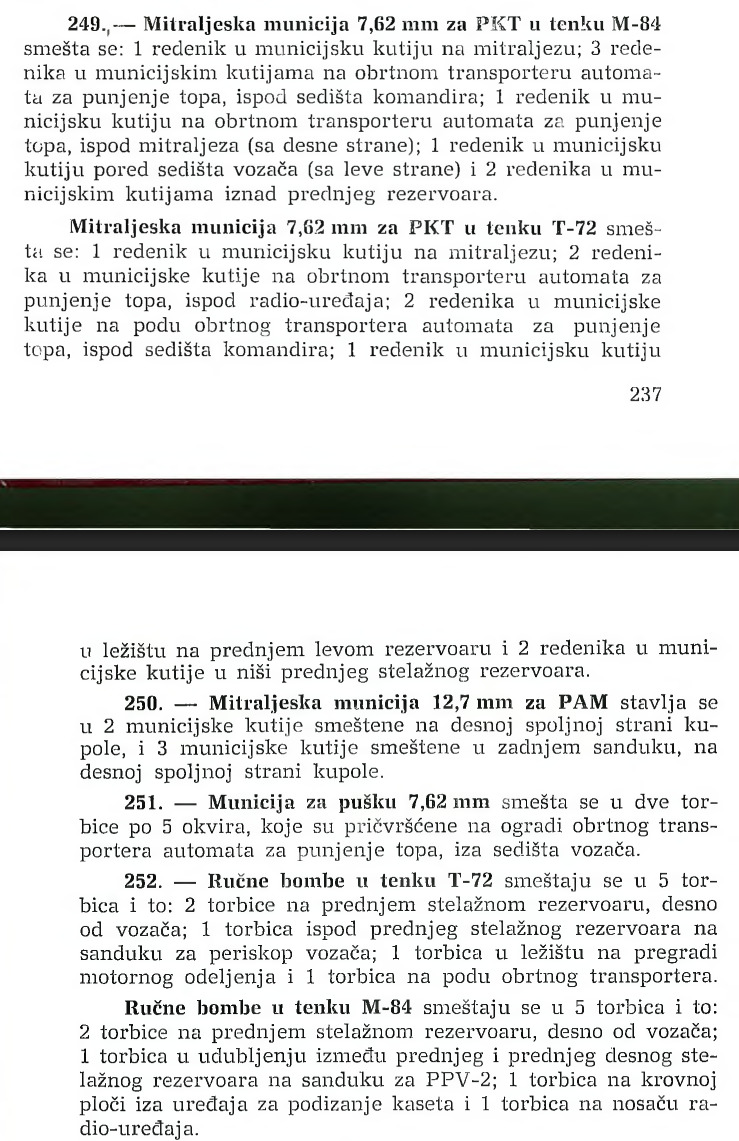
- Hand grenades: 5 carried inside the tank, stored in separate pouches around the driver’s area, stowage fuel tanks, turret equipment area, and radio-equipment carrier.
Secondary armament storage location:
- Fire-control system: SUV-M-84 computerized fire-control system
- Gunner sight: DNNS-2A/6400 day/night sight
- Rangefinding: Laser rangefinder
- Markings/instruments: Adapted with Arabic and English markings
- Engine: V-46-TK turbocharged diesel engine
- Engine power: 1,000 hp
- Maximum road speed: Around 65 km/h
- Armor type: Steel and composite armor
- Hull protection: Improved frontal composite armor over earlier M-84/T-72M standard
- Turret protection: Improved cast turret with composite/non-metallic filler
- Smoke system: 902A Tucha smoke grenade launchers
- Other protection systems:
- NBC protection system
- Automatic fire suppression system
- Exhaust smoke generation
- Combat weight: Around 41.5 tonnes
- Length: Around 9.53 m with gun forward
- Width: Around 3.57 m
- Height: Around 2.19 m
- Special Kuwaiti features:
- Export radio and intercom equipment
- Arabic/English internal markings
- Desert camouflage
- Rubber-padded tracks
- Modified DNNS-2A/6400 sight using the 6,400 mil scale
- Equipment changes requested for Kuwaiti service
Sources:
Spoiler
tanks-encyclopedia/Ammunition source 1
(Most, if not all, the information/images comes from this source, all thanks to Atanasije Simić and his article o7)
Tank Encyclopedia - Youtube channel - Kuwait City Liberator | M-84AB
Main Battle Tank M-84 - Đuro Đaković
Pravilo Tenk M-84 i T-72 Prvi Deo (1988) - I can’t find a source online, when I find it will edit a link.
Please comment with any additional sources!