- Yes
- No
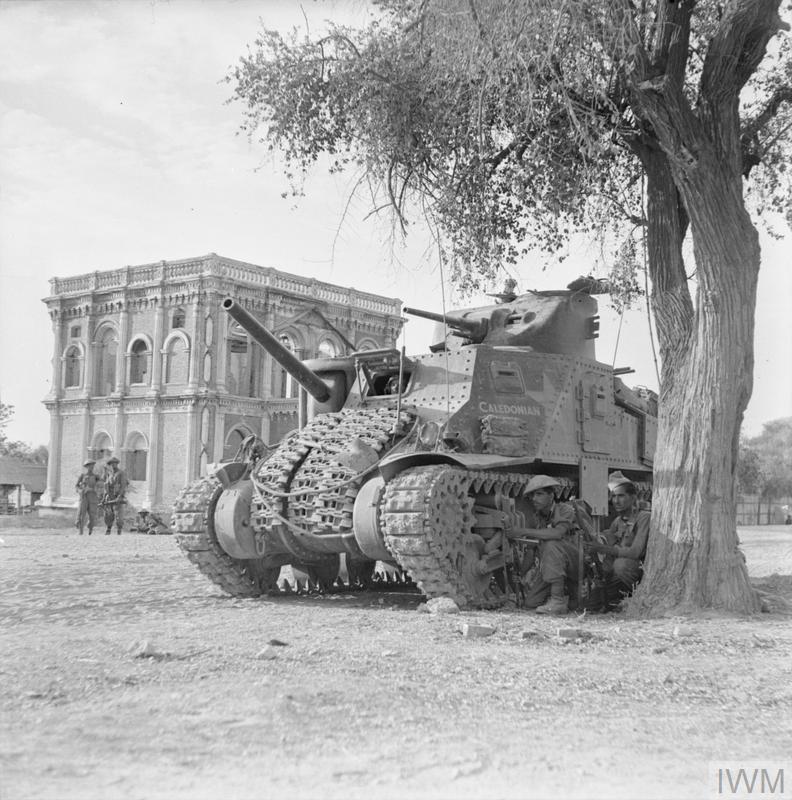
Infantry of 19th Indian Division take cover behind a Lee tank during street fighting in Mandalay, 9-10 March 1945. - IWM (SE 3270)
History
In 1940 design work was started on the ‘Medium Tank, M3’ which was to be a stop-gap solution to get a 75mm gun into a decently-armoured medium tank while work was being carried out on designing a suitable turret for housing the 75mm (which would become the Medium Tank, M4 ‘Sherman’). The M3’s design stemmed from the T5E2 mounting a 75mm howitzer in a sponson and the M2 Medium. The M3 consisted of a 75mm M2 (and later M3) mounted in a sponson placed to the right of a riveted hull with a centrally-placed driver’s position, rear-mounted radial engine connected to a frontally-mounted transmission, and a fully rotating turret placed on top carrying a 37mm M5 or M6.
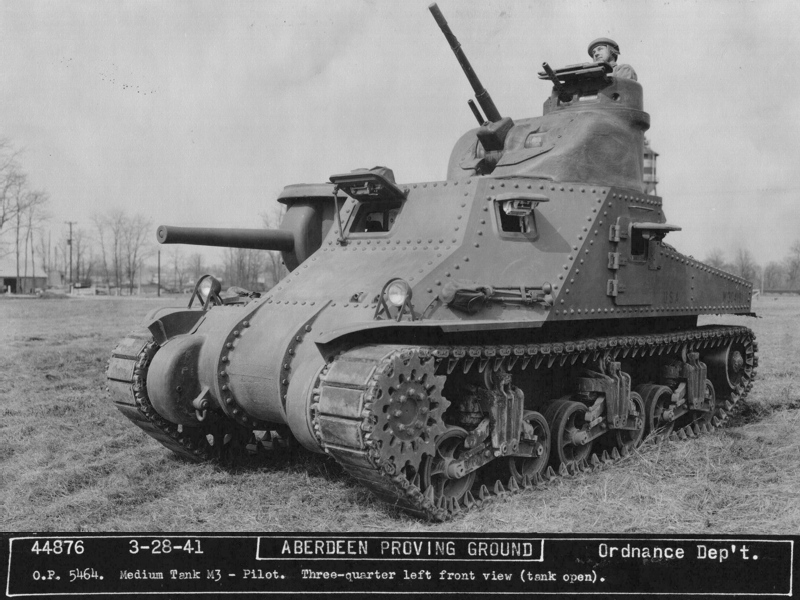
Following the Battle of France and the looming threat of a pending invasion, British production was prioritising aircraft manufacture and the output of tanks to replace heavy losses of materiel couldn’t keep up with demand. To help make up the deficit of tanks, it was requested that British tanks also be produced in American factories but neither the American government nor the manufacturers were prepared to do so. The end result was that the British government would purchase M3s but the army was not wholly satisfied with its design and, upon being shown a wooden mock-up in 1940, requested that a number of modifications be included in the design. Aside from the same issues inherent in the design that displeased the US Army, namely the hull-mounted 75 and tall profile, the British disliked the placement of the radio in the hull, the smooth rubber block design of the tracks, and the commander’s MG cupola.
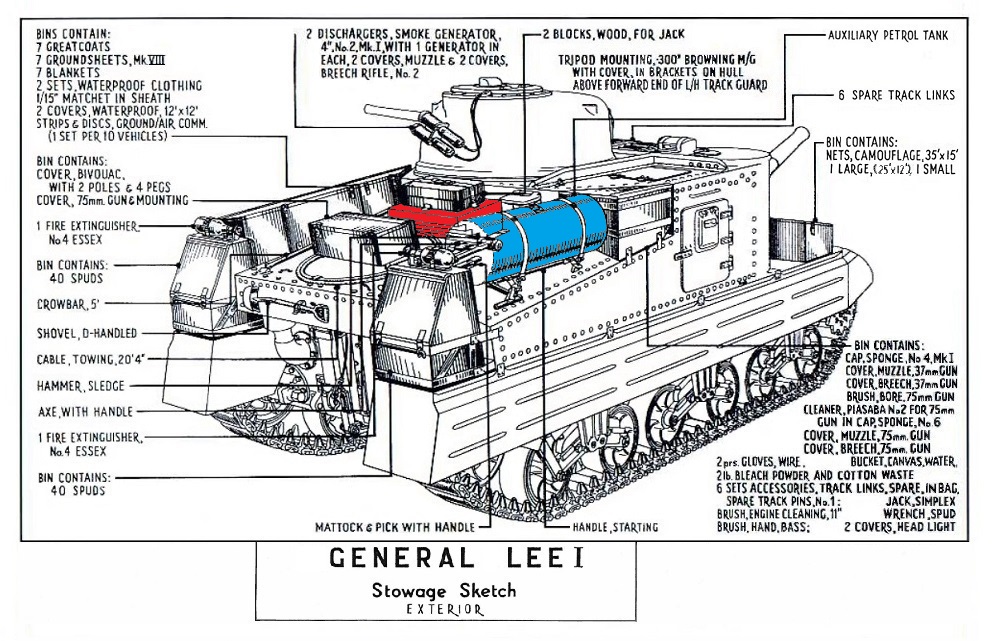
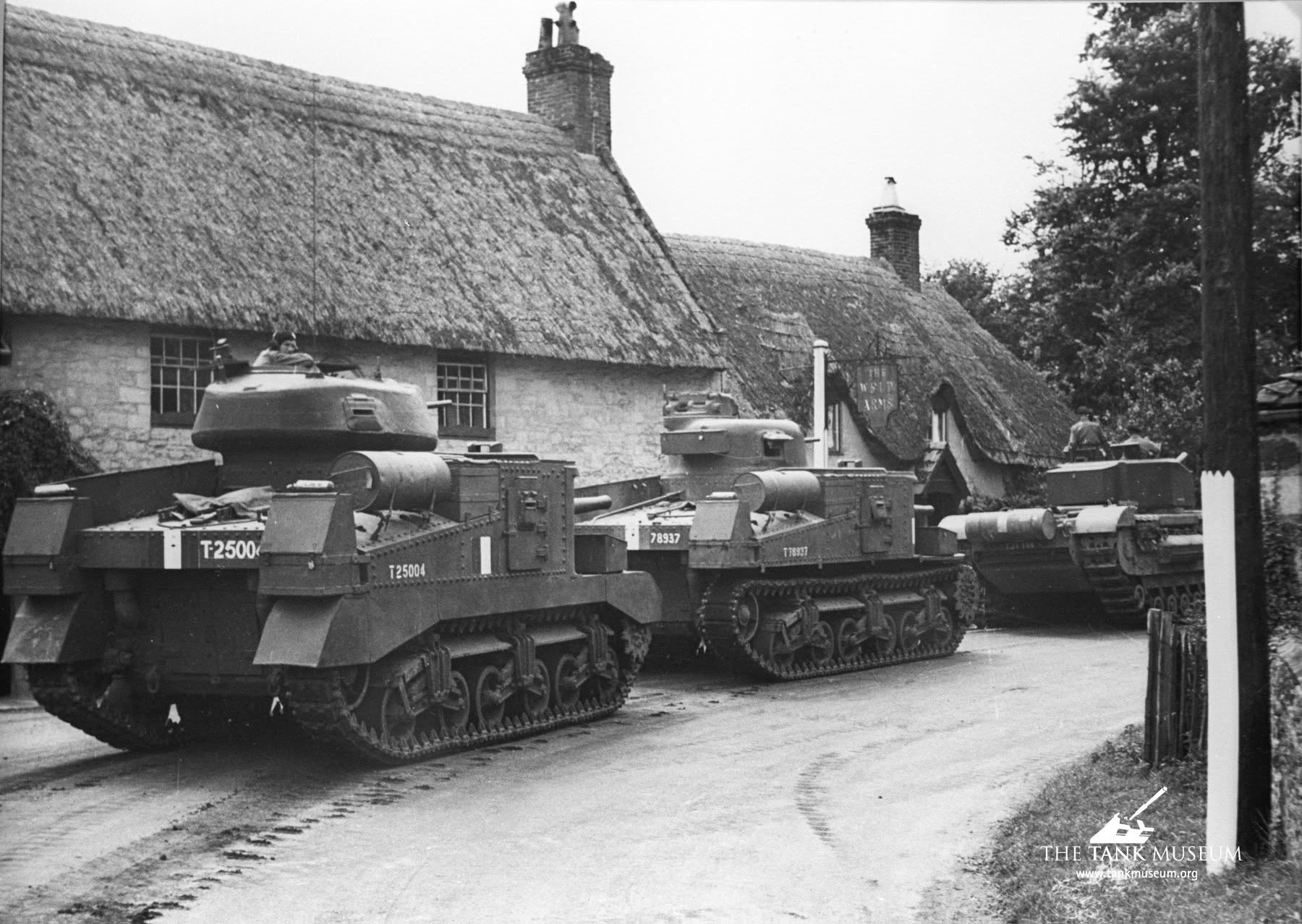
The design of a new, larger turret led to the creation of the General Grant (later Grant I) which had a built-in bustle to hold the radio removing the need for the hull radioman and reducing the total crew from 7 to 6. Aside from the new turret, some other modifications (either applied by the factories or by the British as part of their own modification program) include: the design and use of WE210 ‘double-I’ track instead of the smooth rubber blocks, the replacement of the radio with the Wireless Set No. 19, the design and fitting of sandshields, the addition of a periscope for the driver, the addition of an auxiliary fuel tank on the back-right of the engine deck, and the removal of the hull-mounted machine guns and blanking of their apertures.
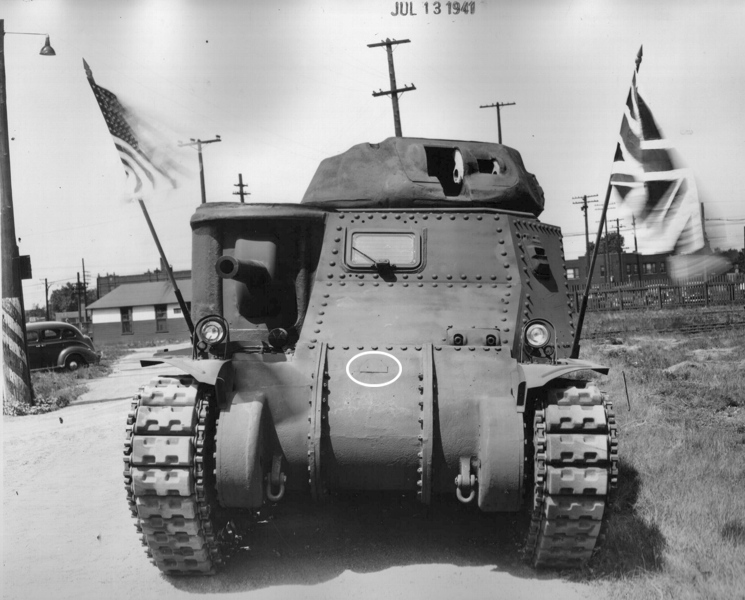
The production of Grants alone was insufficient to cover British requirements and so they also took delivery of M3s with the US-pattern turret which was given the name General Lee. As the Lee lacked a number of the modifications that were introduced with the Grant, additional work was carried out on a number of Lees either before delivery, in Britain, or at British workshops in-Theatre to bring them up to a similar standard. Not every modification could be carried out but the replacement of American radios, the fitting of sandshields, the fitting of additional stowage, and the removal of the fixed MGs were all fairly manageable. Some of the more involved changes, such as swapping the commander’s MG cupola for a split-hatch cupola as fitted to the Grant, were not universally applied to Lees.
As a stop-gap design, the M3’s production was intended to be quite limited but the combined urgent need of tanks for both the US and British Armies led to a total of 6258 M3s being produced across a handful of variants with 2887 being both purchased and later supplied via Lend-Lease for use by British and Commonwealth forces.
North Africa
Grants were first shipped to the Middle East in mid 1941 and arrived later that year while the first Lees weren’t shipped until December, arriving in late February 1942. By the time of the Grant’s combat debut with British forces at the Battle of Gazala in late May 1942, 478 Grants and 72 Lees had been shipped to the Middle East, though it wasn’t until early July 1942 that the initial delivery of Lees to frontline units occurred in time for the First Battle of El Alamein. By the time Shermans were arriving in September 1942, a total of 493 M3 Grants, 164 M3A5 Grants (diesel-powered) and 75 Lees had been exported to the Middle East.
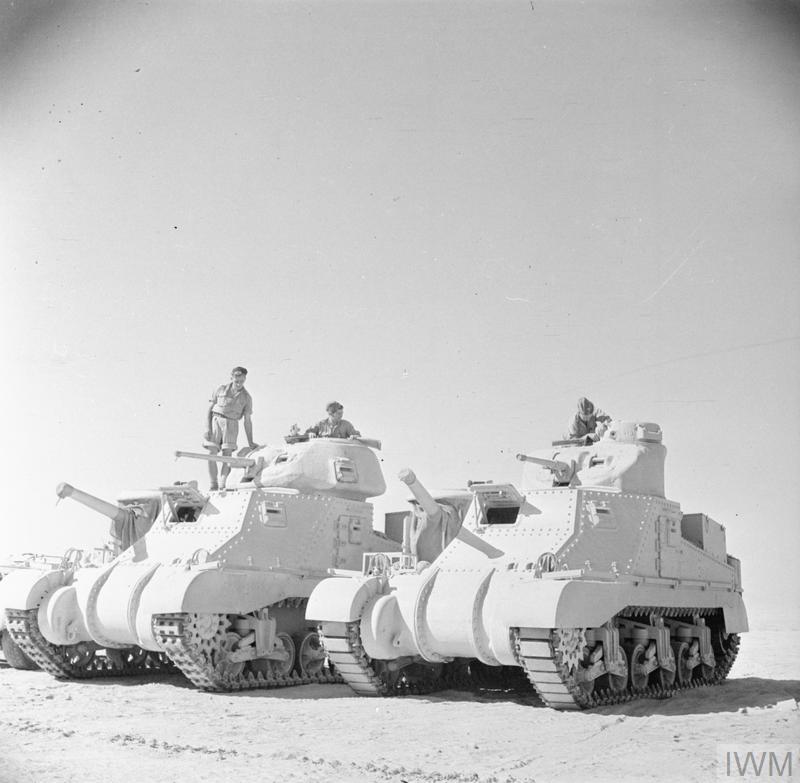
Grant and Lee tanks of ‘C’ Squadron, 4th (Queen’s Own) Hussars, 2nd Armoured Brigade, El Alamein position, Egypt, 7 July 1942. - IWM (E 14053)
Though it was Grants and not Lees that bore the brunt of the M3’s fighting in North Africa for British forces, the base design had proven to be invaluable thanks to its 75mm that was more than capable of dealing with Italian armour and could effectively engage much of the German armour it faced. Perhaps most important was the dual-purpose nature of the 75mm M2/3 which gave good AP and fantastic HE performance which hadn’t been possible with the 2 and 6pdr armament of the British tanks.
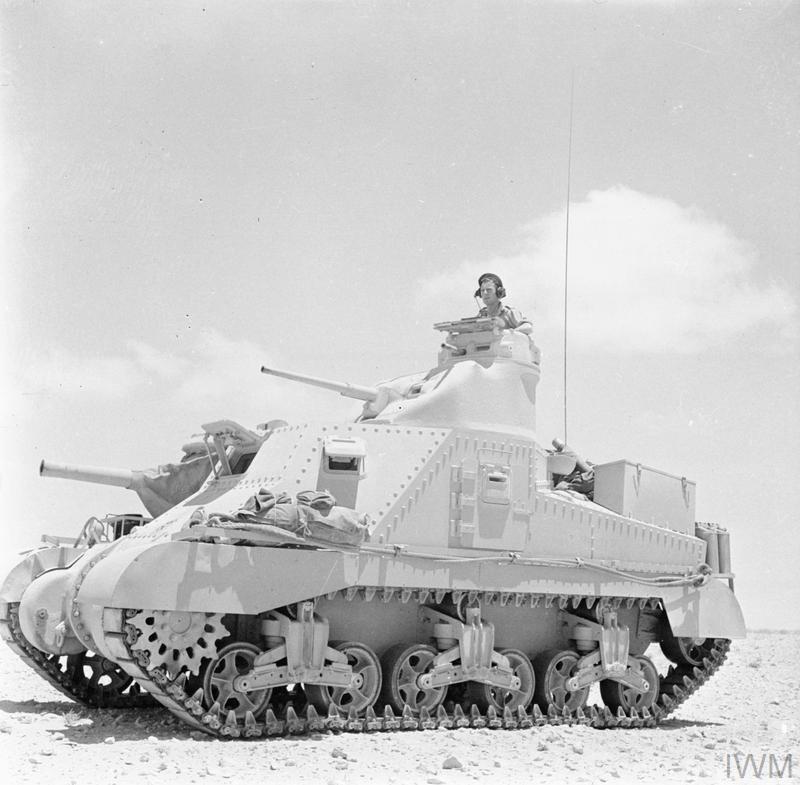
Lee tank of ‘C’ Squadron, 4th (Queen’s Own) Hussars, 2nd Armoured Brigade, El Alamein position, Egypt, 7 July 1942. - IWM (E 14050)
Far East
By late 1943, the Lee and Grant had largely been superseded by the Sherman and new (or upgraded) British tanks in the Western Theatres. However, the China, Burma, India Theatre of Operations also required armour, especially for the 14th Army’s planned reconquest of Burma. Earlier tanks like the Stuart and Valentine had already seen service in the Theatre but, while Japanese armour was relatively limited, greater firepower than the 37mm and 2pdr was needed to deal with the numerous Japanese fortifications and defensive emplacements.
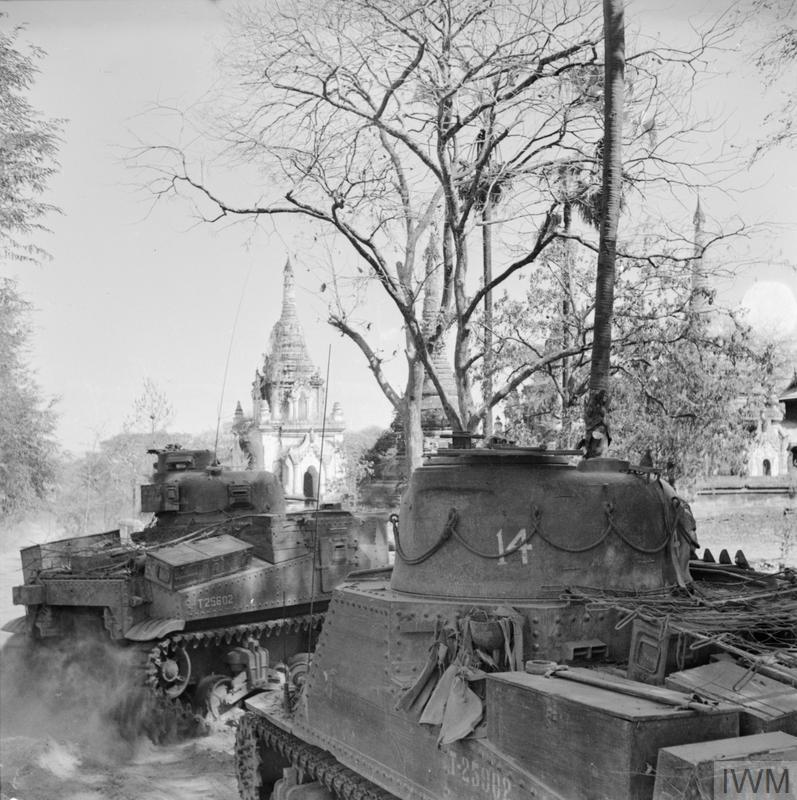
Lee tanks during the advance south from Mandalay, 20 March 1945. - IWM (SE 3496)
The Lee, and by extension the Grant, was more than ideal, being capable of providing effective support with the 75mm using both HE and AP against fortifications while the 37mm and co-ax .30cal could engage other targets and provide itself overwatch against attacking Japanese infantry. Though they sometimes struggled with the terrain, the M3s carried out a pivotal role in the fighting in Burma, just as they’d done in North Africa.
896 M3s were allocated to the Theatre with the first exports from the US to India in February 1942 consisting of 16 Grants and 8 Lees. By the end of 1942, a total of 369 petrol and 10 Diesel Grants, and 515 petrol and 2 diesel Lees had been sent. The M3s continued to see service into the final stages of the Burma Campaign, with what may have been their last combat use occurring in May 1945 near Rangoon.
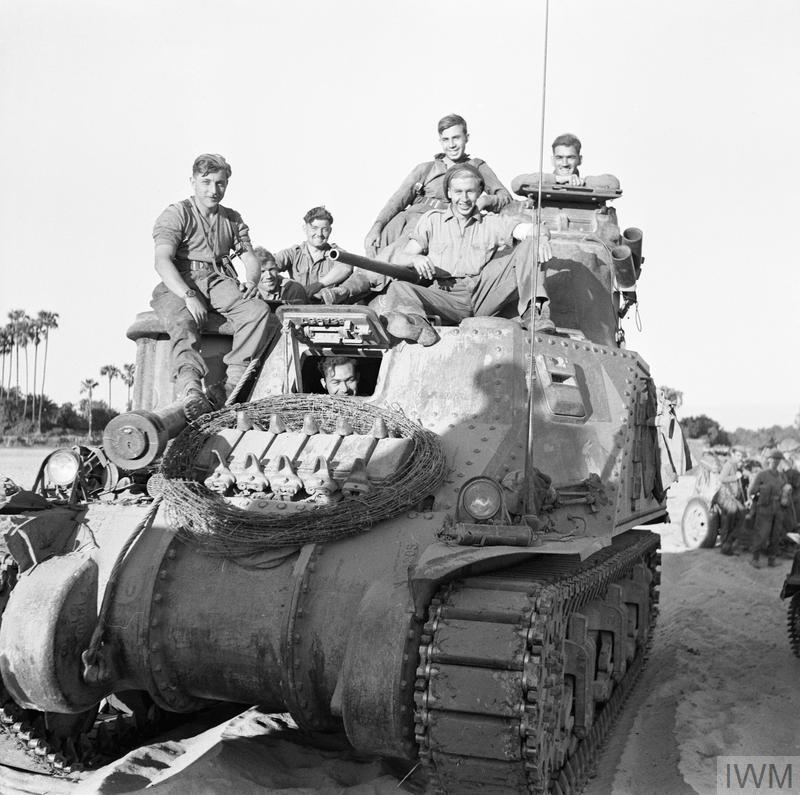
A Lee tank and crew on the bank of the Mu River near Chanta, January 1945. - IWM (SE 2445)
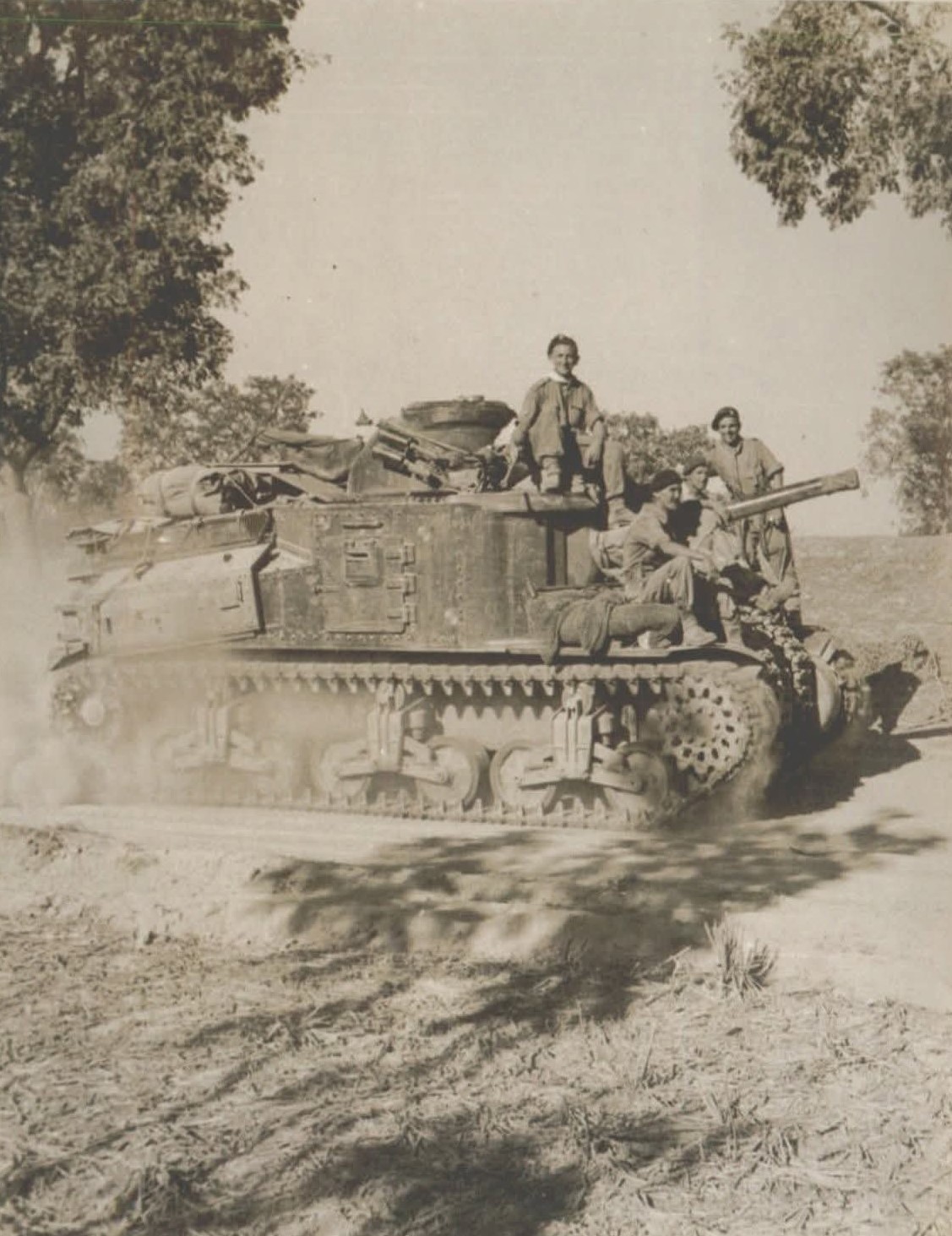
The Lees in Burma were a mix of older and newer production vehicles with both 75mm M2s and M3s, T51 and WE210 track, and a wide array of modifications both from the factory, applied in-Theatre at workshops, and applied by the units. A large number of the Lees had received the same modifications as the Grant and had: additional external stowage, a periscope for the driver, two ‘No. 2, Mk. I’ 4" smoke dischargers on the left side of the turret, No. 19 Wireless Sets, and the commander’s MG cupola replaced by split-hatches.
There were also a number of interesting modifications seen on Lees during the Burma Campaign ranging from strips of Valentine track mounted on the hull front as extra armour, metal plates attached to the hull sides underneath the side doors, additional armour mounted at the rear of the hull sides, and mesh screens fitted over the engine deck.
The up-armoured Lees belonged to 150th RAC and the additional plates may have been repurposed sections of the angled rear deck and engine hatches from cannibalised M3 Stuarts. The strips of track could’ve been taken from either worn-out Valentine gun tanks or Valentine Bridgelayers.
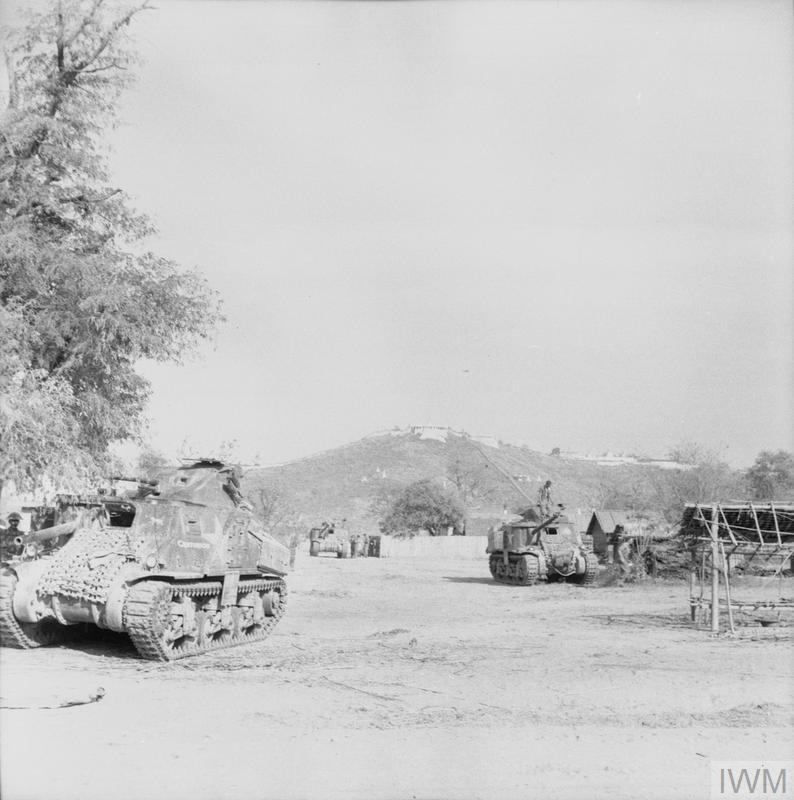
Lee tanks supporting the 19th Indian Division ready to move forward on Mandalay, 9-10 March 1945. - IWM (SE 3258)
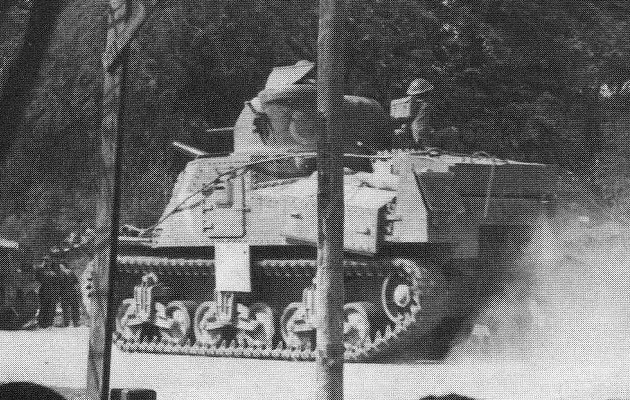
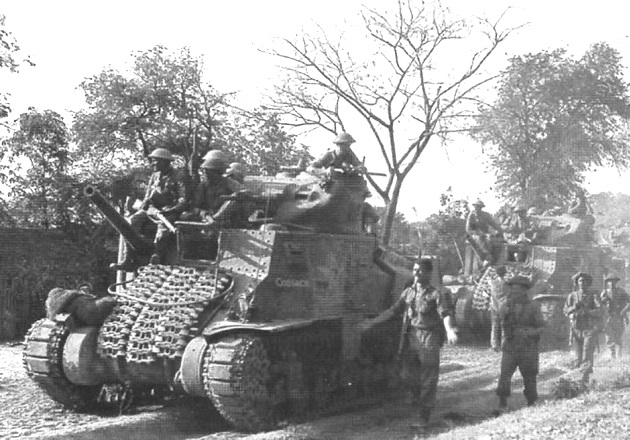
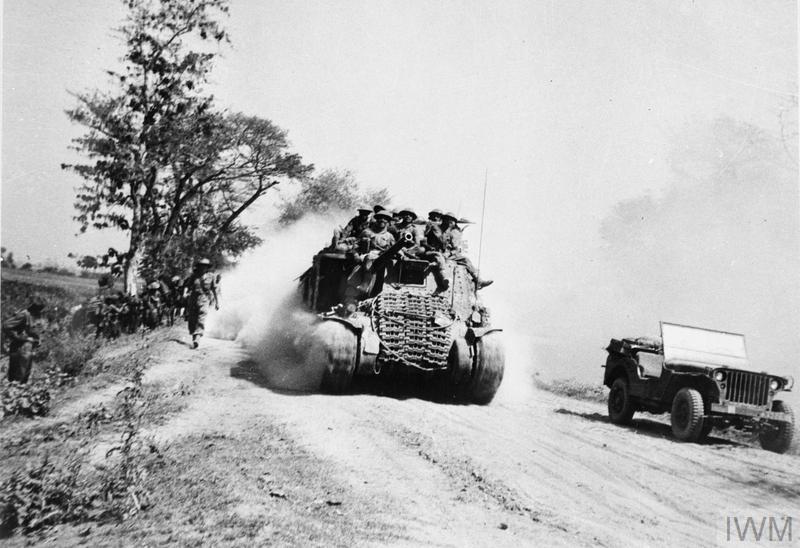
Mandalay fell to the 19 Indian Division after fierce fighting during the drive on Mandalay from the north. Picture shows: Tanks with infantry speeding along the road to attack a village near Madaya, 12 miles north of Mandalay. - IWM (HU 87180)
In-game
The Lee may have been a stop-gap design but it played a pivotal role for the British Army in two separate Theatres and deserves a place in the British tree alongside the Grant Mk. I and Mk. II. It could be a researchable vehicle but would probably be best included as a premium, event, or squadron vehicle.
Depending on the available armament and modifications, it could either be placed at 2.7, like the US M3 and the Grants, or at 3.0.
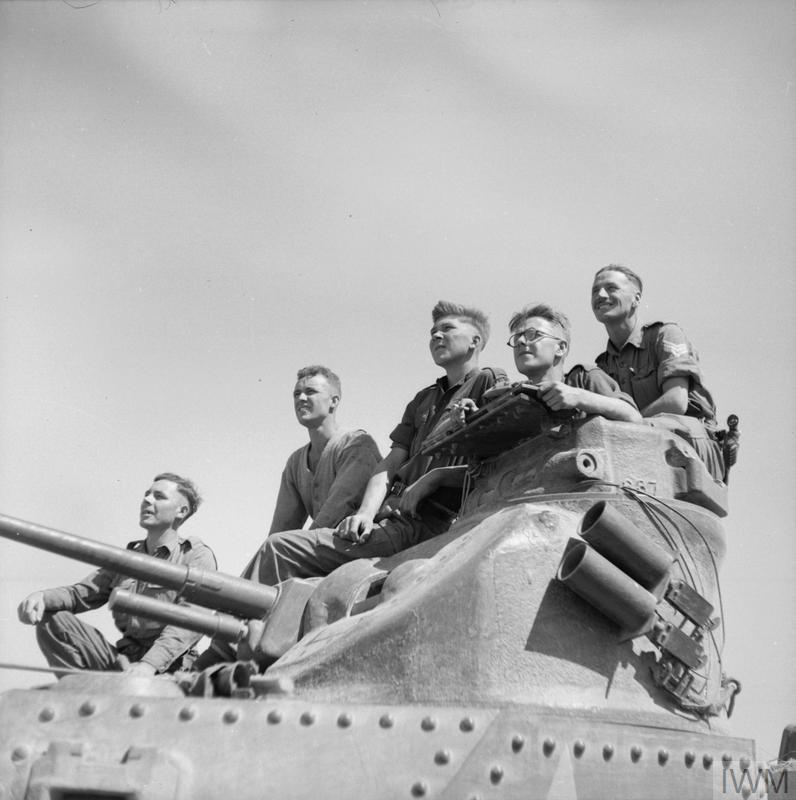
The crew of a Lee tank at Ywathitgyi, February 1945. - IWM (SE 2070)
Specifications
Crew - 7
Weight - 27.7t
Engine - Continental R-975 EC2 (400hp)
Max speed - 24mph (39 km/h)
Armament
37mm M5 or M6 - +60/-7 elevation
75mm M2 or M3 - +20/-9 elevation, +/-15 traverse
1-2x .30cal MGs
Ammunition
179 37mm shells
50 75mm shells
6000 .30cal rounds
Figures taken from War Thunder Wiki
Armor penetration (mm) at a distance:
10m / 100m / 500m / 1000m / 1500m / 2000m
37mm M5
M74 - AP: 77 / 74 / 64 / 53 / 44 / 36
M51B1 - APCBC: 86 / 83 / 71 / 59 / 49 / 40
37mm M6
M74B1 - AP: 79 / 76 / 65 / 54 / 45 / 37
M51B1 - APCBC: 87 / 84 / 73 / 60 / 50 / 41
75mm M2
M72 - AP: 84 / 82 / 72 / 62 / 53 / 46
M61 - APCBC: 97 / 95 / 87 / 78 / 70 / 63
M48 - HE
M89 - Smoke
75mm M3
M72 - AP: 91 / 88 / 78 / 67 / 57 / 49
M61 - APCBC: 104 / 102 / 93 / 84 / 75 / 68
M48 - HE
M89 - Smoke
Armour
Upper Hull Front - 50.8mm
Glacis - 38.1mm
Hull Nose - 51mm
75mm Sponson - 38.1mm
Hull Sides Upper - 38.1mm
Hull Sides Lower - 38.1mm
Hull Rear - 38.1mm
Hull Roof - 12.7mm
Engine Deck - 12.7mm
Turret Front - 50.8mm
Turret Sides - 50.8mm
Turret Rear - 50.8mm
Turret Roof - 22.2mm
Mantlet - 38.1mm
Images
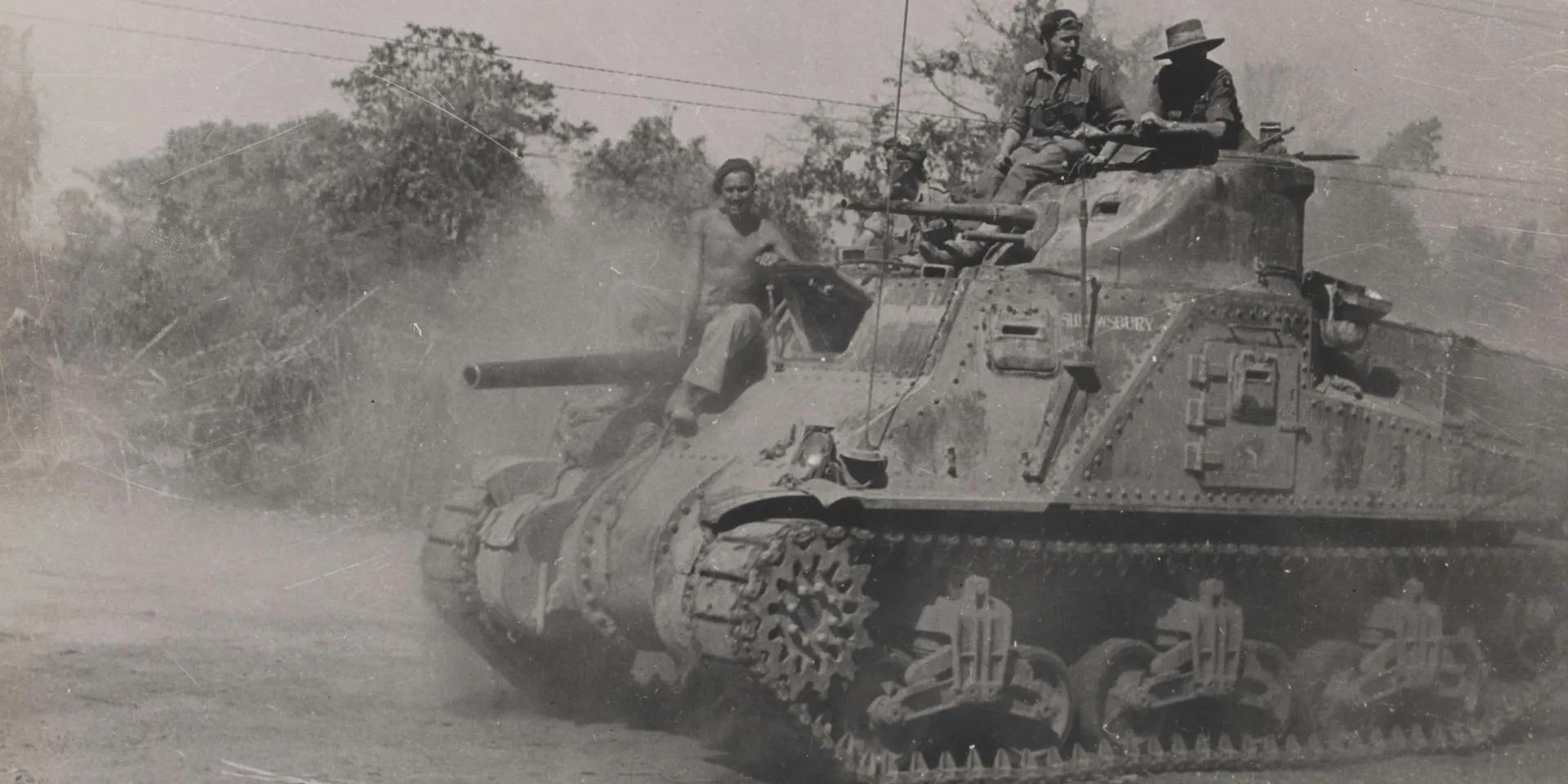
Major-General Briggs arriving on a 25th Dragoons Lee ‘Shrewsbury’ in the relief of The Admin Box, 24th February 1944. - NAM. 1974-09-79-45
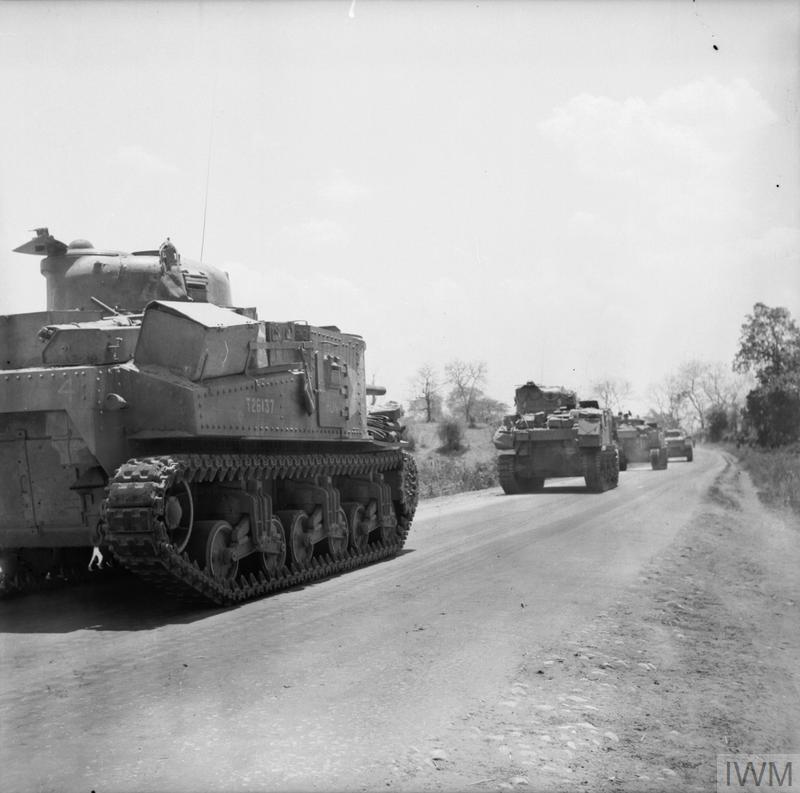
Lee tanks advance along one of the few good roads which follows the Irrawaddy River, during the advance of 20th Division to Prome, 3 May 1945. - IWM (SE 4066)
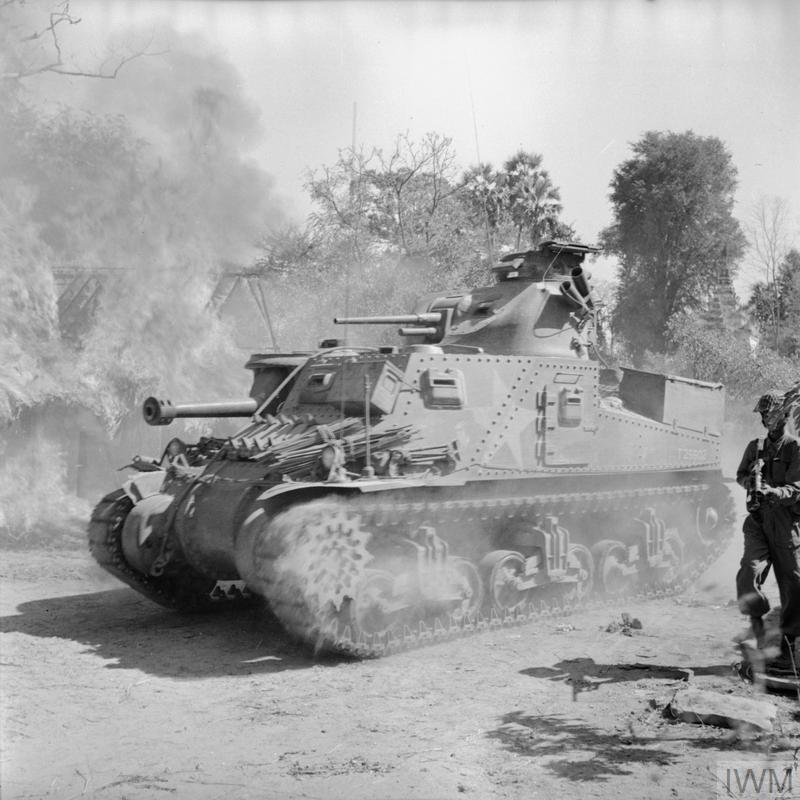
A Lee tank during the advance south from Mandalay, 20 March 1945. - IWM (SE 3491)
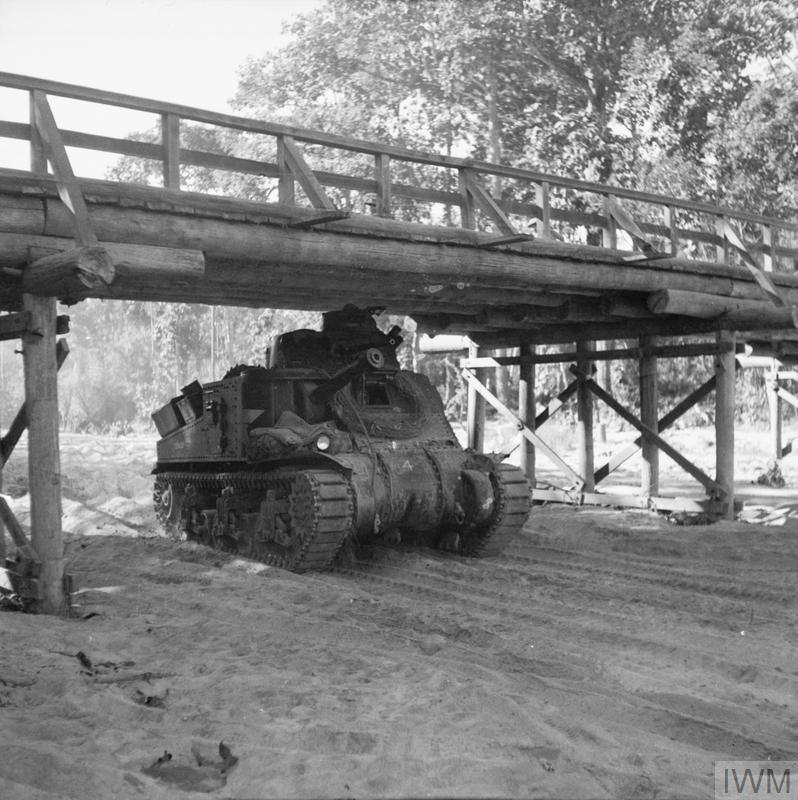
A Lee tank of the 2nd Division travelling down the dry river bed of the Sipadon near Pyingyaing, between Kalewa and Shwebo, January 1945. - IWM (SE 2386)
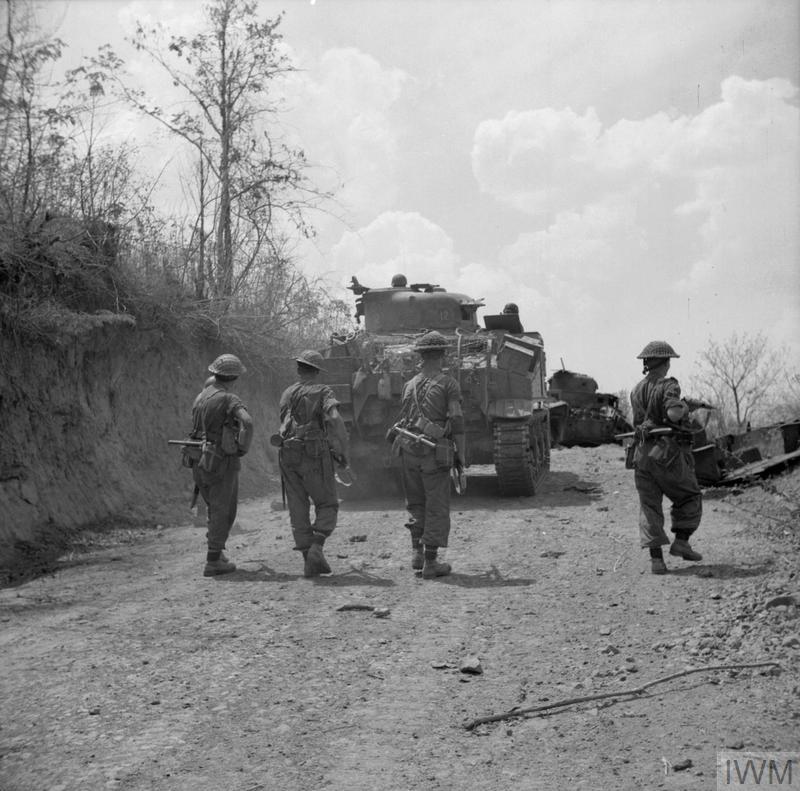
Infantry supported by Lee tanks approach Mount Popa as the Japanese begin to retreat, 20 April 1945. - IWM (SE 3860)
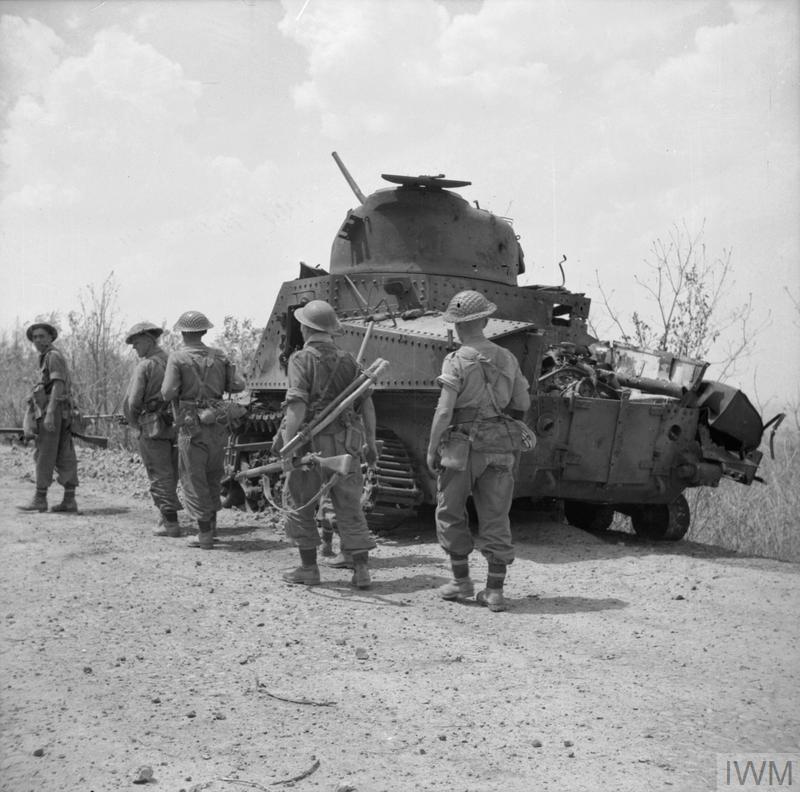
Men of the 2nd Dorset Regiment pass a knocked-out Lee tank as they make their way to the foot of Mount Popa, 20 April 1945. - IWM (SE 3859)
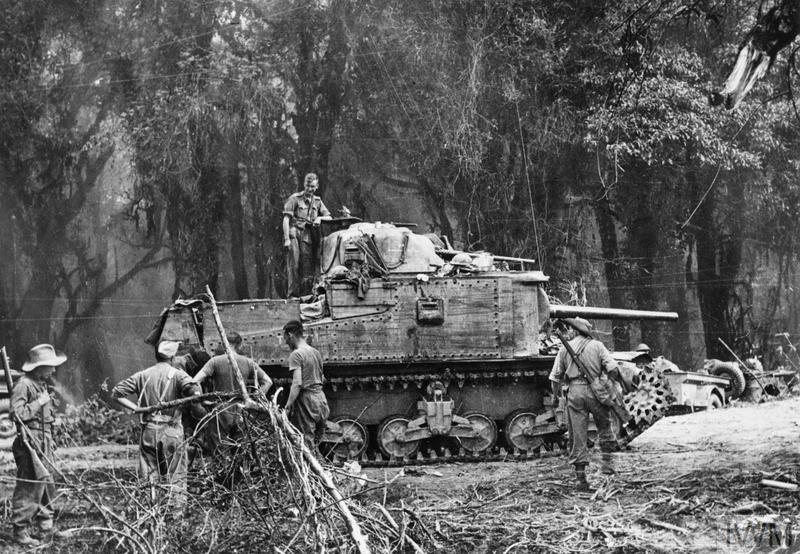
Tanks of the 25th Dragoons near Fort White. 25-pounders re-established in the gunners box on Kennedy Peak open fire again on the retreating Japanese. Picture shows: General Lee tank on Hill 8225. - IWM (HU 87183)
Sources
British Battle Tanks: American-Made Tanks of World War II - David Fletcher and Steven Zaloga
http://the.shadock.free.fr/sherman_minutia/manufacturer/m3lee/m3lee.html
http://the.shadock.free.fr/sherman_minutia/manufacturer/m3grant/m3grant.html
https://www.afvdatabase.com/usa/pics/m3lee/m3lee.html
TM-9-750 M3, M3A1, AND M3A2 May 9th, 1942