doctor why have you given me a lethal dose of faithium
Spoiler

1 Like
Seems like Pucará will be a premium (didn’t keep a word didn’t they?) at 4.3, fuckin 4.3.
The A variant too, the most produced variant with 110 units at the lowest and 160 max, which means if LATAM tree is added it will keep it’s premium status, on the most important variant.
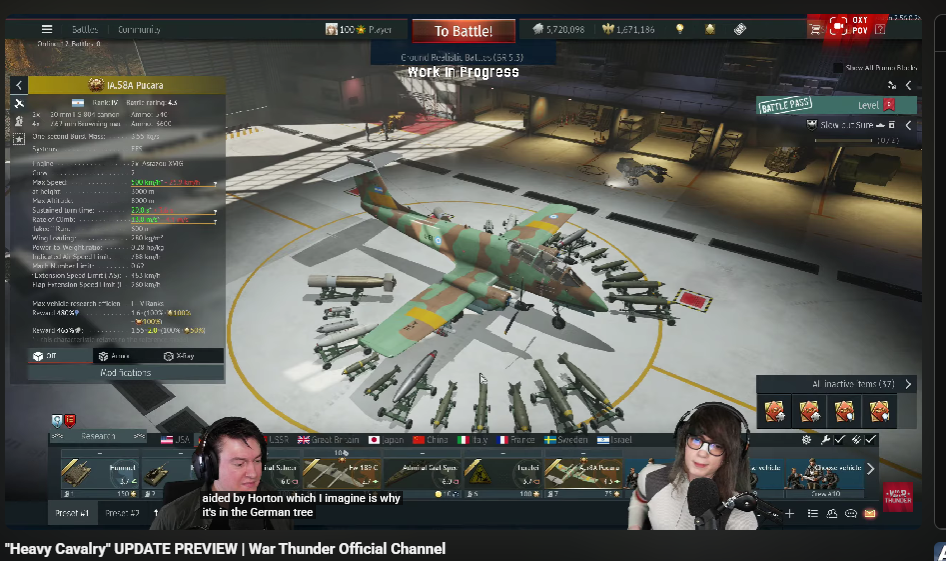
It will recieve napalm, it will be the wyvern 2.0, 90% of morons doing base bombing and pushing headon after headon.
Started with the left foot on a landmine

1 Like
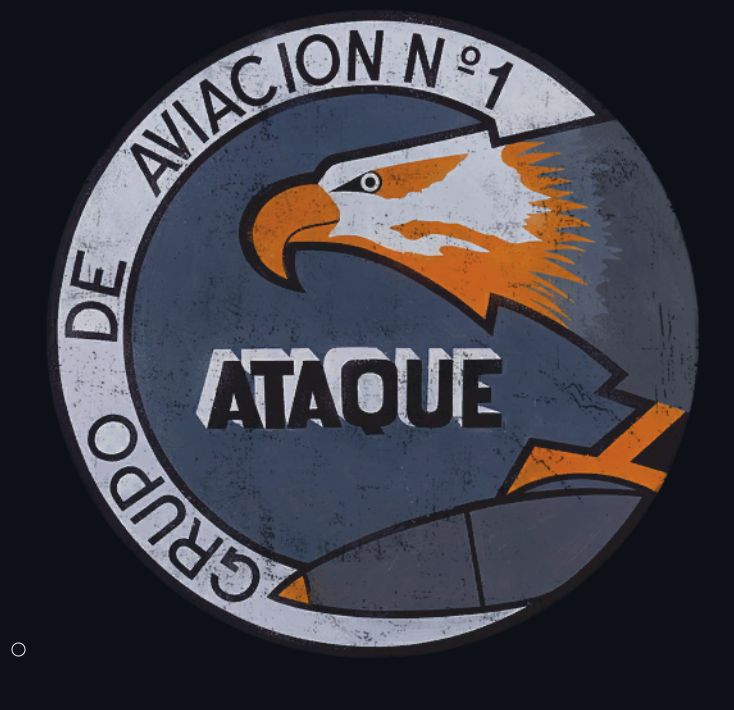
New decal for Pucara, emblem is from Uruguay
6 Likes
Where does it come from?
Monthly decals, released today and you have to destroy 70 ground or sea vehicles
What are the chance now of the tree ever coming to the game?
I feel like the Pucará scam pack just buried all chances of a united tree and we’ll see and all of the nations in here clawed apart across all trees as premiums.
Well they already are for the most part, but Argentina had the actual fully domestic vehicle simply tossed in german TT for a quick buck.
Oh yeah this concept is dead for the years to come, but at some point once they run out of other stuff to add maybe they’ll do this
Hello. I think that Ecuador, like other Latin American air forces, has an interesting history regarding its air force. I was planning to talk about the supersonic fighter models operated by the Ecuadorian Air Force, the most notable being the Mirage F1 and Kfirs
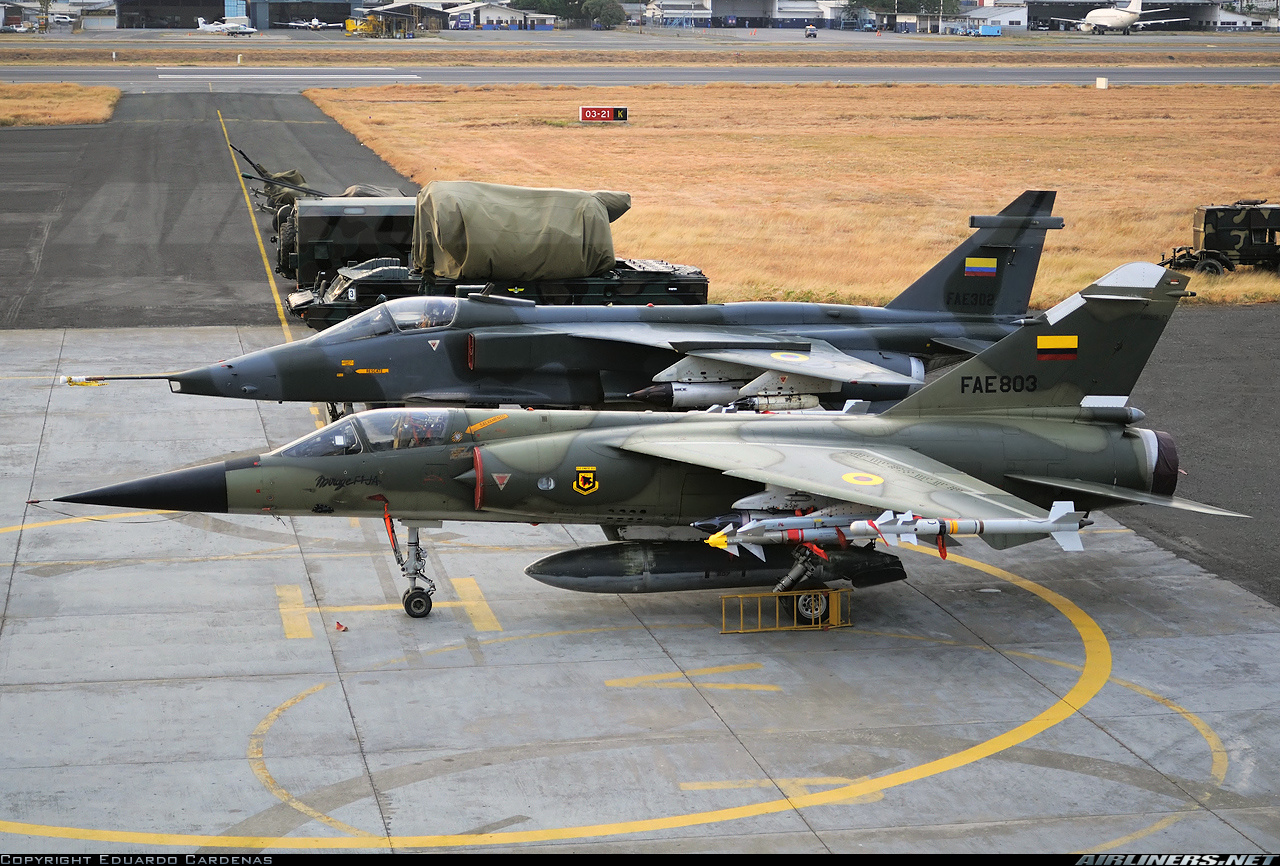

The Ecuadorian Mirage F1-JA can carry Python-3 missiles, and the Jaguar would be a highly lethal aircraft for ground attack and close air support; the Ecuadorian Air Force operated these aircraft with a Magic-2 missile configuration.
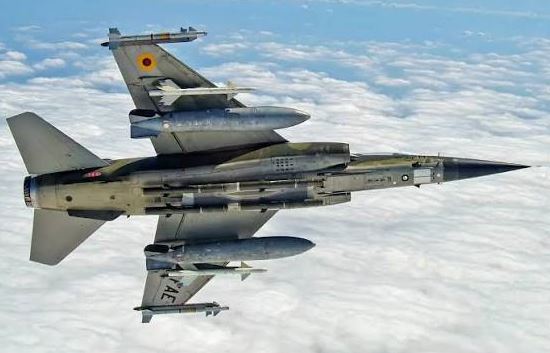
Mechanical mounts were designed and manufactured to attach the Python-3 launch rail to the inner French wing station. The cockpit weapons panel was modified so the aircraft would recognize the Python-3 using the same audio tones and frequencies as the original Matra Magic missile, allowing the pilot to aim and fire using the factory controls. The old, imprecise original navigation systems were replaced with a modern Thales Totem 3000 digital navigation system coupled with a new GPS receiver. This drastically improved the aircraft’s precision for all-weather flight and for conducting ground attacks using exact coordinates. Despite these valuable electronics and defense upgrades, the Cyrano IV radar was never changed; the entire process was carried out without altering the aircraft’s original radar, as the missile required only power and an acoustic signal to be fired.
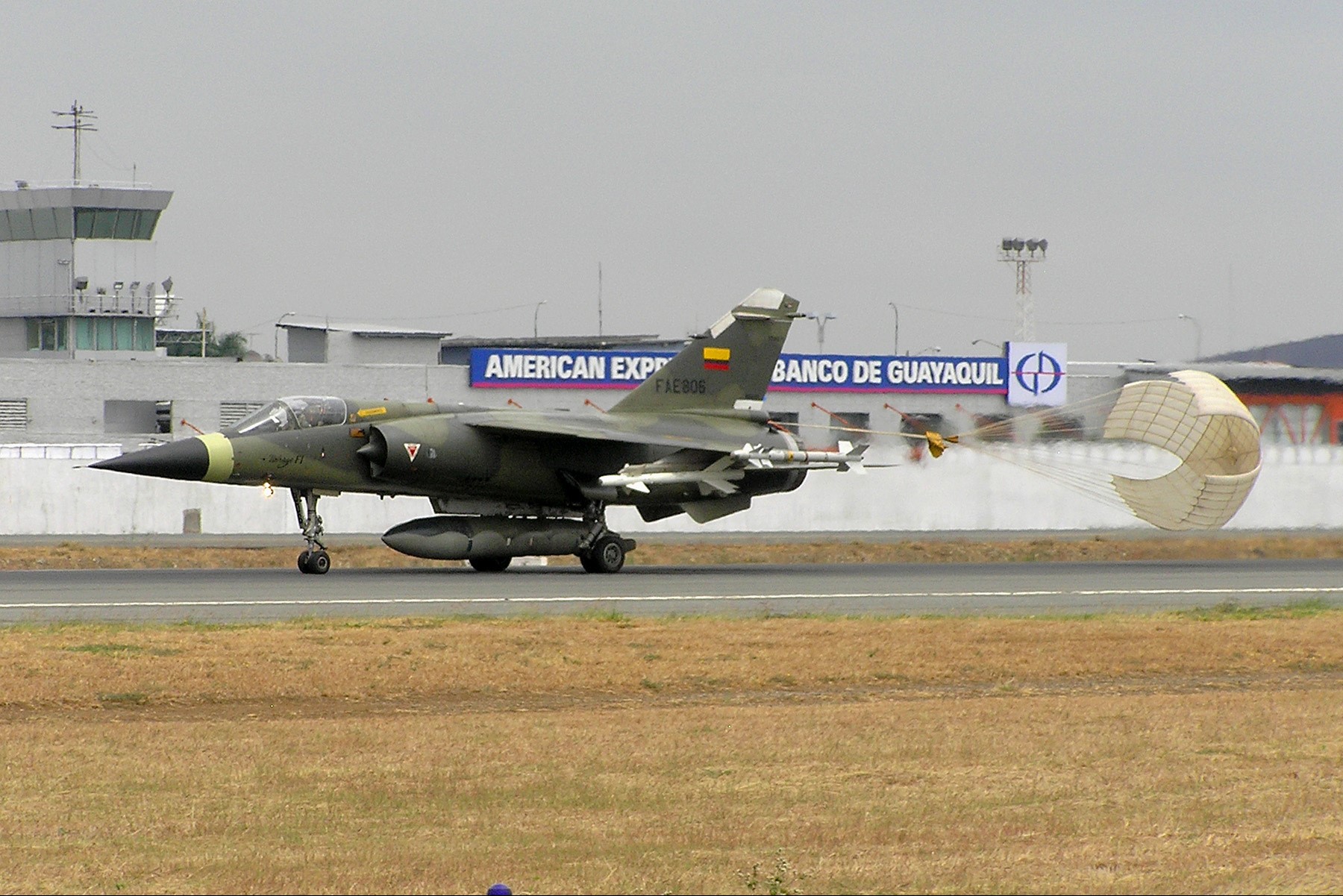
The Israeli Elisra SPS-45(V) electronic warfare system was integrated into them. This equipment added receiving antennas to the airframe to alert the pilot if an enemy radar was detecting or locking onto the aircraft, or if a radar-guided missile had been fired at it. This new radar warning system was a very significant modification for the Ecuadorian Mirage F1-JA fleet.
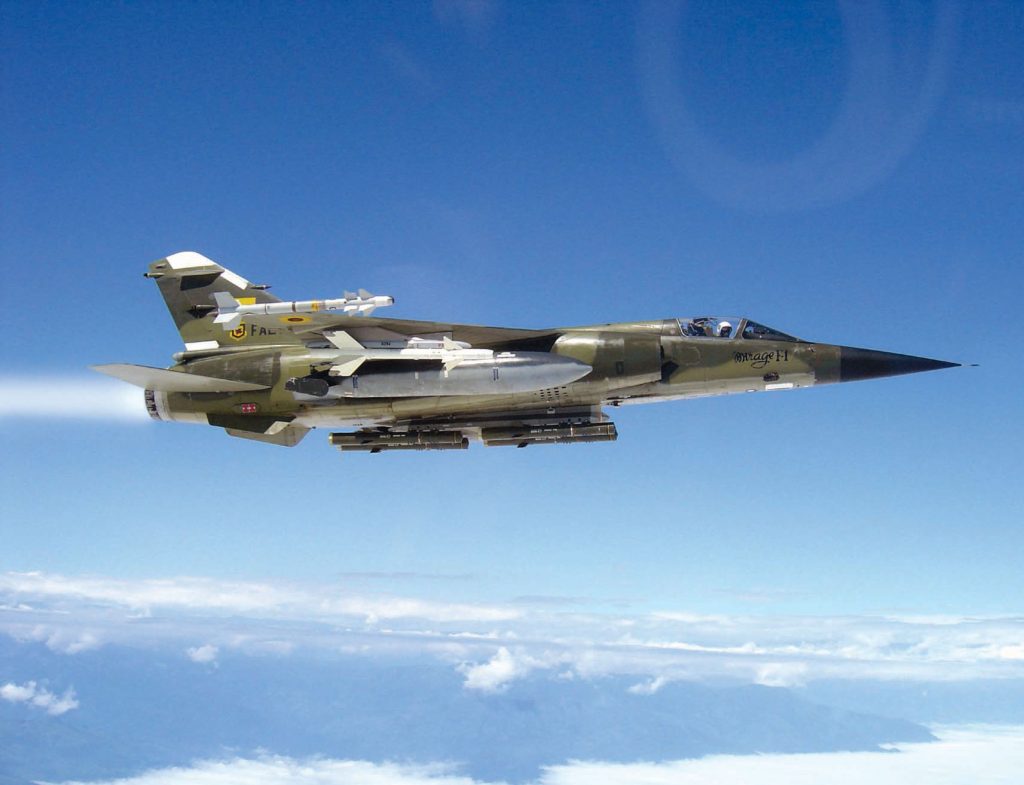
Ecuadorian Mirage F1 in a full offensive configuration:
An Ecuadorian Dassault Mirage F1 featuring a payload geared toward offensive counter-air operations, combining air-to-air missiles with Durandal bombs for runway attacks.
This configuration enables the aircraft to secure airspace while simultaneously denying the use of enemy airfields—a tactical combination that is rare yet highly effective. Although it did not involve internal structural modifications, the use of French Matra Durandal fragmentation bombs was validated and integrated. These specialized parachute-retarded, rocket-boosted bombs were designed to penetrate and destroy enemy runways, turning the Mirage F1 into a tactical nightmare for regional airbases.

Fun fact:
The final flight of the Ecuadorian Mirage F1 took place on July 22, 2010, marking the end of the Mirage fleet in Ecuador and a transitional period between 2009 and 2010.

They marked 30 years of service in 2009, but were permanently retired in 2010, leading into a transitional period for the Atlas Cheetah C/D in 2011.
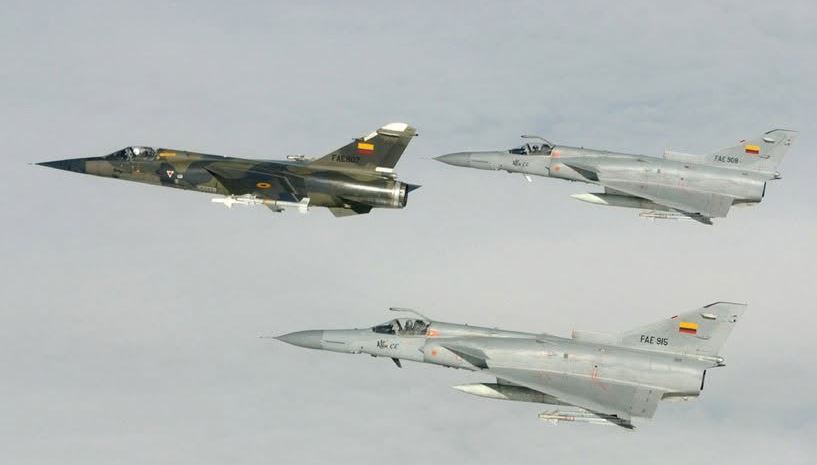
The Kfir C2s underwent extensive upgrades to the CE standard—featuring digital avionics—through a modernization program with IAI that ran from 1999 until their operational retirement in 2012.
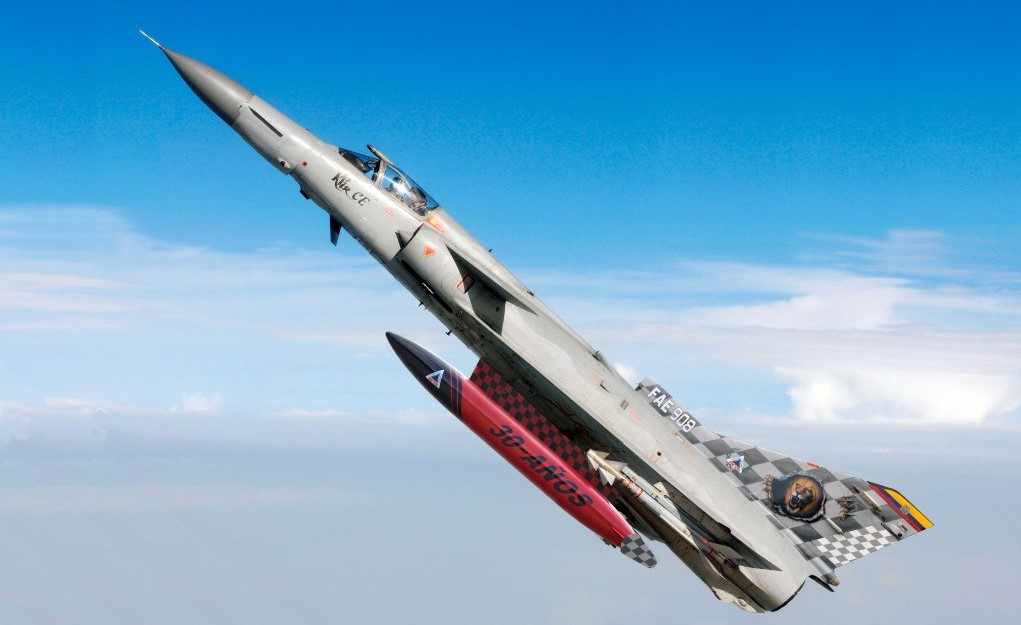

After 1995, Ecuador’s Kfir aircraft underwent extensive structural and software upgrades—including the installation of the EL/M-2032 (an advanced pulse-Doppler multifunction fire-control radar) and the capability to fire missiles such as the Python-4—bringing the fleet to the CE standard by 1999. These aircraft also flew alongside the Mirage F1-JA even prior to their modernization.
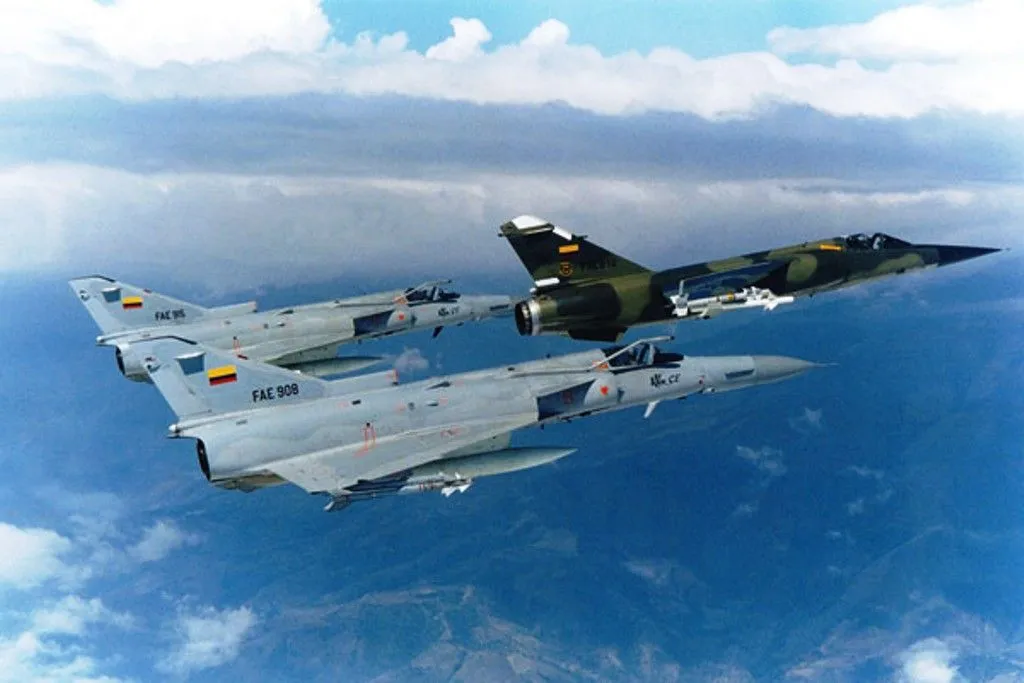
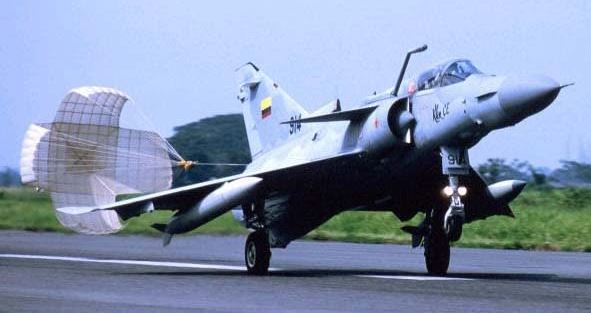
Following the signing of a post-Cenepa modernization contract, the FAE received the final two aircraft of the fleet (FAE-914 and FAE-915). Unlike the rest of the fleet—which consisted of older C.2 fighters undergoing local upgrades—these two aditional units arrived already modernized to the Kfir CE standard, directly from IAI’s facilities. Although plans were made in 2008 to upgrade them to an even higher level (the Kfir C-10, capable of carrying long-range missiles), a lack of budget and the purchase of South African Atlas Cheetah C/D fighters hastened their retirement in 2012.
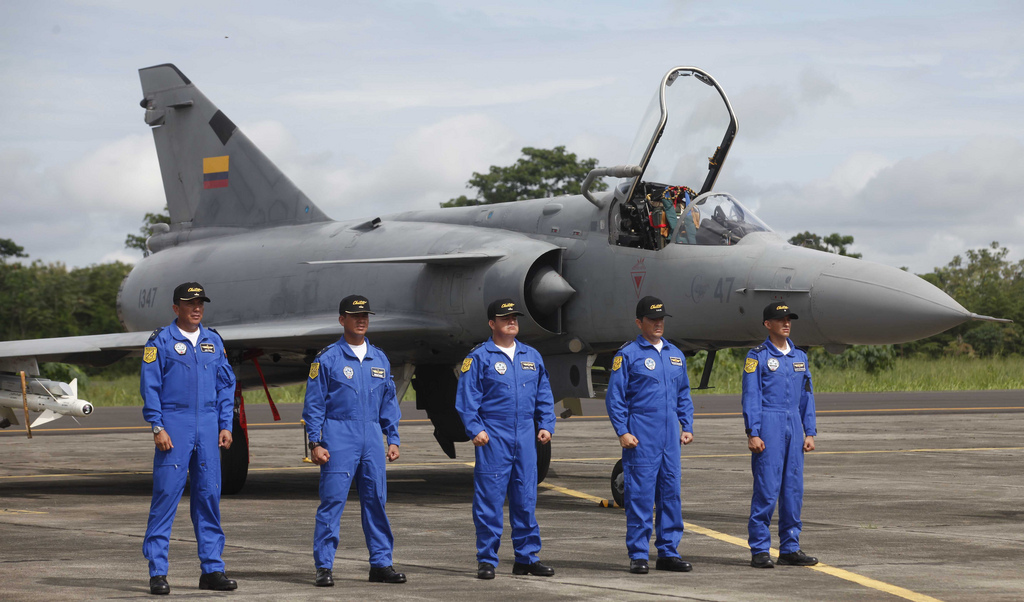
In 2011, Ecuadorian Armed Forces evaluated the Atlas Cheetah C/D as the successor to its aging Mirage F1 and Kfir CE fighter jets, which were suffering from structural fatigue after years of service. Ecuador acquired these aircraft from Denel Aviation, obtaining a fleet that was technologically modernized and had a significant remaining service life. Before delivery, the South African state-owned company Denel Aviation completely disassembled the aircraft, inspected the airframes to rule out metal fatigue, and replaced all worn internal components. The aircraft featured a different powerplant than the Kfir CE, which used the General Electric J79; the Atlas Cheetah utilized the French Snecma ATAR 9K50 engine. This was the exact same engine used by the Mirage F1s that Ecuador had just retired. Consequently, the FAE did not have to spend millions on new workshop tooling or on training mechanics from scratch, as the personnel at Taura Air Base were already fully proficient in maintaining those engines. The contract included a very robust package covering full maintenance by South African technicians for five years, as well as spare engines (ATAR 9K50) and specialized tools.
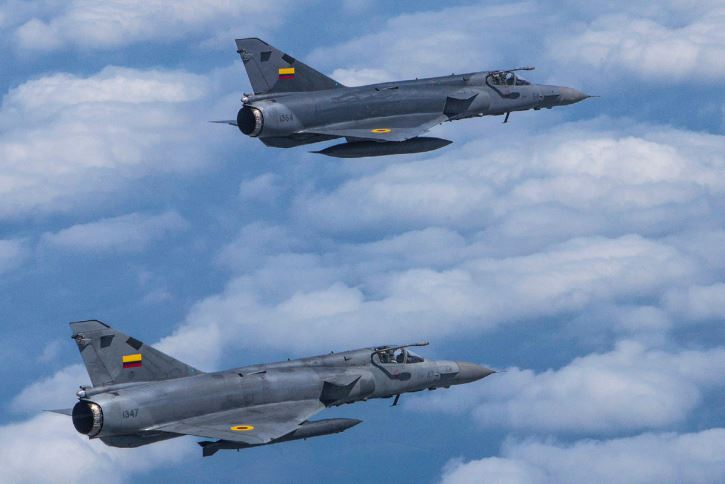
The Atlas Cheetah C was equipped with the same radar used by the Kfir CE—which allowed Ecuador to retain its EL/M-2032 radars—and also inherited the Kfir CE’s weaponry and missiles, such as the Python-3 and Python-4, which were reprogrammed for integration into these combat platforms.
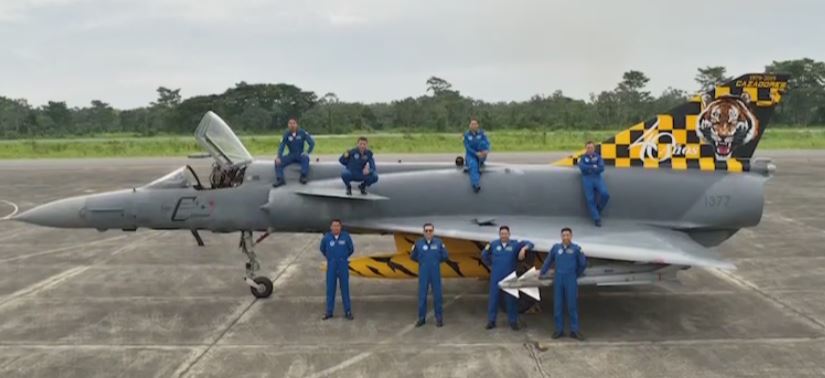
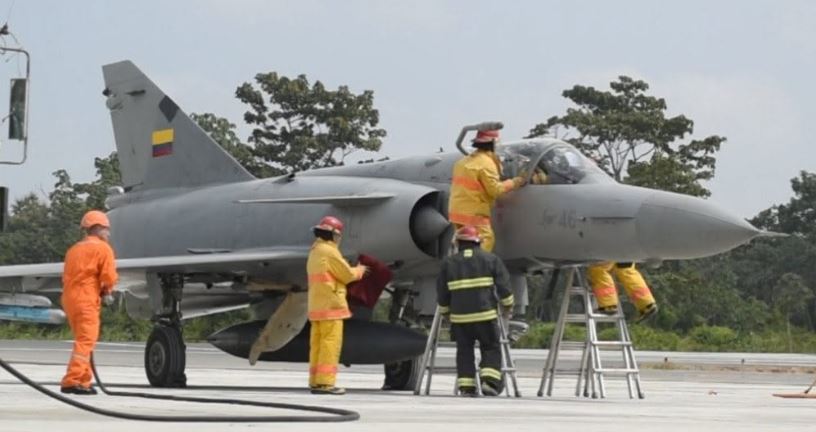
The FAE acquired “Lizard”-type smart laser-guidance kits for installation on its Mk 82 bombs. This transformed the unguided bombs into high-precision weapons guided by coordinates or laser designation. Rocket pods (68 mm or 70 mm) were also acquired for close air support missions against armored vehicles or infantry. The aircraft boasted a highly advanced, versatile weapons suite, thanks to inherited compatibility with the armament used by the FAE’s existing Kfir CE fleet and the integration of the Elta EL/M-2032 multimode radar.
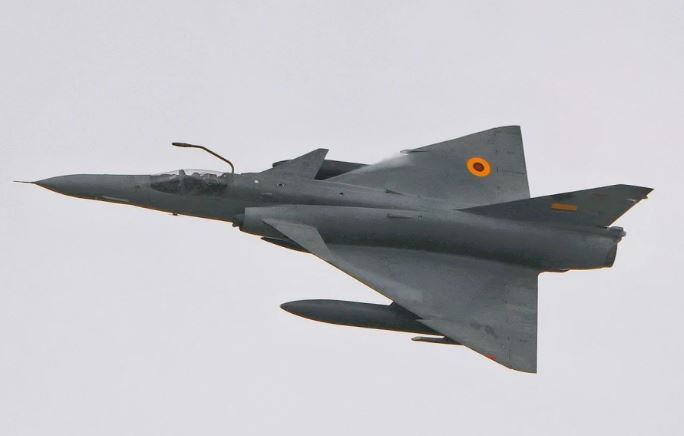
The Atlas Cheetah fleet in Ecuador was retired and its weapons systems deactivated in 2024, with the final flights and operations recorded in late 2021. The aircraft had reached the end of their established service life and flight-hour limits. They left a legacy at Taura Air Base and in the history of the country’s combat aviation, standing as the last supersonic fighter model operated by the Ecuadorian Air Force.
Image source links:
https://www.airhistory.net/photo/377439/FAE-806
https://www.airhistory.net/photo/748990/FAE-805
https://foros.zona-militar.com/threads/monografico-cheetah.32405/page-25
4 Likes
Current state of Pulqui II model made by NovA29 (maker of Fw-189C, MB.326, hf-24 and many more)
- Pulqui II
1 Like
Added an extra “I” by mistake
1 Like
Didn’t see this mentioned here but Mexico and South Korea have been advancing a lot in aerospace engineering cooperation between the two countries, pictures were released on social media where personal of the FAM is seen contemplating the model of the KF-21 but this picture stood up to me:
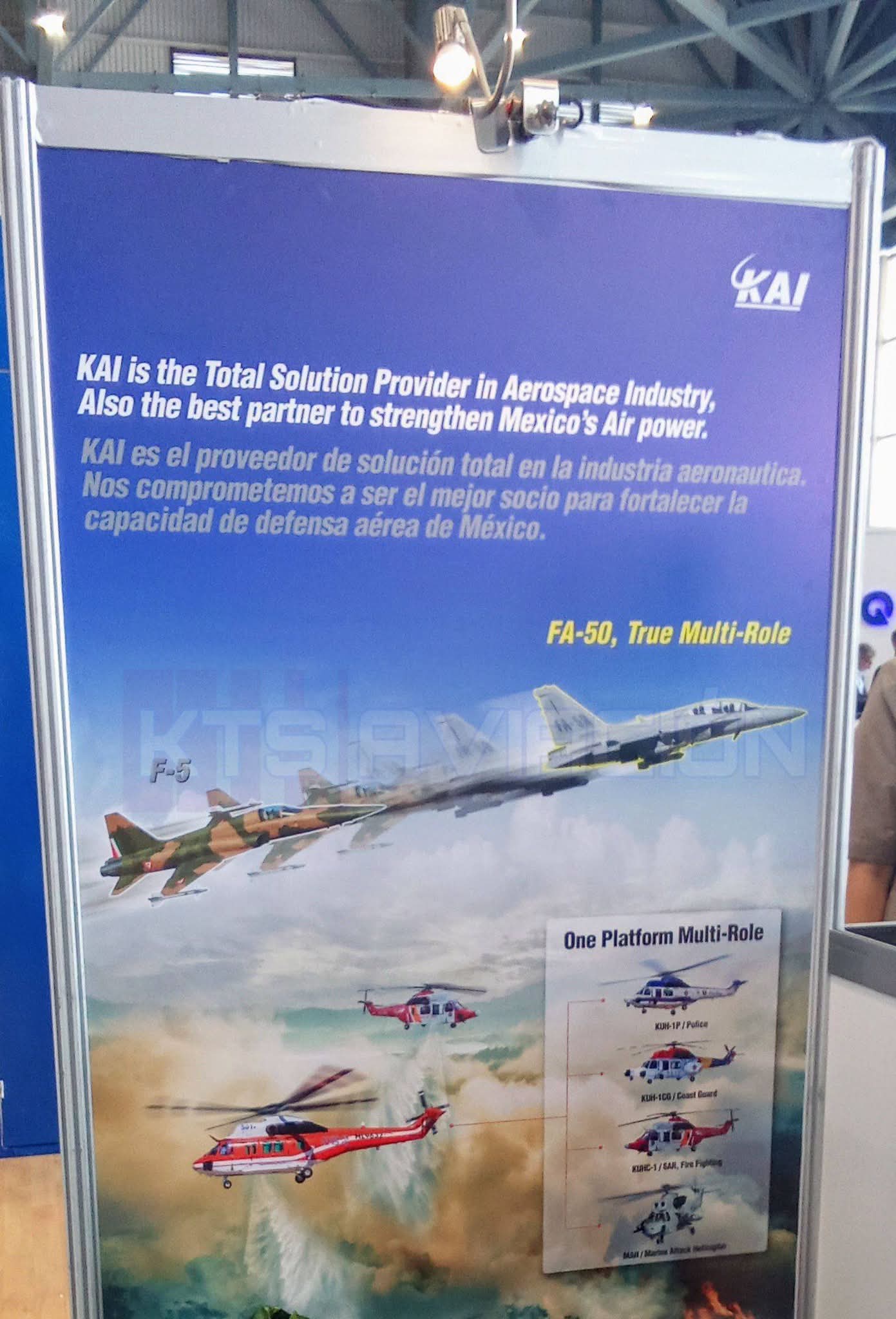
Nothing has been confirmed but perhaps maybe mexico is considering going for the South Korean FA-50 instead of the Gripen/F-16 that has been mentioned around, it also makes more sense cost wise but it’s all theories
2 Likes
Same level of speculation as the one guy that got into a kf-21 meaning that country would buy it…
Anyway, mexico is looking for a light trainer, for now we are far from reaching conclusion about who the winner will be since it just/did not started.
2 Likes