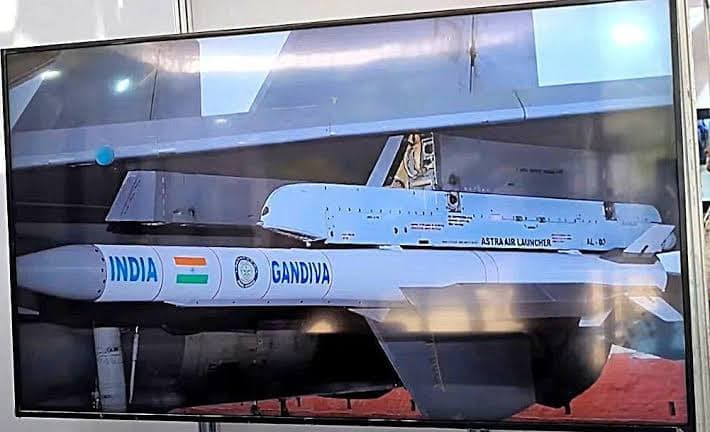
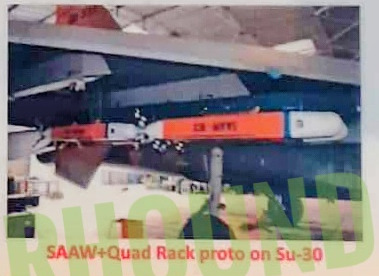
- Yes
- No
 Su-30MKI - Russia’s Export Superstar to India
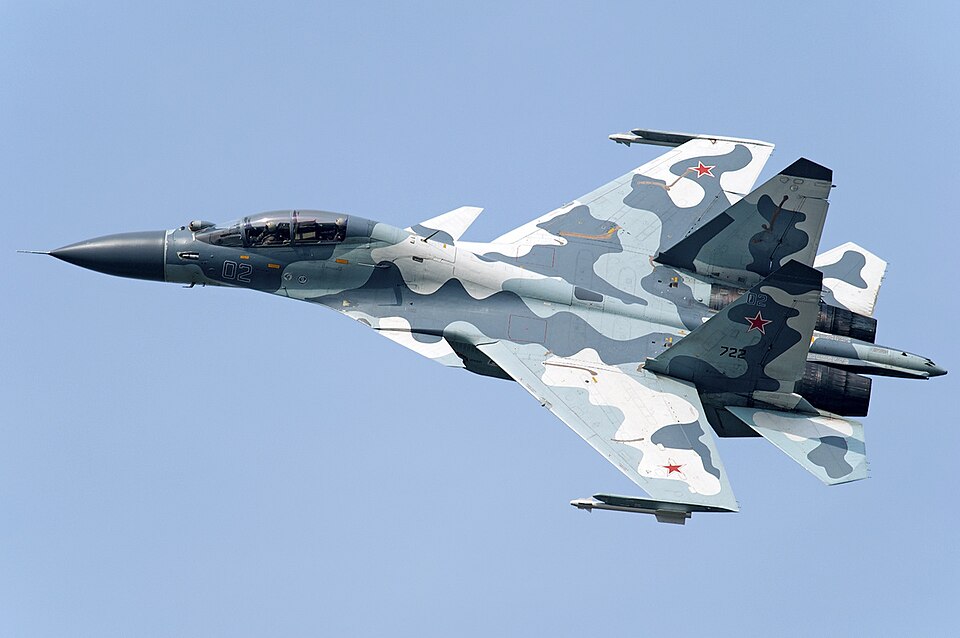
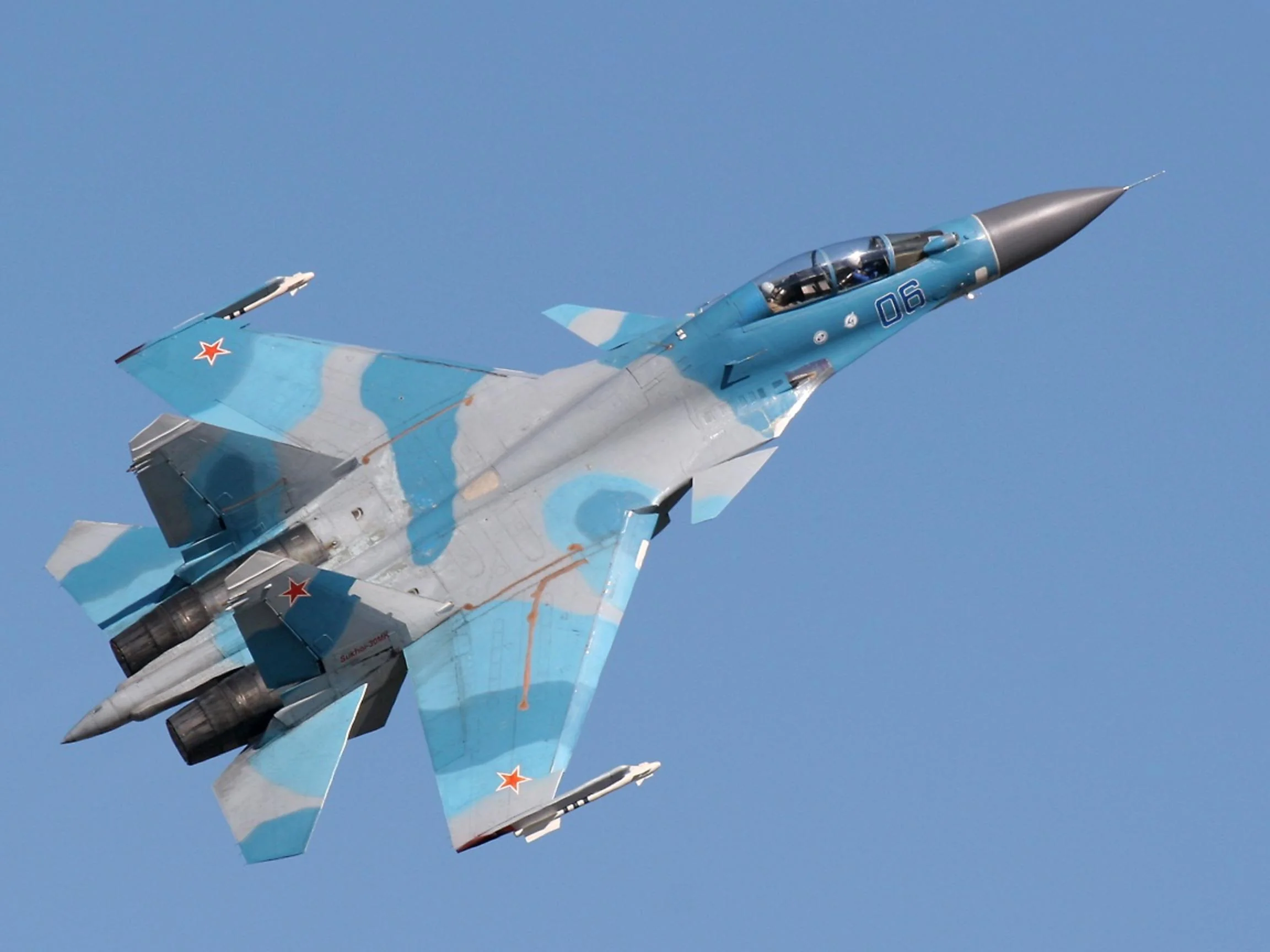
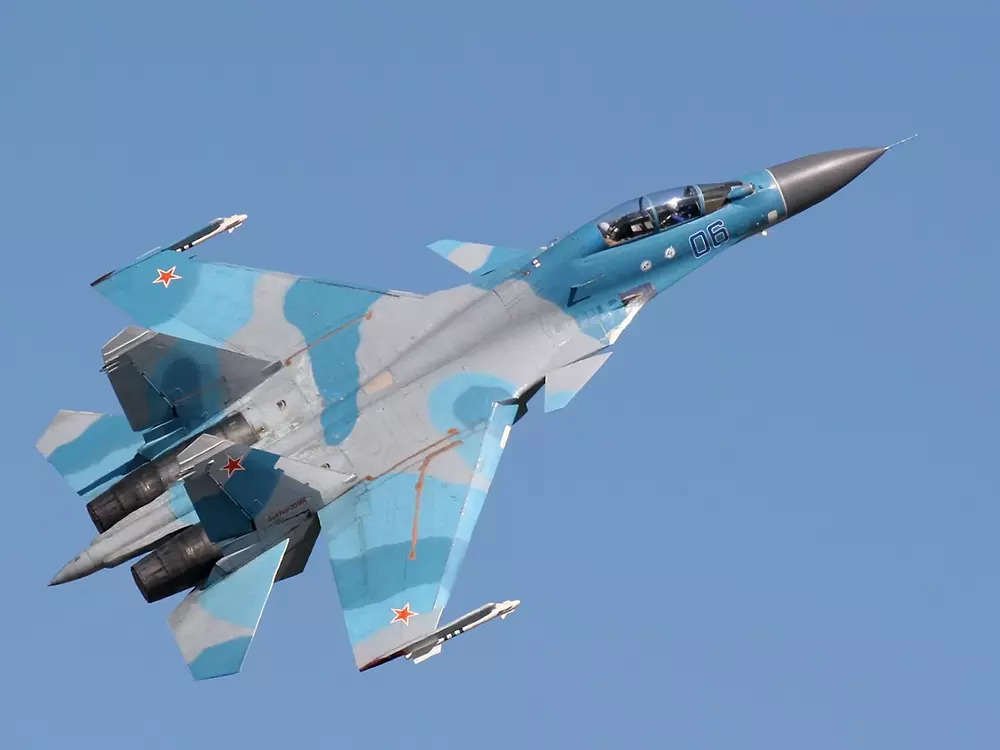
02 Blue Su-30MKI at Moscow, Zhukovsky 2009 present with French and Israeli tech. The aircraft was there for marketing, one of which was the BrahMos, its sister 05 blue was also present.
Introduction
This suggestion is for the 2009 MAKS Su-30MKI Russia used to market new upgrades and weapons and particularly the BrahMos. Let’s get started, developed primarily for India, the aircraft grew from the Su-30 family but quickly became its own machine. It kept the rugged airframe and long range endurance of earlier Sukhoi fighters, yet added a new level of agility thanks to thrust vectoring and redesigned flight controls. One of its most important features is its open architecture system. This flexible design let engineers mix Russian sensors and weapons with foreign avionics and subsystems, giving India freedom to upgrade the jet as technology evolved. It also turned the Su-30MKI into one of the most adaptable fighters in service, capable of carrying a wide range of equipment depending on mission needs.
Russia itself operated a small number of full-spec Su-30MKI aircraft during testing in 2004-2009, using them to evaluate new engines, radar concepts, and weapons layouts. The result is a fighter known for power, versatility, and constant evolution, making it a standout in modern aviation.
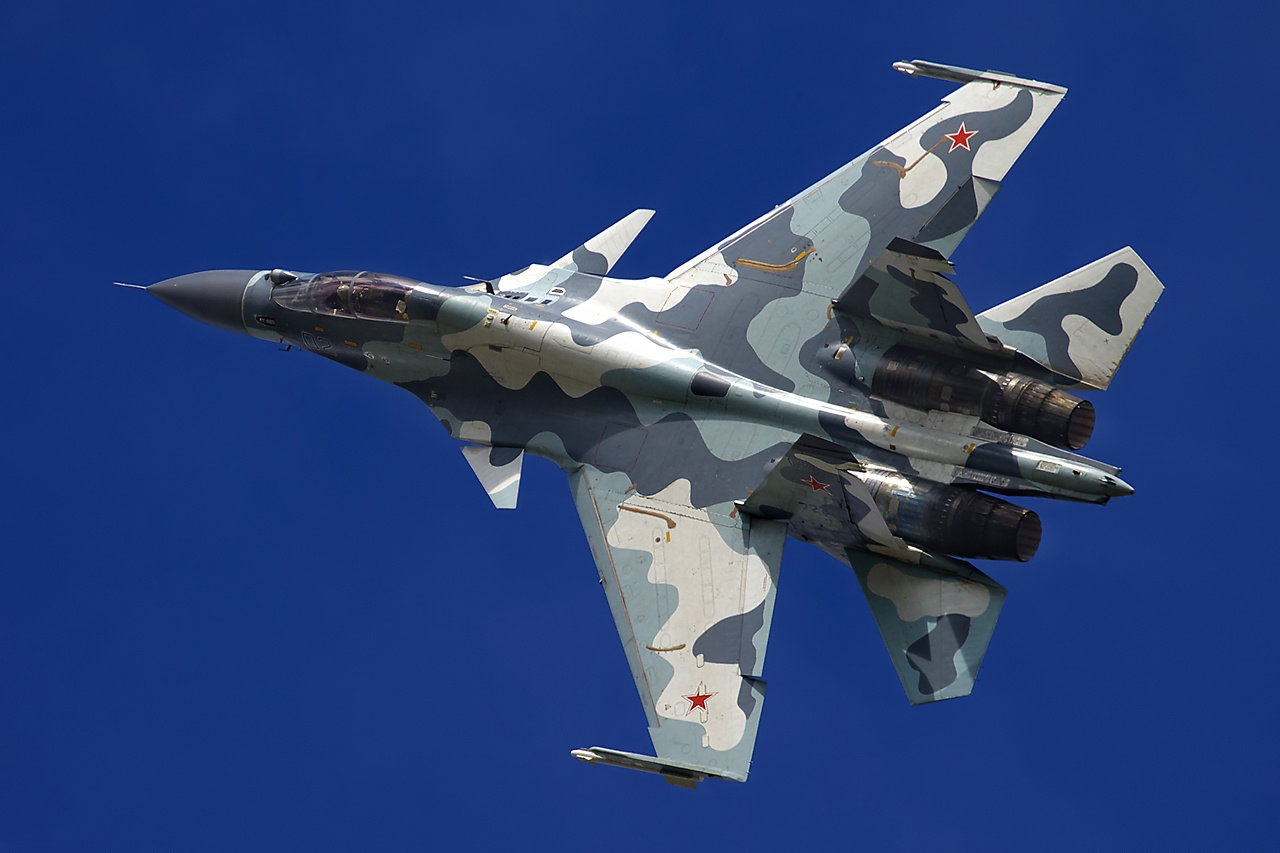
History
The story of the Su-30MKI begins in the early 1990s, when Russia was trying to stabilize its aerospace industry after the collapse of the Soviet Union. Sukhoi had been working on the Su-27 family for years, and one of its newer variants was the Su-30, originally designed as a long range interceptor for the Russian Air Force. At the same time, India was looking for a modern fighter that could replace aging aircraft and expand its air superiority and strike capabilities. This created a perfect opportunity for cooperation.
Early talks between Russia and India started in the mid 1990s. India was not interested in simply buying an off the shelf aircraft. Instead, it wanted a fighter that could grow with its needs, integrate technology from multiple countries, and allow domestic industry to play a long term role. Sukhoi proposed a heavily modified version of the Su-30, one that would combine the strength of the original design with a new open architecture system. This meant the jet could accept avionics, sensors, and weapons from Russia, India, France, and later Israel, giving India freedom to shape the aircrafts future upgrades.
Development began in 1996 with the first prototypes built in Russia (Su-30K and Su-30MK spec). These early aircraft were used to test new flight control systems, thrust vectoring engines, and new cockpit layouts. India worked closely with Sukhoi engineers, sending specialists to participate in testing and planning. The Russians also evaluated the prototypes themselves.
By 2002, the Su-30MKI entered service with the Indian Air Force. It quickly became the backbone of Indias front line aviation thanks to its long range, heavy payload, and unmatched maneuverability. Over time, India began assembling the jets domestically through Hindustan Aeronautics Limited, turning the aircraft into a true collaborative project.
(1997)
The initial batch consisted of eight aircraft delivered by 1997. These were essentially standard Su-30K models, relying almost exclusively on Russian components. They served as the entry point for the Indian Air Force (IAF), with the No. 24 Squadron (“The Hawks”) at Lohegaon Air Force Station in Pune becoming the first to operate them.
(1998)
The second batch of eight aircraft arrived in 1998, marking the first major infusion of Western technology. This “hybrid” upgrade included:
- French Avionics: Integration of Sextant Avionique (now Thales) systems, featuring color liquid crystal Multi-Function Displays (MFDs).
- Precision Navigation: A new flight data recorder and a dual ring laser gyro INS with embedded GPS.
- Israeli Electronic Warfare: Advanced EW suites and self-protection equipment from IAI (Israel Aerospace Industries)
- Enhanced Sensors: A new electro-optical targeting system and an upgraded Radar Warning Receiver.
(1999)
The third batch of 12 aircraft arrived in 1999. The most striking change in this phase was the addition of canards small forewings near the cockpit which significantly increased the aircraft’s lift and maneuverability, laying the groundwork for its legendary “super-maneuverability.”
(2000)
The final delivery phase of the initial contract added another 12 aircraft in 2000. These units were equipped with the AL-31FP engines, featuring thrust-vectoring nozzles. This allowed the pilot to tilt the engine exhaust, enabling the jet to perform tight turns and post-stall maneuvers that are impossible for conventional fighters.
To put it simply
| Year | Batch Size | Key Feature / Upgrade |
|---|---|---|
| 1997 | 8 | Baseline Su-30K (Russian standard) |
| 1998 | 8 | French MFDs/INS & Israeli EW systems |
| 1999 | 12 | Addition of Canards for lift |
| 2000 | 12 | AL-31FP Thrust-vectoring engines |
Specifications
General
- Origin: Russian Federation
- Crew: 2
- Length: 21.9 m (71 ft 10 in)
- Wingspan: 14.7 m (48 ft 3 in)
- Height: 6.4 m (21 ft)
- Wing area: 62 m² (667 ft²)
- Empty weight: 17,300 kg (38,140 lb)
- Maximum takeoff weight: 38,800 kg (85,600 lb)
- Built: 40
Flight and Engine Specifications
- Engines: 2 × AL-31FP afterburning turbofans with thrust vectoring
- Thrust: 27,500 lb (122 kN) each dry, 31,900 lb (142 kN) with afterburner
- Maximum speed: Mach 2.0 (2,120 km/h, 1,320 mph) at altitude
- Combat radius: 1,500 km (930 mi)
- Ferry range: 3,000 km (1,864 mi)
- Service ceiling: 17,300 m (56,800 ft)
- Rate of climb: 230 m/s (45,300 ft/min)
Guns
- Gryazev-Shipunov GSh-30-1 (150 rounds)
Hardpoints:
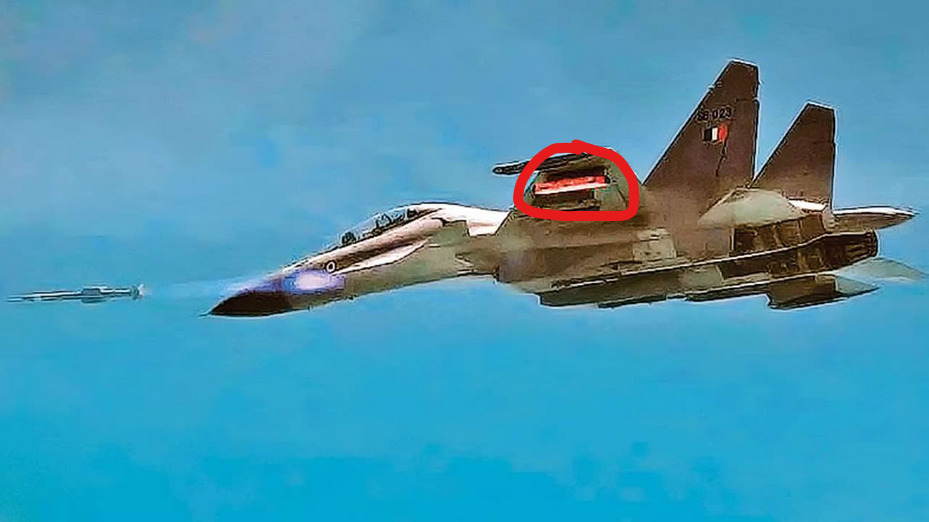
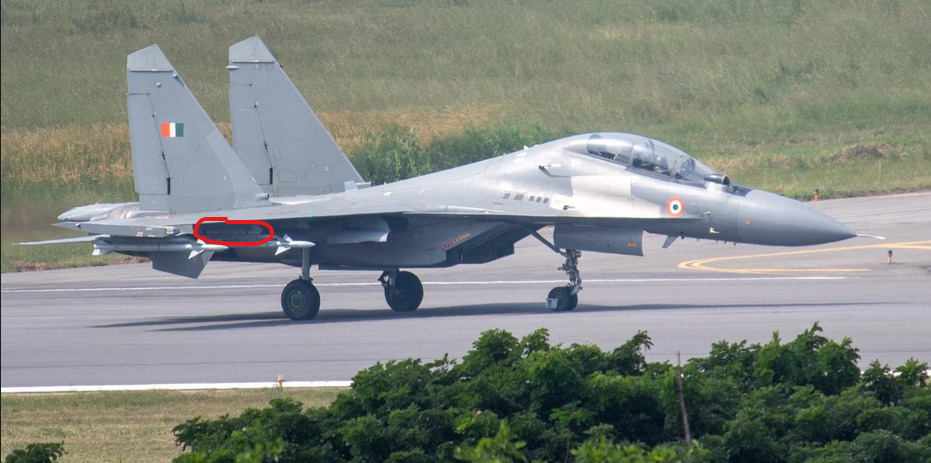
- x12 hardpoints including 2 wingtip rails for air-to-air missiles, 6 under-wing pylons, 2 pylons under the engine nacelles, and 2 pylons mounted in tandem between the engines. This can be expanded to x14 hardpoints using multiple ejector racks. The aircraft can carry up to 8,130 kg (17,920 lb) of ordnance, with provisions for a wide variety of weapons and payload combinations.
Air to Air Missiles
- RVV-AE
- R-73
- R-27ET/R-27ER
Air to Ground Missiles and Guided Weapons
- Kh-29L/Kh-29T
- Kh-59ME/Kh-59MK
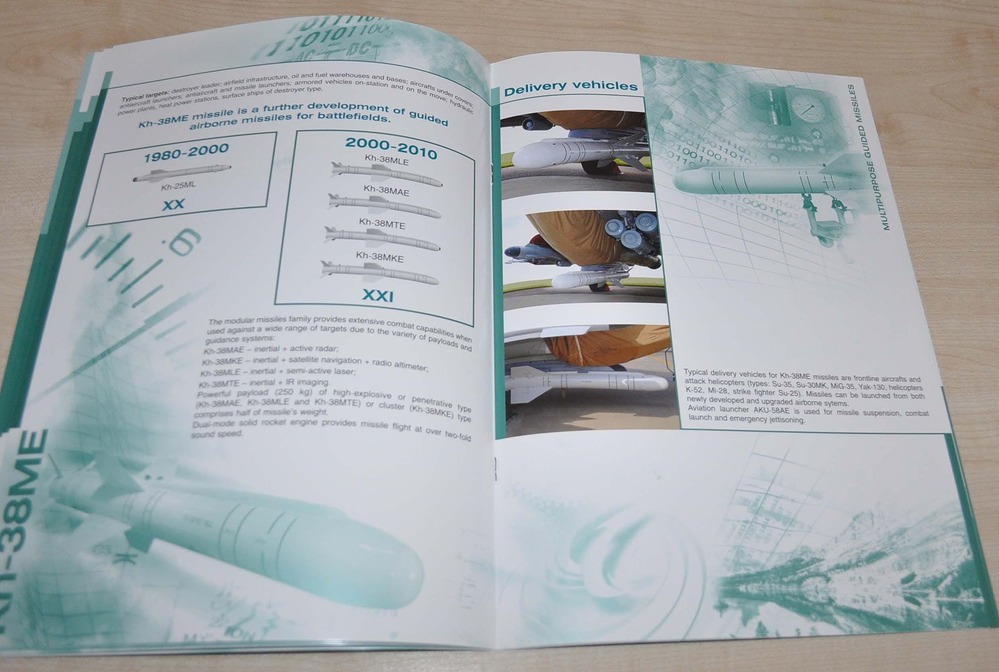
- Kh-38MT/ML (intended but unknown if ever integrated)
Anti Ship Missiles
- Kh-35
- Kh-31A
- BrahMos
Anti Radiation Missiles
- Kh-31P
Unguided Bombs
- OFAB-250 to 270
- OFAB-100 to 120
Rockets
- S-8
- S-13
Pods and External Systems
- OLS-30 IRST
Avionics and Sensors
- N011M Bars PESA radar
- Litening III targeting pod
- EL M 8222 jamming pod
- KNIRTI SAP-518 electronic warfare pod
Theoretical Armaments
Air to Air Missiles
- K-100 (canceled)
- I-Derby ER
- Astra Mk1
- ASRAAM NGCCM
- MICA-IR/MICA-EM
Air to Ground Missiles and Guided Weapons
- RAMPAGE
- Rudram 1 anti radiation
- DRDO SAAW similar to SPICE 250
- SPICE 2000 kit
- Crystal Maze II
- DRDO gliding bombs
Anti Radiation Missiles
- Rudram 1
Pods and External Systems
- Litening IV targeting pod
images
Credits to @Surbaissemaxxing for the images below, also be sure to check out his post on the IAF Su-30MKI


Images
Second prototype of the Su-30MKI
Sources
https://www.defencexp.com/su30mki-the-backbone-of-the-indian-air-force/
https://www.airforce-technology.com/projects/su-30mki-multirole-fighter-aircraft-india
Sukhoi Su-30MKI - Wikipedia
Sukhoi Su-30 K/MK/MKI – Indian Air Force
IAF's Su-30MKI: Transforming into Missile Truck - Indian Defence Research Wing
Is IAF Equipping Jets With Israeli Rampage Missile For LAC? | Indian Defence News
They will be responsible for the front line of defense: India urgently purchased Russian RVV-SD missiles - ВПК.name
https://www.reddit.com/r/IndianDefense/comments/w3mved/indian_air_force_sukhoi_su30mki_with_derby_bvraam/
Su-30 Flanker-C – Russian 4 generation fighter jet [review]
India Resumes Russian Su-30MKI Production with 12-Unit Order and Proposal for 72 More Fighters
https://www.cavok.com.br/india-testa-missil-frances-mica-do-jato-su-30mki
Let's Delve Into The Details Of The Indian Made Su-30MKI NATO Code Name Flanker-H. It Is A Twinjet Multirole Air Superiority Fighter Developed By Sukhoi And Built Under License By India's Hindustan Aeronautics Limited. This Formidable Powerhouse Embodies Cutting-edge Technology And Exceptional Versatility, Empowering The Indian Air Force With Unparalleled Combat Prowess. With Its Sleek Design, State-of-the-art Avionics, And Formidable Arsenal, This Aircraft Stands As A Symbol Of India's Unwavering Commitment To National Defence. Enhancements And Indigenous Modifications Have Further Elevated Its Capabilities, Igniting A Surge Of Pride And Confidence Within The IAF. With Its Unrivalled Range, Blistering Speed, And Lethal Precision, The Su-30MKI Soars As A Beacon Of Strength, Safeguarding The Skies And Ensuring Resolute Defence.
Sukhoi Su-30 - Wikipedia