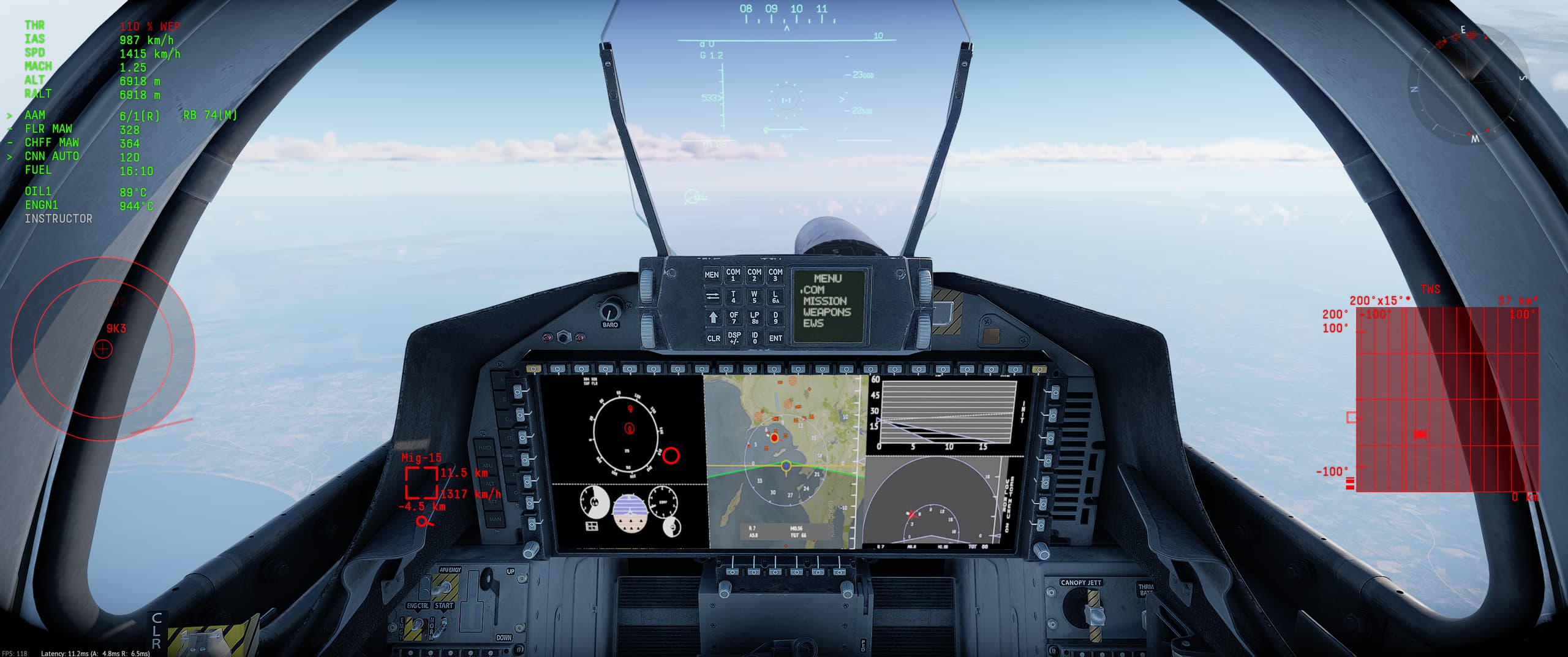
i did one for the helmet @Michael-IR if you wanna update the list
https://community.gaijin.net/issues/p/warthunder/i/IwIgjFBGAwhQ
i did one for the helmet @Michael-IR if you wanna update the list
https://community.gaijin.net/issues/p/warthunder/i/IwIgjFBGAwhQ
E: also radar overlayed on the map is now a thing
Both?
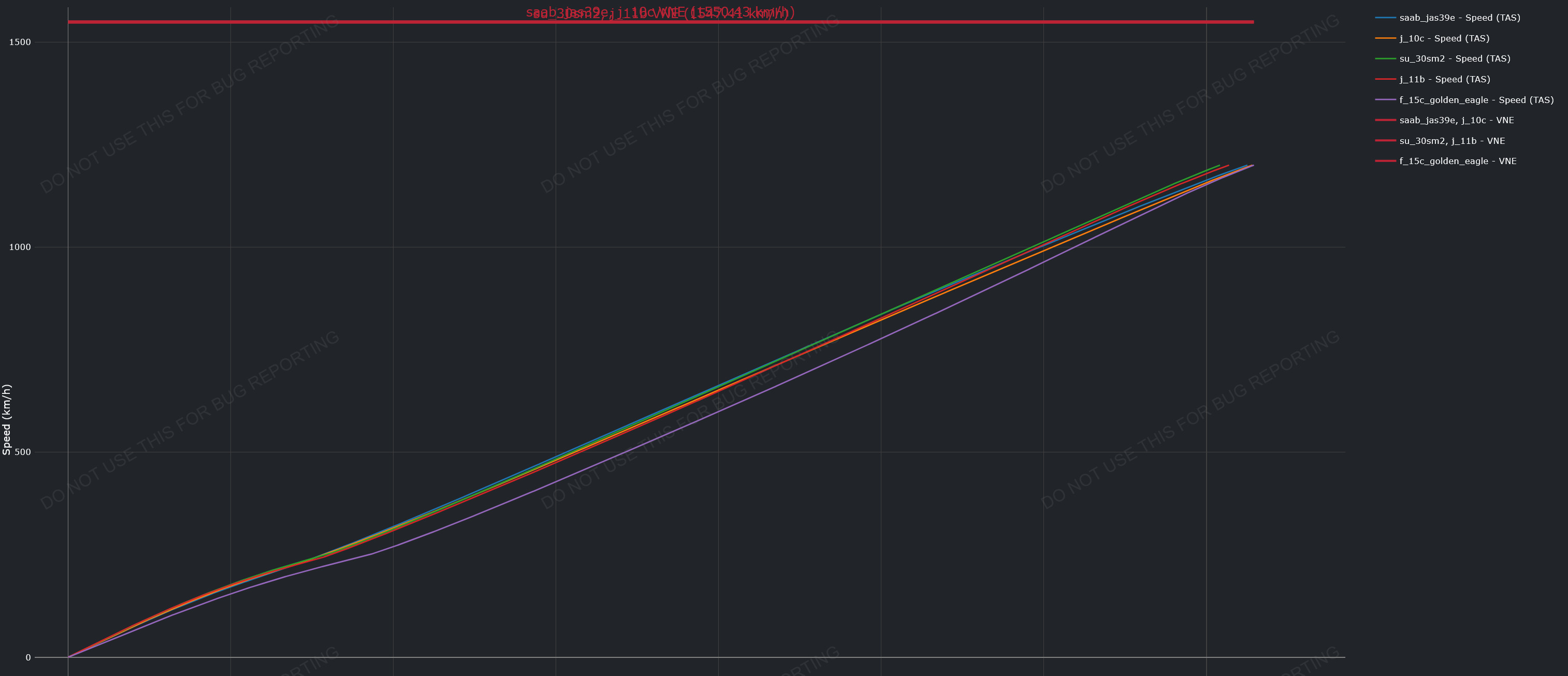
Cause TAS is going to be mach limited above 11,000 meters for many/most aircraft.
However, TAS is IAS limited below 11,000 for most aircraft.
Acceleration is the spreadsheet.
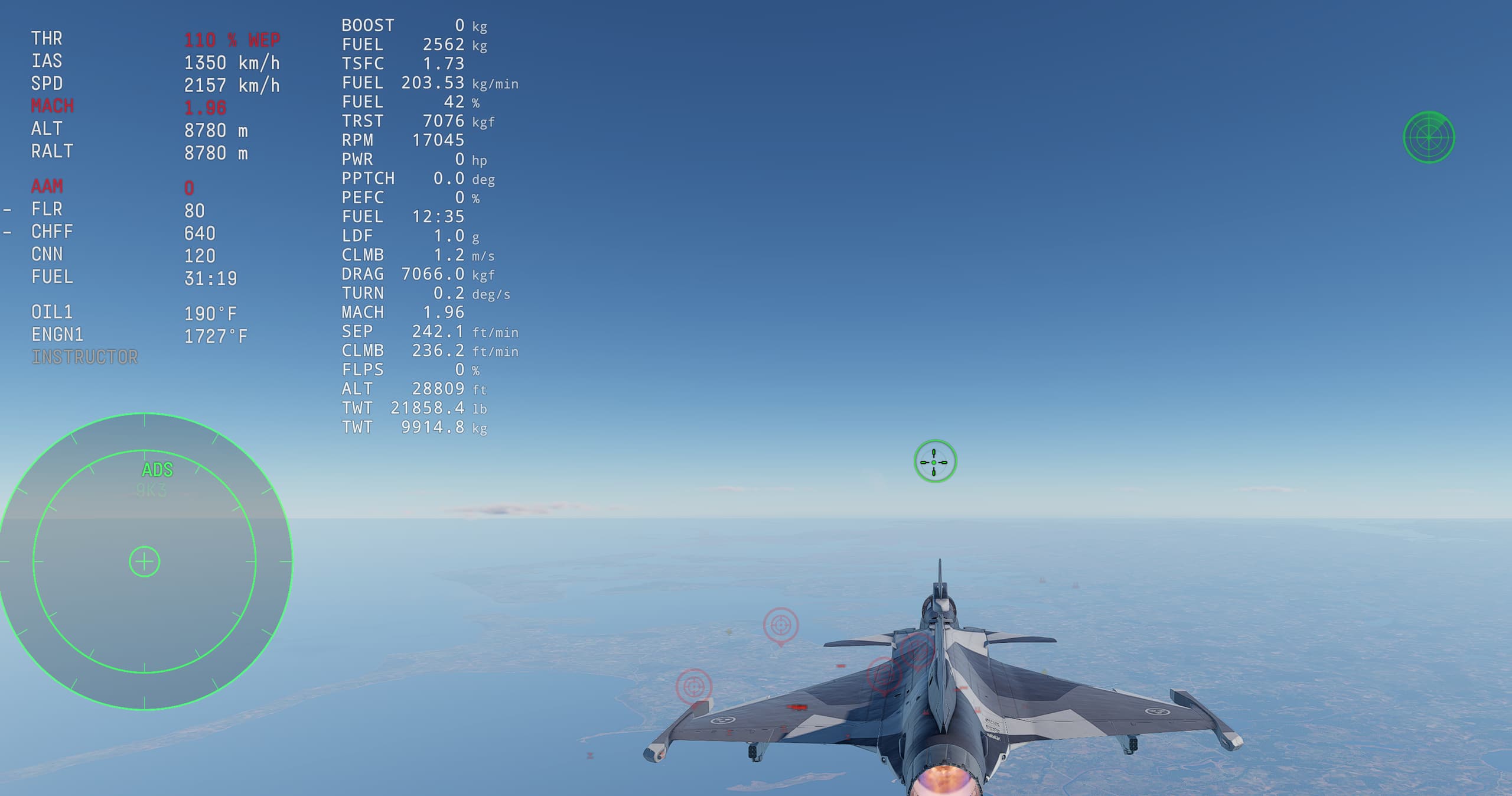
And for TAS… Gripen E is going to be IAS limited until ~9000 meters altitude: And that’s when clean.
After that it’ll become mach limited.
There’s far more nuance to top speeds than I can fit into a condensed post.
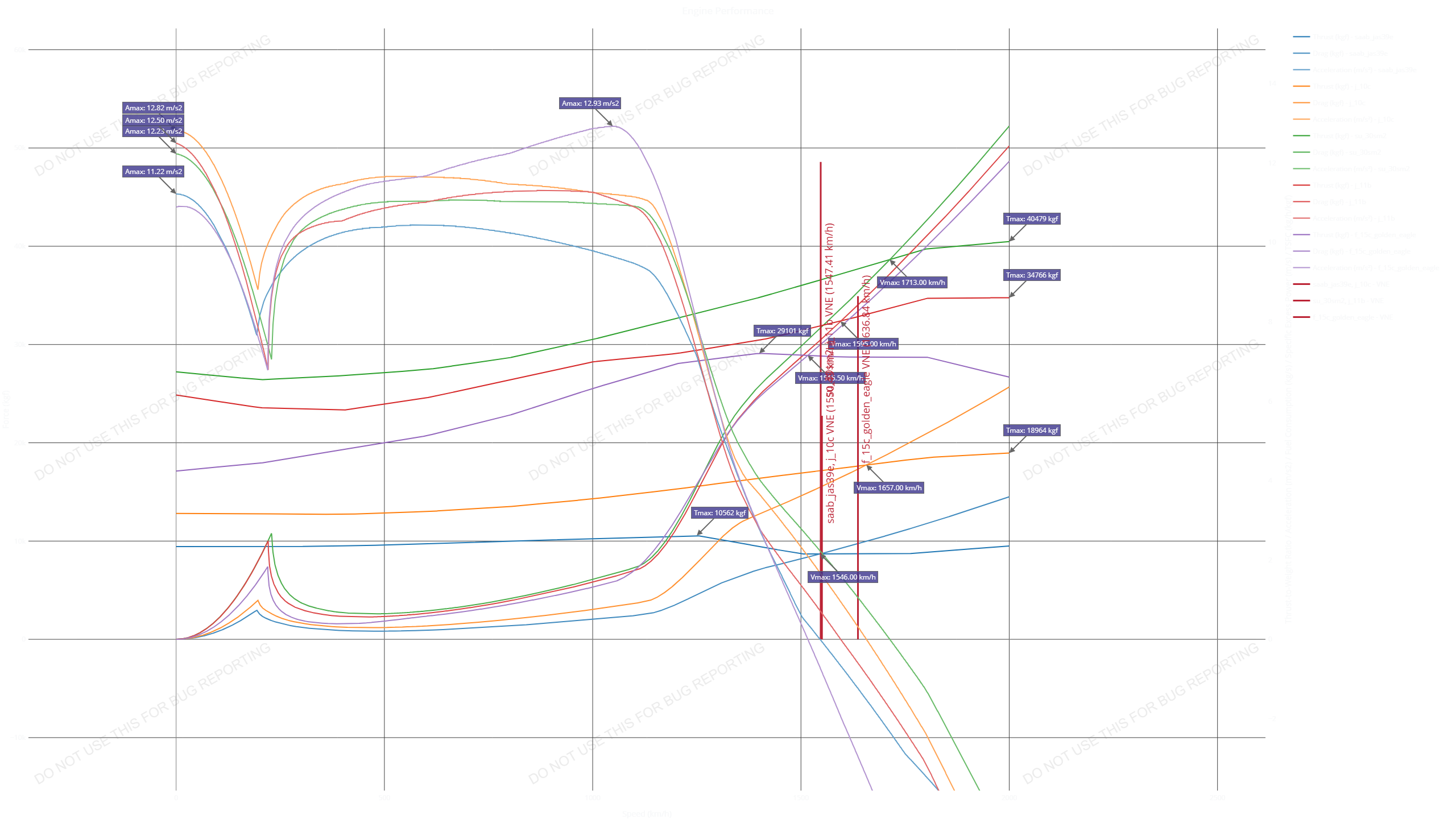
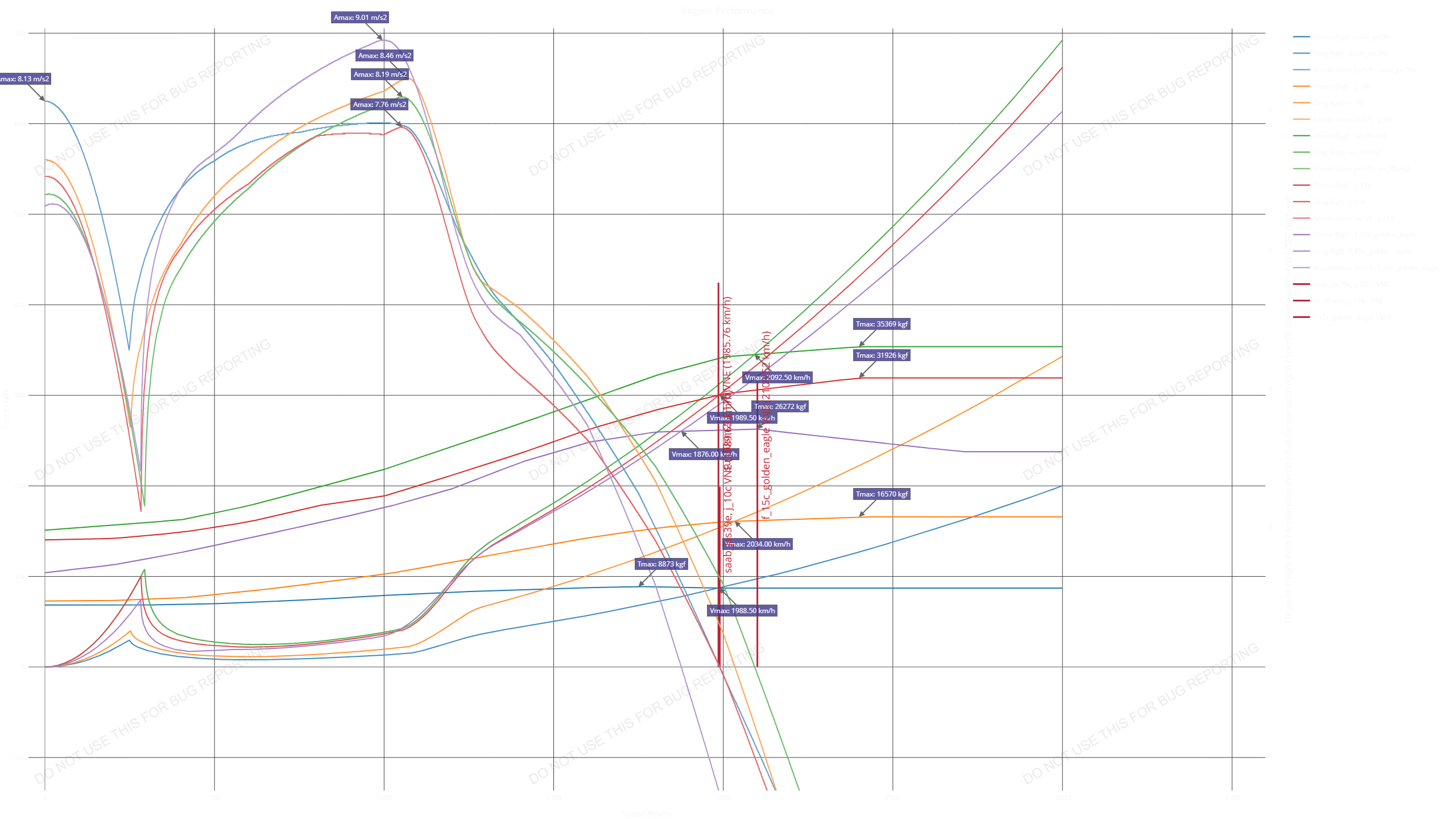
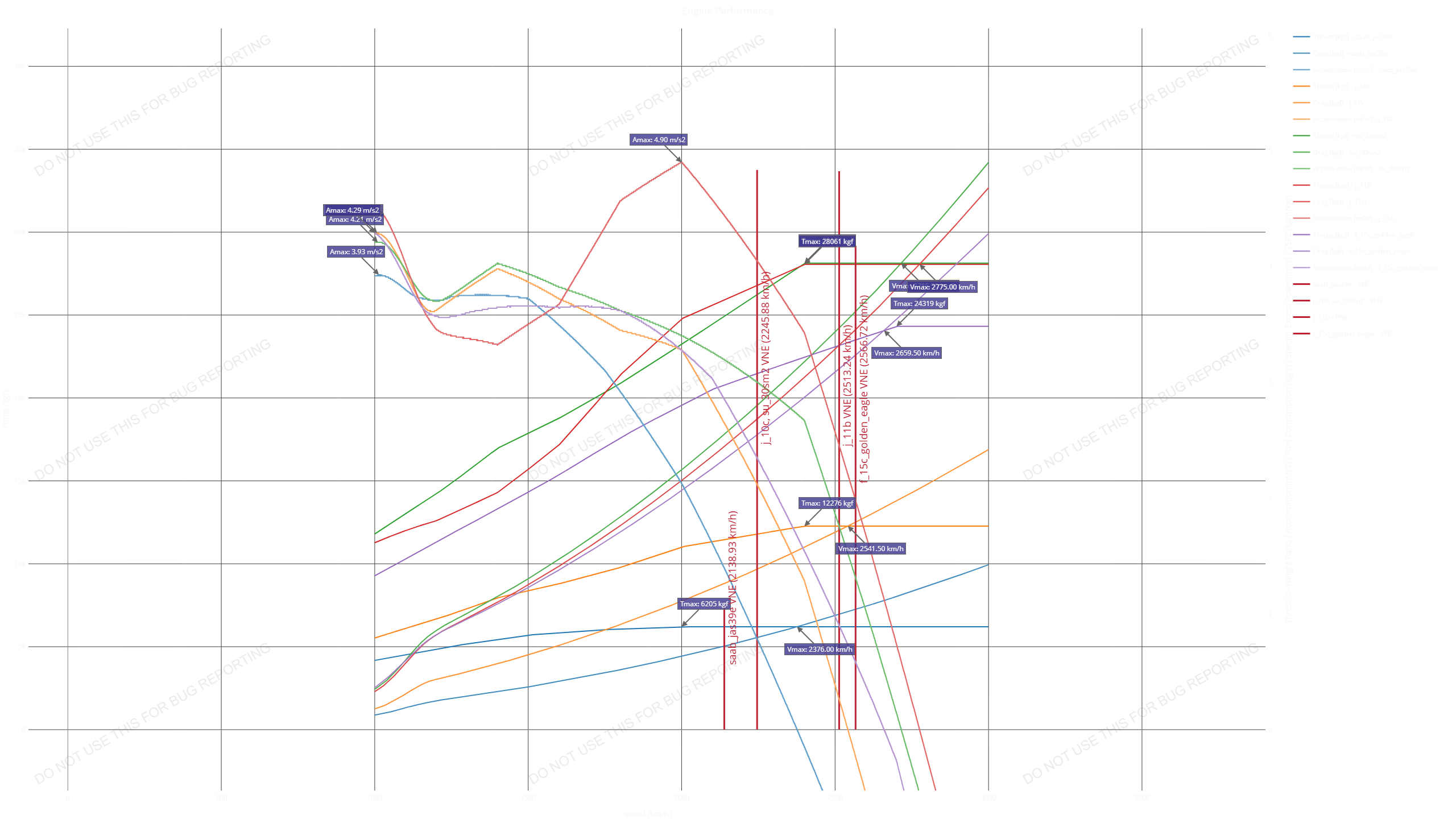
At 100m it’s slowest in acceleration and second slowest in top speed of the aircrafts you listed above.
At 5000m its the best in acceleration up intill around 700km/h where it goes middle of the pack and second slowest top speed. (Edit: corrected chart as i forgot to open up max speed limit)
At 11000m it starts in the middle for acceleration and then takes a nosedive to the slowest above 1500km/h and has the slowest top speed.
https://community.gaijin.net/issues/p/warthunder/i/jtV6I8SsGFQl
Though your report might show it better perhaps?
welp ig there is two now
No one’s bringing clean jets into matches.
And no one’s bringing FIF in all aircraft universally.
People are bringing the fuel they need to work with the match, which is different from aircraft to aircraft.
So using Statshark’s data for clean aircraft using high fuel loads for Gripen and less for others isn’t going to give accurate data for people.
Practical tests with full weapon loads, and adjusting the fuel to match what people might typically bring is the superior method of testing.
Since J-10 has the worst internal fuel capacity of 5 minutes of afterburning [1000kph sea level] with full fuel, that’ll be the limitation.
Even when clean, Gripen E is in the middle of the pack.
You start giving aircraft their weapons. Su-30SM2 is going to be impacted more than F-15C, and F-15C is going to be impacted more than Gripen E.
You increase the fuel, and the twin engine aircraft have to add more fuel than the single engine aircraft.
Gripen is at 47% fuel, F-15C is 81%, Su-30SM2 is 57%, J-11B is 56%. All to match the amount of time you have in the air +/- 20 seconds.
Using full fuel for everything is inherently unfair to the Gripen in this instance cause people are going to lower the fuel to their general preference.
True, but adding missiles is going to likely add the same amount of drag and extra weight, and since the JAS39E is smaller and has less thrust its going to effect it more relatively speaking.
That was 30% internal fuel.
Instinctually and going by gut i think it’s the opposite. Logically speaking adding the same extra weight and drag to something smaller and lighter is going to effect it’s acceleration and top speed more than adding that same weight and drag to something larger and heavier.
True.
Hence the 30% fuel i ran above. But you have a point of using minutes of fuel instead.
you do in weight
except you are increasing it in percentage of carried fuel which is incorrect
It depends on the target angle and other factors but it is possible to detect targets over 500km away.
Will try to find english version.
I posted it further up in here somewhere
The game uses percentages, so I post in percentages so people know “Oh, if I want to be in the air the same amount of time as y plane, I need to bring this percentage.”
Cause TSFC [thrust specific fuel consumption] varies from 0.6 - 1 on dry thrust, and 1.7 - 2.4 on wet.
And that variance makes it so it’s not universal.
However, most of the time F-404, F-414, M88, and Typhoon’s engines will be the same dry and wet thrust time as each other in-game, though there is still variance.
that is an entirely subjective measurement though so shouldnt be used for this
because it is highly dependent on altitude, airspeed and throttle use
@Alpharius11348
It’s an objective measurement
The total time is impacted by air density.
However, the variance is not too dissimilar.
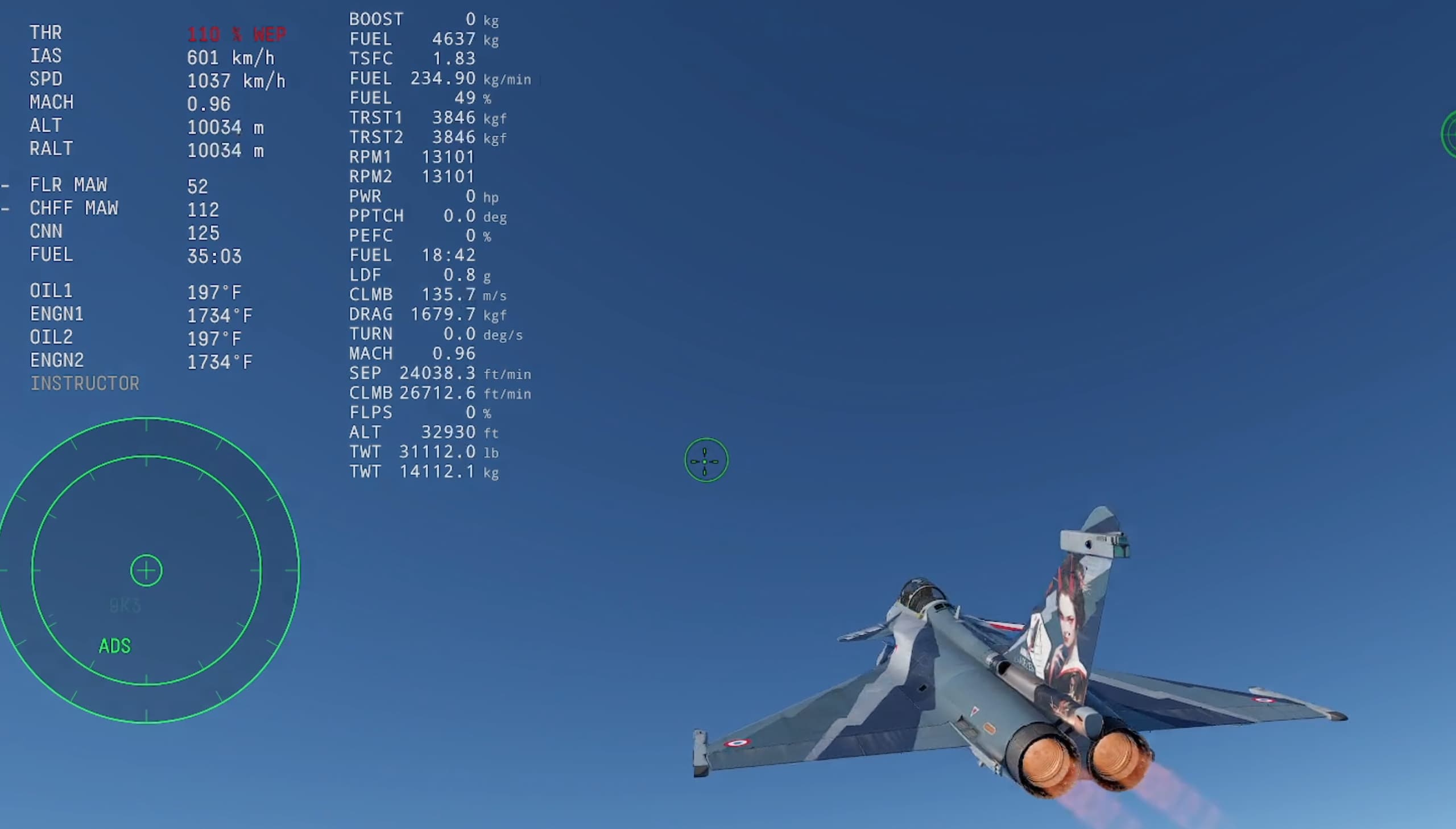
Here’s an example: F-15C and Rafale.
9 minutes on the deck for both, translates to ~19 minutes at 10,000 with a variance of like 100 seconds between the two.
Is it useful data? Maybe.
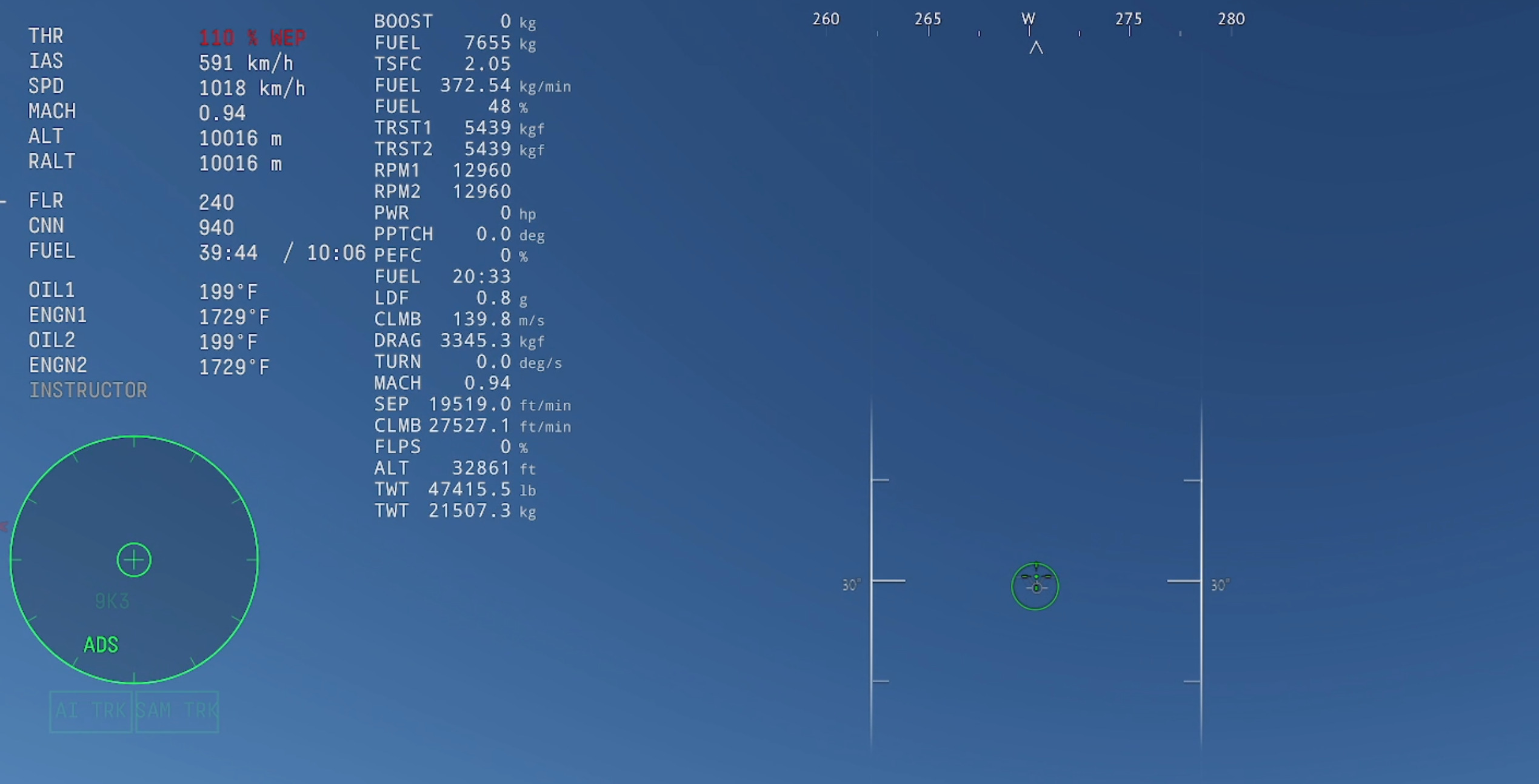
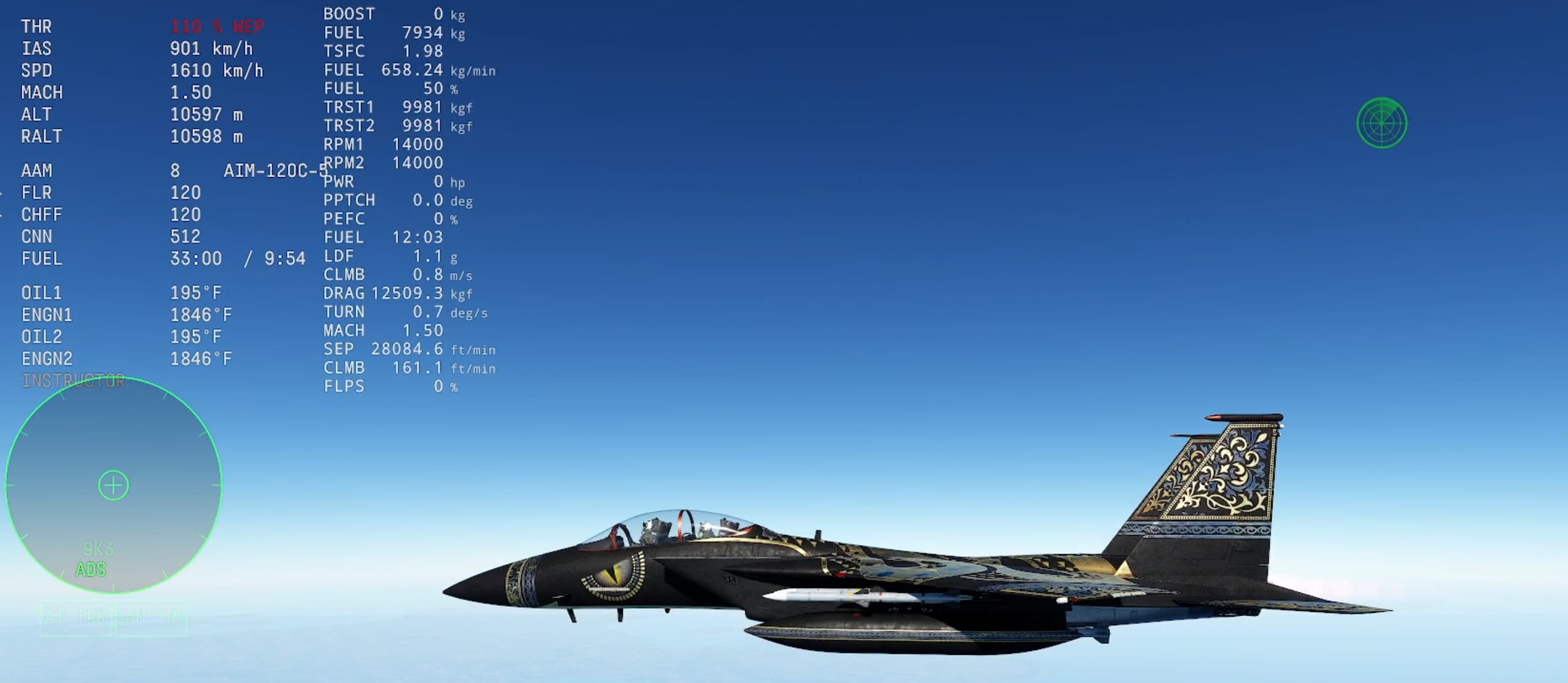
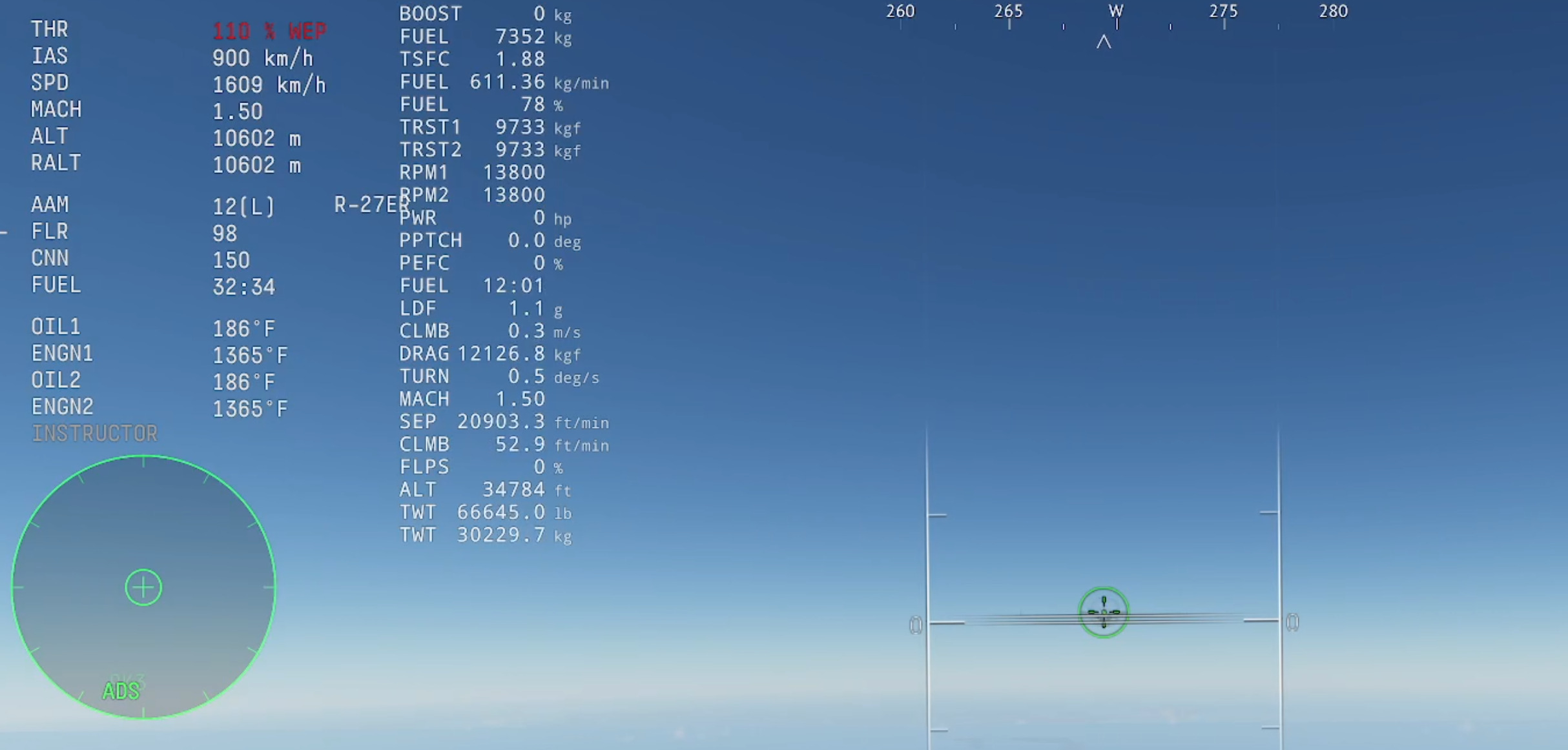
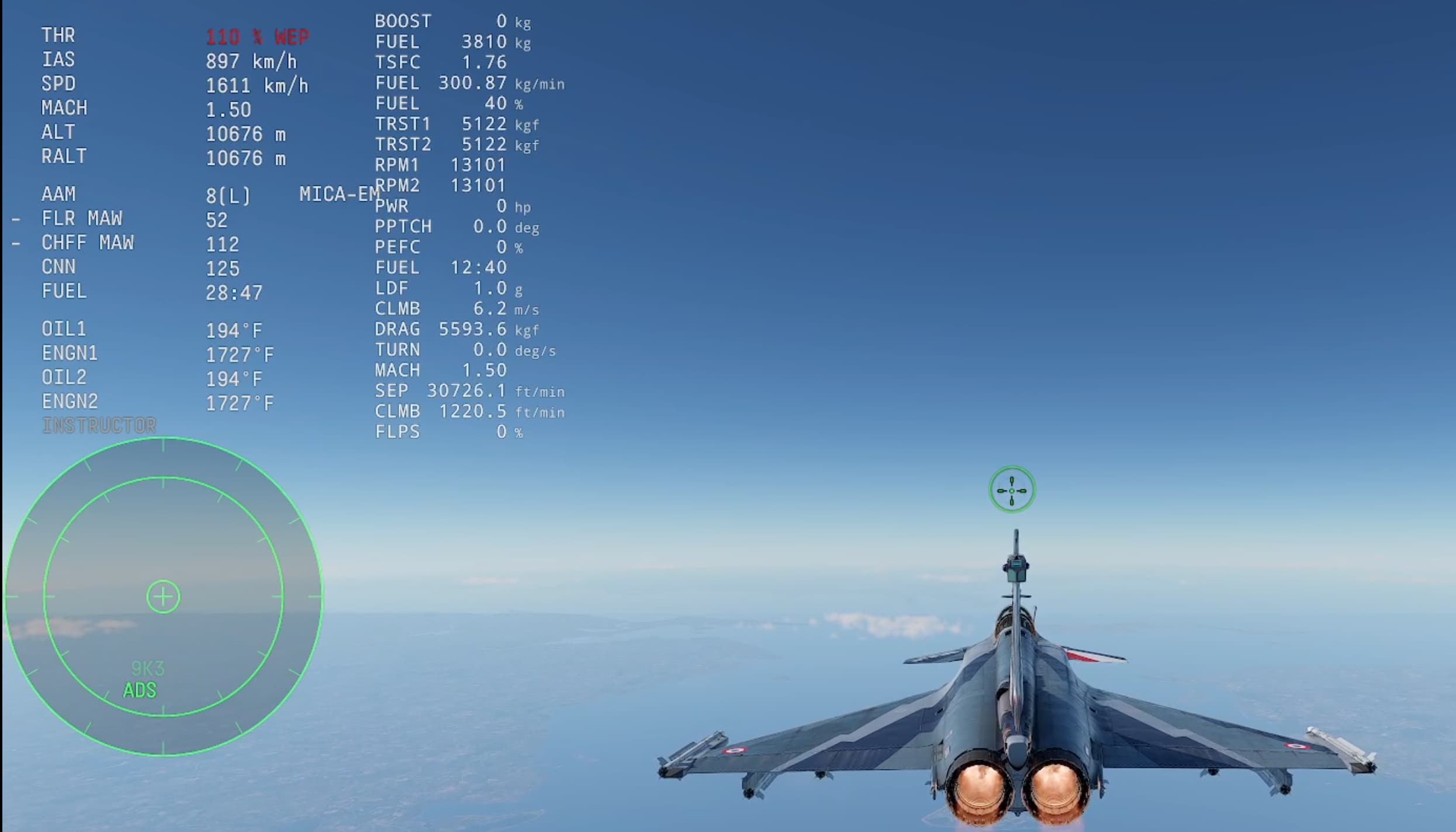
Here’s another fact though. After a climb to 10,600 and going mach 1.5.
12 minutes remain on Gripen E, Rafale, Su-30SM2, F-15E, F-15JM.
For the most part, after using fuel to climb, it evens out more than having the starting fuel at the altitude.
Is it a fact they have minor variances at 10,000+ meters? Yes. Does it matter in matches? Not really.
The high altitude BVR jets are going to pretty much be the same after their climbs.
And the ones that don’t climb to 10,000 meters will be within their initial fuel time playing the lower and mid altitudes.
map radar markers are behaving very weirdly, its just a radar overlayed on a map, if u change the ranging of the radar they can be either very far from you or right on top of you, not useful at all
Found english version: (about the IRST part mainly from 2:18)
The Brazilian community was missing, lol, we’ve been waiting for this for a long time!!!
@Necronomica this guy’s at it again
https://community.gaijin.net/issues/p/warthunder/i/vveV3mZqLzKc