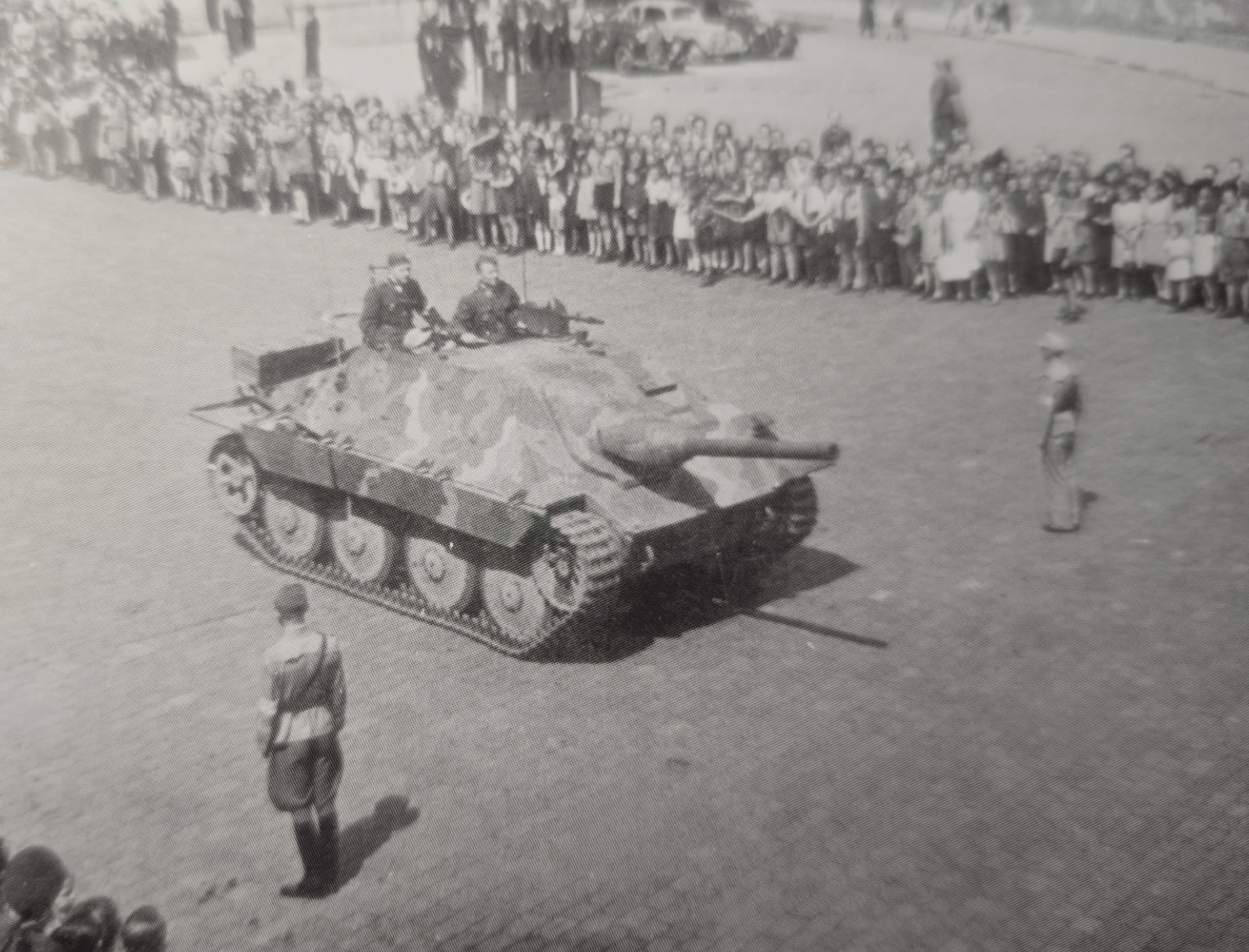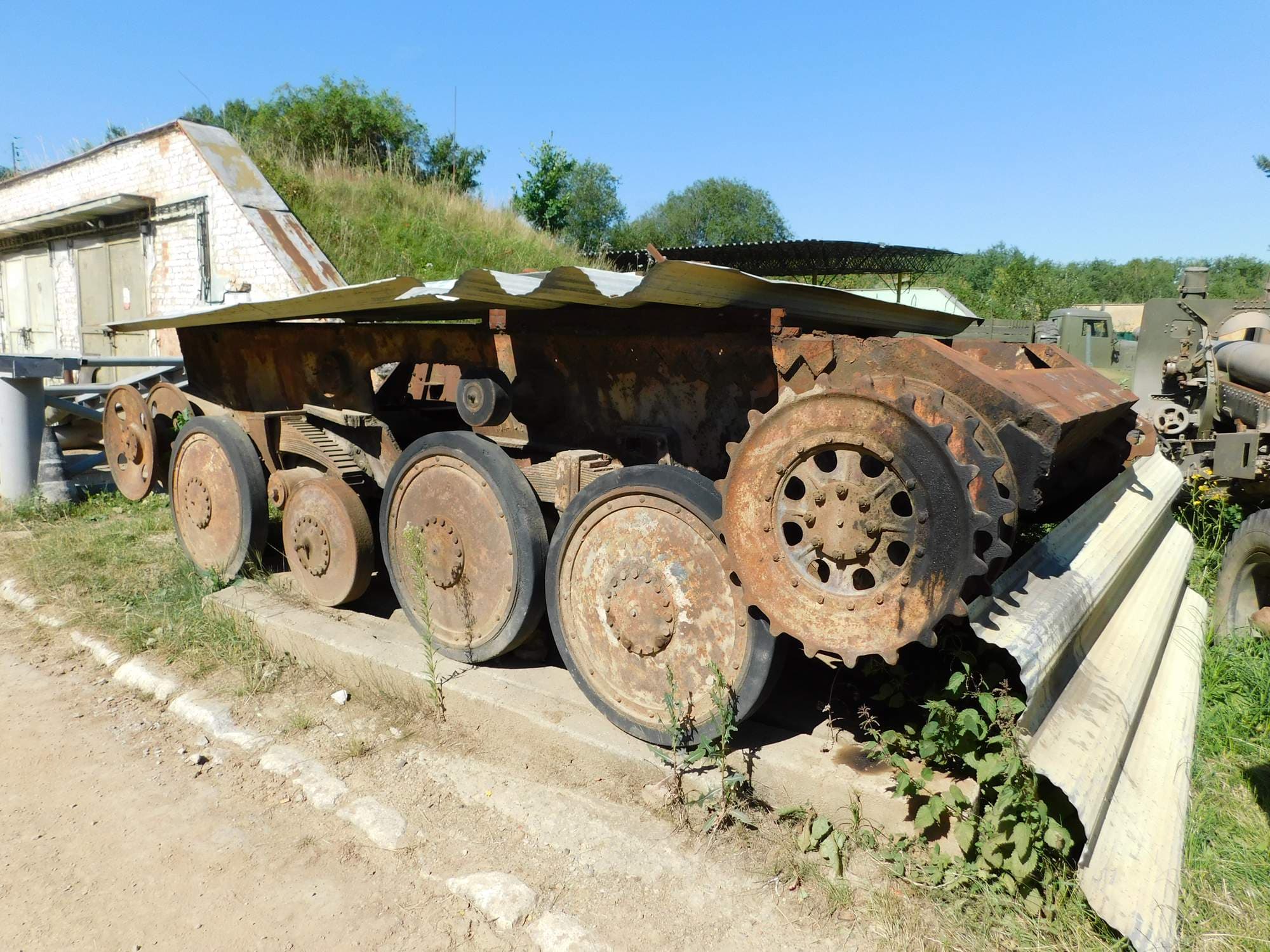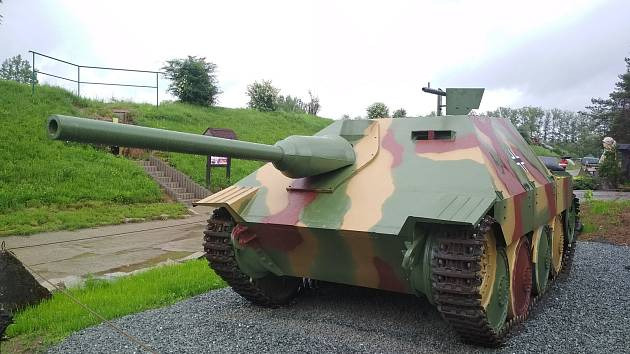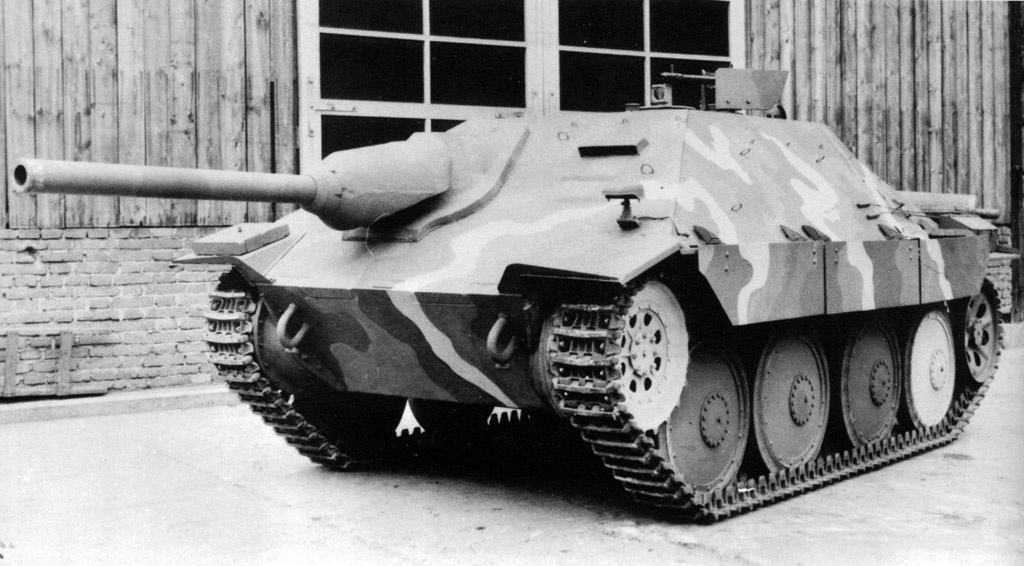
The Jagdpanzer 38 Starr was a mass-production improvement variant of the Jagdpanzer 38(t) Hetzer, designed to simultaneously enhance performance, productivity and maintainability.
- Yes
- No
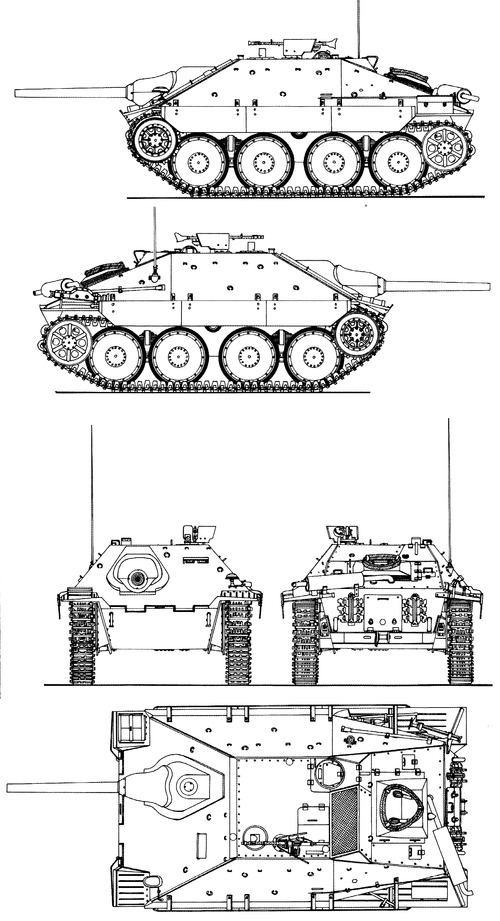
“Starr” refers to a gun mounting designed to enlarge the interior space and reduce costs. By removing the recoil mechanism from the gun mount, the breech was made more compact and the overall weight was reduced by 1,000 kg. The recoil was absorbed by the entire vehicle body. In the Hetzer, the gun was offset to the right, but in the Starr version, its mounting position was shifted slightly more toward the center, resulting in a traverse of 8° left and right. The smaller breech also improved the elevation range to -8° depression and +15° elevation. The significantly increased workspace for the loader compared to the standard Hetzer would have had a positive effect on the loading speed.
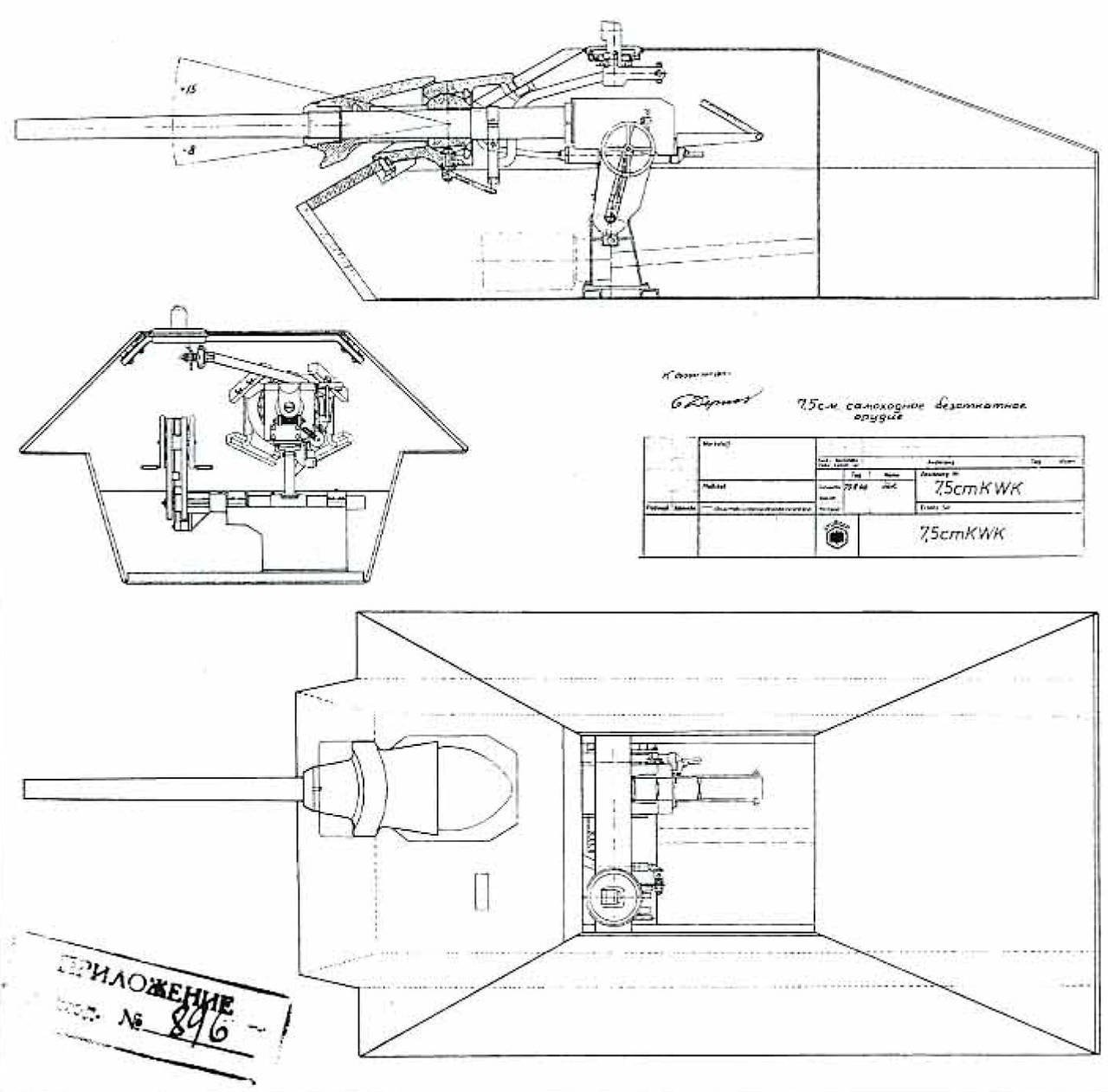
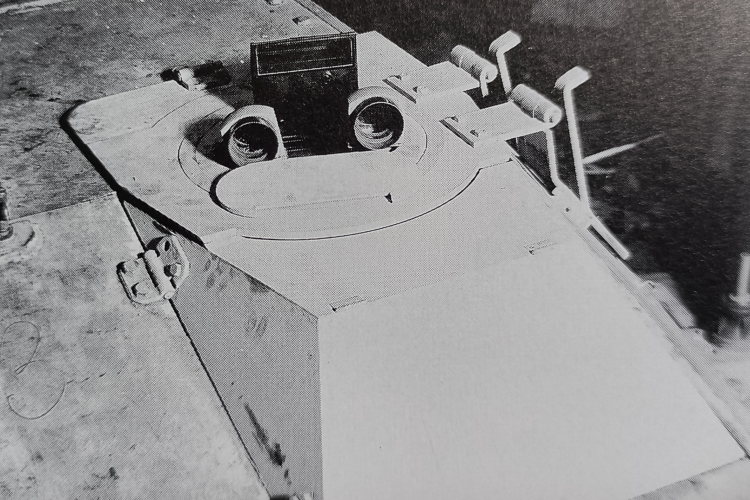
With the removal of the recoil mechanism, the gun became much slimmer, which allowed the opening in the frontal armor for the gun to be considerably smaller. The gun mantlet was changed from the old large, helmet-like shape to a smaller, thicker and lighter conical design. The commander’s cupola was changed to a rotating disc-type hatch with a periscope, and a small bustle was added at the rear of the hull to provide more space for the commander’s station.

commander’s station
In addition to the weight reduction from the Starr gun, the Jagdpanzer 38 Starr was equipped with a new engine: the Tatra 928 V8 air cooled diesel engine. This engine produced 180 horsepower, 20 hp more than the old gasoline engine. As a result, the power-to-weight ratio improved to 12 hp/t. Although engine RPM was lower, the diesel engine delivered significantly higher torque than the gasoline engine. This high torque improved acceleration and turning speed, made it easier to maintain top speed over rough terrain, reduced the impact of destructible objects such as stone walls, and greatly increased hill-climbing performance.

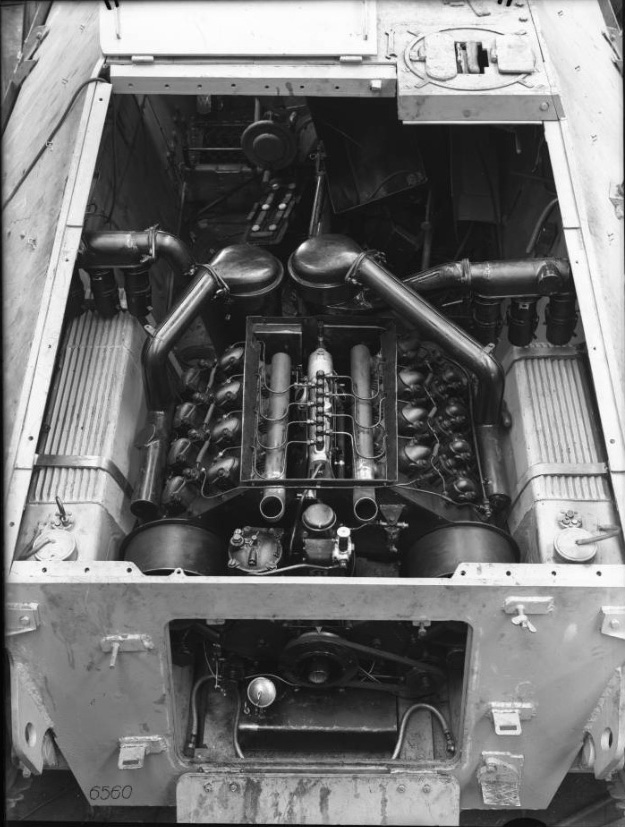
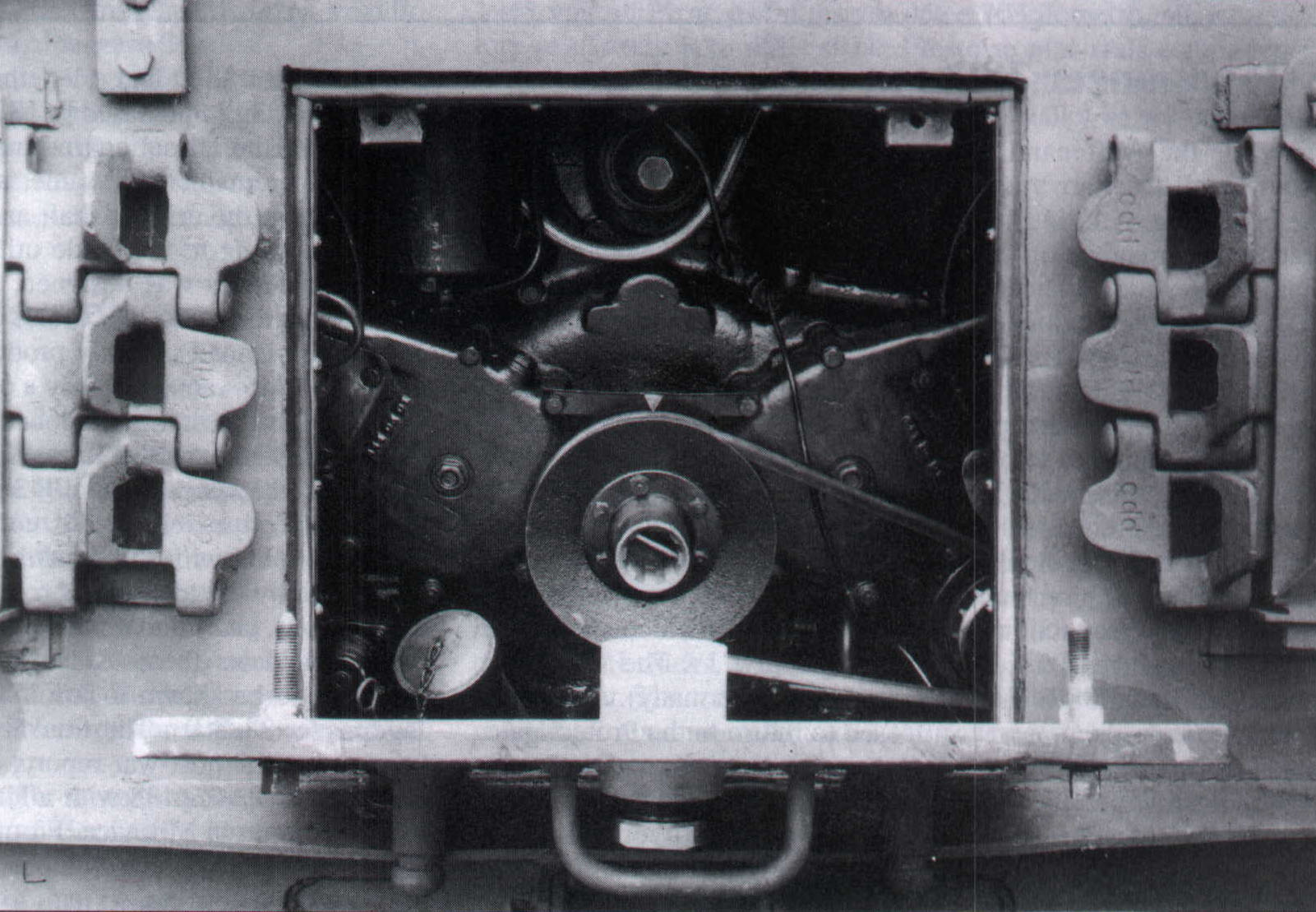
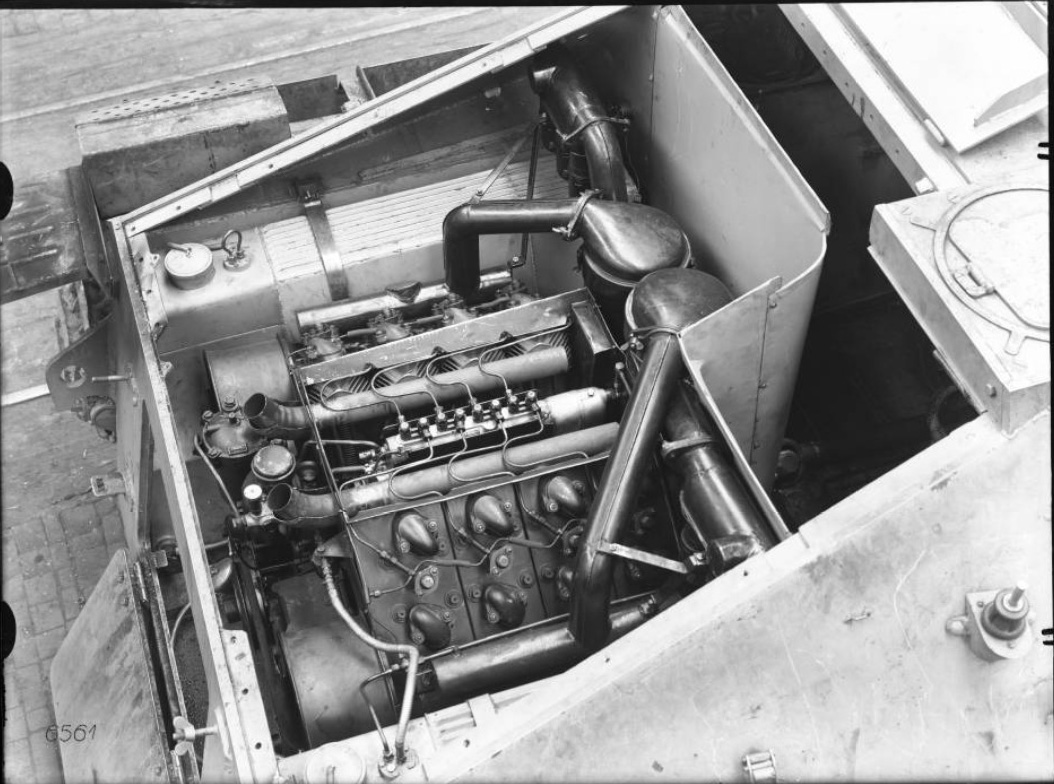
On April 21, 1945, an order for 500 vehicles was placed after the design was finalized. However, due to the deteriorating war situation, only about 14 vehicles were completed. The finished Starr vehicles were deployed in scattered actions in places such as Czechoslovakia and Berlin. The sole surviving example was scrapped after the war.
Length: 6.38 m
Hull length: 4.87 m
Width: 2.63 m
Height: 2.17 m
Combat weight: 14.5 – 15 tons
Engine: Tatra 928 4-stroke V8 air-cooled diesel
Power output: 180 hp / 2,000 rpm
Power-to-weight ratio: 12 hp/t
Maximum speed: 45 km/h
Armament: 7.5 cm Starr PaK 39/1 L/48 × 1 (79 rounds)
7.92 mm MG34 machine gun × 1 (600 rounds)
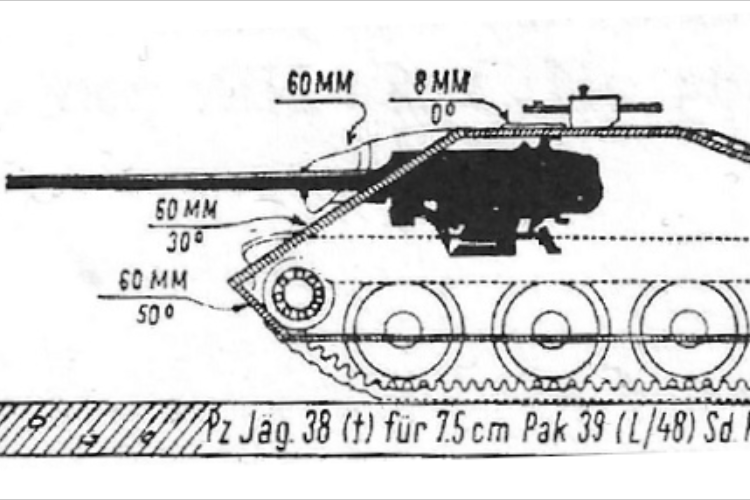
Armor thickness: Front: 60 mm, Sides/Rear: 20 mm, Roof: 8 mm
Crew: 4
Ammunition types: Pzgr. 39 (APCBC-HE)
Pzgr. 40 (APCR)
Gr. 38 HL/C (HEAT)
Spr.Gr. 34 (HE)
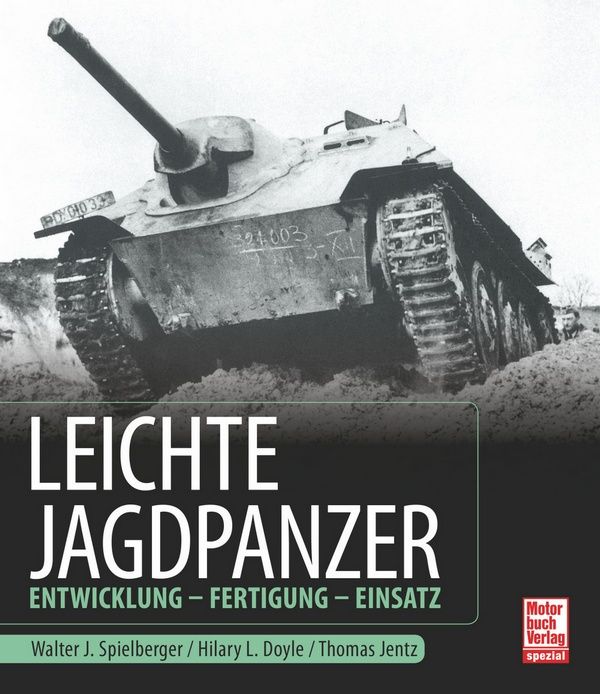
- Walter J. Spielberger’s Leichte Jagdpanzer
DE
JP
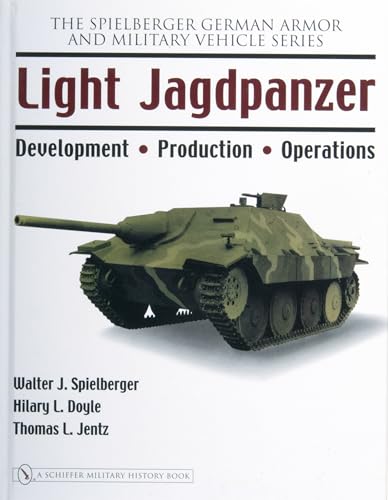
EN
- Hilary Doyle’s Jagdpanzer 38 Hetzer 1944-45

- Peter Chamberlain and Hilary Doyle Encyclopedia of German Tanks of World War Two
EN
JP

What do you all think?
Actually, when I submitted this suggestion, it was deleted without any notification email. I’d really appreciate it if you could share your opinions on what might have been wrong with it. Thank you very much for your help and cooperation.