Since I think jamming should be coming soon, and it is especially needed for nuke thunder, I am going to go ahead and talk about some of the more notable jamming pods and EW systems that could be coming into the game. I am primarily going to be talking about American systems, but many of these could be and were used on aircraft in service with other countries. I didn’t spend too much time researching this, so I’m sure there are some systems I missed, so if there is something I did not mention, feel free to add on to this.
AN/ALQ-71
Picture
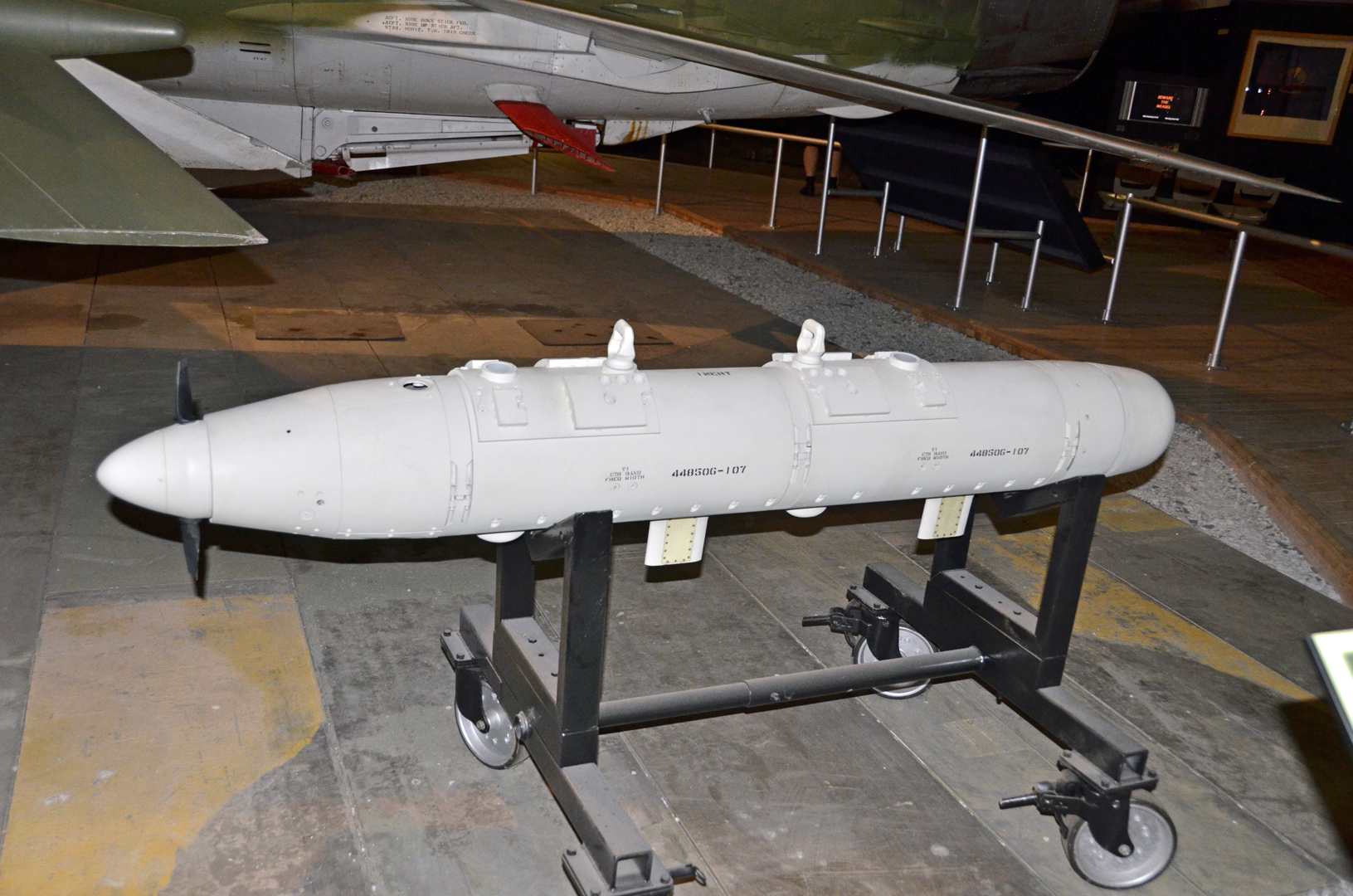
While the ALQ-71 was not the first jammer to be used in combat, it was one of the most widely used jammers in the Vietnam War. It was highly effective against the SA-2 and SA-3 SAM systems, which made up the bulk of the air defenses in North Vietnam.
It was capable of both noise jamming and early deception jamming techniques as well. It was able to create false targets on the radar scopes of enemy SAM operators, and it could also break radar locks. It was also said to be able to deceive radar proximity fuses, causing them to prematurely detonate.
It is most well known for its use in Operation Rolling Thunder, where it was described as an “unequivocal success” in countering enemy SAM systems. It was primarily carried by the F-105, F-111, and B-52 running bombing missions, but it could also be carried by F-100s, F-4s, A-4s, and A-7s. However, the F-4 did not use it often, because its operation interfered with the radar.
AN/ALQ-87
Picture
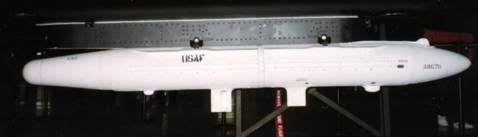
The ALQ-87 was another jamming pod widely used in Vietnam. It was introduced during the war to be an improvement over the ALQ-71, and it was also considered to be widely successful.
AN/ALQ-99
Picture
The ALQ-99 was designed to be used as a standoff jamming pod for use on dedicated EW aircraft like the EF-111 and E/A-6B. A heavily upgraded variant of this is still in use today on the E/A-18G Growler, but it is being phased out by the ALQ-249.
AN/ALQ-101
Picture
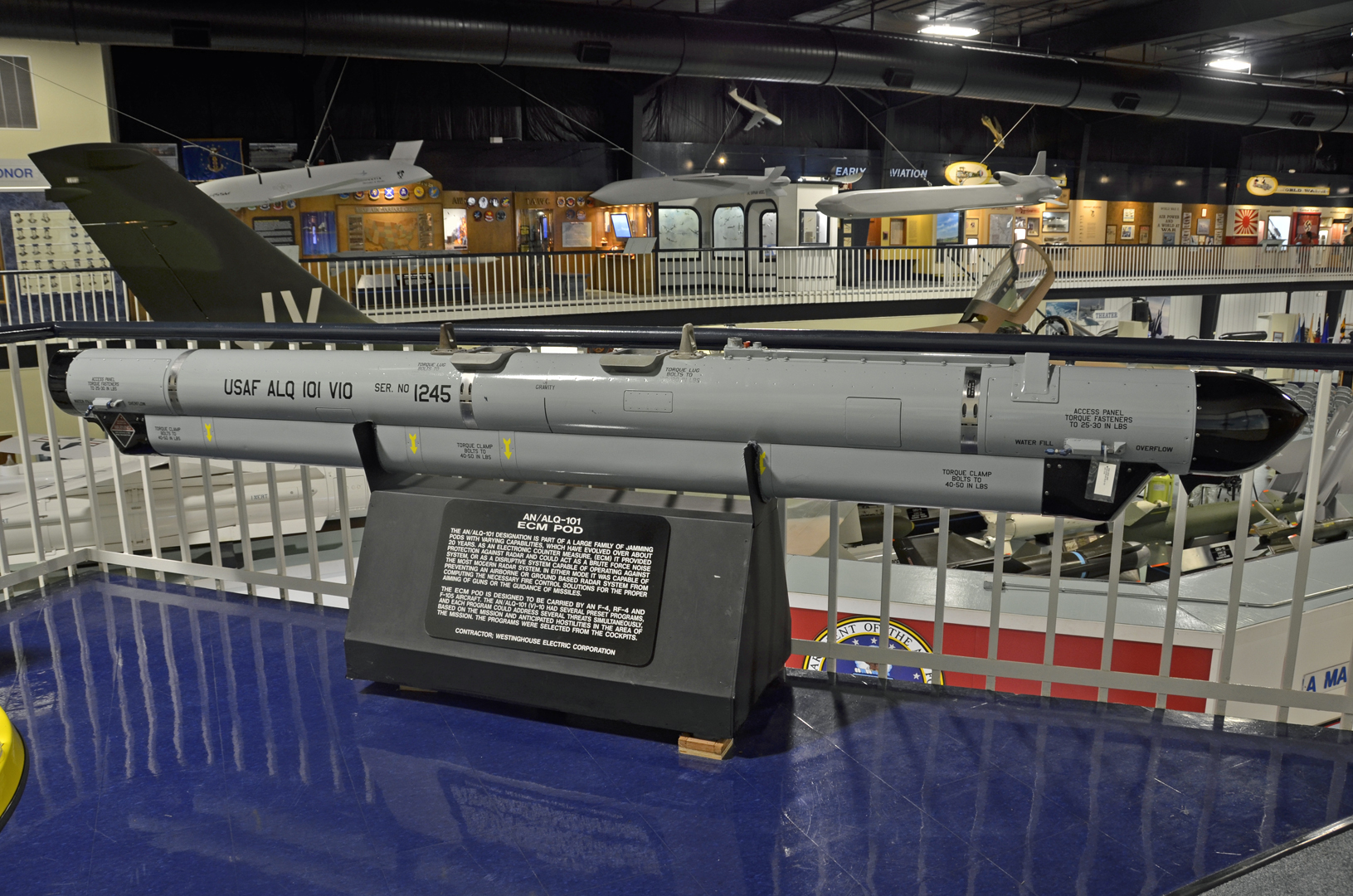
The ALQ-101 was another pod introduced during the Vietnam war, and it was primarily used by Wild Weasel aircraft. It was also used by F-4s, F-5Es, A-7s, and F-111s, but not often. It had wider band coverage over the ALQ-71 and it had improved deception jamming capabilities. It also saw widespread use by Avro Vulcan bombers during the Falklands War.
AN/ALQ-105
Picture
The ALQ-105 was a modified version of the ALQ-101 specifically for use on the F-105G Wild Weasel. It was the same system, but split between two blisters on the belly of the F-105G
AN/ALQ-119
Picture
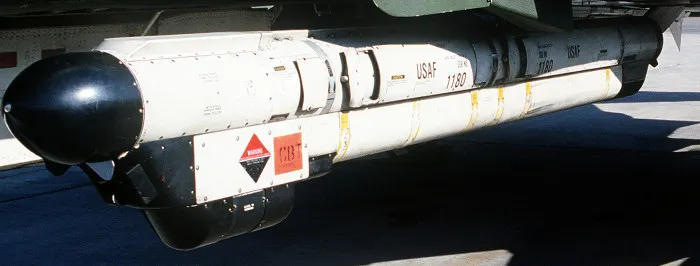
The ALQ-119 was introduced towards the tail end the Vietnam War as a replacement for the ALQ-87 and ALQ-101, though it saw very little action in Vietnam. It is one of the most produced and used jamming pods, and it saw heavy use during Operation Desert Storm. It has been used on a wide variety of aircraft, from the A-7 and A-10 to the F-4 and F-16. It has since been replaced by the ALQ-184 in US service, but it remains in service with a few other countries.
AN/ALQ-131
Picture
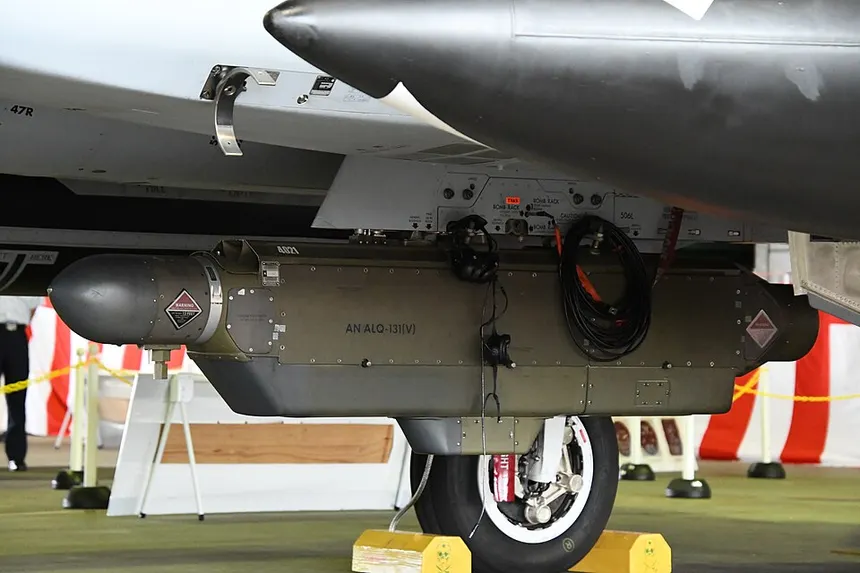
The ALQ-131 was introduced after the Vietnam War as in improvement over the ALQ-119. It introduced a modular design, which made it effective for a wide variety of missions. It also had improved digital electronics and a programmable mission computer, allowing it to be updated as new threats emerged. Interestingly, it did not replace the ALQ-119 in US service. Instead, it was used alongside the ALQ-119 until both got replaced by the ALQ-184. It was certified for use on a wide variety of aircraft, including but not limited to: F-4, F-5, F-15, F-16, A-10A, A-10C, and C-130.
AN/ALQ-136
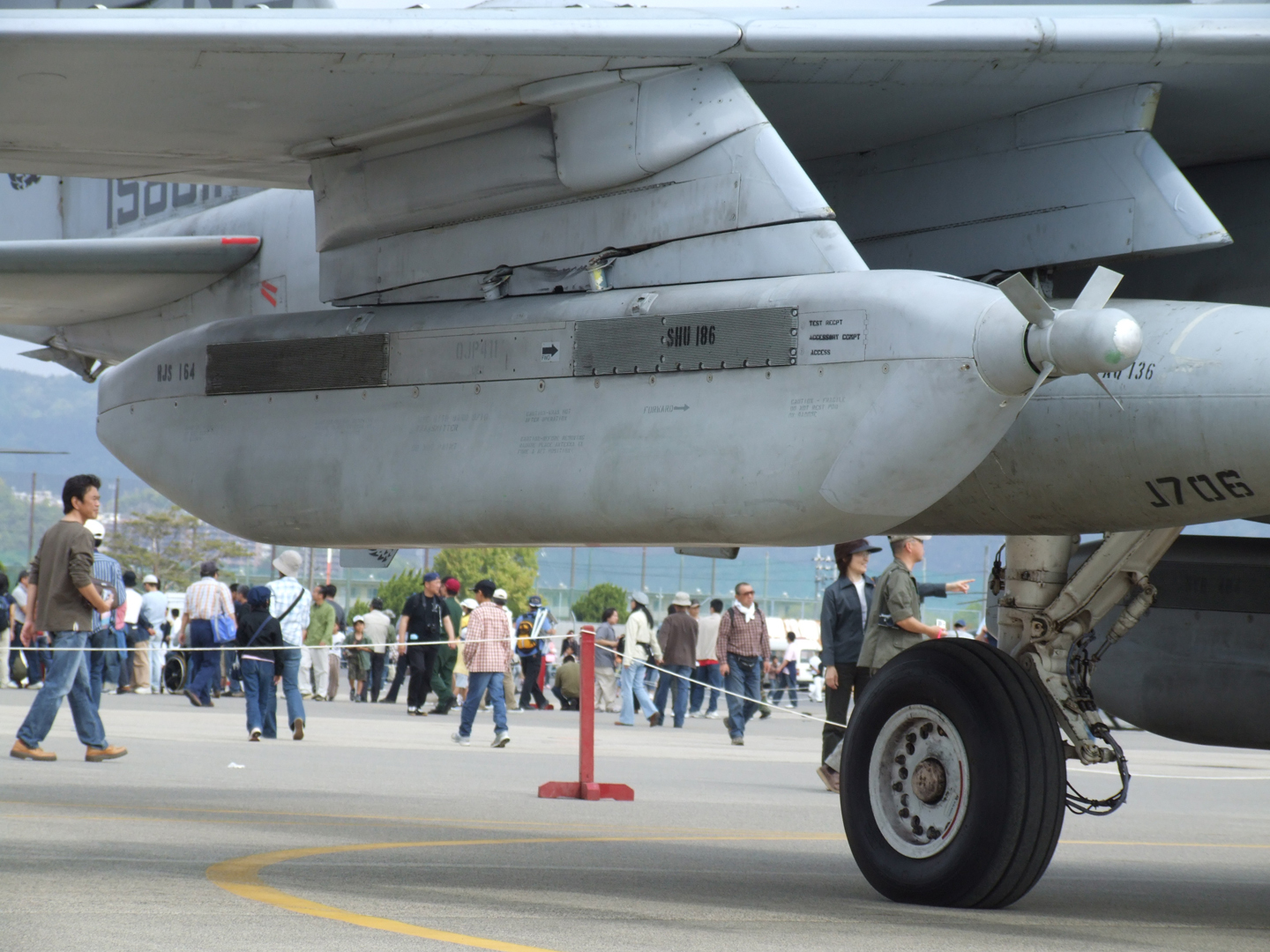
The ALQ-136 was a radar jammer specifically designed to be integrated into helicopters. It saw initial use with the AH-1F, but it has also been upgraded and equipped on more modern helicopters like the AH-64D, AH-64E, AH-1W, and AH-1Z.
AN/ALQ-184
Picture
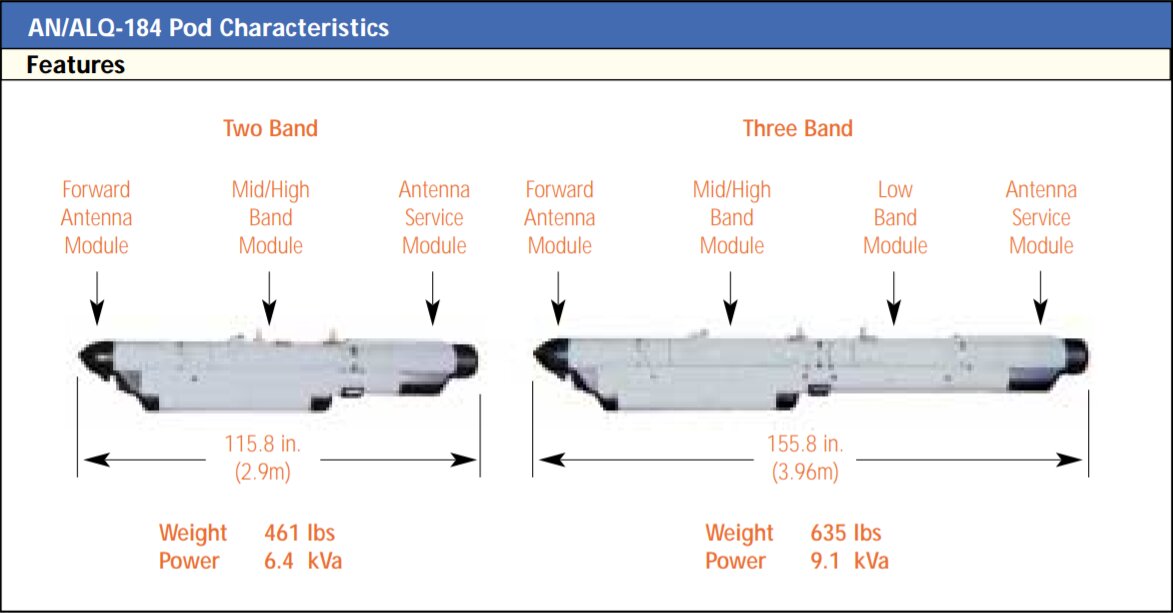
The ALQ-184 was introduced in 1987 as a replacement for the ALQ-119 and ALQ-131. It has improved deception jamming capability and it covers a wider range of frequencies. It also has 2 variant: short and long. The short variant covers only mid and high bands, and the long variant additionally covers low bands. The long variant is the most common of the two. It is still in use today, and is commonly used on the F-16 and A-10C. The newest variant of the ALQ-184, the AN/ALQ-184(v)9, also includes 4x AN/ALE-50 towed decoys.
AN/ASQ-239
The ASQ-239 is the electronic warfare suite used by the F-35. It provides 360° situational awareness to all radar threats with no blind spots. It also is capable of geolocating those same radar threats. It is fully integrated with the APG-85 AESA radar, giving it defensive jamming capabilities via the radar. It is also integrated with the AN/ALE-55 towed decoys.
AN/ALQ-249 Next Generation Jammer
Picture
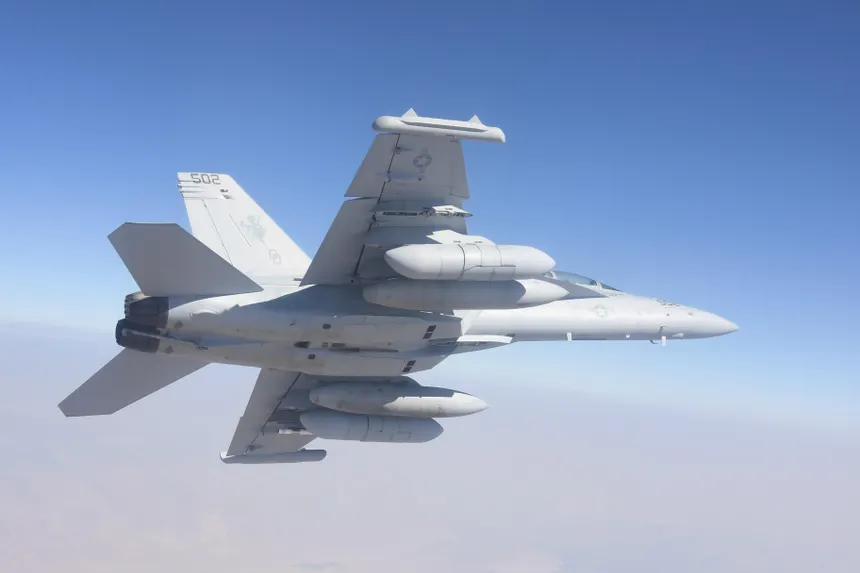
The ALQ-249 is a very new jamming pod, designed to replace the ALQ-99 used on the E/A-18G and E/A-6B. Since it is still so new, it is very classified, but it is known to use DRFM deception jamming, which is significantly more effective than older analog systems.
AN/ALQ-250 EPAWSS (Eagle Passive Active Warning Survivability System)
The ALQ-250 EPAWSS is the EW suite designed to be integrated into the airframe of the F-15EX. It provides 360° situational awareness to all radar threats with no blind spots, and it can geolocate those same radar threats. It also includes DRFM deception jamming, which is a significant improvement over older analog systems.
AN/ALQ-257 IVEWS (Integrated Viper Electronic Warfare Suite)
The ALQ-257 IVEWS a very new EW suite designed to be integrated into the airframe of the F-16CM PoBIT, F-16V, and the F-16G recently proposed to the USAF. It provides 360° situational awareness to all radar threats with no blind spots. It replaces the HTS pod for geolocation of radar threats, but the HTS pod is still required for target queuing with the HARM. It also includes DRFM deception jamming, which is a significant improvement over older analog systems.
AN/ALQ-260 BriteCloud
Picture
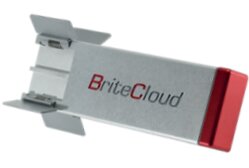
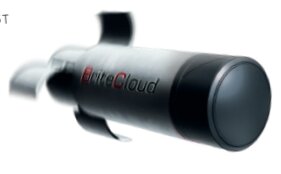
The ALQ-260 BriteCloud is a expendable decoy designed to be used on any existing aircraft with little to no modification. Its goal is to provide an incoming missile with a more enticing radar signature, so the missile targets the decoy instead of the plane. It has 2 form factors that work with existing countermeasure dispensers. BriteCloud 55 is designed to work with 55mm cylindrical countermeasure dispensers common on European aircraft like the Eurofighter and Gripen. BriteCloud 218 is designed to work with 2"x1"x8" rectangular countermeasure dispensers common on American aircraft like the F-15 and F-16.