
I’m almost positive that it was the c-5 that got the new actuator since it was introduced at the same time the +5" motor was. The VCAS might be capable of even more aoa, it says the guidance sections are modified as well. So 120d might pull even harder than c-5.
1 Like
It’s just impossible for me to believe that aim 120 is the most maneuverable air to air missile.
So yes it’s underperforming, but it’s also jsut as likely that most other missiles are also underperforming in this aspect
@MrKrabsPattys made a bug report today that because the AIM-120C got a new actuator, it should have more fin AoA, a bug report manager responded to the report.
AIM-120C-5/C-7/D Wrong Actuator AOA // Gaijin.net // Issues
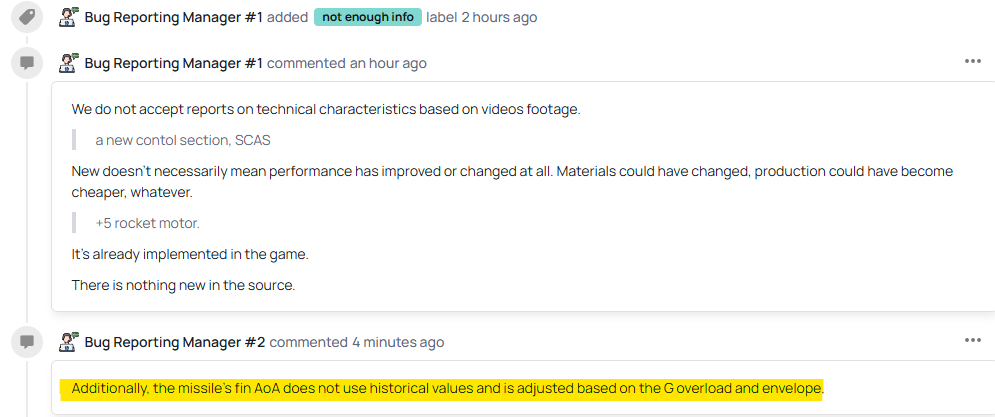
What I’d really like to know is why this keeps getting blocked at the PBR stage, instead of being passed on the grounds that it’s worth “special consideration”. Even if it gets knocked back Id be at least interesting to see what they have to say, since it’s obviously novel information. As it probably should fall under similar rules to the M1’s Amour array and similar.
It would open a can of worms that they would probably not like to open themselves, since fin aoa doesn’t tell the whole story for example of how maneuverable a missile is, when the acceleration of the fin and other parameters such as whether or not the missile has canards could also affect the maneuverability of the missile.
Not to mention that everyone would start spamming bug reports using videos and “analysis”.
Does it tho? The fin AOA also need to take into account the stall angle of the fin a new actuator doesnt necessarily means more aoa
1 Like
I don’t disagree. Just pointing out the claim of the report.
1 Like

Isn’t that report more to do with energy conservation/retention and not maneuverability?
Watch the test videos, the missile fails to hit the targets not because it didn’t have enough maneuverability but because it lacked speed/energy after following the targets through its turns.
1 Like
We know how the Control surface’s planform changed, other than being clipped to support internal carriage by the F-22 they are similarly shaped to those of the earlier section.
Also there would be a reduced static stability by changing the post burnout CoG (it’s known that the AIM-120A/B & C/D share the same CoG when loaded, so post burn-out due to the longer motor section more mass the CoM is shifted forward, so the reduced moment arm means that the surfaces have less inertial resistance to overcome and so should magnify the effect of deflecting the surfaces due to the reduced static stability)
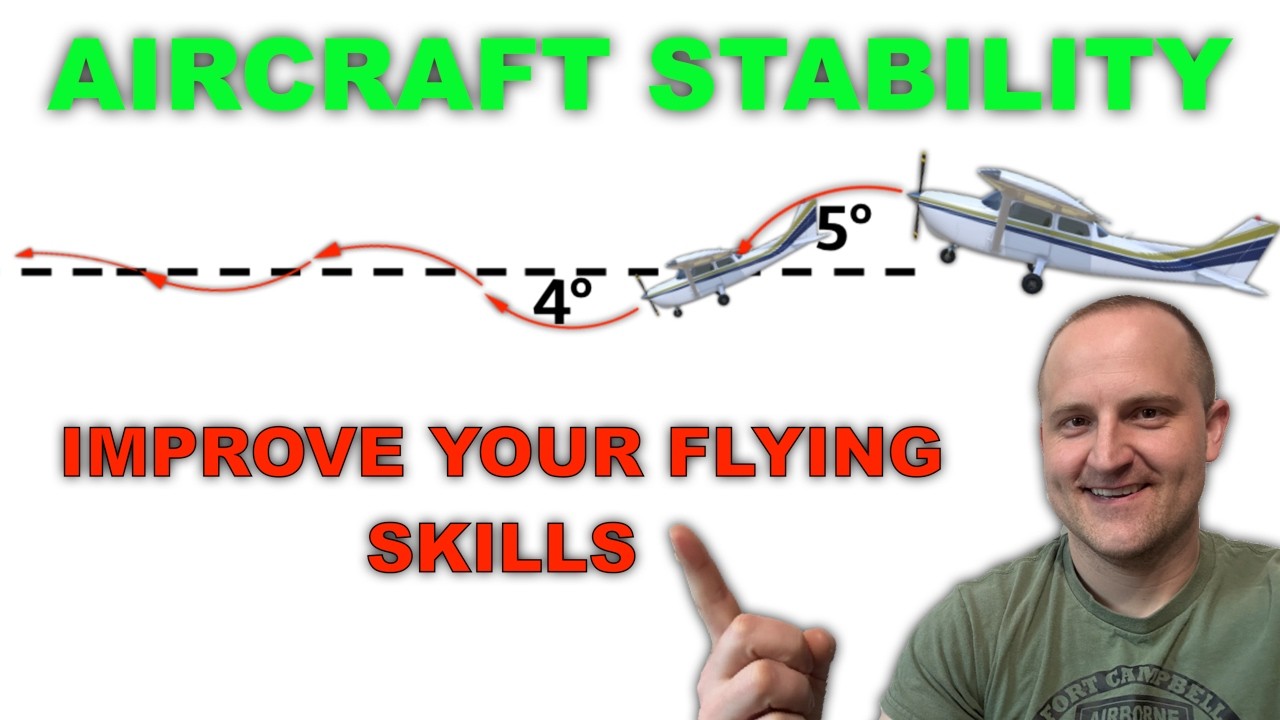
In a sense it’s both.
While i do agree you your point that it “should magnify the effect of deflecting the surfaces due to the reduced static stability”, this doesnt mean that it has a higher max AOA, overall the maximun AOA of the fin should be around the same as they still share a similar geometry as the previous.
Dont get me wrong the aim 120 is underperforming on the AOA that being said, this is not just for the c5+ but really for all variants, i would say that 20-22º should be reasonable which is also in lines with things like the pl12 or the aam4, 30º seems like far too high compared to all ofther missiles in game, it is even higher than the lattice on the r77 which it well know to handle much higher AOA than traditional fins before stalling
I don’t see where the maneuverability part comes in, the missile had no problem keeping its nose on target in all the scenarios presented in the test videos.
According to another community based paper, the max allowable aoa should be right about 30 degrees, any more and the missile will start to tumble end over end, if the missiles autopilot allows it to pull that hard. This is one of the reasons im curious about VCAS, If the maximum allowable fin aoa is ~30 degrees, then perhaps it was the new actuators and modified control sections allow it to pull even more aoa, lending to the HOBS claim of aim120d. It could be that the missiles capable of even more aoa and thus more maneuverable but the autopilot of the missile simply doesn’t let it pull enough to tumble end over end and will just recover before the full loss of control is achieved.
1 Like
why?
there is a reason that pretty much everyone uses it, and it is known to have been continuously upgraded
and again, video showing that at some point the fin AoA was roughly doubled, with the lower value being known to hit at least 35Gs, its kinda hard to argue against it being that manuverable
2 Likes
I’m not gonna read all that but purely based on your name I agree.
whatever the big yahu wants bro.
1 Like
Low K I now think most missiles are underperforming in this area (maneuverability), like dawg I refuse to believe aim-120 pulls worse than an r-23 from the 70s at low speed. That thing pulls its max g load of 20gs from mach 0.8.
1 Like
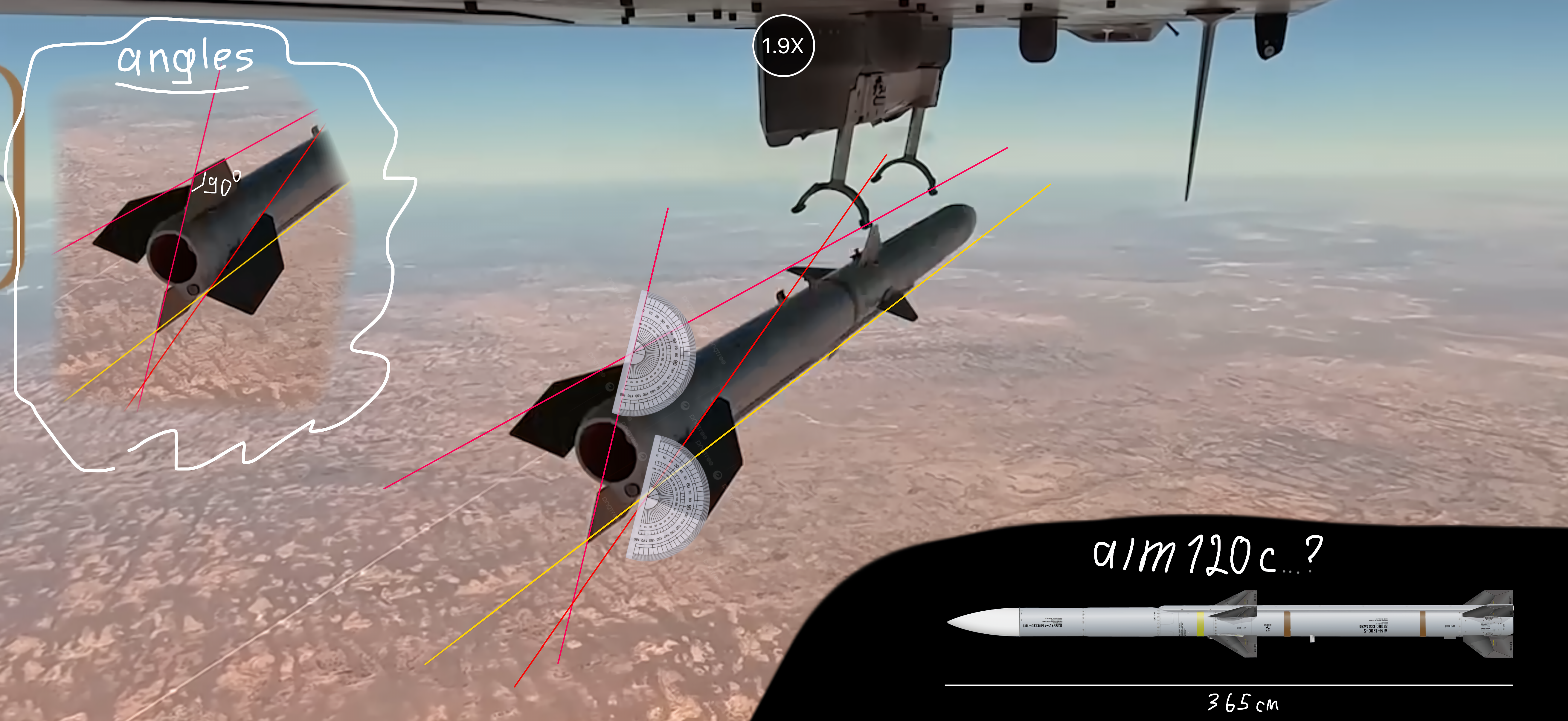
• On the upper fin, the real angle = 90°, while on the photo measured with a protractor = 47.5°.
• Deflection angle of the right (vertical) fin measured with a protractor = 21°.
• Both angles were measured in the same perspective (in the vertical plane adjacent to the tail of the missile).
Perspective distortion coefficient = 90° / 47.5° = 1.8947
(we divide to determine how many times the photo “compresses” the actual angle).
“Real” AOA = 21° × 1.8947 ≈ 39.8°
(we multiply to restore the “compressed” angle back to its real value).
so the real fin aoa is about 40° (in game its 26°)
i used translator for some words, sorry if it’s bad
6 Likes
i think the worst part about the AIM-120 nerf and gaijin’s refusal to buff the missile so it isn’t trash, is that they’re refusing to buff it because they have “no concrete evidence” despite the fact that everyone, their grandmas, and their grandma’s dog knows that warthunder isn’t a realistic game and that majority of the things happening, and majority of the development/balancing decisions are complete nonsense.
it would take no effort to just buff the AIM-120s, but gaijin likes making decisions based on no real/true information or just out of spite for the playerbase and then telling them to get bent. similair situation exists with F-14B and MiG-29 loadouts and flightmodels, they’re complete nonsense and everyone knows it but nothing is going to ever be fixed.
Just lol. At least the part about their flight models.
Seems legit
1 Like