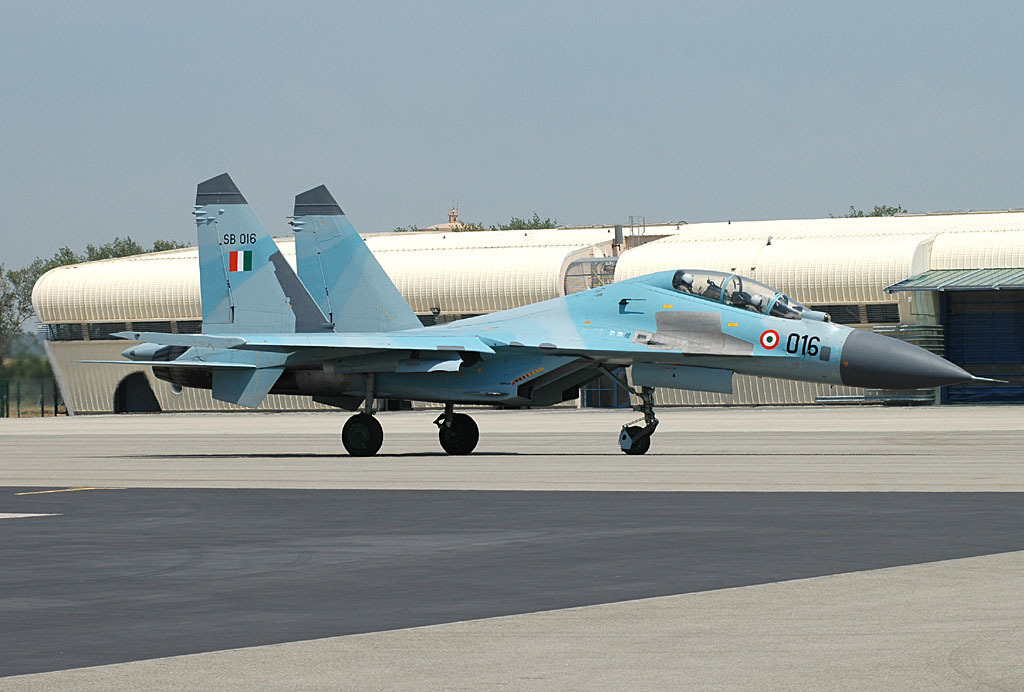
India Air Tree [Updated v.0]
(Polls are at the bottom)
Description:
India Is a large and populous country rich in its culture and history, both civil and military, Its Air Force being just as so. The Indian Air Force, or IAF was officially established on October 8, 1932, seeing its first squadron of four Westland Wapiti biplanes being delivered on April 1, 1933. With the outbreak of WWII, the IAF would rapidly expand, recieving surplus RAF aircraft, flying missions in Burma, North Africa, and Europe. In 1945, with the distinguished service of the IAF, King George VI conferred the prefix “Royal”, making it the Royal Indian Air Force, or RIAF. The distinction would not last however, as with the establishment of the Indian Republic, the “Royal” prefix would be dropped. Post Independence, the IAF would operate across the region, participating in the Congo Crisis, Second Kashmir War, Bangladesh Liberation War, and Kargil War. Throughout, the IAF would modernize incrementally, adopting jets and developing its own modern aircraft, making it a advanced, capable force. For a more in-depth explaination of the history of the Indian Air Force, check out the tab below!:(Indian Air Force Insignia)
In-Depth History
The Indian Air Force was established on 8 October 1932 under the Indian Air Force Act. Its first squadron, No. 1 Squadron, was raised on 1 April 1933 at Drigh Road, Karachi, equipped with Westland Wapiti biplanes and five Indian pilots. During World War II, the force expanded rapidly, flying missions in Burma, North Africa, and Europe with aircraft such as the Hawker Hurricane and Supermarine Spitfire. In 1945, King George VI conferred the prefix “Royal,” making it the Royal Indian Air Force.
With independence in 1947, the RIAF was divided, creating the Royal Pakistan Air Force. In 1950, the “Royal” prefix was dropped, and the service became the Indian Air Force. Its first major test came during the First Kashmir War in 1947–1948, when Dakota DC-3 transport aircraft airlifted Indian troops to Srinagar on 27 October 1947, saving the city from invasion. In the 1962 Sino-Indian War, the IAF was restricted to transport duties, but by the 1965 Indo-Pak War it played a decisive combat role. Aircraft like the Folland Gnat earned fame as “Sabre Slayers” for shooting down Pakistani F-86 Sabres. The 1971 Bangladesh Liberation War marked the IAF’s finest hour: flying over 15,000 sorties, it achieved air superiority with MiG-21s, Hunters, and Canberras, crippling Pakistan’s air force and contributing to the creation of Bangladesh.
The IAF continued to grow in capability through the 1970s and 1980s. During Operation Meghdoot in 1984, it supported India’s capture of the Siachen Glacier, the world’s highest battlefield. In 1987, the IAF conducted Operation Poomalai, a humanitarian airdrop over Jaffna, and later supported the Indian Peace Keeping Force in Sri Lanka with Mi-8 helicopters and Canberra bombers. The Kargil War in 1999 was another turning point. Under Operation Safed Sagar, the IAF deployed Mirage 2000H fighters armed with laser-guided bombs to destroy enemy positions at high altitude. MiG-29s provided air superiority, while Mi-17 helicopters carried out daring strikes. On 10 August 1999, an IAF MiG-21 shot down a Pakistani Navy Breguet Atlantique, further showcasing its combat readiness.
In the 2000s, the IAF undertook massive modernization. The induction of the Sukhoi Su-30MKI multirole fighter in 2002 transformed its capabilities. Indigenous efforts produced the HAL Tejas, which entered service in 2016, marking India’s leap into advanced fighter design. The IAF also acquired Rafale fighters in 2020, enhancing its strategic reach. Today, the IAF operates a diverse fleet including Su-30MKI, Mirage 2000, MiG-29, Jaguar, Tejas, and Rafale fighters. From its beginnings in 1932 with four biplanes, the IAF has grown into the fourth-largest air force in the world, playing a decisive role in India’s defense and global peacekeeping missions.
Currently, India stands as a dominant regional power in southern Asia, and is ranked as the 4th most powerful military in the world with also the 4th largest Air force, with 2,229 units as of 2025. From this, its interesting to see how India is has only 7 vehicles in-game, all of which are in the British TT, when they have more than enough vehicles to make a independent nation tree comparable to Any other Major Nation.
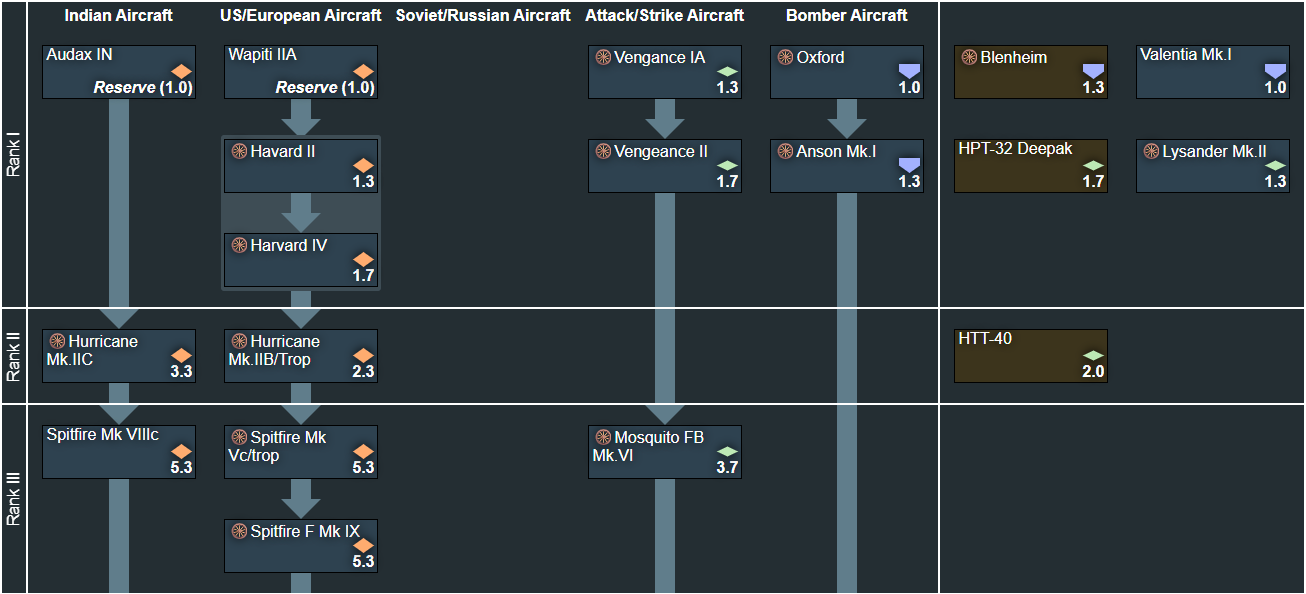
Below I made a example TT (That is probably unbalanced af), that could be used to start india as a nation in WarThunder. However there are a few things to note:
-
While this Tree may seem rather small, THIS IS NOT THE FINAL RENDITION in the end it will be comparable in size to any other air tree already in game, and is due to expand in upcoming versions.
-
India’s Aircraft fleet is comprised of a wide array of imported, modified, or indigenous airframes, and the tech tree below is a brief look at some of the airframes used. Now, copy-paste is present, and included, however India does contain more than enough aircraft of their own to produce their own line, I just included the copy-paste to bolster its size and to show accurate representation. However I am open to changing it if it is unwanted.
-
While I play and love WarThunder, I am not perfect, so I will try to create reasonable BRs for the vehicles, estimations based on other ingame TTs and data. Chances are these BRs are wrong, and would be changed, if they are ridiculously wrong, ill say now, i’m sorry.
-
IMPORTANT: this TT is a work in progress and is prone to change (More countries may come…)
[Indian Air Tree v.0]
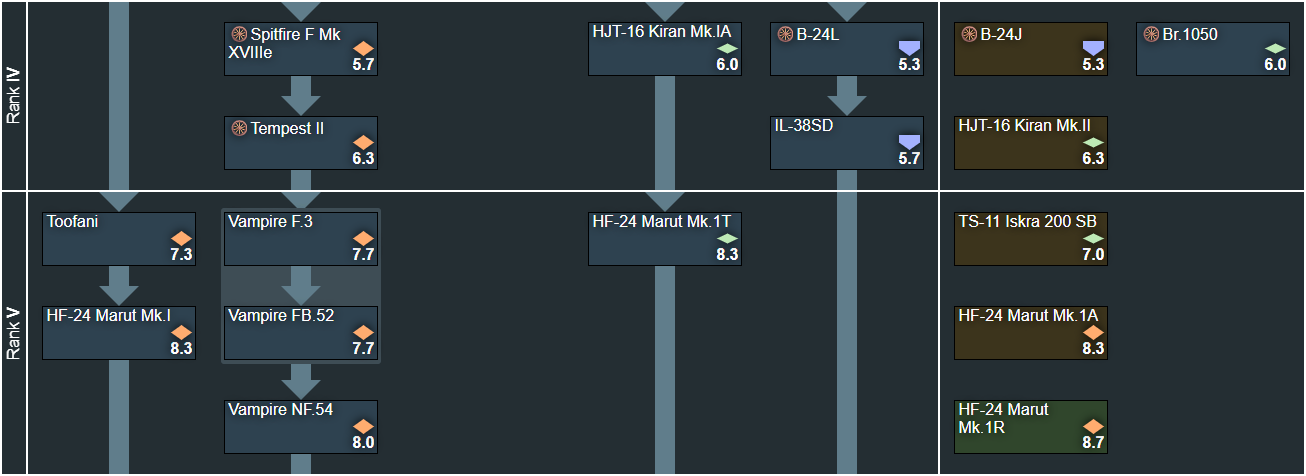
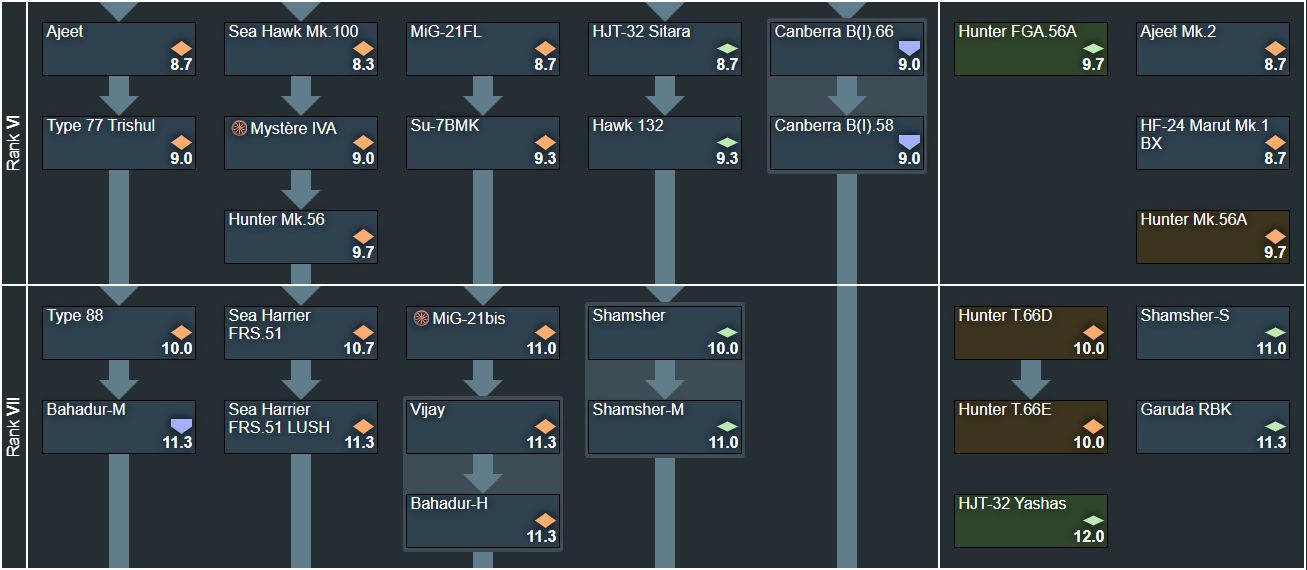
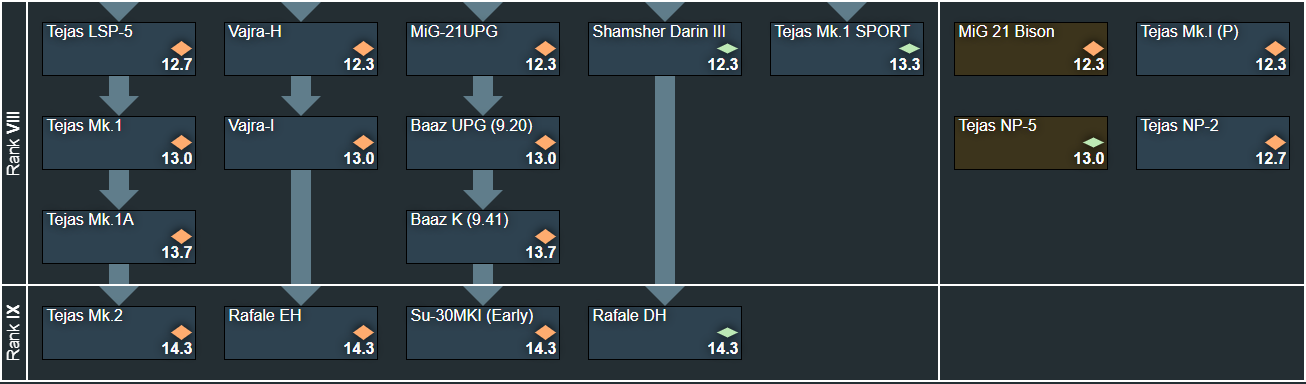
List of Vehicles:
Line 1 - Indian Aircraft
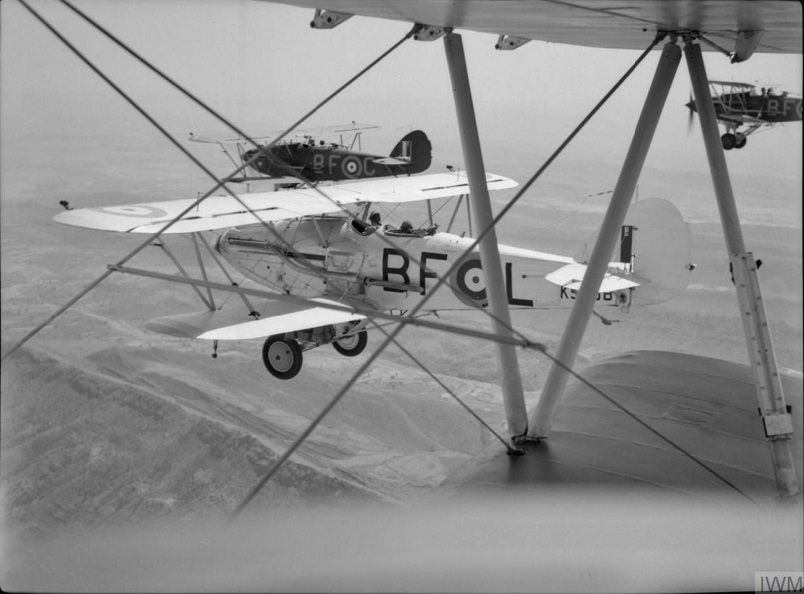
Audax IN (Rank I; 1.0 Reserve):
A tropicalized variant of the Hawker Audax, used by the Royal Indian Air Force.
Stats:
Armament:
- 1x 7.7 mm Vickers Machine Gun
- Turret: 1x 7.7mm Lewis Machine Gun
- Up to 520lbs of Bombs
Mobility:
- Max Speed: 298 km/h (185 mph)
- Max Altitude: 6,900 m (22,800 ft)
- Rate of Climb: 5.8 m/s (1,176 ft/min)
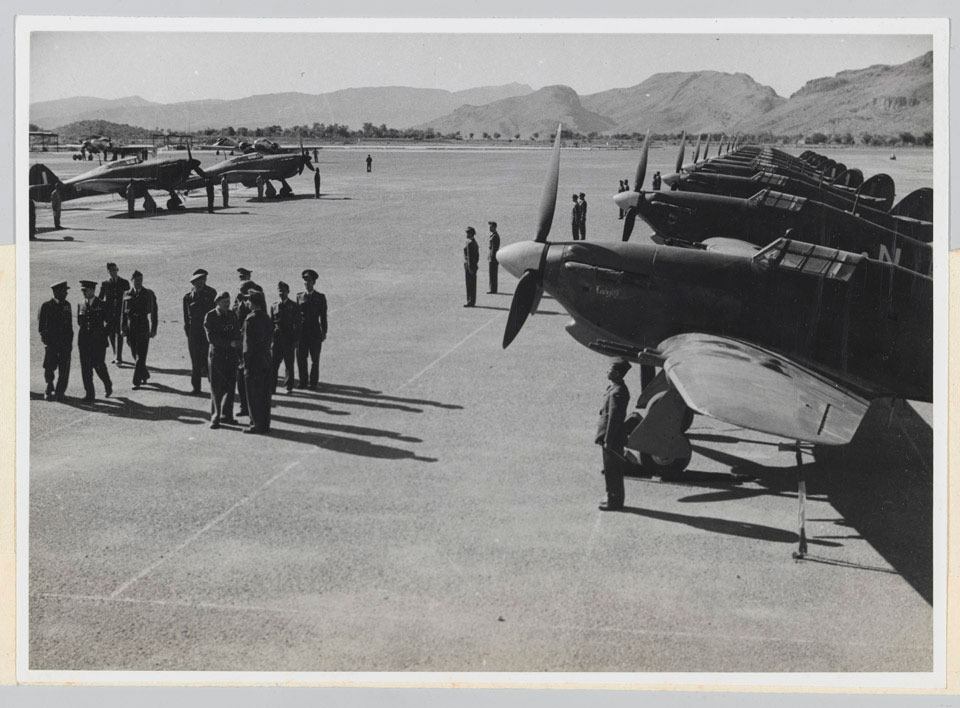
🛞Hurricane Mk.IIC (Rank II; 3.3):
Indian operated Hurricane Mk.IICs through WW2.
Stats:
Armament:
- 4x 20mm Hispano Autocannons
- Up to 500lbs of Ordinance
Mobility:
- Max Speed: 510 km/h (317 mph)
- Max Altitude: 6,900 m (22,800 ft)
- Rate of Climb: 11.1 m/s (1,176 ft/min)
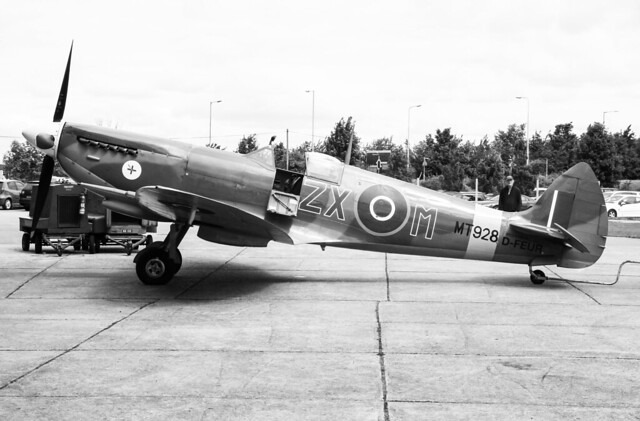
Spitfire Mk VIIIc (Rank II; 3.3):
Indian operated Hurricane Mk.IICs through WW2.
Stats:
Armament:
- 4x 20mm Hispano Autocannons
- Up to 500lbs of Ordinance
Mobility:
- Max Speed: 510 km/h (317 mph)
- Max Altitude: 6,900 m (22,800 ft)
- Rate of Climb: 11.1 m/s (1,176 ft/min)
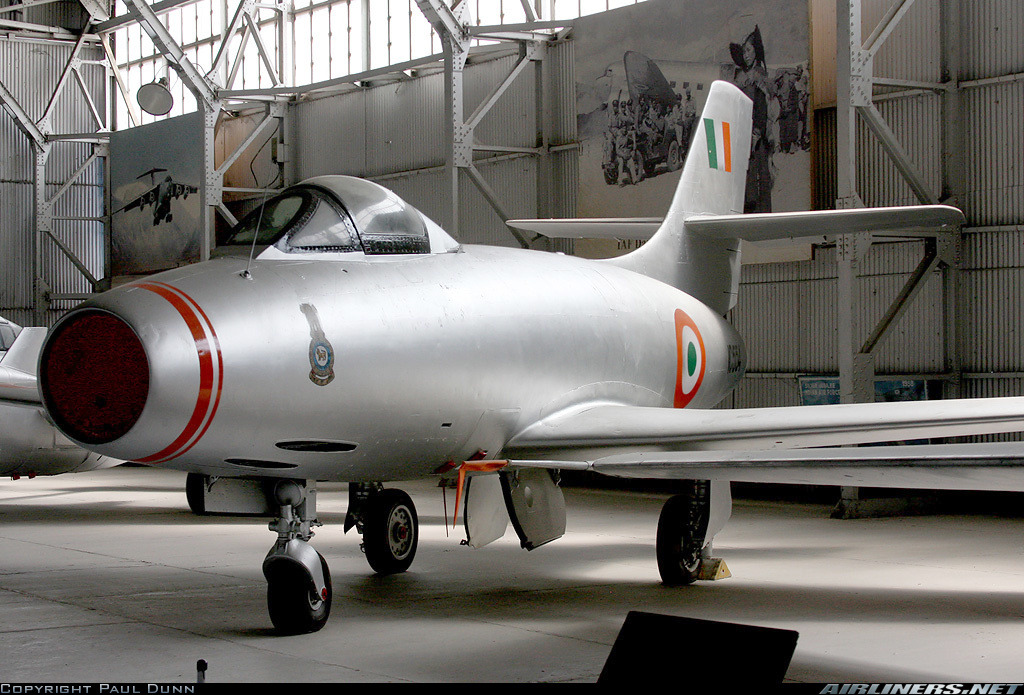
Toofani (Rank V; 7.3):
The Dassault Toofani was an Indian variant of the French Ouragan, operated by the Indian Air Force from the mid-1950s. Though quickly outclassed by supersonic jets, it marked a significant modernization step for the IAF during the Cold War.
Stats:
Armament:
- 4x 20mm M50 autocannons
- Up to 500 kg of bombs or 16x SNEB rockets
Mobility:
- Max Speed: 940 km/h (584 mph)
- Max Altitude: 13,000 m (42,650 ft)
- Rate of Climb: 38.1 m/s (7,500 ft/min)
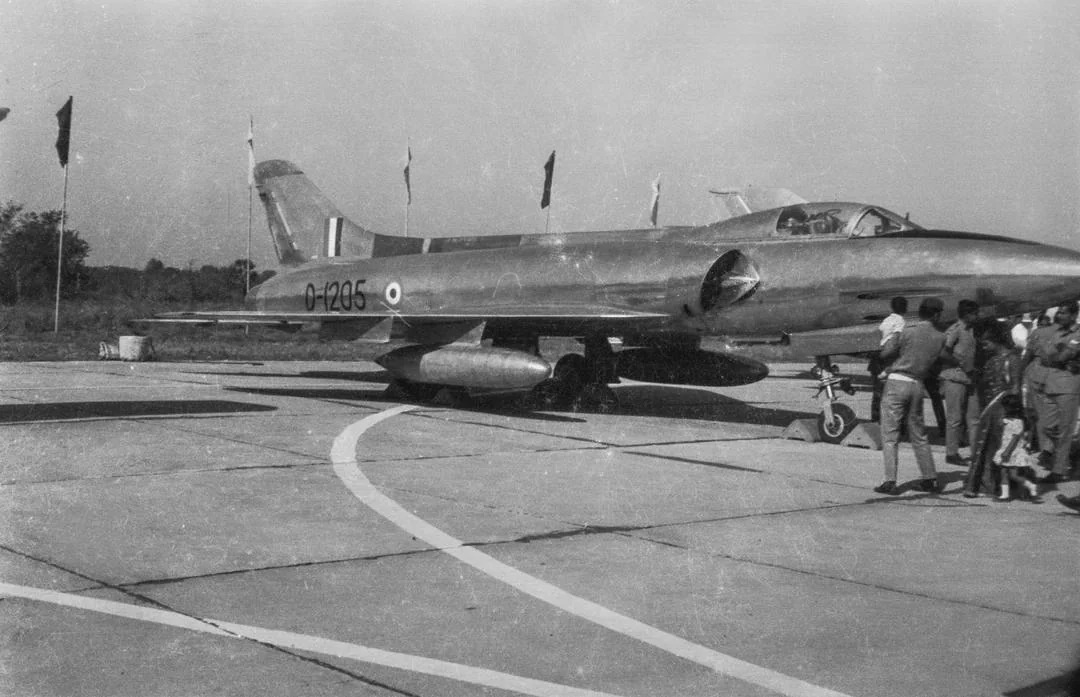
HAL HF-24 Marut Mk.I (Rank V; 8.7):
The Marut was India’s first indigenous jet fighter, developed with German assistance in the 1960s. Though hampered by underpowered engines, it proved itself in combat during the 1971 Indo-Pak war, especially in ground attack roles.
Stats:
Armament:
- 4x 30mm Aden cannons
- Up to 1,800 kg of bombs, rockets, or drop tanks
Mobility:
- Max Speed: 1,120 km/h (696 mph)
- Max Altitude: 12,000 m (39,370 ft)
- Rate of Climb: 50 m/s (9,840 ft/min)
HAL Ajeet Mk.I (Rank VI; 8.7):
A refined evolution of the British Gnat, the Ajeet was tailored for Indian needs with improved avionics, weapons systems, and ground attack capability. Though never a frontline interceptor, it served as a reliable multirole platform into the 1990s.
Stats:
Armament:
- 2x 30mm Aden cannons
- Up to 1,000 kg of bombs or SNEB rocket pods
- Provision for AIM-9B Sidewinders
Mobility:
- Max Speed: 1,145 km/h (711 mph)
- Max Altitude: 13,700 m (44,950 ft)
- Rate of Climb: 86 m/s (16,930 ft/min)
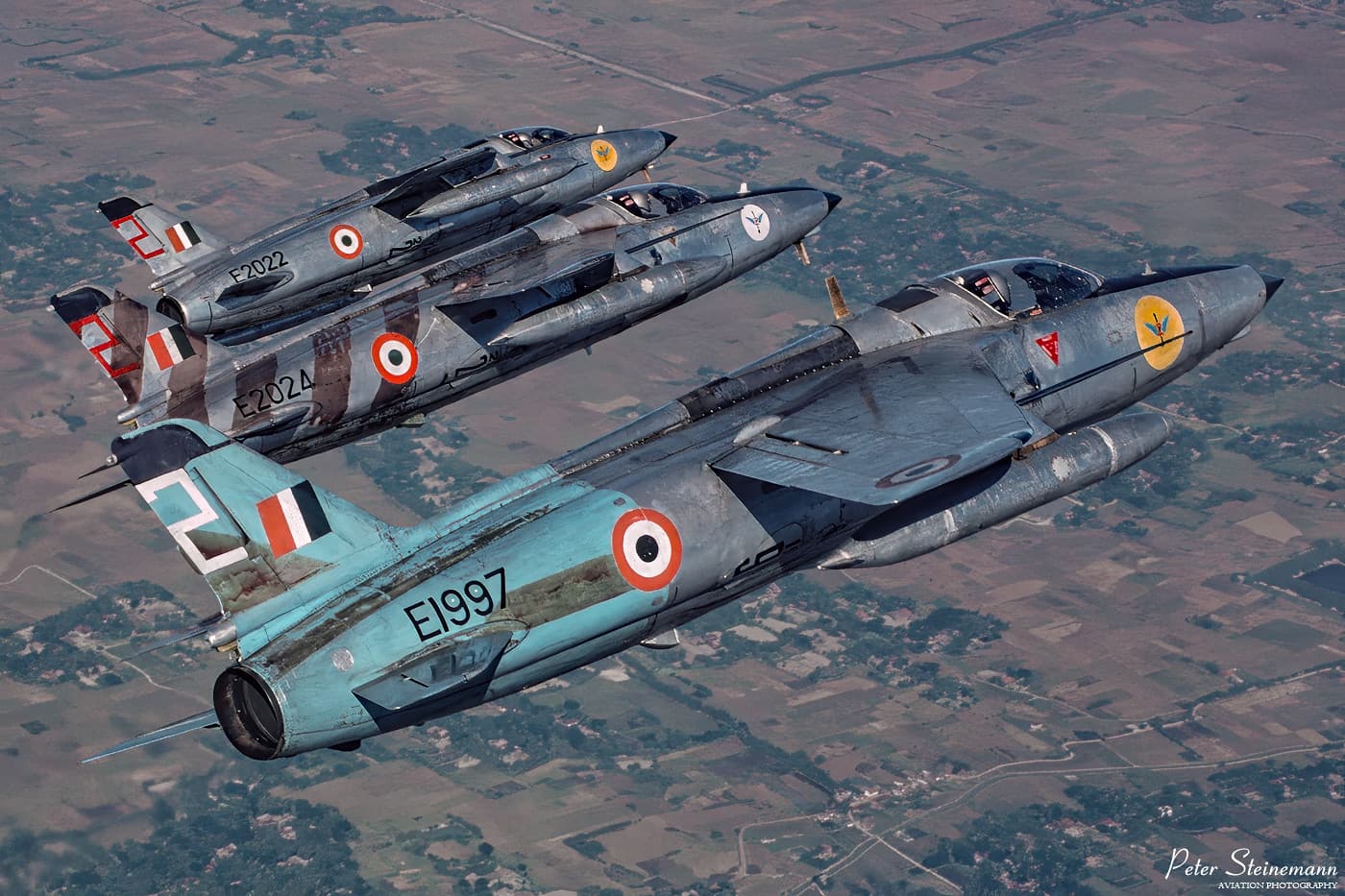
Type 77 Trishul (Rank VI; 9.0):
Nicknamed “Trishul,” the MiG-21FL (Indigenously built as the Type 77) was India’s first major supersonic interceptor, introduced in the early 1960s. It served with distinction during the 1971 war, scoring the IAF’s first confirmed supersonic aerial kills.
Stats:
Armament:
- 1x 23mm GSh-23L Cannon (Gunpod)
- 2x K-13 infrared-guided missiles
- Up to 500 kg of bombs or unguided rockets
Mobility:
- Max Speed: 2,175 km/h (1,351 mph / Mach 2.05)
- Max Altitude: 17,800 m (58,400 ft)
- Rate of Climb: 110 m/s (21,650 ft/min)
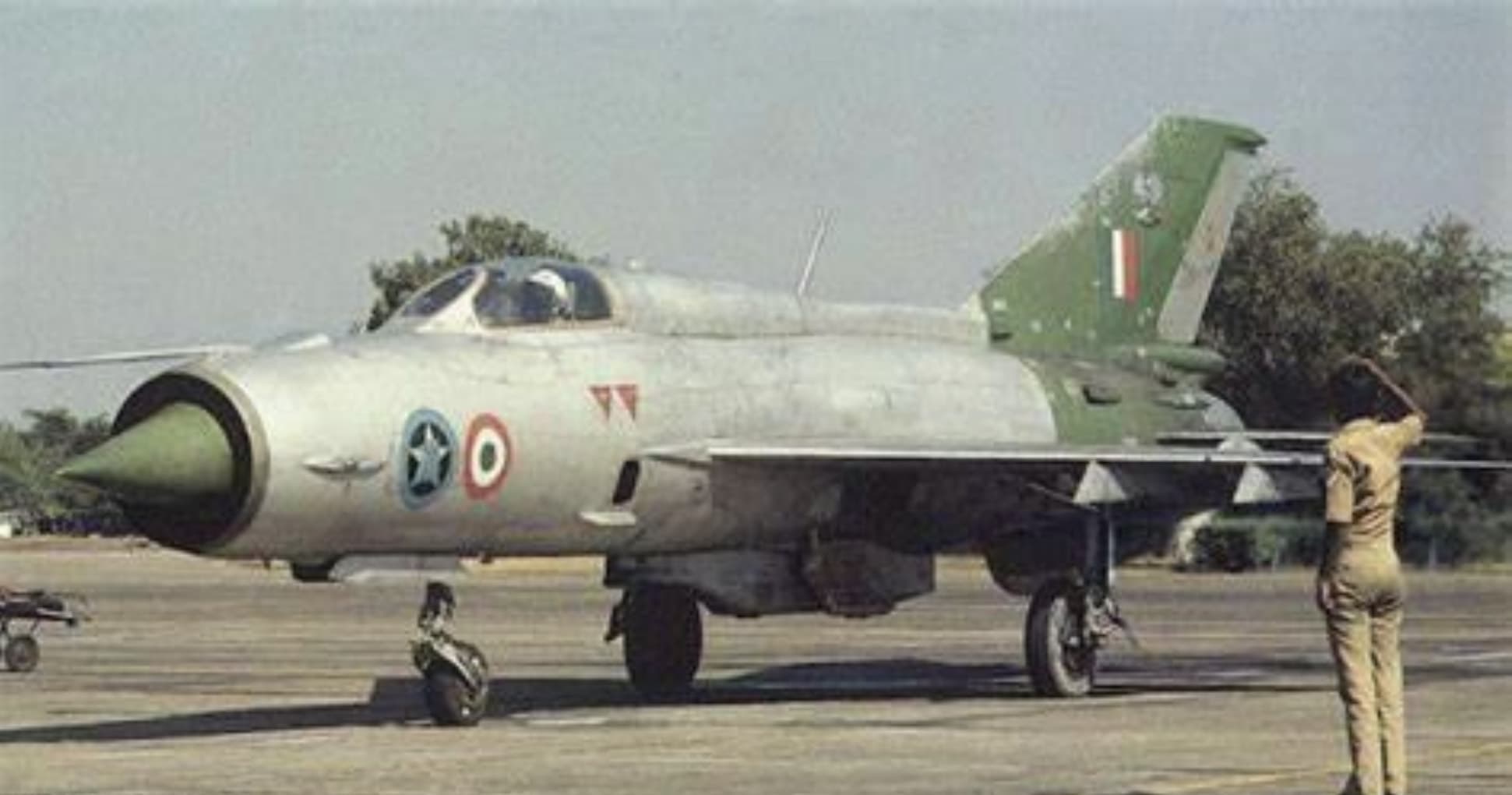
Type 88 (Rank VII; 10.0):
The Type 88 was the Indian designation for the MiG-21M, a mid-life upgrade combining the airframe of the MiG-21PFM with enhanced avionics and strike capabilities. It was a Cold War workhorse, bridging the gap between older FLs and more advanced bis variants.
Stats:
Armament:
- 1x 23mm GSh-23L twin-barrel cannon
- 2x R-3S or R-13M AAMs
- Up to 1,000 kg of bombs or S-24 rockets
Mobility:
- Max Speed: 2,100 km/h (1,305 mph / Mach 2.0)
- Max Altitude: 17,500 m (57,400 ft)
- Rate of Climb: 120 m/s (23,600 ft/min)
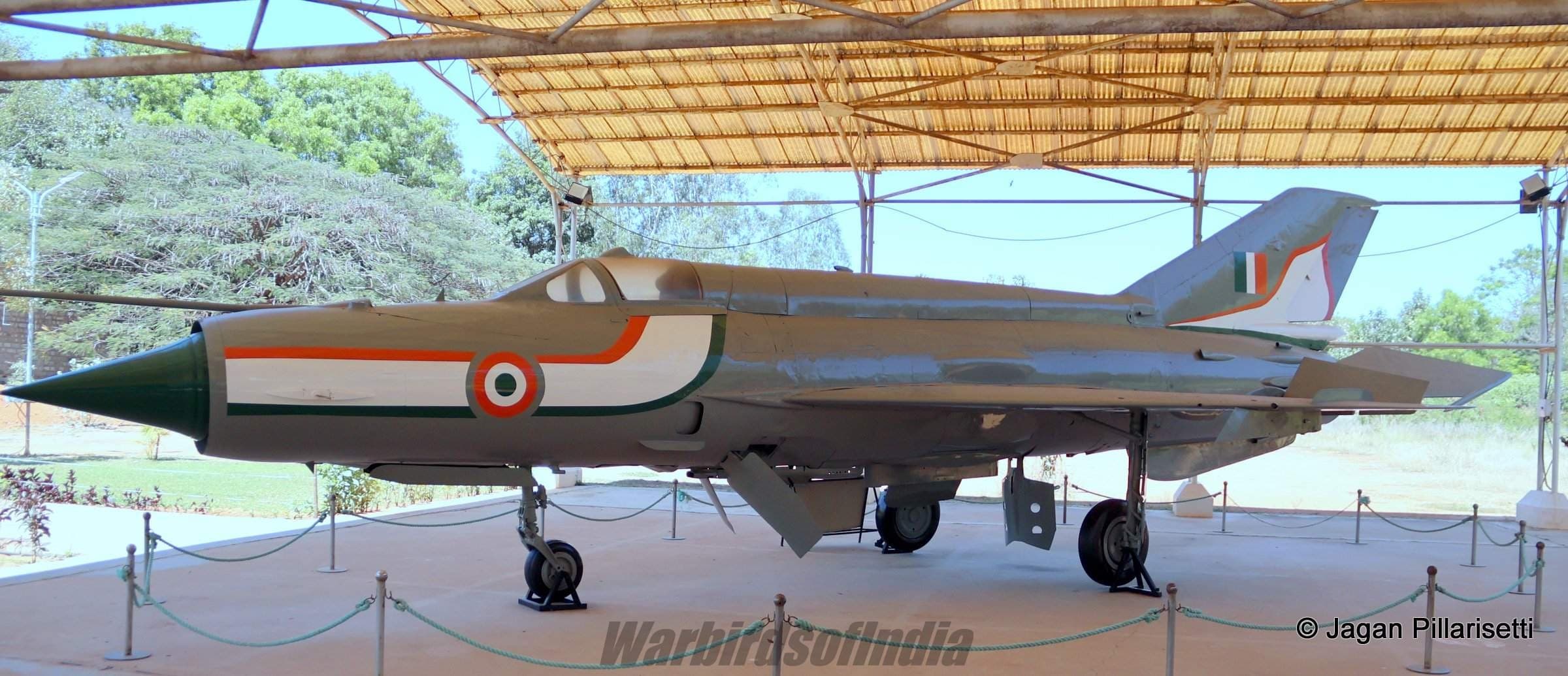
Bahadur (Rank VII; 11.3):
The Bahadur (“Valiant”) was India’s customized variant of the MiG-27ML, optimized for precision ground attack. Rugged, heavily armed, and featuring localized avionics and nav systems, it served as the IAF’s strike backbone until retirement in 2019.
Stats:
Armament:
- 1x 30mm GSh-6-30 rotary cannon (mounted under fuselage)
- Up to 4,000 kg of ordnance
Mobility:
- Max Speed: 1,885 km/h (1,171 mph / Mach 1.7 at altitude)
- Max Altitude: 14,000 m (45,900 ft)
- Rate of Climb: ~90 m/s (17,700 ft/min)
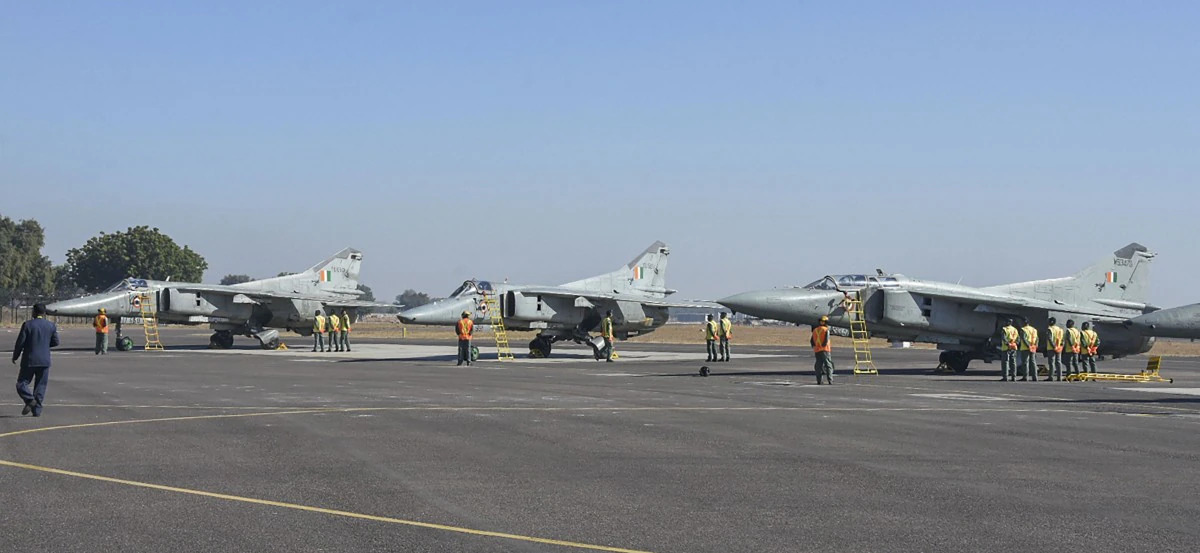
Tejas Mk.1 LSP-5 (Rank VIII; 12.7):
The Tejas Mk.1 LSP-5 is the first combat-ready version of India’s indigenous light fighter program. Compact, fast, and highly agile, it was designed for multirole operations with modern avionics, BVR capability, and fly-by-wire controls. While not perfect, it laid the foundation for India’s future fighter designs.
Stats:
- Armament:
- 1x 23mm GSh-23 twin-barrel cannon (220 rounds)
- Up to 3,500 kg of ordinance
- Mobility:
- Max Speed: 1,960 km/h (Mach 1.8 at altitude)
- Max Altitude: 15,200 m (49,870 ft)
- Rate of Climb: 150 m/s (29,530 ft/min)
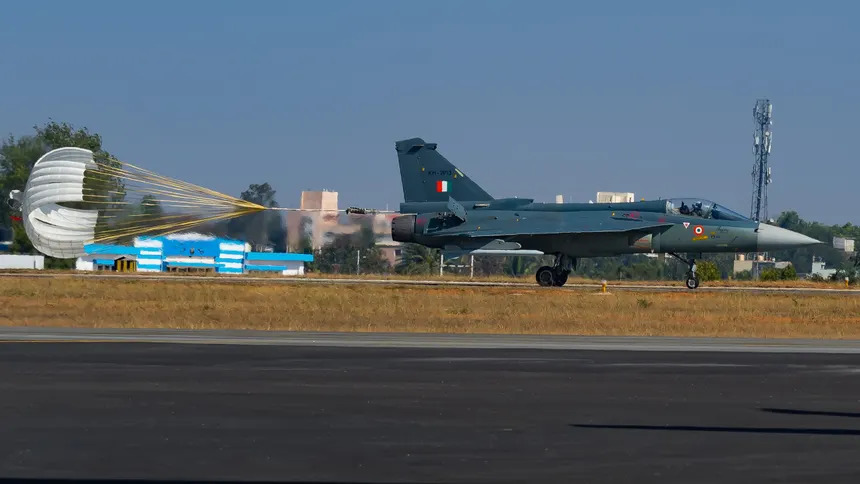
HAL Tejas Mk.1 (Rank VIII; 13.0):
The Tejas Mk.1 is the first true production variant of India’s indigenous light fighter program, now equipped with modern technology and countermeasures.
Stats:
- Armament:
- 1x 23mm GSh-23 twin-barrel cannon (220 rounds)
- Up to 3,500 kg of ordinance
- Mobility:
- Max Speed: 1,960 km/h (Mach 1.8 at altitude)
- Max Altitude: 15,200 m (49,870 ft)
- Rate of Climb: 150 m/s (29,530 ft/min)

HAL Tejas Mk.1A (Rank VIII; 13.7):
The Tejas Mk.1A is upgraded variant of the Tejas, seeing a better engine, weapons, and AESA radar.
Stats:
- Armament:
- 1x 23mm GSh-23 twin-barrel cannon (220 rounds)
- Up to 3,500 kg of ordinance
- Mobility:
- Max Speed: 1,960 km/h (Mach 1.8 at altitude)
- Max Altitude: 15,200 m (49,870 ft)
- Rate of Climb: 150 m/s (29,530 ft/min)
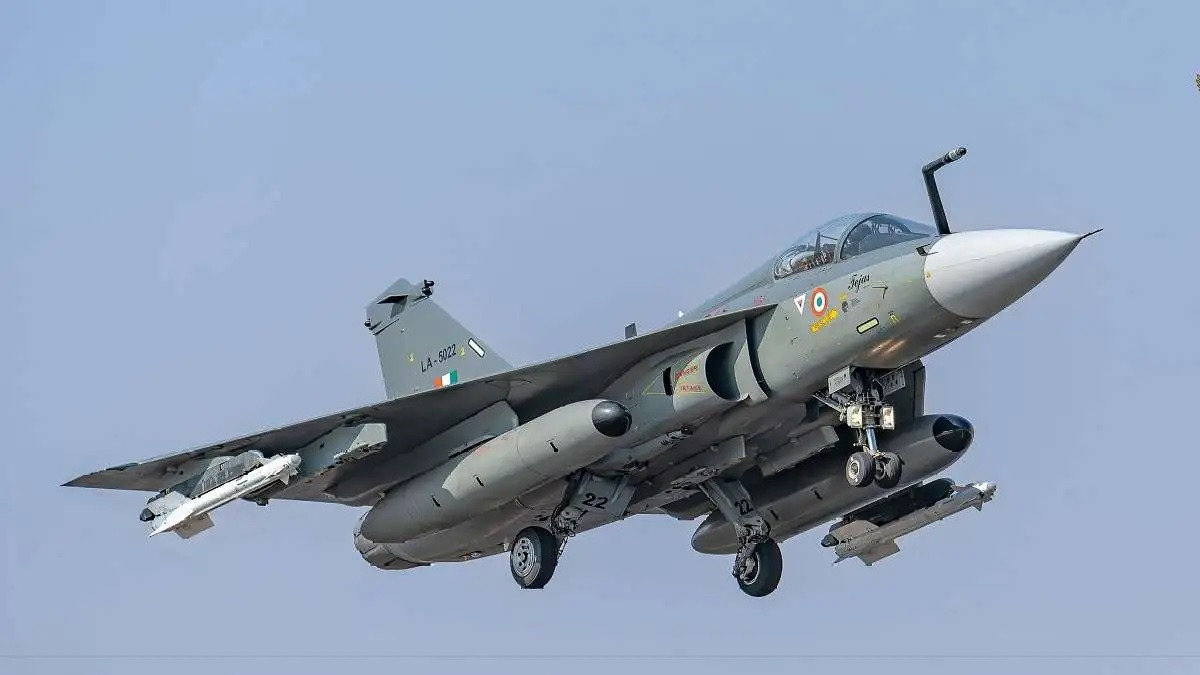
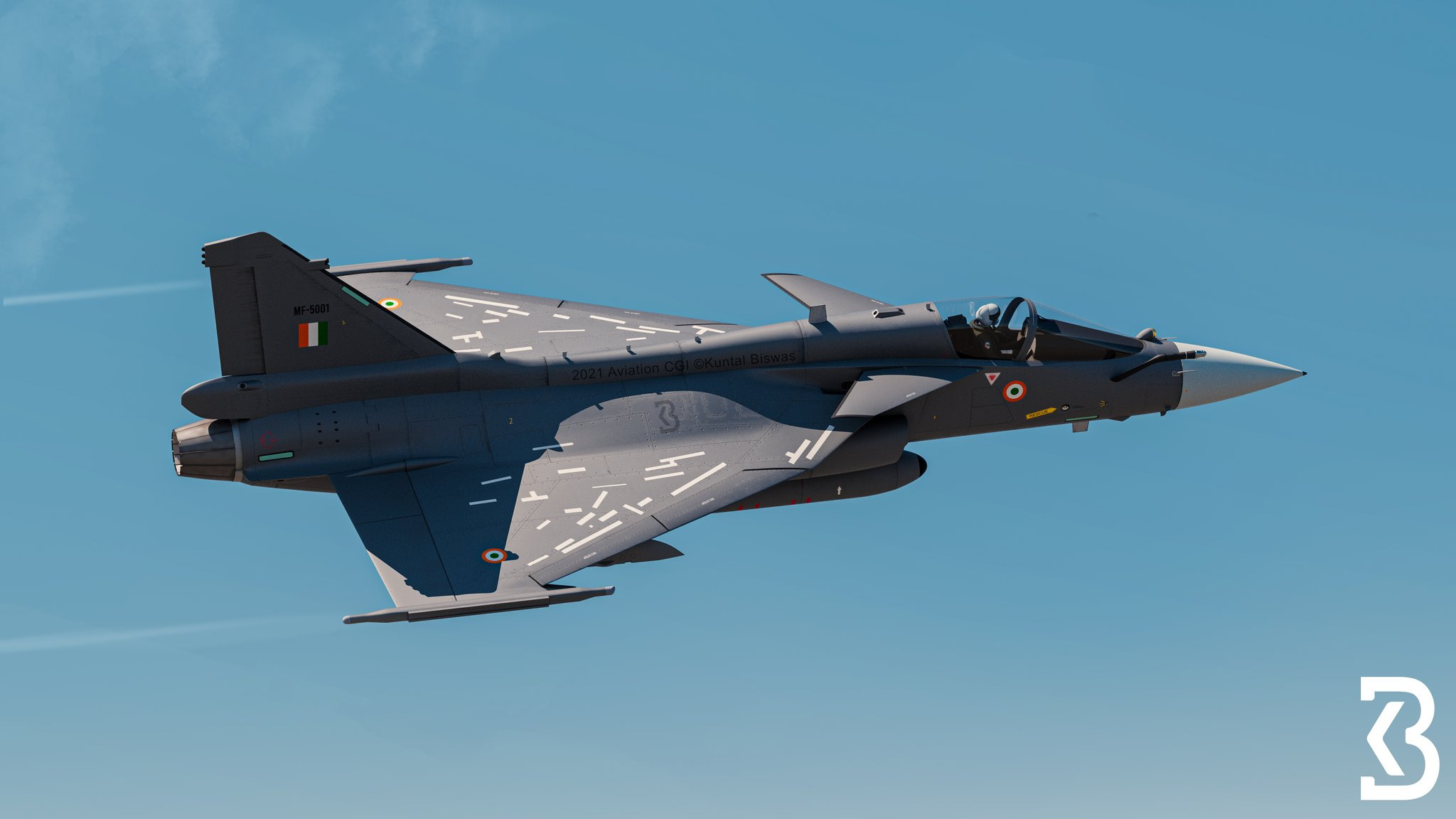
HAL Tejas Mk.2 (Rank IX; 14.3):
The Tejas Mk.2 is under development, serving as the next-generation of indigenous aircraft for the Indian Air Force.
Stats:
- Armament:
- 1x 30mm GSh-30-1 Autocannon
- Up to 3,500 kg of ordinance
- Mobility:
- Max Speed: 1,960 km/h (Mach 1.8 at altitude)
- Max Altitude: 17,300 m (56,758 ft)
- Rate of Climb: 150 m/s (29,530 ft/min)
Line 2 - US/European Aircraft
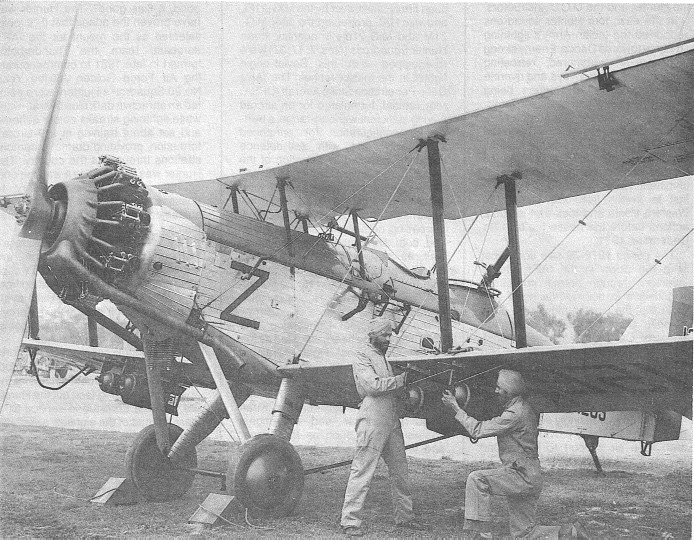
Wapiti IIA (Rank I; 1.0 Reserve):
A license-built version of the Westland Wapiti, produced and operated by the Royal Indian Air Force for reconnaissance and light bombing duties during the interwar period.
Stats:
- Armament:
- 1x 7.7 mm Vickers Machine Gun
- Turret: 1x 7.7 mm Lewis Machine Gun
- Up to 580 lbs of Bombs
- Mobility:
- Max Speed: 215 km/h (134 mph)
- Max Altitude: 5,700 m (18,700 ft)
- Rate of Climb: 3.2 m/s (630 ft/min)
Harvard II (Rank I; 1.3):
The North American Harvard II, a license-built variant of the T-6 Texan, served as a primary advanced trainer for the Royal Indian Air Force, preparing pilots for frontline combat aircraft.
Stats:
- Armament:
- 3x 7.7 mm Machine Guns (optional)
- Up to 500 lbs of Bombs (training/light attack configuration)
- Mobility:
- Max Speed: 335 km/h (208 mph)
- Max Altitude: 7,400 m (24,300 ft)
- Rate of Climb: 6.1 m/s (1,200 ft/min)
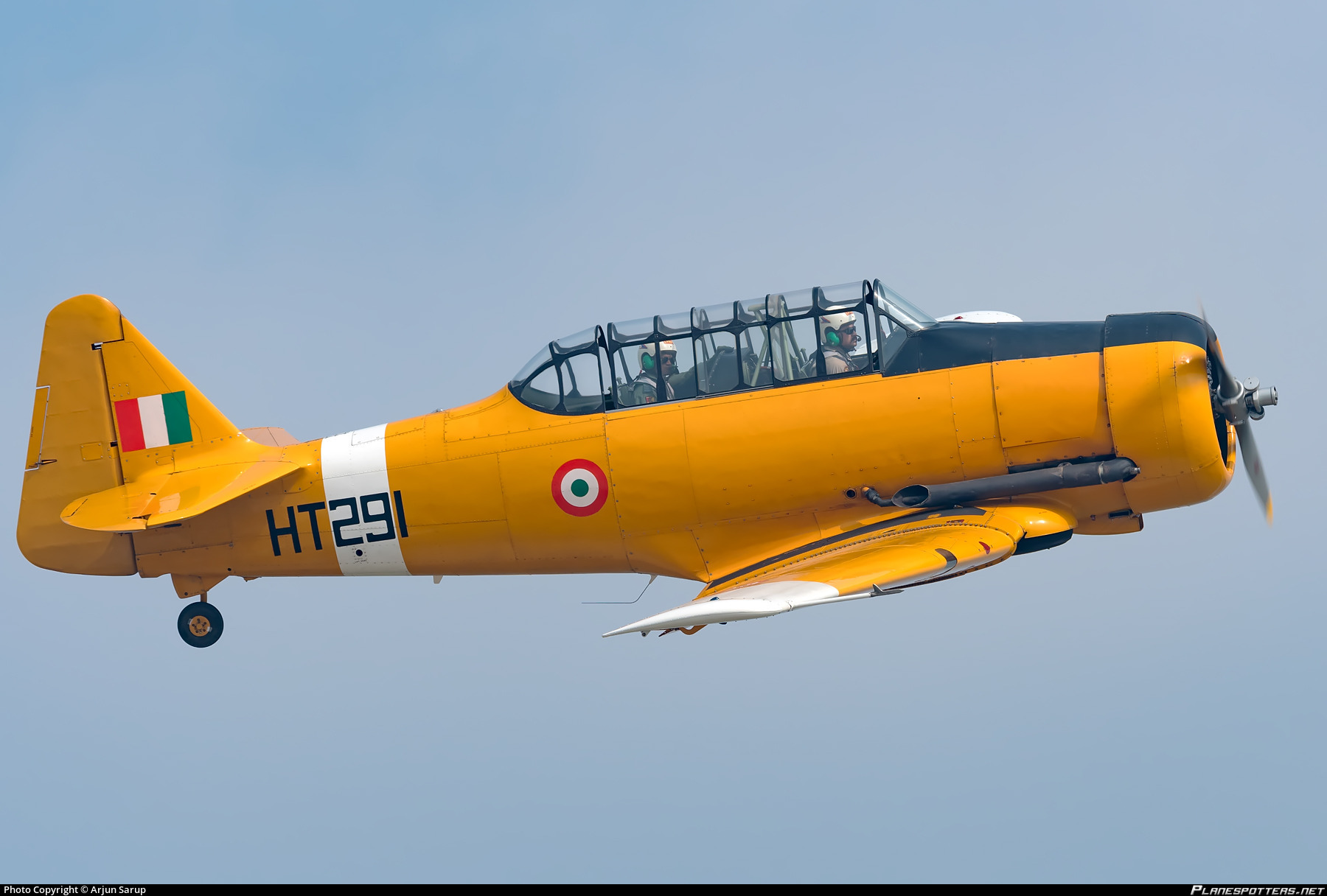
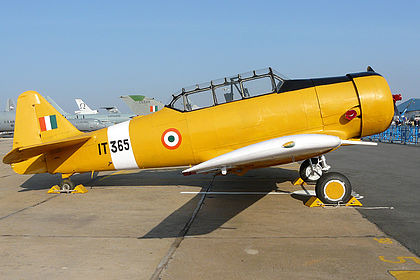
Harvard IV (Rank I; 1.7):
The North American Harvard IV, an improved post-war development of the Harvard/T-6 family, was used by the Indian Air Force as an advanced trainer, featuring refinements in avionics and handling for pilot instruction.
Stats:
- Armament:
- 3x 7.7 mm Machine Guns (optional)
- Up to 500 lbs of Bombs (training/light attack configuration)
- Mobility:
- Max Speed: 340 km/h (211 mph)
- Max Altitude: 7,600 m (24,900 ft)
- Rate of Climb: 6.5 m/s (1,280 ft/min)
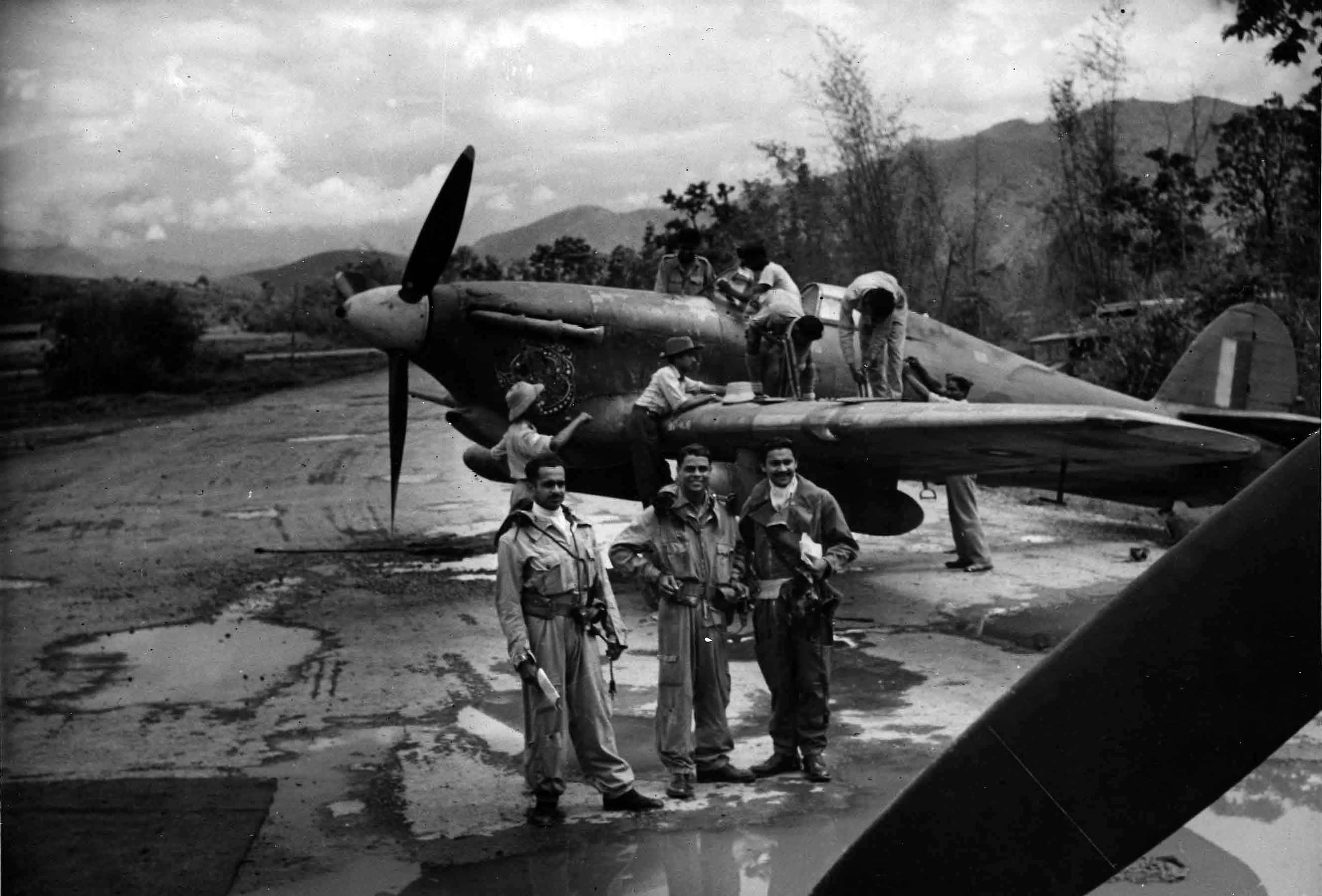
Hurricane Mk.IIB/Trop (Rank II; 2.3):
The Hawker Hurricane Mk IIB/Trop was a tropicalized variant of the Hurricane used extensively by the Royal Indian Air Force in the Burma campaign during World War II, excelling in ground attack and close air support roles.
Stats:
- Armament:
- 12x 7.7 mm Browning Machine Guns
- Up to 500 lbs of Bombs or 2x 250 lb Bombs
- Mobility:
- Max Speed: 540 km/h (335 mph)
- Max Altitude: 10,800 m (35,400 ft)
- Rate of Climb: 14.1 m/s (2,780 ft/min)
Spitfire Mk Vc/Trop (Rank III; 5.3):
(I cant find a photo 🥲)The Supermarine Spitfire Mk Vc/Trop was a tropicalized variant of the Spitfire adapted for operations in hot and dusty climates, widely used by the Royal Indian Air Force in the Burma theater for air superiority and ground attack missions.
Stats:
- Armament:
- 2x 20 mm Hispano Cannons
- 4x 7.7 mm Browning Machine Guns
- Up to 500 lbs of Bombs
- Mobility:
- Max Speed: 603 km/h (375 mph)
- Max Altitude: 11,300 m (37,100 ft)
- Rate of Climb: 15.5 m/s (3,050 ft/min)
Spitfire F Mk IX (Rank III; 5.3):
The Supermarine Spitfire F Mk IX was an upgraded variant of the Spitfire equipped with a more powerful Merlin 61 engine, serving with the Indian Air Force for air superiority and interception roles during the later stages of World War II and early post-war years.
Stats:
- Armament:
- 2x 20 mm Hispano Cannons
- 4x 7.7 mm Browning Machine Guns
- Up to 500 lbs of Bombs
- Mobility:
- Max Speed: 656 km/h (408 mph)
- Max Altitude: 12,200 m (40,000 ft)
- Rate of Climb: 17 m/s (3,350 ft/min)
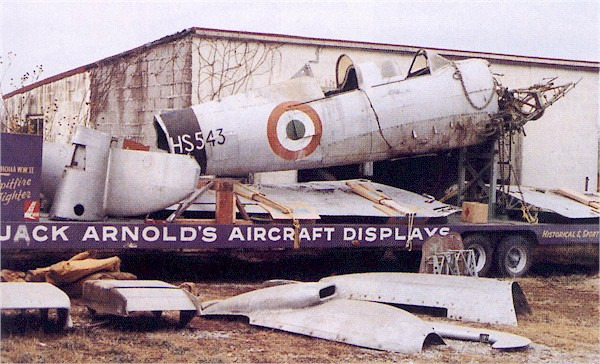
Spitfire F Mk XVIIIe (Rank IV; 5.7):
The Supermarine Spitfire F Mk XVIIIe was a high-performance variant of the Spitfire optimized for low- to medium-altitude combat, serving with the Indian Air Force in the post-World War II period for both air defense and ground-attack missions.
Stats:
- Armament:
- 2x 20 mm Hispano Cannons
- 2x 12.7 mm Browning Machine Guns
- Up to 1,000 lbs of Bombs
- Mobility:
- Max Speed: 670 km/h (416 mph)
- Max Altitude: 12,000 m (39,400 ft)
- Rate of Climb: 17.5 m/s (3,440 ft/min)
- Sources:
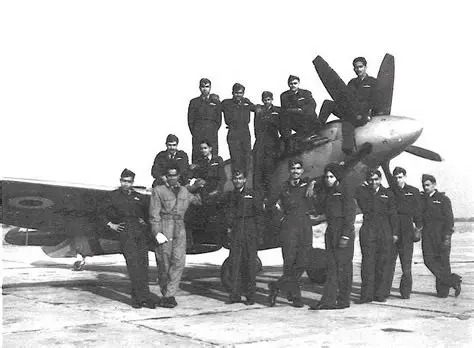
Tempest II (Rank IV; 6.3):
The Hawker Tempest II was a powerful post-war fighter operated by the Indian Air Force, designed for high-speed interception, ground attack, and low-altitude operations with excellent performance against jet and piston-engine threats.
Stats:
- Armament:
- 4x 20 mm Hispano Cannons
- Up to 2,000 lbs of Bombs or Rockets
- Mobility:
- Max Speed: 700 km/h (435 mph)
- Max Altitude: 13,400 m (44,000 ft)
- Rate of Climb: 18.3 m/s (3,600 ft/min)
- Sources:
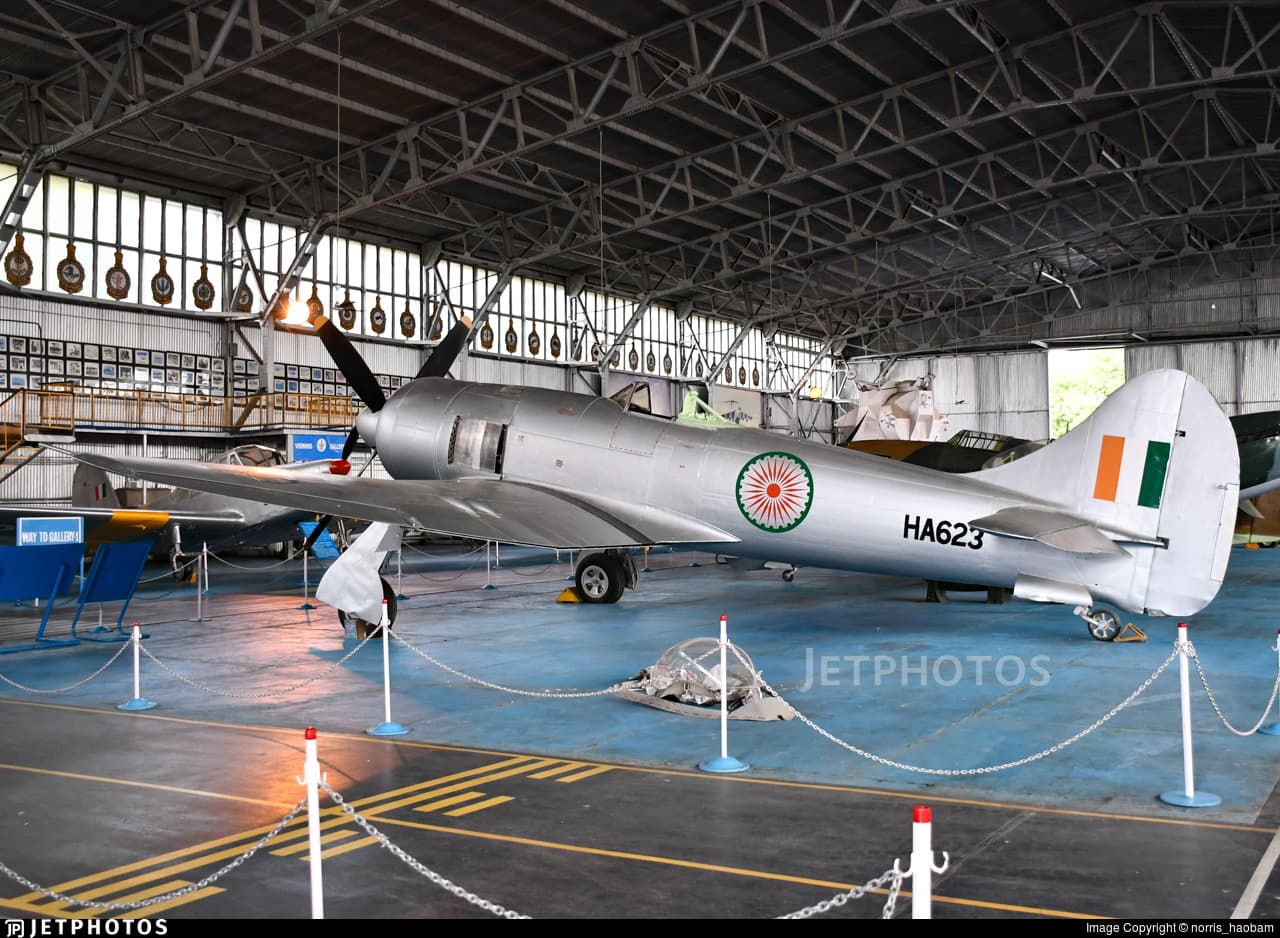
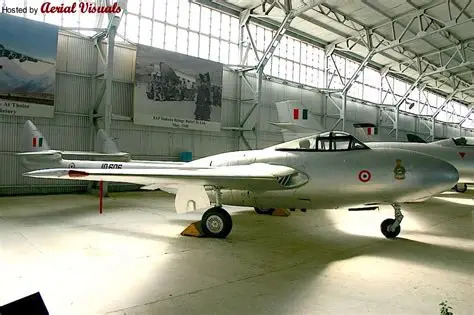
Vampire F.3 (Rank V; 7.7):
The de Havilland Vampire F.3 was one of the first jet fighters inducted into the Indian Air Force, serving in the late 1940s and 1950s for air defense and pilot training in jet operations.
Stats:
- Armament:
- 4x 20 mm Hispano Cannons
- Up to 1,000 lbs of Bombs or Rockets
- Mobility:
- Max Speed: 882 km/h (548 mph)
- Max Altitude: 12,200 m (40,000 ft)
- Rate of Climb: 19.5 m/s (3,830 ft/min)
- Sources:
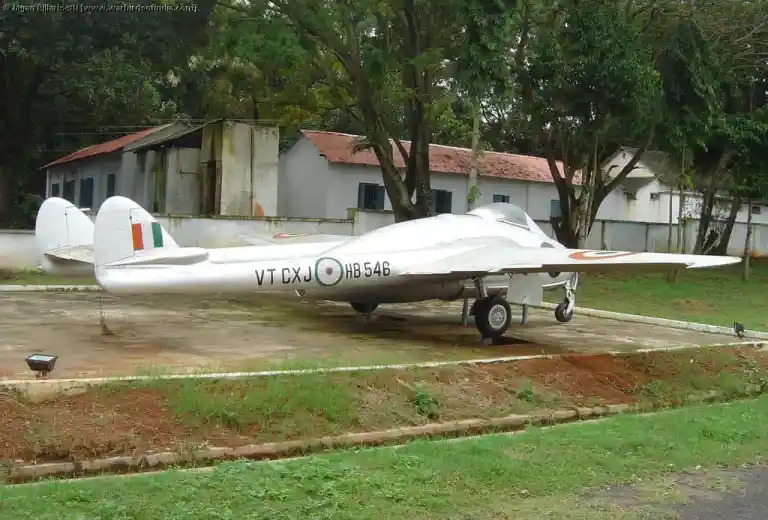
Vampire FB.52 (Rank V; 7.7):
The de Havilland Vampire FB.52 was a fighter-bomber variant of the Vampire jet operated by the Indian Air Force, capable of ground attack missions in addition to air defense roles, serving in the 1950s and early 1960s.
Stats:
- Armament:
- 4x 20 mm Hispano Cannons
- Up to 2,000 lbs of Bombs or Rockets
- Mobility:
- Max Speed: 882 km/h (548 mph)
- Max Altitude: 12,200 m (40,000 ft)
- Rate of Climb: 20 m/s (3,940 ft/min)
- Sources:
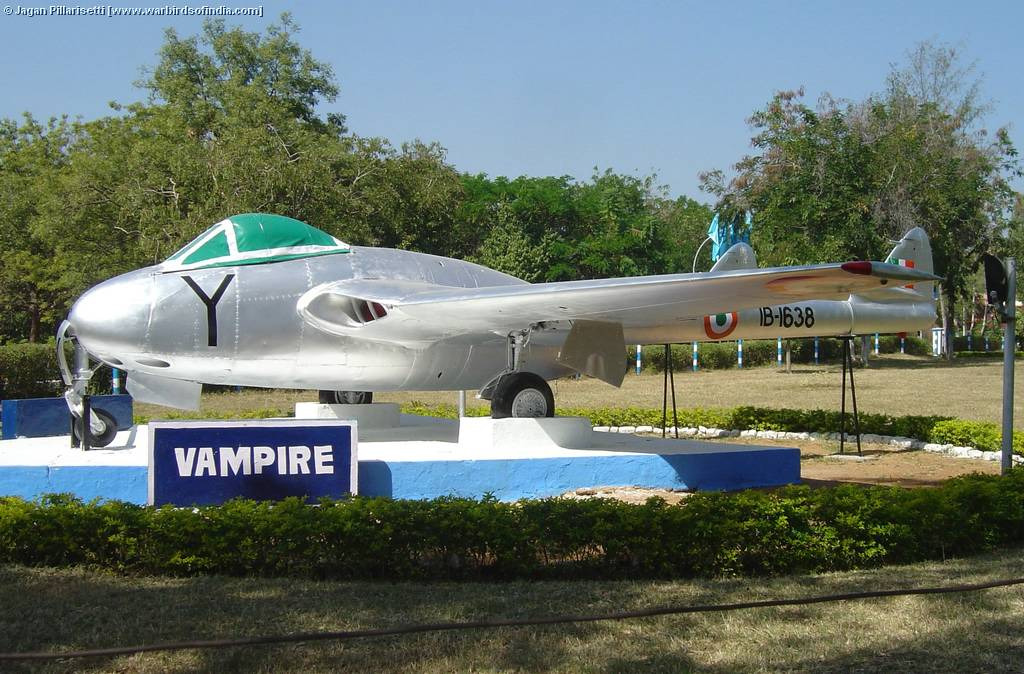
Vampire NF.54 (Rank V; 8.0):
The de Havilland Vampire NF.54 was a night-fighter variant of the Vampire, equipped with radar and modified for nocturnal interception missions, serving with the Indian Air Force during the 1950s for air defense and all-weather operations.
Stats:
- Armament:
- 4x 20 mm Hispano Cannons
- Up to 1,000 lbs of Bombs or Rockets
- Mobility:
- Max Speed: 882 km/h (548 mph)
- Max Altitude: 12,200 m (40,000 ft)
- Rate of Climb: 19.8 m/s (3,880 ft/min)
- Sources:
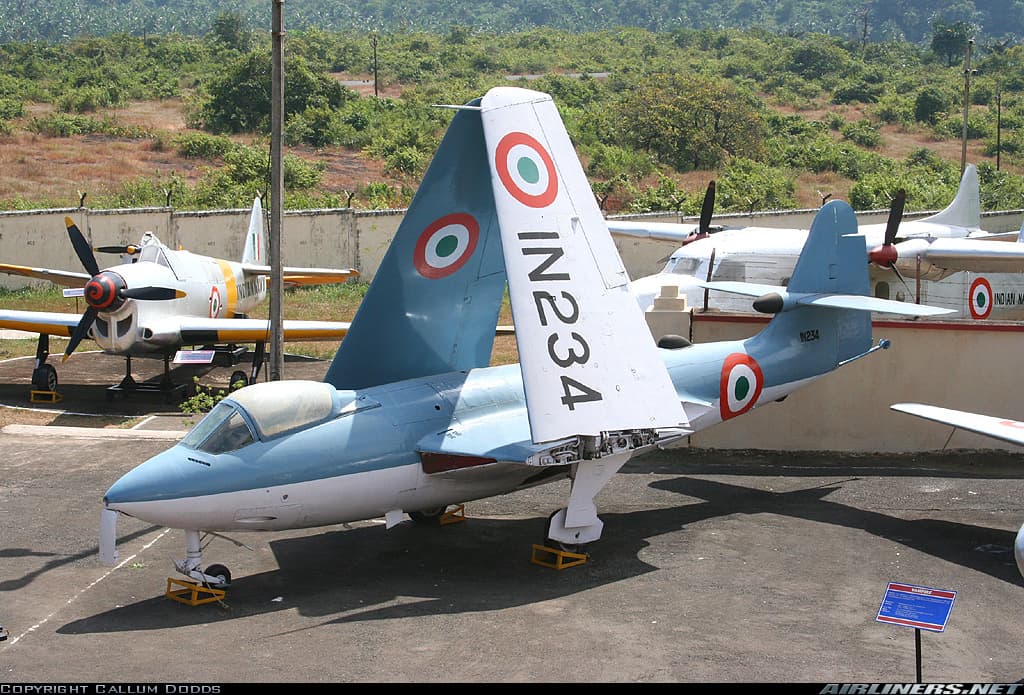
Sea Hawk Mk.100 (Rank VI; 8.3):
The Hawker Sea Hawk Mk.100 was a naval jet fighter operated by the Indian Navy’s air arm, adapted for carrier operations and ground-attack missions, providing air support and fleet defense during the 1960s and 1970s.
Stats:
- Armament:
- 4x 20 mm Hispano Cannons
- Up to 2,000 lbs of Bombs or Rockets
- Mobility:
- Max Speed: 975 km/h (606 mph)
- Max Altitude: 13,000 m (42,650 ft)
- Rate of Climb: 20.5 m/s (4,030 ft/min)
- Sources:
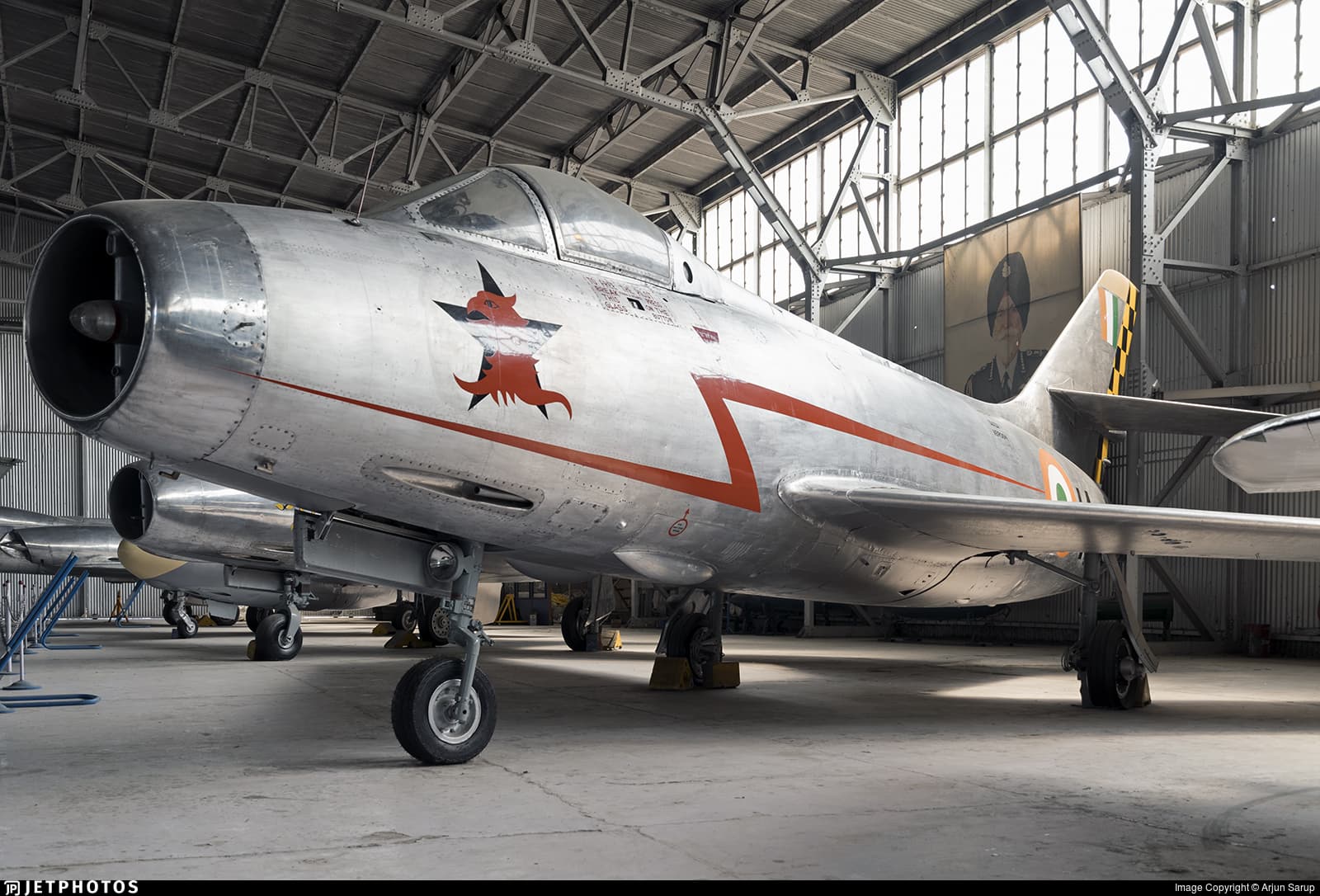
Mystère IVA (Rank VI; 9.0):
The Dassault Mystère IVA was a transonic fighter-bomber operated by the Indian Air Force in the late 1950s and 1960s, capable of ground attack, close air support, and interception missions with improved speed and payload over earlier jets.
Stats:
- Armament:
- 2x 30 mm DEFA Cannons
- Up to 2,000 lbs of Bombs or Rockets
- Mobility:
- Max Speed: 1,080 km/h (671 mph)
- Max Altitude: 14,500 m (47,570 ft)
- Rate of Climb: 23 m/s (4,520 ft/min)
- Sources:
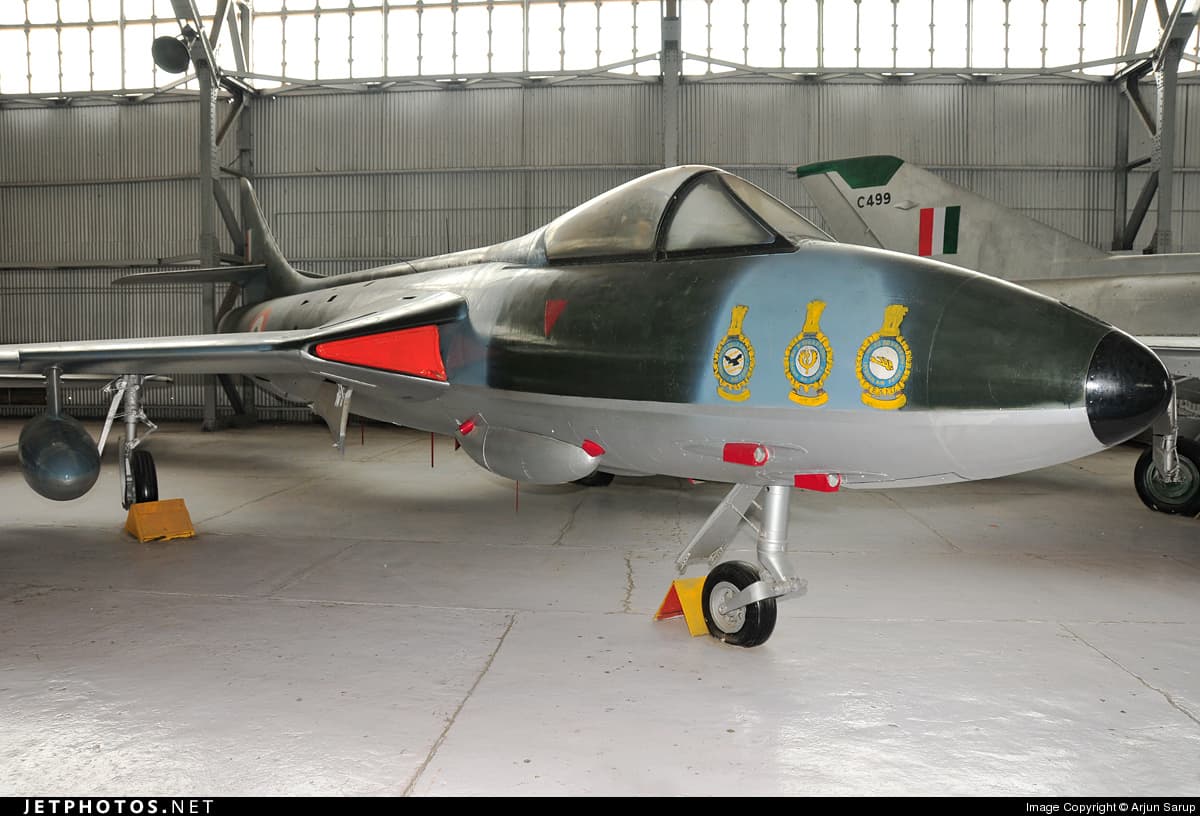
Hunter Mk.56 (Rank VI; 9.7):
The Hawker Hunter Mk.56 was an export variant of the Hunter tailored for the Indian Air Force, serving as a versatile fighter-bomber during the 1960s and 1970s, and playing a significant role in conflicts such as the Indo-Pakistani War of 1965.
Stats:
- Armament:
- 4x 30 mm ADEN Cannons
- Up to 3,400 lbs of Bombs or Rockets
- Mobility:
- Max Speed: 1,150 km/h (715 mph)
- Max Altitude: 15,200 m (49,900 ft)
- Rate of Climb: 30 m/s (5,900 ft/min)
- Sources:
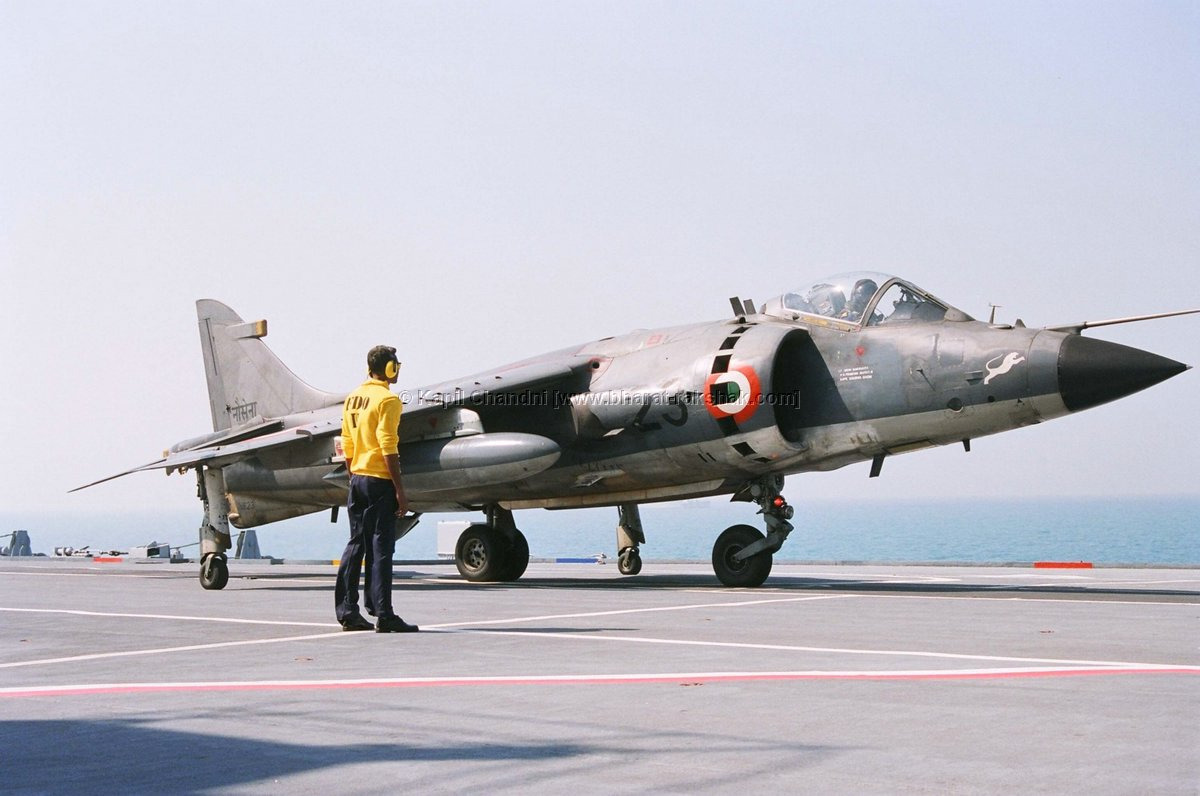
Harrier FRS.51 (Rank VII; 10.7):
The BAe Sea Harrier FRS.51 was a carrier-capable V/STOL fighter operated by the Indian Navy, designed for fleet air defense, reconnaissance, and strike missions, featuring advanced avionics and the ability to operate from short decks and forward bases.
Stats:
- Armament:
- 2x 30 mm ADEN Cannons (gun pods)
- Air-to-Air Missiles (e.g., Matra R550 Magic)
- Up to 5,000 lbs of Bombs or Rockets
- Mobility:
- Max Speed: 1,190 km/h (740 mph)
- Max Altitude: 15,000 m (49,200 ft)
- Rate of Climb: 65 m/s (12,800 ft/min)
- Sources:
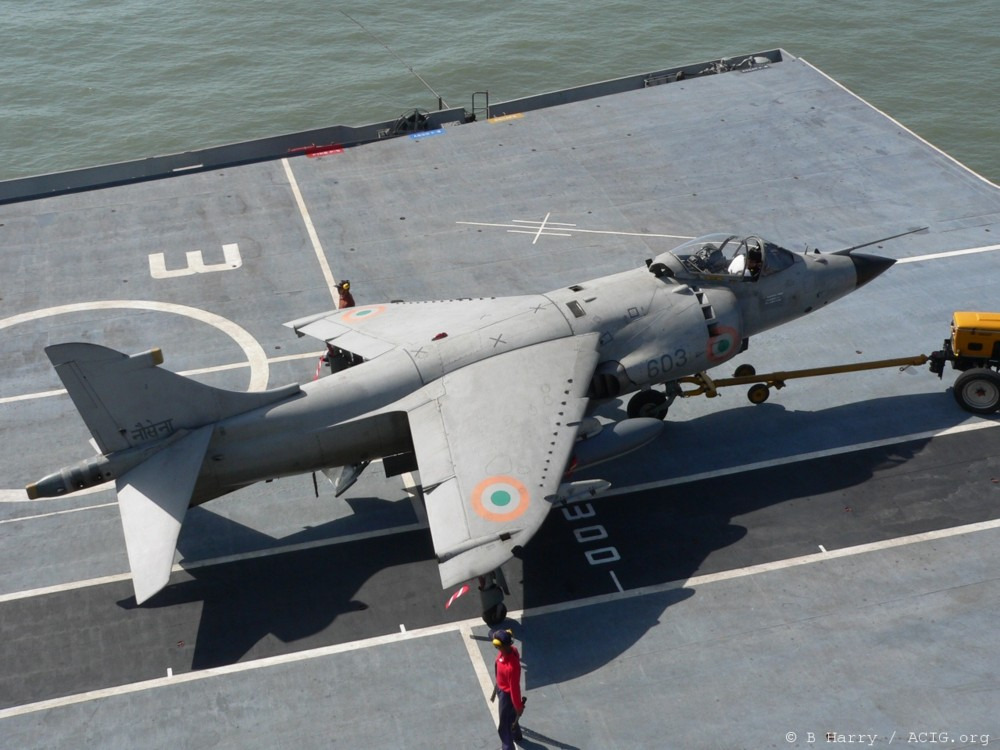
Harrier FRS.51 (LUSH) (Rank VII; 11.3):
The BAe Sea Harrier FRS.51 (LUSH) was an upgraded variant of the Sea Harrier operated by the Indian Navy under the Limited Upgrade Sea Harrier (LUSH) program, featuring improved avionics, radar, and compatibility with modern air-to-air missiles for enhanced fleet air defense capabilities.
Stats:
- Armament:
- 2x 30 mm ADEN Cannons (gun pods)
- Air-to-Air Missiles (e.g., Magic II, Derby, Python II)
- Up to 5,000 lbs of Bombs or Rockets
- Mobility:
- Max Speed: 1,190 km/h (740 mph)
- Max Altitude: 15,000 m (49,200 ft)
- Rate of Climb: 70 m/s (13,800 ft/min)
- Sources:
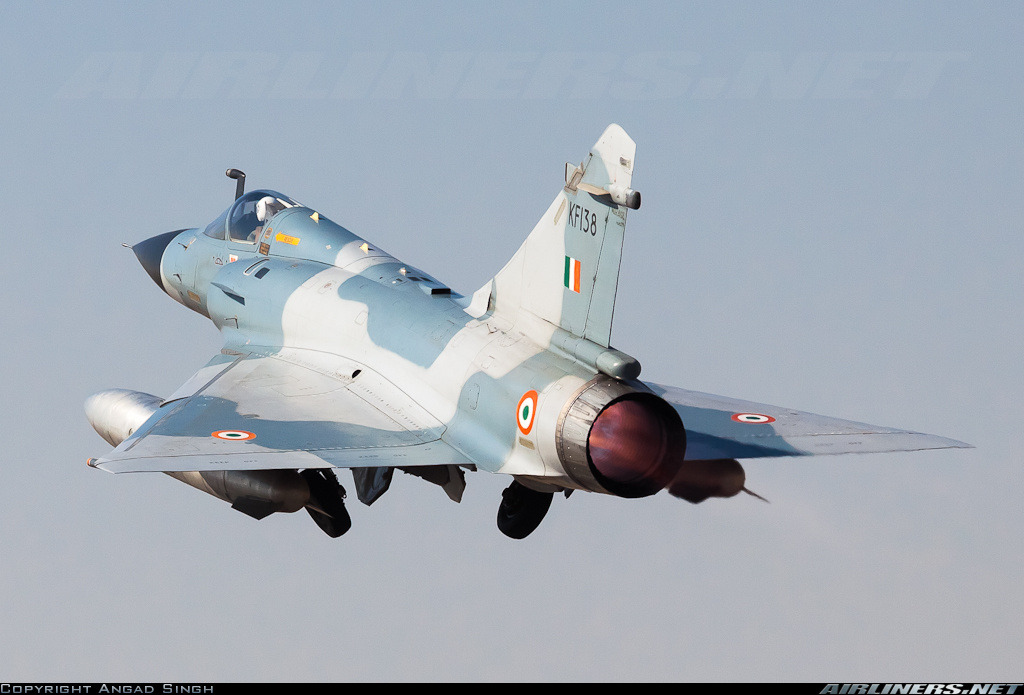
Vajra-H (Rank VIII; 12.3):
The Dassault Mirage 2000H, known in Indian Air Force service as “Vajra,” is a highly capable multirole fighter optimized for air superiority and precision strike missions, featuring advanced avionics and excellent high-speed performance.
Stats:
- Armament:
- 2x 30 mm DEFA 554 Cannons
- Air-to-Air Missiles
- Precision-Guided Munitions
- Up to 13,000 lbs of Ordnance
- Mobility:
- Max Speed: 2,336 km/h (Mach 2.2)
- Max Altitude: 17,000 m (55,800 ft)
- Rate of Climb: 285 m/s (56,000 ft/min)
- Sources:
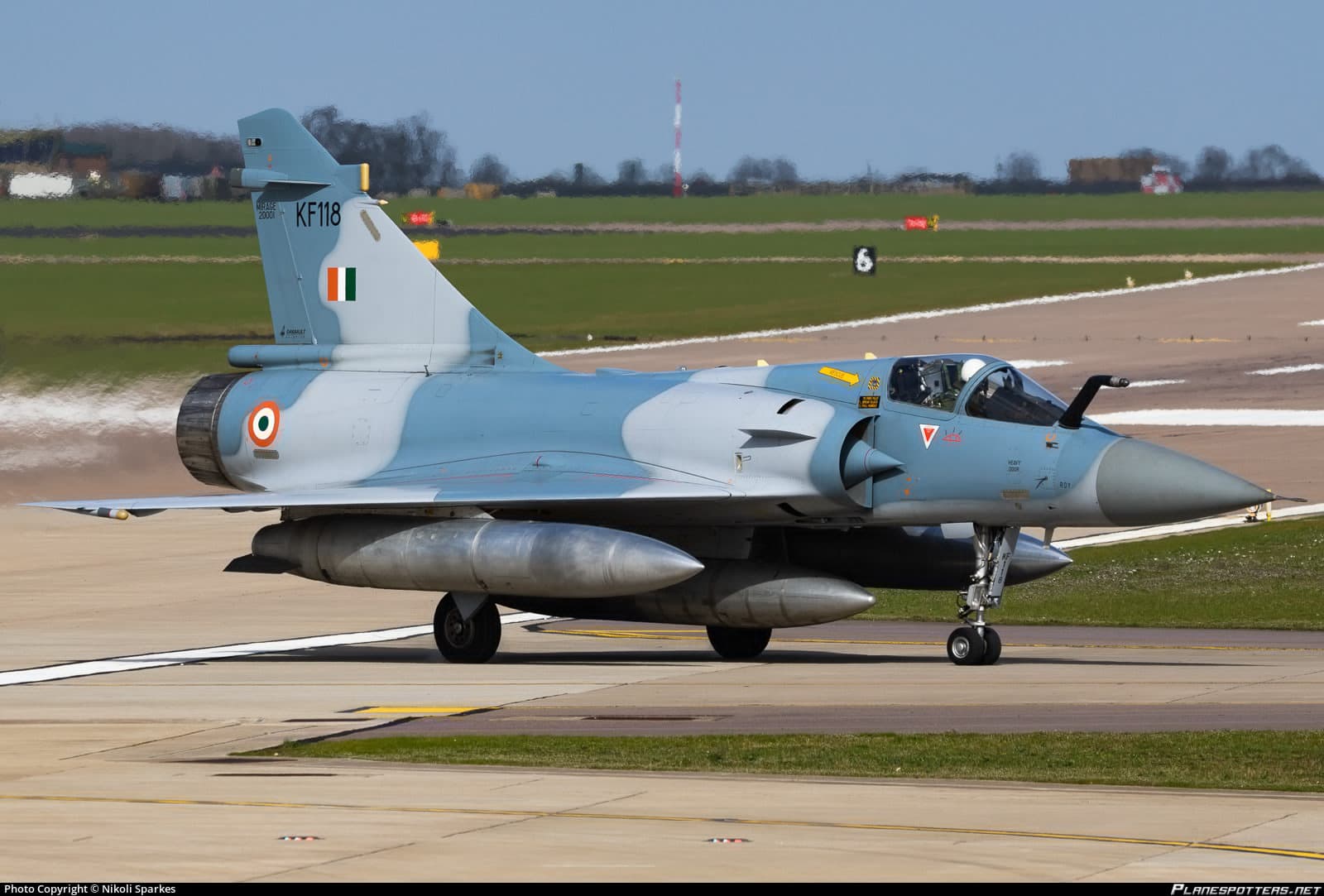
Vajra-I (Rank VIII; 13.0):
The Dassault Mirage 2000I is an advanced upgrade of the Mirage 2000H “Vajra,” featuring modernized avionics, improved radar, and expanded compatibility with contemporary precision-guided munitions, significantly enhancing the Indian Air Force’s multirole combat capabilities.
Stats:
- Armament:
- 2x 30 mm DEFA 554 Cannons
- Air-to-Air Missiles
- Precision-Guided Munitions
- Up to 14,000 lbs of Ordnance
- Mobility:
- Max Speed: 2,336 km/h (Mach 2.2)
- Max Altitude: 17,500 m (57,400 ft)
- Rate of Climb: 285 m/s (56,000 ft/min)
- Sources:
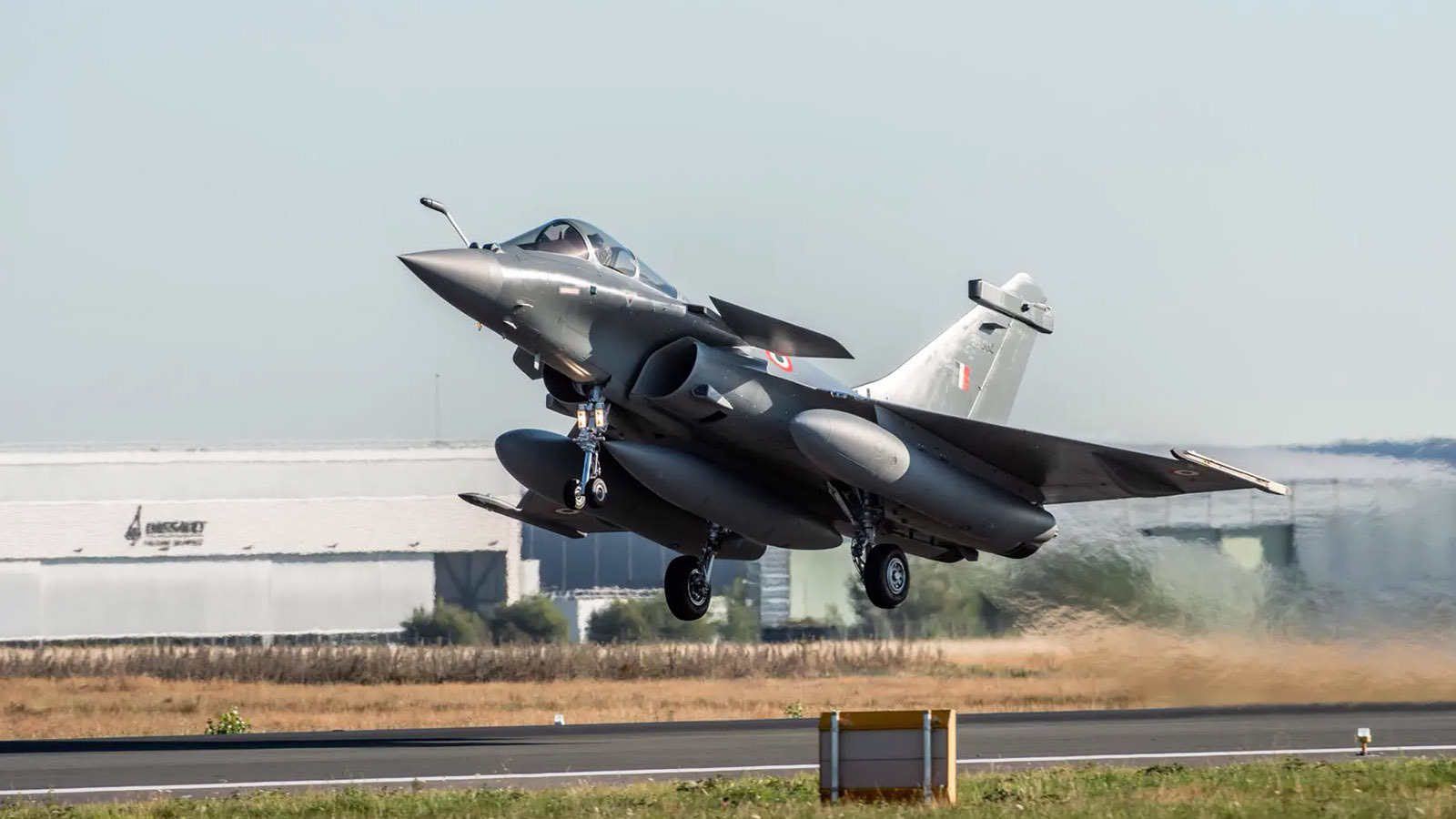
Rafale EH (Rank IX; 14.3):
The Dassault Rafale EH is the Indian Air Force variant of the Rafale, optimized for deep strike, air superiority, and multirole operations, featuring advanced avionics, AESA radar, electronic warfare systems, and compatibility with a wide range of modern weapons.
Stats:
- Armament:
- 1x 30 mm GIAT 30 cannon
- Air-to-Air Missiles
- Air-to-Ground Missiles and Bombs
- Up to 21,000 lbs of Ordnance
- Mobility:
- Max Speed: 1,912 km/h (Mach 1.8)
- Max Altitude: 15,000 m (49,200 ft)
- Rate of Climb: 315 m/s (61,900 ft/min)
- Sources:
Line 3 - Soviet/Russian Aircraft
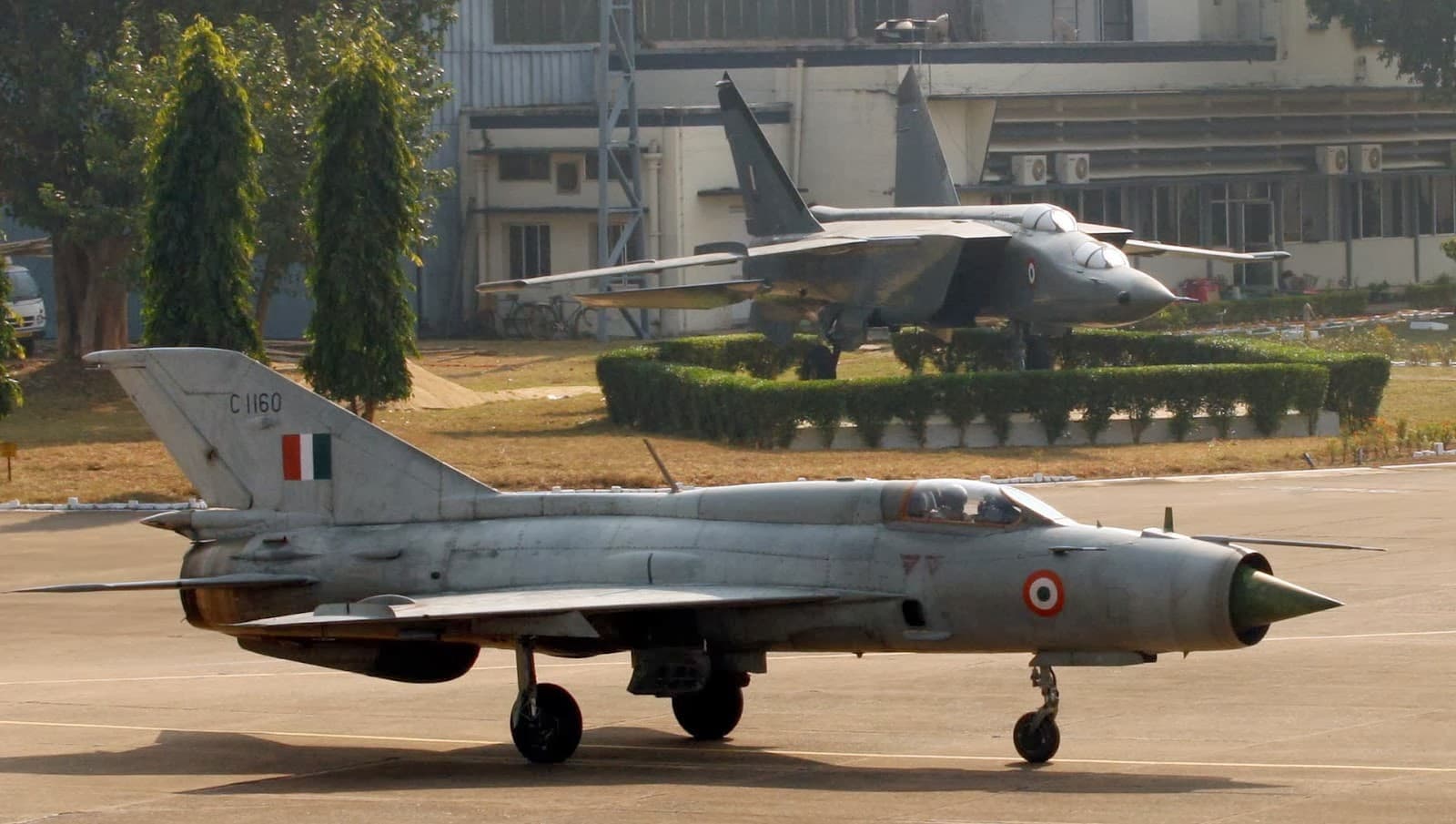
MiG-21FL (Rank VI; 8.7):
The Mikoyan-Gurevich MiG-21FL was an early variant of the MiG-21 inducted into the Indian Air Force, serving as a supersonic interceptor and air defense fighter during the 1960s, and forming the backbone of India’s frontline fighter fleet at the time.
Stats:
- Armament:
- 1x 23 mm GSh-23L Cannon
- Air-to-Air Missiles (K-13/AA-2 Atoll)
- Up to 1,000 lbs of Bombs or Rockets
- Mobility:
- Max Speed: 2,115 km/h (Mach 2.0)
- Max Altitude: 17,000 m (55,800 ft)
- Rate of Climb: 230 m/s (45,000 ft/min)
- Sources:
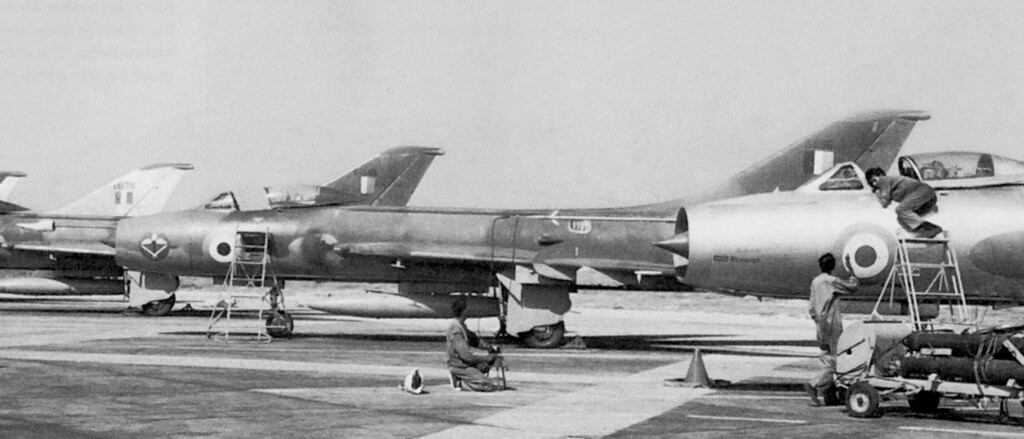
Su-7BMK (Rank VI; 9.3):
The Sukhoi Su-7BMK was a rugged, supersonic fighter-bomber operated by the Indian Air Force, optimized for low-level strike, close air support, and interdiction missions during the 1970s and 1980s.
Stats:
- Armament:
- 2x 30 mm NR-30 Cannons
- Air-to-Ground Missiles and Rockets
- Up to 4,000 lbs of Bombs
- Mobility:
- Max Speed: 1,450 km/h (Mach 1.2)
- Max Altitude: 15,000 m (49,200 ft)
- Rate of Climb: 180 m/s (35,400 ft/min)
- Sources:
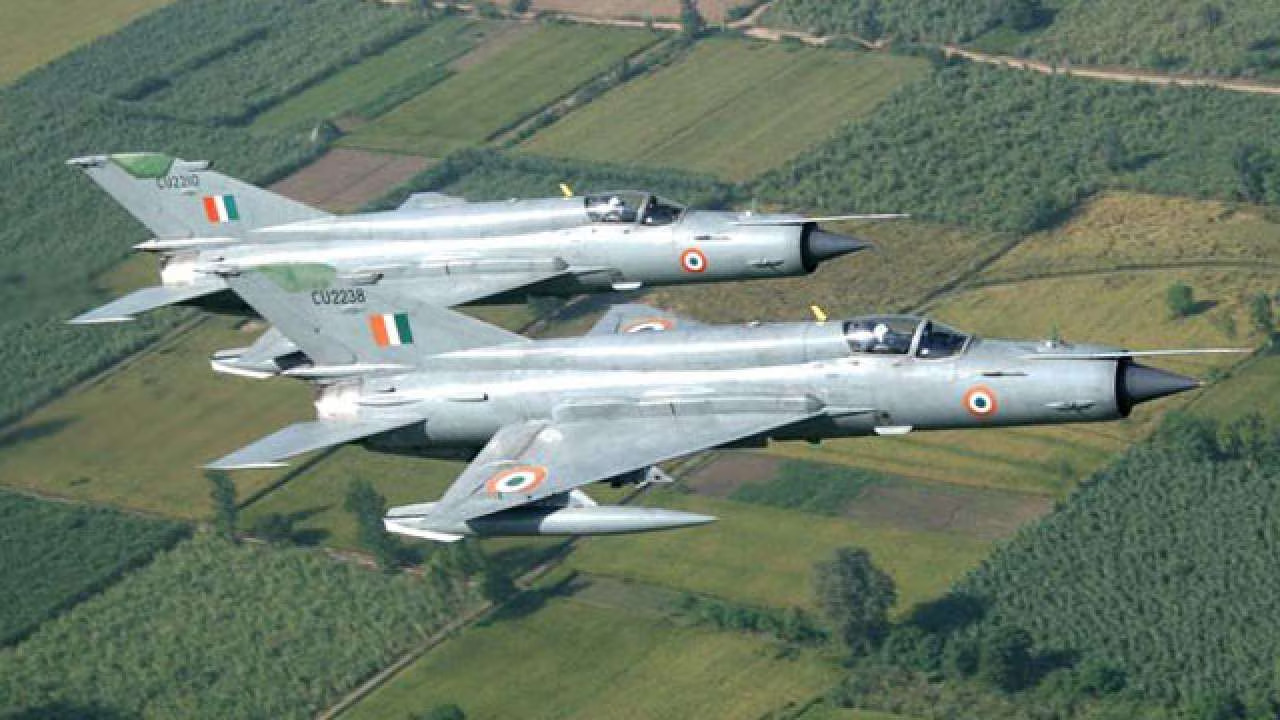
MiG-21bis (Rank VII; 11.0):
The Mikoyan-Gurevich MiG-21bis was the one of the most advanced variants of the MiG-21 in Indian service, featuring a more powerful engine, upgraded avionics, and improved weapon systems, serving as a frontline air defense and multirole fighter from the late 1970s onward.
Stats:
- Armament:
- 1x 23 mm GSh-23L Cannon
- Air-to-Air Missiles
- Up to 2,000 lbs of Bombs or Rockets
- Mobility:
- Max Speed: 2,175 km/h (Mach 2.05)
- Max Altitude: 17,500 m (57,400 ft)
- Rate of Climb: 245 m/s (48,000 ft/min)
- Sources:
Vijay (Rank VII; 11.3):
The Mikoyan-Gurevich MiG-23BN, locally known as the “Vijay”, was a dedicated ground-attack variant of the MiG-23, operated by the Indian Air Force for strike, interdiction, and close air support missions, featuring upgraded avionics and terrain-following capability for low-level operations.
Stats:
- Armament:
- 1x 23 mm GSh-23L Cannon
- Air-to-Air Missiles
- Air-to-Ground Missiles
- Up to 4,000 lbs of Bombs and Rockets
- Mobility:
- Max Speed: 2,445 km/h (Mach 2.05)
- Max Altitude: 18,000 m (59,000 ft)
- Rate of Climb: 230 m/s (45,000 ft/min)
- Sources:
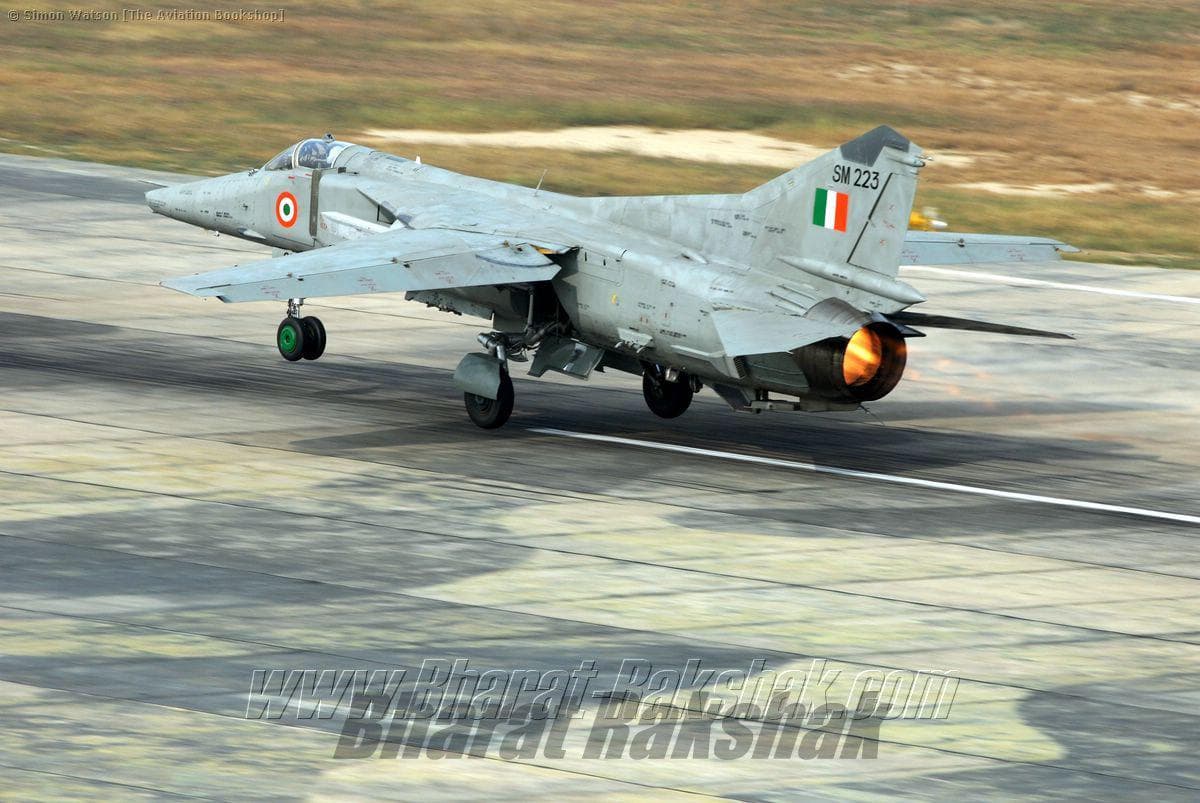
MiG-27H (Rank VII; 11.3):
The Mikoyan-Gurevich MiG-27H was a dedicated ground-attack and close air support aircraft derived from the MiG-23, equipped with a reinforced airframe, powerful cannon, and precision strike capability, serving the Indian Air Force from the 1980s to the 2010s.
Stats:
- Armament:
- 1x 30 mm GSh-6-30 Cannon
- Air-to-Ground Missiles
- Up to 4,500 lbs of Bombs and Rockets
- Mobility:
- Max Speed: 1,700 km/h (Mach 1.6)
- Max Altitude: 14,500 m (47,570 ft)
- Rate of Climb: 210 m/s (41,300 ft/min)
- Sources:
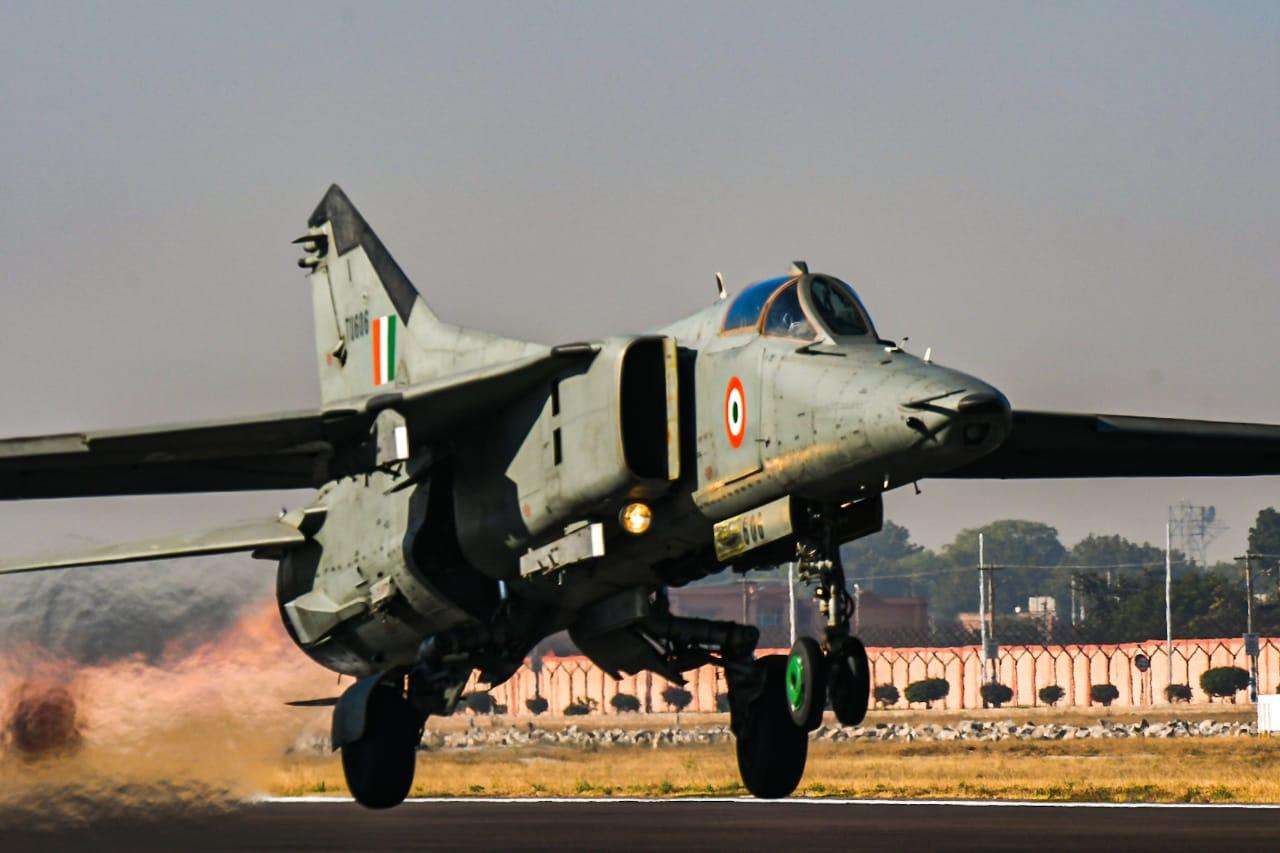
MiG-21UPG (Rank VIII; 12.3):
The Mikoyan-Gurevich MiG-21UPG is an extensively modernized variant of the MiG-21bis, featuring upgraded avionics, radar, and weapon systems, allowing the Indian Air Force to maintain the type as a capable multirole fighter for both air defense and limited ground-attack missions.
Stats:
- Armament:
- 1x 23 mm GSh-23L Cannon
- Air-to-Air Missiles
- Precision-Guided Bombs and Rockets
- Up to 2,000 lbs of Ordnance
- Mobility:
- Max Speed: 2,175 km/h (Mach 2.05)
- Max Altitude: 17,500 m (57,400 ft)
- Rate of Climb: 245 m/s (48,000 ft/min)
- Sources:
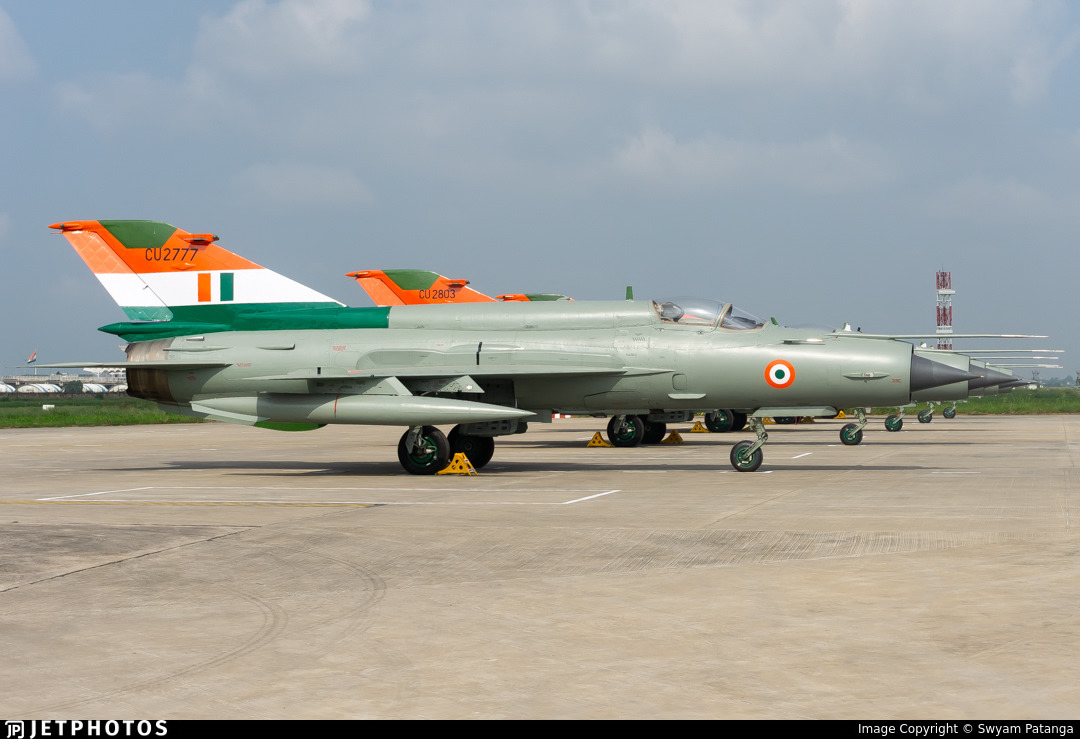
Baaz UPG (Rank VIII; 13.0):
The Mikoyan-Gurevich MiG-29UPG is a modernized variant of the MiG-29, featuring advanced avionics, radar, and weapons integration, enhancing air-to-air and air-to-ground capabilities, and serving as a key frontline fighter in the Indian Air Force.
Stats:
- Armament:
- 1x 30 mm GSh-30-1 Cannon
- Air-to-Air Missiles
- Air-to-Ground Missiles and Precision-Guided Munitions
- Up to 12,000 lbs of Ordnance
- Mobility:
- Max Speed: 2,445 km/h (Mach 2.05)
- Max Altitude: 18,000 m (59,000 ft)
- Rate of Climb: 330 m/s (64,600 ft/min)
- Sources:
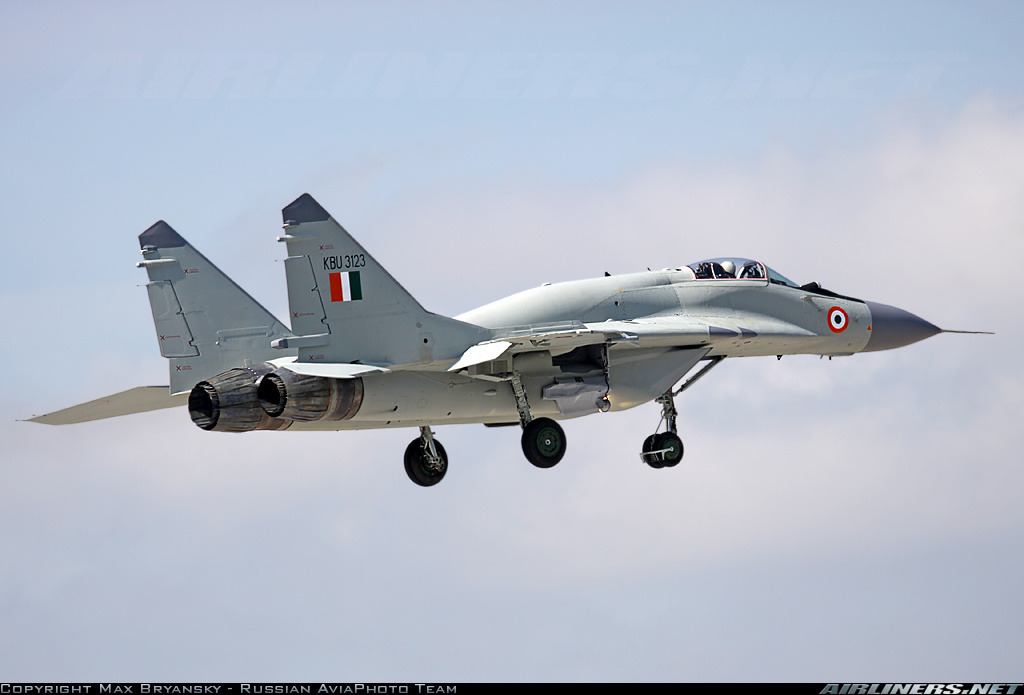
Baaz K (Rank VIII; 13.7):
The Mikoyan-Gurevich MiG-29K is a carrier-capable multirole fighter operated by the Indian Navy, designed for air superiority, maritime strike, and fleet defense missions, featuring advanced avionics, radar, and compatibility with modern weapons systems for operations from aircraft carriers.
Stats:
- Armament:
- 1x 30 mm GSh-30-1 Cannon
- Air-to-Air Missiles
- Air-to-Ground Missiles, Bombs, and Rockets
- Up to 12,000 lbs of Ordnance
- Mobility:
- Max Speed: 2,445 km/h (Mach 2.05)
- Max Altitude: 18,000 m (59,000 ft)
- Rate of Climb: 330 m/s (64,600 ft/min)
- Sources:
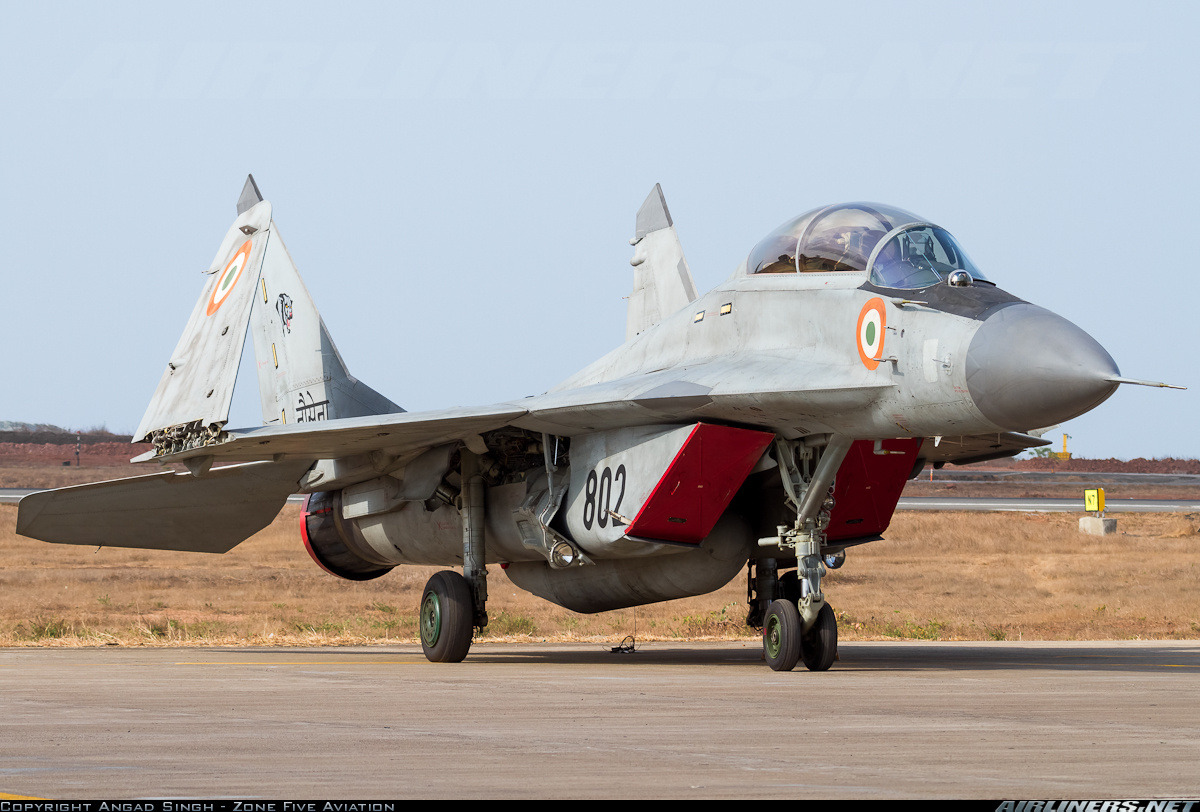
Su-30MKI (Rank IX; 14.3):
The Sukhoi Su-30MKI is a twin-engine, multi-role air superiority fighter developed for the Indian Air Force with thrust-vectoring engines, advanced avionics, and canards, capable of air dominance, precision strike, and long-range interdiction missions.
Stats:
- Armament:
- 1x 30 mm GSh-30-1 Cannon
- Air-to-Air Missiles
- Air-to-Ground Missiles, Guided Bombs, and Rockets
- Up to 17,000 lbs of Ordnance
- Mobility:
- Max Speed: 2,120 km/h (Mach 2.0)
- Max Altitude: 17,300 m (56,800 ft)
- Rate of Climb: 330 m/s (64,600 ft/min)
- Sources:

Line 4 - Attack/Strike Aircraft
Vengeance IA (Rank II; 2.5):
The Bristol Vengeance IA was a British single-engine dive bomber used by the Royal Indian Air Force during World War II, primarily for ground-attack missions in the Burma theater, providing precise dive-bombing capability against enemy positions.
Stats:
- Armament:
- 2x 7.7 mm Browning Machine Guns
- 2x 7.7 mm Browning Machine Guns In Rear Turret
- Up to 1,000 lbs of Bombs
- Mobility:
- Max Speed: 415 km/h (258 mph)
- Max Altitude: 7,300 m (23,950 ft)
- Rate of Climb: 5.0 m/s (985 ft/min)
- Sources:
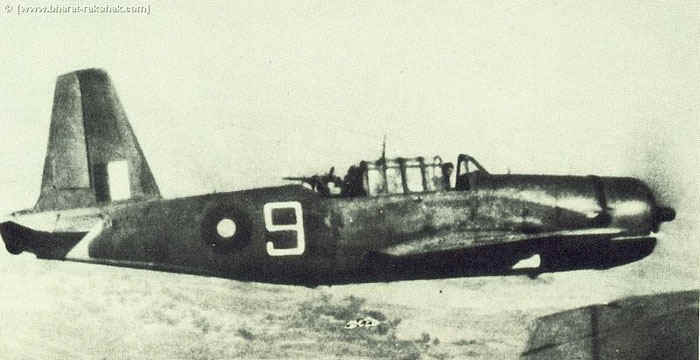
Vengeance IV (Rank I; 1.7):
The Bristol Vengeance IV was an upgraded variant of the Bristol Vengeance, operated by the Royal Indian Air Force in the later stages of World War II, featuring improved performance, payload capacity, and operational range for precision dive-bombing missions in the Burma theater.
Stats:
- Armament:
- 2x 7.7 mm Browning Machine Guns
- 2x 7.7 mm Browning Machine Guns In Rear Turret
- Up to 1,200 lbs of Bombs
- Mobility:
- Max Speed: 430 km/h (267 mph)
- Max Altitude: 7,500 m (24,600 ft)
- Rate of Climb: 5.2 m/s (1,024 ft/min)
- Sources:
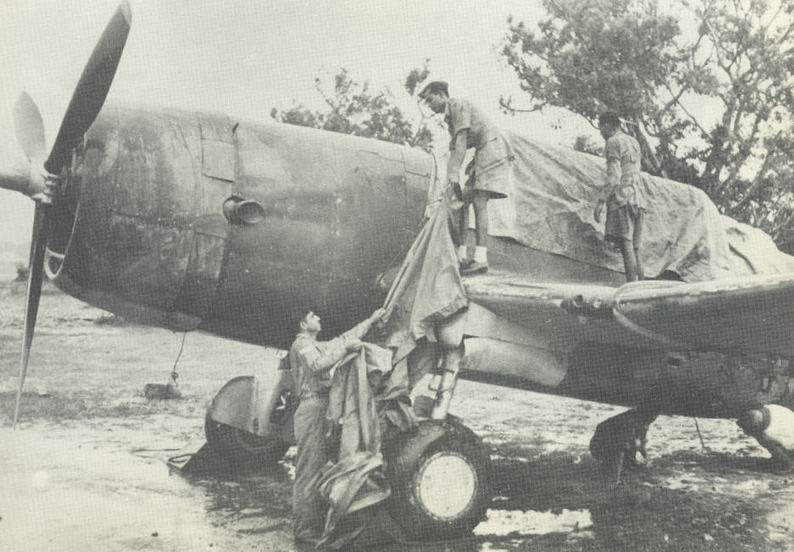
🛞Mosquito FB Mk.VI (Rank III; 3.7):
The RIAF trialed the de Havilland Mosquito FB Mk.VI in theatre a potential light bomber, however it was soon realized that the wooden airframe of the Mosquito quickly rotted in the humid conditions of Burma, and was pulled from service and replaced.
Stats:
- Armament:
- 4x 20 mm Hispano Cannons
- 4x 7.7 mm Browning Machine Guns
- Up to 2,000 lbs of Bombs
- Mobility:
- Max Speed: 668 km/h (415 mph)
- Max Altitude: 10,700 m (35,100 ft)
- Rate of Climb: 13.7 m/s (2,700 ft/min)
- Sources:
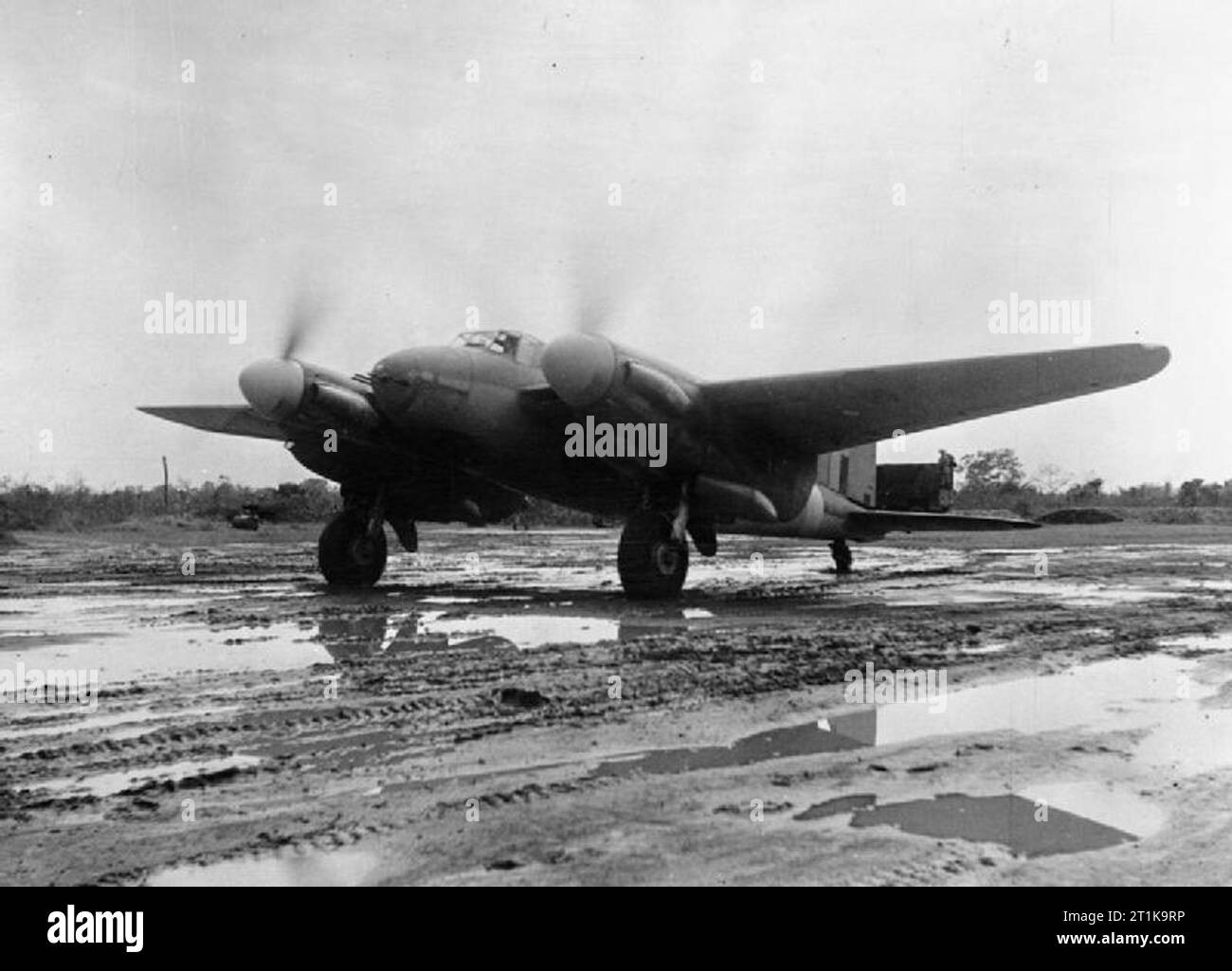
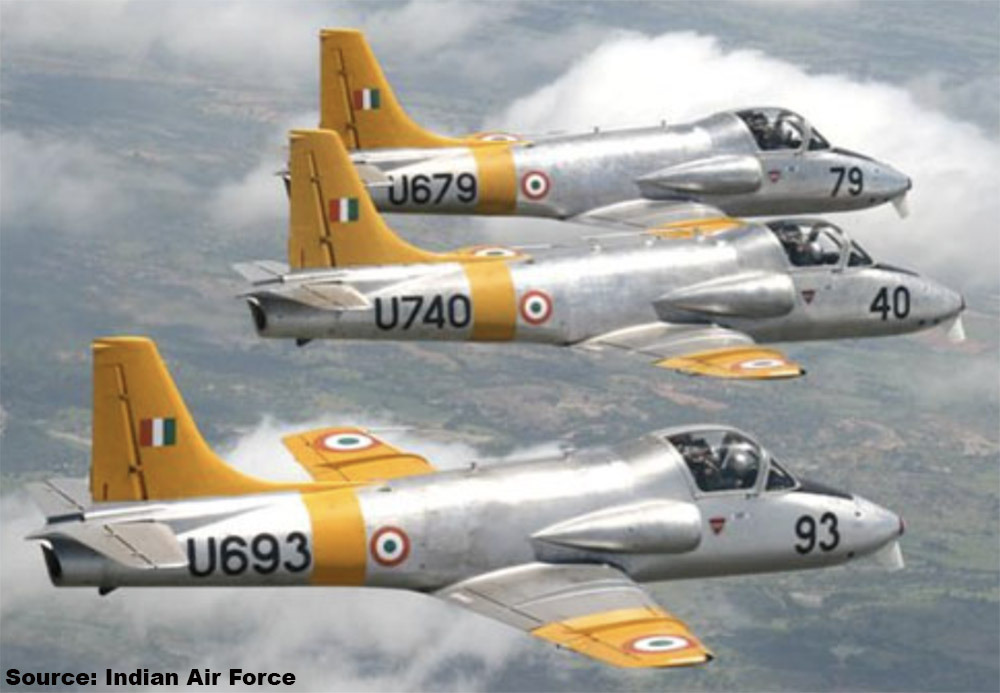
HJT-16 Kiran Mk.IA (Rank IV; 6.0):
The Hindustan Aeronautics Limited HJT-16 Kiran Mk.IA was an upgraded variant of the Kiran Mk.I, India’s first indigenously developed jet trainer, introduced in the 1960s to serve with the Indian Air Force. Designed as an intermediate trainer, the Kiran Mk.IA provided pilots with experience in jet handling and light combat roles. Though primarily a trainer, it could be equipped with light armament for ground attack missions and weapons training.
Stats:
- Armament:
- 2x 7.62 mm Machine Guns (in gun pods)
- Up to 1,000 kg (2,200 lbs) of external ordnance
- Mobility:
- Max Speed: 695 km/h (432 mph)
- Max Altitude: 12,200 m (40,000 ft)
- Rate of Climb: ~20 m/s (3,900 ft/min)
- Sources:
- Overview — HJT-16 Kiran trainer/attack aircraft — Trainer — Aircraft — Weapons — Military Periscope
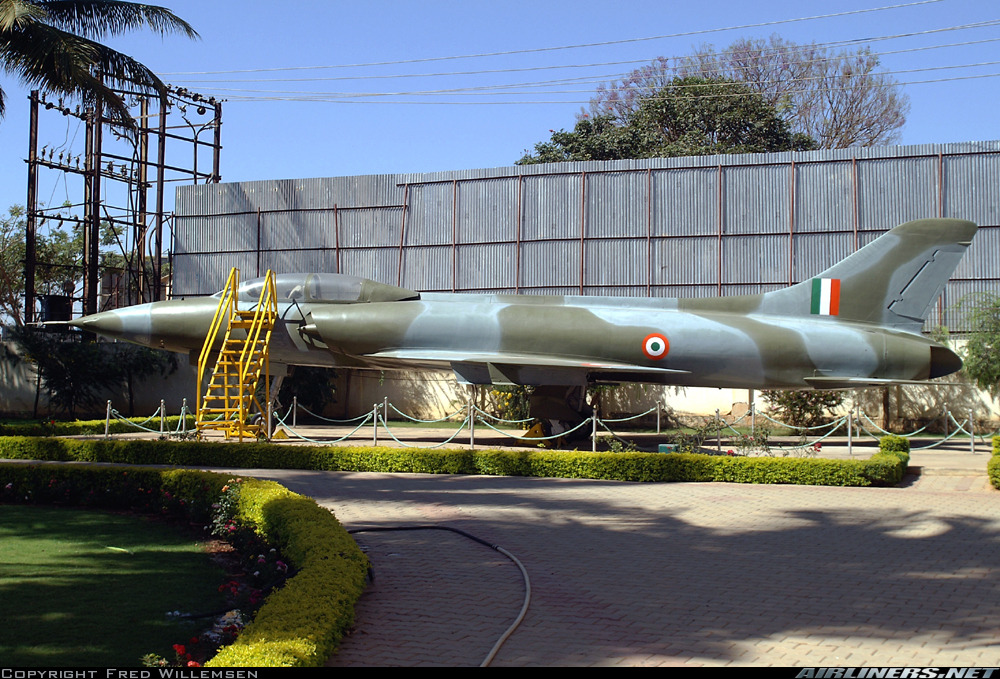
HF-24 Marut Mk.1T (Rank V; 8.3):
The HF-24 Marut Mk.1T was a two-seat trainer variant of India’s first indigenous jet fighter, developed by Hindustan Aeronautics Limited. Designed to convert pilots onto the Marut platform, the Mk.1T retained much of the ground-attack capability of the single-seat version while adding an instructor’s cockpit.
Stats:
- Armament:
- 4x 30 mm ADEN Cannons
- Up to 1,800 kg (3,970 lbs) of external ordnance
- Mobility:
- Max Speed: 1,100 km/h (684 mph)
- Max Altitude: 13,700 m (45,000 ft)
- Rate of Climb: ~30 m/s (5,900 ft/min)
- Sources:
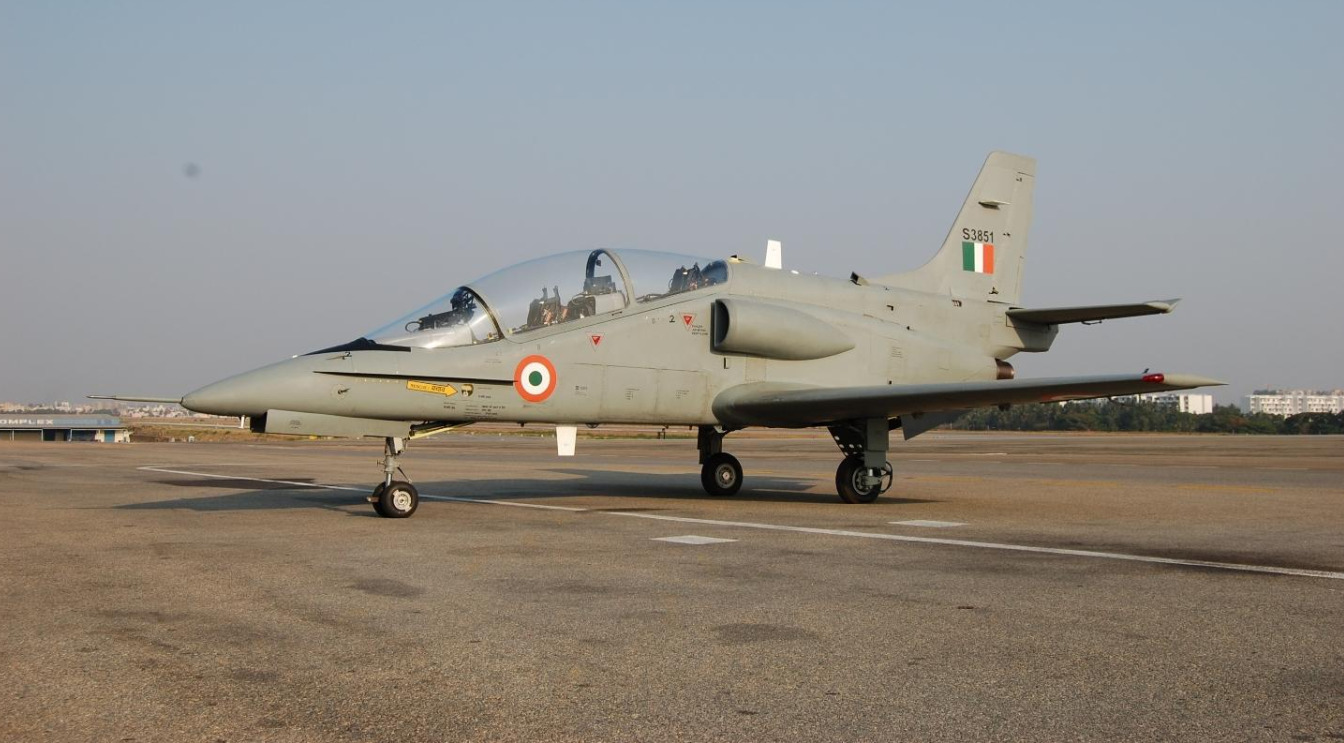
HJT-32 Sitara (Rank VI; 8.7):
The HJT-32 Sitara is an intermediate jet trainer/Light Attack Aircraft developed by Hindustan Aeronautics Limited to replace the aging Kiran fleet in the Indian Air Force. Designed to bridge the gap between basic and advanced jet training, the Sitara features modern avionics, improved handling characteristics, and limited combat capability.
Stats:
- Armament:
- Provision for 2x 12.7 mm or 1x 20mm Gun pods
- Up to 1,000 kg (2,200 lbs) of external ordnance
- Air-to-air missiles
- Rockets
- General-purpose bombs
- Mobility:
- Max Speed: 800 km/h (497 mph)
- Max Altitude: 9,000 m (29,500 ft)
- Rate of Climb: ~25 m/s (4,900 ft/min)
- Sources:
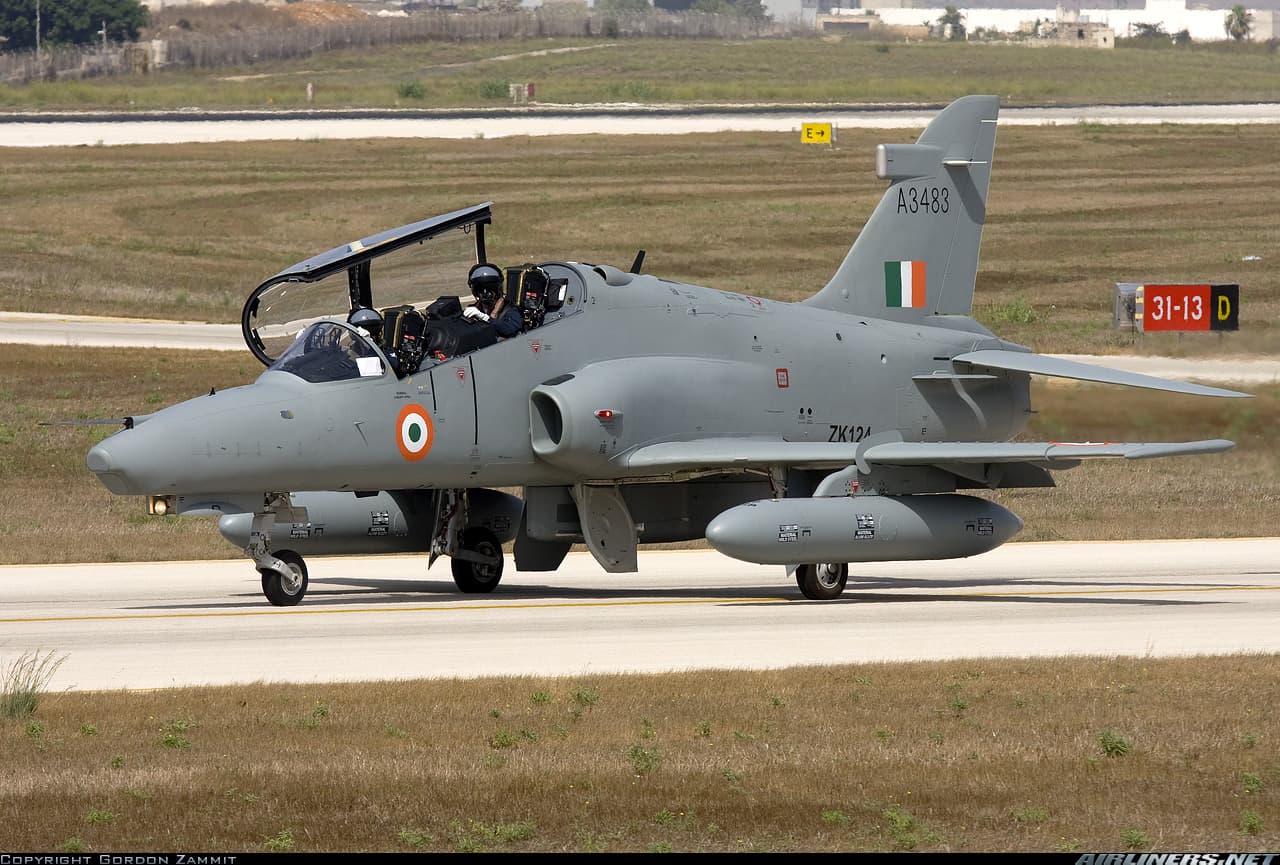
Hawk 132 (Rank VI; 10.3):
The Hawk 132 is the Indian variant of the BAE Systems Hawk advanced jet trainer, built under license by Hindustan Aeronautics Limited for the Indian Air Force. Entering service in the late 2000s, it serves as the final stage of pilot training before transition to frontline fighters. The Hawk 132 is equipped with modern avionics and weapons capability, allowing it to perform light attack, close air support, and weapons training missions.
Stats:
- Armament:
- 1x 30 mm ADEN Cannon (gun pod)
- Up to 3,000 kg (6,600 lbs) of external ordnance
- Air-to-air missiles
- Rockets
- General-purpose bombs
- Mobility:
- Max Speed: 1,028 km/h (639 mph)
- Max Altitude: 13,565 m (44,500 ft)
- Rate of Climb: ~47 m/s (9,250 ft/min)
- Sources:
Shamsher (Standard; Rank VII; 10.0):
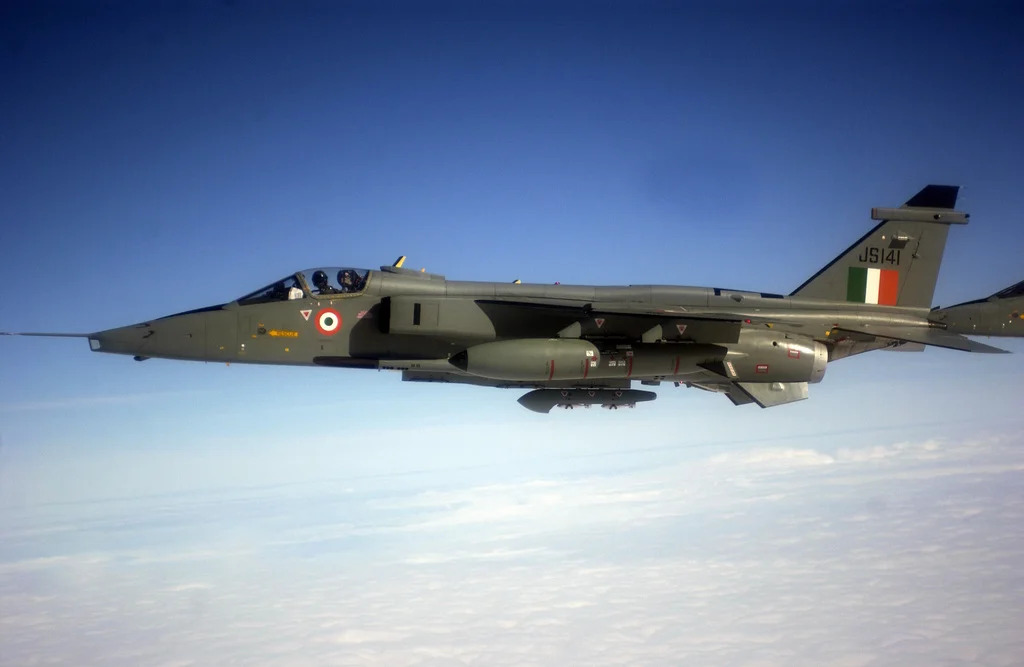
The standard SEPECAT Jaguar was the baseline strike aircraft India first acquired in the late 1970s. These Jaguars were primarily used for low-level strike and interdiction missions, operating with the original European avionics and weapons systems. Before the introduction of Indian-specific upgrades such as the IS, IM, or DARIN variants, these aircraft formed the core of India’s deep-strike capability and helped train pilots on supersonic strike operations.
Stats:
- Armament:
- 2x 30 mm ADEN Cannons
- Up to 4,500 kg (9,920 lbs) of external ordnance
- Air-to-air missiles
- Rockets
- General-purpose bombs
- Mobility:
- Max Speed: 1,350 km/h (Mach 1.1 at altitude)
- Max Altitude: 14,000 m (45,900 ft)
- Rate of Climb: ~60 m/s (11,800 ft/min)
- Sources:
- Jaguar AKA Shamsheer, The Dark Horse Of The Indian Air Force »
Shamsher-M (Rank VII; 11.0):
The Jaguar IM is the Indian Air Force’s dedicated maritime strike variant of the Jaguar, optimized for anti-shipping operations. Developed from the Jaguar IS, the IM variant features specialized avionics including maritime radar and the capability to deploy sea-skimming anti-ship missiles.
Stats:
- Armament:
- 2x 30 mm ADEN Cannons
- Up to 4,500 kg (9,920 lbs) of external ordnance
- Anti-ship missiles
- Air-to-air missiles
- Rockets and general-purpose bombs
- Mobility:
- Max Speed: 1,350 km/h (Mach 1.1 at altitude)
- Max Altitude: 14,000 m (45,900 ft)
- Rate of Climb: ~60 m/s (11,800 ft/min)
- Sources:

Shamsher DARIN III (Rank VIII; 12.3):
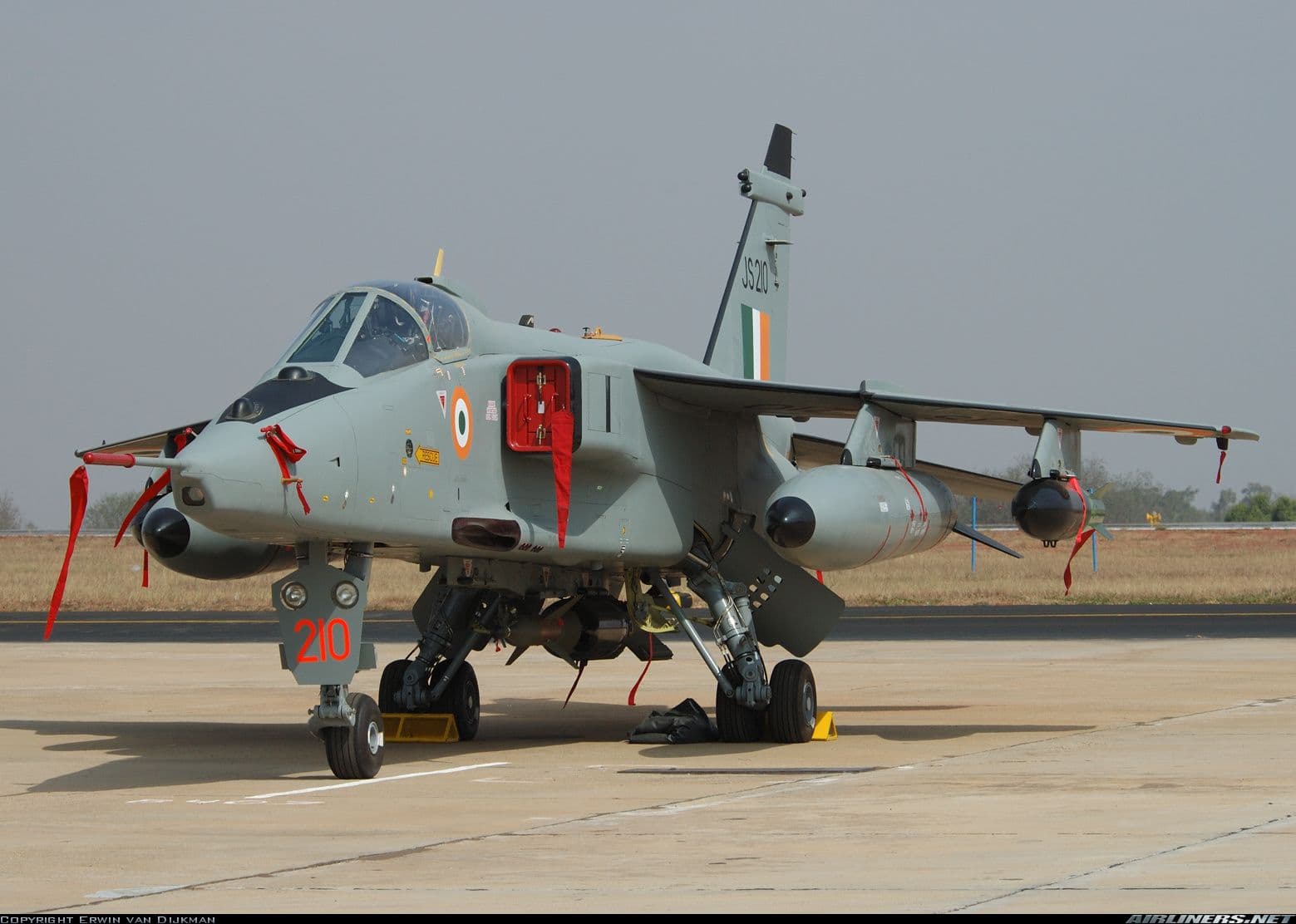
The Shamsher DARIN III is the modernized Indian Air Force variant of the SEPECAT Jaguar, featuring the DARIN III upgrade. This program overhauled avionics, navigation, and targeting systems, adding glass cockpits, multi-function displays, GPS-aided INS, and compatibility with modern precision-guided munitions. The upgrade significantly improved strike accuracy, situational awareness, and survivability.
Stats:
- Armament:
- 2x 30 mm ADEN Cannons
- Up to 4,500 kg (9,920 lbs) of external ordnance
- Air-to-air missiles
- Precision-guided bombs and laser-guided munitions
- Anti-ship missiles
- Rockets and cluster munitions
- Mobility:
- Max Speed: 1,350 km/h (Mach 1.1 at altitude)
- Max Altitude: 14,000 m (45,900 ft)
- Rate of Climb: ~60 m/s (11,800 ft/min)
- Sources:
🛞Rafale DH (Rank IX; 14.3):
The Rafale DH is the two‑seat export variant of the Dassault Rafale operated by the Indian Air Force. Developed by Dassault Aviation, the Rafale is a fourth‑generation twin‑engine multirole fighter capable of air superiority, precision strike, reconnaissance, and nuclear delivery missions. The DH specifically features a second cockpit for an instructor or weapons systems officer, facilitating advanced training and complex mission planning.
Stats:
- Armament:
- 1x 30 mm GIAT 30 cannon
- Up to 21,000 lbs of Ordnance
- Air-to-Air Missiles
- Air-to-Ground Missiles and Bombs
- Mobility:
- Max Speed: 1,912 km/h (Mach 1.8)
- Max Altitude: 15,000 m (49,200 ft)
- Rate of Climb: 315 m/s (61,900 ft/min)
- Sources:

Line 5 - Bomber Aircraft
Oxford Mk.I (Rank I; 1.0):
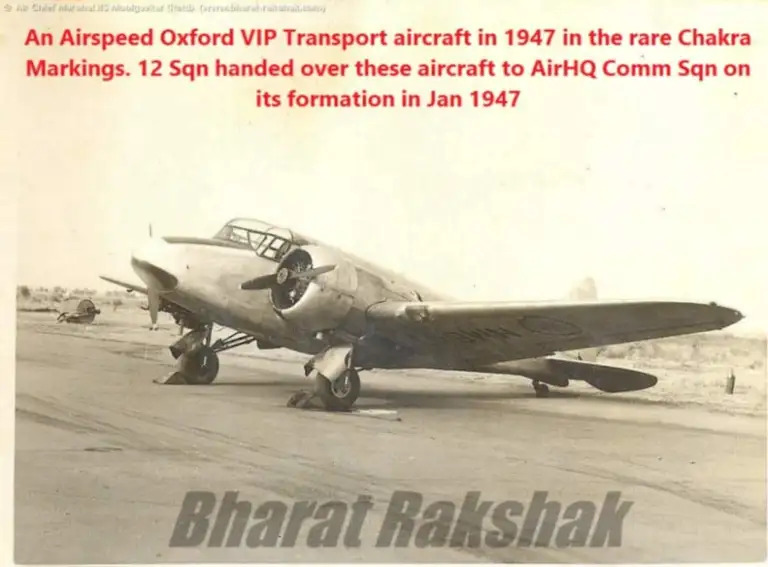
The Airspeed Oxford was a British twin-engine trainer adapted for light bombing and reconnaissance by the Royal Indian Air Force during World War II. It was primarily used for training bomber crews and performing light attack missions in support roles.
Stats:
- Armament:
- Up to 500 lbs of Bombs
- Mobility:
- Max Speed: 314 km/h (195 mph)
- Max Altitude: 6,100 m (20,000 ft)
- Rate of Climb: 3.3 m/s (650 ft/min)
- Sources:
Anson Mk.I (Rank I; 1.3):
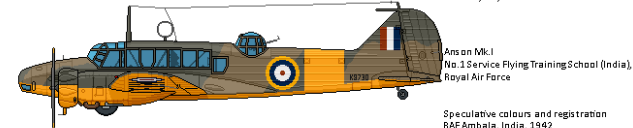
The Avro Anson Mk.I was a British twin-engine aircraft used by the Royal Indian Air Force during World War II. They were assigned to the No.1 Service Flying Training School, which was based at RAF Ambala. Ansons continued flying well after the war and even after the Independence of India in 1947.
Stats:
- Armament:
- 1x .303 Vickers K Machine Gun (Fuselage)
- 1x .303 Lewis Gun (Rear Turret)
- Up to 360 lbs of Bombs
- Mobility:
- Max Speed: 303 km/h (188 mph)
- Max Altitude: 4,500 m (14,750 ft)
- Rate of Climb: 2.7 m/s (530 ft/min)
- Sources:
B-24L Liberator (Rank IV; 5.3):
The Consolidated B-24L Liberator was a four-engine heavy bomber operated by the Royal Indian Air Force in the later stages of World War II. It was used for long-range bombing, maritime patrol, and supply missions, playing a key role in operations over Burma and the Bay of Bengal.
Stats:
- Armament:
- Up to 10x 12.7 mm M2 Browning Machine Guns in Turrets
- Up to 8,000 lbs of Bombs
- Mobility:
- Max Speed: 470 km/h (292 mph)
- Max Altitude: 8,500 m (27,900 ft)
- Rate of Climb: 4.6 m/s (900 ft/min)
- Sources:

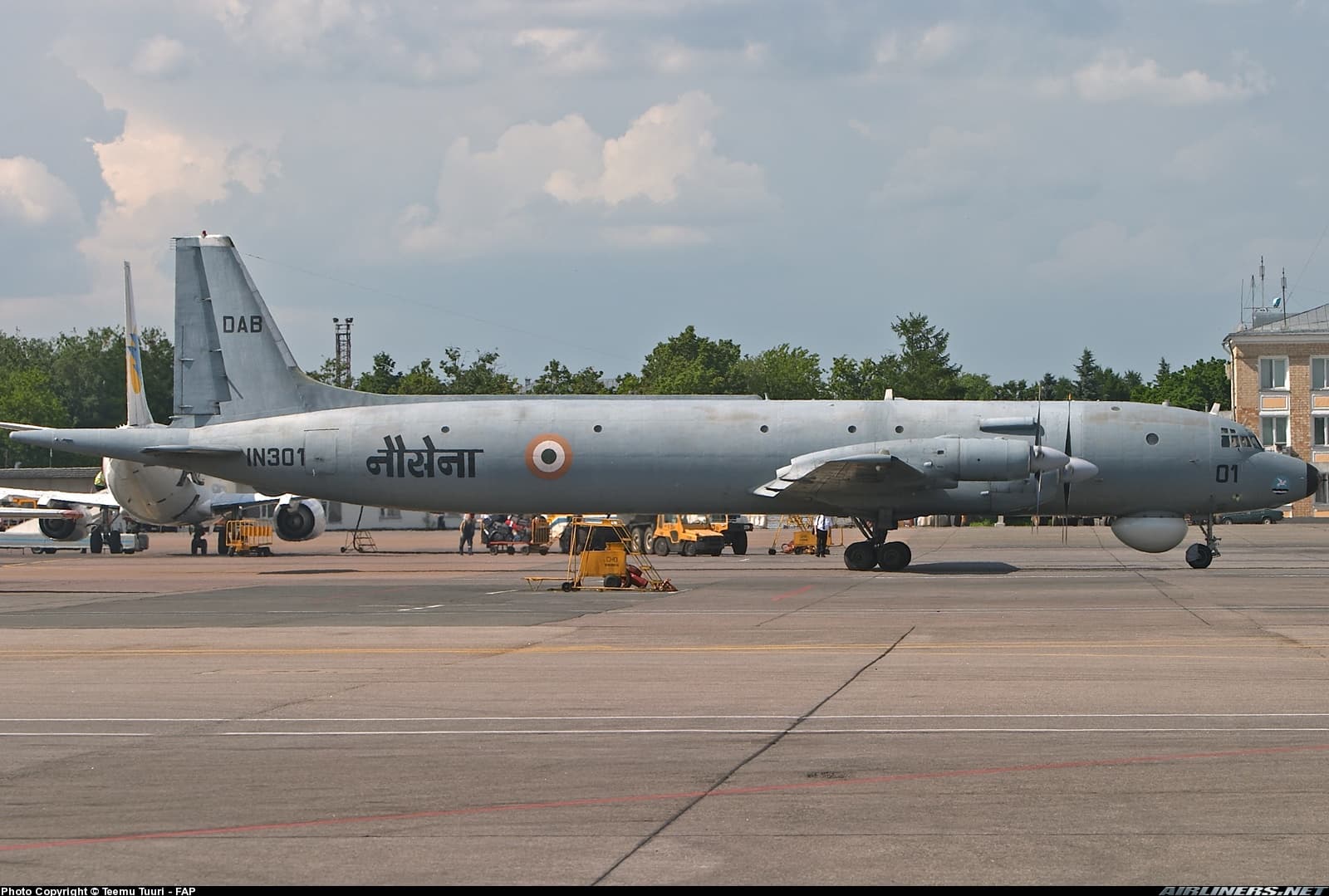
Il-38SD (Rank IV; 5.7):
The Ilyushin Il-38SD is a modernized maritime patrol and anti-submarine warfare aircraft operated by the Indian Navy. Upgraded under the “Sea Dragon” program, it features advanced radar, sensors, and weapon systems for detecting and engaging submarines and surface targets over long distances.
Stats:
- Armament:
- Up to 20,000 lb (9,000 kg) of Ordinance
- Torpedoes and Depth Charges
- Anti-Ship Missiles
- Naval Mines
- Unguided bombs
- Mobility:
- Max Speed: 650 km/h (404 mph)
- Max Altitude: 10,000 m (32,800 ft)
- Rate of Climb: 6.0 m/s (1,180 ft/min)
- Sources:
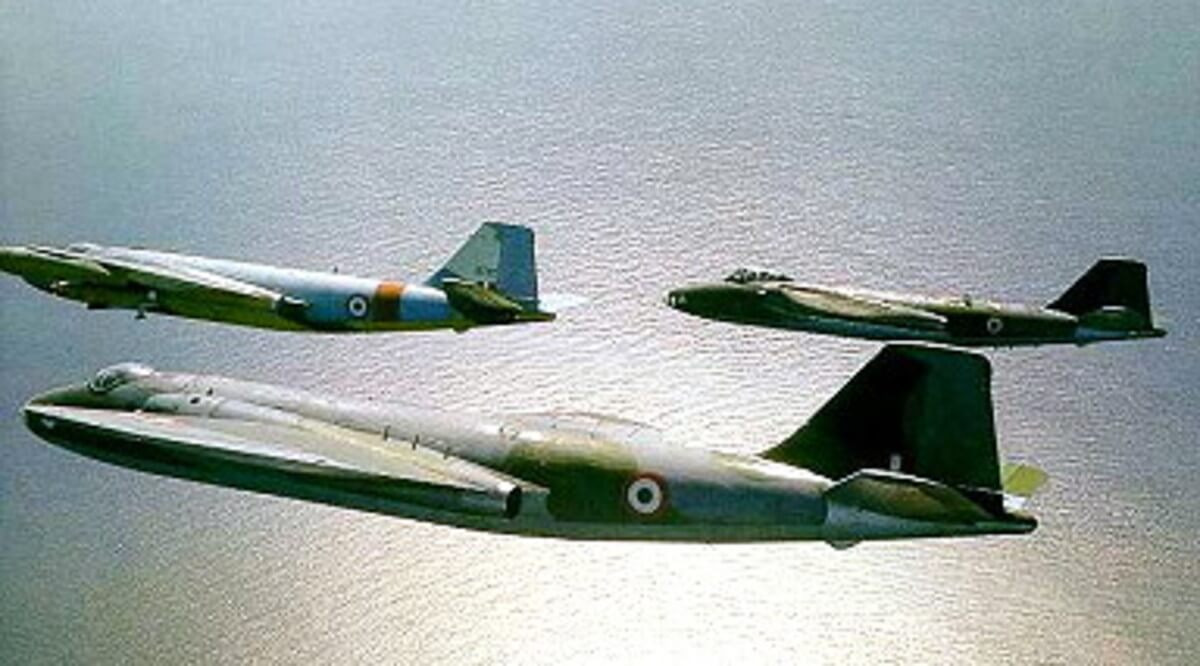
Canberra B(I).66 (Rank VI; 9.0):
The English Electric Canberra B(I).66 was a license-built variant of the Canberra tailored for the Indian Air Force. Designed for interdiction and ground-attack missions, it featured improved strike capability with bombs, rockets, serving extensively in regional conflicts including the Indo-Pak wars.
Stats:
- Armament:
- Rockets (underwing hardpoints)
- Up to 6,000 lbs of Bombs
- Mobility:
- Max Speed: 960 km/h (597 mph)
- Max Altitude: 14,800 m (48,500 ft)
- Rate of Climb: 23.5 m/s (4,625 ft/min)
- Sources:
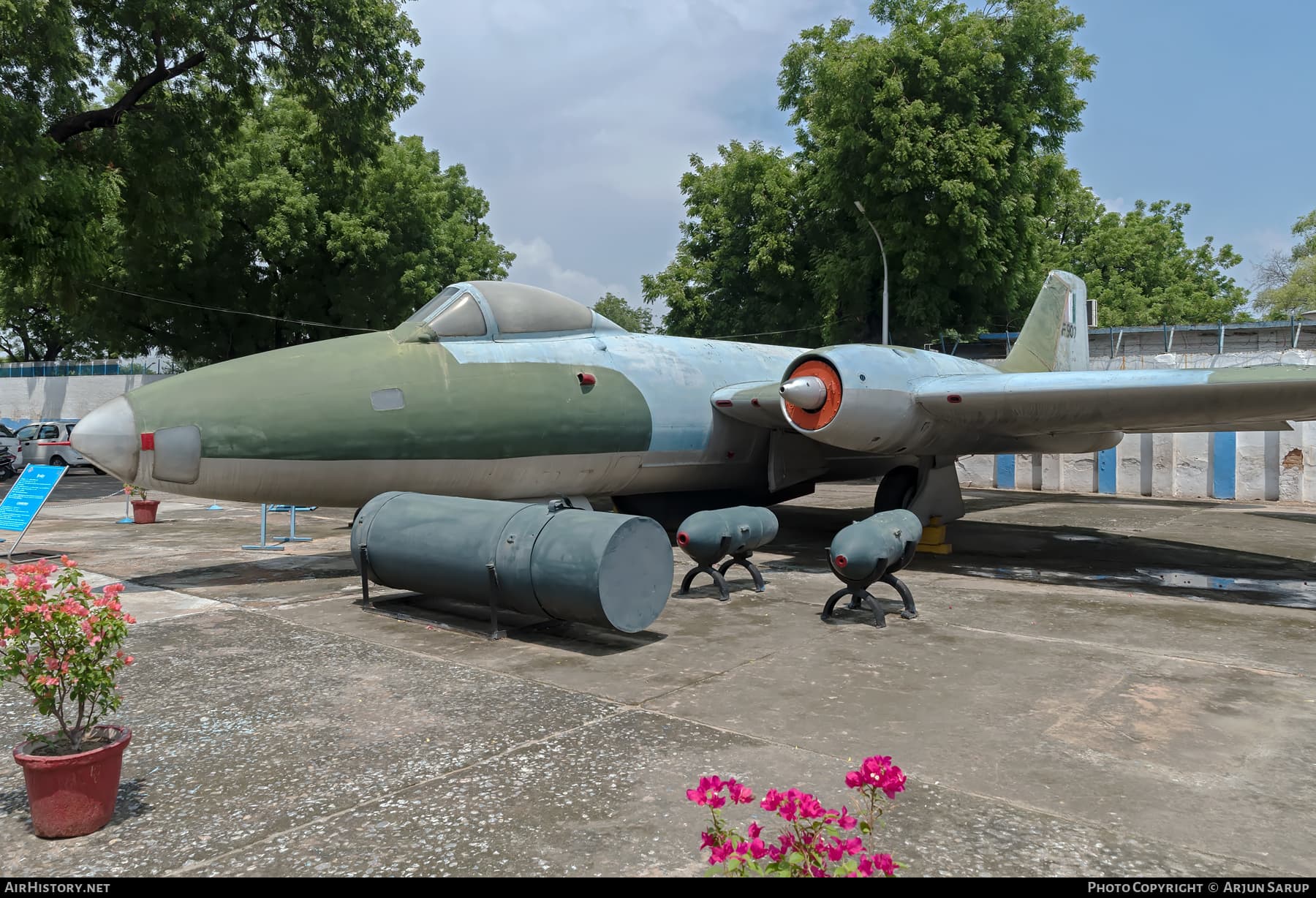
Canberra B(I).58 (Rank VI; 9.0):
The English Electric Canberra B(I).58 was an Indian-built variant of the Canberra optimized for low-level strike and interdiction missions. Operated by the Indian Air Force, it featured strengthened wings, underwing hardpoints for rockets and bombs, seeing extensive combat use during the Indo-Pakistani conflicts.
Stats:
- Armament:
- Rockets (underwing hardpoints)
- Up to 6,000 lbs of Bombs
- Mobility:
- Max Speed: 960 km/h (597 mph)
- Max Altitude: 14,800 m (48,500 ft)
- Rate of Climb: 23.5 m/s (4,625 ft/min)
- Sources:
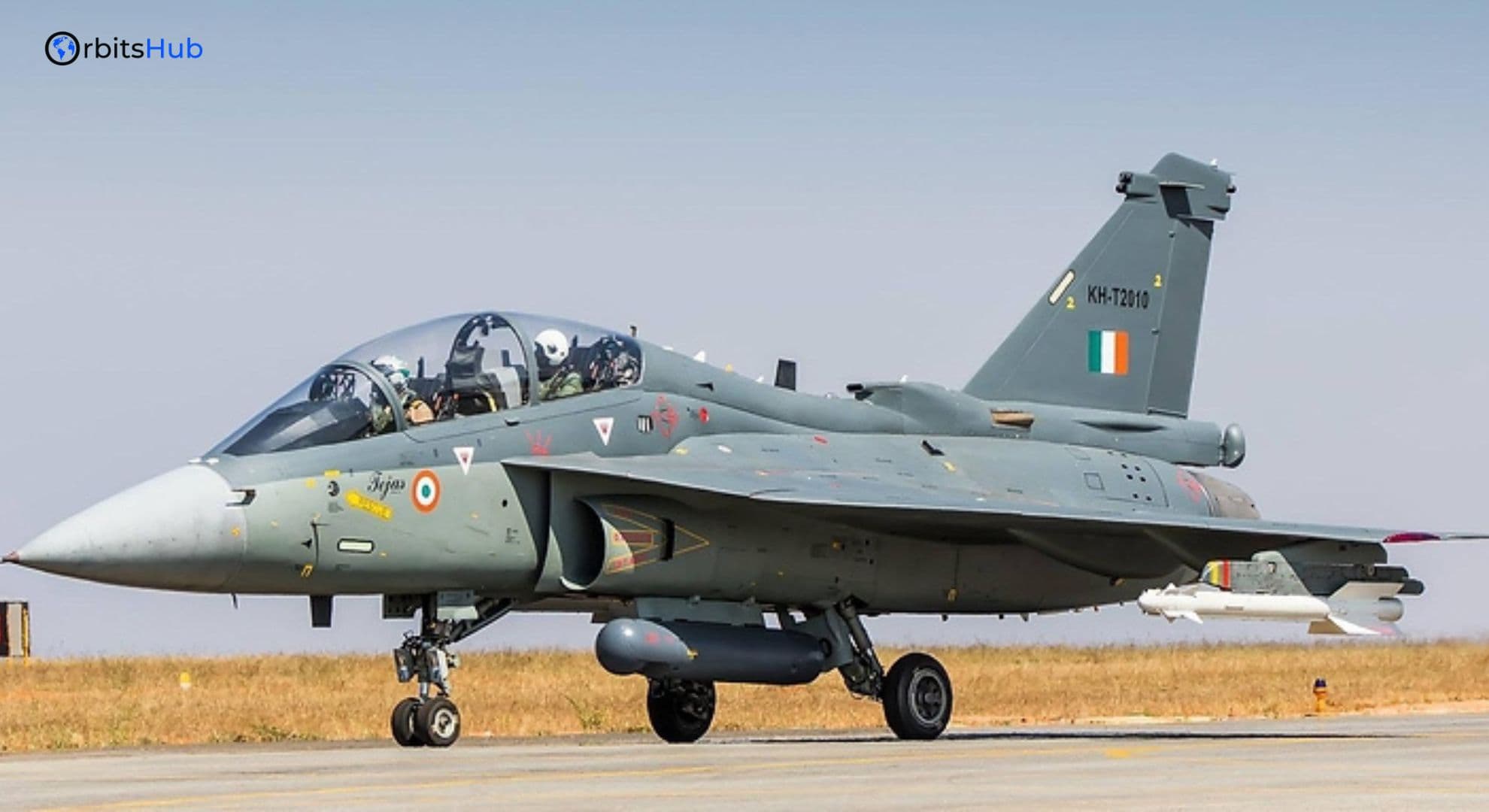
HAL Tejas Mk.1 SPORT (Rank VIII; 13.3):
The Tejas Mk.1 SPORT is a 2-seat trainer/Light Attack variant of the LCA Tejas Mk.I.
Stats:
- Armament:
- 1x 23mm GSh-23 twin-barrel cannon (220 rounds)
- Up to 3,500 kg of ordinance
- Mobility:
- Max Speed: 1,960 km/h (Mach 1.8 at altitude)
- Max Altitude: 15,200 m (49,870 ft)
- Rate of Climb: 150 m/s (29,530 ft/min)
Extras - Premium Aircraft
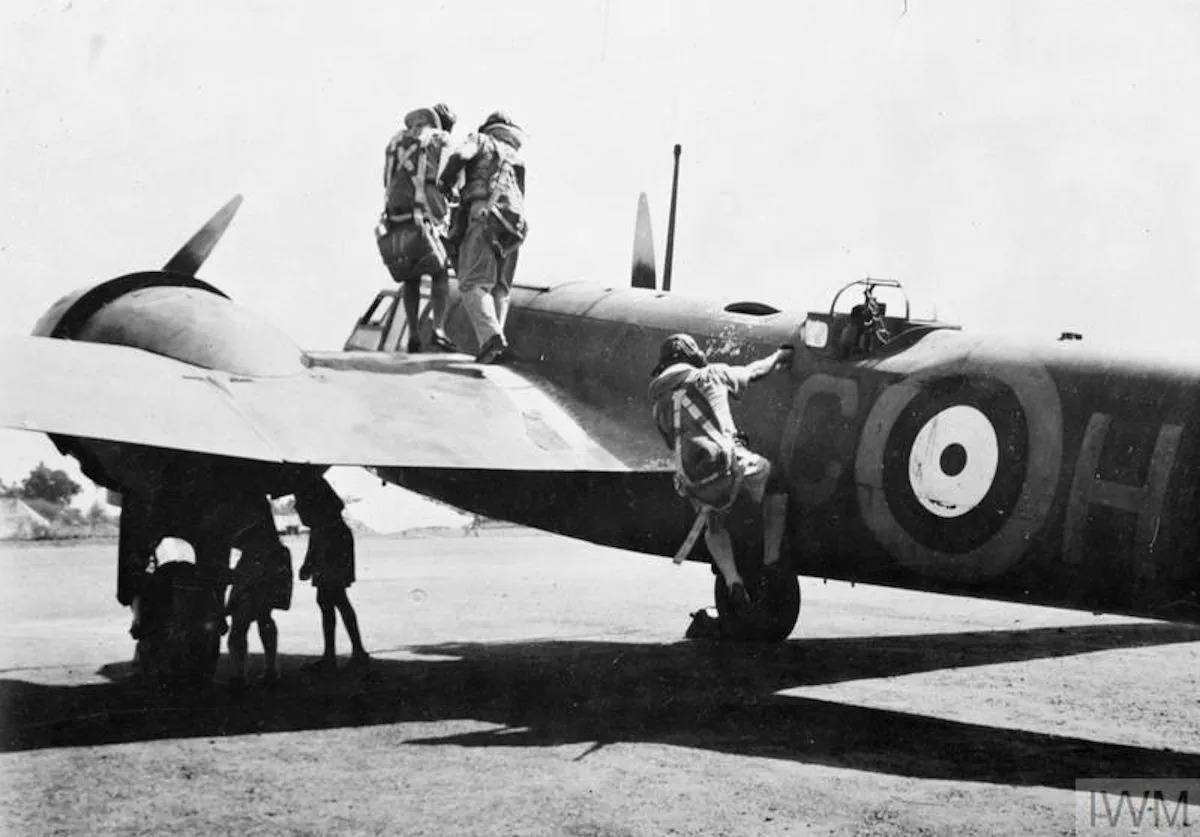
Blenheim Mk.I (Rank I; 1.3):
The Bristol Blenheim Mk.I was a British twin-engine light bomber used by the Royal Indian Air Force during the early years of World War II. It carried out bombing, reconnaissance, and ground-attack missions, particularly in the Middle East and Burma theaters, before being phased out for more modern aircraft.
Stats:
- Armament:
- 1x .303 Browning Machine Gun (Forward)
- 1x .303 Vickers K Machine Gun (Dorsal Turret)
- Up to 1,000 lbs of Bombs
- Mobility:
- Max Speed: 428 km/h (266 mph)
- Max Altitude: 8,300 m (27,200 ft)
- Rate of Climb: 5.8 m/s (1,140 ft/min)
- Sources:
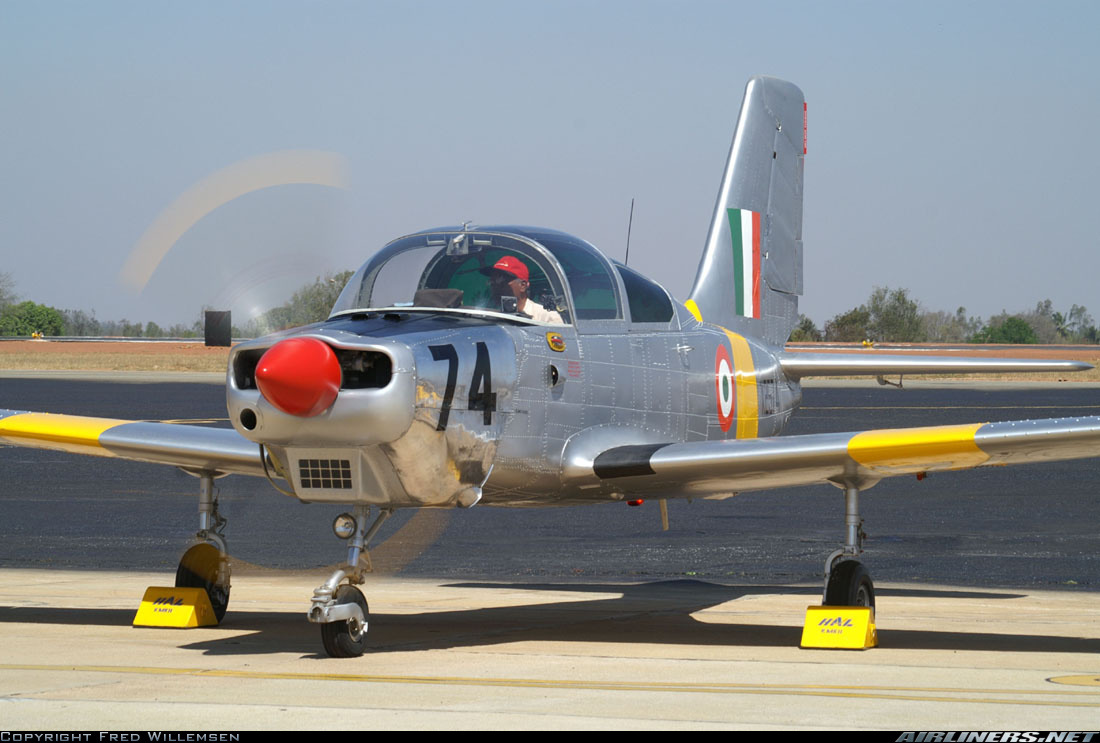
HPT-32 Deepak (Rank I; 1.7):
The HAL HPT-32 Deepak was a piston-engine primary trainer used by the Indian Air Force for ab initio pilot training. Designed for simplicity and reliability, it served as the first step for trainee pilots before progressing to more advanced aircraft.
Stats:
- Armament:
- Up to 562 lbs of armament across 4 hardponts.
- Mobility:
- Max Speed: 250 km/h (155 mph)
- Max Altitude: 6,100 m (20,000 ft)
- Rate of Climb: 5.5 m/s (1,080 ft/min)
- Sources:
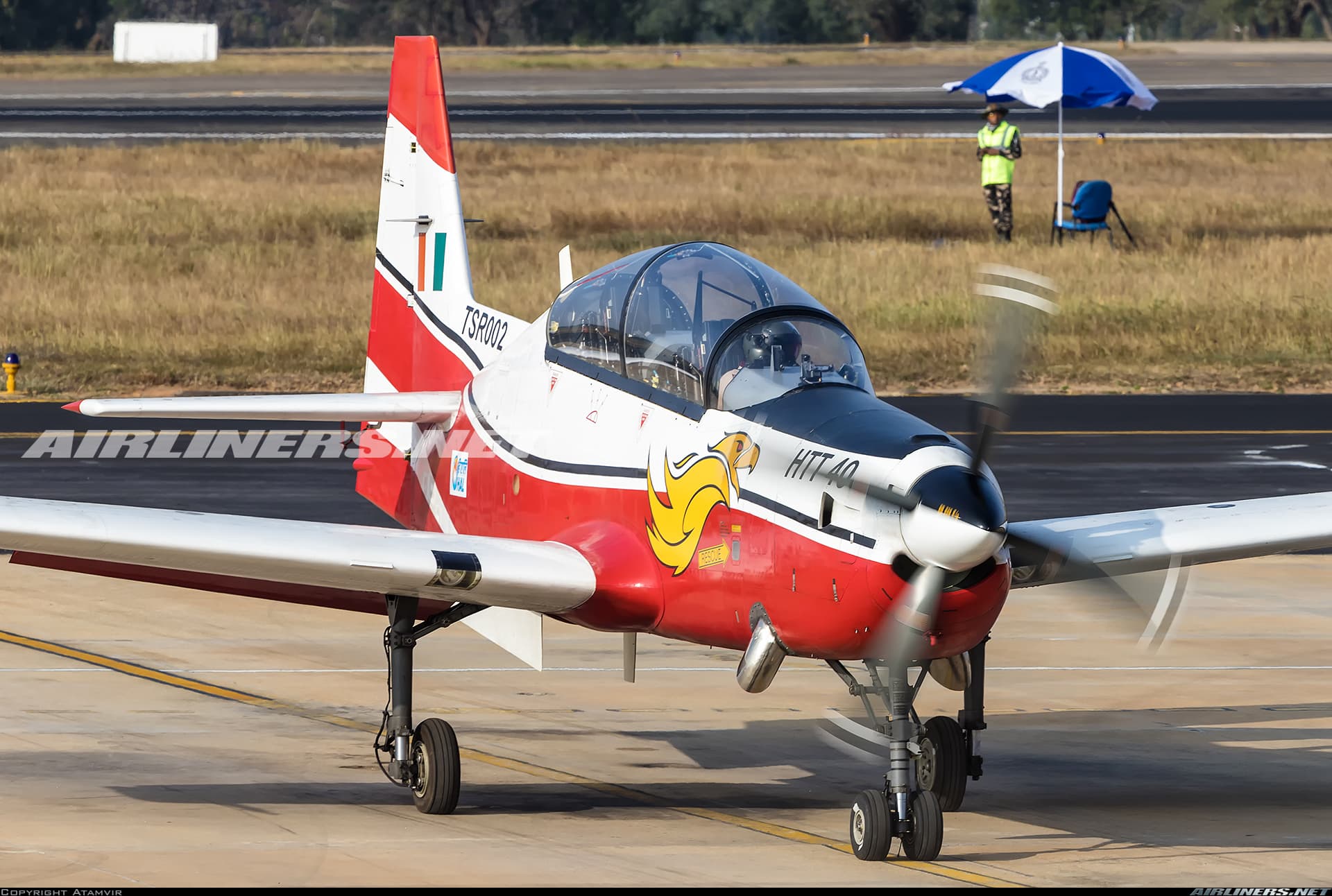
HTT-40 (Rank II; 2.0):
The HAL HTT-40 is a modern indigenous basic trainer developed by Hindustan Aeronautics Limited for the Indian Air Force. Designed to replace older piston trainers, it features a turboprop engine, glass cockpit, and improved safety systems, providing a contemporary training platform for new pilots.
Stats:
- Armament:
- ~ Up to 500 lbs of armament
- Mobility:
- Max Speed: 450 km/h (280 mph)
- Max Altitude: 6,000 m (19,700 ft)
- Rate of Climb: 10 m/s (1,970 ft/min)
- Sources:
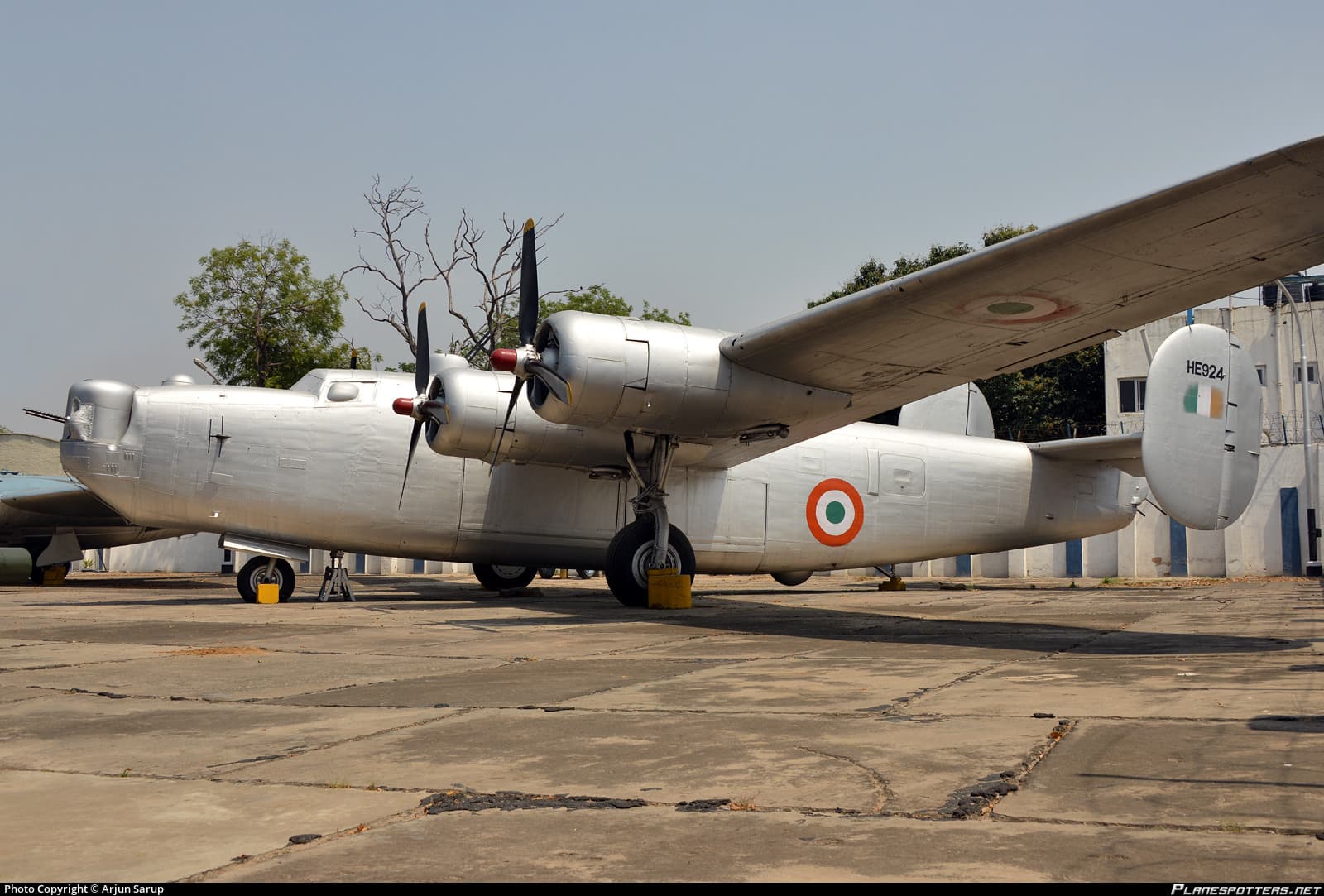
B-24J Liberator (Rank IV; 5.3):
The Consolidated B-24J Liberator was a widely produced variant of the B-24 used by the Royal Indian Air Force during World War II. It served in long-range bombing, maritime patrol, and transport roles across the Burma theater, valued for its extended range and heavy payload capacity.
Stats:
- Armament:
- Up to 10x 12.7 mm M2 Browning Machine Guns
- Up to 8,000 lbs of Bombs
- Mobility:
- Max Speed: 470 km/h (292 mph)
- Max Altitude: 8,500 m (27,900 ft)
- Rate of Climb: 4.6 m/s (900 ft/min)
- Sources:
HJT-16 Kiran Mk.II (Rank III; 3.7):
The HAL HJT-16 Kiran Mk.II was an improved variant of India’s indigenous jet trainer, used by the Indian Air Force for advanced pilot training. Compared to the earlier Mk.I, it featured increased thrust and provisions for weapon training, allowing it to double as a light attack aircraft.
Stats:
- Armament:
- 2x 7.62 mm Machine Guns (gun pods)
- Rockets and Light Bombs (training/attack role)
- Mobility:
- Max Speed: 695 km/h (432 mph)
- Max Altitude: 9,000 m (29,500 ft)
- Rate of Climb: 18 m/s (3,540 ft/min)
- Sources:
- HJT-16 Kiran – Indian Air Force
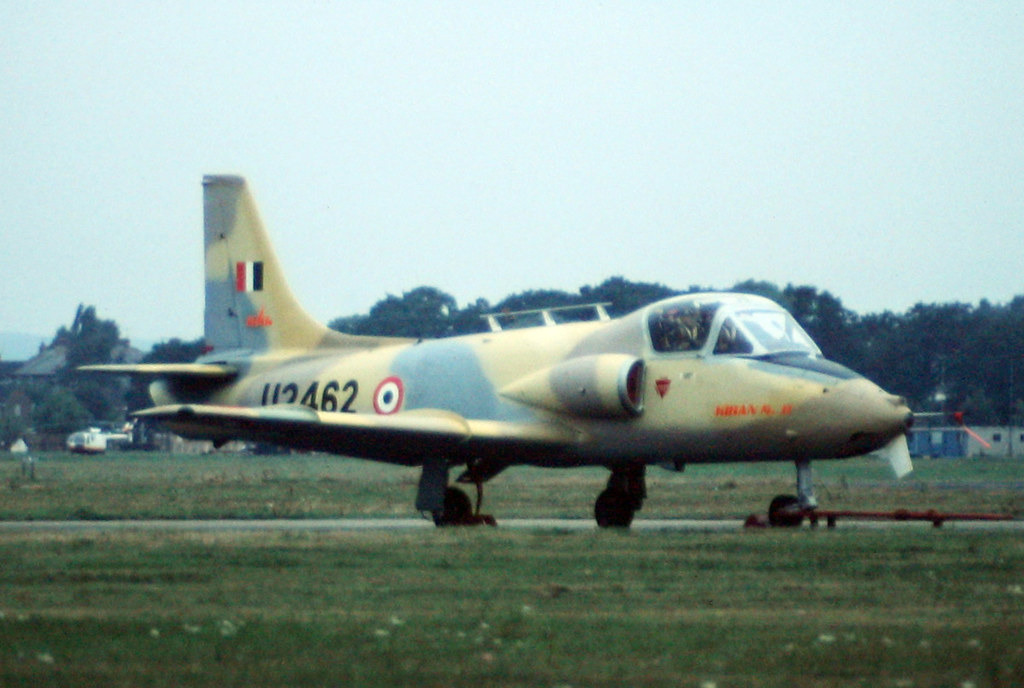
TS-11 Iskra 200SB (Rank III; 4.3):
The PZL TS-11 Iskra 200SB was a modernized version of the Iskra family, featuring improved avionics and weapons integration for advanced training and light attack roles. Designed to extend the service life of the Iskra platform, it offered enhanced capability for weapons training while maintaining the aircraft’s reliable handling characteristics.
Stats:
- Armament:
- 1x 23 mm Cannon (internal or podded)
- Rockets and Light Bombs
- Mobility:
- Max Speed: 720 km/h (447 mph)
- Max Altitude: 11,000 m (36,000 ft)
- Rate of Climb: 15 m/s (2,950 ft/min)
- Sources:
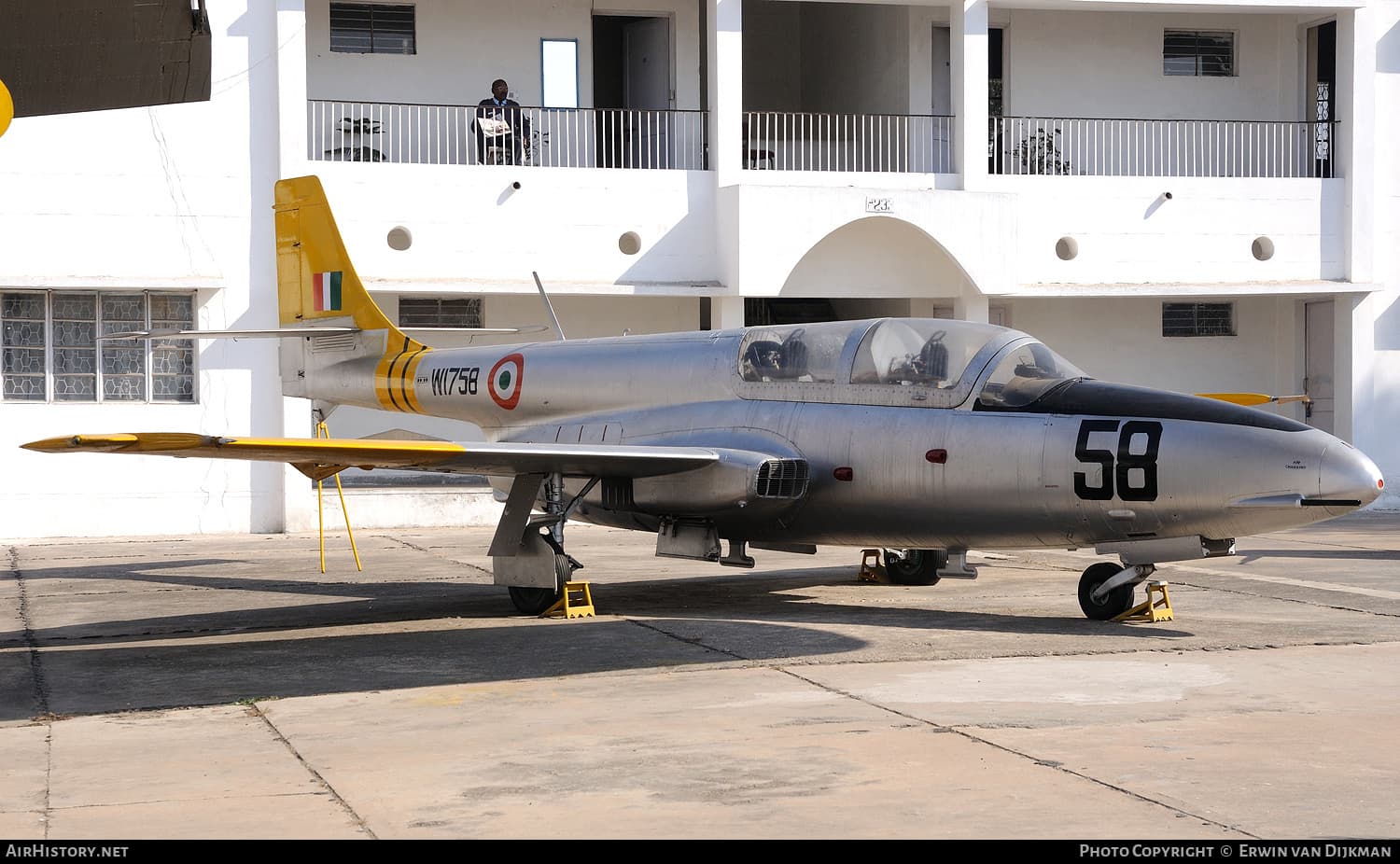
HF-24 Marut Mk.1A (Rank V; 8.7):
The HAL HF-24 Marut Mk.1A was a prototype variant developed to test alternative, more powerful engines for the Marut program. Created to address the aircraft’s well-known thrust limitations, it served as a testbed for improved powerplants, but these efforts did not lead to a production-standard upgrade.
Stats:
- Armament:
- 4x 30 mm ADEN Cannons
- Provision for Rockets and Bombs
- Mobility:
- Max Speed: ~1,110 km/h (690 mph)
- Max Altitude: ~13,700 m (45,000 ft)
- Rate of Climb: Higher than Mk.1 (due to experimental engine)
- Sources:
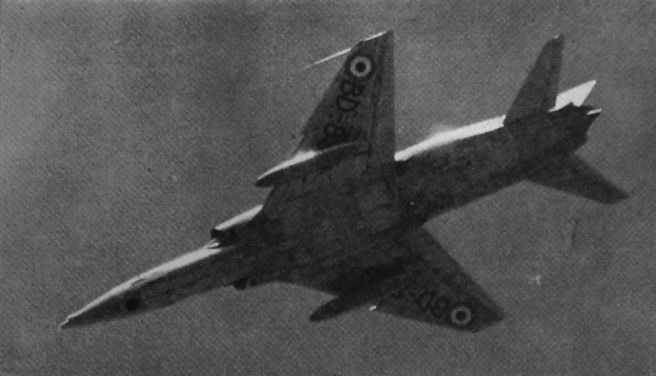
Hunter Mk.56A (Rank VI; 9.7):
The Hawker Hunter Mk.56A was a license-built version of the Hawker Hunter optimized for strike and interdiction missions. It combined high-speed performance with a robust weapons loadout, serving as a multirole aircraft capable of both air defense and close air support roles.
Stats:
- Armament:
- 4x 30 mm ADEN Cannons
- Rockets and Napalm underwing pods
- Up to 2,000 lbs of Bombs
- Mobility:
- Max Speed: 1,150 km/h (715 mph)
- Max Altitude: 15,200 m (50,000 ft)
- Rate of Climb: 50 m/s (9,850 ft/min)
- Sources:
- Hawker Hunter – Indian Air Force
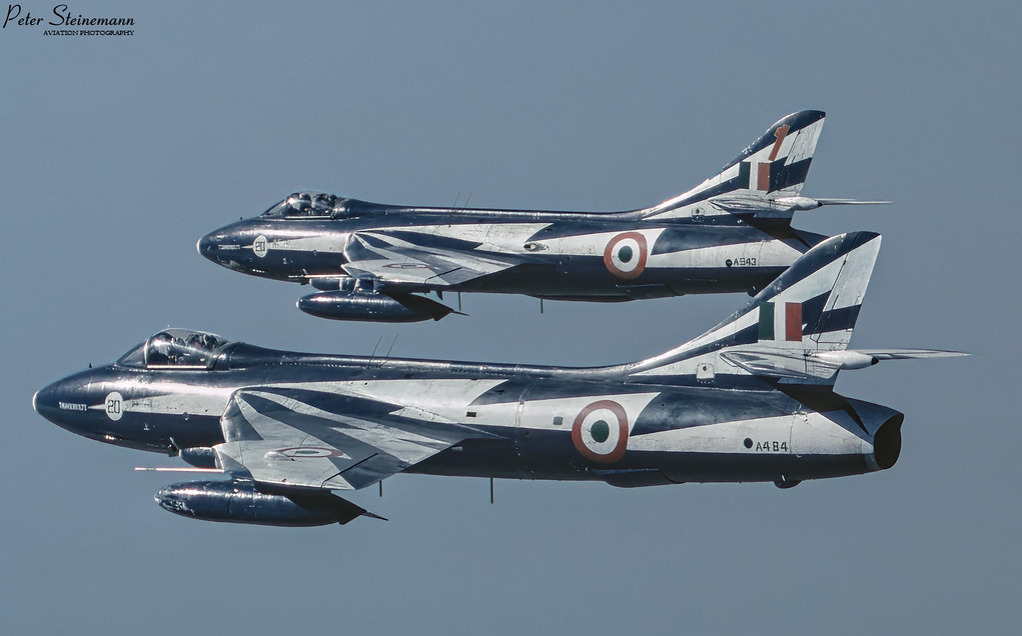
Hunter T.66D (Rank VI; 8.7):
The Hawker Hunter T.66D was a dual-seat conversion of the Hunter FGA.56A used by the Indian Air Force for advanced pilot training and weapons instruction. It retained the flight characteristics of the single-seat combat Hunter while providing a second cockpit for instructor oversight.
Stats:
- Armament:
- 2x 30 mm ADEN Cannons
- Provision for light bombs or rockets
- Mobility:
- Max Speed: 1,150 km/h (715 mph)
- Max Altitude: 15,200 m (50,000 ft)
- Rate of Climb: 50 m/s (9,850 ft/min)
- Sources:
- Hawker Hunter – Indian Air Force
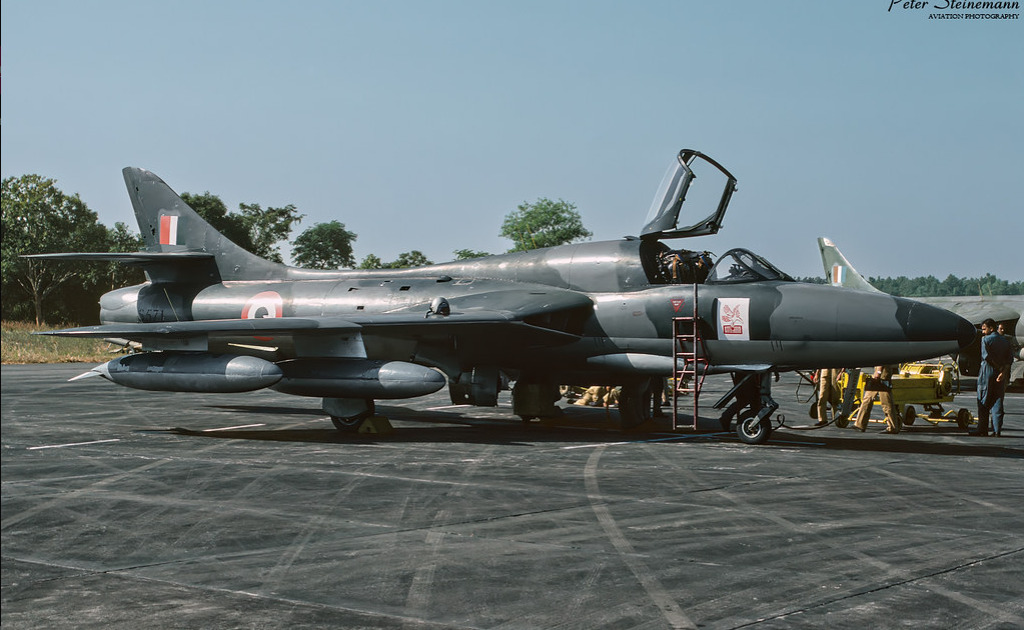
Hunter T.66E (Rank VI; 8.7):
The Hawker Hunter T.66E was a dual-seat variant of the Hunter FGA.56A adapted for advanced pilot training and weapons instruction. Similar to the T.66D, it allowed instructors to train pilots in air combat, weapons delivery, and tactical maneuvers, retaining the Hunter’s performance while offering full dual-control capability.
Stats:
- Armament:
- 2x 30 mm ADEN Cannons (some training conversions had reduced armament)
- Provision for light bombs or rockets for training
- Mobility:
- Max Speed: 1,150 km/h (715 mph)
- Max Altitude: 15,200 m (50,000 ft)
- Rate of Climb: 50 m/s (9,850 ft/min)
- Sources:
- Hawker Hunter – Indian Air Force
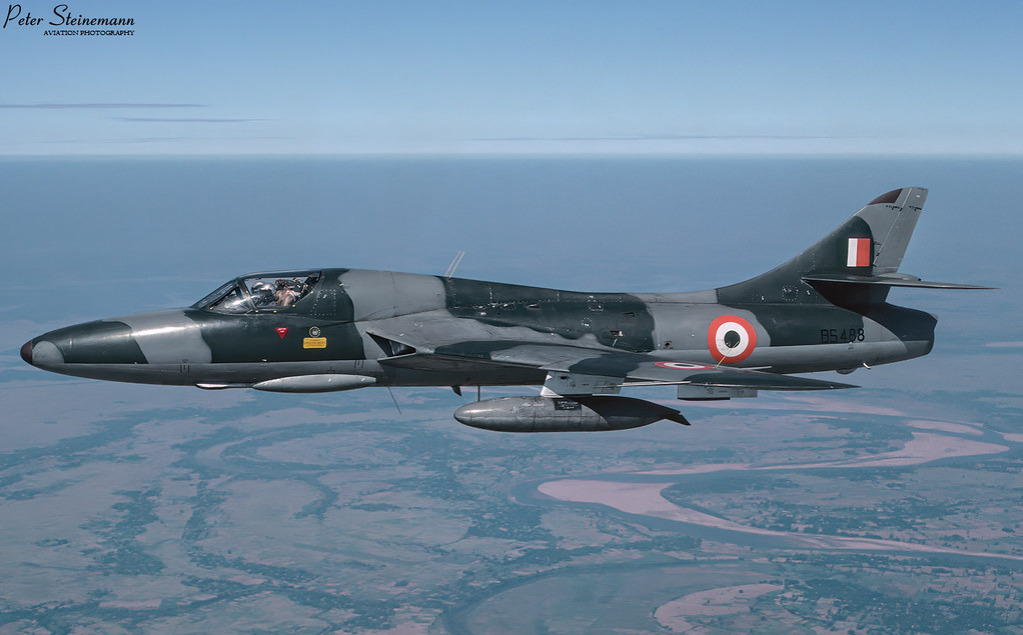
MiG-21 Bison (Rank VII; 10.5):
The MiG-21 Bison is an extensively modernized variant of the MiG-21FL/MF series, upgraded by the Indian Air Force to extend service life and improve combat capability. It features modern avionics, radar, weapons systems, and compatibility with beyond-visual-range missiles, giving the aging platform a multirole strike and interception capability.
Stats:
- Armament:
- 1x 23 mm GSh-23L Cannon
- Short-range and beyond-visual-range Air-to-Air Missiles
- Air-to-Ground bombs, rockets, and precision munitions
- Mobility:
- Max Speed: Mach 2.0 (~2,175 km/h / 1,350 mph)
- Max Altitude: 17,500 m (57,400 ft)
- Rate of Climb: 250 m/s (49,200 ft/min)
- Sources:
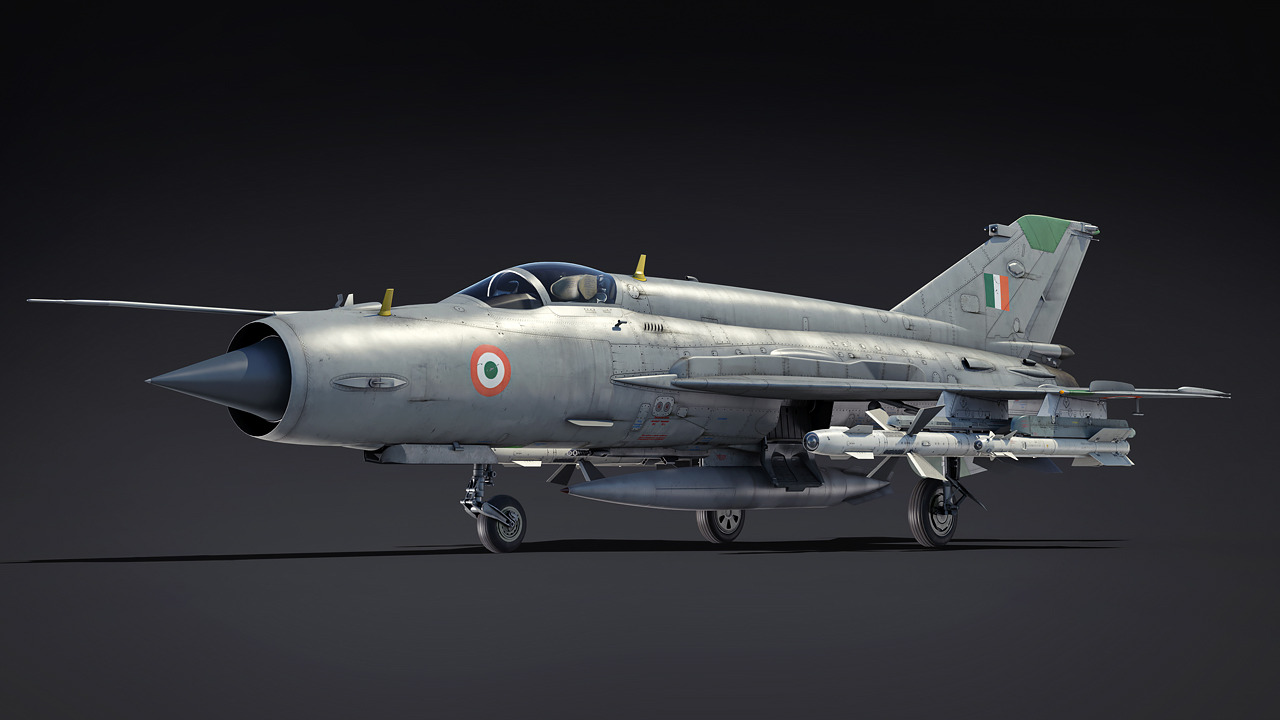
Tejas NP-5 (Rank VII; 10.0):
The HAL Tejas NP-5 is a functional naval prototype of the HAL Tejas designed for Indian Navy carrier operations. NP-5 tested navalized features such as strengthened landing gear, arrestor hook, and low-speed carrier handling, while retaining full operational capability to carry weapons for weapons integration trials.
Stats:
- Armament:
- 1x 23 mm Cannon
- Air-to-Air Missiles, Rockets, and Bombs
- Mobility:
- Max Speed: Mach 1.6 (~1,975 km/h / 1,227 mph)
- Max Altitude: 15,200 m (50,000 ft)
- Rate of Climb: 160 m/s (31,500 ft/min)
- Sources:
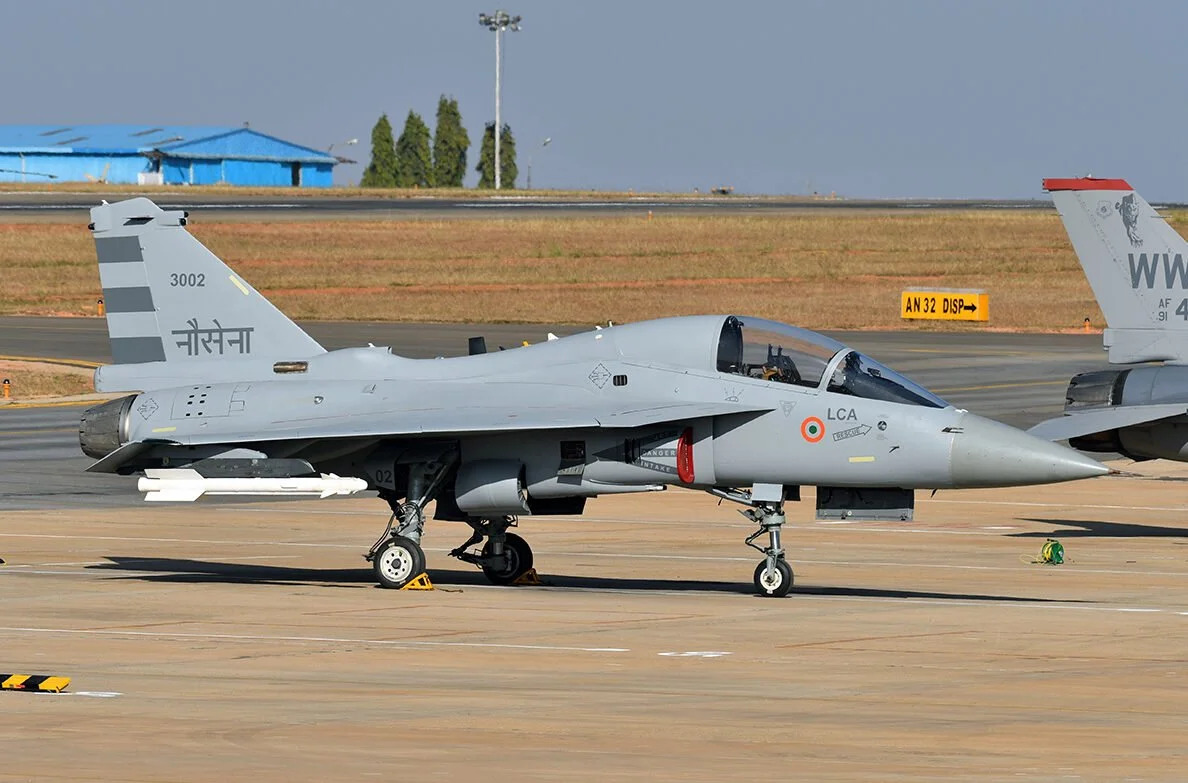
Extras - Squadron Aircraft
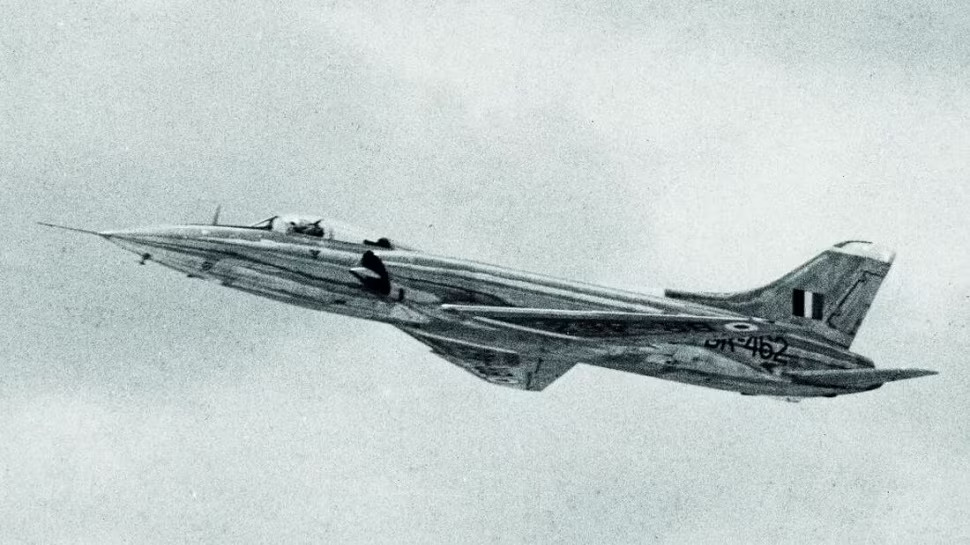
HF‑24 Marut Mk.1R (Rank V; 8.7):
The HAL HF-24 Marut Mk.1R was an experimental “Reheat” version of India’s first indigenous jet fighter. Two HF‑24s were fitted with afterburning Bristol Siddeley Orpheus 703R engines during flight testing to explore higher thrust performance, but the variant did not enter production.
Stats:
- Armament:
- 4× 30 mm ADEN Cannons
- Rockets or Bombs
- Mobility:
- Max Speed: ~1,110 km/h (690 mph)
- Max Altitude: ~13,750 m (45,100 ft)
- Rate of Climb: ~40 m/s (7,900 ft/min)
- Sources:
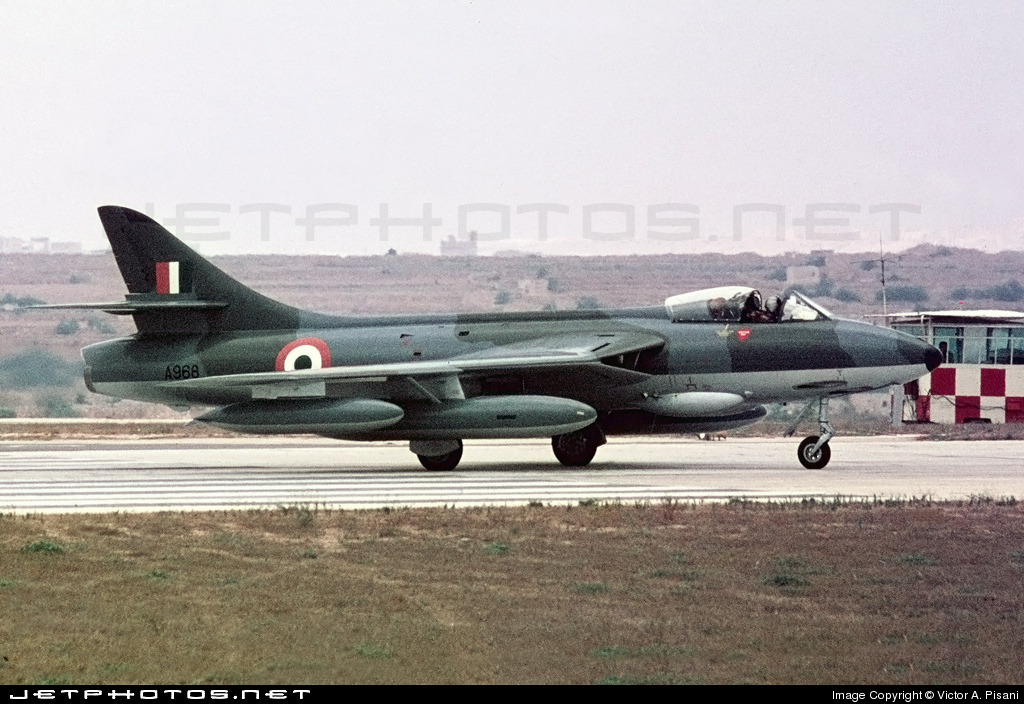
Hunter FGA.56A (Rank VI; 9.7):
The Hawker Hunter FGA.56A was a license-built variant of the Hawker Hunter for the Indian Air Force, optimized for ground-attack and interdiction missions. It combined high-speed performance with a robust weapons load, serving in both strike and close air support roles.
Stats:
- Armament:
- 4x 30 mm ADEN Cannons
- Rockets and Napalm underwing pods
- Up to 2,000 lbs of Bombs
- Mobility:
- Max Speed: 1,150 km/h (715 mph)
- Max Altitude: 15,200 m (50,000 ft)
- Rate of Climb: 50 m/s (9,850 ft/min)
- Sources:
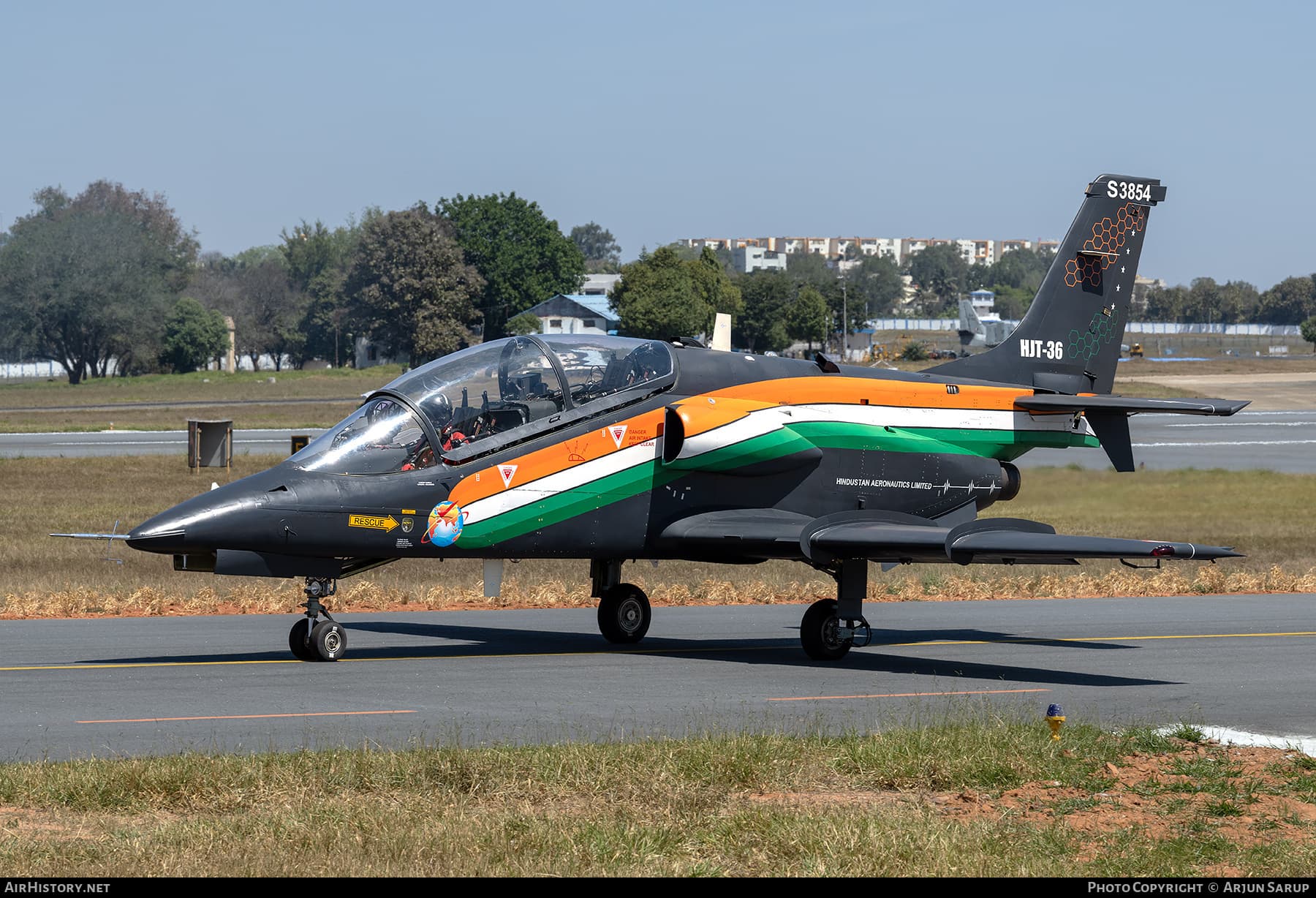
HJT‑32 Yashas (Rank VII; 12.0):
The HJT-32 Yashas is an upgraded model of the HJT-32 Sitara, seeing redesigned & strengthened wings with larger control surfaces, new avionics, and a new engine. Armament capability was also improved, as now the Yashas is capable of carrying Astra ARH missiles in self defense.
Stats:
- Armament:
- Up to 1,000 lbs of external weapons
- Air to Air Missiles
- Unguided Rockets
- Guided Bombs
- Gun pods
- Mobility:
- Max Speed: 730 km/h (454 mph)
- Max Altitude: 9,000 m (29,500 ft)
- Rate of Climb: 15 m/s (2,950 ft/min)
- Sources:
Extras - Event Aircraft
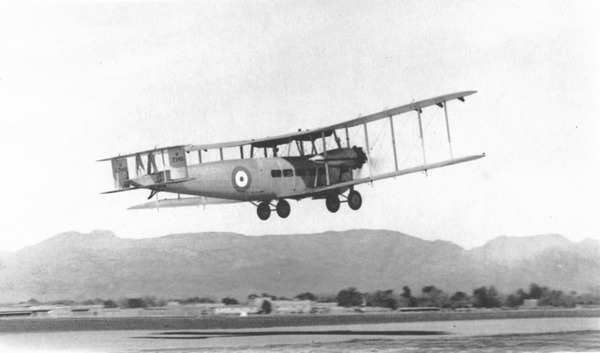
Valentia Mk.I (Rank I; 1.0):
The Vickers Valentia Mk.I was a twin-engine biplane transport and bomber used by the Royal Air Force and later by the Indian Air Force during the late 1930s and early years of World War II. In Indian service, it was primarily employed for transport, reconnaissance, and logistical support, though it retained its capability as a light bomber. Its rugged design and ability to operate in harsh environments made it well-suited for operations across the North-West Frontier and Middle Eastern theaters.
Stats:
- Armament:
- 1–2x .303 in Lewis Machine Guns
- Up to 1,000 kg (2,200 lb) of bombs
- Mobility:
- Max Speed: 225 km/h (140 mph)
- Max Altitude: 5,500 m (18,000 ft)
- Rate of Climb: 3.5 m/s (690 ft/min)
- Sources:
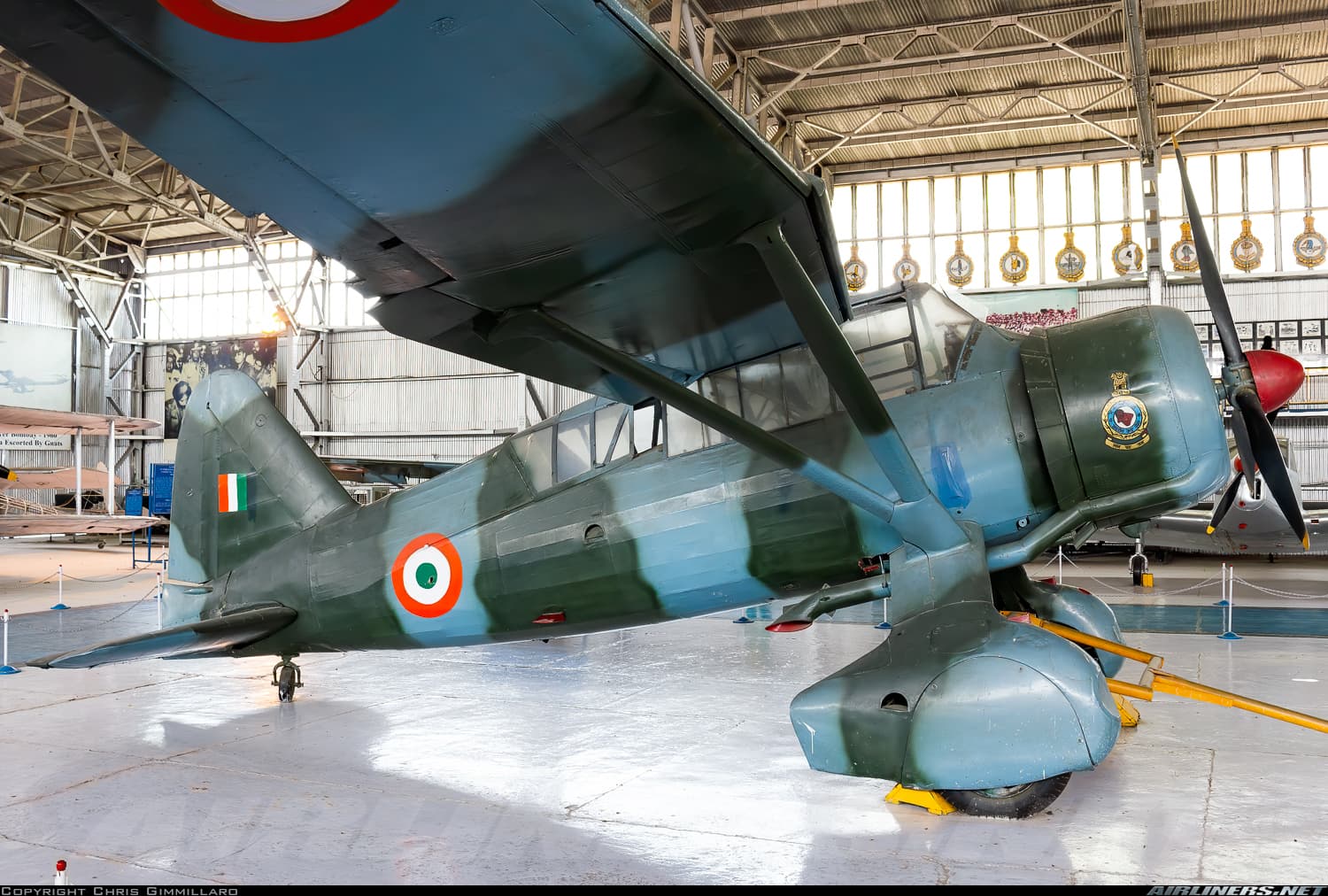
Lysander Mk.II (Rank I; 1.3):
The Westland Lysander Mk.II was a versatile army cooperation and liaison aircraft used by the Royal Air Force and the Indian Air Force during World War II. In Indian service, it was employed for reconnaissance, artillery spotting, supply drops, and communication duties across difficult terrain. Known for its excellent short takeoff and landing (STOL) performance, the Lysander could operate from improvised airstrips, making it highly effective in remote regions.
Stats:
- Armament:
- 2x .303 in Browning Machine Guns (fixed forward)
- 2x .303 in Lewis Guns (rear cockpit)
- Up to 227 kg (500 lb) of bombs or supply containers
- Mobility:
- Max Speed: 340 km/h (211 mph)
- Max Altitude: 6,500 m (21,300 ft)
- Rate of Climb: 4.5 m/s (890 ft/min)
- Sources:
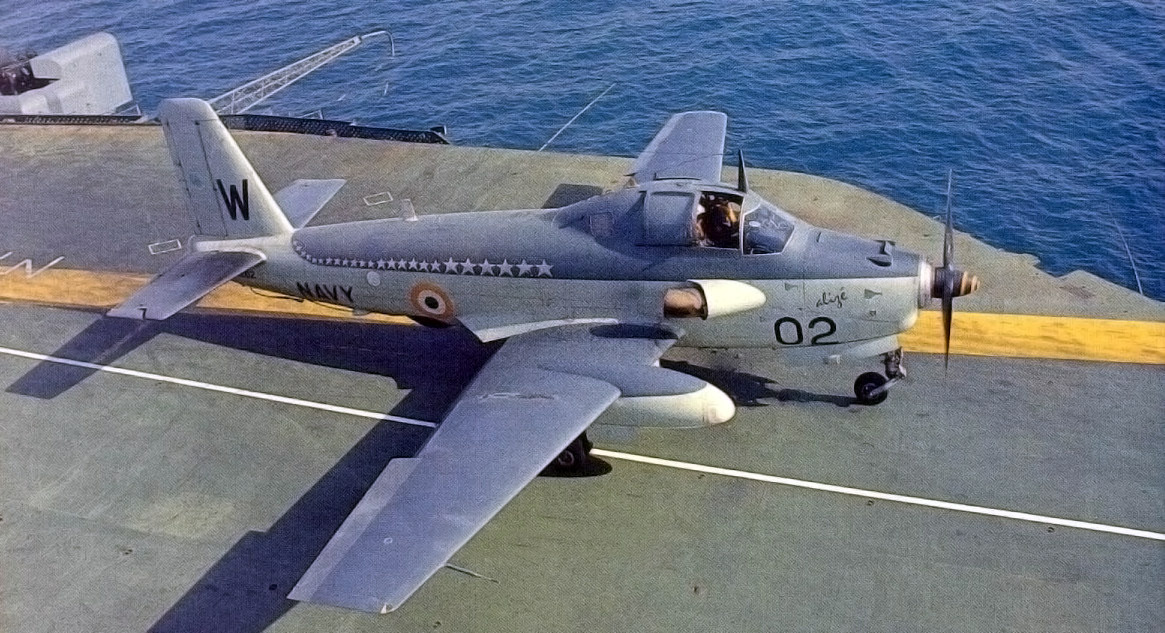
Br.1050 Alizé (Rank IV; 6.0):
The Breguet Br.1050 Alizé was a French carrier-based anti-submarine warfare aircraft operated by the Indian Navy. Entering service in the early 1960s, it was deployed from aircraft carriers such as INS Vikrant for maritime patrol, reconnaissance, and anti-submarine duties. Equipped with radar and capable of carrying a variety of ordnance, the Alizé served as a key component of India’s naval aviation until its retirement in the late 1980s.
Stats:
- Armament:
- Up to 2x torpedoes or depth charges
- Provision for bombs or rockets (up to ~1,000 kg / 2,200 lb payload)
- Mobility:
- Max Speed: 518 km/h (322 mph)
- Max Altitude: 8,000 m (26,200 ft)
- Rate of Climb: 8 m/s (1,575 ft/min)
- Sources:
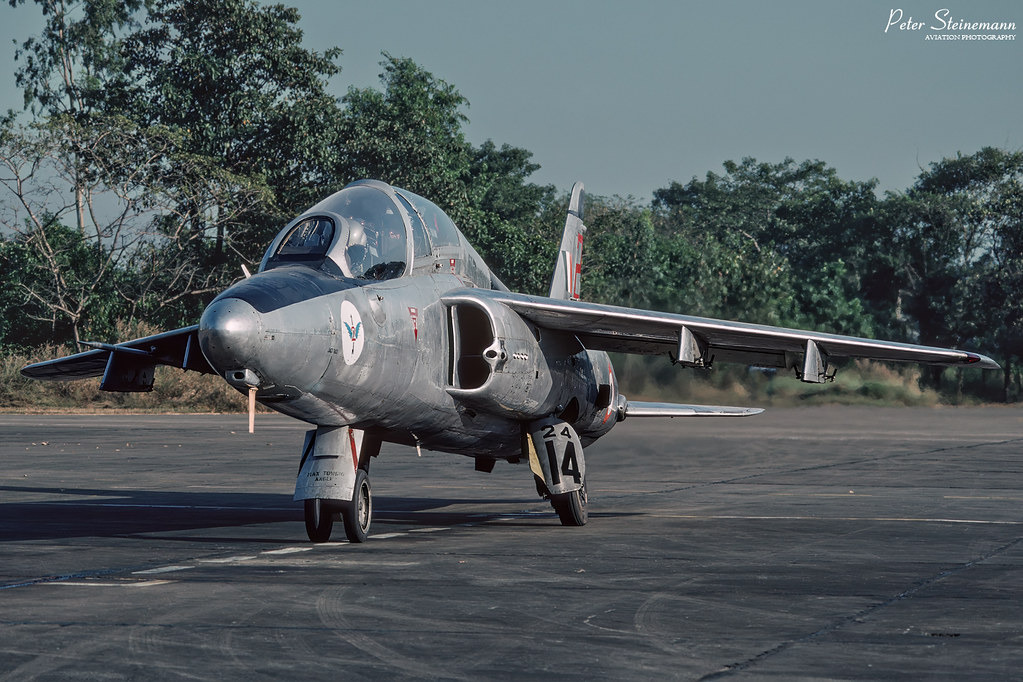
Ajeet Mk.2 (Rank VI; 8.7):
The HAL Ajeet Mk.2 was a two-seat trainer variant of the Ajeet light fighter, developed in India from the Folland Gnat lineage. Featuring a stretched fuselage with a second cockpit, it was designed to provide advanced jet training for Indian Air Force pilots. The aircraft retained the agile handling characteristics of the Gnat/Ajeet family, making it suitable for lead-in fighter training. Although successfully built and flown, it did not enter large-scale production.
Stats:
- Armament:
- 2x 30 mm ADEN Cannons (limited / training use)
- Provision for light bombs or rocket pods
- Mobility:
- Max Speed: 1,080 km/h (671 mph)
- Max Altitude: 13,000 m (42,600 ft)
- Rate of Climb: 75 m/s (14,760 ft/min)
- Sources:
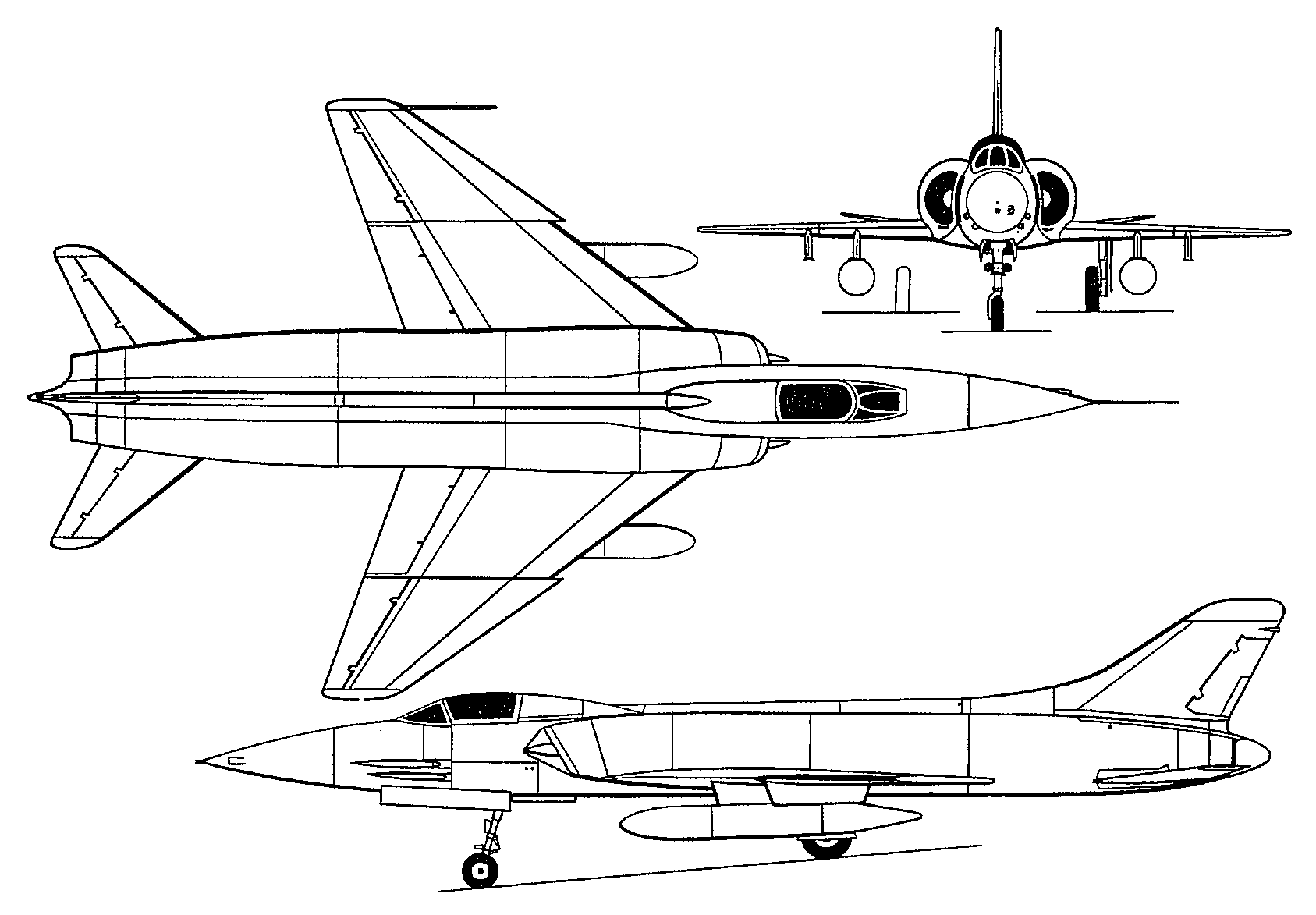
HF-24 Marut Mk.1 BX (Rank VI; 8.7):
The HF-24 Marut Mk.1 BX was a specially modified test-bed loaned to Eygpt for the Brandner E-300 turbojet engine. While retaining the standard Marut airframe and weapon pylons, its primary role was engine evaluation. It could still carry the usual armament, but its operational use was limited to testing and development flights rather than combat missions.
Stats:
- Armament:
- 4x 30 mm ADEN Cannons
- Up to 1,800 kg (3,970 lb) of bombs or rockets
- Mobility:
- Max Speed: 1,120 km/h (696 mph)
- Max Altitude: 13,700 m (45,000 ft)
- Rate of Climb: 65 m/s (12,800 ft/min)
- Sources:
SEPECAT Jaguar IS (Rank VII; 11.0):
The SEPECAT Jaguar IS is the Indian Air Force’s primary ground-attack and interdiction fighter, a variant of the Anglo-French Jaguar designed for low-level strike missions. Introduced in the 1970s, the Jaguar IS featured upgraded avionics, navigation, and weapon delivery systems tailored for India’s tactical requirements. It has served extensively in both training and combat roles, including precision strikes, close air support, and maritime operations.
Stats:
- Armament:
- 2x 30 mm DEFA Cannons
- Up to 4,500 kg (9,920 lb) of bombs, rockets, or missiles on 8 hardpoints
- Can carry air-to-ground and limited air-to-air ordnance
- Mobility:
- Max Speed: 1,960 km/h (1,218 mph)
- Max Altitude: 13,400 m (44,000 ft)
- Rate of Climb: 100 m/s (19,700 ft/min)
- Sources:

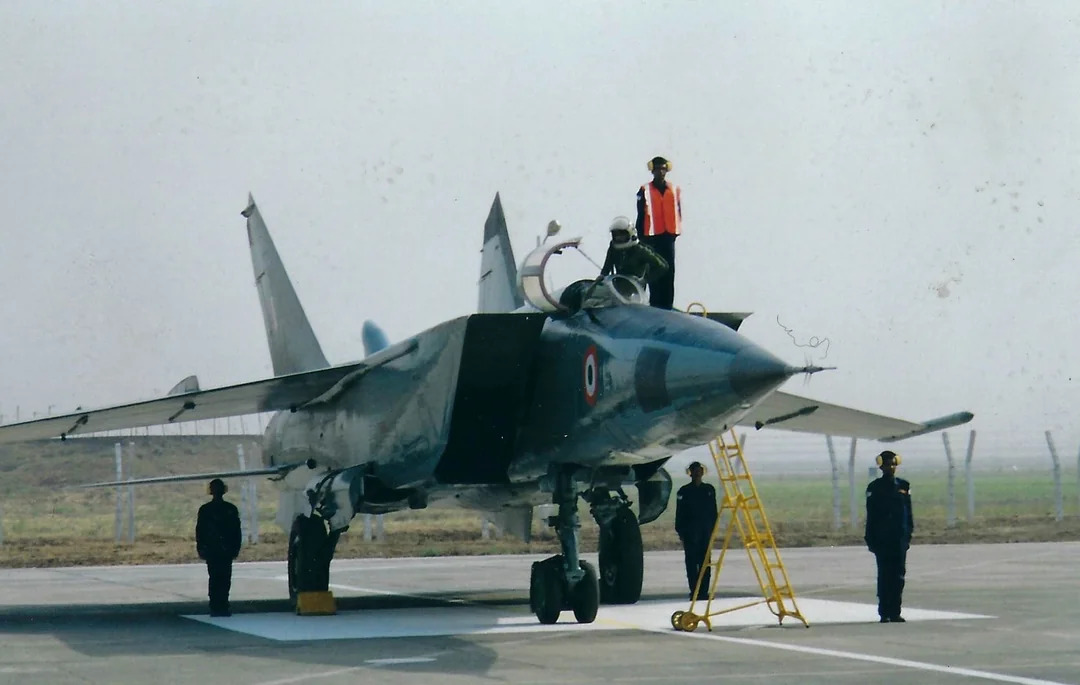
Garuda RBK (Rank VII; 11.3):
The Mikoyan-Gurevich MiG-25RBK is a reconnaissance and bomber variant of the MiG-25 “Foxbat,” operated by the Indian Air Force. Introduced in the 1980s, the RBK combined high-speed, high-altitude reconnaissance with limited tactical strike capability. Equipped with advanced cameras, sensors, and electronic countermeasure systems, it could perform strategic surveillance over hostile territory while retaining the Foxbat’s legendary speed and altitude performance.
Stats:
- Armament:
- 2x R-40 or R-60 air-to-air missiles (optional self-defense)
- Up to 2,000 kg (4,400 lb) of bombs or tactical munitions
- Mobility:
- Max Speed: 3,000 km/h (1,864 mph) at high altitude
- Max Altitude: 24,000 m (78,700 ft)
- Rate of Climb: 250 m/s (49,200 ft/min)
- Sources:
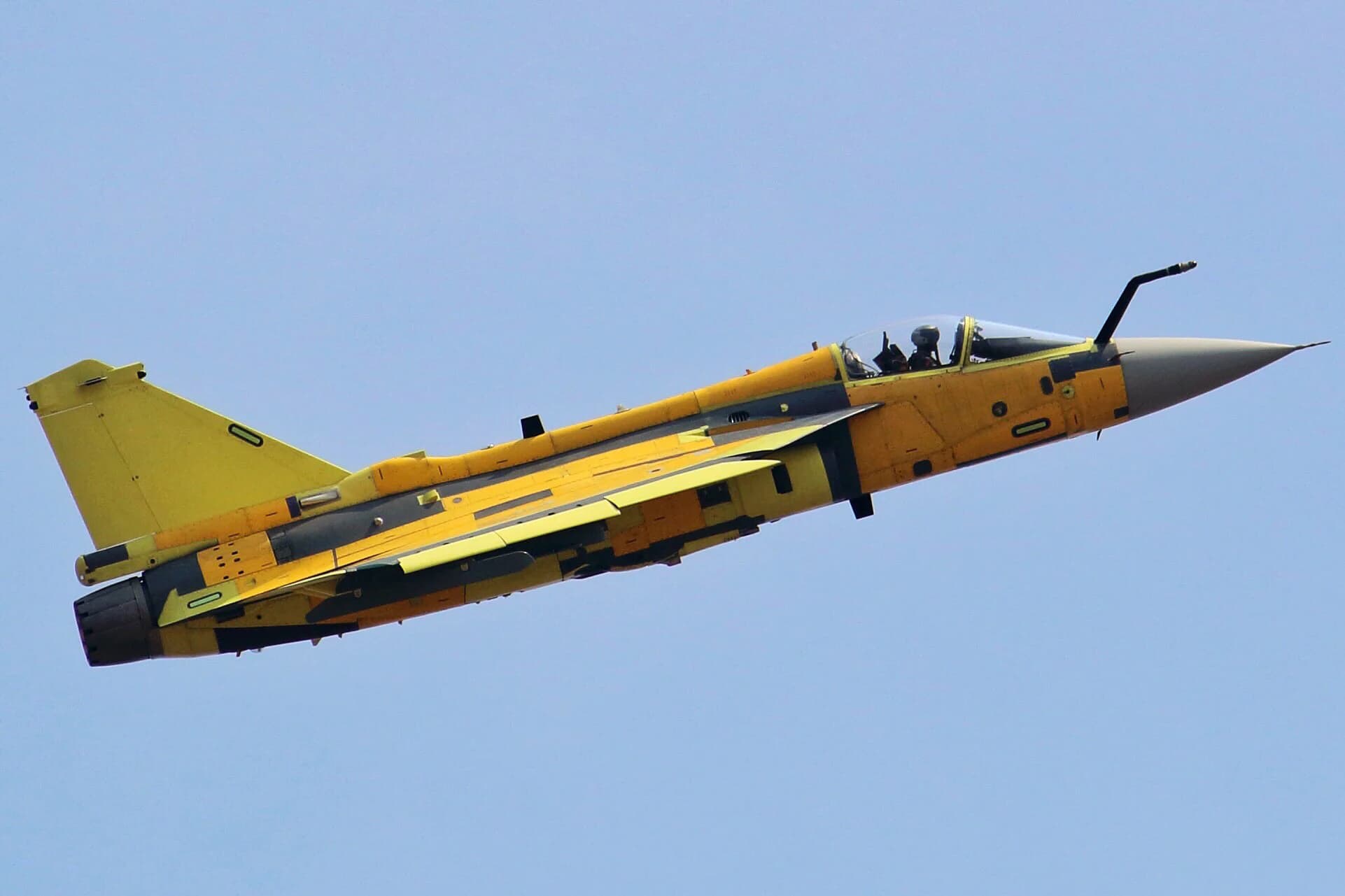
HAL Tejas Mk.1 Prototype (Weapons Testbed) (Rank VI; 9.7):
The HAL Tejas Mk.1 Prototype served as an early Indian Light Combat Aircraft platform configured specifically for weapons integration and testing. This prototype retained the airframe and flight characteristics of the production Tejas Mk.1 but was equipped with test instrumentation, pylons, and sensors to evaluate various air-to-air and air-to-ground munitions. It played a critical role in validating weapon compatibility and refining avionics systems before full operational deployment.
Stats:
- Armament:
- 1x 23 mm GSh-23 cannon (internal)
- Hardpoints for bombs, rockets, or missiles (for testing)
- Configurable for both air-to-air and air-to-ground weapons
- Mobility:
- Max Speed: 1,350 km/h (840 mph)
- Max Altitude: 15,200 m (50,000 ft)
- Rate of Climb: 115 m/s (22,600 ft/min)
- Sources:
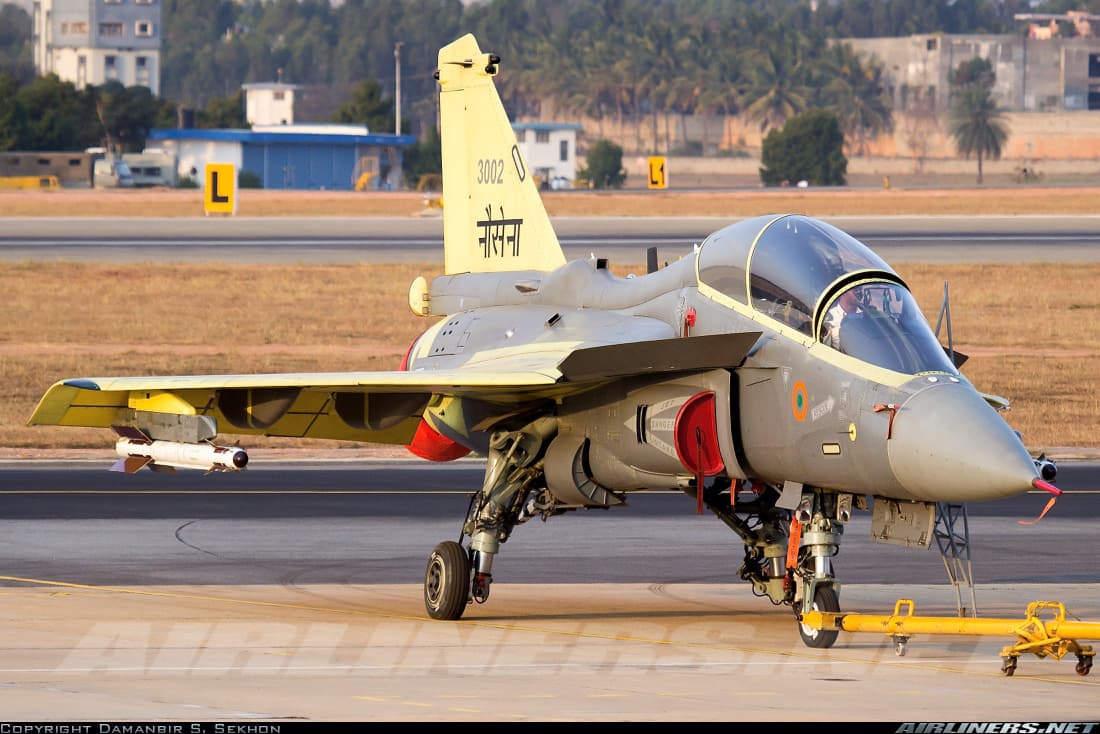
HAL Tejas NP-2 (Naval Prototype) (Rank VI; 9.8):
The HAL Tejas NP-2 is a single-seat naval prototype of India’s Light Combat Aircraft, developed to test carrier-based operations. It features a reinforced undercarriage, arrestor hook, and naval avionics to evaluate takeoffs, landings, and weapons integration on aircraft carriers. As a prototype, it was critical in preparing India’s naval LCA program for operational deployment.
Stats:
- Armament:
- 1x 23 mm GSh-23 cannon (internal)
- Hardpoints for bombs, rockets, or missiles (for testing/training)
- Mobility:
- Max Speed: 1,350 km/h (840 mph)
- Max Altitude: 15,200 m (50,000 ft)
- Rate of Climb: 110 m/s (21,600 ft/min)
- Sources:
Additional Stuffs:
Indian Munitions
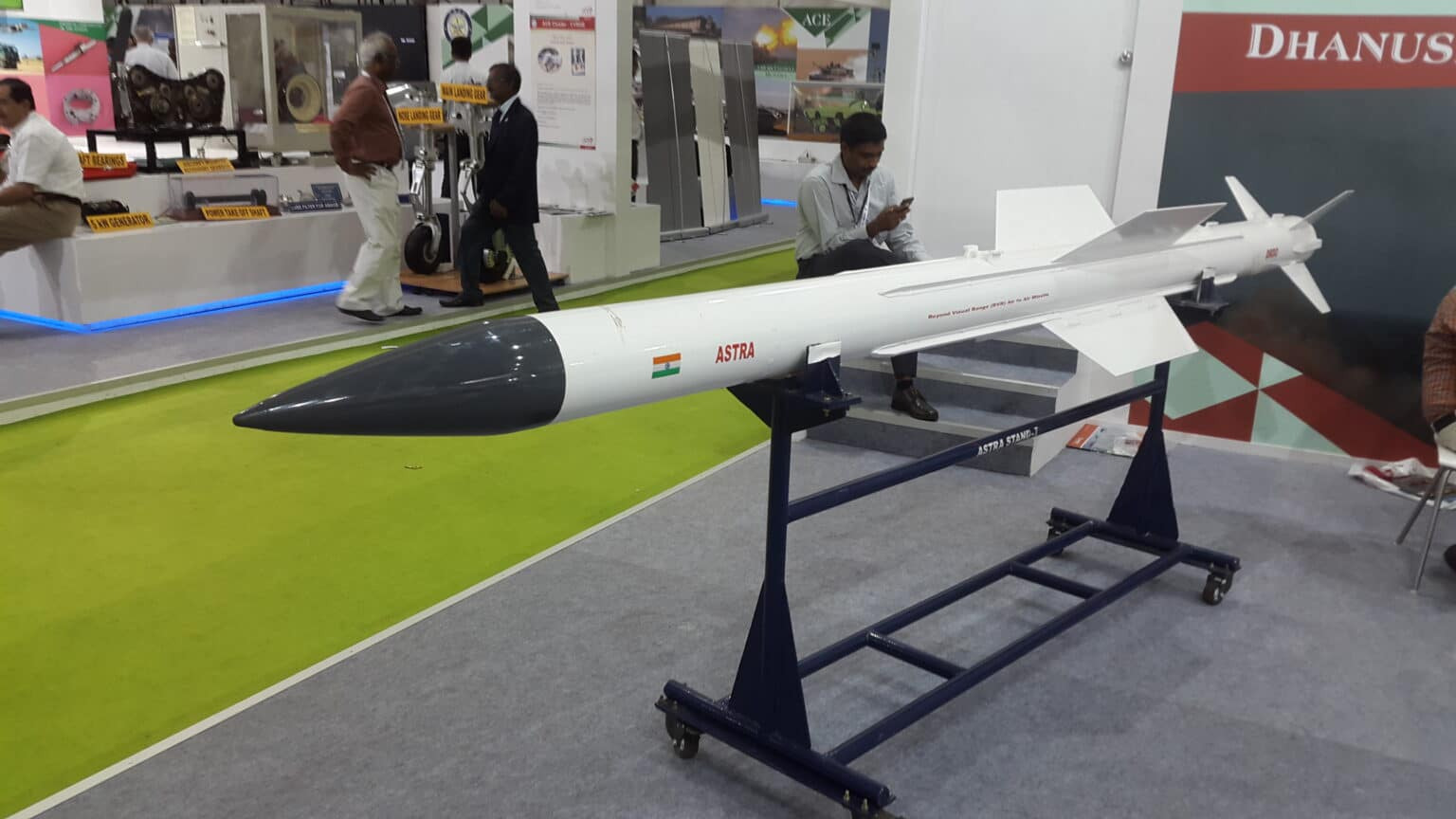
Astra Mk.I/II (Air-to-Air Missile)
The Astra is an indigenous Active-Radar-Homing BVR missile used by the Indian Air Force.
Stats:
- Targeting: AESA ARH
- Max Speed: Mach 4.5
- Max Range: 160 km (99 mi)
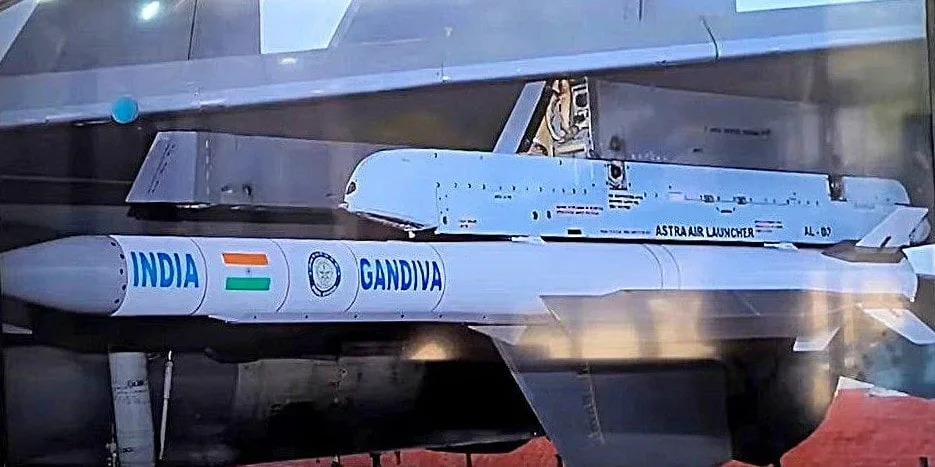
Gandiva (Air-to-Air Missile)
The Gandiva, also known as the Astra Mk.III, is a further improvement of the astra missile design.
Stats:
- Targeting: AESA ARH
- Max Speed: Mach 4.5
- Max Range: 340 km (211 mi)
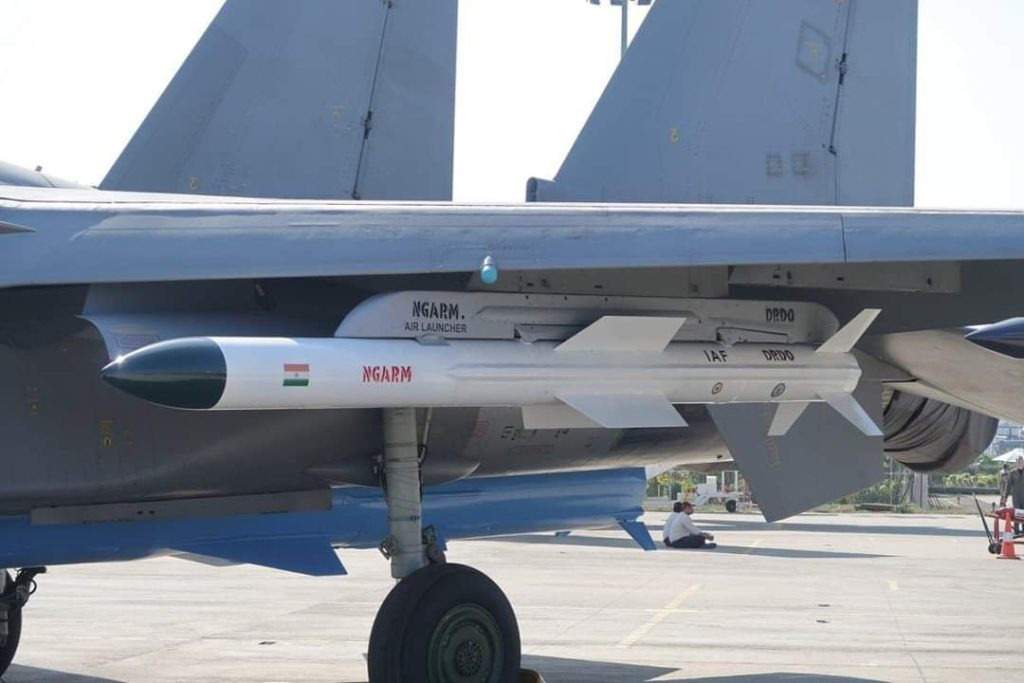
RudraM-1 (Air-to-Surface Missile)
The RudraM-1, also known as the NGARM, is an anti-radiation missile developed indigenously in India to similar specifications of the Astra as a standoff weapon.
Stats:
- Targeting: INS + GNSS
- Max Speed: Mach 2
- Max Range: 200 km (124 mi)
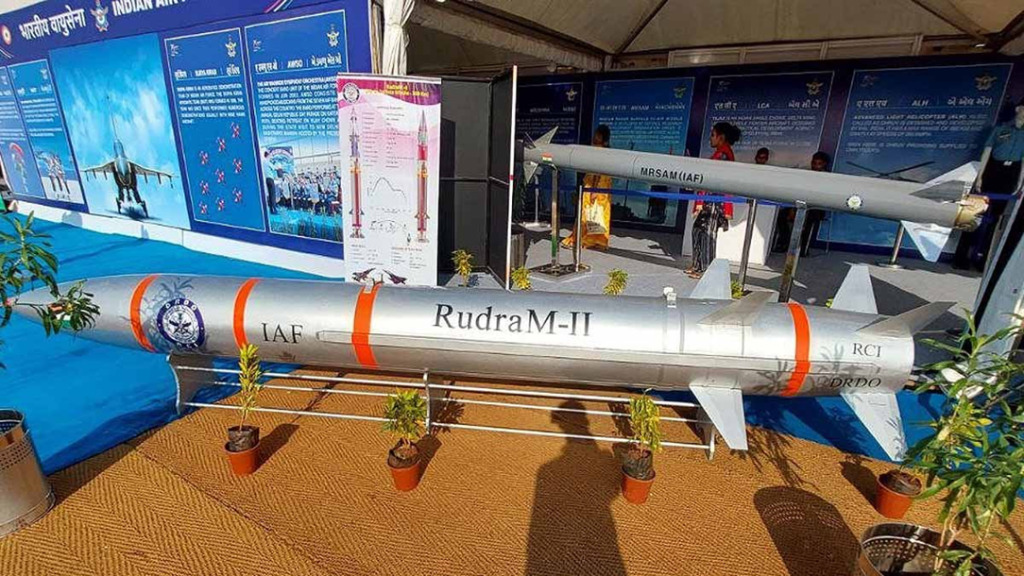
RudraM-2 (Air-to-Surface/Ground Missile)
The RudraM-2, is a impovement of the RudraM design.
Stats:
- Targeting: INS + GNSS
- Max Speed: Mach 5.5
- Max Range: 350 km (220 mi)
RudraM-3 (Air-to-Surface Missile)
The RudraM-3, is an even further improvement of the RudraM design.
Stats:
- Targeting: INS + GNSS
- Max Speed: Mach 5.5
- Max Range: 550 km (340 mi)

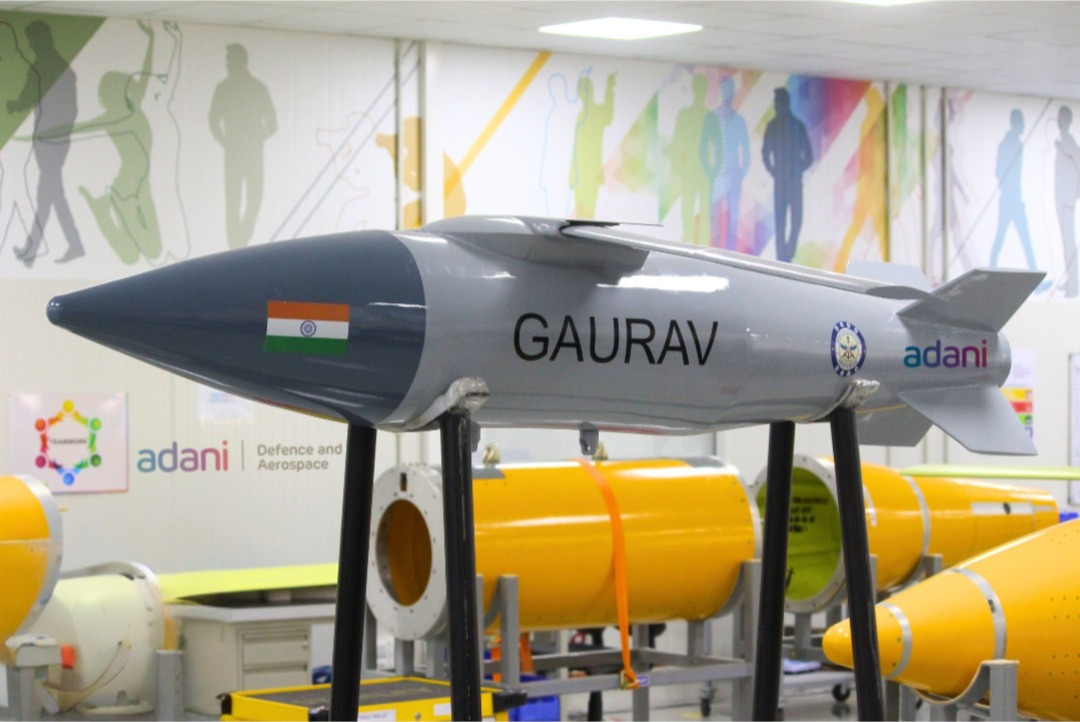
Gaurav(Glide Bomb)
The Gaurav is an indigenous glide bomb by Adani Defense for use by the IAF.
Stats:
- Targeting: INS + GNSS
- Max Range: 150 km (81 mi)
Sudarshan (Laser-Guided Bomb)
The Sudarshan is a indigenous laser-guidance kit that is able to be equipped to the IAF’s bomb arsenal.
Stats:
- Targeting: Laser
- Max Range: 9 km (5.5 mi)
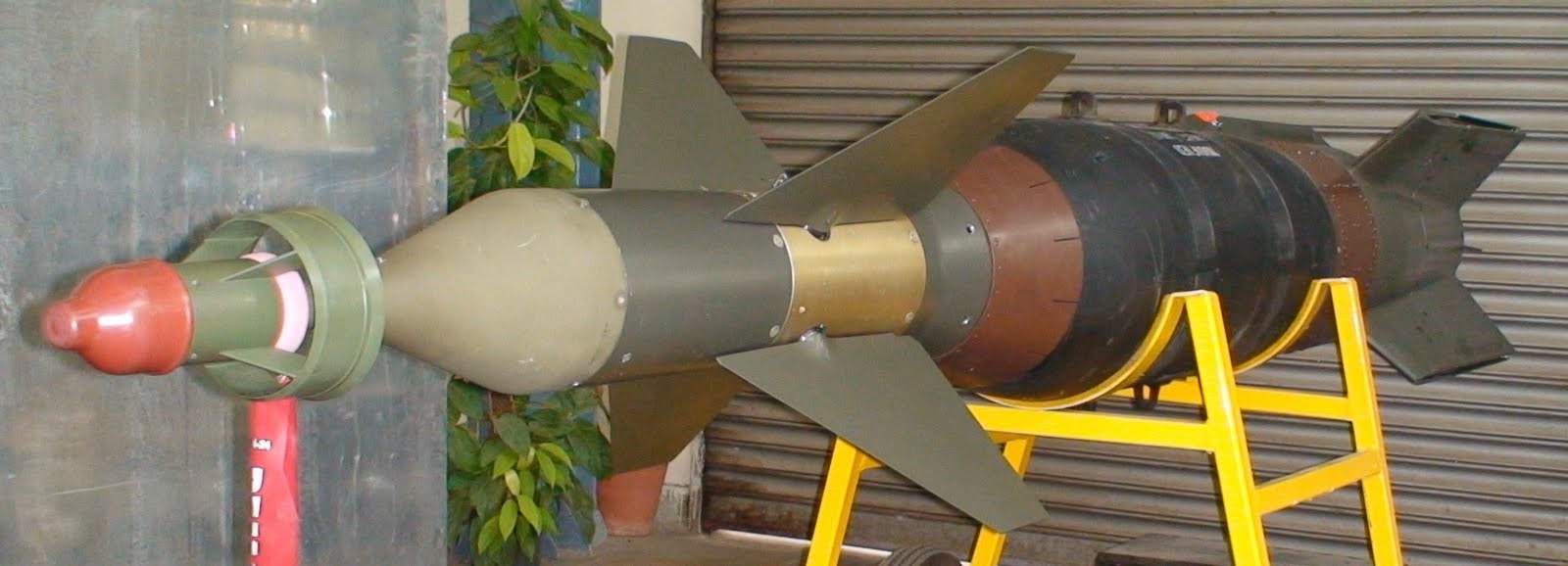
HSLD-250/450/500 (Unguided Aerial Bombs)
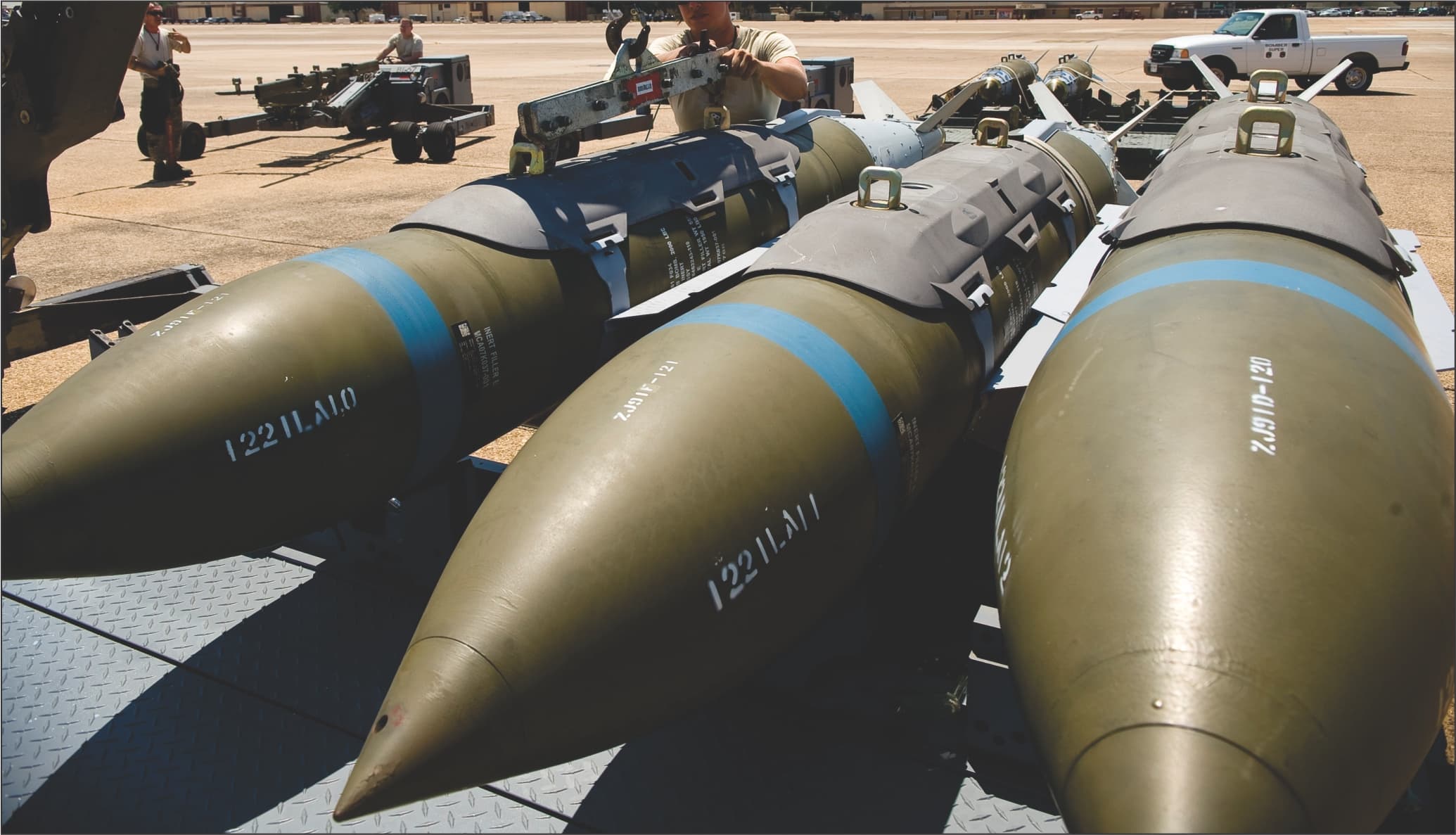
The High-Speed Low-Drag aerial bombs are an indigenous series of unguided munitions that can be equipped with PGHSLD or REK kits.
India In Game:
India’s aircraft in game are well-liked, despite being rare, and only reflect a small portion of the vehicles and munitions used by the Indian military. With the potential of an entire tree, would make a fantastic tree in Warthunder, and would help represent a decent amount of war thunder’s player base. It would be in a similar situation to Israel or China, with a solid lineup of top-tier, however would see copy-pastes from other nations.
Being both of upgraded imports and of indigenous airframes. In game, India’s aircraft would be a worthy opponent to face, being mix of familiar vehicles and new indigenous designs, alongside their own effective indigenous weaponry. All in all, India remains largely unrepresented in the game yet would provide a new variety of new unique aircraft to the game, while showing the history of the IAF.
Sources:
Additional Sources...
Royal Indian Air Force - Wikipedia
List of historical aircraft of the Indian Air Force - Wikipedia
List of active Indian military aircraft - Wikipedia
List of Indian Military Aircraft
https://www.iwm.org.uk/collections/item/object/205206528
https://www.globalsecurity.org/military/world/india/bahadur.htm
Indian Air Force Aircraft Names: From Toofani to Tejas
Lord, Let Thy Servant go in peace – The Supermarine Spitfire – Indian Air Force
https://reviews.ipmsusa.org/review/spitfires-over-india
Indian Air Force Bomber Evolution: From WWII to Tactical Strikes
And now for the final question…
- Yes
- No