- Yes
- No
Introduction
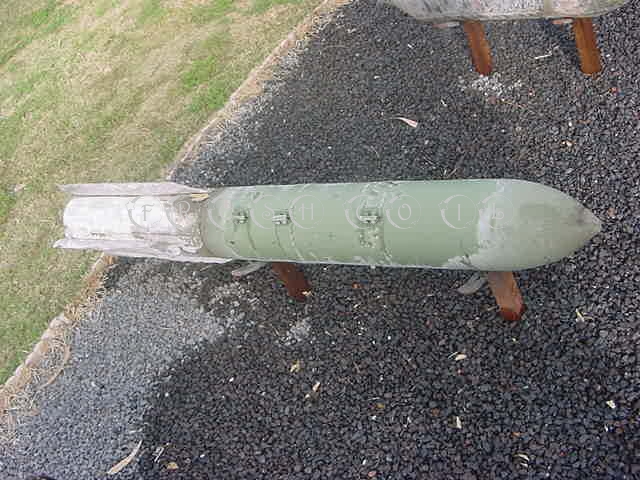
The IMI PAPAM Concrete Dibber Bomb (PAPAM (פפ"מ) standing for Ptzatzat Pitzuach Maslulim (פצצת פיצוח מסלולים) meaning Runway Cracking Bomb), AKA the Condib-70 or Mk.70 Condib in export, was the first weapon in the world of the concrete dibber bomb class, designed specifically to be dropped at a low altitude while allowing penetration of the hard concrete surface of airfield runways to maximize the cratering damage upon detonation. While this weapon was outclassed rather quickly and fell into obscurity it is still highly notable for the role it played in the 1967 Six Day War and for paving the way to more powerful weapons in its class such as the infamous French Matra Durandal.
Disclaimer
Some of the history of this weapon, especially in terms of its specific service history and carriage options has been documented very poorly, and there therefore may be some mistakes in the post in regards to that especially when it comes to service in export. I therefore implore anyone that may have relevant information to comment it in a reply to this post with sourcing so that it may remain as accurate as possible.

In the photo is a side by side comparison of the PAPAM with a cutaway of itself revealing its internal mechanism comprised of breaking parachutes in the rear and a rocket booster located just ahead of the warhead for the terminal phase of the weapon’s attack trajectory. The specific phases of the deployment of these mechanisms is explained in detail in the technical information section of this post.
Development History
Spoiler
During the early 1960’s air armament officials of the Israeli Air Force have struggled with a new requirement for a bomb that could be used to damage enemy runways while being dropped from an exceedingly low altitude to increase accuracy. The problem was that using a conventional bomb to do this at a very shallow angle would result in the bomb recoiling off of the runway’s concrete surface as well as endanger the aircraft that dropped the bomb being within the bomb’s blast radius during detonation.
The idea to develop an original bomb design for this task was first proposed by Yoash Tzidon, a notable former Israeli Air Force pilot that at the time was the head of the 2nd air branch in the Israeli Air Force command. Yoash first pitched the idea to Rafael and IMI, however they ended up rejecting him as the idea was too complicated for the scale of the local Israeli industries at the time. With that in mind and in light of the fact that in that time period France was the main arms supplier of the Israeli Air Force, Yoash turned to the French Matra company which was infamous for its capability to develop advanced specialized weapons with a request to research and develop a bomb that would fit the Israeli Air Force’s requirements. Matra accepted and several years later produced working prototypes of the first Concrete Dibber bombs. The concept was to have a bomb that could deploy a parachute to slow down the bomb and pitch its nose down, followed by the detachment of the parachute and ignition of a rocket booster that would send the bomb into the runway surface at a steep angle.
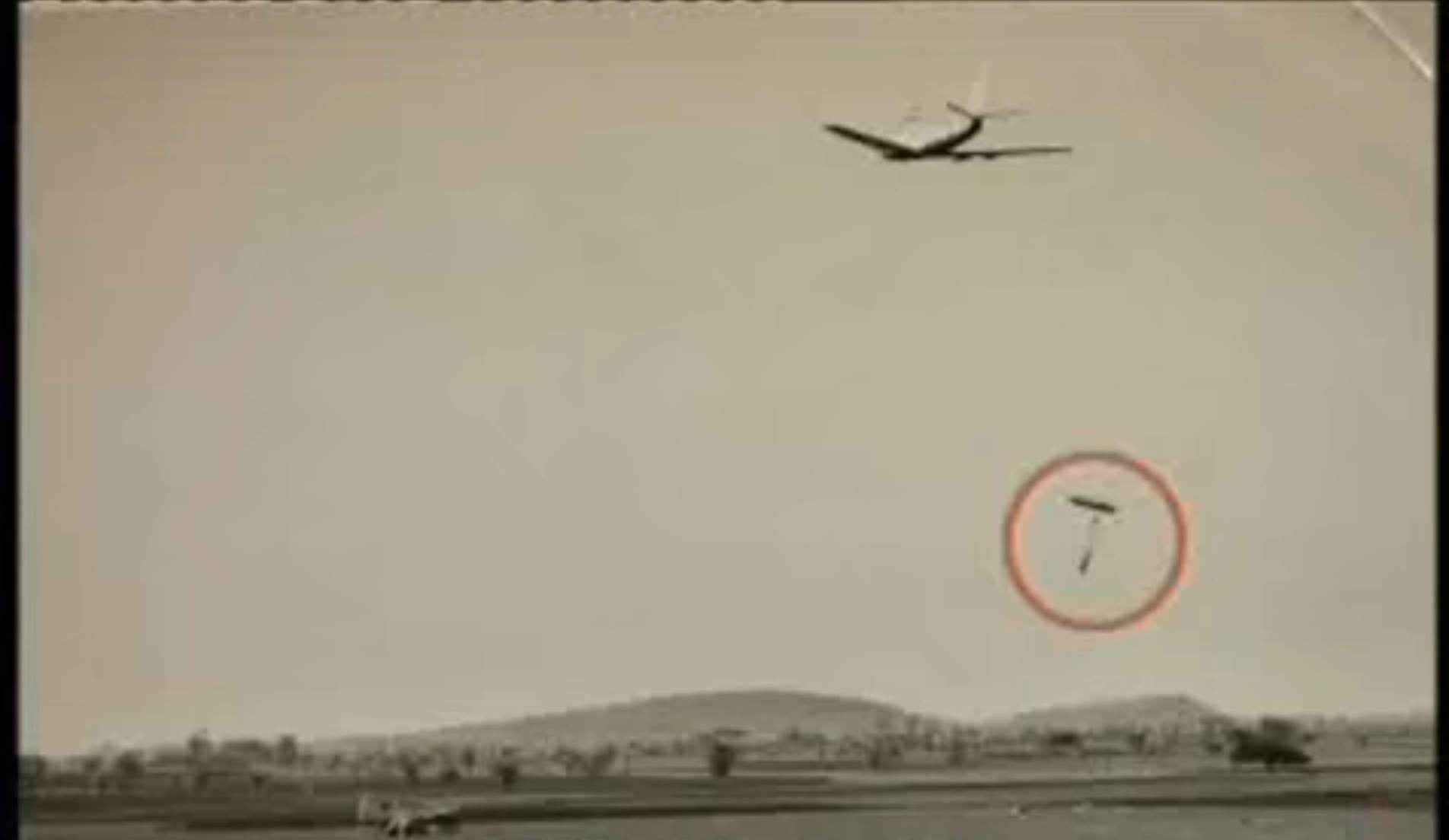
A photo presumably taken during one of the tests of the PAPAM when dropped from an Israeli Air Force Mystère IVA. Notably the bomb is still has a parachute attached.
During the R&D stages of the project in 1965 tests of this bomb were conducted by Matra with the participation of the Israeli Air Force, after which Israel’s IMI purchased the production rights for the bomb from Matra and continued to refine the design in IMI’s Central Laboratory under the management of Avraham Makov. Under IMI’s refinement process tests were conducted using Mystère IVA Aircraft of the Israeli Air Force’s 116th squadron. The design was finalized in 1966 and during that year IMI produced and delivered to the Israeli Air Force 2 variants of the bomb, one being the standard PAPAM which was a 70kg bomb of which 187 were delivered, and the other being a “heavier” variant which was nicknamed “Olar Khad” (Hebrew for sharp Swiss army knife) of which 66 were delivered. The Olar Khad was a bomb type that there’s virtually no technical documentation of and is not the object of this suggestion post, it is only mentioned here as it is tied to the development of the PAPAM. Both variants became operational in the Israeli Air Force in February of 1967. Meanwhile Matra, which had a significant part in the R&D of the PAPAM, went on to develop the Durandal concrete dibber bomb several years later using the experience they gained from the PAPAM’s development.
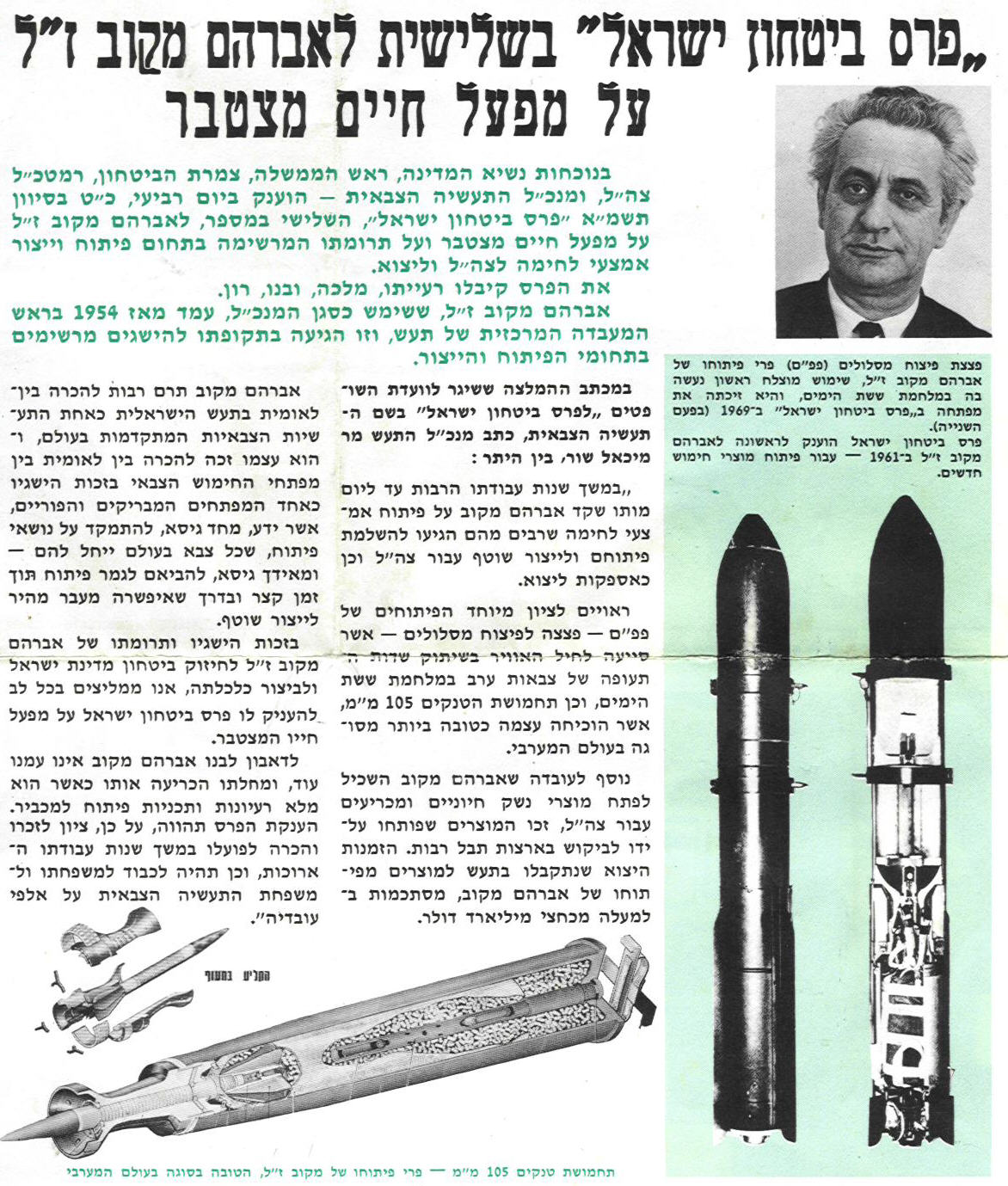
An excerpt from the IMI newsletter regarding Avraham Makov winning the Israeli Security Award in 1969 for his role in the development of the PAPAM.
Service History in the Israeli Air Force
Spoiler
As stated in the development section, 187 PAPAM bombs of the regular 70kg variety were delivered to the Israeli Air Force in 1966 and they entered operational service in February of 1967. The bombs were effectively compatible with all of the Israeli Air Force’s combat aircraft of that period including the Ouragan, Mystère IVA, Super Mystère B2 Sambad, Vautour IIA/N and Mirage IIICJ Shahak.
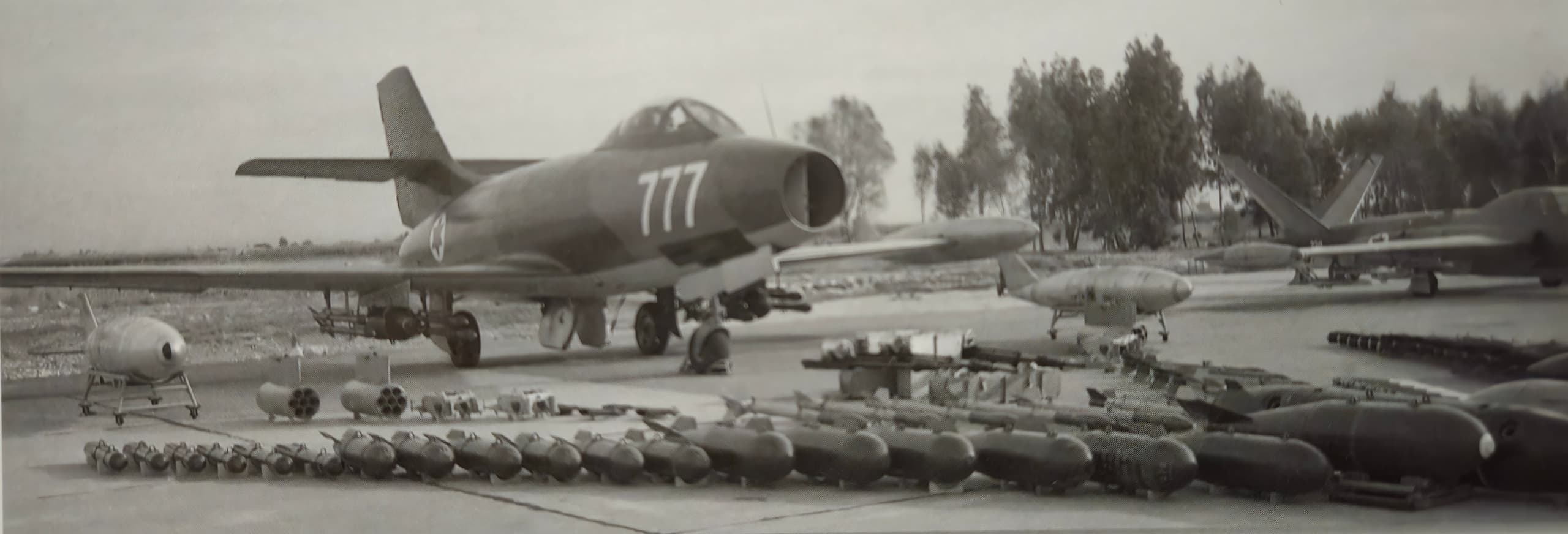
This Israeli Ouragan armaments display from November of 1966 seems to be one of the first appearances of the PAPAM in Israeli Air Force service, positioned on the left end of the bomb display. Notably in the same display next to the 7 piece rocket launchers you can see the IMI NAPKAL (NAPKAL (נפק"ל) stands for Noseh Ptzatzot Kal (נושא פצצות קל) meaning Light Bomb Carrier), sometimes pronounced NAFKAL dual light bomb carrier, which was one of the carrier types used for the PAPAM.
Later the same year on the 5th of June 1967 the Israeli Force embarked as a part of the Six Day War on one the most infamous and ambitious operations it had ever undertook, Operation Focus, in which the Israeli Air Force struck military airfields of the Egyptian, Jordanian, Syrian and Iraqi Air Forces effectively taking them out of the fight. The PAPAM, being a weapon specifically designed to attack runways, was of course deployed during the conflict and was specifically used on some of the Israeli Air Force Mystère IVAs, Super Mystère B2 Sambads and Vautrour IIAs and IINs. Specifically the Mystères and Super Mystères carried 6 of them with the help of IMI NAPKAL dual light bomb carriers (NAPKAL (נפק"ל) stands for Noseh Ptzatzot Kal (נושא פצצות קל) meaning Light Bomb Carrier) and the Vautours carried 8 of them with the help of IMI NAPAM multiple bomb carriers (NAPAM (נפ"ם) standing for Noseh Ptzatzot Meruba (נושא פצצות מרובע) which means quad bomb carrier). Other aircraft that participated in the operation used regular G.P bombs as well as T.10 rockets which were used by the Ouragans.

In the photo is an Israeli Super Mystère B2 Sambad dropping six PAPAMs just like its loadout in Operation Focus. This photo is especially useful for visualizing phases 1-4 of a PAPAM strike. the two bombs just being dropped from the aircraft are in phase 1 just before the parachutes are deployed, the next two bombs below show stage 2 (bomb on the right) with the initial braking parachute deployed and stage 3 (bomb on the left) where the bomb’s tail section with the initial braking chute has broken off from the front section of the bomb and is still visible in the photo, and the final two bombs at the bottom are in stage 4 with the second parachute deployed tilting their angle gradually towards the floor. A diagram showing the entire process is available in the technical information section.
Following the conflict and despite getting significant attention to this system globally the bomb was seemingly removed from operational service in the Israeli Air Force. There’s no detailed explanation for this provided by any source, but the consensus appears to be that the PAPAM, for whatever reason, generally did not prove itself to be a weapon worth fielding, at least in the eyes of the Israeli Air Force. It is not known for certain exactly when the PAPAM was removed from service altogether, however despite this there are indications that at least some PAPAMs remained in Israeli Air Force Inventory throughout the 70’s and that even platforms that were not present during the Six Day War such as the Super Mystère B2 Sa’ar and A-4 Skyhawk were made compatible with it.
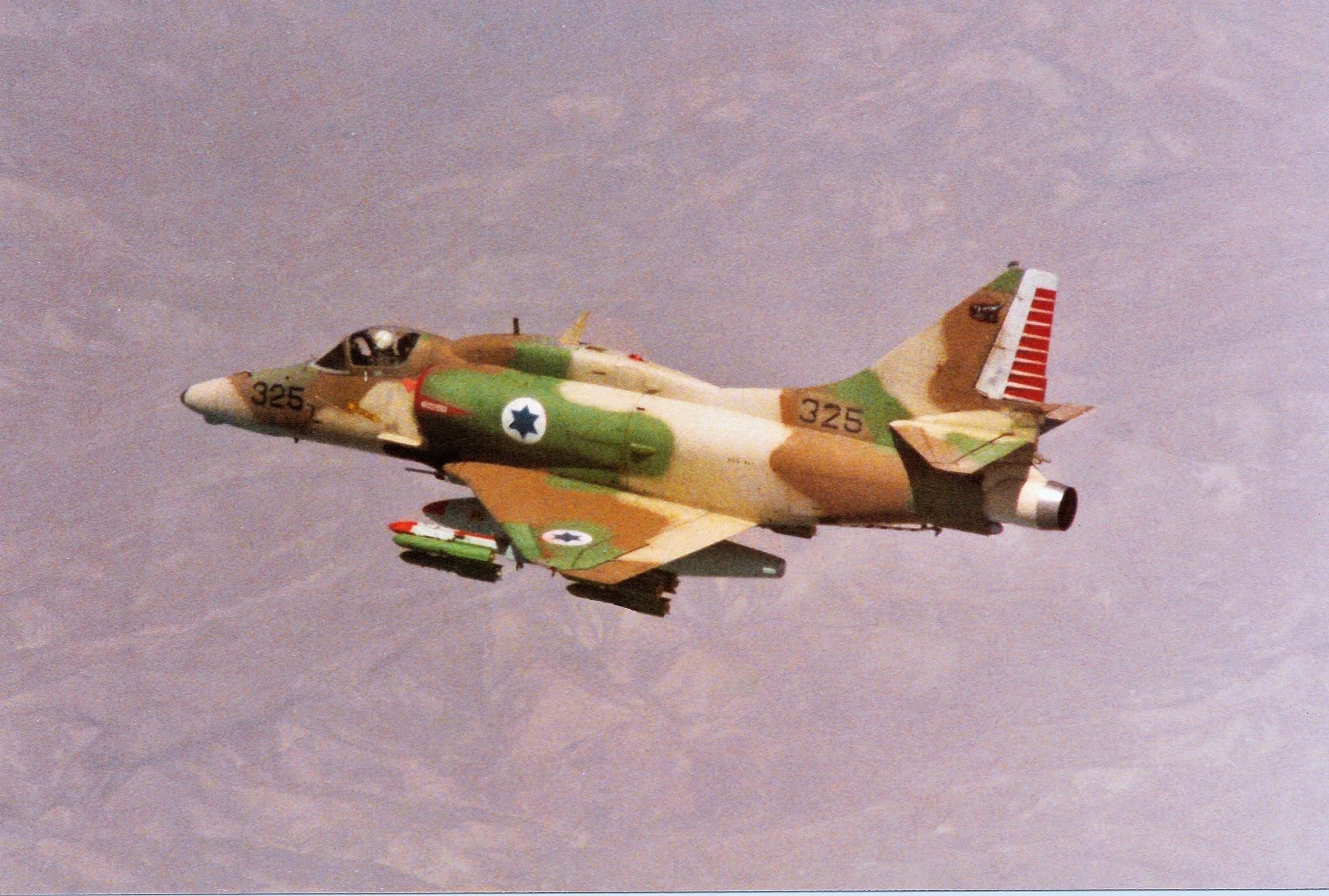
This exceedingly rare photo shows an Israeli A-4N Skyhawk II (Ayit) carrying 6 PAPAMs on its outer wing pylon using an MER carrier, a configuration seen more commonly on the Argentine Air Force’s A-4B and A-4C Skyhawks. This photo is one of the main proof points for the PAPAM remaining in Israeli Air Force inventory for longer than previously believed.
Export
Spoiler
During the 1970’s with the emergence of the concrete dibber bomb type as a more notable asset on the world stage and a competitor in the Matra Durandal being developed, IMI sought to market the PAPAM abroad as a cheap effective solution to operations against enemy bases that could be afforded by Air Forces that the Durandal was too expensive for. For the sake of export IMI changed the export name of the bomb to Condib-70, sometimes also called Mk.70 Condib, with Condib being short for Concrete Dibber and 70 standing for the bomb weight of 70kg. There is no comprehensive list of export customers of the Condib-70, however with the help of some community members (shouted out at the end of the post) I have been able to confirm the export of this bomb to the Air Forces of Argentina, Chile, Greece and South Africa.
Service history in export
Spoiler
Argentina
Spoiler
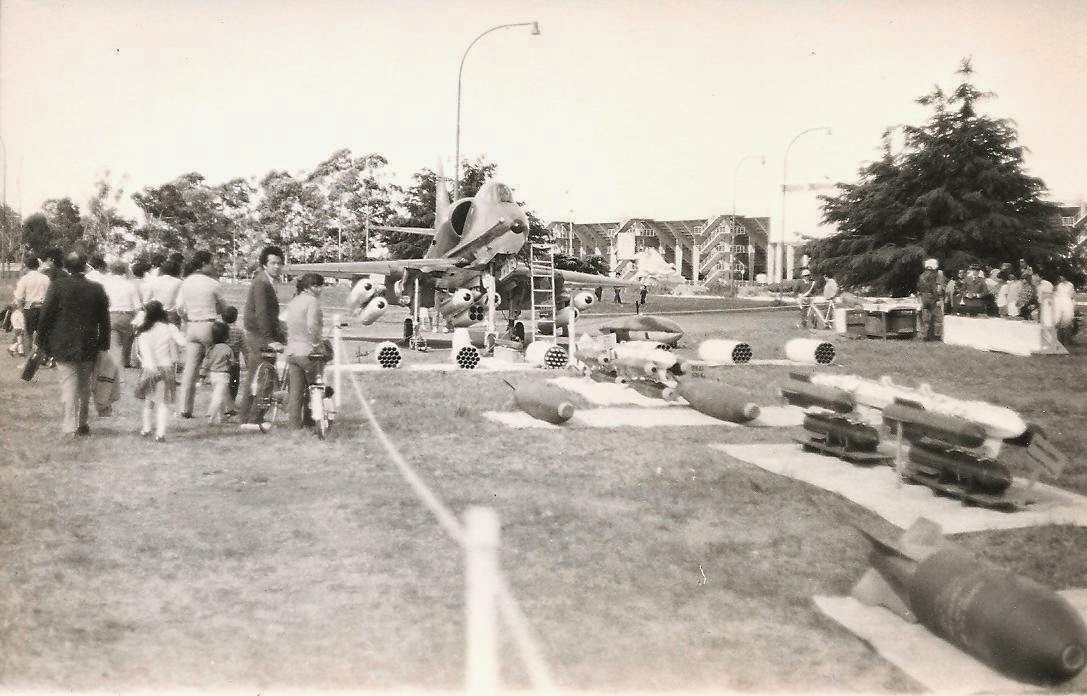
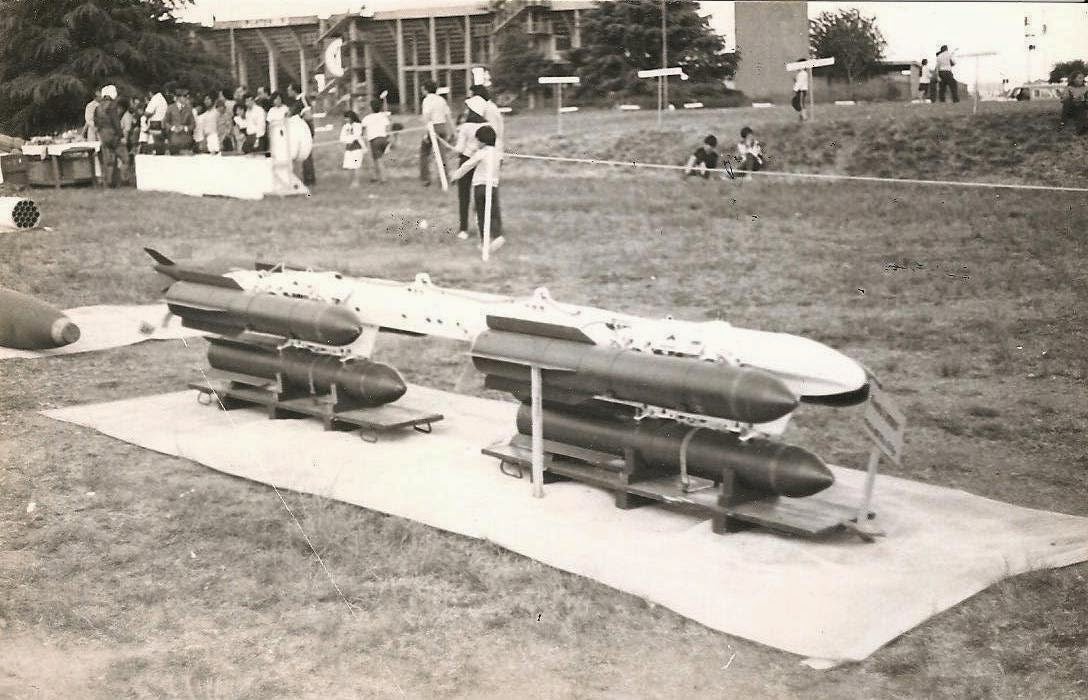
These photos taken from a ground display of an Argentine Air Force A-4 Skyhawk include a showcase of six Condib-70s carried on an MER carrier. This appears to have been the primary carriage method used by the Argentine Air Force and possibly by the Hellenic Air Force as well.
Argentina which became one of Israel’s most significant export customers in the mid-late 70’s was one of the main primary users of the Condib-70. It is not known exactly when these bombs entered service in Argentina, but they were known to already be in operational service with them in time for the 1978 Beagle Crisis. As will also be mentioned in Chile’s section both Argentina and Chile have quite ironically fielded Condib-70s against each other during the crisis, with both of them investing heavily in exported Israeli armaments at the time, and both had plans to attack enemy airfields using this weapon, though thankfully this conflict resolved without escalating into a war.
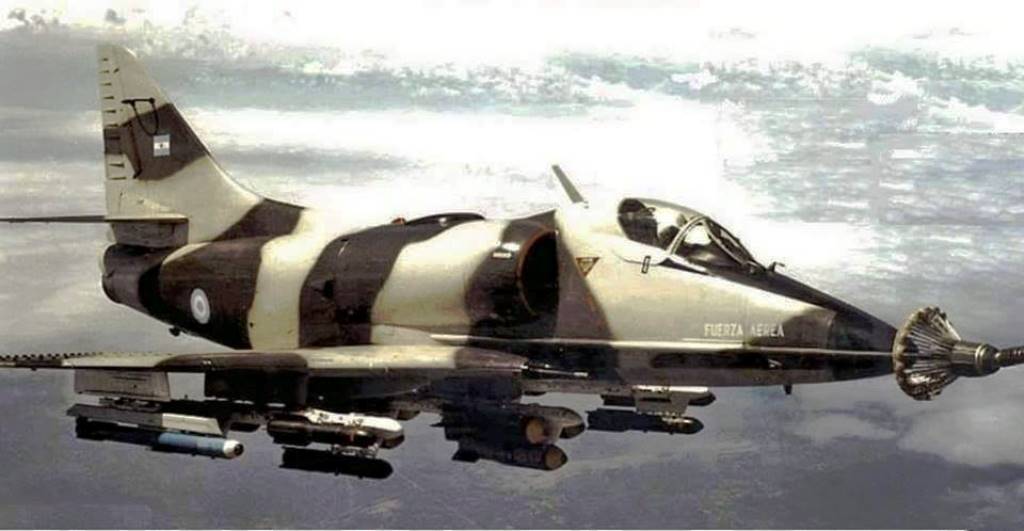
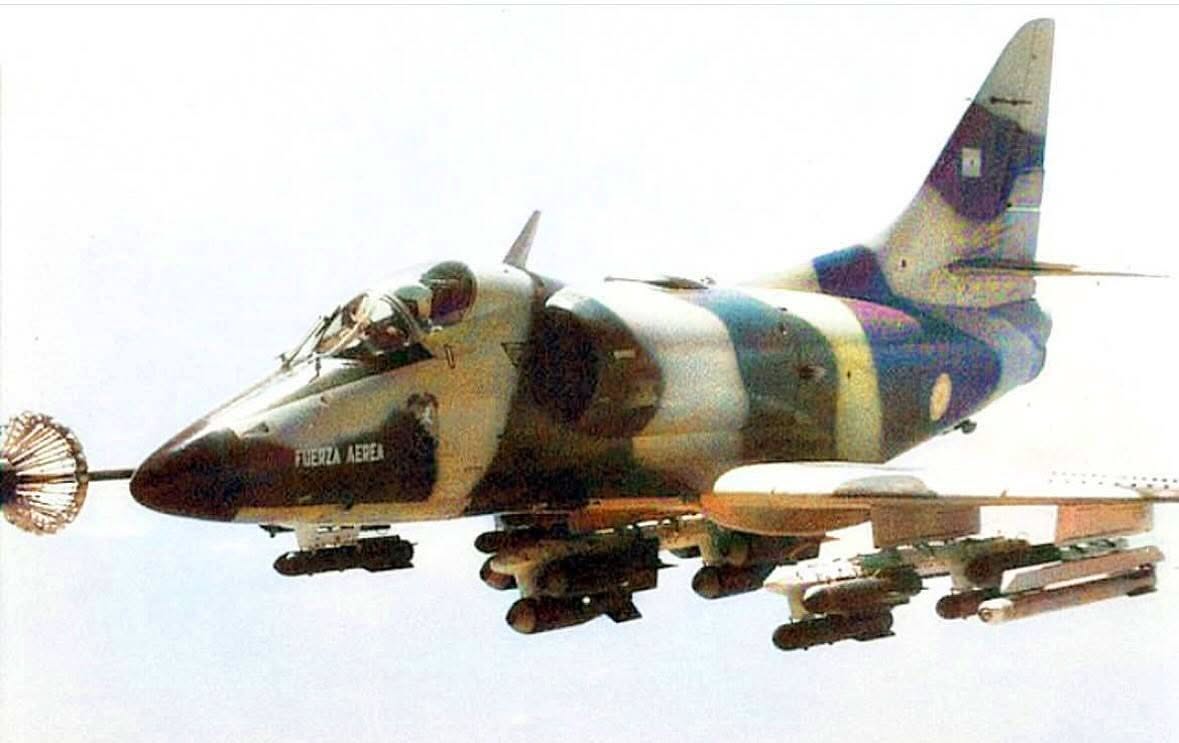
These photos showcase an Argentine A-4 Skyhawk during mid-air refueling. The Skyhawk is carrying an MER with six Condib-70s under each wing as well as a training Shafrir 2 missile under each wing. the centerline carriage is of G.P bombs.
During the 1982 Falkland islands war Argentina seemingly still had Condib-70s in operational service, however they most likely saw no use as the British operated a fully naval force leaving the Argentines with very few viable targets for this weapon type. It is also not known for sure when the Condib-70 was retired from Argentine service, but seeing as it was observed rather exclusively on A-4B and A-4C Skyhawks it was likely withdrawn from service with them.
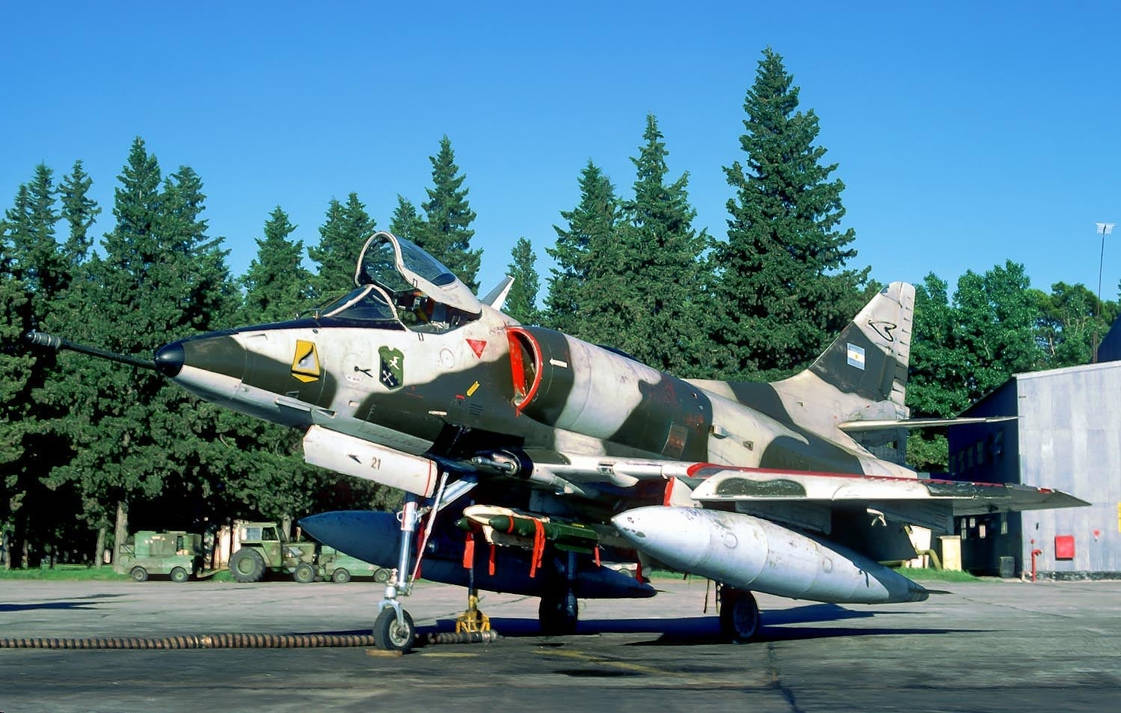
This photo showcases an Argentine A-4 Skyhawk parked on the ground equipped with Condib-70s on a centrally mounted MER.
Chile
Spoiler
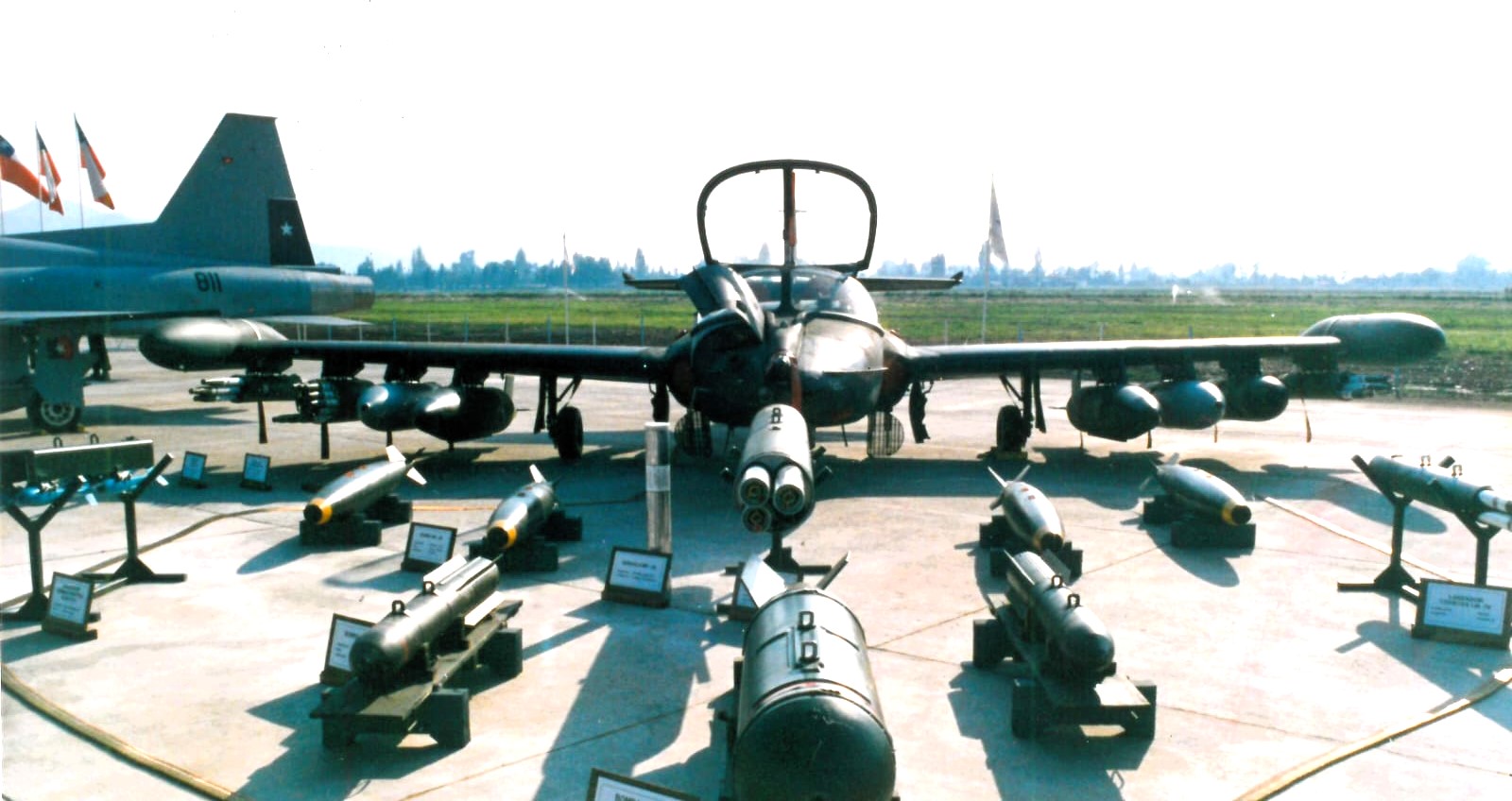
In this photo is an armament display of a Chilean Air Force Cessna A-37B Dragonfly. Among the weapons displayed are a pair of Condib-70s at the front. It is not fully confirmed what was the carriage method on this airframe, however it is possible the bombs were carried individually directly on the hardpoints.
The story of the Condib-70 in Chile is similar to that of Argentina with both countries acquiring the weapon at roughly the same time period leading up to the Beagle Crisis of 1978. In Chile the main platforms that were planned to use the Condib-70 were the Cessna A-37B Dragonfly and Hawker Hunter FGA Mk.71. Unfortunately we do not have any photo or mention in regards to how these aircraft mounted the Condib-70, however it is possible they carried it directly on their hardpoints. In the case of the Hunter specifically it is possible it used TERs to mount the Condib-70s as at least one source mentions a “grouping device” was developed for the Condib-70 in the leadup to the Beagle Crisis, however this is merely speculatory. Notably sources claim Chile had actually planned to use Condib-70s to attack Argentina’s aircraft carrier, the ARA Veinticinco De Mayo (V-2) using their Hunters. This would have been an interesting trial for the Condib-70 as a potential weapon to be used against large vessels thanks to its penetration mechanism, however as mentioned in the Argentina section this conflict never evolved into a war and so such an attack was never attempted.
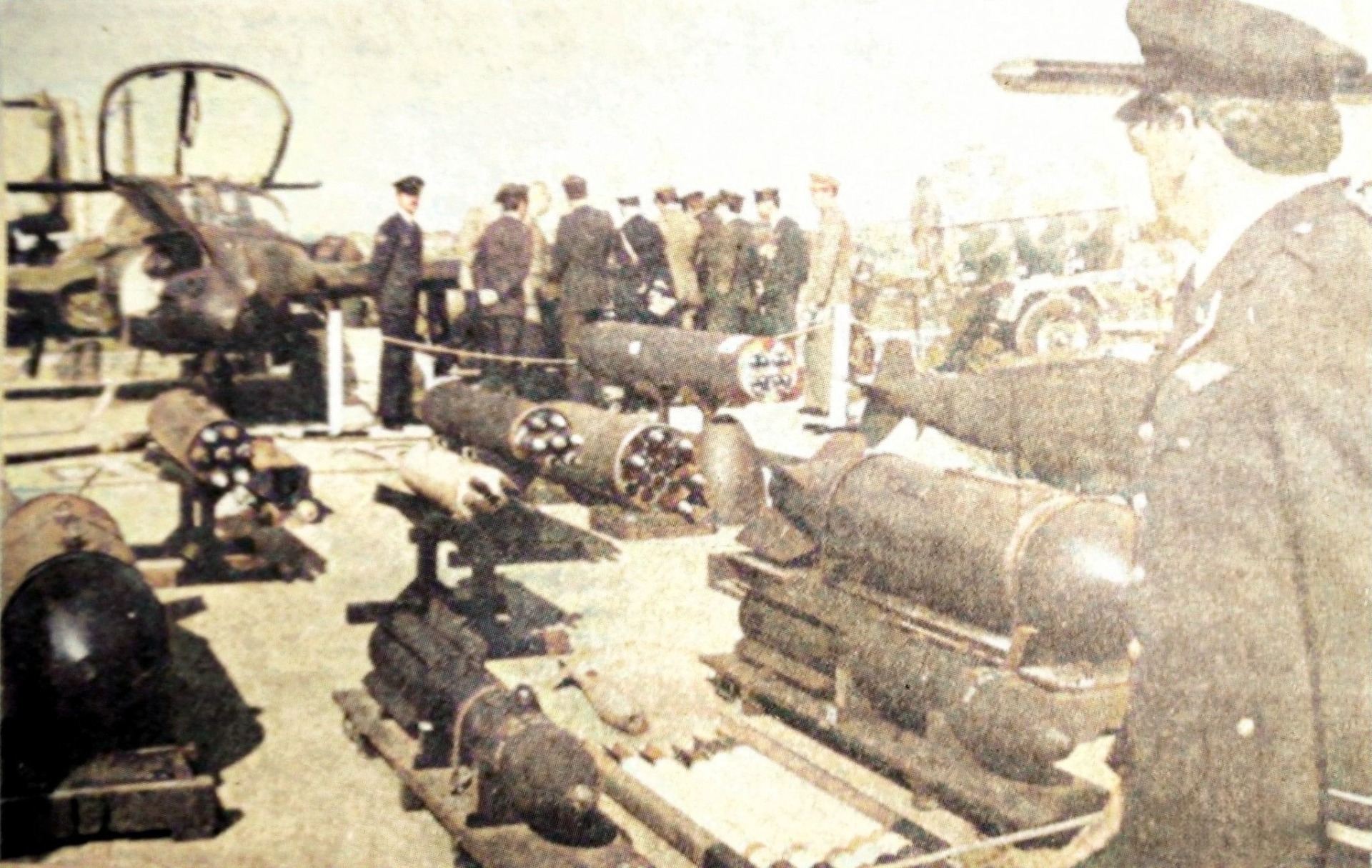
This photo is that of another Chilean A-37B Dragonfly, again displaying Condib-70s in the front.
It is unfortunately not documented when the Condib-70 was removed from service in the Chilean Air Force Either, however seeing as the Chilean A-37B remained in service until 2009 it is possible the Condib-70 remained in service with them for a very long time.
Greece
Spoiler
The case of the Condib-70 in the Hellenic Air Force appears to be a bit more convoluted than the Latin American operators. There’s only one source that mentions the specific sale period of the weapon to the Greeks and it generally ties this sale to the sale of six ex-Israeli Nord N.2501 Noratlas transport aircraft to the Hellenic Air Force during the mid-70’s. It is believed both the Noratlas sale and Condib-70 sale happened in close proximity, however both events were concealed from the public due to the political reality at the time in which Israel and Greece did not have good relations.
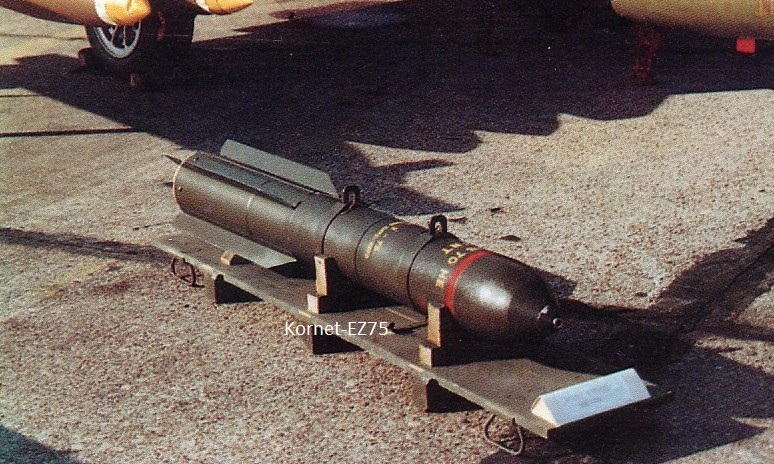
This photo is the only one I’ve been able to track down of a Hellenic Air force Condib-70. Notably despite being largely associated by sources as a weapon of the A-7 fleet, it is seen in this photo next to an F-104G.
The Condib-70 in the Hellenic Air Force according to sources was mainly used by the A-7 fleet (A-7Es, A-7Hs and TA-7Hs). If true it is likely that they carried the Condib-70 on MER carriers similarly to the carriage seen on Argentine Skyhawks. It is also possible the Condib-70 was carried in some capacity by Greek F-104Gs as indicated by a display photo where they are seen next to each other, however that is mere speculation.
Much like the other Air Forces mentioned here it is not known when this weapon was withdrawn from service in the Hellenic Air Force.
South Africa
Spoiler
The history of the Condib-70 in the South African Air Force is by far the most vague of all known export users. unfortunately it is not known neither when it approximately entered service nor when it was withdrawn, only that it was present in SAAF inventory at some point.
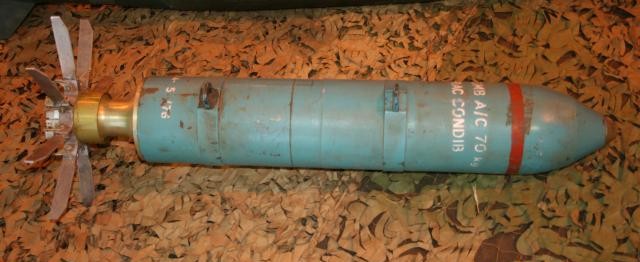
This photo is the only known link to the Condib-70 in South African Air Force service and showcases the front section of a South African Condib-70 with the rear section detached. This allows us to have a good look of what the bomb looks like at its booster phase when both parachute mechanisms have been detached and the folding fin array consisting of 8 radially symmetrical fins has been extended
The Condib-70 is mentioned as being a weapon that was carried at least in some capacity on the SAAF’s Buccaneer S.50s and Mirage F1AZs though it appears to have not been carried by the Mirage in any operational capacity. For carriage on the Buccaneer it is mentioned it was done using TERs on the wing pylons and four hang point MERs in the bomb bay While on the Mirage F1AZ it is assumed it could use CLB4 and A26 Multiple bomb carriers.
Technical Information
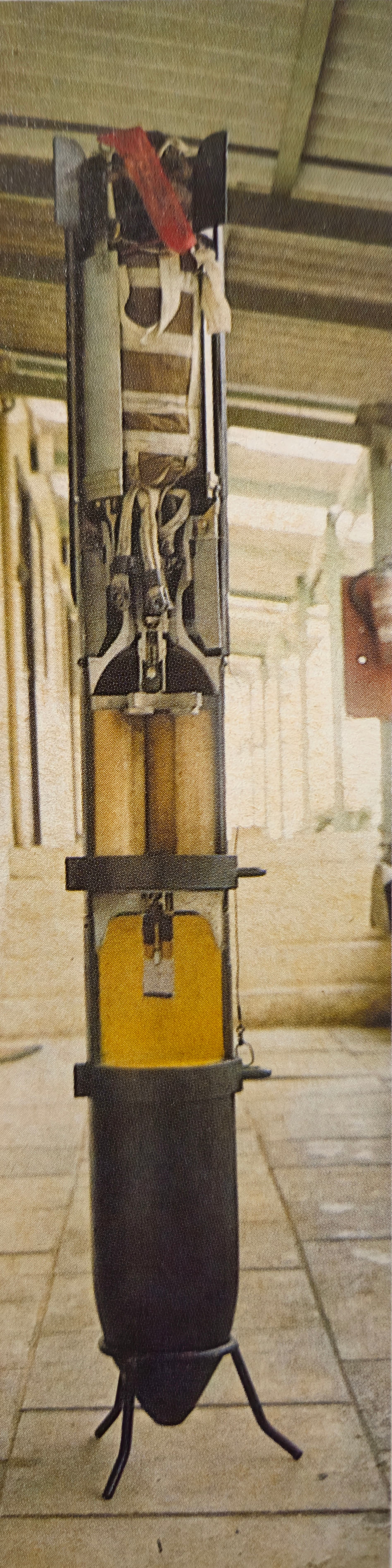
Cutaway of a PAPAM displayed at an IMI facility. it is notable that unlike the original Matra design the PAPAM actually had two parachute mechanisms, one that was installed at the very rear and detached along with the tail section a short time after the drop and a second larger one that would stay connected to the forward section of the PAPAM until the rocket booster engaged
The PAPAM was a revolutionary concept for its time and a very interesting feat of engineering. It measured 1.58 meters long and 0.18 meters in diameter. it weighed 70kg of which its warhead weighed 43.5kg. the warhead composition is unknown but likely used either TNT or Comp B. The design of the PAPAM is very compact and can therefore be a little difficult to understand looking at the complete bomb so, for the sake of a better visualization, the different parts of the bomb will be mentioned as I explain the 6 phases of operation of a PAPAM strike:
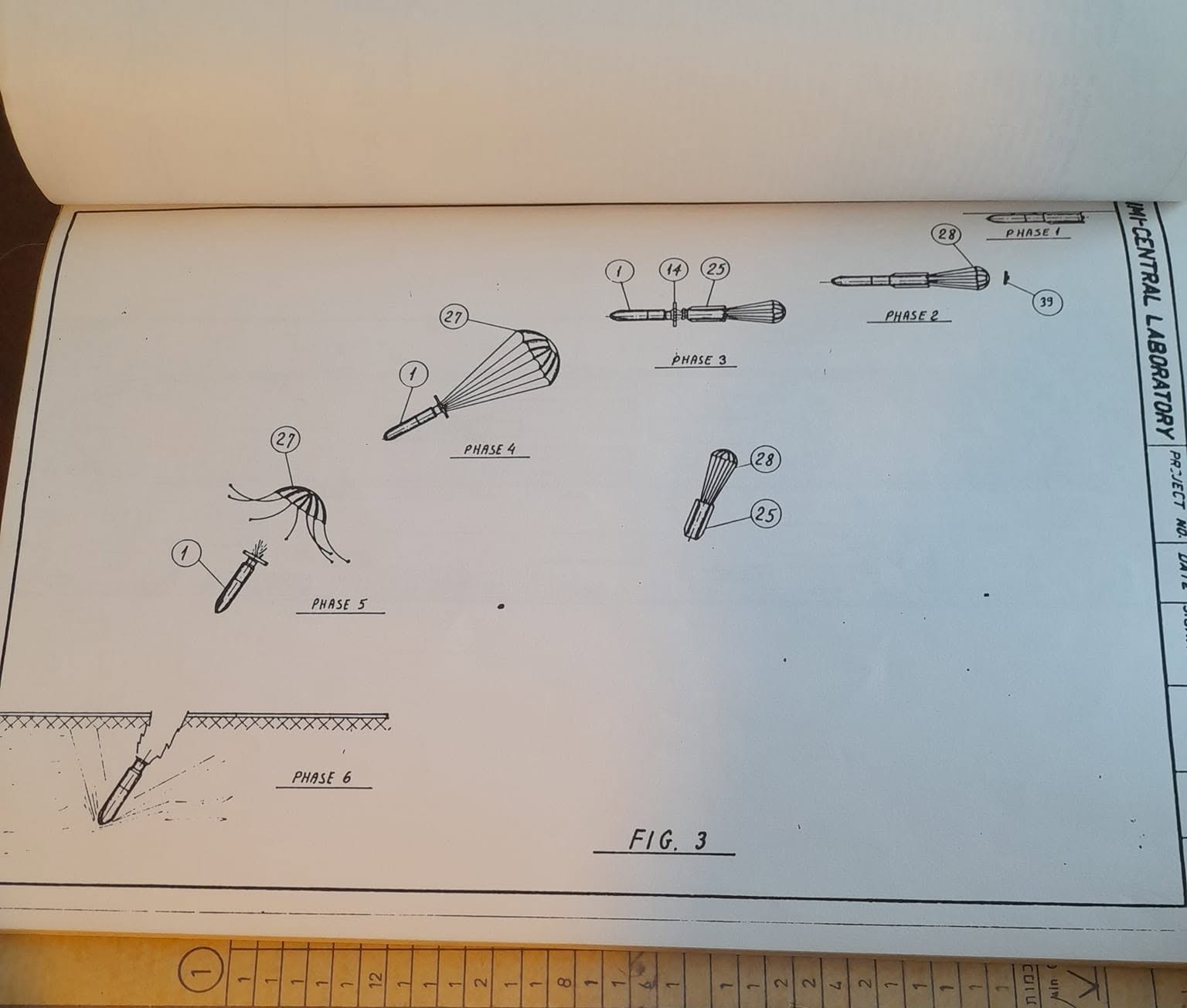
This official figure from the design project at IMI’s Central Laboratory shows with great detail all the phases of a PAPAM launch, Please note the numbers associated with each piece as they will be referred to for the explanation:
- Phase 1 - The bomb is dropped from the carrying aircraft laterally. This is done at an altitude of 100 meters above the ground in a standard PAPAM attack run.
- Phase 2 - The rear plug (39) is detached and the the initial braking chute is opened (28), slowing the bomb down without a significant change in angle against the ground.
- Phase 3 - The rear section of the bomb (25) detaches with the initial braking parachute (28) remaining attached to it while the front section of the bomb (1) continues on its flight path with the folding fin array (14) opening up.
- Phase 4 - The second large parachute (27) opens up and slows the front section of the bomb (1) considerably. it is at this stage that the bomb will start to slow down to a point where its flight angle dips significantly towards the ground.
- Phase 5 - When the bomb reaches a point where it flies at an angle of roughly 60-80 degrees against the ground the second large parachute (27) will detach and the bomb’s rocket booster will engage propelling the bomb’s front section (1) towards the concrete surface.
- Phase 6 - The bomb strikes and pierces the concrete surface creating the ideal conditions for a detonation that would cause significant damage to the target.
Once the bomb strikes a 6 second delay fuse is engaged after which the bomb detonates, creating a crater that measures on average 5 meters in diameter and 1.6 meters deep. Some sources also claim that the bomb detonation can cause significant cracking in the concrete surface in an up to 15 meter radius.
Carriage options
Spoiler
As mentioned throughout the post there are a number of bomb carrier types that were used historically with the PAPAM/Condib-70 or assumed to have been used with it aside from the option of direct carriage on a hardpoint. The following is a collection of photographs showcasing their use. Some of the photos include showcasing of the PAPAM being carried on them however some photos carry other ordinance types such as night flares or training bombs and are shown here simply to show compatibility with the platform shown:
- IMI NAPKAL dual light bomb carrier:
Spoiler
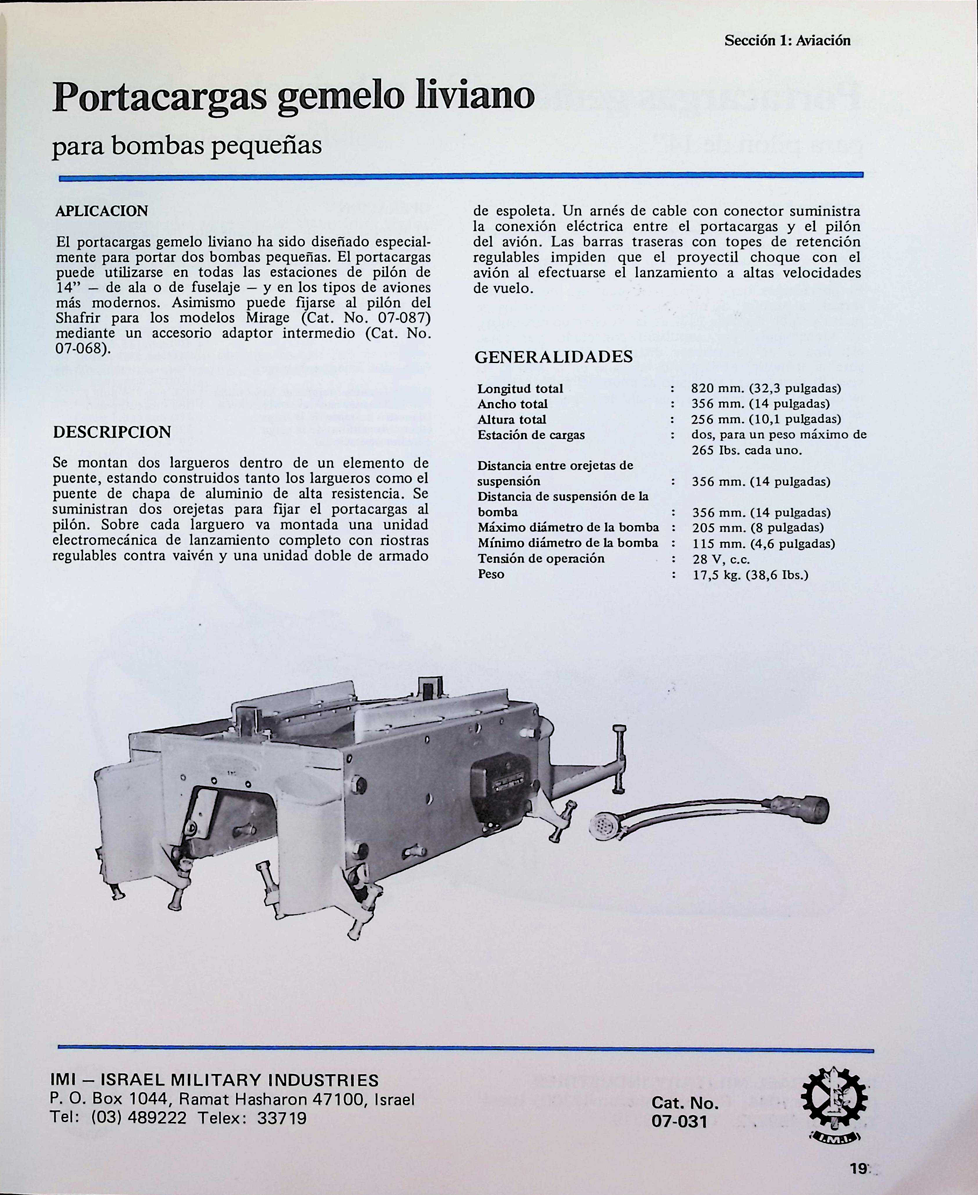
Page detailing the specifications of the NAPKAL from the Spanish edition of the 1983 Israeli Defense Sales Directory.
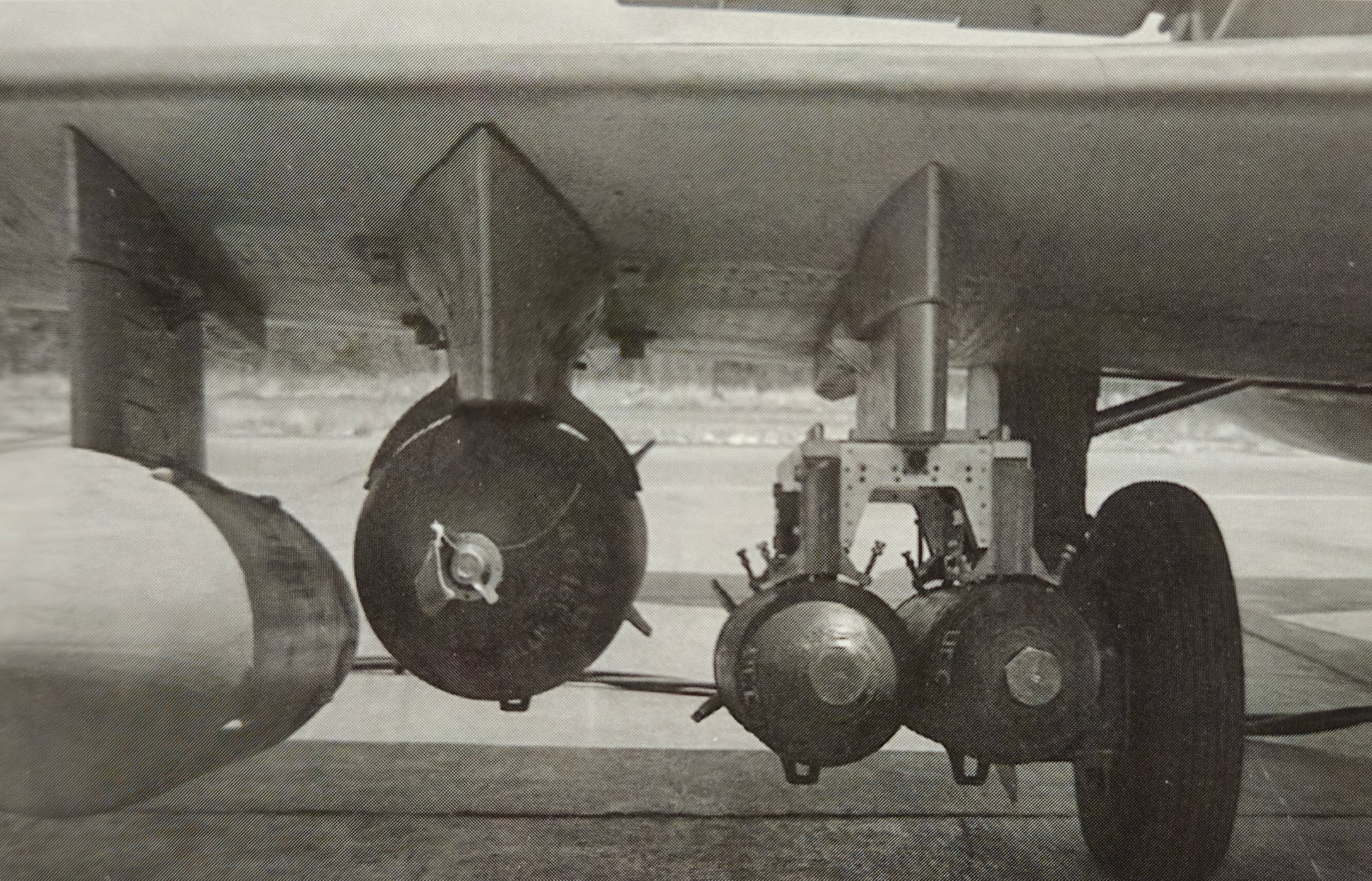
NAPKAL carrying training bombs on the wing of an Israeli Ouragan.
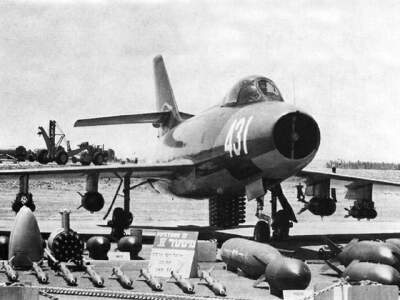
Israeli Mystère IVA carrying night flares using NAPKALs.
NAPKALs carrying night flares on the wings of an Israeli Mystère IVA in flight.
An Israeli Super Mystère B2 Sambad carrying night flares using NAPKALs.
An Israeli Super Mystère B2 Sambad with empty NAPKALs equipped.
An Israeli Super Mystère B2 Sambad with empty NAPKALs equipped.

An Israeli Mirage IIICJ Shahak carrying a total of eight PAPAMs using a set of four NAPKALs, one under each wing and two on the centerline pylon.
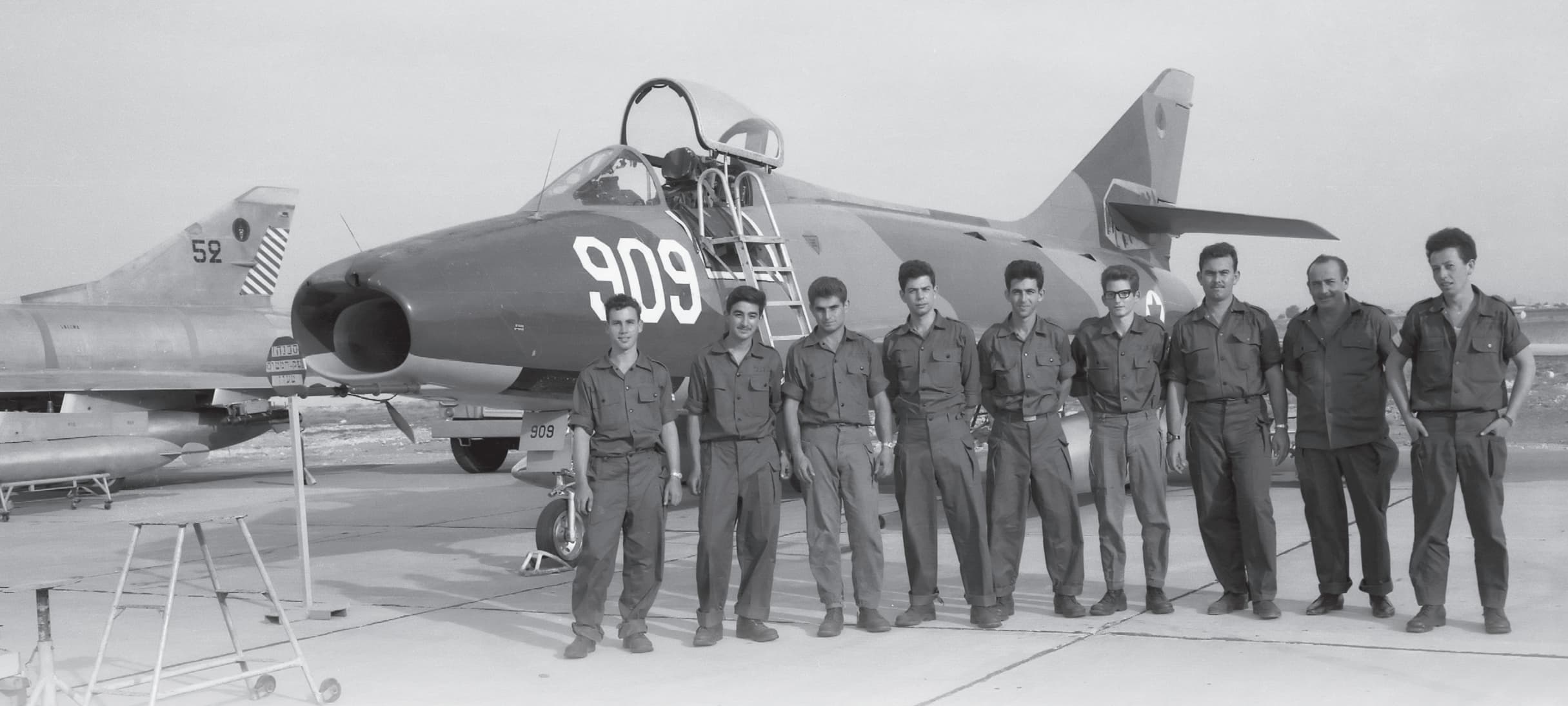
On the left edge of the photo an Israeli Mirage IIICJ Shahak can be seen carrying a pair of PAPAMs on its wing hardpoint using a NAPKAL.
- IMI NAPAM quad multiple bomb carrier:
Spoiler
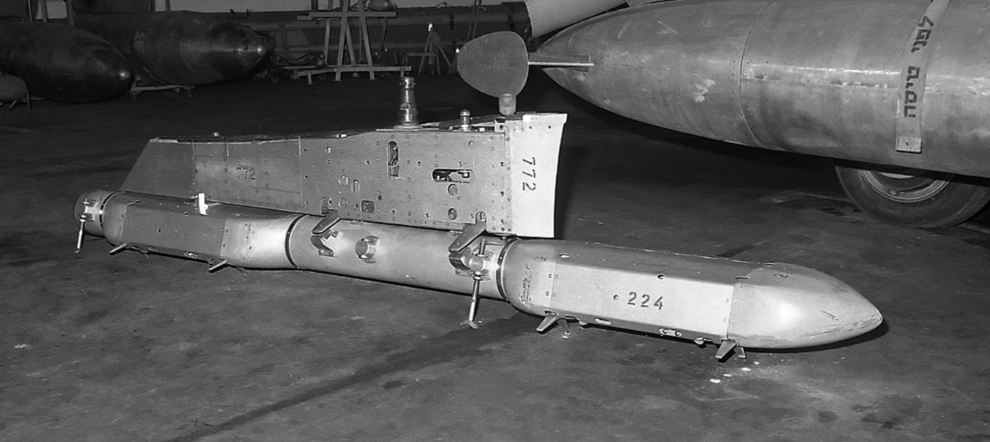
An empty NAPAM carrier

An empty NAPAM carrier on the wing of an Israeli Vautour IIA
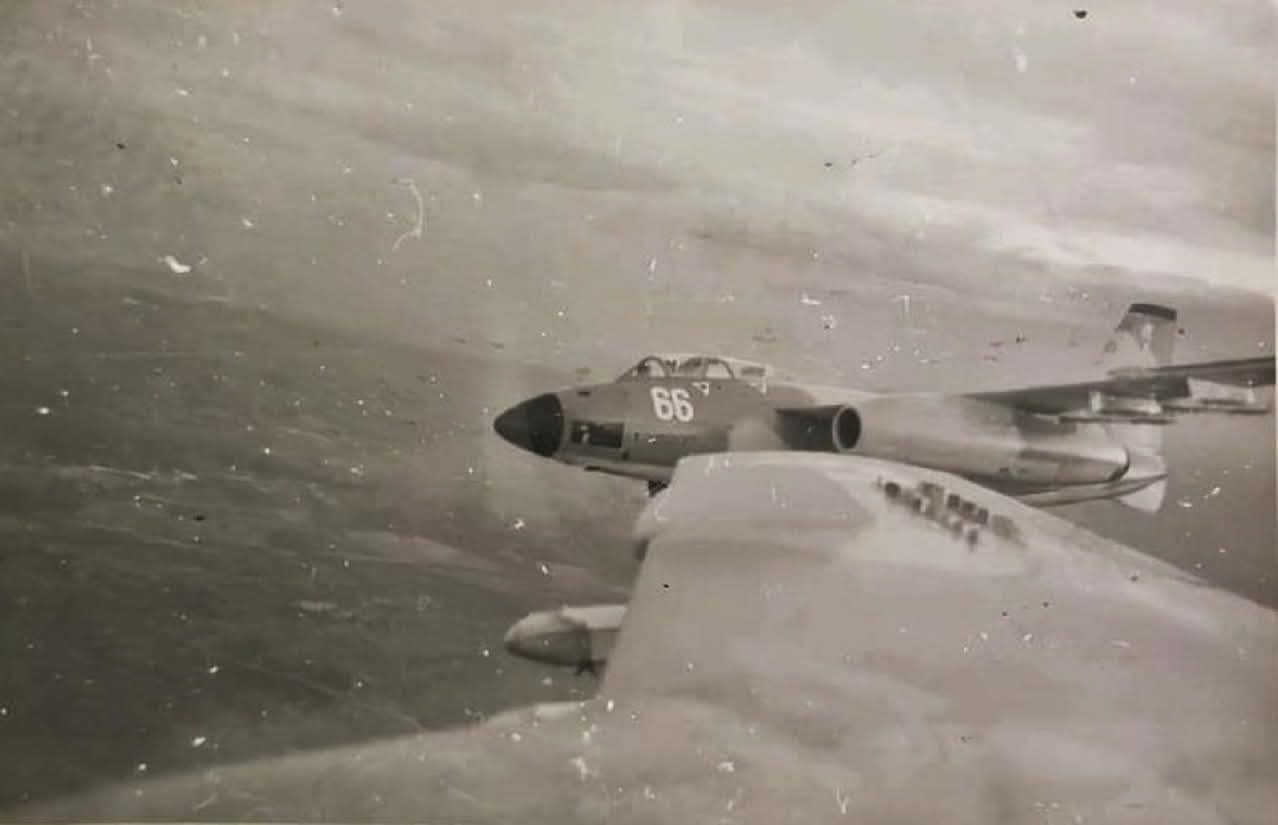
Empty NAPAM carriers on the wing of an Israeli Vautour IIN(C)
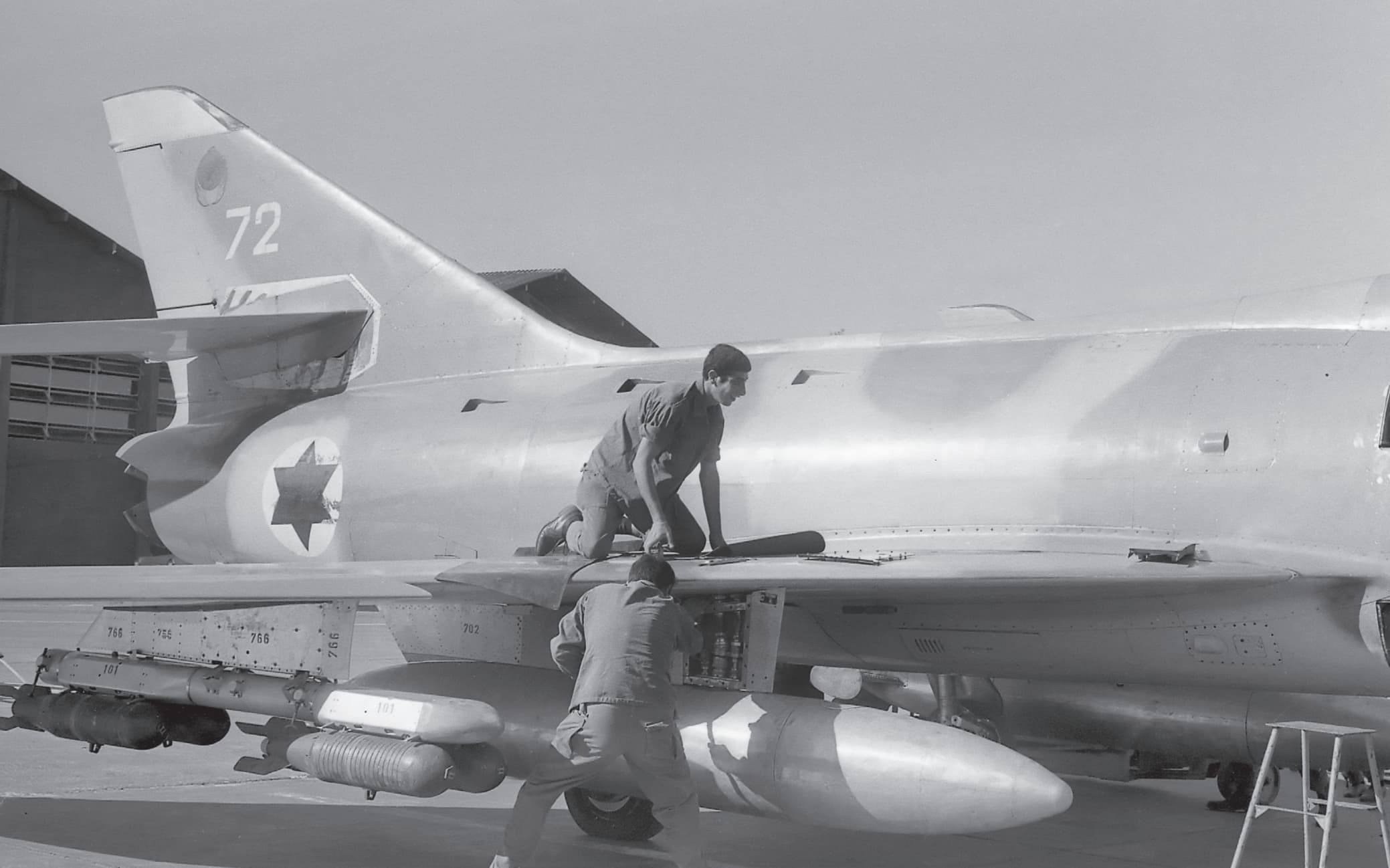
NAPAM carrier used to carry four IMI 120/15kg bombs on a Super Mystère B2 Sambad.
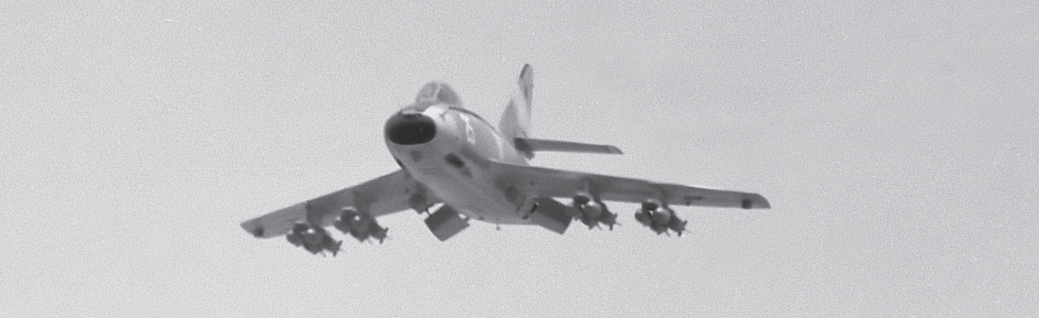
NAPAM carriers on a Super Mystère B2 Sa’ar used to carry IMI 100/50kg bombs.
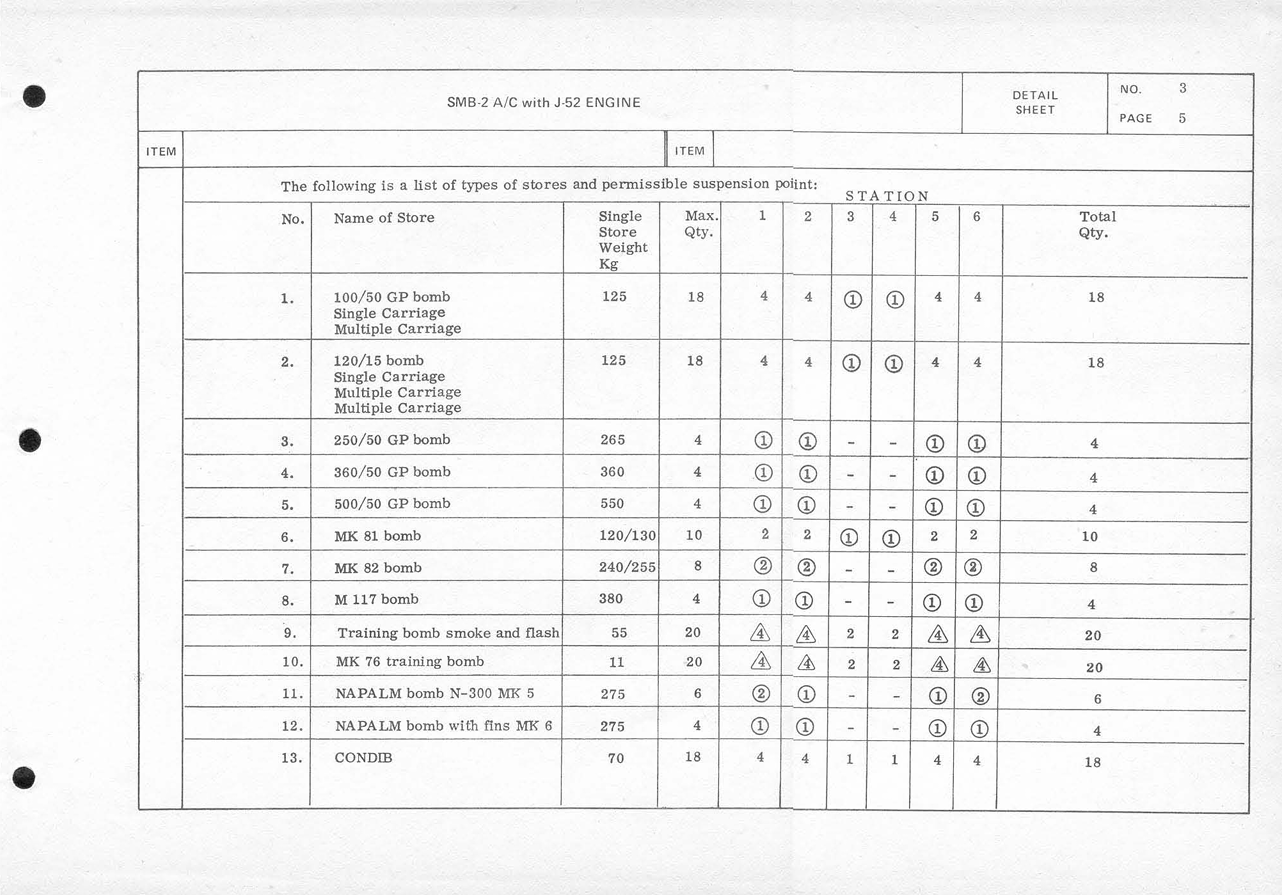

Pages from the Super Mystère B2’s armament manual confirming the carriage option of up to 18 Condib-70s using NAPAM multiple bomb carriers as well as the option to carry a pair directly on the wing roots.
- MER multiple bomb carrier for six bombs:
Spoiler
This is the same photo also found in the Argentina section of the suggestion post, it showcases generally how the MER could be used to carry PAPAMs on the various platforms compatible with it that have been confirmed as compatible platforms such as A-4 Skyhawks (Israel and Argentina) and A-7 Corsair IIs (Greece).
- TER 3 bomb carrier (and Bucaneer S.50’s bomb bay 4 bomb MER):
Spoiler
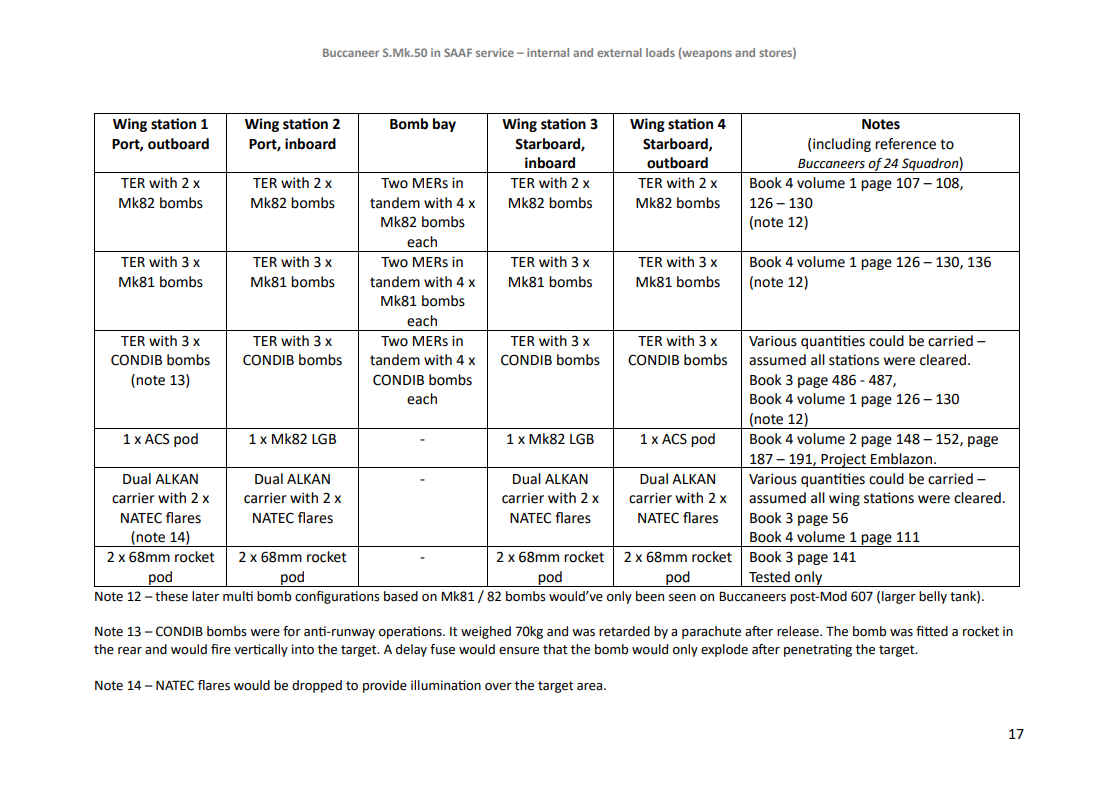
The claimed Condib-70 carriage capability of the Buccaneer S.50
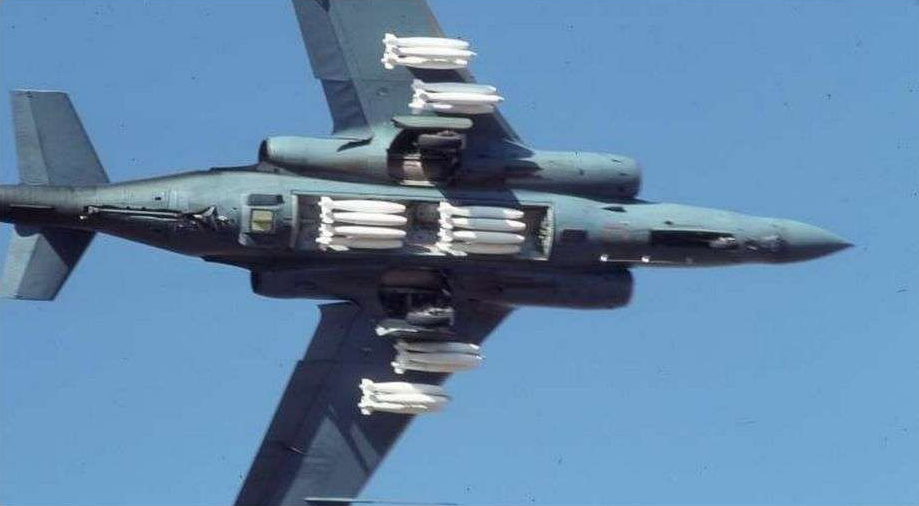
A Buccaneer S.50 carrying a full suite of training bombs on TERs and bomb bay MERs. Supposedly it could carry Condib-70s in the same fashion shown here.
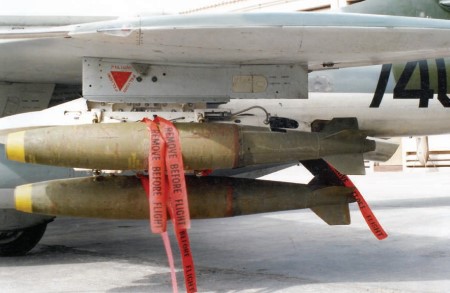
250 lbs Mk.81 bombs carried on the wing of a Chilean Hawker Hunter FGA Mk.71. It is possible it could have carried Condib-70s using them as well.
- CLD4 and A26 multiple bomb carriers:
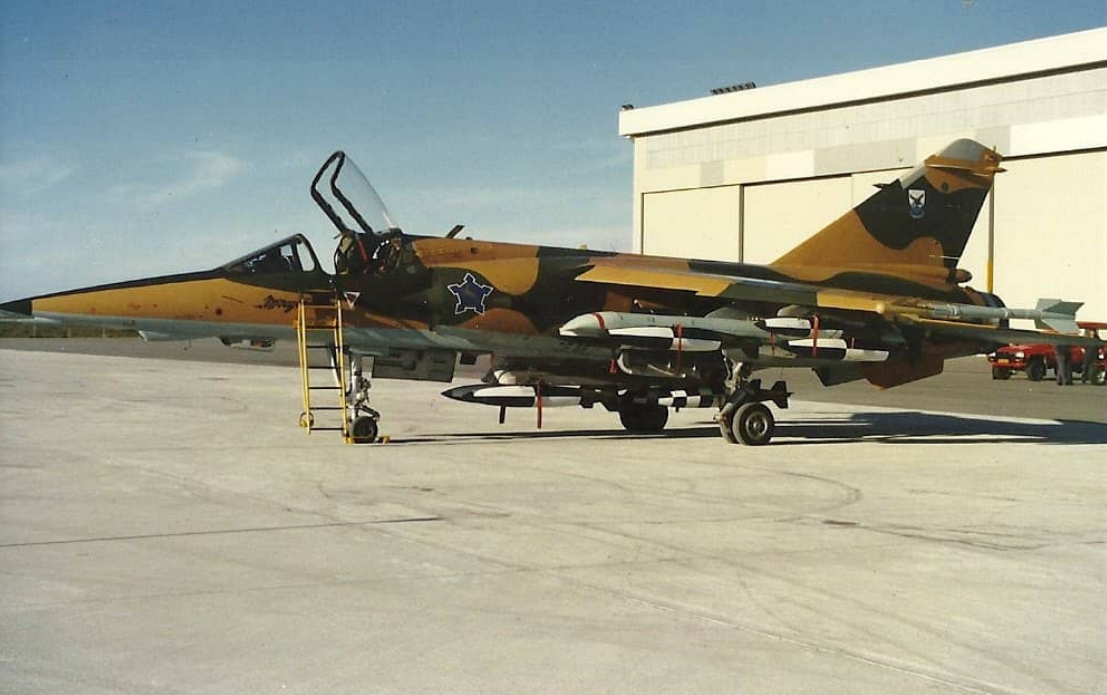
Other photos
Spoiler
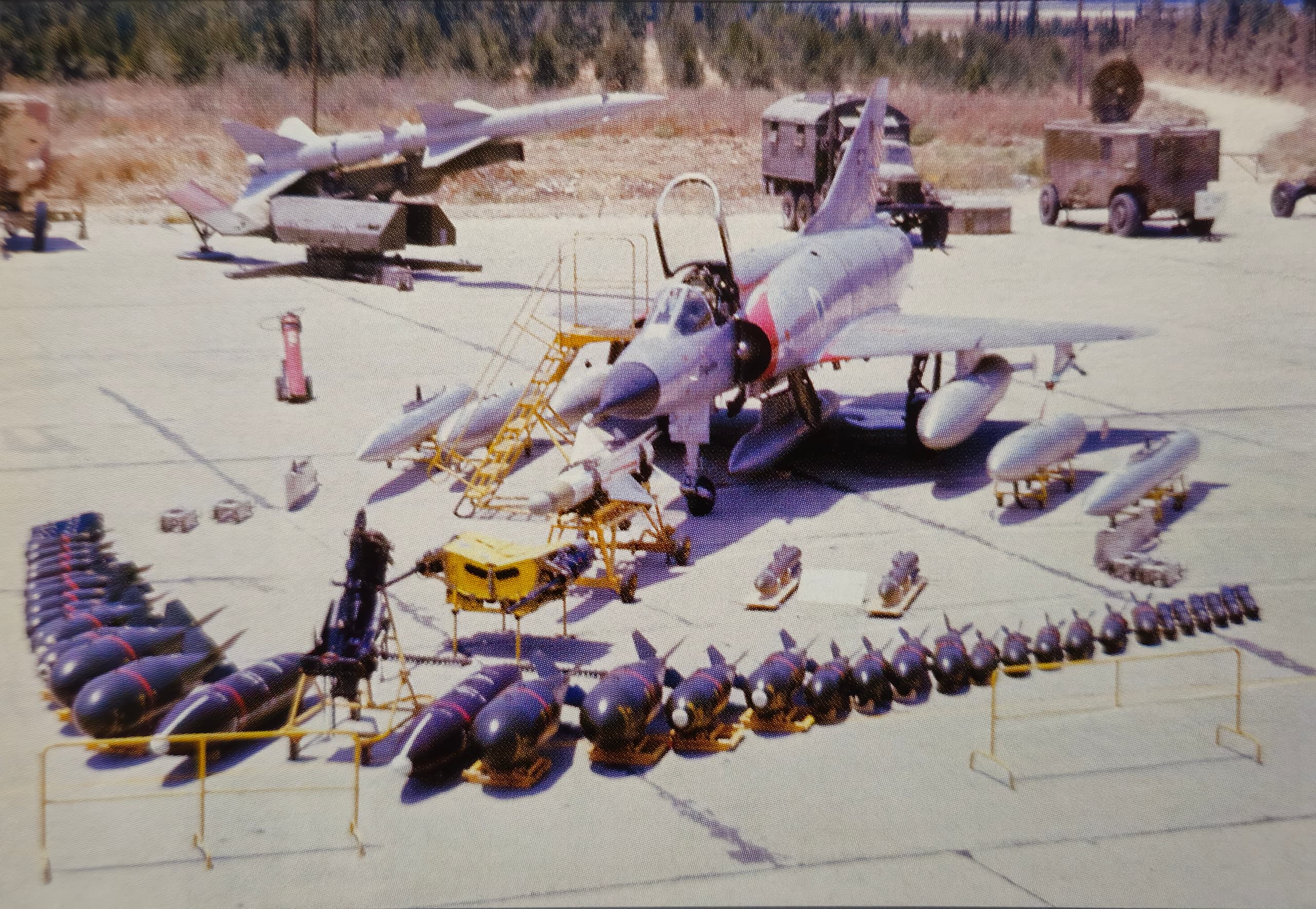
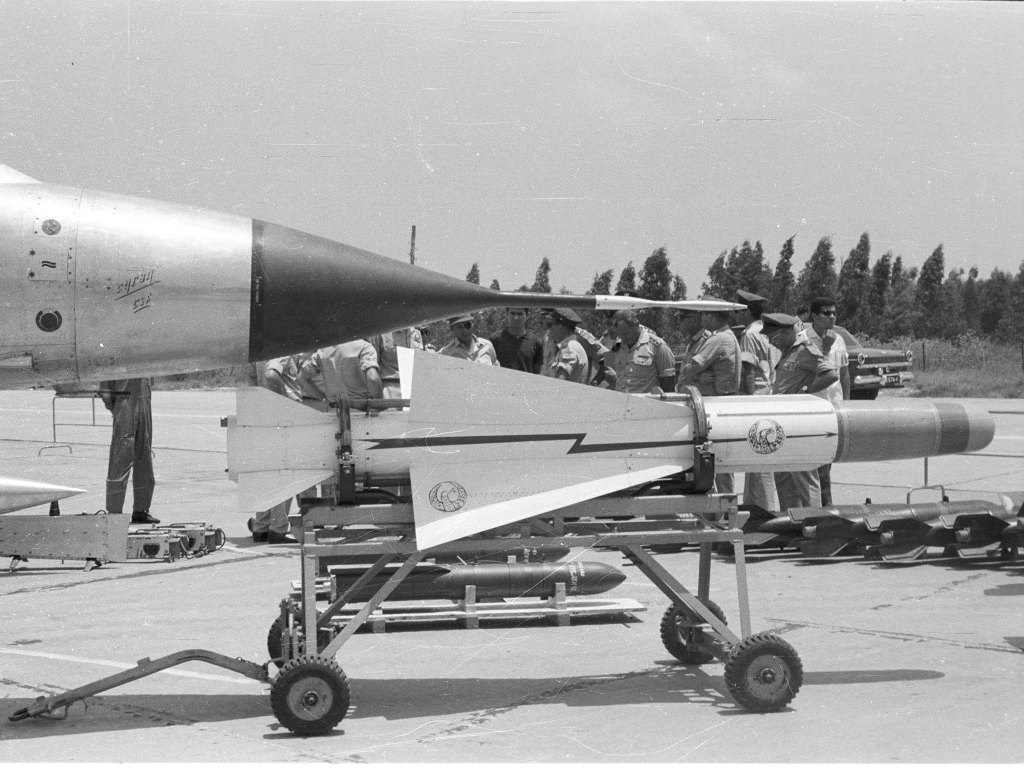
These photos are taken from an armaments display of a Mirage IIICJ Shahak that took place right after the Six Day War on the 25th of July 1967, in them you can see a pair of PAPAMs displaying right next to the Matra R.530 AAM.
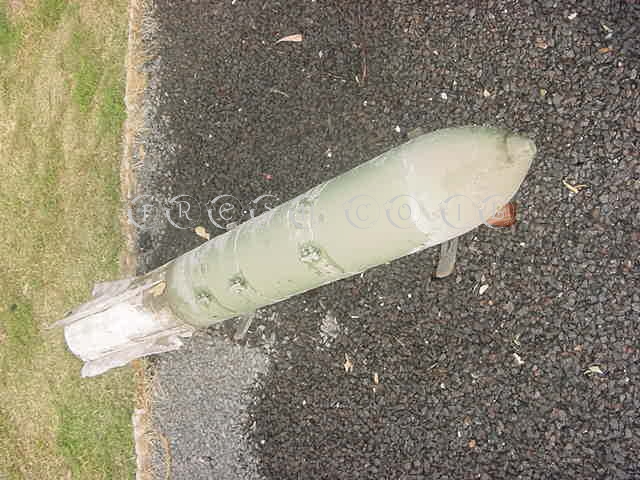
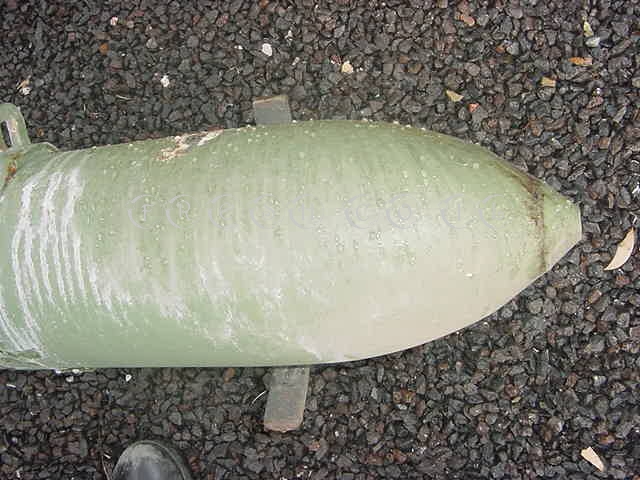
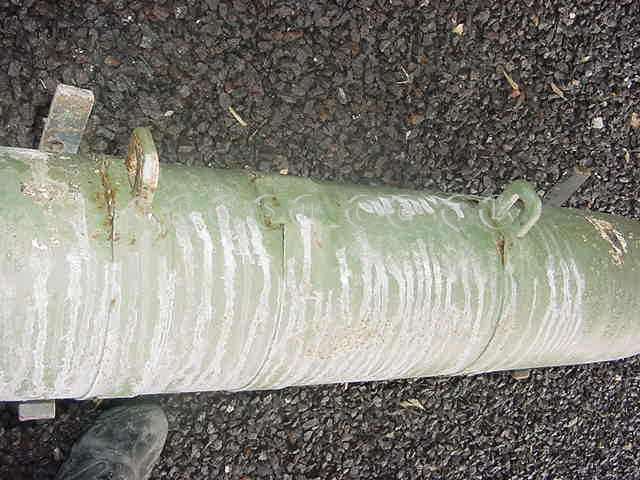
The following closeup photos of a PAPAM are taken for an Israeli security forum and the location they were shot at is unknown. It is specified they are not colored authentically here.
Specifications
- Model: IMI PAPAM (AKA Condib-70 AKA Mk.70 Condib)
- Length: 1.58m
- Diameter: 0.18m
- Total weight: 70kg
- Warhead weight: 43.5 kg
- Warhead composition: n/a (likely TNT or Comp B)
Potential in War Thunder
With the introduction of the game mode Nuclear Escalation as a permanent game mode in War Thunder’s air battles the game now has various specialized targets that can be attacked by aircraft including enemy airfields. It is therefore possible to add concrete dibber bombs such as the Israeli PAPAM and French Durandal as an option to attack them with and perhaps give a damage bonus against airfields when they are used in a similar way to how napalm is extremely effective against bases in regular modes. Additionally it is possible that being a weapon designed to penetrate concrete it could see limited effective use against naval targets (read the export chapter on Chile in this post to see that this was even considered in real life).
Sources
Spoiler
Shield and Spear - The Story of Israel Military Industries by Joseph Abbo Evron
The IDF in its Arms Encyclopedia for Army and Security - Military Industries by Moniah M. Mardor, Joseph Abbo Evron and Tzvi Dreznin
כרעם ביום בהיר - כך הושמדו חילות האויר הערביים במלחמת ששת הימים
תעש – בן הברית שנשכח במלחמת ששת הימים – mizkar מִזכּר
Redirecting...
Amazon.com
https://www.amazon.com/Fighter-Squadron-LEGENDARY-SQUADRONS-ISRAELI/dp/9657220084/ref=sr_1_20?crid=3J9I042MZY9WZ&dib=eyJ2IjoiMSJ9.Y8XsplVynrXvhPEQUVbKMWfGDRt9YxMhge3ewhUV-MDGjHj071QN20LucGBJIEps.ChdHu9_8tLhrZsRDvPOkwMBxrchcpcbtHmuU3gPc0j0&dib_tag=se&keywords=isradecal&qid=1792379605&sprefix=isradecal%2Caps%2C267&sr=8-20&xpid=hUO7VzQgGnT0w
Amazon.com
https://www.amazon.com/Dassault-Mystere-IV-Israeli-service-ebook/dp/B0FC3VRVRF/ref=sr_1_15?dib=eyJ2IjoiMSJ9.RwiOGAEHJqekHf6VW8ZgyUY-NK3jk7zzTXmgNLXcx0nYEye7mrULhSRJHxgFAbgrhdSqXZ2uSqHtw9jz671yUaiQMX0YsNB7pqn6IBopRTP0ljXUnIEikGrg4lCvf_R3k1eQ38iib0Br3o7wdYURAVLPqtmtVkLo-r3kRofF7QjTL3HlKOy9NgmUpeZOMp6PymnUi5HbzlStIS3sREpbCw.hySlCswFlg4SLKVxW2TCbyJ5-0MsaWqULnGwJdlwG2g&dib_tag=se&qid=1792379625&refinements=p_27%3ARa'anan+Weiss&s=digital-text&sr=1-15&text=Ra'anan+Weiss
https://www.amazon.com/Six-Day-War-1967-Operation-Campaign-ebook/dp/B0BLLWYBGS/ref=sr_1_10?crid=20A4WIRTGL9IF&dib=eyJ2IjoiMSJ9.TWRonIvvd_eC6wVmI_YW08Ie75MTgNrV81LP4fNItEB5A4sXD86F7nrg8EdDsS5lOWZafi2bj1bkQcTl0sz2QOCIz_Tlz8y3XrOkH6X5FL4Fu-mtnP1dm0WMSscOQNripYmjF9ERtxr5Zx70PuL-yZDo7_FHaHXG7S5kzCIPh8jrNnrFJ-AjewIqkWC3NZIdmCyw6pGwEOJGJFxnwbqTqYY0A5Og9U_QNqezNSsh-zE.UNhZxEl8XXFbnW0pUlsC_ZinJbBXCCufipVZlVT8fMw&dib_tag=se&keywords=shlomo+aloni&qid=1792379714&s=books&sprefix=shlomo+aloni%2Cstripbooks-intl-ship%2C295&sr=1-10
SMB-2 Aircraft With J-52 Engine Armament Manual, Translated 1976
A-37B Dragonfly - One of the best-armed Dragonfly for ground attack and air-to-air combat - #44 by Chilean_Thunder
https://foros.zona-militar.com/
ROJO 1 FACH
1966-1976: Οι ελληνικοί εξοπλισμοί σε μια κρίσιμη δεκαετία – από τα Noratlas στην εισβολή της Κύπρου, μέρος Β' - Πτήση
https://www.tapatalk.com/groups/worldarmedforcesforum/bomb-quiz-t270776.html
’ρθρο
Ελλην Ελληνολάτρης: ΒΛΗΜΑΤΑ ΑΕΡΟΣ-ΕΔΑΦΟΥΣ ΣΕ ΕΛΛΑΔΑ ΚΑΙ ΤΟΥΡΚΙΑ
https://www.academia.edu/42896312/Hellenic_Air_Force_H_A_F_order_of_battle_aircraft_personnel_weapons_and_weapon_systems_2003_and_planned_inventory_2003_2015
The South African Air Force
https://www.saairforce.co.za/pdf/Mirage%20F1%20Volume%205.pdf
https://www.saairforce.co.za/pdf/Buccaneer%20–%20internal%20and%20external%20loads.pdf
Bucc Specs – 24 SQN Buccaneers
https://www.airfighters.com/aircraft-data/blackburn-buccaneer-s50
cmano-db.com
cmano-db.com
https://youtu.be/esjDUXSu8BI?si=WRbJfj7zO6bVYNHV&t=1008
I would also like to shout out @Chilean_Thunder who helped me with Argentine and Chilean history, @Pipimer who helped with Greek history as well as @Akizyro and the South African Tech Tree Project (S.A.T.T.P) Discord server who helped with South African sourcing