- Yes
- No
Hello once again everyone, today I’m getting back to my ancient submission for the IIIJ.

Goes without saying, this suggestion is going into the Swedish tree. Anyhow, more research, more history; let’s get into it!
Back in the 1936, Hærens Flyvetropper (Danish Army Aviation Troops) were looking for a new fighter aircraft for their inventory. Following the upgrade to Gloster Gauntlets for the 1. Eskadrille, the army acknowledged the age of the biplane was coming to an end and the 2. Eskadrille needed something new. As a result, in the autumn of 1936, the chief of Hærens Flyvetropper, Lieutenant Colonel C.C.J. Førslev, chief of technical serivce, Lieutenant Colonel T.P.A. Ørum, chief of Flyvetroppernes Værksteder, engineer A.E. Klem as well as captain C.C. Larsen, squadron leader and “test pilot” of the air force, all went on a tour to France, England and The Netherlands.
First they went to the Villacoublay airfield near Paris. They noted a lot of single seat fighters featured at least a single 20mm autocannon. The commission then went to Grand Palais in Paris itself, where four airframes caught their attention.
While no specific aircraft are listed during this visit, it is mentioned that three of the airframes were “single seat, single engine fighter” and the last one was a “three seated, twin engine fighter”. Manufacturers are listed however, and therefore they were most likely eyeing the Morane-Saulnier M.S. 406, Caudron C.714, Mureaux 190, and the Potez 63.
Despite their best attempts at persuasion, C.C. Larsen was not allowed to fly any of these airframes as none of them had more than one or two airworthy examples yet, and none of the factories wished to risk a foreign pilot destroying a prototype.
Much of the same happened in England, where the manufacturers didn’t want to allow C.C. Larsen to fly them either. Here the talks were the Hurricane and Spitfire, but also the Vickers Venom. The commission also took the opportunity to study the Fairey Battle and Bristol Blenheim during their visit.
At last they went to Fokker in Amsterdam, where C.C. Larsen was not only allowed to see and touch the D.XXI, but also fly the aircraft itself, despite it also only having a single example at the time.
The decision came down to the Vickers Venom and the Fokker D.XXI, with both having their ups and downs. The Venom was deemed to be more expensive to build, but required less maintanence as the airframe was all metal. Likewise the engine, the Bristol Aquila, was set to be cheaper to maintain and acquire than a Bristol Mercury, but only if the Aquila went into serial production. Venom had better airspeed and aerodynamics, due to the retractable landing gear, but this would also be more expensive to build, and were it to break, it would be more expensive than repairing the landing gear of the Fokker aircraft.
Come April 1937, Hærens Flyvetropper wrote to Fokker about a the price of a license, and by the end of the month, a contract was presented to the government.
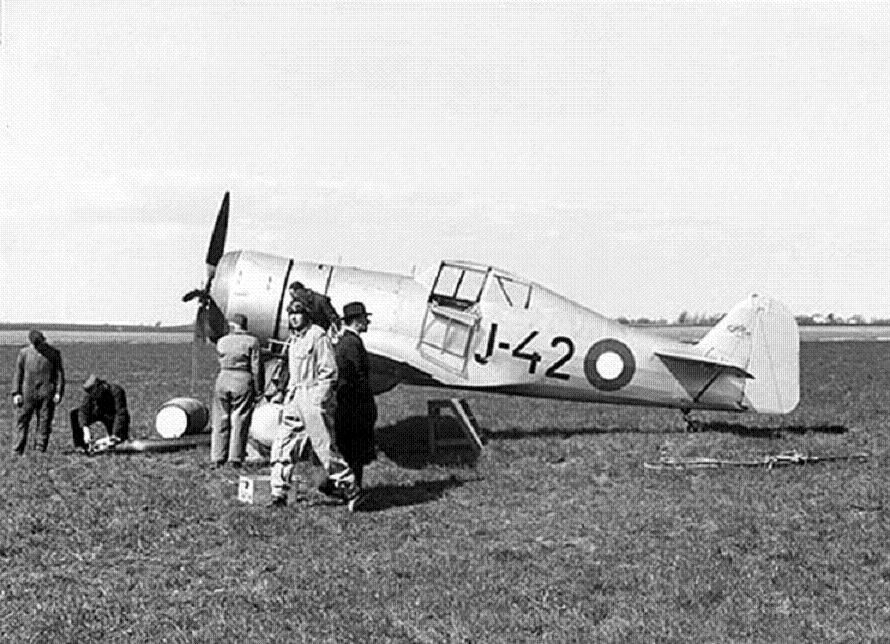
Two Fokker D.XXI would be delivered to the Army Workshops at Kløvermarken without engines, and were to be built for Mercury VIS engines (producing 605hp), but the ability to upgrade to Mercury VIII engines (producing 825hp) later. A further 10 aircraft would be built under license at the Army Workshops. The first two D.XXIs arrived at the start of 1938 without paint and appeared in “raw” aluminum, armed with two 8mm Madsen machine guns in the nose of the aircraft, and without propellers.
Both Fokker airframes were ordered to be equipped with French three-bladed Ratier propellers, however the French authorities refused to export these propellers at the start of 1938, arguing they needed them for their own air force.
As a result, the first airframe delivered, desingnated J-41, had a two-bladed Hamilton Standard propeller equipped on the 1st of March 1938 to commence flight testing. Following some political button pushing, the Danes in Paris managed to talk the French authorities into handing over the propellers, and on the 11th of April, Fokker could announce the intended propellers were on their way. J-42 was also swiftly equipped with the Ratier, and after testing them for a few days, both airframes were delivered to Kastrup on the 29th of April.
All subsequent license-built airframes were built with Hamilton Standard three-bladed duraluminium propellers, which could be put into two settings; low pitch for takeoff and climb, high pitch when flying at speed. J-43 through J-52 were built between the 26th of August 1939, and the 9th of April 1940.
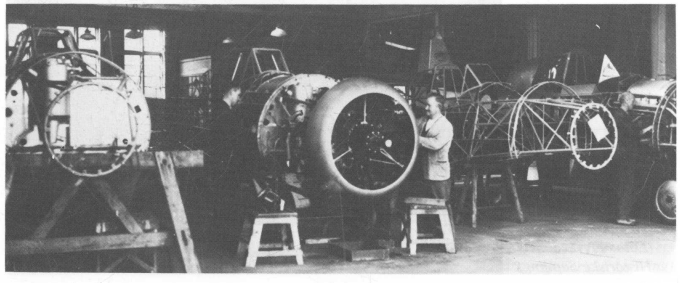
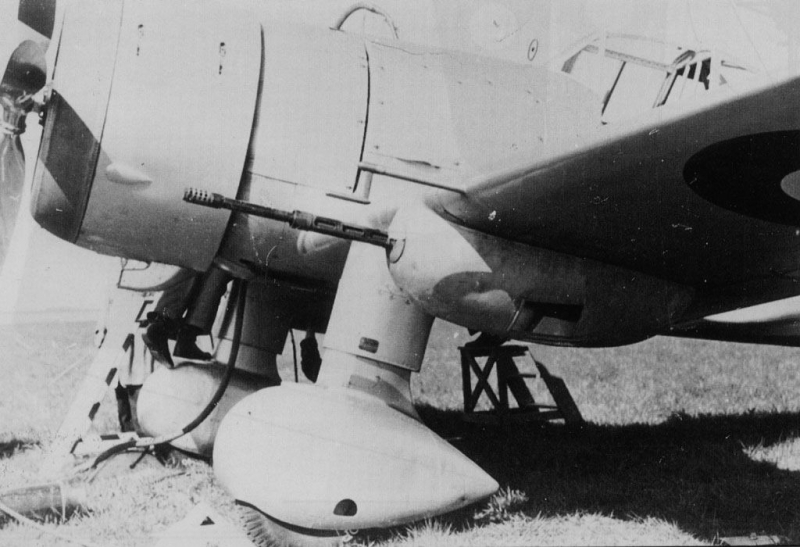
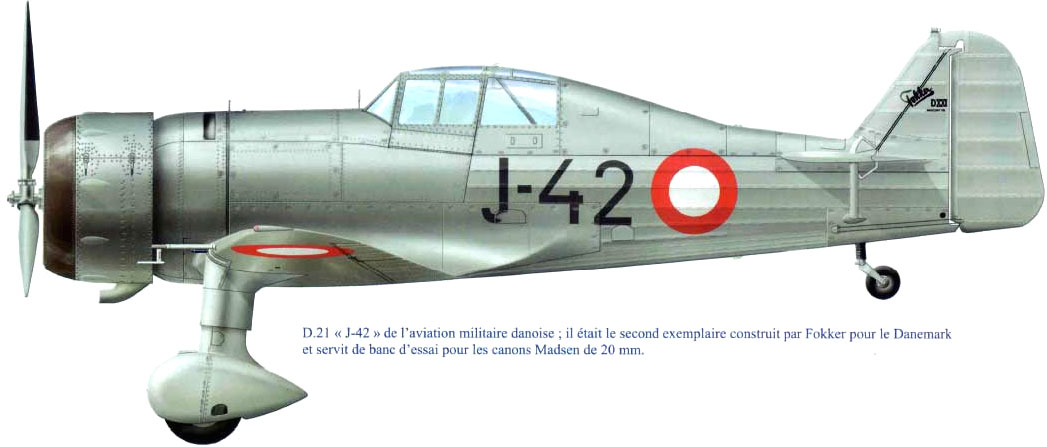
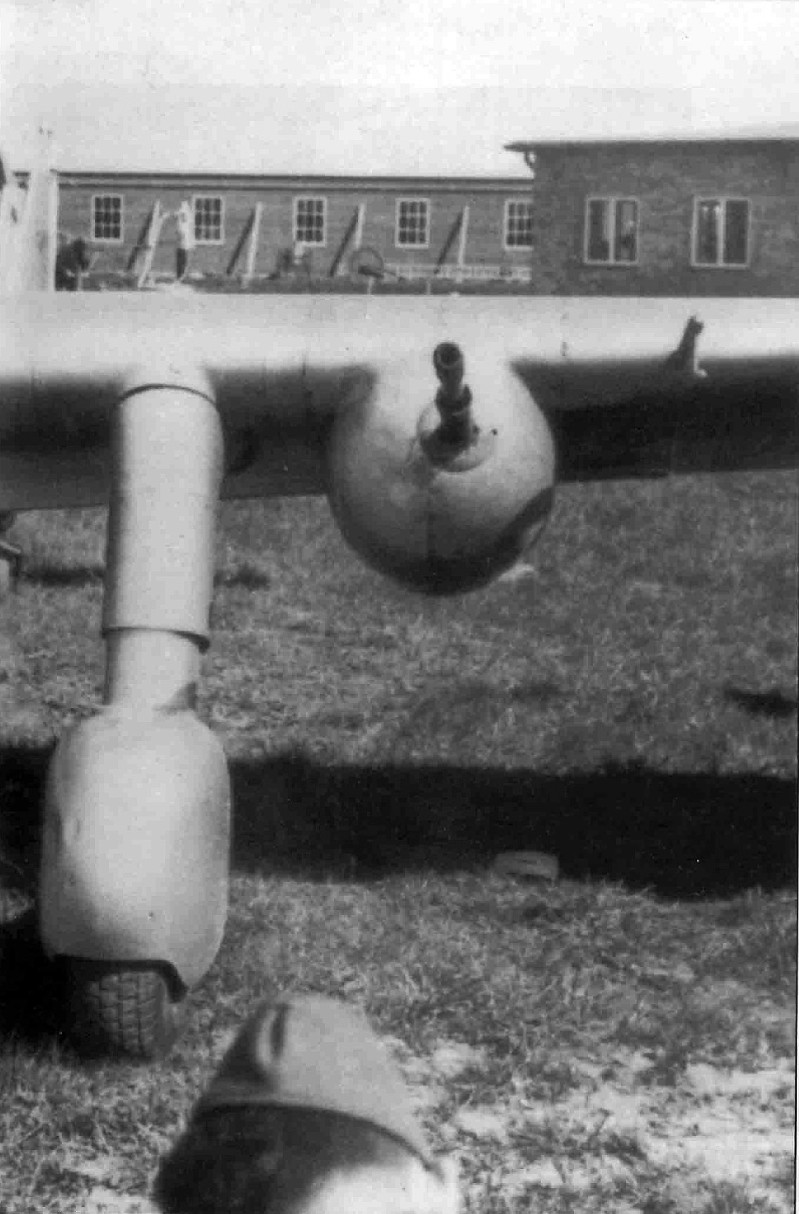
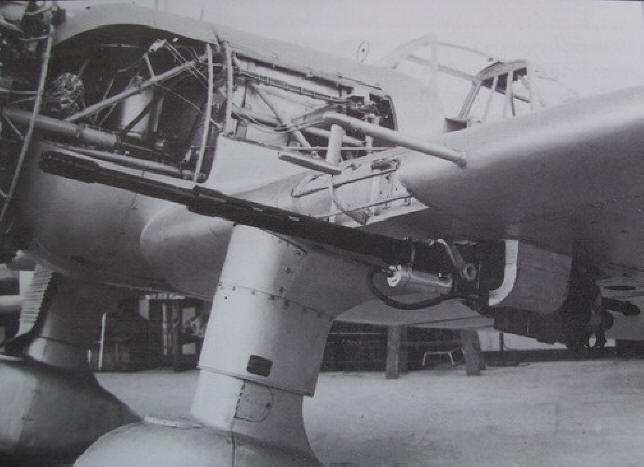
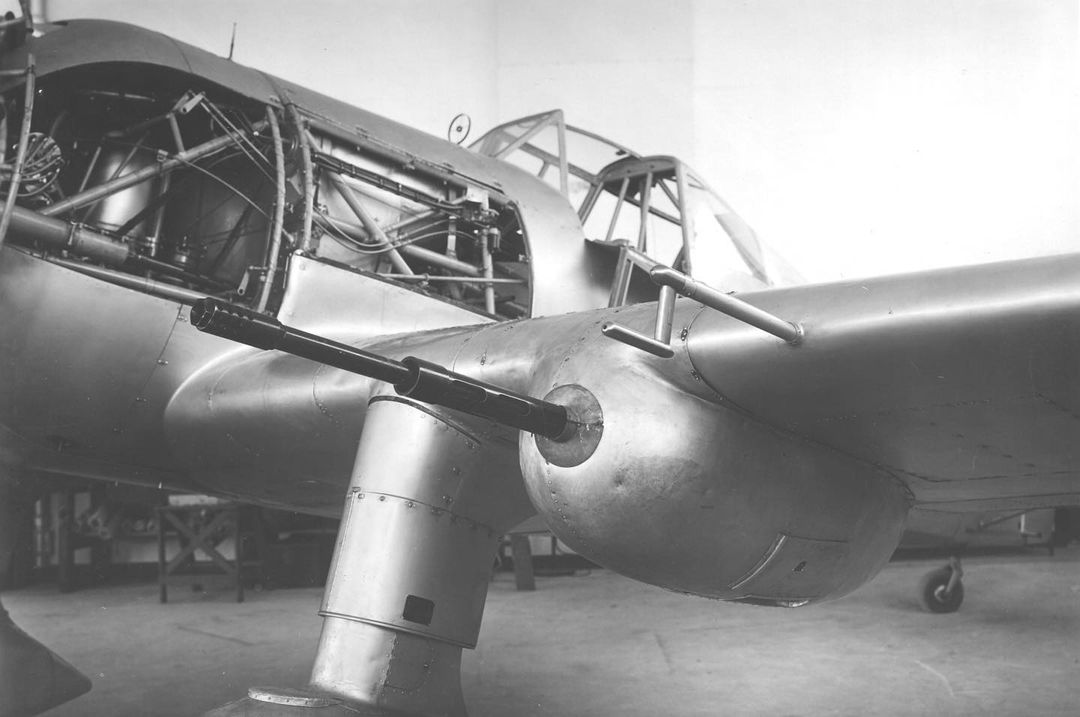
In November 1938, J-42 was fitted with a pair of Madsen 20mm cannon under the wings doing early trials to check gun installation.
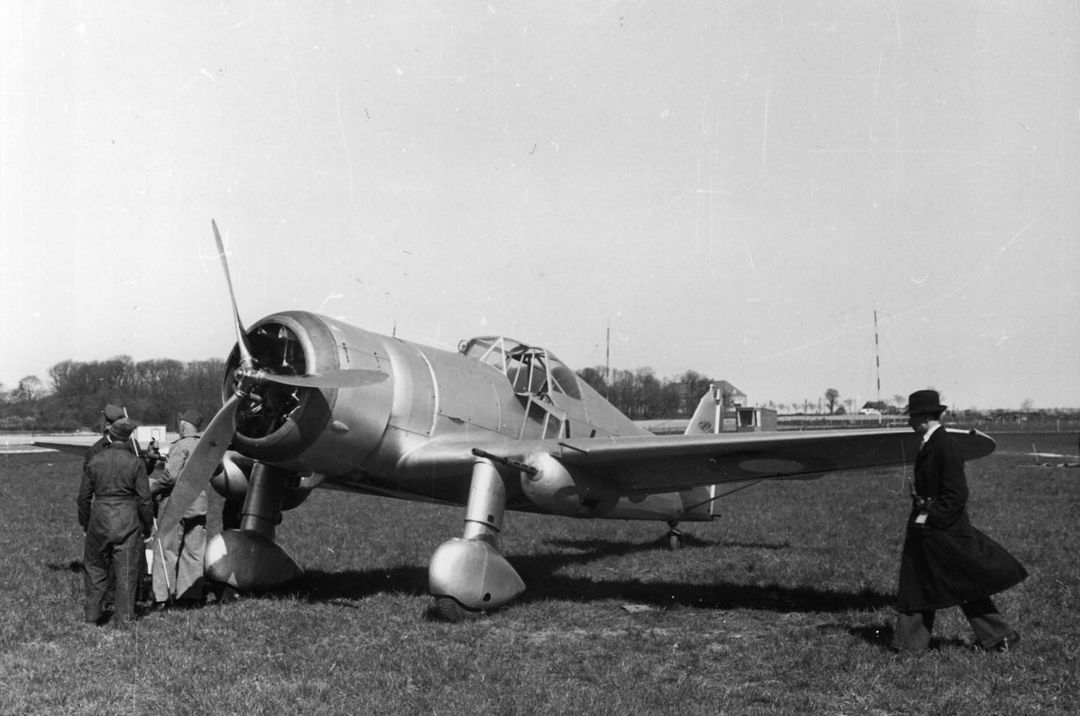
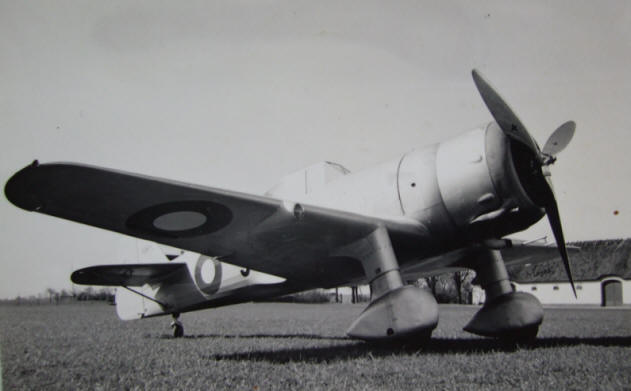
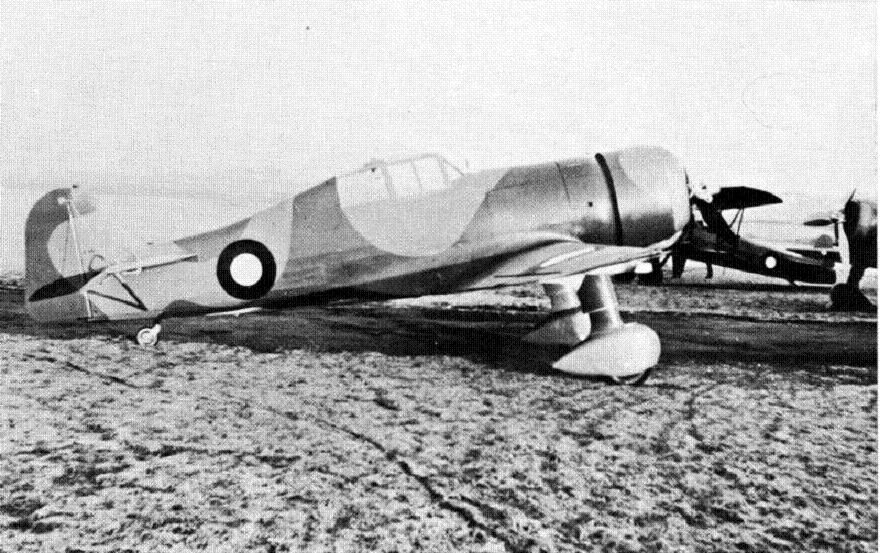
During these trials it was concluded that the Bristol Mercury VIS engine was, as expected, not sufficient for the modification, and a more powerful engine would be required to keep the aircraft powerful enough maintain performance with these weapons equipped. All the license-built airframes were therefore equipped with the more powerful Bristol Mercury VIII, while J-41 and J-42 were reequipped with Mercury VIII. This change in engine also changed the engine cowling, removing the small bumps from the cylinder of the VIS engine, creating a smoother cowling. An order of 24 units of Madsen 20mm cannons were also placed for the coming aircraft. The aircraft could bring 8x12.5kg bombs, though at the cost of ammunition for the autocannons.
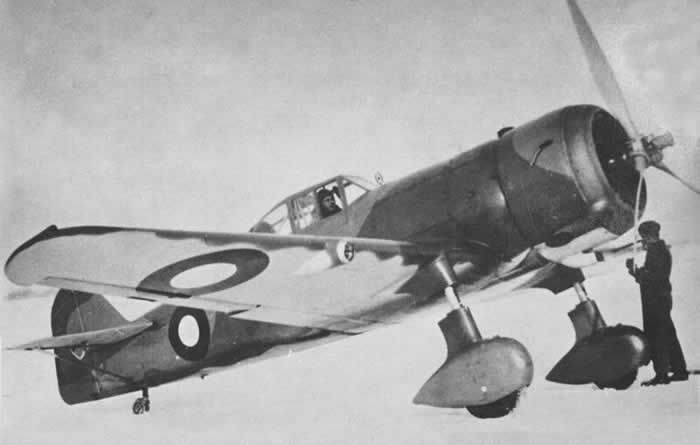
The Fokker D.XXIs were designated IIIJ (III-Third, J-Jæger/fighter) and all subsequent aircraft were designated the same. All airframes were named J-41 through J-52 (J-52 was not put into service before the invasion).
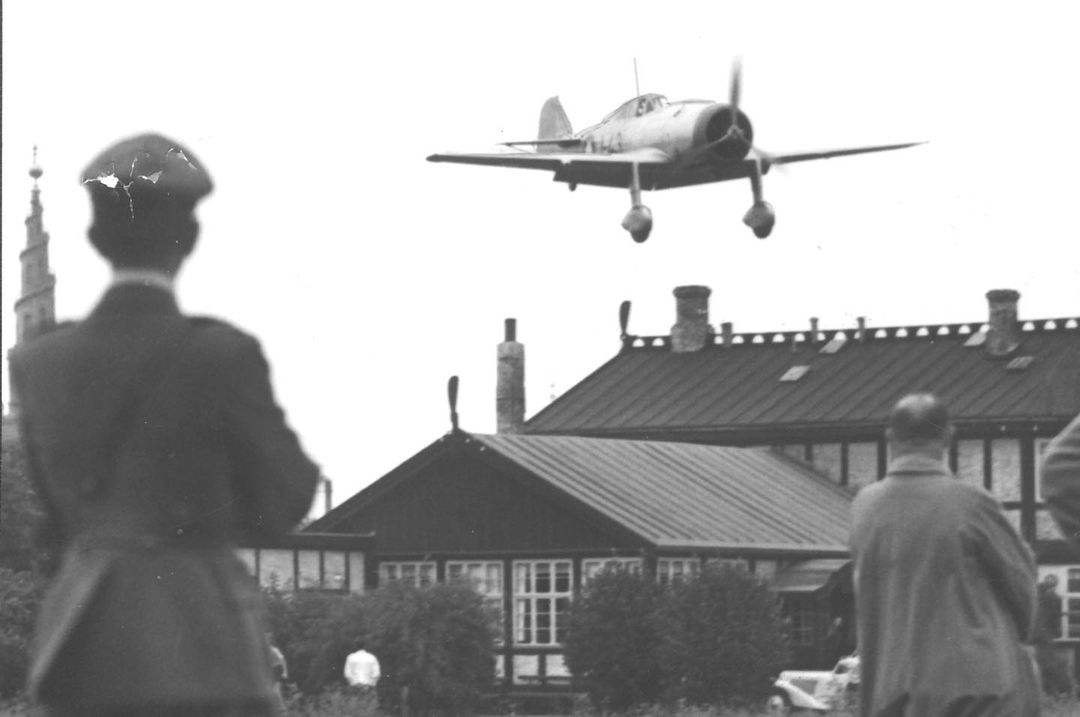
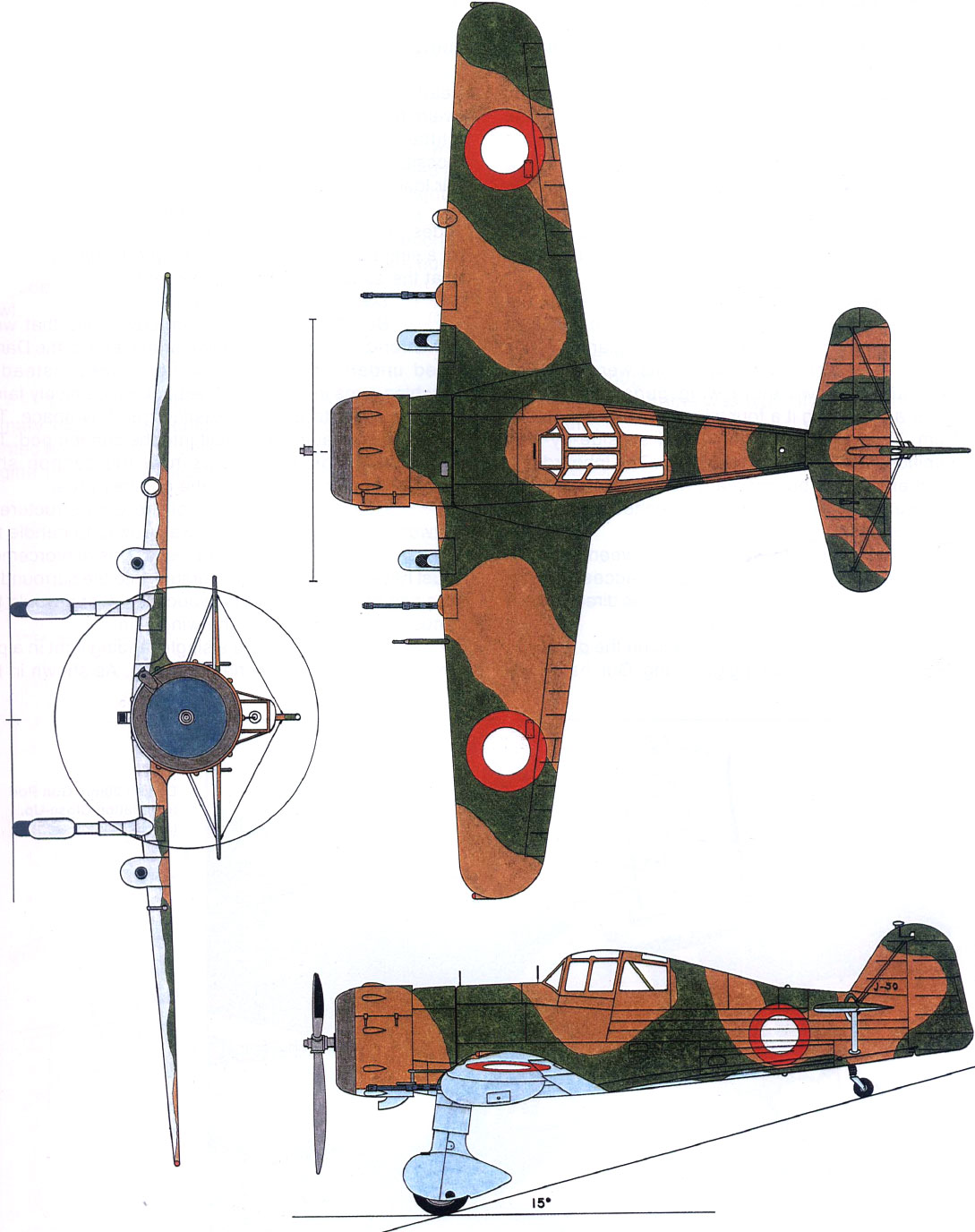
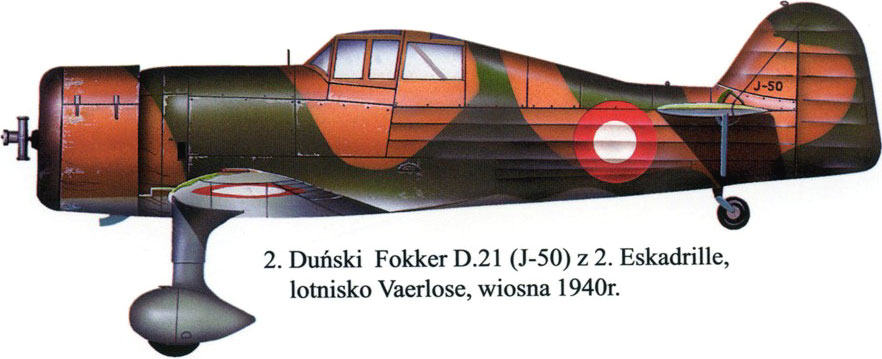
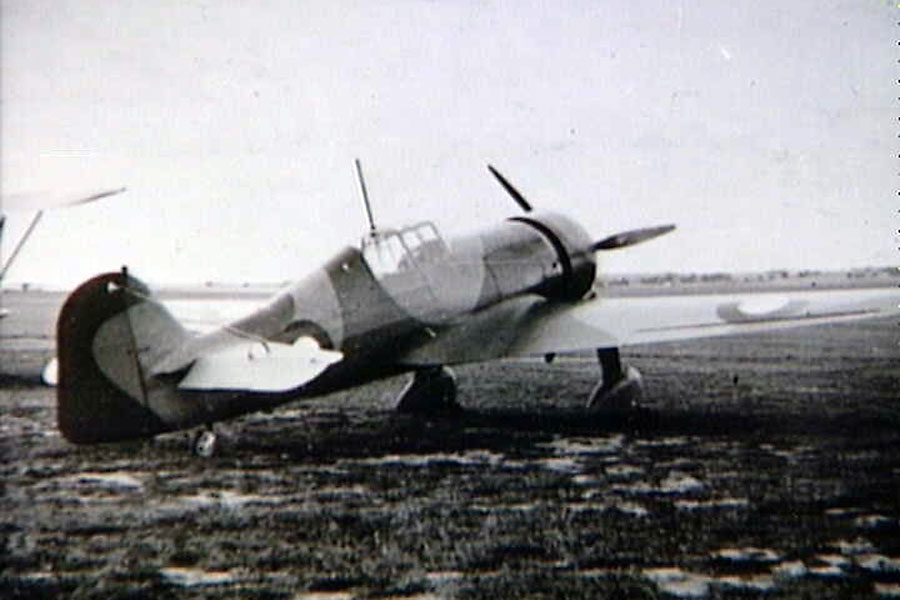
In the summer of 1939 the aircraft were given a new livery in the form green and sand on the upper side of the aircraft and light grey on the underside of the aircraft, and by April 1940 the 2. Eskadrille had nine operational IIIJs at their disposal at Værløse airbase near Copenhagen.
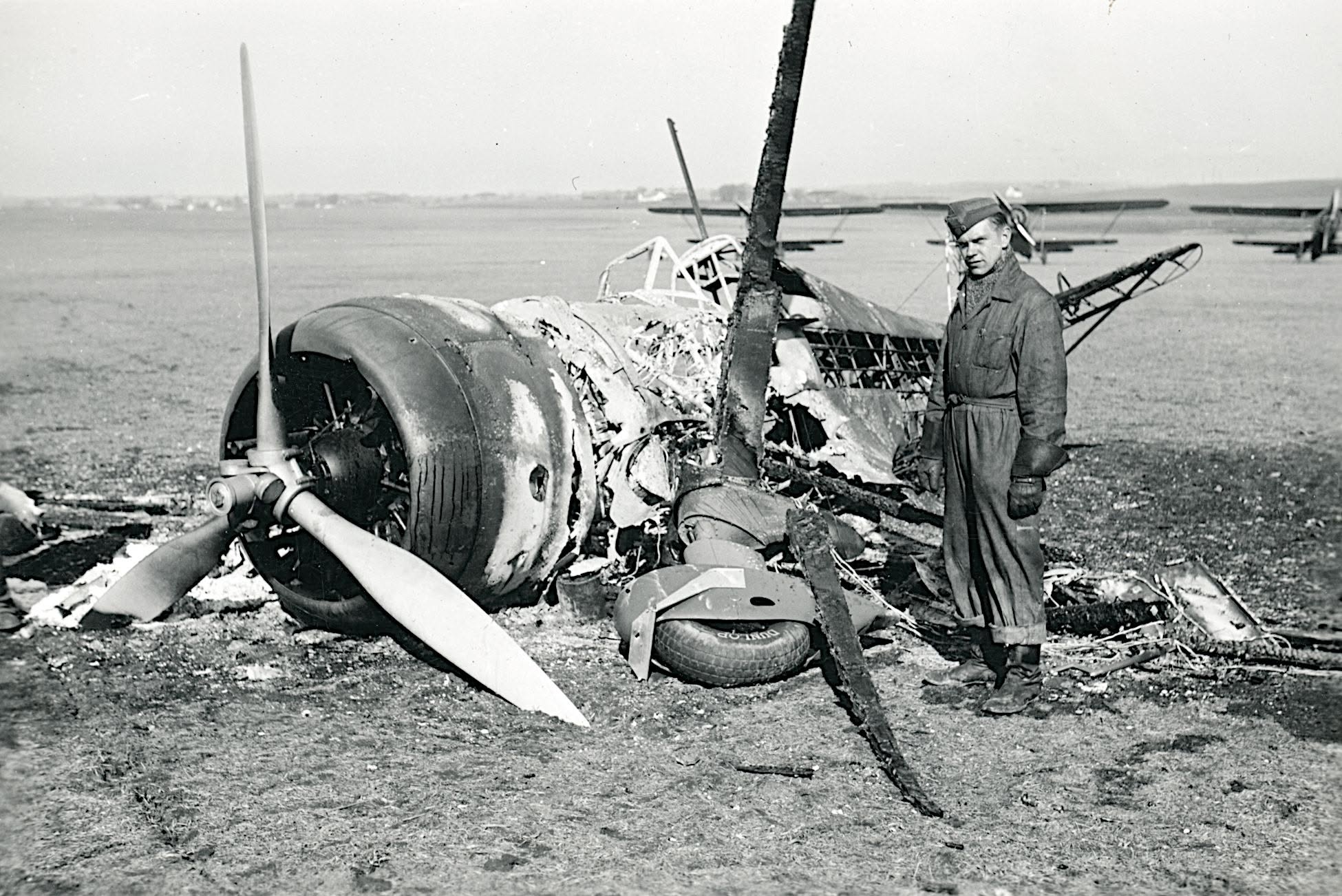
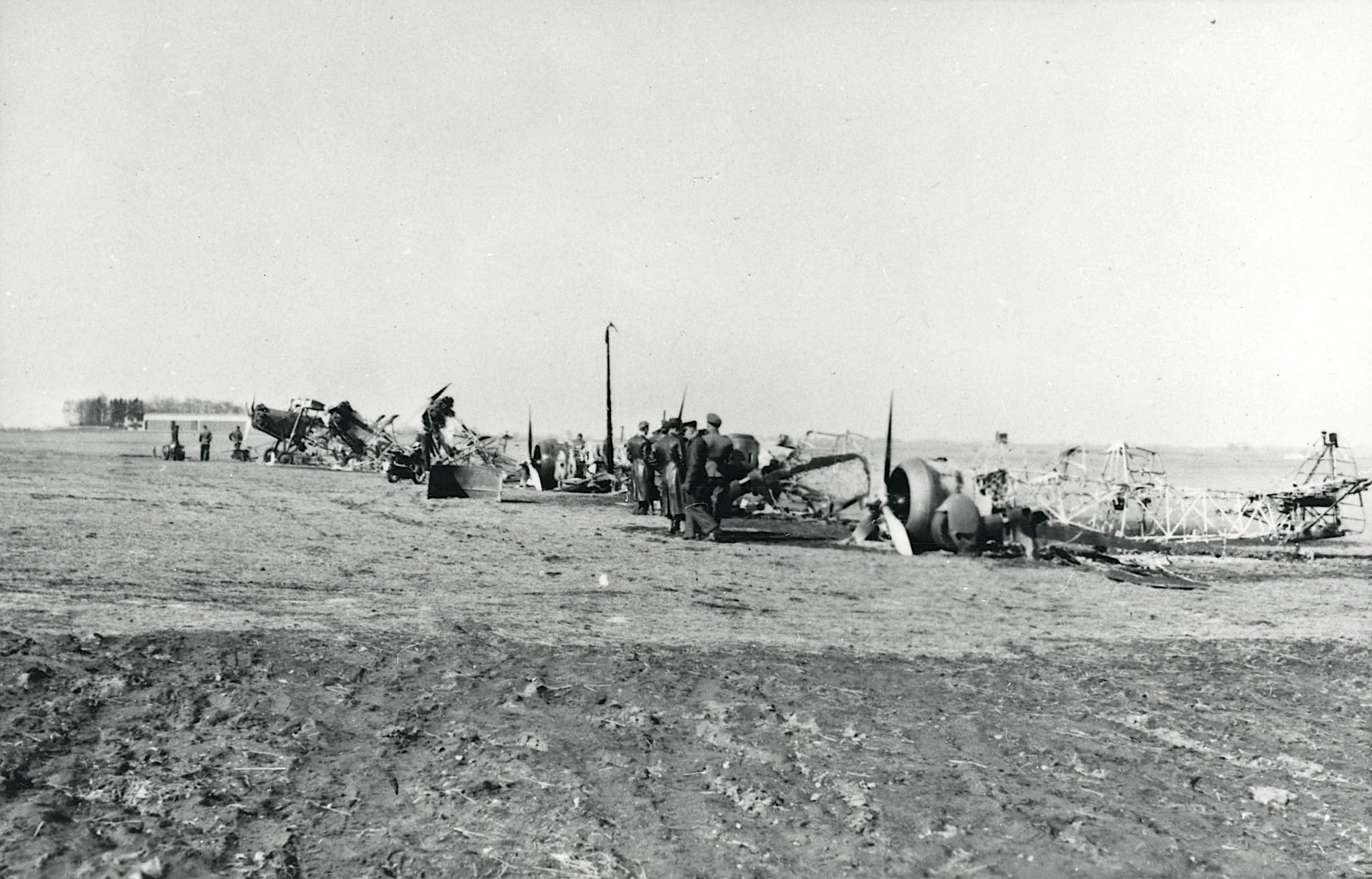
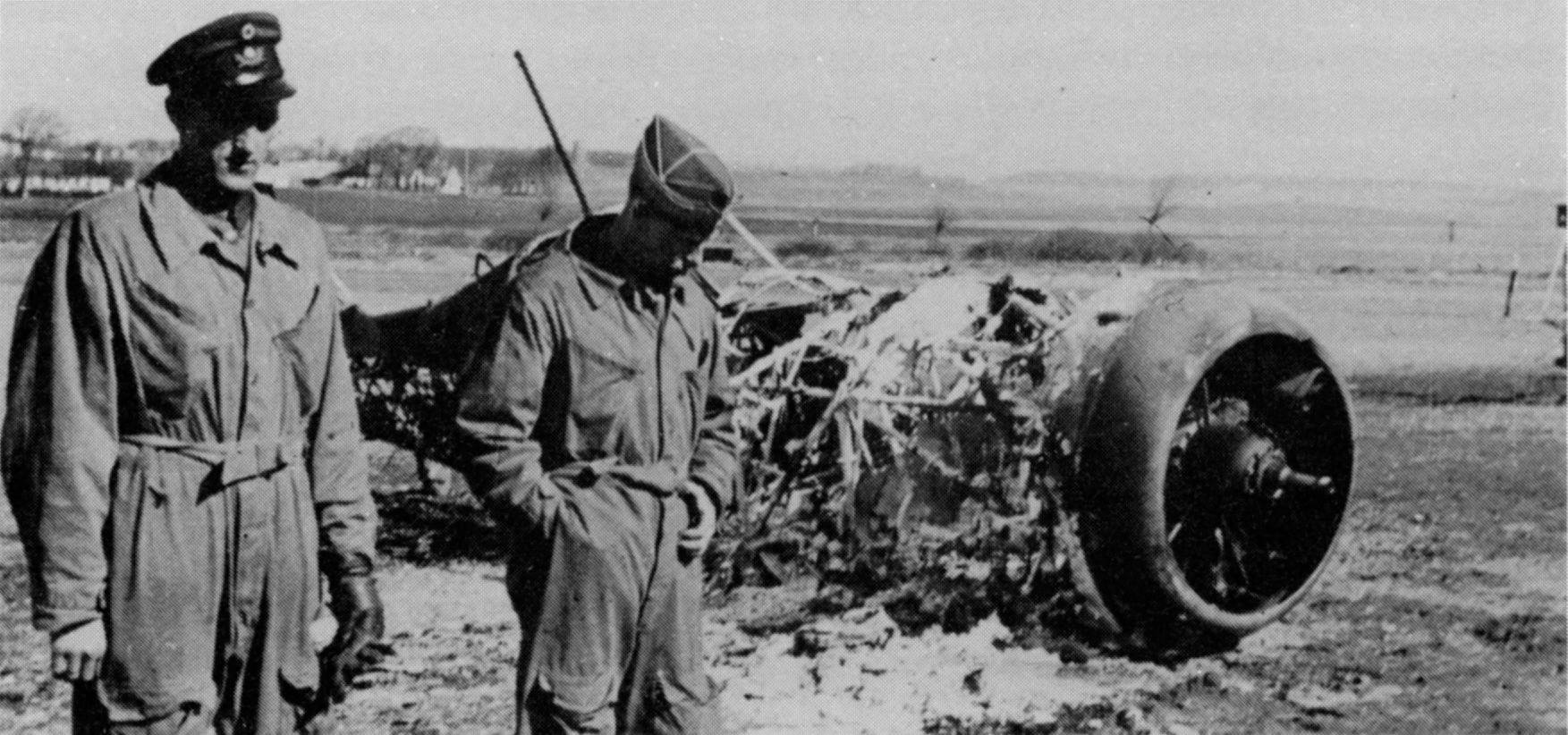
On April 9th, seven of the nine aircraft were ready for flight by morning while the last two were at the workshop, but none ever got off the ground as multiple Bf 110 of “Zerstörergeschwader 1” straffed every aircraft at the base, in particular the IIIJs as they were considered the only real threat to the air invasion.
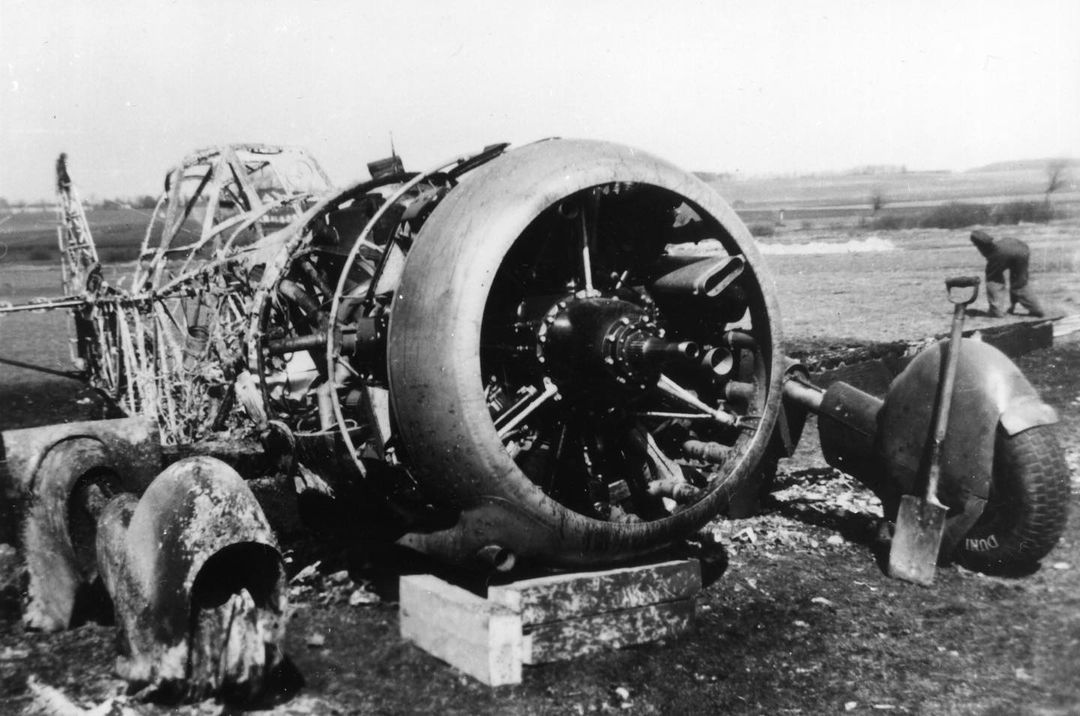
Capitulation was declared before any survivng or reparable aircraft could be utilized and all the aircraft were repaired before being put in storage at Kløvermarken near Copenhagen. Despite J-43 and J-47 being considered “totally burnt”, both would be repaired and were internally given new production numbers as new airframes, despite keeping their original designations. Only J-49 was scrapped entirely.
Over the course of 1940, Hærens Flyvetropper would move the airframes around, with nine of them crammed into the hangar at Ringsted Flyveplads. The wings were dismounted and the landing gear was taken off to fit them all inside. J-47 and J-50 remained at Kløvermarken, and the latter and was used partially to train flight technicians until August 1943.

After the August Uprising on August 29th 1943, and the departure of the Danish government, Germany ceased all Danish military equipment including all remaining IIIJs and their fate afterwards is unknown.
The IIIJ is a Danish license-built version of the Dutch Fokker D.XXI equipped with taller landing gear bought from Germany to make room for the new Hamilton Standard propeller mounted on a more powerful Bristol Mercury VIII engine. This new engine also resulted in a smoother engine cowling. The aircraft had mountings under the wings to equip twin Madsen 20mm cannons, (testing included one Madsen 23mm and one Madsen 20mm) and was armed with two Madsen 8mm machine guns in the nose of the aircraft. The aircraft could mount up to 100kgs of bombs under the wings, in sets of 4x12,5kg Bofors bombs under each wing. I do not have any pictures of them installed to my knowledge, but I have a picture of the same type of bomb on the IIIR.
- Engine: Bristol Mercury VIII
- Wingspan: 11m
- Length: 8.2m
- Height: 2,95m
- Empty weight: 1,450kg
- Full weight: 2,315kg
- Max. Speed: 460km at 5100m
- Cruising speed: 356 km/h
- Maximum altitude: 11,350m
- Primary Armament: 2x Madsen 8mm, 500 rounds each
- Secondary Armament: 2x Madsen 20mm, 150 rounds each
Spoiler
Orla Kragh Jensen
Hans Kofoed
Flyvehistorisk Tidsskrift 1993
Rigsarkivet (Danish National Archives)
https://www.secretprojects.co.uk/ threads/ indigenous-danish-fighter.5357 / (link only works if you remove the spaces, link kept loading as an invalid image so this became the solution instead)
https://www.ole-nikolajsen.com/history acft dk.pdf
Fokker D.XXI Review by Steven "Modedad" Eisenman (Classic Airframes 1/48)
http://www.milfly.dk/pdf/dxxi.pdf
http://www.danfly.dk/storage-folder/fotos/fokker-dxxi/
http://flymuseum.dk/fly-1911-1940/272-fokker-d-xxi-iiij
https://www.fokker-history.com/en-gb/d-xxi
http://wp.scn.ru/en/ww3/f/95/93/0
https://www.picuki.com/media/2239516693892510107
https://ryeflyveplads.dk/tidslinie/ddl/haerens-flyvetropper/