- Yes
- No

HISTORY
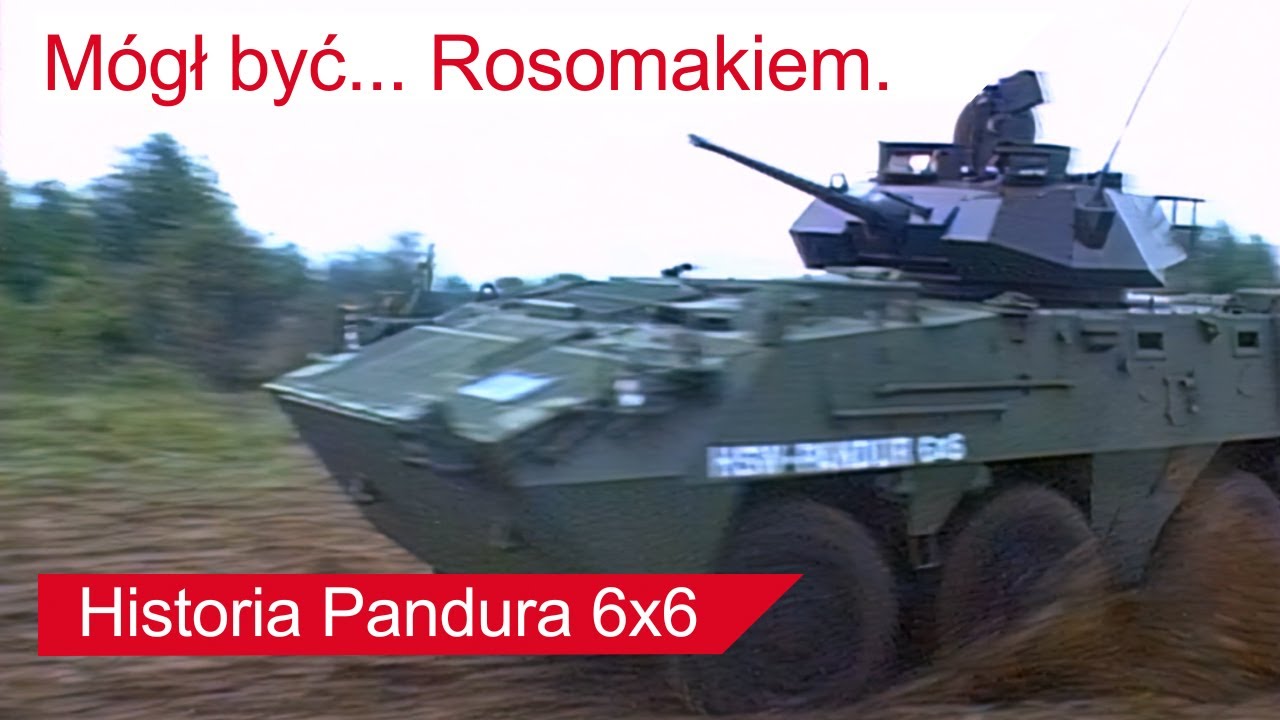
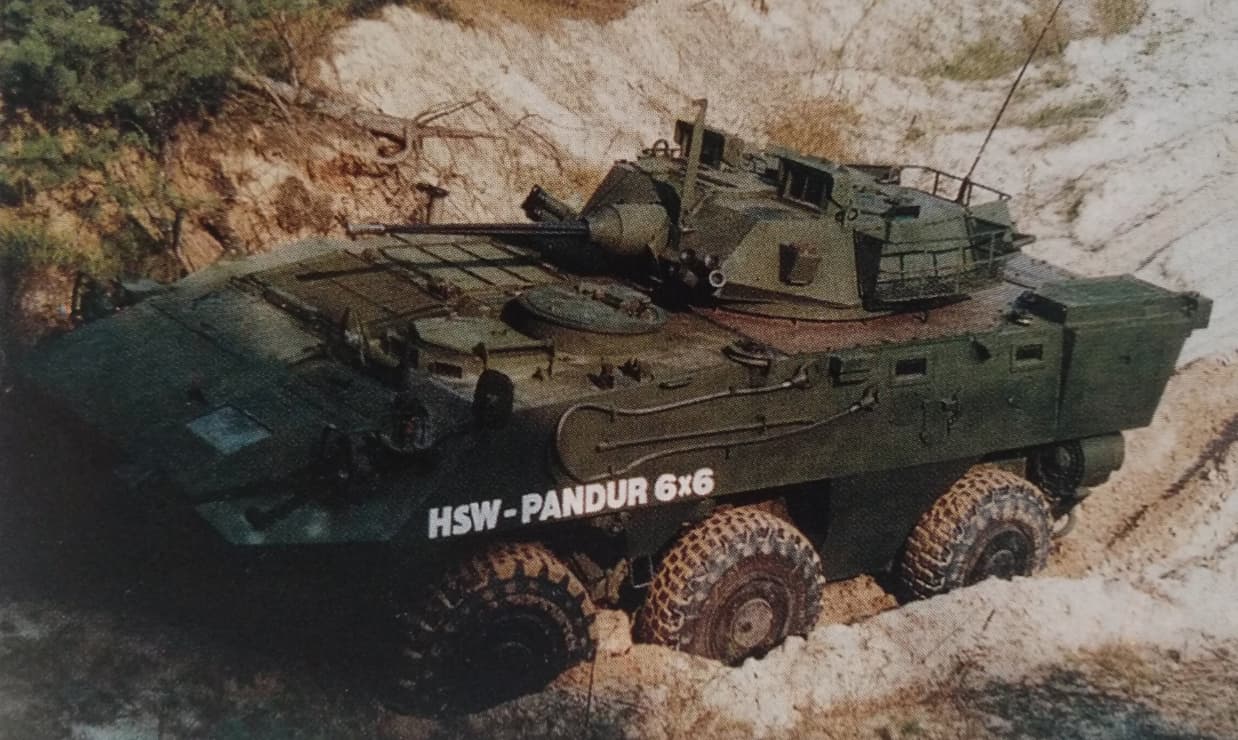
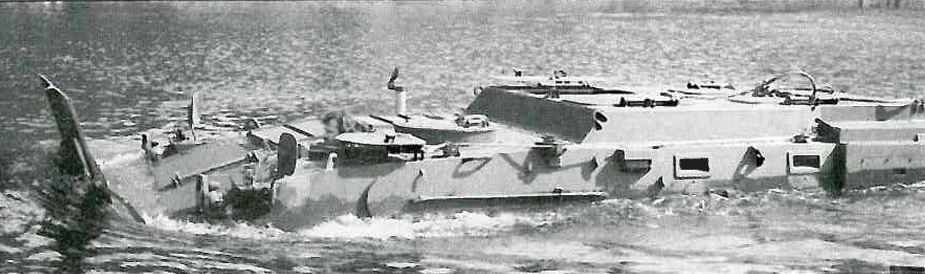
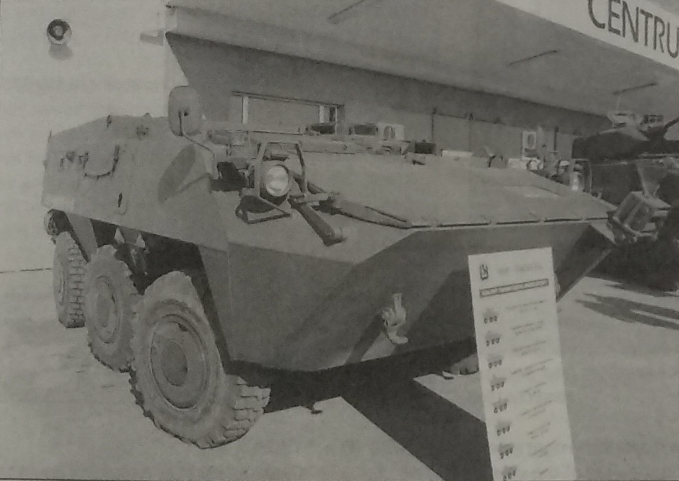
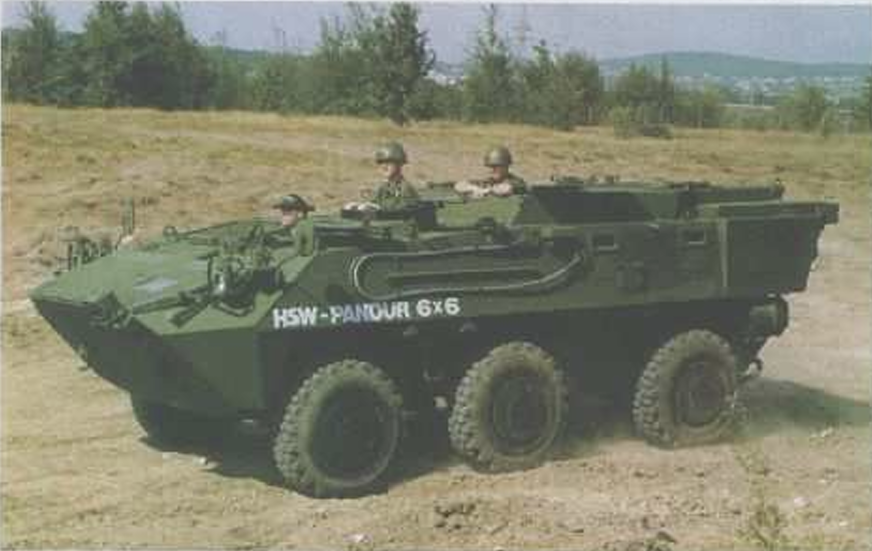
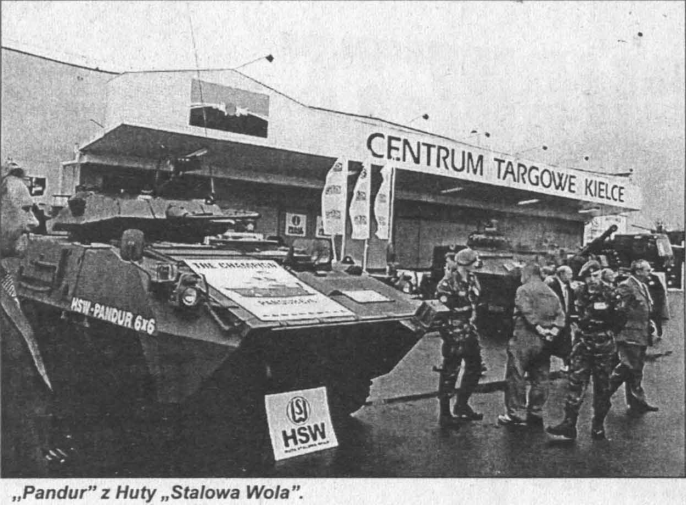
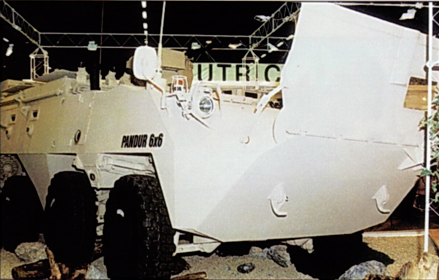
First shown at the 3rd MSPO in 1995, Pandur 6x6 attracted interest from representatives of the Polish Army, but it did not yet meet all the requirements of the Polish Army. The main drawback was its inability to swim. Therefore, Steyr Spezialfahrzeug (SSF), in conjunction with the shipyard in Korneuburg (Austria), which has extensive experience in both the design and production of ships and motorboats, began work on adapting the Pandur for swimming.
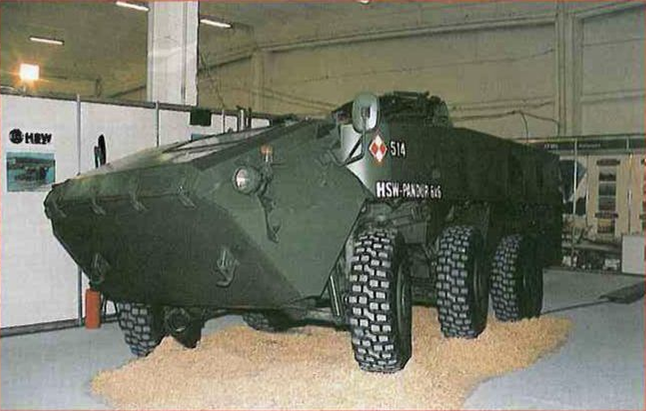
First public presentation in 1995
Initial trials using air-filled side floats did not yield the expected results. Although the Pandur could float, as demonstrated in Korneuburg and Nisko, the Army’s stance remained negative. Military experts believed that the use of floats was out of the question due to their relatively complex deployment and the risk of being shot through. The SSF then decided to design and build a completely new vehicle, whose design would ensure adequate buoyancy and maneuverability when ovrecoming water obstacles. Enlarging and widening the hull allowed for not only better buoyancy while swimming, but also larger crew accommodation and a much better interior layout than before.
In addition to the Korneuburg shipyard, Huta Stalowa Wola (HSW), which had extensive experience in the production of floating armored personnel carriers, also joined the collaboration. HSW’s responsibilities in this regard included the development and construction of a breakwater that would ensure the combat vehicle’s proper navigation on water.
In March 1996, the STEYR-HUTA STALOWA WOLA Technical Working Group was established to develop a new version of the carrier. The group included representatives of the Polish Army, HSW, and SSF. Team meetings were held monthly: once at HSW, once at SSF. The first result was the development of a detailed program for creating a new version of the carrier and presenting a prototype for testing in the Polish Army. Construction work began in December 1995. Several buoyancy tests were conducted at the Korneuburg shipyard using a 1:10 scale Pandur model. In March 1997, an agreement was signed between SSF and HSW for the submission of a modified Pandur carrier for testing in Poland.
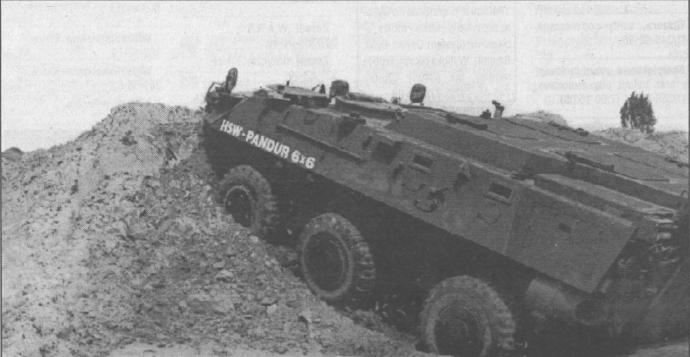
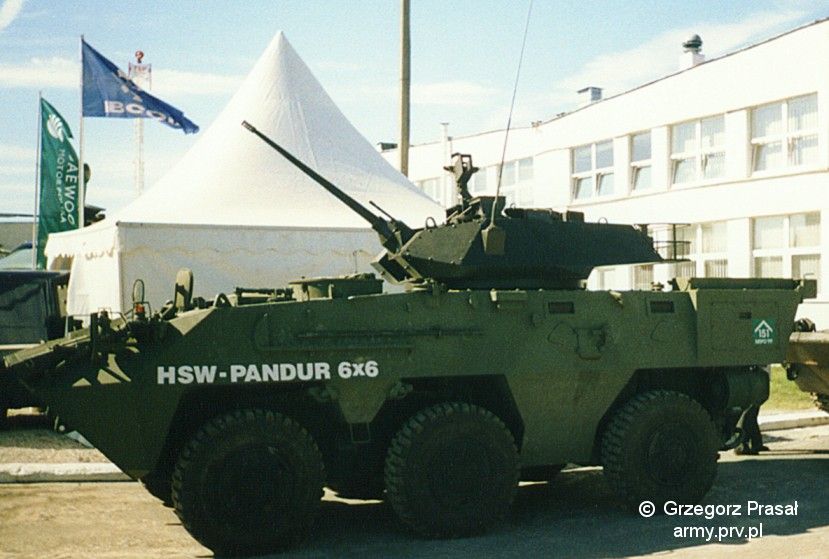
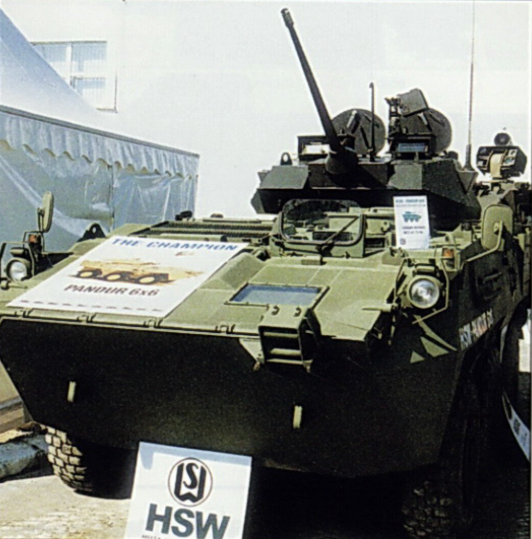
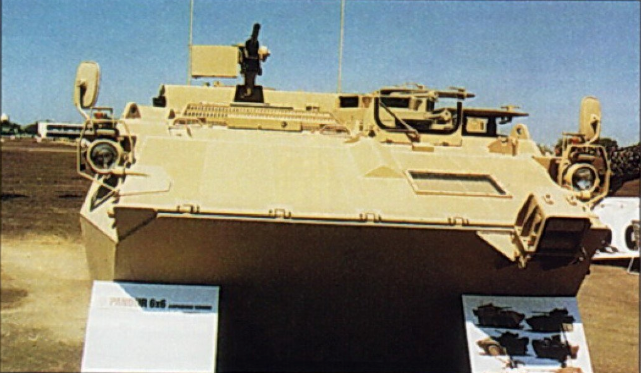
It was decided that to facilitate the prototype demonstration, three types of roof plates would be manufactured. These plates for demonstration purposes would only be bolted together, allowing for the demonstration of various Pandur versions. These were roof plates for the base vehicle, a low, raised plate for the infantry carrier, and a plate for the turret. The first two were manufactured by HSW, the third by SSF. In addition to the roof plates and breakwater, HSW also manufactured separate versions of the engine shutters, gun ports and designed the interior.
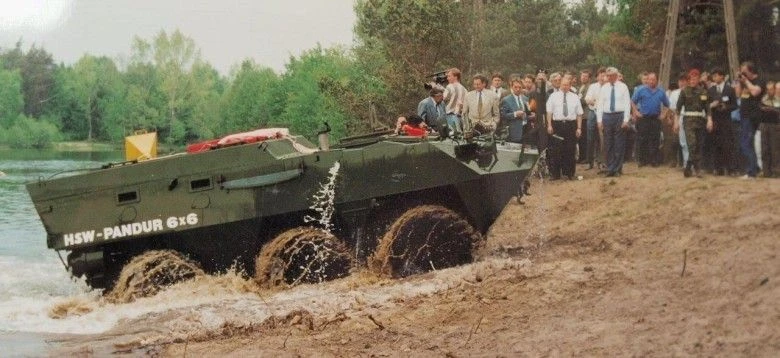
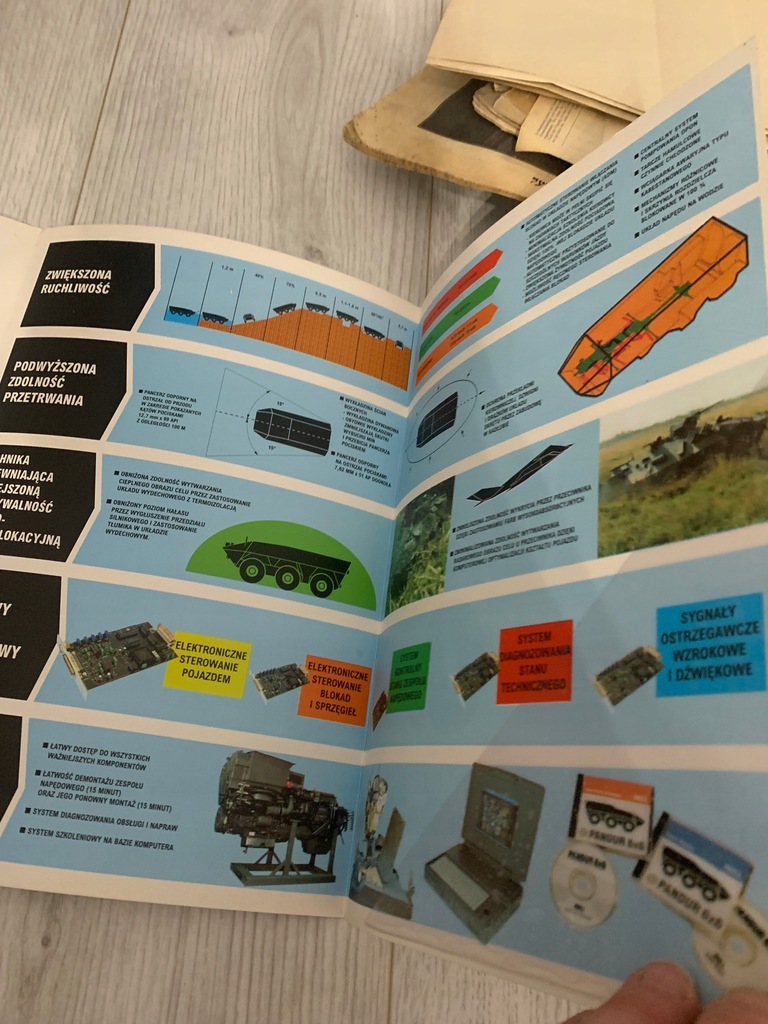
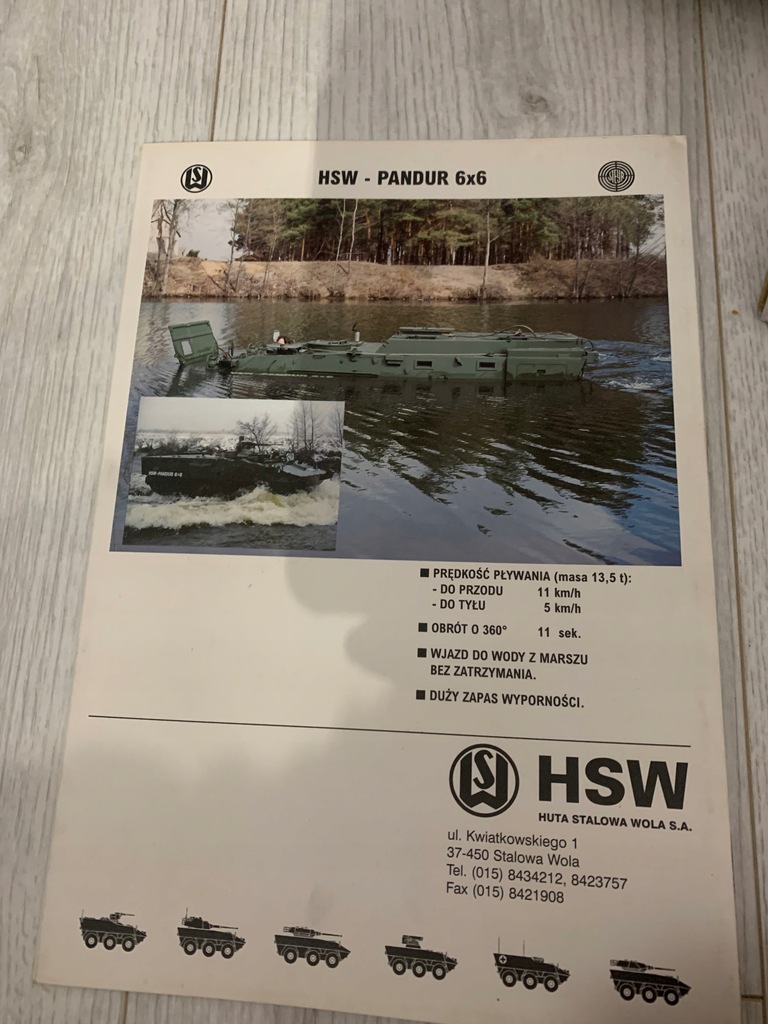
For the floating version, SSF had to develop a completely new outboard cooling system, introduce floor drain valves, and use gear pumps. Propulsion was provided by two thrusters located behind the third axle. These thrusters allow for speeds of up to 11 km/h on water and excellent maneuverability. The floating system allows the vehicle to enter the water immediately, without prior preparation. The ADM (Automatic Drive Management) system, invented and manufactured by Steyr, was also implemented, allowing for fully automatic engagement of drives and locks depending on the terrain the vehicle is traveling on. This device simplified the driver’s work, allowing them to fully focus on driving. After the transporter was delivered to Poland, a demonstration of its full capabilities was held at HSW. The demonstration was attended by approximately 100 people, mostly from the Polish Army. On May 25, 1997, preliminary tests were completed at Huta Stalowa Wola, and on June 16 of the same year, the vehicle was transferred to the Military Institute of Armoured and Automotive Technology, where further tests were being conducted.
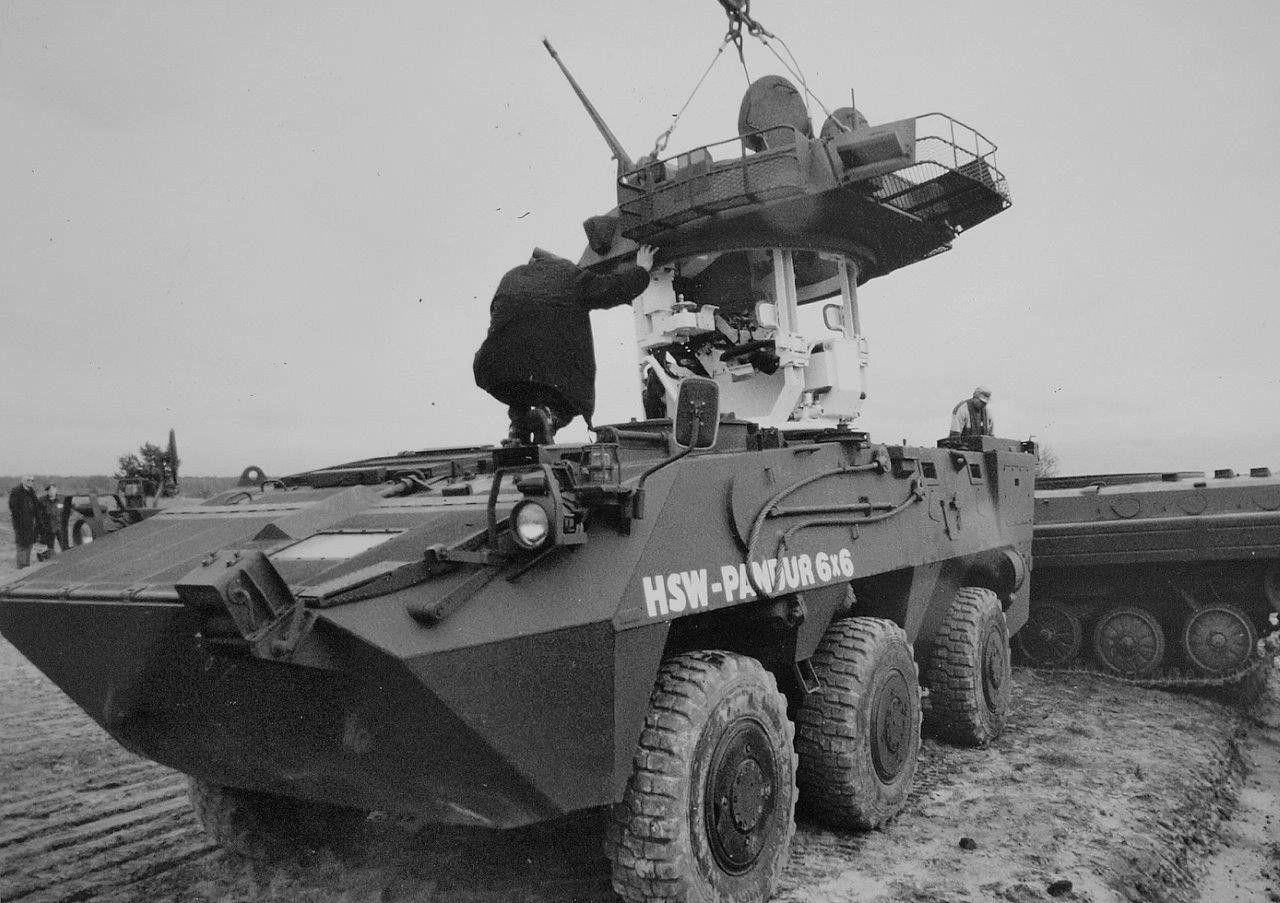
So, when the anticipated tender was announced in 1999, HSW was the clear favorite, with the most technically interesting, economically sound, and conceptually mature offer, far exceeding the Ministry of National Defense’s expectations. However, surprisingly, the tender was left unresolved. Decisions in this matter were made in circumstances that remain unclear. HSW’s only rival was OBRUM from Gliwice, bidding with Mowag and the Piranha transporter, the same one that had attracted HSW’s interest several years earlier.
Due to the lack of a tender result, Steyr lost patience and withdrew from the cooperation.
CHARACTERISTICS
ARMAMENT
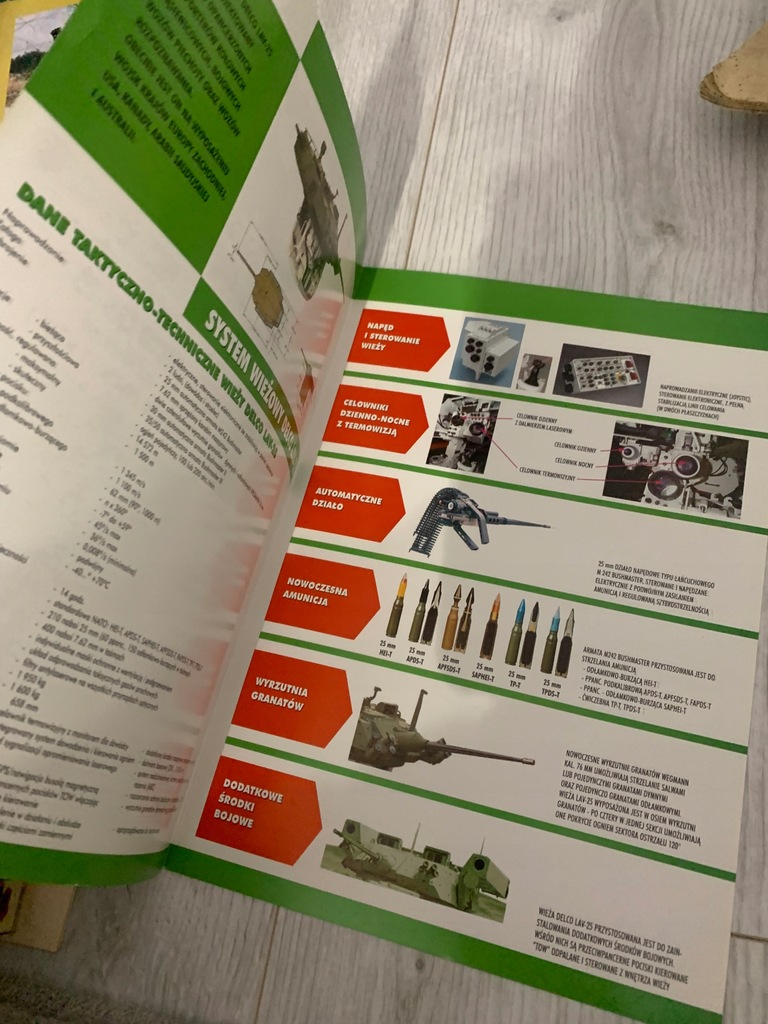
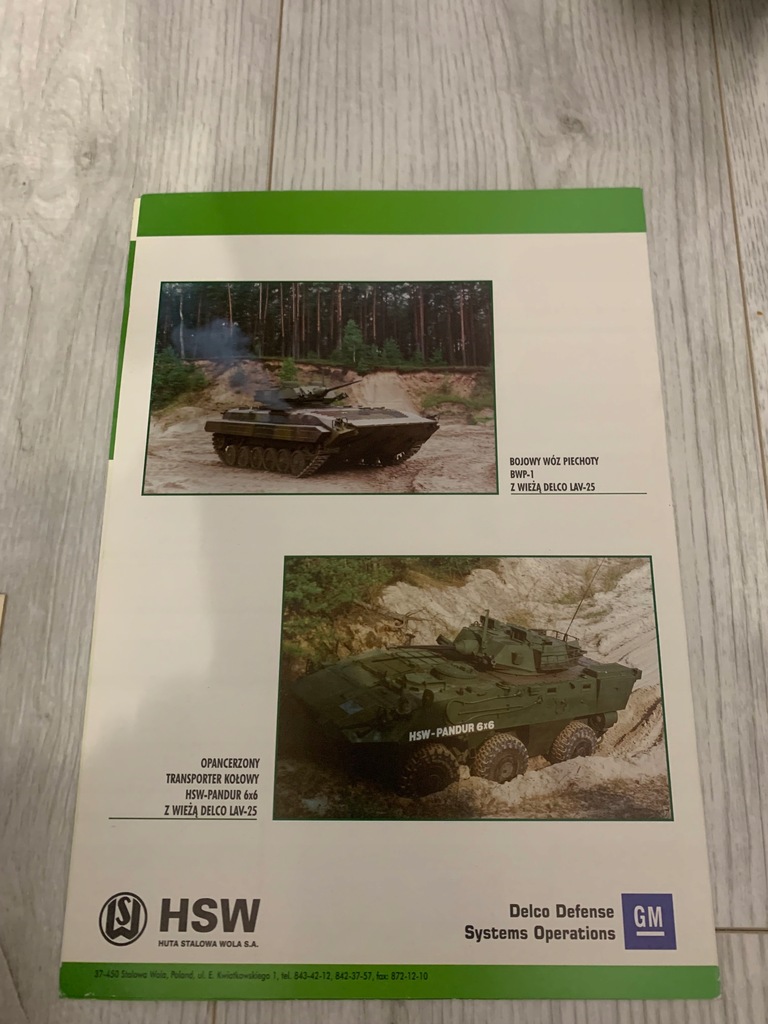
Turret: Delco LAV-25
- Horizontal guidance speed: 45 deg/s
- Vertical guidance speed: 36 deg/s
25mm M242 Bushmaster
- Elevation: -7°/+59°
- Two-plane stabilizer
- Fire rate: 200 rds/m
- Ammo capacity: 210 rds ready racked
2x4 76mm smoke grenades
- Ammo:
- APFSDS-T
- APDS-T
- HEI-T
- SAPHEI-T
- 7,62 mm M240
- Ammo capacity: 400 rds ready racked
- Rate of fire: 700-900 rds/m
MOBILITY
- Crew (3): Driver, Commander, Gunner
- Engine: Steyr WD 612.95
- power: 191 kW / ≈260 PS @ 2400 rpm
- Max torque: 1974 Nm @ 1500 rpm
- Transmission: Allison MT 653 DR
- Gears: 5 forward, 1 reverse
- Max speed: 100 km/h
- Max reverse speed: 15 km/h
- Max speed in water: 11 km/h
- Max reverse speed in water: 5 km/h
- Combat weight: ~15 450 kg
- Amphibious? (data about swimming are for weight 13 500 kg thus im unsure if it can swim in this configuration)
ARMOR
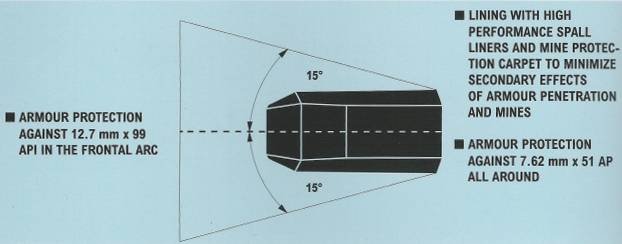
HSW x Steyr brochure
- Hull protection:
- 7.62 mm x 51 AP from any distance, from all directions
- 12.7 mm x 99 API at distances up to 100 m from front
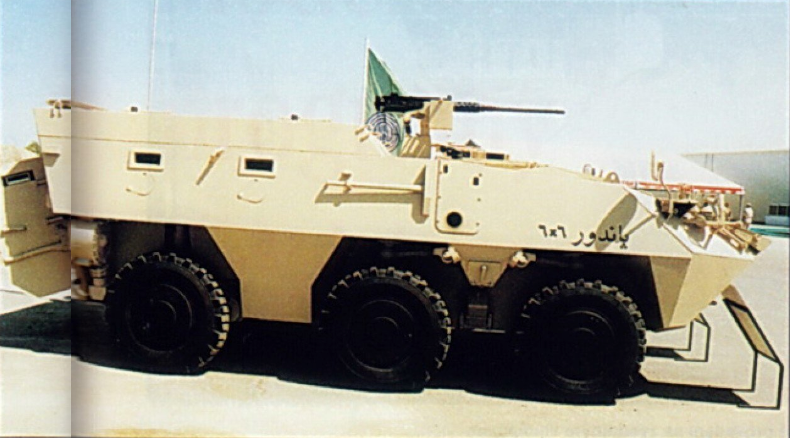
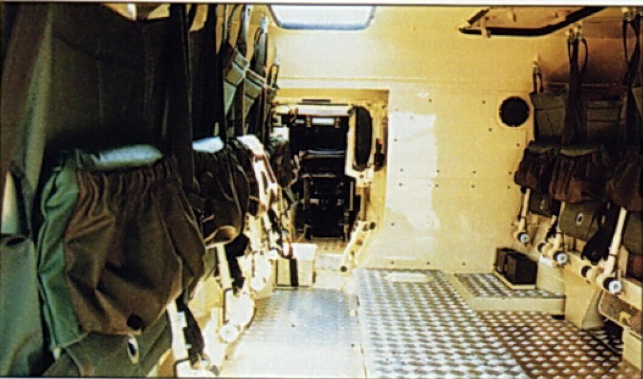
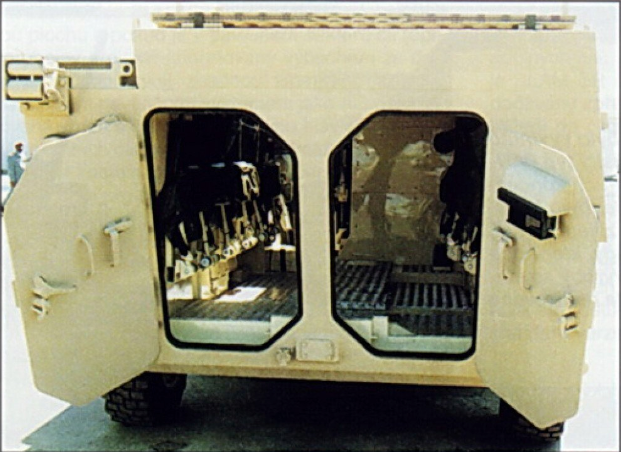
- Possible spall liner (there are no known photos of interior while being offered to Poland, but in version offered to Middle East/South Asia, spall liners are visible, as shown in the photos section.)
OPTICS, ELECTRONICS
- Gunner optic:
- Thermal camera
- Daylight camera
- Laser rangefinder
- Commander optic:
- Daylight camera
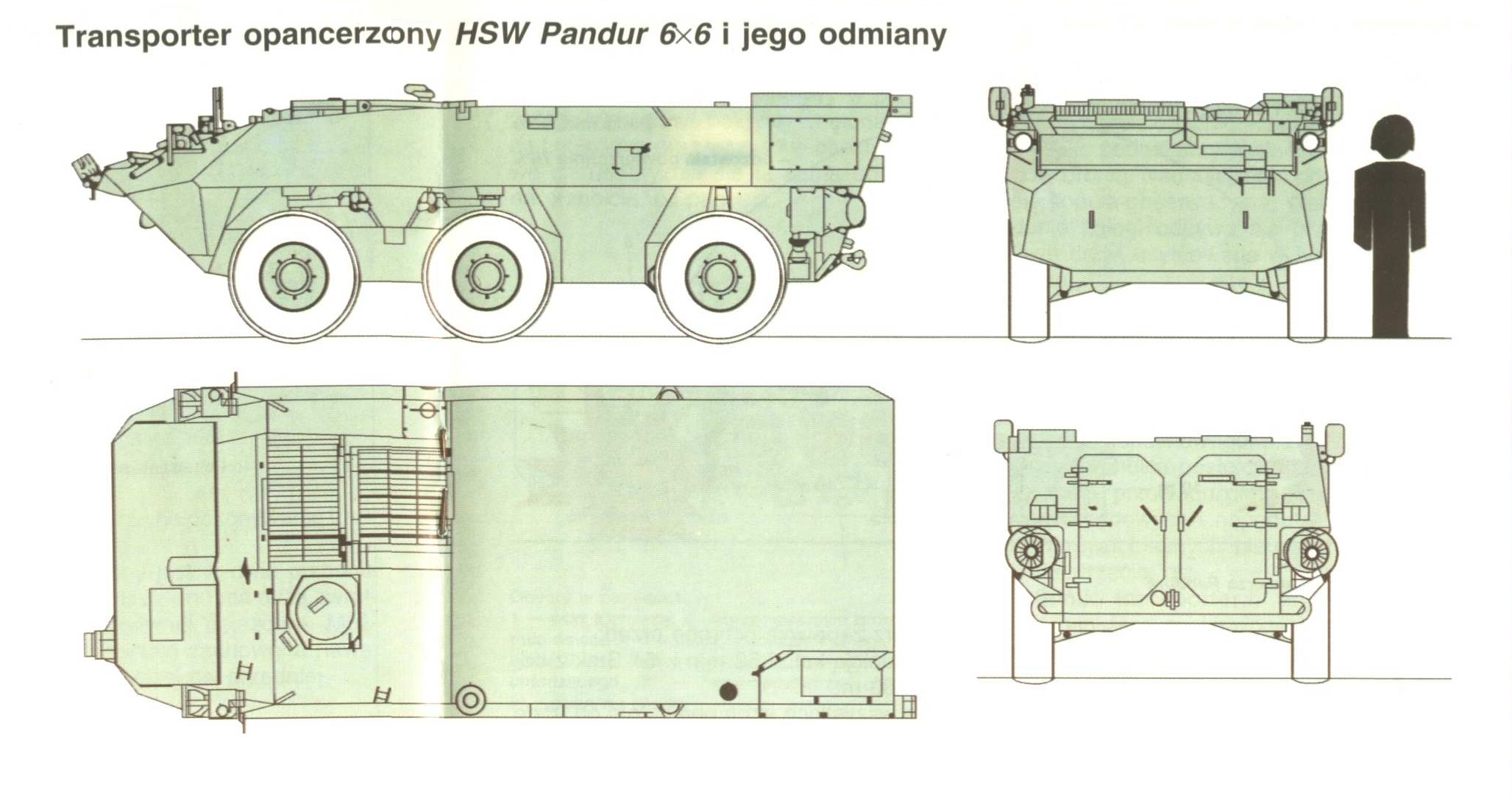
DIMENSIONS
Overall length: ~6364 mm
Wheelbase: 1530 + 1830 mm
Overall width: ~2600 mm
Front track: 2134 mm
Ground clearence: 430 mm
Height with turret: ? mm
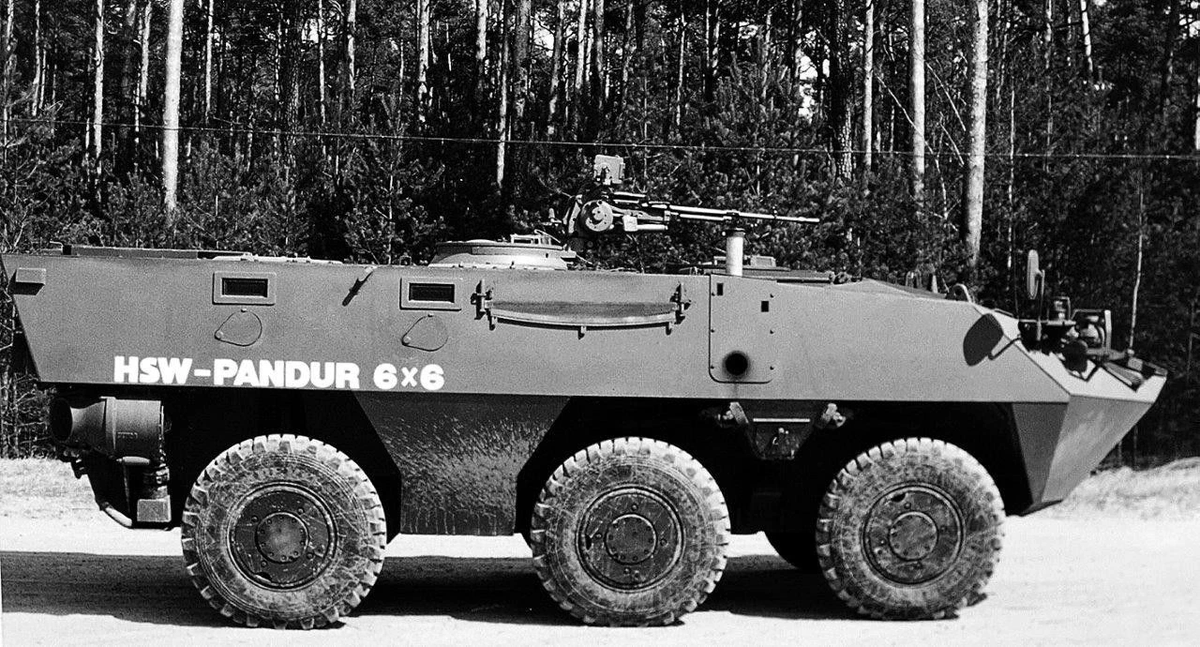
Summarized characteristics
- Crew (3)
- Driver, gunner, commander
- 25mm M242 Bushmaster
- Ammo: APFSDS-T, APDS-T, SAPHEI-T, HEI-T
- Elevation: -7°/+59°
- Two-plane stabilizer
- Fire rate: 200 rds/m
- 7,62 mm M240
- Commander sight
- Thermals
- Gunner sight
- Thermals
- Laser Rangefinder
- 2x4 76mm smokes
- Combat weight: ~15,4 t
- Engine: Steyr WD 612.95 191 kW / ≈160 PS
- Max speed: 100 km/h
- Max speed in water: 11 km/h
- Length ~6,36 m Width: ~2,60 m Height: ? m
Sources
Broshures/Books/Magazines/Manufacturer
-
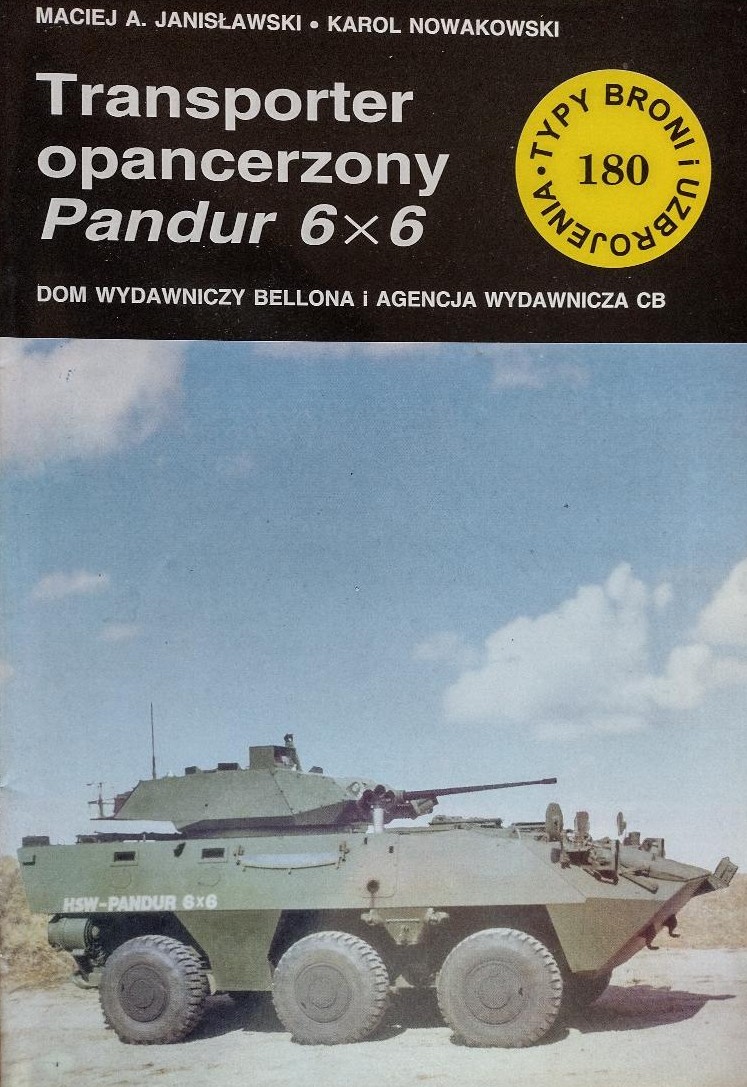
Typy broni i uzbrojenia 180 , Maciej A. Janisławski
-
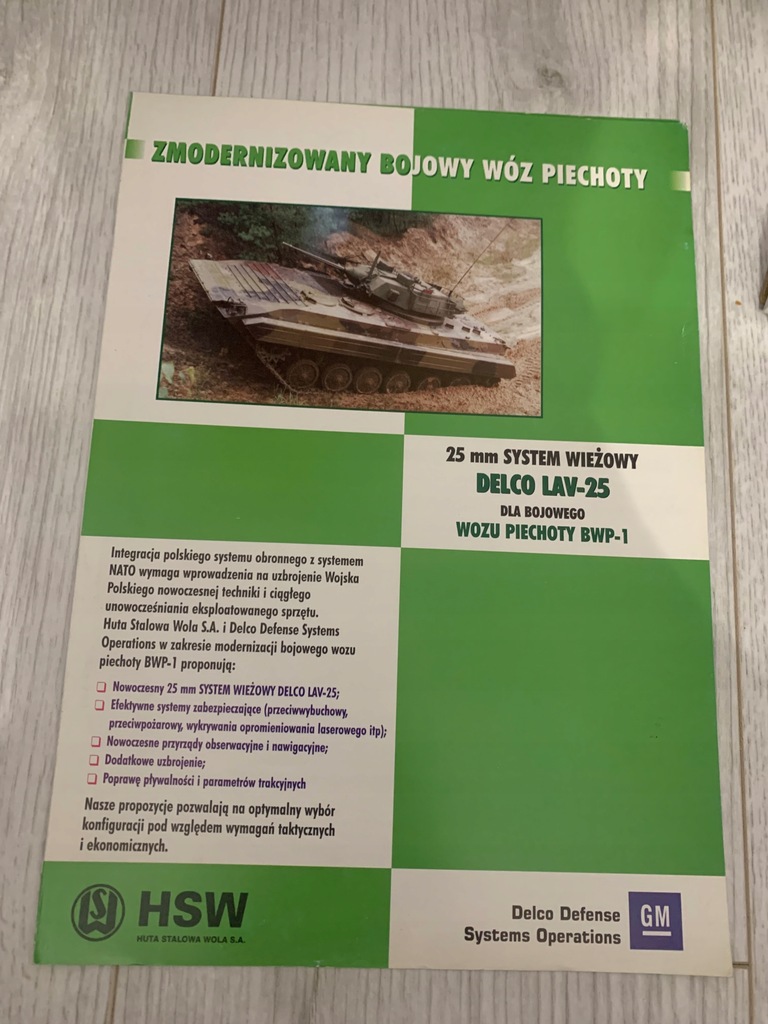
HSW x Delco
- brochure for LAV-25 turret
- brochure for LAV-25 turret
-
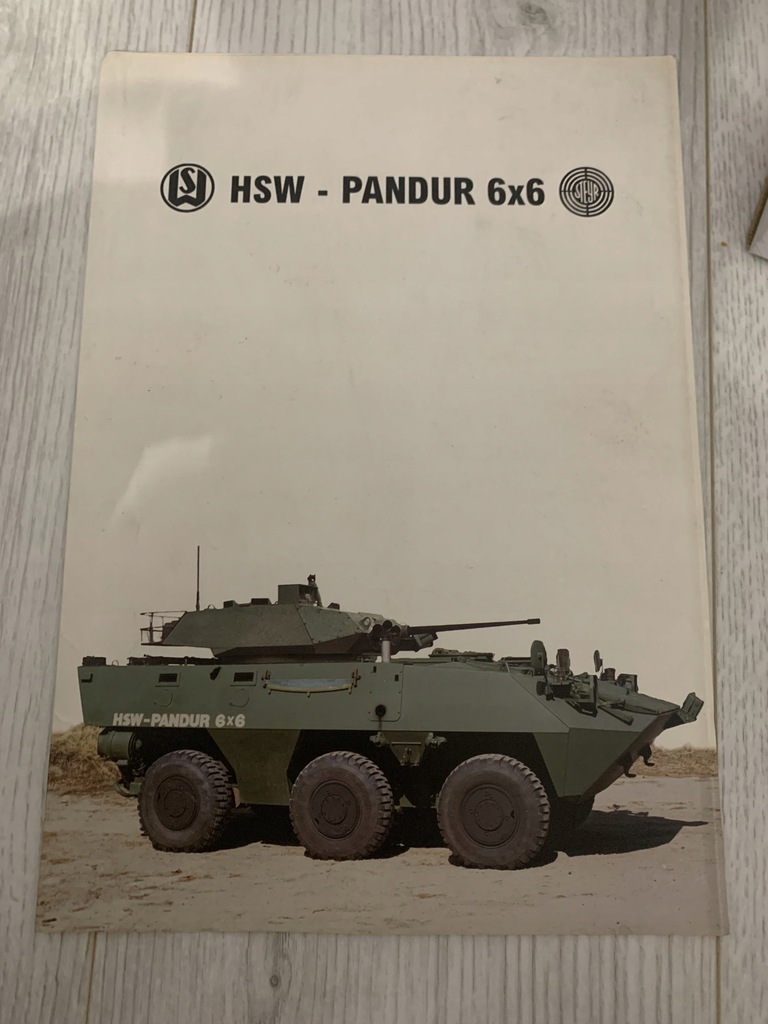
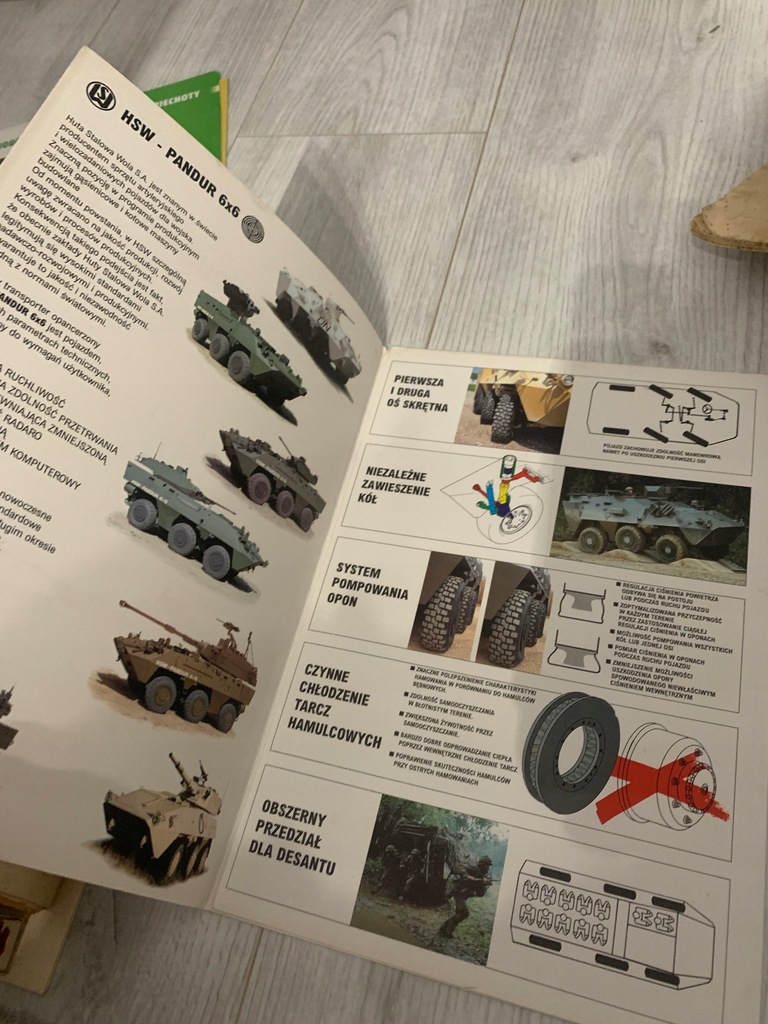
HSW x Steyr
- brochure for Pandur 6x6
- brochure for Pandur 6x6
Armament
- HSW x Delco, brochure for LAV-25 turret
- https://web.archive.org/web/20030714185251/http://gm-defense.com:80/pdf/lav25_spec.pdf
dimensions, mobilty
- Typy broni i uzbrojenia 180 , Maciej A. Janisławski
- Transmission
https://web.archive.org/web/20250314194657/https://www.dal-trans.com.au/files/MT-653_-MTB-653.pdf
Armor
- HSW x Steyr brochure
- Typy broni i uzbrojenia 180 , Maciej A. Janisławski