- Yes
- No
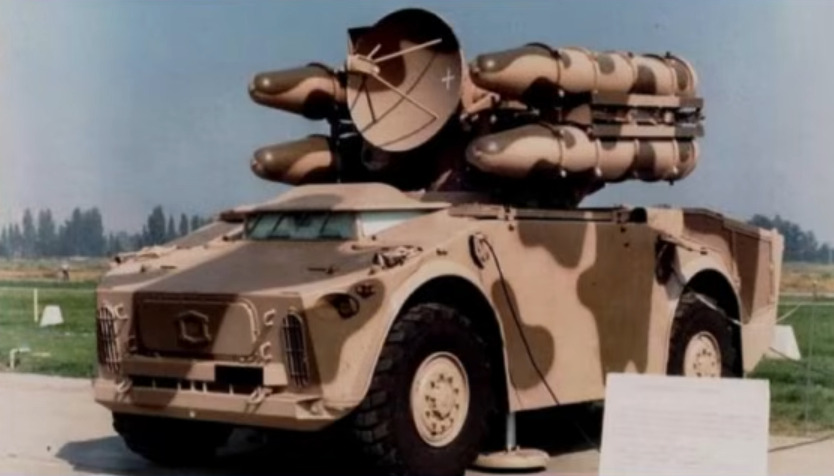
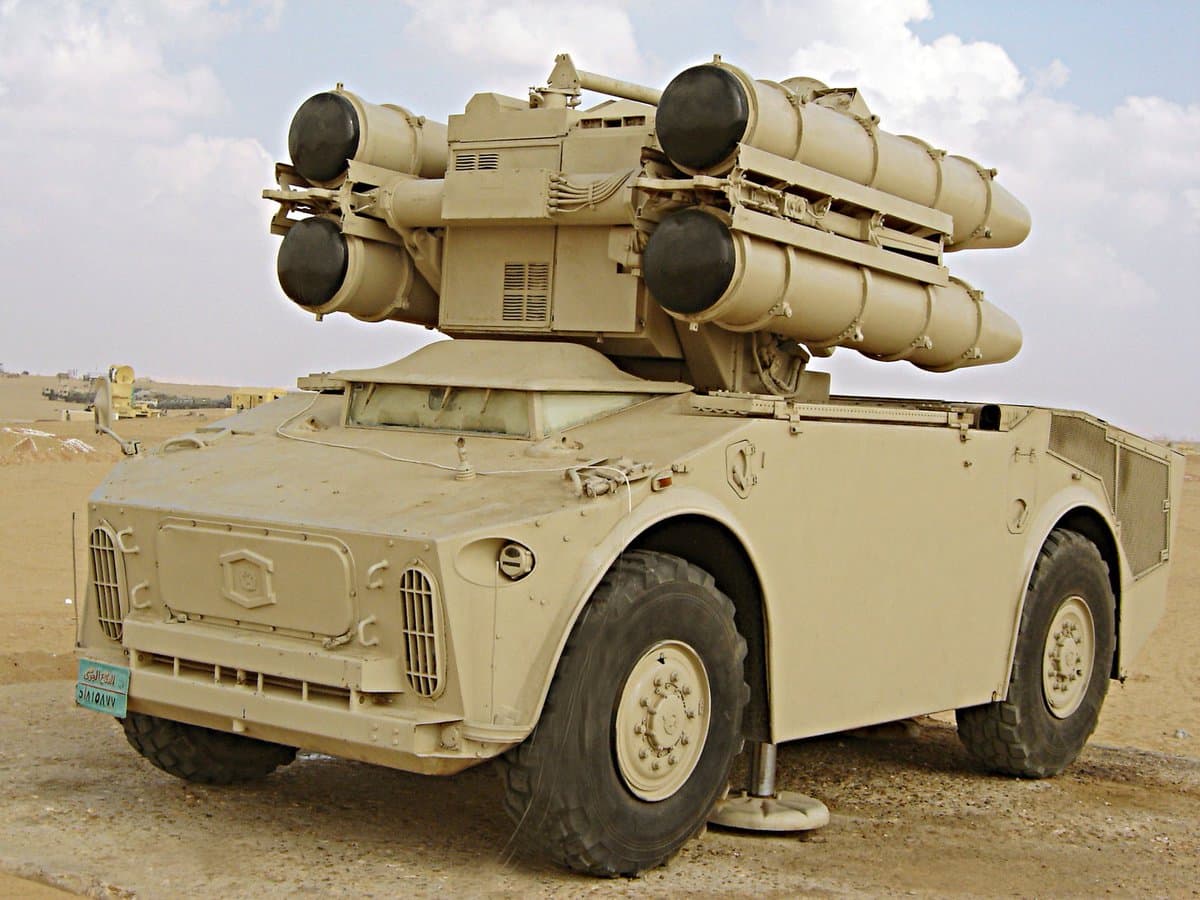
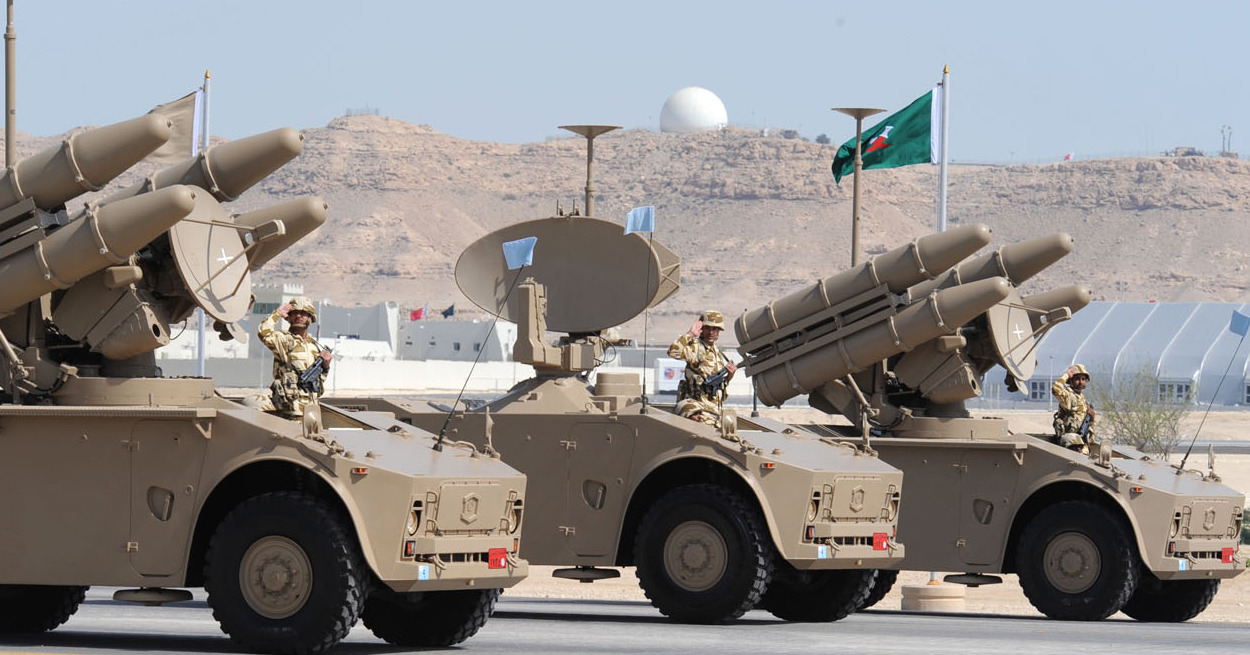
Hello and welcome to another suggestion for a French SPAA system, in this one we’ll be having a look at the Hotchkiss P4R chassis armed with R440 Crotale missiles.
This vehicle, like most SPAA systems, has its entire history basically linked to the weapon system that it is carrying, and for the P4R Crotale, the history starts not with interest from France, but with that of South Africa. The project began in 1964 when South Africa signed a contract with French firm Thomson-CSF for the development of a new air defense missile system. This fully new system would end up becoming the well-known Crotale missile system. During development, France itself also garnered an interest in the project and was able to assess one of the systems. The outcome was favourable, with France placing its own order in 1971.
In South African service the system became known as “Cactus”, while France continued to refer to it as Crotale, or rattlesnake.

Both the South African and French systems are built upon the same chassis, the Hotchkiss P4R. This is a surprisingly conventional looking armoured vehicle, consisting of a 4x4 wheelbase with a rear engine, front-transmission and space for 3 crew members inside. This crew consisted of a driver and 2 weapon system operators, with one of those probably serving as commander in War Thunder setup.
The vehicle featured either a diesel or gasoline engine with about 200hp, but this engine did not drive the wheels directly. The Drivetrain of the P4R is a typical French oddity, with the engine actually providing electricity which is in-turn used to power electric motors on each wheel, which provide the actual driving power. Despite the curiosity of the system, it did work, allowing the 14.9 ton vehicle to achieve a forward top speed of 80 km/h.
Of course we have to talk about the missiles themselves as well. The P4R Crotale was equipped with 4x R440 missiles. These are SACLOS missiles with a maximum range of 13km, but a more realistic intercept range of about 9km. The R440 is a pretty fast missile however, with a top speed of 750 m/s, which it can achieve after only 2.8s of flight. The missile as a whole, with container and everything weighs about 100kg, with 15 of those being the warhead itself. This rather potent warhead gives the missile a splash radius of about 8m.
The turret on which the missiles are mounted is entirely self-contained and contains everything needed to launch and guide the missiles. It has all the bells and whistles you’d expect from a relatively modern SPAA system, such as for example a tracking radar, thermal sights and IRST. The firing unit vehicle can operate entirely on its own, but then relies completely on its 17km range tracking radar for target acquisition.
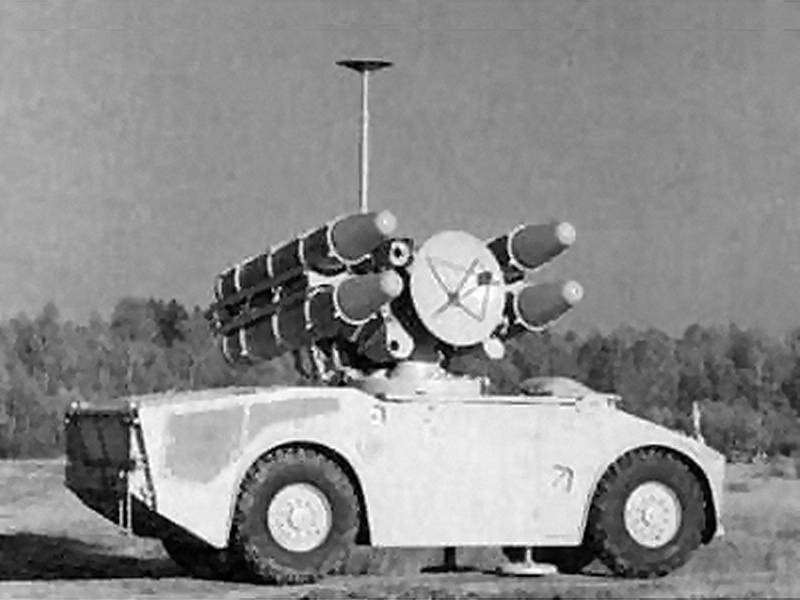
Now, the Crotale system as deployed in the French armed forces never consisted of just a P4R missile system, it also contained a radar unit. Initially this acquisition unit came with the Thomson-CSF E-band Mirador IV pulse-Doppler radar, but this was replaced in the series 5000 units by a more advanced model that allowed detection to be pushed further out. The preceding series 4000 upgrade had removed the need of a cabled connection between the acquisition and firing units, instead switching to a radio connection which was established by deploying a retractable antenna. This allowed the vehicles to be further away from each other than the 600m cable length that linked them together before. Having this vehicle makes the system operate more like a traditional SPAA system in-game where you can detect vehicles all-round and track them with your firing unit’s tracking radar before engaging.

A series 5000 acquisition unit.
As far as operational history goes, France received their first units in 1972. They have mostly been deployed in airfield defense, but have seen action in that role. Most notably, French P4R Crotale systems were deployed to cover airfields during operation Daguet (France’s deployment during the gulf war). With the arrival of the Crotale NG starting in 1997 (the VT1 missile we have in-game), the older R440 based systems have since been gradually retired.
General characteristics:
-
Firing unit:
- Crew: 3
- Weight: 14.9 tons
- Maximum speed: 70 km/h
- Length: 6.22m
- Width: 2.72m
- Height: 3.41m
-
Acquisition unit:
- Crew: 2
- Weight: 12.6 tons
- Maximum speed: 70 km/h
- Length: 6.22m
- Width: 2.72m
- Height: 3.05m
Armament:
- 4x R440 missiles per P4R firing unit
- maximum range: 13km
- intercept range: 9km
- G-overload: 27G at 5km, down to 3G at 13km
Place in-game:
The role and playstyle of the P4R Crotale in-game will vary quite a bit depending on how it is implemented. The ability of the firing unit to operate on its own allows Gaijin to implement it as a standalone vehicle with only a tracking radar for limited target spotting. The addition of the ammo box also allows the system some decent endurance as it won’t be limited to just the 4 missiles. This is a perfectly viable implementation and could also serve as a way to balance the system a bit more depending on where Gaijin wishes to place it. Adding it with the acquisition unit boosts the system in 2 critical ways, you get a proper search-radar which will significantly boost your situational awareness, but you also get a second firing unit, improving your missile-count and general effectiveness.
Capability-wise, the R440 missile falls precisely in the gap that it filled in real life as well, between the Roland and the Crotale NG armed Ito 90M. This gap is not insignificant, jumping from 9.7 to 12.0, and given the recent additions in the 10.7 - 11.0 range, the P4R Crotale would be a very welcome addition to reinforce the lineup.