HISTORY
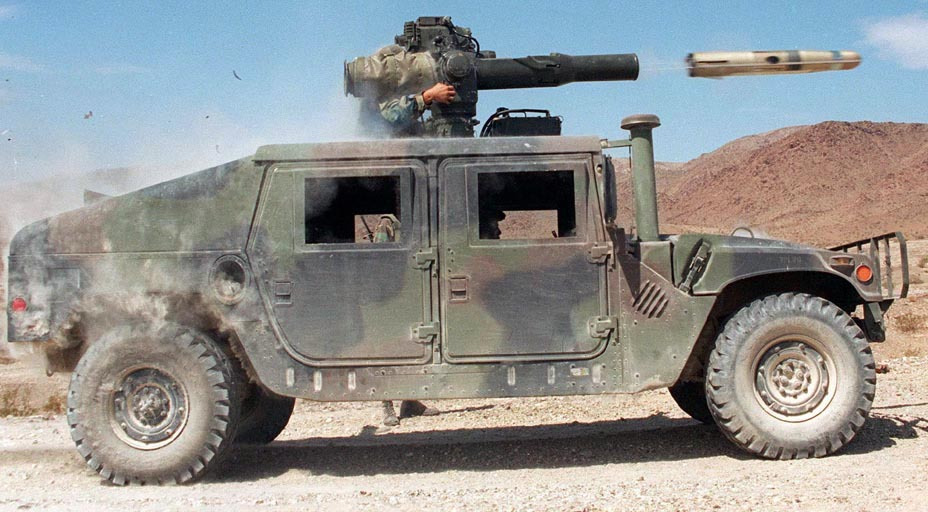
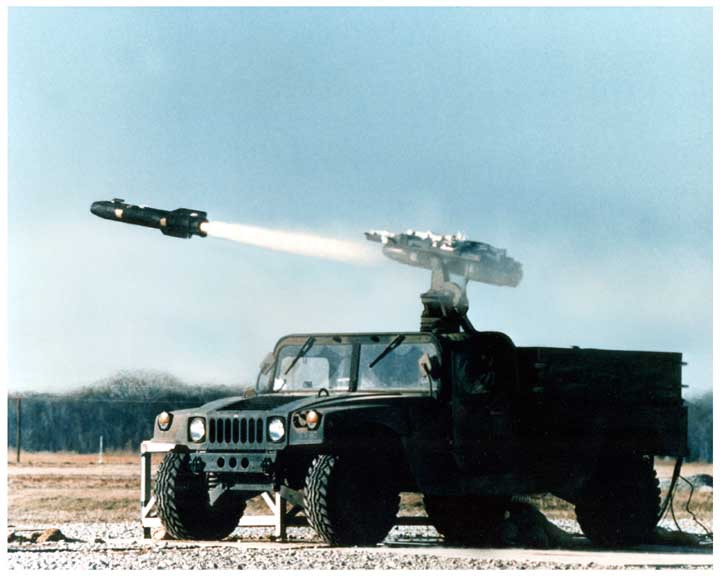
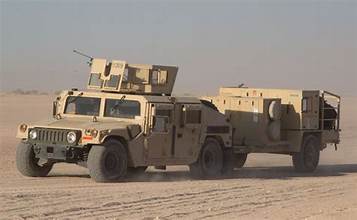
The development of the HMMWV, better known as the Humvee, began in 1979 when the U.S. Army issued a specification for a new tactical wheeled vehicle. The military required a centralized platform to replace several aging vehicles, including the M151 mutt, and various other utility vehicles. The goal was to create a lightweight, four-wheel-drive vehicle capable of high off-road mobility while carrying a heavy payload. In 1983, AM General was awarded the production contract for the M998 baseline series, which entered widespread service in 1985 as an unarmored transport designed for utility and cargo roles.
The baseline Humvee was built with an aluminum body to minimize weight, a 6.2-liter V8 diesel engine, and a unique portal-axle drivetrain. These independent gears raised the axles to provide 16 inches of ground clearance while keeping the overall vehicle profile low. Crucially, the original M998 series relied on speed and off-road maneuvering rather than armor plating for survivability. Because military doctrine at the time assumed a linear battlefield where utility vehicles stayed behind friendly lines, the initial production models lacked any structural protection against small arms fire, landmines, or artillery shrapnel.
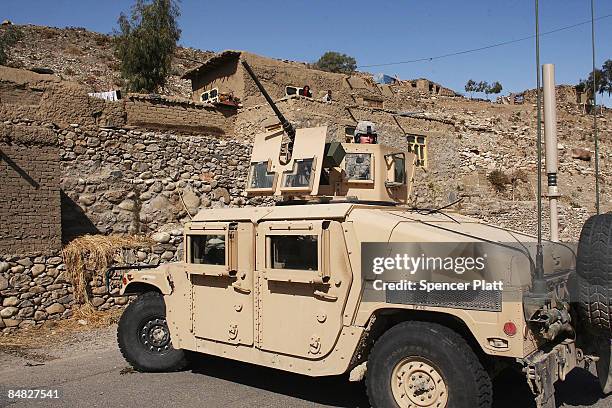
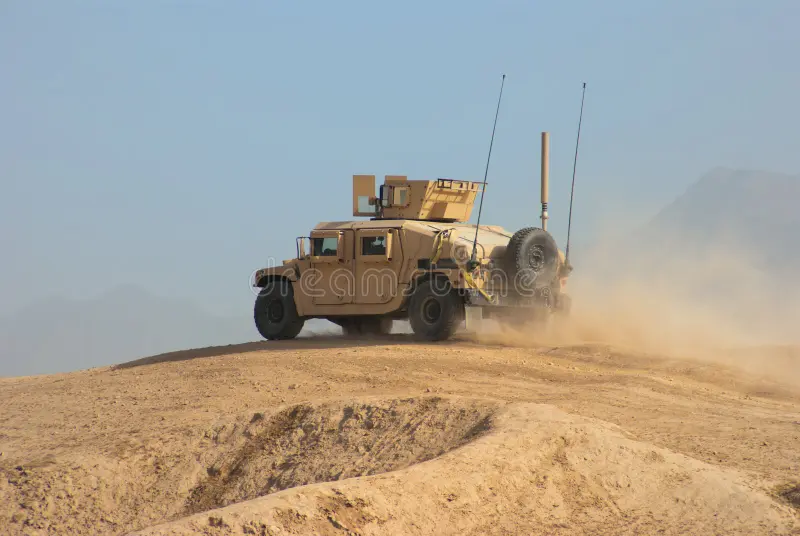
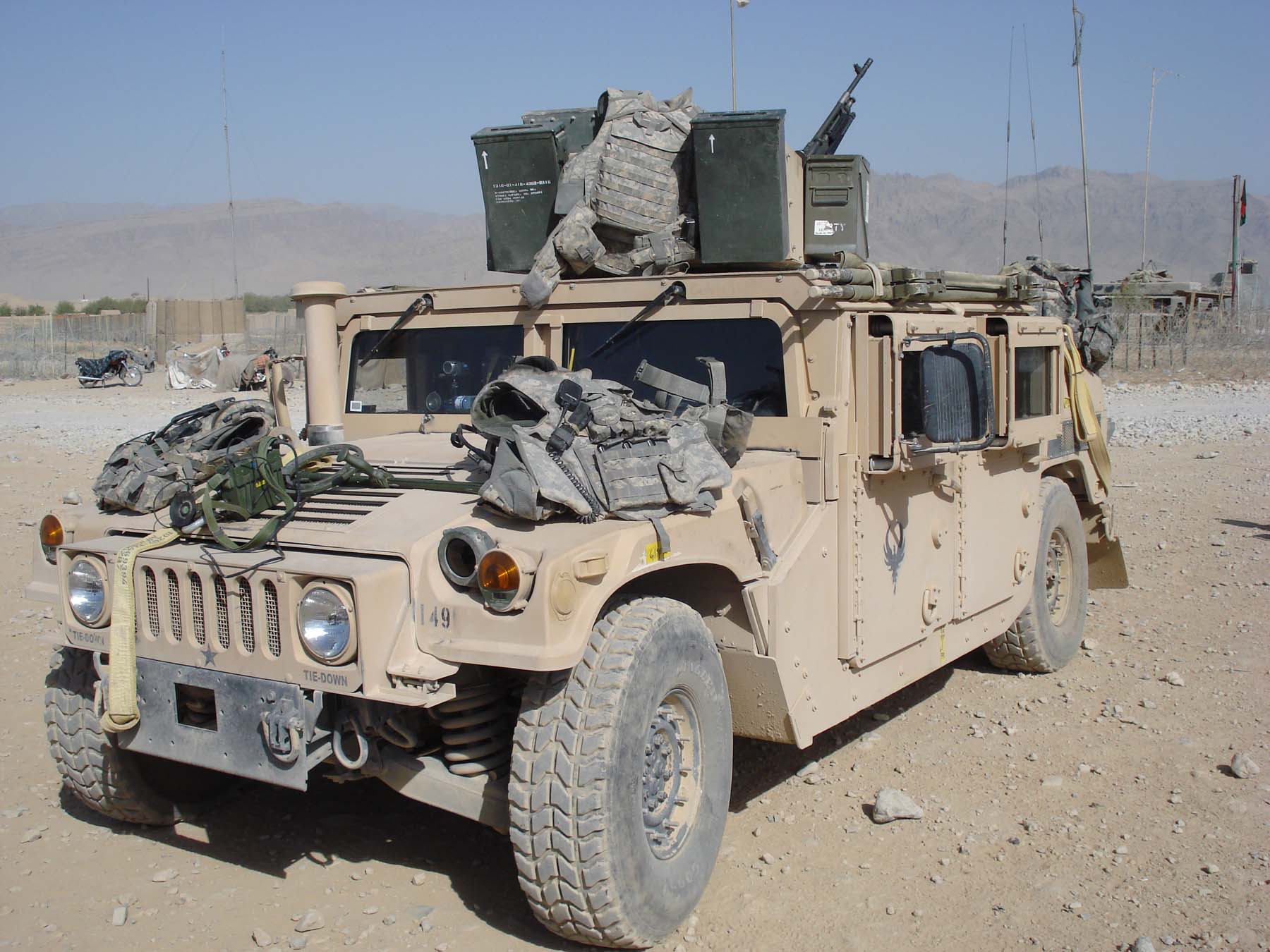
The shifting nature of military operations in the 1990s, particularly during interventions in Somalia and the Balkans, exposed the unarmored Humvee’s vulnerability to urban ambushes. In response, the U.S. Army worked to design an up-armored variant, resulting in creation of the M1114 Up-Armored Humvee in 1996. Built on an upgraded, heavy-duty chassis to handle the weight increase, the M1114 featured an integrated armor suite made of hardened steel plates and ballistic glass capable of stopping 7.62mm armor-piercing rounds and surviving small under-vehicle mine blasts via a v shaped armor peice.
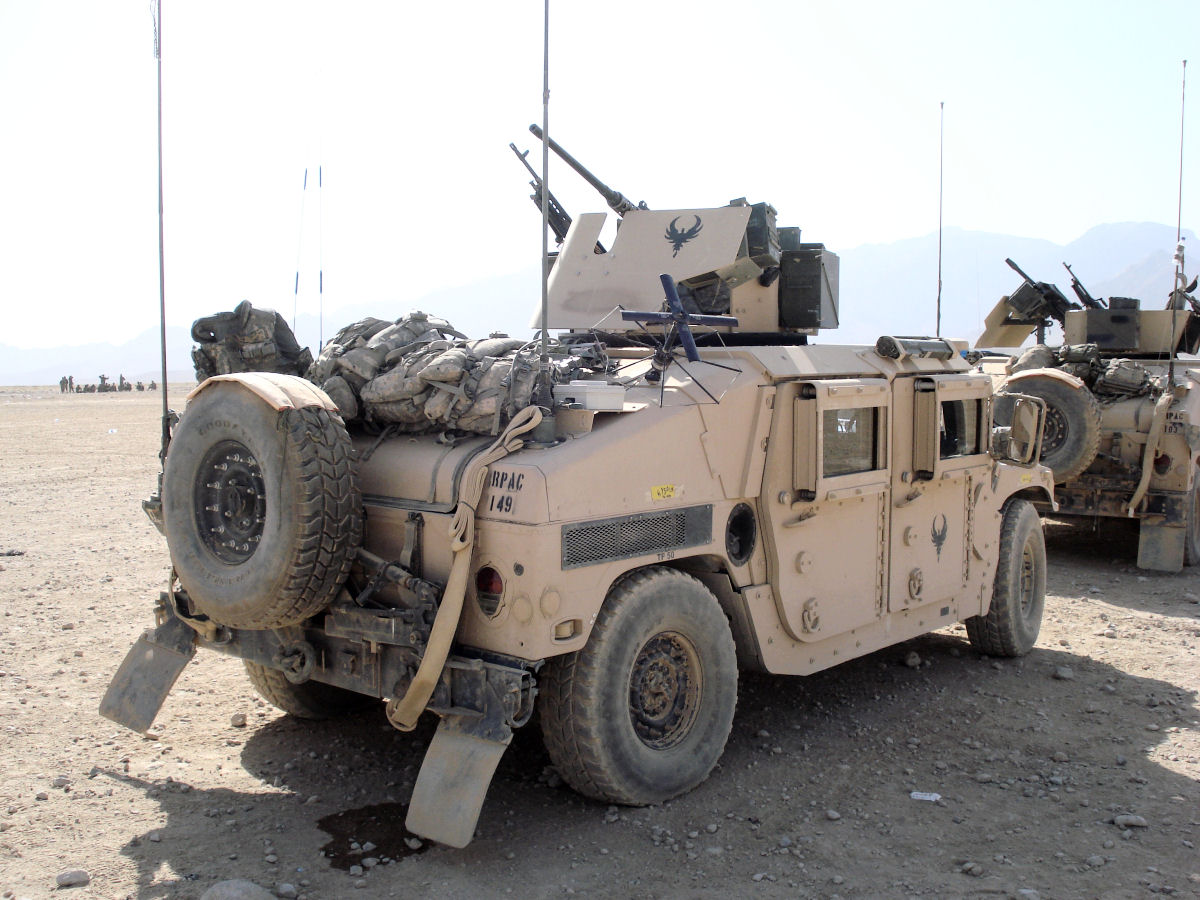
Following the 2003 invasion of Iraq, the widespread use of improvised explosive devices (IEDs) severely tested the M1114 fleet. The added weight of the baseline M1114 armor strained the vehicle’s engine, brakes, and suspension, which accelerated mechanical failures while leaving crews exposed to lateral blast pressures that could shear through the factory doors. To address these limitations on a more permanent basis, the Army introduced the M1151 Expanded Capacity Armament Carrier. The M1151 featured a significantly heavier chassis, a more powerful 6.5-liter turbocharged diesel engine, and a design that allowed armor packages to be bolted on or removed in the field, depending on the threat level.
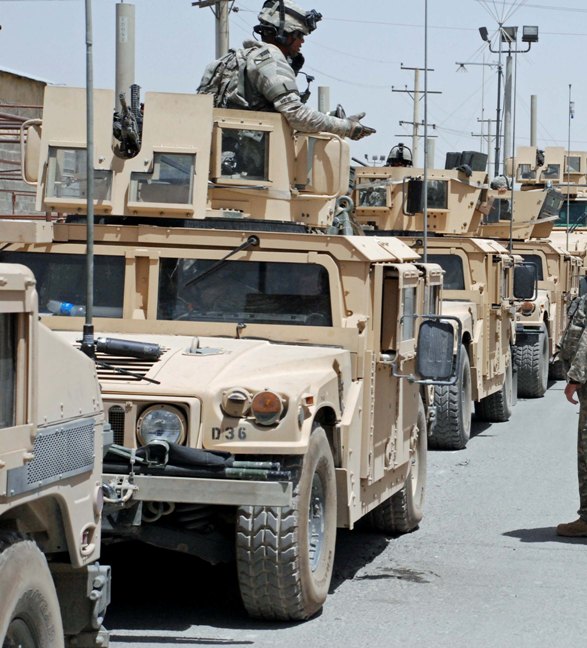
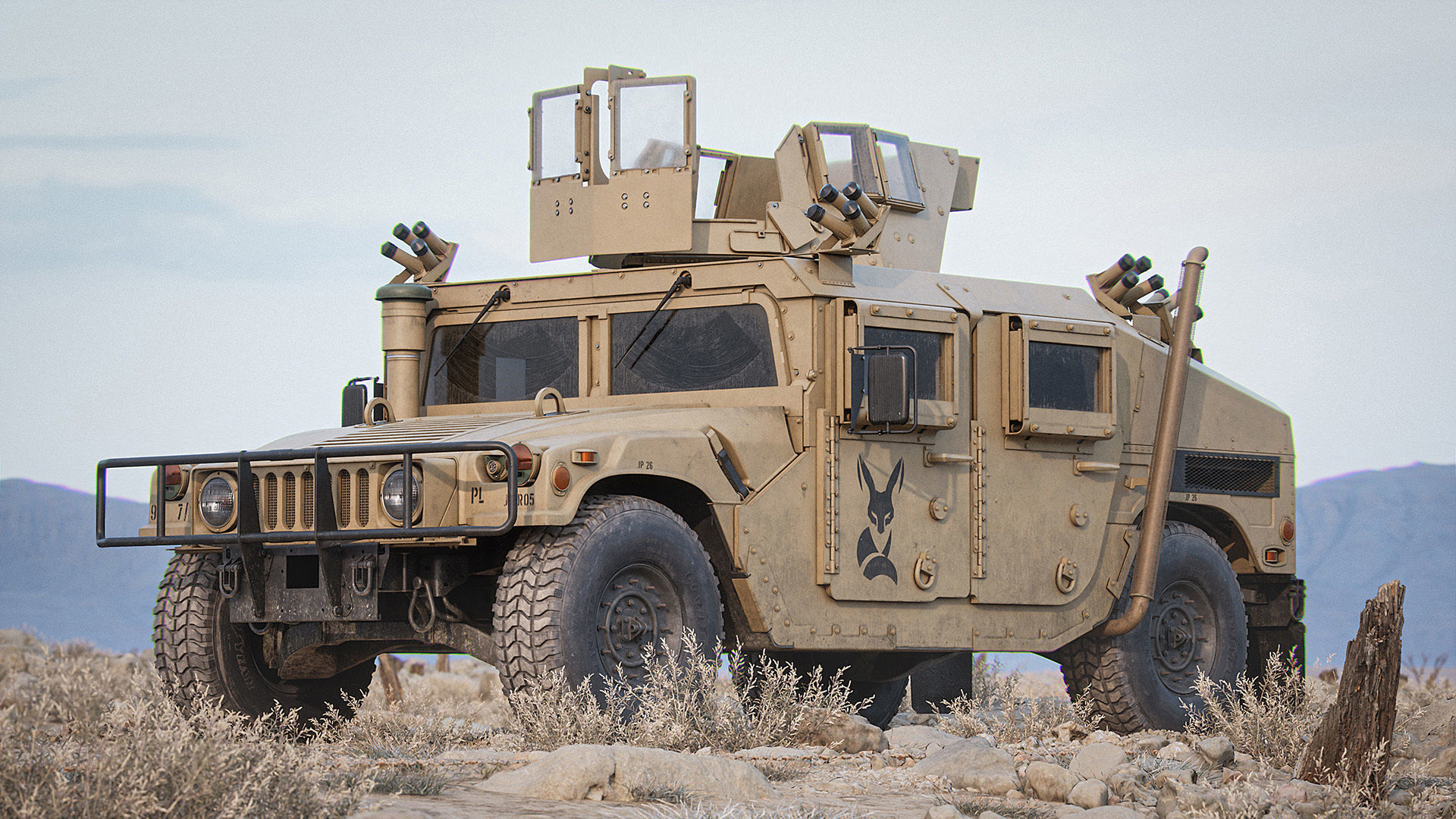
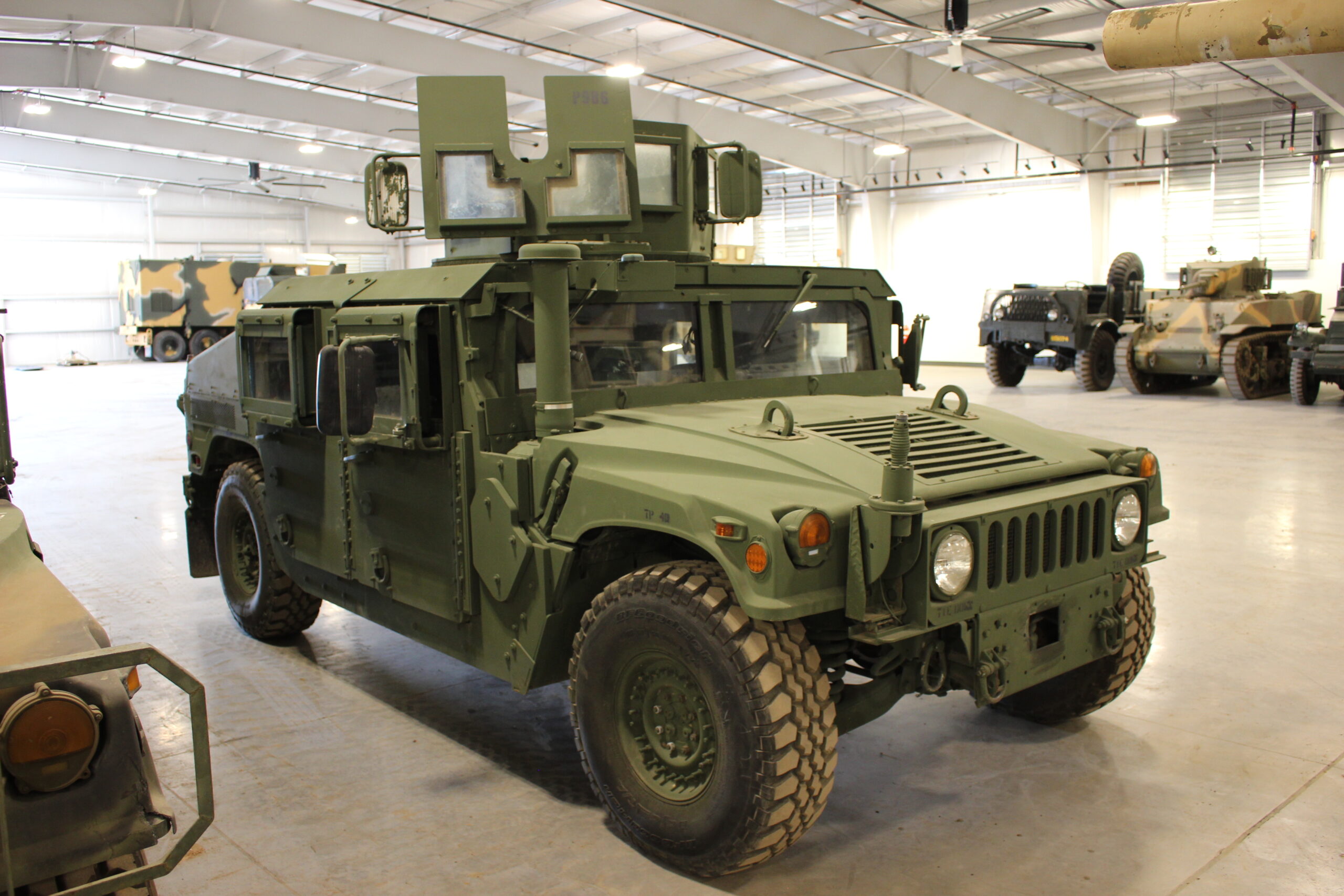
To counter the escalating size and frequency of roadside explosives, the military developed Field Survivability Geometric Upgrades, commonly known as FRAG kits, to reinforce these vehicles in theater. Introduced in 2006, the FRAG 5 kit was a comprehensive, field-installable armor package designed specifically for the up-armored Humvee fleet, including the M1114 and the newer M1151 models. The upgrade focused heavily on protecting the crew from side-impact blasts by replacing the standard factory doors with heavily reinforced, overlapping armored doors equipped with integrated combat locks to prevent them from bursting inward during an explosion.
The FRAG 5 kit also included upgraded ballistic glass windows, reinforced steel rocker panels to protect the lower chassis, and heavier internal blast shields. While the FRAG 5 package significantly increased crew survivability rates against side-impact IEDs, however it added hundreds of pounds of weight to an already overloaded chassis that in turn caused the vehicals weight increase to degraded the vehicle’s top speed, made the heavy doors difficult to open from the inside, and severely impacted off-road mobility, marking the functional limits of how much armor could be adapted onto the original 1980s design.
SPECS (Basic)
Dimensions
800 cubic ft. (22.65 cubic m)
123 sq ft. (3.48 sq m)
194.0 in. (4.93 m) Length
91.0 in. (2.31 m) Width
78.3 in. (1.99 m) Height
Armament:
1x 12.7mm M2A1 (ammo: ~600)
16x Smoke grenades (M237)
Mobility:
Weight: 12,100 lbs
Top speed: 70mph
Engine: V8, 6.5L Turbocharged Diesel 195hp
Transmission: (GTP) 4-speed automatic
Turning radius: 25ft
ARMOR:
Bulletproof up to 12.7mm
Exact armor unknown (classified most likely)
SOURCES
Out on a Limb | Article | The United States Army
Humvee - Wikipedia
https://www.amgeneral.com/humvee-40/
Army engineers overcome challenges to field nonlethal weapons | Article | The United States Army
https://www.amgeneral.com/wp-content/uploads/2019/12/M1151.pdf


- Yes
- No