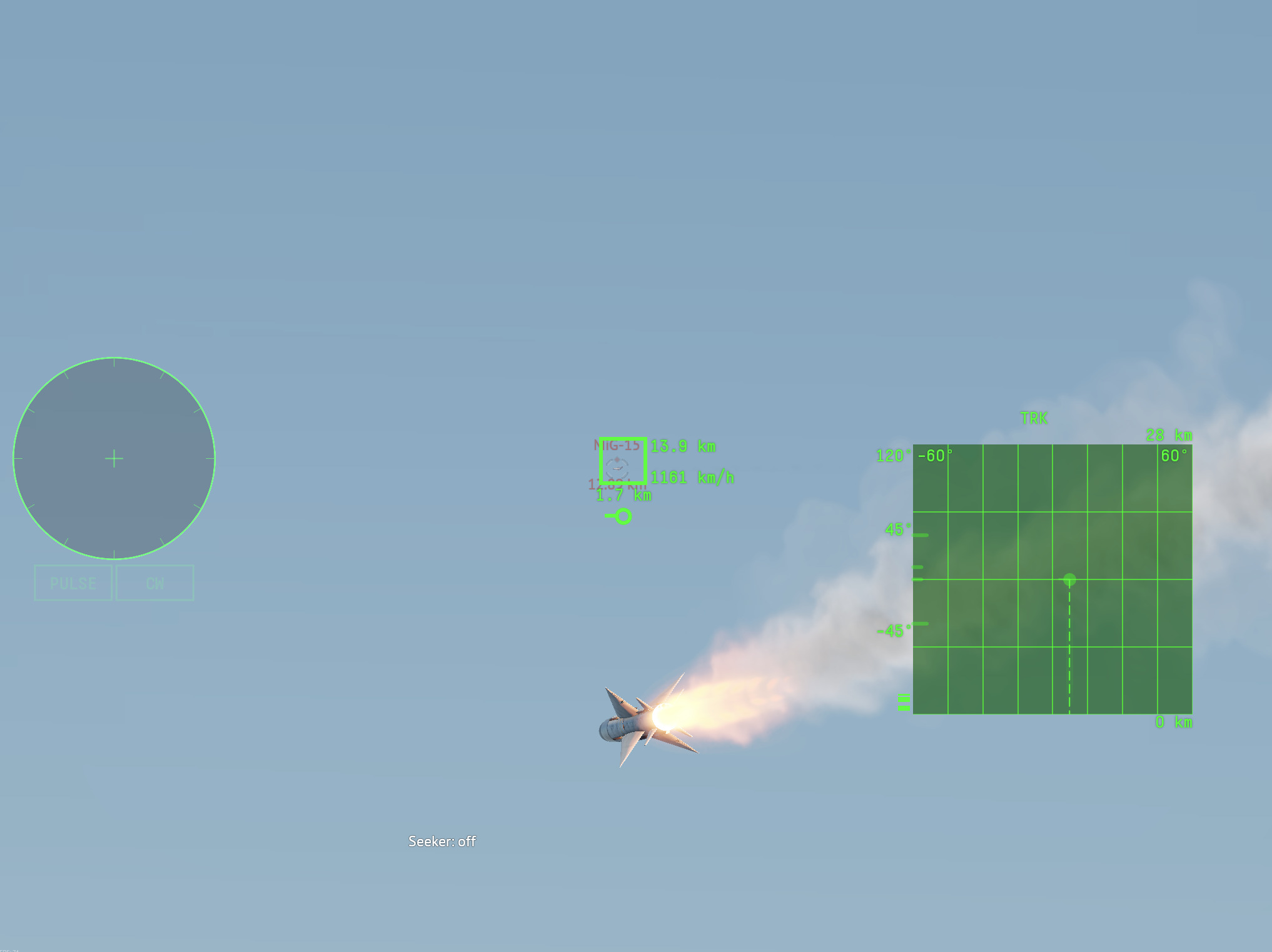
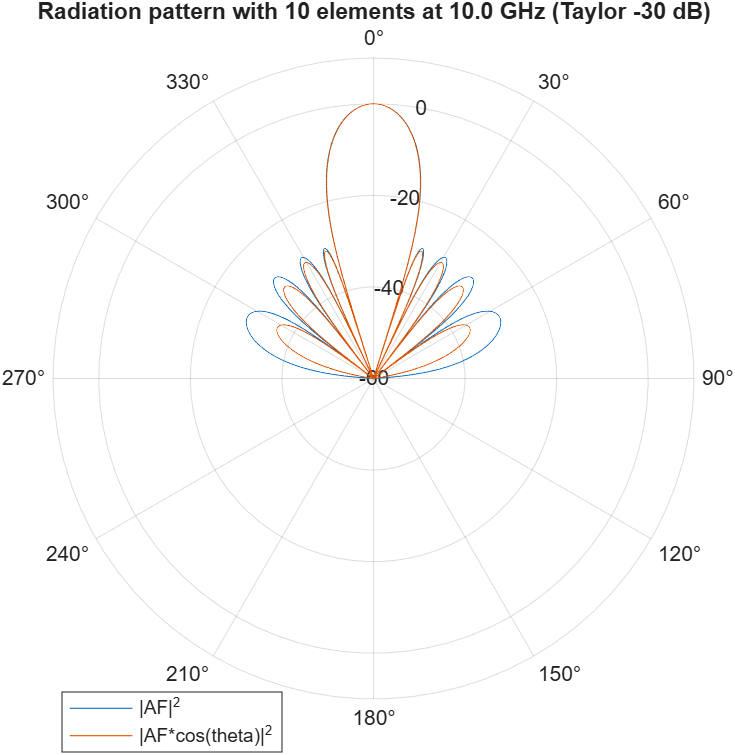
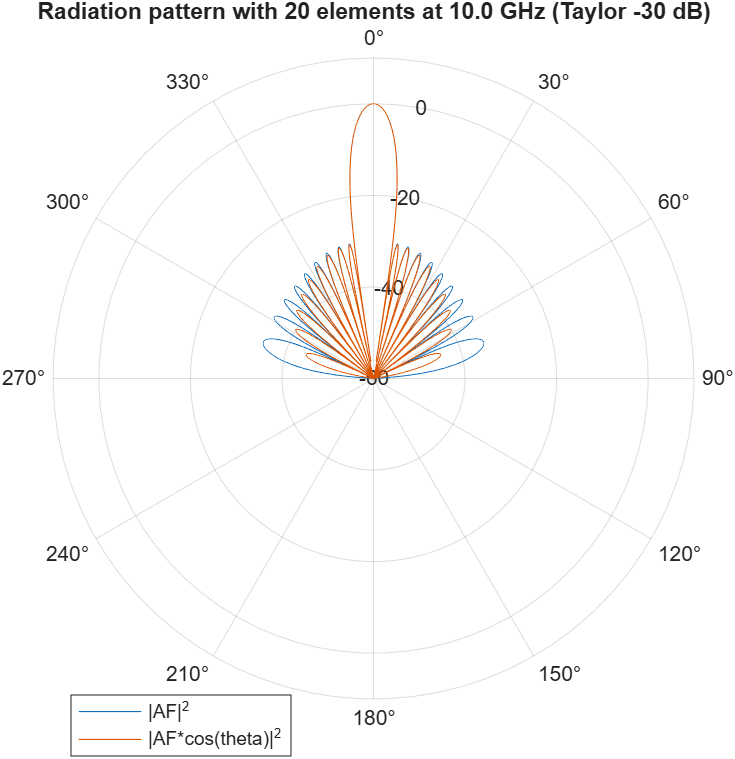
I always found very weird how the Sparrows behave so differently from any other SARH, in some situations resulting in worse performance than even R-3R and Aim-9C, even when launched from an aircraft with good radar.
From my understanding, the sparrows from C to M have no way of receiving data from the mothership. Relying solely on return strength, closure rate (doppler shift) and proportional navigation to meet with its target.
From that, I assume such a seeker would have no way of distinguishing if a target is hot with a certain closure rate, or cold with the same exact closure rate. After all the doppler shift would result in the exact same return frequency, and as long as the target is not against the terrain, the return would be very distinct.
So why does in this following example, in the Right approach the missile can perfectly see the target, while in the Left it can’t? In both cases the target is against clear sky, at about the same distance and closure rate.
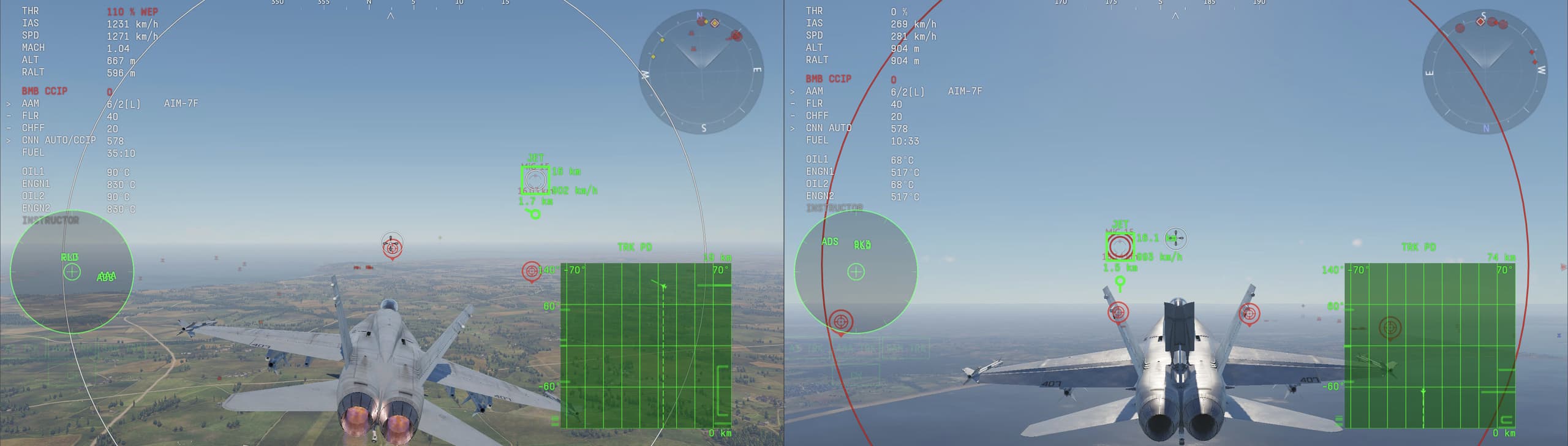
Not only that, but in the Left example the missile doesn’t even try to stay its course scanning its original launch direction in case it find something. It immediately starts steering left, with the seeker just pointing in a random direction, resulting in no chance of ever finding the target along the flight path.
There are many other SARH’s without IOG and DL in the game, still the Sparrows are the only ones behaving like this. Is there a particular functionality these have in real life to justify this? Or is it another case of Gaijin having more documentation on it, thus modeling weaknesses other less documented missiles don’t clearly state?
EDIT: Another extra question. Why does Betty says “Lock!” when the missile clearly is not “locked”? No way “Lock!” means the missile’s seeker has just been slaved to radar, right?
EDIT 2: Another another question. Why other SARH missiles get the fictitious sidewinder noise to tell the player when they have proper lock (red circle), but the Sparrow doesn’t?