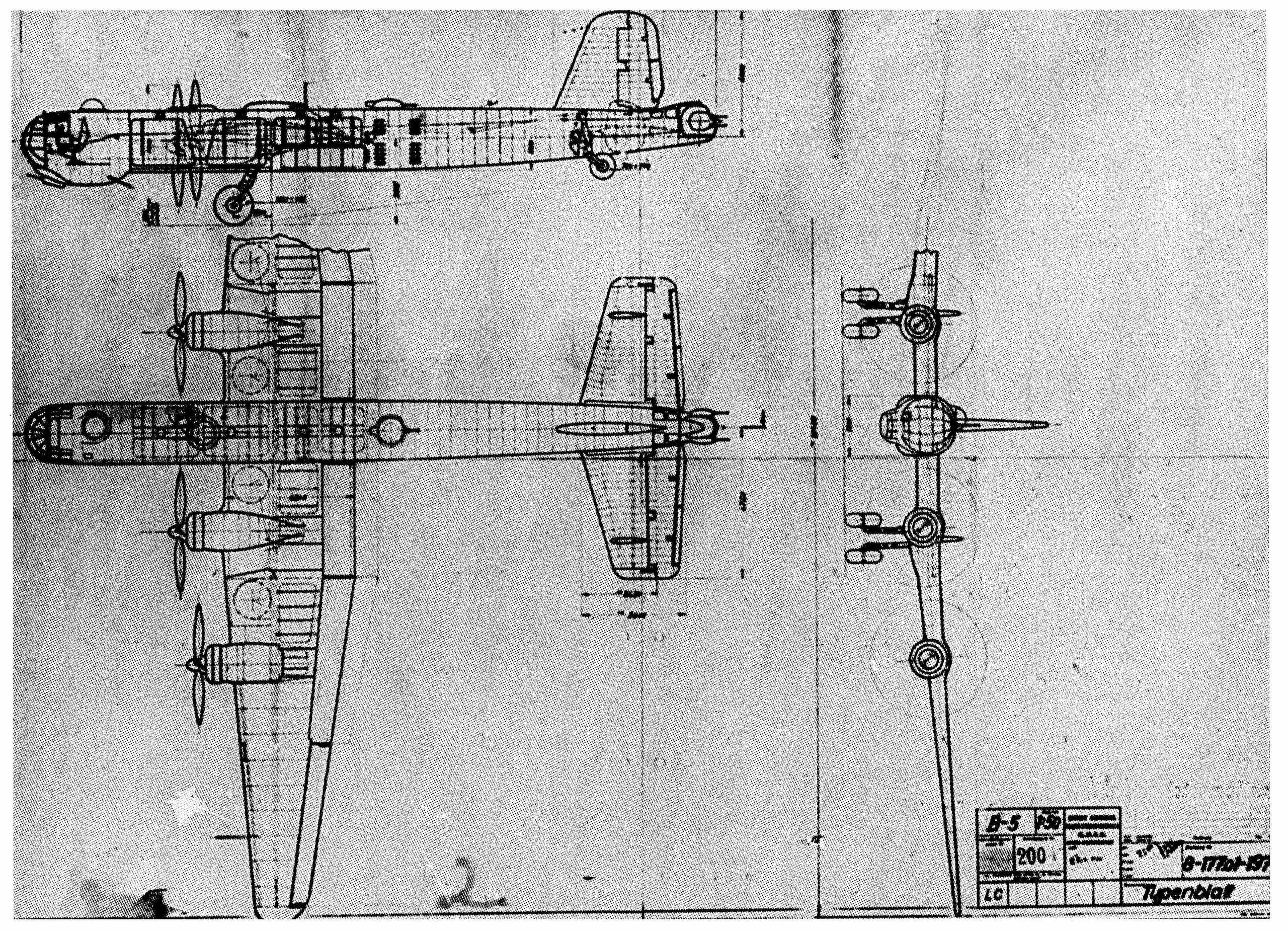
He 177 B-5

[Would you like to see this in-game?]
  • Yes
  • No
0 voters

He 177B (V101)

HISTORY AND DEVELOPMENT:

Spoiler

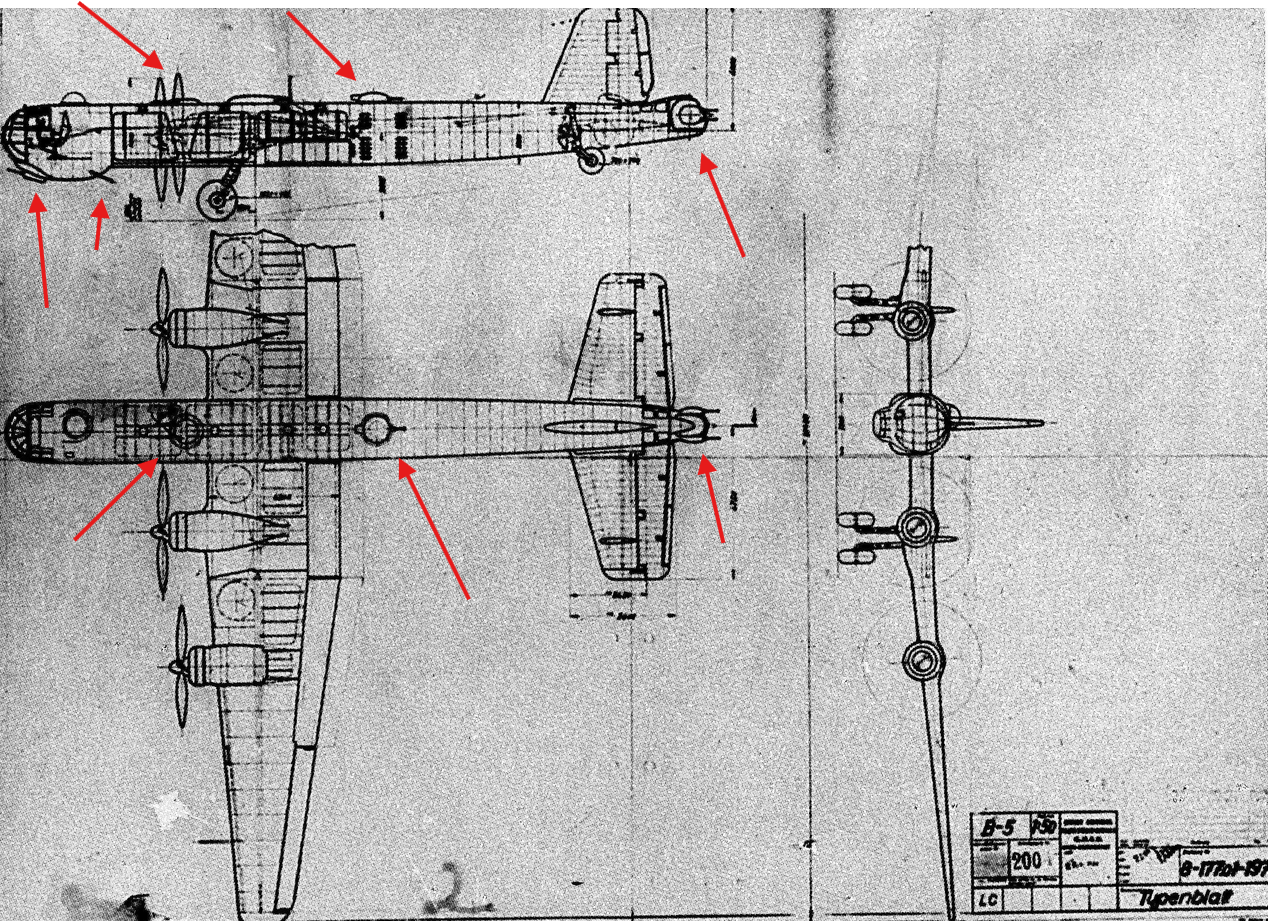
The He 177 B was the later, more developed version of the He 177 heavy bomber, intended to fix the severe problems of the original A-series. Its development began after the A-series showed major issues with its tandem engines and structural integrity, but its progress was hindered by Allied bombing raids on production facilities and Arado’s heavy involvement with its own advanced aircraft. The He 177 B was planned with a four-engine layout, which was more reliable, and saw prototypes begin flight testing in late 1943, but it never entered mass production before the end of the war.
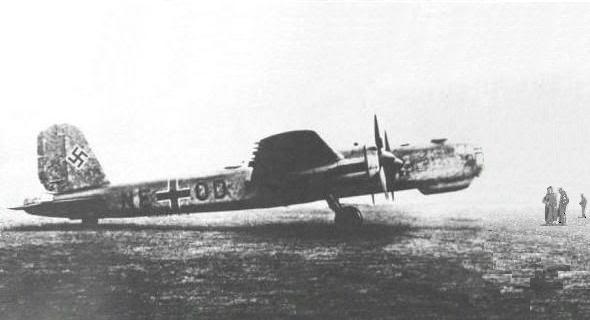
He177B-V102

The He 177A was Germany’s only operational heavy bomber but it was crippled by its coupled engine design (two engines bolted together per nacelle).
This caused chronic overheating, fires, and structural stress — earning it the nickname Luftwaffenfeuerzeug”* (Luftwaffe’s lighter).
By 1942, it was clear the A‑series could not fulfill the Luftwaffe’s strategic bomber role

The Redesign: Birth of the B‑Series

Spoiler

Heinkel proposed a clean redesign: the He 177B, with four separate Daimler‑Benz DB 603 engines in individual nacelles.
This solved the A‑series’ fatal flaw and aligned the aircraft with Allied heavy bombers (B‑17, Lancaster, B‑24).
Structural changes included:
Twin‑fin tail for stability.
Pressurized cockpit for high‑altitude operations.
Enlarged wingspan (~43 m) for greater lift and range.
Strengthened bomb bay** for very heavy ordnance

Why It Failed

Spoiler
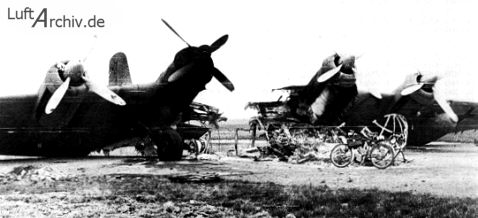
image

Despite solving the A‑series’ problems, the B‑5 came too late:
By 1944, Germany’s strategic situation was collapsing.
The Luftwaffe shifted resources to fighters (Me 262, Ta 152) and “wonder weapons” (V‑1, V‑2).
Only a handful of B‑series prototypes were completed at Heinkel’s Vienna‑Schwechat plant.
A production order was penciled in for autumn 1944, but never realized.

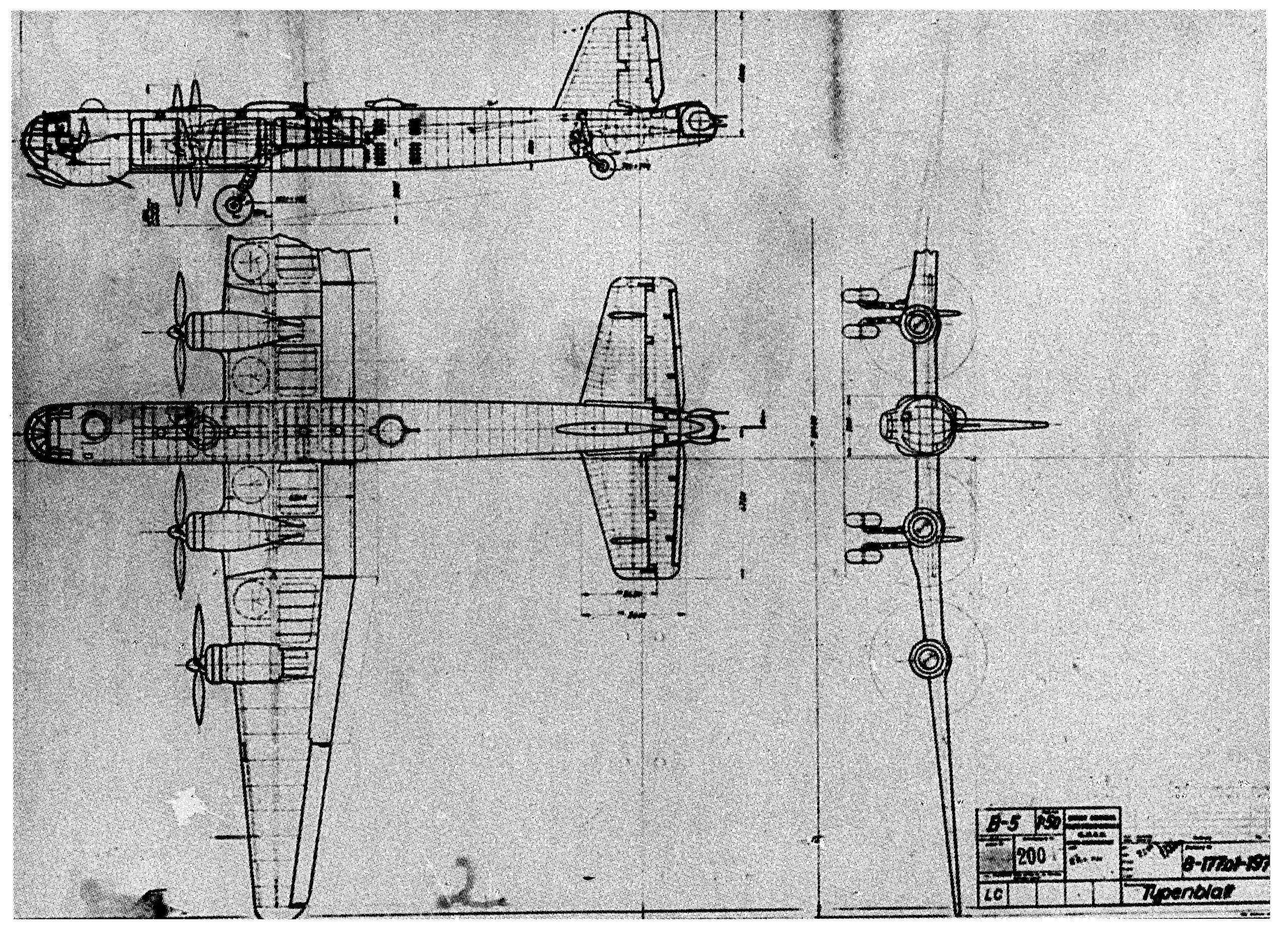
SPECIFICATIONS

General characteristics:

  • Crew: 6-7
  • Length: 22.0 m (61 ft 72/2 in)
  • Wingspan: 43.0 m 141ft)
  • Height: 6.9 m (22 ft 8 in)
  • Wing area: 135 m2 (1.450 sq ft)
  • Airfoil root: uknow tip: uknown
  • Empty weight: ~18,000 kg (39,700 lb)
  • Maximum loaded weight: 31,000–32,000 kg (≈70,000 lb)
  • Powerplant: : 4 × Daimler‑Benz DB 603A liquid‑cooled V‑12 engines, ~1,750 hp each

Performance:

  • Maximum speed: ~565 km/h (350 mph) at 6,000 m
  • Cruise speed: 480 km/h (300 mph)
  • Range: 6,000 km (3,700 mi) with 3,600 kg bomb load
  • Service ceiling: 10,000 m (32,800 ft)
  • Rate of climb: 5 m/s (1,000 ft/min)

PLANNED ARMAMENTS:

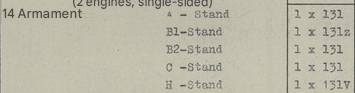
  • Nose turret: 1 × MG 151/20 (20 mm cannon)
  • Dorsal turret (forward): 2 × MG 151/20 (20 mm cannon)
  • Dorsal turret (rear): 2 × MG 151/20 (20 mm cannon)
  • Tail turret: 2 × MG 151/20 (20 mm cannon)
  • 500 rounds per gun
  • Ventral gondola (B‑Stand): 1 × MG 151/20 (20 mm cannon)
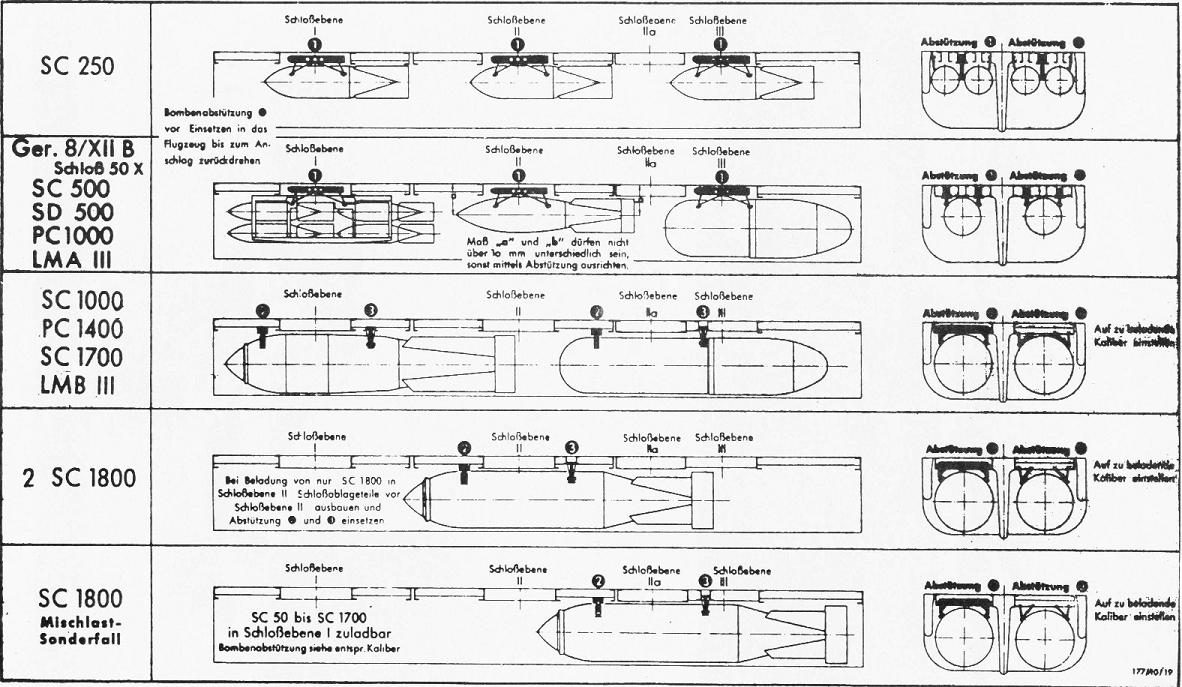
  • up to 7,200–7,500 kg (≈16,000 lb) of bombs
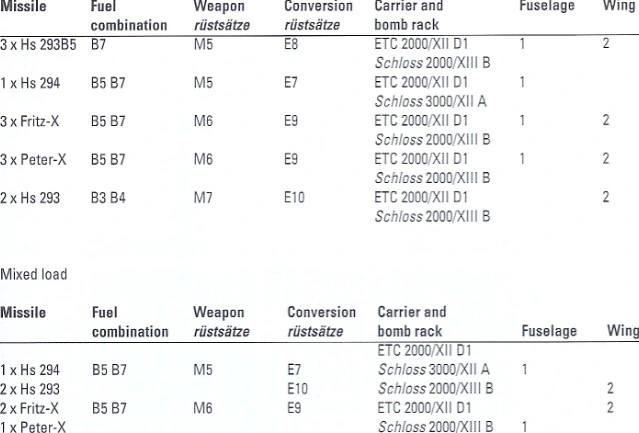
  • External racks: provision for Fritz‑X or Hs 293 guided bombs
Spoiler

23d3f6b3f3c30081b1bb019dde90117aa1438380_2_1000x793

Credit for @Ghost-King !

Sources:

Spoiler

Heinkel He 177 Greif - Wikipedia

Bundesarchiv (Germany) – Holds surviving Heinkel factory photos of the B‑series prototypes

IBCC Digital Archive – Contains photographs of He 177s in flight and on the ground
Heinkel He 177 · IBCC Digital Archive
Warbirds Resource Group – Luftwaffe Resource Center* – Provides a concise history of the He 177 program.
Luftwaffe Resource Center - German Luftwaffe (Air Force) from 1935-1945 - A Warbirds Resource Group Site

image

5 Likes

interesting never seen a 4 engine version of this airframe

1 Like

a young boy with long blonde hair is making a funny face with his mouth open|256x143.7433155080214

7 Likes

+1 would be very cool to see in the tree

2 Likes

converted_image

8 Likes

6 Likes

a large group of people wearing cowboy hats and top hats are standing in a line .|833x354.025

… anways
+1
Always fine with more domestic bombers for every nation, though I’d prefer bombers get more meaningful objectives first before adding more of them that turn into nothing burgers in the current meta.

+1 for an unique He177

2 Likes

+1

Germany when not over engineering something.

2 Likes
Spoiler

Screenshot 2026-02-04 233111

Fixed History and development spelling !
added planned to armaments

Am not sure if am allowed to add more info into the suggestion but here extra info about the other
He 177 B-5 Variants i will put them in comments

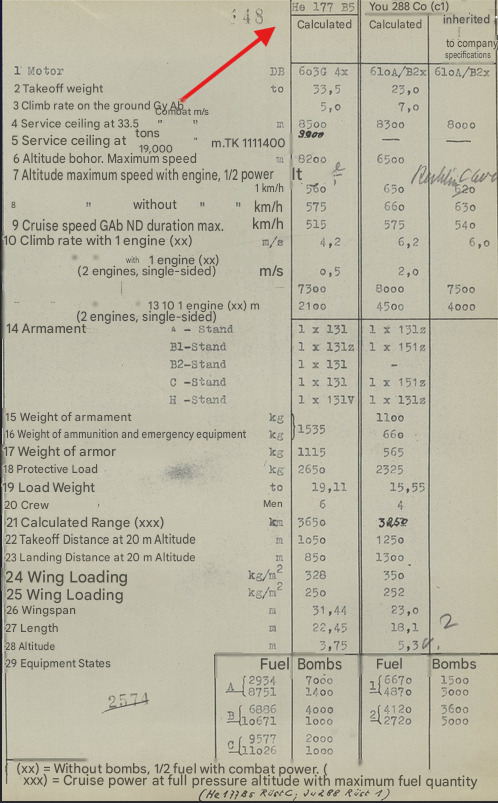
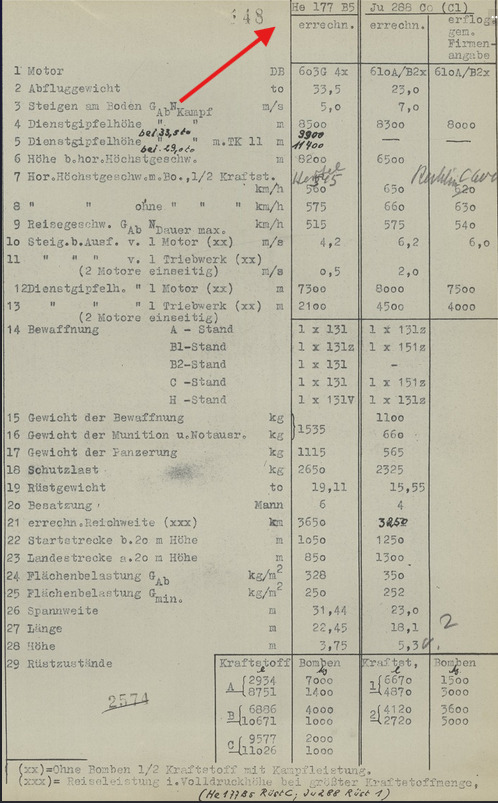
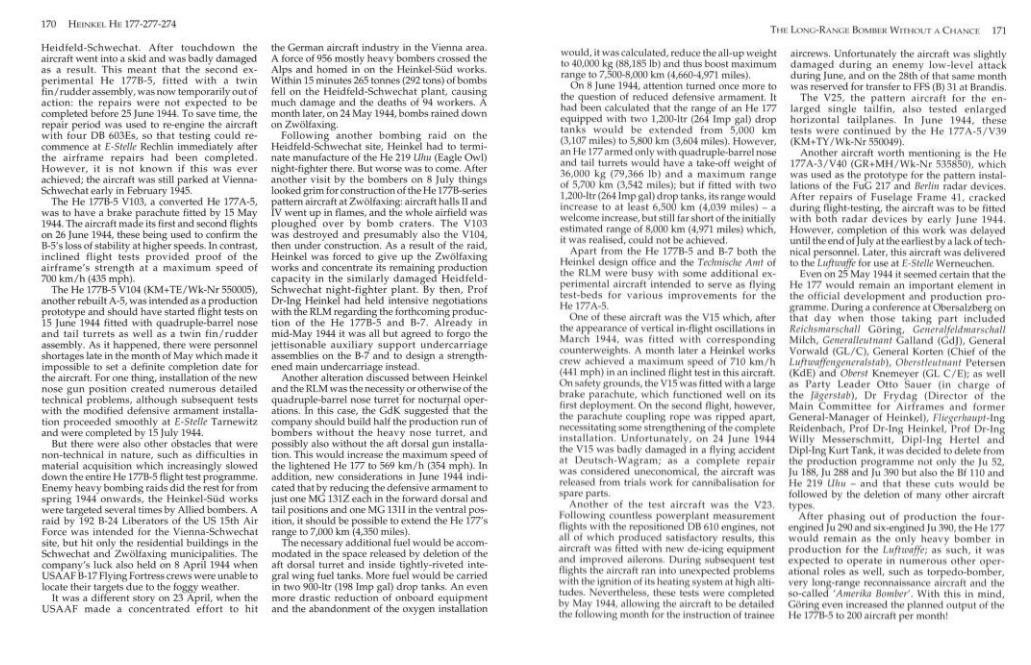
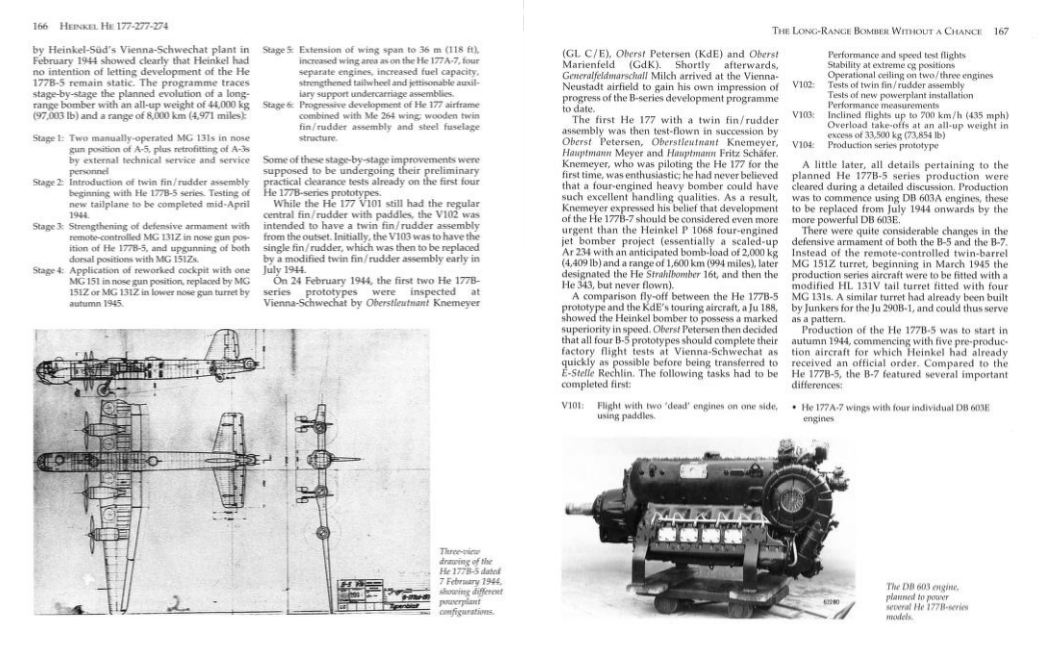
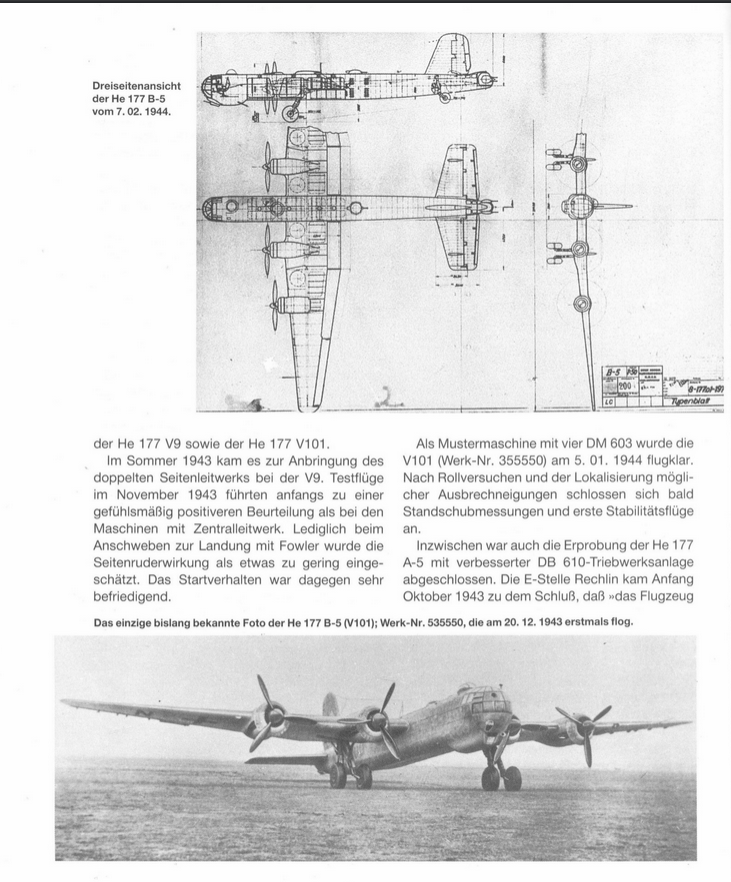
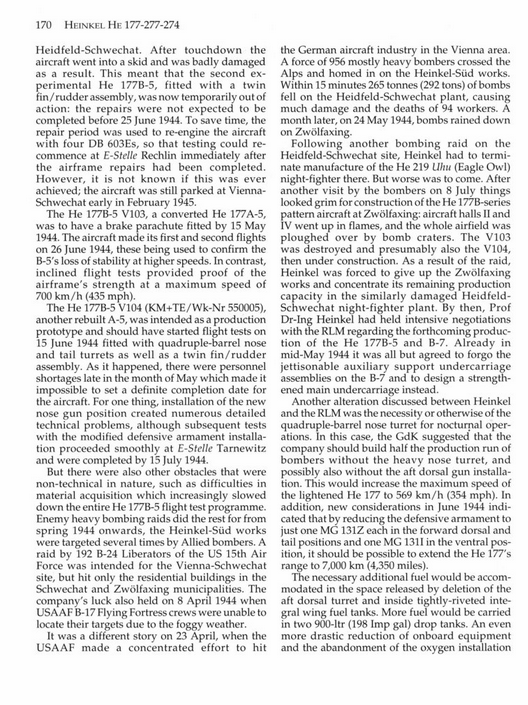
The He 177 B-5 had 4 prototypes built

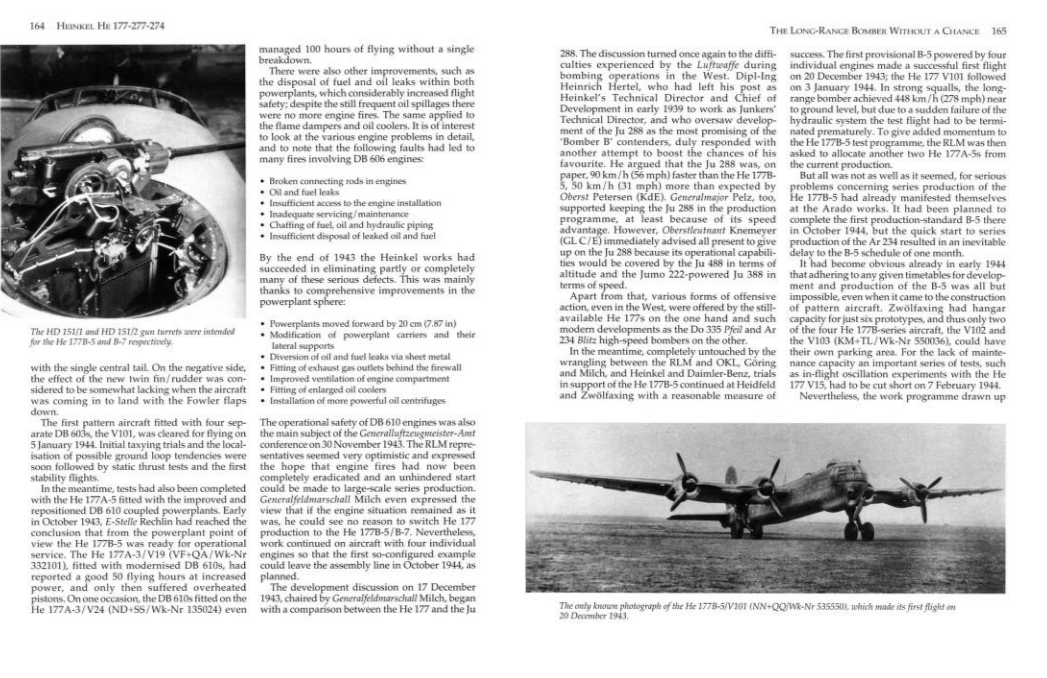
The He 177 V101 that can be seen in the thumbnail was never armed it was test !
The He 177 V102 was tested and flown
The He 177 V103 was tested and flown can reach speed of 700km
The He 177 V104 was built not flown this was the production Variant of the He 177 B-5 and can reach same speed as the V103 it used the He 177 A-5 air frame that we already have in game and was the armed prototype of the He 177 B-5

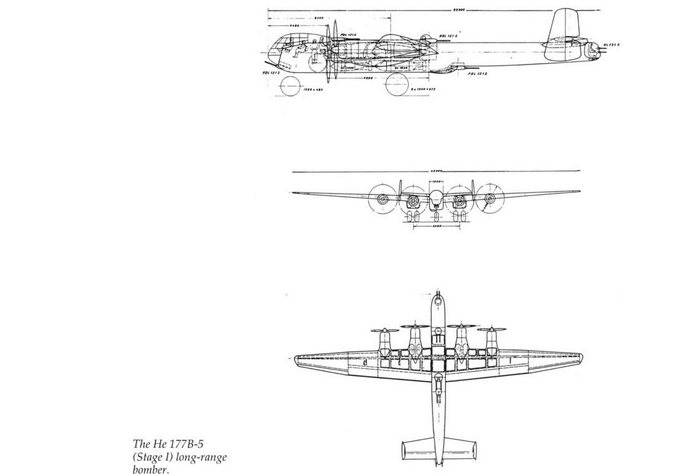
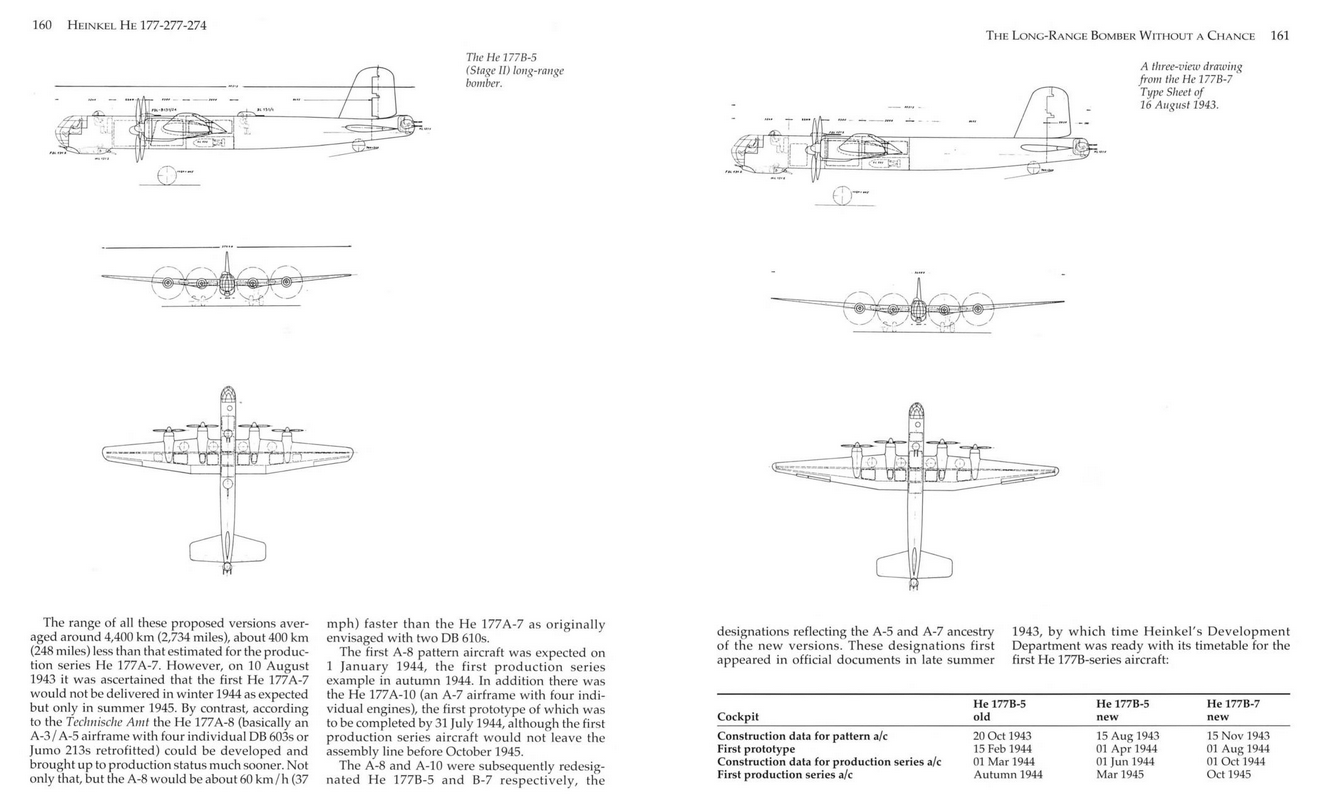
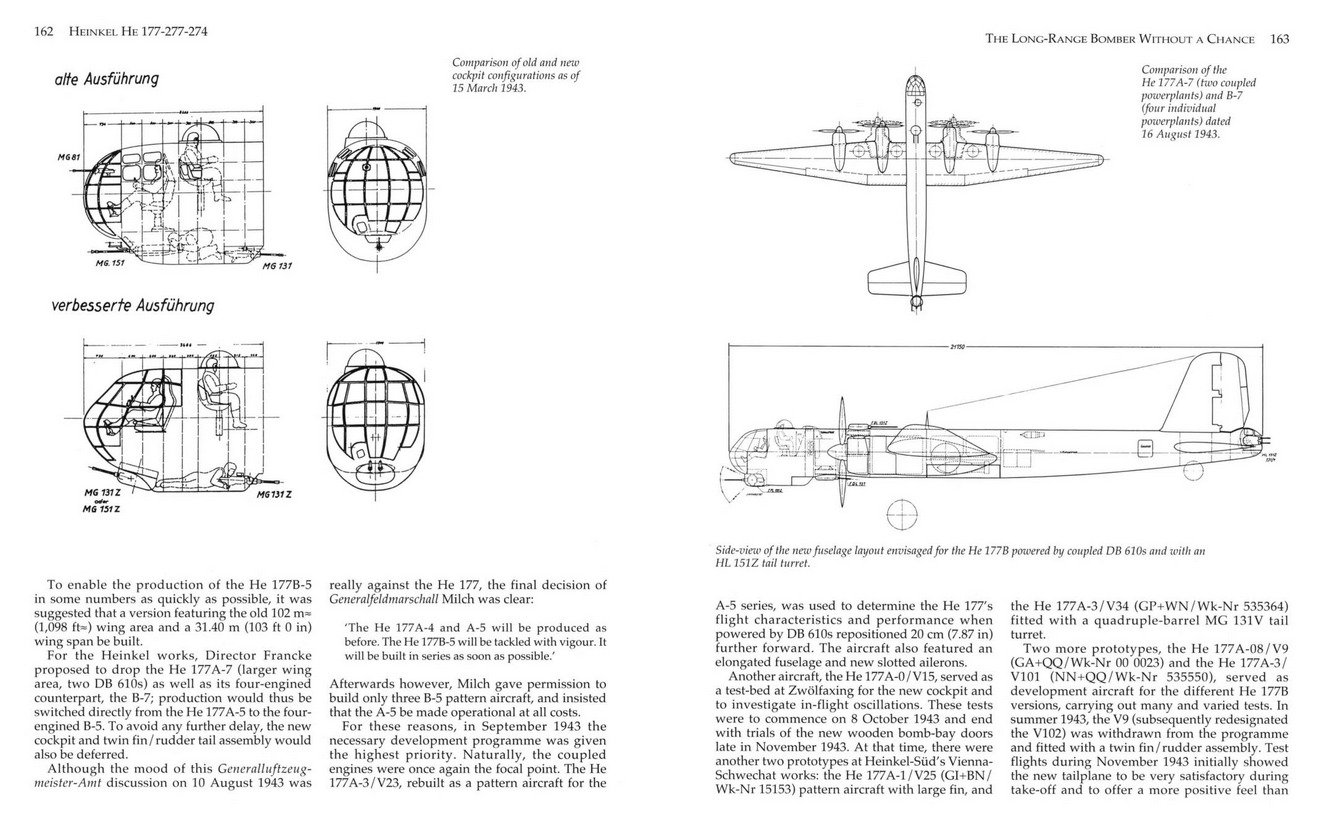
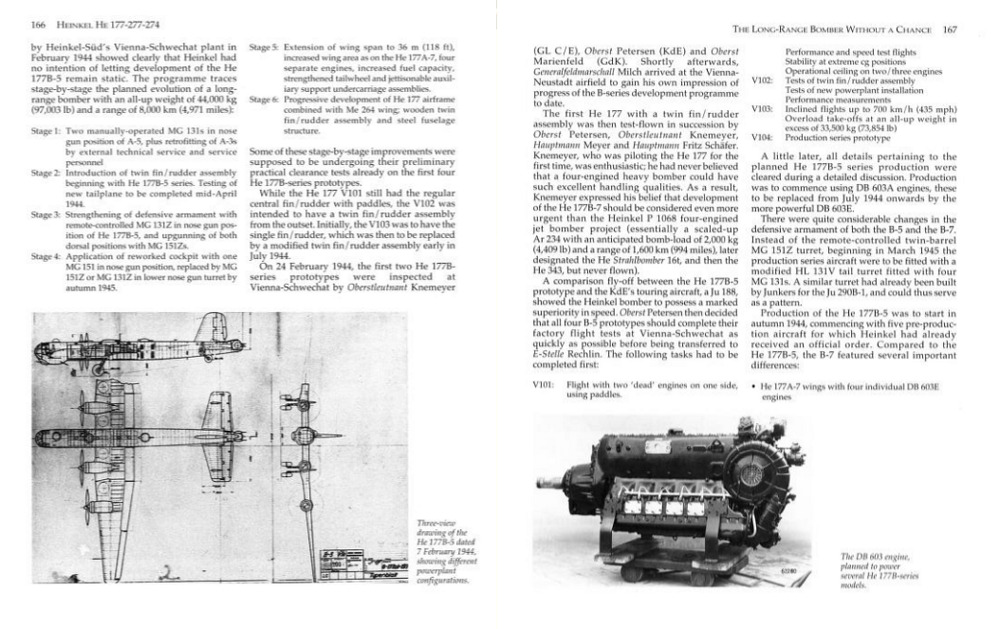
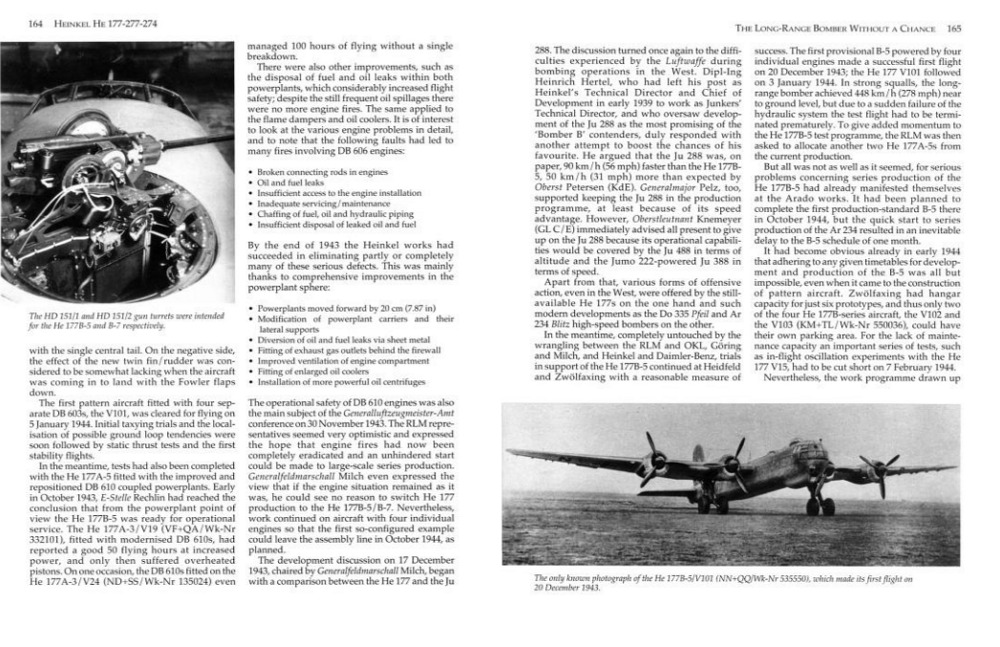
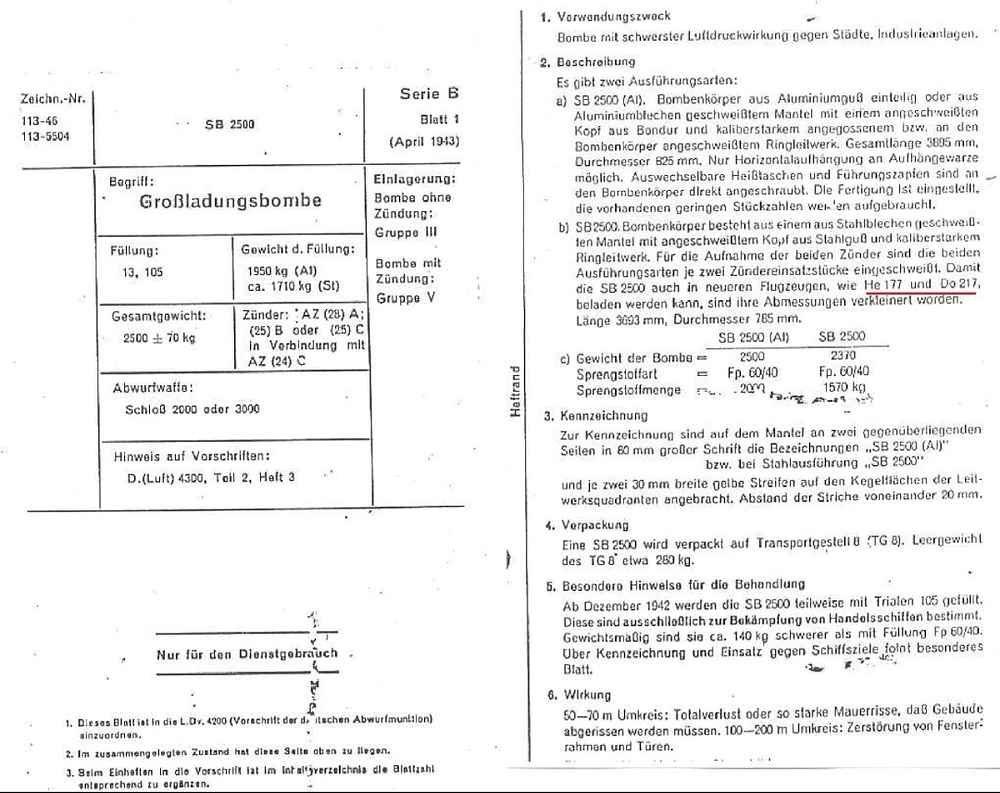
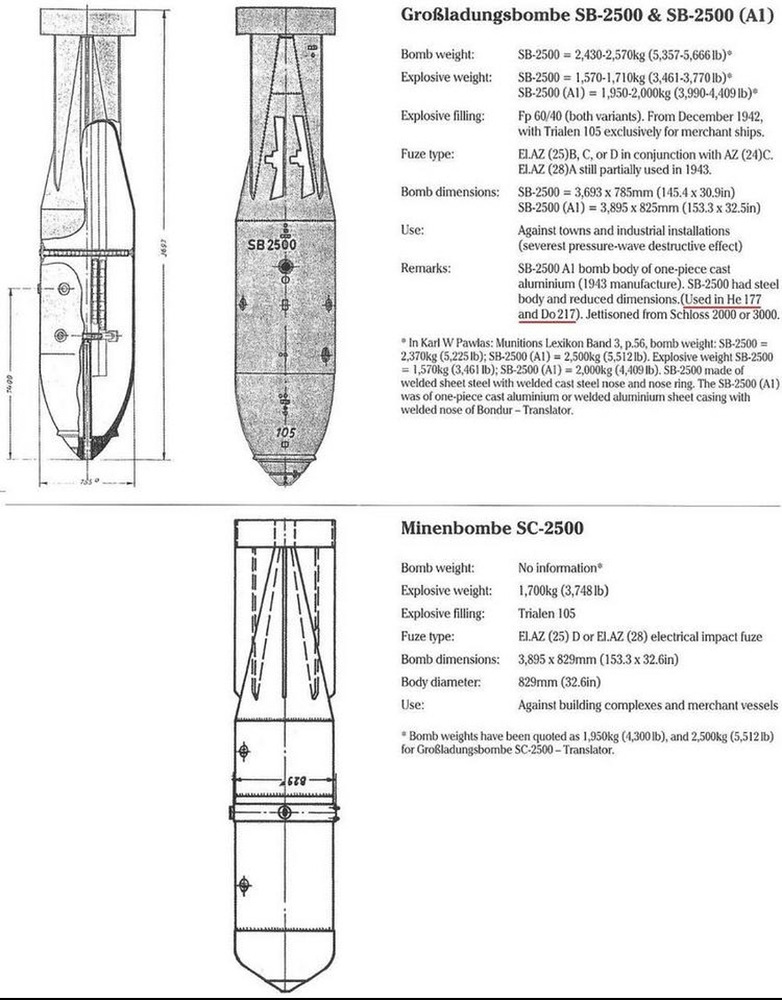
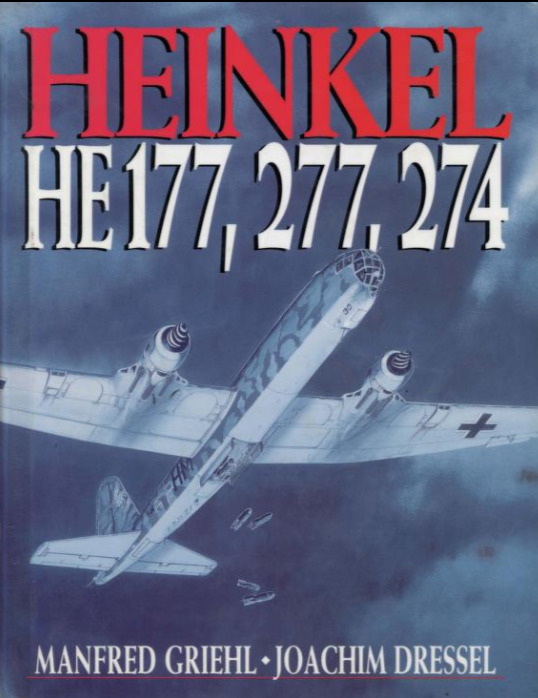
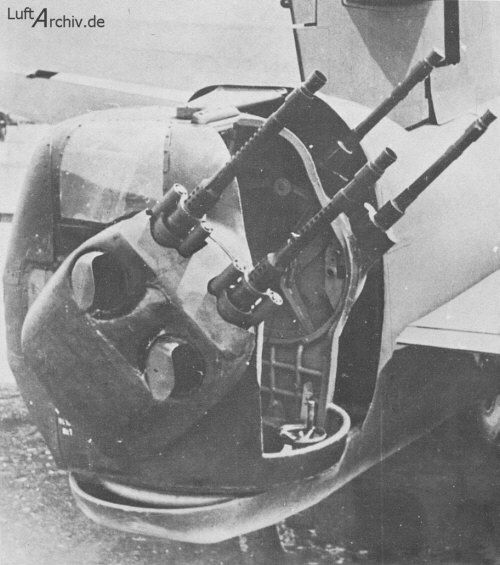
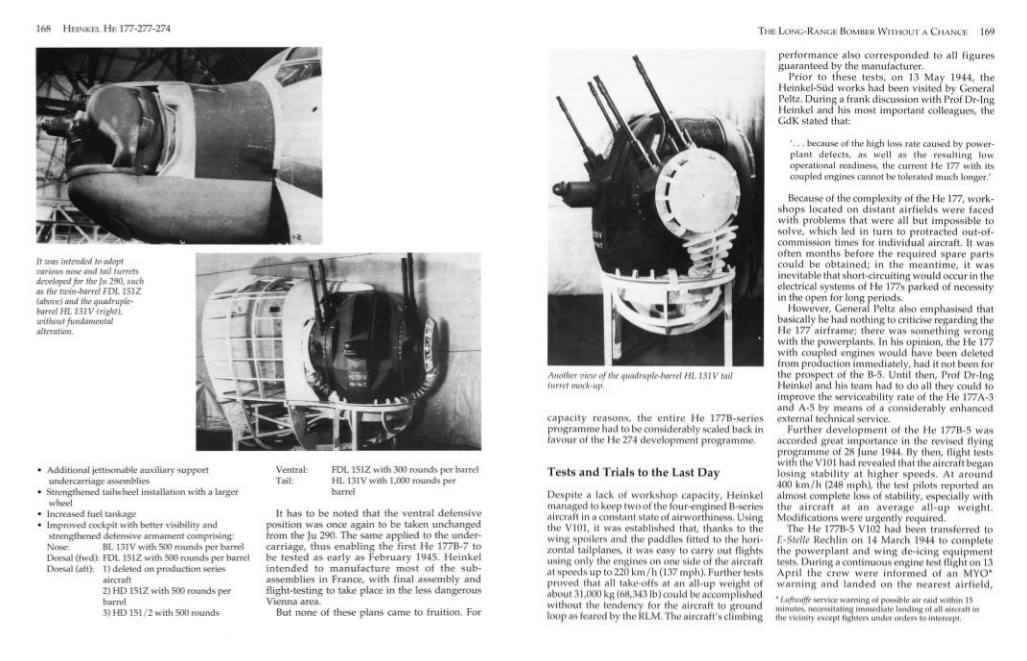
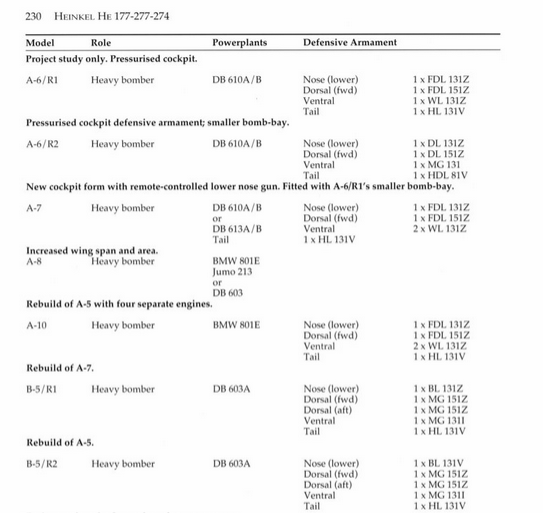
Extra images from books about other He 177 B-5

He 177 B-5 111

HL 131V mg 131 13mm

Screenshot 2026-02-23 212846

Extra info about the stats of the He 177 B-5 V104

bout the V104
The V104 was one of several prototypes (V101–V104) built from converted He 177A‑5 airframes to test the new configuration.
Designation: He 177 B‑5 V104 (KM+TE / Wk‑Nr 550005)

Purpose: Intended as the production prototype of the B‑5 series.

Planned to carry a full bomb load and test the new Heinkel remote‑controlled turret system.

Equipped with quadruple rear‑facing and tail turrets, making it one of the most heavily armed German bomber prototypes.

early 1944: Conversion from He 177A‑5 began at Vienna‑Schwechat.

15 June 1944: Scheduled to start flight tests with full bomb load and defensive armament.

June 1944: Work slowed due to personnel shortages; cockpit and rear fuselage installations were incomplete.

July 1944: Allied bombing raids devastated the Schwechat facility. V104, still parked and unfinished, was destroyed on the ground.

Performance & Testing
Planned Trials:

Technical flights up to ~700 km/h (435 mph).

Bombing trials with ~4,000 kg payload.

Reality: V104 never flew. Only V102 and V103 achieved test flights; V104 remained incomplete

Armament (from IRL sources)
Nose turret: HL 131V with 4 × MG 131 (13 mm)

Forward dorsal turret: FDL 151Z with 2 × MG 151/20 (20 mm)

Aft dorsal turret: HD 151Z with 2 × MG 151/20 (20 mm)

Ventral gondola: FDL 151Z with 2 × MG 151/20 (20 mm)

Tail turret: HL 131V with 4 × MG 131 (13 mm)

Bomb load: Up to 7,000 kg internally; provision for Fritz‑X or Hs 293 guided bombs
Performance (Planned/Documented)
Max speed: ~700 km/h (435 mph) in technical trials.

Cruise speed: ~480–500 km/h (300–310 mph).

Range: ~5,700 km standard; ~6,500 km with drop tanks.

Ceiling: ~10,000 m (32,800 ft).

Takeoff weight: ~36,000–40,000 kg.

Thanks for reading
yapping-yapping-anime

4 Likes

I think you can but ask a mod as I have seen people add new images that where found by the community of stuff.

1 Like

I don’t get it

back in my day we had one funny number and it was 69

This is really cool! That’s a LOT of defensive 151s. Would be well-protected! +1

1 Like